
 Group Tour
5D/4N
Sainj Valley and Shangarh Group Trip
3D Shangarh
₹8,499₹12,499SAVE INR 4,000/ person
Best Offbeat Himachal Tour Packages Curated By Experts
Group Tour3D Shangarh
 Group Tour
1D Kharapathar / Kotkhai•1D Rohru / Chirgaon (Pabbar Valley)
 Group Tour
2D Tirthan Valley•1D Shangarh (Sainj Valley)
 Group Tour
2D Jibhi•2D Shangarh (Sainj Valley)+3
Most people picture Himachal as Shimla, Manali, and Kasol. That is one Himachal. There is another one, quieter and slower, made of apple villages, forest homestays, river valleys, and high meadows where you wake up without a crowd outside your window.
Offbeat Himachal is not a single place. It is the part of the state most tour buses skip. It usually means basic but warm stays, longer drives on narrower roads, patchy network, and far fewer cafes. In return, you get space, silence, real village culture, and a Himachal that still feels like itself.
We are a Himachal based travel company, and these are the valleys we travel. Every offbeat Himachal tour package here is planned by people who drive these roads, stay in these villages, and know which months and which routes actually work.
Prefer the classic circuits, or want to pair a quiet valley with them? Compare all our Himachal tour packages, including the Shimla, Manali and Dharamshala routes.
Offbeat Himachal rewards local knowledge more than almost any other kind of trip. The places are beautiful, but they are also spread out, weather sensitive, and short on infrastructure. Planning them well is the whole game.
Offbeat gets used loosely in travel marketing, so it helps to be clear about what it actually means on the ground in Himachal. For us, an offbeat Himachal destination usually means fewer crowds even in peak season, village stays and homestays instead of big hotels, longer drives on narrower and rougher roads, patchy mobile network and limited or unreliable ATMs, real local culture and food and slower days, and nature at the centre: meadows, forests, rivers, orchards, and high passes.
Here is the honest part. Offbeat is a trade. You give up some comfort, some convenience, and some connectivity. What you get back is quiet, space, and a more real version of Himachal than the mainstream towns can offer. If that trade sounds right to you, this is your kind of trip.
Himachal has more offbeat valleys than most travellers realise, spread across the state. Here are the ones worth your time, grouped by region so you can see how they fit together. Where we have a detailed guide for a valley, we have linked it so you can go deeper.
Tirthan Valley is a riverside valley next to the Great Himalayan National Park, a UNESCO World Heritage Site. Trout fishing, forest hikes, and slow days by the Tirthan river. One of the most loved offbeat valleys in Himachal, and a strong pick for a first offbeat trip. Best for nature lovers and couples.
Jibhi is a small village of wooden homes, forest trails, and quiet waterfalls in the Banjar valley. Still calm if you stay a little away from the main road. Best for slow travel and first-time offbeat travellers.
Shoja and Jalori Pass sit in a high forest belt above Jibhi, the base for the short Serolsar Lake trek and the Jalori Pass viewpoint. Cool, green, and very quiet. Best for trekkers who want height without a hard climb.
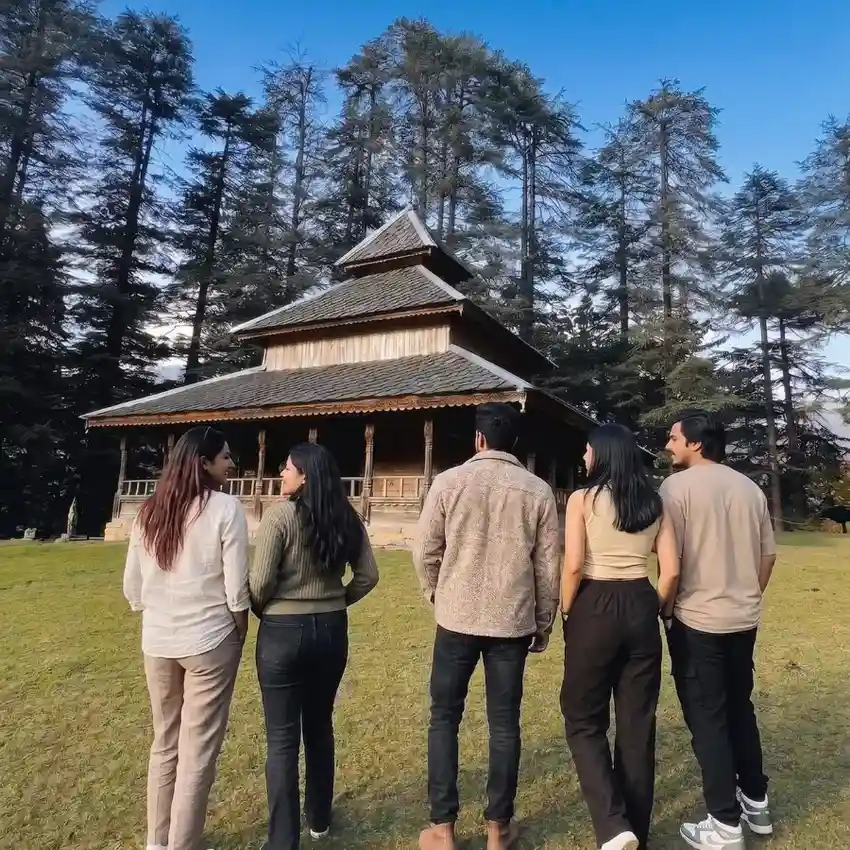
Shangarh and the wider Sainj Valley hold a wide alpine meadow ringed by deodar forest, with the old Shangchul Mahadev temple nearby. One of the most beautiful open spaces in Himachal that most tourists have never heard of. Best for meadow lovers and photographers.
Kalpa is a village in Kinnaur with a clear view of the Kinner Kailash range, old wooden temples, and apple orchards on every slope. On the map but still raw. Best for photography and peaceful stays.
Chitkul is often called the last inhabited village before the Indo-Tibet border, on the banks of the Baspa river. Wide skies, cold clean air, and a real end-of-the-road feeling. Best for offbeat seekers who want to stand somewhere remote.
Sangla, Rakcham and Batseri are the villages of the Baspa valley below Chitkul, with orchards, cobbled lanes, and old Himachali homes. Rakcham and Batseri are quieter than Sangla and worth the extra stop. Best for slow valley travel.
Nako is a high-altitude village and small lake on the road towards Spiti, a natural pause on the Kinnaur to Spiti route. Best for road trippers.
Spiti Valley is the cold desert of Himachal, with ancient monasteries, the high villages of Langza, Hikkim, and Komic, and some of the clearest night skies in the country. A bigger, harder trip than the green valleys, and a different world entirely. Best for adventure and culture.
Keylong and Sissu are riverside Lahaul towns with waterfalls, quiet stays, and easy access through the Atal Tunnel. Good as a base or as an add-on to a Spiti loop. Best for road trips and Spiti combinations.
Pangi Valley, reached through Killar and Dharwas, is one of the remotest valleys in all of Himachal, on hard, exposed roads. This is deep offbeat travel for the experienced and the prepared, not a casual trip. Best for hardcore offbeat explorers.
Kasol and the Parvati Valley bring riverside cafes and the gateway to the deeper Parvati villages. Kasol itself is busier now, but it is still the entry point to quieter Parvati hamlets. Best for backpackers and first-time mountain travellers.
Tosh and Kheerganga are high Parvati hamlets and a popular hot-spring trek above the valley. Greener and younger in feel than the Kinnaur side. Best for trekkers and young travellers.
Malana is an old, isolated village with its own customs and rules. Worth visiting with genuine respect for local traditions and boundaries. Best for travellers curious about culture, who will follow local norms.
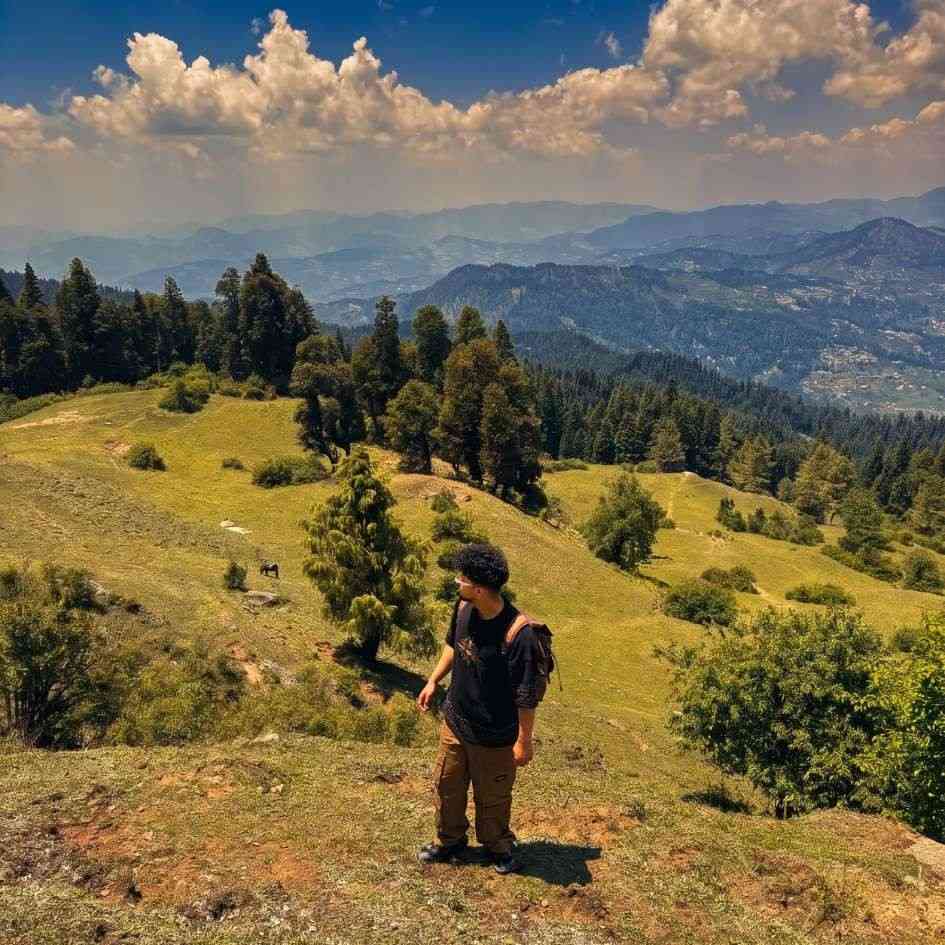
Chanshal Pass is one of the most beautiful offbeat passes in Himachal, above the Rohru and Dodra Kwar side, with raw roads and wide open ridges. Still very quiet. Best for road trippers and experienced bikers.
The Pabbar Valley and Rohru bring apple orchards, river bends, and quiet villages on the way to Chanshal. The valley drive is a big part of the experience, not just the pass. Best for slow travel.
Dodra Kwar is a remote region beyond Chanshal Pass, connected by a road that depends heavily on weather. For travellers who want to go past the usual end point. Best for deep offbeat road trips.
Barot Valley is a riverside valley in Mandi district with trout, the Uhl river, terraced fields, and almost no crowds. Quietly one of the best camping valleys in Himachal. Best for camping and nature.
Bir Billing is known as a paragliding capital, but also a calm, Tibetan-influenced base with monasteries and slow cafes once the flying is done. Best for a mix of adventure and rest.
Janjehli and Shikari Devi are forested hamlets on the Mandi side, with the trek to the Shikari Devi temple ridge. Very few travellers come this way. Best for trekkers and quiet seekers.
Sethan is a small village near Manali known for snow and igloo stays in winter. A short drive from Manali but a different world in the cold months. Best for snow and winter adventure.
Offbeat Himachal is not a single trip, so we plan it as a set of formats. Pick the one that matches your time and travel style, and we will build it around the valleys you want.
Because offbeat valleys are spread across Himachal, your best start point depends on which valley you choose. Here is how the main start cities work.
Most offbeat Himachal trips from Delhi begin with an overnight Volvo to the nearest base town, then continue by road into the valley. Depending on the destination, the full trip runs from 4 to 9 days. This suits travellers from Delhi NCR, Noida, Gurugram, Faridabad, and the wider North India belt. For the Banjar and Sainj side, the overnight bus goes to Aut. For Kinnaur, Pabbar, and Chanshal, it goes towards Shimla. For Parvati, it goes towards Bhuntar and Kasol.
Chandigarh is a more comfortable start for most offbeat valleys because it cuts out the long plains drive. You can plan a slightly shorter, easier trip. This suits travellers from Chandigarh, Mohali, Panchkula, Punjab, and Haryana. Pickup can be arranged from the airport, railway station, ISBT, or your hotel.
Shimla is the easiest in-state start for the Kinnaur, Pabbar Valley, Chanshal, and upper Shimla offbeat routes. If you are already in Himachal or flying into the region, starting from Shimla saves a long road leg.
Bhuntar (Kullu) airport is the closest to the Banjar and Parvati side, with limited flights. Chandigarh remains the most practical hub airport for most offbeat trips. Because the last stretch into any offbeat valley is usually a road leg on rough roads, a planned trip or private vehicle is almost always better than public transport for the final part of the journey.
Different offbeat valleys peak at different times, so the best month depends on where you are going. Here is the year at a glance.
Road and pass conditions change with weather every season. We confirm the latest status before planning any trip, and we will tell you honestly if your dates and chosen valley do not match.
Offbeat Himachal spans the whole state, so the route depends on which region you are heading to.
One honest point worth knowing. Most offbeat valleys need a road leg beyond the nearest town, often on narrow or rough roads. For that last stretch, a planned trip or a private vehicle is usually far better than public transport. Confirm the latest road status with us or with locals before you travel.
The right offbeat valley depends on who is travelling and what you want from the trip.
Offbeat Himachal is a rewarding trip for the right traveller and a frustrating one for the wrong fit. It is worth being honest about both.
If you want a comfort-first holiday, we will tell you honestly. In that case we may suggest a softer offbeat valley, or a more mainstream Himachal trip that fits you better. We would rather match you to the right trip than sell you the wrong one.
Network in offbeat Himachal is uneven. BSNL and Jio work in the bigger offbeat towns, but deeper valleys and high passes are often off network entirely. Tell people at home that you may be off grid for parts of the trip, and keep offline maps where you can.
ATMs exist in towns like Rohru, Reckong Peo, Kaza, and Banjar, but they can be unreliable and run out of cash. Withdraw what you need before heading into a deeper valley. UPI is patchy wherever the network is weak, so carry some cash for small shops, food, and local payments.
Some offbeat areas, including Spiti, Chanshal, and Chitkul, are high altitude. Acclimatise, hydrate well, and avoid overexerting on the first day at height. Roads into offbeat valleys can be rough and weather dependent, so always keep buffer time, especially in monsoon and shoulder season.
Pack for fast weather changes, basic stays, and limited shopping, but do not over-pack for the gentler green valleys.
Offbeat Himachal cost depends on which valley you choose, how long you go, your start city, and whether you travel group or private. Because the valleys are so different, from a short weekend in Tirthan to a multi-valley circuit through Kinnaur and Spiti, there is no single price for an offbeat Himachal trip.
What a trip costs comes down to duration, the valleys on your route, your start city, and whether you travel as a group or privately. Share your dates and the valleys you have in mind, and we will send clear pricing with a full breakdown.
Usually included: accommodation, vehicle and driver, selected meals, route planning, tolls and parking, and basic trip support. Usually extra: lunches on driving days, personal expenses, entry tickets, optional activities, any cost from roadblocks or weather changes, and GST if applicable.
We plan and run offbeat Himachal tour packages across the whole state, from the green valleys of Tirthan and Jibhi to the cold desert of Spiti and the high ridges of Chanshal. We travel these routes ourselves, plan them honestly, and support you through the trip with a real person you can reach.
Tell us your dates, your group, and what you want from the trip. We will suggest the right valley, share clear pricing, and plan an offbeat Himachal trip that actually fits you. The quiet side of Himachal is still here, and we will help you find it.
4 packages found
Group Tour1D Kharapathar / Kotkhai•1D Rohru / Chirgaon (Pabbar Valley)
Group Tour2D Tirthan Valley•1D Shangarh (Sainj Valley)
Group Tour3D Shangarh
Group Tour2D Jibhi•2D Shangarh (Sainj Valley)+3
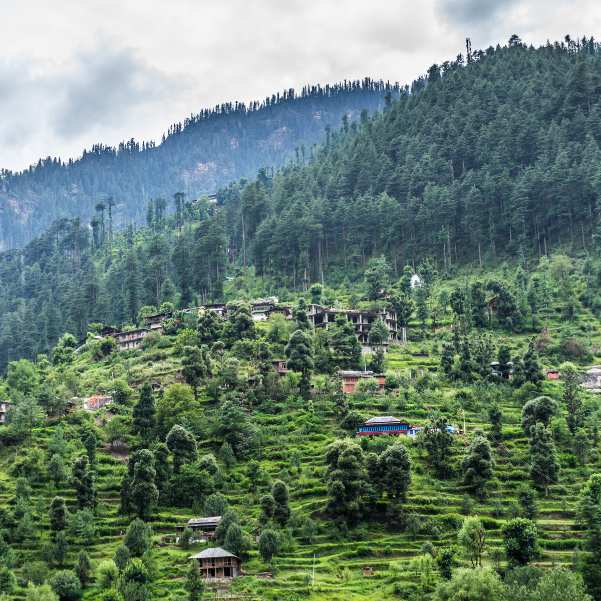
A riverside valley beside the Great Himalayan National Park, a UNESCO World Heritage Site. Trout fishing, forest hikes, and slow days by the river. The strongest pick for a first offbeat trip.
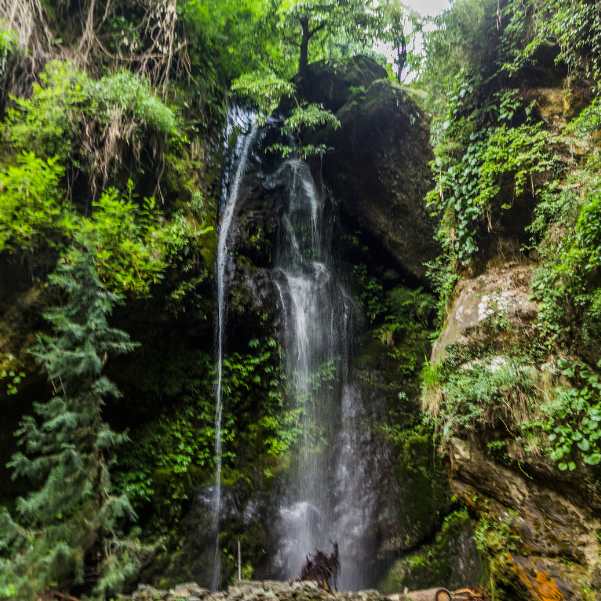
A small Banjar village of wooden homes, forest trails, and quiet waterfalls. Still calm if you stay a little away from the main road. Best for slow travel and first-time offbeat travellers.
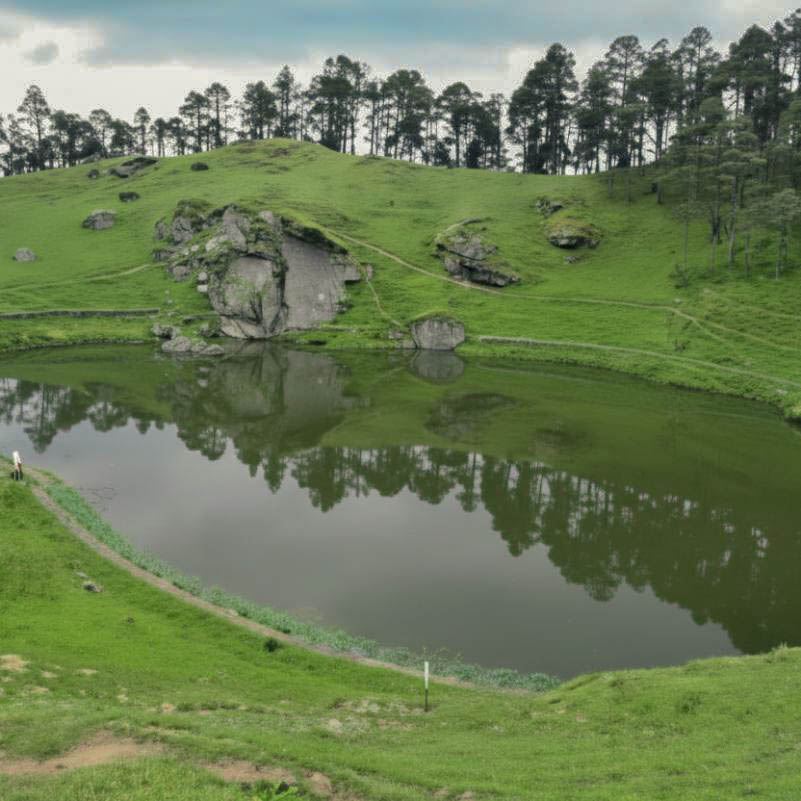
A high forest pass above Jibhi and the base for the short Serolsar Lake trek. Cool, green, and very quiet. Best for trekkers who want height without a hard climb.
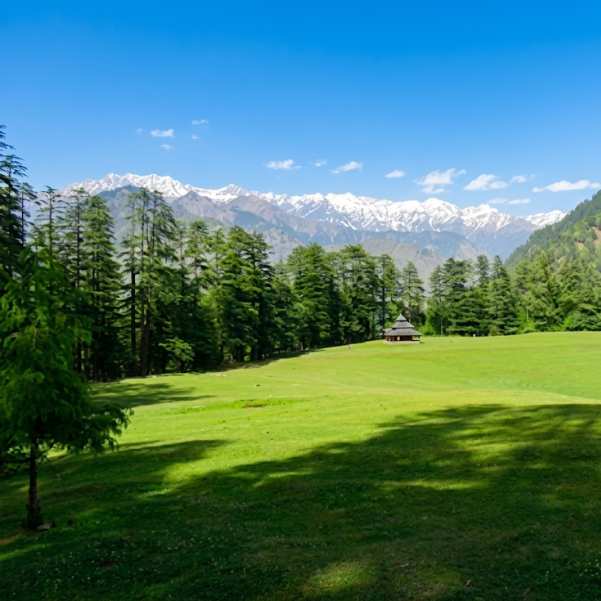
A wide alpine meadow ringed by deodar forest in the Sainj valley, with the old Shangchul Mahadev temple nearby. One of the most beautiful open spaces in Himachal. Best for meadow lovers and photographers.
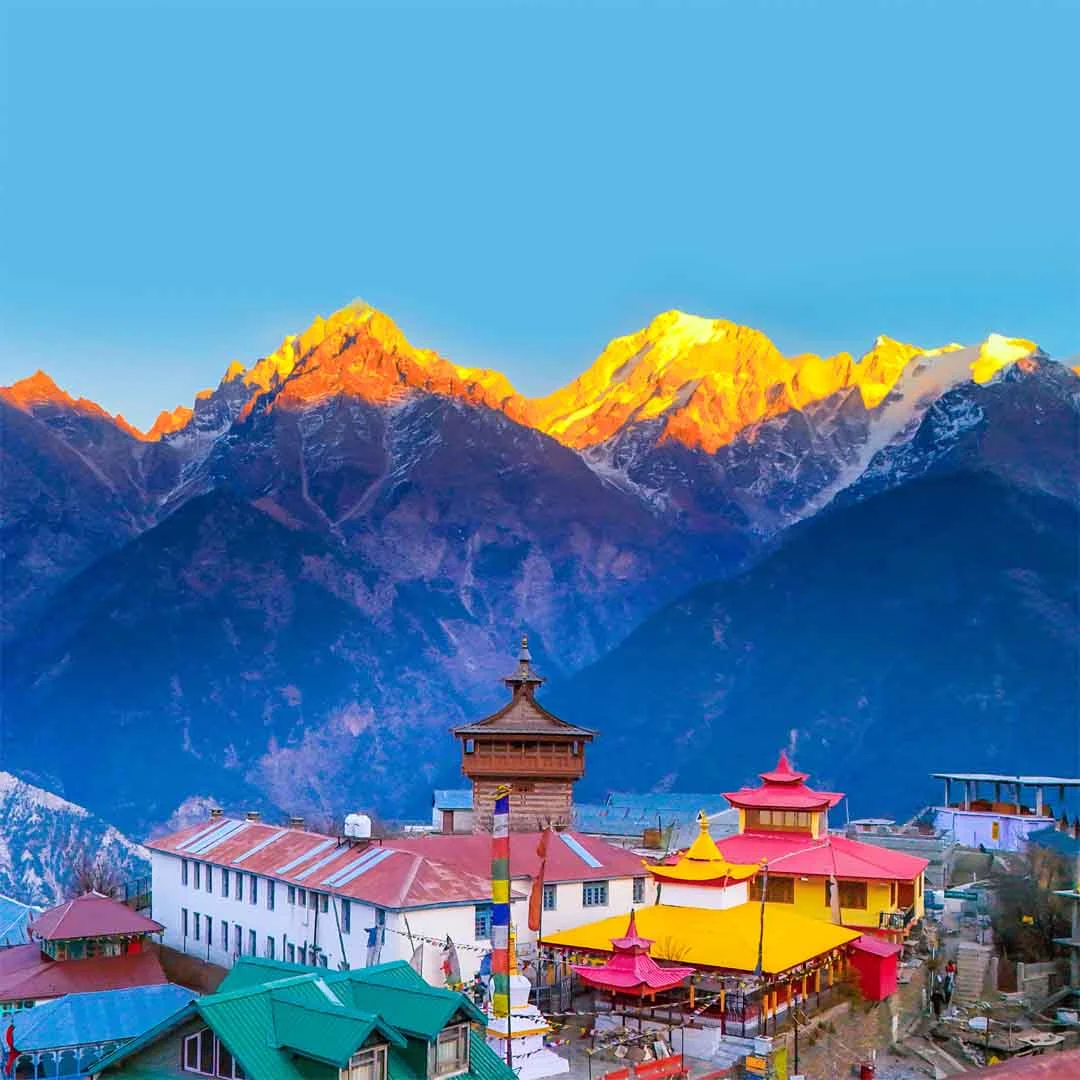
A Kinnaur village with a clear view of the Kinner Kailash range, old wooden temples, and apple orchards on every slope. On the map but still raw. Best for photography and peaceful stays.
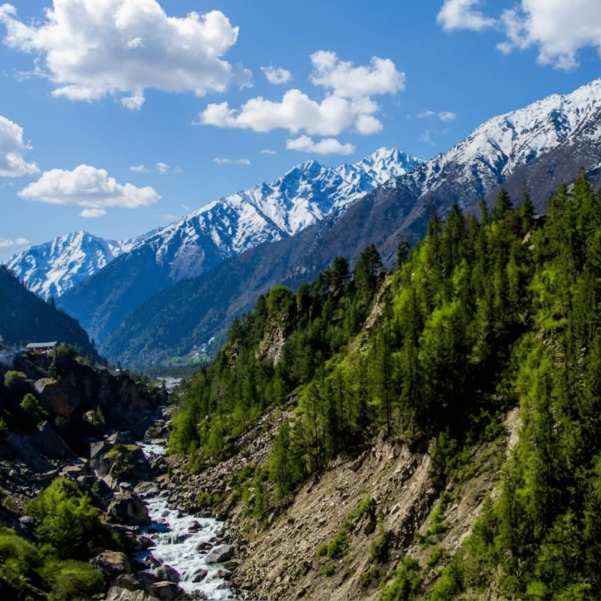
Often called the last inhabited village before the Indo-Tibet border, on the banks of the Baspa river. Wide skies, cold clean air, and a real end-of-the-road feeling. Best for offbeat seekers.
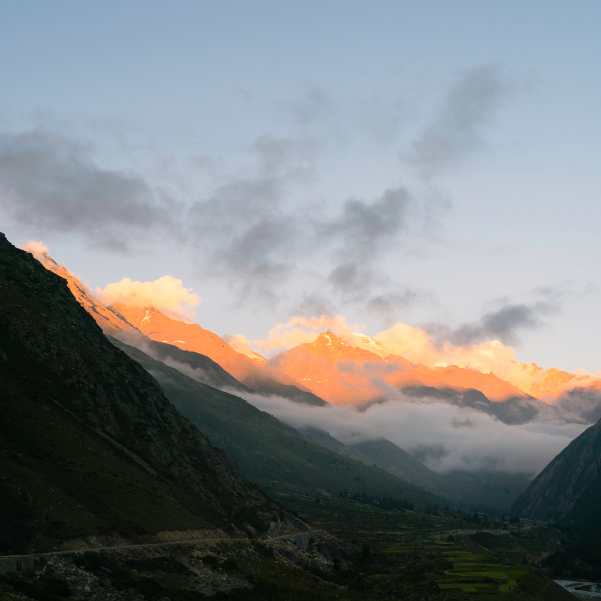
The Baspa valley villages below Chitkul, with orchards, cobbled lanes, and old Himachali homes. Rakcham and Batseri are quieter than Sangla and worth the extra stop. Best for slow valley travel.
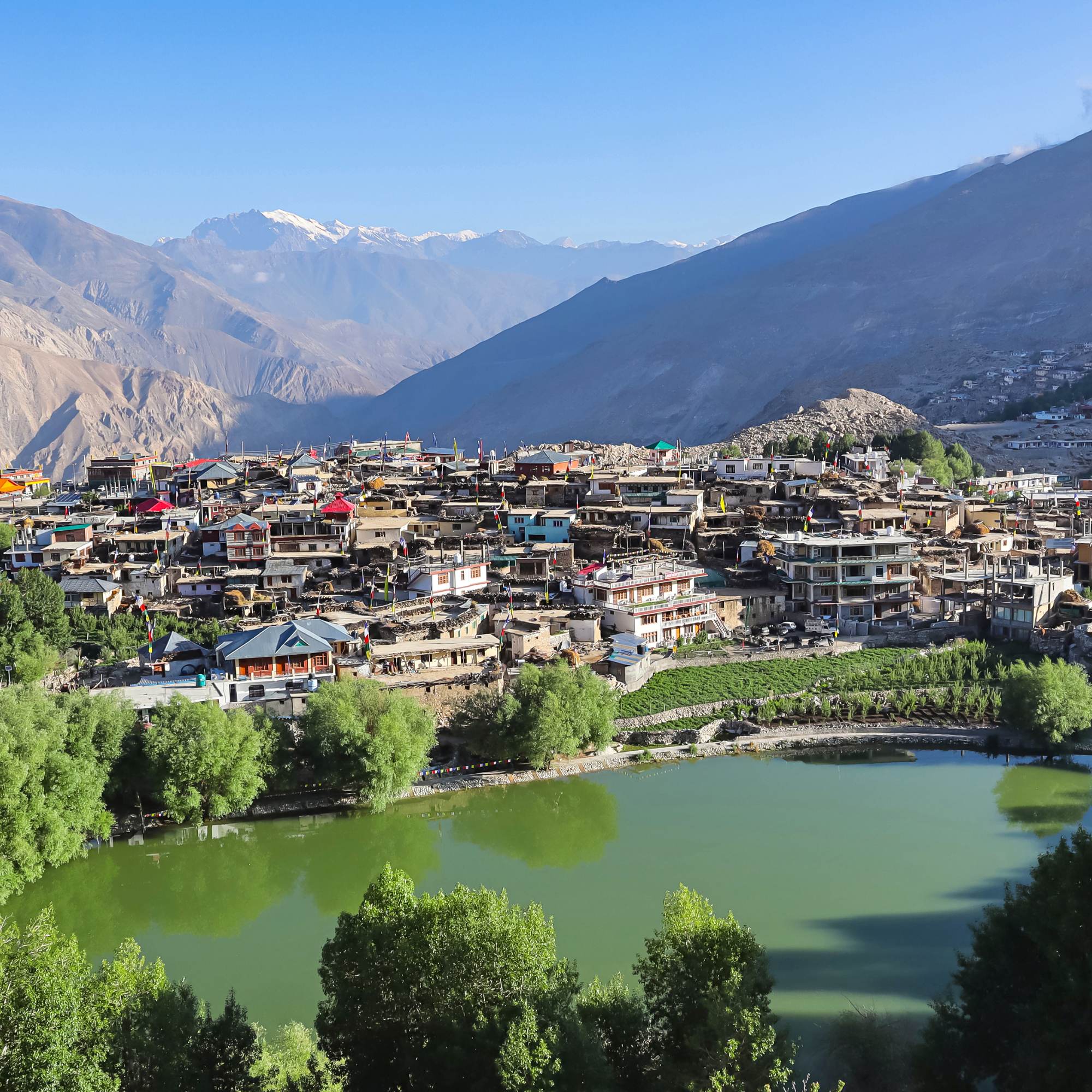
A high-altitude village and small lake on the road towards Spiti, a natural pause on the Kinnaur to Spiti route. Wide, bare, and beautiful. Best for road trippers.
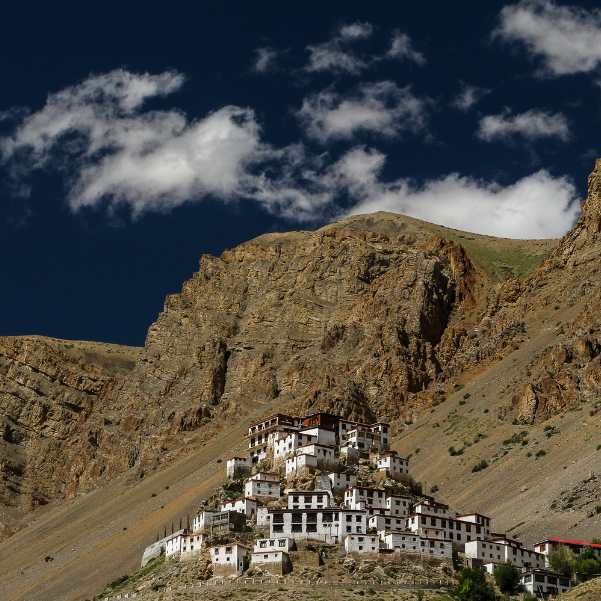
The cold desert of Himachal, with ancient monasteries, high villages like Langza and Komic, and some of the clearest night skies in the country. A bigger, harder trip and a different world. Best for adventure and culture.
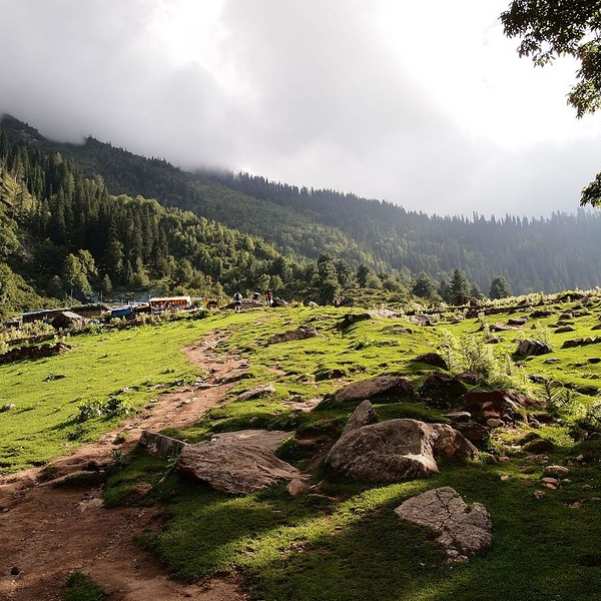
A popular hot-spring trek above the Parvati valley, ending at a camp near 3,000 metres. Greener and younger in feel than the Kinnaur side. Best for trekkers and young travellers.
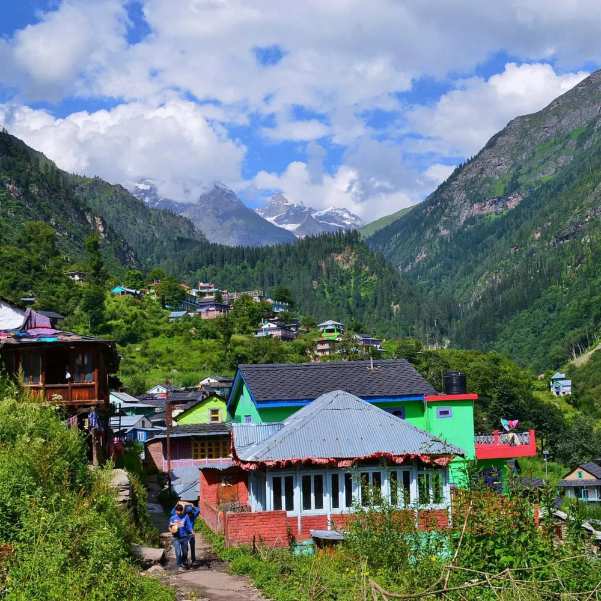
A high Parvati hamlet above Barshaini with the best valley views in lower Parvati and a calm, slow atmosphere. Best for travellers who want quiet with good guesthouses.
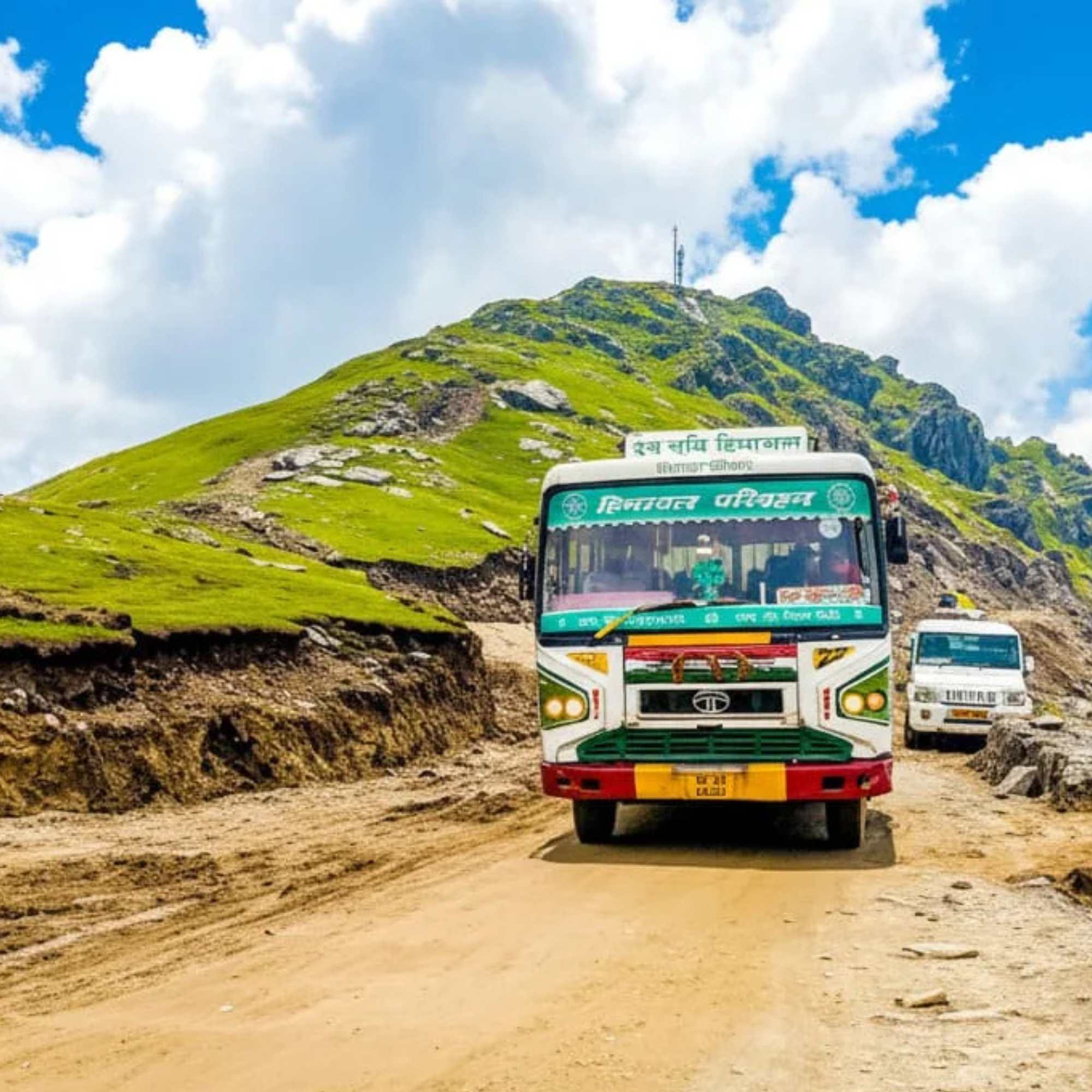
One of the most beautiful offbeat passes in Himachal, above the Rohru and Dodra Kwar side, with raw roads and wide open ridges. Still very quiet. Best for road trippers and experienced bikers.
The single best way to feel offbeat Himachal. Home food, a coal stove, and conversation with a local family in a village like Shangarh, Jibhi, or Kalpa.
Most offbeat valleys have a short walk to water or open grassland that never makes it onto the usual maps. The Jibhi waterfalls and the meadows above Shangarh are a good start.
Serolsar Lake from Jalori, Kheerganga in Parvati, or Shikari Devi on the Mandi side. Real Himalayan trails without a hard expedition, suitable for reasonably fit first-timers.
Chanshal or Jalori. Wide ridges, raw roads, and views that open suddenly at the top. The drive up is as much the experience as the pass itself.
Siddu, dham, trout, and local rajma. The food in the offbeat valleys is plainer and better than the tourist towns, especially when it comes from a homestay kitchen.
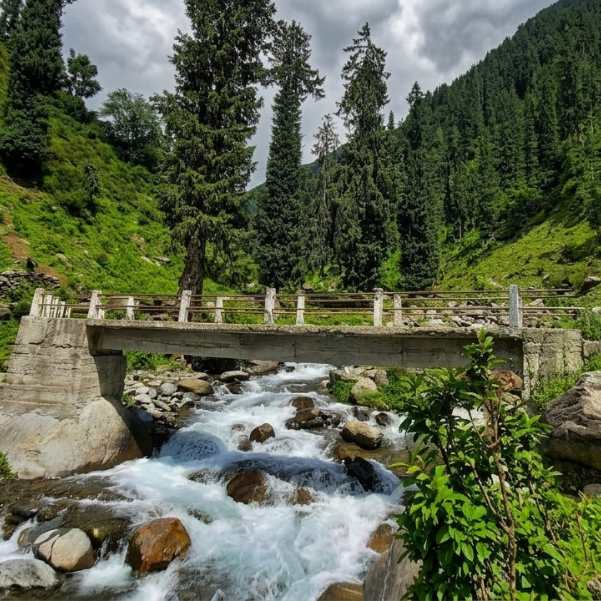
Barot and Tirthan are made for it. River sound, a fire, and a clear sky. Among the best and least crowded camping valleys in the state.
Kalpa, the Pabbar Valley villages, and Shangarh at golden hour. Apple slopes, wooden homes, and mountains behind. Some of the best orchard-village light in Himachal.
Spiti and Chanshal give some of the clearest night skies in the country, far from any town light. On a moonless night, the Milky Way is visible to the naked eye.

“Travel Coffee truly went above and beyond. Even though we booked from Indonesia without meeting them, we always felt secure — their team was available 24/7 and took care of every detail. Shubham personally ensured our comfort throughout the Himachal trip, from hotel checks to small gestures like bringing lotion and altitude pills. Their sincerity and local expertise made the journey unforgettable.”
Andre & Angel
It depends on how far off the map you want to go. For a true end-of-the-road feeling, Pangi Valley, Dodra Kwar, and Chitkul are among the most remote. For an accessible but still quiet offbeat experience, Tirthan, Shangarh, and Barot are excellent. We can match the level of remoteness to your comfort and experience.
Tirthan, Jibhi, Kalpa, and Shoja are the best offbeat valleys for couples. They offer quiet stays, slow pacing, and calm surroundings without the crowds of the mainstream towns. For a couples or honeymoon trip, we plan a slower itinerary with comfortable stays where they are available.
Tirthan, Barot, and the gentler Parvati and Narkanda side work best for families. The roads are more manageable, the stays are simpler but comfortable, and there is space for children to explore. For families, a private trip with flexible pacing is usually better than a fixed group departure.
March to June and September to October are the best windows for most offbeat valleys. Summer is green and comfortable, and autumn brings clear skies and fewer crowds. Monsoon can be risky for road-dependent areas, while winter suits the lower green valleys and snow spots like Sethan. The right month depends on which valley you pick.
For a single quiet valley like Tirthan or Jibhi, 3N/4D from Delhi or Chandigarh is enough. For a multi-valley offbeat circuit, plan 6 to 9 days so the trip never feels rushed. Offbeat travel is about slowing down, so we never recommend cramming too many valleys into too few days.
Cost depends on which valley you choose, how long you travel, your start city, and whether you go group or private. A short single-valley weekend trip sits at the lower end, while a multi-valley circuit or a private family tour costs more. Tell us your dates and the valleys you want, and we will send clear pricing with a full breakdown.
Yes. Most offbeat Himachal trips from Delhi start with an overnight Volvo to the nearest base town, then continue by road into the valley. Depending on the destination, the trip runs from 4 to 9 days. We arrange pickup and drop at the usual Delhi points and plan the route around your chosen valley.
Yes, and Chandigarh is one of the most comfortable start points because it cuts out the long plains drive. It works well for couples, families, and private groups who want easier pacing. Pickup can be arranged from the Chandigarh airport, railway station, ISBT, or your hotel.
Yes, if you pick the right valley. Gentler offbeat destinations like Tirthan, Jibhi, and Barot are very manageable for first-timers, with reasonable roads and simple comfortable stays. The harder routes like Pangi, Spiti in winter, or remote passes are better once you have some mountain travel experience. We match the destination to your experience level.
For snow, the high passes and high villages are your best bet. Chanshal and the Spiti side see snow in the colder months, and Sethan near Manali is known for winter snow and igloo stays. Snow is never fully guaranteed and depends on the season and current weather, so we plan snow trips with that honesty built in.
Network is uneven. BSNL and Jio work in the bigger offbeat towns, but deeper valleys and high passes are often off network. ATMs exist in towns like Rohru, Reckong Peo, Kaza, and Banjar, but can be unreliable, so withdraw cash before heading into deeper valleys. Carry cash, as UPI is patchy where the network is weak.
Most offbeat valleys need a road leg beyond the nearest town, often on narrow or rough roads. They are not difficult to reach with the right planning and vehicle, but they take time and are best done with a planned trip rather than relying on public transport for the last stretch. We handle the routing and vehicle so the access is smooth.
For nature and beginner-friendly treks, the Tirthan and GHNP area, the Jalori to Serolsar Lake walk, Kheerganga in Parvati, and Shikari Devi on the Mandi side are all excellent. They offer real Himalayan trails without a hard expedition. We can build a trip around the walks you want to do.
Yes, and this is one of the best ways to experience offbeat Himachal. We build multi-valley circuits that combine two or three valleys over 6 to 9 days, paced so the trip stays relaxed. Tell us which valleys interest you and we will plan a sensible route between them.
Yes. We build custom offbeat Himachal trips around your start city, group size, travel dates, comfort level, and the specific valleys you want to see. Whether you want one quiet valley or a longer circuit, we plan the route, stays, and vehicle to match your group.
Offbeat usually means fewer crowds even in peak season, village stays instead of big hotels, longer drives on rougher roads, patchy network and unreliable ATMs, and nature at the centre. It is a trade: you give up some comfort and connectivity, and get back quiet, space, and a more real version of Himachal.
Send us a message on WhatsApp with your start city, dates, group size, comfort level, and the valleys you have in mind. We will suggest the right valley, plan the route, stays, and vehicle, and send clear pricing with a full breakdown.