
Malana Village
An ancient, self-governing village at about 2,652 metres in the Malana Nala valley, where the deity Jamlu Devta runs the law, outsiders face cash fines for touching any structure, the community speaks a language nobody else in the valley understands, and overnight stays inside the village have been banned by the local council
- Village
- Parvati Valley
- ~2,652 m
- No touch rule
- Ancient democracy
- Jamlu Devta
- Trek from Jari
- Kanashi language
- No entry fee
What makes it special
Malana is not a place you visit casually. It is a village that runs on its own rules, literally. The community is governed by the deity Jamlu Devta (Jamadagni Rishi), not by the Indian legal system. Disputes are settled by a village council using a bicameral parliament, one of the oldest such systems documented anywhere, with an upper house called the Jayeshthang and a lower house called the Kanishthang. The villagers speak Kanashi, a language so distinct from anything spoken in the surrounding Kullu valley that linguists have debated its origins for decades. Outsiders are not permitted to learn or use it. None of this is tourism branding. It is how the village actually works.
The no touch rule
The rule that matters most for any visitor is the no touch rule. You cannot touch people, houses, walls, temples, or belongings in Malana. This is not a suggestion. It is a deeply held belief in ritual purity that the community has maintained for centuries. If you break this rule, you will be fined by the village council, and the fine can go up to ₹3,500. The money pays for purification rituals that the community considers necessary after contact with outsiders. Villagers have been known to bathe after being touched. Transactions are conducted by placing money on the ground rather than hand to hand. Walk only on the designated paths. Do not lean against walls. Do not sit on any structure you have not been explicitly told you may use. Respect this completely or do not visit.
The Jamlu Devta temple
The Jamlu Devta temple at the centre of the village is one of the oldest wooden temples in the Kullu region, with intricate carvings on the exterior. Outsiders are not allowed to enter. You are not allowed to touch the temple structures or walls. If you do, the village council will fine you up to ₹3,500 for the purification rituals required to restore the sanctity of the site. This fine applies to touching any part of the temple complex, including boundary walls. View the architecture from the designated path. That is as close as you get. The carvings are genuinely remarkable and worth the look, but do it from a respectful distance.
Overnight stays are banned
Here is the thing most older blog posts get wrong. Overnight stays inside the main village are banned by the local council. In 2017, the deity Jamlu Devta communicated through an oracle during a village parliament meeting, instructing villagers to stop renting properties to tourists for guesthouses and restaurants. The reason: excessive tourism was threatening Malana's culture. As of 2026, tourists can still visit Malana during the day. Some basic food shops and cafes operate on the outskirts during the trekking season. But you cannot sleep inside the village.
Plan Malana as a day trip. Stay overnight in Jari, Kasol, or at one of the authorized camps and guesthouses that operate outside the village boundary near the trek route. Start early, spend 1 to 2 hours in the village, and trek back before dark.
The trek: not what most blogs describe
Many travel posts call this an "easy, flat walk." It is not. The trek from the road end near the Malana Hydro Power Project to the village is about 4 km and takes roughly 1.5 hours at a comfortable pace. The trail descends sharply to the Malana river first, which means you lose significant elevation quickly. After crossing the river, the path turns into a steep, sustained uphill climb on stone stairs. Roughly 80 percent of the upward section is stone steps. It is not technical, but it is genuinely tiring, especially in summer heat or with a pack. The return trip is faster going down but hard on the knees. Wear proper trekking shoes, not sandals or sneakers. Carry at least a litre of water. Several small trail cafes operate in season, but do not rely on them.
Foreign passport holders: police check post registration
If you hold a foreign passport, you must register at the police check post (Naka) near the Malana Power House, about 1.5 km into the trek from the road end. Carry your passport and a valid Indian visa. This is mandatory and enforced. The registration is a quick process, but you cannot skip it. Indian nationals do not need to register here.
The village itself
The village sits at about 2,652 metres in a side valley off the Parvati Valley, below the peaks of Deo Tibba and Chandrakhani. The traditional houses are built of wood and stone in a style distinct to this community. The narrow lanes, the carved wooden balconies, and the quiet order of the settlement feel like stepping into a place that has decided, quite deliberately, to keep the rest of the world at arm's length. On a clear day, the views of the surrounding peaks from the village are wide and sharp.
Cannabis: the reality
Malana is widely known for its association with cannabis cultivation and the production of Malana Cream. This is a factual part of the village's identity and economy. However, the production, sale, and consumption of cannabis and its derivatives are illegal under Indian law. Travel Coffee does not endorse or encourage any illegal activity. Be aware of this reality, respect the law, and make informed choices.
Honest take
Malana is culturally significant and visually striking. But it is not a place where you go to relax, hang out, or explore freely. The rules are strict and real. If you can visit with genuine respect for a community that has maintained its customs for centuries, the experience is unlike anything else in the valley. If you are the kind of traveller who finds it difficult to keep your hands off things, or who treats local customs as quaint suggestions, stay away. The village council will not care about your intentions. They will care about what you did.
Quick answers
- What is Malana?
- An ancient village at about 2,652 metres governed by the deity Jamlu Devta through a traditional bicameral council. Outsiders cannot touch people, buildings, or belongings. The village speaks Kanashi, a language unique to this community. Access is by a 4 km trek from the road end near Jari. Overnight stays inside the village are banned. Plan as a day trip.
- Can I stay overnight?
- No. Overnight stays inside the main village are banned by the local council since 2017. Day visits are still allowed. Stay in Jari, Kasol, or at authorized camps outside the village boundary. Start early and return before dark.
- Is Malana worth visiting?
- Only if you understand and genuinely respect the rules. The no touch policy, temple restrictions, overnight ban, and cultural boundaries are real and strictly enforced. If you can visit with genuine respect and curiosity, the cultural experience is unlike anything else in the valley. If you cannot follow rules carefully, stay away.
Quick facts
Everything you need to know at a glance.
At a glance
- Location
- Side valley off the Parvati Valley, accessible from Jari. Kullu district, Himachal Pradesh.
- Altitude
- Approximately 2,652 m (8,701 feet).
- Access
- Taxi from Jari to road end (about 23 km), then 4 km trek with steep stone stairs (roughly 1.5 hours). No road to the village.
- Significance
- Ancient self-governing village with its own deity (Jamlu Devta), language (Kanashi), and strict customs including the no touch rule.
- Entry fee
- None. But fines up to ₹3,500 for breaking village rules or touching the temple.
- Time needed
- Full day trip from Kasol or Jari. 1 to 2 hours in the village plus 1.5 hours each way for the trek.
- Overnight stays
- Banned inside the village since 2017 by the local council. Day visits only. Stay in Jari, Kasol, or authorized camps outside.
On the ground
- Mobile network
- Very limited. BSNL may work in patches. No reliable internet.
- Food
- Some basic trail cafes and food shops on the outskirts operate in season. Carry food and water from Jari.
- ATM
- None. Carry cash from Kasol or Jari.
- Accommodation
- Banned inside the village. Stay in Jari, Kasol, or authorized camps outside the village boundary.
- Foreign nationals
- Must register at the police check post (Naka) near the Malana Power House, about 1.5 km into the trek. Carry passport and valid visa.
- Safety
- Trek is moderate but steep. Follow village rules strictly. Fire risk high due to wooden construction. No medical facility in village.
Seasonal weather
- March to June22°5°Spring and Summer
- July to September20°10°Monsoon
- October to November16°0°Autumn
- December to February8°-5°Winter
Suitable for
- Couples — suitable
- Families — not suitable
- Seniors — not suitable
- Solo — suitable
- First-timers — with some care
- Pet-friendly — not suitable
How to reach Malana Village
2 approach routes, with seasonal access.
From Jari (via taxi and trek)
Generally April to November. Trail can be muddy in monsoon and snowy in winter.- Distance
- About 23 km by taxi from Jari, then 4 km trek
- Time
- 45 min to 1 hour by taxi, then roughly 1.5 hours trekking
- Road
- Narrow mountain road to dam area, then steep stone stair trail uphill.
From Jari (a small town on the Parvati Valley road, about 9 km before Kasol), take a taxi to the road end near the Malana Hydro Power Project and dam area. The drive is about 23 km and takes 45 minutes to 1 hour on a narrow mountain road. Taxi fare is approximately 850 rupees for a small car and 1,300 for an SUV as of recent reports. From the road end, the trail first descends sharply to the Malana river. After crossing the river, it becomes a sustained, steep climb on stone stairs for about 4 km total. Roughly 80 percent of the uphill section is stone steps. The trek takes about 1.5 hours at a comfortable pace and is genuinely tiring, not the flat walk some blogs describe. Foreign passport holders must register at the police check post near the Malana Power House, about 1.5 km into the trek.
From Kasol (via Jari)
Generally April to November.- Distance
- About 9 km to Jari, then 23 km to road end, then 4 km trek
- Time
- About 1.5 hours total driving, then 1.5 hours trek
- Road
- Valley road to Jari, mountain road to dam area, steep stone stair trail.
From Kasol, drive to Jari (about 9 km back toward Bhuntar on the valley road, 15 to 20 minutes). From Jari, follow the route above. Total distance from Kasol is about 32 km by road and 4 km by trek.
Best time to visit
Season by season, so you can plan around the weather rather than hope.
- Recommended
Spring and early summer
April to June
Dry trail, clear views, the best window for a visit.
- Weather
- 5 to 22 degrees.
- Trail
- Dry and well marked.
- Access
- Open. Best window.
The most comfortable window. Snow has melted, the trail is dry, and the weather is pleasant for trekking. The village is most accessible in this period. Weekends can see more visitors. The forest on the trail is green and the views of Deo Tibba and Chandrakhani are clear on good days.
Monsoon
July to September
Green but muddy trails and landslide risk on the approach road.
- Weather
- 10 to 20 degrees. Rain frequent.
- Trail
- Muddy, slippery. Leeches possible.
- Road
- Landslide risk on the approach.
The valley is green but the trail gets muddy and slippery. Leeches are possible in the lower sections. The road to the trek starting point can be affected by landslides. Not ideal unless you are comfortable with monsoon trekking conditions.
- Recommended
Autumn
October to November
Post monsoon clarity, thin crowds, the best photography window.
- Weather
- 0 to 16 degrees. Cold nights.
- Trail
- Dry, firm.
- Views
- Best clarity.
Clean air, sharp views, dry trail. The best single window for clear views of the surrounding peaks. Fewer visitors. Nights get cold at this altitude by November.
Winter
December to February
Snow, cold, and difficult access. For experienced trekkers only.
- Weather
- Minus 5 to 8 degrees. Snow likely.
- Trail
- Snow covered. Potentially dangerous.
- Access
- Very limited.
Snow at the village elevation. The trail can be blocked or dangerous. Very cold. The village is largely inaccessible to casual visitors in deep winter. Only for experienced winter trekkers with proper gear.
Things to see & do
3 things worth your time at Malana Village.
Walk through the village on designated paths
1 to 2 hoursThis is the main reason to visit and the core experience. Walk only on the marked paths through the village. Observe the traditional wooden and stone houses, the narrow lanes, the carved balconies. See the Jamlu Devta temple from the permitted distance. Watch how the village functions. Do not touch anything. Do not enter any building unless explicitly invited. Do not approach the temple structures or boundary walls. The cultural experience is in the observation and the understanding, not in the interaction. If you break the no touch rule, the village council will fine you up to ₹3,500 for purification rituals.
Trek from the road end to the village
Roughly 1.5 hours one wayThe 4 km trek from the road end near the Malana dam area to the village is the only way in. The trail first descends sharply to the Malana river, then climbs steeply on stone stairs through pine forest. About 80 percent of the uphill section is stone steps, and it is genuinely tiring. The return is easier on the lungs but harder on the knees. Wear proper trekking shoes. Carry water. Views of the Deo Tibba and Chandrakhani peaks open up as you gain altitude. Small trail cafes operate in season, but do not depend on them.
View the Jamlu Devta temple from the path
15 to 20 minutesThe Jamlu Devta temple is one of the oldest wooden temples in the Kullu region, with detailed carvings on the exterior. You are not permitted to enter. You are not permitted to touch it, including the boundary walls. Touching any part of the temple complex will result in a fine of up to ₹3,500 for purification rituals. View it from the designated path and appreciate the craftsmanship from a distance. The carvings are genuinely impressive and worth a careful look. Photographs are generally allowed from the path, but ask if uncertain.
Know before you visit Malana Village
The practical bits, from people who have been.
The no touch rule and temple finesDo not touch people, houses, walls, or temples. Touching the Jamlu Devta temple or its walls carries a fine of up to ₹3,500 for purification rituals. Walk only on designated paths.
Do not touch people, houses, walls, temples, or any belongings in the village. Walk only on the designated paths. Do not sit on structures unless explicitly told you may. Do not lean against walls. If you break this rule, the village council will fine you up to ₹3,500. The money pays for purification rituals that the community considers necessary after contact with outsiders. Villagers have been known to bathe after physical contact with an outsider. This is not theatre. It is a deeply held belief in ritual purity that the community has maintained for centuries.
The Jamlu Devta temple is strictly off limits to all outsiders. Do not approach, enter, or touch the temple structures, the boundary walls, or any religious objects. Touching any part of the temple complex carries the same fine of up to ₹3,500 for purification. View the exterior and its remarkable carvings from the designated path only.
Overnight stays are banned inside the villageThe village council banned tourist accommodation inside Malana in 2017. Day visits only. Stay in Jari, Kasol, or authorized camps outside.
Overnight stays inside the main village are banned by the local council. In 2017, the deity Jamlu Devta communicated through an oracle during a village parliament meeting, instructing villagers to stop renting properties to tourists. The reason: excessive tourism was threatening the village's culture and heritage. As of 2026, this ban remains in force.
Day visits are still allowed. Some basic food shops on the outskirts operate during the trekking season. But you cannot sleep inside the village. Plan your trip accordingly. Stay overnight in Jari (the nearest town with proper accommodation), Kasol, or at one of the authorized camps and guesthouses outside the village boundary near the trek route. Start early, spend 1 to 2 hours in the village, and trek back before dark.
The trek: steep, not flatAbout 4 km with a sharp descent to the river and a steep stone stair climb. Roughly 1.5 hours up. Not the easy walk some blogs describe.
The trek from the road end near the Malana dam to the village is about 4 km and takes roughly 1.5 hours. Do not believe blog posts that call it an easy, flat walk. The trail first descends sharply to the Malana river. After crossing, it turns into a sustained steep climb on stone stairs through pine forest. About 80 percent of the uphill section is stone steps. It is not technical, but it will tire you out, especially in warm weather.
The return is faster but hard on the knees. Wear proper trekking shoes with grip, not sandals or sneakers. Carry at least a litre of water. Small trail cafes and food stops operate in season along the route, but carry snacks as a backup.
Taxi fare from Jari to the road end is approximately ₹850 for a small car and ₹1,300 for an SUV as of recent reports. The drive takes 45 minutes to 1 hour on a narrow mountain road. Verify locally.
Foreign passport holders: mandatory registrationForeign nationals must register at the police check post near the Malana Power House, about 1.5 km into the trek. Carry your passport.
If you hold a foreign passport, you must register at the police check post (Naka) near the Malana Power House, roughly 1.5 km into the trek from the road end. Carry your passport and a valid Indian visa. The registration is a quick process but it is mandatory and enforced. You will not be allowed to continue up the trail without completing it. Indian nationals do not need to register at this post.
Ground realityNo ATM, very limited signal, no medical facility. Confirm access status at Jari before trekking up.
No ATM in or near Malana. Carry cash from Kasol or Jari. Mobile signal is very limited. BSNL may work in patches. No reliable internet. There is no medical facility in the village. Nearest medical help is in Jari or Kasol.
A small recheck reminder. Visitor access, local regulations, and trail conditions in Malana shift periodically, sometimes based on the village council's decisions and the deity's orders. What was true six months ago may not be true today. Always confirm the current situation at Jari before making the trek.
Fire riskThe village has suffered devastating fires (2008, 2021). Be extremely careful with fire. Do not light anything in the village.
Malana has experienced devastating fires. A major fire in January 2008 destroyed cultural structures and parts of ancient temples. Another fire in October 2021 gutted 16 houses. The wooden construction of the traditional houses makes the village extremely vulnerable. Be extremely careful with fire, cigarettes, and any flame. Do not light fires, stoves, or cigarettes anywhere in the village. This is both a practical safety concern and a matter of respect for a community that has lost heritage structures to fire.
Nearby attractions
Other places worth the detour.
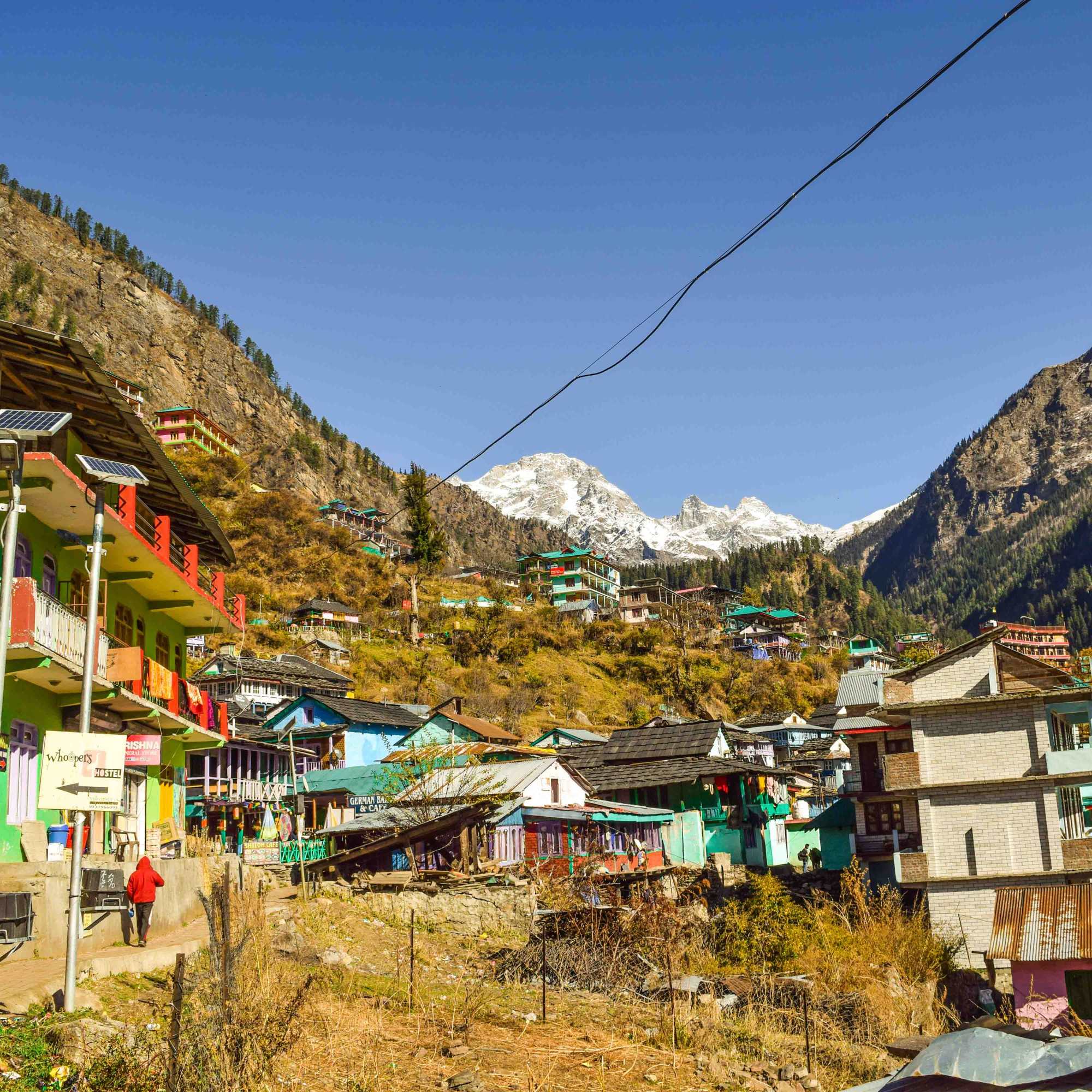
Jari
About 23 km by taxi to road end, then 4 km trek
The starting point for the taxi ride to the Malana trek road end. A small town on the Parvati Valley road, about 9 km before Kasol. Arrange transport and confirm Malana's visitor status here. Accommodation available for overnight stays before and after the day trip.
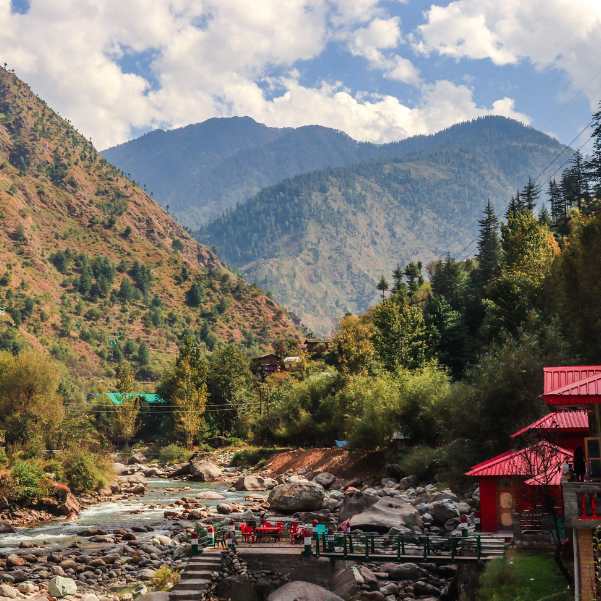
Kasol
About 32 km from Malana via Jari
The main backpacker town of the Parvati Valley. Cafes, hostels, and a base for most valley explorations. About 9 km past Jari on the valley road. A good overnight base for a Malana day trip.
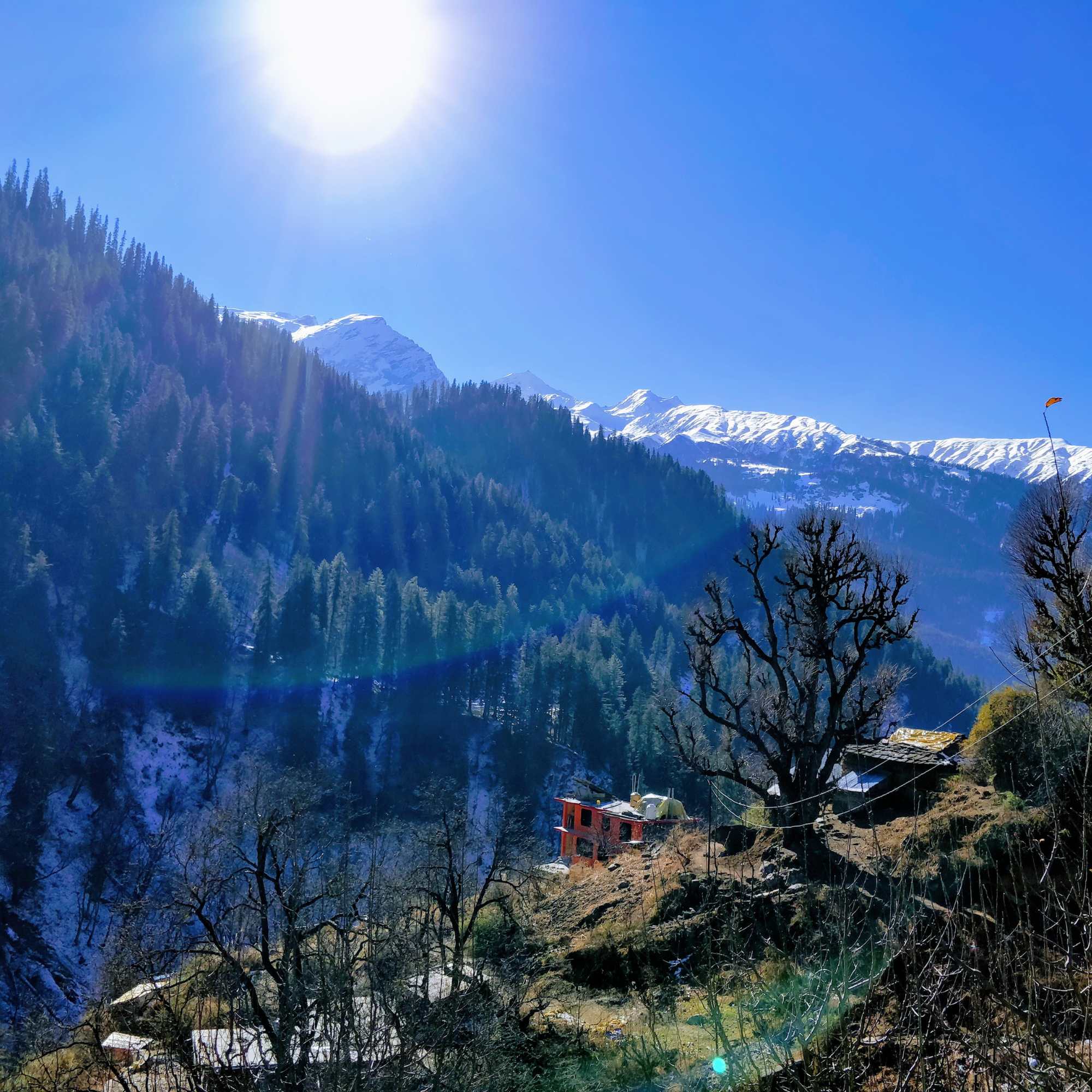
Chandrakhani Pass
Trek over the pass from Naggar (2 to 3 days)
A high altitude pass at about 3,660 metres connecting the Malana valley to the Kullu valley. The trek over the pass from Naggar to Malana takes 2 to 3 days and is a classic Himachal multi day trek. For experienced trekkers only.
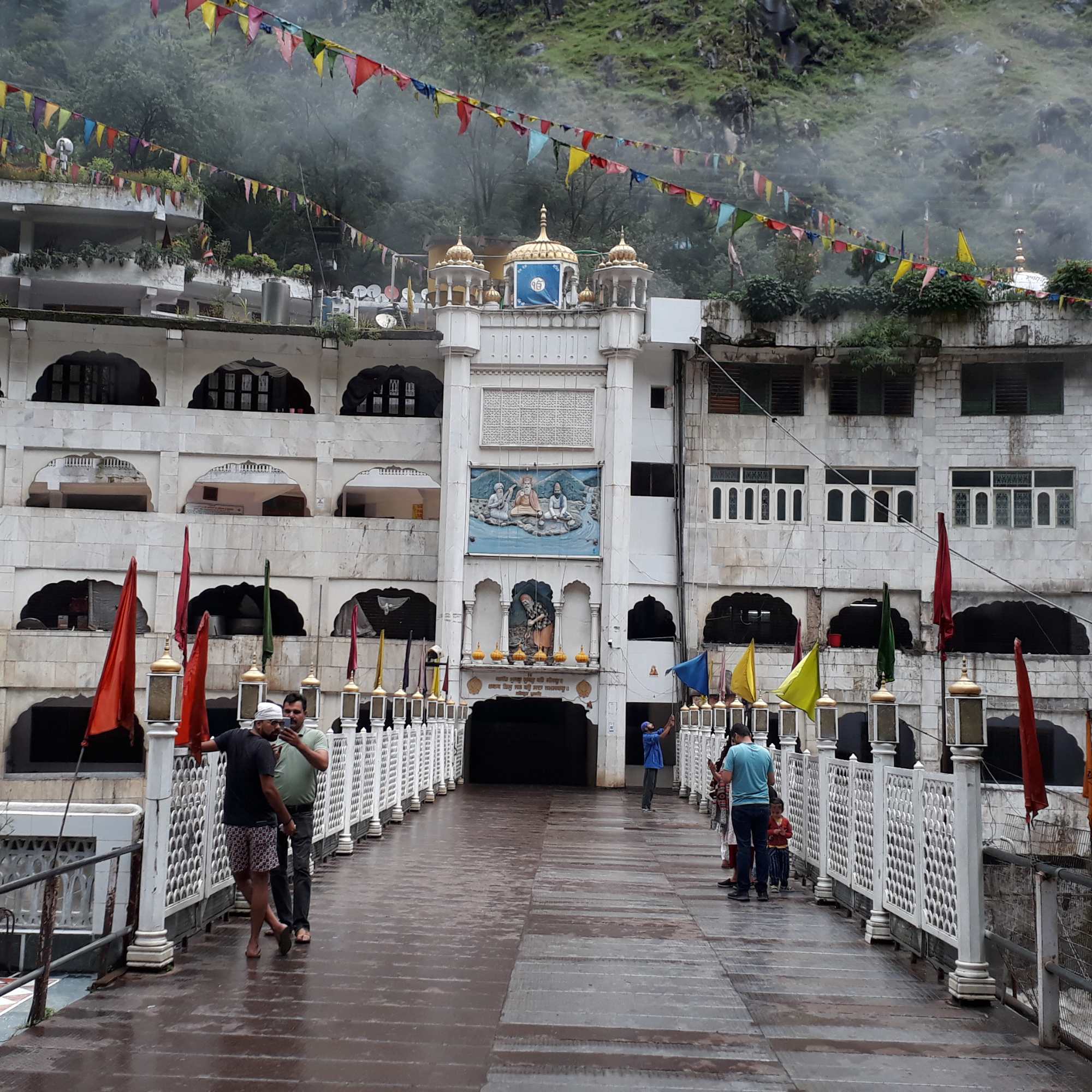
Manikaran Sahib
About 14 km from Jari
A pilgrimage town with a Gurudwara, Hindu temples, and natural hot springs. On the Parvati Valley road between Jari and Barshaini. Worth combining with a Malana visit.
Our packages with Malana Village
Curated trips that include a visit to Malana Village.
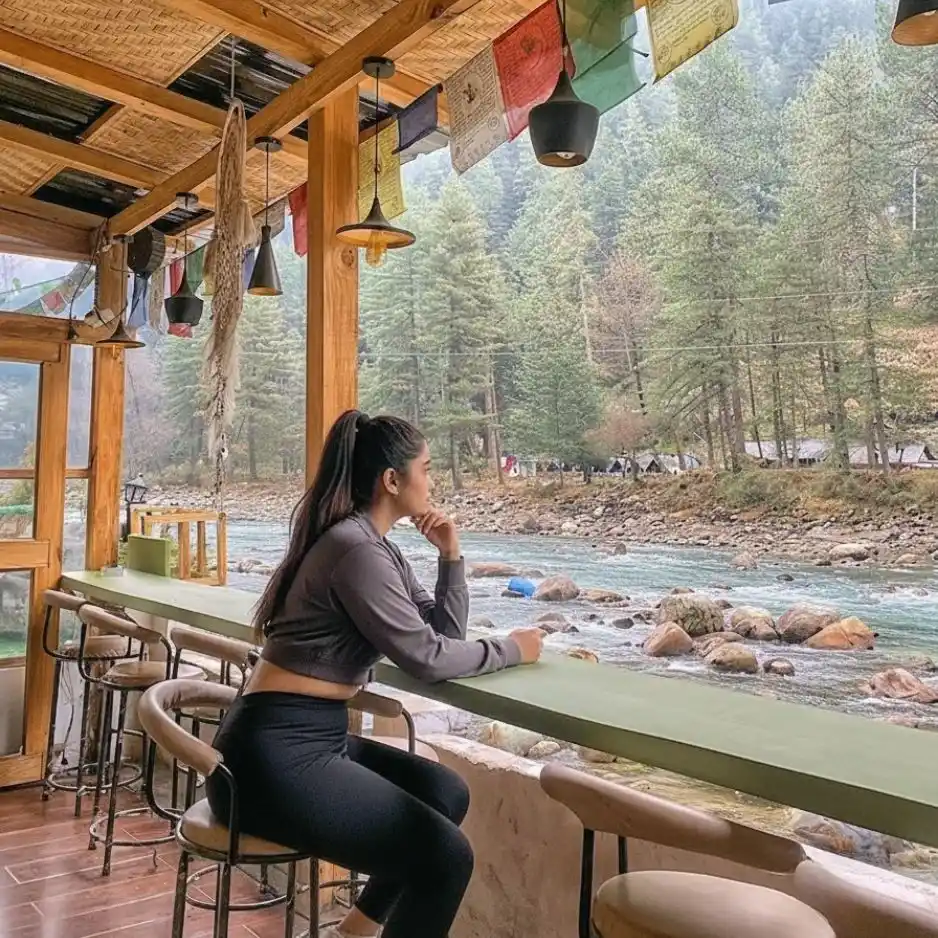 4D/3N
4D/3NPerfect Manikaran Kasol Tosh Weekend Getaway
1D Delhi•2D Kasol+1
₹15,999₹19,999SAVE INR 4,000/ person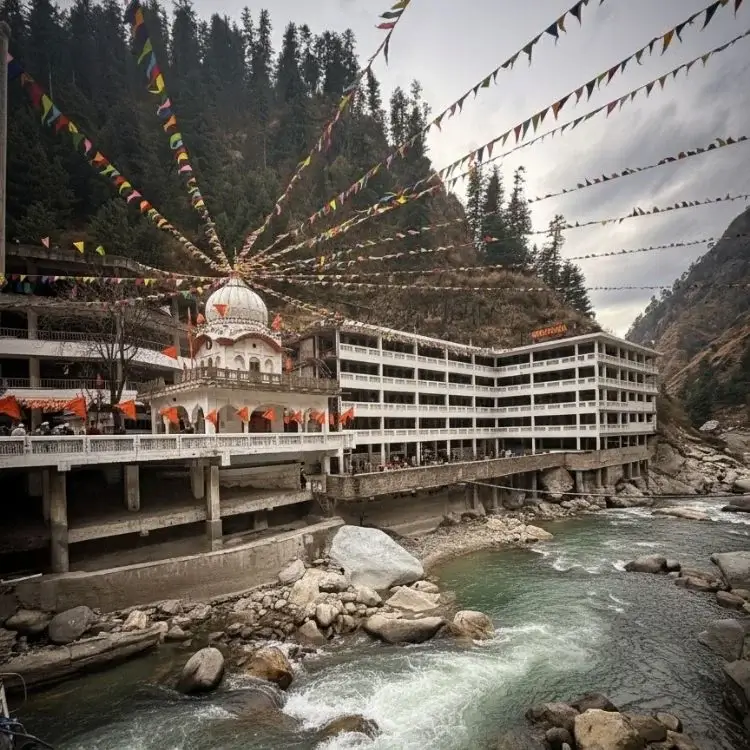 4D/3N
4D/3NWeekend Trip To Manikaran, Kasol & Tosh
1D Delhi •2D Kasol+1
₹9,999₹14,999SAVE INR 5,000/ person
Frequently Asked Questions
What is Malana Village?
An ancient village at about 2,652 metres in a side valley off the Parvati Valley, governed by the deity Jamlu Devta through a bicameral council system. Villagers speak Kanashi, a language unique to this community. The village is known for its strict no touch rule, under which outsiders cannot touch people, buildings, or belongings. Fines of up to ₹3,500 are levied for violations, to pay for purification rituals.
What is the no touch rule?
You cannot touch people, houses, walls, temples, or belongings in Malana. This is based on the community's belief in ritual purity. If you break this rule, the village council will fine you up to ₹3,500 for purification rituals. Walk only on designated paths. Do not lean against walls or sit on structures unless told you may.
Can I enter the Jamlu Devta temple?
No. The temple is strictly off limits to all outsiders. You cannot enter, approach, or touch any part of the temple complex, including the boundary walls. Touching the temple structures carries a fine of up to ₹3,500 for purification rituals required to restore the site's sanctity. View the exterior and its intricate carvings from the designated path only.
Can I stay overnight in Malana?
No. Overnight stays inside the main village have been banned by the local council since 2017, following the deity Jamlu Devta's instructions to protect the village's cultural heritage. Day visits are still allowed. Stay in Jari, Kasol, or at authorized camps outside the village boundary.
How difficult is the trek?
Moderate, but not the easy flat walk some blogs describe. The 4 km trail from the road end descends sharply to the Malana river first, then climbs steeply on stone stairs. About 80 percent of the uphill section is stone steps. It takes roughly 1.5 hours at a comfortable pace. Proper trekking shoes are essential.
How do I reach Malana?
Drive from Jari to the road end near the Malana Hydro Power Project (about 23 km, roughly 45 minutes to 1 hour by taxi). From the road end, trek about 4 km uphill to the village (roughly 1.5 hours). There is no road to Malana itself. Taxi fare from Jari is approximately ₹850 for a small car and ₹1,300 for an SUV.
Do foreign passport holders need to register?
Yes. Foreign nationals must register at the police check post (Naka) near the Malana Power House, about 1.5 km into the trek from the road end. Carry your passport and a valid Indian visa. This is mandatory and enforced. Indian nationals do not need to register.
What is the best time to visit?
April to June and September to November. Monsoon (July to September) makes the trek trail muddy and slippery. Winter (December to February) brings snow and cold at this altitude. October is the best single month for clear views and dry trails.
Is Malana suitable for families?
Not recommended for families with young children or elderly members. The trek involves steep stone stairs, and the strict no touch rules require constant awareness, which is extremely difficult with small children. Teenagers who can follow the rules and handle the walk can visit.
Is cannabis legal in Malana?
No. Malana is widely known for cannabis cultivation and the production of Malana Cream. However, the production, sale, and consumption of cannabis and its derivatives are illegal under Indian law. Be aware of this reality and respect the law.
Is there mobile network?
Very limited. Most networks do not work reliably in Malana. BSNL may work in patches. Better coverage in Jari and Kasol. No ATM in or near the village. Carry cash.
What language do the villagers speak?
Kanashi, a language unique to the Malana community. It is unrelated to any Kullu valley dialect and its origins are debated by linguists. Outsiders are not permitted to learn or speak it. The language is considered sacred by the community.
Related guides
Posts about Kasol
- Shimla Manali Kasol Itinerary 2026: 7, 8 and 9 Day Routes Without Rushing
- Best Offbeat Places Near Kasol Most Tourists Miss in 2026
- Rasol Village Trek From Kasol 2026: Route, Distance & What to Expect
- Kalga, Pulga & Tulga Villages in 2026: The Offbeat Side of Parvati Valley
- Kheerganga Trek from Kasol 2026: Route, Difficulty, Cost & Best Time
- Snowfall in Kasol 2026: Does It Snow, Best Time & Nearby Snow Places