
Nako Lake & Village
The highest village in the Hangrang Valley, a Buddhist settlement wrapped around a willow-fringed sacred lake at roughly 3,662 metres in upper Kinnaur, where the road crosses from Kinnaur into Spiti
- Village & Lake
- ~3,662 m
- Reckong Peo · ~115 km
- May to Oct
- On Hindustan Tibet road
What makes it special
At roughly 3,662 metres, Nako is the highest village in the Hangrang Valley, perched on a shelf of land where stark, wind-swept ridges suddenly give way to willow-fringed water and sun-baked mud walls. People come for the lake. Most leave talking about everything else. Roughly 500 metres long, fringed with willow and poplar, the water is walkable in about half an hour. A couple of small cafes sit near the shore. Order a cup of butter tea, find a spot where the water is still, and on a clear morning you will see the snow cap of Reo Purgyil, the highest peak of Himachal Pradesh at around 6,816 metres, reflected cleanly on the surface. That is the kind of moment Nako trades in. What gives the village its weight is what sits around the lake. A cluster of mud and stone temples dating to around 1025 AD, narrow lanes of old village houses with sun-baked walls cracking in the dry air, fields where yaks and dzo wander, and a wide brown valley falling away on every side. Most travellers slot Nako in as a one night halt on the Kinnaur to Spiti circuit, between Kalpa and Tabo. That is about right. One full night gives you a calm evening at the lake, a quiet morning at the monastery, and a fresh start onward. Worth knowing: from roughly November to May, the road from Manali via Kunzum Pass is blocked by snow, making Nako a dead end accessible only from the Shimla and Reckong Peo side.
Quick answers
- Is Nako worth visiting?
- Yes, if you give it more than thirty minutes. People who race in for a photo by the lake and leave usually call it overrated. People who stay a night, walk the village in the evening, and visit the old monastery in the morning tend to remember it as one of the quieter highlights of the Kinnaur to Spiti circuit.
- How much time do you need at Nako?
- One night is the realistic minimum. You arrive tired from the Kinnaur drive, walk the lake loop, sleep, and see the monastery and the old village calmly the next morning. Two nights is comfortable if you also want to walk up to Tashigang or just acclimatise before going deeper into Spiti.
- Can you stay overnight in Nako?
- Yes. The village has a handful of small homestays and basic guesthouses, almost all family run. Rooms are simple, hot water is usually by bucket, and the food is mostly Tibetan and basic Indian. Book ahead in peak season because the village is genuinely small and beds run out.
Quick facts
Everything you need to know at a glance.
At a glance
- Altitude
- Approx 3,662 m / 12,014 ft
- Location
- Highest village in the Hangrang Valley, Kinnaur, Himachal Pradesh
- Nearest town
- Reckong Peo, approx 115 km
- Open season
- Generally May to Oct. Nov to May: dead end, only accessible via Shimla/Reckong Peo
- Time needed
- One night minimum, two nights ideal
- Entry fee
- No fee for the lake or village
- Effort level
- Easy walking, real altitude
On the ground
- Mobile network
- BSNL is the old reliable, Jio 4G now works reasonably well in the village too. Airtel mostly does not work
- ATM
- None in Nako. Carry cash from Reckong Peo
- Fuel
- Nearest reliable pumps at Reckong Peo and Pooh, none in Nako itself
- Food
- Small homestay kitchens and a couple of lakeside cafes. Tibetan and basic Indian, limited menus. Butter tea is the local default
- Stay
- Small homestays and a few guesthouses, simple rooms, bucket hot water common
- Permits
- No permit for Indians. Foreign nationals need an Inner Line Permit (ILP) for the Kinnaur to Spiti stretch. See the ILP section below for details
- Drone
- This is a sensitive border belt. Do not fly without explicit local clearance
- Walking
- Lake loop is flat. The old village and trails to Tashigang involve real climbing at altitude
Seasonal weather
- May to Jun22°4°Summer (May to Jun)
- Jul to Sep20°4°Monsoon (Jul to mid Sep)
- Sep to Oct18°0°Autumn (Late Sep to Oct)
- Nov to Mar8°-15°Winter (Nov to Mar)
Suitable for
- Couples — suitable
- Families — with some care
- Seniors — with some care
- Solo — suitable
- First-timers — with some care
- Pet-friendly — with some care
How to reach Nako Lake & Village
5 approach routes, with seasonal access.
From Reckong Peo (district HQ, Kinnaur)
Year round in theory, but winter snowfall can close sections for days- Distance
- approx 115 km
- Time
- approx 4 to 5 hrs
- Road
- Mostly tar with rough patches, narrow in stretches
- Last fuel
- Reckong Peo and Pooh
The standard approach, and the only approach from November to May when Kunzum Pass is closed. NH 5, the old Hindustan Tibet road, hugs the Sutlej and then the Spiti river. Expect single lane sections, some genuinely rough patches around Pooh, and occasional waits for road work. The last climb up to Nako from the highway is short but steep, with switchbacks.
From Kalpa
Generally Apr to Oct- Distance
- approx 120 km
- Time
- approx 4 to 5 hrs
- Road
- Mountain highway, narrow in sections
- Last fuel
- Reckong Peo and Pooh
Most travellers do Kalpa to Nako in one driving day, with a stop for lunch around Pooh or Khab. Start early. The road to Nako is not one to be on after dark.
From Tabo (Spiti)
Generally Apr to Oct- Distance
- approx 65 km
- Time
- approx 2 to 3 hrs
- Road
- Mostly decent tar with some rough sections
- Last fuel
- Tabo and Pooh
If you are doing the circuit the other way, from Manali through Spiti and out via Kinnaur, you will reach Nako from Tabo. The Sumdo checkpost falls on this stretch, so keep ID handy. Foreign nationals should have their Inner Line Permit ready for inspection.
From Shimla
Generally Apr to Oct for full access- Distance
- approx 365 km
- Time
- 2 days, with a night halt at Sangla, Sarahan or Kalpa
- Road
- NH 5, mountain highway throughout
- Last fuel
- Rampur, Reckong Peo, Pooh
Do not try this in one shot. The standard plan is Shimla to Sarahan or Sangla on day one, then to Kalpa or Nako on day two. Doing it in a single day is not just exhausting, it is a real altitude jump that your body will resent.
From Manali (via Kaza and Tabo)
Roughly mid Jun to early Oct only. Kunzum Pass is blocked by snow from Nov to May.- Distance
- approx 360 km
- Time
- 2 to 3 days, with halts at Kaza and Tabo
- Road
- Rough in stretches, high passes including Kunzum
- Last fuel
- Manali, Kaza, Tabo
This route is only available when Kunzum Pass is open, typically mid June to early October depending on snowfall. From November to May, the pass is blocked and this approach does not exist. When it is open, you cross over to Kaza, drop to Tabo, and reach Nako on the third day. This route gives you the Spiti landscape first, with Nako and Kinnaur as the gentler descent. During the winter months, Nako becomes a dead end accessible only from the Shimla and Reckong Peo side.
Best time to visit
Season by season, so you can plan around the weather rather than hope.
- Recommended
Summer
May to Jun
The classic window. Roads open, lake unfrozen, village fully alive.
- Temperature
- Roughly 12 to 22 C day, 4 to 10 C night
- Crowds
- Moderate to high, peaks around weekends
- Roads
- Generally open, occasional landslide delays
- Photography
- Bright high contrast light, best early and late
Days are warm enough for a single layer, nights still need a jacket, and the road is generally clear. Most Kinnaur to Spiti trips happen in this window for good reason. Book stays in advance, especially around long weekends.
Monsoon
Jul to mid Sep
Drier than the rest of Himachal but landslides are the real risk.
- Temperature
- Roughly 10 to 20 C day, 4 to 8 C night
- Crowds
- Lower than peak summer
- Roads
- Open but landslide prone, especially Kinnaur side
- Photography
- Cleaner air after a shower, overcast skies common
Nako itself sits in a rain shadow zone and stays mostly dry, but the road in from Kinnaur passes through serious landslide country, especially around the Sutlej. Trips are still possible, but plan in buffer days and check road status before leaving.
- Recommended
Autumn
Late Sep to Oct
Quietly the best time. Golden poplars, clean light, thinner crowds.
- Temperature
- Roughly 8 to 18 C day, 0 to 6 C night
- Crowds
- Low to moderate
- Roads
- Generally good, watch for early snow late in the season
- Photography
- The best window of the year
If you want one season to pick, this is it. The poplars around the lake turn yellow, the air is clean, and the road from Kinnaur is past the worst of the monsoon. Nights start getting genuinely cold by late October, so pack accordingly.
Winter
Nov to May
Dead end season. Kunzum Pass is blocked. Access only via Shimla and Reckong Peo.
- Temperature
- Roughly minus 5 to 8 C day, minus 15 to minus 5 C night
- Crowds
- Very few travellers
- Roads
- Kunzum blocked. Shimla side open but with frequent closures after snowfall
- Access
- Dead end. Only via Shimla and Reckong Peo. No through route to Manali
From roughly November to May, the road from Manali via Kunzum Pass is blocked by snow. That makes Nako a dead end, reachable only from the Shimla and Reckong Peo side via NH 5. The lake freezes solid, the village quietens down, and even the Kinnaur approach can be shut for days after heavy snowfall. Most homestays close. Supply lines thin out. Only attempt a winter visit on an organised trip with experienced drivers, a capable vehicle, and proper cold weather gear. Casual travellers should wait for the road to open in late May or June.
Things to see & do
8 things worth your time at Nako Lake & Village.
Walk the lake loop
30 to 45 minSmall enough to circle in about half an hour, the lake rewards slowness more than speed. Do it either at sunrise, when the village is still asleep and the water reflects the stone houses, or in the hour before sunset when the willows throw long shadows across the surface. Skip the middle of the day. The light flattens everything and the water looks dull.
Drink butter tea by the lake
30 min to 1 hrA couple of small cafes sit near the lake shore, serving butter tea, sweet tea, and sometimes momos. Pick one, order a cup of butter tea, and sit where the water is still. On a calm morning, the reflection of Reo Purgyil's snow cap stretches across the surface. It is not a famous cafe experience. It is a plastic chair, a tin cup, and a view that most people sit with for longer than they planned.
Visit the old Nako monastery complex
1 to 1.5 hrNarrow lanes climb from the lake to a cluster of small mud and stone temples in the upper village, dating to around 1025 AD and associated with the translator Rinchen Zangpo. Inside, the wall paintings are old and fragile, mineral pigments on dried mud plaster that have survived because of the dry cold and the care of generations. The sun-baked mud walls of the outer buildings crack and flake in the thin air. Be respectful. Take shoes off, no flash, and ask before stepping inside any chapel.
See the Padmasambhava footprint shrine
15 to 20 minBelow one of the chapels, a rock is locally believed to carry the footprint of Padmasambhava, the saint credited with bringing Buddhism into Tibet. You do not need to believe the story to find the spot interesting. The village clearly does, and the small shrine around it tells you a lot about how Nako thinks of itself.
Walk up to Tashigang
Half dayA roughly 3 to 4 hour walking circuit takes you to Tashigang, a tiny hamlet on the same mountain. Quiet, almost no tourists, and a good half day if you want more than just the lake. Carry water, sunscreen and a light jacket. Walk slowly. You are at altitude, and the trail climbs through open, wind-swept ground with no shade.
Catch Reo Purgyil at first light
30 to 45 minClimb a few minutes above the village on a clear morning for a clean line of sight toward Reo Purgyil, the highest peak of Himachal Pradesh at around 6,816 metres. First light is what matters. The snow on the summit catches the sun before anything else in the valley does. After that first hour, the haze starts.
Eat one slow meal in a village kitchen
1 to 1.5 hrSkip the bigger restaurants if you have a choice. Eat at your homestay or at one of the small village kitchens. Thukpa, momos, dal chawal, and butter or sweet tea, served by the family that cooked it. The food is honest and the conversations are usually better than the menu.
Sit out under the Hangrang night sky
OpenOnce the sun drops, the temperature falls fast and the village empties from the lanes. Pull a chair onto the homestay terrace, look at the stars, and let the place settle around you. At 3,662 metres, with no light pollution and bone-dry air, the sky over the Hangrang Valley is one of the clearest you will find anywhere on the Kinnaur to Spiti circuit.
Know before you visit Nako Lake & Village
The practical bits, from people who have been.
History and the old monasteryA Buddhist settlement since around 1025 AD, on a very old trade and pilgrim route
Nako has been a Buddhist settlement since around 1025 AD. The cluster of small temples in the upper village is associated with Rinchen Zangpo, the great translator who helped bring Buddhism into the western Himalaya, and whose work also shaped Tabo and Alchi. Inside some of these small chapels, wall paintings and clay sculptures survive from that founding period, genuinely old and fragile. They have lasted because the village is remote, the climate is dry, and the community has cared for them across many generations. The sun-baked mud walls of the outer buildings crack and flake with each passing season, a reminder of how exposed this settlement is to wind and cold. Treat the visit as you would any working place of worship. Quiet voices, no flash, no photography of interiors unless explicitly allowed.
Inner Line Permit for international travellersNo permit for Indians. Foreign nationals need an Inner Line Permit (ILP) arranged in advance.
Indian citizens do not need any permit to visit Nako. Foreign nationals need an Inner Line Permit (ILP) to travel through the inner Kinnaur to Spiti stretch, which includes Nako. The permit is typically arranged through your tour operator, or you can apply at the District Commissioner's office in Reckong Peo or Shimla. Processing usually takes a day or two. Carry multiple photocopies of your passport and visa. The Sumdo checkpost between Nako and Tabo is where the permit is commonly checked. Rules and fees can change with the season, so confirm current requirements with your operator or the local SDM office well before your travel date. Do not assume you can sort this out on arrival.
Photography guideBest light, what to shoot, and where you should not point a camera
First light from above the village and the hour before sunset around the lake are the two windows that matter. Midday flattens everything and washes out the water. In deep winter, the frozen lake against brown ridges and dry blue sky is striking, but bring proper cold gear and a spare battery because the cold drains them fast. Do not photograph monastery interiors without permission. Do not photograph people, especially elderly women and monks, without asking. Do not fly drones. Nako is close to a sensitive border zone and casual drone flying is both insensitive and likely illegal.
Who Nako suits, and who should reconsiderA clear read on who will love it and who will be underwhelmed
Loves it. Slow travellers, people who like quiet villages, anyone curious about Tibetan Buddhist culture, photographers who like soft remote light, and writers or readers who want a calm night between two long driving days. Will be underwhelmed. Travellers expecting a big scenic lake. Nako Lake is small. If you have just come from Pangong or are picturing Chandratal, you will think this is tiny. The point of Nako is the village around the lake, not the water itself. Families with small kids. Possible, but the altitude, long drive, and basic toilets make it harder than it looks. Acclimatise lower first, do not try to do it as a one shot from the plains. Senior travellers. Manageable for healthy seniors who handle altitude well, with a private vehicle and a slow pace. Anyone with heart, lung, or blood pressure issues should consult a doctor first. Pets. The village has its own dogs and livestock. Bringing pets is technically possible but rarely a good idea on this circuit.
Plan your visitHow to slot Nako into a Kinnaur to Spiti trip, with winter dead end noted
Nako sits naturally on the Kinnaur to Spiti circuit, between Kalpa or Reckong Peo on the Kinnaur side and Tabo on the Spiti side. Two sensible patterns work well. Shimla to Manali direction. Shimla, Sarahan, Sangla or Chitkul, Kalpa, Nako (one night), Tabo, Kaza, Chandratal area, then out via Kunzum to Manali. This full circuit only works from roughly mid June to early October, when Kunzum Pass is open. Manali to Shimla direction. Manali, Kaza, Tabo, Nako (one night), Kalpa, Sangla, Sarahan, Shimla. This route is gentler on the body because you descend gradually after Spiti. November to May reality. Kunzum Pass is blocked. The only way in is from Shimla via Reckong Peo, and the only way out is the same road back. Plan accordingly. Either way, give Nako one full night. Two nights if you want to walk to Tashigang or just need an extra day to acclimatise.
Where to stay and eatSmall homestays, simple rooms, bucket hot water, basic but warm food
Stay options are mostly homestays and small guesthouses run by local families. Rooms are simple. Expect one or two heavy blankets, a small heater if you are lucky, hot water by bucket on request, and shared or private bathrooms depending on the property. Almost no one runs full hotel service here, and that is part of the charm. Food is honest mountain food. Thukpa, momos, dal chawal, sometimes siddu in season, and butter or sweet tea. Vegetarian options are easy. Vegan options are limited, ask in advance. Carry a few of your own snacks for the road, the choice in the village is small. In peak summer and on long weekends, beds genuinely run out. Book ahead through your operator or directly. Showing up unbooked in July is risky.
Safety, altitude and health notesReal altitude, dry cold, and the small problems that catch travellers off guard
At around 3,662 metres, Nako is high enough that AMS is a real possibility, especially if you have just driven up from the plains via Shimla in two or three days. Symptoms to watch for are a dull headache, nausea, poor sleep, and breathlessness on simple walks. If symptoms get worse, descend. Do not push higher into Spiti. Practical points. Drink more water than you think you need. Avoid alcohol on the night you arrive. Walk slowly the first evening, do not rush up to the monastery. The air is very dry, lips and skin crack quickly, carry lip balm and moisturiser. Sun is fierce even on cool days, use sunscreen. Medical facilities in Nako are minimal. The nearest reasonable hospital is at Reckong Peo. Carry your own basic kit, including any prescription medicine, painkillers, ORS, and a small course of Diamox if your doctor has cleared it.
Do's and don'tsHow to behave around the lake, the monastery and the village
Do. Walk gently around the lake. Greet villagers with a simple julley. Take shoes off before entering monastery rooms. Ask before photographing people. Buy a small souvenir or eat at a local kitchen, the money helps the village more than you think. Do not. Do not bathe, swim, or put your feet in the lake, it is sacred to the village. Do not litter, the place has thin waste collection and your wrappers will sit there for years. Do not fly drones, it is a border belt. Do not blast music from cars near the lake or the monastery.
Local tips travellers usually missSmall things that make the difference between a stop and a stay
Walk up to the monastery in the morning, not the afternoon. The light is better and the village dogs are calmer. Sit at the lake at sunrise for fifteen minutes before anyone else is up. The water reflects the village in a way you simply cannot photograph from the road. Carry a few hundred rupees in small notes for the monastery donation box and small village shops. UPI works only when the network feels generous, which is not always. If you are doing the trip with a driver, give them clear time to rest at Nako. The road in is tiring, and a fresh driver tomorrow morning matters more than an extra hour today. Last quick reality check. Permit rules, road status and timings can change with the season. Always reconfirm a few days before your trip with your operator or a recent local source.
Nearby attractions
Other places worth the detour.
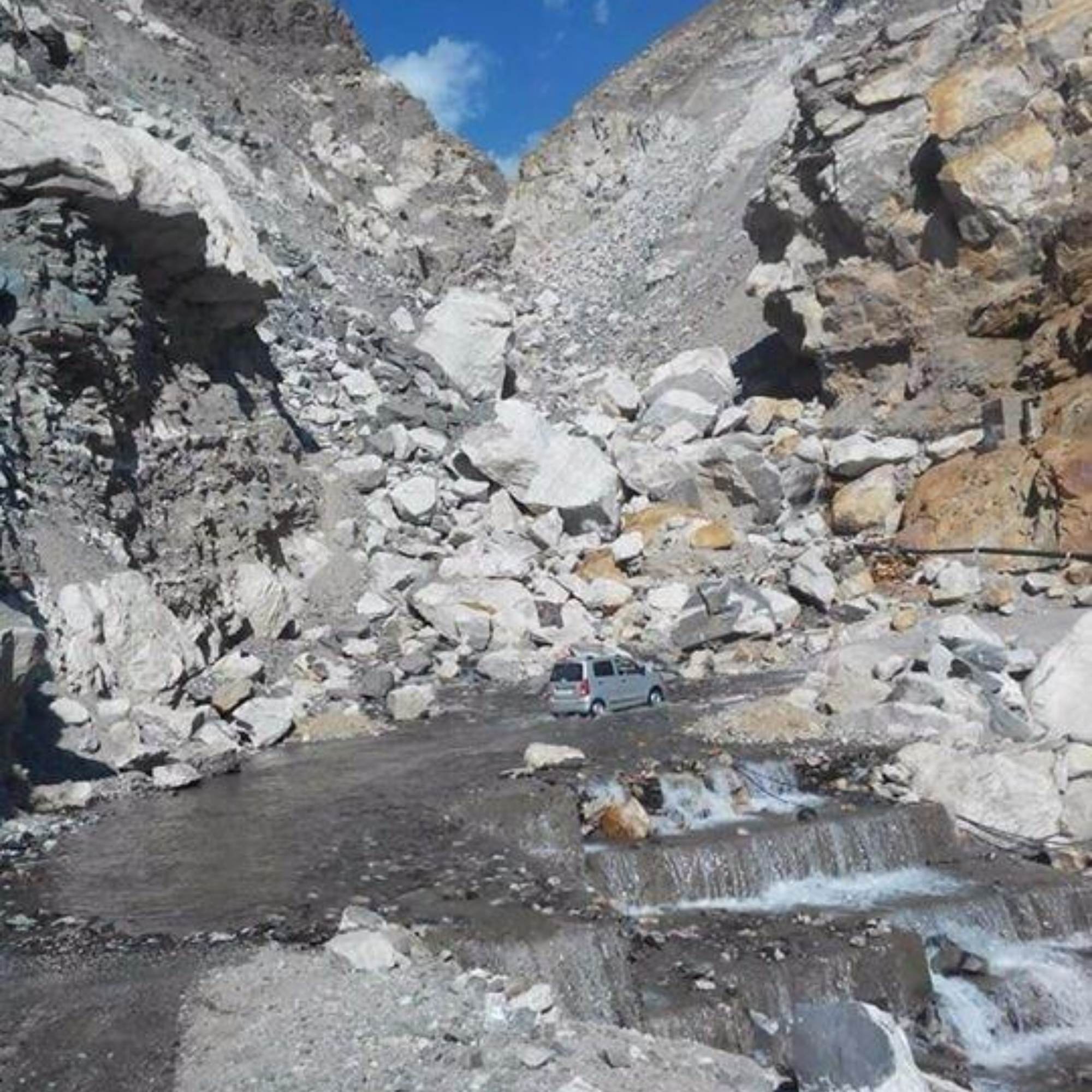
Maling Nala
approx 20 km
An infamous landslide stretch on NH 5 between Nako and Sumdo. Not an attraction, but a section to be aware of and to cross in daylight.
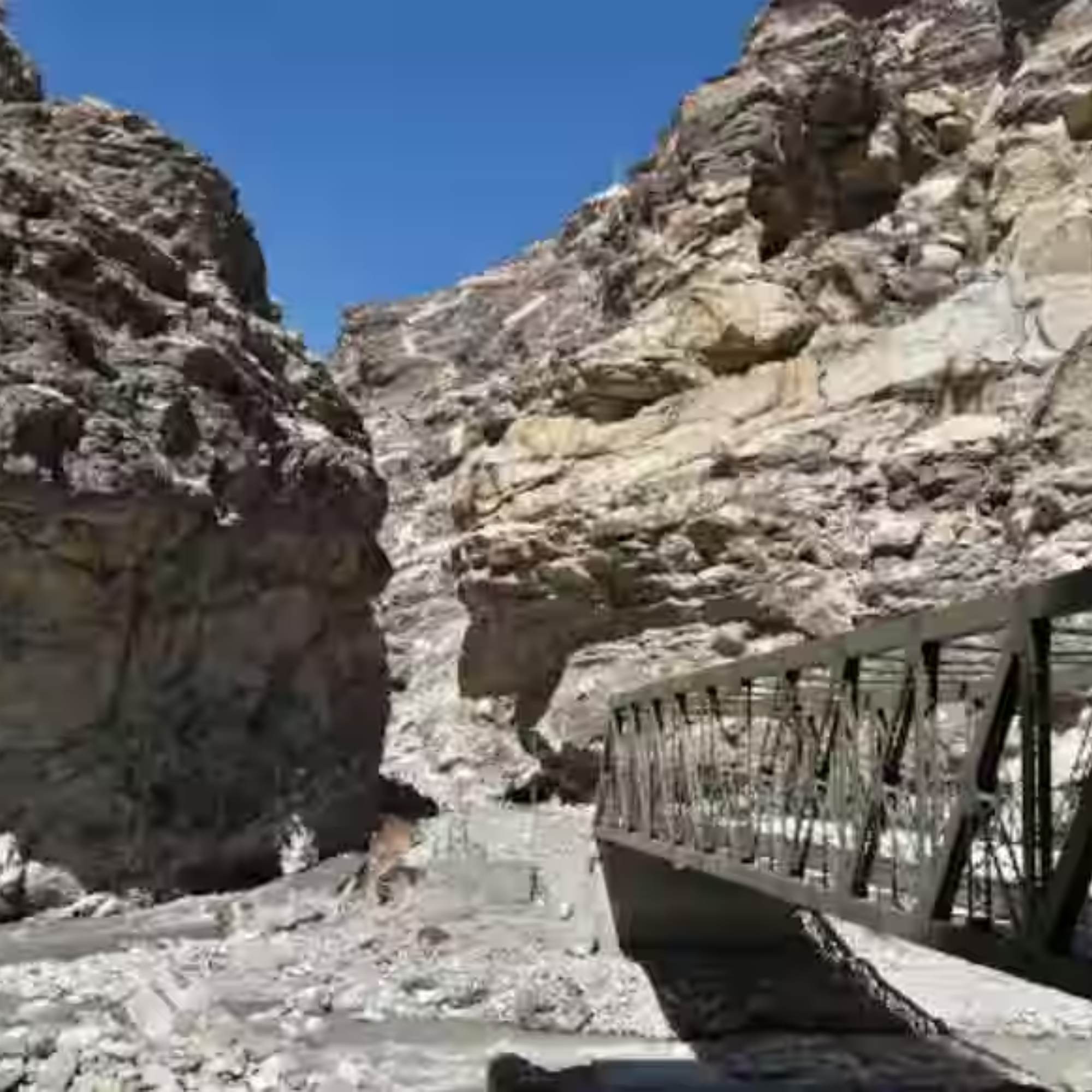
Khab Sangam
approx 30 km
The dramatic confluence of the Sutlej and Spiti rivers, viewed from a high road bend. A natural photo stop on the way in or out.
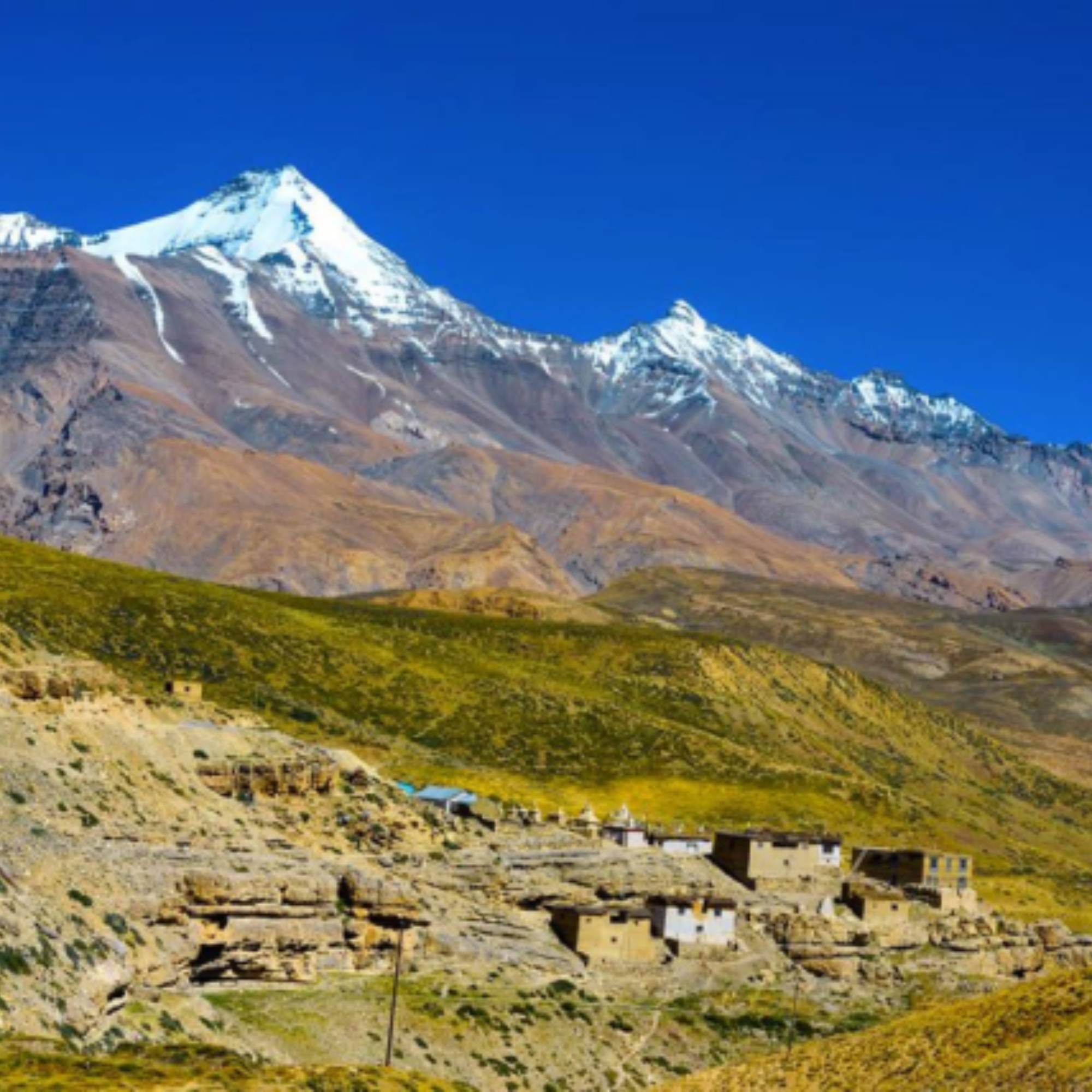
Tashigang
Short walk or drive from Nako
A tiny hamlet on the same range as Nako, reached by a 3 to 4 hour walking circuit. Quiet, almost no tourists, good for a half day.
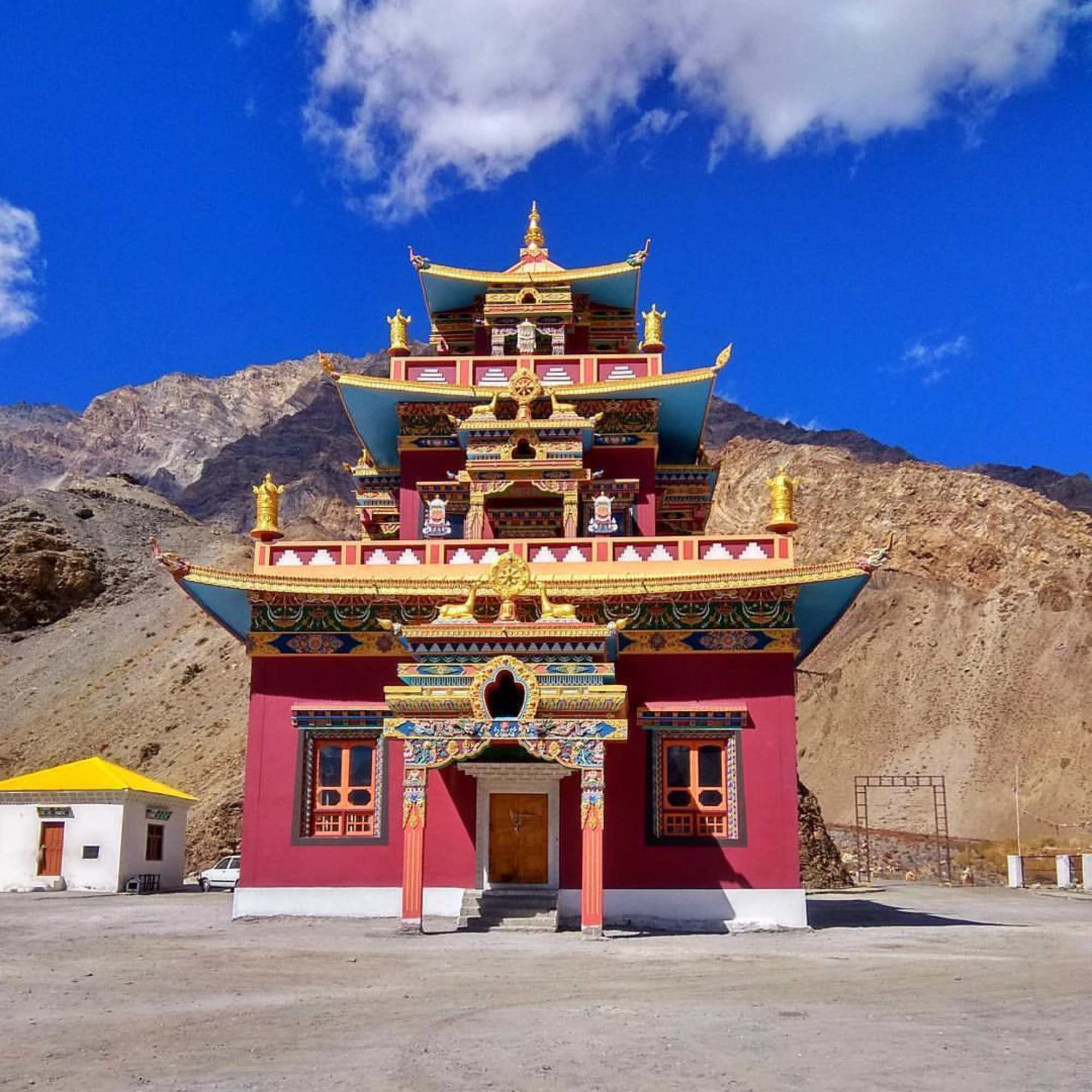
Gue Mummy
approx 50 km
A small village near the Tibet border with a roughly 500 year old naturally preserved monk in a small shrine. A short detour off the Sumdo road.
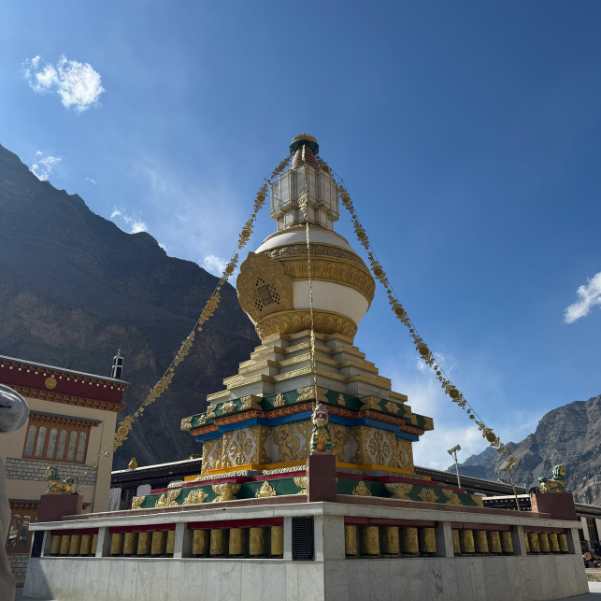
Tabo Monastery
approx 65 km · 2 to 3 hrs
The next major stop as you cross from Kinnaur into Spiti, often called the Ajanta of the Himalaya for its old wall paintings.
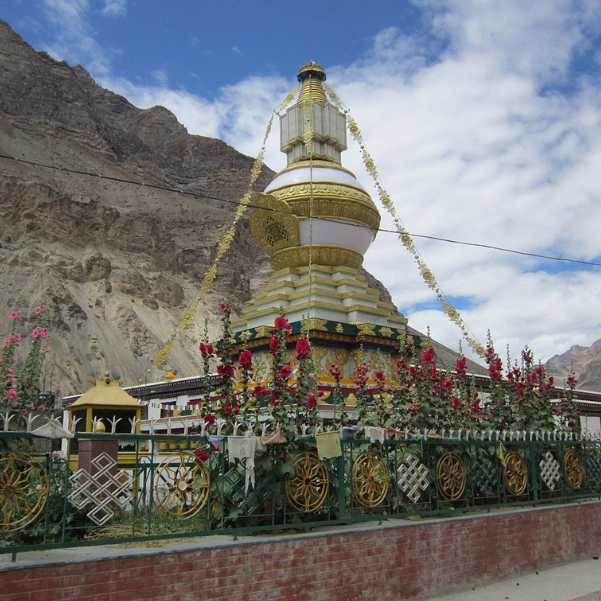
Dhankar Monastery and Lake
approx 95 km · 3 to 4 hrs
A dramatic clifftop monastery above the Spiti and Pin confluence, with a small high lake reached by a short steep walk.
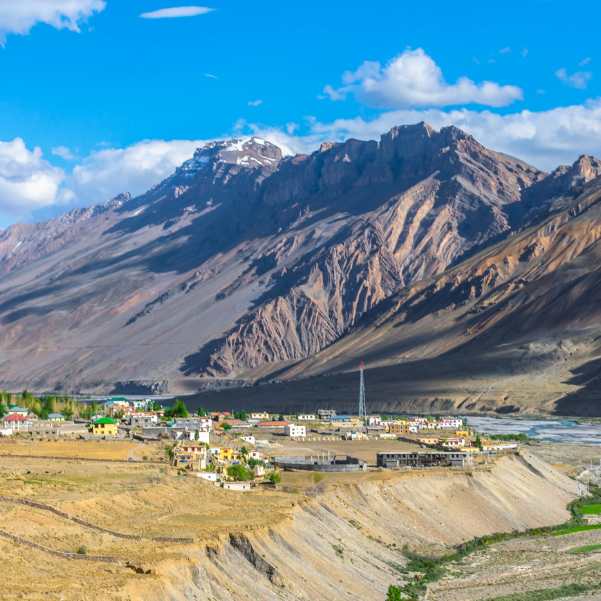
Kaza
approx 110 km · 4 to 5 hrs
The main town of Spiti and the natural base for Key, Kibber, Langza, Komic and Hikkim.
Our packages with Nako Lake & Village
Curated trips that include a visit to Nako Lake & Village.
 Group Tour9D/8N
Best Selling Winter Spiti Valley Group Tour
2D Sangla•1D Tabo+2
₹18,999₹23,999SAVE INR 5,000/ person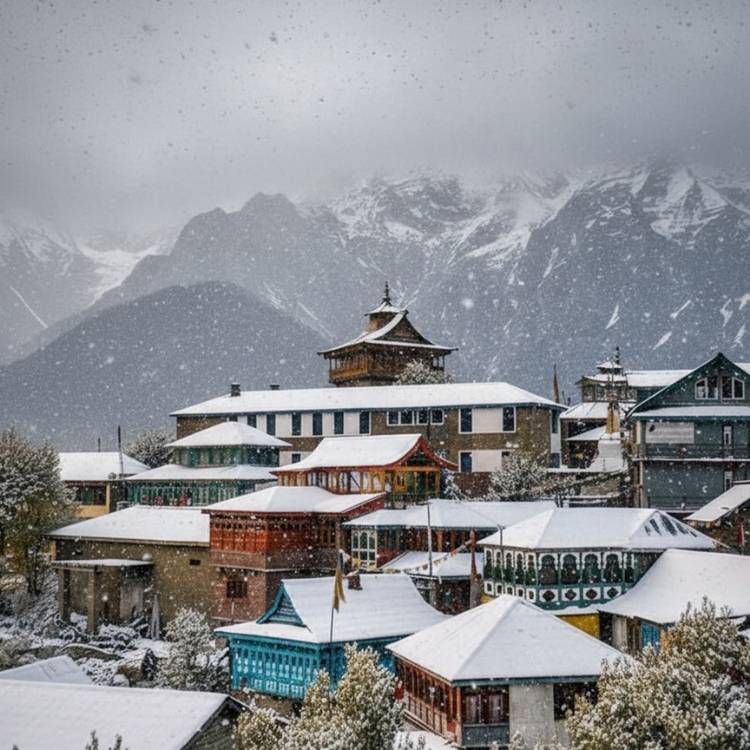 10D/9N
Kinnaur–Spiti Winter Circuit
1D Narkanda•2D Sangla+4
₹35,999₹44,999SAVE INR 9,000/ person
Common questions about Nako Lake and Village
Where exactly is Nako?
Nako is the highest village in the Hangrang Valley, in the Pooh sub division of Kinnaur district, Himachal Pradesh. It sits on the old Hindustan Tibet road (NH 5) at around 3,662 metres, roughly 115 km from Reckong Peo and about 65 km before Tabo if you are heading into Spiti.
What is the altitude of Nako Lake?
Nako Lake sits at roughly 3,662 metres, or about 12,014 feet. Different sources give figures between 3,636 and 3,700 metres. Either way, it is high enough that altitude matters and you should not try to reach it in a single push from the plains.
What is the best time to visit Nako?
May to October is the broad window. May and June are warm and reliable, the monsoon months are dry in Nako itself but landslide prone on the Kinnaur road, and late September to October is quietly the best time of all for golden colours and clean light. From November to May, Kunzum Pass is blocked by snow and Nako becomes a dead end, accessible only from the Shimla and Reckong Peo side.
Do I need a permit for Nako?
Indian travellers do not need a permit. Foreign nationals need an Inner Line Permit (ILP) for the inner Kinnaur to Spiti stretch, which includes Nako. The permit is typically arranged through a tour operator or applied for at the DC office in Reckong Peo or Shimla. Processing takes a day or two. Carry photocopies of your passport and visa. The Sumdo checkpost between Nako and Tabo is where it is commonly checked. Rules can change, so confirm current requirements before you travel.
How do I reach Nako from Delhi or Chandigarh?
There is no direct flight or train. The standard plan is Delhi or Chandigarh to Shimla, then Shimla to Sarahan or Sangla, then Kalpa, then Nako. Three nights of road travel before you reach Nako is realistic. Trying to compress it further is uncomfortable and bad for acclimatisation. From November to May, the Manali route via Kunzum is blocked, so the Shimla approach via Reckong Peo is the only option.
Is Nako Lake big?
No. Roughly 500 metres long and 200 metres wide, the whole loop takes about half an hour on foot. The reason to come is the village around it, the 1025 AD monastery, and the location, not the size of the water.
Can you swim or boat in Nako Lake?
No. The lake is sacred to the local community. Swimming, bathing, putting feet in, and any boating are not allowed. Treat it as a place of belief, not a recreational waterbody.
Is there an ATM or petrol pump in Nako?
No. There is no ATM in Nako and no reliable petrol pump. Carry enough cash and full fuel from Reckong Peo or Pooh. Many homestays only take cash, and UPI works only when the network is in a good mood.
Does mobile network work in Nako?
BSNL postpaid has long been the old reliable here, and Jio 4G now works reasonably well in the village too, which has made staying in touch a lot easier than it used to be. Airtel mostly does not work. Coverage can still drop without warning, so treat Nako as a partly offline stop and tell people back home in advance.
Is Nako safe for solo women travellers?
Generally yes. The village is small, the community is conservative and respectful, and homestays are family run. Standard sensible precautions apply, dress modestly out of respect for local norms, and avoid wandering alone after dark on the road outside the village.
Can you visit Nako with kids or elderly parents?
It is possible but not casual. The altitude, long drive in, basic toilets, and limited medical access mean it is not the easiest place for very young children or for elderly travellers with health issues. If you go, build in slow acclimatisation days at lower elevations first, like Sarahan or Kalpa.
How many days should I plan around Nako?
If you are using Nako as a stop on the Kinnaur to Spiti circuit, one night is enough. If you want to walk to Tashigang and actually feel the village, plan two nights. Beyond that, most travellers prefer to move on to Tabo or Kaza.
Related guides
Posts about Kinnaur
- Yulla Kanda Trek Guide 2026: Route, Best Time, Cost and Planning
- Kinnaur Snowfall Guide 2026: When & Where to Look for Snow
- Christmas & New Year in Kinnaur: A 2026-27 Winter Trip Guide
- Kinnaur in November 2026: Weather, Snow Chances & 7-Day Trip Plan
- Yulla Kanda Trek Distance and Route 2026: Yulla Khas to the Lake
- Yulla Kanda Krishna Temple in 2026: Location, Beliefs & Visiting Etiquette