
6D/5N
Best Selling Leh Ladakh Tour With Nubra Valley and Pangong Lake
2D Leh•1D Nubra Valley+1
₹23,999₹28,599SAVE INR 4,600/ person
Best Ladakh Tour Packages Curated By Experts
2D Leh•1D Nubra Valley+1
2D Leh•1D Nubra Valley+3
 Group Tour
1D Manali•1D Purne / Kargyak / Gonbo Rangjon Side+2
 Group Tour
1D Manali•1D Purne / Kargyak / Gonbo Rangjon Side+2
2D Leh•1D Pangong Lake
2D Leh•2D Nubra Valley+1
Where every turn tells a tale.
Ladakh is not just a location to experience, but it is a feeling in itself. Every frozen lake, every mountain, and every monastery remains with you in the form of memories and for life.
Think about going on one of the highest roads you can drive on, Khardung La., Or relaxing by Pangong Lake. Or taking in the golden quietness of Nubra Valley while drinking some butter tea.
Ladakh will always be memorable, with warm coffee, heated mattresses, cozy homestays, snowy peaks, prayer flags, and even those enchanting yak rides.
At Travel Coffee, we believe that the best journeys are the ones that stay with you, not just as photos in your gallery, but as stories you’ll tell for years.
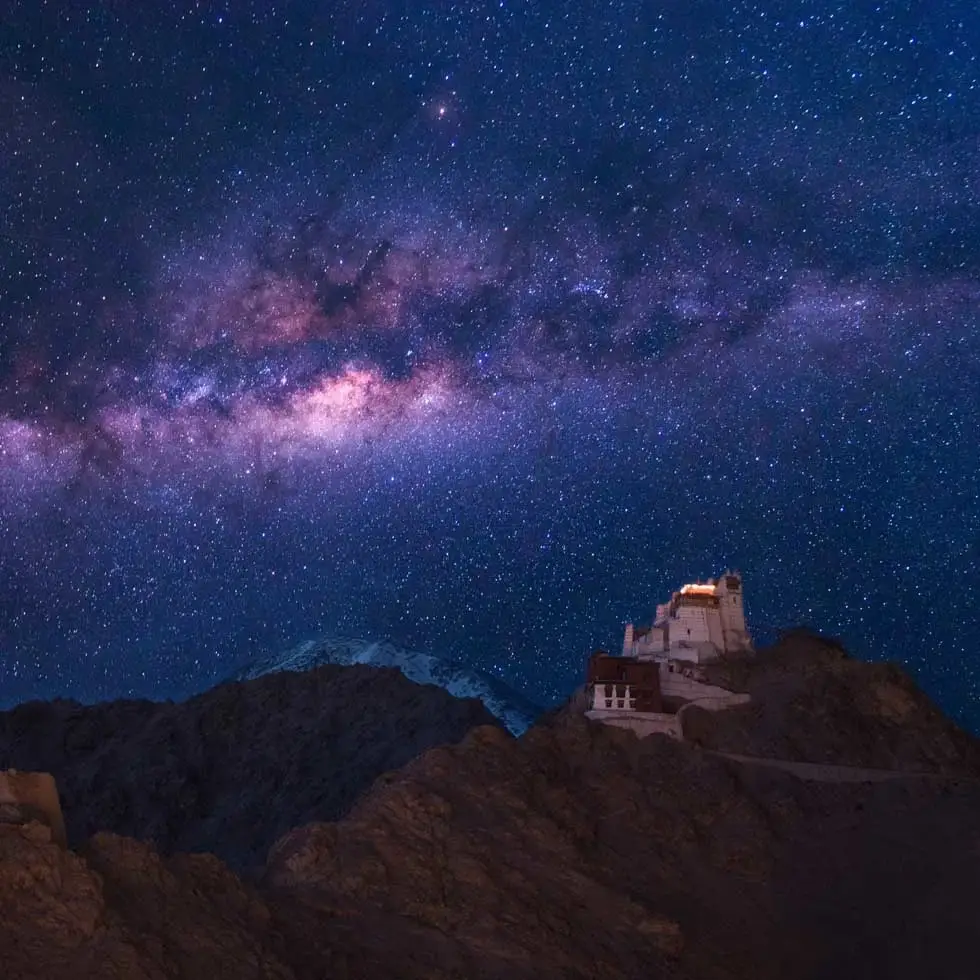
That’s why our Leh-Ladakh tour packages are designed a little differently. We focus on the moments that matter: the silence of a high mountain pass, the laughter around a shared meal, and the wide-eyed wonder of watching the Milky Way from a chilly rooftop.
We’re not here to rush you from one tourist spot to another. We’re here to help you pause, breathe, and really feel the place. Maybe your boots get a little dusty. Maybe your plans change because a local festival is too beautiful to skip. That’s okay. Because for us, it’s these imperfect, unplanned moments that make a trip unforgettable.
With Travel Coffee, your journey with the Leh-Ladakh package becomes more than a checklist. It becomes a story worth remembering.
If you're planning your first-ever visit to Ladakh, or if you're coming back for more, we have got Leh-Ladakh packages for everyone - couple, family, solo, explorer, bike, and even road trip groups.
18 packages found
 Group Tour
2D Leh•1D Nubra Valley+1
2D Leh•1D Nubra Valley+1
2D Leh•1D Nubra Valley+1
2D Leh•2D Nubra Valley+1
Group Tour1D Manali•1D Purne / Kargyak / Gonbo Rangjon Side+2
1D Manali•1D Purne / Kargyak / Gonbo Rangjon Side+2
2D Leh•1D Nubra Valley+2
1D Manali•1D Purne / Kargyak / Gonbo Rangjon Side+2
Group Tour1D Manali•1D Purne / Kargyak / Gonbo Rangjon Side+2
2D Leh•1D Nubra Valley+3
2D Leh•1D Nubra Valley+2
2D Leh•1D Nubra Valley+3
2D Leh•1D Pangong Lake
2D Leh•2D Nubra Valley+1
2D Leh•1D Pangong Lake
1D Leh•1D Leh Local +2
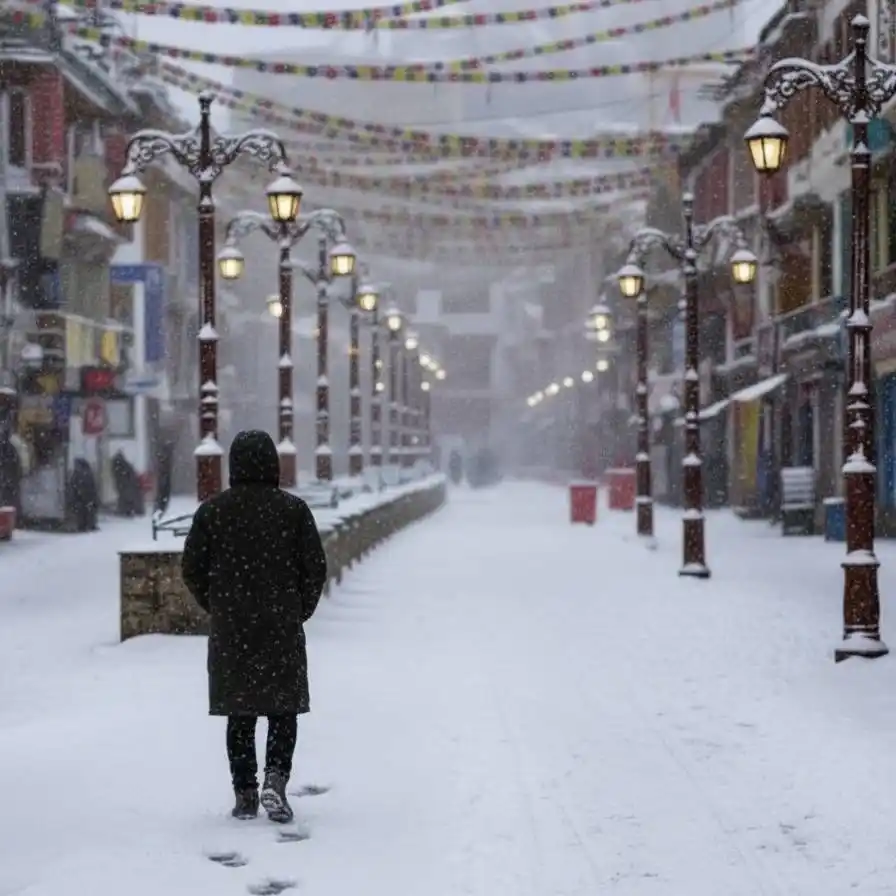
1D Leh•1D Leh Local+2
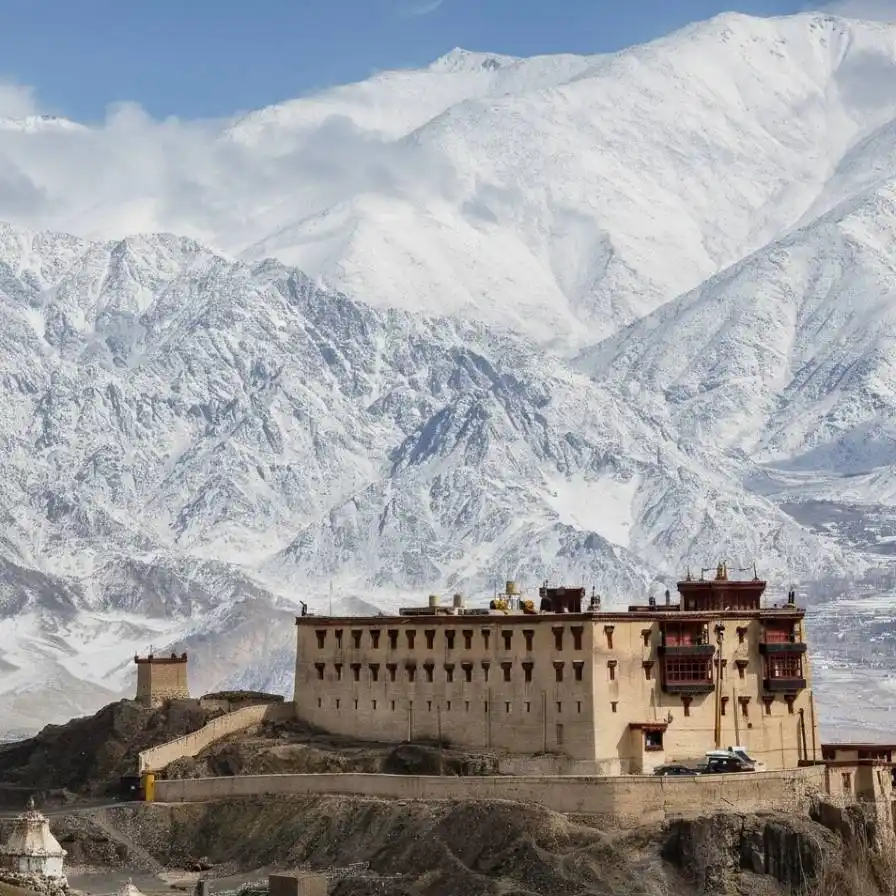
1D Leh•1D Leh Local+2
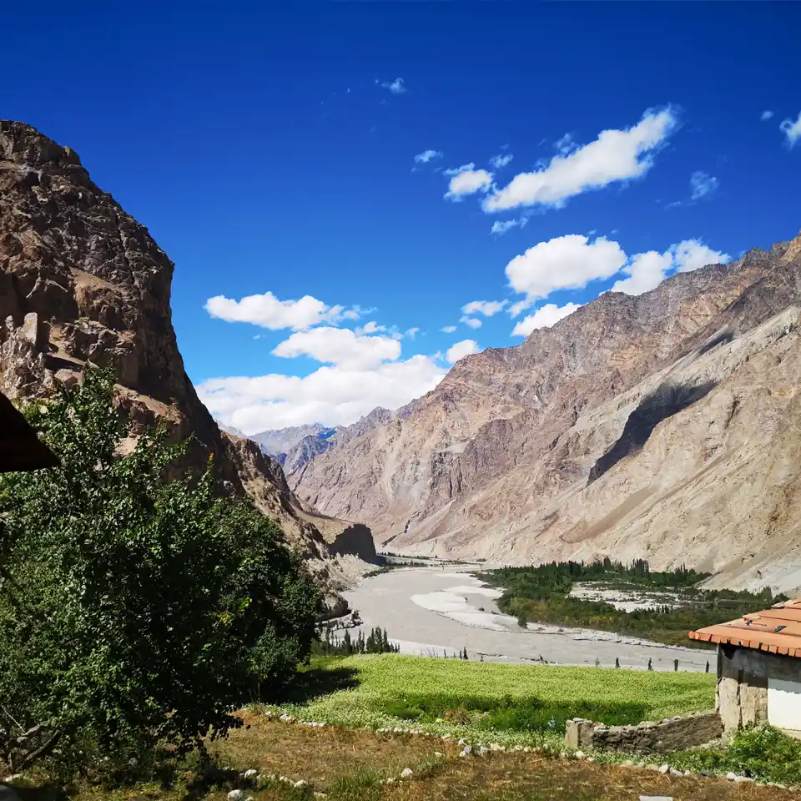
Turtuk is a small Balti village on the Shyok river in the far north of Nubra Valley, about 205 km from Leh. It was part of Pakistan until 1971 and only opened to visitors in 2010. At roughly 9,850 feet, it sits lower than most of Ladakh, which means warmer summers, actual trees, and apricot orchards lining every path. The culture here is Balti Muslim, not Buddhist, with its own language, food, and architecture that feel closer to Baltistan than to Leh. Most travellers add it as an overnight stop on a Nubra Valley circuit.
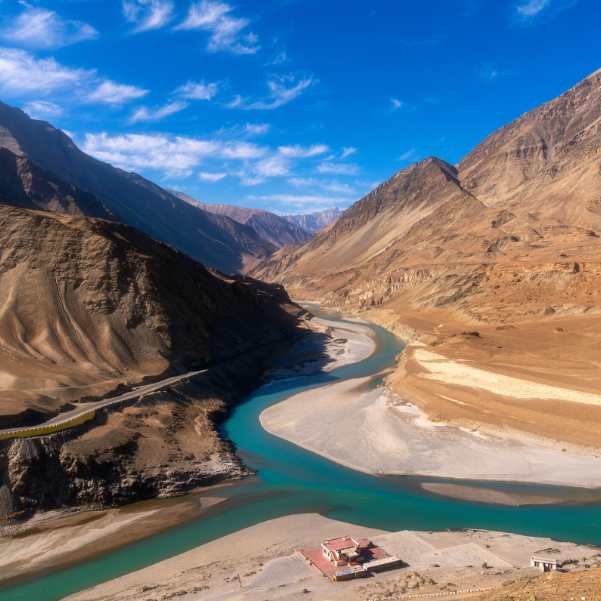
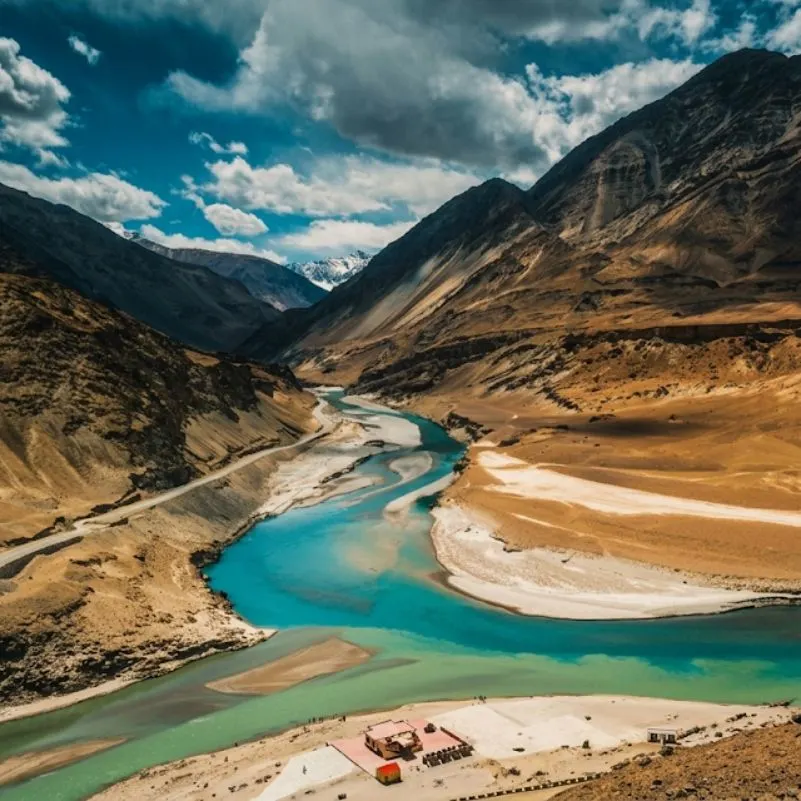
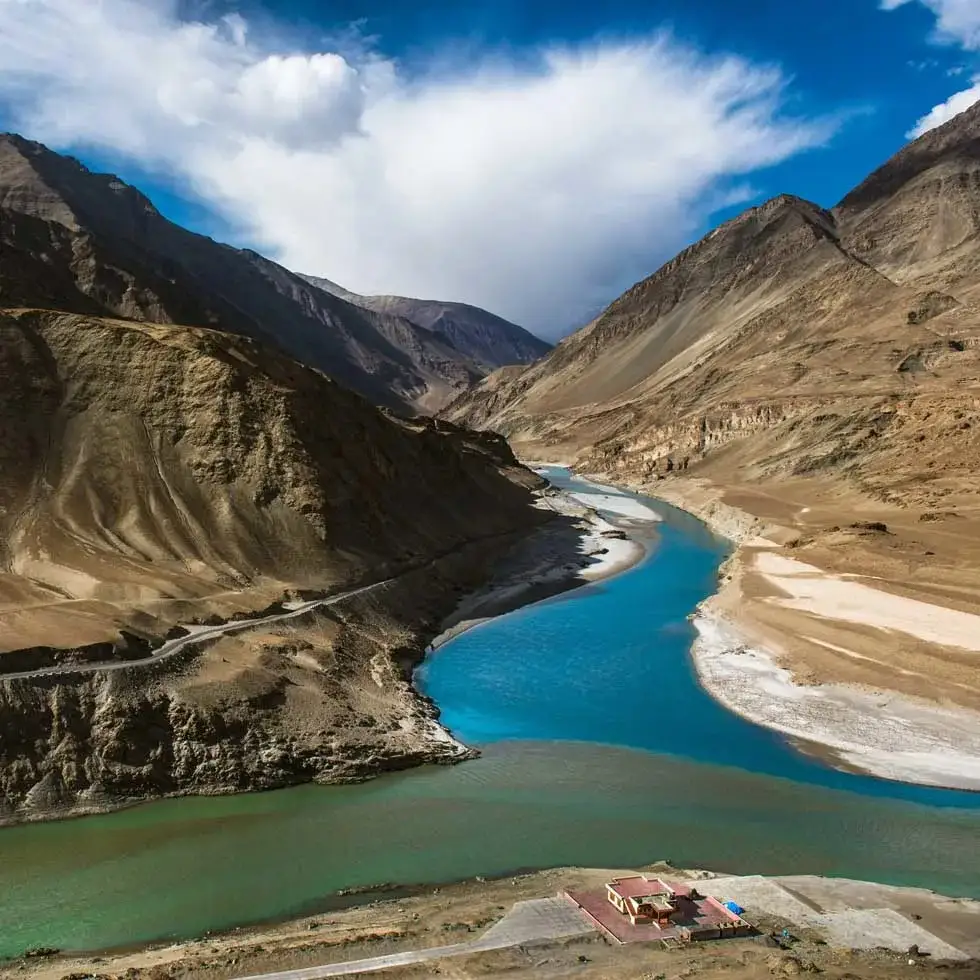
Sangam Point is where the Zanskar river, carrying a milky turquoise, meets the deeper green of the Indus near Nimmo village on the Leh to Srinagar highway. The two rivers run side by side in clearly different colours before slowly blending into one. It sits about 35 km west of Leh at around 10,200 feet. Most travellers visit as part of a Sham Valley half day from Leh, combined with Gurudwara Pathar Sahib and Magnetic Hill. The confluence is also the end point for popular white water rafting trips on the Zanskar, running roughly June to September.
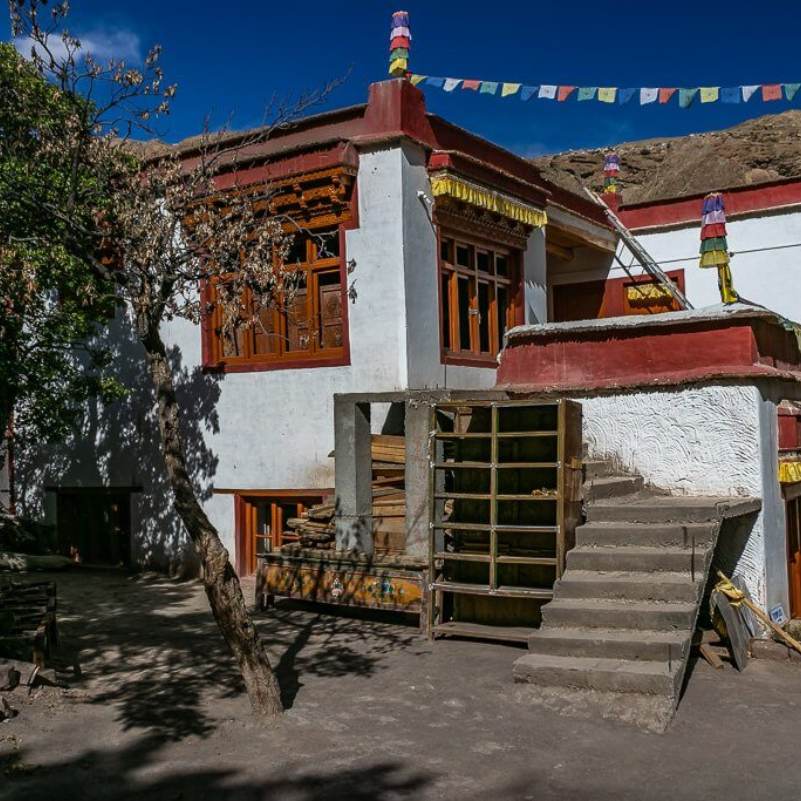
Alchi Monastery (Alchi Choskhor) is an 11th to 13th century Buddhist monastic complex in Alchi village, about 65 km west of Leh on the Srinagar Leh Highway. Unlike every other famous gompa in Ladakh, it sits on flat ground inside a village, not on a cliff. The reason to come is inside: Kashmiri style murals and wood carvings from the 11th and 12th centuries, among the oldest surviving Buddhist art in the region. Six temples, including the three storied Sumtsek with its 4 metre standing Bodhisattvas. Allow 1.5 to 2 hours for the complex, and combine it with the Sham Valley circuit from Leh.
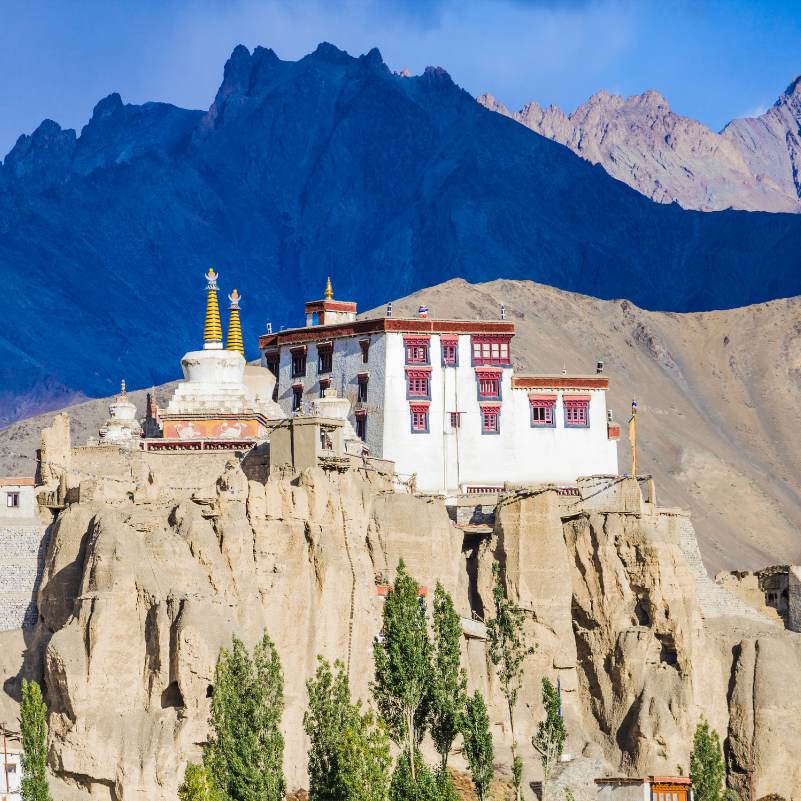
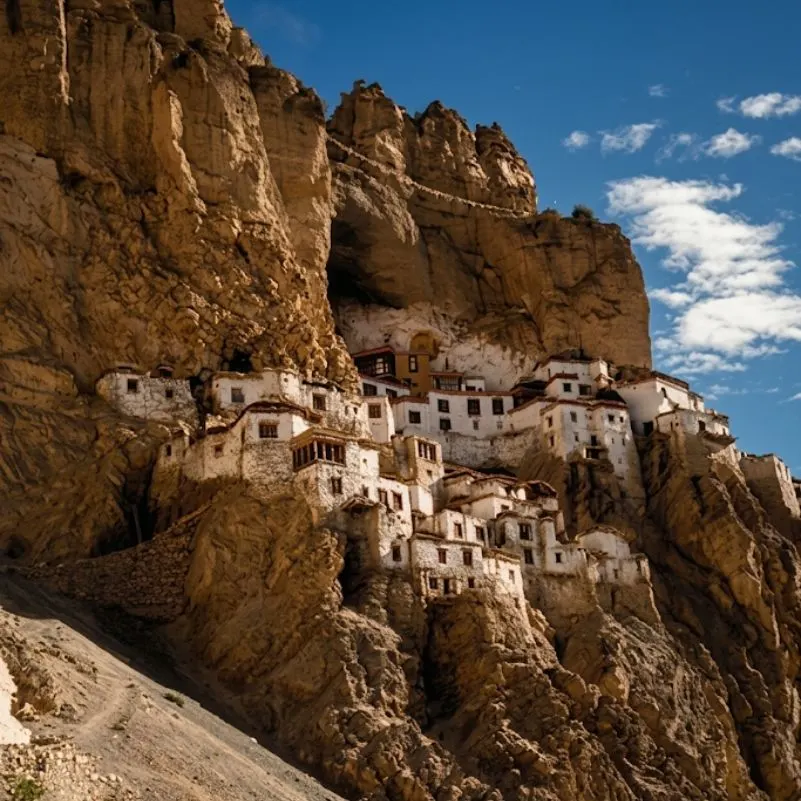
Lamayuru is the oldest monastery in Ladakh, at 3,510 metres on the Srinagar Leh Highway, 125 km from Leh. The monastery and the Moonland, the deeply eroded landscape around it, are the draw. About 50 monks live here now. You can see Naropa's cave, the old wall paintings, and the Yuru Kabgyat masked dance festival. Most people stop for an hour on the Srinagar to Leh drive. It deserves more time.
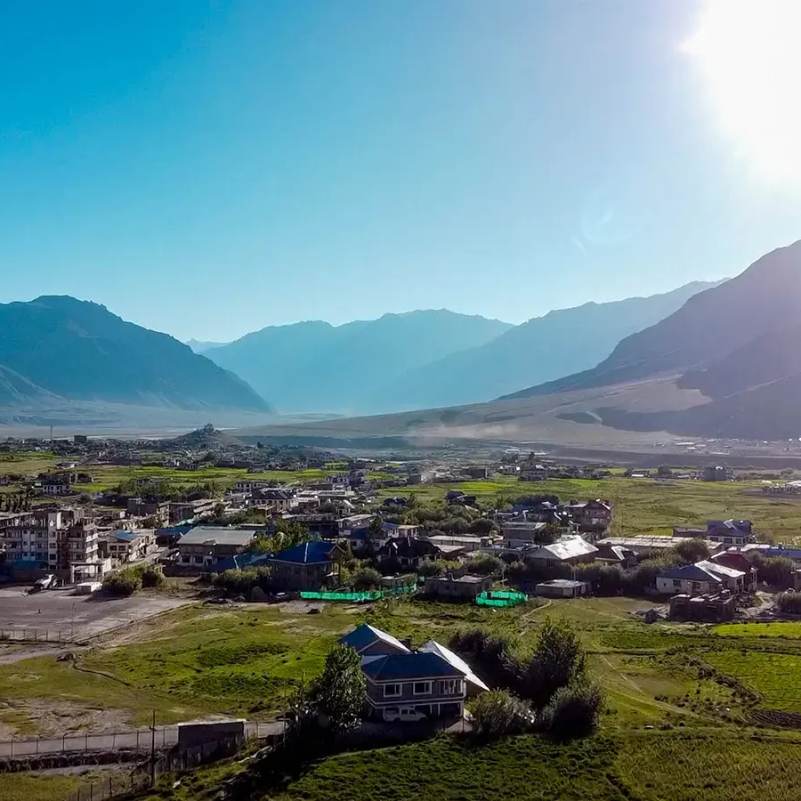
Zanskar Valley sits deep inside Ladakh, south of the main Indus valley, separated by the Zanskar Range. Padum, the capital, is at roughly 3,670 metres. Roads generally open from June to October. Most travellers reach Padum from Kargil via Pensi La (235 km, 8 to 10 hours). The valley is home to ancient Buddhist monasteries, the Drang Drung Glacier, and some of the most committed isolation you will find anywhere in India.
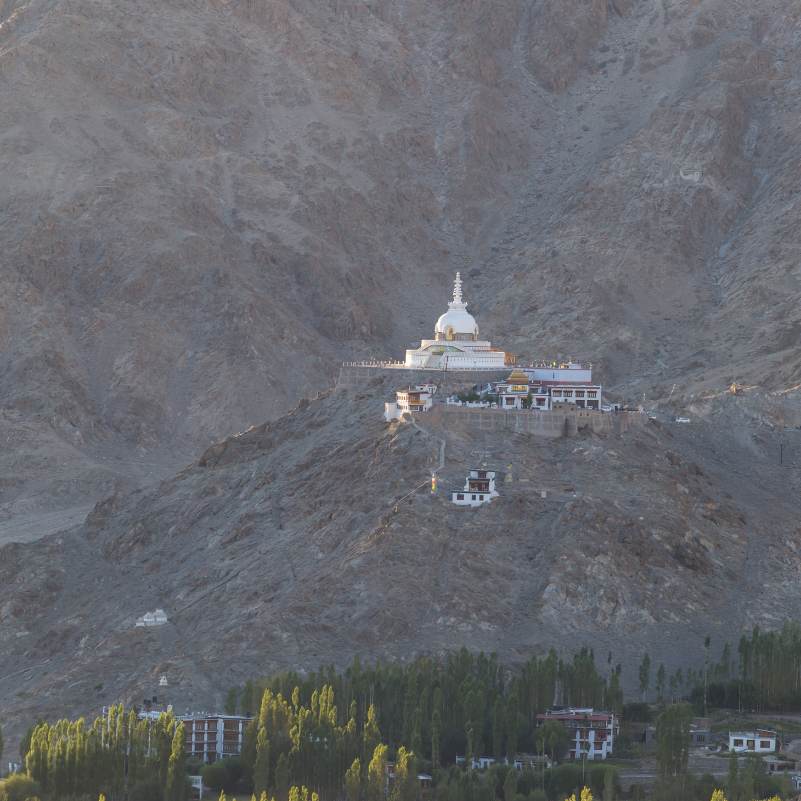
Shanti Stupa sits on a hilltop in Chanspa, about 5 km from central Leh, at roughly 3,600 metres. Built in 1991 by Japanese Buddhist monk Gyomyo Nakamura as part of the global Peace Pagoda mission, it holds relics of the Buddha enshrined by the Dalai Lama. Most people come for the view: Leh town below, Leh Palace and Namgyal Tsemo across the valley, and the Stok range behind. Sunset is the time to be here. Free entry. Forty five minutes to an hour.
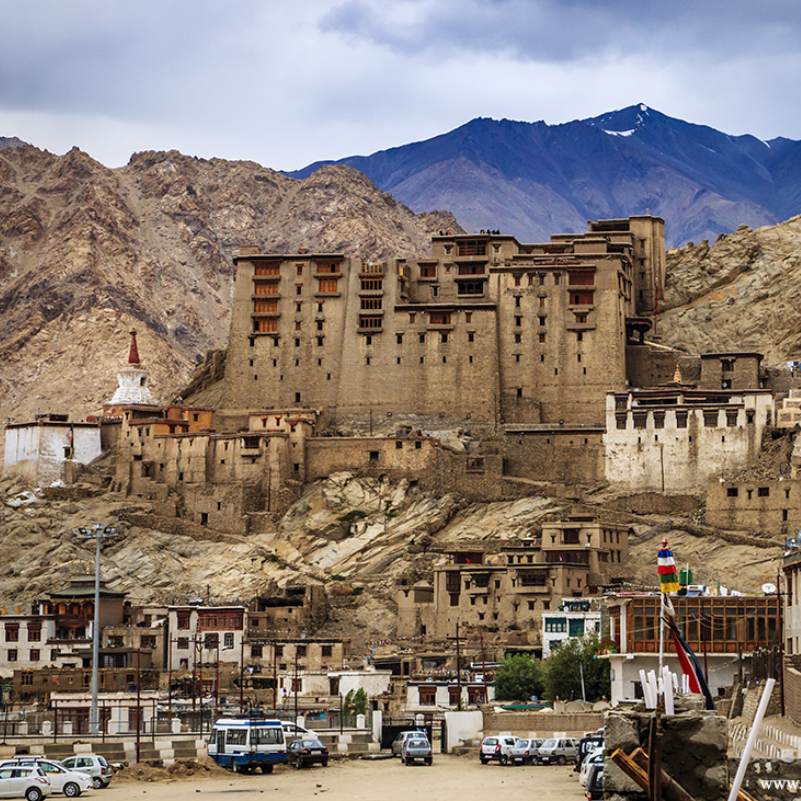
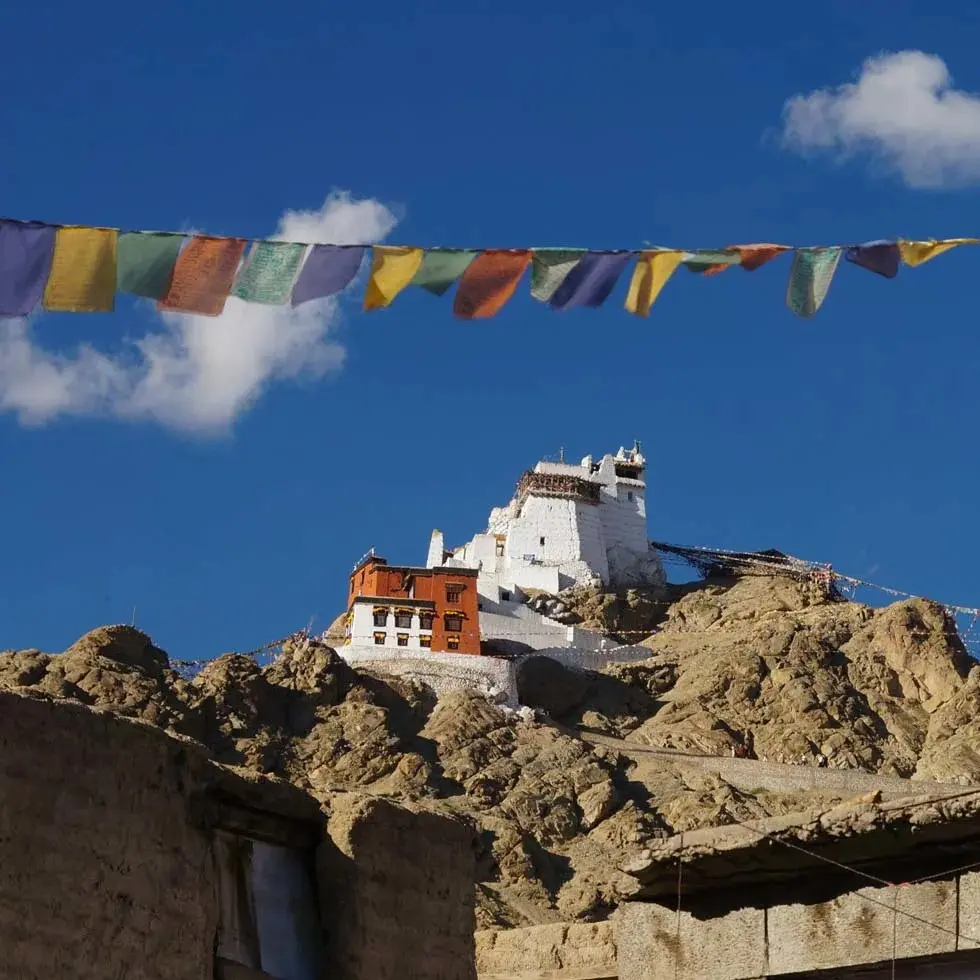
Leh Palace sits on Tsemo Hill above the old town at roughly 3,500 metres. Built around 1630 by King Sengge Namgyal, it served as the Namgyal dynasty's royal residence until the Dogra invasion forced the family to Stok in the 1830s. Nine storeys of stone and mud brick, modelled on the Potala in Lhasa. Most interiors are in ruins, but the rooftop view across Leh, the Indus Valley, and the Stok range is worth the climb. One to two hours, ideally late afternoon.
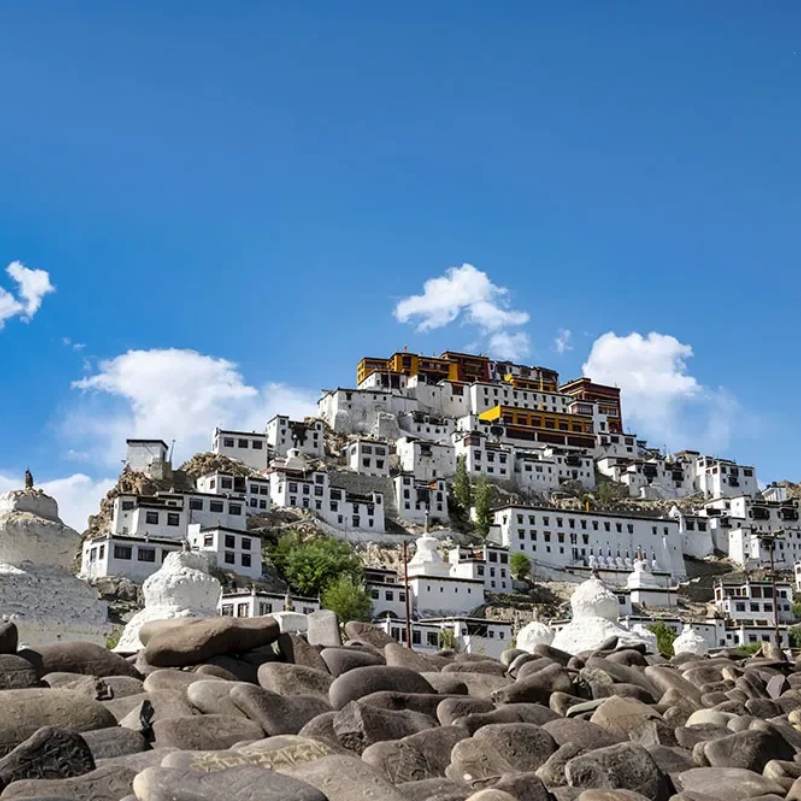
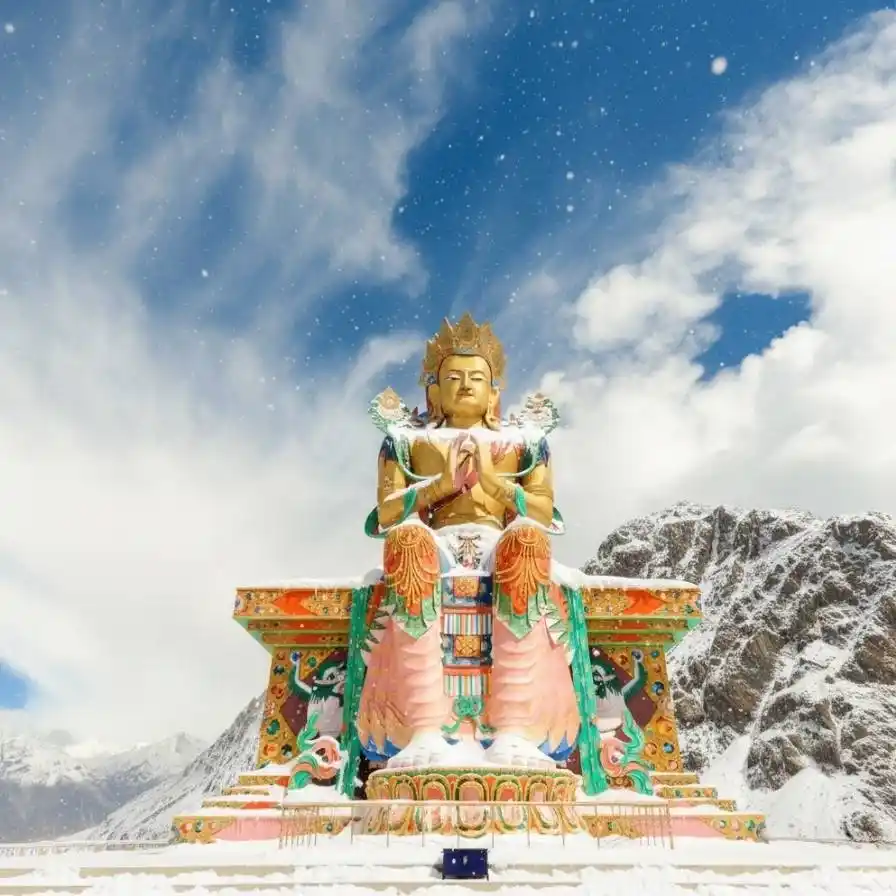
Thiksey Monastery is the largest monastery in central Ladakh, a 12 storey Gelugpa gompa built into a hillock about 19 km south of Leh at around 3,600 metres. Founded in 1433, it is often compared to the Potala Palace in Lhasa for its tiered white and red facade. The 15 metre Maitreya Buddha statue, commissioned in 1970 to mark the 14th Dalai Lama's visit and consecrated in 1980, is the largest indoor Buddha in central Ladakh. The 6:30 AM morning prayer is the cultural experience most Ladakh travellers remember longest. Plan 1 to 1.5 hours for a visit, or more if you catch the dawn prayer.
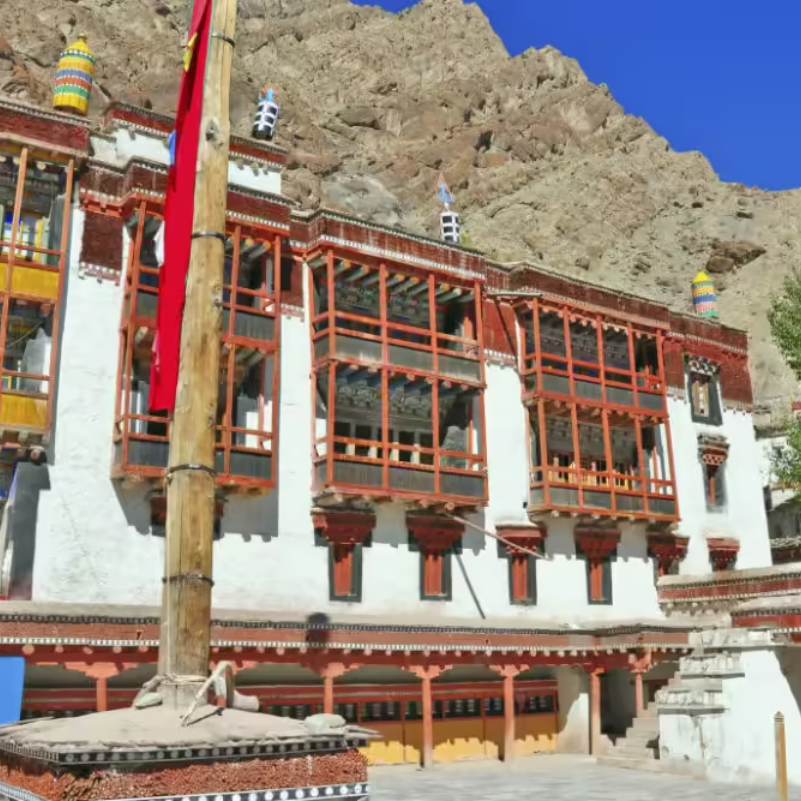
Hemis is the largest and wealthiest Drukpa Kagyu monastery in Ladakh, in a quiet side gorge about 45 km from Leh at ~3,500 m. An ideal gentle half day outing during your first 48 hours of acclimatisation. The annual Hemis Tsechu (June or July) features sacred Cham dances honouring Guru Padmasambhava. Entry ₹50. Combine with Thiksey and Shey Palace on a single day circuit from Leh.
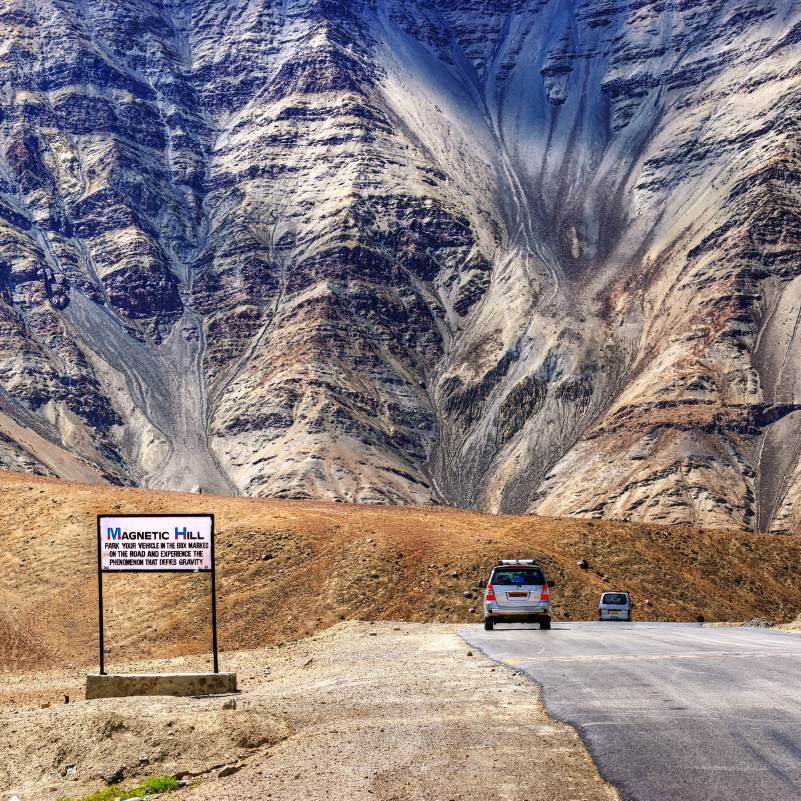
Magnetic Hill is a short stretch of road on the Leh to Kargil highway, about 27 km west of Leh at roughly 11,500 feet. Park your car in the yellow box marked on the road, shift to neutral, release the brakes, and the vehicle appears to roll uphill on its own at about 10 to 15 kmph. It is an optical illusion created by the surrounding terrain and the way the horizon line hides the actual slope of the road. The whole thing takes five minutes. Most travellers do it as part of a Sham Valley half day from Leh, paired with Gurudwara Pathar Sahib and the Indus Zanskar confluence near Nimmo.
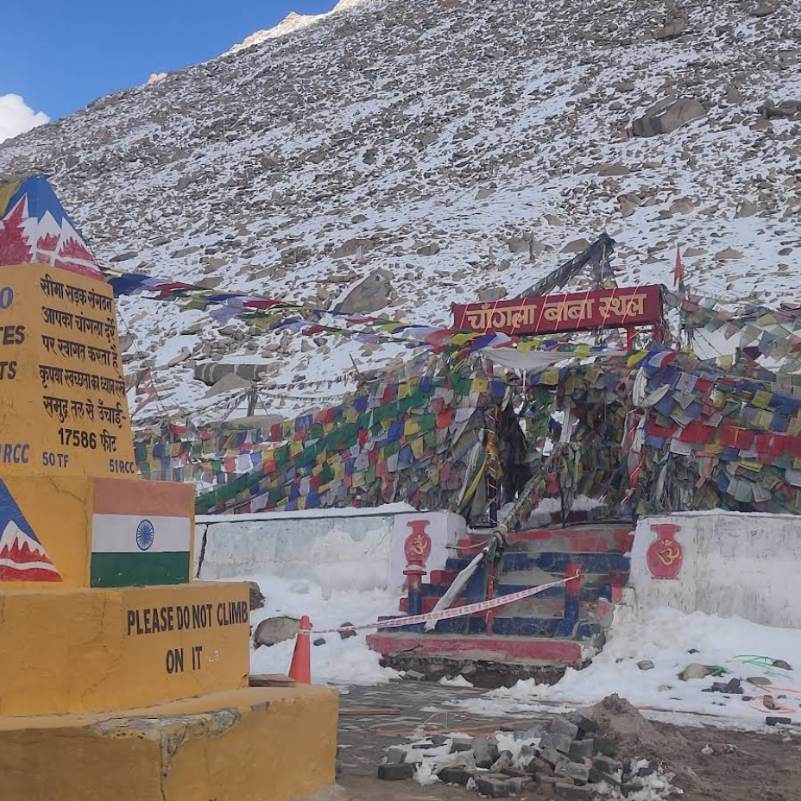
Chang La sits at roughly 5,360 metres on the Leh to Pangong Lake road, about 75 km east of Leh. One of the most iconic high altitude passes in the world, it is not a destination in itself but a 15 minute transit stop where the Indian Army maintains a safety post with hot tea, emergency oxygen, and warmth. The air is thin enough that you feel each breath. Prayer flags snap so hard in the wind they drown out car engines. The Changla Baba temple draws a quiet prayer from every passing driver. Keep your stop short. The altitude is real.
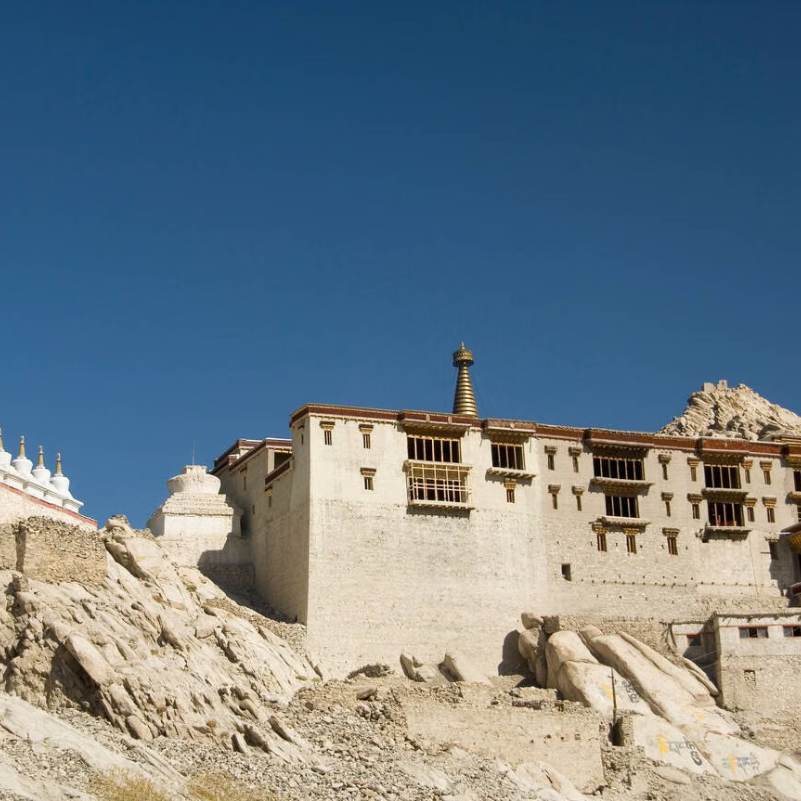
Shey Palace sits on a hill 15 km south of Leh at around 3,415 metres, the former summer capital of the Namgyal kings of Ladakh. The current palace and gompa were built in 1655 by Deldan Namgyal in memory of his father Sengge Namgyal, and the main draw is a 12 metre Shakyamuni Buddha across three floors, the second largest in Ladakh after Thiksey. A 45 to 60 minute stop on the Indus valley monastery loop from Leh, not a destination on its own. Open year round, nominal entry fee generally around Rs 30, confirm on arrival.
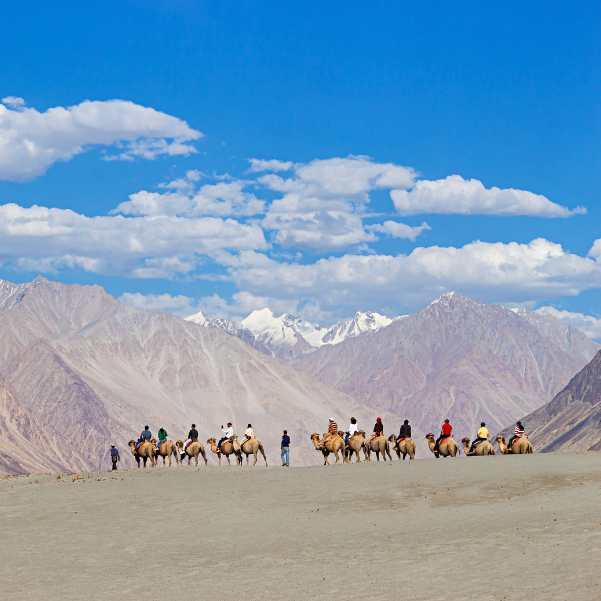
Hunder is the dune village on the Nubra valley floor at around 3,050 metres, about 130 km from Leh across Khardung La. The dunes between Hunder and Diskit are compact, a 7 km belt of cold desert at high altitude. The double humped Bactrian camels are the real reason to come. Rides are short and best at sunrise or sunset, not midday. One night works if you are tight, two nights is better. Environment and Development Fee is mandatory, cash for camel rides, and do not trust network past Khardung La.
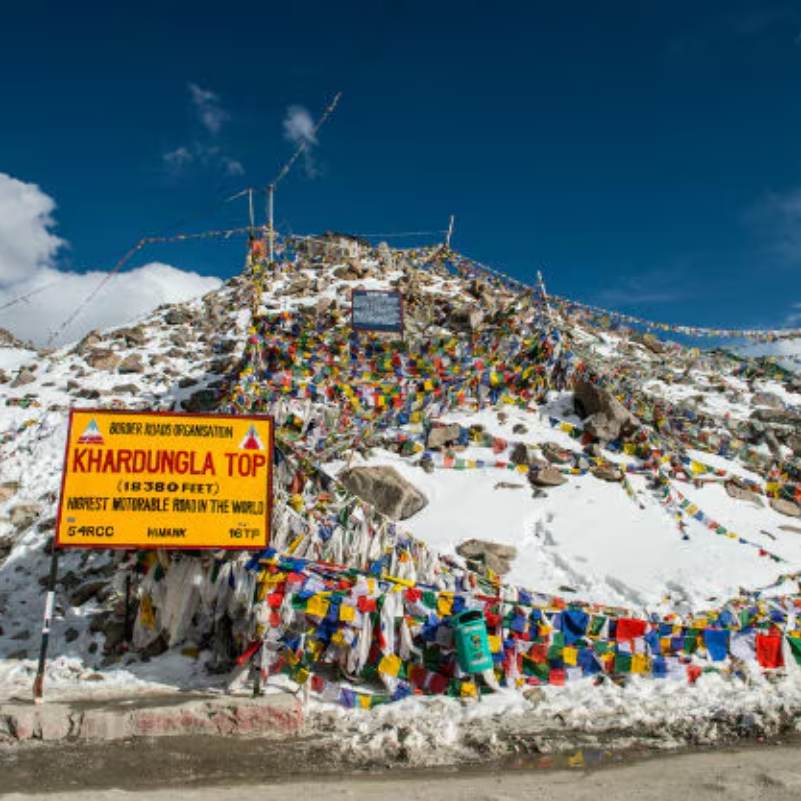
Khardung La is a high pass in the Ladakh Range about 40 km north of Leh, connecting the Indus valley to Nubra and the Siachen glacier. Real altitude is around 5,359 metres by GPS, though the signboard at the top still claims 5,602 metres and the title of world's highest motorable road, both of which have been contested for years. Open year round thanks to BRO, with brief winter closures after heavy snow. Usually crossed as a 10 to 15 minute photo stop on the way to or from Nubra, not a destination to linger at.
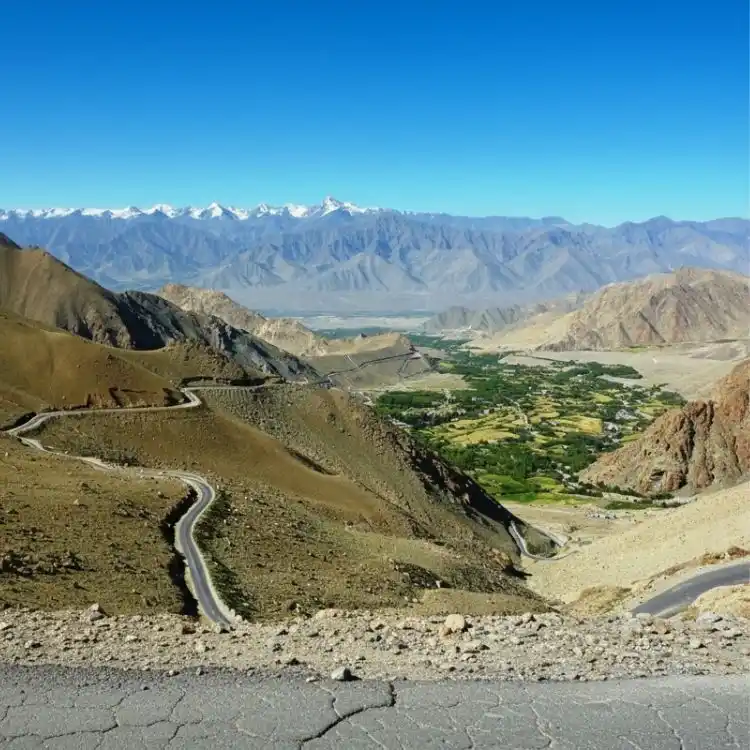
If you're into biking, you cannot miss the Himalayan routes Khardung La and Chang La. These open up to breathtaking views after your motorbike takes you through winding roads and rugged terrain. These are ideal for bikers, SUV lovers, and thrill-seekers.
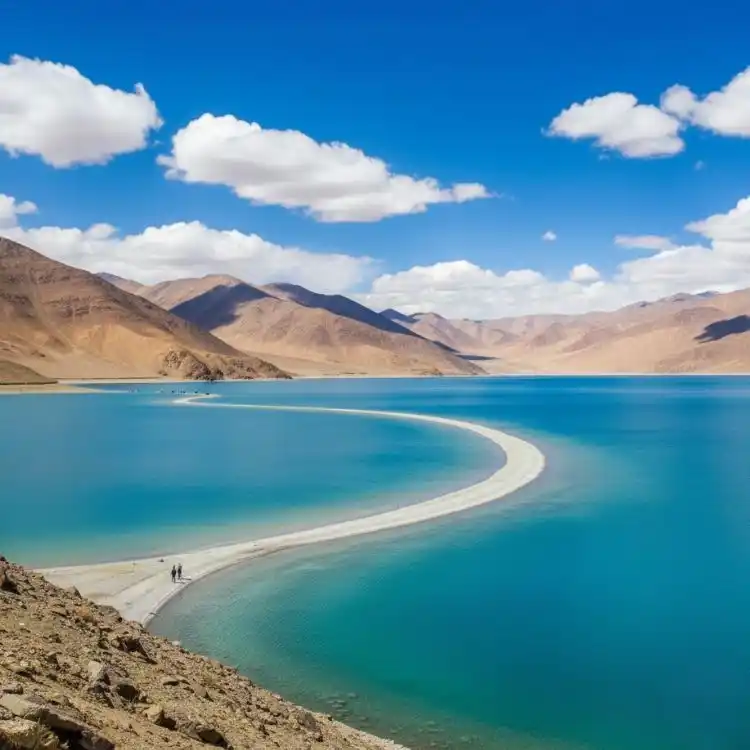
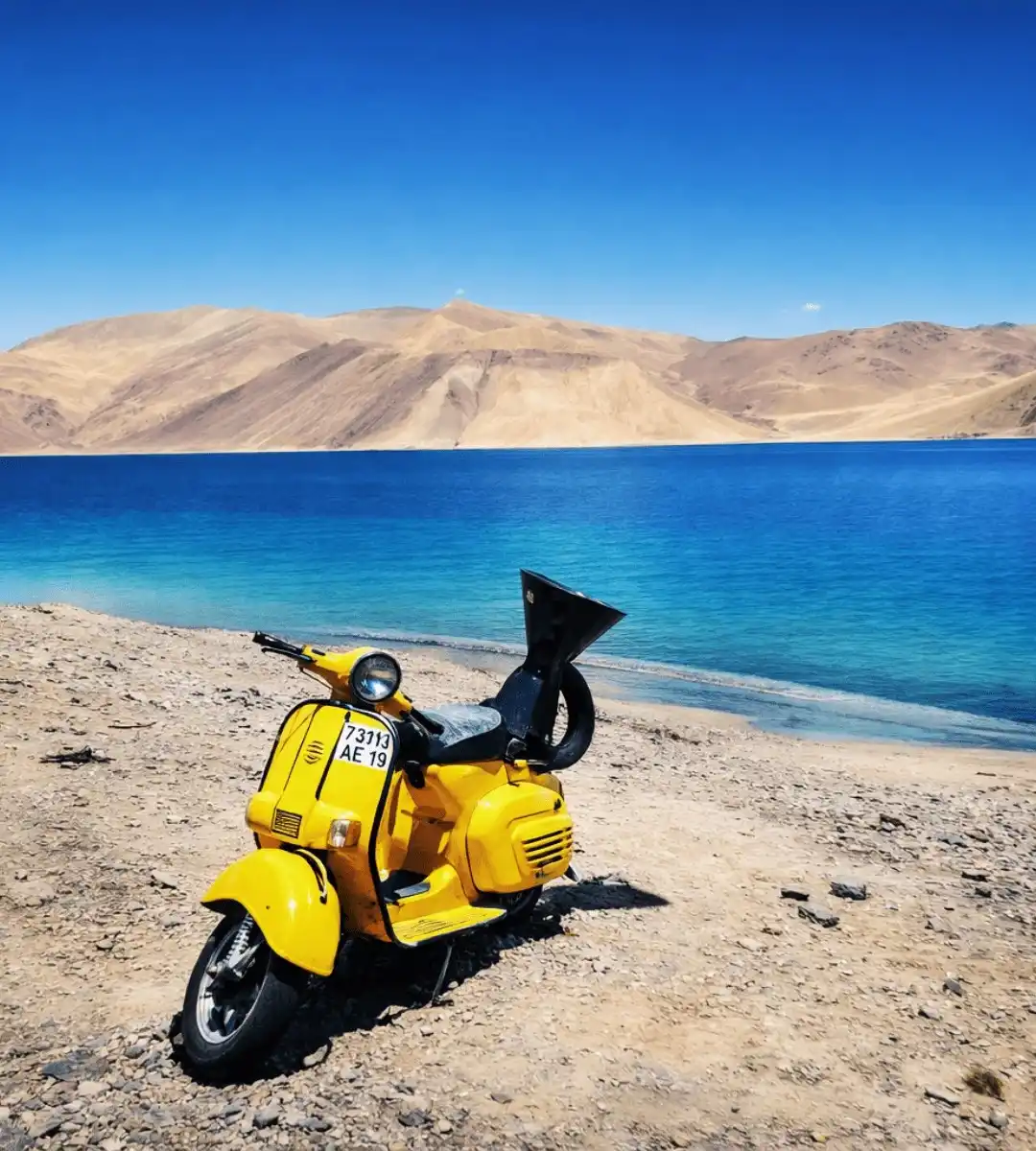
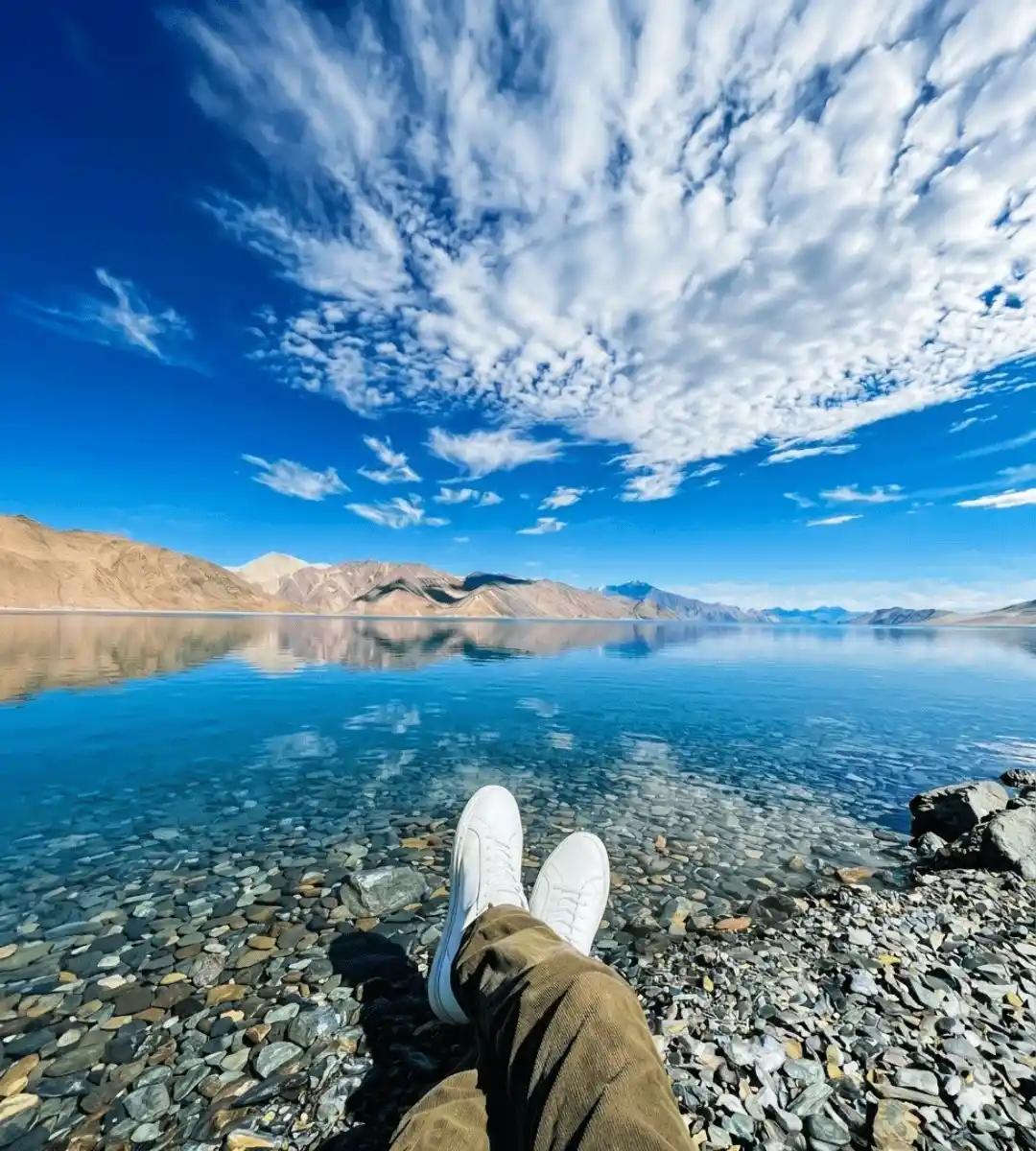
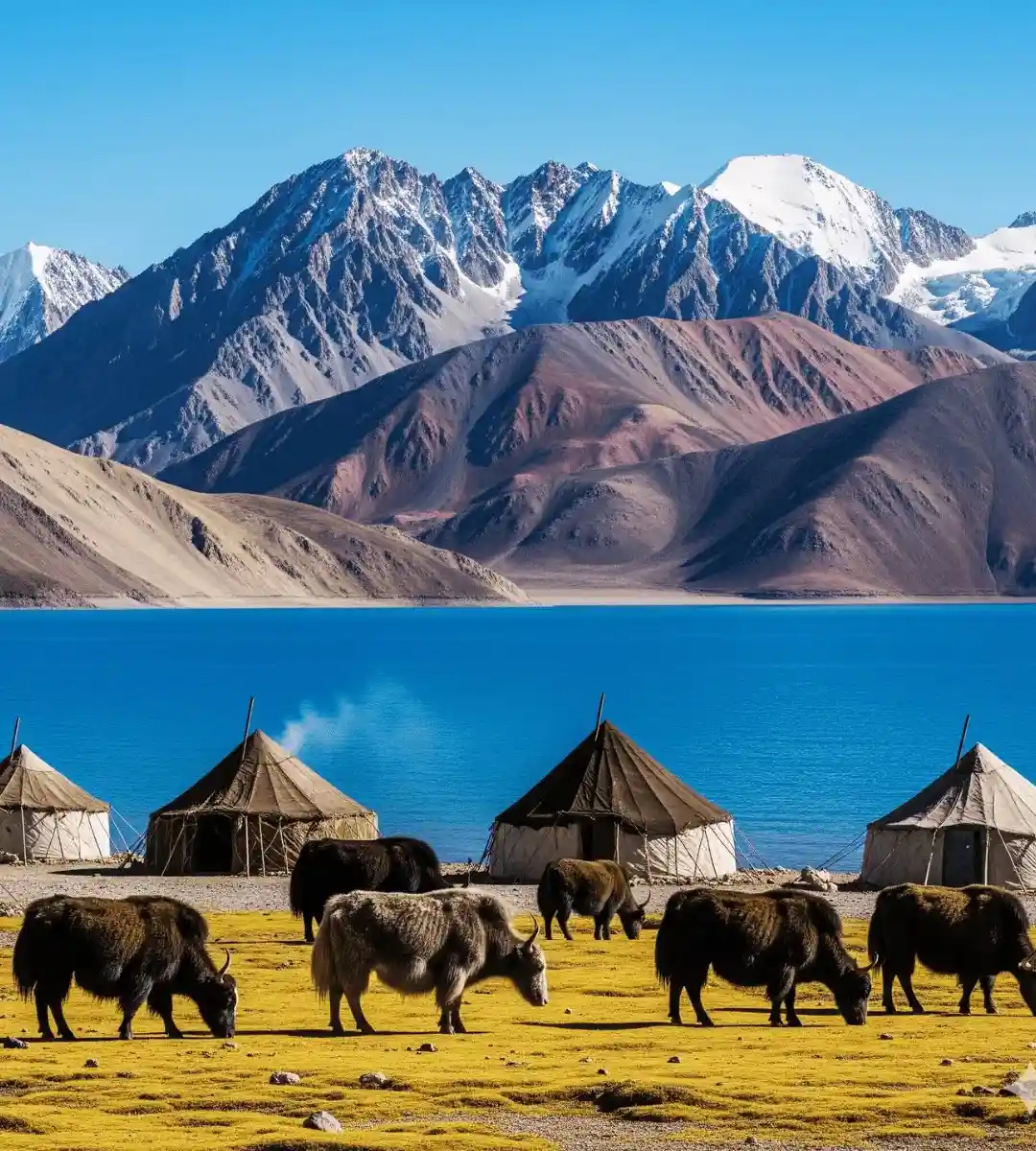
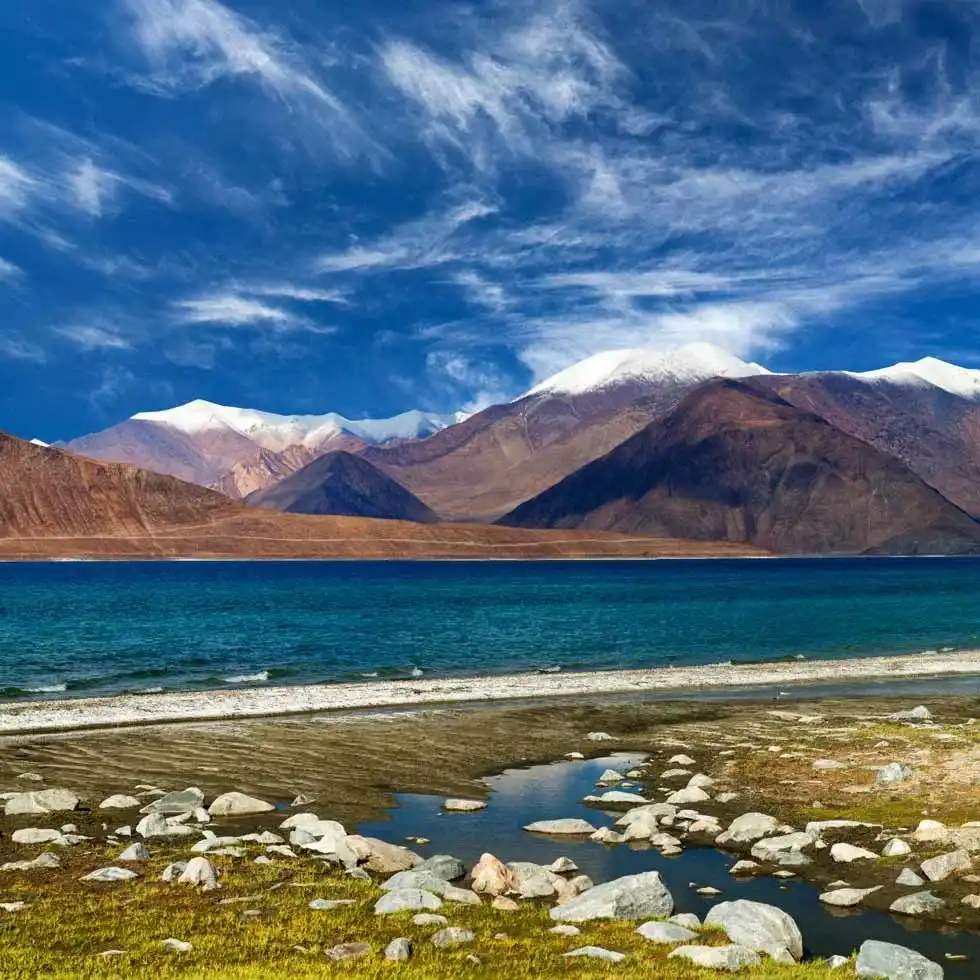
Pangong Tso is the perfect spot to set your camp next to the glistening lake, making for great fishing. You even get to rest under a sky full of twinkling stars. It is cold and quiet, but deeply humbling.
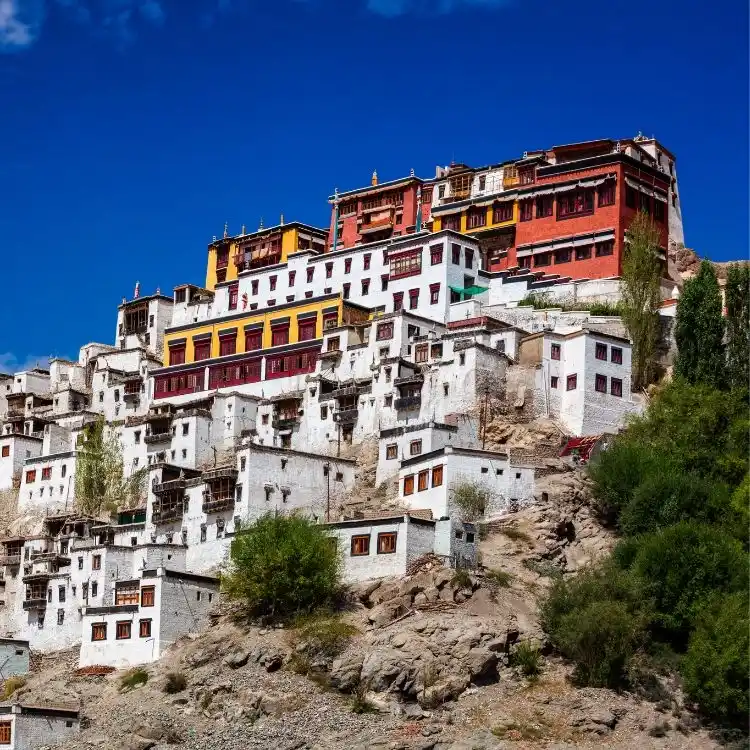
Your trip is incomplete if you do not visit the Hemis, Diskit, and Thiksey Leh. Each of these ancient Buddhist monasteries has spent centuries decorating their walls with murals along with chanting and spinning prayer wheels.
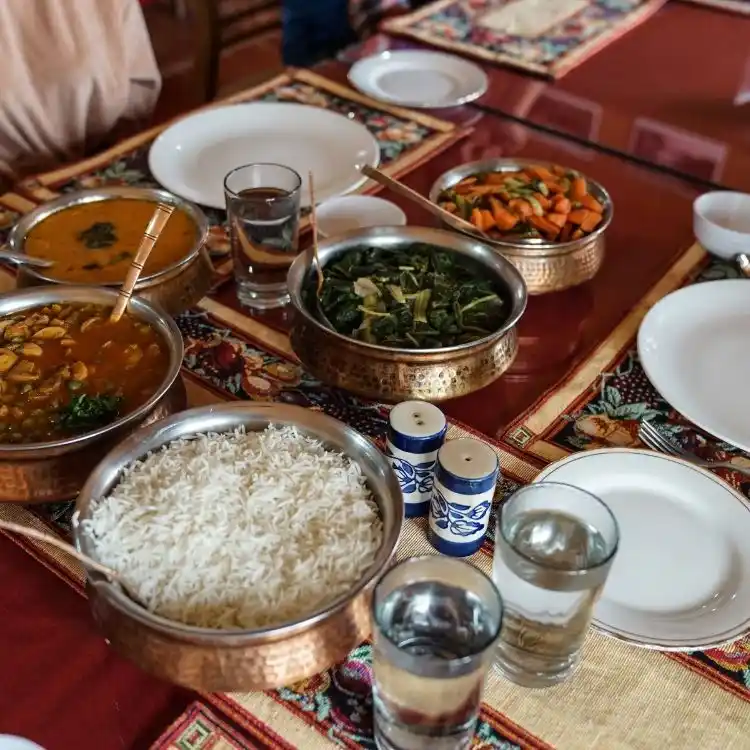
No trip to Ladakh is complete without trying the local food. Dishes like thukpa (noodle soup) and skyu (a handmade pasta stew) are warm, filling, and perfect for the cold weather. The flavors are simple, but they stay with you, especially when eaten fresh from a local kitchen. Don’t forget to try the butter tea. It’s an acquired taste, yes, but nothing beats it when the wind picks up outside!
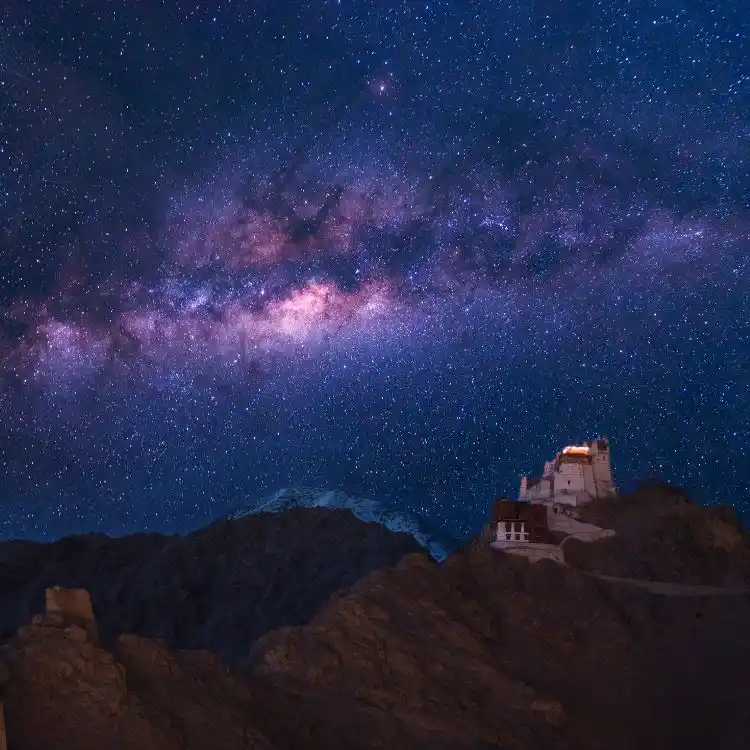
Ladakh is quiet and far from the city which makes it one of the few hottest places to get a clear view of the night skies in India. Whether it be Pangong, Tso Moriri, or Hanle, the Milky Way never fails to surprise.
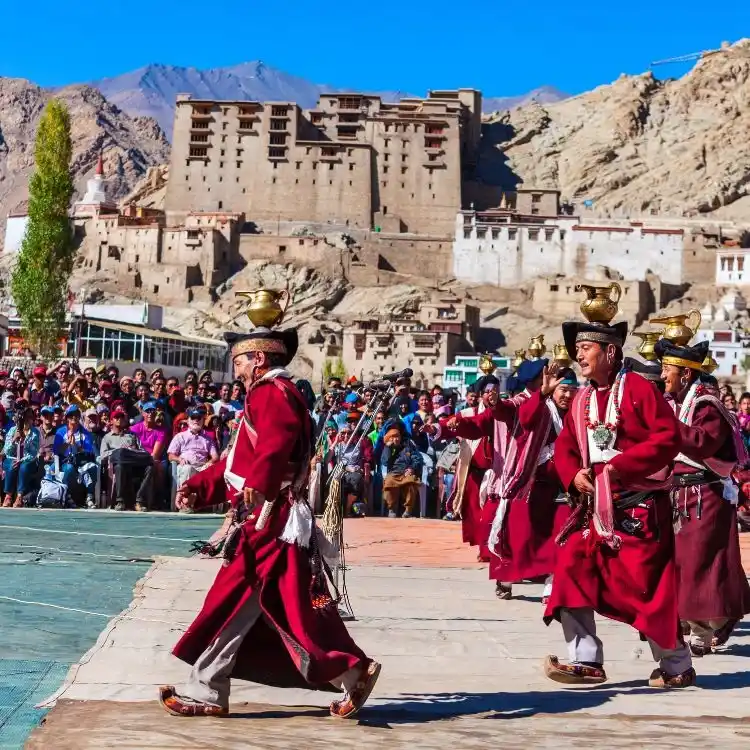
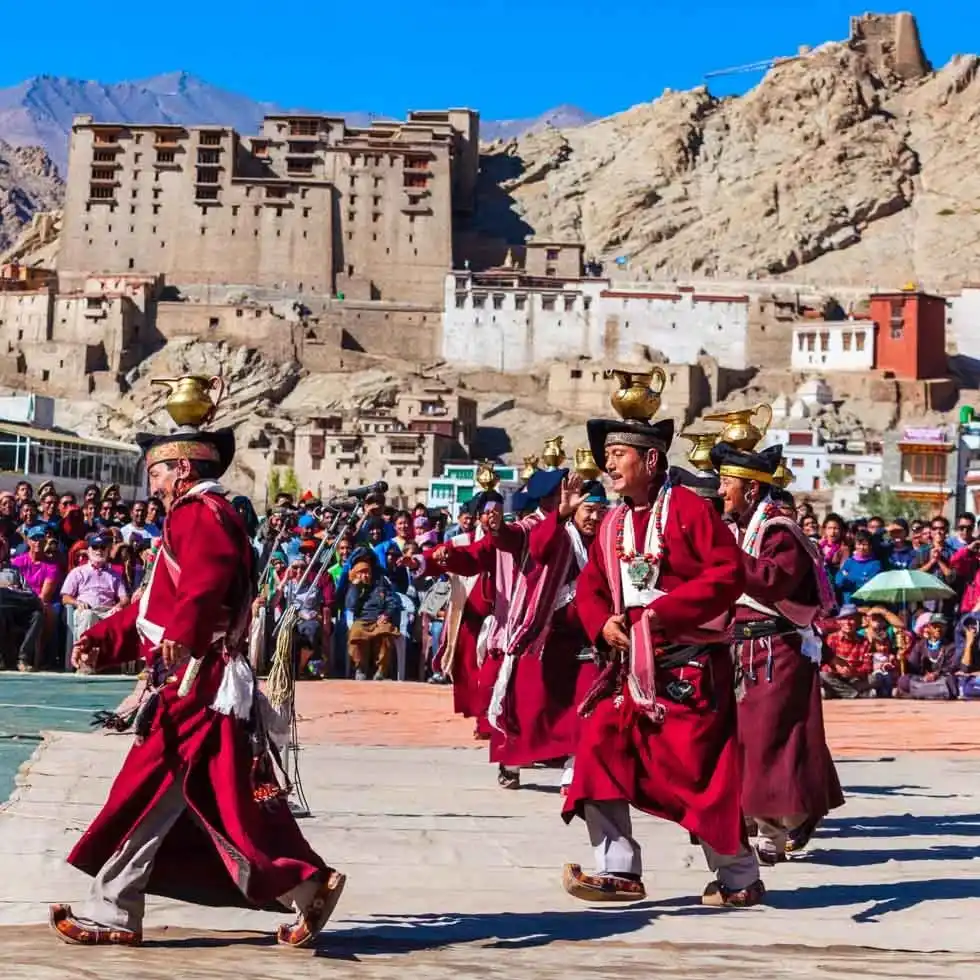
If you’re lucky enough to be in Ladakh during the Buddhist festival of mask dance, don’t miss it. The colorful costumes, powerful chants, and rhythmic mask dances create a stunning mix of celebration and spirituality. It’s a living tradition that connects you to the region’s deep cultural roots.

“Travel Coffee truly went above and beyond. Even though we booked from Indonesia without meeting them, we always felt secure — their team was available 24/7 and took care of every detail. Shubham personally ensured our comfort throughout the Himachal trip, from hotel checks to small gestures like bringing lotion and altitude pills. Their sincerity and local expertise made the journey unforgettable.”
Andre & Angel
The best time to go is between May and September. The weather is nice, and both the Manali and Srinagar routes are open. It’s perfect for road trips, biking, and exploring spots like Pangong Lake and Nubra Valley.
You’ll need at least 6 to 9 days to enjoy Ladakh without rushing. This gives you time to adjust to the high altitude and visit main attractions like Pangong, Nubra, and Tso Moriri.
Both routes are beautiful. Srinagar to Leh is easier on the body since it helps you adjust to the altitude better. Manali to Leh is more adventurous. Many people go through Srinagar and return via Manali for the full experience.
Yes, Ladakh is quite safe for solo travelers, including women. Just make sure to get used to the altitude, keep emergency numbers handy, and stay in touch with where the phone network works.
Yes, you’ll need an Inner Line Permit to visit places like Pangong Lake, Nubra Valley, and Tso Moriri. Whether you’re an Indian or a foreign national, this permit is a must. Our Leh-Ladakh trip packages include help with getting it.
You can, but winter visits are limited to Leh and nearby places since roads may be blocked. If you love snow and adventure, winter brings unique things like the Chadar Trek and stunning frozen views.
Pack warm clothes in layers, sunscreen, lip balm (with SPF), refillable water bottles, and medicine like Diamox (check with your doctor first). Avoid alcohol and smoking for the first 48 hours to help your body adjust.
Definitely! Ladakh is peaceful and beautiful, with safe roads and a calm vibe. With proper planning and rest days, it’s a great trip for families, including seniors and kids.