
Sissu Village
The first village past the Atal Tunnel, a 90 minute drive from Manali into the Lahaul valley at 3,120 metres, accessible year round, with a waterfall you see before you even park the car
- Lahaul village
- ~3,120 m
- Manali · ~40 km via Atal Tunnel
- Year round access
- Waterfall · Lake · Snow
What makes it special
Sissu, also called Khwaling by locals, is a small Lahauli village on the right bank of the Chandra river, sitting at around 3,120 metres. It is the first proper settlement you reach after exiting the north portal of the Atal Tunnel, roughly 6 km past the tunnel and about 40 km from Manali by road. Since the tunnel opened in 2020, Sissu went from a seasonal village that most people passed through on their way to Keylong to the most accessible slice of Lahaul from Manali. The drive takes about an hour and a half. That proximity changed everything.
The village is small by any measure. A cluster of traditional slate roofed houses, a handful of homestays and guesthouses, a PWD rest house, a primary health centre, a helipad, three or four dhabas, and a lake that is more of a large pond than the mountain lake some blogs make it sound like. The famous waterfall, locally called Palden Lhamo Dhar, falls across the Chandra river from the village and is visible right from the highway. The adjacent hamlet of Shashin holds the temple of Raja Ghepan, the principal deity of Lahaul, with the Gyephang Goh peak towering behind it at around 5,870 metres.
Honest framing most pages skip. Sissu is not a multi day destination the way Kaza or Tirthan Valley are. It is a half day to two night taste of Lahaul, best suited for travellers coming up from Manali who want the valley experience without the longer commitment of driving through to Keylong or Jispa. If you are doing a full Spiti circuit, Sissu is a natural first halt after the tunnel, not the main event. If you are looking for a quick escape from Manali that feels like a different world, Sissu delivers that in under two hours. Just do not expect a town. Expect a village.
Quick answers
- Is Sissu worth visiting?
- Yes, if you want a quick, easy taste of Lahaul without committing to a multi day trip. The drive from Manali takes about 90 minutes through the Atal Tunnel, and the village gives you a waterfall, a lake, a sunset viewpoint, and the feel of a Lahauli village at 3,120 metres. Skip it if you are looking for a full week of things to do, it is a one to two night place.
- How much time do you need?
- One to two nights is the sweet spot. A day trip from Manali works for a quick look, but an overnight stay gives you the helipad sunset, a morning village walk, and a much slower experience. Three nights only if you add day trips to Keylong or a Ghepan Lake trek.
- Can you visit Sissu in winter?
- Yes. The Atal Tunnel keeps Sissu accessible year round, even when the old Rohtang Pass is shut. Winter brings snow, a frozen waterfall, and temperatures well below freezing. The road from the tunnel to the village can be icy, carry chains if self driving and pack proper cold weather gear.
Quick facts
Everything you need to know at a glance.
At a glance
- Altitude
- Around 3,120 m / ~10,235 ft
- Location
- Lahaul valley, Lahaul and Spiti district, Himachal Pradesh, on the Chandra river
- Nearest towns
- Manali ~40 km via Atal Tunnel, Keylong ~30 km, Koksar ~14 km
- Access
- Year round via Atal Tunnel. Best May to Jun and Sep to Oct. Snow season Dec to Feb.
- Best stay length
- One to two nights, or a full day trip from Manali
- Entry fee
- None. No permits needed for Indian nationals.
- Time needed
- One night minimum for the full experience, day trip possible
- Access difficulty
- Easy by road through the Atal Tunnel. Moderate altitude.
On the ground
- Mobile network
- BSNL is the most reliable. Airtel and Jio work in patches. Data speeds are slow. Plan for limited connectivity.
- ATMs
- None in Sissu. Nearest ATMs in Manali or Keylong. Carry enough cash for your whole Lahaul stay.
- Fuel
- No pump in Sissu. Nearest is Tandi (~25 km towards Keylong). Fill up in Manali before the tunnel.
- Food
- Homestay meals and 3 to 4 small dhabas along the highway. Simple food, rajma chawal, dal, Maggi, momos. Carry backup snacks.
- Parking
- Informal parking at most homestays. Roadside parking at the waterfall viewpoint, no fees.
- Permits
- None for Indian nationals. Foreign nationals should carry ID and check current Lahaul and Spiti permit rules.
- Drones
- Not explicitly banned but not encouraged. The area is close to a military presence. Use discretion, avoid flying near the helipad.
- Walking surface
- Highway for the waterfall viewpoint, village lanes are mostly level dirt paths, the helipad is a short uphill walk.
- Guides
- Not needed for village sightseeing. Arrange a local guide through your homestay for the Ghepan Lake trek.
Seasonal weather
- May to June22°8°Spring
- July to August25°12°Summer monsoon
- September to October20°4°Autumn
- November to March5°-15°Winter
Suitable for
- Couples — suitable
- Families — suitable
- Seniors — suitable
- Solo — suitable
- First-timers — suitable
- Pet-friendly — with some care
How to reach Sissu Village
5 approach routes, with seasonal access.
From Manali (via Atal Tunnel)
Year round via the Atal Tunnel. Tunnel occasionally closed briefly for maintenance or weather.- Distance
- About 40 km
- Time
- 1 to 1.5 hours
- Road
- Tarred highway through the Atal Tunnel, then a mix of tarred and patched road for 6 km to Sissu. Generally in decent condition year round.
- Last fuel
- Fill up in Manali. No fuel till Tandi, 25 km past Sissu.
The standard and now year round approach. From Manali, take NH3 south to the Atal Tunnel south portal at Dhundi. The tunnel is about 9 km long, speed restricted, and generally takes 15 to 20 minutes to cross. Exit the north portal at an elevation of about 3,060 m and continue 6 km along the highway to Sissu. In peak season and on weekends, traffic can queue at the south portal for 30 to 60 minutes, leave early.
From Delhi
Year round- Distance
- About 540 km to Manali, then 40 km onward
- Time
- 14 to 16 hours to Manali, then 1.5 hours to Sissu
- Road
- NH 44 and NH 3 to Manali, mostly decent tar. Then the Atal Tunnel to Sissu.
- Last fuel
- Chandigarh, Swarghat, Bilaspur, Sundernagar, Mandi, Manali
Most travellers take an overnight Volvo from Delhi to Manali, arriving around 8 to 10 AM. From Manali, taxi or shared cab through the Atal Tunnel to Sissu, arriving by lunch. Self drive runs 14 to 16 hours with stops. The practical plan is reach Manali on day one, push to Sissu on day two morning.
From Chandigarh
Year round- Distance
- About 310 km to Manali, then 40 km onward
- Time
- 8 to 9 hours to Manali, then 1.5 hours to Sissu
- Road
- NH 3 through the hills, mostly tarred. Then the Atal Tunnel.
- Last fuel
- Swarghat, Bilaspur, Sundernagar, Mandi, Manali
A comfortable one day drive. Leave Chandigarh by 6 AM, expect to reach Manali by mid afternoon with a lunch stop at Mandi or Sundernagar. Push through the tunnel to Sissu by evening. Or stay a night in Manali and continue fresh the next morning.
From Keylong
Year round- Distance
- About 30 km
- Time
- 45 minutes to 1 hour
- Road
- Tarred highway, generally in decent shape.
- Last fuel
- Tandi petrol pump between Keylong and Sissu
The short hop if you are already in Lahaul. The road follows the Chandra river through Tandi and Gondhla, fairly straightforward driving. Useful if you base at Keylong and day trip to Sissu, or the other way around.
From By bus from Manali
Year round, frequency drops in winter- Distance
- About 40 km
- Time
- 1.5 to 2 hours including stops
- Road
- Highway through the Atal Tunnel
- Last fuel
- Not applicable
HRTC buses running from Manali towards Keylong or Udaipur pass through Sissu. Frequency varies by season, generally a few buses a day in summer, fewer in winter. Confirm timings at the Manali bus stand on the day you travel. The bus drops you on the highway, homestays are a short walk from the road.
Best time to visit
Season by season, so you can plan around the weather rather than hope.
- Recommended
Spring
May to June
Clear skies, the waterfall wakes up, the best all round window
- Day temperature
- 15 to 22 C
- Night temperature
- 5 to 8 C
- Waterfall
- Starting to flow, strongest by late May
- Crowds
- Moderate, higher on weekends
The cleanest window for a first visit. Snow starts melting on the higher slopes, the waterfall comes alive with the melt, and the poplar trees green up through the village. Days are warm enough for shirt sleeves, nights still need a jacket. The tunnel traffic builds through May but weekdays stay manageable. The Ghepan Lake trek opens up by late May or early June depending on snow clearance.
Summer monsoon
July to August
Green valley, strong waterfall, but monsoon can hit the approach
- Day temperature
- 18 to 25 C
- Night temperature
- 10 to 12 C
- Waterfall
- At its strongest
- Crowds
- High, especially weekends
The valley is at its greenest and the waterfall is at full power. Sissu itself sits in a partial rain shadow so direct rain is less frequent than in Manali, but the highway approach can see landslides and debris flows, especially on the stretch between the tunnel exit and Koksar. Keep a buffer day in your plan. Cloud cover is common by afternoon, cutting into the mountain views. Book homestays ahead, this is peak season.
- Recommended
Autumn
September to October
Sharpest light of the year, thinner crowds, the golden poplars
- Day temperature
- 12 to 20 C
- Night temperature
- 2 to 5 C
- Waterfall
- Slowing but still visible
- Crowds
- Low to moderate
If you can time it, late September to mid October is the best version of Sissu. Post monsoon air clears the views to the high peaks, the poplars lining the village lanes turn yellow, and the crowds thin out after the first week of September. The waterfall slows but the river runs clear. Nights get cold by October, carry a proper warm layer. Tunnel traffic drops noticeably.
Winter
November to March
Snow, the frozen waterfall, and year round access via the tunnel
- Day temperature
- -5 to 5 C
- Night temperature
- -10 to -15 C
- Waterfall
- Frozen, dramatic ice column
- Crowds
- Low, slightly busier around Christmas and New Year
This is the unique Sissu window. Thanks to the Atal Tunnel, the village stays accessible even in deep winter. Snow covers the village from December to February, the waterfall freezes into a tall ice column, and the landscape changes completely. Temperatures drop well below freezing at night. Roads between the tunnel and the village can be icy, carry chains for your tyres. Most homestays stay open but some close for the harshest months, confirm before booking. Fewer visitors, genuine Lahauli winter, and a different kind of trip from the summer version.
Things to see & do
10 things worth your time at Sissu Village.
Watch the Sissu Waterfall from the highway viewpoint
15 to 30 minutesThe waterfall, known locally as Palden Lhamo Dhar, falls off a high cliff on the far side of the Chandra river and is visible right from the road as you enter the village. You do not need to trek to it. The best view is from the highway itself or from one of the viewpoints across the river. It is at its strongest from June to September when the snowmelt peaks. In deep winter it freezes into a tall ice column, which is a different kind of spectacular. Do not try to cross the river for a closer look unless locals confirm it is safe.
Walk around Sissu Lake
20 to 30 minutesA small lake at the edge of the village, surrounded by open ground and poplar trees. Calling it a lake is generous, it is more of a large pond, but it reflects the mountains cleanly on a still morning and makes for a pleasant short walk. Do not expect Chandratal. Expect a calm spot to sit for a few minutes before moving on.
Catch sunset from the Sissu Helipad
30 minutesThe helipad sits on slightly elevated ground above the village and gives you a wide view of the valley, the river, and the peaks behind the waterfall. This is the one photograph most people post from Sissu. Go 30 minutes before the sun drops, bring a jacket, and stay till the light goes pink on the snow. It gets cold fast once the sun dips.
Visit the Raja Ghepan Temple at Shashin
30 to 45 minutesThe temple in the adjacent hamlet of Shashin is dedicated to Lord Ghepan (Gyephang), the most revered deity of Lahaul. It is a working local temple, not a tourist site. Dress modestly, remove shoes, speak quietly. The temple gives you a window into the religious life of the valley that most travellers driving through to Keylong miss entirely. The Gyephang Goh peak at around 5,870 m rises directly behind. Ask before photographing inside.
Walk through the village lanes
30 to 45 minutesSissu is small enough to walk end to end in half an hour. Traditional slate and wood Lahauli houses, small kitchen gardens, poplar and willow lined paths. The village is at its most alive in the morning when people are working in the fields. Walk slowly, greet people with a namaste or julley, and do not photograph without asking.
Sit by the Chandra river
As long as you wantWalk down from the highway or through the village to the river bank. The Chandra runs milky blue here, wide and braided with gravel banks. Flat rocks for sitting. Good for an hour with a book or a flask of tea from the dhaba. Do not wade in, the water is glacial and the current is stronger than it looks.
Day trip to Keylong and Kardang Monastery
Full dayKeylong is the district headquarters of Lahaul and Spiti, about 30 km from Sissu, roughly an hour by road. The town itself is small but has the only proper market in Lahaul. Kardang Monastery above the town is worth the 20 minute climb for the view down the Bhaga valley. A comfortable day out from a Sissu base, back in time for dinner.
Drive to Jispa for the riverside
Half day to full dayJispa is about 55 km from Sissu along the Manali to Leh highway, a quiet hamlet on the Bhaga river with a few riverside campsites. The drive follows the Chandra and then the Bhaga, and the landscape changes noticeably as you push deeper into Lahaul. Good for a lunch stop and a couple of hours by the water before heading back.
Trek to Ghepan Lake
Full day or overnightA moderately challenging day hike from the village that climbs to a high altitude glacial lake below the Ghepan glacier. The trek is gaining popularity but is still quiet on most days. Go with a local guide arranged through your homestay, the trail is not always well marked. Carry warm layers, water, and snacks. Not recommended for beginners or in monsoon when the trail gets slippery.
Snow experience in winter
Half day or moreBecause of the Atal Tunnel, Sissu is accessible year round and gets proper snow from December to February. The frozen waterfall, snow covered fields, and the bare Lahauli winter landscape draw visitors from Manali who want snow without the old Rohtang hassle. Carry proper warm gear, thermals and a heavy jacket at minimum. Roads can still be icy on the stretch from the tunnel to the village.
Know before you visit Sissu Village
The practical bits, from people who have been.
What Sissu actually isA small Lahauli village 40 km from Manali via the Atal Tunnel, the first taste of Lahaul, not a town
Sissu is the first real village you hit after exiting the Atal Tunnel from Manali, sitting at around 3,120 metres on the bank of the Chandra river. Before the tunnel opened in 2020, most travellers only came through here on their way to Keylong or Leh via the old Rohtang route, which meant Sissu was a seasonal pitstop. The tunnel changed that completely. Now the village is reachable year round in about 90 minutes from Manali, which makes it the easiest entry point into Lahaul for weekend visitors, families, and anyone who wants the valley without a multi day commitment.
A quick reality check. The village is small. No market street, no cafe scene, no row of restaurants. What is here is a waterfall visible from the road, a small lake, a helipad with a view, a temple to the valley's principal deity, poplar lined lanes through traditional houses, and the Chandra river running wide and blue below the highway. That is enough for one to two nights. It is not enough for a week.
Sissu vs Keylong vs Jispa: which to pickSissu for quick access, Keylong for logistics, Jispa for the riverside
The three main bases in Lahaul serve different trips.
Pick Sissu if: you want the closest Lahaul base to Manali, you are doing a quick 1 to 2 night trip, you want the waterfall and the snow experience without driving further, or you are halting briefly on a Spiti circuit.
Pick Keylong if: you need a proper market, an ATM, better mobile signal, or are planning deeper Lahaul exploration including Kardang Monastery, Udaipur (Mrikula Devi Temple), or the Miyar valley. Keylong is the district headquarters and the logistical base for the region.
Pick Jispa if: you specifically want a riverside stay, you are heading towards Ladakh and want to break the drive, or you want a quieter alternative to both Sissu and Keylong. Jispa sits on the Bhaga river with a few campsites and a small monastery.
A pragmatic plan. For a first Lahaul visit, Sissu for one night and Keylong or Jispa for a second gives you a good feel for the valley without overcommitting.
Where to stay and eatHomestays, guesthouses, and a hostel. Simple food at your stay. Expanding but still basic.
Sissu's accommodation has grown quickly since the tunnel opened. You can find homestays (the most common stay type), a few guesthouses, a PWD rest house, and at least one backpacker hostel. Rates run from around 1,000 to 1,500 for a basic room to 2,000 to 4,000 for a comfortable mid range stay with meals. In peak winter (December to January) and peak summer (May to June), book ahead. Walk in bookings are usually fine in shoulder months.
Food is mostly at your homestay or one of three or four small dhabas along the highway. Expect simple food, rajma chawal, dal, roti, omelettes, Maggi, and sometimes thukpa or momos. In winter, options shrink further. Carry biscuits, dry fruit, or a packet meal as a backup, especially if you arrive late.
A small quality note. Tourism in Sissu is new and expanding fast. Stay quality varies more than you would expect in a village this small. Read recent guest reviews before booking, not reviews from two years ago.
Who should visit, and who should reconsiderGreat for couples, families, and anyone wanting a quick Lahaul taste. Less suited for travellers who want a packed schedule.
Couples and slow travellers: Yes. The helipad sunset, the walk through the village, and a meal at the homestay is the right pace for Sissu. Two nights is comfortable, three starts to drag unless you add the Keylong day trip.
Families with kids: Generally yes. The altitude at 3,120 m is moderate, most kids above 5 handle it fine. The lake and the waterfall viewpoint are easy outings. Main caution is the river, the Chandra looks calm but runs strong, do not let kids near the water unsupervised.
Seniors: Yes at the village level. The altitude is lower than most Spiti destinations and the drive from Manali via the tunnel is comfortable. Pick a stay with minimal stairs and confirm the bathroom situation before booking.
Pets: Some homestays accept pets, confirm before you arrive. The village itself is dog friendly, keep them leashed near the highway.
Skip Sissu if: you want a packed itinerary of sights, a cafe scene, or multiple days of activity. The village gives you a day and a half of honest engagement. Beyond that, push on to Keylong or plan a Spiti circuit.
Altitude, safety, and the winter realityModerate altitude, manageable for most. Winter access is real but roads can be icy.
At around 3,120 m Sissu is lower than Leh, Kaza, or Chandratal. Most people handle the altitude fine, especially if coming from Manali with a drive that gains height gradually through the tunnel. Mild breathlessness on the first evening is normal. Headache or nausea that does not go away with rest means you should not push higher the next day.
Winter specific: The tunnel keeps Sissu accessible year round, but the 6 km road between the tunnel exit and the village can be icy and snow covered. Carry chains for your tyres if self driving in December to February. Temperatures drop to well below freezing at night. The cold is real, pack thermals, a heavy jacket, gloves, and a warm cap even for a one night stay. The primary health centre in the village handles basic issues, but for anything serious the nearest proper hospital is at Keylong or back in Manali.
Monsoon (July to August): Sissu itself rarely sees heavy rain, it is in a partial rain shadow. But the approach road from Manali, especially the stretch just after the tunnel exit, can see landslides and debris flows. Check road status before leaving Manali in monsoon.
Photography guideHelipad for sunset, waterfall from the highway, village lanes in morning light
The helipad sunset is the signature Sissu photograph and the reason most people pull over here. Get there 30 minutes before sundown, the light turns the snow peaks pink and the valley goes amber. Early morning light on the village lanes and the Chandra river bank is the second best window, roughly 6 to 8 AM in summer, later in winter.
The waterfall photographs best from across the river, roughly from the highway level. A 50 to 200 mm zoom is useful. In winter, the frozen waterfall is the star, early afternoon light catches the ice best. The lake reflects cleanly on still mornings, go before 8 AM for the mirror.
Ask before you photograph villagers, especially at the temple and in the lanes. Sissu is a Lahauli village with its own rhythm, not a set for your content.
The Atal Tunnel and what it changed9 km tunnel, year round Lahaul access, 90 minutes from Manali
The Atal Tunnel (officially the Atal Tunnel Rohtang) is a 9.02 km highway tunnel that cuts through the Pir Panjal range and connects Manali in the Kullu valley to the Lahaul valley. It opened in October 2020. Before the tunnel, Lahaul was accessible from the Manali side only via the Rohtang Pass, which was open for roughly five months a year, weather permitting. The tunnel changed Lahaul from a seasonal destination to a year round one, and Sissu, being the first village past the exit, became the most accessible point in the valley.
Practical tunnel notes. Traffic can queue at the south portal (Manali side) on peak weekends and holidays, sometimes for 30 to 60 minutes. Speed is restricted inside the tunnel, roughly 40 kmph. The tunnel is generally open 24 hours, but maintenance closures and weather related shutdowns happen occasionally. Check the HPTDC or BRO social pages for live updates on the day you plan to travel.
Local tips most travellers missFill fuel before the tunnel, carry cash, leave the schedule loose, beware of tourist scams at photo spots
Fill your fuel tank in Manali. The nearest pump past the tunnel is at Tandi, about 25 km beyond Sissu towards Keylong. If you are returning the same day, a full tank from Manali is enough. If continuing to Keylong or beyond, top up at Tandi.
Carry enough cash. There is no ATM in Sissu. Most homestays prefer cash. Withdraw in Manali before you leave. UPI works in patches where network is available, but do not depend on it.
Be cautious with self appointed photographers near the waterfall viewpoint and popular stops. Some travellers have reported being pressured into paying large amounts for unsolicited photos. Politely decline if you do not want the service.
A small recheck reminder. Road conditions on the stretch between the tunnel exit and Sissu can shift after snowfall or rain. The tunnel itself can have traffic restrictions during peak hours. Confirm status on the day of your drive, your homestay or the HPTDC helpline can usually help.
Nearby attractions
Other places worth the detour.
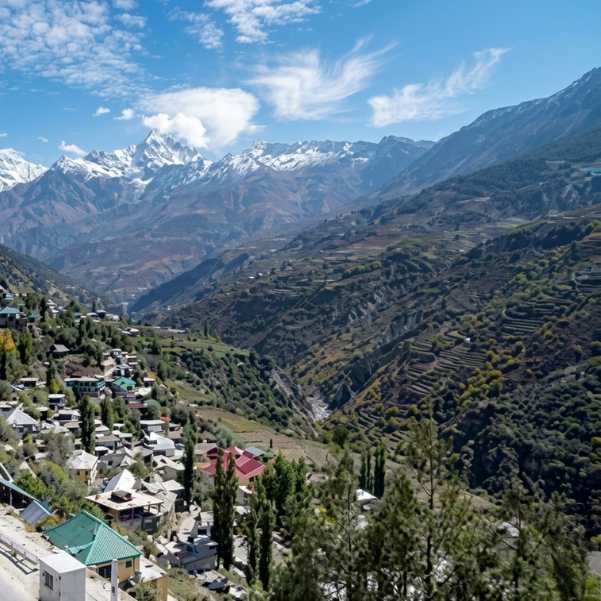
Keylong
~30 km · 1 hour drive
The district headquarters of Lahaul and Spiti, with the only proper market in the valley, Kardang Monastery above the town, and the logistical base for deeper Lahaul exploration. A natural day trip from Sissu.
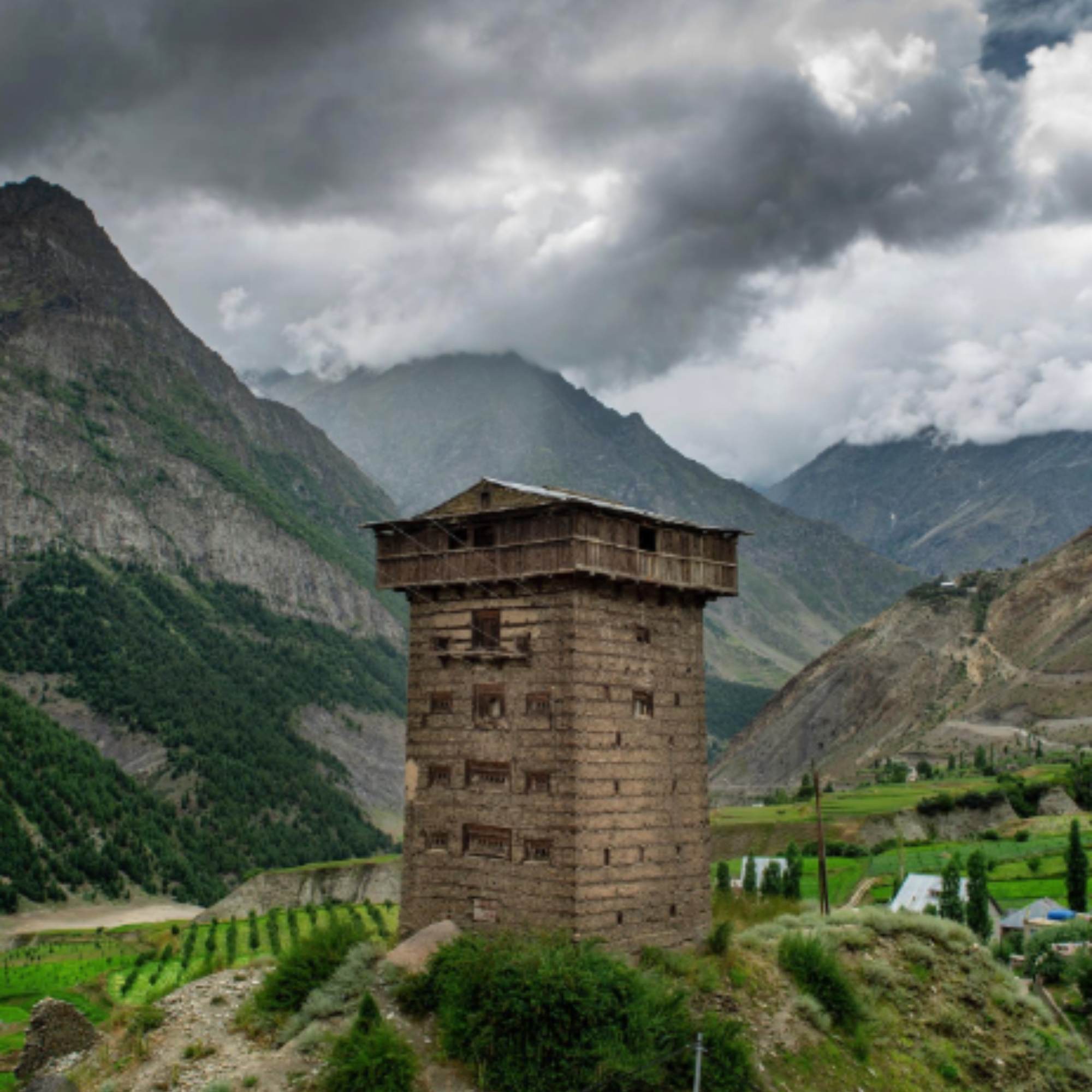
Gondhla Fort
~11 km · 20 minutes drive
A several centuries old fort built in wood and stone in Tibetan style. Small but worth a stop for the architecture and the view down the valley from the top. On the highway between Sissu and Tandi.
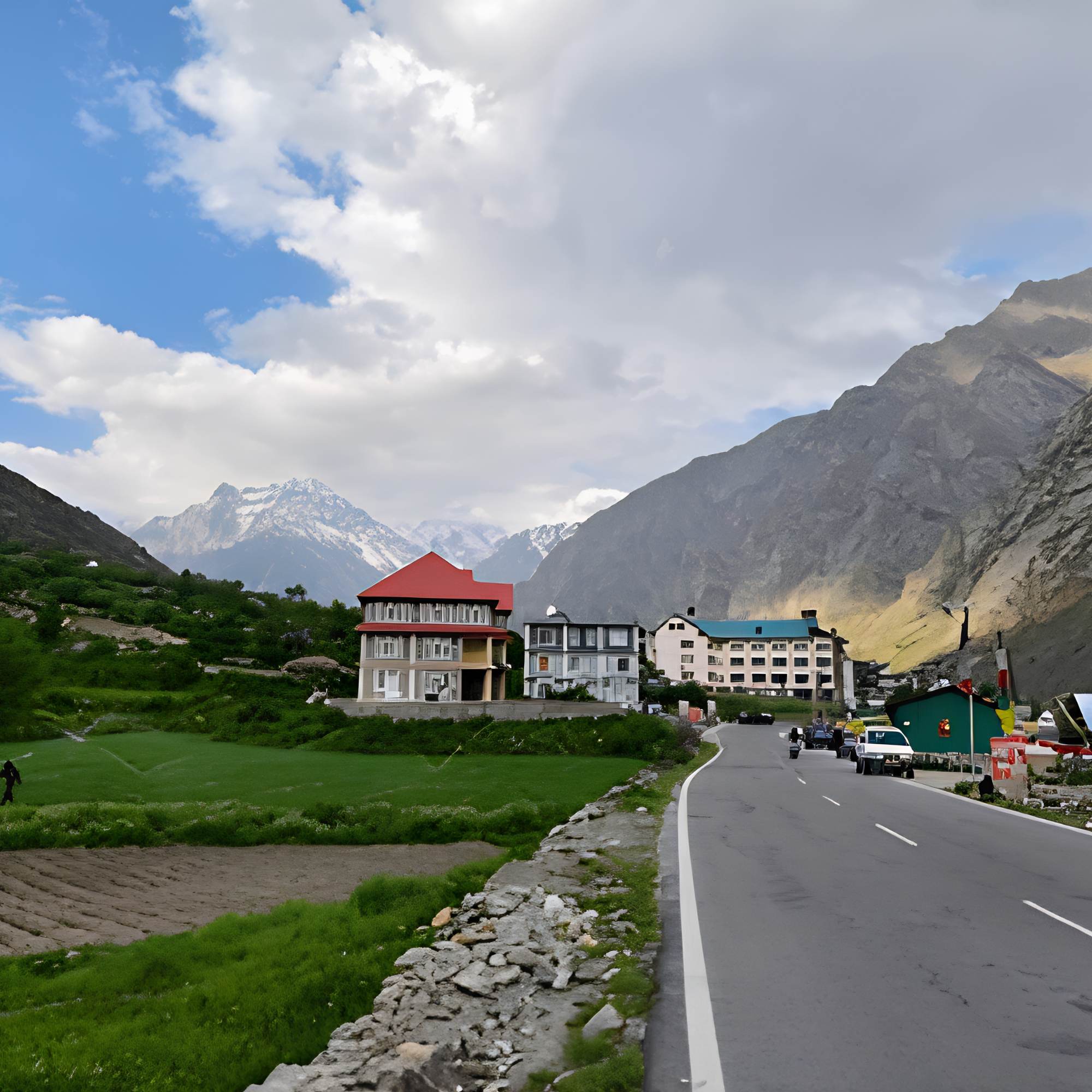
Jispa
~55 km · 1.5 hours drive
A quiet Lahauli hamlet on the Bhaga river with riverside campsites and a small monastery. Popular with travellers heading towards Ladakh as a softer overnight halt than Keylong.
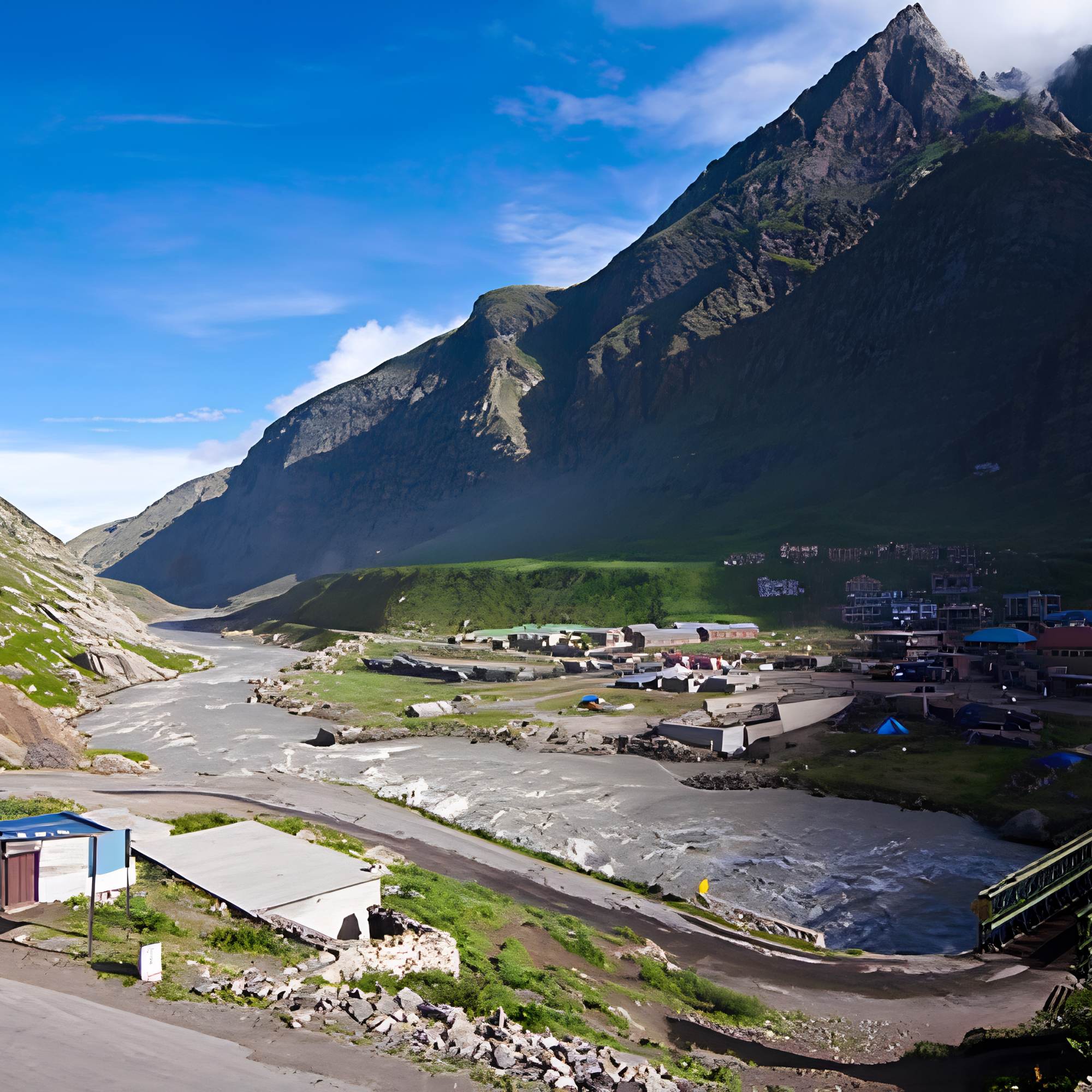
Koksar Village
~14 km · 25 minutes drive towards Manali
A small settlement between Sissu and the Gramphu junction. The check post for Lahaul sits here. A few dhabas for tea and a quick halt if you need one.
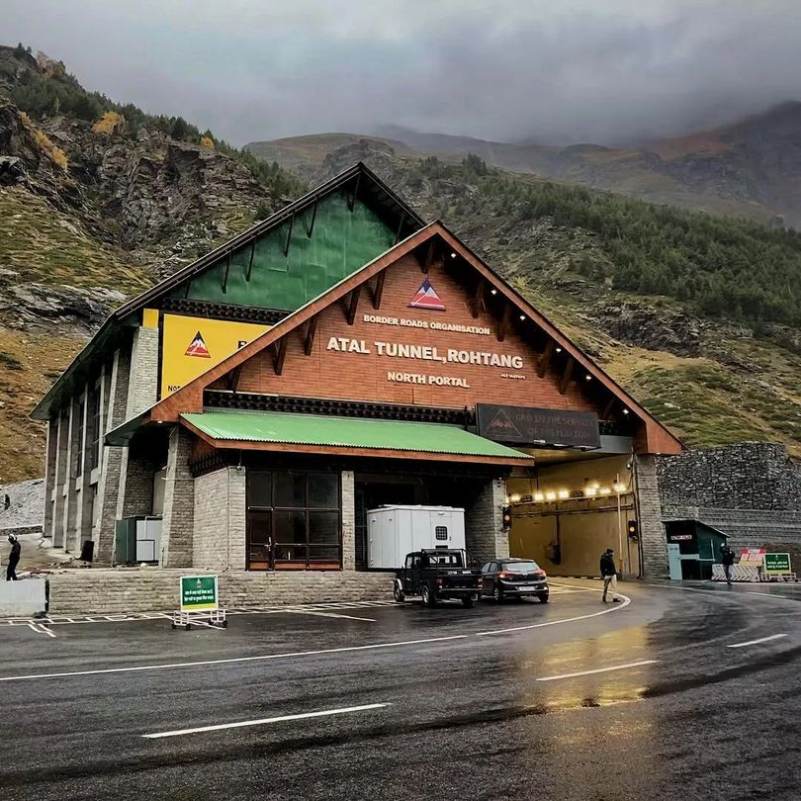
Atal Tunnel
~6 km south · 10 minutes drive
The 9 km tunnel through the Pir Panjal range that connects Manali to Lahaul year round. The north portal exit is about 6 km from Sissu and is the gateway to the entire valley.
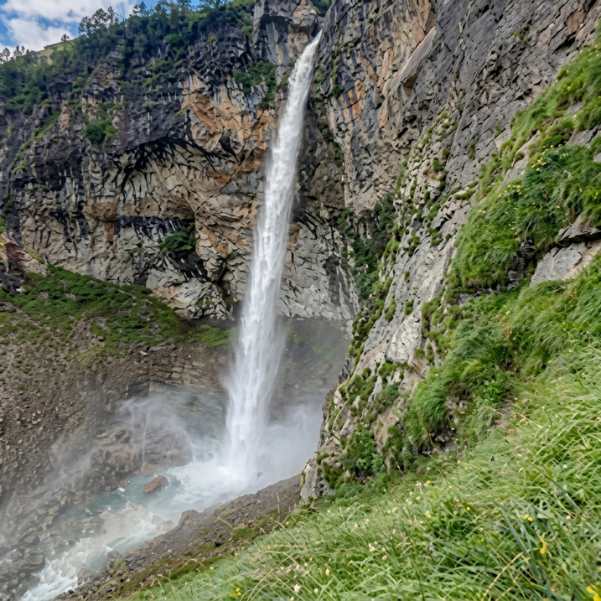
Sissu Waterfall
Visible from the village itself
The tall Palden Lhamo Dhar waterfall visible on the cliff face across the Chandra river from the village. At its strongest June to September, frozen into a dramatic ice column in winter. Visible right from the highway.
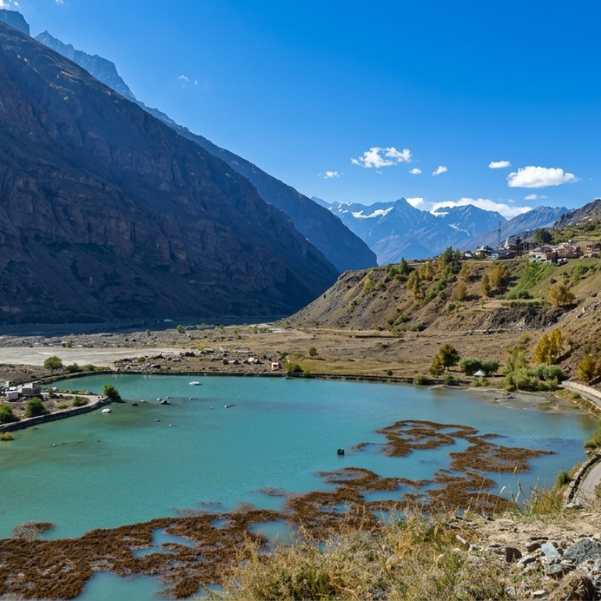
Sissu Lake
Within the village
A small lake at the edge of the village, near the helipad. Reflects the mountains on a still morning. A short, easy walk.
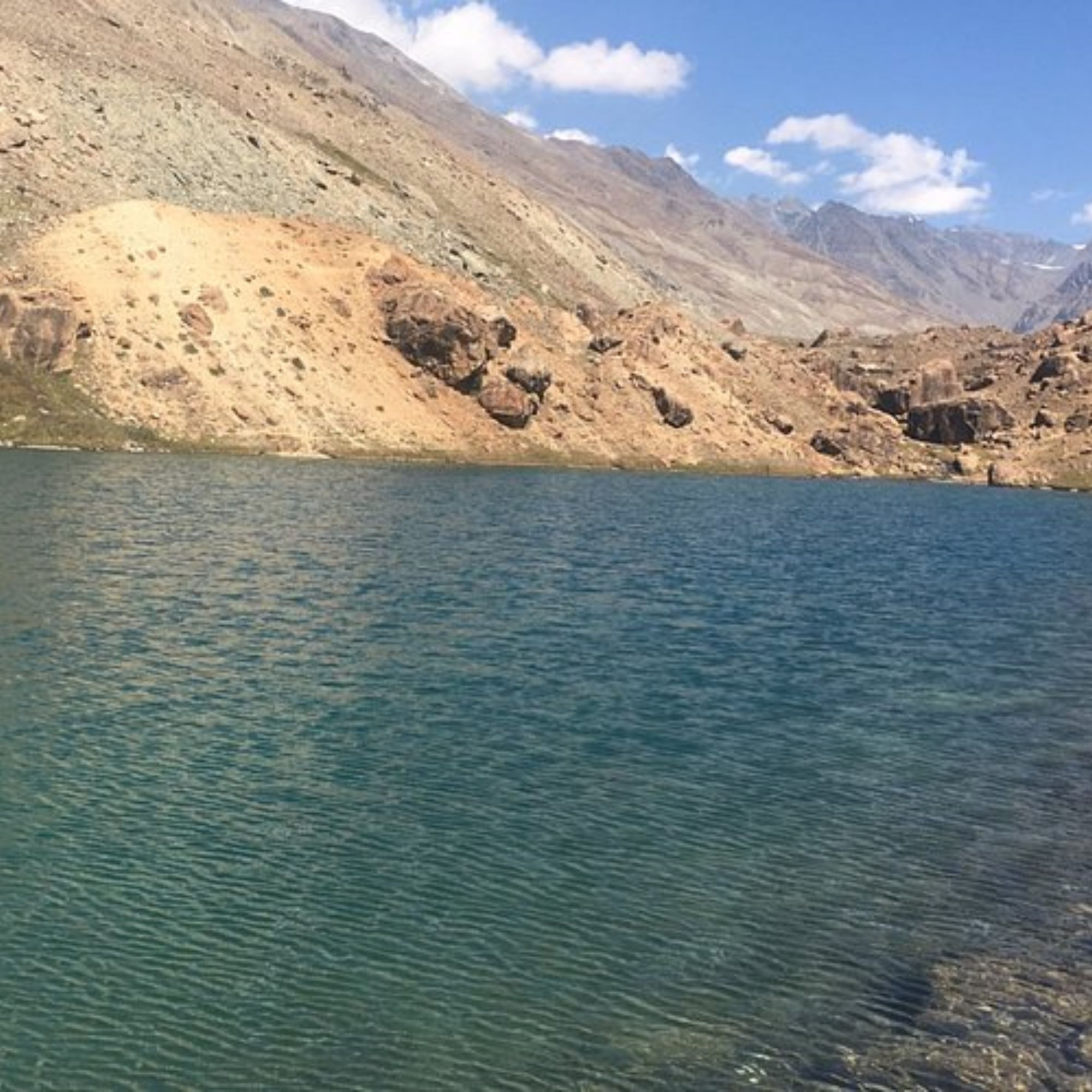
Deepak Tal
~60 km · 2 hours drive towards Baralacha
A small blue lake on the Manali to Leh highway past Keylong and Jispa. A natural photo stop on the way to Baralacha La. Not a destination by itself, but worth five minutes if you are driving past.
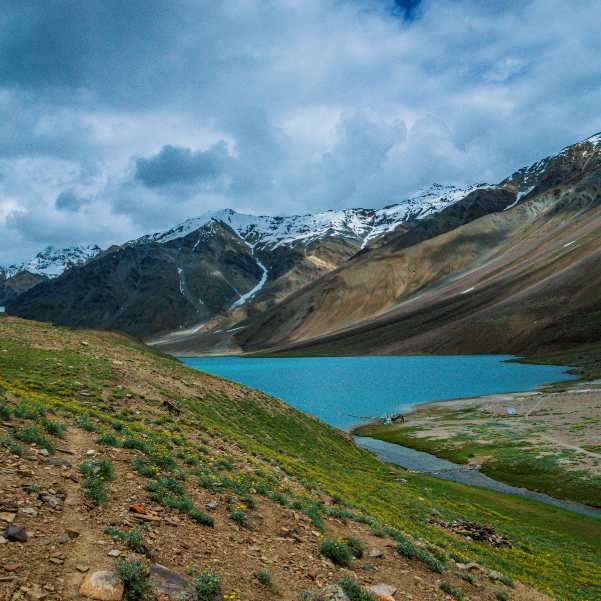
Chandratal Lake
~110 km via Gramphu and Batal · 5 to 6 hours
The famous crescent moon lake at roughly 4,300 m, reached via the Gramphu junction south of Koksar. A full day drive from Sissu each way. Most travellers combine it with a Spiti circuit rather than doing a day trip from Sissu.
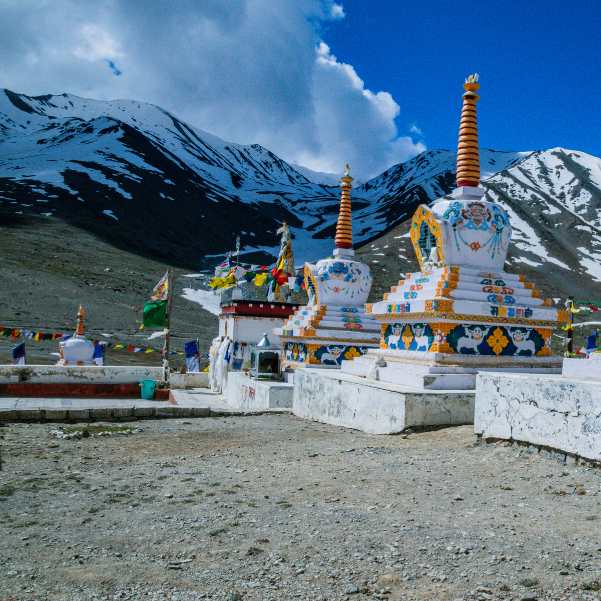
Kunzum Pass
~125 km via Gramphu and Batal · 6 to 7 hours
The high pass at around 4,551 m connecting Lahaul to Spiti, generally open June to October. On the way to Spiti from Sissu. Not a day trip, plan it as part of a multi day Spiti circuit.
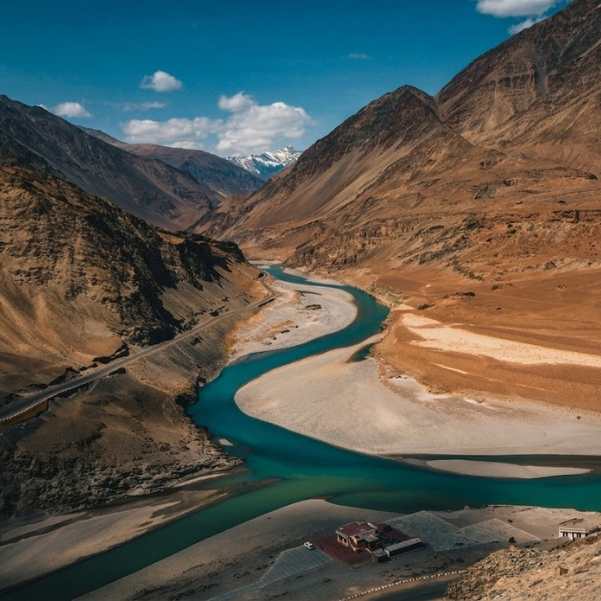
Tandi Sangam
~20 km · 30 minutes drive
The confluence of the Chandra and Bhaga rivers where they meet to form the Chenab. The last reliable fuel pump before Keylong. A common quick halt on a Lahaul drive, about 20 km from Sissu on the way to Keylong.
Our packages with Sissu Village
Curated trips that include a visit to Sissu Village.
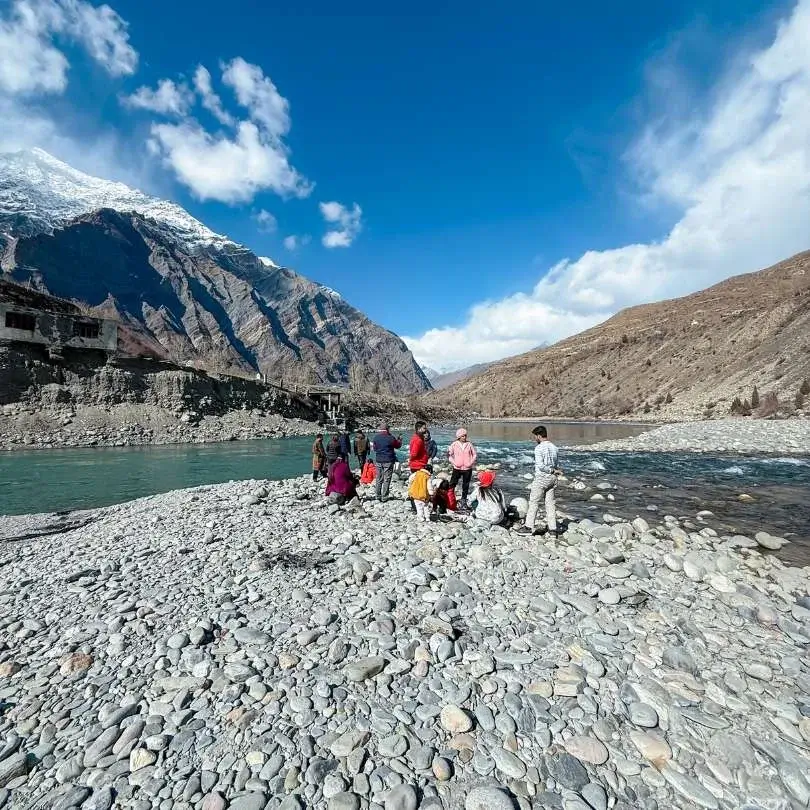 6D/5N
6D/5NMost Loved Sissu Valley Escape With Jispa Riverside Stay
2D Sissu•1D Jispa
₹15,999₹19,999SAVE INR 4,000/ person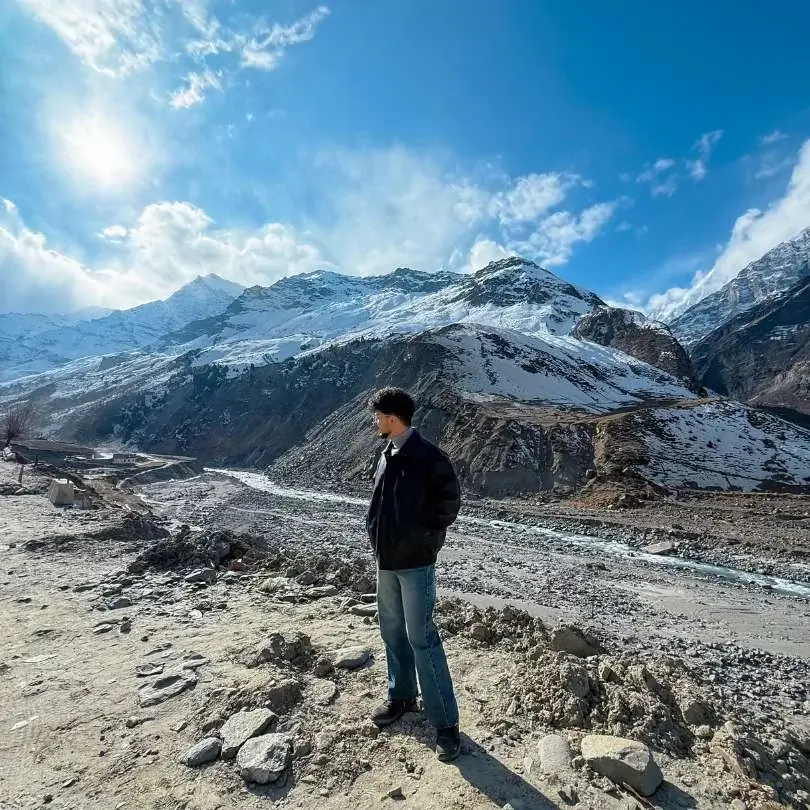 5D/4N
5D/4NClassic Sissu Valley Trip
2D Sissu•1D Manali
₹12,799/ person
Frequently Asked Questions
Where is Sissu Village?
Sissu is in the Lahaul valley of Lahaul and Spiti district, Himachal Pradesh. It sits on the right bank of the Chandra river at around 3,120 metres, roughly 40 km from Manali via the Atal Tunnel and about 6 km past the tunnel's north portal. It is on the Manali to Leh highway (NH3), about 14 km from Koksar and 30 km from Keylong.
How do I reach Sissu from Manali?
Drive through the Atal Tunnel on the Manali to Leh highway. The tunnel is about 9 km long and exits on the Lahaul side. From the north portal, Sissu is roughly 6 km further along the highway. Total drive is about 40 km and takes roughly 1 to 1.5 hours depending on traffic and season. Taxis and shared cabs run from Manali, and HRTC buses heading towards Keylong or Leh stop at the village.
What is the altitude of Sissu?
Around 3,120 metres, roughly 10,235 feet. This is moderate altitude, lower than Kaza or Leh, and most travellers handle it fine without special preparation. Some people feel mild breathlessness on the first evening, especially if they drove up fast from the plains.
Is Sissu open in winter?
Yes. This is one of the key things about Sissu. Since the Atal Tunnel opened in 2020, the village has been accessible year round, even when the old Rohtang Pass is shut under snow. Winter brings heavy snowfall, frozen waterfalls, and a genuinely different Lahauli landscape. Roads between the tunnel and the village can be icy, drive carefully and carry chains if self driving.
How many days do I need at Sissu?
One to two nights is the sweet spot for most travellers. One night is enough if you are mainly passing through on a Spiti circuit. Two nights if you want to combine the village sights with a day trip to Keylong or a Ghepan Lake trek. As a day trip from Manali, a full day works, but an overnight gives you the sunrise, the sunset from the helipad, and a slower experience.
When is the best time to visit Sissu?
May to June and September to October for clear weather and the waterfall at its best. July and August are green but monsoon can cause landslides on the approach. December to February for snow and the frozen waterfall. March and April are transition months, snow is melting and it can be muddy. The village is visitable year round.
Is there mobile network and ATM in Sissu?
BSNL is the most reliable network. Airtel and Jio work in patches. Data speeds are slow. There is no ATM in Sissu itself. The nearest fuel pump is at Tandi, about 25 km towards Keylong. Withdraw enough cash in Manali for your entire Lahaul leg.
Where can I stay in Sissu?
The village has a growing number of homestays, guesthouses, a PWD rest house, and at least one hostel (Zostel has a Sissu property). Rates vary widely by season, budget stays start around 1,000 to 1,500 rupees per night, mid range homestays and guesthouses run 2,000 to 4,000. In peak winter and summer, book ahead. Read recent reviews, quality shifts fast in new tourism villages.
Is Sissu safe for families with kids?
Generally yes. The altitude at 3,120 m is moderate, most kids above 5 handle it fine. The village is small and walkable. The main caution is the river, the Chandra looks calm but runs strong, do not let kids near the water unsupervised. In winter, the roads can be icy and the cold is real, pack proper layers.
What is the waterfall at Sissu?
The Sissu Waterfall, locally called Palden Lhamo Dhar, is a tall waterfall on the far side of the Chandra river, visible right from the highway as you enter the village. It is fed by snowmelt and is strongest from June to September. In winter it freezes into a dramatic ice column. You view it from across the river, there is no safe approach to the base.
How is Sissu different from Jispa and Keylong?
Sissu is the closest Lahaul village to Manali via the tunnel, smallest of the three, and works best as a quick Lahaul taste or a Spiti stopover. Keylong is the district headquarters, larger, has a market, and is the base for Kardang Monastery and deeper Lahaul exploration. Jispa is quieter, sits on the Bhaga river, and is popular for riverside camping. Pick Sissu for proximity, Keylong for logistics, Jispa for the riverbank.
Can I do a day trip to Sissu from Manali?
Yes, and many people do. Leave Manali by 8 or 9 AM, drive through the Atal Tunnel, reach Sissu by mid morning. Visit the waterfall viewpoint, walk the lake, have lunch at a dhaba, drive back by afternoon. A full day trip works, but an overnight stay lets you catch the helipad sunset and a morning walk through the village, which is much better.
Do I need a permit to visit Sissu?
Indian nationals do not need any permit for Sissu or the broader Lahaul valley. Foreign nationals should carry identification and may need to check current requirements for deeper Lahaul and Spiti travel. The Atal Tunnel occasionally has traffic restrictions in peak season or bad weather, confirm before you set out.
Is there fuel available near Sissu?
No fuel pump in Sissu itself. The nearest pump is at Tandi, about 25 km towards Keylong. If you are self driving from Manali, fill your tank before the tunnel. If continuing towards Keylong or deeper Lahaul, top up at Tandi.
Related guides
Posts about Sissu
- Where to Stay in Sissu in 2026: Best Hotels, Homestays & Areas for Every Budget
- Sissu in October 2026: Weather, Snow Chances, Road Status & Autumn Travel Guide
- Sissu in December 2026: Snowfall, Weather, Road Status & Winter Travel Guide
- Sissu in November 2026: Weather, First Snow, Road Status & Travel Guide
- Best Time To Visit Sissu in 2026: Month Wise Weather, Snow and Road Guide
- Manali To Sissu Road Trip Guide 2026: Route, Distance, Road Status, Cost And Local Tips