
Sainj Valley
A forested river valley in Kullu district on the western edge of the Great Himalayan National Park, with the Shangarh Meadow as its centrepiece and quieter villages beyond it that reward anyone willing to slow down and stay longer
- Valley
- 1,200 to 3,200 m
- GHNP buffer zone
- Kullu district
- Best Mar to Jun, Sep to Nov
What makes it special
Sainj Valley is the quieter half of the GHNP story. The other half, Tirthan Valley, gets more visitors, has more homestays, and shows up on more itineraries. Sainj is where you go when you have already done Tirthan, or when you specifically want the version of Kullu that has not quite figured out tourism yet. The valley runs from Larji, where the Sainj River meets the Beas on the Manali highway, up through Sainj town and deeper into a scatter of villages that end at the gates of the national park.
Here is the geography that matters. The Sainj River flows southwest through a V shaped valley that rises from about 1,200 metres near Larji to well above 2,000 metres at the upper villages. The lower stretch, from Aut to Sainj town, is a tarred road along the river. Past Sainj, the road splits. One branch climbs to Shangarh, the village with the famous meadow that has put this valley on the map. The other continues to Neuli, Ropa, and the GHNP Sainj side gate. Further up, trails lead to Deori, Upper Neahi, Shanshar, and Raila, villages that see a fraction of the traffic Shangarh gets and are worth the effort if you have the time.
The honest framing. Most people searching for "Sainj Valley" are really looking for Shangarh. That is fine. Shangarh is the most accessible and best set up village in the valley, and two or three nights there is a complete trip in itself. But the valley is bigger than one village. If you have four to six days, adding Deori (for the open terraced fields and temples), Raila (for the twin tower temples and waterfall), or a GHNP trek from the Ropa gate gives you a fuller picture of what this corner of Kullu actually is. The less you plan, the better the valley rewards you.
A practical note. Sainj Valley sits in the GHNP buffer zone, which means the forests and villages here are protected under the Wildlife Protection Act. There is no commercial construction, no resort development, and no evening scene. The accommodation is homestays and the food is home cooked. BSNL catches a signal at some villages, Jio and Airtel are unreliable. The ATM at Sainj town is the last one, and it is not always stocked. If this sounds like a limitation, Sainj is not for you. If it sounds like exactly what you need, read on.
Quick answers
- Is Sainj Valley worth visiting?
- Yes, if you want genuine quiet, a GHNP buffer zone setting, and a Himalayan valley where homestays still serve home cooked food and the mobile signal is mostly absent. Shangarh is the main draw, but the deeper villages (Deori, Raila, Shanshar) reward extra days. Skip it if you need reliable WiFi, cafes, or a packed itinerary.
- How much time do you need?
- Three to four nights covers Shangarh well, with a day for the meadow, a half day for the waterfall walk, and time for doing nothing. Add two more days if you want to explore Deori, Raila, or start a GHNP trek. One night is too rushed, the drive from Aut eats half a day.
- How is Sainj different from Tirthan Valley?
- Both are GHNP approach valleys in Kullu district. Tirthan is more developed, with more homestays, a river setting, and trout fishing. Sainj is quieter, with fewer visitors, more basic infrastructure, and the Shangarh Meadow as the centrepiece. Tirthan suits shorter, more structured trips. Sainj suits people who came to slow down.
Quick facts
Everything you need to know at a glance.
At a glance
- Altitude range
- About 1,200 m near Larji to over 3,200 m in the upper reaches. Shangarh sits at around 2,100 m.
- Location
- Kullu district, Himachal Pradesh. The valley runs from Larji on the Manali highway into the Great Himalayan National Park.
- Gateway
- Aut, at the Manali highway, is the turn off. Sainj town is about 20 km in.
- Open season
- Year round. Best March to June and September to November. Monsoon brings road disruptions. Winter is cold with limited transport.
- Time needed
- 3 to 4 nights for Shangarh and one other village. 5 to 7 days for a deeper valley exploration or GHNP trek.
- Entry fee
- None for the villages or ecozone. GHNP core zone permits needed for multi day treks.
- Access
- Easy by road to Sainj town. Rougher roads beyond. No high altitude issues at the main villages.
On the ground
- Mobile network
- Very patchy. BSNL in some villages, Jio and Airtel unreliable. Assume mostly offline.
- ATMs
- Only at Sainj town, and not always stocked. Carry cash from Aut or Mandi.
- Fuel
- Nearest pump at Sainj town. Tank up at Aut or Bhuntar.
- Food
- Homestay home cooking is the main option. A few small cafes at Shangarh. Nothing at deeper villages.
- Permits
- None for villages or ecozone. GHNP core zone treks need a permit from Ropa Sainj office or Shamshi HQ, plus a registered guide.
- Medical
- Community health centre at Sainj town. Nearest hospital at Kullu, 2 to 3 hours away. Carry your own medicines.
Seasonal weather
- March to early June22°6°Spring
- July to August24°14°Monsoon
- September to early November20°4°Autumn
- Mid November to February12°-4°Winter
Suitable for
- Couples — suitable
- Families — with some care
- Seniors — with some care
- Solo — suitable
- First-timers — suitable
- Pet-friendly — with some care
How to reach Sainj Valley
4 approach routes, with seasonal access.
From Aut (the highway turn off)
Year round. Last stretch muddy after monsoon, possible ice in deep winter.- Distance
- 20 km to Sainj town, 25 km to Shangarh
- Time
- 1 to 1.5 hours to Sainj, 1.5 to 2 hours to Shangarh
- Road
- NH 3 through Aut tunnel to Larji, then Sainj valley road. Tarred to Sainj, rougher beyond.
- Last fuel
- Aut and Sainj town
The standard approach from the Manali highway. Drive through the 3 km Aut tunnel towards Larji. At Larji, take the left fork into the Sainj valley road (the right fork goes to Tirthan via Banjar). The road is tarred to Sainj town, about 20 km. Past Sainj, it narrows and climbs to Shangarh, Neuli, and the GHNP gate. The last 10 to 15 km to Shangarh are slow and rough. A small car manages in dry weather but ground clearance helps.
From Delhi
Year round on the approach.- Distance
- About 490 to 510 km to Shangarh
- Time
- 13 to 15 hours door to door
- Road
- NH 44 to Chandigarh, NH 3 to Aut, then Sainj valley road.
- Last fuel
- Chandigarh, Swarghat, Bilaspur, Sundernagar, Aut, Sainj
Overnight Volvo to Aut, arriving between 5 and 7 AM. Pre book a taxi from Aut to Shangarh, around 1,500 to 2,500 rupees one way. Self drive runs 13 to 15 hours with a stop at Mandi. Plan to reach the homestay by early afternoon and use the first day for settling in, not sightseeing.
From Chandigarh
Year round.- Distance
- About 280 km to Shangarh
- Time
- 9 to 10 hours
- Road
- NH 3 through Mandi to Aut, then Sainj valley road.
- Last fuel
- Swarghat, Bilaspur, Sundernagar, Aut, Sainj
Leave by 6 AM for a mid afternoon arrival. The highway to Mandi is fast. The last 25 km from Aut to Shangarh is the slow section.
From Manali
Year round.- Distance
- About 90 to 100 km to Shangarh
- Time
- 3 to 3.5 hours
- Road
- NH 3 south to Aut, then Sainj valley road.
- Last fuel
- Kullu, Bhuntar, Aut, Sainj
Drive south on NH 3 to Aut, through the tunnel, and turn left at Larji. About 3 to 3.5 hours of actual driving. Works well as part of a Manali plus Sainj combination.
Best time to visit
Season by season, so you can plan around the weather rather than hope.
- Recommended
Spring
March to early June
Green meadows, clean mountain views, dry trails. The main window for Sainj Valley.
- Day temperature
- 14 to 22 C
- Night temperature
- 6 to 10 C
- Trails
- Dry and easy underfoot
- Crowds
- Light to moderate, busier on May and June weekends
The best all round window. The Shangarh Meadow turns deep green, wildflowers appear at the forest edges, and snow peaks are visible above the tree line on clear mornings. Trails are dry and comfortable. Days are warm enough for long sits on the grass, nights need a proper jacket. Weekdays are calm, May and June weekends bring more visitors to Shangarh. The road from Sainj to Shangarh is at its most manageable.
Monsoon
July to August
Lush and green but the roads get rough, trails get muddy, and leeches come out.
- Day temperature
- 18 to 24 C
- Night temperature
- 14 to 16 C
- Trails
- Muddy, leeches in lower forest
- Road conditions
- Occasional landslides and mud beyond Sainj
The valley is lush and the waterfalls are at their fullest, but the trade offs are real. The approach road from Sainj sees occasional landslides and mud. Forest trails turn slippery and leeches appear in lower sections. The Shangarh Meadow stays wet. The Kinnaur highway feeding into the area is also disruption prone. If you come, carry a proper rain shell and fast drying shoes, and accept that the trip is about mist and forest rather than views. Most local drivers will advise against the rougher village roads during heavy rain.
- Recommended
Autumn
September to early November
Sharpest air, driest trails, apple harvest in the orchards. The best photography window.
- Day temperature
- 12 to 20 C
- Night temperature
- 4 to 8 C
- Trails
- Dry and bright, the best underfoot of any season
- Crowds
- Moderate in October, drops by November
Late September to mid October is arguably the best version of Sainj Valley. Post monsoon air clears the mountain views, the meadow dries out, trails are firm and bright, and the apple orchards in the lower villages are in harvest. Local festivals with devta processions are most likely in this window. Nights start to bite by November. Weekdays are quiet, October weekends bring more visitors to Shangarh.
Winter
Mid November to February
Cold, quiet, occasional snow. Open but with limited transport and basic heating.
- Day temperature
- 4 to 12 C
- Night temperature
- -4 to 2 C
- Trails
- Cold, occasional ice on shaded sections
- Transport
- Buses irregular beyond Sainj town, taxi availability reduced
Shangarh gets occasional snowfall at 2,100 m, more often a light dusting than a heavy cover. The meadow in snow is genuinely striking. But the deeper villages are harder to reach, buses become irregular, and homestays offer basic heating at best. The road to Shangarh can ice over on shaded sections. If you come, carry serious warm layers and confirm road conditions before driving in. This is a season for people who specifically want cold and quiet, not for a first visit.
Things to see & do
6 things worth your time at Sainj Valley.
Stay at Shangarh and walk the meadow
2 to 3 nightsThe main reason most travellers come to the valley. The Shangarh Meadow is a wide, stone free grassland with the Shangchul Mahadev Temple at one edge and deodar forest on all sides. Walk it at dawn when the dew is still on the grass and the village is quiet. Two to three nights at Shangarh is the standard stay. Our Shangarh Meadows guide covers it in full detail.
Walk to Barshangarh Waterfall
2 to 3 hours round tripA forest walk from Shangarh through the hamlets of Goshati and Darari to a waterfall dropping over dark rocks. About 3 km each way, easy to moderate. The trail through conifer forest and apple orchards is honestly half the reason to go. Best in the morning. Our Barshangarh Waterfall guide has the full route details.
Explore Deori village and the upper valley
Day trip or overnightA deeper village, reached by bus or a hike from Sainj town. Deori (also written Dehuri or Deohari) sits on an open, flat stretch with terraced fields, old temples, and a small lake. Unlike most hill villages that cling to slopes, Deori spreads out. It is less visited than Shangarh and has fewer homestay options, but the landscape is different and the quiet is deeper. Roughly three buses daily from Sainj town, generally around 11 AM, 1 PM, and late afternoon, though timings shift. A taxi from Sainj costs around 800 to 1,200 rupees. Hiking is the better option if you have a full day.
Visit the Manu Temple at Shanshar
Half dayShanshar (also spelled Shainsher) has a five storied pagoda style Manu Temple built around a sacred deodar tree. It also has the remains of an old fort built by local Thakurs, reportedly dating back to the 7th century. The village is reached via a bus through Thatibir or by hiking from the main valley road. If you are interested in traditional Himachali temple architecture, this is one of the more striking examples in the area.
Trek into the Great Himalayan National Park
2 to 9 days depending on routeThe GHNP Sainj side gate is at the Ropa Complex, not far from the Neuli turnoff. Short walks into the ecozone are possible without a permit. Going deeper, on multi day treks to Raktisar (the Sainj River's source), Lapah, or the Sainj to Tirthan cross valley route, requires a permit from the Ropa Sainj range office or the GHNP HQ at Shamshi, plus a registered guide. These are proper wilderness treks through dense forest, alpine meadows, and high passes. Plan through your homestay or an established operator well in advance.
Day trip to Raila twin towers and waterfall
Half dayRaila village has twin tower temples and a waterfall (Rupi Raila) that most Shangarh visitors never hear about. The drive from Shangarh takes about 1 to 1.5 hours by hired cab, around 2,500 to 3,000 rupees return. Worth combining with a snack at the small dhaba at the village entrance. If you have already done the Shangarh meadow and waterfall and want something different, Raila is the natural next stop.
Know before you visit Sainj Valley
The practical bits, from people who have been.
What Sainj Valley actually isOne of two main GHNP approach valleys, quieter than Tirthan, with Shangarh as the best known village and deeper settlements beyond.
Sainj Valley is one of the two main valleys (the other being Tirthan) that form the approach to the Great Himalayan National Park in Kullu district. The valley follows the Sainj River from its confluence with the Beas at Larji up through increasingly remote villages towards the park core. The entire valley lies within the GHNP buffer zone, which means protected forest, no commercial development, and village life that has not been reshaped by mass tourism.
The most visited village is Shangarh, about 25 km from the highway turn off at Aut. Beyond Shangarh, the valley opens into Deori, Shanshar, Raila, Upper Neahi, and several smaller settlements that see far fewer travellers. The GHNP Sainj side gate at Ropa is the starting point for multi day treks into the park core.
Sainj Valley vs Tirthan Valley: which to pickSainj for the meadow and silence, Tirthan for the river and fishing. Best to combine both if you have time.
Pick Sainj if: you want the meadow at Shangarh, deeper quiet, fewer tourists, and a more basic homestay experience. The draw here is landscape and pace, not a river or cafe scene. Good for slow travel, couples, and anyone who has already done Tirthan.
Pick Tirthan if: you want riverside homestays, trout fishing, the Gushaini homestay belt, and the quickest GHNP gate access. More developed, more homestay choice, more travellers.
Best plan: If you have four to five nights, split between the two. Two or three nights at Shangarh for the meadow, two at Tirthan for the river. The drive between is about 2 hours via Aut and Larji.
Budget realityA 3 to 4 night trip from Delhi runs roughly 8,000 to 15,000 rupees per person. Carry cash, the ATM at Sainj is unreliable.
Homestays at Shangarh run roughly 1,500 to 4,000 rupees a night for two, with meals usually included. A Zostel dorm bed runs 600 to 800 rupees. Taxi from Aut to Shangarh costs around 1,500 to 2,500 rupees one way. The overnight Volvo from Delhi to Aut is about 1,500 to 2,000 rupees. A realistic 3 to 4 night trip from Delhi, including transport, homestay, and food, runs roughly 8,000 to 15,000 rupees per person depending on how you travel and where you stay.
Carry enough cash for your entire stay. The ATM at Sainj town is the last one and is not always stocked. UPI depends on mobile signal, which is unreliable. Withdraw at Aut or Mandi.
Safety, connectivity, and ground realityNo medical access beyond Sainj town, patchy network, rough roads after Sainj. The GHNP buffer rules are the reason the valley is preserved.
Medical: No doctor or pharmacy beyond Sainj town. The nearest proper hospital is at Kullu, 2 to 3 hours by road. Carry your own medicines and basic first aid.
Connectivity: BSNL catches a signal in patches. Jio and Airtel are weak across most of the valley. Assume you are mostly offline. Tell someone at home your rough plan before going in.
Road: Tarred to Sainj town. Beyond Sainj, the roads to Shangarh, Deori, and other villages are narrow and rough. A small car manages in dry weather but ground clearance helps. After rain, expect mud and slow going. The road from Aut to Sainj passes through the 3 km Aut tunnel and the Larji dam area.
Wildlife Protection: The entire valley is GHNP buffer zone. No camping on the Shangarh Meadow (sacred ground). No littering, no loud music on speakers. Deeper treks into the GHNP require permits and a registered guide. Respect the rules. They are the reason the valley still looks the way it does.
Tips most travellers missOne bus daily to Shangarh. Your homestay host is the best guide. Do not rush. Confirm logistics close to your travel date.
The bus from Sainj to Shangarh usually runs once a day, around 4 PM. If you miss it, a taxi costs 1,000 to 1,500 rupees. The same applies for Deori, where roughly three buses run daily from Sainj (around 11 AM, 1 PM, and late afternoon, though timings shift).
Your homestay host is your best planning tool. They know which trails are open, which streams are crossable, and when the weather is going to turn. Ask them the evening before. Local advice beats anything planned from a blog in Delhi.
Do not try to see the entire valley in two days. Pick Shangarh for a slow stay, or plan four to six days to add Deori, Raila, and a GHNP walk. Rushing defeats the point of coming here.
A small recheck reminder. Bus timings, road conditions, homestay rates, and GHNP permit fees can change with the season. Confirm anything time sensitive with your homestay or the Ropa Sainj range office close to your travel date.
Nearby attractions
Other places worth the detour.
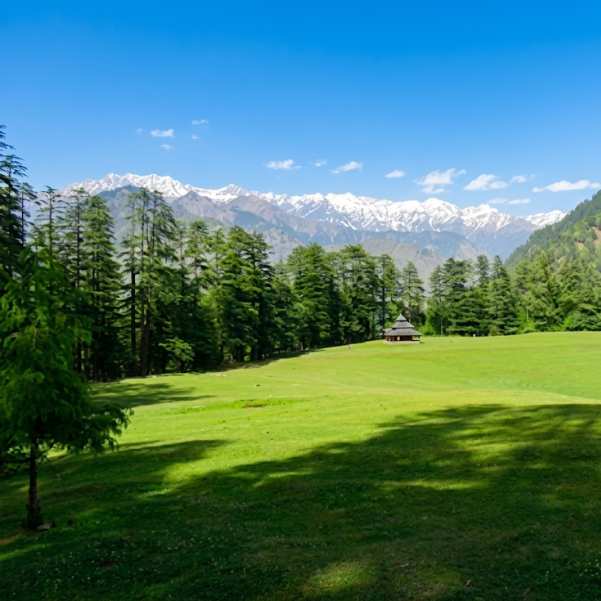
Shangarh Meadows
~25 km from Aut, at the upper end of the valley
The most visited spot in Sainj Valley. A wide sacred meadow with the Shangchul Mahadev Temple, deodar forest, and the kind of quiet that takes a full day to sink in. Two to three nights is the standard stay.
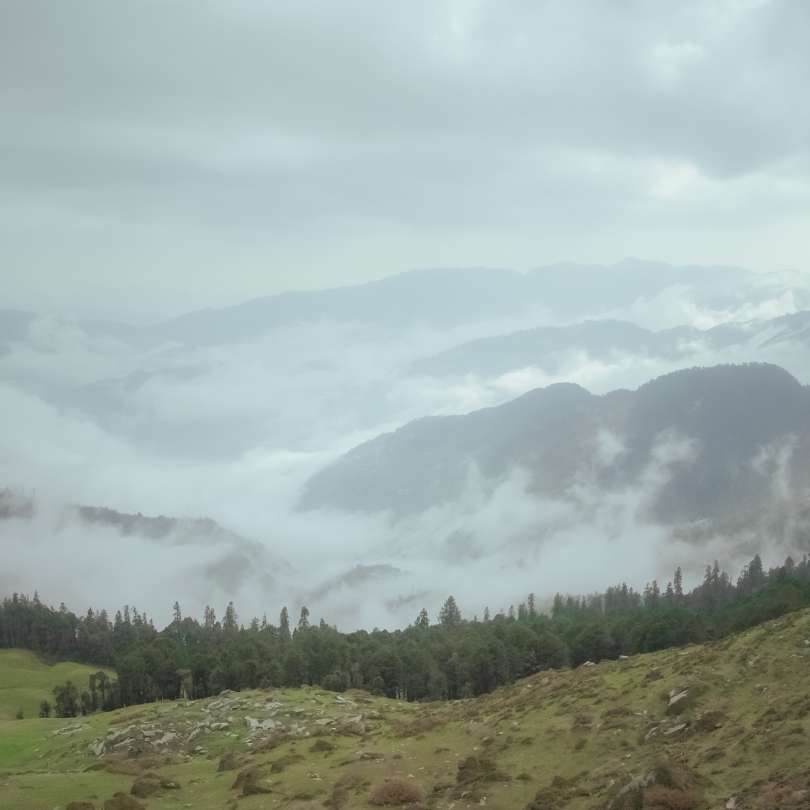
Great Himalayan National Park
GHNP Sainj side gate at Ropa, about 10 km from Shangarh
UNESCO World Heritage protected wilderness of over 1,000 sq km. The Sainj Valley is the western approach, with multi day treks to Raktisar, Lapah, and the cross valley route to Tirthan.
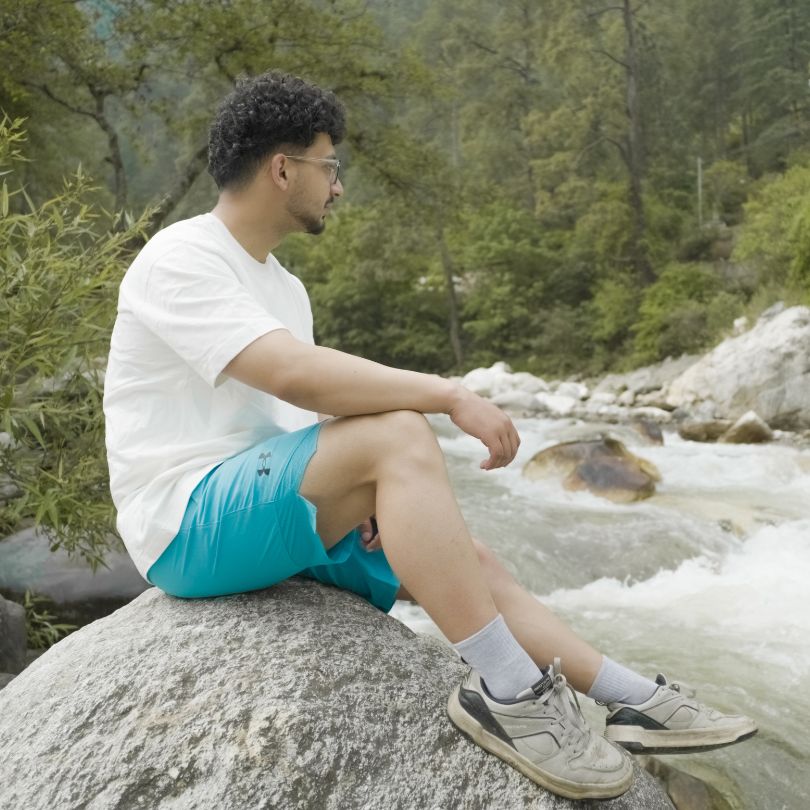
Tirthan Valley
~2 hours drive via Aut and Larji
The other main GHNP valley, with riverside homestays, trout fishing, and the Gushaini homestay belt. The natural pair for a combined Sainj plus Tirthan trip.
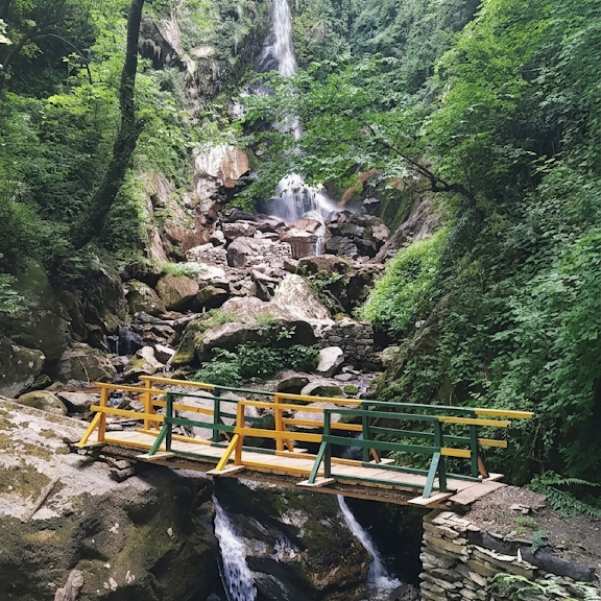
Barshangarh Waterfall
~3 km walk from Shangarh
A forest waterfall reached by an easy walk through conifer woods and small villages. The most popular half day activity from Shangarh.
Jalori Pass
~50 km via Banjar
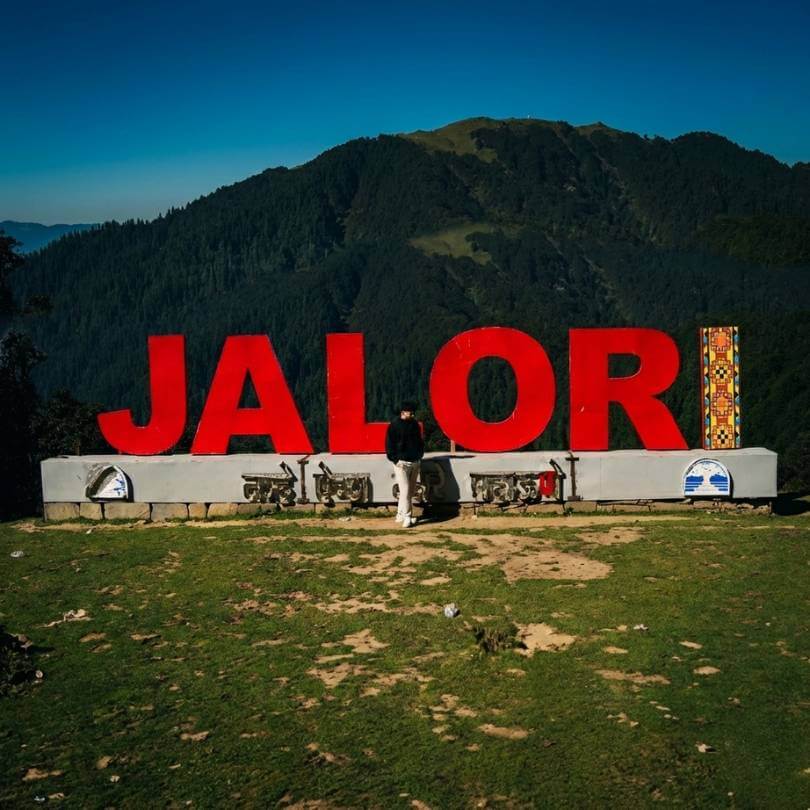
The mountain pass above Jibhi and Shoja with day walks to Serolsar Lake and Raghupur Fort. Reachable as a day trip from the valley or as part of a broader Kullu loop.
Chehni Kothi
~40 km via Banjar
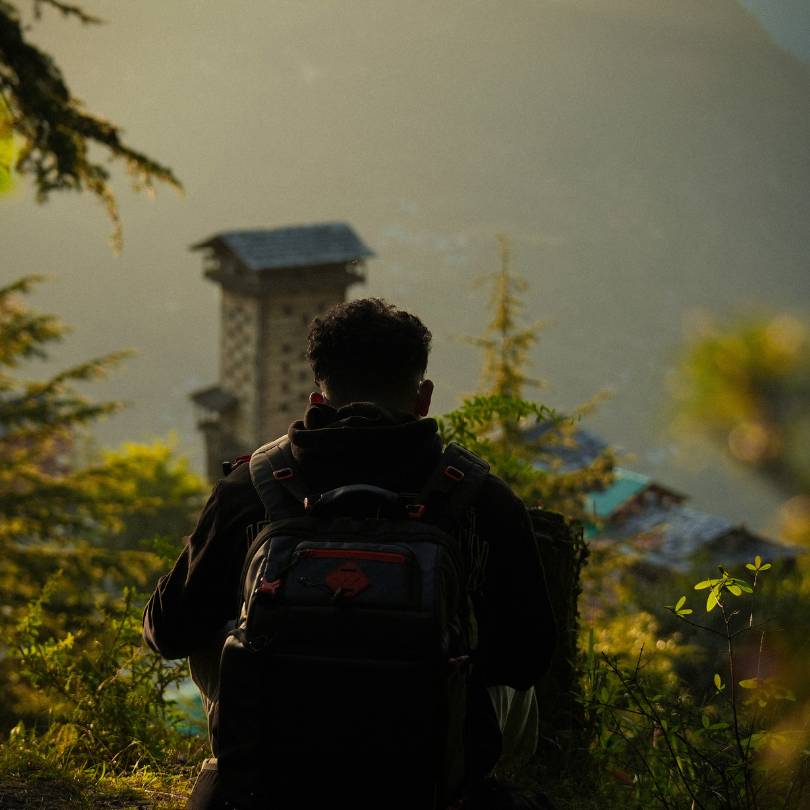
A several centuries old Kath Kuni stone and wood tower, the most famous traditional structure in the broader area. Worth a half day detour.
Our packages with Sainj Valley
Curated trips that include a visit to Sainj Valley.
 Group Tour5D/4N
Sainj Valley and Shangarh Group Trip
3D Shangarh
₹8,499₹12,499SAVE INR 4,000/ person 5D/4N
5D/4NMost Loved Shangarh Sainj Valley Tour With Private SUV
2D Shangarh
₹12,999₹16,999SAVE INR 4,000/ person Group Tour6D/5N
Best Jibhi Tirthan Valley Tour With Shangarh Meadows
2D Tirthan Valley•1D Shangarh (Sainj Valley)
₹9,999₹12,999SAVE INR 3,000/ person
Frequently Asked Questions
Where is Sainj Valley?
In Kullu district, Himachal Pradesh. The valley runs from Larji (where the Sainj River meets the Beas on the Manali highway) up through Sainj town and into the villages of Shangarh, Neuli, Deori, Shanshar, and Raila. The entire valley lies within the buffer zone of the Great Himalayan National Park, a UNESCO World Heritage Site.
How do I reach Sainj Valley from Delhi?
Most travellers take an overnight Volvo to Aut on the Manali highway, roughly 12 hours, arriving between 5 and 7 AM. From Aut, a local bus or pre booked taxi takes you into the valley. Aut to Sainj town is about 20 km. Aut to Shangarh is about 25 km and takes 1.5 to 2 hours. Self drive from Delhi runs about 490 to 510 km and takes 13 to 15 hours.
How many days do I need for Sainj Valley?
Three to four nights is the sweet spot. Two nights at Shangarh for the meadow and waterfall, plus a day exploring Deori or Raila. If you are adding a GHNP trek, plan five to seven days. One night is too rushed because the drive in from Aut eats half a day.
When is the best time to visit Sainj Valley?
March to early June and September to early November. Spring brings green meadows, wildflowers, and clean mountain views. Autumn brings the sharpest air and best photography light. July and August are wet, with muddy trails, leeches, and occasional road disruptions from landslides. Winter is open but cold, with limited transport deeper in the valley.
Is Sainj Valley the same as Shangarh?
No. Shangarh is one village within Sainj Valley, and the most visited one. The valley also includes Sainj town, Neuli, Ropa, Deori, Shanshar, Raila, and several other settlements. Most travellers base themselves at Shangarh and day trip to other parts of the valley.
How is Sainj Valley different from Tirthan Valley?
Both are on opposite sides of the Great Himalayan National Park in Kullu district. Tirthan is more developed, with more homestays, a riverside setting, and trout fishing. Sainj is quieter, less developed, with fewer visitors and more basic infrastructure. The main draw in Sainj is the Shangarh Meadow and the deeper, less touristy villages. If you have time, combine both across one trip.
Do I need a permit for Sainj Valley?
No permit is needed for the villages or the GHNP ecozone. If you want to trek into the GHNP core zone on multi day routes (Raktisar, Lapah, cross valley treks), you need a permit from the Ropa Sainj range office or the GHNP HQ at Shamshi, plus a registered guide. Entry fees for Indians are roughly 50 to 100 rupees per day for the ecozone. Core zone rates and guide fees are higher. Confirm current rates with the GHNP office before your trip, as these are reviewed periodically.
Is there mobile network and ATM in Sainj Valley?
Patchy. BSNL catches a signal in some villages. Jio and Airtel are unreliable in most of the valley. The only ATM is at Sainj town, and it is not always stocked. Carry enough cash for your entire stay, withdrawn at Aut or Mandi. Do not rely on UPI.
Is Sainj Valley good for families?
Generally yes for families with kids around 6 and up who enjoy open space, short walks, and village life. The meadow at Shangarh is a natural playground. Under 6, the limited entertainment and slow pace may test patience. The homestays are welcoming and the food is home cooked. Senior travellers can manage the flatter homestays at Shangarh but should confirm road access and steps before booking.
What is there to do in Sainj Valley besides Shangarh?
Deori (Dehuri) village for open terraced fields and temples. Shanshar for the five storied Manu Temple. Raila for the twin tower temples and Rupi Raila waterfall. Pundrik Rishi Lake and Upper Neahi for a half day trek. Multi day GHNP treks starting from the Ropa gate. The valley has more to offer than most travellers realise, you just need more than two nights to see it.
Where should I stay in Sainj Valley?
Most travellers stay at Shangarh, which has a growing number of homestays and a Zostel. Rates are roughly 1,500 to 4,000 rupees a night for two with meals. Deori has a few basic homestays and a Forest Rest House. Sainj town has a couple of basic options but is more of a transit point than a stay. Book ahead for peak weekends in May, June, and October.