
Keylong
The district headquarters of Lahaul and Spiti on the Bhaga river at around 3,080 metres, the only proper town in the valley and a natural base for the monasteries, deeper Lahaul, and the Manali to Leh drive
- District HQ of Lahaul
- ~3,080 m
- Manali · ~71 km via Atal Tunnel
- Year round access
- Monasteries · market · base
What makes it special
Keylong sits at around 3,080 metres on the left bank of the Bhaga river, spread along a south facing slope that catches sun for most of the day. It is the district headquarters of Lahaul and Spiti and the only settlement in the valley that functions like a proper town. There is a market strip along the highway, an HRTC bus stand, a zonal hospital, a handful of ATMs, a petrol pump, a SBI branch, and a few dozen hotels and homestays. Most of Lahaul orbits around this town for supplies, government paperwork, medical help, and the only reliable daily bus link to Manali, Kaza, Udaipur, and Pangi.
Honest framing most online guides skip. Keylong is not a sightseeing destination in the Chandratal or Kaza sense, it is a working town and a logistics hub. The three monasteries that visitors come for are not in the town itself, they are on the slopes above and across the river. It earns its keep as a base. Two nights here lets you do the monasteries slowly, use the market, restock cash and food, and push out to Udaipur or Jispa as day trips before continuing deeper into Lahaul or back down to Manali. As a standalone destination, one night is plenty. As a base for the wider region, two to three is the sweet spot.
The Atal Tunnel changed this town more than it changed anywhere else in Lahaul. Before October 2020, it was cut off from the rest of the country for five to six months every winter because snowfall closed the Rohtang Pass. Schoolchildren had to migrate out to Kullu for CBSE exams, water pipes froze solid, and tourism effectively ended by late October. The tunnel turned it into a year round town. The administration has responded with the Lahaul Snow Festival, which generally runs from around late January into the third week of March, folding in long standing village festivals like Halda, Fagli, Losar, and Gochi that outsiders have only recently been able to witness. Winter tourism here is still rough around the edges. Go with realistic expectations and you get a Himachal experience very few travellers will ever see.
Quick answers
- Is Keylong worth staying at?
- Yes, for one or two nights, as a logistics base for the Lahaul monasteries or for deeper travel into Pangi, Miyar, Udaipur, or Leh. It is the only town in the valley with a market, multiple ATMs, a hospital, and proper food. As a standalone destination it is thin, the real draw is what you do from it. Families and older travellers generally handle this base better than Jispa or Chandratal because the altitude is manageable and the town has actual amenities.
- Keylong or Jispa, which to pick?
- Pick Keylong if you want a town with services, the three main monasteries, and a base for deeper Lahaul. Pick Jispa if you want a quiet riverside camp and are heading towards Ladakh. Most first time visitors are better served by a night at each, one for the monasteries and the market, one for the Bhaga riverbank and a slow morning.
- Is Keylong open in winter?
- Yes, since the Atal Tunnel opened in October 2020. Winter here is real, temperatures drop to around minus 15 to minus 20 at night in January and February, drinking water pipes can freeze, and some hotels shut for the coldest months. The Snow Festival usually runs from late January into the third week of March, celebrating Halda, Fagli, Losar, and other Lahauli traditions that used to be private village events. Book ahead, drive carefully, and confirm road status with your hotel the day before.
Quick facts
Everything you need to know at a glance.
At a glance
- Altitude
- Around 3,080 m / ~10,100 ft
- Location
- Left bank of the Bhaga river, district headquarters of Lahaul and Spiti, Himachal Pradesh, on the Manali to Leh highway (NH3)
- Nearest places
- Tandi Sangam ~7 km south, Jispa ~20 km north, Sissu ~30 km south, Manali ~71 km south via the Atal Tunnel
- Best season
- Year round since the Atal Tunnel opened in 2020. Peak tourist season is May to October. The Snow Festival runs roughly late January to the third week of March.
- Services
- Town services operate roughly 8 AM to 8 PM. Bus stand from early morning to late evening in summer, reduced in winter. Shops shut earlier than in the plains.
- Entry fee
- None. No permits needed for Indian nationals.
- Time needed
- One to two nights for monasteries and the town. Three if adding Udaipur, Pangi, or Miyar.
- Known for
- District HQ of Lahaul, Kardang Shashur and Tayul monasteries, base for Leh route and deeper valleys, winter Snow Festival
- Access difficulty
- Easy. Year round road access via the Atal Tunnel. Moderate altitude.
On the ground
- Mobile network
- BSNL is the most reliable. Jio and Airtel cover most of the town. Data is usable but slow. Better than anywhere else in Lahaul.
- ATMs
- Multiple ATMs in the market, SBI and PNB are the most reliable. Can run dry on weekends and busy days. Withdraw for your whole Lahaul stay in one visit.
- Fuel
- A petrol pump operational since September 2021 in the town, backed up by the older Tandi pump 7 km south. Fill up for the Leh stretch, the next pump is at Karu ~330 to 350 km north.
- Food
- Largest food scene in Lahaul. Thukpa, momos, Tibetan bread, rajma chawal, dal rice at market dhabas and restaurants. A few cafes with decent coffee. Hotel meals are usually the simplest option after a long day.
- Washrooms
- Hotel washrooms are fine, public facilities at the bus stand are basic.
- Parking
- Paid parking at the bus stand. Hotels and HPTDC have in house parking. Street parking in the main bazaar is tight.
- Permits
- None for Indian nationals. Foreign nationals should carry ID and check current Lahaul and Spiti rules for deeper travel.
- Drones
- Use discretion. Keep away from the military camp and government buildings. Ask at the monasteries before flying, particularly during ceremonies.
- Walking surface
- The main bazaar is short and mostly flat. The climb to Shashur is a steep 3 km on a rough road. Kardang and Tayul need a vehicle.
- Guides and taxis
- Local taxis are the standard way to do the three monasteries in a day. Rates roughly 2,500 to 3,500 rupees for the round, negotiate before you leave.
- Medical
- The zonal hospital handles most non critical issues. Anything serious means Kullu or Manali. Pharmacies in the bazaar stock basic medication.
Seasonal weather
- May to June22°5°Spring
- July to August25°10°Summer monsoon
- September to October20°2°Autumn
- November to March5°-18°Winter
Suitable for
- Couples — suitable
- Families — suitable
- Seniors — suitable
- Solo — suitable
- First-timers — suitable
- Pet-friendly — with some care
How to reach Keylong
6 approach routes, with seasonal access.
From Manali (via Atal Tunnel)
Year round via the tunnel. Road conditions after heavy rain or snow can vary, confirm before travel in winter.- Distance
- About 71 km
- Time
- 2 to 2.5 hours
- Road
- Tarred highway through the Atal Tunnel, then a mostly decent run via Sissu and the Bhaga valley. A few patched sections after monsoon.
- Last fuel
- Fill up in Manali. Tandi and Keylong are the next fuel options.
The standard route. From Manali, take NH3 south to the Atal Tunnel south portal at Dhundi, about 25 km. The tunnel is 9 km long and generally takes 15 to 20 minutes to cross at the posted speed. Exit the north portal, continue 7 km to Sissu, then another 22 km to Tandi bridge, then a right turn and 7 km up the Bhaga valley to the town. Total roughly 71 km in 2 to 2.5 hours. On peak weekends the tunnel south portal can queue for 30 to 60 minutes, leave Manali by 8 or 9 AM. Older travel sites cite 116 to 120 km, which was the pre tunnel distance via Rohtang, ignore that figure.
From Delhi or Chandigarh
Year round- Distance
- Delhi ~580 km to Manali, then 71 km onward. Chandigarh ~310 km to Manali.
- Time
- 14 to 16 hours from Delhi, 8 to 9 hours from Chandigarh, plus 2 hours onward
- Road
- NH 44 and NH 3 to Manali, then the Atal Tunnel
- Last fuel
- Chandigarh, Swarghat, Bilaspur, Sundernagar, Mandi, Manali
Nobody sensibly drives Delhi to Keylong in one push. The realistic plan is an overnight Volvo or drive to Manali, sleep a night, then continue through the tunnel the next morning. Overnight Volvo from Delhi arriving in Manali around 8 to 10 AM works well, push through the tunnel by lunch, in town by early afternoon. Self drive from Delhi runs 14 to 16 hours, plus the 2 hours through the tunnel.
From Jispa
Year round- Distance
- About 20 km
- Time
- 30 to 45 minutes
- Road
- Tarred highway along the Bhaga river
- Last fuel
- Keylong or Tandi (~7 km further south)
The short hop within Lahaul. From Jispa, the road runs south along the Bhaga river through Gemur and Stingri to the town. Useful if you are basing in Jispa and coming in for the market and the hospital, or heading back towards Manali and stopping for a night here.
From Sissu
Year round- Distance
- About 30 km
- Time
- 45 minutes to 1 hour
- Road
- Tarred highway via Gondhla and Tandi
- Last fuel
- Tandi pump between Sissu and Keylong
A comfortable short drive for anyone who stayed overnight at Sissu. The road runs east and north through Gondhla, crosses at Tandi, and climbs 7 km up to the town. A natural Lahaul base transition between the two.
From By bus or shared cab from Manali
Year round, fewer services in winter- Distance
- About 71 km
- Time
- 4 to 6 hours including stops
- Road
- Highway through the Atal Tunnel
- Last fuel
- Not applicable
HRTC runs several daily buses from Manali to Keylong in summer, starting around 4 AM and through midday, with a reduced winter schedule. Fares are approximately Rs 200 to 300 depending on seat class. Journey takes 4 to 6 hours including stops. Book at the HRTC stand in Manali or online at the HRTC website. Shared cabs from the Manali taxi stand are also available at Rs 500 to 1,000 per seat depending on demand. Confirm the day of travel, schedules shift in winter.
From Kaza (Spiti, summer only)
Mid June to early October, depending on snow clearance at Kunzum Pass- Distance
- About 190 km via Kunzum, Gramphu, Koksar, and Tandi
- Time
- 8 to 10 hours
- Road
- Tarred till Losar, rough from Kunzum to Gramphu, tarred again on the Lahaul side
- Last fuel
- Tandi is the first reliable pump on this route
The classic overland Spiti exit. From Kaza, drive west via Losar, cross the Kunzum Pass at 4,551 m, descend to Batal and Gramphu, and join the Manali to Leh highway at the Koksar junction. From Koksar, continue 14 km to Sissu, 30 km more to Tandi, then 7 km to town. Total about 190 km, a long full day, generally open mid June to early October depending on snow at Kunzum. The Gramphu to Batal stretch is slow and rough. Not something to do in reverse light.
Best time to visit
Season by season, so you can plan around the weather rather than hope.
- Recommended
Spring
May to June
Clear skies, monasteries active, the summer town finding its pace
- Day temperature
- 15 to 22 C
- Night temperature
- 5 to 8 C
- Crowds
- Low to moderate, builds through June
- Monasteries
- All open, Cham festival at Shashur often in this window
- Roads north
- Jispa, Deepak Tal, Baralacha generally open
The cleanest window for a first visit. Snow retreats from the valley floor, the Bhaga runs clear until late June, and the high peaks are still white enough to look dramatic. Days are warm enough for a shirt, nights still need a jacket. The Cham festival at Shashur is in late June or early July depending on the year, ask at the monastery on arrival. All monasteries are open, all hotels run normal service, and the summer Leh traffic has not yet peaked. June is the single best month if you can pick one.
Summer monsoon
July to August
Full rivers, green valleys, and the monsoon on the approach
- Day temperature
- 18 to 25 C
- Night temperature
- 10 to 12 C
- Crowds
- High, peak Leh bound traffic
- Road risk
- Landslides on the approach via Sissu and near Gondhla
- Summer Lahaul Festival
- Usually in July, dates vary
The valley is at its greenest and the Bhaga runs full. The town itself sits in a partial rain shadow, direct rain is less frequent than in Manali, but the highway approach through the tunnel and the stretch via Sissu can see landslides and debris flows. Keep a buffer day. This is peak Leh traffic season, the petrol pumps can queue in the morning and bookings matter more. Cloud cover is common by afternoon, which cuts into the monastery photographs. Worth visiting if the dates suit you, but May to June and September to October are better.
- Recommended
Autumn
September to October
Sharpest light of the year and the thinnest crowds
- Day temperature
- 12 to 20 C
- Night temperature
- 2 to 5 C
- Crowds
- Low to moderate after early September
- Monasteries
- All open, quietest visits of the year
- Light
- Sharpest of the year for photographs
If you can time it, late September to mid October is the best version of this town. The monsoon clears, air sharpens, and the views up the Bhaga valley towards the peaks are at their cleanest. Crowds drop noticeably after the first week of September as the Leh route winds down. Nights get cold fast by October, pack a proper warm layer. Roads north to Jispa and Deepak Tal generally stay open through September, the Baralacha La road may close with early snow in October. The monasteries are quietest now, which is the version most atmospheric people end up preferring.
Winter
November to March
Real cold, real snow, and Lahaul's newest tourist season still finding itself
- Day temperature
- -2 to 5 C
- Night temperature
- -10 to -20 C
- Crowds
- Low, spikes around Snow Festival events and holidays
- Festival season
- Late Jan to mid/late March
- Services
- Reduced, some hotels shut, pipes can freeze
The post tunnel winter, which did not exist as a tourist season before 2020 and is still finding its shape. The tunnel keeps road access open, but the stretch from the tunnel towards town can be icy or briefly blocked after heavy snowfall. Temperatures drop to around minus 15 to minus 20 at night in January and February. The Lahaul Snow Festival runs roughly late January to the third week of March across Lahauli villages, folding in Halda, Fagli, Losar, Gochi and other traditional festivals. Some villages including Sissu have imposed their own tourism closures during the Halda period, roughly mid January to end February, confirm before you plan around a particular event. Hotels that stay open usually do but several shut for the coldest stretch. Go with proper gear, book ahead, and plan loose days. Worth it for the right traveller, not worth it for anyone who wants comfort and certainty.
Things to see & do
9 things worth your time at Keylong.
Walk the bazaar and the bus stand
1 to 2 hoursThe main market stretches roughly 300 metres along the highway and includes everything Lahaul has to offer in one place. Kitchen supplies, woollens, Tibetan woven goods, dry fruit vendors, three or four proper restaurants, and half a dozen dhabas. The HRTC bus stand at the upper end of the bazaar is a small architectural set piece, quietly beautiful in the morning light and genuinely functional. Walk the full stretch, stop at a Tibetan run shop for thukpa or momos, and watch a working Lahauli town go about its day. One of the few places in Lahaul where you see local life in motion rather than a service counter for tourists.
Visit Kardang Monastery
Half dayThe largest and historically most important monastery in Lahaul, at around 3,500 metres on the south bank of the Bhaga below the Rangcha peak. The gompa belongs to the Drukpa Kagyu sect of Tibetan Buddhism and is believed to date back to the 12th century, though the current building was substantially rebuilt by Lama Norbu in the early 20th century and again between 1999 and 2009. The drive from Keylong runs via the Tandi bridge, roughly 15 km by road even though the monastery is only about 8 km as the crow flies across the river. Worth the detour for the library of Kangyur and Tangyur scriptures and the view back across the valley to the town. Generally open 6 AM to 6 PM, no entry fee. Quietest before 10 AM.
Hike up to Shashur Monastery
Half dayA steep 3 km climb above the town, reachable on foot in about an hour or by taxi in 15 minutes on a narrow dirt road. The name Shashur means in the blue pines, and the monastery sits in exactly that, a patch of blue pine on the slope above Keylong with a wide view down the Bhaga valley. Founded in the 17th century by Lama Deva Gyatsho of Zanskar, it belongs to the Drukpa sect and is known for its Thangka paintings and the annual Cham masked dance festival held in June or July. A soft opinion, this is the most atmospheric of the three main monasteries. Go in the afternoon to catch the sun on the front of the gompa, carry water if walking up.
Drive up to Tayul Monastery
Half dayAbout 6 km from town on the Jispa road, then a short climb up to Satingri village. The gompa sits at around 3,900 metres and holds a 12 foot statue of Padmasambhava surrounded by wrathful deities, plus a large prayer wheel that locals say turns on its own on auspicious days. Quieter than Kardang and Shashur, fewer visitors, small enough to see in 30 minutes inside. Roads are rough in patches. Take a local taxi rather than drive yourself if you are not comfortable with narrow hill tracks.
Day trip to Udaipur and Mrikula Devi Temple
Full dayUdaipur is the second town of Lahaul, about 53 km from here via Tandi along the Chandrabhaga. The draw is the Mrikula Devi Temple, an 11th or 12th century wooden temple with deodar carvings depicting scenes from the Mahabharata and Ramayana that will hold you for longer than any photograph suggests. The drive through Jahalman, Thirot, and Tindi runs along the river through some of the greener parts of Lahaul with apple and walnut cultivation. Triloknath Temple is another 40 minutes further if you want to extend it. Full day from Keylong, hire a local taxi, expect 5 to 6 hours of total driving.
Day trip to Jispa, Deepak Tal, and Baralacha
Half to full dayJispa is 20 km north on the Manali to Leh highway, an easy 30 to 45 minute drive along the Bhaga. Many travellers combine it with Deepak Tal, another 27 km further past Darcha towards Baralacha La, generally accessible June to October depending on snow clearance by the BRO. The Jispa riverside and Deepak Tal together make for a relaxed half or full day out, back for dinner at your hotel. Suraj Tal and the pass itself are another 20 km beyond Deepak Tal, doable as a long day but the altitude at nearly 4,900 m is serious, do not linger.
Catch the Lahaul Snow Festival in winter
A few hours to a full day, spread across weeksThe Lahaul Snow Festival generally begins around late January and continues into the third week of March, folding in traditional village festivals like Halda, Fagli, Losar, Gochi, Puna, and Lamohi that were largely private before the tunnel opened. Expect masked Cham dances, archery, tug of war on snow, snow sculpture competitions, and local cuisines like sattu, childa, and timo. Ice climbing events on frozen waterfalls at Commander Nullah near the town have happened in some years. The district administration publishes a calendar close to the start. One important note, some villages, including Sissu, have imposed their own tourism closures around the Halda period, roughly mid January to end February. Confirm dates with your hotel before planning around any specific event.
Walk along the Bhaga river
1 hourA footpath drops from the lower end of town down to the river bank, about 10 minutes of walking, uneven in places. The Bhaga runs wide here with gravel banks and occasional willow trees, and the walk is the best quiet hour you can spend in town without driving anywhere. Morning light is the cleanest. Do not wade in, the water is glacier fed and the current is stronger than it looks, especially in July and August.
Time a trip around the summer Lahaul Festival
Half day to full dayThe summer Lahaul Festival takes place each July in the town, with a busy market, cultural performances by troupes from across the district, and traditional sports. Shorter than the Snow Festival, better organised, and much easier to navigate as an outsider. If you happen to be in town in early to mid July, time a day around it. Not a strong reason on its own to fly up, but a welcome overlap if you are already planning a trip.
Know before you visit Keylong
The practical bits, from people who have been.
What Keylong actually isThe district headquarters of Lahaul, a working town and the valley's only proper base for services and deeper travel
Keylong is the district headquarters of Lahaul and Spiti, not a resort town. It sits at around 3,080 metres on the left bank of the Bhaga river, along a south facing slope that catches sun for most of the day. The town stretches about a kilometre along the highway, centred on the main bazaar and the HRTC bus stand. Everything administrative in Lahaul happens here, the zonal hospital, a sub divisional court, the deputy commissioner's office, multiple ATMs, and the only daily bus link to Pangi, Kaza, and beyond.
What this means for travellers is simple. The town is a base, not a sight. Two days here give you the monasteries, the market, and a day trip to either Jispa or Udaipur. Three if you want to push deeper. Anyone expecting a postcard village with cafes on every corner will find the town bigger and more utilitarian than the Instagram reels suggest. Anyone expecting logistics and proper food after a week in remote Spiti or on the Leh road will find it a welcome pause.
The three monasteries, rankedKardang (largest, across the river), Shashur (3 km uphill, most atmospheric), Tayul (6 km towards Jispa, quieter)
Three main monasteries form the classic Keylong day, and they can be done in a single taxi circuit if you start early.
Kardang Monastery sits across the Bhaga at around 3,500 metres below the Rangcha peak, about 8 km as the crow flies but roughly 15 km by road via the Tandi bridge. Drukpa Kagyu sect, believed to date from the 12th century, rebuilt substantially in the early 1900s and again through 1999 to 2009. The largest and historically most important gompa in Lahaul. Open generally 6 AM to 6 PM. The library of Kangyur and Tangyur scriptures in Bhoti script is worth asking about if a monk is around.
Shashur Monastery is 3 km up a steep road from the town, reachable on foot in about an hour or by taxi. 17th century, Drukpa sect, founded by Lama Deva Gyatsho of Zanskar. The name means in the blue pines, which you see around the gompa. The annual Cham masked dance festival happens in June or July. Most atmospheric of the three, a personal favourite.
Tayul Monastery is 6 km towards Jispa and then a short uphill climb to Satingri village, at around 3,900 metres. Known for a 12 foot Padmasambhava statue and a large prayer wheel that is said to turn on its own on auspicious days. Quieter than the other two, quicker to see inside, worth the drive if you want the set.
A realistic day, hire a taxi from the Keylong stand for around 2,500 to 3,500 rupees for the full round including waiting time. Rates shift by season, negotiate before you leave.
Sissu, Keylong, or Jispa as your baseSissu for quick access, Jispa for the riverside, Keylong for services and deeper Lahaul
The three main Lahaul bases serve different trips.
Pick Sissu if: you want the closest Lahaul village to Manali, a waterfall visible from the highway, a helipad sunset viewpoint, and a short one to two night taste of the valley. Only 40 km from Manali via the tunnel.
Pick Jispa if: you specifically want riverside camping on the Bhaga, a quieter overnight on the Leh road, or a halt closer to Baralacha for day drives. About 20 km further north than Keylong on the Manali to Leh highway.
Pick Keylong if: you need the town and its services, are planning multiple monastery visits, or want a logistics base for Udaipur, Pangi, Miyar, or deeper Lahaul. The only option with a market, multiple ATMs, a proper hospital, and reliable daily buses to most of the region.
A pragmatic first Lahaul plan. One night at Sissu or Jispa, one night here. That covers the river, the monasteries, and the town without overcommitting to any one spot. For a longer trip, base here for two nights and add Jispa as a riverside overnight on the way in or out.
Where to stay and what to eatWidest choice in Lahaul, from HPTDC and PWD rest houses to hotels and homestays. Winter insulation matters more than price.
Keylong has the widest accommodation choice in Lahaul, ranging from the HPTDC Hotel Chandrabhaga and the Circuit House at the public sector end to a growing set of private hotels and homestays. Rates generally run from around 1,200 to 2,000 rupees for simple rooms to 2,500 to 5,000 rupees for comfortable mid range stays with meals. Hotel Tashi Deleg, Hotel Dekyid, and a handful of newer homestays get most of the traveller traffic, alongside the HPTDC and PWD rest houses. Book ahead in peak summer (June to July) and through the Snow Festival window, walk in works most other months.
A practical note on winter stays. Older hotels in the town sometimes rely entirely on portable heaters in rooms, which is fine until the power cuts or the temperature drops below minus 15. Ask about insulation, hot water reliability, and whether the bathroom pipes have frozen in recent weeks. This matters more than the price.
Food is the best in Lahaul by default, which is not saying much but is real. The bazaar has three or four proper restaurants along with dhabas for rajma chawal, dal rice, thukpa, momos, Tibetan bread, and in the right season, fresh trout from the Bhaga. A couple of cafes with decent coffee have opened in recent years, wifi is usually slow. Most hotels will feed you if you book with meals, and that is often the simpler option after a long day out.
Who should stop, and who should push furtherBest Lahaul base for families, seniors, first timers, and anyone who needs logistics. Skip for pure quiet or remote silence.
Travellers on a Leh road trip: Yes, for one night. Top up fuel and cash, eat a proper meal, sleep in a real bed. If the drive is tiring, make it two nights and add a half day at Kardang.
First time Lahaul visitors: Yes, for two nights. Day one covers the monasteries and the bazaar, day two either Udaipur or Jispa with Deepak Tal. That is a solid, unhurried Lahaul introduction.
Families with kids: Generally yes. The altitude at 3,080 m is manageable, the town has a hospital and pharmacies, the bazaar is walkable, and the monasteries are easy drives. Keep kids off the Bhaga river banks, the current is stronger than it looks.
Seniors: Yes, easier than Jispa, Sissu, or Chandratal. The altitude is moderate, the drive from Manali via the tunnel is comfortable, and proper medical help is available if needed. Pick a hotel with minimal stairs and confirm hot water in advance.
Pets: Some homestays and hotels accept pets, confirm before you book. The town itself is dog friendly, keep them leashed near the highway and the bus stand.
Skip for something deeper: if you want only riverside quiet, Jispa. If you want only a quick Lahaul taste from Manali, Sissu. If you want remote silence and serious mountains, push through to Jispa then Baralacha, or plan a Spiti circuit.
Altitude, weather, and winter realitiesModerate altitude, manageable for most. Winter cold is real, infrastructure limits are real, plan accordingly.
At 3,080 m the altitude is moderate by Himalayan standards, lower than Kaza, Leh, or Chandratal. Most travellers feel nothing, some people coming up fast from the plains feel mild breathlessness on the first evening. That usually settles with rest and water. If a headache or nausea lingers, do not push higher the next day.
Winter specific: This is the most important section. The Atal Tunnel keeps access open year round, but the stretch from the tunnel towards town can be icy or briefly blocked after heavy snowfall. Local administration sometimes restricts non 4x4 vehicles through the tunnel in deep winter, confirm before you drive. Temperatures drop to around minus 15 to minus 20 at night in January and February. Drinking water supply in the town can be disrupted, as the mains freeze in the coldest stretches, most hotels manage with stored water and heaters. Some hotels and all the seasonal homestays shut from November to April. Dress for real cold, thermals, a heavy down jacket, gloves, a warm cap, and proper boots with grip are not optional.
Monsoon specific (July to August): The town itself sits in a partial rain shadow, direct rain is less frequent than in Manali. But the approach road from the tunnel can see landslides and debris flows, particularly near Sissu and Gondhla. Keep a buffer day. Roads north to Jispa and Baralacha are generally fine in monsoon, roads west to Udaipur and Pangi can be disrupted.
Medical: The zonal hospital here handles most non critical issues. Anything serious means evacuation back through the tunnel to Kullu or Chandigarh, which takes several hours. Carry basic medication, including anything for altitude, and have a plan for a worst case drive out.
A small recheck reminder. Road conditions, tunnel timings, homestay availability, and Snow Festival events all shift with the season. Confirm close to your travel date with your hotel or a local contact, not with a generic travel blog.
The deeper Lahaul from KeylongUdaipur and Mrikula Devi Temple, Pangi valley, and the Miyar valley all open from this base. Needs proper planning.
The main reason to base here rather than in Jispa or Sissu is what you can reach from this town. Three directions are worth serious consideration.
West to Udaipur and Pattan valley. The road branches at the Tandi bridge and follows the Chandrabhaga downstream. Udaipur is 53 km, reachable in 2 hours, and holds the Mrikula Devi Temple, an 11th or 12th century wooden temple with deodar carvings of Mahabharata and Ramayana scenes. Triloknath is another 40 minutes further, a working pilgrimage site with significance for both Hindus and Buddhists. Pauri fair in August is the main festival.
Further west into Pangi valley. Killar, the main town of Pangi, is about 165 km west and a long day on rough road. This is one of the more remote valleys in Himachal, opened to tourism only in recent years. Serious travellers only, with a local driver and flexibility on days. The HRTC bus runs seasonally.
North west to Miyar valley. The Miyar is a side valley off the Pattan, with meadows, wildflowers in July and August, and a long trek towards Kang La that most tour operators will not run for you casually. Trekking rather than driving territory. Plan ahead.
None of these are day trips in the spontaneous sense. Each needs a local taxi or driver who knows the road, a dawn start, and in some cases a night away. This is why a three or four night stay here makes sense if you are serious about Lahaul beyond the monasteries.
Local tips most travellers missWithdraw cash here, buy missing winter gear in the bazaar, fill fuel, eat Tibetan, call ahead for current conditions
Withdraw enough cash for your whole Lahaul stay in one visit to the ATM. The SBI and PNB branches are generally reliable, they can run dry on weekends and busy tourist days, and backup ATMs further out (Jispa, Udaipur, Sissu) are either missing or unreliable. UPI works in the town but not reliably outside it.
Buy any winter gear you missed here rather than pushing on. The market has thermals, gloves, woollen caps, and thick socks at fair prices, particularly good in Tibetan run shops near the bus stand. Do not wait until you are cold in Jispa or Darcha to realise you need another layer.
If you are heading to Leh, fill fuel at both Tandi and here, and carry spare cans if biking. The next pump is 330 to 350 km away at Karu. The Snow Festival and Halda period from mid January to end February mean some nearby villages may be closed to tourists, plan your side trips accordingly and respect any local advisories.
Eat at least one meal at a Tibetan run shop in the bazaar. The thukpa and momos are the real thing, not the Manali version scaled for outsiders, and a plate plus a pot of butter tea is one of the honest meals of a Lahaul trip. Carry your own water bottle, the town is trying hard to reduce plastic, and most hotels will refill for you.
Final recheck reminder. Bus timings, Snow Festival events, homestay openings, and tunnel advisories all shift season to season. A five minute phone call to your hotel the day before you travel is worth more than any guide published online, including this one.
Nearby attractions
Other places worth the detour.
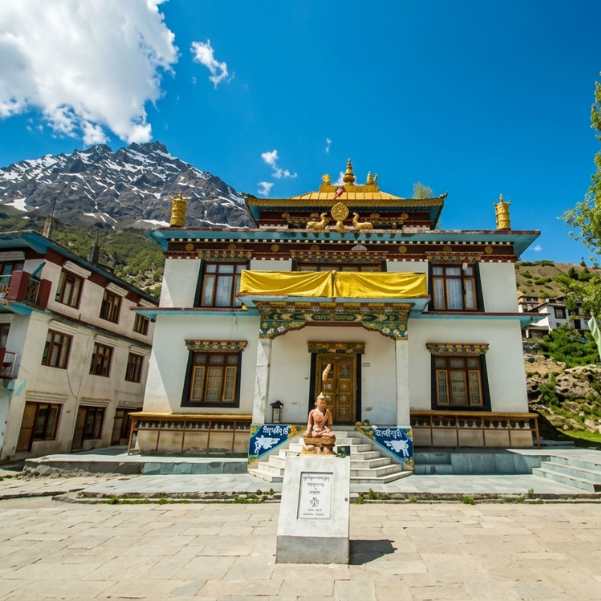
Kardang Monastery
~15 km by road via Tandi bridge · 30 to 40 min drive
The largest and most important monastery in Lahaul, at around 3,500 m below the Rangcha peak on the south bank of the Bhaga. Drukpa Kagyu sect, believed to date from the 12th century. The drive via Tandi bridge is the standard approach. The best monastery visit from town.
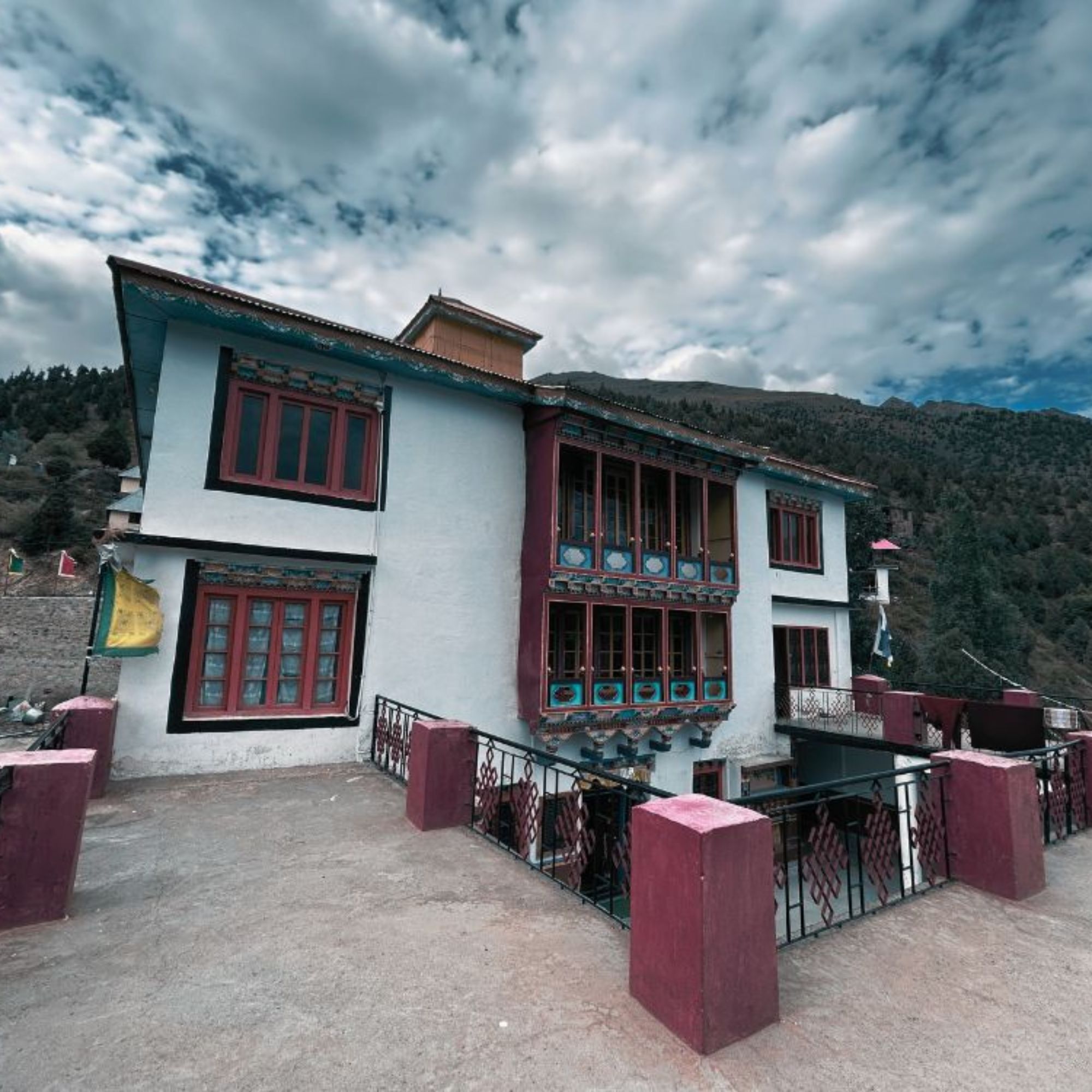
Shashur Monastery
~3 km uphill · 15 min drive or 1 hour walk
A 3 km climb above town on a steep road, reachable on foot in about an hour. 17th century Drukpa monastery in a patch of blue pine, known for Thangka paintings and the June or July Cham festival. The most atmospheric of the three main gompas around town.
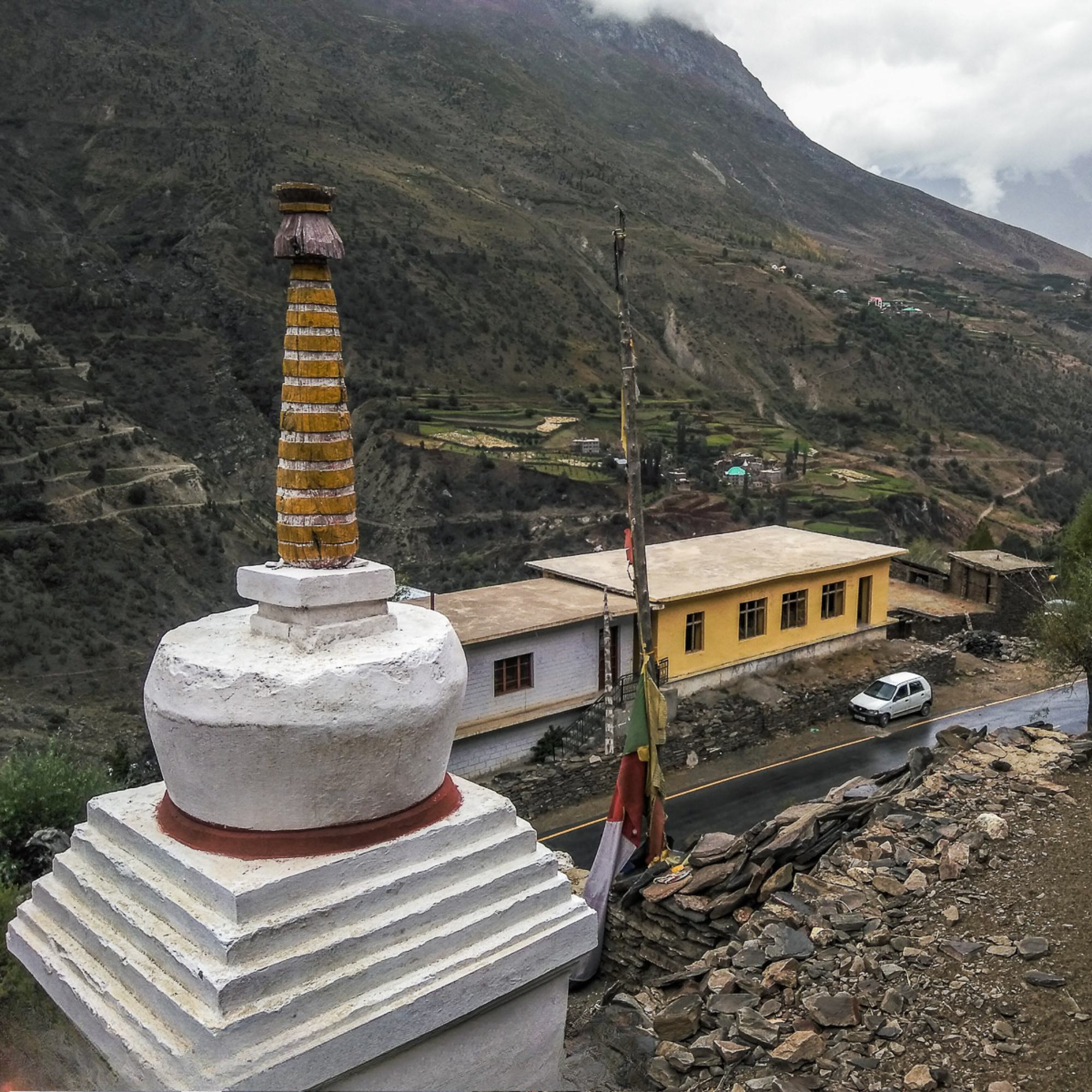
Tayul Monastery
~6 km towards Jispa · 20 to 25 min drive
At around 3,900 m above Satingri village, about 6 km towards Jispa then a short uphill climb. 17th century, known for a 12 foot Padmasambhava statue and a large prayer wheel. Quieter than Kardang and Shashur.
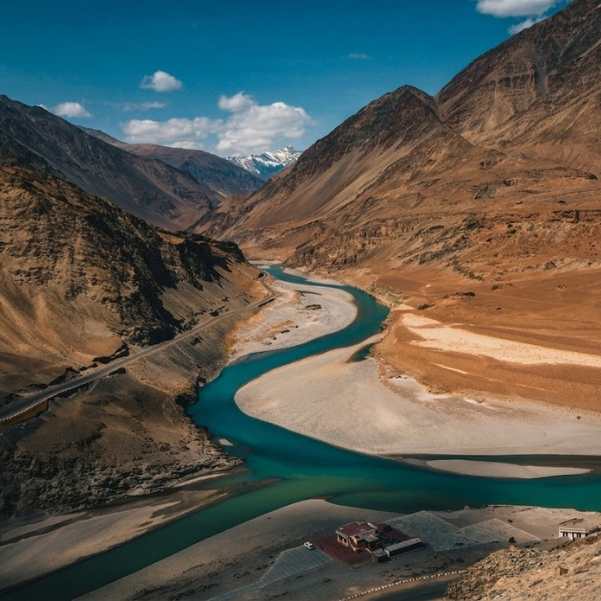
Tandi Sangam
~7 km south · 15 min drive
The confluence of the Chandra and Bhaga rivers forming the Chenab, 7 km south. The reference fuel halt on the Manali to Leh highway, a working cremation ground of deep religious meaning, and the gateway to Udaipur and Pangi. Quick halt on the way to or from Manali.
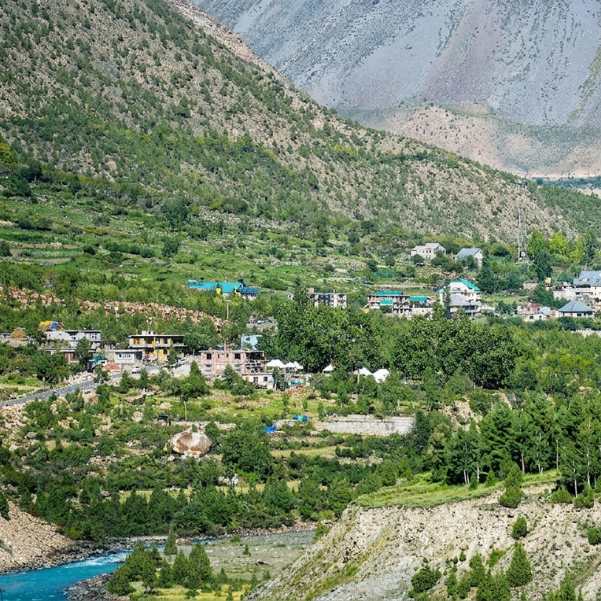
Jispa
~20 km north · 30 to 45 min drive
A quiet Lahauli village on the Bhaga river with riverside campsites and a small monastery, 20 km north on the Leh road. The softer overnight halt on the Manali to Leh route. Easy day or half day from here.
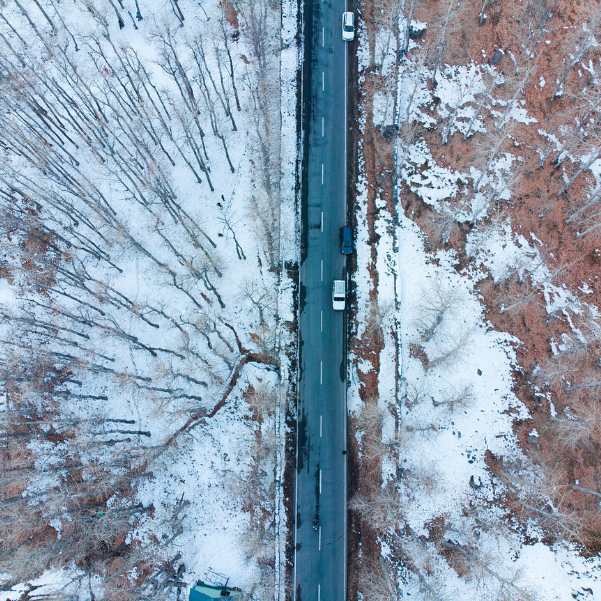
Sissu Village
~30 km south · 45 min to 1 hour drive
The first village past the Atal Tunnel, 30 km south, with a waterfall visible from the highway, a man made lake, and a helipad sunset viewpoint. A natural half day or return trip from here.
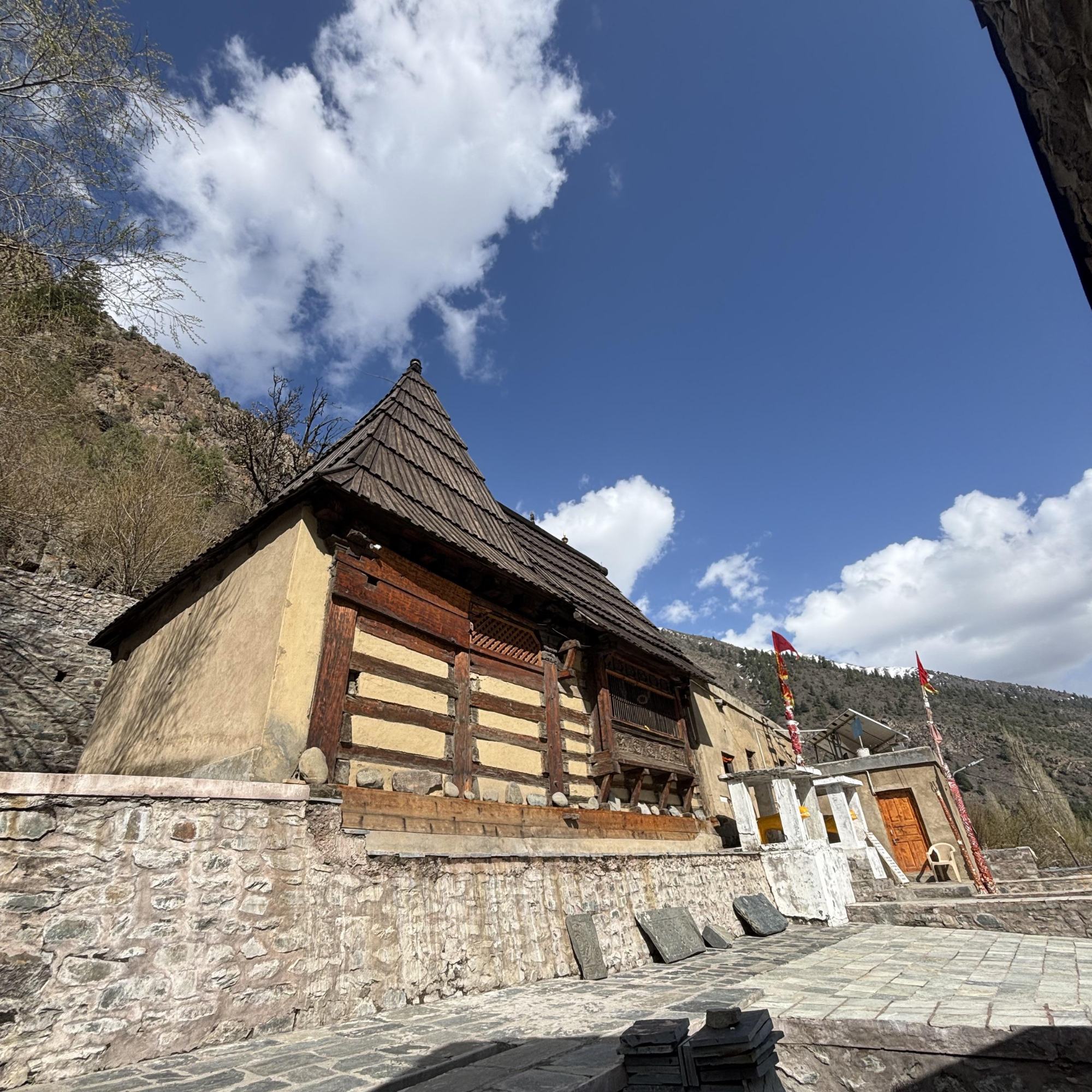
Udaipur and Mrikula Devi Temple
~53 km west · 2 hours drive
The second town of Lahaul and home to the Mrikula Devi Temple, an 11th or 12th century wooden temple with deodar carvings of Mahabharata and Ramayana scenes. Full day from here via Tandi along the Chandrabhaga.
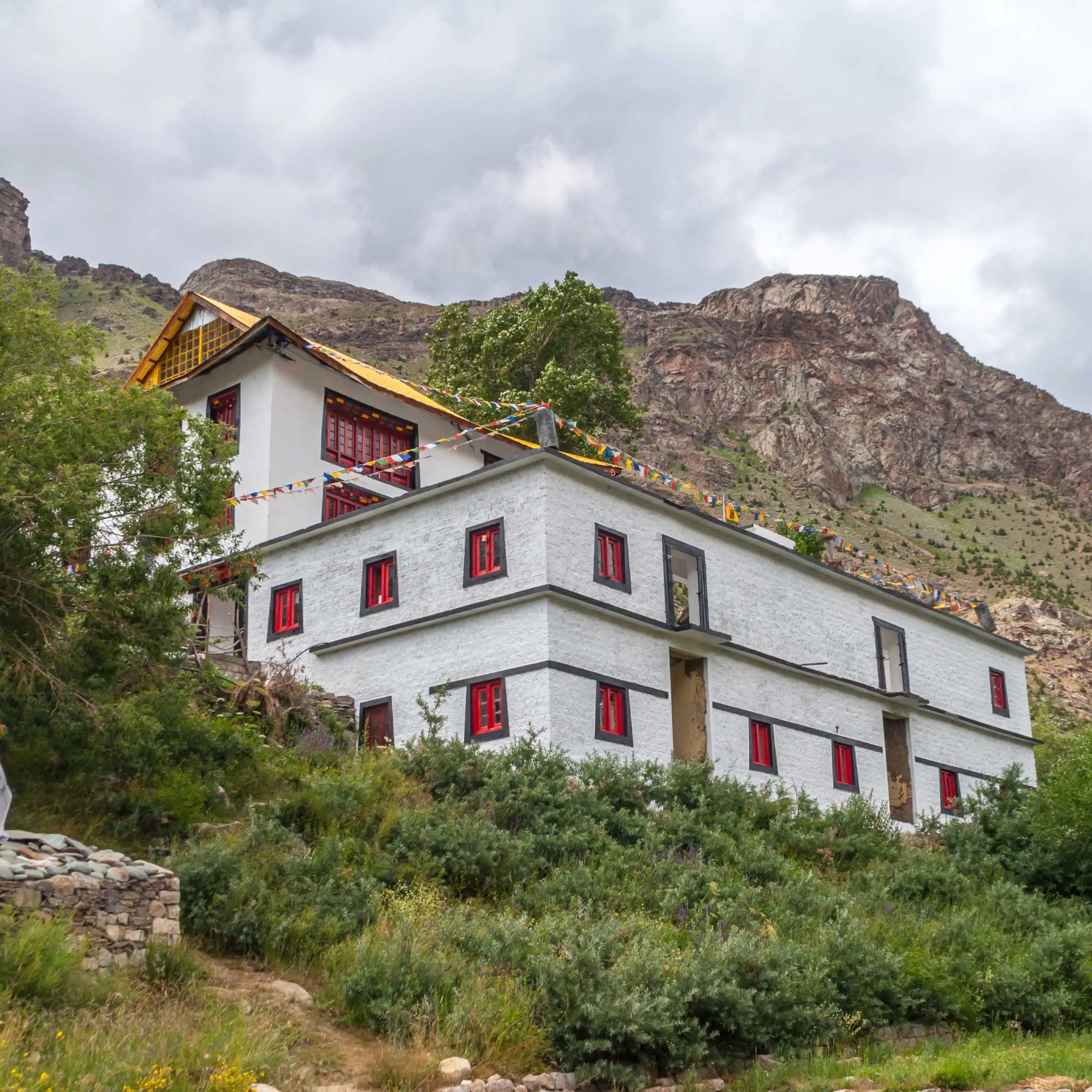
Gemur Monastery
~18 km north · 30 min drive towards Jispa
A quiet 17th century monastery overlooking the Bhaga valley on the way to Jispa, known for murals and ritual dance traditions. Often missed by travellers rushing to the riverside camps.
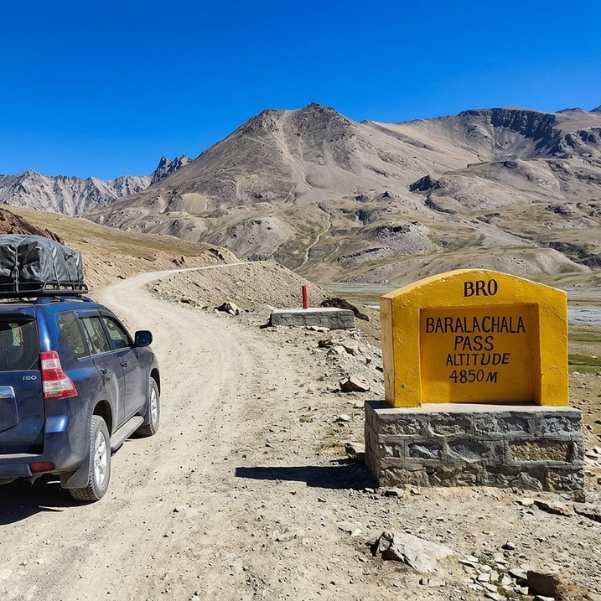
Suraj Tal and Baralacha La
~75 km north · 2.5 to 3 hours drive
The Bhaga rises at Suraj Tal near Baralacha La at around 4,890 m, roughly 75 km north of town. A full day out, accessible June to October depending on snow. Do not linger at the pass, the altitude is serious.
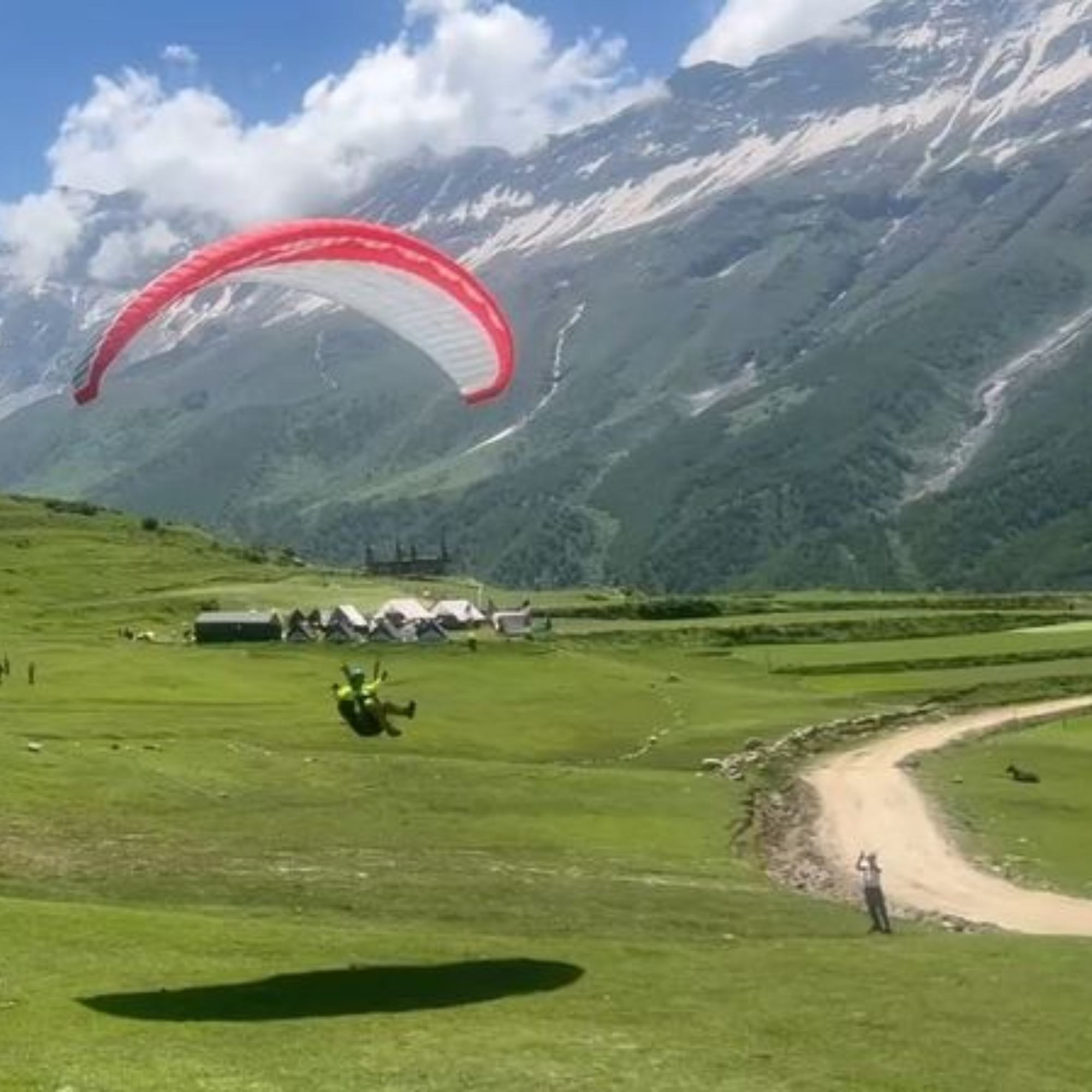
Pangi and Miyar valleys
Pangi main town Killar ~165 km · Full day or overnight
A long day trip to the remote Pangi valley and the Miyar valley, both running west and north west from here. Rough roads, trekking territory. Local guide or driver needed. Summer only in practical terms.
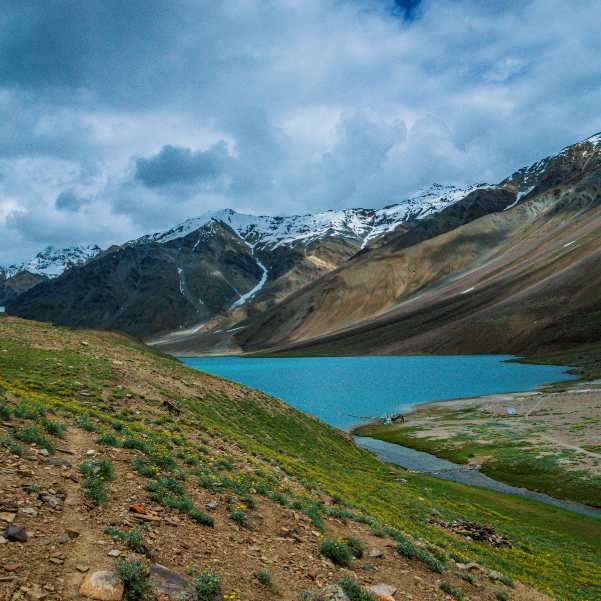
Chandratal Lake
~145 km via Gramphu and Batal · 6 to 7 hours
A natural crescent shaped glacial lake at around 4,300 m, reached via the Gramphu junction south of Koksar. Not a day trip from here, plan it as part of a Spiti circuit via the Kunzum Pass.
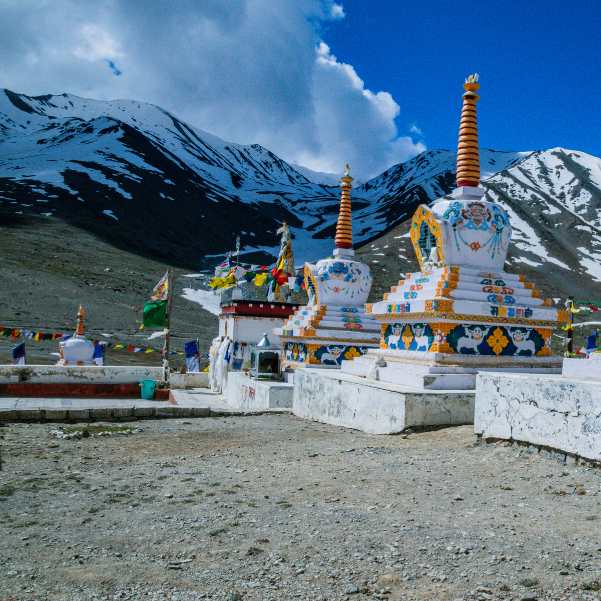
Kunzum Pass
~155 km via Gramphu and Batal · 7 to 8 hours
The high pass at around 4,551 m connecting Lahaul to Spiti, generally open June to October. Not a day trip from here, part of a multi day Spiti circuit.
Our packages with Keylong
Curated trips that include a visit to Keylong.
 6D/5N
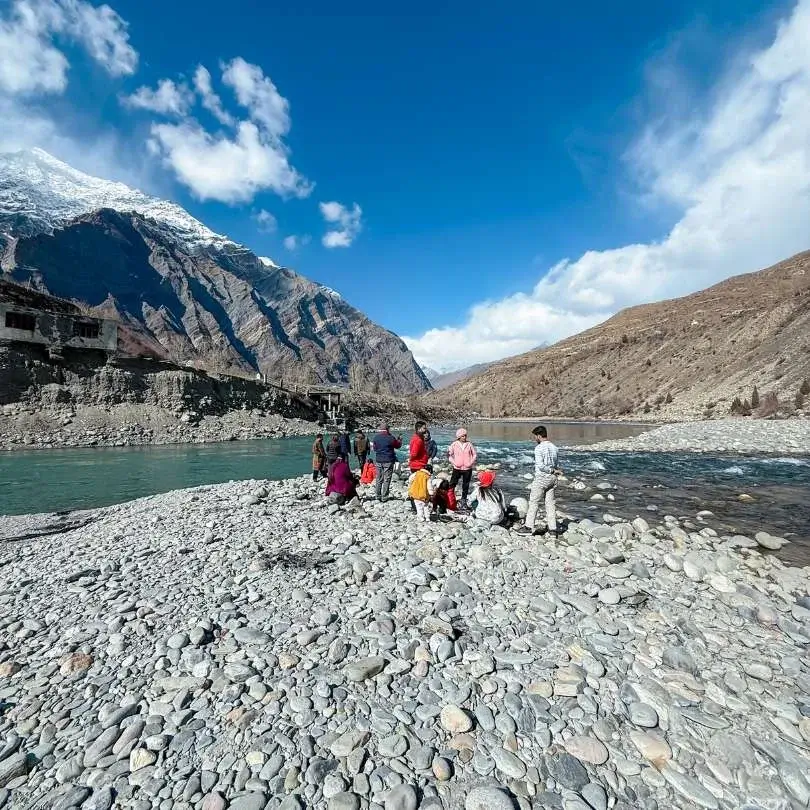
6D/5NMost Loved Sissu Valley Escape With Jispa Riverside Stay
2D Sissu•1D Jispa
₹15,999₹19,999SAVE INR 4,000/ person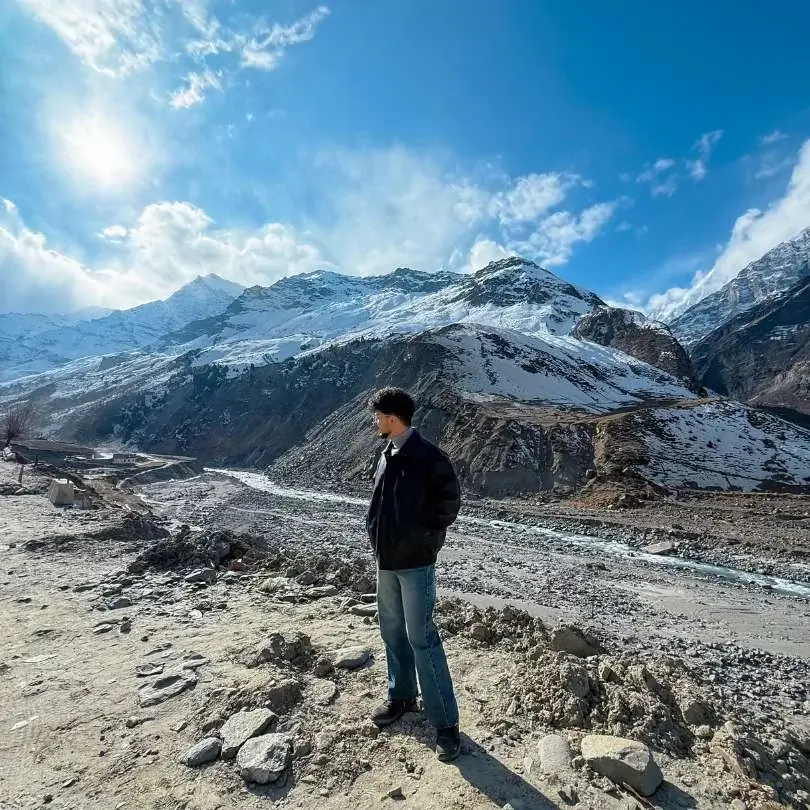 5D/4N
5D/4NClassic Sissu Valley Trip
2D Sissu•1D Manali
₹12,799/ person
Frequently Asked Questions
Where is Keylong?
Keylong is in the Lahaul valley of Lahaul and Spiti district, Himachal Pradesh. It sits at around 3,080 metres on the left bank of the Bhaga river, about 71 km north of Manali via the Atal Tunnel and roughly 7 km north of the Tandi confluence. It is on the Manali to Leh highway (NH3) and serves as the district headquarters.
How do I reach Keylong from Manali?
Drive through the Atal Tunnel on the Manali to Leh highway. The total distance is about 71 km and takes roughly 2 to 2.5 hours depending on traffic and season. The route runs Manali to the tunnel, through Sissu, past Gondhla, across the Tandi bridge, and up the Bhaga valley to the town. HRTC runs several daily buses in summer and a reduced schedule in winter. Private taxis and shared cabs are common.
What is the altitude of Keylong?
Around 3,080 metres, roughly 10,100 feet. This is moderate altitude for the Himalayas, lower than Kaza or Leh but higher than Sissu. Most travellers handle it fine, especially if coming up gradually from Manali. Some people feel mild breathlessness on the first evening, that usually settles by morning.
Is Keylong open in winter?
Yes, since the Atal Tunnel opened in October 2020. Before that the town was cut off from around late October to mid May because of snow on the Rohtang Pass. The tunnel keeps road access open year round, though heavy snowfall can briefly close the stretch from the tunnel towards town and the administration occasionally imposes advisories. Temperatures drop to around minus 15 to minus 20 at night in January and February. Some hotels shut for the coldest months, drinking water pipes can freeze, and services operate on shorter hours. Winter visits are practical, they just need planning.
How many days do I need at Keylong?
One night if you are passing through on a Leh trip. Two nights is the sweet spot for the monasteries, the market, and a slow morning. Three nights if you want to add Udaipur and the Mrikula Devi Temple or a drive to Deepak Tal and Baralacha. Longer than three nights only if you are using it as a base for Pangi or the Miyar valley, which deserve the extra time.
What are the main monasteries near Keylong?
Three are the main draw. Kardang Monastery, the largest and most important in Lahaul, across the river from the town, believed to date from the 12th century, belongs to the Drukpa Kagyu sect. Shashur Monastery, a steep 3 km climb above the town, 17th century, Drukpa sect, known for Thangka paintings and the Cham festival in June or July. Tayul Monastery, about 6 km towards Jispa then a short climb up to Satingri village, at around 3,900 m, known for a 12 foot Padmasambhava statue and a large prayer wheel. Gemur Monastery further north is a worthwhile add if you are heading to Jispa.
Is there ATM and mobile network in Keylong?
Multiple ATMs are in the market area. SBI and the PNB branch are generally the most reliable, though even these can run dry on weekends and busy tourist days. BSNL is the most reliable mobile network. Jio and Airtel cover most of the town. Data is usable but slow. Withdraw enough cash to cover your whole Lahaul leg in one visit, it is far better than depending on UPI or ATMs further out.
Where can I stay in Keylong?
A growing mix of HPTDC hotels, a Circuit House, PWD rest house, Sainik rest house, private hotels, and a strong set of homestays. Rates generally run from around 1,200 to 2,000 rupees for budget rooms and 2,500 to 5,000 rupees for comfortable mid range stays with meals. Hotel Tashi Deleg and Hotel Chandra Bhaga are among the commonly mentioned names, along with HPTDC Hotel Chandrabhaga. Book ahead in peak summer (June and July) and for the Snow Festival window. Ask about heating in winter, some older places rely only on room heaters, insulation matters.
Is Keylong safe for families and older travellers?
Yes, generally the easiest Lahaul base for both. At 3,080 metres the altitude is manageable, the drive from Manali is comfortable on tarred road via the tunnel, and the town has proper services including a zonal hospital. The bazaar is walkable on flat ground. Seniors with heart or lung issues should talk to a doctor before coming up. Kids handle this altitude well, just keep them off the Bhaga river banks, the current is strong and the water is glacial.
Keylong or Jispa or Sissu, which to pick?
Pick Sissu if you want the closest Lahaul village to Manali with a waterfall and a helipad sunset. Pick Jispa if you want a quiet riverside camp on the way to Ladakh. Pick Keylong if you want the town, the three monasteries, proper amenities, and a base for deeper Lahaul (Udaipur, Pangi, Miyar). For a first Lahaul visit, most travellers do well with one night at Sissu or Jispa plus a night at Keylong, which covers both the quiet stops and the logistics base.
What is the Lahaul Snow Festival?
A winter festival that usually begins around late January and runs into the third week or end of March, celebrated across Lahauli villages. It folds in traditional festivals like Halda, Fagli, Losar, Gochi, Puna, and Lamohi, with events including masked Cham dances, archery, tug of war on snow, snow sculpture competitions, ice climbing in some years, and local cuisine demonstrations. The district administration publishes a calendar close to the start. Note that some villages including Sissu may impose their own tourism closures during the Halda period (roughly mid January to end February) to protect the religious observances. Confirm dates and access with your hotel.
Can I base in Keylong to visit Udaipur, Pangi, and Miyar?
Yes, this is the main reason to base here rather than Jispa. Udaipur and the Mrikula Devi Temple are about 53 km west, reached by branching off the highway near the Tandi bridge and following the Chandrabhaga. Pangi valley, running further west and ending at Killar, is also accessible from here by HRTC bus, a full day journey through remote country, only practical in summer. The Miyar valley to the north west is another full day out, pure trekking territory. For all three, take a local guide or driver who knows the roads.
Is there a petrol pump in Keylong?
Yes. A petrol pump in Keylong has been operational since September 2021, which finally gives a backup to the older Tandi pump about 7 km south. Most bikers and self drivers still top up at Tandi out of habit, both are reliable in the main season. Winter hours shrink and heavy snowfall can briefly disrupt supply. The next pump after here or Tandi is at Karu near Leh, roughly 330 to 350 km away. Fill up fully here before pushing towards Leh.
Related guides
Posts about Sissu
- Where to Stay in Sissu in 2026: Best Hotels, Homestays & Areas for Every Budget
- Sissu in October 2026: Weather, Snow Chances, Road Status & Autumn Travel Guide
- Sissu in December 2026: Snowfall, Weather, Road Status & Winter Travel Guide
- Sissu in November 2026: Weather, First Snow, Road Status & Travel Guide
- Best Time To Visit Sissu in 2026: Month Wise Weather, Snow and Road Guide
- Manali To Sissu Road Trip Guide 2026: Route, Distance, Road Status, Cost And Local Tips