
Jibhi Waterfall
A small forest waterfall a 10 to 15 minute walk from Jibhi market, the easiest half hour outing in the Banjar valley and the one most travellers pair with Mini Thailand for a slow morning
- Forest waterfall
- ~1,600 m
- Jibhi village · 1 km walk
- 45 min to 1.5 hours
- Best Mar to Jun, Sep to Nov
What makes it special
Jibhi Waterfall sits about 1 km from the Jibhi village market in the Banjar valley of Kullu district, Himachal Pradesh. A 10 to 15 minute walk on a flat stone and forest path takes you past wooden bridges, moss on the boulders, and a chatter of chir pine and deodar, ending at a modest cascade over a shallow pool. The forest department maintains the trail and runs a small ticket gate at the entrance, currently around 20 rupees per person.
Here is the thing most other pages will not say plainly. The waterfall itself is not tall and not dramatic. Different sources quote different heights, and on the ground the fall reads as a short cascade over a rock wall rather than a grand drop. What makes the stop worth it is the walk. The forest gets cool and quiet within a minute of the gate, the stream runs alongside the path, and the wooden bridges are the prettier photo subjects. Treat this as a pleasant forest stroll with a cascade at the end, not the centerpiece of a day.
A real opinion. This is the single easiest nature outing from Jibhi and a reasonable 45 minutes to an hour in spring and autumn. It pairs naturally with the boulder pool at Mini Thailand for the classic slow Jibhi morning, followed by breakfast at a village cafe. Skip it entirely if you have already seen bigger falls in Himachal, or if the day is wet, the path turns slick fast and the cold pool gets less appealing once the rain starts.
Quick answers
- Is Jibhi Waterfall worth visiting?
- Yes if you are already in Jibhi and want an easy 45 minute to 1 hour walk through pine and deodar forest. Honestly, the walk is the reason to go, the fall itself is modest. Skip it if you are chasing dramatic cascades or have already spent time at bigger falls elsewhere in Himachal.
- How much time do you need?
- 45 minutes to 1 hour for a quick visit. About 1.5 to 2 hours if you sit by the pool, take photos, and eat at one of the stalls outside the gate. Most travellers pair this with Mini Thailand as one half day morning loop, total 2 to 3 hours.
- Can you swim there?
- The forest department has built a small shallow pool at the base where families and kids splash. It is not deep and the water is properly cold, even in May. Most adults settle for a feet dip rather than a full swim, and nobody should get in after heavy rain upstream.
Quick facts
Everything you need to know at a glance.
At a glance
- Altitude
- ~1,600 m / ~5,250 ft (around the level of Jibhi village)
- Location
- Banjar valley, Kullu district, Himachal Pradesh
- Nearest base
- Jibhi village, 10 to 15 min walk from the market
- Open season
- Year round. Best Mar to Jun and Sep to early Nov.
- Ticket counter
- Generally around 9 AM to 5 PM, shorter in winter. Trail accessible in daylight. Timings can change seasonally, confirm at your homestay.
- Entry fee
- Around ₹20 per person. Small fees can change, carry cash.
- Time needed
- 45 min to 1.5 hours
- Difficulty
- Easy. 10 to 15 min flat walk on a stone and forest path with wooden bridges. Slippery after rain.
On the ground
- Mobile network
- Airtel and BSNL generally work at the gate and on the trail. Jio is patchier in the gorge. Fine for most uses.
- ATMs
- None at the waterfall. Nearest reliable ATMs at Banjar (~10 km) and Aut (~30 km). Carry cash for the ticket and stalls.
- Fuel
- No fuel at Jibhi. Last reliable pumps at Banjar and on the Aut side of the highway. Fill up before reaching the village.
- Food
- A few small chai, Maggi, and momo stalls near the entry gate. Prices 50 to 150 rupees, cash preferred. UPI works on and off.
- Parking
- A small parking area near the entry gate. Fills up on peak weekends. Informal fee of 20 to 50 rupees sometimes collected.
- Permits
- None beyond the standard entry ticket.
- Drones
- Not advised. The gorge is narrow and the gate area is usually too crowded. Ask at the ticket counter if you still want to try.
- Walking surface
- Forest and stone path with wooden bridges. Mostly flat. Sturdy shoes with grip beat sandals or slippers.
- Toilets
- A basic washroom near the ticket gate. Use facilities at your homestay before leaving.
Seasonal weather
- March to early June22°6°Spring
- July to August26°14°Summer monsoon
- September to early November22°4°Autumn
- Mid November to February12°-3°Winter
Suitable for
- Couples — suitable
- Families — suitable
- Seniors — suitable
- Solo — suitable
- First-timers — suitable
- Pet-friendly — with some care
How to reach Jibhi Waterfall
4 approach routes, with seasonal access.
From Jibhi village market (the actual approach)
Year round. Trail can be slippery in monsoon and after fresh snow.- Distance
- ~1 km
- Time
- 10 to 15 min walk, or 3 to 5 min drive
- Road
- A small lane from the market crossing the stream to the forest side, then a flat stone path with wooden bridges.
- Last fuel
- Last reliable pumps at Banjar and on the Aut side. No fuel at Jibhi.
The standard approach. From Jibhi market, walk across the small bridge over the Jibhi stream, and pick up the lane heading into the forest on the opposite side. Within 10 to 15 minutes, you reach the ticket gate. Small painted signs point the way, and anyone at a cafe will confirm it in a sentence. Walking beats driving. The lane is narrow for cars, parking fills up on peak weekends, and the row of cafes and homestays you pass is worth a look on the way back.
From Aut (NH 3 highway turn)
Year round on this stretch.- Distance
- ~30 km to Jibhi, then 1 km walk to the gate
- Time
- 1 to 1.5 hour drive plus the walk
- Road
- NH 305 through the Banjar valley. Mostly tar, slower in monsoon because of occasional landslides.
- Last fuel
- Aut has reliable pumps just before the tunnel. Banjar has one more option before Jibhi.
Aut is the key turn for Jibhi. On the Delhi to Manali highway, exit just before the long Aut tunnel and turn right into NH 305 for the Banjar valley. Pass Banjar, keep going for roughly 18 to 20 km, and you reach Jibhi village. Park at the market or walk straight in towards the waterfall.
From Delhi
Year round on the approach.- Distance
- ~500 km
- Time
- ~12 to 14 hours
- Road
- NH 44 and NH 3 from Delhi to Aut, then NH 305 into the Banjar valley. Mostly decent tar, slower in monsoon.
- Last fuel
- Chandigarh, Swarghat, Bilaspur, Sundernagar, Aut, Banjar.
Standard Jibhi approach. Most travellers do an overnight Volvo to Aut and a taxi onwards, around 800 to 1,500 rupees, or a long self drive split across two days. Sleep one night in Jibhi before doing the waterfall walk. Arriving fresh matters more than whatever you save by rushing.
From Bhuntar Airport (Kullu Manali)
Year round on the road. Flights to Bhuntar can be cancelled in winter weather.- Distance
- ~55 km
- Time
- ~2 hours
- Road
- NH 3 through the Aut tunnel, then NH 305 to Banjar and Jibhi.
- Last fuel
- Bhuntar, Aut, Banjar.
Hire a taxi from Bhuntar airport, around 1,500 to 2,000 rupees one way. Allow 2 hours including a tea stop. Drop at Jibhi market, walk from there.
Best time to visit
Season by season, so you can plan around the weather rather than hope.
- Recommended
Spring
March to early June
The cleanest walking window, pleasant light, water running steadily
- Day temperature
- 14 to 25 C
- Night temperature
- 6 to 12 C
- Trail
- Dry and easy
- Crowds
- Light to moderate, busier on May and June weekends
Usually the best time. The forest is greening, the water runs steadily after snow melt, and the path is dry enough that the wooden bridges are not slick. Crowds stay light on weekdays and pick up on May and June weekends with Manali and Shimla day trippers. Mornings are crisp, afternoons warm enough for a feet dip.
Summer monsoon
July to August
The fall looks fullest, but this is the most skippable window
- Day temperature
- 18 to 26 C
- Night temperature
- 14 to 18 C
- Trail
- Slippery and risky
- Crowds
- Low
The waterfall is at its fullest and on a rare clear afternoon the forest is a deep green worth seeing. The catch is real. The trail turns slippery, the stone path and wooden bridges both become actual hazards, and the approach road from Aut sees occasional landslides. Water levels rise fast after upstream rain, so avoid stepping into the pool. If you visit in August, go only on a morning after a dry night, wear shoes with proper grip, and turn back if the sky darkens.
- Recommended
Autumn
September to early November
The sharpest light of the year, and the quietest window after mid October
- Day temperature
- 12 to 22 C
- Night temperature
- 4 to 10 C
- Trail
- Dry and stable
- Crowds
- Moderate, drops sharply after mid October
The other clean window, and many photographers prefer this one. Post monsoon air is crisp, the canopy starts to turn in late October, and morning light through the pine reaches the gate in a way it does not earlier in the year. Mid October weekdays are the quietest time to have the spot close to yourself. Carry a warm layer by early November, mornings get cold fast.
Winter
Mid November to February
Open and quiet, semi frozen edges, cold enough to cut the visit short
- Day temperature
- 5 to 12 C
- Night temperature
- -3 to 2 C
- Trail
- Cold, occasional ice patches
- Crowds
- Low to moderate, busier around Christmas and New Year
The trail stays accessible through most of winter and the fall keeps flowing, often with frozen edges around the pool. The surrounding trees and wooden bridges pick up a thin frost on cold mornings, which photographs well. The Jalori Pass road above Jibhi shuts after fresh snow, so this becomes one of the easier short outings on a Jibhi snow trip. The water is cold enough that five minutes of a feet dip is a dare, not a plan. Watch for ice patches on stone sections after fresh snow or rain.
Things to see & do
8 things worth your time at Jibhi Waterfall.
The forest walk from Jibhi market
10 to 15 min each wayThe actual experience. Cross the small bridge near Jibhi market, pick up the stone and tar lane that heads into the forest on the opposite side, and walk. Within a minute the market noise drops away, within three minutes you are under pine and deodar, and within ten you reach the ticket gate. The walk back at a slower pace is honestly better than the walk in, when you know the bridges and the light is softer.
Photos on the wooden bridges
10 to 20 minThe wooden bridges across the stream are the prettier subject for most travellers, not the fall itself. The second and third bridges from the gate side photograph best, with the stream running below and canopy above. Morning light after 9 AM filters through the trees well. A 24 to 50 mm lens covers everything you need.
Feet dipping in the shallow pool
10 to 20 minThe shallow pool at the base of the fall is where families and couples sit for a while. Take your shoes off, step on a flat rock, put your feet in. The water is cold even in May and properly cold by October. Five to ten minutes is plenty. Do not go deeper than knee height without reading the current first.
Early arrival before the weekend crowds
30 min before the rushThe difference between a quiet forest walk and a queue for the fall photo is arrival time. Reach the gate by 8 to 9 AM if you want the spot to feel the way the photos promise. Weekend buses from Manali and Shimla start rolling in around 10, and the gate area gets busy within an hour.
Combine with Mini Thailand for a half day loop
2 to 3 hours combinedThe standard plan for one slow morning in Jibhi. Walk to the waterfall first from the market, spend 45 minutes, walk back, and then drive or walk uphill to the boulder pool at Mini Thailand off the Jalori Pass road. Two streams, two photos, breakfast at a village cafe in between. Our Mini Thailand guide covers the trailhead and the walk in detail.
Maggi and chai at the gate stalls
15 to 30 minA few small stalls sit just outside the ticket gate with hot Maggi, momos, chai, and cold drinks. Maggi around 60 to 100 rupees, momos 80 to 150. Cash preferred, UPI is hit and miss. A good spot to warm up in winter or dry shoes after rain.
Shoot the fall in winter with frost on the rocks
30 to 45 minWinter mornings, especially in January and February, bring a thin coat of frost on the stream rocks and wooden bridges. Most travellers skip the waterfall in winter, which means you often get the gate area to yourself between 10 and 12. A polariser helps with the stream, a wide lens helps with the scale.
Pair with Chehni Kothi for a fuller day plan
Add 4 to 5 hoursAfter the morning at the waterfall, drive 30 to 40 minutes back towards Banjar and climb up to the tall Kath Kuni tower at Chehni village. A different kind of experience from a stream, traditional architecture with a walk through apple orchards. Our Chehni Kothi guide covers the climb and history.
Know before you visit Jibhi Waterfall
The practical bits, from people who have been.
What this waterfall actually isA modest forest waterfall with a small shallow pool, reached by a 10 to 15 minute flat walk from Jibhi market.
A short walk from Jibhi market leads to a forest gate maintained by the forest department, and from there a stone and wooden bridge path heads deeper into pine and deodar to reach a modest cascade with a shallow pool at the base. That is the full inventory. The fall is small, the gorge is narrow, the walk is pleasant.
Different travel pages quote different heights for the fall. On the ground, the water reads as a short cascade over a rock wall rather than a grand drop. Do not turn up expecting a Kempty or a Chhoie, turn up expecting a shaded forest walk with a cascade at the end. That version of the plan keeps most travellers happy.
A real opinion. If you are staying in Jibhi for two nights, this is one of the two obvious short outings, alongside the boulder pool at Mini Thailand. Plan one slow morning, cover both, and spend the rest of your day on a cafe lunch and a village walk.
Finding the gate from Jibhi marketCross the bridge near the market and walk 1 km along the forest lane on the other side to the ticket gate.
The approach is small but easy to miss if you are driving. From Jibhi market, walk to the small bridge over the Jibhi stream (about 2 minutes), cross it, and take the lane heading uphill into the forest on the opposite side. The lane is half tar and half stone in places, passes a row of cafes and homestays, and feeds into a proper forest path within 5 minutes.
Within 10 to 15 minutes you reach a proper gate with a ticket counter. Past the gate, the path crosses the stream on wooden bridges two or three times before reaching the fall. The whole approach is flat to gently uphill, fine for most walking levels. Small painted signs point the way, and any cafe or homestay in the market will confirm the direction.
Quick practical tip. Walking from the market is better than driving. You pass the Jibhi cafes on the way back, the lane is narrow for cars, and parking at the gate fills up on peak weekends. Save the car for a day trip to Jalori Pass or Chehni Kothi later.
Entry fee and ticket hoursAround ₹20 per person at the gate. Counter hours roughly 9 AM to 5 PM, trail accessible in daylight either way.
The forest department runs a small ticket counter at the gate. The entry fee is currently around 20 rupees per person. Small entry fees have changed in the past and can change again, so treat this as a likely number rather than a fixed one. Carry a few 10, 20, and 100 rupee notes. The counter rarely has change for a 500.
Counter hours are generally around 9 AM to 5 PM across most of the year, slightly shorter in winter. The trail itself is accessible in daylight outside these hours and some early morning walkers go in before the counter opens. Hours can shift seasonally and during heavy rain or snow, confirm at your homestay the evening before if you plan to leave at first light.
One gentle recheck reminder. Fees, timings, and even whether the gate is manned on a given day can change. Ask your homestay for the current situation, especially if you are visiting outside peak months.
Photography guideMorning light after 9 AM is best. The wooden bridges usually photograph better than the fall itself.
The gate area and the wooden bridges photograph better than the fall itself for most travellers. The stream under the second and third bridges, with pine and moss in the frame, is the image that tends to land. A 24 to 50 mm lens covers most of what you need, a wider lens for the bridge and stream composition, a longer focal length for a tighter shot of the fall.
Light is best from about 9 to 11 AM when soft side light reaches the gorge without harsh glare. Afternoons slide into deep shade quickly because of the canopy. A polariser cuts surface glare on the pool and deepens the green of the moss. Long exposures with a tripod are possible but the trail gets busier through the morning, plan for a weekday visit or an early start if you want a clean frame.
Drones: Not recommended. The gorge is narrow, the canopy is thick, and the gate area is usually busy enough that a drone is awkward. Ask at the ticket counter if you still want to try, permission depends on the staff on duty.
Safety, especially in and after rainStone paths and wooden bridges turn slippery fast. Do not get into the water after rain upstream.
The single real safety concern at this spot is the combination of wet stone and a rising stream. The walk crosses the water on wooden and stone bridges that turn slick within the first minutes of rain, and the flat rocks by the shallow pool become properly slippery. Twisted ankles are the most common issue, not anything worse, but they happen every monsoon. Sturdy shoes with grip beat sandals every time.
The stream that feeds the fall catches drainage from a long section of forest above, so after heavy rain upstream the water level at the pool can rise by a foot or more within 20 to 30 minutes. Do not get into the pool if the sky is darkening or you can see clouds building to the north. A feet dip on a clear day is fine, a swim after a rainy night is not.
Mobile signal on Airtel and BSNL is generally okay at the gate and along the path, Jio is patchier. Tell your homestay where you are going if you plan to leave early, and stick to the main path, the stream banks look walkable but are not.
Who should go and who can skipGood for most travellers including families and seniors. Skip if you want dramatic falls, or in heavy monsoon.
Couples, solo travellers, first time Himachal visitors, and families with kids of most ages do well here. The walk is short and flat enough that most fit seniors handle it comfortably, though the stone sections need care after rain. The shallow pool at the base makes this one of the kid friendly water spots in the valley, kids of 4 and above generally splash happily under supervision.
You can fairly skip this spot if: you have recently been to bigger falls in Himachal like Bhagsu, Jogini, or the local Chhoie Waterfall near Nagini, or if the day is wet enough that the path is slick, or if you are passing through Jibhi for only a single afternoon and can cover only one short outing. In that last case, Mini Thailand is arguably the sharper photo, though Jibhi Waterfall is the easier walk.
Pets: Dogs are generally allowed on leash inside the gate, but wet bridges and stone paths are slippery for paws and the small pool gets crowded on weekends. Most Jibhi homestays are pet friendly and can confirm the current gate situation before you head down.
The man made pool, honest framingThe pool at the base is visibly landscaped. Knowing this in advance helps set expectations.
A fair thing to know in advance. The pool at the base of the fall is visibly landscaped. The forest department has shaped the basin with rocks and concrete to create a shallow, family safe wading area, and the surrounding stone path, steps, and barriers are similarly tidied up. Some travellers who come expecting a wild spot find this disappointing and say the area feels more like a forest park than a forest waterfall.
The counter argument is real. The pool is why kids can splash safely. The paving is why older travellers and first timers can walk in comfortably. The maintenance is why the trail stays clean and the trash bins, most of the time, get emptied. The place is managed for broad access, not for a small group of travellers hunting a raw forest experience.
Knowing this in advance is the difference between enjoying the spot and feeling cheated. Plan it as a pleasant, family friendly forest walk with a modest waterfall at the end. That frame sets honest expectations and usually lands well.
Local tips most travellers missGo early, carry small cash, pair with Mini Thailand, and eat breakfast in the village market afterwards.
Reach the gate by 8 to 9 AM for the quiet version. Weekend buses from Manali and Shimla start rolling in around 10 and 11, and the gate, the bridges, and the pool all get a lot busier within an hour. Weekday mornings in March, April, and October are the calmest windows in the year.
Wear real shoes, not flip flops. The path stays damp even on sunny days thanks to the canopy, and wooden bridges with a little moss beat good intentions every time. Carry small cash in 10, 20, 50, and 100 notes for the ticket, the parking if you drive, and the food stalls outside the gate. UPI works at some stalls and not at others, cash removes the friction.
The smartest morning plan in Jibhi is this. Walk to the waterfall first from the market by 8, spend about 45 minutes, walk back, eat breakfast at a village cafe, then drive or walk uphill to the boulder pool at Mini Thailand on the Jalori Pass road. Two photos, one slow coffee in between, and the rest of the day free for a drive up to Jalori Pass or a cafe lunch by the stream.
Nearby attractions
Other places worth the detour.
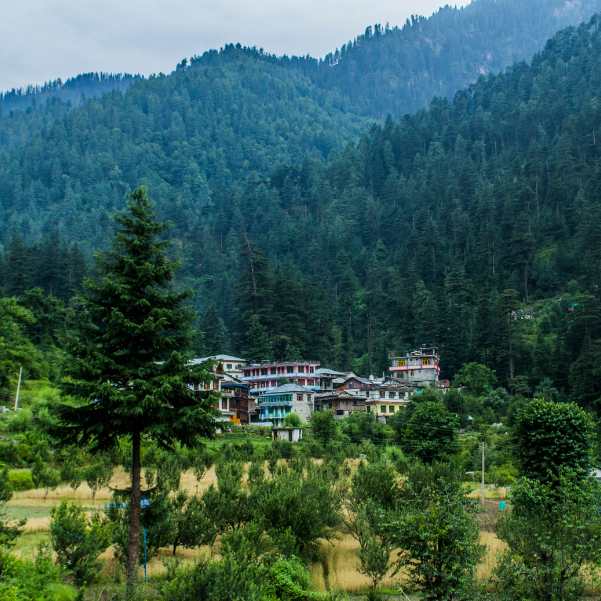
Jibhi Village
1 km · 10 to 15 min walk from the gate
The village itself, with cafes, homestays, and the river running through. Most travellers base here for two or three nights, and the waterfall is the easiest short outing from the market.
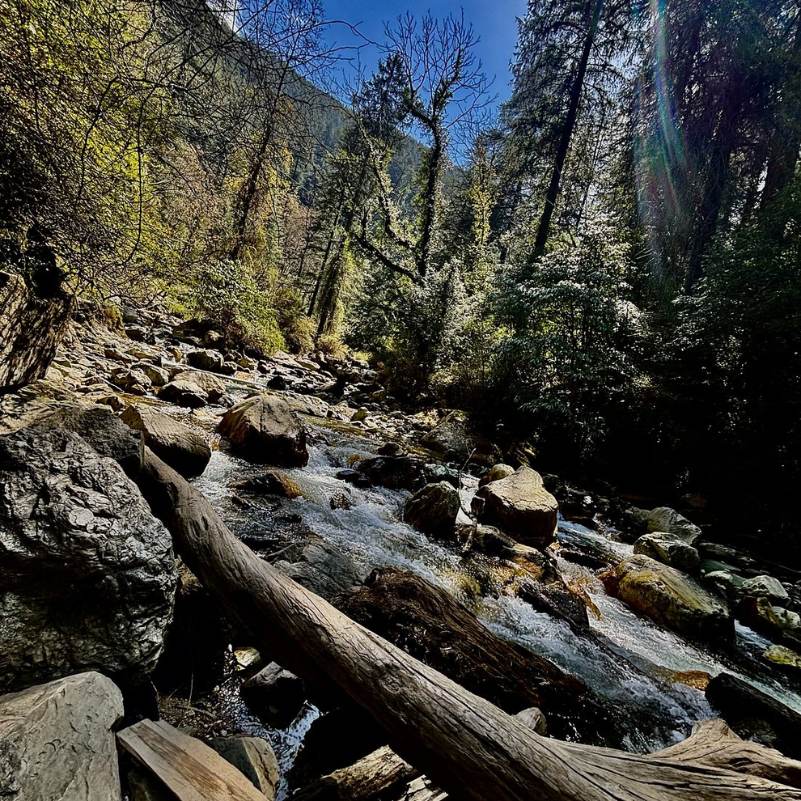
Mini Thailand (Kulhi Katandi)
~2 km · 5 min drive + 15 min walk
The classic pairing for this waterfall. A short forest walk off the Jalori Pass road drops to a clear pool on the Pushpabhadra stream where two boulders form a natural arch. The standard morning loop is waterfall first, then this, breakfast in between.
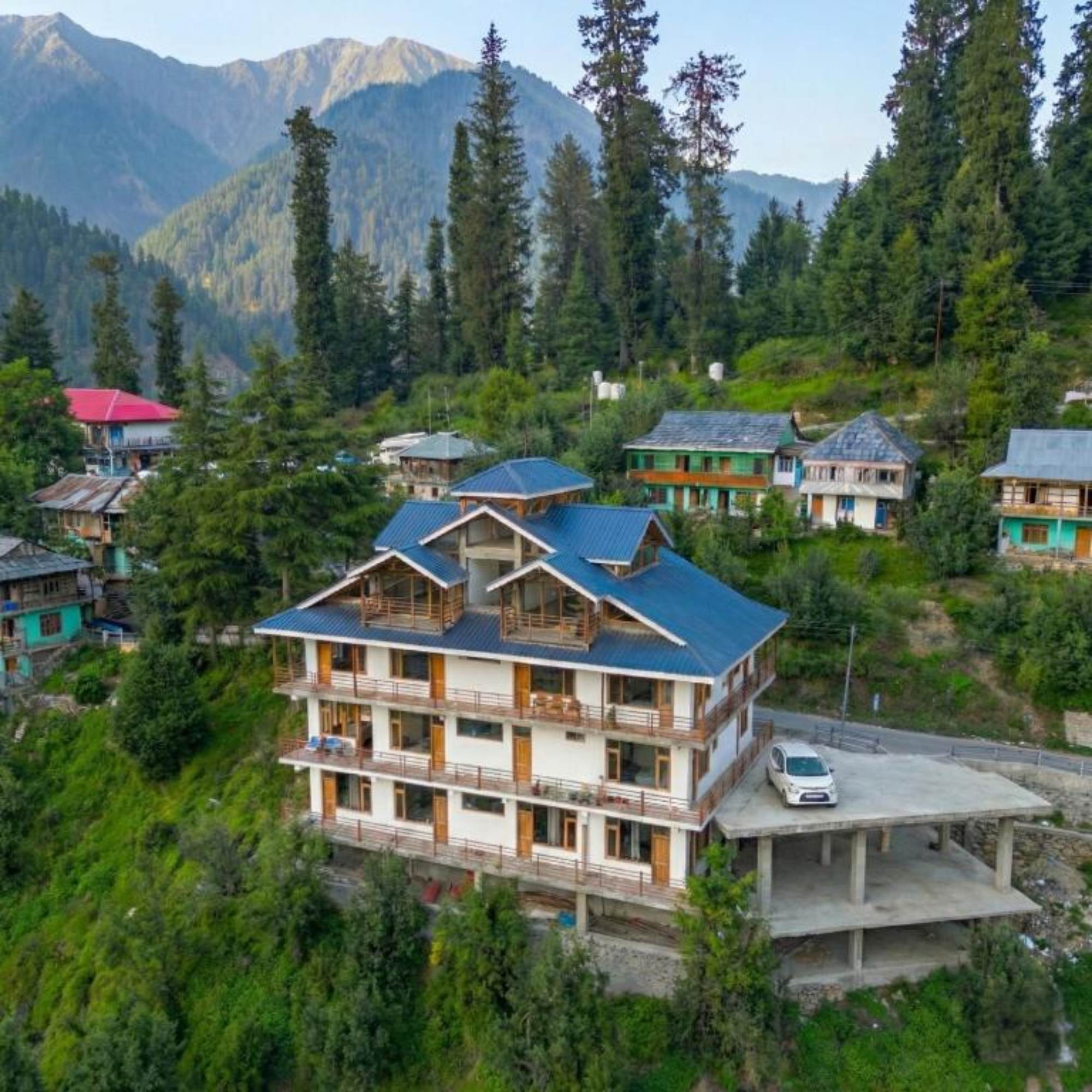
Shoja
~7 to 10 km · 20 to 30 min drive
A small forest village at around 2,700 m, the closest base to Jalori Pass. Quieter and higher than Jibhi. Pick it for a calmer overnight if the village feels busy.
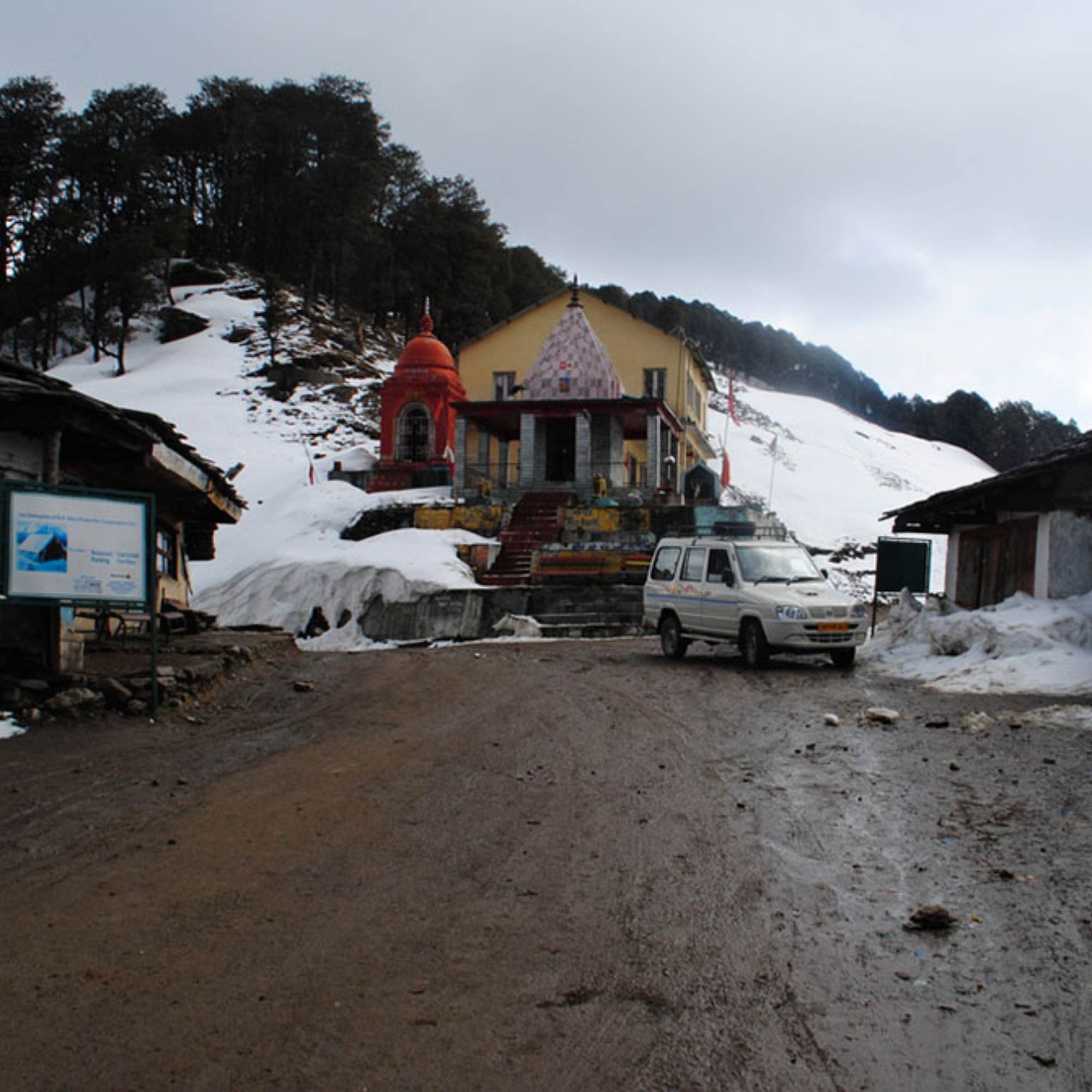
Jalori Pass
~12 km · 45 min drive
The mountain pass above Jibhi on NH 305, the trailhead for Serolsar Lake and Raghupur Fort. The natural full day outing after the waterfall morning.
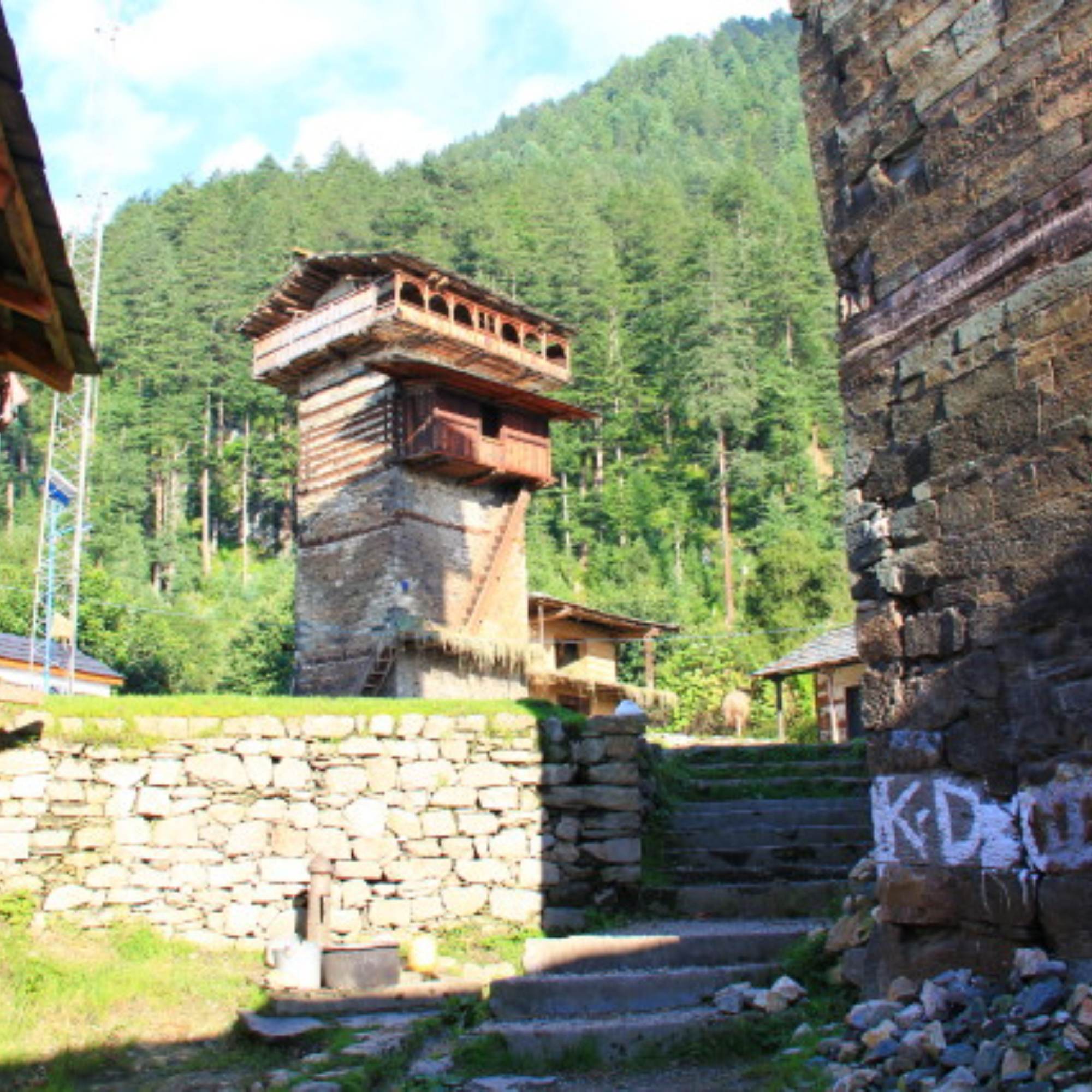
Chehni Kothi
~12 km · 30 to 40 min drive
A tall Kath Kuni stone and wood tower above Banjar, several centuries old, reached by a short uphill walk through apple orchards.
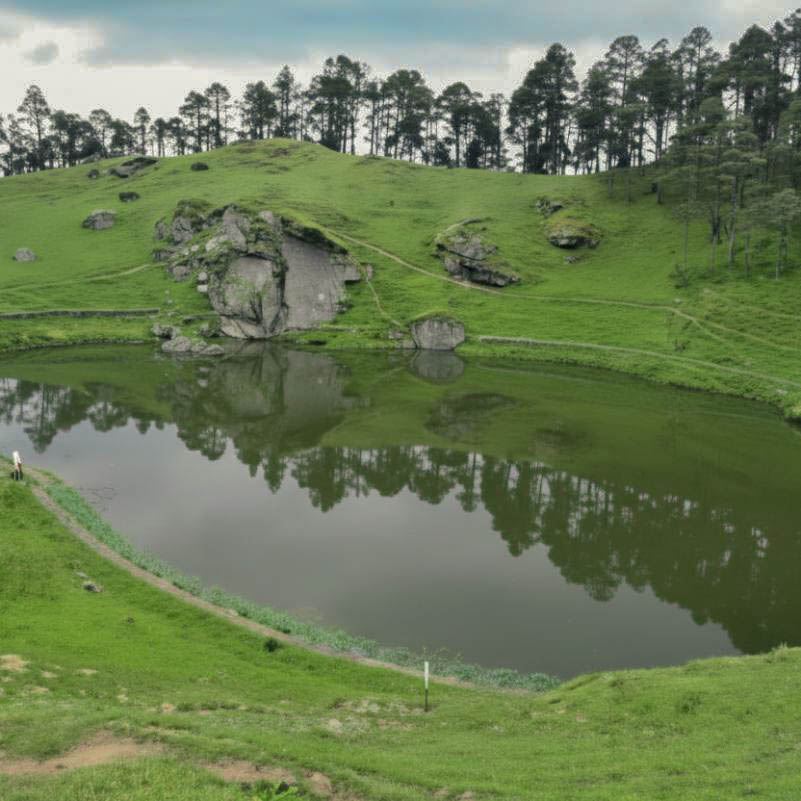
Serolsar Lake
12 km drive + 5 km trek each way
A small sacred alpine lake reached by an easy forest walk from Jalori Pass. The most popular day trek from the Jibhi area.
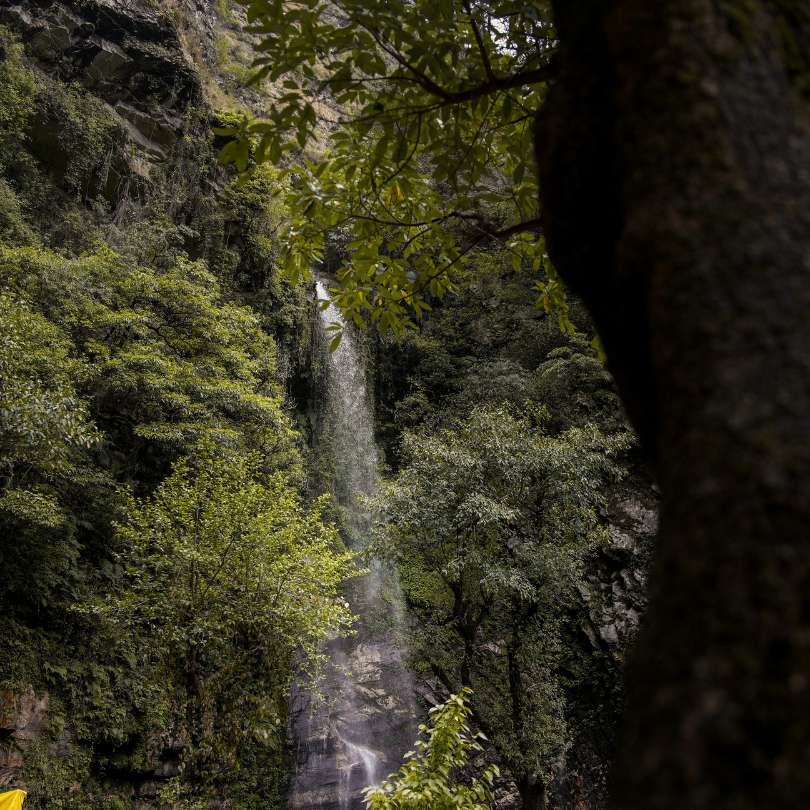
Chhoie Waterfall
~20 km · 45 min drive + 1 hour trek
A taller forest waterfall reached by a short trek from Nagini village in Tirthan Valley. The bigger cascade if Jibhi Waterfall feels modest.
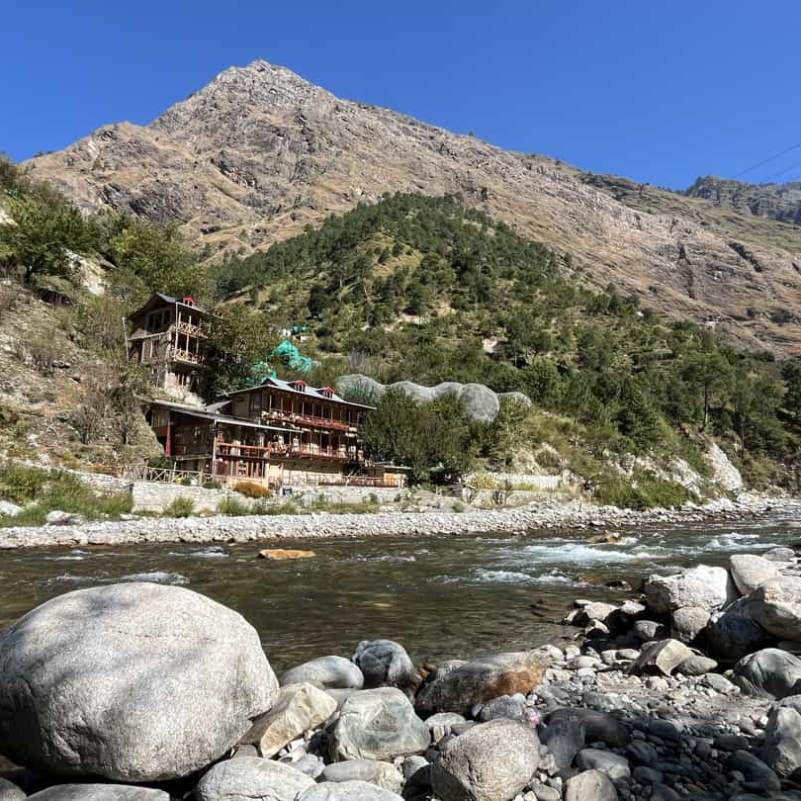
Tirthan Valley
~30 km · 1 hour drive
The river valley below the road, with trout fishing, riverside cafes, and trekking access into the Great Himalayan National Park.
Our packages with Jibhi Waterfall
Curated trips that include a visit to Jibhi Waterfall.
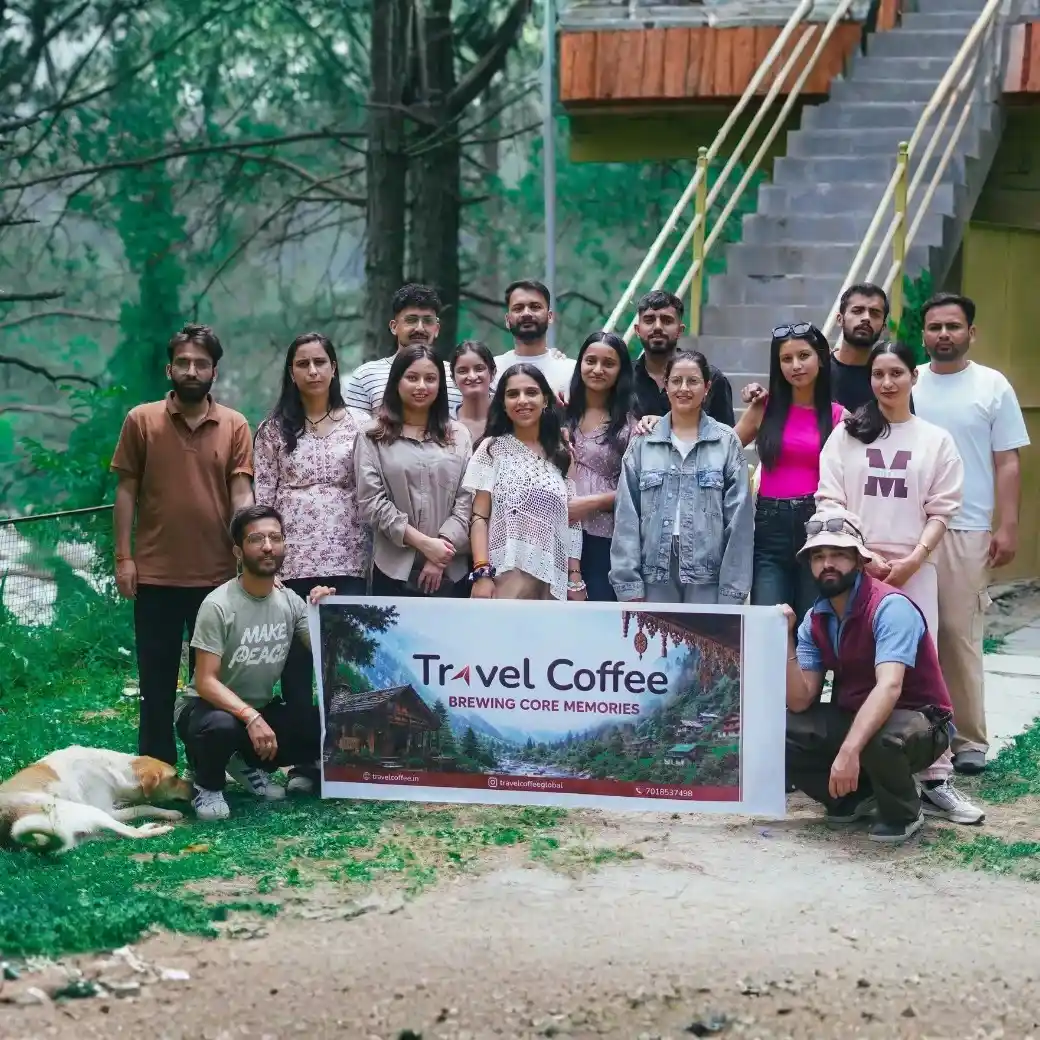 Group Tour5D/4N
Best Jibhi Tirthan Valley & Jalori Pass Weekend Tour From Delhi
1D Delhi •2D Tirthan Valley+1
₹5,999₹6,599SAVE INR 600/ person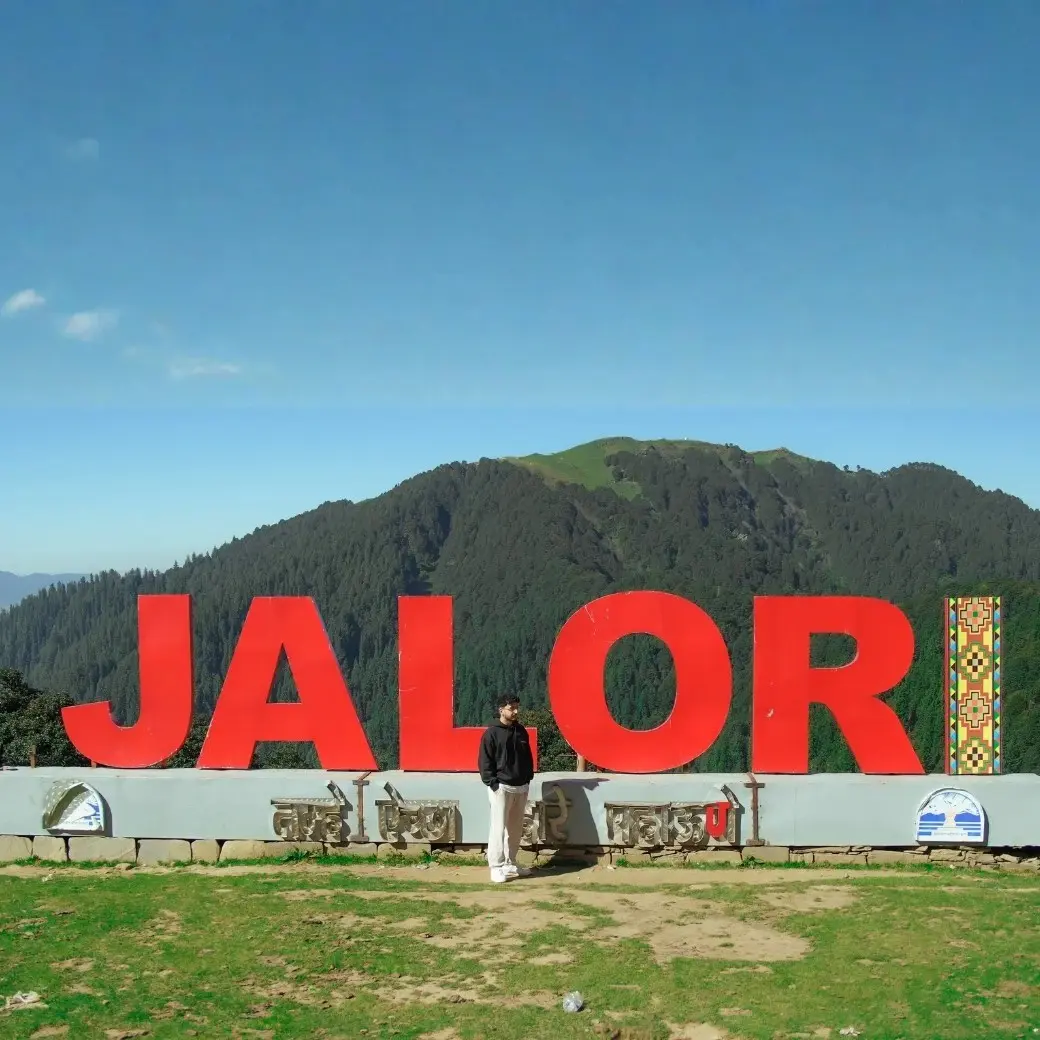 5D/4N
5D/4NWeekend Jibhi & Tirthan Valley Riverside Escape
1D Delhi •2D Jibhi / Tirthan Valley+1
₹12,900₹19,999SAVE INR 7,099/ person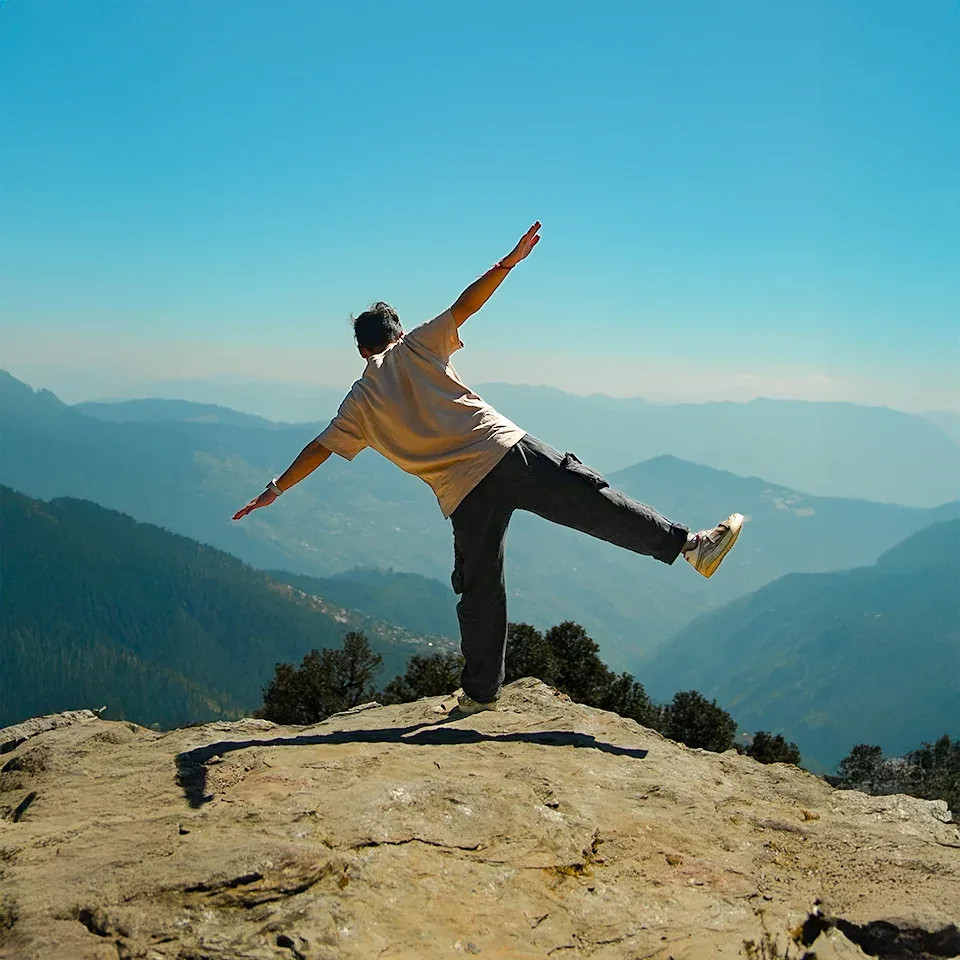 5D/4N
5D/4NJibhi Tirthan Valley & Jalori Pass Scenic Weekend Tour
1D Delhi•2D Jibhi+1
₹11,999₹15,999SAVE INR 4,000/ person
Frequently Asked Questions
What is Jibhi Waterfall?
A small forest waterfall in Jibhi village, Banjar valley, Kullu district, Himachal Pradesh. It sits about 1 km from Jibhi market, reached by a 10 to 15 minute flat walk on a stone and wooden bridge path through pine and deodar. The forest department maintains the trail and runs a small ticket gate at the entrance.
Where exactly is Jibhi Waterfall located?
In Jibhi village in the Banjar tehsil of Kullu district, Himachal Pradesh, at around 1,600 metres altitude. The trailhead is a short walk from Jibhi market, cross the small bridge over the stream and head into the forest on the opposite side.
How far is the waterfall from Jibhi market?
About 1 km, or a 10 to 15 minute walk. You can also drive, parking is available near the gate but the lane is narrow. Walking through the village cafes and homestays is honestly the nicer approach.
Is there an entry fee at Jibhi Waterfall?
Yes, around 20 rupees per person at the forest department gate. Small entry fees have changed in the past and can change again, carry small cash in 10, 20, and 100 notes. No separate fee for photography or picnic.
What are the timings of Jibhi Waterfall?
The ticket counter is generally open around 9 AM to 5 PM, slightly shorter in winter. The trail is accessible in daylight outside the counter window. Timings can change seasonally, confirm at your homestay if you plan a first light visit.
How long does the visit take?
Plan 45 minutes for a quick visit and up to 1.5 hours if you sit by the pool and take photos. Most travellers combine this with Mini Thailand as a half day morning loop, total around 2 to 3 hours.
Can you swim at Jibhi Waterfall?
The forest department has built a small shallow pool at the base where families and kids splash. It is not deep and the water is properly cold, even in May. Most adults settle for a feet dip. Do not get in after heavy rain upstream, water levels rise fast.
Is Jibhi Waterfall family friendly?
Yes. The walk is short and flat, the shallow pool at the base is designed for kids to wade in safely, and the trail is easy enough for most older travellers. Supervise kids on wet stone and wooden bridges, and carry grippy shoes rather than slippers.
When is the best time to visit Jibhi Waterfall?
March to early June and September to early November. Spring brings clear water and dry trails, autumn brings sharp light and the smallest crowds. Avoid peak July and August, the path turns slick and the water rises fast after rain. Winter is quiet and accessible but properly cold, more a quick look than a long sit.
Is it safe to visit during monsoon?
The spot stays accessible but the risk goes up. Stone paths and wooden bridges turn slick, and the stream can rise within 20 to 30 minutes after heavy rain upstream. If you visit in July or August, go only on a clear morning, wear grippy shoes, do not get into the water, and turn back if the sky darkens.
Is there food and water at the gate?
Yes. A few small stalls just outside the gate sell Maggi, momos, chai, and cold drinks, with prices around 50 to 150 rupees. Cash is preferred, UPI works at some and not others. Carry a water bottle from your homestay, the stream water is not safe to drink untreated.
Can I combine Jibhi Waterfall with Mini Thailand in one visit?
Yes, this is the standard half day plan in Jibhi. Walk to the waterfall first from the market by 8 to 9 AM, spend 45 minutes, walk back, eat breakfast, then drive or walk uphill to the boulder pool at Mini Thailand on the Jalori Pass road. Total 2 to 3 hours with both photos in the bag.
Related guides
Posts about Jibhi
- Jibhi in December 2026: Snowfall, Weather, Road Status and Winter Guide
- Jibhi in October 2026: Weather, Road Conditions, Places and Trip Plan
- Jibhi in August 2026: Weather, Road Safety, Itinerary and Honest Advice
- Jibhi for Honeymoon in 2026: Why Couples Choose It Over Manali
- Best Things to Do in Jibhi for Couples in 2026: Romantic Places, Walks and Hidden Gems
- Jibhi or Kasol — Which Is Better? An Honest, No-Fluff Comparison