
4D/3N
Kinnaur Valley Scenic Circuit With Sangla Chitkul and Kalpa
1D Shimla•1D Sangla+1
₹16,999₹17,999SAVE ₹1,000/ person
Best Kinnaur Tour Packages Curated By Experts
1D Shimla•1D Sangla+1
1D Sangla•1D Kalpa
 Group Tour
2D Sangla•1D Tabo+2
1D Shimla•1D Sarahan+2
 Group Tour
1D Sangla•1D Kalpa
Best Kinnaur Tour Packages Curated By Experts
Kinnaur transcends mere tourism—it embodies poetry shaped in the mountains. Envision apple orchards wrapping around the hillsides, rivers flowing in the deep gorges, and the snow-clad heights of Kinnaur Kailash looming over the land like protectors.
With our Kalpa Kinnaur tour packages, you don’t just pass through valleys; you live them. Starting from the village character of Kalpa, where every morning the immense Kinner Kailash is illuminated in colors, through the meadows of Sangla to untouched Chitkul, India's last village, a visit here is like unearthing a mystery kept in clandestine degrees for a long time.
Whether it’s a soulful Kinnaur Kailash tour package, a family-friendly Sangla–Kalpa escape, or a photography-driven Sangla–Kalpa–Chitkul tour, or itineraries are designed to slow you down — so the silence of the valleys speaks to you.
Because Google won't tell you when the roads get rocky, or just where the dhaba with the fluffiest siddu and chutney is. We are at heart locals and know the valleys much further than postcards.
Your Kinnaur tour package with us isn’t just about covering destinations; it’s about experiencing the rhythm of Himalayan life.
6 packages found
 Group Tour
1D Jibhi•1D Sangla+4
 Group Tour
1D Narkanda•1D Sangla+5
 Group Tour
1D Chitkul / Sangla•2D Kalpa+2
 Group Tour
1D Kalpa•3D Sangla+1
1D Narkanda•2D Sangla+4
1D Narkanda•2D Sangla+4
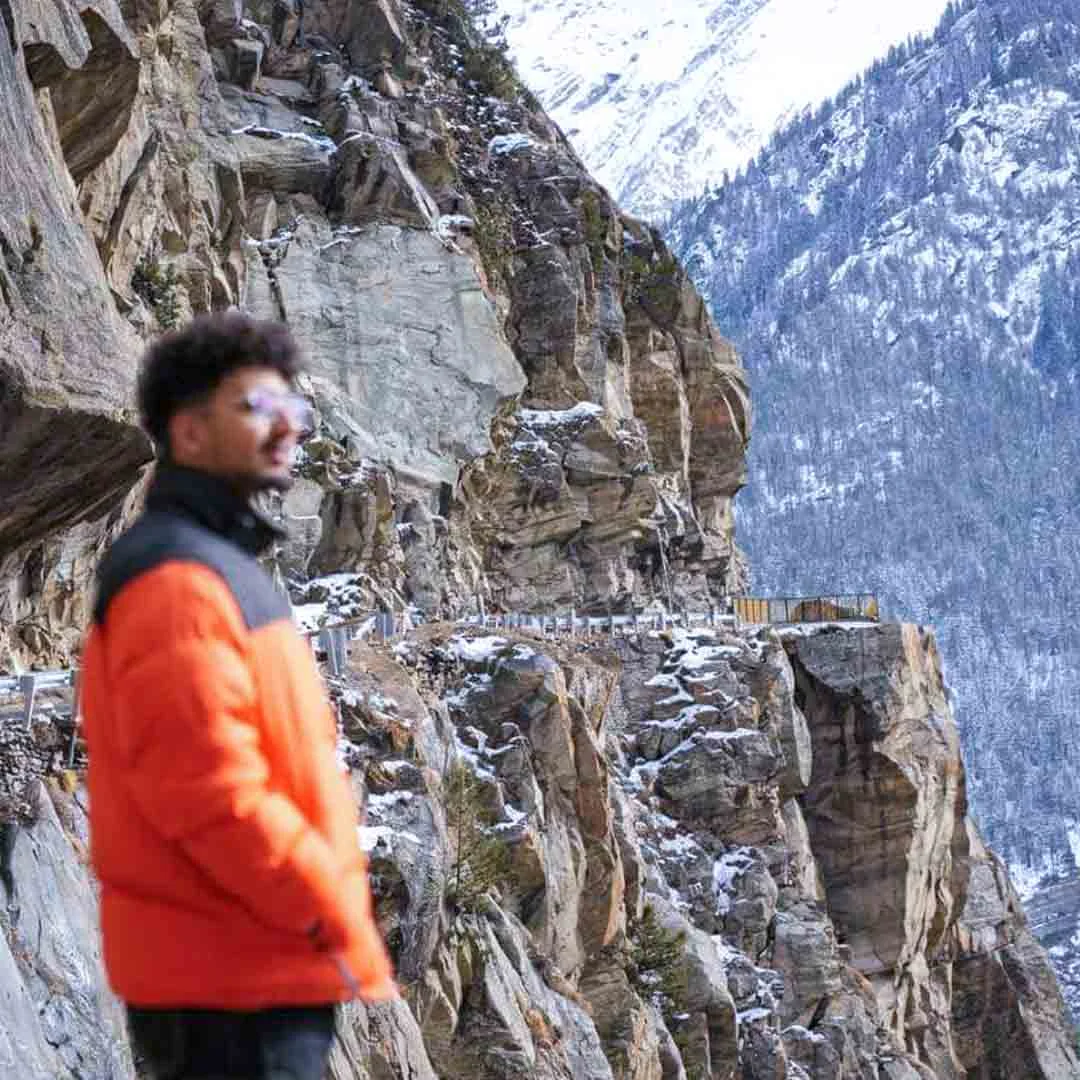
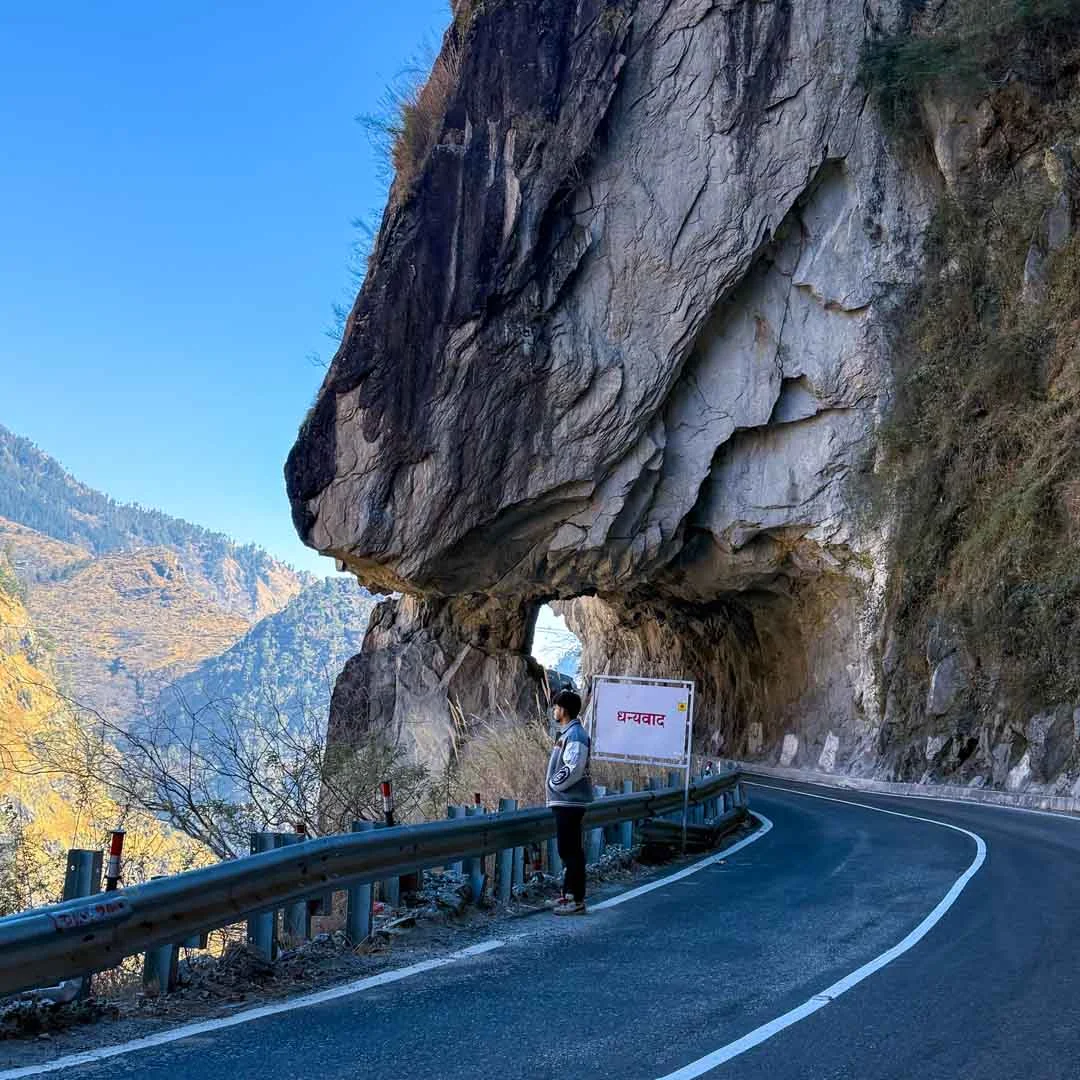
Suicide Point is a cliff edge viewpoint about 3 km from Kalpa on the narrow road to Roghi village in Kinnaur. The name comes purely from the near vertical geometry of the cliff face, not from any recorded incident. A small viewing platform with railings has been installed, but beyond it the rock outcrops have minimal or no fencing. Most people visit as part of a half day trip to Roghi village. The viewpoint itself is a 5 to 15 minute stop. The slow walk to Roghi through orchards, combined with a drive back via this point, is the better way to experience the area.
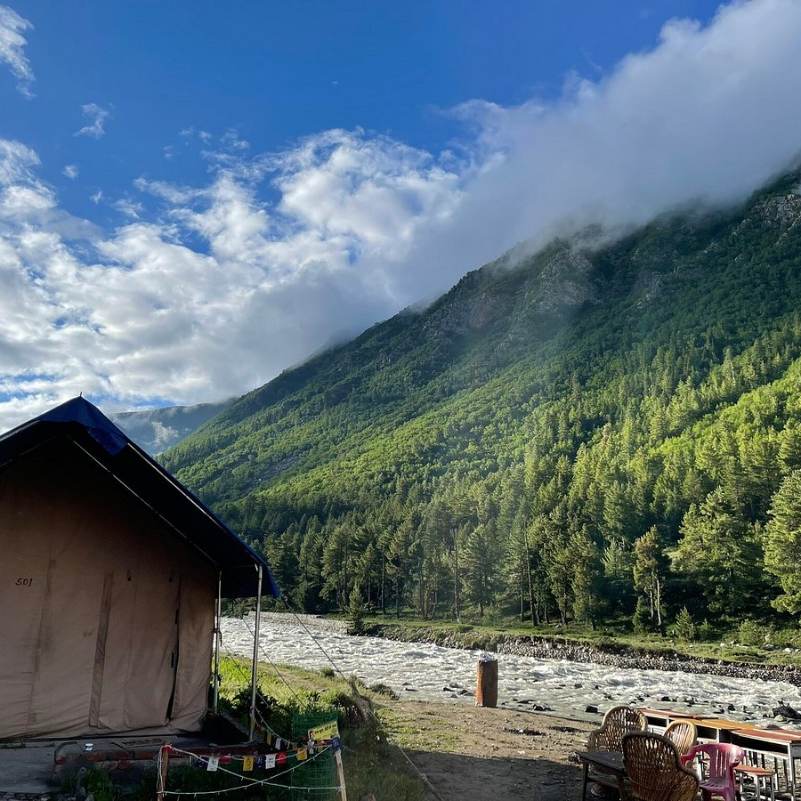
Mastrang is a small settlement and ITBP checkpoint on the road between Rakcham and Chitkul in the Baspa Valley, at roughly 3,200 metres. It is not a destination. It is a 15 to 20 minute stop where you pull over because the Baspa River widens into a broad, stony channel with pine forests on the slopes and apple orchards scattered between the houses. A few operators like Ibex Camp run minimalist riverside setups nearby during the season. No market, no shops, no real infrastructure. Just the river, the trees, and the valley.
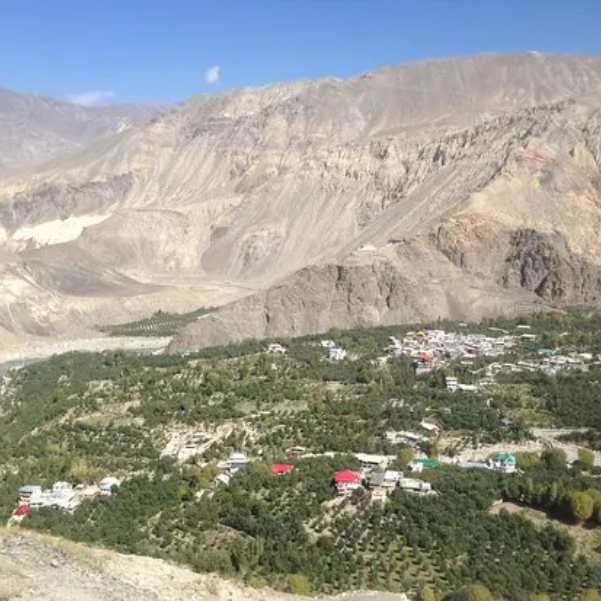
Shipki La is a motorable border pass at 3,930 m in upper Kinnaur, on the India-China (Tibet) border. Closed to civilians after 1962, it reopened for domestic tourism in June 2025. Indian citizens present a valid Government ID (Aadhaar or Passport) at the Chhopan ITBP post. No cross-border transit into China is permitted. Pooh is the last fuel stop. No network, no shops, no facilities at the top.
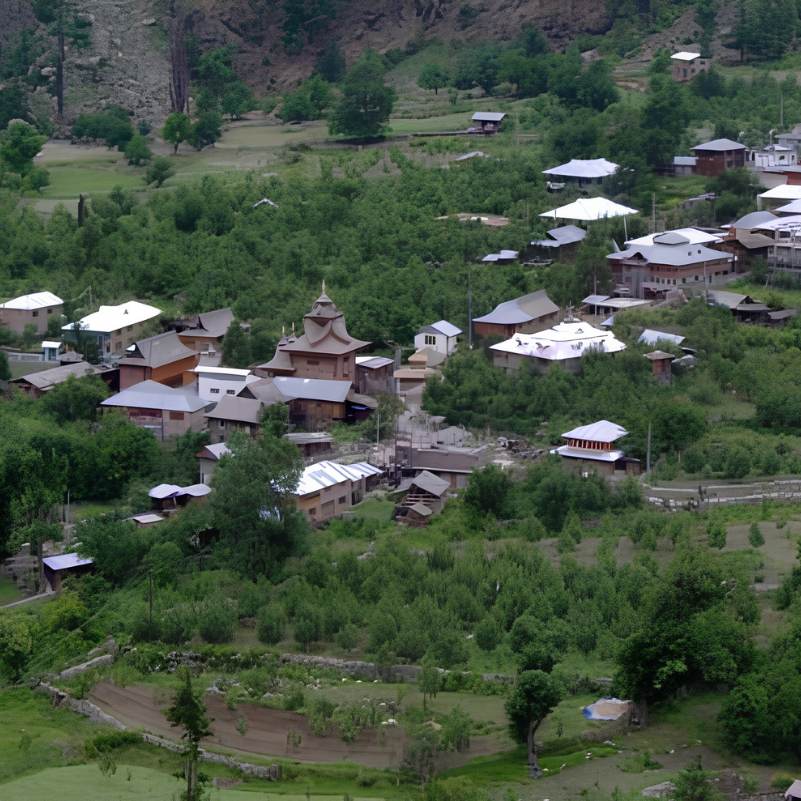
Batseri is a traditional Kinnauri village on the left bank of the Baspa River, roughly 7 km from Sangla town. You cross a bridge over the roaring Baspa to enter stone paved lanes, flat roofed wooden houses with carved deodar balconies, and the Shri Badri Narayan Temple with the finest wood carvings in the valley. The temple was rebuilt by local woodcarvers after a village fire in 1998. Visit as a slow, easy one to two hour loop from Sangla. Pure cultural texture of the kind Sangla town itself has outgrown.
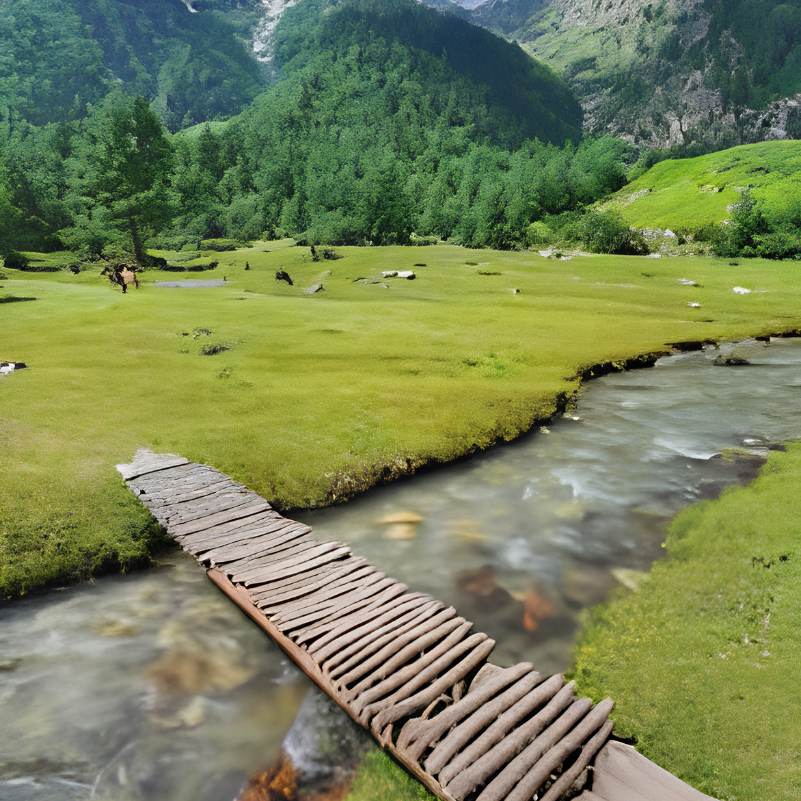
Rakcham is a small Kinnauri village on the road between Sangla and Chitkul in the Baspa Valley, at roughly 3,100 metres. No market, no tourist infrastructure, no crowds. Just traditional wooden houses, wide green meadows along the Baspa River, buckwheat fields that turn pink in summer, and the kind of quiet that most of the valley has lost. A recipient of the Nirmal Gram Puraskar for cleanliness. A few homestays and camps make it possible to stay overnight.
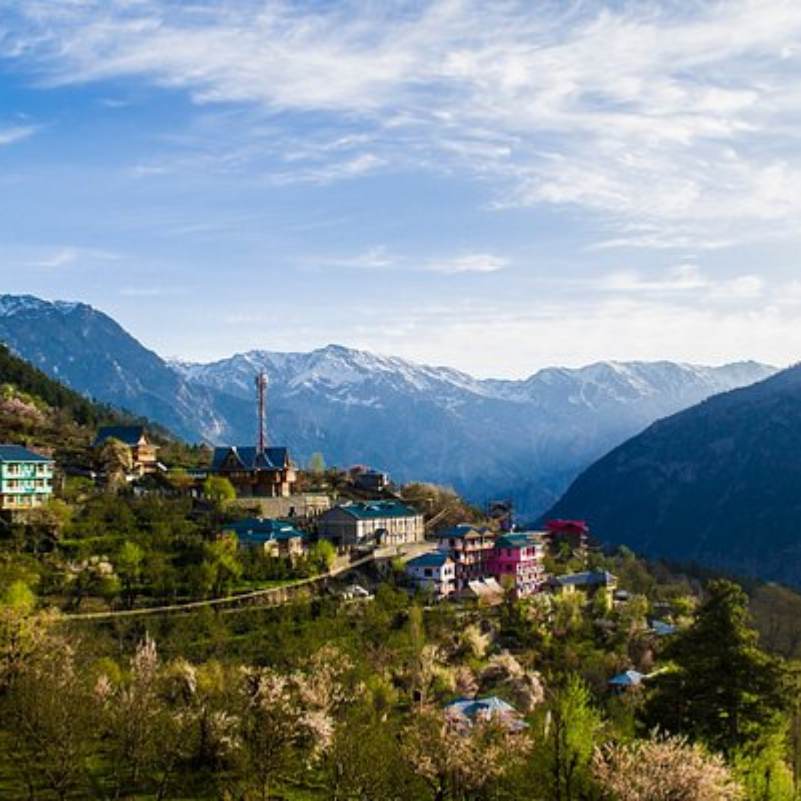
Roghi is a small Kinnauri village about 2 km from Kalpa, reachable by a gentle orchard walk or an 8 km cliff road that has earned a reputation as one of the most intimidating drives in the Indian Himalaya. The cliff viewpoint en route (commonly called Suicide Point) gives a stomach level sense of the Sutlej gorge depth. Beyond it, the village itself is older and quieter than Kalpa, with traditional wooden houses, a small temple, apple orchards, and afternoon Kinner Kailash views that some photographers prefer to the sunrise from Kalpa.
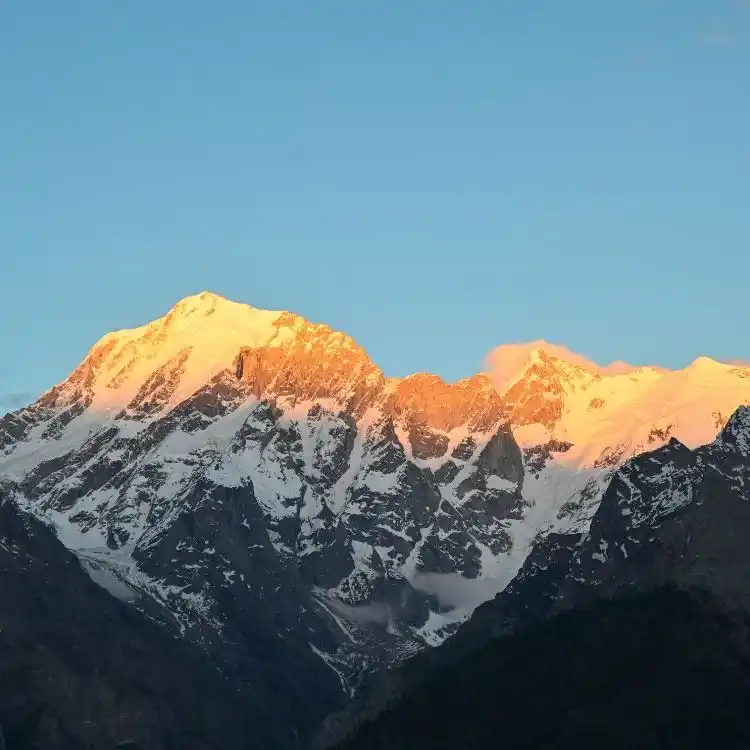
Kinnaur Kailash (Kinner Kailash) is a sacred mountain massif in Kinnaur. The main peak stands at roughly 6,050 metres. The Shivling, a natural rock pillar sacred to both Hindu and Buddhist communities, sits at approximately 4,800 metres on the massif's shoulder. Most travellers watch it change colour at sunrise from Kalpa. A smaller number climb directly to the Shivling during the July to August yatra window, gaining 2,500 metres of altitude over 3 to 5 days on steep, unforgiving terrain. Two experiences. Two very different levels of commitment.
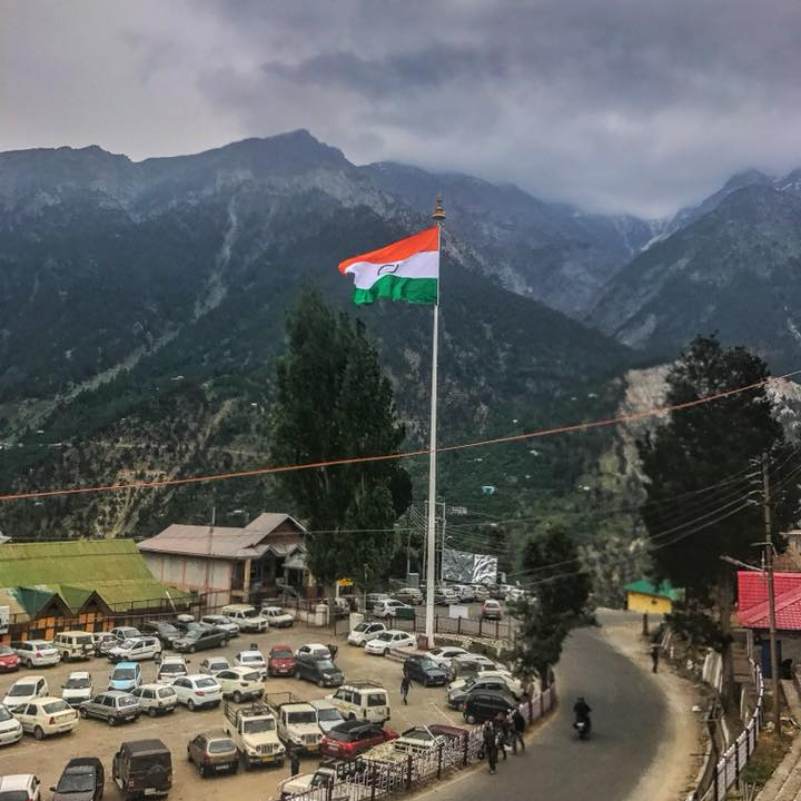
Reckong Peo sits at approximately 2,290 metres (7,500 feet) on NH 5, Kinnaur's district headquarters and the last reliable town for ATMs, fuel, vehicle mechanics, and a pharmacy before the road enters the Spiti Valley. You sort cash, fill your tank, collect Inner Line Permits (foreign nationals, from the DC Office), and stock up before heading to Kalpa (7 km up a steep switchback road), Sangla, or deeper into Kinnaur. Peo is a busy working town, not a retreat. For mountain quiet and the Kinner Kailash sunrise, stay in Kalpa or Kothi.
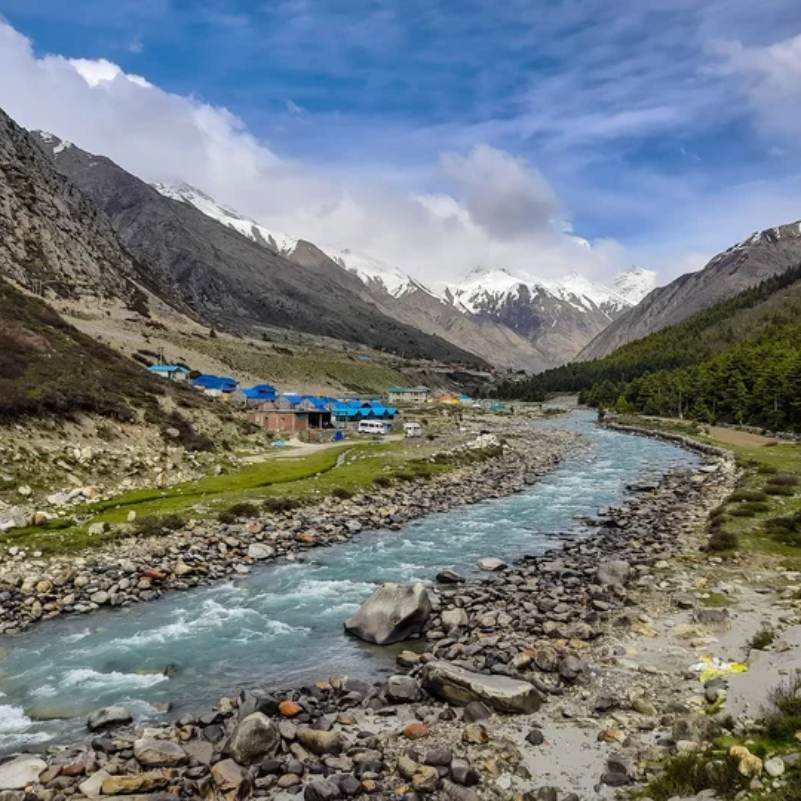
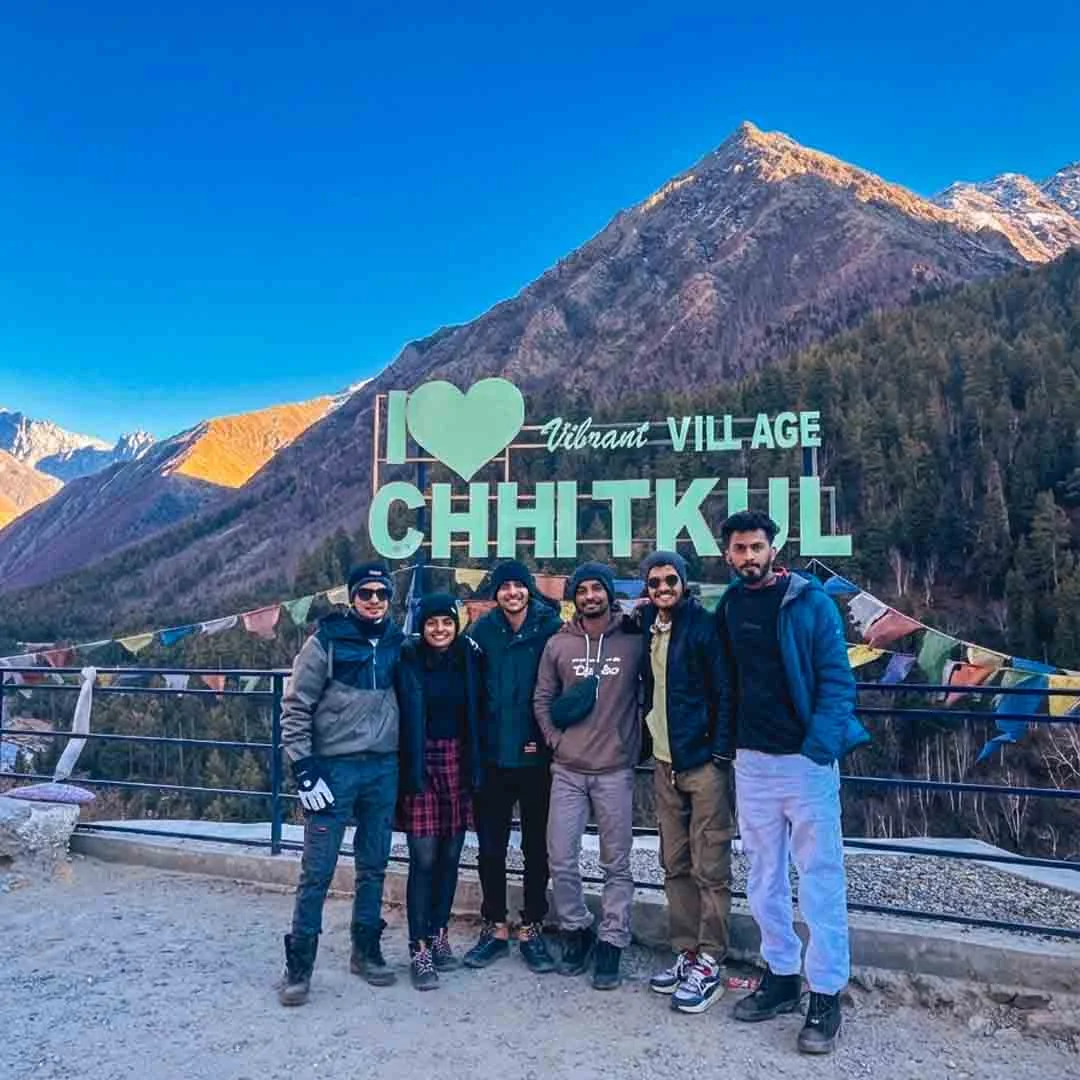
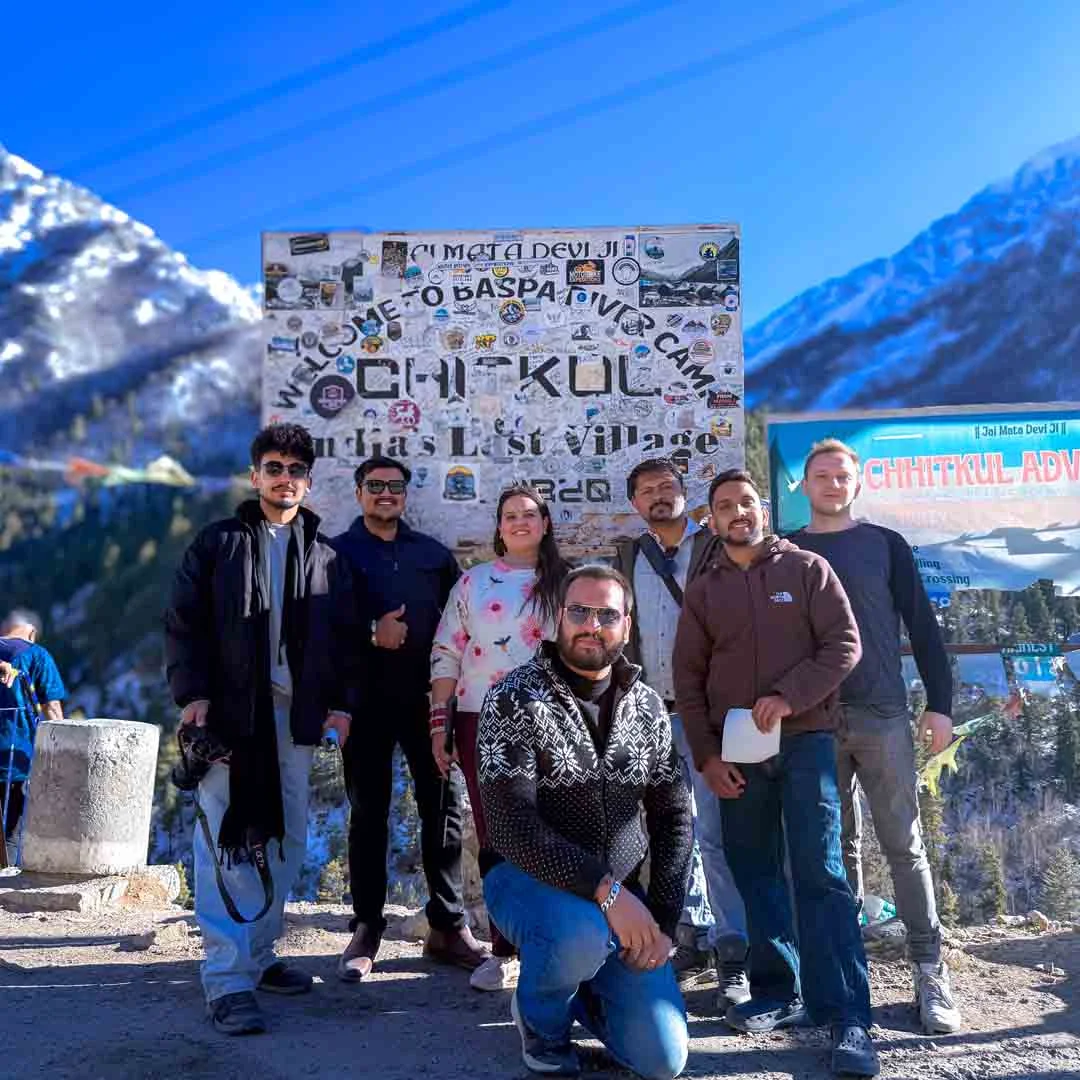
Chitkul sits at around 3,450 metres at the end of the Baspa Valley in Kinnaur, Himachal Pradesh. It is the last village on the old Hindustan Tibet road where you can travel without a permit. Most visitors come for the day from Sangla, 25 km downvalley. Some stay the night for the quiet, the river, and the satisfaction of reaching a place where India runs out of road. A wooden Mathi Devi temple, a Kagyupa Buddhist temple, the Baspa River, and the signboard of Hindustan Ka Akhri Dhaba. That is roughly the whole of it.
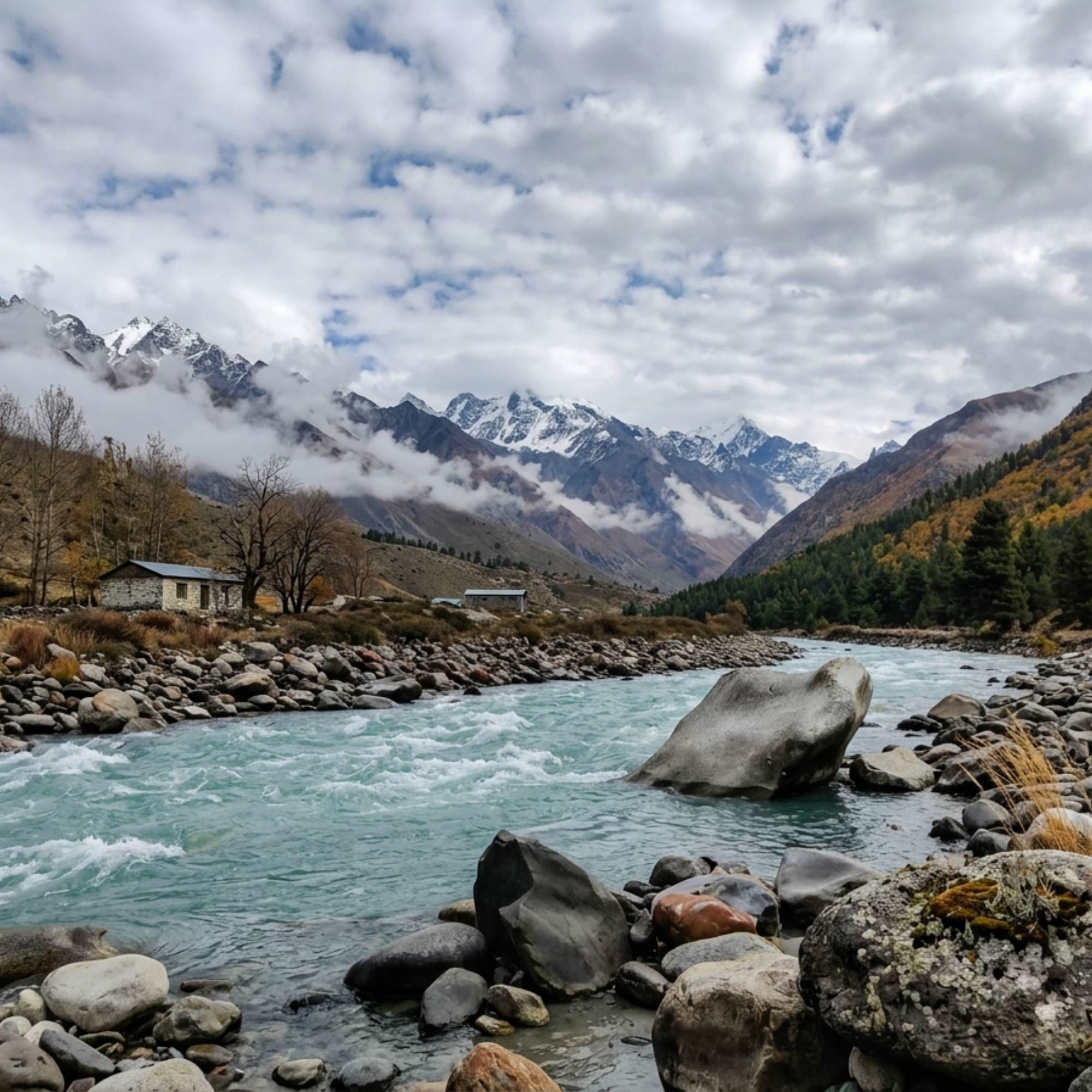
Sangla Valley, also called the Baspa Valley, follows the Baspa River for about 25 km through Kinnaur district, Himachal Pradesh. Orchards of Kinnaur Golden and Royal Delicious apples, traditional Kinnauri villages with dark slate Kathkuni roofs, the ancient Kamru Fort of the Bushahr dynasty, and the last village of Chitkul at the border make it one of the most rewarding valleys in the Indian Himalaya. Most travellers base themselves in Sangla town for two to three nights before moving on to Kalpa or deeper into Kinnaur.
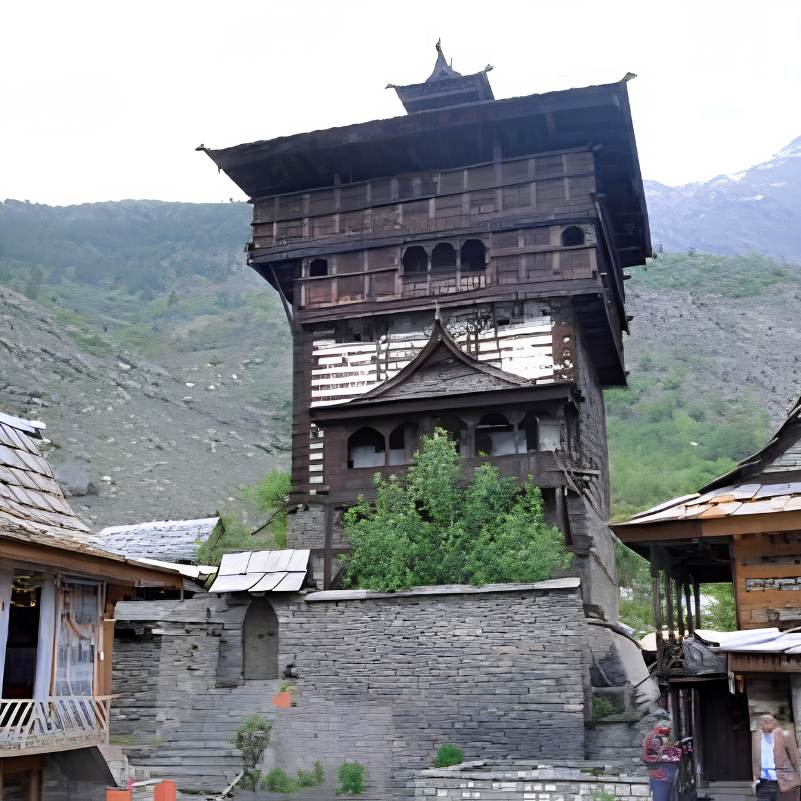
Kamru Fort sits on a rocky spur about 2 km above Sangla town in the Baspa Valley, Kinnaur. Part fortress, part active temple, part village landmark. The multi-storey wooden tower, built with weathered deodar cedar and rough stone in the traditional Kathkuni style, is one of the oldest surviving examples of this architecture in Himachal Pradesh. The temple complex around it is still a working place of worship. The 20 to 30 minute uphill walk through the old village, past dark slate roofs and carved cedar balconies, is half the experience.
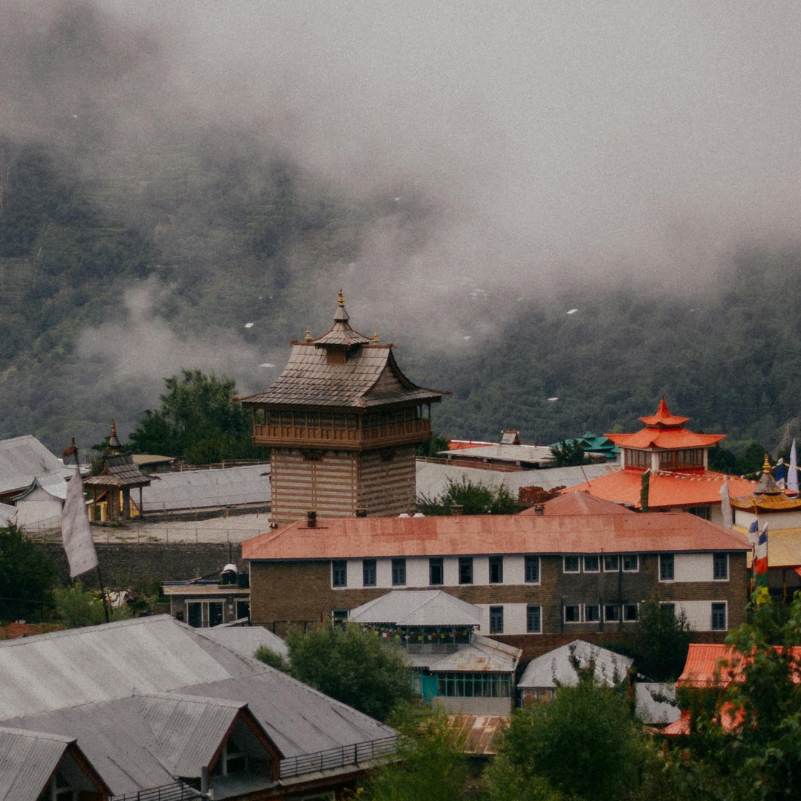
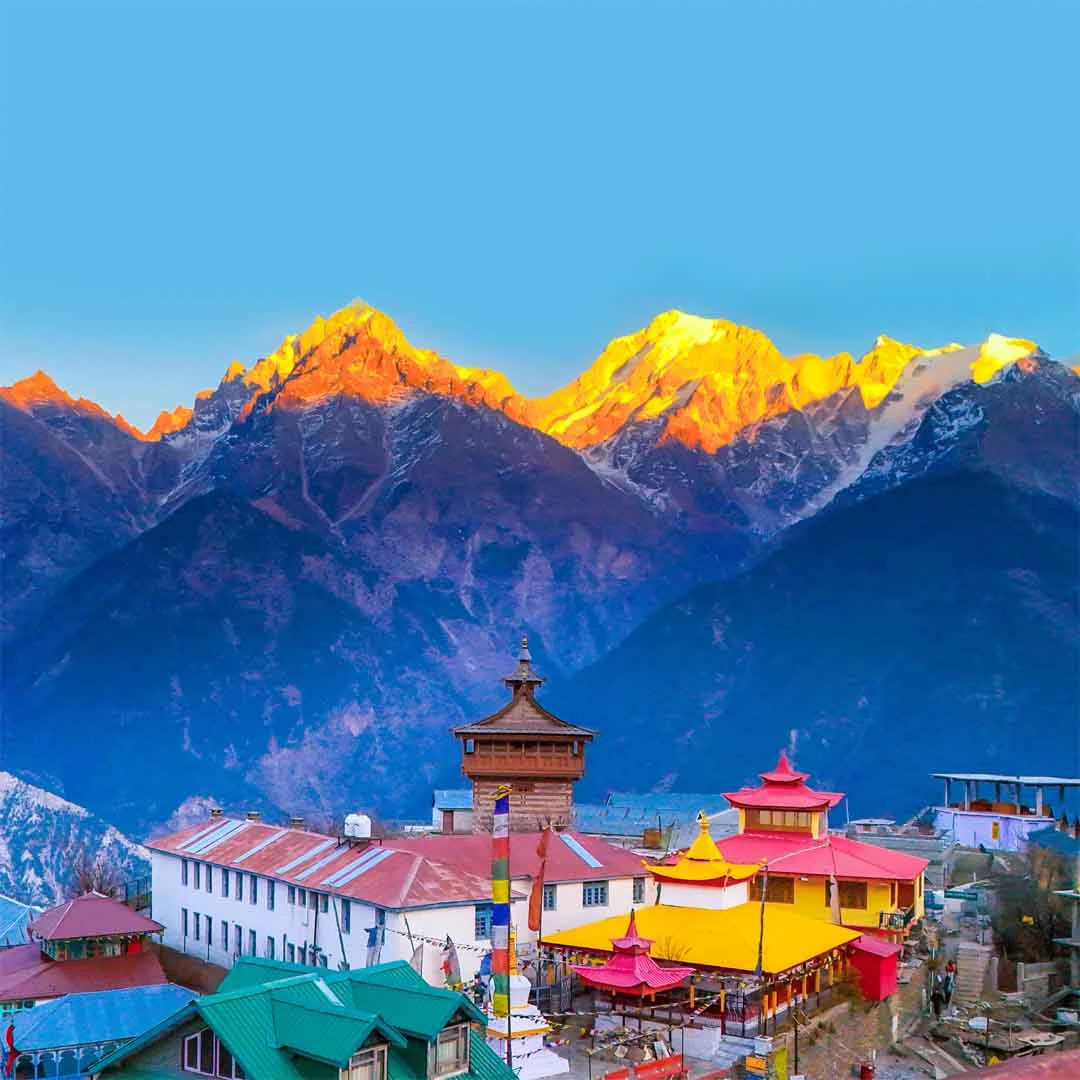
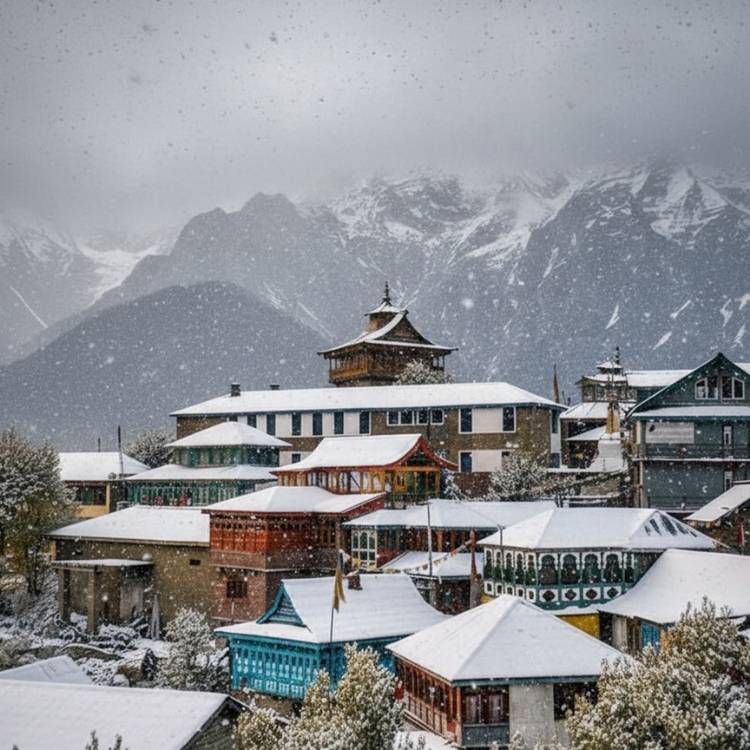
Kalpa sits at roughly 2,760 metres in Kinnaur district, Himachal Pradesh, directly across the valley from the Kinner Kailash range. People come for the sunrise: the way the first light catches the Shivling peak and turns it from grey to pink to gold in fifteen minutes, right from your hotel balcony. What keeps them is the village: a Hindu temple and a Buddhist monastery sharing the same lane, apple orchards on every slope, and a pace that forces you to slow down. Two nights is the right call.
Kalpa mornings are magical. The snowy peaks turn pink and golden as the first rays hit — a sight that makes early wake-ups worth it.
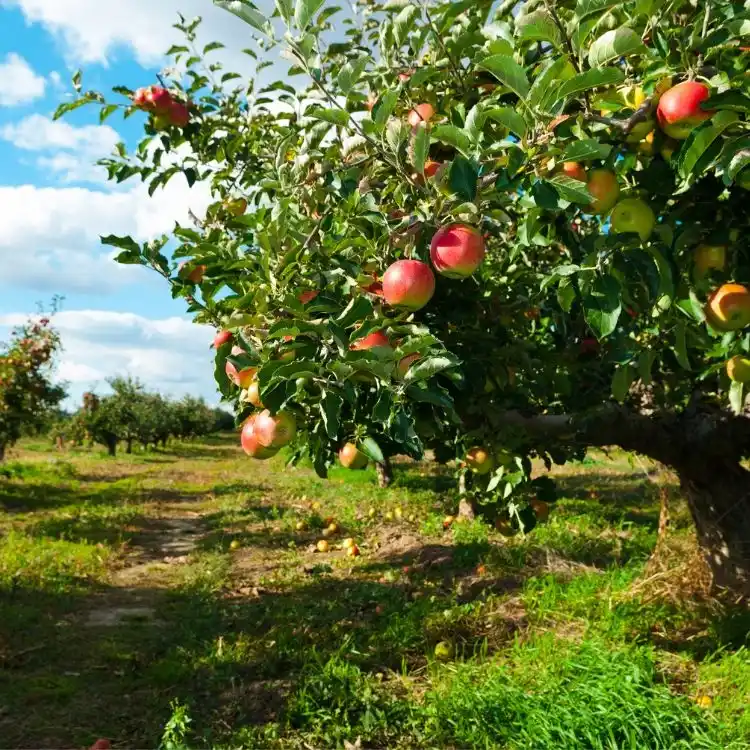
Taste freshly plucked apples, sip homemade juice, and walk through orchards that stretch across the slopes.
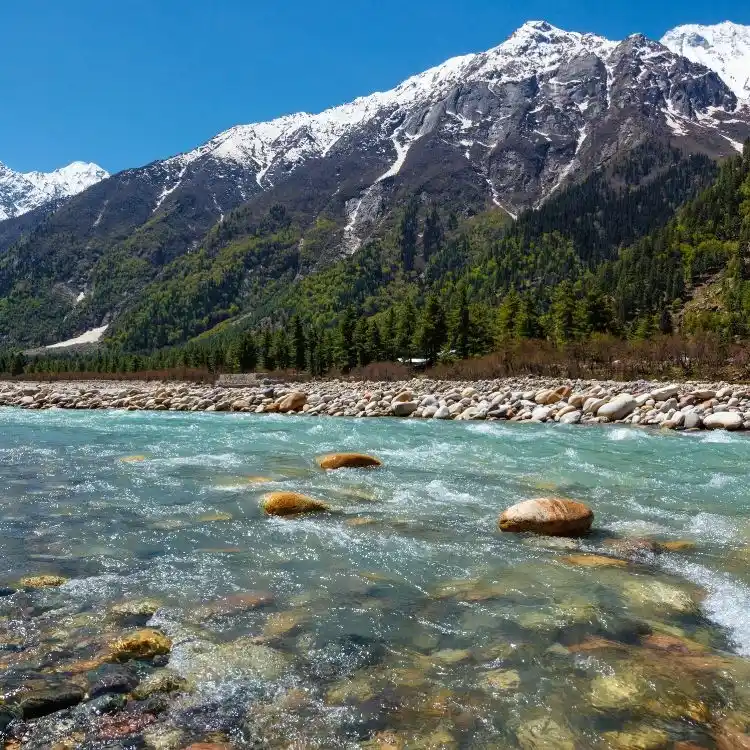
The Baspa River runs wild and pure — camp by its banks, light a bonfire, and let the valley’s silence soothe you.
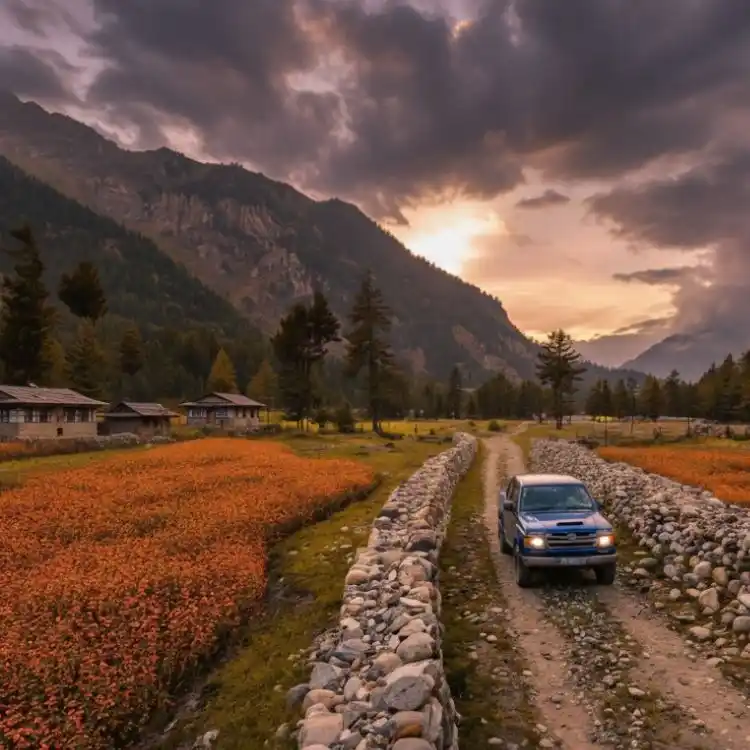
Stand at the end of the road and feel the raw thrill of being at the edge of civilization. Wooden houses, traditional temples, and gushing streams make it unforgettable.
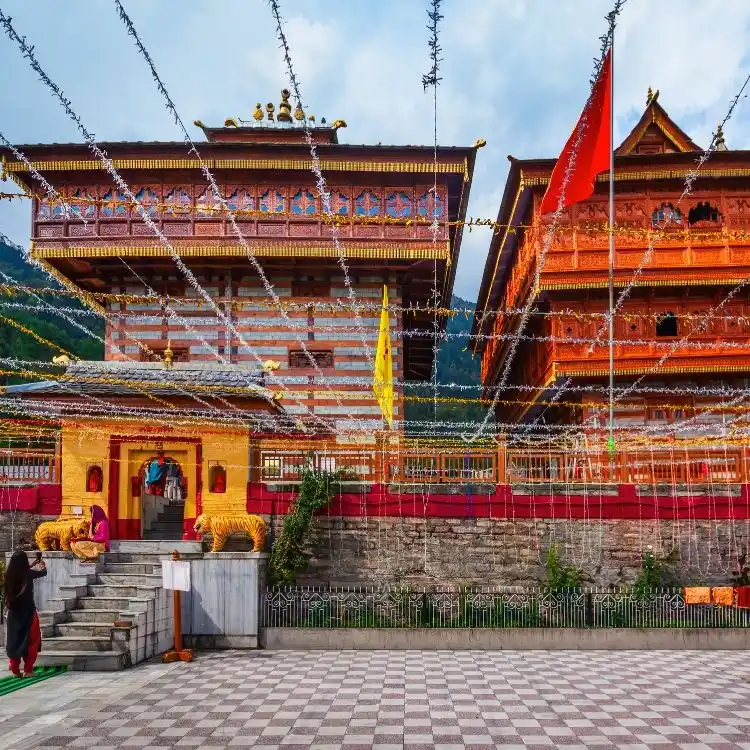
An architectural marvel blending Hindu and Tibetan styles. Many travelers include this on the first or last leg of their Sangla–Kalpa–Kinnaur tour.
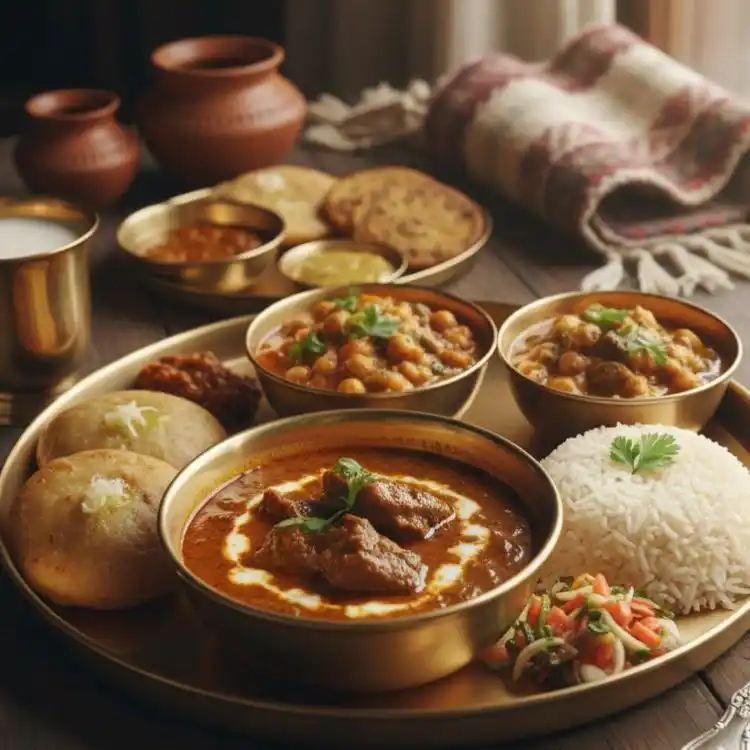
Siddu, thenthuk, and rajma-chawal cooked in wooden kitchens — local flavors that warm the heart as much as the belly.
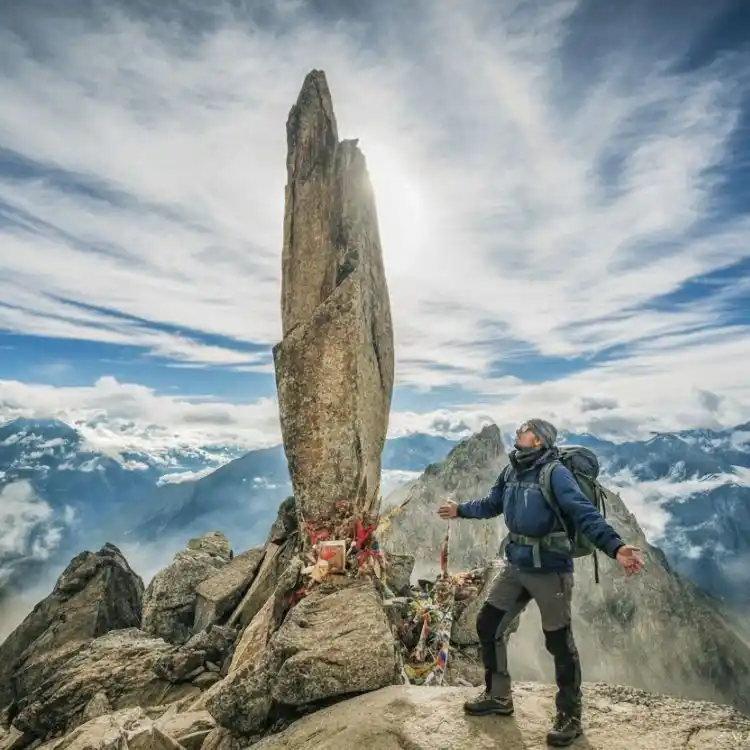
For adventure seekers and pilgrims, the trek to Kinnaur Kailash is challenging but rewarding — a spiritual climb into the Himalayas.

“Travel Coffee truly went above and beyond. Even though we booked from Indonesia without meeting them, we always felt secure — their team was available 24/7 and took care of every detail. Shubham personally ensured our comfort throughout the Himachal trip, from hotel checks to small gestures like bringing lotion and altitude pills. Their sincerity and local expertise made the journey unforgettable.”
Andre & Angel
April to June and September to November are the best months for clear skies and comfortable weather.
A Kalpa Kinnaur tour plan usually needs 5–7 days to cover Shimla, Sarahan, Sangla, Kalpa, and Chitkul.
Chitkul is India’s last inhabited village near the Indo–Tibet border, famous for untouched landscapes, traditional wooden homes, and the Baspa River.
Yes, we offer Kinnaur Kailash tour packages for pilgrims and trekkers who want to experience the sacred mountain trek.
Yes, though the terrain is rugged and requires experienced drivers — that’s why we provide local experts.
Absolutely — the valleys are safe, scenic, and filled with easy experiences like orchard visits, temple tours, and village stays.
Yes, from rustic homestays to cozy boutique cottages, we customize stays as per your comfort.