
 Group Tour
5D/4N
Kinnaur Valley Weekend Group Trip With Sangla Chitkul and Kalpa
1D Sangla•1D Kalpa
₹7,999₹9,999SAVE INR 2,000/ person
Best Mumbai To Kinnaur Tour Packages Curated By Experts
Group Tour1D Sangla•1D Kalpa
 Group Tour
1D Yulla Khas•1D Yulla Kanda Campsite

1D Shimla•1D Sangla+1
1D Sangla•1D Kalpa
 Group Tour
2D Sangla•1D Tabo+2
1D Shimla•1D Sarahan+2
Kinnaur is a long way from Mumbai. There is no getting around that. You need a flight, a road journey through the mountains, and enough days to make the trip worthwhile. But if you have the time and you want a Himalayan experience that is quieter, greener and more grounded than the popular options, Kinnaur gives you exactly that.
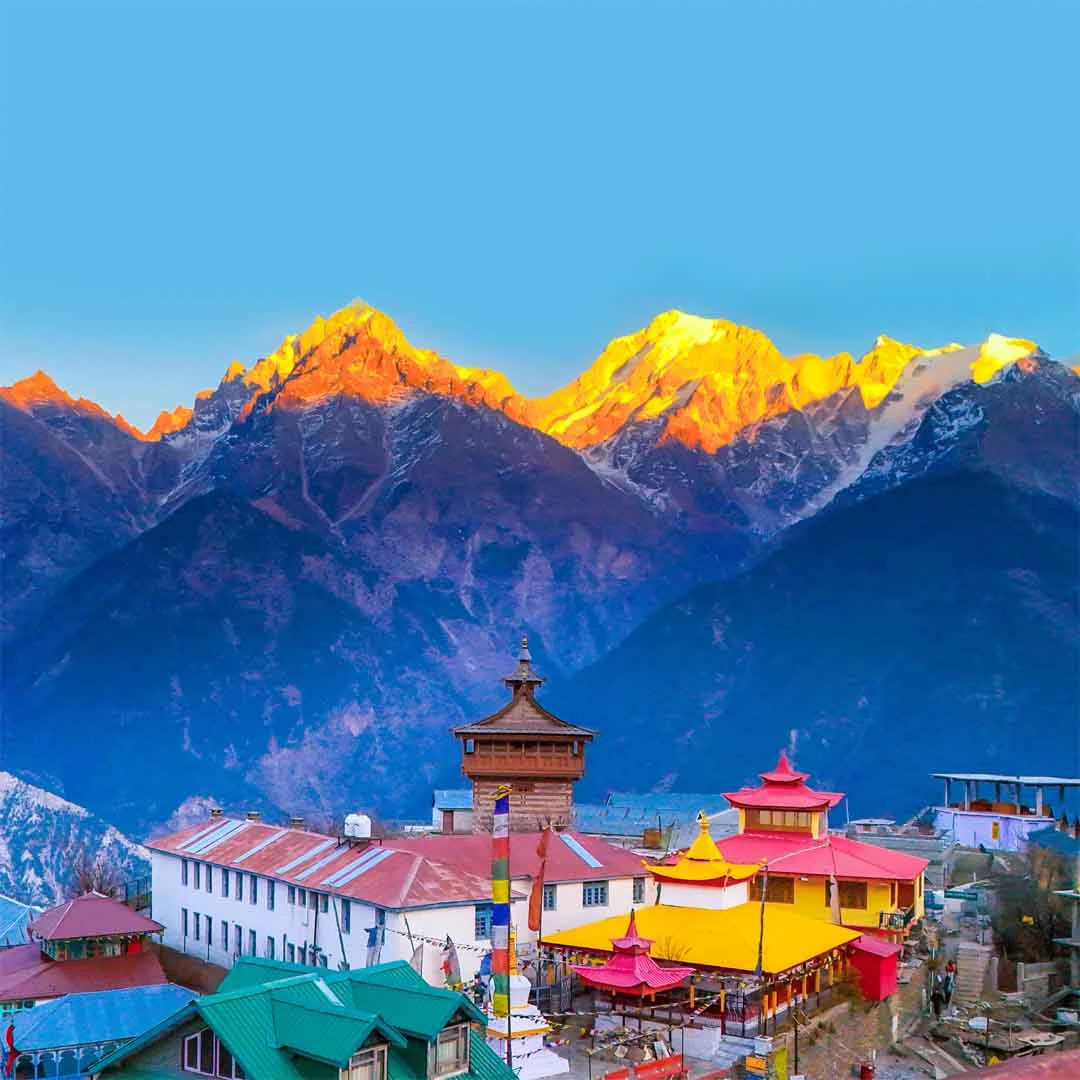
This is not Shimla or Manali. There are no mall roads or tourist crowds. Kinnaur is apple orchards along every slope, the Baspa river flowing through a wide valley, Chitkul sitting at the end of the road near the border, and Kalpa looking out at the Kinner Kailash range in the first light of the morning. It is stone temples, slate roofed villages, and mountain roads that follow rivers for hours.
For a Mumbai traveller willing to fly into Chandigarh or Delhi and spend six or more days, Kinnaur offers a kind of trip that is hard to find this close to a major airport. Calm, scenic, and genuinely different from anything on the western coast.
For travellers with very limited leave. You fly to Chandigarh on Day 1, drive straight into Kinnaur, spend two to three days in the valley, and fly back on Day 5. This is a fast trip. It works only if your flights are well timed and you are comfortable with a full driving day after landing.
The most balanced short format from Mumbai. You arrive, rest briefly, enter the valley the next day, enjoy proper time at the key stops, and return with a comfortable margin before your flight home. This is the trip most Mumbai travellers should start planning around.
Adds Sarahan and the Bhimakali temple, gives you a relaxed day in the Sangla area, and keeps a buffer for the unexpected. You also have enough margin on the return so a minor delay does not mean a missed flight. Good for families, older travellers and anyone who wants the valley to feel unhurried.
For travellers who want to push past the green valley into the higher, drier landscape where Kinnaur begins to turn into Spiti. You cover core Kinnaur, then carry on to Nako and its lake. Suits people who have the leave days and want the landscape to change as they travel.
The full circuit. Through Kinnaur, into Spiti via Nako and Tabo, time around Kaza and the high villages, and return. The most complete Himalayan journey you can build from Mumbai. Choose it if you have a full block of leave and want a proper circuit.
Mumbai travellers often default to Shimla, Manali or Goa when they have a few days. Kinnaur barely appears on most people's list, and that is exactly why it works so well.
The valley is not set up for mass tourism. What you get instead is a river valley lined with apple orchards, stone villages where people still live off the land, temples with carved wood that is centuries old, and mountain views that arrive quietly rather than dramatically.
For a Mumbai traveller used to noise, heat and crowds, the contrast is sharp and deeply welcome. Kinnaur is cold, calm and slow. That is the entire point.
Chandigarh is only a two hour flight from Mumbai, and from Chandigarh you can be inside the valley by the same evening if you start early. Compare that with Ladakh, which needs either a flight to Leh with altitude risk or days of road travel. Kinnaur sits in a sweet spot. It is easier to reach than Ladakh, quieter than Kashmir, and more interesting than a standard Shimla or Manali visit.
Fly to Chandigarh. This is the recommended option. Chandigarh airport has reliable daily flights from Mumbai, the flight takes about two to two and a half hours. From Chandigarh, you are roughly 320 to 350 km from Kinnaur by road.
Fly to Delhi. An alternative with more flight options and sometimes cheaper fares. From Delhi, the road to Kinnaur is about 570 km via Shimla. This adds three to four extra hours of driving compared to Chandigarh.
From your landing city to Kinnaur, a private cab is the most comfortable and practical option. The drive from Chandigarh to Kinnaur takes about nine to twelve hours, usually split across two half days with a halt at Narkanda or Sarahan.
We arrange the full trip as one plan. You share your Mumbai flight details, and we coordinate the ground vehicle and itinerary from the moment you land.
Chandigarh to Shimla about 120 km, three to four hours. Shimla to Narkanda about 65 km through apple country. Narkanda to Rampur about 55 km descending toward the Sutlej. Rampur to Sarahan about 40 km climbing to the gateway of Kinnaur. Sarahan to Sangla around 95 km through Karcham into the Baspa valley. Sangla to Chitkul about 25 km up the valley. Sangla to Kalpa about 40 km crossing toward Reckong Peo. Return to Chandigarh the same way, about 350 km with a night halt.
We are based in Himachal, and we plan trips for travellers flying in from across the country.
We plan from your flight, not just from the road. Your itinerary starts with your landing time and works forward. We coordinate the ground vehicle to be ready when you arrive, and we build the return drive around your departure flight.
Realistic driving hours. We know how long the road takes in each season and we plan halts so you arrive at each stop with energy, not exhaustion.
Honest duration guidance. If you ask about five days, we will make it work. We will also tell you if six or seven would be significantly better.
Better stays. Our stays in Sangla, Kalpa, Chitkul and Sarahan are personally checked. Clean rooms, warm bedding, decent food.
Local drivers who know the valley, the dialect and the road. Season based planning around monsoon windows, snow closures and shoulder season conditions. Flexible route support when mountain roads change. One plan from Mumbai to Mumbai.
Time zone: Indian Standard Time (IST), UTC+5:30.
Currency: Indian Rupee (INR). ATMs scarce inside Kinnaur. Carry enough cash from Chandigarh or Shimla.
Languages: Hindi widely spoken. Kinnauri locally. English understood at tourist-facing stays.
Flights: Book Mumbai to Chandigarh return. IndiGo and Air India operate multiple daily flights. Flight time about two to two and a half hours.
Mobile network: coverage gets patchy deeper into Kinnaur. BSNL and Airtel work better than others.
Permits: Indian nationals do not need a permit for core Kinnaur. An Inner Line Permit is needed only beyond Sumdo toward Spiti. We arrange any permit you need.
Expect a shift of 25 to 30 degrees or more between Mumbai and Kinnaur morning temperatures. Pack for both Mumbai heat at the airport and mountain cold. Layers, warm jacket, cap, gloves, sturdy shoes, sunscreen, sunglasses.
Six to seven days for a comfortable core trip including flight days. Eight for the full valley with buffer. Nine to ten for Nako or Spiti. Five days is tight and only works with efficient flight connections. You are flying across the country to reach a valley that rewards slow travel. Give it enough days to actually be slow.
Core Kinnaur has no high mountain pass on its main route. The altitude is moderate. The biggest challenge for a Mumbai traveller is the transition from flight to mountain road. Give yourself a proper first night halt before the valley. For families and older travellers, a seven day plan with relaxed driving days works well. Kinnaur is a gentler choice than Ladakh or a rushed Spiti circuit for a first Himalayan trip from Mumbai.
11 packages found
Group Tour1D Yulla Khas•1D Yulla Kanda Campsite
1D Sangla•1D Kalpa
Group Tour1D Sangla•1D Kalpa
1D Shimla•1D Sangla+1
Group Tour2D Sangla•1D Tabo+2
1D Shimla•1D Sarahan+2
 Group Tour
1D Jibhi•1D Sangla+4
 Group Tour
1D Narkanda•1D Sangla+5
 Group Tour
1D Kalpa•3D Sangla+1
1D Narkanda•2D Sangla+4
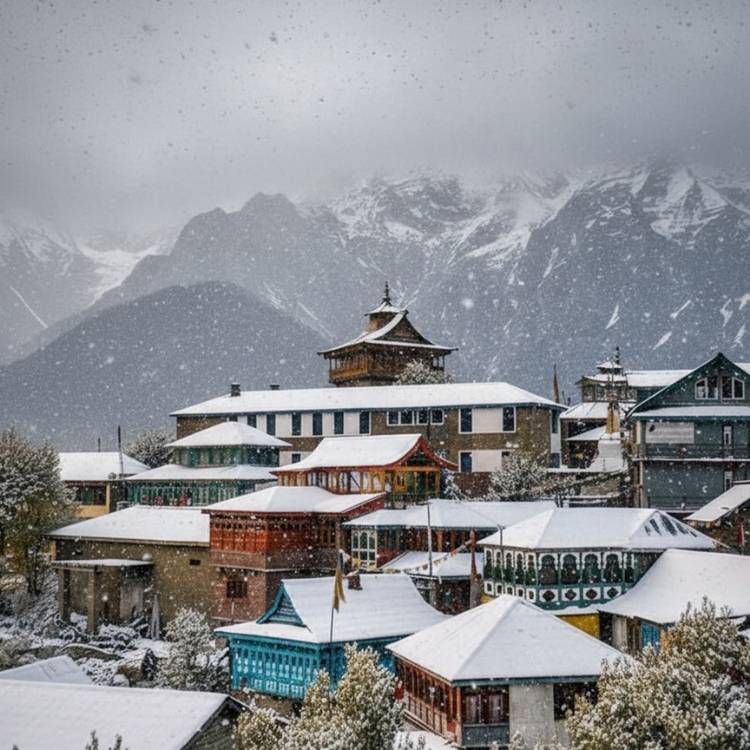
1D Narkanda•2D Sangla+4
A quiet mountain halt in the apple belt, about 65 km past Shimla. Pine forest, cool air and a calm transition from your flight into the hills.
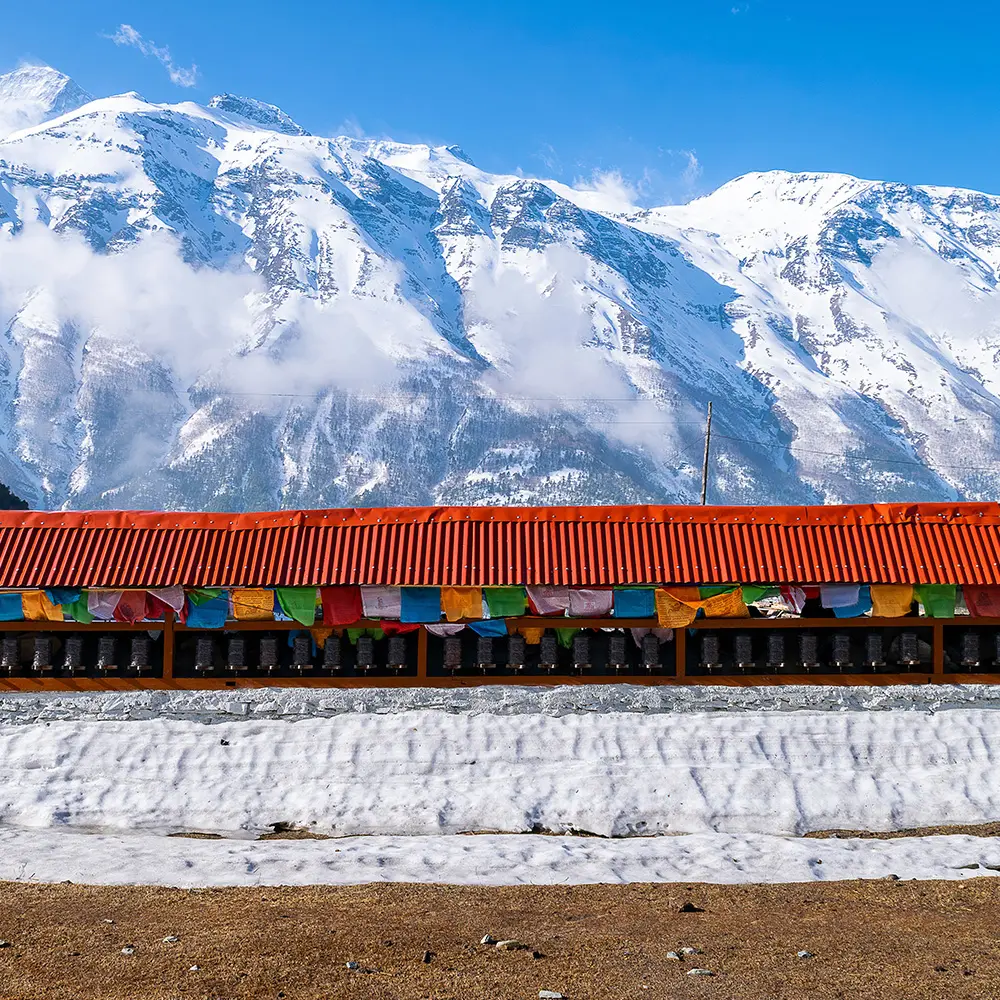
The gateway to Kinnaur. Terraced fields, old houses and the first real sense of entering a quieter world.
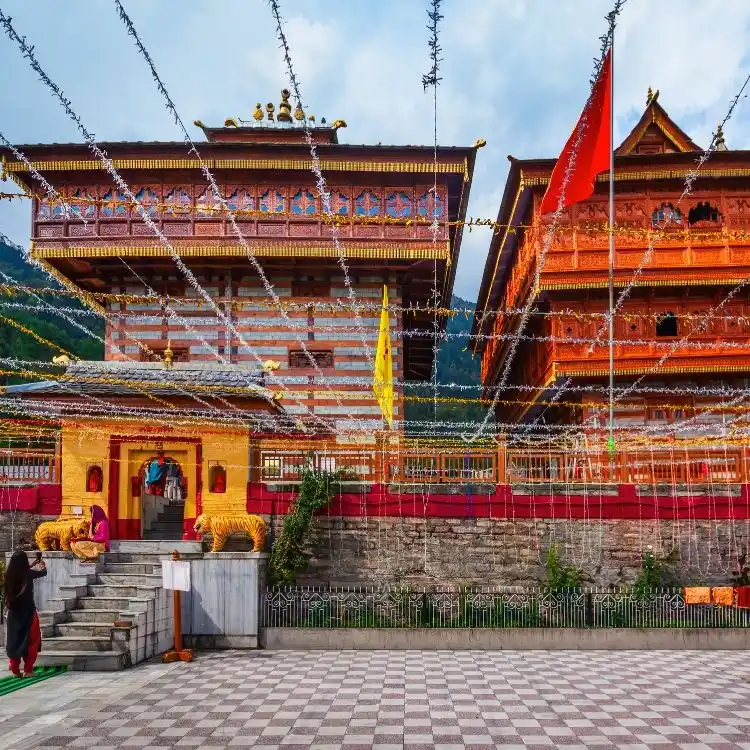
The old wooden temple at Sarahan, counted among the 51 Shakti Peeths. Carved wood, quiet courtyards and views of the high peaks.
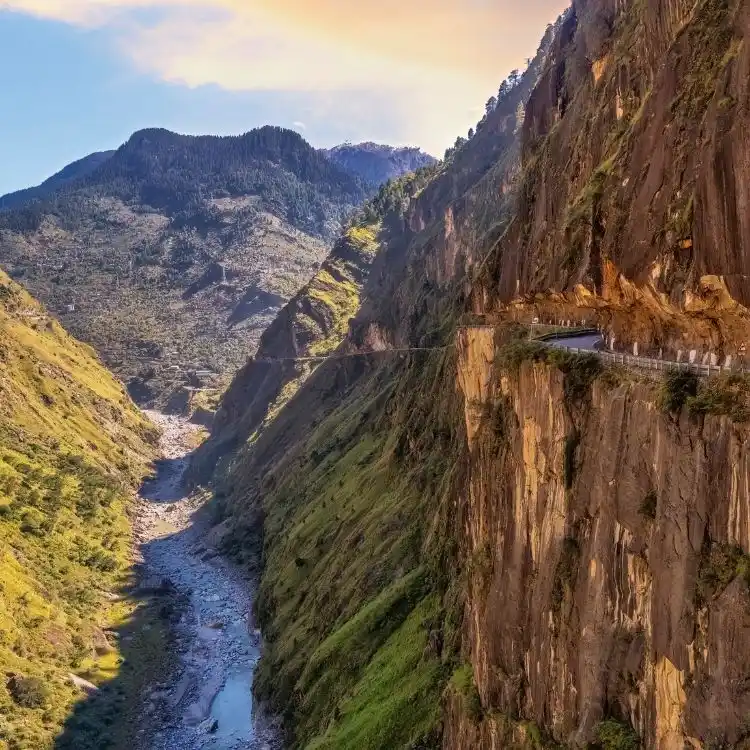
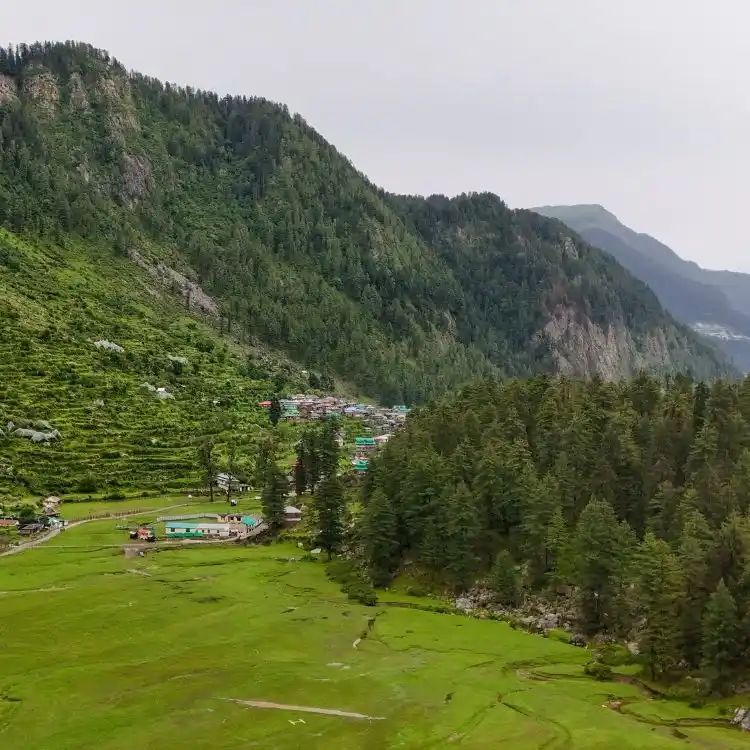
A broad, green valley along the Baspa river. Terraced farming, traditional stone villages and forested slopes. One of the most calming landscapes in Kinnaur.
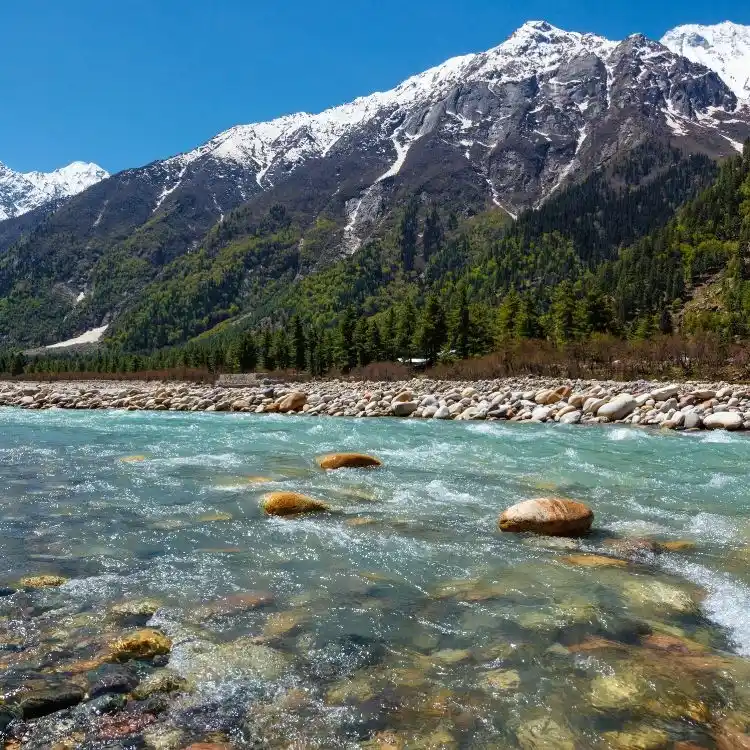
An old fortified structure above Sangla, reached by a walk through the valley. Worth the short climb.
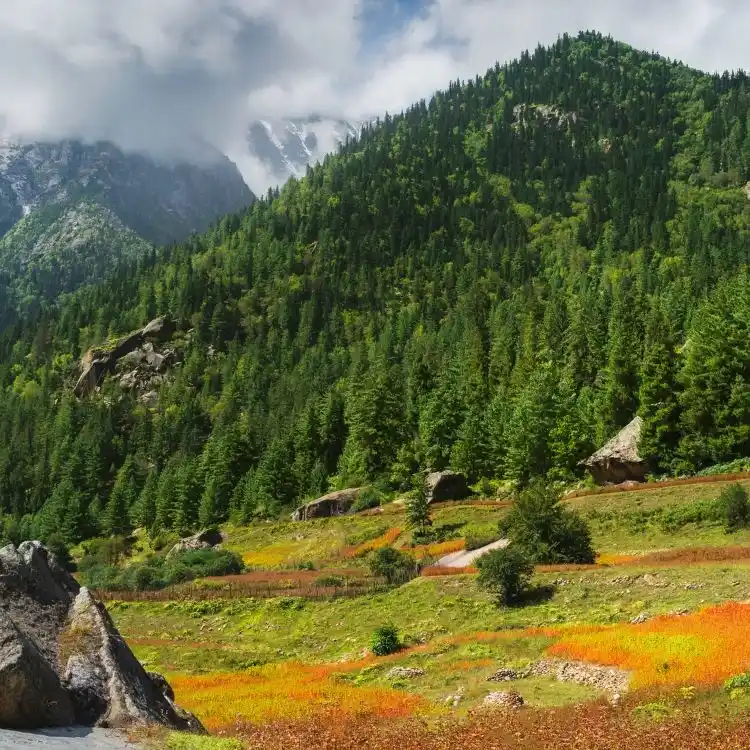
A small village between Sangla and Chitkul, set among fields by the river. A pleasant, easy stop.
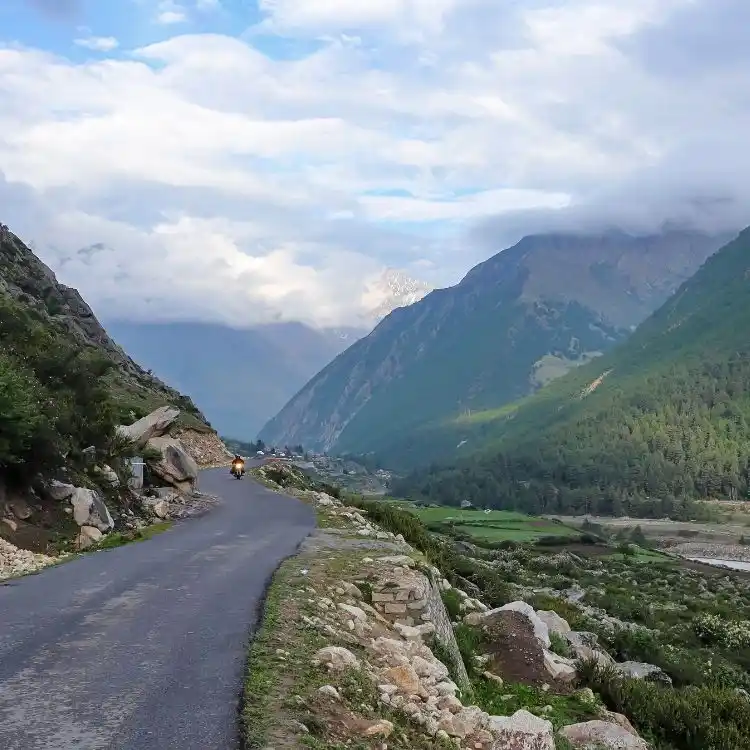
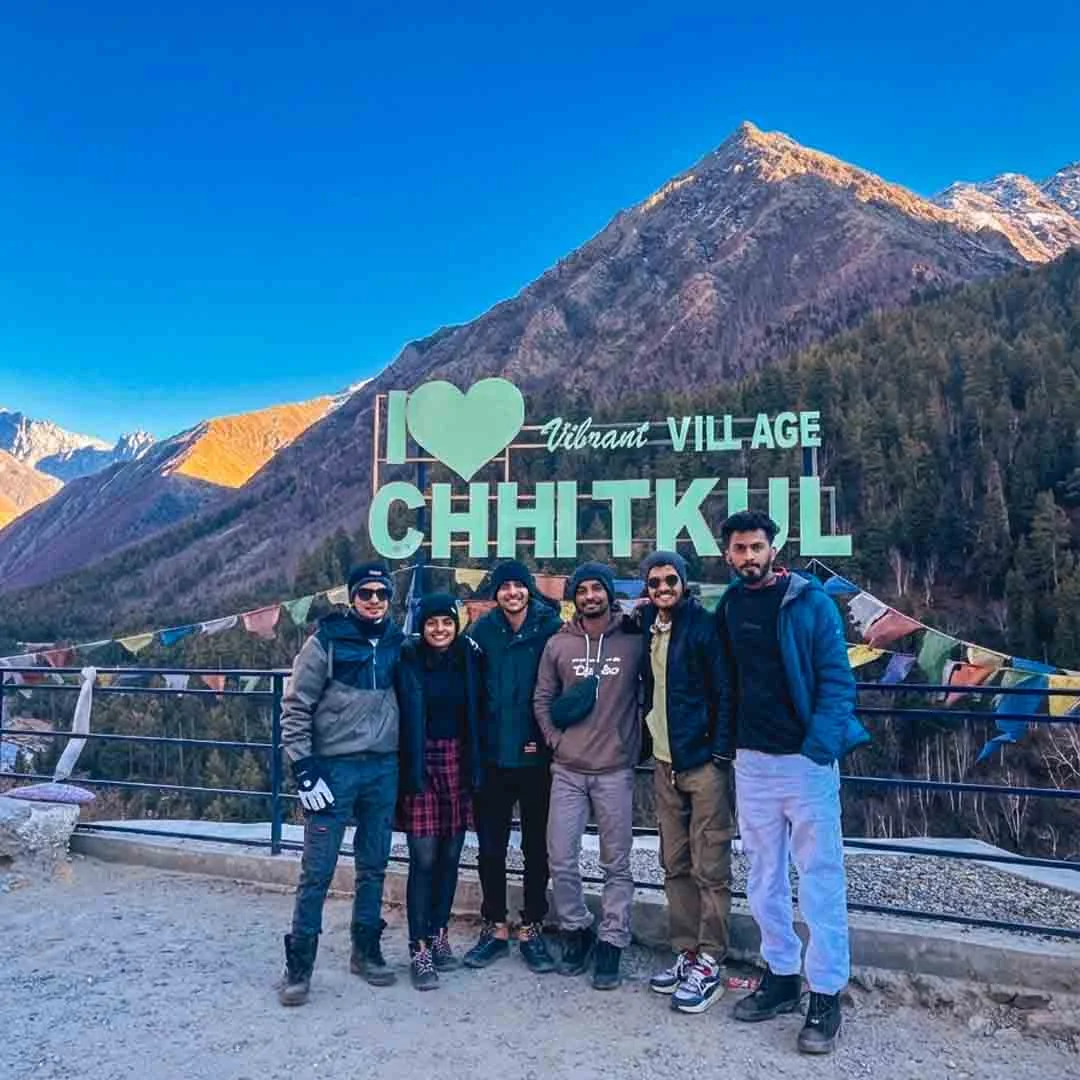
The last inhabited village before the border. Baspa river, barley fields, slate roofed houses and snow peaks. It has a weight and stillness that stays with people.
The river that shapes the Sangla valley. Time by the water, without a plan, is one of the quiet rewards of a Kinnaur trip. After Mumbai's pace, this contrast alone is worth the trip.
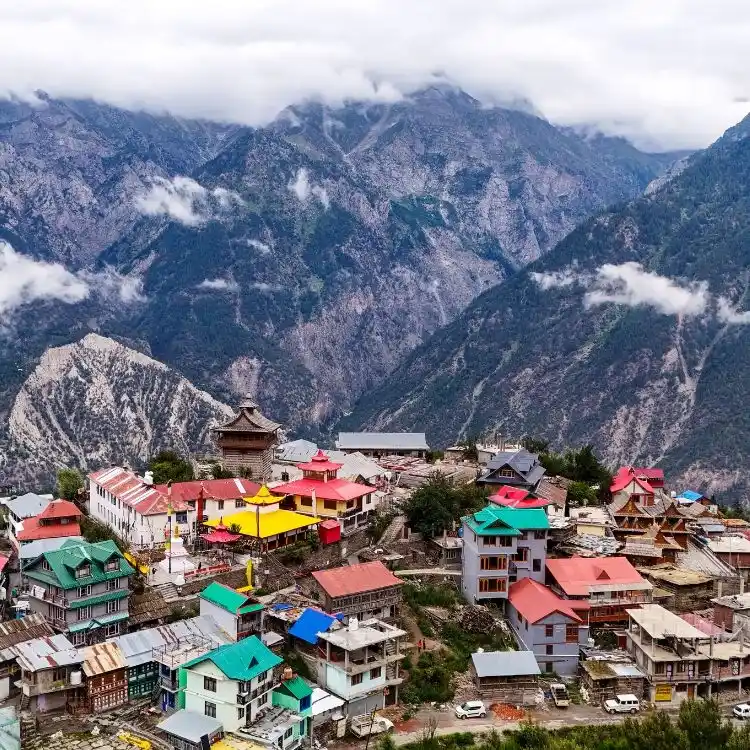
Set high above Reckong Peo with direct views of the Kinner Kailash range. Apple orchards, old temples and a pace that suits mornings and evenings equally.

A short walk from Kalpa through orchards to a quiet village with a well known viewpoint.
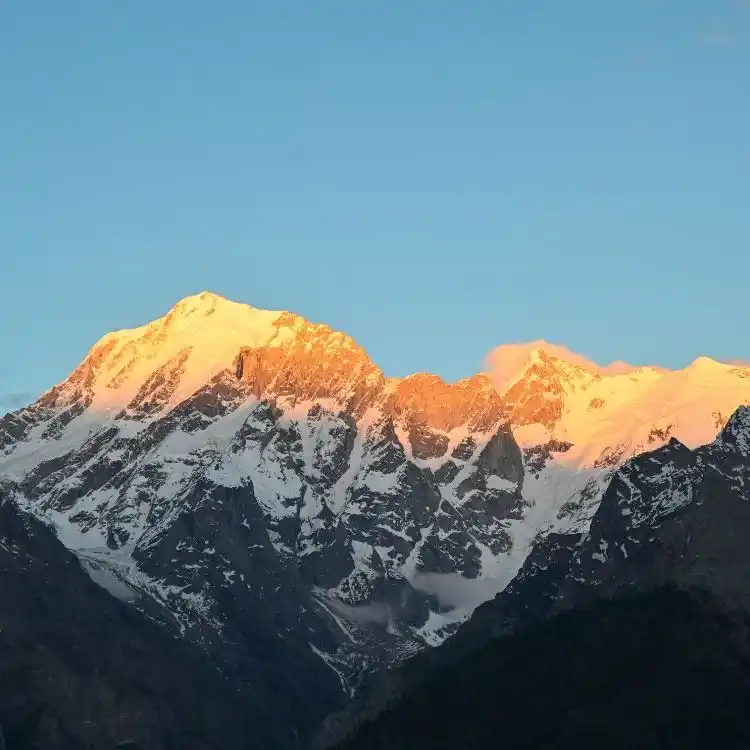
The range catching first and last light is the visual high point of any Kinnaur trip.
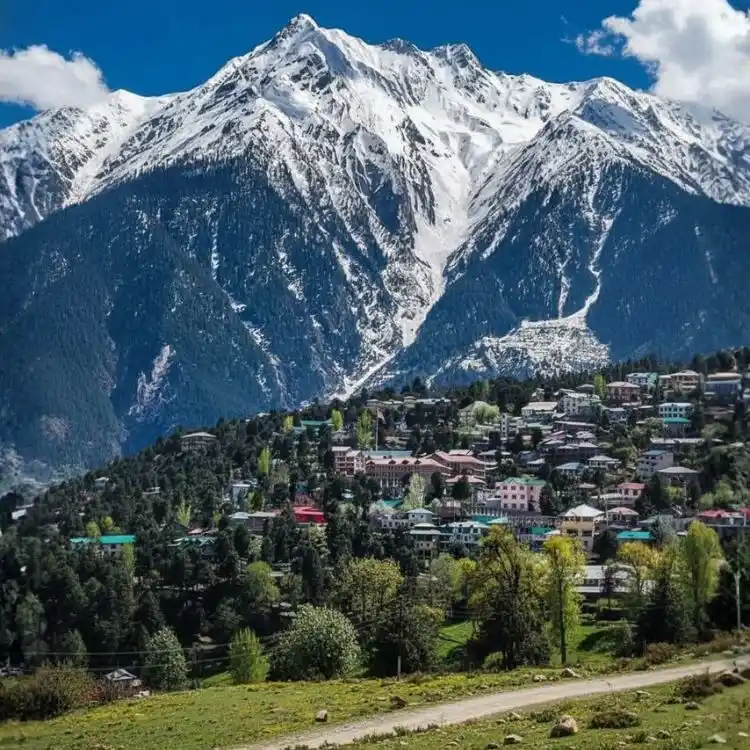
If your trip extends beyond core Kinnaur, Nako is a high village beside a small lake where the green valley gives way to dry, open terrain.
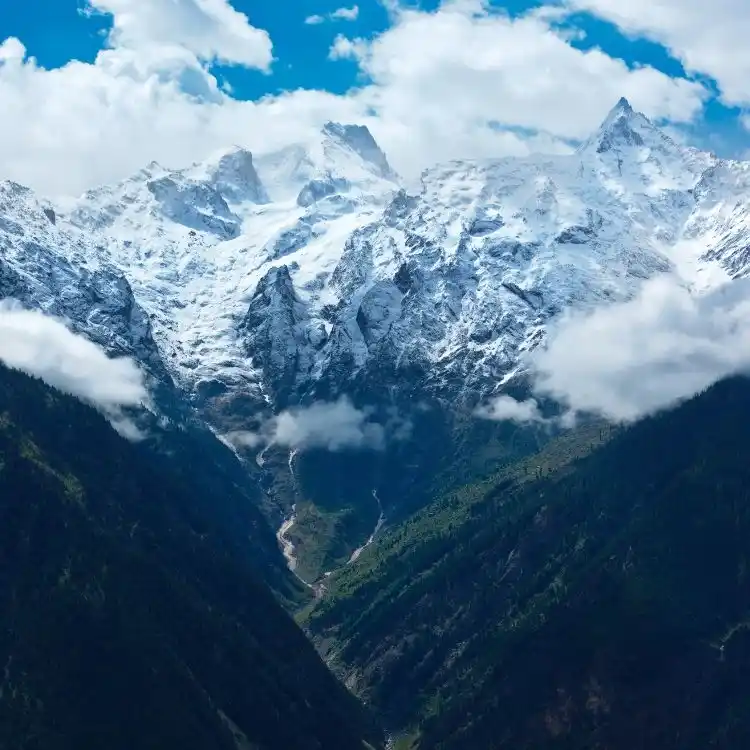
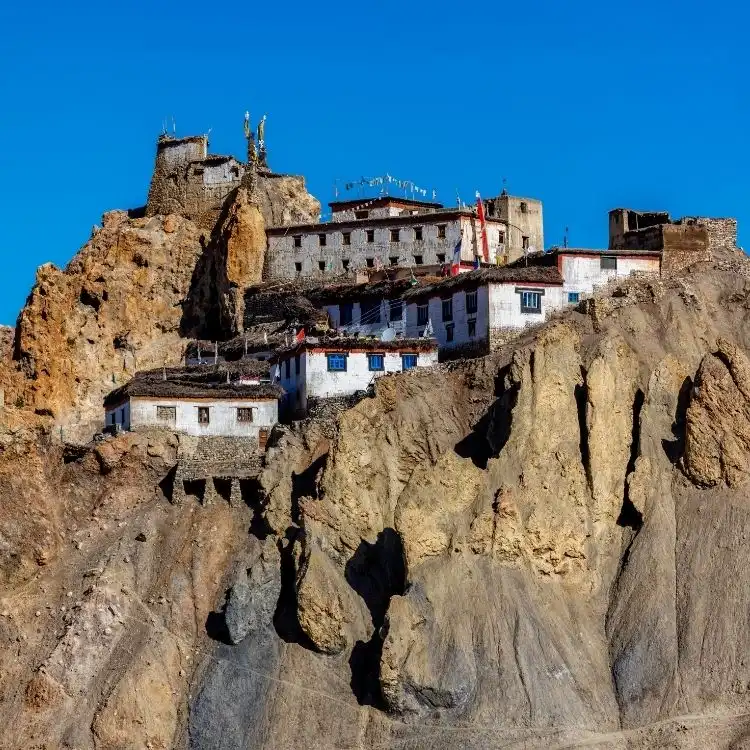
Further on, Tabo holds a monastery more than a thousand years old with ancient murals that carry genuine weight.
The valley is best appreciated slowly. Walk by the river, visit the villages, and let the green landscape settle you after the travel from Mumbai.
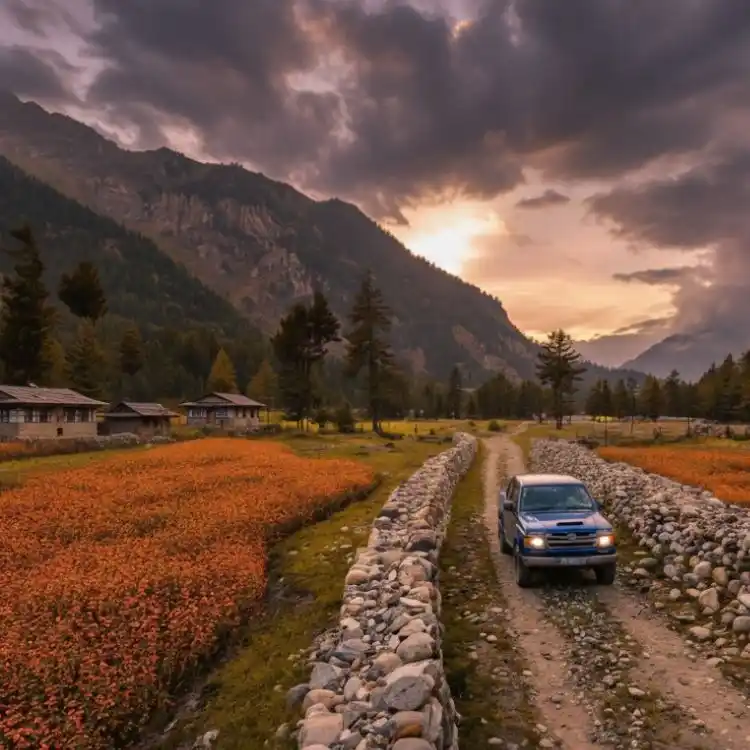
Walk through the last village, sit by the Baspa, and feel the simple fact that the road ends here.
First light on the sacred range is the kind of moment that makes the entire flight from Mumbai worthwhile.
No plan needed. Just time beside one of the prettiest rivers in Himachal. After Mumbai's pace, this contrast alone is worth the trip.
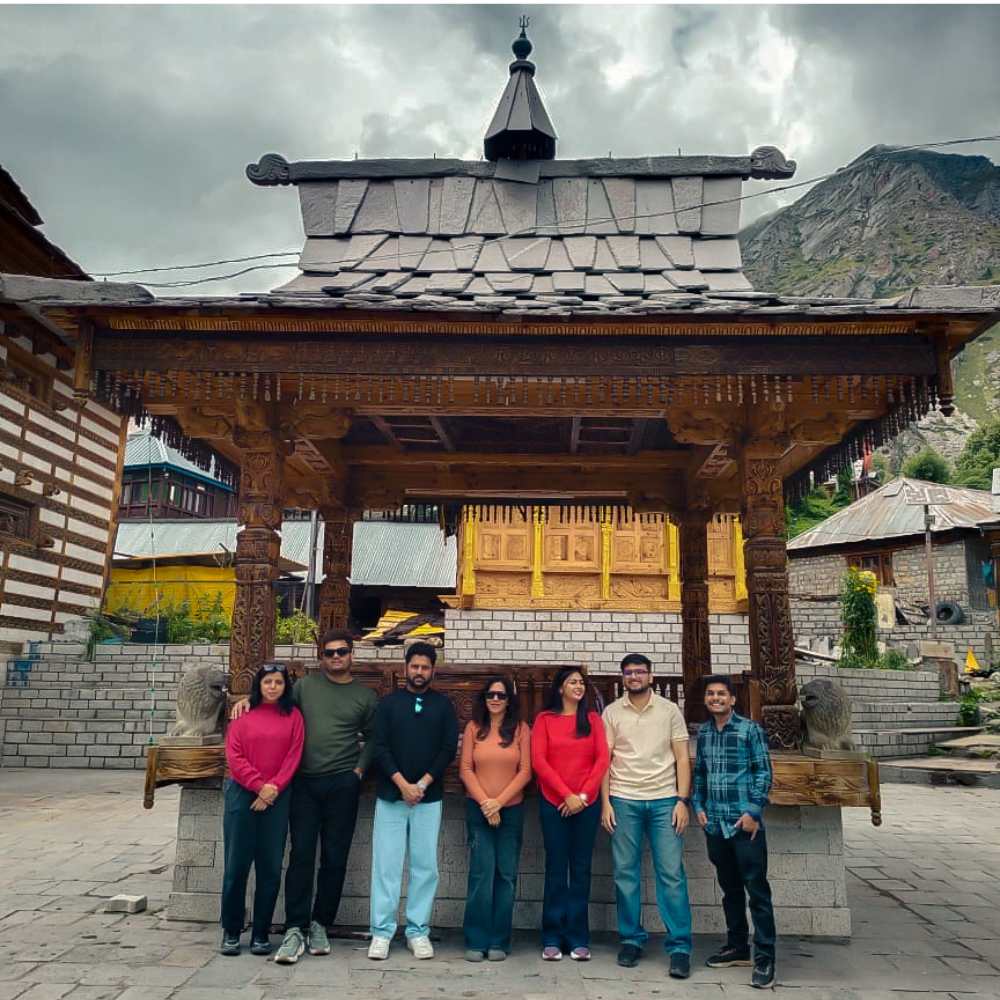
Old wood, stone courtyards and mountain air. A grounding stop early in the journey.
Kinnaur is apple country. Short walks through orchards and along stone paths are some of the best hours of the trip.
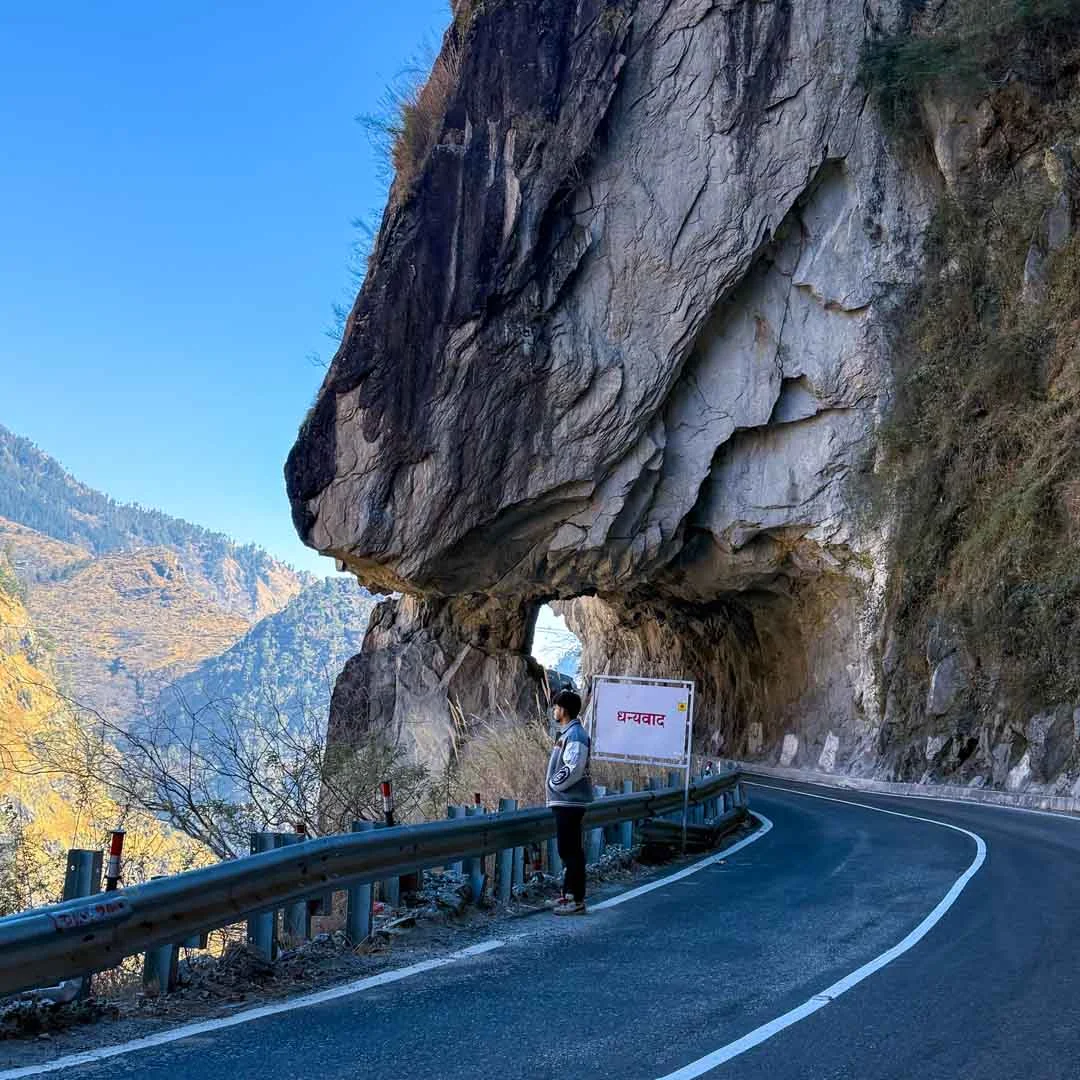
The roads follow rivers and cling to slopes. At a calm pace, the drive itself becomes part of the experience.
With eight or more days, carrying the trip into higher country turns a valley visit into a full Himalayan circuit.

“Travel Coffee truly went above and beyond. Even though we booked from Indonesia without meeting them, we always felt secure — their team was available 24/7 and took care of every detail. Shubham personally ensured our comfort throughout the Himachal trip, from hotel checks to small gestures like bringing lotion and altitude pills. Their sincerity and local expertise made the journey unforgettable.”
Andre & Angel
Six to seven days for a comfortable core trip, including flight days. Eight for the full valley. Nine to ten if adding Nako or Spiti.
Yes, if you have six or more days and want a quiet, scenic Himalayan trip. The flight adds a few hours, but the valley is genuinely worth the journey.
Chandigarh. It is the closest major airport, with reliable daily flights and a shorter road leg to Kinnaur. Delhi works too but adds driving time.
Possible but tight. You lose nearly a full day to travel at each end. Six days is significantly more comfortable.
Mumbai to Chandigarh is about a two hour flight. From Chandigarh, Reckong Peo is roughly 320 to 350 km by road. Total travel from door to valley is about a full day.
Chandigarh saves three to four hours of road time. Delhi has more flight options. For most Kinnaur trips, Chandigarh is the smarter choice.
Shimla has a small airport, but flights are limited and often cancelled due to weather. It is not a reliable option for planning.
April to June and September to November. May and October give the best conditions. Avoid July and August for monsoon risk.
Yes. Core Kinnaur has no high mountain pass, the altitude is moderate, and a seven day plan with relaxed drives suits families well.
Very much. Quiet valleys, river walks, orchard trails and calm mornings make it an ideal trip for couples wanting something different from a beach or city break.
Yes. The Kinnaur and Spiti circuit needs nine to ten days from Mumbai. It is the most complete Himalayan journey available.
Easily. You pass through Shimla on the way in and out. Adding a night there costs no extra driving.
For quiet scenery and village life, yes. Manali is more developed and easier to navigate, but Kinnaur is far less crowded and more rewarding for travellers who want calm.
Different trips. Ladakh is higher, harder to reach and more expensive. Kinnaur is gentler, greener and needs fewer days. For a first Himalayan trip from Mumbai, Kinnaur is the easier choice.
For core Kinnaur in a good season, a sturdy sedan or compact SUV with a local driver works well. For a Nako or Spiti extension, an SUV with good ground clearance is better.
Indian nationals need no permit for core Kinnaur. An Inner Line Permit applies only beyond Sumdo toward Spiti, or for foreign nationals.
Pack for both Mumbai heat and mountain cold. Layers, warm jacket, cap, gloves, sturdy shoes, sunscreen, sunglasses, rain layer, personal medicines, cash and a water bottle. The temperature gap is significant.
Yes, in winter. Upper Kinnaur and Chitkul receive heavy snow. In peak summer, there is no snow in the inhabited valley.
Yes. Expect simple, home cooked North Indian and Himachali meals. Dal, rajma, roti, vegetables and occasional Tibetan food. It is wholesome and filling, but different from coastal cuisine. Carry snacks you like for the road.
Send us a message on WhatsApp with your travel dates, group size, preferred comfort level and how many days you have. We will help you choose the right itinerary, advise on flight timing, and send a clear quote.