
 Group Tour
5D/4N
Kinnaur Valley Weekend Group Trip With Sangla Chitkul and Kalpa
1D Sangla•1D Kalpa
₹7,999₹9,999SAVE INR 2,000/ person
Best Delhi To Kinnaur Tour Packages Curated By Experts
Group Tour1D Sangla•1D Kalpa
 Group Tour
1D Yulla Khas•1D Yulla Kanda Campsite

1D Shimla•1D Sangla+1
1D Sangla•1D Kalpa
 Group Tour
2D Sangla•1D Tabo+2
1D Shimla•1D Sarahan+2
Kinnaur is not a casual weekend trip from Delhi. The drive is long, the roads ask for patience, and the valley does not reward people who rush it. But for travellers who plan it properly, Kinnaur is one of the most rewarding journeys in Himachal.
This is the calmer side of the state. Beyond Shimla and Manali, the crowds thin out and the valley opens into apple country, wooden temples, the Baspa river, and slow stone villages that still feel like themselves.
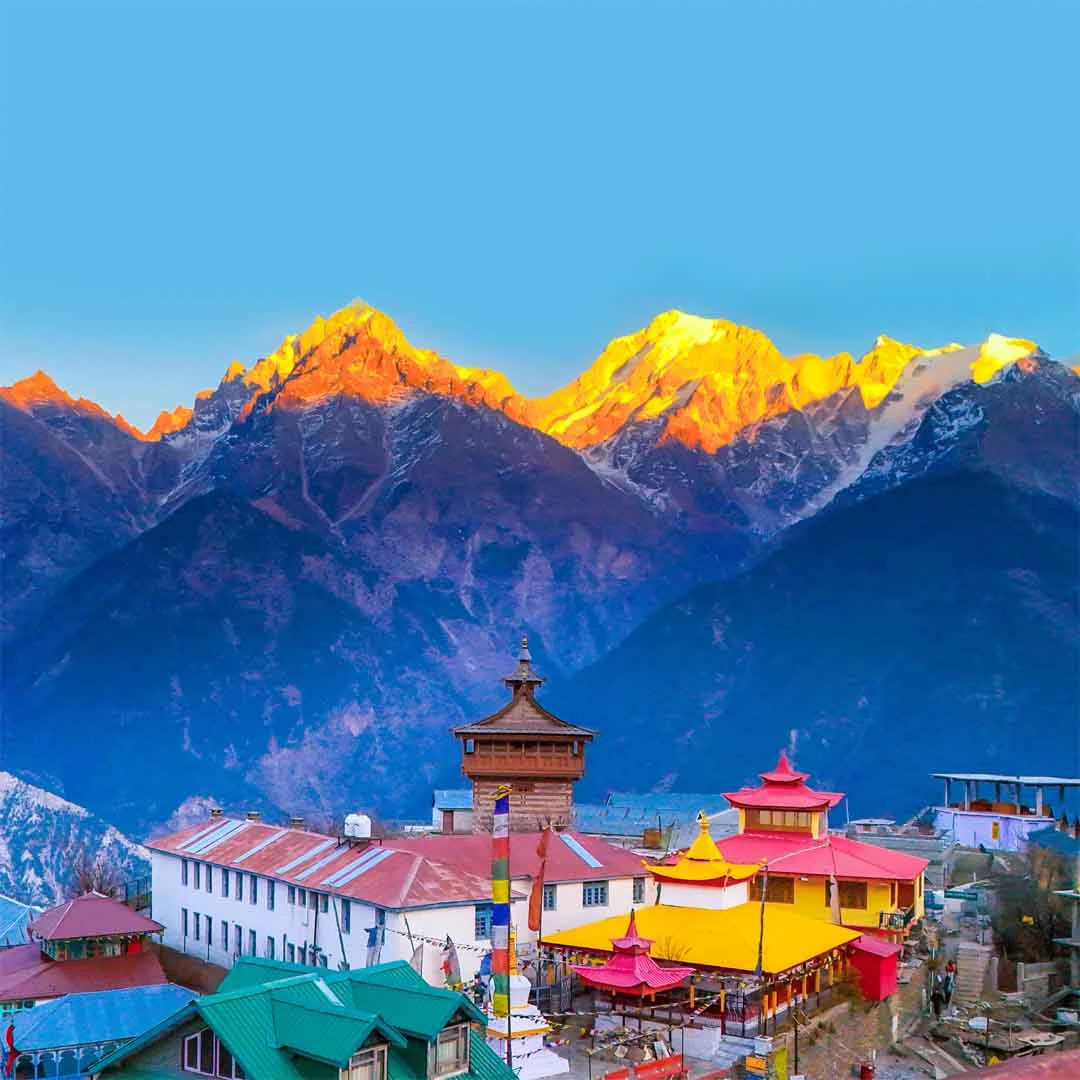
Most Kinnaur tour packages from Delhi take you through the same heart of the valley. Sarahan and its old Bhimakali temple. Sangla and its green river valley. Chitkul, the last village on the road before the border. Kalpa, where the Kinner Kailash range catches the first light of the day.
The pull of Kinnaur is quiet rather than dramatic. It is sunrise over a sacred peak, an orchard you can walk into, a road that follows a river for hours. It is a trip that works best when you give it room to breathe.
For travellers with limited leave who still want a real taste of the valley. You travel from Delhi to a hill halt, drive into Kinnaur, spend time around Sangla, Chitkul and Kalpa, and return. This format works, but it moves fast. It suits fit travellers and small groups who do not mind back to back driving days.
The most balanced short Kinnaur trip from Delhi. You get a proper night before entering the valley, unhurried time in Sangla and Chitkul, and a full experience of Kalpa before turning back. This is the package most couples and small families should look at first.
The complete core circuit. This version adds Sarahan and the Bhimakali temple, gives you a relaxed day in the Sangla area, and keeps a little buffer in case the roads ask for it. The most comfortable way to see Kinnaur as a destination in its own right.
For travellers who want to go past the green valley into the drier, higher landscape where Kinnaur begins to turn into Spiti. You cover core Kinnaur, then carry on to Nako and its lake, and Tabo with its very old monastery. Suits travellers comfortable with higher altitude and longer drives.
The full circuit. You travel through Kinnaur, cross into Spiti through Nako and Tabo, spend time around Kaza and the high villages, and exit toward Manali depending on the season and road conditions. The most complete Himalayan journey. Choose it if you have the days and want a real circuit rather than a single valley.
Choose a short Kinnaur trip if you have only five days of leave and you mainly want Sangla, Chitkul and Kalpa. It is the famous heart of the valley, and even a tight version of it is worth doing.
Choose a comfortable Kinnaur circuit if you have six or seven days. This is the right call for most couples and families. You add Sarahan, you slow down in Sangla, and you actually enjoy Kalpa instead of passing through it.
Choose Kinnaur with Nako if you have around eight days and you want the landscape to change. Nako and Tabo bring you into higher, drier country and a different kind of beauty, without committing to the full Spiti loop.
Choose the Kinnaur and Spiti circuit if you have nine or ten days, you are comfortable with altitude, and you want a complete circuit. Kinnaur becomes the gentle, green first half of a much bigger trip.
This is the standard route. Delhi to Shimla is about 360 km, seven to eight hours. Shimla to Narkanda about 65 km through apple country. Narkanda to Rampur about 65 km, dropping toward the Sutlej. Rampur to Sarahan, a climb of about 40 km to the gateway of Kinnaur. Sarahan to Sangla around 95 km through Karcham into the Baspa valley. Sangla to Chitkul about 25 km up the valley. Sangla to Kalpa about 40 km crossing toward Reckong Peo. Kalpa to Delhi returns the same way with one night halt.
The same first leg as Route 1. Through Kinnaur at a sensible pace as the green, lower part of the journey. Kalpa to Nako around 100 km as the landscape dries and peaks turn starker. Onward into Spiti proper with Tabo and Kaza. The exit depends on the season, either back through Kinnaur or toward Manali when that route is open.
We are a local Himachal team, and we plan Kinnaur trips the way we would plan them for our own families.
Local route understanding. We know the Hindustan Tibet Road, where it slows down, and how the stretch after Rampur behaves in different months. Our itineraries are built on how the road actually drives, not on an optimistic map.
Realistic driving hours. We do not hide the distance. We plan halts and daily drives that match the route, so you arrive at each stop with energy left.
Honest itinerary guidance. If you have five days, we will plan a workable trip. We will also tell you plainly if six or seven would make it significantly better. We would rather plan the right trip than sell a long one.
Better stays in the right places. Our stays in Sangla, Kalpa, Chitkul and Sarahan are personally checked. In a remote valley, comfort comes from clean, warm, well run homestays and hotels.
Driver and vehicle quality. Local drivers who know the valley, the dialect and the road, in vehicles matched to the route and your group size.
Season based planning. We plan around the real calendar of the valley, including monsoon risk in July and August and the early winter window.
Flexible route support. Mountain roads change. When a diversion or a delay happens, we adjust the plan on the ground with calm communication.
Private cab from Delhi is the most common choice for couples and families. One vehicle and one driver from your doorstep through the whole trip, with luggage space and flexibility on timing and stops.
Volvo or train to Shimla, then a private cab. Many travellers take an overnight Volvo or a train to Shimla, then begin the mountain leg in a local vehicle. This breaks up the journey and is easier on the body.
Self drive is possible for experienced drivers who are comfortable on mountain roads. The plains leg is simple. The valley leg needs more attention.
Time zone: Indian Standard Time (IST), UTC+5:30.
Currency: Indian Rupee (INR). ATMs are limited in the valley. Carry enough cash from Shimla or a larger town.
Languages: Hindi widely spoken. Kinnauri locally. English understood at tourist-facing stays.
Mobile network: coverage gets patchy deeper into Kinnaur. BSNL and Airtel work better than others. Tell people at home to expect quiet stretches.
Permits: Indian nationals do not need a permit for core Kinnaur including Sangla, Chitkul, Kalpa and Sarahan. An Inner Line Permit is required only when crossing beyond Sumdo toward Spiti, or for foreign nationals in notified areas. We arrange any permit you need.
April to June: most comfortable window. Pleasant weather, accessible roads, green forests. May is the sweet spot.
September to November: finest window for many. Clear skies, sharp light, autumn colour, orchards golden. October is a photographer's favourite.
July to August: monsoon months. Kinnaur has fragile geology and a history of landslides. Not recommended for tight itineraries.
December to February: genuinely cold. Kalpa with snow on Kinner Kailash is extraordinary. Chitkul road typically closes. For prepared travellers.
Six to seven days for a comfortable core Kinnaur trip covering Sangla, Chitkul and Kalpa. Five days is possible but tight. Eight to ten days if adding Nako or Spiti. Anything under five days is not realistic from Delhi.
Core Kinnaur has no high mountain pass on its main route. The altitude is moderate. The biggest real risk is road fatigue from long drives. Sensible halts and shorter daily distances solve most of it. For families with small children or older travellers, a six or seven day plan with relaxed driving days works well. The valley does not have one dramatic moment to rush toward. It is a series of quiet ones, and they need room.
11 packages found
Group Tour1D Yulla Khas•1D Yulla Kanda Campsite
1D Sangla•1D Kalpa
Group Tour1D Sangla•1D Kalpa
1D Shimla•1D Sangla+1
Group Tour2D Sangla•1D Tabo+2
1D Shimla•1D Sarahan+2
 Group Tour
1D Jibhi•1D Sangla+4
 Group Tour
1D Narkanda•1D Sangla+5
 Group Tour
1D Kalpa•3D Sangla+1
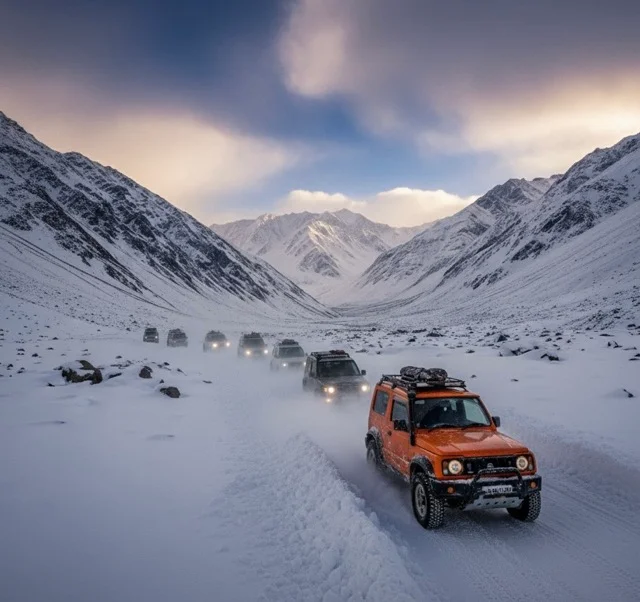
1D Narkanda•2D Sangla+4
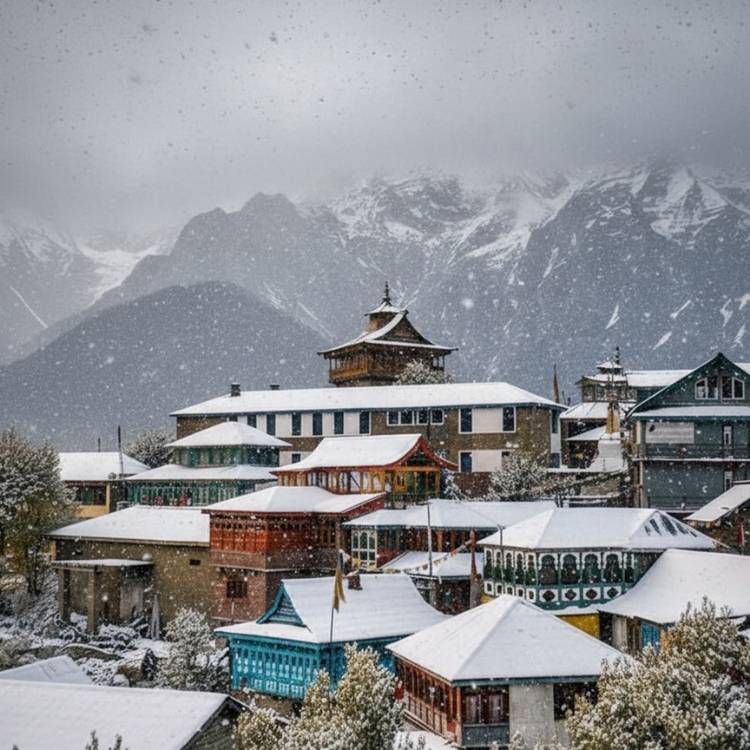
1D Narkanda•2D Sangla+4
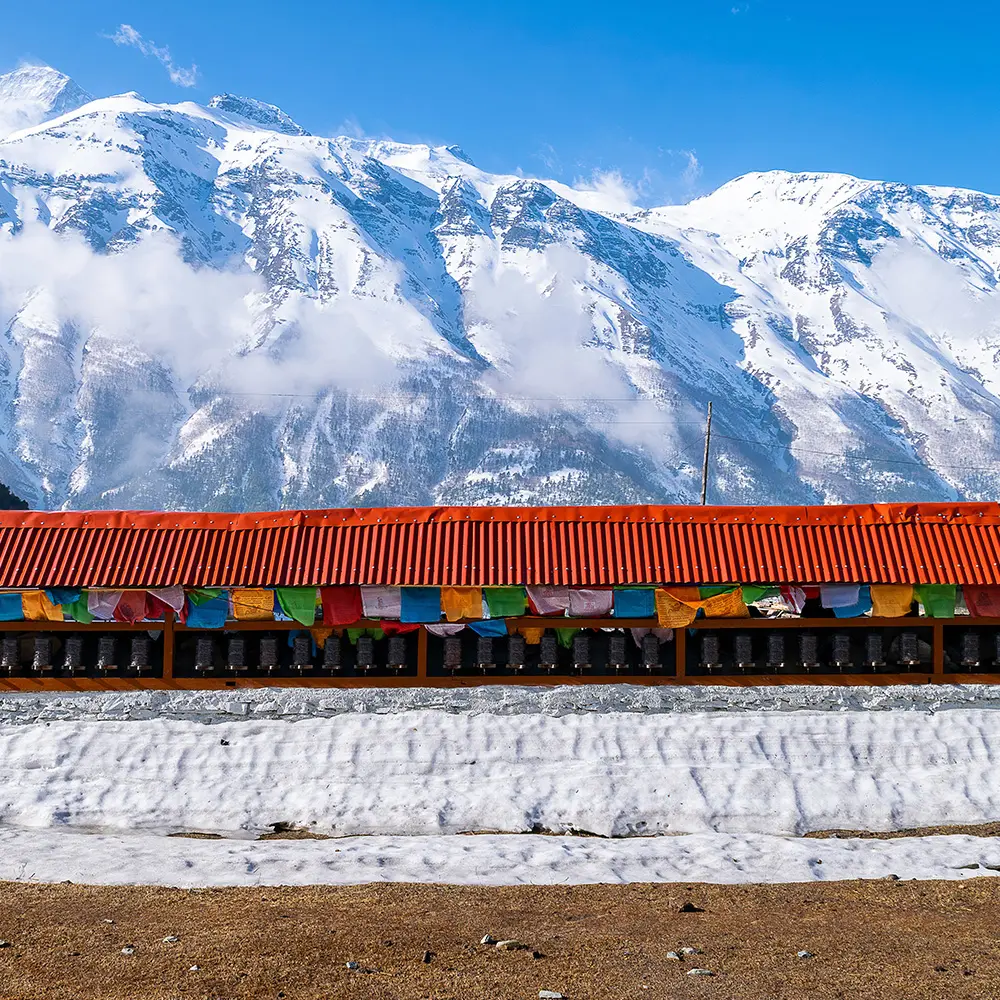
A calm halt in apple country on the way up. Pine and deodar forest, and a gentle introduction to the mountains before the deeper valley.
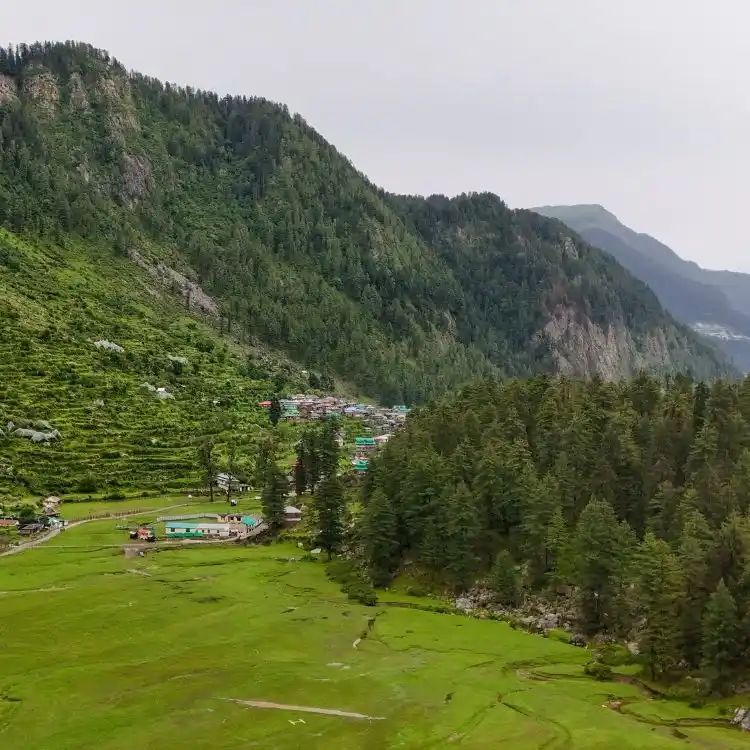
Known as the gateway to Kinnaur. Slate roofed houses, terraced fields, and the first real sense that you have left the busy hills behind.
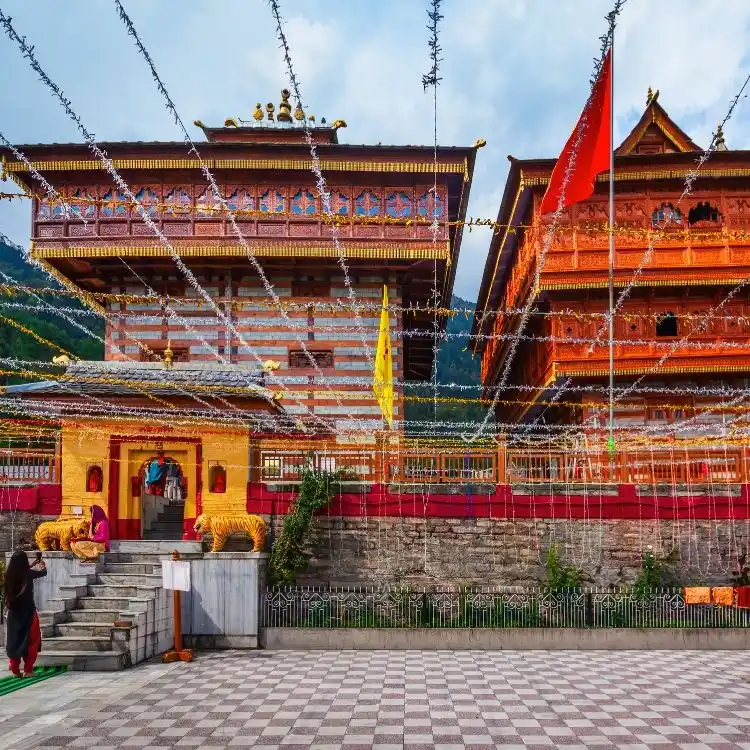
The old wooden temple at Sarahan, counted among the 51 Shakti Peeths and one of the most distinctive temples in this part of Himachal. It has a quiet, weighty feel, with views toward the high peaks behind it.
A broad, green river valley along the Baspa. Terraced fields, traditional villages and forested slopes. One of the most pleasant places to slow down in Kinnaur.
An old fortified structure above Sangla, reached by a walk through the most photogenic part of the valley. A simple, memorable climb.
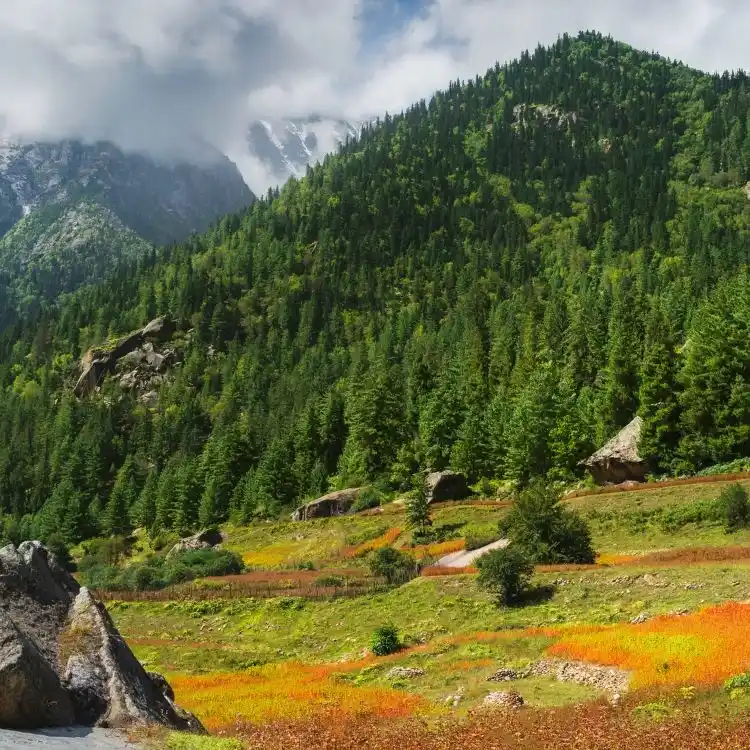
A small village between Sangla and Chitkul, set among fields and the river. An easy, beautiful stop on the way up the valley.
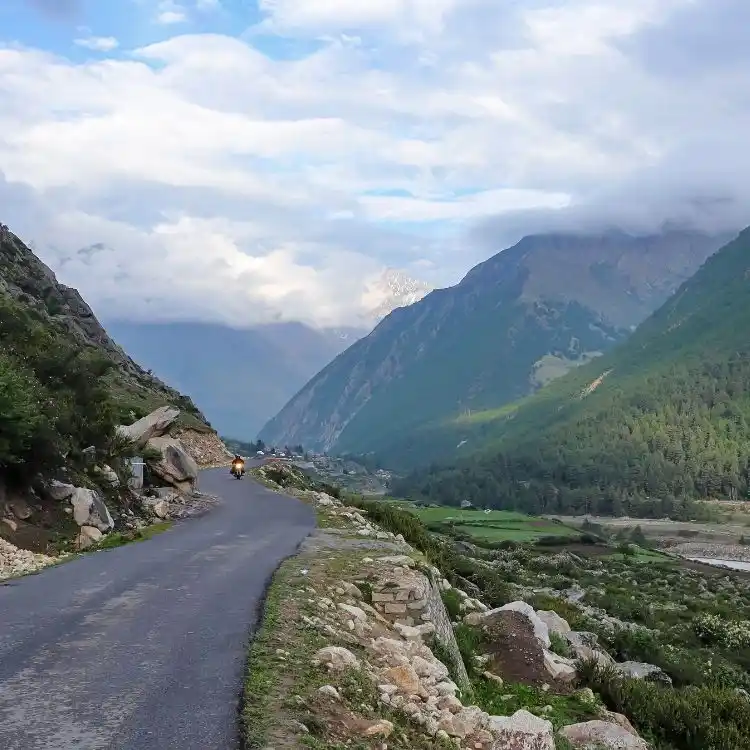
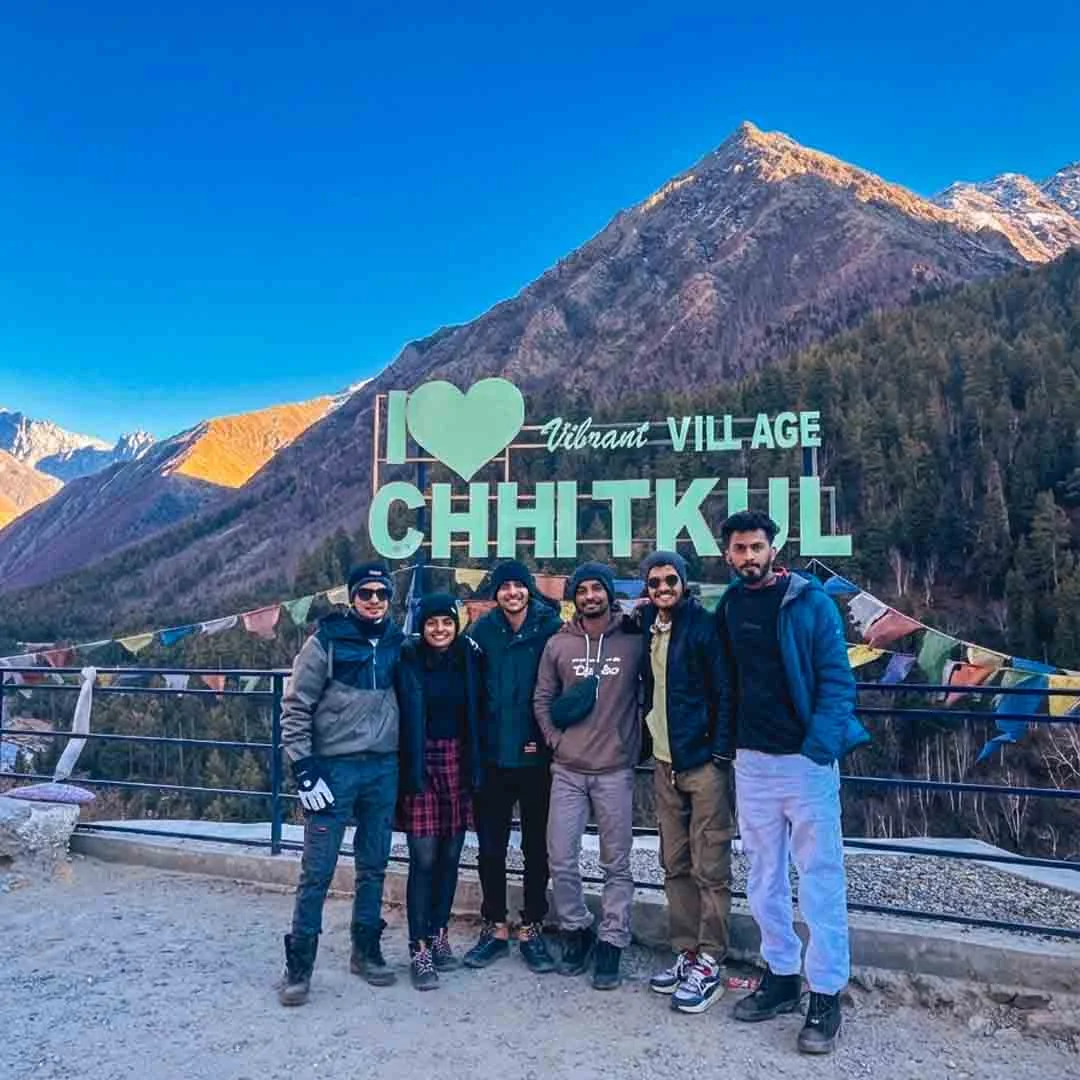
The last inhabited village on the road before the border. The Baspa river, slate roofed houses, barley fields and snow peaks come together here in a way that stays with people.
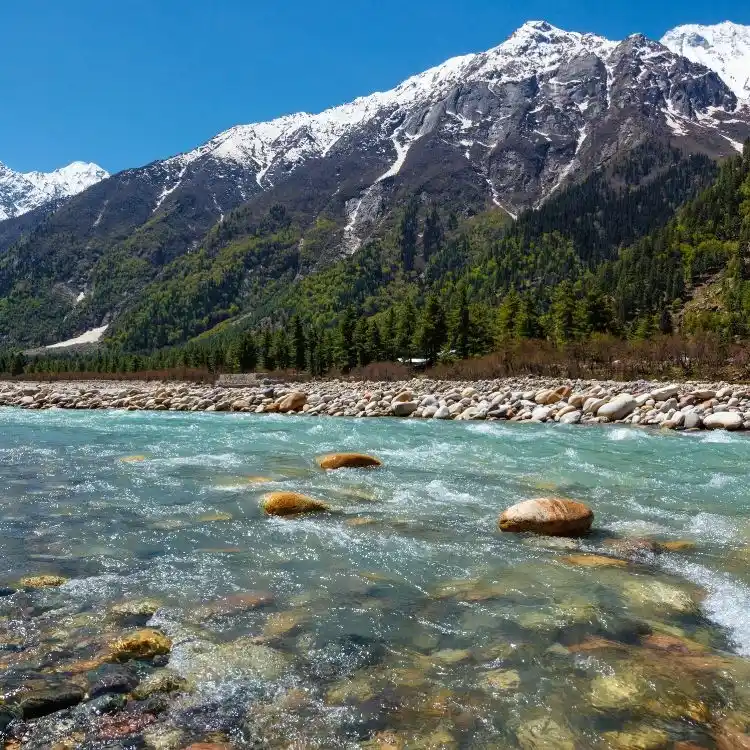
The river that defines the Sangla valley. Time spent simply sitting by the Baspa is one of the quiet pleasures of a Kinnaur trip.
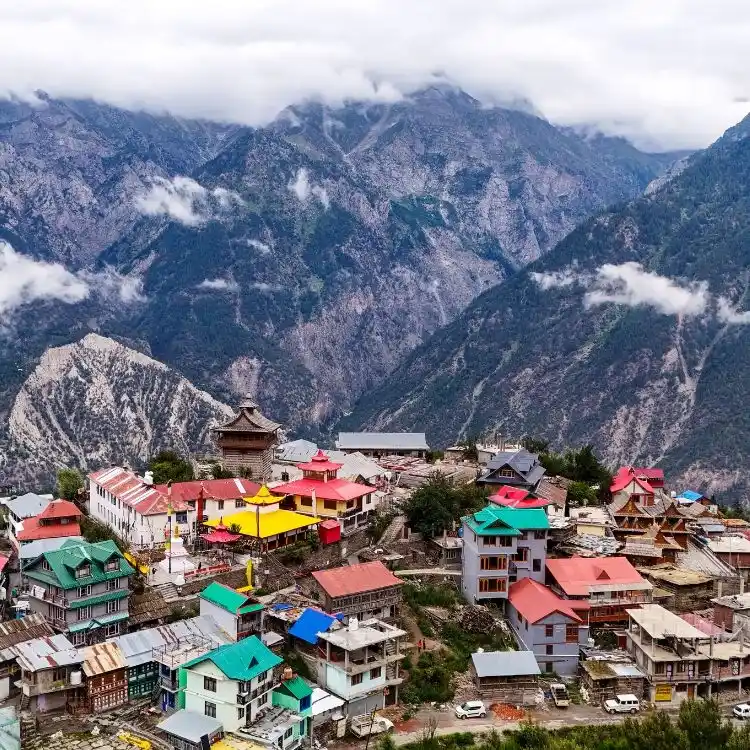
A village set high above Reckong Peo with direct views of the Kinner Kailash range. Apple orchards, old temples and a calm pace.
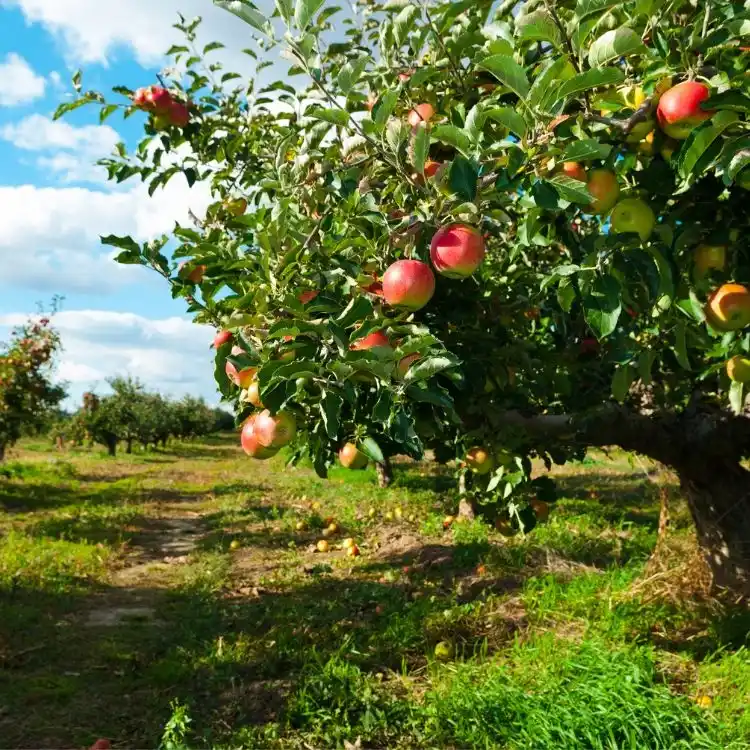
A short walk or drive from Kalpa, through orchards, to a quiet village with valley views. The well known viewpoint near here is a favourite for photographs.
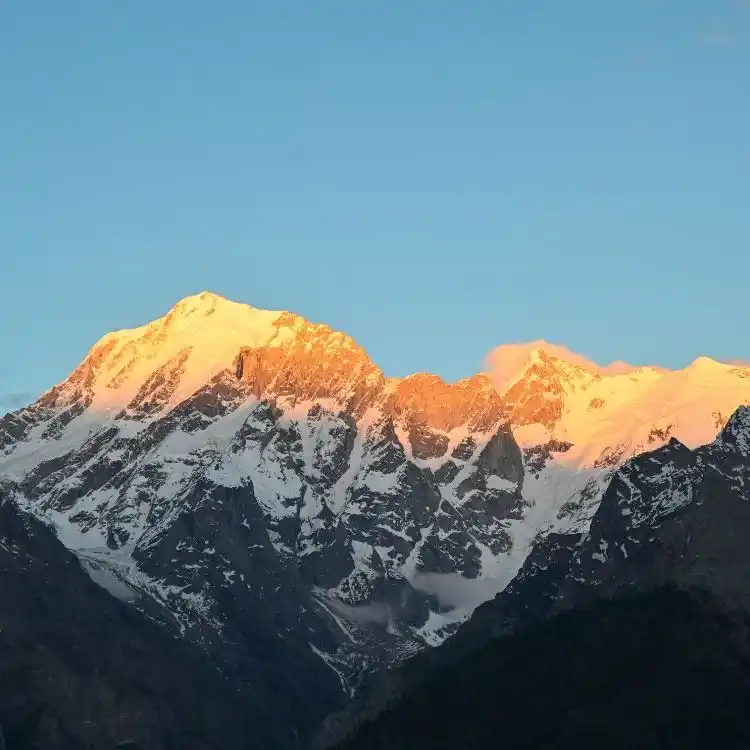
The reason many travellers come to Kalpa. The range catching the first and last light of the day is the visual high point of the valley.
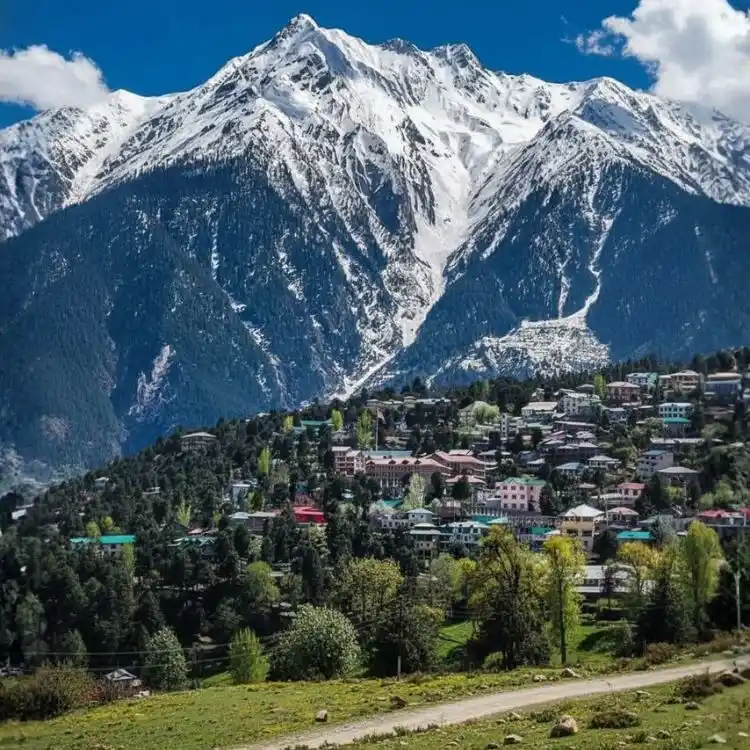
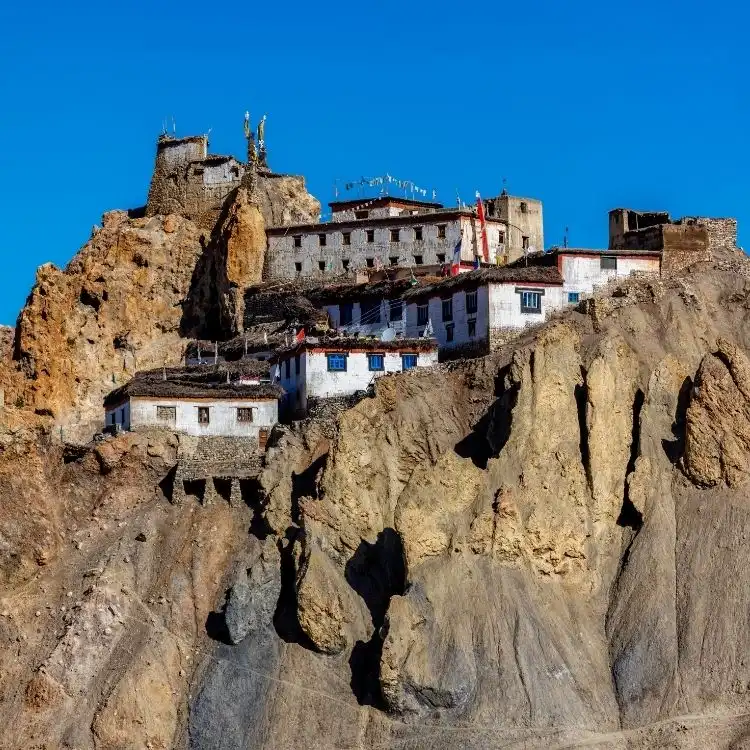
If your trip extends beyond core Kinnaur, Nako is a high village beside a small lake where the landscape turns drier and starker.
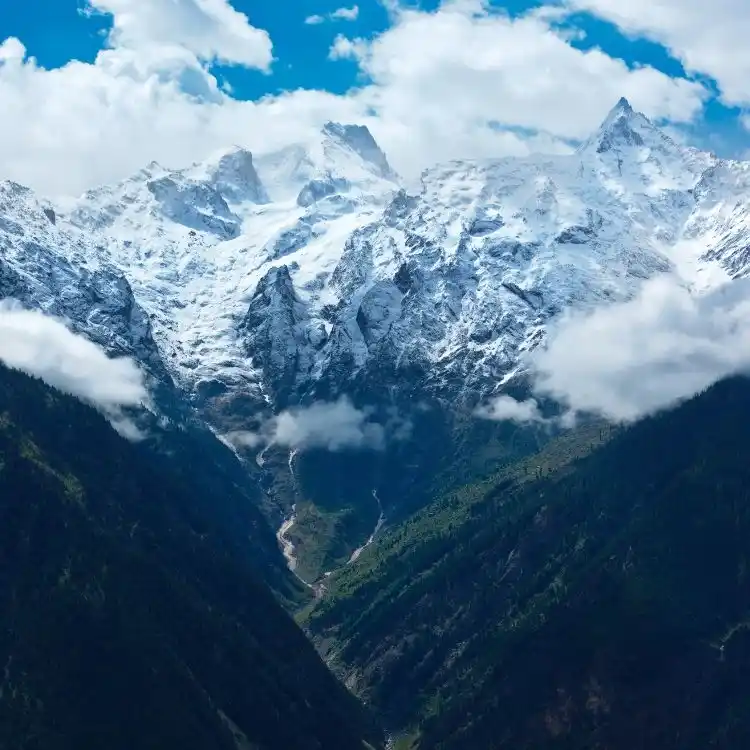
Further on, Tabo holds a monastery complex more than a thousand years old with murals that carry genuine historical weight.
Give yourself an unhurried night or two by the Baspa. The valley is best understood at a slow pace, not as a drive through.
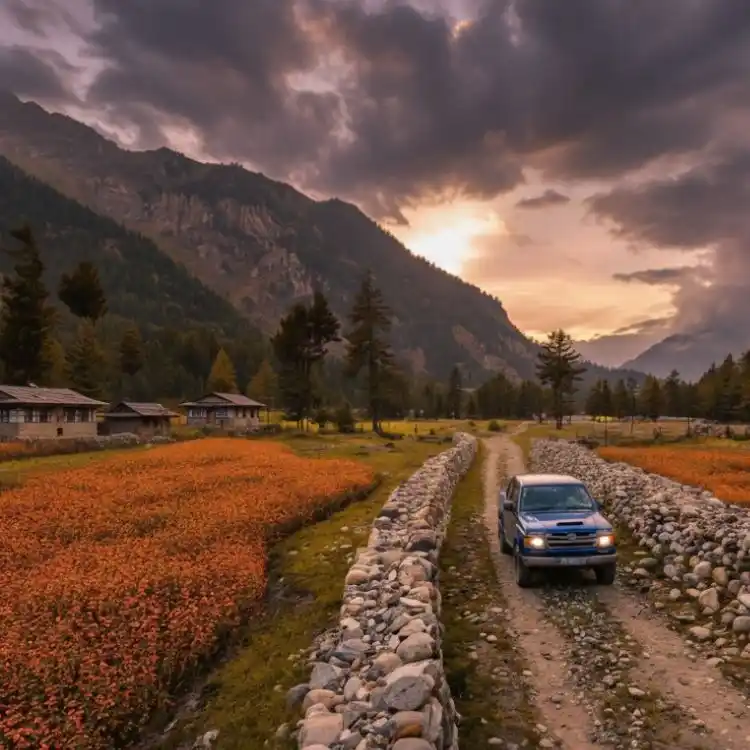
Walk the last village on the road, sit by the river, and take in the simple fact that the border country lies just beyond.
Early light on the range is the kind of moment that justifies the long drive from Delhi.
No itinerary needed. Just time by the water in one of the prettiest valleys in Himachal.
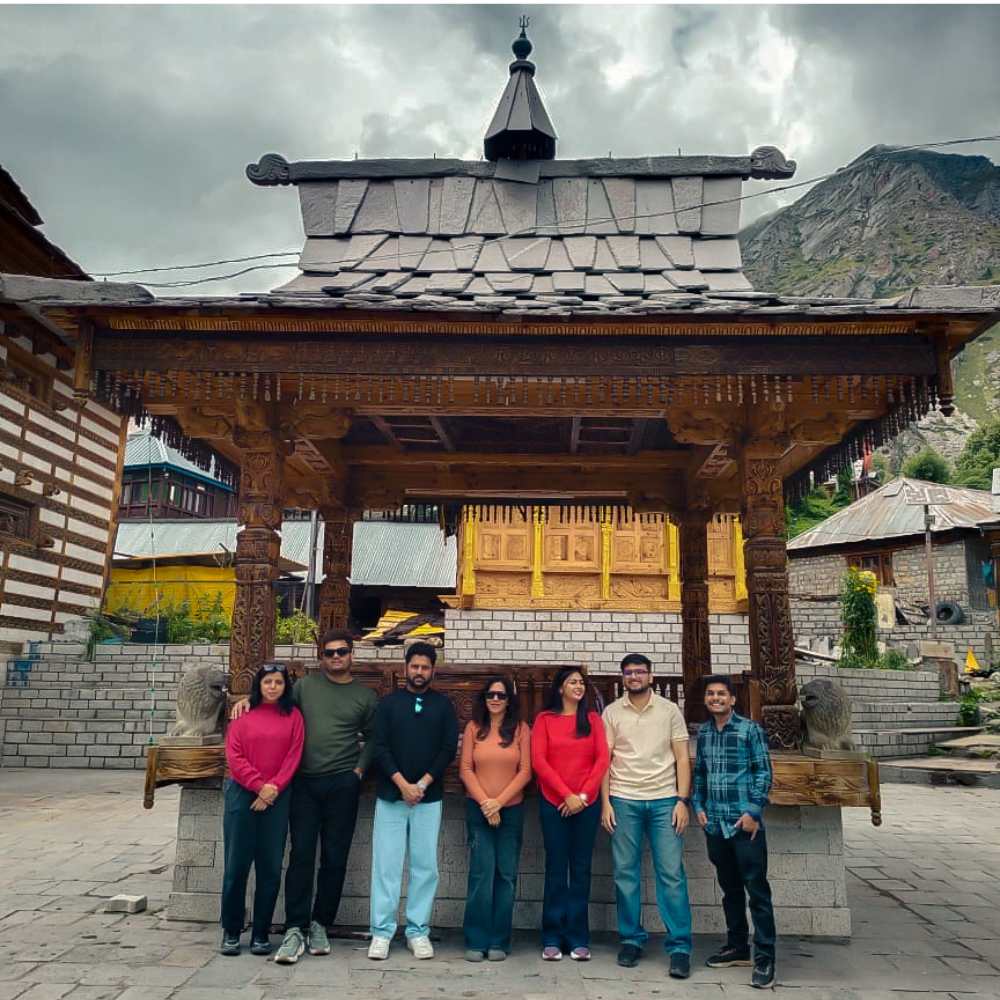
Old wood, quiet courtyards and mountain views. A calm, grounding stop early in the trip.
Kinnaur is apple country. Short walks through orchards and stone villages are some of the best hours of the trip.
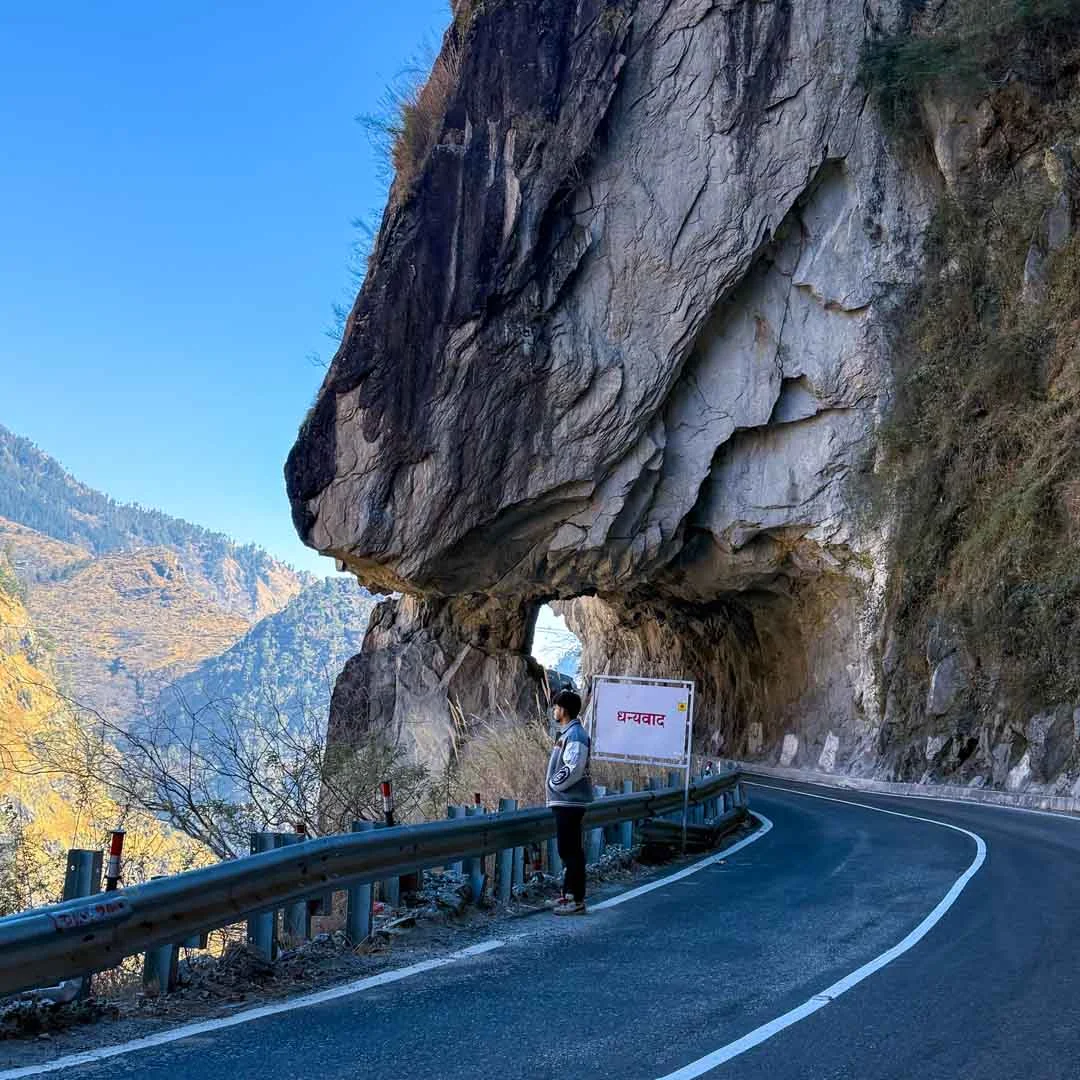
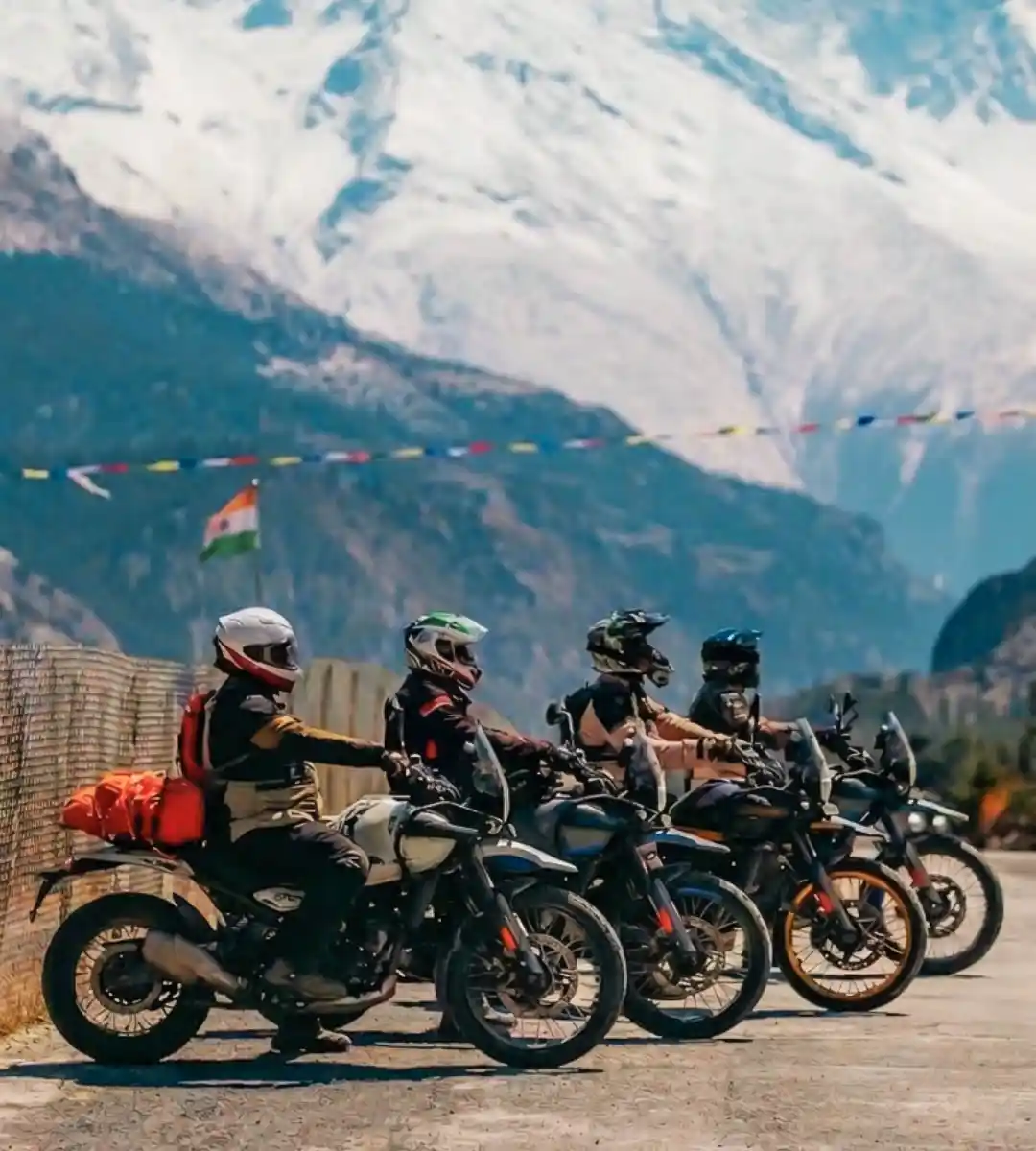
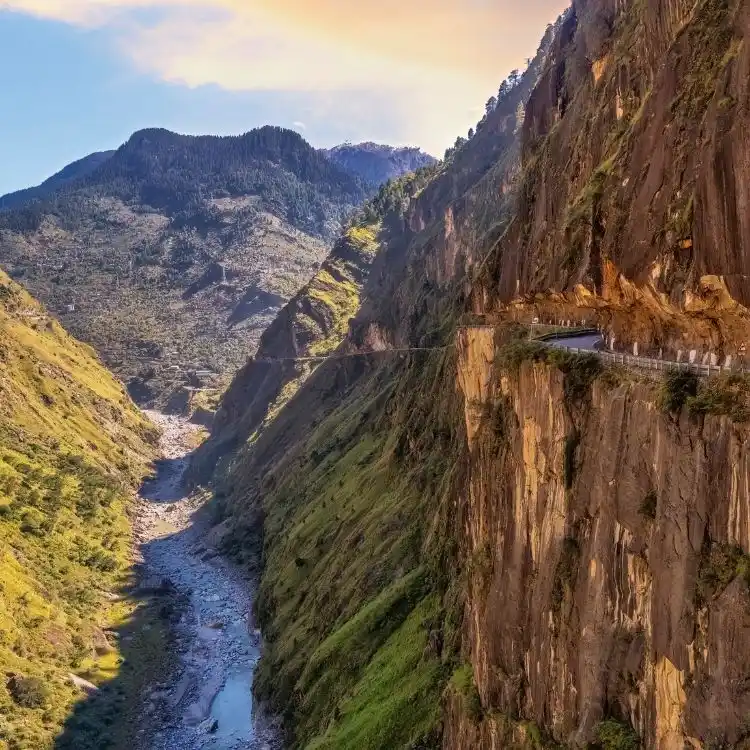
The roads of Kinnaur follow rivers and cling to slopes. Driven at a sensible pace, the journey itself is a large part of the experience.
With eight or more days, carrying the trip into higher country turns a valley visit into a full Himalayan circuit.

“Travel Coffee truly went above and beyond. Even though we booked from Indonesia without meeting them, we always felt secure — their team was available 24/7 and took care of every detail. Shubham personally ensured our comfort throughout the Himachal trip, from hotel checks to small gestures like bringing lotion and altitude pills. Their sincerity and local expertise made the journey unforgettable.”
Andre & Angel
For a comfortable core trip covering Sangla, Chitkul and Kalpa, plan 6 to 7 days. Five days is possible but tight. For Nako or a Spiti extension, plan 8 to 10 days.
Yes, if you want a calmer, more scenic Himachal trip and you plan it with enough days. Kinnaur is quieter than Shimla and Manali, and the drive, while long, is part of the experience.
A 6 or 7 day plan that starts with a hill halt, then covers Sarahan, Sangla, Chitkul and Kalpa at a sensible pace, with a small buffer day. It gives you the heart of the valley without rushing.
Yes, but it is a fast trip. You can reach Sangla, see Chitkul and Kalpa, and return, with two long travel days. It works for fit travellers. Six days is noticeably more comfortable.
No. Four days from Delhi means almost all your time goes into driving, with barely a day inside the valley. Five days is the realistic minimum.
In most of our Kinnaur tour packages from Delhi, yes. Chitkul is one of the highlights of the valley, usually done as a drive up from Sangla.
Yes. Kalpa gives you the clearest views of the Kinner Kailash range, along with orchards and quiet village walks. It is one of the two places we suggest you never skip.
They offer different things. Sangla is a green river valley that is lovely to slow down in. Kalpa is higher, with the big mountain views. Most good itineraries include both rather than choosing.
Yes. The classic Kinnaur and Spiti circuit runs through Shimla, Kinnaur and Spiti, and exits toward Manali when that route is open. It needs 9 to 10 days at least.
April to June and September to November. May and October usually give the best balance of clear roads, good weather and strong views. July and August carry monsoon risk.
The monsoon months of July and August carry real risk of landslides and road closures, as Kinnaur has fragile geology. Travel is possible with buffer days and a flexible plan, but many travellers are better off shifting dates.
Yes, with the right pace. Core Kinnaur has no high mountain pass on its main route, the altitude is moderate, and a relaxed 6 or 7 day plan suits families well.
Very much. Quiet valleys, river stays, orchard walks and slow mornings make Kinnaur a calm, scenic trip for couples who do not want a crowded hill station.
For core Kinnaur in a good season, a sturdy sedan or compact SUV with a capable local driver is usually enough. For a Nako or Spiti extension, an SUV with good ground clearance is better.
Yes, if you have mountain driving experience. The plains leg is easy. The valley roads after Rampur are narrower and need attention. First timers on such routes are often more comfortable with a local driver.
Yes, in the colder months. Upper Kinnaur and Chitkul get heavy snow in winter, and Kalpa with fresh snow is a striking sight. In peak summer you will not find snow in the inhabited valley itself.
Indian nationals do not need a permit for core Kinnaur including Sangla, Chitkul, Kalpa and Sarahan. An Inner Line Permit applies only when crossing beyond Sumdo toward Spiti, or for foreign nationals in notified areas.
Reckong Peo, the district town, is roughly 570 to 600 kilometres from Delhi by road via Shimla. It is a long drive, which is why a sensible halt on the way is part of every good plan.
Layers, a warm jacket, cap and gloves for cold mornings and higher villages, sturdy shoes for walks, sunscreen and sunglasses, a rain layer outside the driest months, personal medicines, cash and a water bottle.
For peace, scenery and village life, many travellers prefer Kinnaur. Manali is easier to reach and more convenient for first time hill travellers. Kinnaur rewards those willing to drive further for a quieter trip.