

4D/3N
Kinnaur Valley Scenic Circuit With Sangla Chitkul and Kalpa
1D Shimla•1D Sangla+1
₹16,999₹17,999SAVE ₹1,000/ person
Best Chitkul Tour Packages Curated By Experts
1D Shimla•1D Sangla+1
1D Sangla•1D Kalpa
 Group Tour
2D Sangla•1D Tabo+2
1D Shimla•1D Sarahan+2
 Group Tour
1D Sangla•1D Kalpa
Best Chitkul Tour Packages Curated By Experts
Chitkul is the kind of place you reach slowly and remember for a long time. India's last inhabited village near the Indo-Tibet border, sitting quietly above the Baspa River, where the road quite literally runs out.
Most Himachal trips end up in Shimla or Manali. Good roads, plenty of hotels, plenty of crowds. Chitkul is the opposite of that pace.
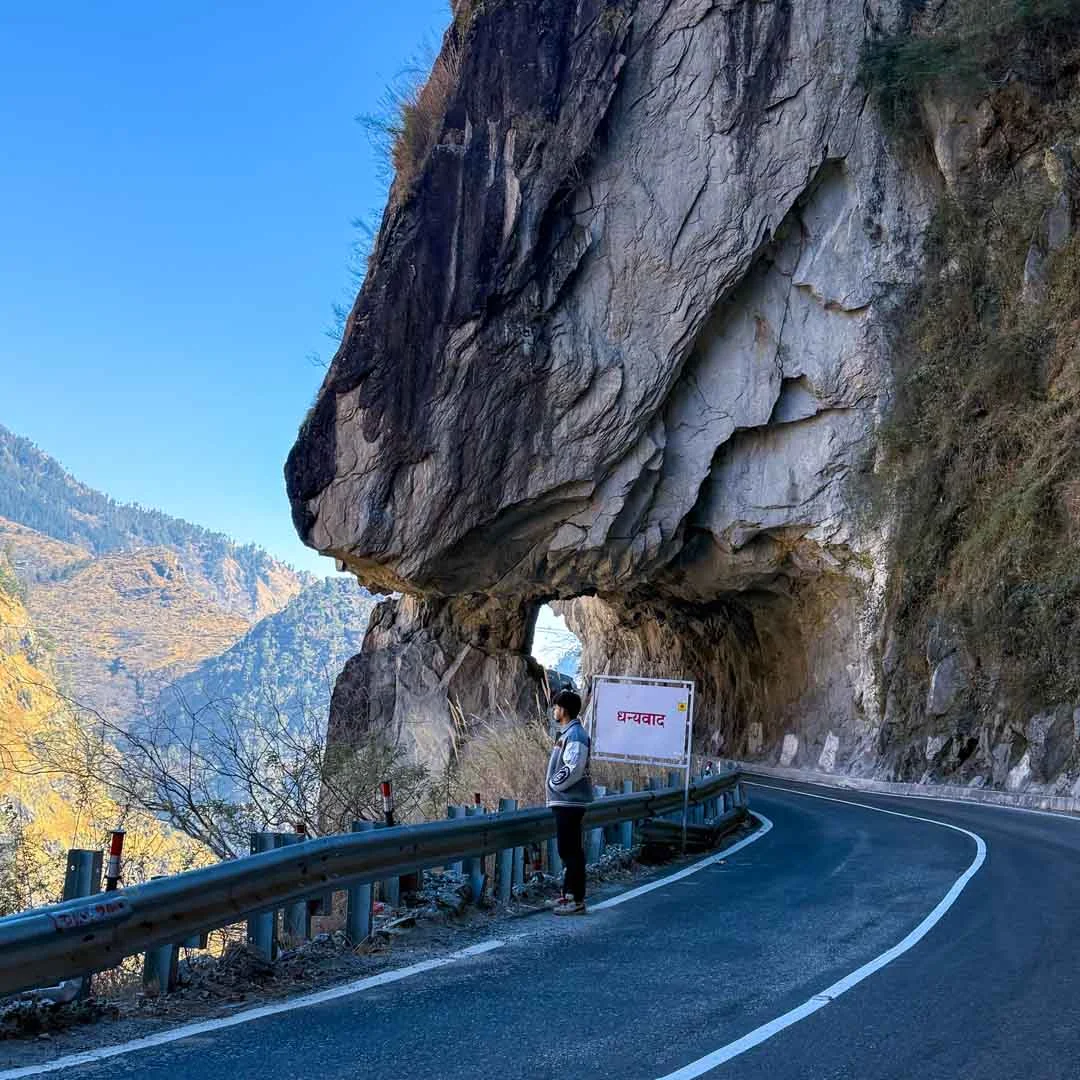
The drive into Kinnaur takes you along the Baspa Valley, past apple orchards and old wooden homes built to hold the cold. The air thins, the noise drops, and beyond the village the valley belongs to the mountains and the border. That end-of-the-road feeling is the whole point.
Our Chitkul tour packages are planned by a Himachal based team that drives these roads through the year. We pair Chitkul with Sangla, Rakcham and Kalpa so the trip feels easy, not rushed.
Most travellers need 4 to 6 days depending on the starting city, with stays, breakfast and dinner, a private cab or group transport, and full route planning included. Packages start from around ₹14,999 per person.
Because Google will not tell you which weeks the road into the Baspa Valley needs a buffer day, or that a tired traveller in a hurry sees the road while a rested one sees the valley.
Kinnaur is home ground for us, and we plan these trips the way we would plan our own.
A quick human note: tell us your travel dates and pickup city, and we will tell you honestly whether the timing works for Chitkul.
Some weeks the road is easy, some weeks it needs a buffer day. We would rather be honest than oversell.
A Travel Coffee note: we do not recommend rushing Chitkul from Delhi in 2 or 3 days. The road journey is long, the altitude climbs steadily, and Kinnaur is genuinely better when it is paced.
We keep pricing honest. Our Chitkul packages usually start from around ₹14,999 per person, but the final cost depends on your trip, not on a brochure figure.
What moves the price: your pickup city, group size, hotel category, season, vehicle type, private trip versus group departure, meal plan and total duration.
Share your travel dates, pickup city, number of people and hotel preference, and we will send a clear, itemised quote.
April to June and September to November are the easiest and most comfortable windows, with open roads, green orchards in summer and golden light in autumn.
The monsoon months need a buffer day for possible landslides. Winter can bring snow and a beautiful, empty valley, but access depends entirely on road and weather updates, so we confirm winter trips honestly closer to travel.
A simple truth about Kinnaur: roads here move with the weather. We would rather adjust a plan than send you into a closed stretch.
State buses do run towards Reckong Peo and Sangla, but they are slow and infrequent for a holiday. For comfort, pacing and flexibility, a private cab with a driver who knows these routes is the sensible option for couples and families.
Stay in Chitkul for the raw village experience, the river close by and a quiet night under a dark, starry sky. Stays here are basic, so come for the atmosphere, not the comfort.
Stay in Sangla for better logistics and a wider choice of stays, a short drive from Chitkul. Stay in Kalpa for Kinner Kailash views from your window and the better hotels in Kinnaur.
For most travellers, the best plan is to combine Sangla or Chitkul with Kalpa, so you get the village feeling and the comfort instead of choosing between them.
Chitkul vs Kalpa: Chitkul is the raw, end-of-the-road village. Kalpa is calmer and more comfortable, with direct Kinner Kailash views. Most travellers do both, which is exactly what we recommend.
Chitkul vs Sangla: Sangla is the valley hub with better logistics. Chitkul is quieter and rawer, about 25 km further on. They belong together in one trip.
Chitkul vs Spiti: Chitkul is gentler and greener, at a lower altitude. Spiti is high, dry and far more demanding. Many travellers use Chitkul as the easy first leg of a longer Kinnaur to Spiti road trip.
Chitkul vs Manali: Manali is busy, well connected and built for crowds. If you want cafes and nightlife, Manali fits. If you want silence and a slow valley, Chitkul is the better call.
Chitkul is not just a destination on a map. It is a slow Himalayan road journey that ends where the road runs out, above the Baspa River, at India's last inhabited village.
If that sounds like the trip you want, share four things to begin: your travel dates, pickup city, number of travellers and hotel preference. We will build a Chitkul tour package that fits you, and tell you honestly if the timing needs a tweak.
6 packages found
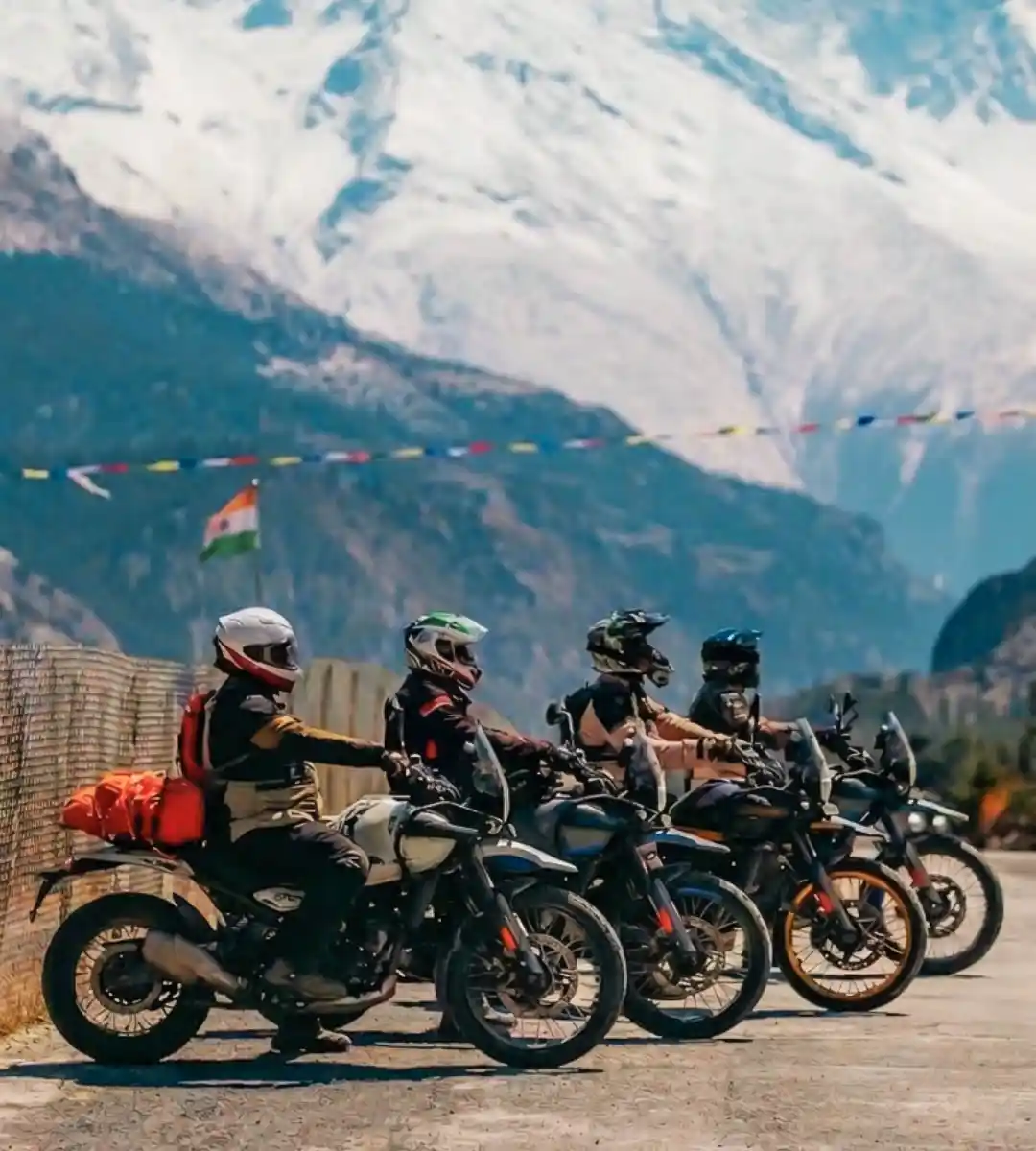 Group Tour
1D Jibhi•1D Sangla+4
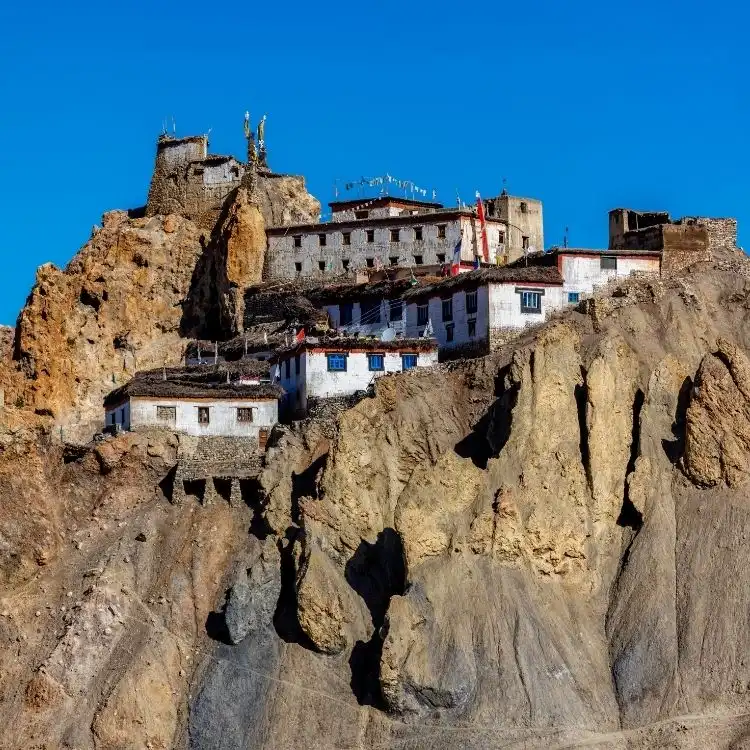 Group Tour
1D Narkanda•1D Sangla+5
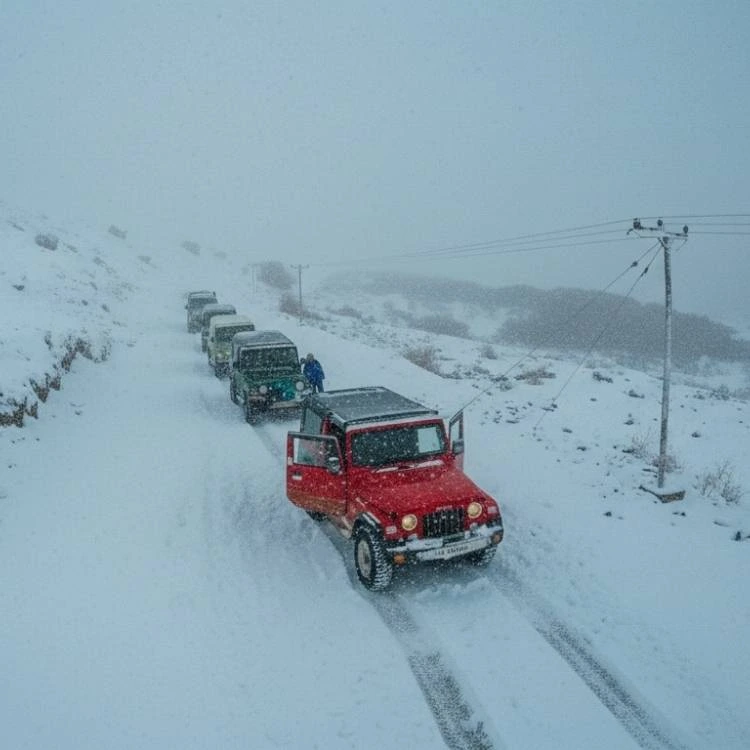 Group Tour
1D Chitkul / Sangla•2D Kalpa+2
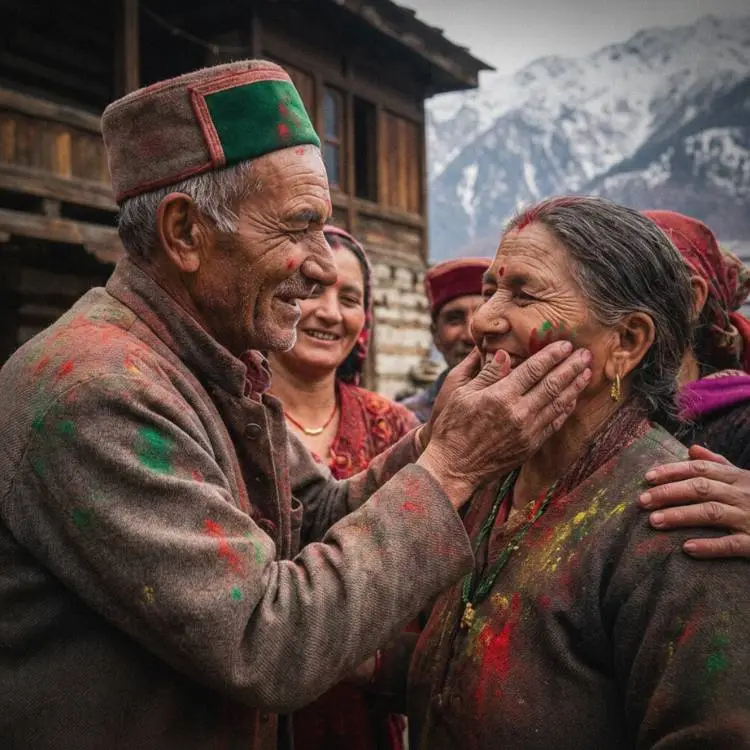 Group Tour
1D Kalpa•3D Sangla+1
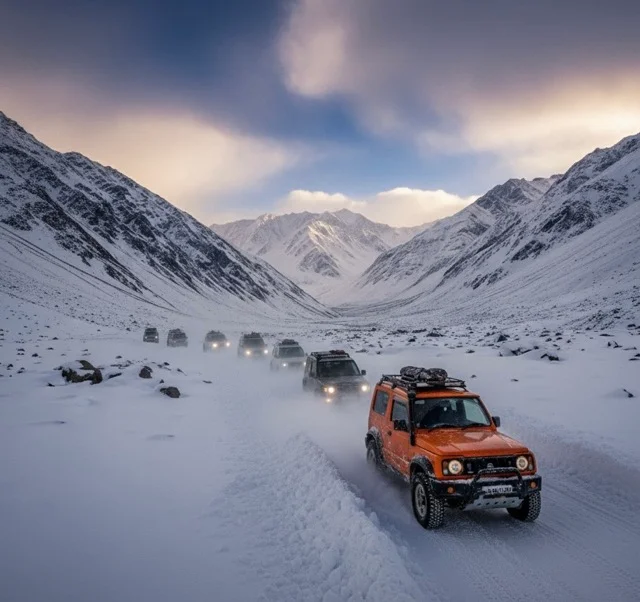
1D Narkanda•2D Sangla+4
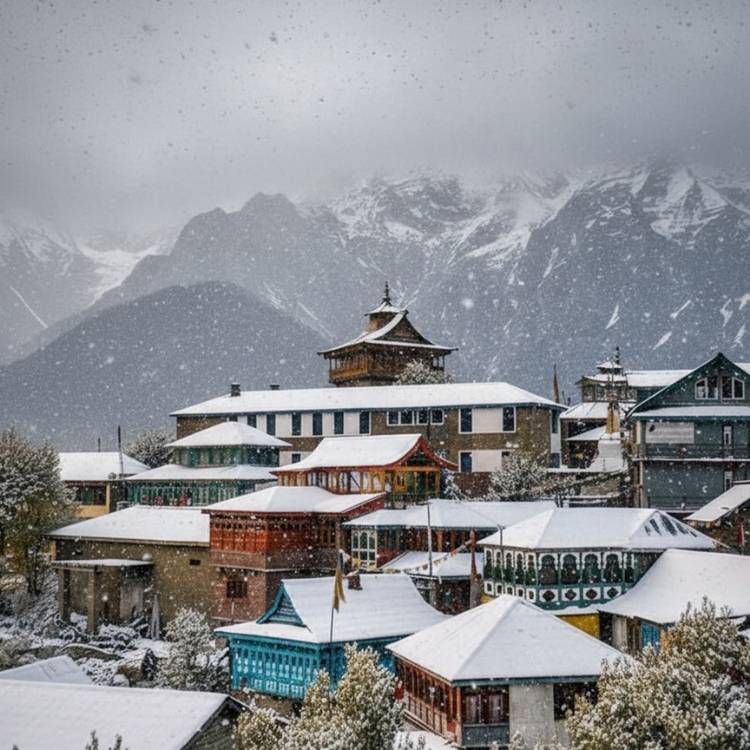
1D Narkanda•2D Sangla+4
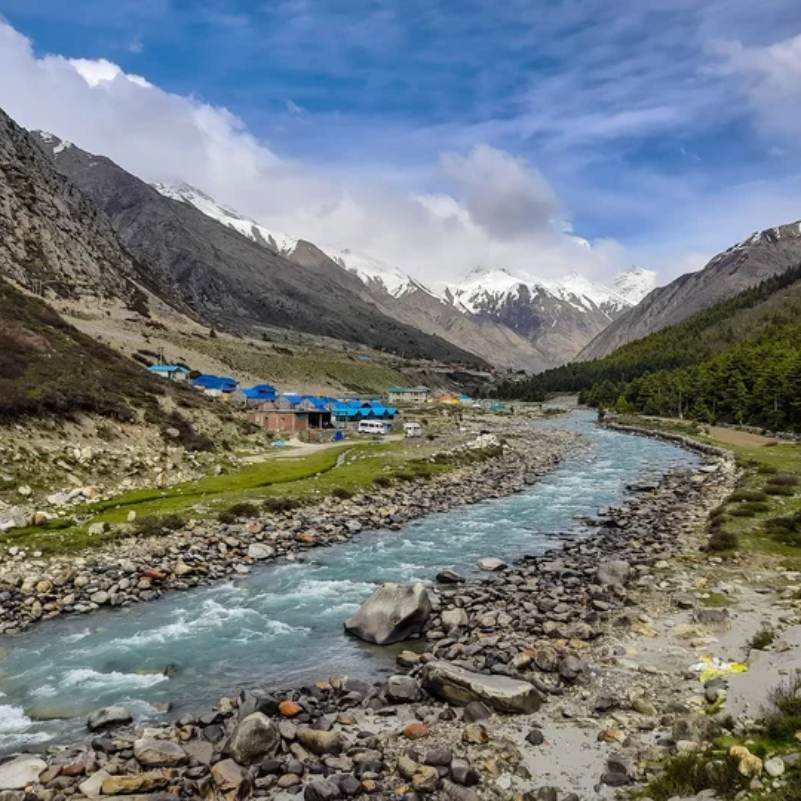
The reason for the trip. India's last inhabited village near the Indo-Tibet border, with wooden homes, the Baspa River close by, and a quiet that is hard to find elsewhere.
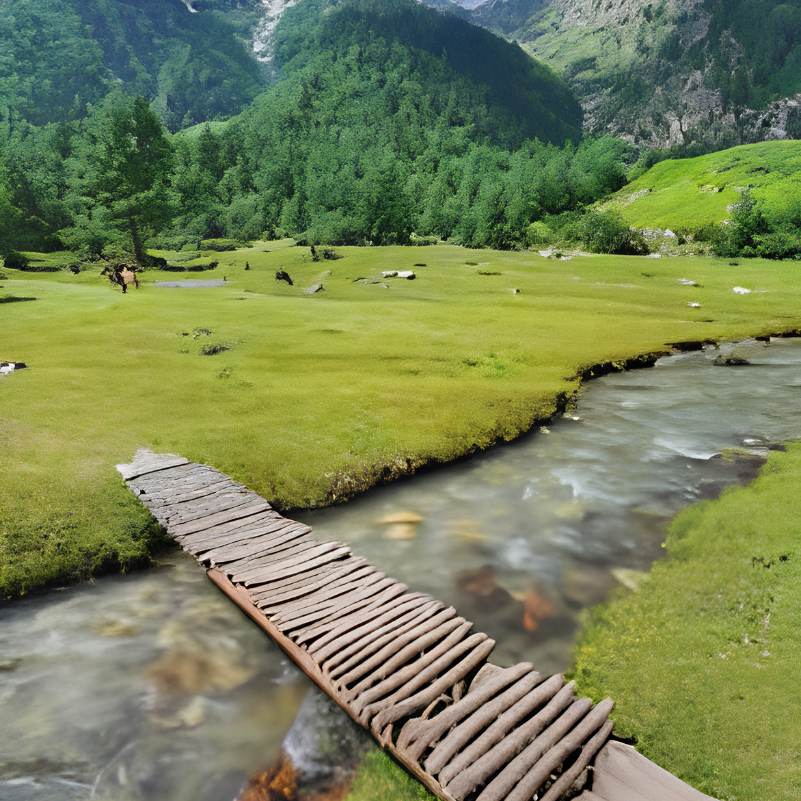
A small village between Sangla and Chitkul, set among fields and orchards. A natural stop on the way, and a calm one.
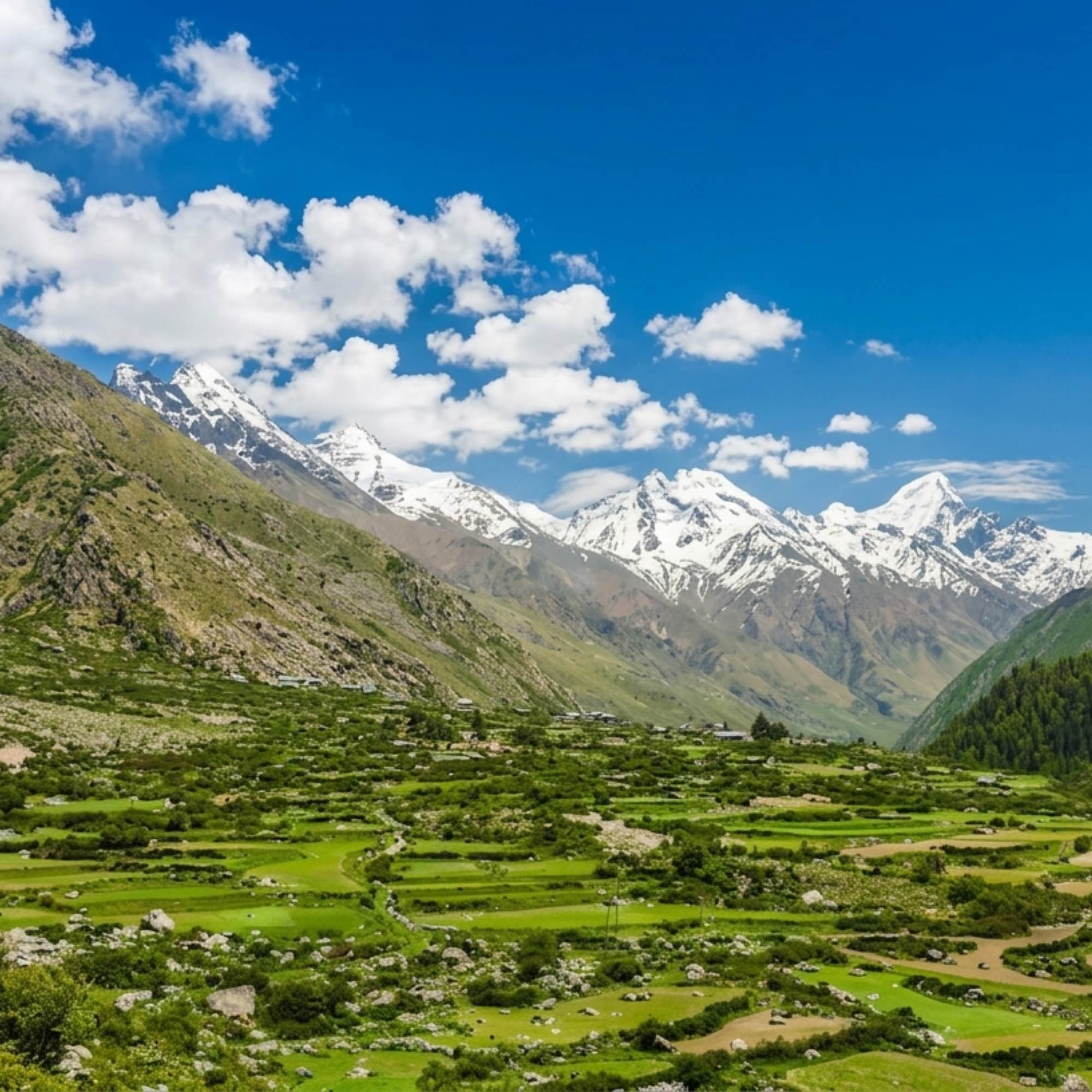
The wider Baspa Valley hub, about 25 km from Chitkul. Better stays, easier logistics, and a good base for most travellers.
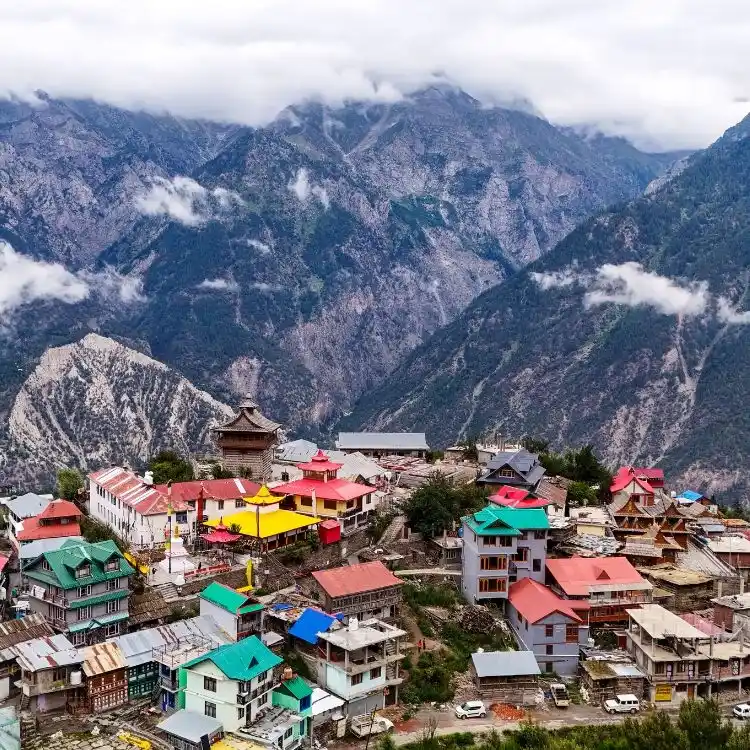
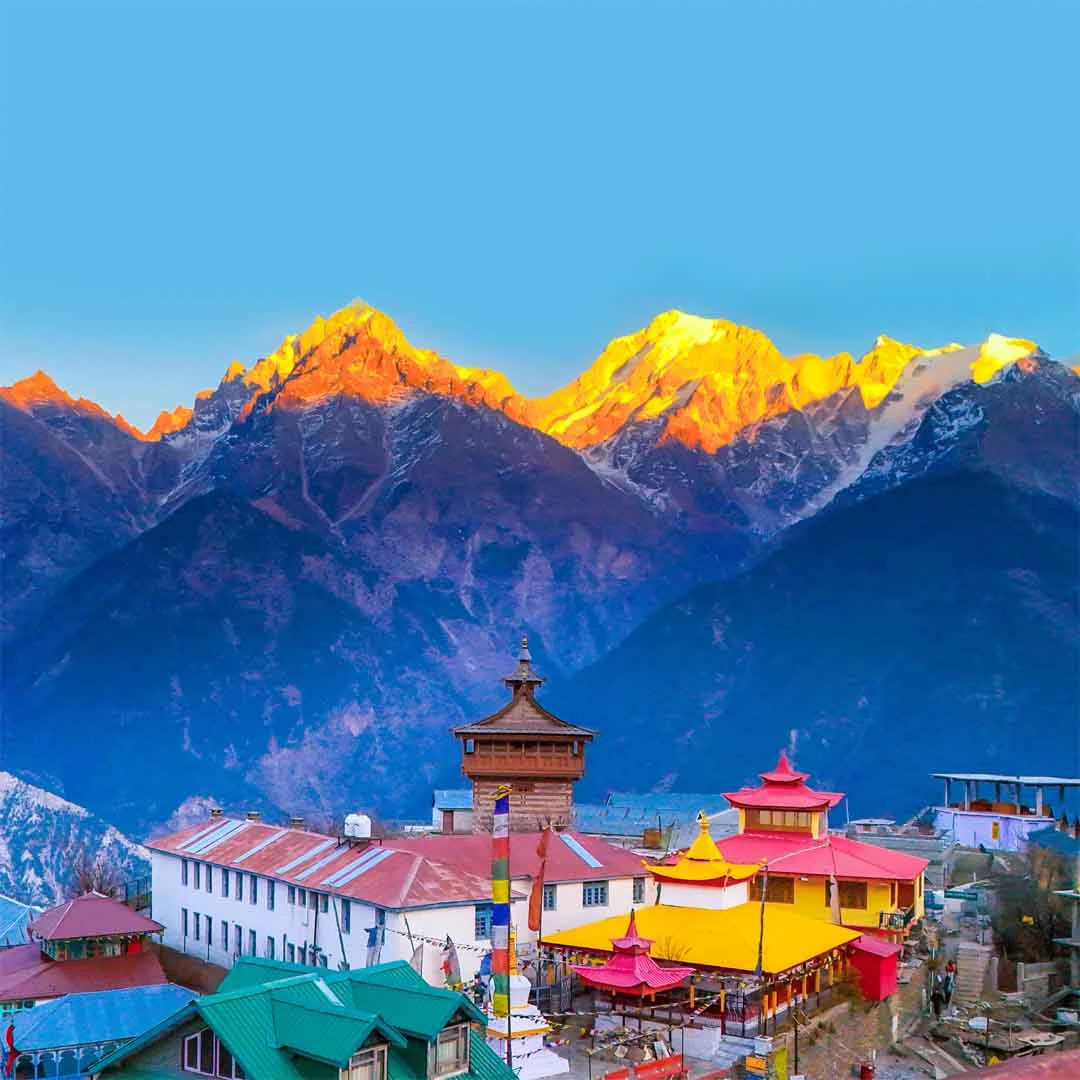
Known for direct Kinner Kailash views and some of the better hotels in Kinnaur. Pairs perfectly with Chitkul for a balanced trip.
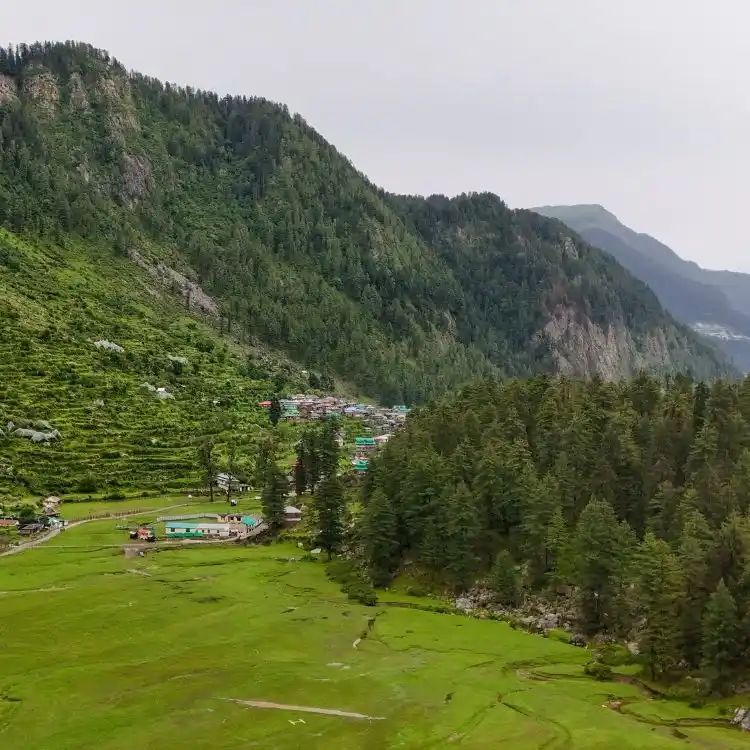
Home to the old Bhimakali Temple and a useful halt on the long road in or out. A gentle introduction to Kinnaur on the way up.
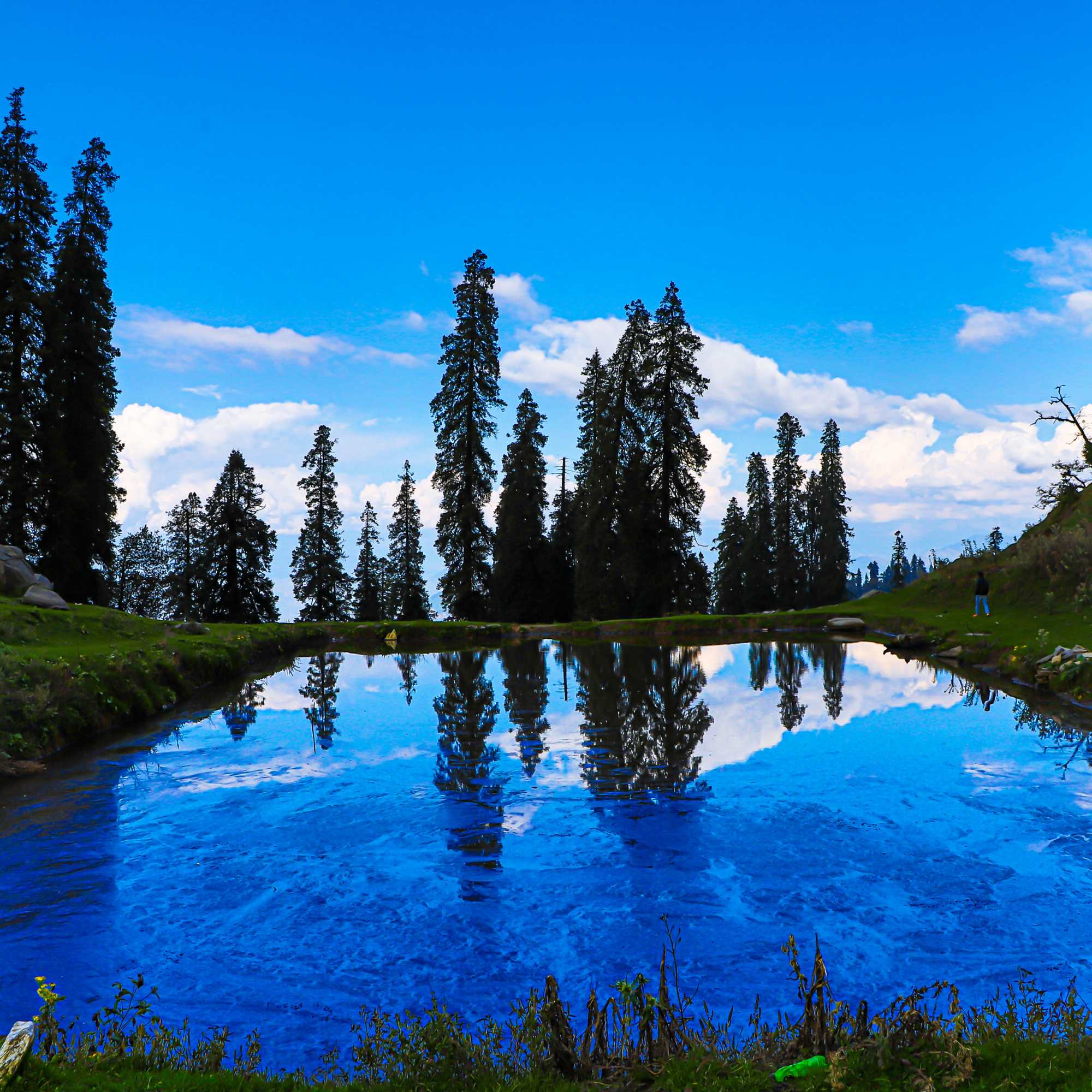
A quiet apple-country stop on the Shimla side, good for breaking the journey and easing into the hills.
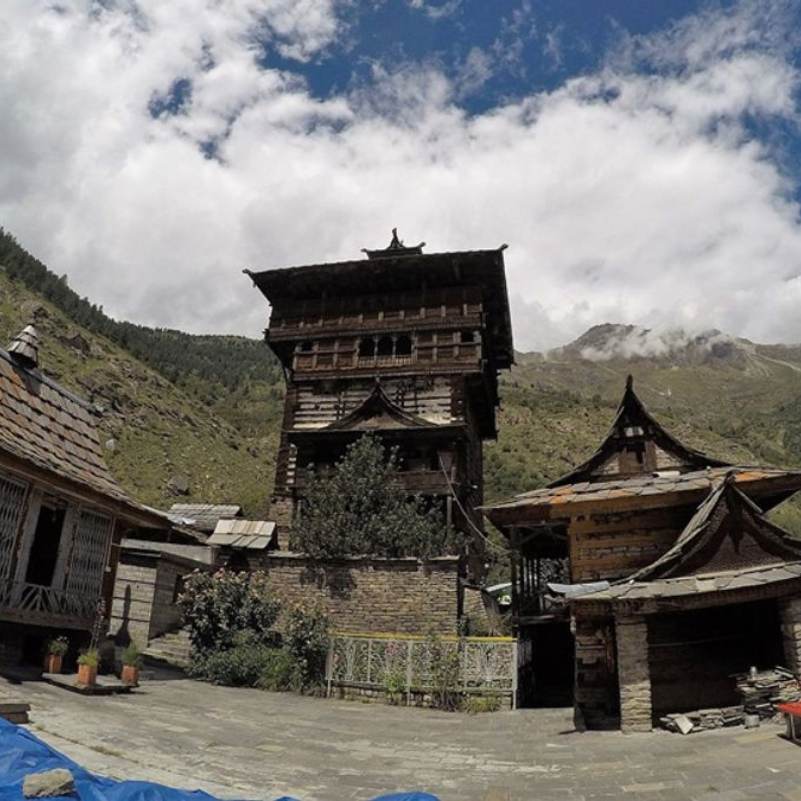
A historic wooden fort and temple near Sangla, worth a short visit for its old craftsmanship and valley views.
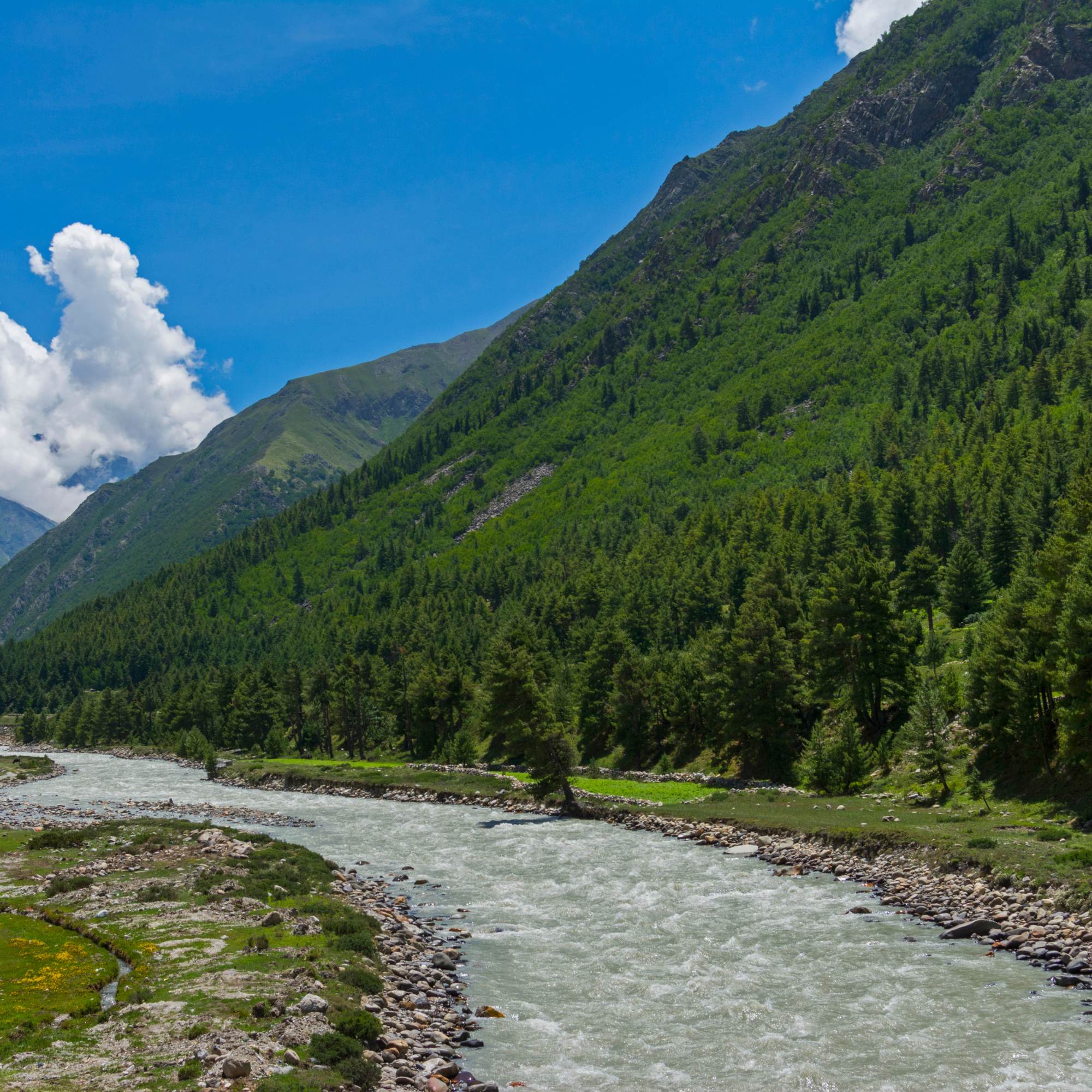
The river that runs through the whole valley and past Chitkul. Its sound is part of what makes the village feel the way it does.
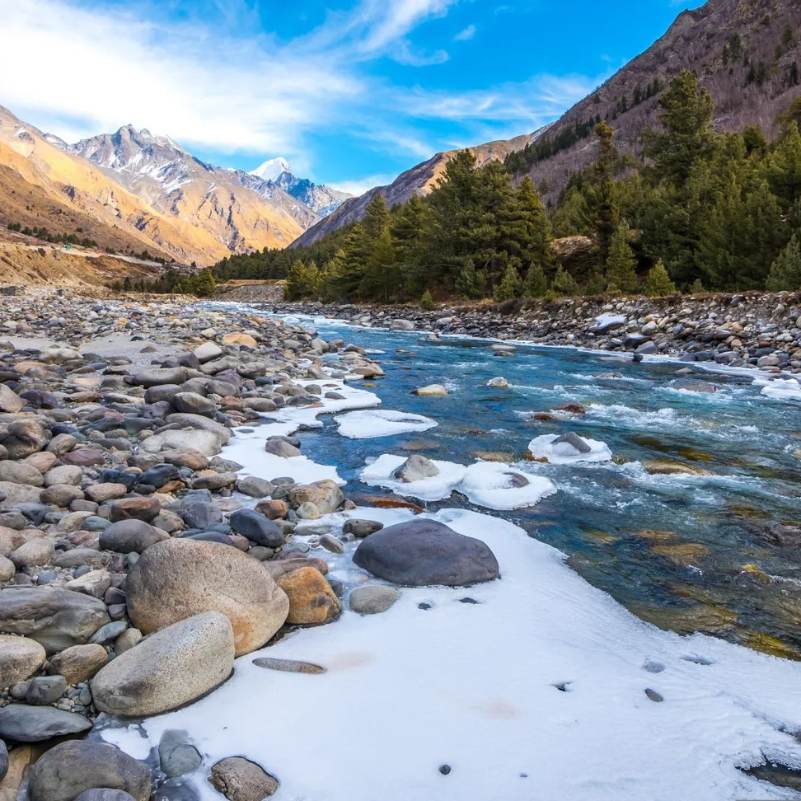
The old village temple at Chitkul, built in traditional Kinnauri wooden style. A quiet local landmark, best visited respectfully.
Slow, cold, and worth doing without a phone in hand. The river sound is the whole mood of the place.
See the old Kinnauri woodwork up close, and take it in quietly as a working village temple.
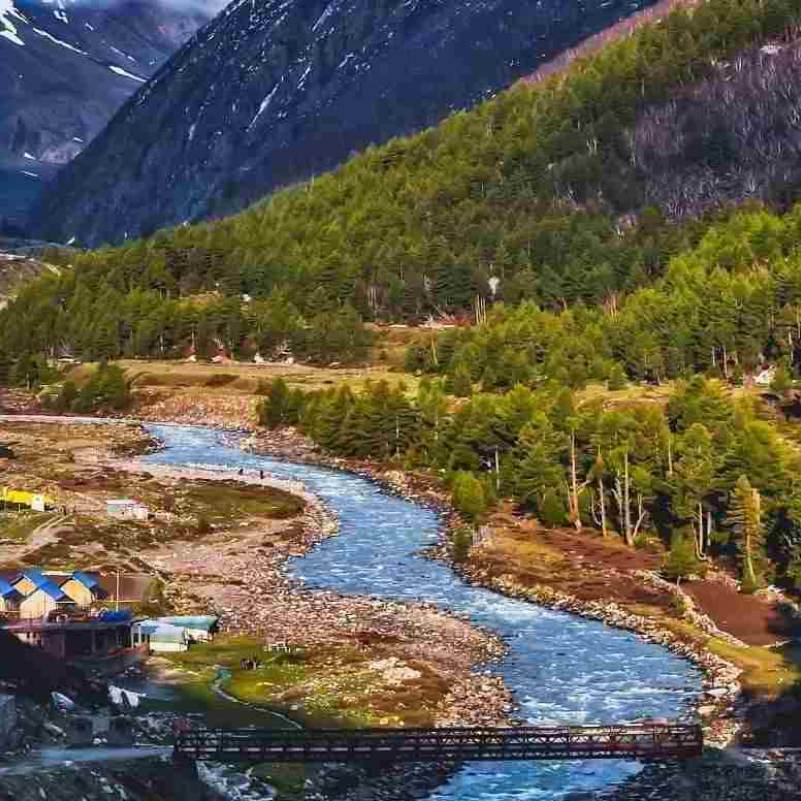
These homes are built for harsh winters, and the craftsmanship tells you a lot about life here. A handful of small cafes nearby serve hot food and tea, a good place to thaw out.
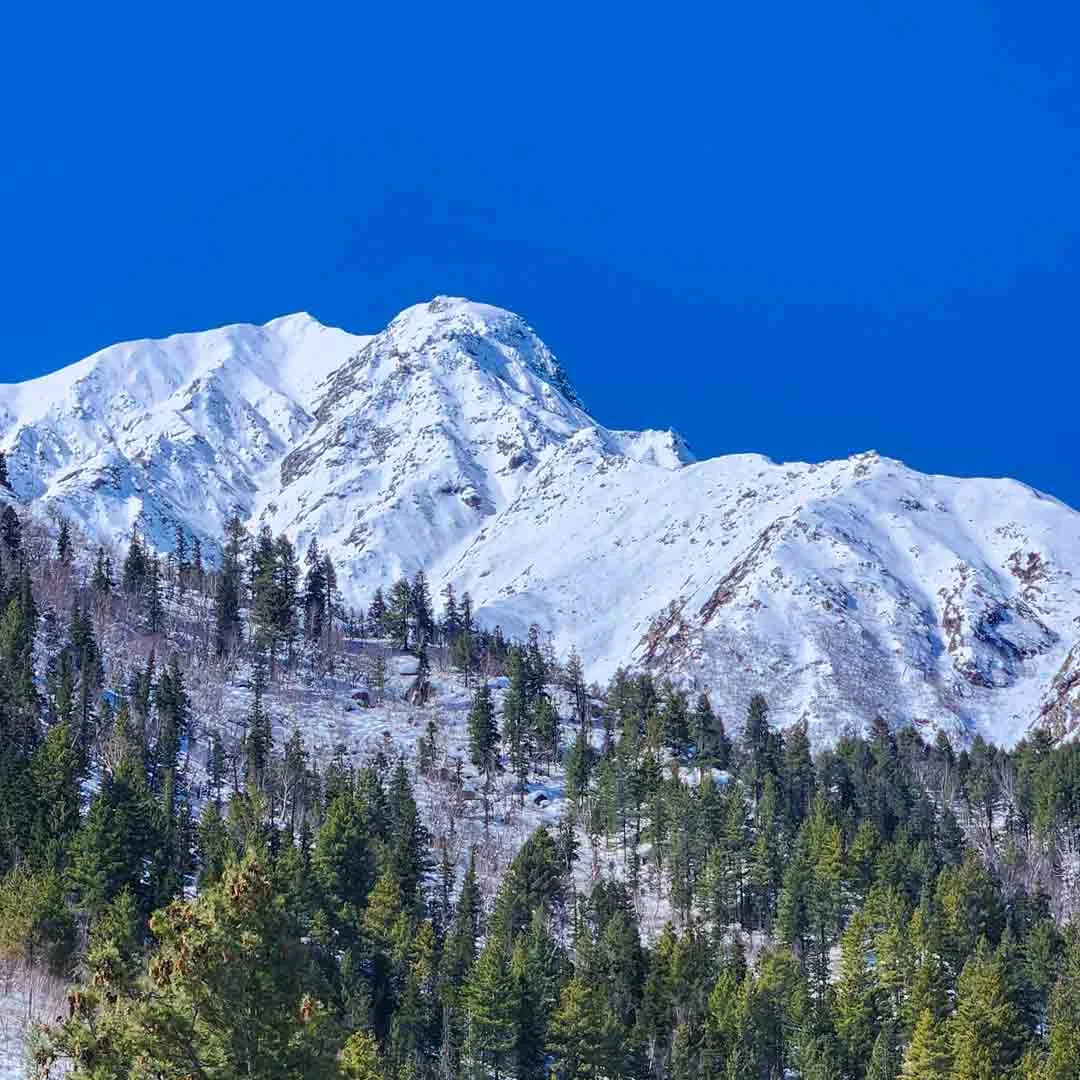
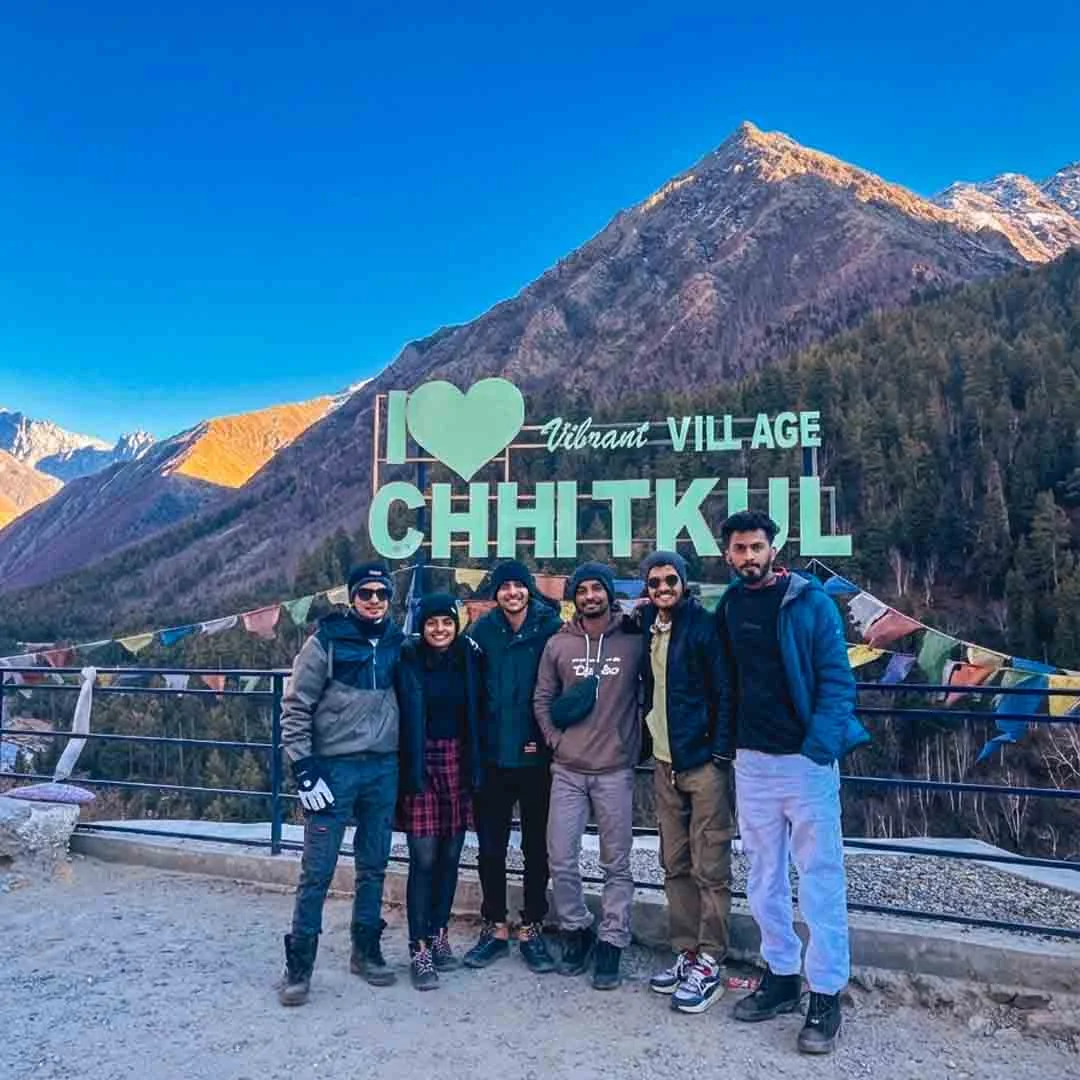
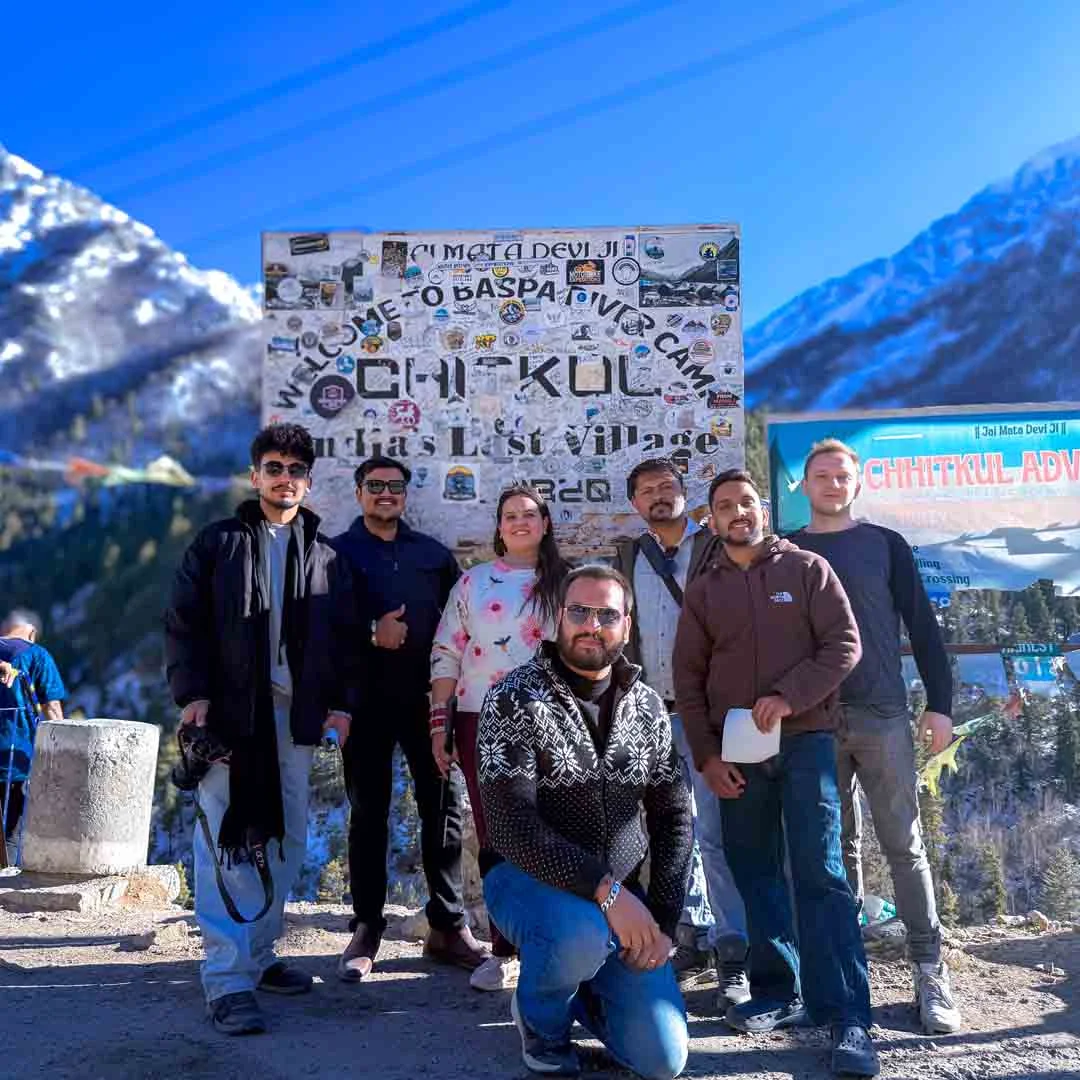
The marker that tells you the road ends here. A favourite frame for almost everyone who comes.
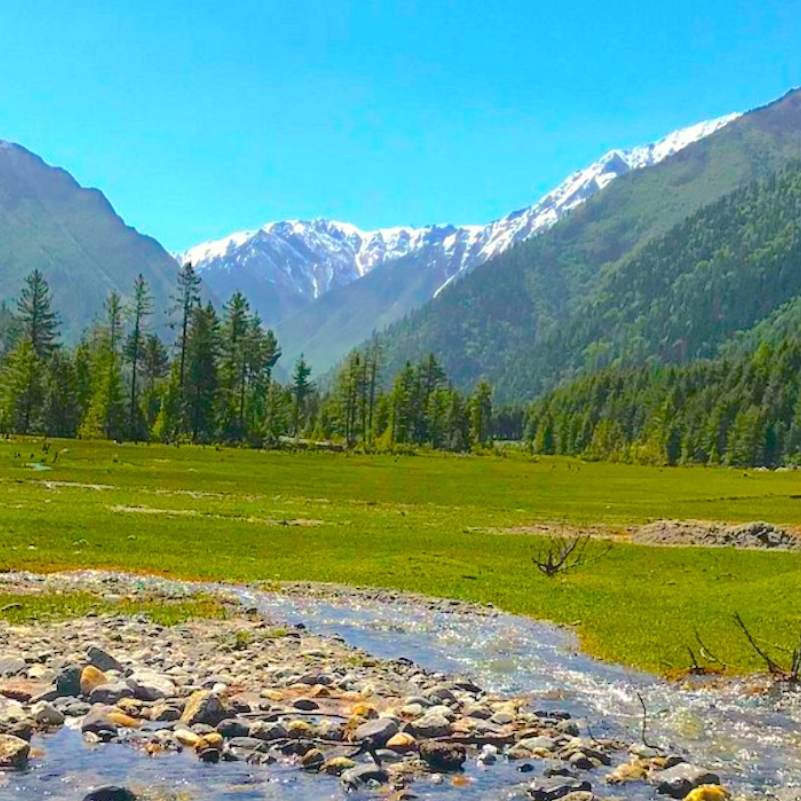
The quiet village just before Chitkul, surrounded by fields. Easy to combine with the same day.
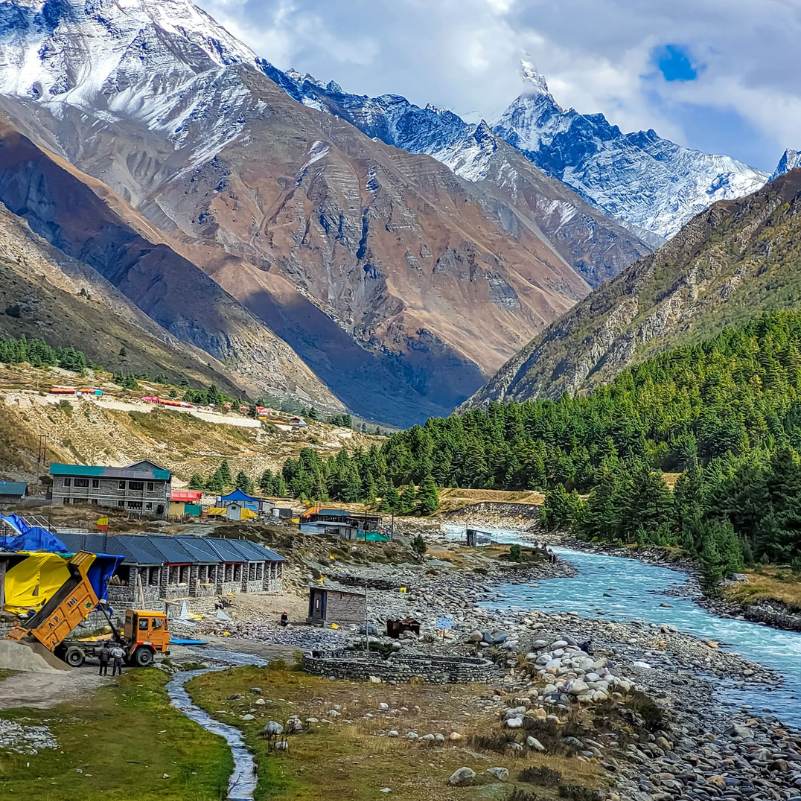
With little light around, clear nights bring out the stars. Stays are basic in Chitkul, so come prepared for that. In winter, snow is possible when conditions allow, and we check before promising it.
The trip works best as a loop, not a single stop. Village rawness, valley comfort and Kinner Kailash views in one plan. This is how we usually build it.

“Travel Coffee truly went above and beyond. Even though we booked from Indonesia without meeting them, we always felt secure — their team was available 24/7 and took care of every detail. Shubham personally ensured our comfort throughout the Himachal trip, from hotel checks to small gestures like bringing lotion and altitude pills. Their sincerity and local expertise made the journey unforgettable.”
Andre & Angel
For most travellers, 4 to 6 days work well, depending on the starting city. A 5N/6D trip suits Delhi, a 4N/5D trip suits Chandigarh, and a 3N/4D trip works from Shimla. We do not recommend less, because Kinnaur roads are long and the trip feels rushed otherwise. More days simply mean a more relaxed pace.
A 5N/6D Delhi to Chitkul tour package is the one we recommend most. It includes a halt near Narkanda or Shimla so the long drive is broken sensibly. This route covers Sangla, Chitkul and Kalpa with proper pacing, which makes the trip comfortable rather than exhausting.
Yes, if you want a quiet, offbeat side of Himachal rather than the usual hill stations. It is one of the most scenic villages in Kinnaur, with the Baspa River, wooden homes and that end-of-the-road feeling. It is less suited to travellers wanting nightlife or constant activity. Chitkul is about slowing down.
April to June and September to November are the easiest and most comfortable windows. Roads are usually open and the weather is pleasant. Winter brings snow but depends on road conditions, and the monsoon needs a buffer for possible delays. We match the plan to the season.
Often yes, but access depends entirely on road and weather updates. Some winter weeks are open and beautiful, others see closures from snow. We plan winter Chitkul trips only when the route is genuinely doable, and we confirm honestly closer to travel.
Snowfall is possible in the colder months, usually from December to March, but it is never guaranteed. It depends on the weather that week. If snow matters to you, tell us, and we will give you a realistic sense of timing rather than an empty promise.
Yes, Chitkul is a safe and peaceful destination for families, as long as the trip is paced right. We plan shorter driving days and proper rest stops for families with children or older travellers. Stays in Chitkul itself are basic, so we usually base families in Sangla or Kalpa for comfort.
Very much so, if you like quiet over crowds. Slow walks, cold evenings by the river, and stays where privacy is easy make it a calm, romantic trip. We plan honeymoon trips with comfortable pacing and a good Kalpa stay, so the whole journey feels relaxed.
Stay in Chitkul for the raw village experience, and Sangla for better logistics and comfort. Sangla has more stay options and is a short drive from Chitkul. For most travellers, we suggest basing in Sangla or Kalpa and visiting Chitkul, which gives you both the feeling and the comfort.
Chitkul is around 25 km from Sangla, in the Baspa Valley. The drive takes roughly an hour on a slow mountain road. It is an easy day trip from Sangla, often combined with a stop at Rakcham on the way.
Chitkul is roughly 570 km from Delhi by road. This is a long drive and not a single-day journey. We always plan a halt near Narkanda or Shimla so the trip is comfortable across 2 driving days.
Chitkul is around 360 to 380 km from Chandigarh by road. The Chandigarh start makes a 4N/5D trip practical. It is still a proper mountain drive, so we pace it with sensible stops rather than long single stretches.
From Shimla, Chitkul is around 220 to 240 km, but plan for a full driving day. Mountain roads are slow, so the distance on paper is misleading. A Shimla to Chitkul tour package suits travellers already in the hills who want a shorter, focused Kinnaur trip.
Indian nationals do not need a permit to visit Chitkul or Sangla. The village is open to domestic travellers. Foreign nationals may need Inner Line Permits for certain restricted stretches further on in Kinnaur. We guide you on this if needed.
Yes, with the right pacing. Senior citizens do well on a slower itinerary with shorter driving days and proper rest, usually based in Sangla or Kalpa. The altitude climbs gradually, so a relaxed plan with buffer time is the way to go.
The natural pairings are Rakcham, Sangla, Kalpa and the Baspa River. Slightly further out, Sarahan and Narkanda make good halts on the road in or out. Kamru Fort near Sangla and Mathi Temple in Chitkul are worth short visits too.
Warm layers come first, even in summer, since evenings are cold. Add a windcheater, comfortable walking shoes, basic medicines, sunscreen and enough cash. In winter, pack heavier woollens and expect basic heating in village stays. Less is needed in summer, but never skip the warm layers.
Network in Chitkul is limited and patchy. Some travellers get signal on certain connections, but it is not reliable. Treat it as a place to disconnect. Tell people back home in advance, and do not count on steady internet in the village.
Stays in Chitkul itself are basic, suited to travellers who want the village atmosphere over comfort. Expect simple rooms and limited heating. For more comfortable hotels, Sangla and Kalpa are the better bases, which is why we usually plan stays there.
Yes, and this is exactly how we recommend planning it. A Kalpa Sangla Chitkul tour package is the classic Kinnaur loop. It gives you the village feeling of Chitkul, the comfort of Sangla, and the Kinner Kailash views of Kalpa in one trip.
They offer different things. Chitkul is raw and remote with that last-village feeling, while Kalpa is calmer, more comfortable, and known for its mountain views. Most travellers do not choose. They do both in the same trip, which is what we suggest.
It can be, for experienced mountain drivers who are comfortable with narrow Kinnaur roads. It is not the place for nervous or first-time hill drivers. For most travellers, a private cab with a driver who knows the route is the safer and more relaxing choice.
Roads into Kinnaur are mountain roads, slow by nature and affected by weather. In good months they are largely fine, with the usual rough patches. In monsoon and winter, conditions change with landslides or snow. We check before any trip and plan a buffer where needed.
You can, and the valley is lush and green then, but Kinnaur roads can face landslides and delays in the monsoon. It needs a flexible plan. We add a buffer day to monsoon trips and watch conditions closely, so the trip stays safe rather than stressful.
Our Chitkul tour packages usually include stays, breakfast and dinner, a private cab or group transport, sightseeing, driver allowance, parking and tolls where applicable, full route planning, and our support before and during the trip. Lunch, personal expenses, entry fees and weather-related extra costs are not included. We share a clear, itemised list before you pay.