

4D/3N
Kinnaur Valley Scenic Circuit With Sangla Chitkul and Kalpa
1D Shimla•1D Sangla+1
₹16,999₹17,999SAVE ₹1,000/ person
Best Nako Tour Packages Curated By Experts
1D Shimla•1D Sangla+1
1D Sangla•1D Kalpa
 Group Tour
2D Sangla•1D Tabo+2
1D Shimla•1D Sarahan+2
 Group Tour
1D Sangla•1D Kalpa
Best Nako Tour Packages Curated By Experts
Nako is not a quick photo stop on the way to Spiti. It is a high Buddhist village beside a still lake, where green Kinnaur slowly gives way to the bare, dry mountains of the trans-Himalaya.
This is Upper Kinnaur, at around 3,663 metres. At the centre of the village sits Nako Lake, still and cold, ringed by old homes and willow trees. Above it stands an ancient monastery linked to Padmasambhava, the teacher who carried Buddhism across these mountains.
You do not come to Nako for activity or comfort. You come for the silence, the thin clean air, the slow village lanes, and the sense that you are standing on the old route between Kinnaur and Tibet.
We plan Nako tour packages as part of a well-paced Kinnaur route, so you gain altitude gradually through Sangla, Chitkul and Kalpa before reaching Nako. That pacing is what makes the trip safe and worth it. Packages start from ₹23,499 per person.
The best Nako tour package is a 6 to 8 day Upper Kinnaur itinerary that builds up gradually rather than rushing to altitude. It covers Sangla and Rakcham, Chitkul, Kalpa, Khab Sangam, Nako Lake and Nako Monastery, with a condition-based Shipki La side drive where permissions allow.
This pacing through Shimla, the Baspa Valley and Kalpa helps you acclimatise before reaching Nako, which makes the trip safer and far more enjoyable.
Because Google will not tell you how the Malling Nallah stretch behaves after rain, or that a night at Nako is what makes Tabo and Kaza kinder on the body. Kinnaur is home ground for us, and this is a route we already run, not a destination we are guessing at.
We do not promise the lowest price, an always-open road, or a guaranteed Shipki La crossing. We promise honest planning, sensible pacing, and a Nako trip that actually works.
Shorter or longer options: a 5N/6D short extension for travellers already in Kinnaur, a gentler 6N/7D family format with Kalpa, an 8N/9D crossing to Tabo and Kaza, or the full 9N/10D Kinnaur-Spiti circuit via Chandratal and Manali.
Budget private trips sit around ₹18,000 to ₹24,000 per person. Our standard Nako trip starts from ₹23,499 per person, with premium private trips and Spiti extensions on custom quotes.
The final cost depends on your pickup city, group size, vehicle type, stay category, season, route length, private versus shared format, and whether Shipki La, Tabo, Kaza or Chandratal is added.
Share your details and we will send a clear, itemised quote rather than a brochure figure.
May to June and September to October are the best windows. Summer suits families and first-time travellers, while autumn brings clear skies, crisp air and beautiful light for photography.
The monsoon months carry landslide risk, with the Malling Nallah stretch especially prone to trouble, so we add buffer time. Winter is only for experienced travellers, with access depending entirely on real-time updates.
A simple truth about Upper Kinnaur: the roads here move with the weather. We would rather adjust a plan than send you into a closed or risky stretch.
Yes, for most travellers, when the trip is paced properly. Nako sits at around 3,663 metres, so altitude and acclimatisation genuinely matter here.
That is exactly why our route runs through Shimla, the Baspa Valley and Kalpa before Nako. The gradual climb lets your body adjust instead of jumping straight to altitude.
Simple acclimatisation habits help: hydrate well, avoid alcohol on arrival day, eat light the first evening, walk slowly, sleep early, and tell your driver or our team at once if you feel headache, nausea or breathlessness. Anyone with heart or breathing conditions should check with their doctor first.
From Nako, the road continues through Chango and Sumdo into Spiti, reaching Tabo in roughly two hours. The reverse Manali route via Kaza is only suitable when open, and not ideal for first-time families because the altitude gain is faster.
A sturdy SUV with good ground clearance is the right vehicle for these roads, including rough patches like Malling Nallah. Small hatchbacks are not suited to this terrain.
Choose Nako for the lake, the monastery, the high Upper Kinnaur silence and that gateway-to-Spiti feeling. The most remote and atmospheric of the four.
Choose Kalpa for direct Kinner Kailash views and the better stay comfort of the trip. Calmer and easier than Nako, with lovely mornings.
Choose Chitkul for the Baspa River, the old wooden houses and the charm of the last inhabited village. Green, gentle and beautiful.
Choose Spiti for a longer, rougher, more adventurous high-altitude circuit. The most demanding, and the most expansive.
Our honest recommendation: do not choose one. Combine Sangla and Rakcham, Chitkul, Kalpa and Nako into one well-paced Kinnaur itinerary, with Spiti as an optional extension if you have the days.
We would rather set honest expectations than sell the wrong trip. Nako is not for travellers wanting luxury hotels like Manali or Shimla, people who dislike long mountain drives, anyone with serious altitude sensitivity without medical clearance, or anyone with only 3 to 4 days from Delhi, which is too rushed for this route.
If any of these sound like you, tell us anyway. We can often suggest a better-suited Himachal trip instead.
Nako is remote, high and quiet, and it rewards travellers who give it time. Reached slowly, it is one of the most memorable stops between Kinnaur and Spiti. Rushed, it becomes just another photo on the road.
Share your travel dates, pickup city, number of travellers and stay preference, and we will build a Nako tour package around you, with an honest word on timing and conditions.
6 packages found
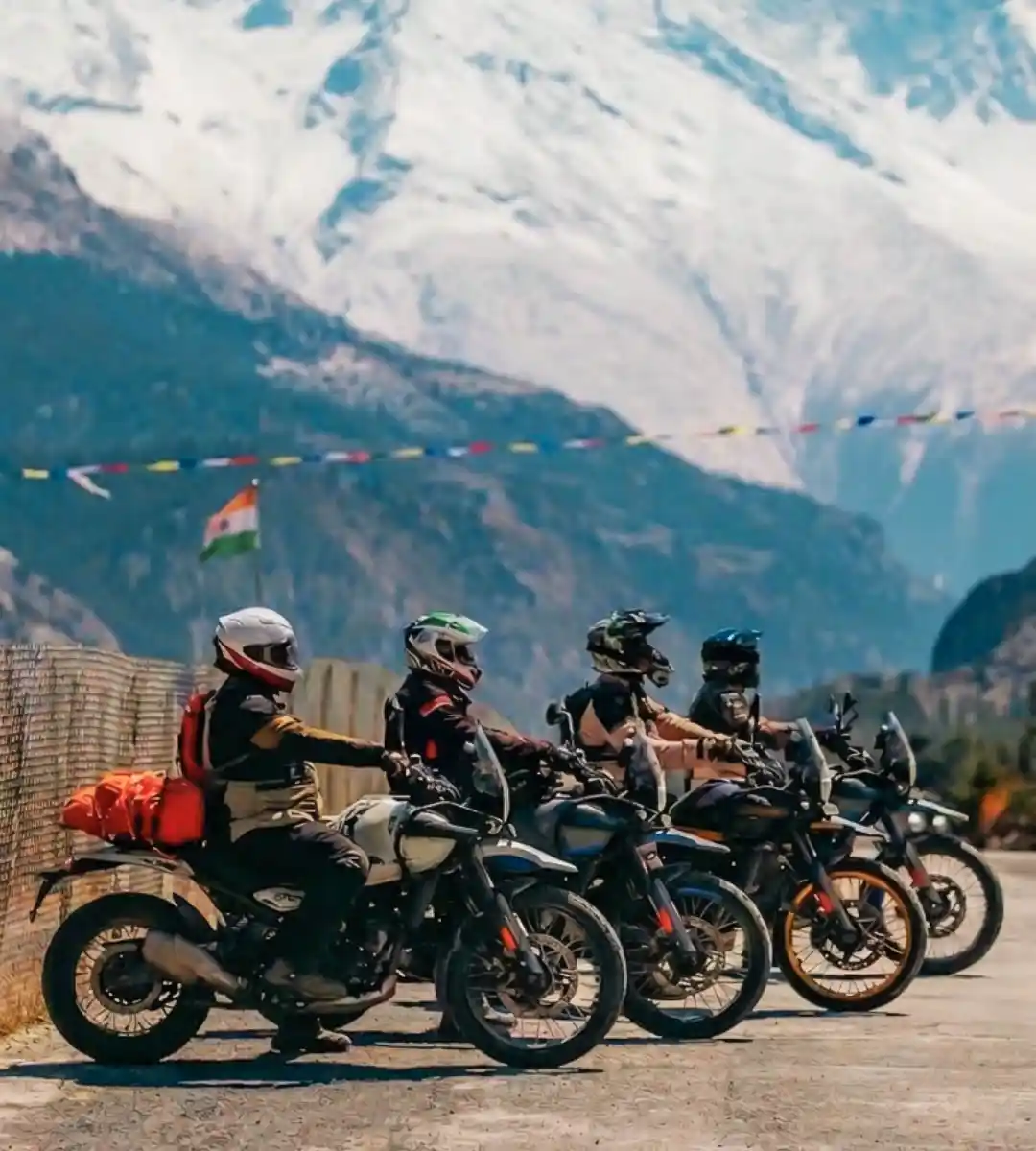 Group Tour
1D Jibhi•1D Sangla+4
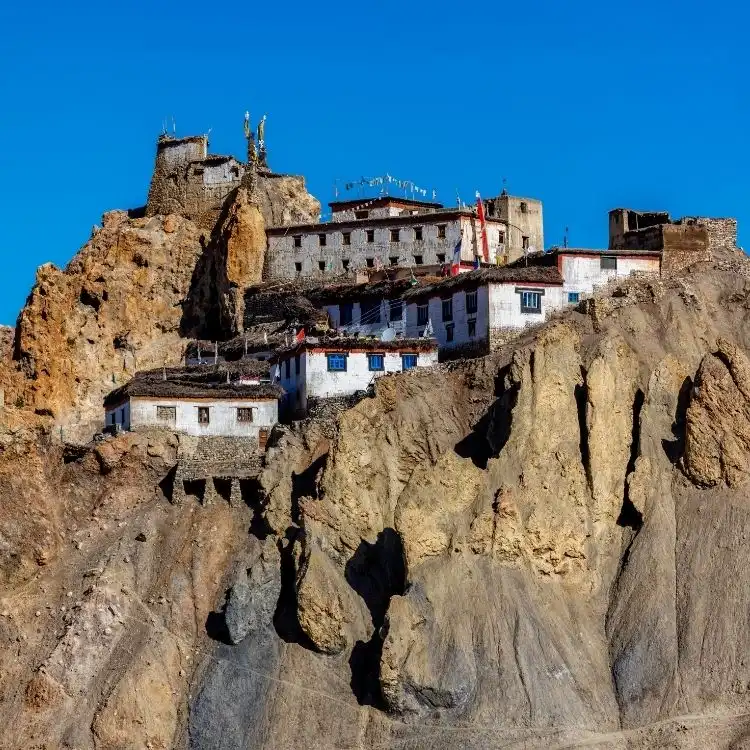 Group Tour
1D Narkanda•1D Sangla+5
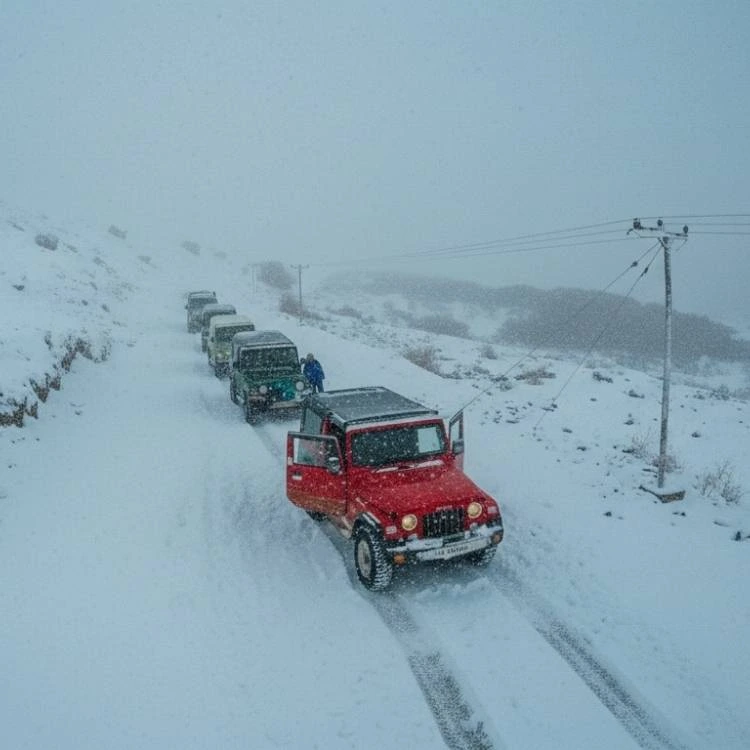 Group Tour
1D Chitkul / Sangla•2D Kalpa+2
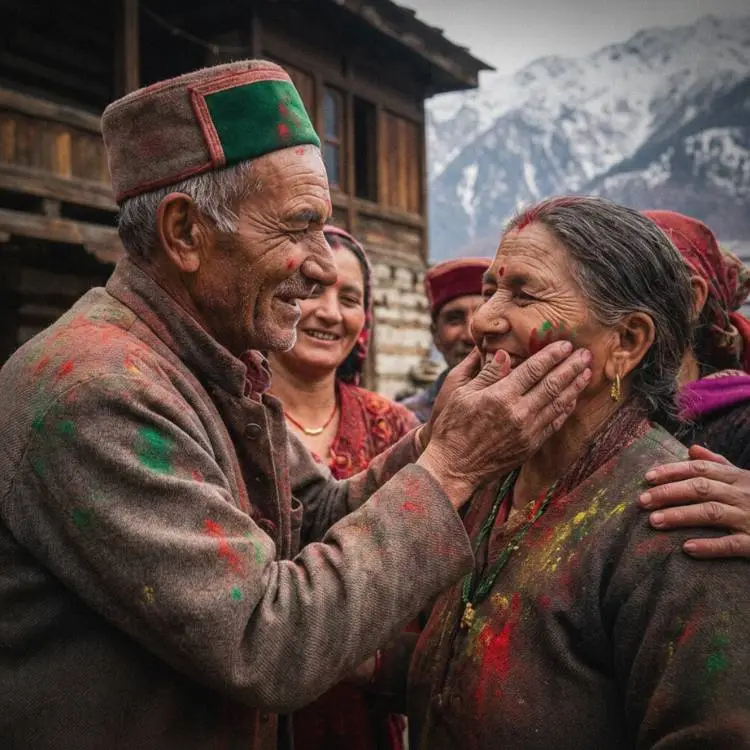 Group Tour
1D Kalpa•3D Sangla+1
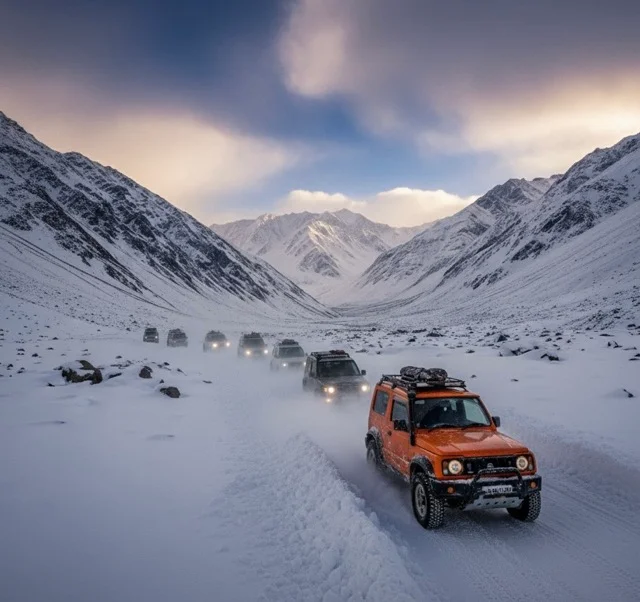
1D Narkanda•2D Sangla+4
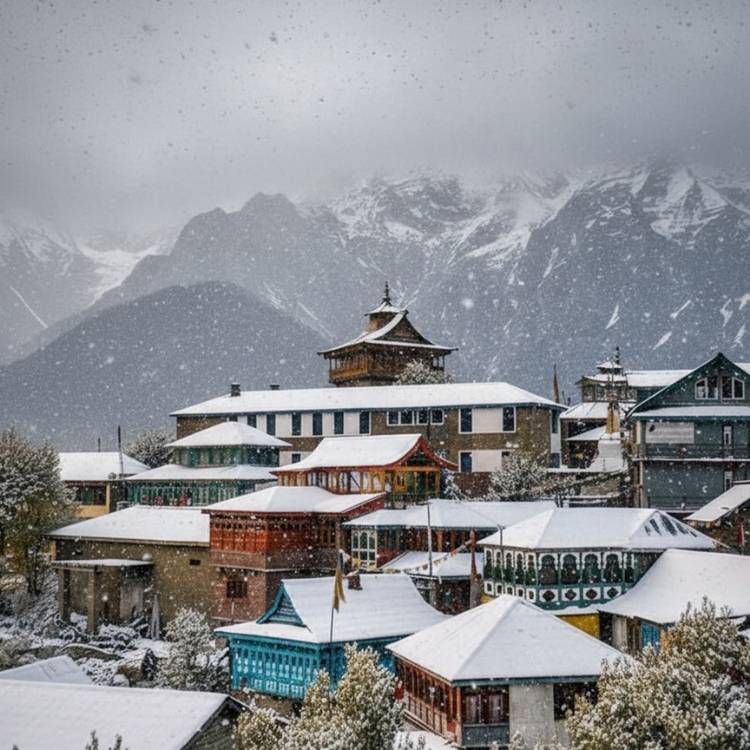
1D Narkanda•2D Sangla+4
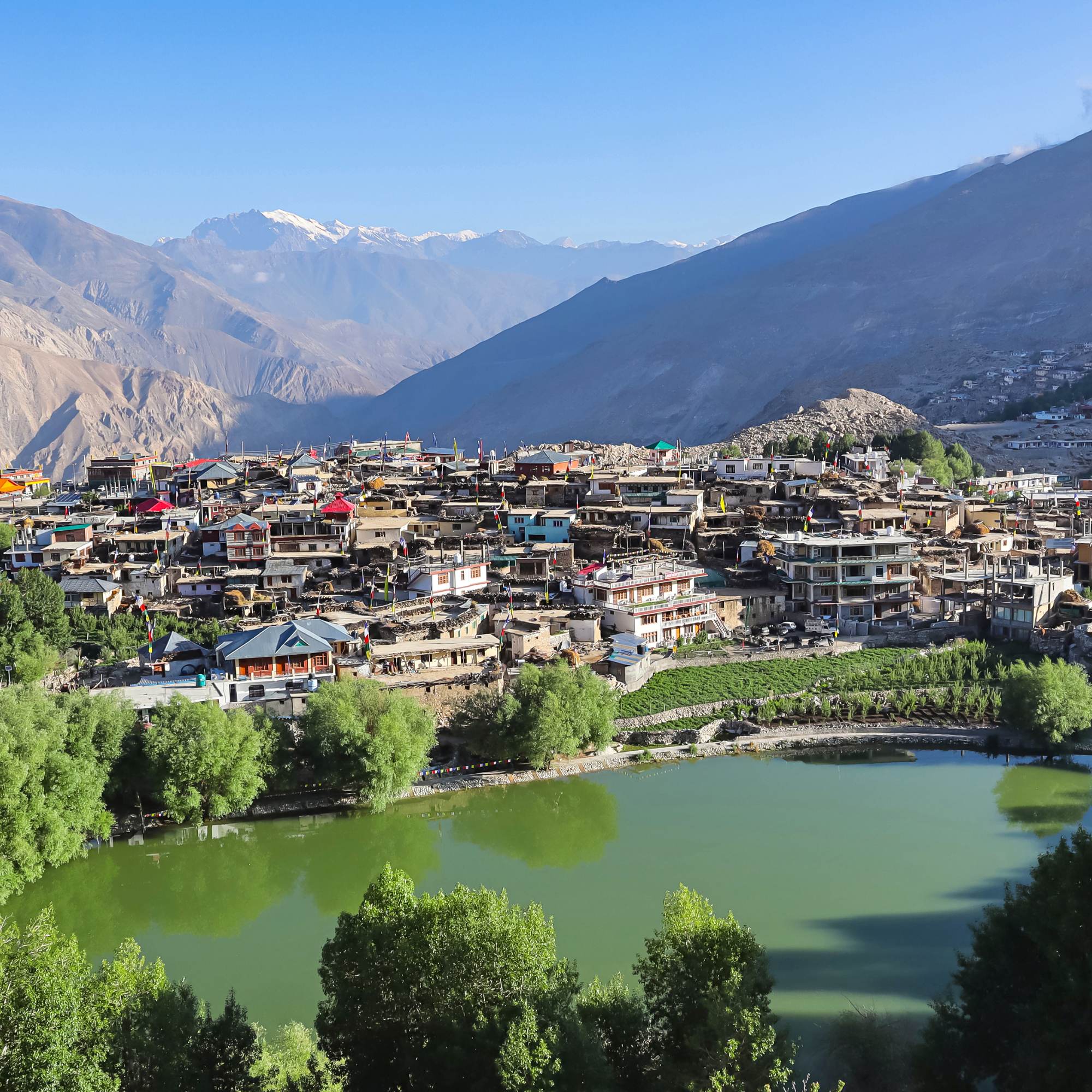
The quiet heart of the village. A small, still lake at high altitude, ringed by willows and old homes. Best in the soft light of early morning, when it is calm and almost empty.
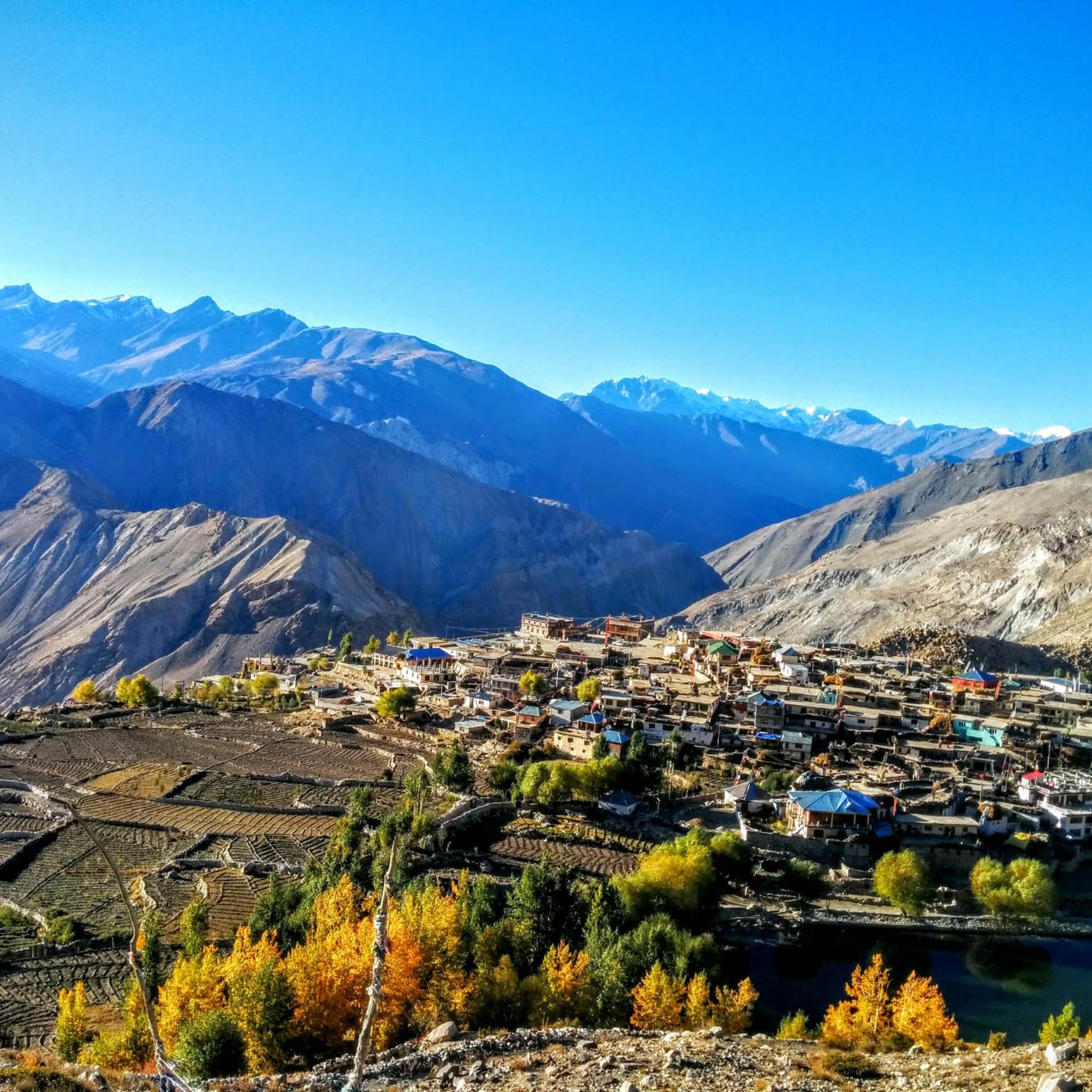
An ancient monastery complex tied to the legend of Padmasambhava, who is believed to have meditated here. The old prayer halls and murals make it one of the most important stops in Upper Kinnaur.
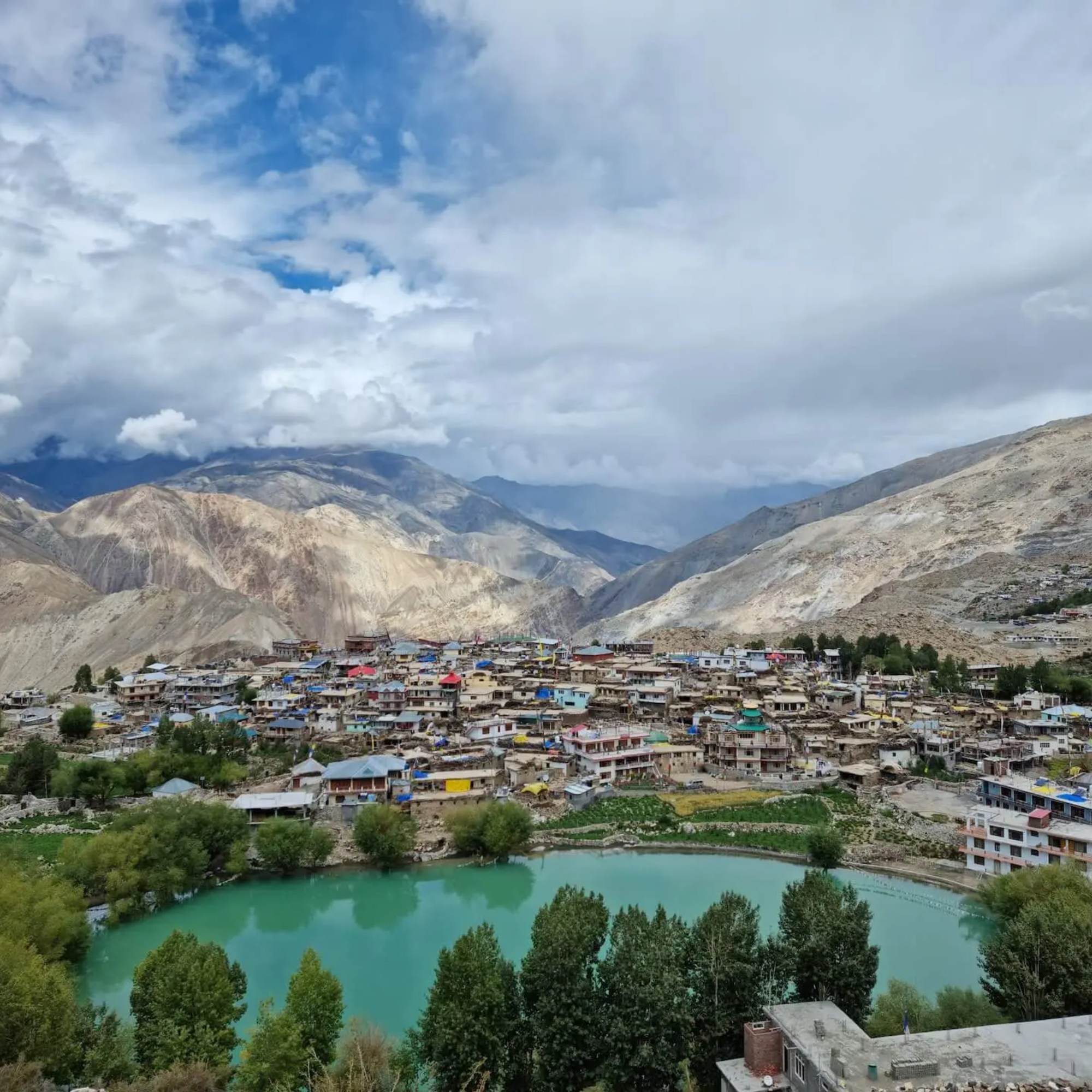
The simplest pleasure here. Wander the narrow lanes, see the mud-and-stone homes, pass the prayer wheels, and let the pace of the village slow you down.
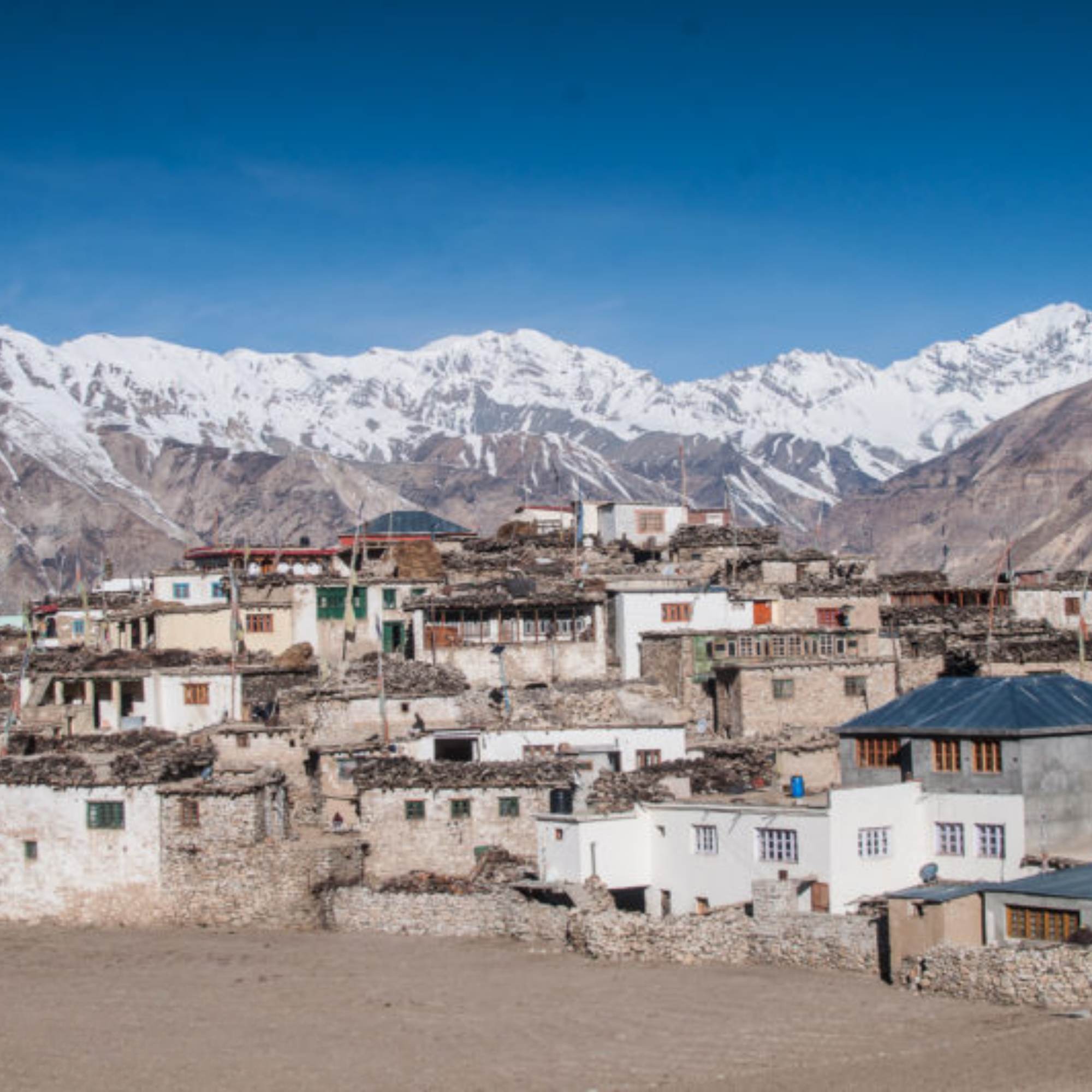
A short walk up from the village gives you a wide view over the lake, the homes and the bare mountains beyond. A good spot to take in the scale of the landscape.
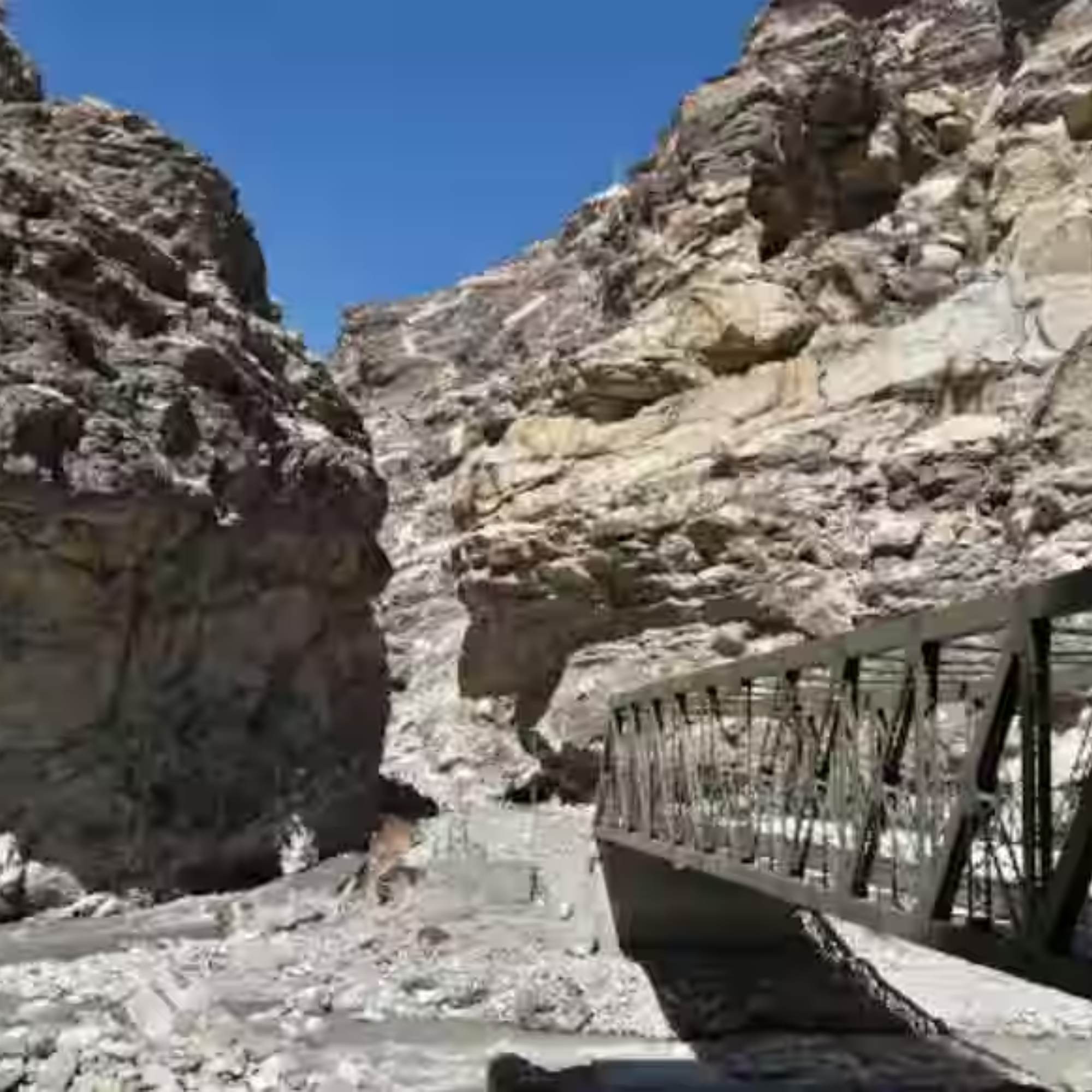
On the road in, you reach the confluence where the Spiti and Sutlej rivers meet. The colours of the two rivers and the deep valley walls make this a memorable halt.
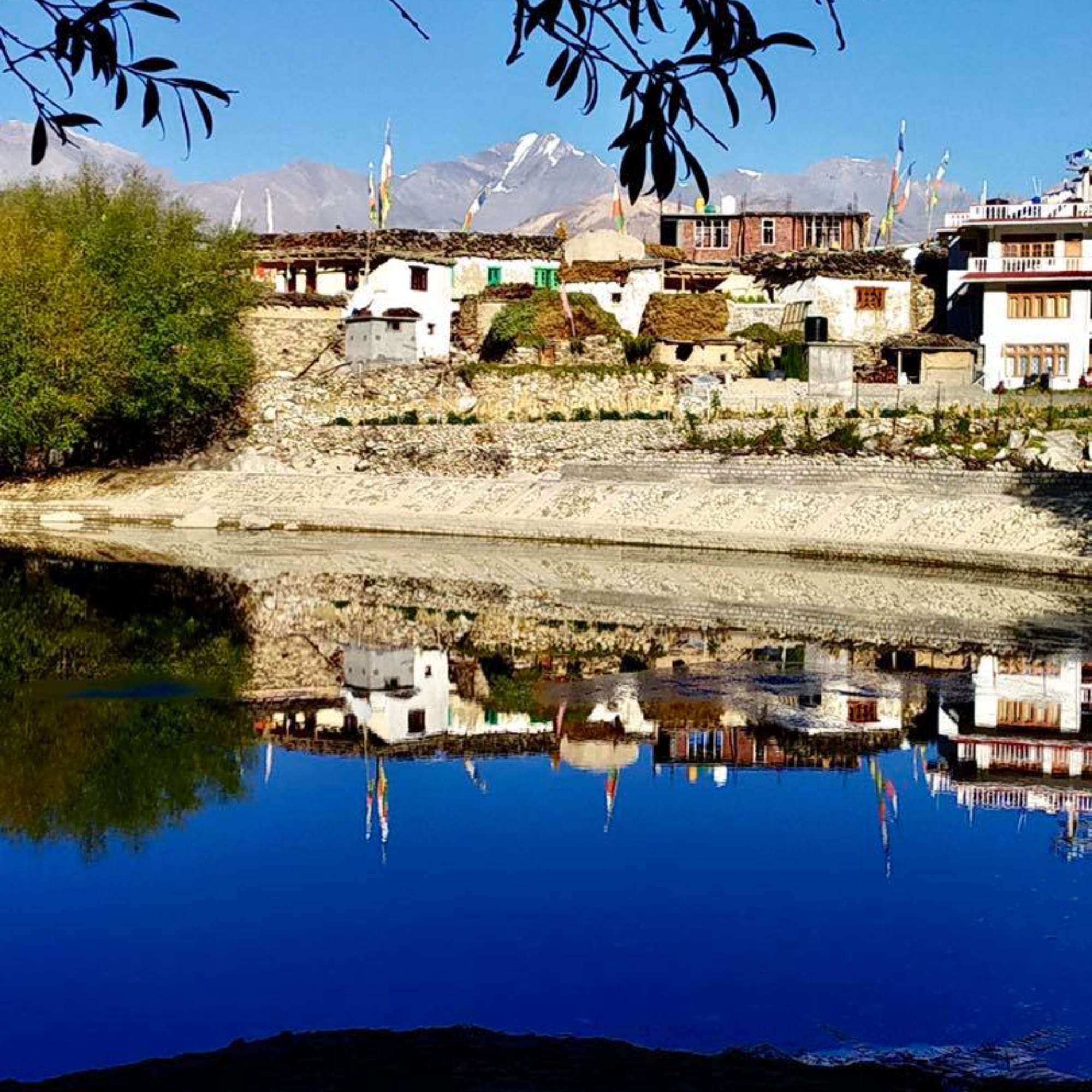
A well-known rough patch on the road in the Hangrang Valley, prone to loose rock and water crossings. Conditions here vary, which is exactly why we plan buffer time and check the route.
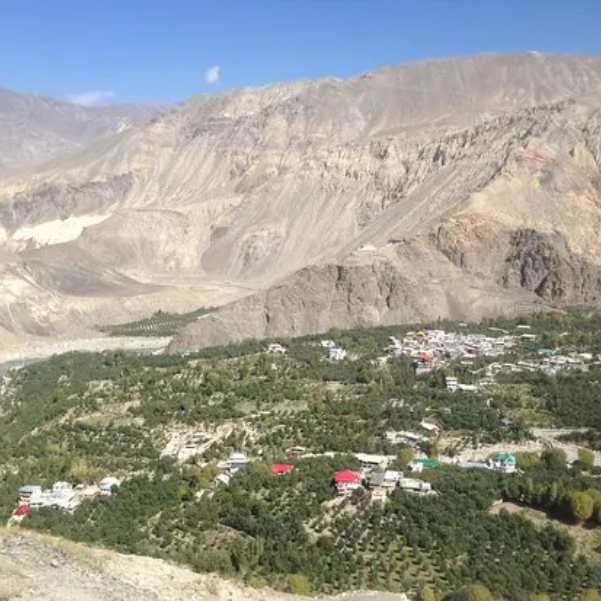
A small village along the road towards Tabo, with old homes and apple and apricot trees. A gentle stop that shows daily life in the Hangrang Valley.
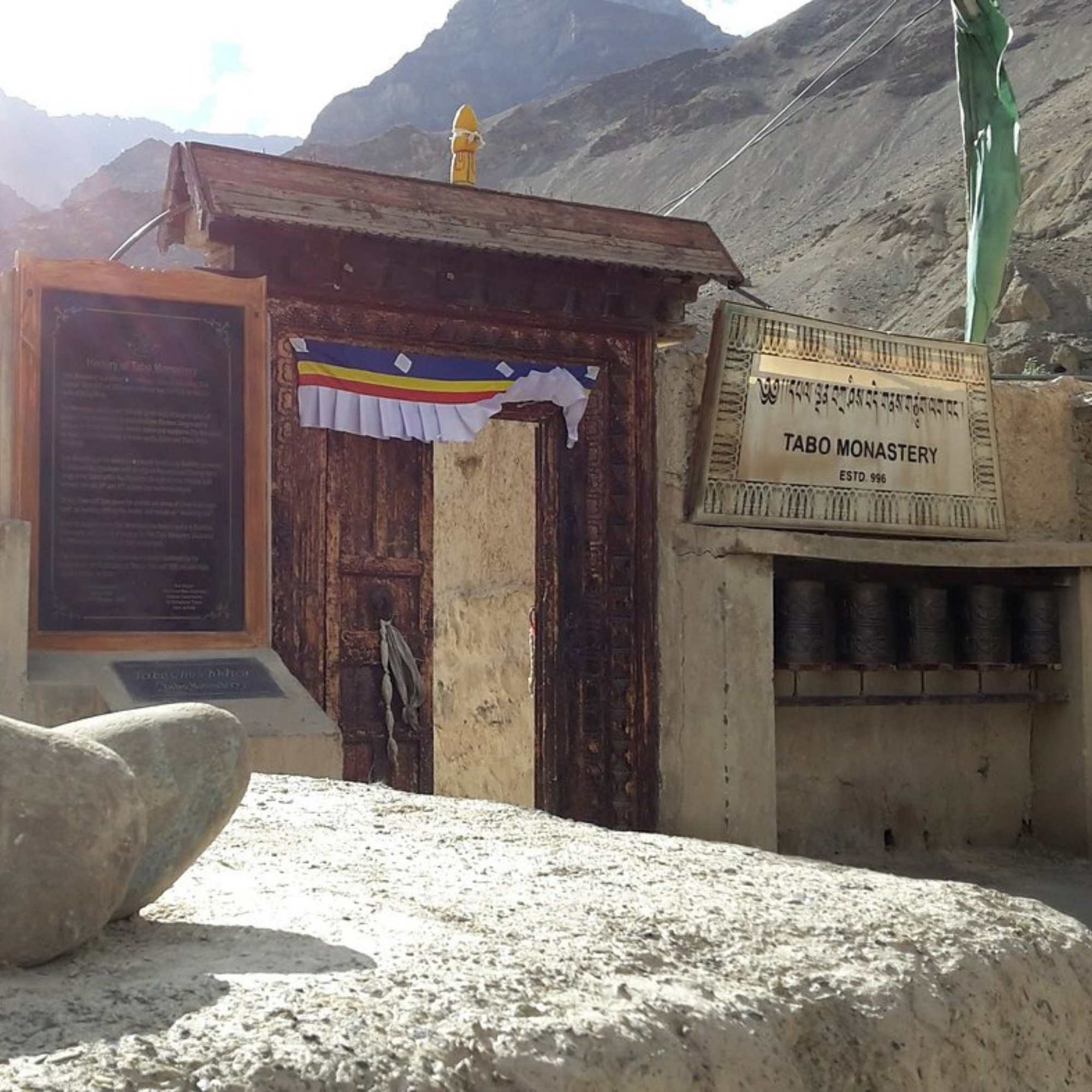
For those continuing into Spiti, Tabo and its thousand-year-old monastery are a short drive on. A natural next step if you are extending the trip.
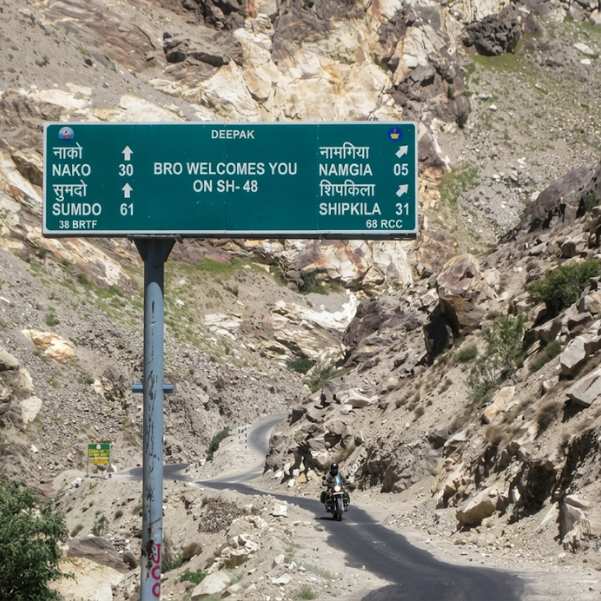
The old border pass on the Hindustan-Tibet Road, and a striking drive. Strictly condition-based: access depends on permissions, weather, road conditions, security restrictions and local checks, and can never be promised. We attempt it only when genuinely open and cleared.
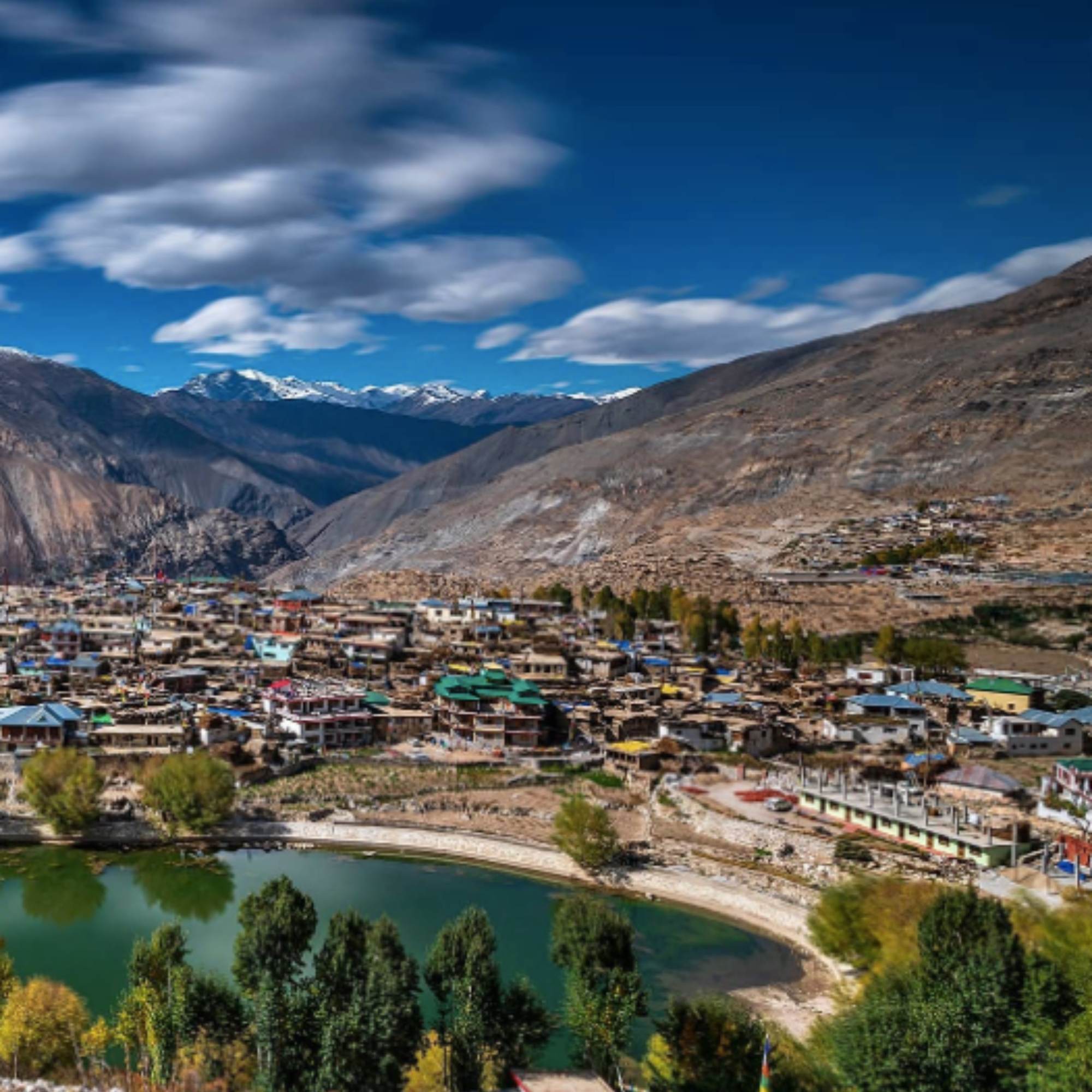
A still high-altitude lake at the heart of the village, calm in the early morning and worth a slow walk around its edge before the day warms up.
An old monastery complex linked to Padmasambhava, quiet and atmospheric, with centuries of Buddhist history in its walls. Visit respectfully and take your time.
Stone and mud homes, narrow lanes, prayer wheels, mani walls and willow trees. No tickets, no rush. Just the sound of the wind and a way of life shaped by thin air and long winters.
The drive in passes the meeting of the Spiti and Sutlej rivers, one of the more dramatic sights on the road. The colours of the two rivers make it a memorable halt.
Nako is where the green ends and the bare brown begins. Standing here, you feel the land changing from Kinnaur into the dry trans-Himalaya that belongs to Spiti.
The light, the textures and the emptiness reward those who slow down and look. The helipad viewpoint above the village gives a wide frame over the lake and the bare mountains beyond.
A night at Nako helps your body adjust before you climb deeper into Spiti. Tabo and its thousand-year-old monastery are roughly two hours on, a natural next step.

“Travel Coffee truly went above and beyond. Even though we booked from Indonesia without meeting them, we always felt secure — their team was available 24/7 and took care of every detail. Shubham personally ensured our comfort throughout the Himachal trip, from hotel checks to small gestures like bringing lotion and altitude pills. Their sincerity and local expertise made the journey unforgettable.”
Andre & Angel
The best Nako tour package is a 6 to 8 day Upper Kinnaur itinerary that builds altitude gradually through Sangla, Chitkul and Kalpa before reaching Nako. It covers Nako Lake, Nako Monastery, Khab Sangam and a condition-based Shipki La side drive. Our Most Loved Kinnaur Valley Tour With Nako and Shipki La, an 8D/7N trip from ₹23,499 per person, is the one we recommend most for this reason.
Plan for 6 to 8 days, depending on your starting city. This gives time to acclimatise properly and to pair Nako with Kalpa, Chitkul and the Baspa Valley. A 3 to 4 day trip from Delhi is too rushed for Nako, both for the long roads and the altitude. More days simply mean a safer, calmer trip.
Yes, if you want a quiet, high-altitude village rather than a busy hill station. Nako offers a still lake, an ancient monastery, and the striking point where green Kinnaur turns into bare Spiti-like terrain. It is less suited to travellers wanting luxury or nightlife. Nako is about stillness, altitude and slow travel.
Nako is in Upper Kinnaur, Himachal Pradesh, in the Hangrang Valley along the old Hindustan-Tibet Road. It sits at around 3,663 metres, close to the route that leads into Spiti. It is roughly 119 km from Kalpa, a full driving day through Reckong Peo, Pooh and Khab.
Nako is in Kinnaur, specifically Upper Kinnaur, but it sits right where Kinnaur begins to feel like Spiti. The landscape, altitude and Buddhist culture all point towards Spiti, which is why it works so well as a gateway. This in-between character is a big part of what makes Nako special.
Nako is best known for Nako Lake, the ancient Nako Monastery linked to Padmasambhava, its old village lanes, and its calm Buddhist atmosphere. It is also known as an important halt on the route between Kinnaur and Spiti. The Khab Sangam confluence on the drive in adds to its appeal.
Nako sits at around 3,663 metres. At this height, altitude and acclimatisation genuinely matter, so the trip should be paced properly. Our route through Shimla, the Baspa Valley and Kalpa is designed to help you gain altitude gradually before reaching Nako.
May to June and September to October are the best windows. Summer is good for family trips and easier access, while autumn brings clear skies and lovely light for photography. The monsoon months carry landslide and delay risk, and winter is only for experienced travellers due to cold and road conditions.
The practical route is Delhi to Shimla, then up through Kinnaur via Rampur, Reckong Peo, Kalpa and Khab to Nako. It is a long climb, best spread across a few days with halts in Sangla or Rakcham and Kalpa. We usually plan a Volvo or road transfer from Delhi to Shimla, then a private SUV for the mountain leg.
From Chandigarh, drive to Shimla and then follow the same Kinnaur route through Kalpa and Khab to Nako. The Chandigarh start is slightly shorter than Delhi and works well for travellers flying in. A private SUV for the mountain section is the comfortable choice.
Nako is around 119 km from Kalpa. Because of the mountain roads and the Khab and Hangrang Valley stretches, plan for a full driving day rather than a quick hop. This is why we keep a relaxed pace and break the route sensibly.
Nako is roughly 60 km from Tabo, usually around two hours depending on road conditions. The drive passes through Chango and Sumdo as you cross from Kinnaur into Spiti. This short distance is why Nako pairs so naturally with a Tabo and Spiti extension.
Yes, Nako is safe for families when the trip is paced for the altitude. We plan shorter driving days, proper rest, and a gradual climb through Kalpa before Nako. Stays in Nako are clean but basic, so families looking for more comfort can base longer in Kalpa.
Very much so, if you like quiet and remoteness over crowds. The still lake, the monastery and the slow village lanes suit couples who want calm and a different kind of mountain trip. A private SUV trip gives couples flexibility and a comfortable pace.
Yes, with the right pacing. Senior travellers do well on a private SUV trip with shorter daily drives and a gradual altitude gain through Kalpa. Anyone with heart or breathing conditions should check with their doctor first, given the altitude.
Stays in Nako are clean and comfortable but generally basic compared to Shimla, Manali or Kalpa. Expect simple rooms and limited facilities, suited to the village setting. For more comfort, we base travellers longer in Kalpa and keep Nako as a memorable high-altitude night.
Network in Upper Kinnaur, including Nako, can be patchy and unreliable. Some connections work in parts, but you should not count on steady signal or internet. Treat Nako as a place to disconnect, and tell people back home in advance.
ATMs are scarce in Upper Kinnaur and not reliable in Nako. Withdraw enough cash earlier in the trip, around Reckong Peo or Kalpa, before heading deeper. Carrying cash also helps with small village purchases where digital payments may not work.
Indian nationals do not need a permit to visit Nako itself. The village is open to domestic travellers. However, certain restricted border stretches, including the road towards Shipki La, need special permissions, which we handle when relevant.
Foreign nationals may need permits for protected or restricted border areas of Kinnaur, depending on the route. Rules can change, so this is checked closer to travel. We guide foreign travellers on the current requirements and arrange what is needed where possible.
Yes, and this is one of the best ways to plan it. Nako sits on the gradual Kinnaur-to-Spiti route, so a night here helps you acclimatise before Tabo and Kaza. Our Kinnaur-Spiti Tour With Nako is built exactly around this gentle approach.
We include a Shipki La side drive attempt in some packages, but only as a condition-based add-on. It is never a fixed, guaranteed inclusion. Whether the attempt happens depends on permissions, weather, road conditions and security checks at the time.
No, Shipki La can never be guaranteed. It is a sensitive border area, and access depends on permissions, weather, road conditions, security restrictions and local checks. We attempt it only when it is genuinely open and cleared, and we are always honest with you about this in advance.
Winter trips are possible only for experienced travellers, and only when conditions allow. Nako becomes very cold, snow affects the roads, and access depends entirely on real-time updates. We plan winter Nako trips carefully and confirm honestly closer to travel rather than risk a closed route.
Yes, Nako Lake can freeze in the deep winter months because of the high altitude and severe cold. It is a striking sight, but reaching it in winter is challenging and condition-dependent. For most travellers, the easier and safer windows are summer and autumn.
They offer different things. Nako is higher, more remote and more spiritual, with the lake and monastery, while Kalpa is calmer, more comfortable and known for its Kinner Kailash views. Most travellers do not choose. They visit both in one well-paced Kinnaur trip.
Chitkul is green, gentle and famous as the last village on the Baspa River, with old wooden homes. Nako is higher, drier and more remote, with a strong Buddhist character and a gateway-to-Spiti feel. They sit on the same Kinnaur route, so the best plan is to see both rather than pick one.
A night stay, without question. A quick stop only gives you the lake from a distance, while a night lets you walk the village, see the monastery in calm light, and acclimatise before going deeper. The stillness of Nako only really shows itself when the day-trippers have left.
Warm layers come first, even in summer, since evenings at altitude are cold. Add a windcheater, comfortable walking shoes, sunscreen, basic medicines, and enough cash for the deeper stretch. In winter, pack heavy woollens and expect limited heating in village stays. Carry an original government ID throughout.
A sturdy SUV with good ground clearance is the right choice for the Kinnaur and Hangrang Valley roads, including rough patches like Malling Nallah. Small hatchbacks are not suited to this terrain. We use experienced mountain drivers and vehicles built for these routes, which makes the journey safer and far more comfortable.
Our Nako packages usually include a private SUV from your pickup point, a Delhi to Shimla Volvo option, handpicked stays in Sangla or Rakcham, Kalpa and Nako, breakfast and dinner on stay nights, all listed sightseeing, driver allowance, tolls, parking, state taxes and round-the-clock support. Lunches, personal expenses, heater charges, entry fees, travel insurance and weather-related extra costs are not included. We share a clear, itemised list before you pay.