
Losar Village
The first village of Spiti from the Manali side, at around 4,080 metres, where the cold desert really begins
- Village
- ~4,080 m
- Kaza · ~56 km
- Kunzum Pass · ~18 km
- Jun to Oct (Manali side)
What makes it special
Losar is where most travellers coming from Manali first understand what Spiti actually looks like. You cross Kunzum La at around 4,551 metres, lose altitude for about 18 km on rough road, and then the valley opens out into wide gravel flats, a thin river, and a small village of maybe 70 to 80 mud and stone houses with prayer flags on every roof. Population is small, generally cited at around 240 to 250 people. A primary school, a post office, a health sub centre, a couple of dhabas, a few guesthouses, and that is basically the whole place.
It is not a destination in the Key Monastery or Chandratal sense. No single famous landmark. What Losar offers is a softer version of Spiti before the valley goes full moonscape near Kaza. Barley fields in summer, green peas in July and August, yaks grazing on the flats, and a genuine pin drop silence at night that the bigger Spiti towns have started to lose.
Worth knowing: most travellers pass through Losar without stopping, which is a small mistake. Spending one night here before pushing on to Kaza does two useful things. It breaks a brutal Manali to Kaza drive into something humane, and it gives your body a proper night at altitude before you start hopping between 3,800 and 4,500 metres for the next few days.
Quick answers
- Is it worth visiting?
- Yes, as a halt rather than a destination. If you are driving Manali to Kaza, stopping a night at Losar breaks a long rough drive, helps with acclimatisation, and gives you a quiet Spitian village with almost no tourist noise. Skip a night here only if you are short on days and already acclimatised.
- How much time do you need?
- Most travellers spend one night. Half a day is enough to walk the village, visit the small gompa and sit by the Spiti river. If you want to hike around or ride up towards Kunzum for photography, stretch it to a second night.
- Can you stay here?
- Yes. Losar has a handful of homestays, a couple of small guesthouses like Samsong and Nomad's Cottage, and a PWD rest house. Nothing luxurious. Expect basic clean rooms with heavy blankets, bucket hot water on request, and simple Spitian meals. Book ahead in peak July to September.
Quick facts
Everything you need to know at a glance.
On the ground
- Mobile network
- Network is thin. BSNL is the traditional standby and still the most dependable, though patchy. Travellers have reported Jio working in parts of Losar more often than it used to, but do not plan around it, and assume no data. Weather can knock out any network at this altitude.
- ATMs
- None in Losar. Nearest reliable ATMs are in Kaza, and even those are often out of cash. Carry enough cash before leaving Manali.
- Food
- A couple of small dhabas and the guesthouse kitchens. Maggi, thukpa, rajma chawal, omelettes. Do not expect menus, eat what the homestay cooks.
- Fuel
- No fuel pump at Losar or Batal. Fill up at Manali before leaving and at Kaza on the way back. Carry a spare 5 litre can for peace of mind if self driving.
- Permits
- Indian travellers need no special permit for Losar. Foreign nationals should carry an Inner Line Permit for the Spiti region, usually issued at Kullu or Reckong Peo.
- Drones
- Losar sits in a sensitive high altitude border zone and ITBP presence is common. Drone use is not welcome. Avoid it.
- Washrooms
- Available at your homestay or guesthouse. Public washrooms are basic. Carry tissue and a small sanitiser.
- Walk
- Flat. You can walk the whole village in 30 to 40 minutes.
How to reach Losar Village
4 approach routes, with seasonal access.
From Manali
Generally mid June to October, depending on snow clearance at Kunzum and Rohtang. Dates move every year. Recheck before leaving Manali.- Distance
- ~145 km via Atal Tunnel, Gramphu and Kunzum Pass
- Time
- 7 to 9 hours one way in current road conditions
- Road
- Tarred from Manali through the Atal Tunnel, then a mix of broken tar and long stretches of unpaved offroad between Gramphu, Batal and Kunzum Pass. Losar to Kaza section has been improving.
- Last fuel
- Fill up at Manali. No reliable fuel till Kaza beyond Losar. Chacha Chachi Dhaba at Batal sells small top ups in emergencies but do not depend on it.
This is how most travellers first reach Losar. Leave Manali early, ideally by 6 AM. Take the Atal Tunnel to Sissu, follow the Chandra river valley east via Gramphu and Chhatru, stop for lunch or chai at Chacha Chachi Dhaba in Batal, then grind up to Kunzum Pass. From the pass it is about 18 km of downhill gravel to Losar. The stretch from Khoksar to Kunzum is the slow bit, plan for it.
From Kaza
Generally open most of the year on the Kaza side, though winter snow can close sections for short windows- Distance
- ~56 km
- Time
- 1 hr 30 min to 2 hr one way
- Road
- Mostly decent tarred NH 505 with a few broken patches. Easiest approach to Losar by far.
- Last fuel
- Fill up at Kaza. No fuel at Losar.
The cleanest way to do Losar, especially if you want a night here without the battering Manali road. Leave Kaza after breakfast, cross the Spiti river, follow NH 505 west through Rangrik, Hull and Kyoto. The road opens into wide gravel plains as you approach Losar. Easy two hour drive in daylight.
From Chandratal Lake
Same window as Kunzum Pass, roughly mid June to October- Distance
- ~49 km via Kunzum Pass
- Time
- 2 to 3 hours one way depending on road
- Road
- Rough dirt road from the Chandratal camping area back to the NH 505 junction, then a steep climb over Kunzum, then gravel descent to Losar
- Last fuel
- None. Tank up in Kaza or Manali.
A common move. Many travellers camp near Chandratal on the Manali side night, then drive to Losar the next day, overnight there, and continue to Kaza. Breaks the altitude jump and gives you two very different nights back to back. Start the drive early. Afternoon winds at Kunzum are no joke.
From Shimla (alternate approach)
NH 5 and NH 505 via Kaza are generally open most of the year. Only the final Kaza to Losar stretch can close briefly in winter.- Distance
- ~475 km via Reckong Peo, Nako, Tabo and Kaza
- Time
- 3 days of comfortable driving, minimum 2 days hard
- Road
- NH 5 from Shimla, then NH 505. Landslide prone between Wangtu and Pooh in monsoon. Steadier road overall than the Manali side.
- Last fuel
- Rampur, Reckong Peo, Pooh, Kaza
If Kunzum Pass is shut or the Manali side is flooded with landslides, this is the route people fall back on. Slower and longer, but the road is kinder and altitude gain is gradual. Typical stops are Sarahan or Sangla on day one, Nako or Kalpa on day two, then Tabo or Kaza on day three, reaching Losar on day four.
Best time to visit
Season by season, so you can plan around the weather rather than hope.
- Recommended
Late spring
Mid June to end June
The season technically opens here, snow still visible above the village
- Day temperature
- 10 to 15 C
- Night temperature
- 0 to 4 C
- Roads
- Kunzum Pass opens somewhere in this window, dates vary every year
- Crowds
- Light
Kunzum Pass usually opens some time between the second week of June and the end of June, depending on how much the BRO has managed to clear. Days in Losar are crisp and sunny, the fields start greening, and the crowds are still small because most travellers wait for July. Nights are genuinely cold, expect near freezing even in the village.
Summer
July to August
Peak green season for Spiti, but monsoon hits the approach
- Day temperature
- 15 to 20 C
- Night temperature
- 6 to 10 C
- Roads
- Manali side prone to landslides, Kaza side mostly fine
- Crowds
- Highest of the year
Losar itself is in rain shadow so direct rain is rare, but the Manali side road from Gramphu to Kunzum sees landslides and washed out nullahs in monsoon. Peas are ready in the fields, yaks are out, and the valley looks at its best. Book stays ahead in this window. If you are driving in from Manali, keep a buffer day in your plan.
- Recommended
Autumn
September to mid October
The quiet sweet spot, if you can catch it
- Day temperature
- 10 to 15 C
- Night temperature
- -2 to 5 C
- Roads
- Generally the best of the year. Watch for early snow on Kunzum after end September.
- Crowds
- Low to moderate
If you ask regular Spiti drivers when they prefer to go, most will say September. Skies are sharp, slopes turn gold, the peas are harvested, and the crowds thin out sharply after the first week of September. Nights drop to near freezing and the first fresh snow on Kunzum usually falls in the last week of September or first week of October. Aim for the first three weeks of September for the best balance.
- Closed
Winter
Late October to April
Kunzum closes, Losar becomes a Kaza side village only
- Day temperature
- -5 to 0 C
- Night temperature
- -25 to -10 C
- Roads
- Kunzum Pass shut, Losar to Kaza road open most days but occasionally blocked by fresh snow
- Crowds
- Almost nobody
Kunzum Pass generally shuts by mid to end October after the first heavy snowfall and does not reopen till June. The Manali route is off the table for those months. Losar itself becomes accessible only from the Kaza side, and the village sits under deep snow for weeks at a time. Unless you are on a specific winter Spiti trip and know what you are doing, treat Losar as closed in winter.
Things to see & do
8 things worth your time at Losar Village.
Stay a night and actually sleep at altitude
One nightThe single best reason to stop at Losar. Sleeping here at around 4,080 metres before you head to Kaza, Chandratal or Kunzum the next day makes a real difference to how your body handles the trip. Take it easy on arrival, drink water, skip alcohol, eat light and warm.
Walk through the village in the evening light
30 to 45 minutesLosar is small enough to walk end to end. Stone lanes, small mud houses, prayer flags snapping in the wind, barley drying on roofs in August and September. Say a soft julley or namaste to anyone you meet and do not peer into courtyards. Sunset light on the bare mountains behind the village is worth the cold.
Visit the small village gompa
15 to 20 minutesThere is a modest Buddhist gompa in the village, much smaller than Key or Tabo. No grand murals, just a quiet prayer hall, a butter lamp altar and usually a caretaker who is happy to talk in broken Hindi. Remove caps, walk clockwise, drop a small contribution.
Sit by the Spiti river flats
30 to 60 minutesThe river here is thin, braided, and cold. Walk down from the village onto the gravel flats and sit for a while. The sound of water, wind and absolutely nothing else is the thing people remember from Losar after they leave. Do not wade in, water is glacial and current is deceptive.
Drive or ride up to Kunzum Pass for sunrise
2 to 3 hours round tripLeave Losar by 5 AM, drive 18 km up to Kunzum Pass at 4,551 metres, and catch the light hitting the Chandra Bhaga range. Fewer people than doing it from the Manali side, and you are back in Losar for breakfast. Go slow on the way up, the road has loose gravel and blind curves.
Use Losar as a Chandratal overnight base
Full dayIf Chandratal camping is closed, overpriced, or you want a real roof over your head, base at Losar and do Chandratal as a day trip. Drive up over Kunzum, down to the Chandratal turnoff, walk the last kilometre to the lake, and return to Losar for the night. Long day, but civilised.
Chat with a homestay family over dinner
30 to 60 minutesMost Losar homestays serve a simple shared dinner, usually dal, rice, a sabzi, and sometimes thukpa or chilli chicken if they have ingredients. The real value is the conversation. Ask about winter here, about the school kids going down to Kaza in summer, about how the road has changed in ten years. Honest answers, zero performance.
Watch the village work in the fields
20 to 30 minutesIn July and August the peas are in. Whole families harvest together from morning to early afternoon. Watch from a respectful distance, do not stick cameras in people's faces. Ask before photographing anyone. A nod and a smile usually get you a better photo than a zoom lens ever will.
Know before you visit Losar Village
The practical bits, from people who have been.
Why Losar matters on a Spiti tripFirst Spitian village from the Manali side and a real acclimatisation stop before Kaza.
Most Spiti itineraries push travellers from Manali at around 2,000 metres to Kaza at around 3,800 metres in a single long day, with Kunzum Pass at 4,551 metres in the middle. That is a brutal ascent and the reason so many travellers spend their first night in Kaza throwing up in a hotel bathroom.
Losar fixes this cleanly. Sleep here one night at around 4,080 metres. You give your body a controlled exposure, descend slightly to Kaza the next day, and you usually arrive feeling fine instead of wrecked. The second benefit is the drive. Manali to Losar is already 7 to 9 hours in current conditions. Pushing another 56 km to Kaza the same day means arriving after dark on a road that does not forgive tiredness.
One more small thing. Losar is still quiet in a way Kaza no longer is. If part of the reason you came to Spiti was the silence, this is where you actually get it.
Photography guide for LosarGolden hour on the village, morning on the flats, avoid drones and border facing frames.
The best light in Losar is the last hour before sunset, when the west facing slopes behind the village go amber and the mud walls warm up. The second best window is early morning, roughly 6 to 8 AM, when the river flats catch sidelight and the smoke from kitchen fires lifts into the cold air. Midday light is flat and harsh here.
Ask before you photograph people, especially elders and children. Most villagers will smile and agree, a few will politely decline. Respect both. Field work photos are usually fine from a distance, close portraits need consent.
Drones are a bad idea in this whole stretch. Losar sits in a sensitive high altitude zone with regular ITBP patrols. Even if nobody stops you that day, the chance of an awkward conversation is not worth the aerial shot. Long lens photography pointed at ridges to the north or east is also not welcome. Keep your frames on the village and the river side.
Who should stay here, and who can skip itWorth the halt for most. Families with very young kids and seniors should plan carefully for altitude.
Losar is built for travellers who value acclimatisation, a quieter night, and a real village feel over hotel comfort. If you enjoy simple homestays, shared dinners, and turning in by 9 PM, you will like it.
Families with small kids: Possible but think it through. Altitude at 4,080 metres can be harsh on children under five, and medical help beyond basic first aid is not quick to reach. If your kids have handled places like Leh or Tawang fine, Losar will be manageable. If this is their first high altitude trip, sleep a night at Sissu or Jispa first instead.
Seniors: Doable if they have been to altitude before and have no serious heart or lung issues. The bigger stress is the Manali to Losar drive itself, not the stay. If they have high BP, sleep issues at altitude, or breathing trouble, consider doing Spiti via the Shimla side which climbs more gradually.
Pets: Some homestays accept well behaved pets, but confirm before you arrive. Altitude affects dogs too. Keep them warm, hydrated and calm on arrival.
Planning your Losar stopOne night is the sweet spot. Book homestays ahead in peak season.
For almost every Spiti itinerary, the right length at Losar is one night. Arrive by late afternoon, walk the village, eat an early dinner, sleep long, leave for Kaza or Chandratal after breakfast. Two nights only makes sense if you are using Losar as a base for a Chandratal day trip or you want to bike up to Kunzum at sunrise without rushing.
In peak July to September, book your homestay or guesthouse ahead. The village has limited beds and groups on bike tours can fill them up. In June and October, walk in bookings are usually fine, but call a day before just to be safe.
One quiet recheck reminder, road status and Kunzum Pass opening and closing dates shift every year. Confirm with your homestay or a Kaza contact on the morning of your drive.
Where to stay and eat in LosarHomestays and small guesthouses only. No big hotels. Meals at your stay.
Losar has no proper hotels. What it has is a handful of family run homestays, a couple of small guesthouses (Samsong and Nomad's Cottage are the names that come up most often in recent traveller reports), and a PWD rest house that is usually booked by government staff. Expect clean but basic rooms, heavy blankets, solar powered lighting that may not last all night, and bucket hot water on request.
Food is simple and good. Dal, rice, a fresh sabzi, sometimes momos or thukpa if the host is in the mood. Menus do not really exist, you eat what the kitchen is cooking. Carry a couple of biscuits or dry fruit as a backup, arrival times from Manali are unpredictable and you may reach after the kitchen has wound down.
Small tip, if you care about the toilet situation, ask specifically for an attached bathroom before booking. Some older rooms still have shared washrooms across the courtyard, which is a long walk at 3 AM in September.
Altitude, safety and the weather windowGenuine high altitude. Hydrate, sleep well, skip alcohol on arrival.
At around 4,080 metres, Losar is not a joke. If you arrive straight from Manali in one day, some mild headache or breathlessness on the first evening is normal. What is not normal is vomiting, severe headache, inability to sleep, or confusion. Those mean you descend the next morning, not push higher to Kaza or Chandratal.
Simple rules that actually help. Drink at least three to four litres of water on the day you arrive. Eat light and warm. Do not drink alcohol the first night. Sleep propped up a bit if you feel chest heaviness. Diamox if prescribed by your doctor is a personal call, not something to hand around casually to friends.
Losar has a small health sub centre. Useful for scrapes, basic fever, and a first line of advice. For anything
Nearby attractions
Other places worth the detour.
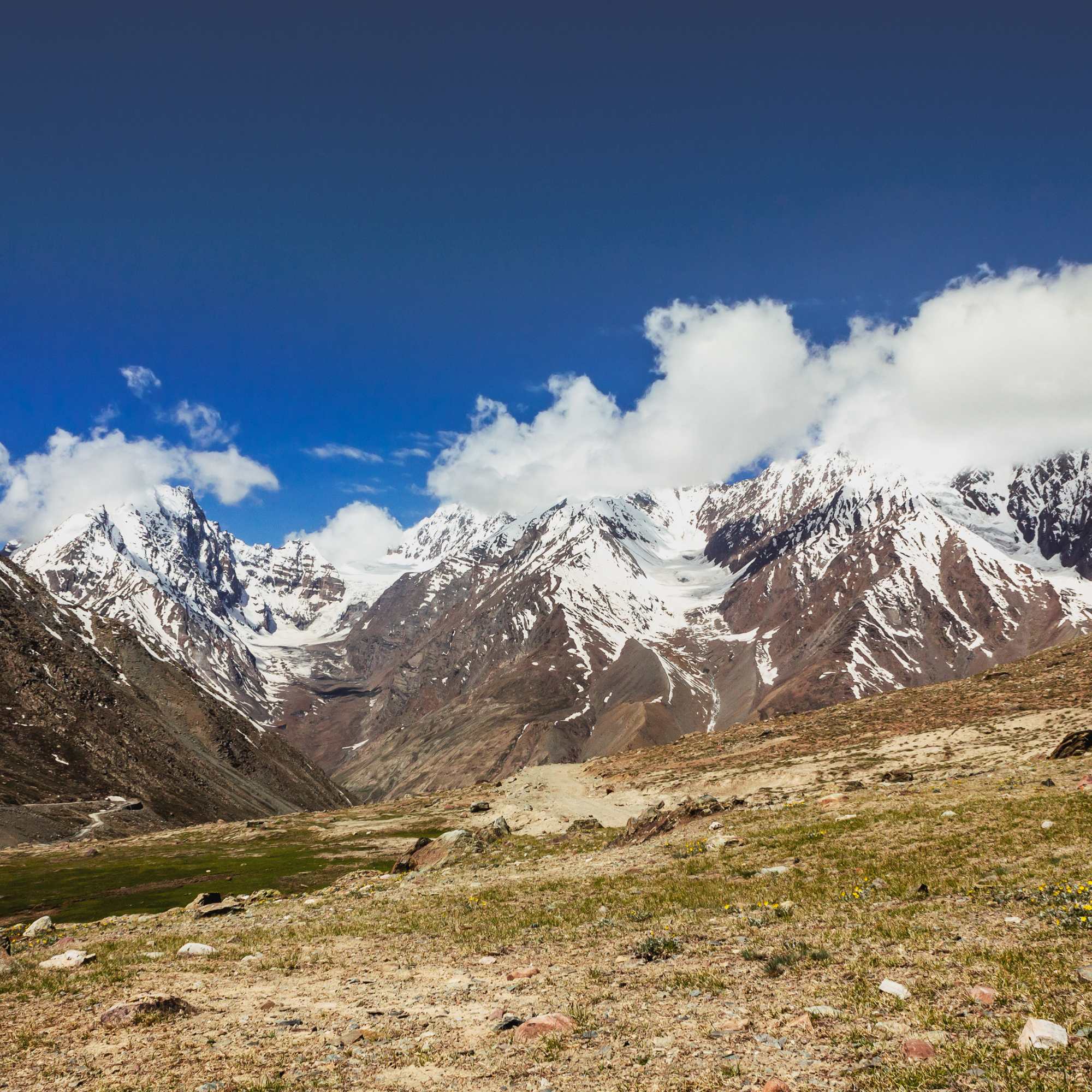
Kunzum Pass
~18 km · 30–45 min
The high mountain pass at 4,551 metres connecting Lahaul to Spiti. Drive up from Losar for sunrise views of the Chandra Bhaga range and visit the small Kunzum Devi temple at the top.
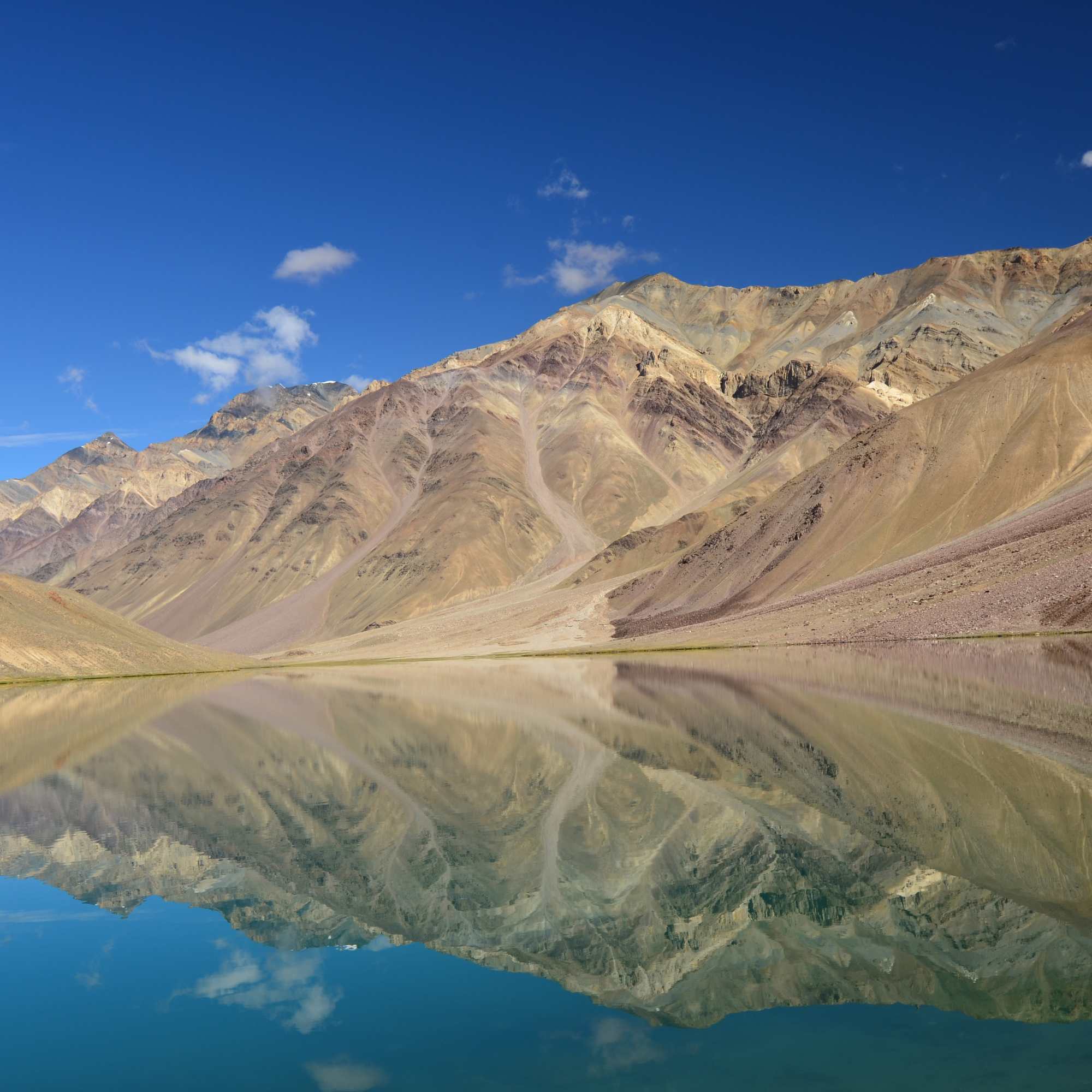
Chandratal Lake
~49 km · 2–3 hr via Kunzum
The crescent-shaped high altitude lake at about 4,300 metres, one of the most photographed spots in Himachal. Reachable from Losar as a day trip over Kunzum Pass.
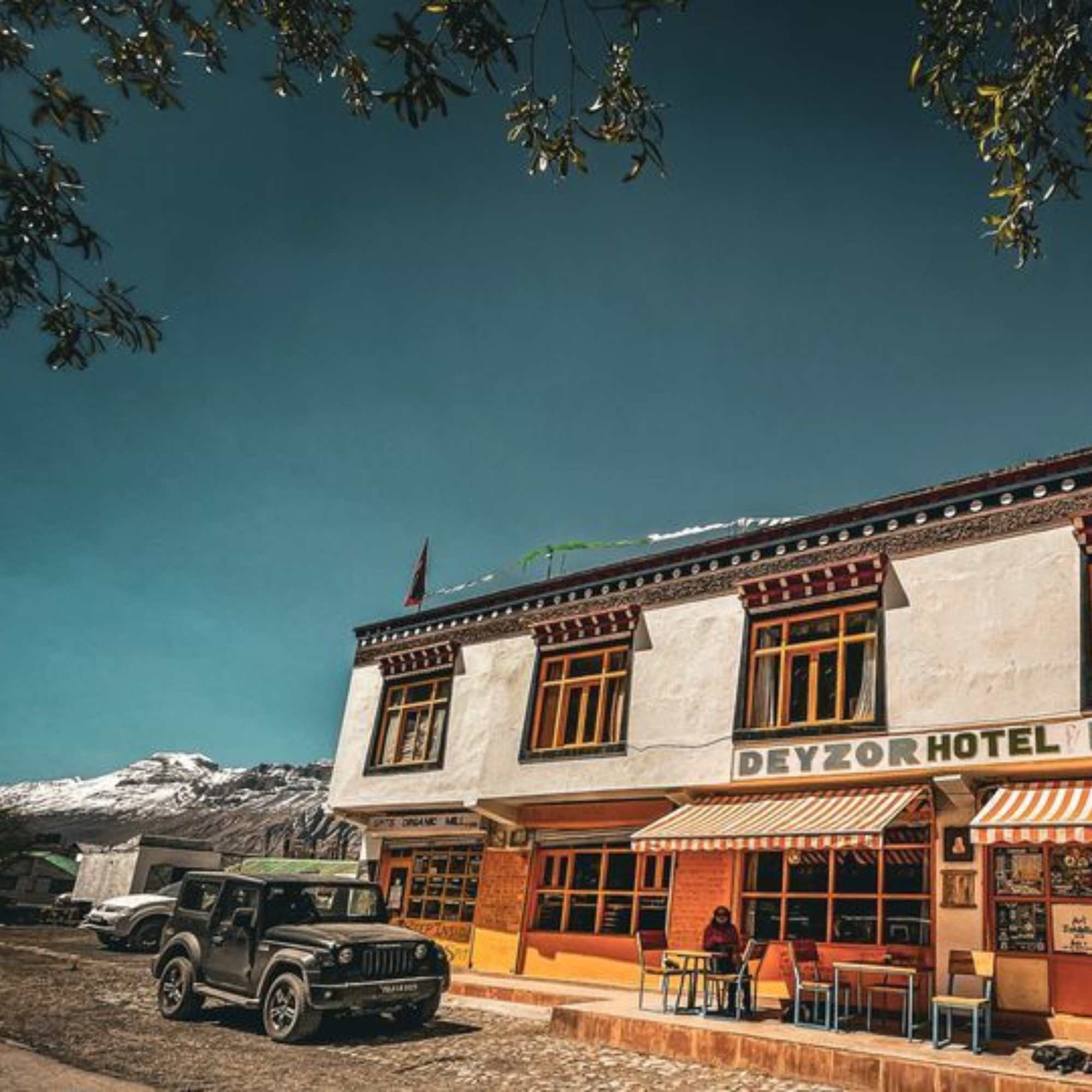
Kaza
~56 km · 1.5–2 hr
The sub-divisional headquarters and main town of Spiti Valley at around 3,800 metres. The hub for fuel, ATMs, supplies, and onward travel to the rest of Spiti.
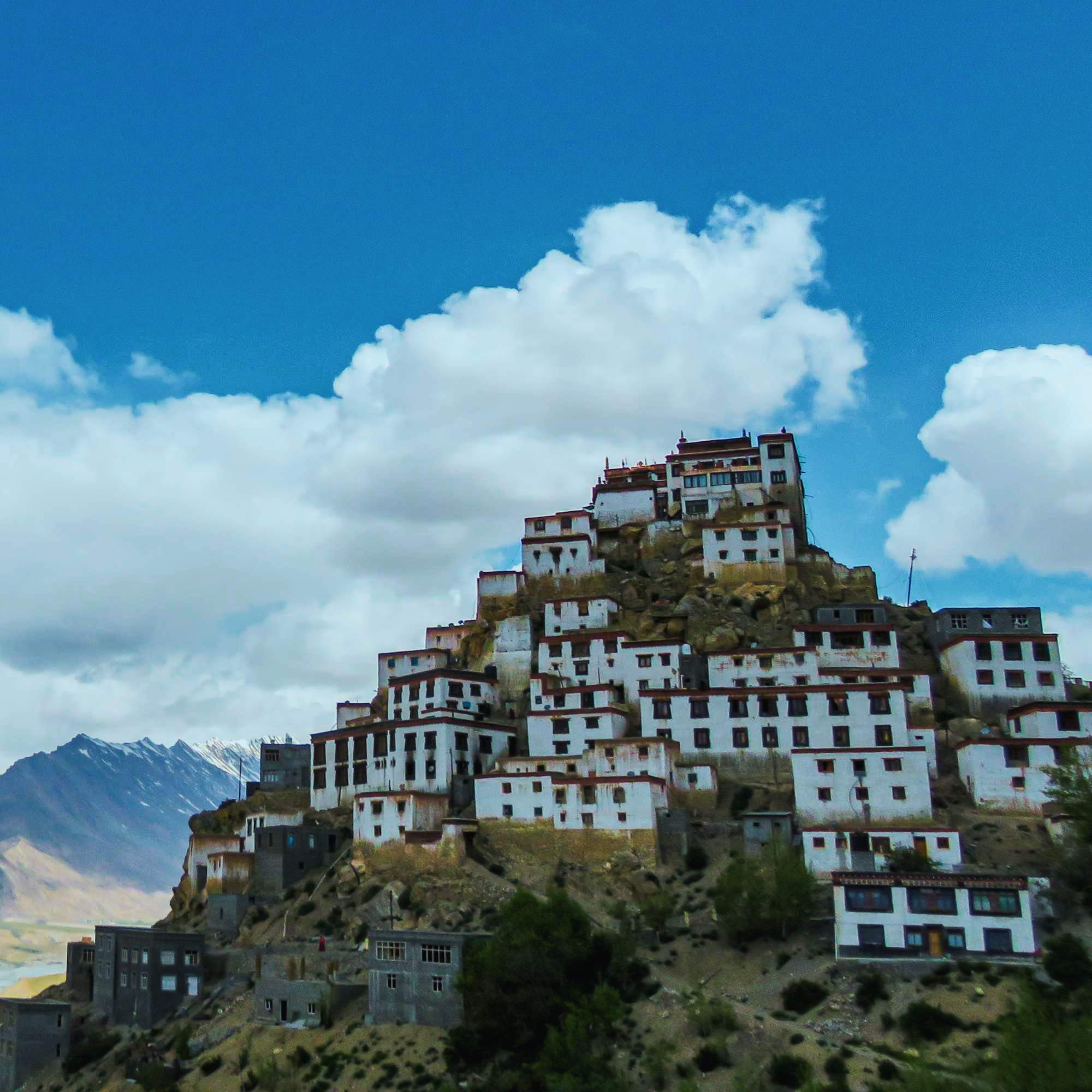
Key Monastery
~68 km · 2–2.5 hr via Kaza
The largest and most iconic Buddhist monastery in Spiti, perched on a hilltop at about 4,166 metres above the Spiti river with stunning murals and thangka paintings.
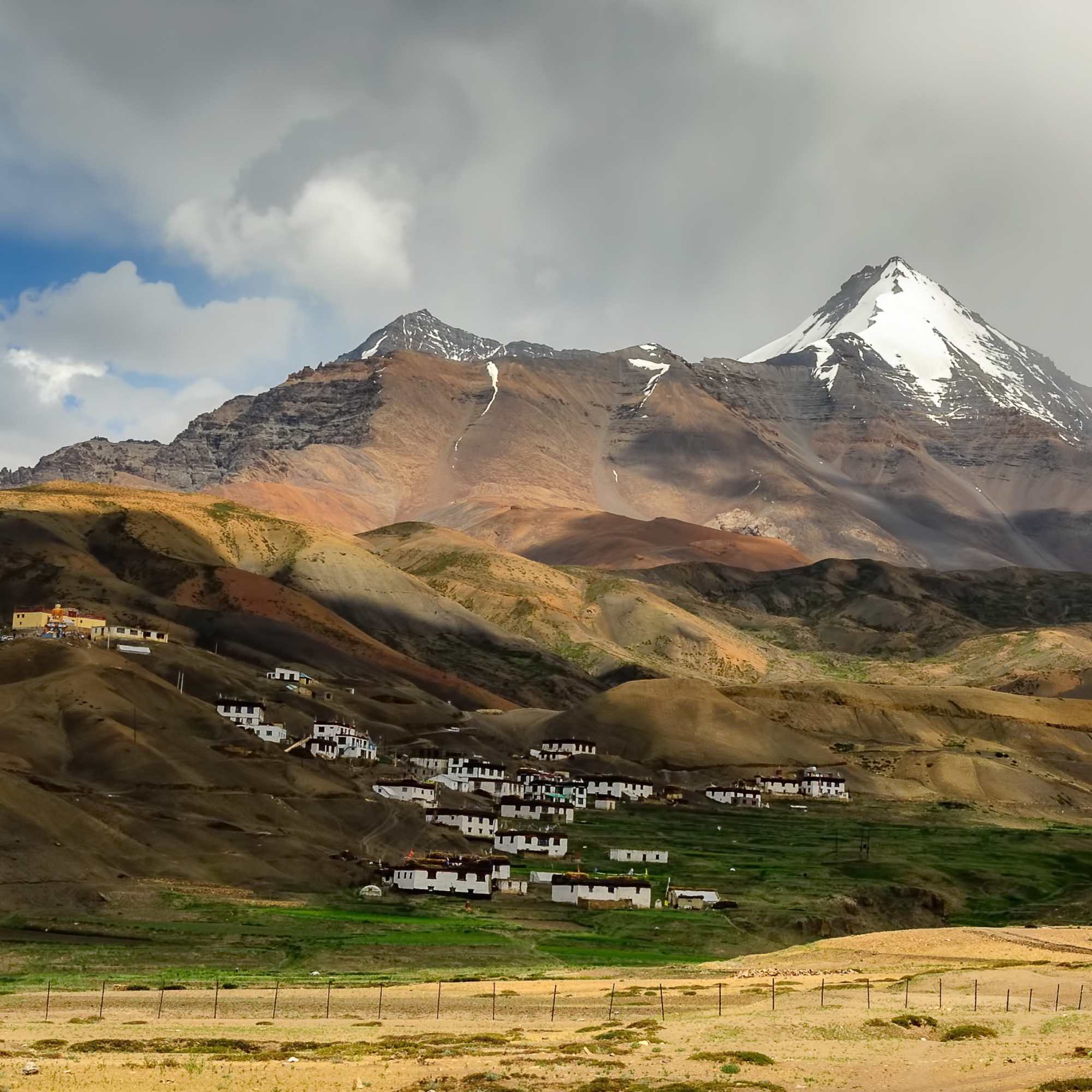
Langza Village
~72 km · 2.5 hr via Kaza
A fossil-rich village at about 4,400 metres with a giant Buddha statue overlooking the valley and clear views of the Chau Chau Kang Nilda peak.
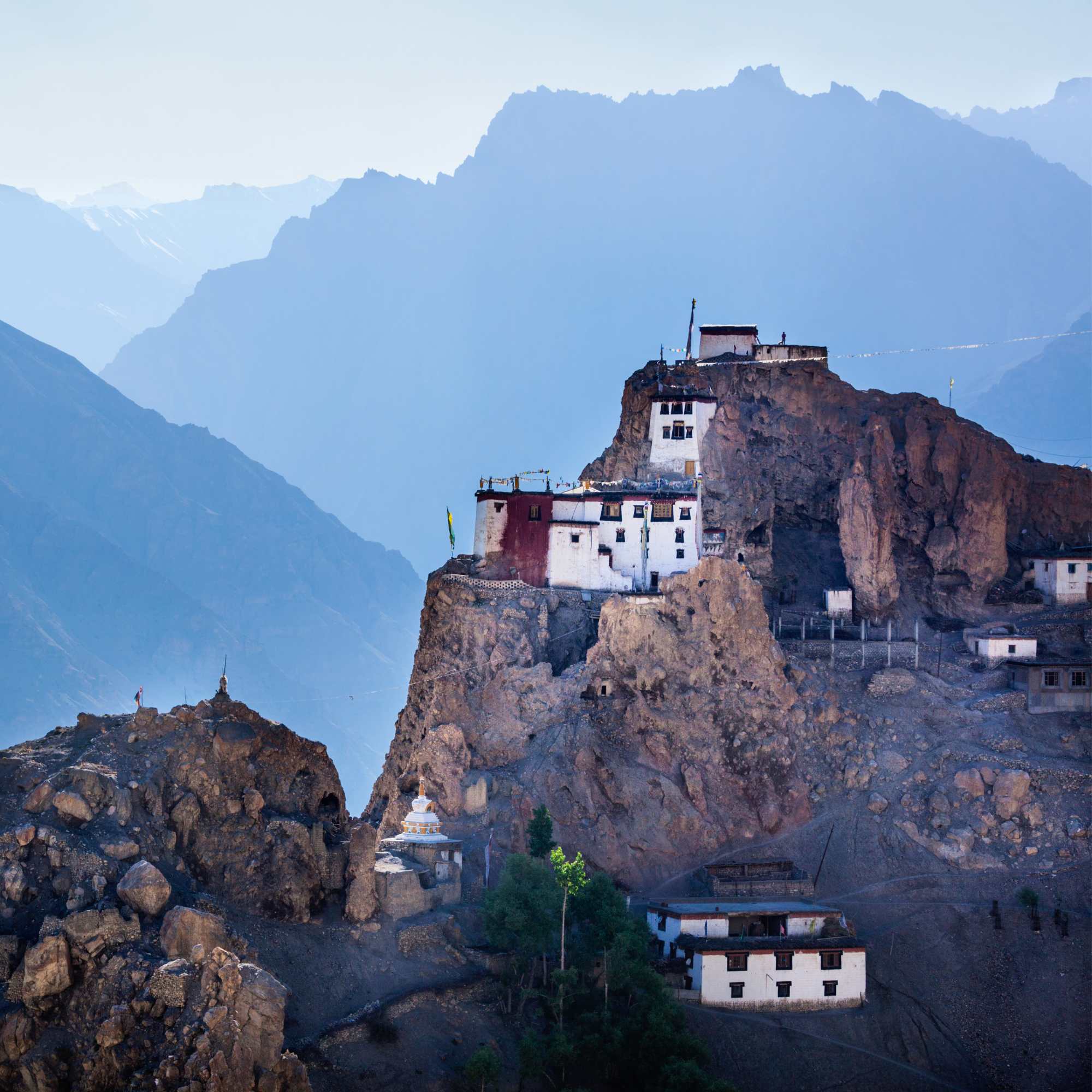
Dhankar Monastery & Lake
~75 km · 2–2.5 hr via Kaza
Old fortress monastery perched on a cliff above the Spiti and Pin confluence, with a small alpine lake reached by an hour of climbing above.
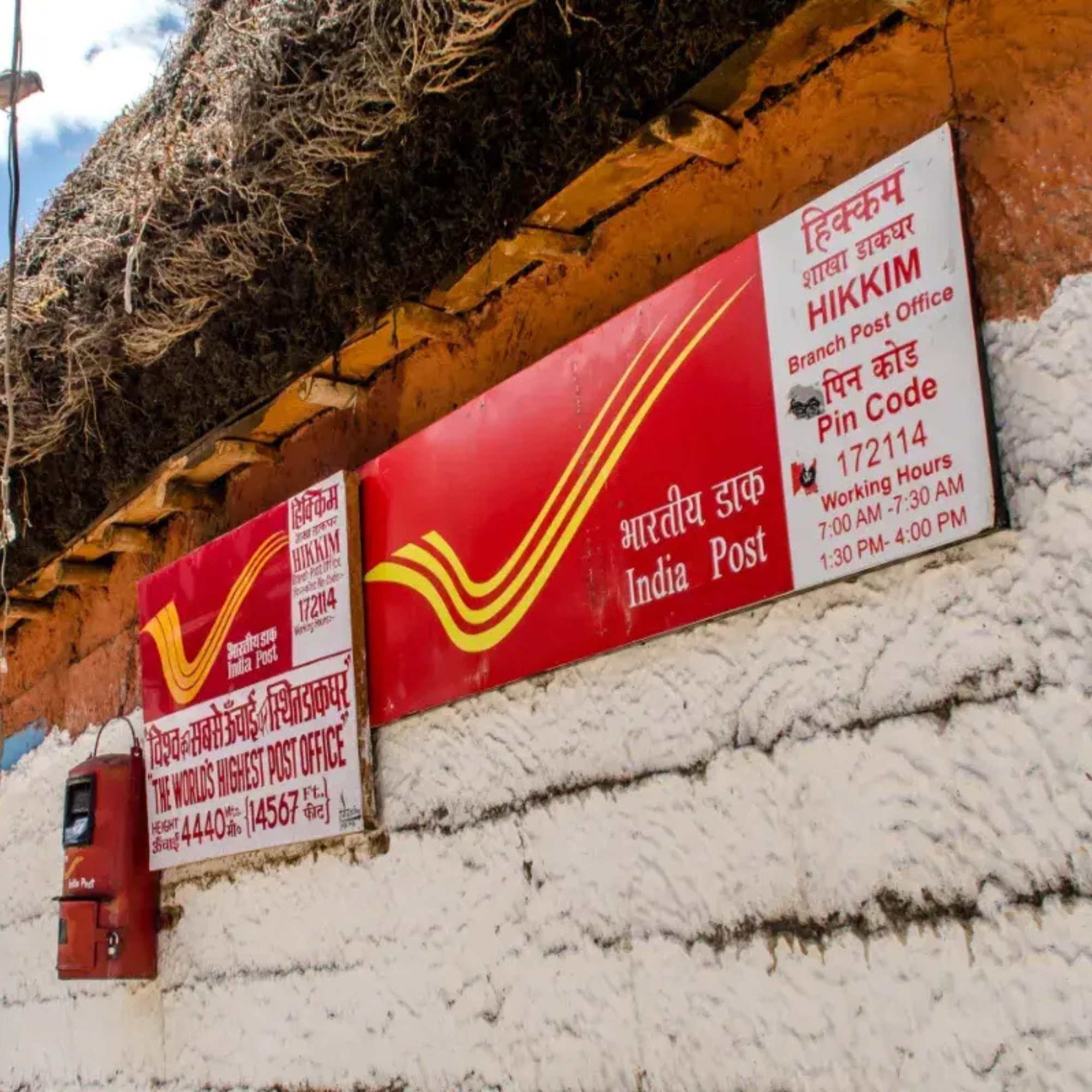
Hikkim
~75 km · 2.5 hr via Kaza
A small Spitian village at roughly 4,400 metres, home to a working post office that has been stamping postcards from the top of the world since 1983.
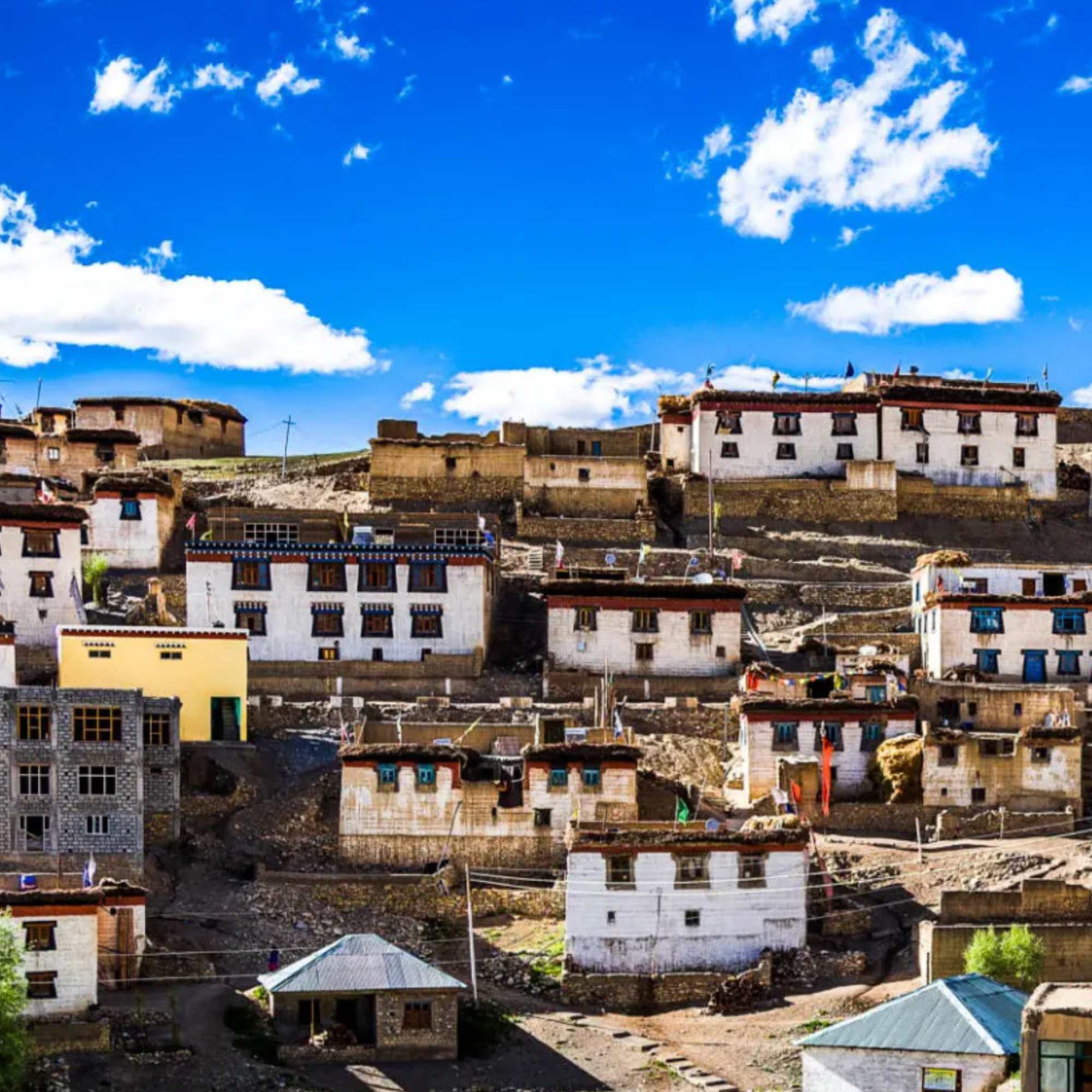
Kibber Village
~76 km · 2.5–3 hr via Kaza
One of the highest inhabited villages in Asia at around 4,270 metres, known for wildlife sightings including snow leopards and ibex, and the Kibber to Chicham trek.
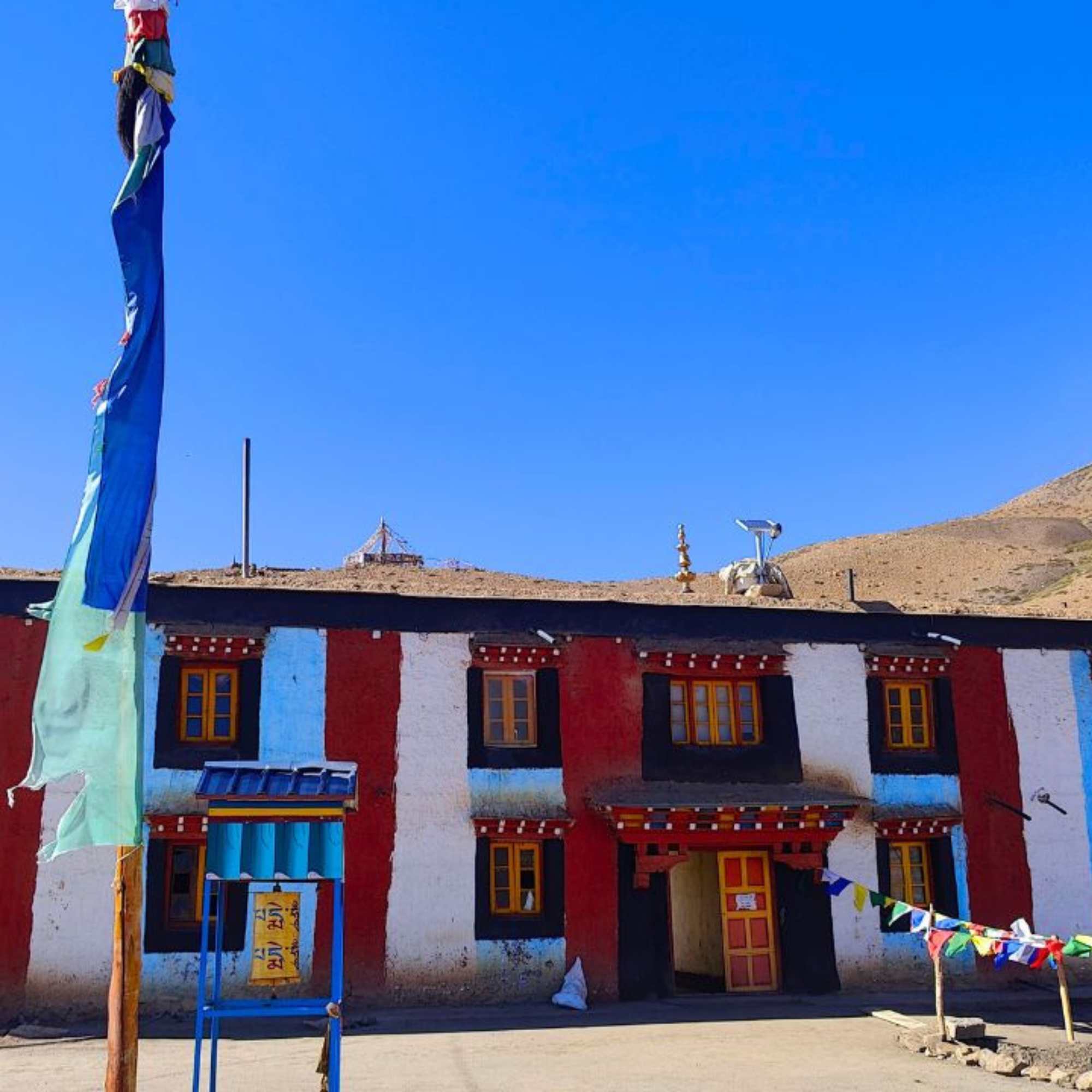
Komic Village
~78 km · 2.5–3 hr via Kaza
A 13 house Spitian hamlet at around 4,587 metres, often called the highest motorable village in the world, with a fortress-like Sakya monastery on the canyon edge.
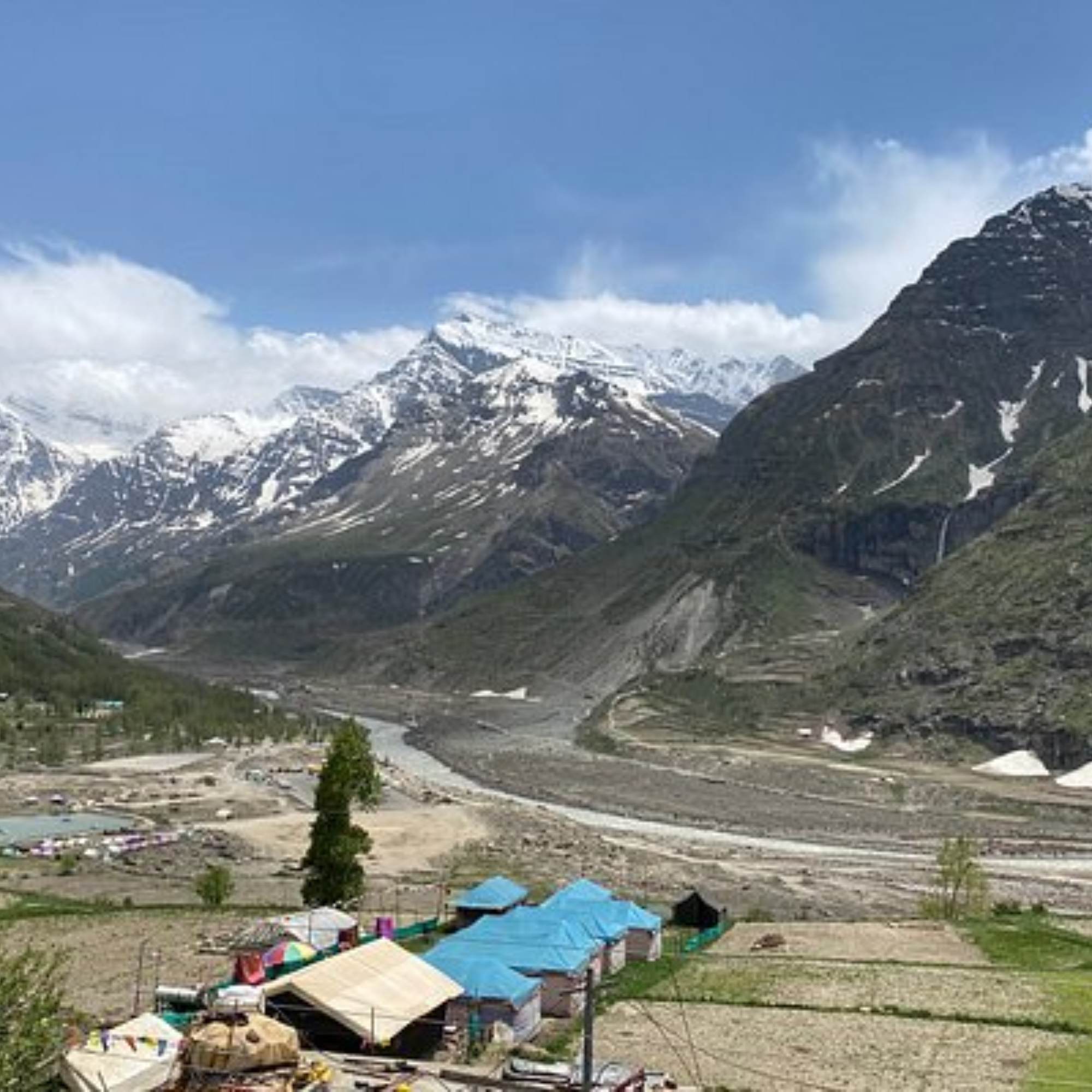
Koksar Village
~90 km · 4–5 hr via Kunzum
The first Lahauli village on the old road after Rohtang, sitting at the start of the Chandra valley. A common chai stop on the Manali to Spiti drive.
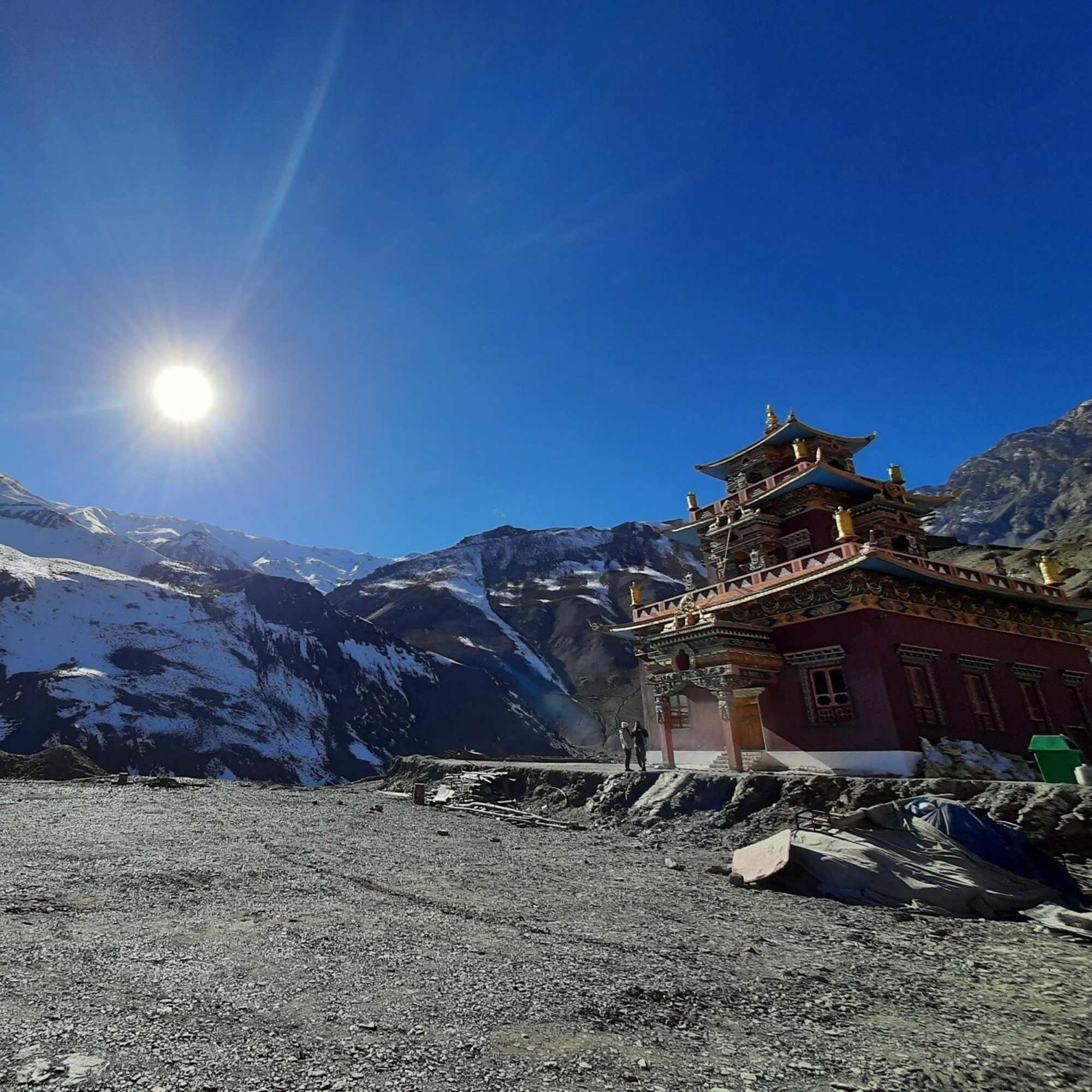
Gue Mummy Monastery
~95 km · 3 hr via Kaza
A 500 year old self mummified monk preserved in a glass case, in a tiny village above the Spiti river near the Indo-Tibet border. One of Spiti's most unusual stops.
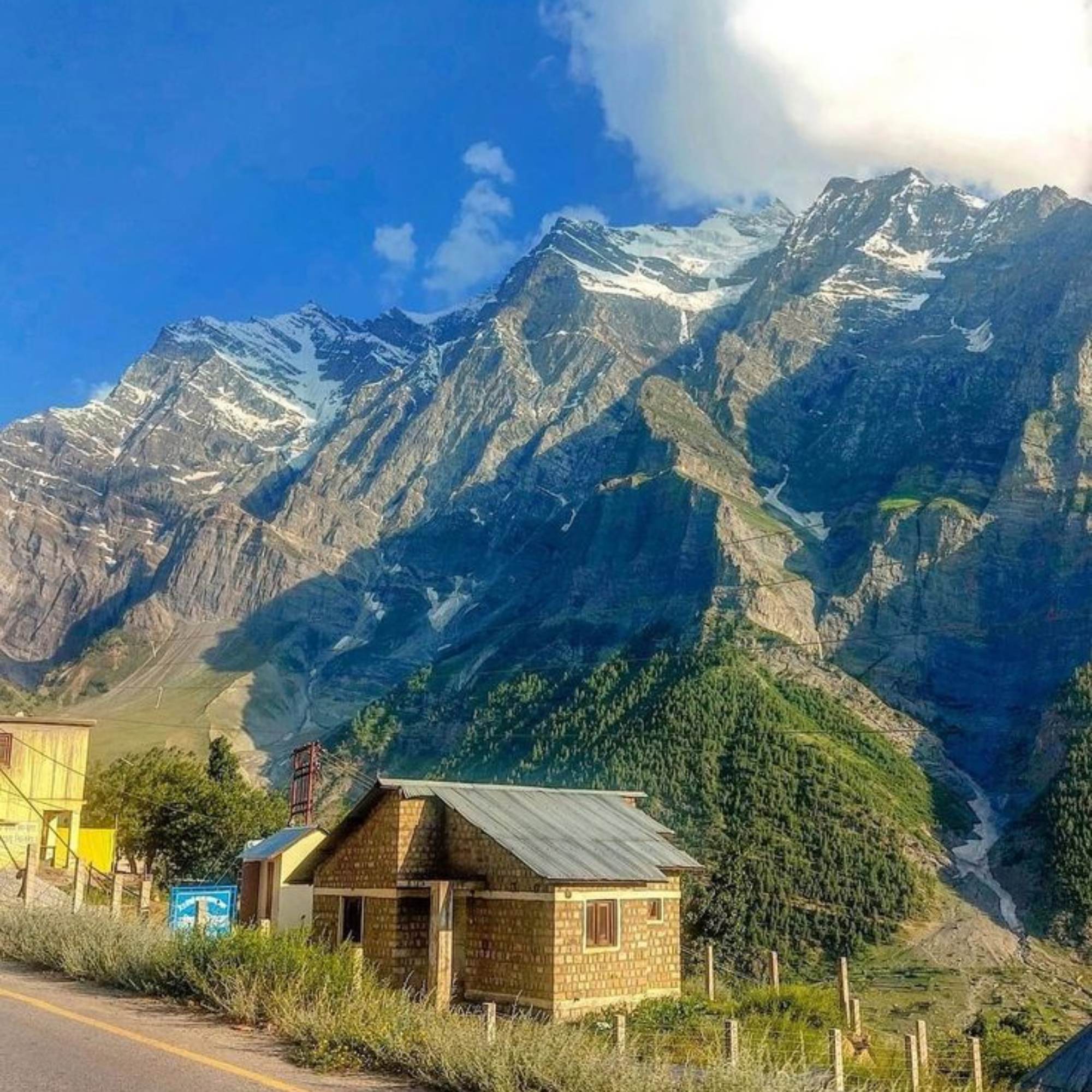
Atal Tunnel
~95 km · 4–5 hr via Kunzum
The 9.02 km highway tunnel under the Rohtang range connecting Manali to Lahaul. Most travellers pass through it on the way to or from Spiti via the Manali side.
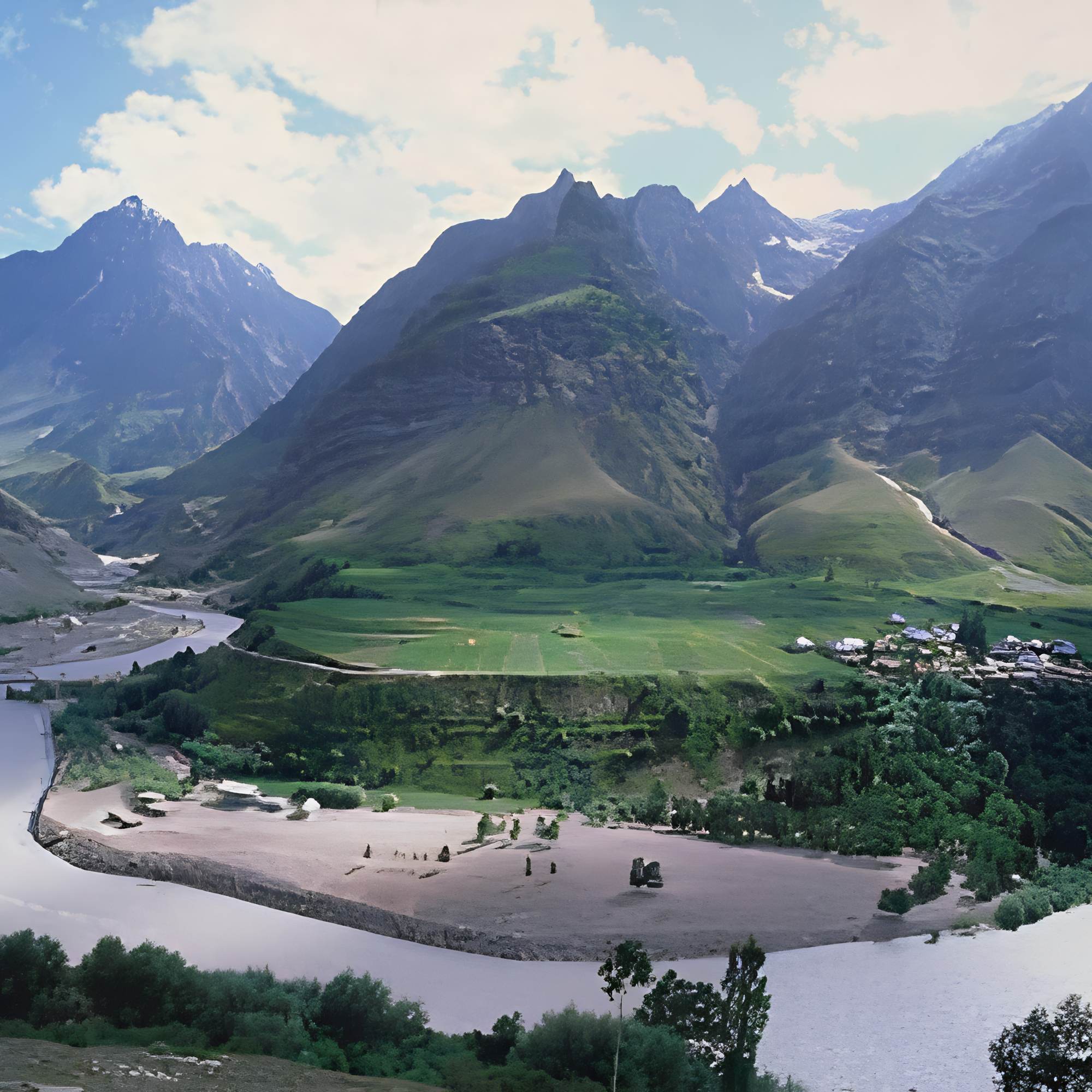
Tandi Sangam
~105 km · 5–6 hr via Kunzum
The confluence of the Chandra and Bhaga rivers in Lahaul, marking the start of the Chandrabhaga (Chenab). A brief scenic halt on the Manali to Spiti road.
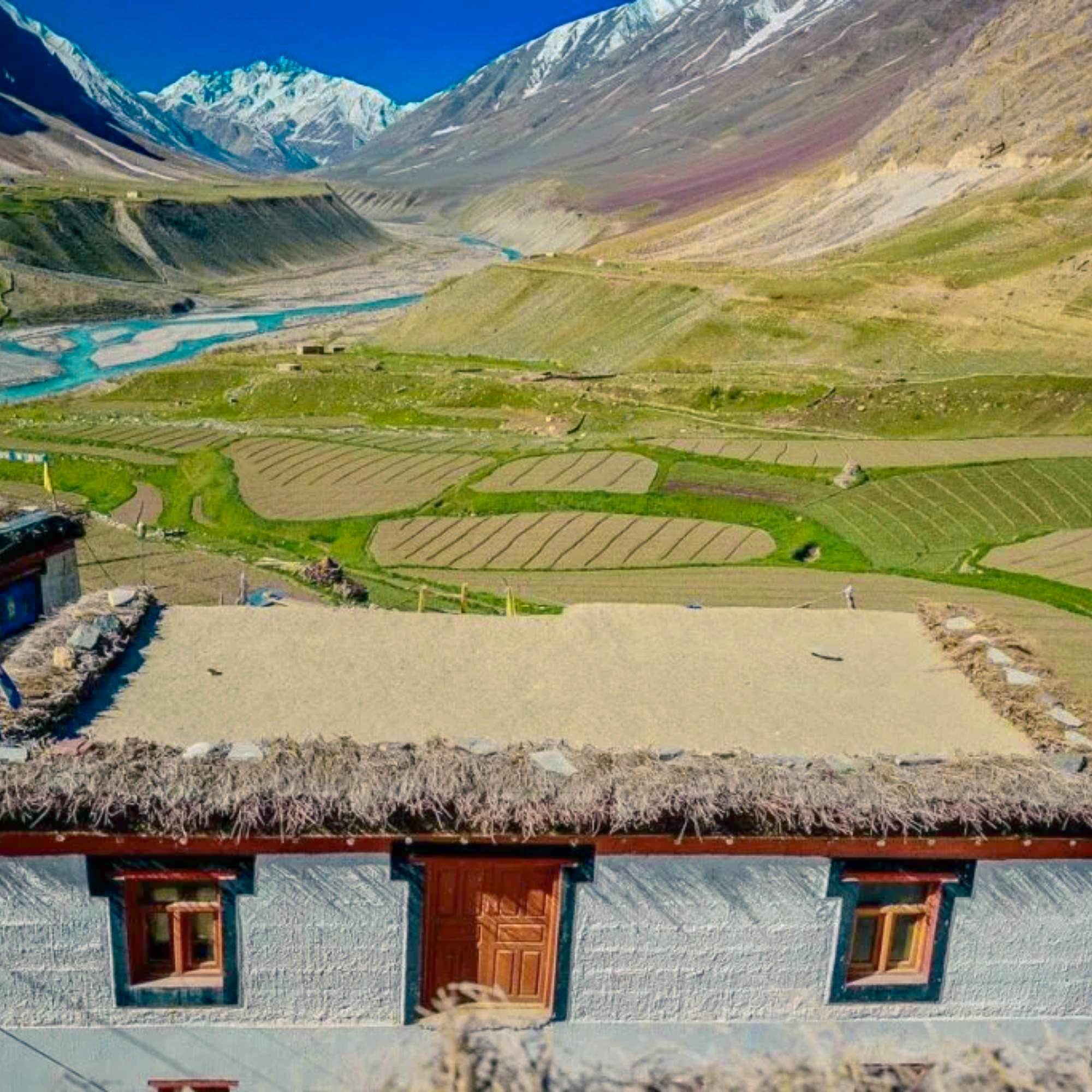
Mud Village
~108 km · 3.5–4 hr via Kaza
The last village in Pin Valley at around 3,810 metres, where the road ends and trekking trails to Kullu and Kinnaur begin. Base camp for the Pin Bhabha and Pin Parvati treks.
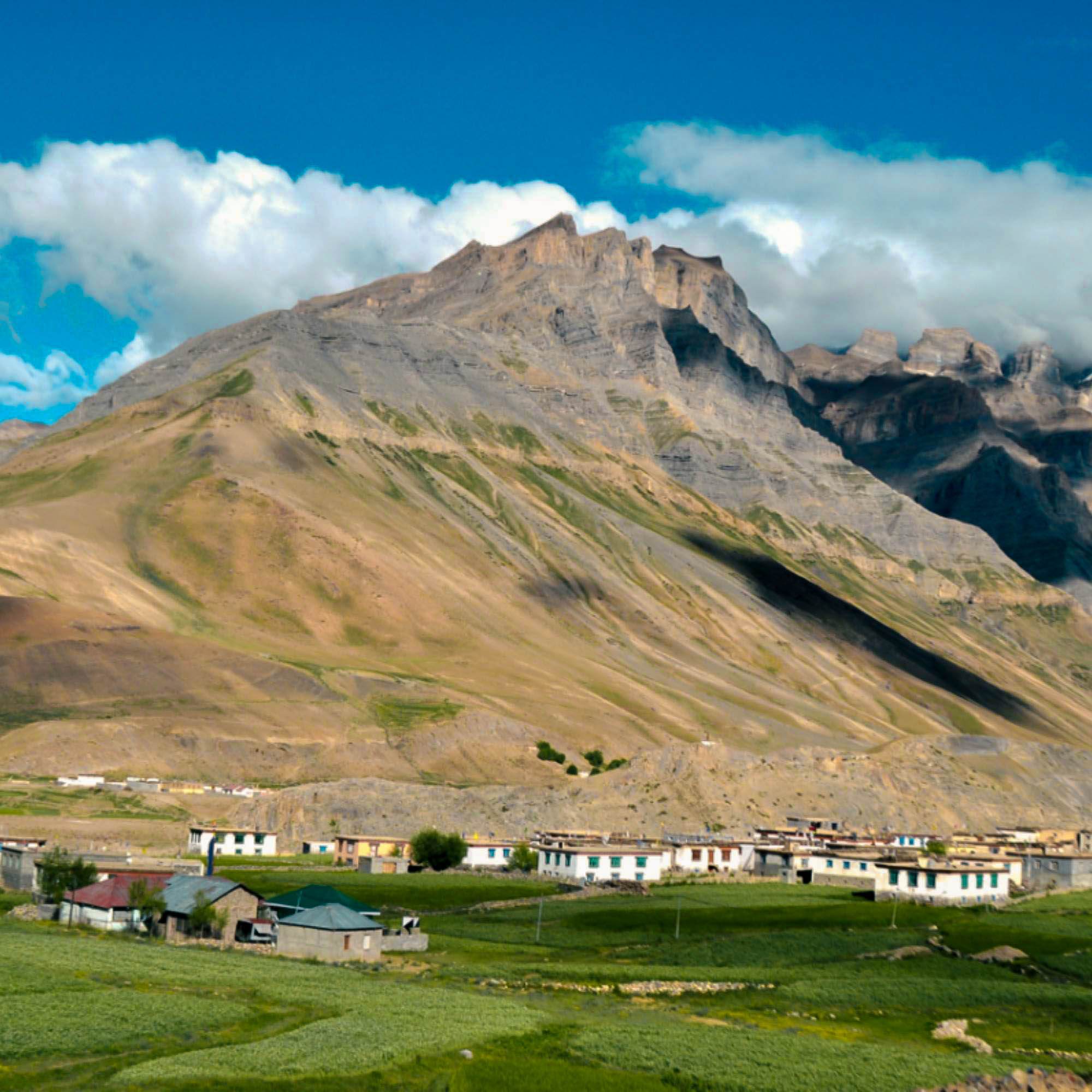
Pin Valley National Park
~110 km · 3.5–4 hr via Kaza
Cold desert national park and one of India's important snow leopard habitats. Accessed via Pin Valley road from Attargo Bridge near Kaza.
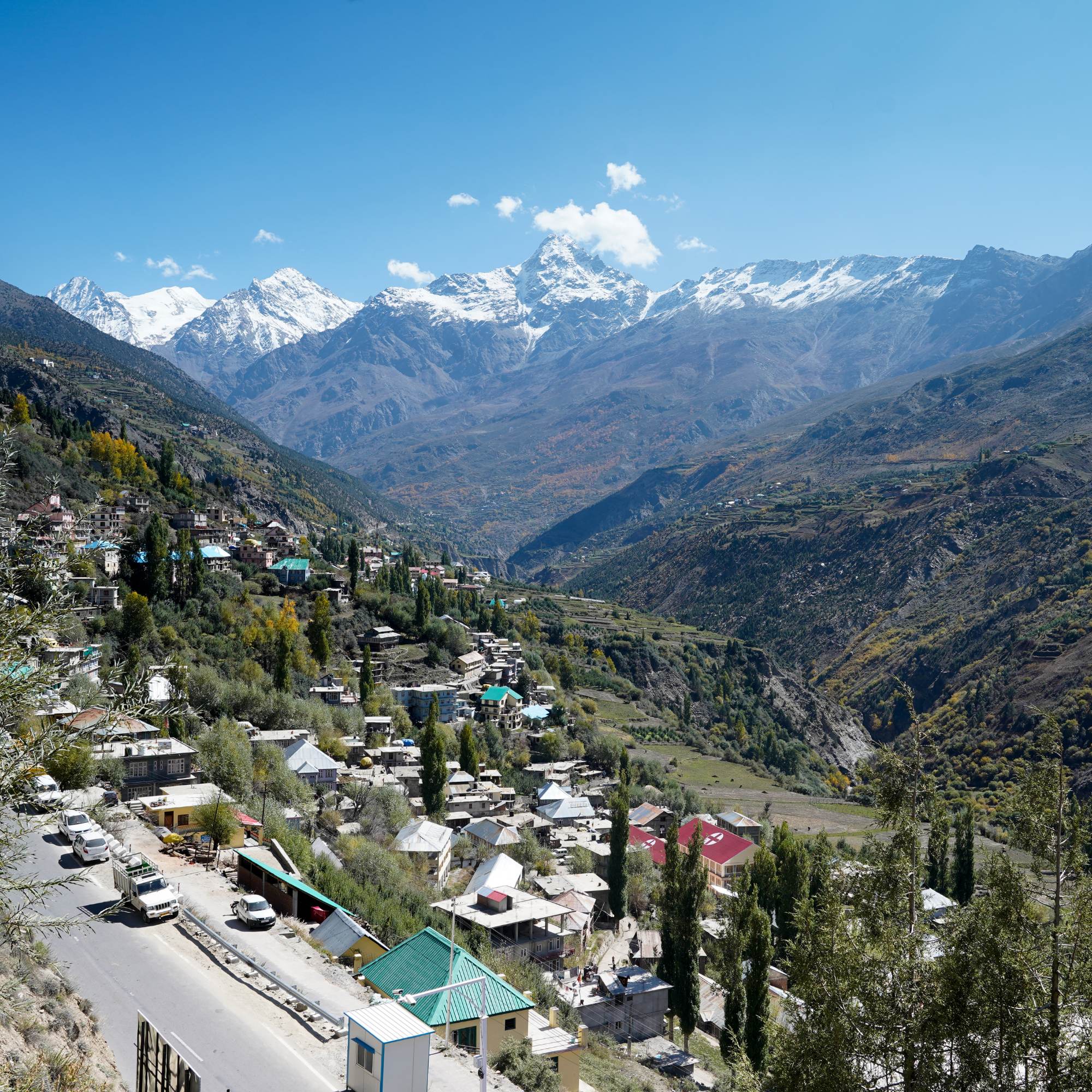
Keylong
~110 km · 5–6 hr via Kunzum
The district headquarters of Lahaul and Spiti at around 3,080 metres. The main administrative town on the Lahaul side with banks, fuel, and the closest proper hospital.
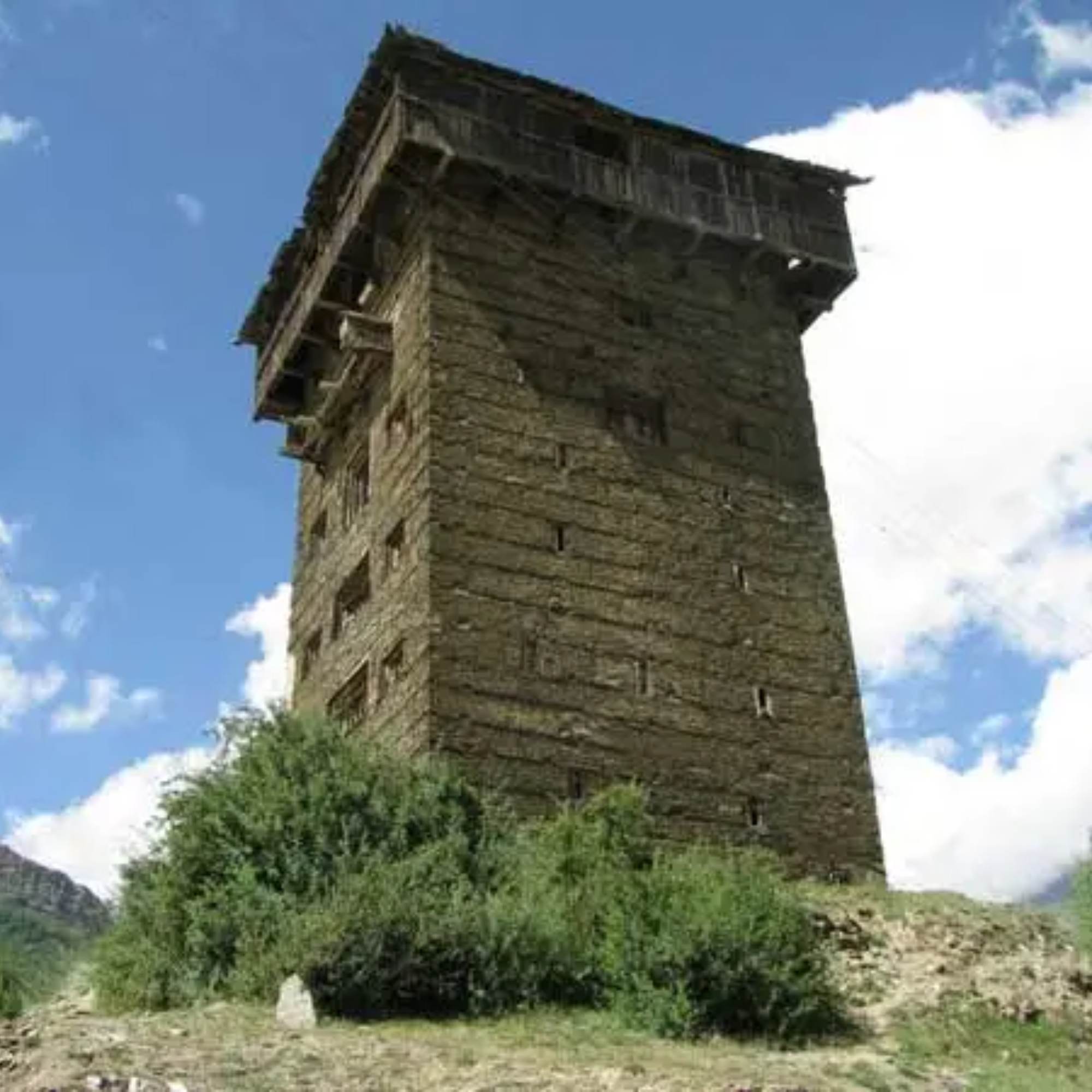
Gondhla Fort
~115 km · 5–6 hr via Kunzum
A seven storey Kath Kuni tower from the 17th century in Lahaul, one of the few surviving traditional fortified houses in the valley.
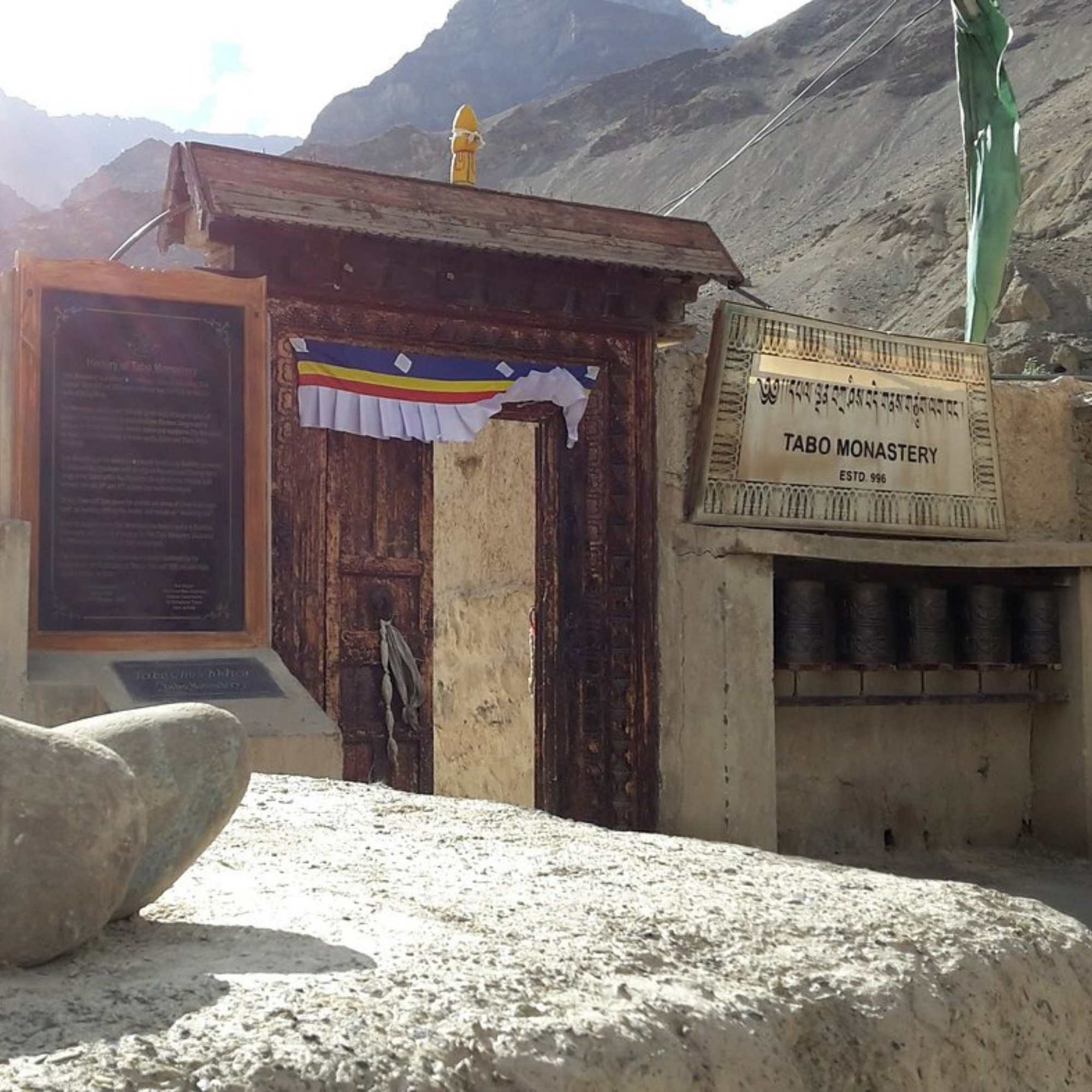
Tabo Monastery
~120 km · 3.5–4 hr via Kaza
One of the oldest continuously functioning monasteries in the Himalayas, founded in 996 CE, with rare wall paintings older than a thousand years. Often called the Ajanta of the Himalayas.
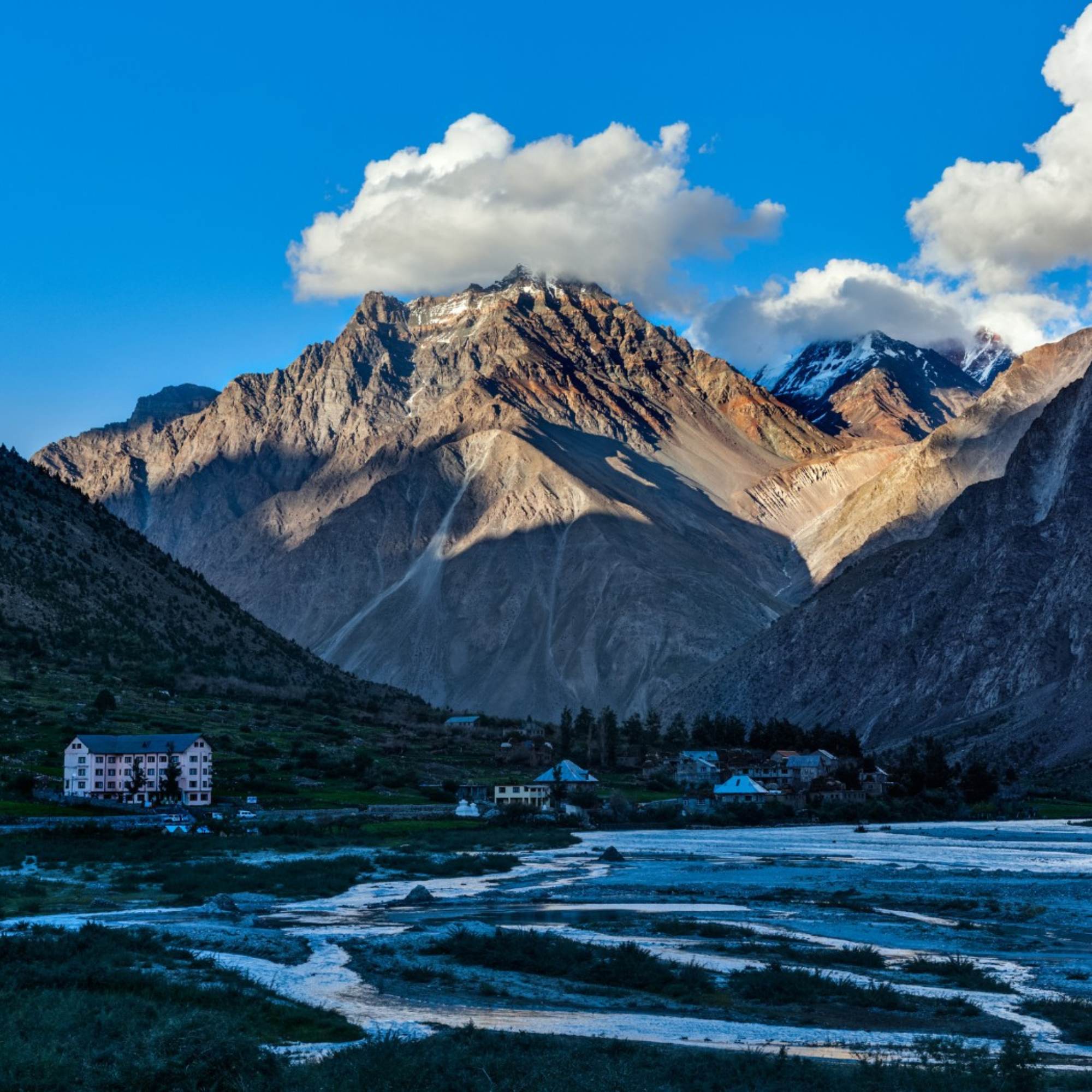
Jispa
~130 km · 6–7 hr via Kunzum
A quiet Lahauli village at around 3,200 metres on the Bhaga river, popular as an acclimatisation halt for travellers heading to Ladakh via the Manali-Leh highway.
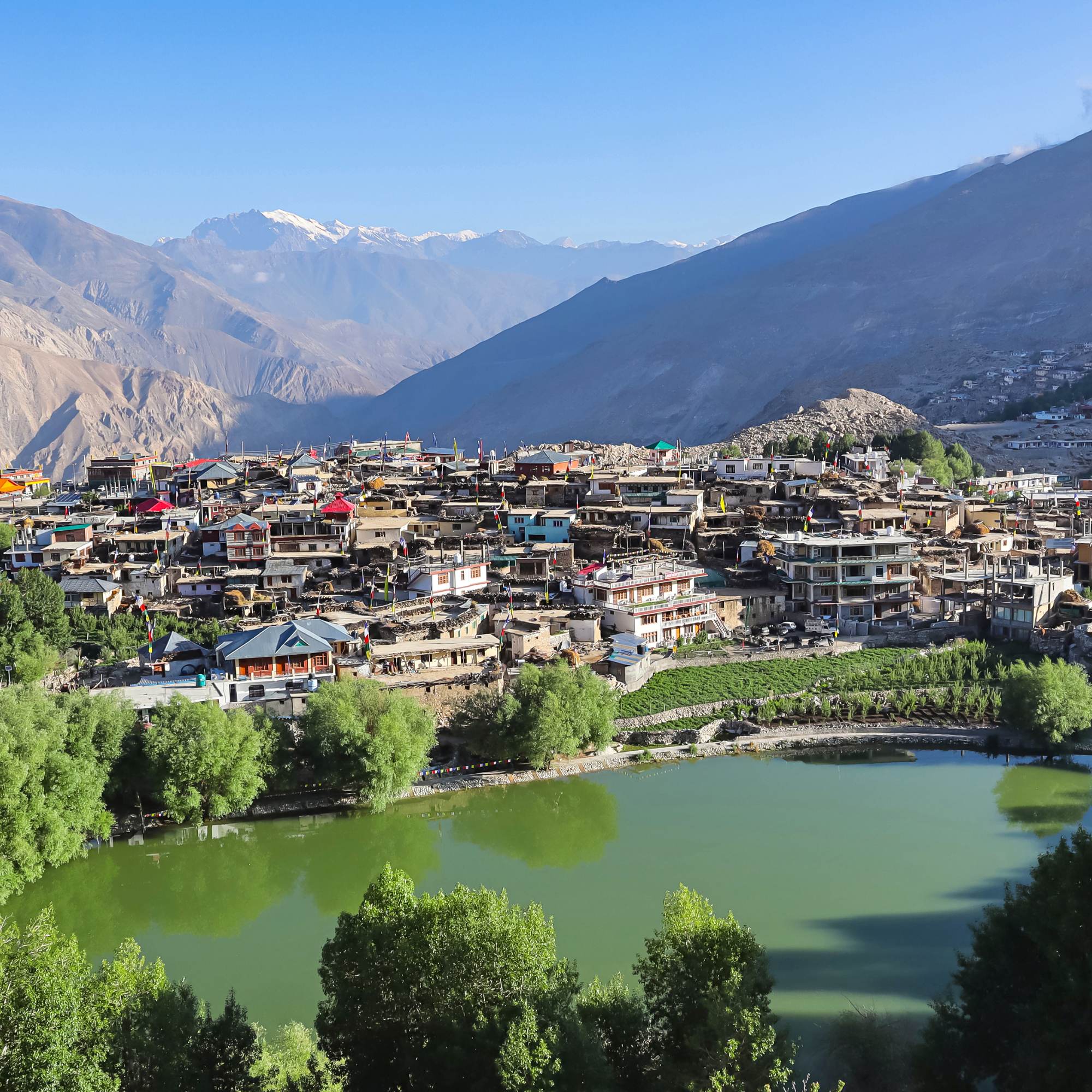
Nako Lake & Village
~180 km · 6–7 hr via Kaza
A high altitude lake and village at around 3,662 metres in Kinnaur, sitting on the old Hindustan-Tibet road with a Buddhist monastery and walnut orchards. A stop on the Shimla-side Spiti route.
Related guides
Posts about Lahaul and Spiti
- Winter Spiti from Bangalore in 2026-27: Flights, Leave Days & Delhi 4x4 Departures
- What Does a Winter Spiti 4x4 Trip Really Cost in 2026-27? Package Price vs Total Holiday Budget
- How Many Leave Days Do You Need for a 9-Day Winter Spiti Trip in 2026-27?
- Winter Spiti for 4 to 6 Friends: Private 4x4 Quote vs Shared Group Seats (2026-27)
- Winter Spiti from Mumbai in 2026-27: Delhi or Chandigarh, Total Budget and Return Planning
- Is Winter Spiti a Trek? Walking, Stairs and Driving Effort on a 9-Day Trip (2026-27)