
Jispa
A quiet Lahauli village at around 3,200 metres on the Bhaga river, where the camping is the point and the Manali to Leh highway runs right through
- Lahaul village
- ~3,200 m
- Manali · ~100 km via Atal Tunnel
- May to Oct best
- Riverside camping
What makes it special
Jispa is a small Lahauli village of roughly 200 people sitting at around 3,200 metres on the left bank of the Bhaga river, about 20 km north of Keylong on the Manali to Leh highway. For years, most people knew it only as a name on the itinerary between Manali and Sarchu, a place where the bus stopped for 10 minutes and moved on. The Atal Tunnel changed that. Now, with Manali only about three to four hours away through the tunnel and Keylong, Jispa has quietly become one of the better camping destinations in Lahaul on its own merit, not just a transit point.
Here is the thing most travel pages skip. Jispa is not a sightseeing destination. There is no signature viewpoint, no famous temple trail, no Instagram landmark that draws you here. What draws you is the river. The Bhaga runs wide and blue grey through a flat valley floor, with camps set up along the banks under canvas, some basic and some surprisingly comfortable, with the mountains closing in on both sides. You wake up to the sound of the water, eat breakfast looking at snow peaks, and spend the afternoon doing nothing in particular. That is the experience. If you need a packed itinerary, Jispa will bore you by lunch. If you want the quietest version of Lahaul with a river running outside your tent, it is hard to beat.
The village itself is tiny. A cluster of traditional houses, Buddhist chortens with prayer flags, a small monastery that the Dalai Lama has reportedly visited on his travels between Manali and Ladakh, a helipad, a post office, and a few homestays. Two days here gives you the riverside, a drive to Deepak Tal or Suraj Tal towards Baralacha La, and enough quiet to remember why you left the city. Three days only if you are the kind of person who genuinely enjoys doing nothing, which is a compliment.
Quick answers
- Is Jispa worth visiting?
- Yes, if you want a slow, quiet riverside experience in Lahaul rather than a packed sightseeing trip. The camping on the Bhaga river bank is genuinely one of the best in the state. Skip it if you need attractions and activities to fill your day. This is a place for sitting by the water, not ticking off a list.
- How much time do you need?
- One night is enough to get the camping experience. Two nights is the sweet spot, it lets you add a drive to Deepak Tal or Suraj Tal and have a proper slow day by the river. Three nights only if you really like doing nothing.
- Can you stay here?
- Yes. Riverside camps are the main stay type, running from roughly 2,000 to 4,000 rupees per person per night with meals. There are also a few homestays and guesthouses in the village. Book ahead in June to August.
Quick facts
Everything you need to know at a glance.
At a glance
- Altitude
- Around 3,200 m / ~10,500 ft
- Location
- Lahaul, Lahaul and Spiti district, Himachal Pradesh, on the Bhaga river
- Nearest towns
- Keylong ~20 km south, Darcha ~7 km north, Manali ~100 km via Atal Tunnel
- Best season
- May to October. Accessible via Atal Tunnel year round but winter visits are only for experienced travellers.
- Time needed
- One to two nights, or a half day stop on the Manali to Leh drive
- Entry fee
- None. No permits needed for Indian nationals.
- Known for
- Riverside camping on the Bhaga river, overnight halt on the Manali to Leh highway
- Access difficulty
- Easy by road from Manali via Atal Tunnel and Keylong. Moderate altitude.
On the ground
- Mobile network
- BSNL is the most reliable. Jio and Airtel work in patches. Data is slow. Plan for limited connectivity.
- ATMs
- None in Jispa. Nearest ATMs in Keylong or Manali. Carry enough cash for your full Lahaul stay.
- Fuel
- No pump in Jispa. Nearest is Tandi, about 35 km south towards Keylong. Fill up in Manali before the tunnel.
- Food
- Camp kitchens serve meals (dal, rice, roti, momos, Maggi). A couple of small dhabas on the highway. Carry backup snacks.
- Parking
- At your camp or homestay. Roadside parking along the highway, no formal charges.
- Permits
- None for Indian nationals. Foreign nationals should carry ID and check current Lahaul and Spiti permit rules.
- Drones
- Not explicitly banned but the area has military presence. Use discretion and avoid flying near the helipad.
- Walking
- Flat village lanes and river bank paths. Easy terrain, altitude is the only factor.
Seasonal weather
- May to June18°3°Spring
- July to August20°8°Summer monsoon
- September to October16°0°Autumn
- November to March2°-15°Winter
Suitable for
- Couples — suitable
- Families — suitable
- Seniors — with some care
- Solo — suitable
- First-timers — suitable
- Pet-friendly — with some care
How to reach Jispa
5 approach routes, with seasonal access.
From Manali (via Atal Tunnel and Keylong)
Year round via the Atal Tunnel, though road conditions beyond Keylong can deteriorate in winter- Distance
- About 100 km
- Time
- 3 to 4 hours
- Road
- Tarred highway through the Atal Tunnel, then mostly decent tar via Sissu, Tandi, and Keylong to Jispa. Some patched sections.
- Last fuel
- Fill up in Manali. Nearest pump after that is Tandi, about 35 km before Jispa.
The standard approach. From Manali, drive through the Atal Tunnel (about 9 km, speed restricted, 15 to 20 minutes), exit into Lahaul at Sissu, continue through Tandi (the confluence of the Chandra and Bhaga rivers) and Keylong, then 20 km further north to Jispa. In peak season and on weekends, tunnel traffic can queue for 30 to 60 minutes at the south portal. Leave Manali by 8 or 9 AM for a comfortable arrival by lunch.
From Delhi
Year round to Manali, then year round via tunnel though winter roads beyond Keylong can be tricky- Distance
- About 580 km to Manali, then 100 km onward
- Time
- 14 to 16 hours to Manali, then 3 to 4 hours to Jispa
- Road
- NH44 and NH3 to Manali, mostly decent tar. Then Atal Tunnel and highway to Jispa.
- Last fuel
- Chandigarh, Swarghat, Bilaspur, Sundernagar, Mandi, Manali, then Tandi
Most travellers take an overnight Volvo from Delhi to Manali, arriving by 8 to 10 AM. From Manali, taxi or self drive through the Atal Tunnel and Keylong to Jispa, arriving by early afternoon. Self drive from Delhi runs 14 to 16 hours with stops. The practical plan is reach Manali on day one, push to Jispa on day two morning.
From Chandigarh
Year round- Distance
- About 350 km to Manali, then 100 km onward
- Time
- 8 to 9 hours to Manali, then 3 to 4 hours to Jispa
- Road
- NH3 through the hills, mostly tarred. Then Atal Tunnel and onward.
- Last fuel
- Swarghat, Bilaspur, Sundernagar, Mandi, Manali, then Tandi
Leave Chandigarh by 5 or 6 AM, reach Manali by mid afternoon with a lunch stop. Push through the tunnel and Keylong to Jispa by evening. Or stay a night in Manali and continue fresh the next morning.
From Keylong
Year round- Distance
- About 20 km
- Time
- 30 to 45 minutes
- Road
- Tarred highway, generally in decent shape.
- Last fuel
- Tandi petrol pump is between Keylong and Sissu, about 15 km south of Jispa
The short hop if you are already in Lahaul. The road follows the Bhaga river northward from Keylong. Useful if you base at Keylong and day trip to Jispa, or the other way around.
From By bus from Manali
Year round, frequency drops in winter- Distance
- About 100 km
- Time
- 4 to 5 hours including stops
- Road
- Highway through the Atal Tunnel
- Last fuel
- Not applicable
HRTC buses running from Manali towards Keylong, Udaipur, or Leh pass through Jispa. Frequency varies by season, generally a few buses a day in summer, fewer in winter. Confirm timings at the Manali bus stand on the day you travel. The bus drops you on the highway, camps and homestays are a short walk from the road.
Best time to visit
Season by season, so you can plan around the weather rather than hope.
- Recommended
Spring
May to June
Clear skies, the river runs blue, and the valley warms up enough to camp comfortably
- Day temperature
- 12 to 18 C
- Night temperature
- 3 to 5 C
- River
- Clear blue, not yet swollen by melt
- Crowds
- Low to moderate
The cleanest window for a first visit. Snow is retreating on the higher slopes, the Bhaga river runs its clearest blue, and the days are warm enough to sit outside without layering up. Nights are still cold, you will want a proper jacket after dark. Camps open from May onward. June is the best single month for Jispa, warm days, manageable nights, and fewer people than July. The road from Baralacha La towards Leh may not be open yet in May, but the Jispa stretch is fine.
Summer monsoon
July to August
Green valley, full river, but monsoon can hit the roads
- Day temperature
- 15 to 20 C
- Night temperature
- 8 to 10 C
- River
- Full and fast
- Crowds
- High, especially with Leh traffic
The valley is at its greenest and the river runs at full volume. Jispa itself sits in a partial rain shadow, so direct rain is less frequent than in Manali, but the highway approach through Keylong can see landslides and debris flows. Keep a buffer day in your plan. Cloud cover is common by afternoon, cutting into the mountain views. This is peak season for Ladakh bound traffic, so the highway through Jispa stays busy. Book camps ahead.
- Recommended
Autumn
September to October
The sharpest light, the thinnest crowds, and the river at its quietest
- Day temperature
- 10 to 16 C
- Night temperature
- 0 to 3 C
- River
- Clear and gentle
- Crowds
- Low
If you can time it, late September to mid October is the best version of Jispa. The monsoon clears, the views to the high peaks sharpen, and the Leh traffic thins out after the first week of September. Nights get cold fast by October, carry proper warm layers. The Baralacha La road towards Leh generally stays open through September but may close with early snow in October. For camping, September is the last comfortable month.
Winter
November to March
Snow, genuine cold, and access that depends on the day
- Day temperature
- -5 to 2 C
- Night temperature
- -10 to -15 C
- River
- Partially frozen sections
- Crowds
- Almost none
The Atal Tunnel keeps the road open to Keylong year round, but the stretch from Keylong to Jispa can get blocked by heavy snowfall. Temperatures drop well below freezing at night. Most camps shut for the season. A few homestays stay open but confirm before booking. Winter visits are only practical for experienced Himalayan travellers with proper gear and flexible plans. Do not come expecting the summer Jispa experience.
Things to see & do
8 things worth your time at Jispa.
Camp on the Bhaga river bank
Overnight or longerThis is the reason most people come to Jispa. Several camps line the river bank, ranging from basic canvas tents with shared facilities to more comfortable setups with attached washrooms and proper bedding. The experience is the river. You sit by it in the afternoon, eat dinner listening to it, and wake up to it in the morning. Rates generally run from 2,000 to 4,000 rupees per person per night with meals, though this varies by camp and season. Book ahead in peak months. Ask your camp about the exact setup before paying, quality varies more than you would expect.
Walk along the Bhaga river
30 minutes to as long as you wantA flat, easy walk along the gravel banks of the Bhaga. The river is wide and braided here, milky blue grey in colour, with flat rocks for sitting. Morning light and the hour before sunset are the best windows. Do not wade in. The water is glacial and the current is deceptive.
Explore Jispa village and the monastery
45 minutes to 1 hourThe village is small enough to walk end to end in half an hour. Traditional Lahauli houses, Buddhist chortens with prayer flags, a small monastery with colourful interiors. The monastery is a working local temple, not a tourist site. Dress modestly, remove shoes, keep your voice down. Ask before photographing inside. The Dalai Lama has reportedly stopped here on his travels through Lahaul.
Drive to Deepak Tal
Half dayA small blue lake on the Manali to Leh highway, roughly 20 km past Darcha towards Baralacha La. Not a destination by itself, but worth a morning drive from Jispa for the views along the way and 20 minutes at the lake. The road climbs steadily and the landscape changes quickly. Only accessible when the Baralacha La road is open, generally June to October.
Drive to Suraj Tal and Baralacha La
Full daySuraj Tal is a small alpine lake near Baralacha La pass at around 4,890 metres, roughly 50 to 55 km from Jispa. The drive takes about 1.5 to 2 hours each way on a road that climbs through genuinely dramatic terrain. Worth it if you have a full day and the road is open. Do not linger long at the top, the altitude is serious. The road is generally open from June to October, confirm locally before setting out.
Bonfire evening at camp
1 to 2 hoursMost camps run a bonfire after dinner. Tea, maybe some rum if the camp provides it, and the kind of conversation that only happens when the phone signal has been dead since afternoon. The night sky at Jispa is clean enough for the Milky Way from July to September. Step away from the fire for five minutes and let your eyes adjust.
Day trip to Keylong and Kardang Monastery
Full dayKeylong is the district headquarters of Lahaul and Spiti, about 20 km south. The town has the only proper market in Lahaul. Kardang Monastery above the town is worth the short climb for the view down the Bhaga valley. A comfortable half day from Jispa.
Walk to Darcha
Half dayDarcha is a small settlement about 7 km north of Jispa, historically the starting point for treks into Zanskar. The walk along the highway is flat and easy, or you can drive in 15 minutes. Not much to do at Darcha itself, but the landscape between the two villages is open and wide, and the walk is a good way to spend a morning.
Know before you visit Jispa
The practical bits, from people who have been.
What Jispa actually isA small Lahauli village on the Bhaga river, 20 km north of Keylong, known for riverside camping
Jispa is a village of roughly 200 people in the Lahaul valley, sitting at around 3,200 metres on the bank of the Bhaga river, about 20 km north of Keylong on the Manali to Leh highway. It started as a transit halt for Ladakh bound travellers and bikers, but the riverside camping has turned it into a short stay destination in its own right. The village has a small monastery, Buddhist chortens, a helipad, a post office, and a handful of traditional houses. Since the Atal Tunnel opened in 2020, Manali is about three to four hours away, which means Jispa is now reachable for a weekend from Manali.
Quick reality check. Jispa is not a sightseeing destination. There is no signature attraction that pulls you here. The draw is the river, the quiet, and the camping. If you want things to do every hour, look at Sissu or Keylong instead. If you want to sit by a river with mountains on both sides and nowhere in particular to be, Jispa is the place.
Jispa vs Sissu vs Keylong: which to pickJispa for the riverside, Sissu for quick Lahaul access, Keylong for logistics
The three main bases in Lahaul serve different trips.
Pick Jispa if: you specifically want a riverside camping experience, you are heading towards Ladakh and want a quieter halt than Keylong, or you want to be closer to Baralacha La and Deepak Tal for day drives.
Pick Sissu if: you want the closest Lahaul base to Manali, you are doing a quick one to two night trip, or you want the waterfall and the snow experience without driving further.
Pick Keylong if: you need a proper market, an ATM, better mobile signal, or are planning deeper Lahaul exploration including Kardang Monastery, Udaipur, or the Miyar valley. Keylong is the district headquarters and the logistical base for the region.
A pragmatic plan for a first Lahaul visit. One night at Sissu, one at Keylong or Jispa. That gives you the waterfall, the town, and the river without overcommitting to any one spot.
Where to stay and eatRiverside camps are the main draw. A few homestays and guesthouses in the village.
Camping is the primary stay type at Jispa and the reason most people come. Several private operators run camps on the Bhaga river bank, ranging from basic tents with shared toilets to more comfortable setups with attached bathrooms, electricity, and proper bedding. Rates generally run from 2,000 to 4,000 rupees per person per night with meals included, though prices vary by camp, season, and how close to the river your tent sits. Book ahead in June to August.
There are also a few homestays and small guesthouses in the village for those who prefer a roof. Hotel Ibex is the most commonly mentioned name. Rates for rooms run from roughly 1,500 to 3,500 depending on season and setup.
Food is mostly at your camp or one of two or three small dhabas along the highway. Expect simple meals: dal, rice, roti, rajma, momos, Maggi, and sometimes thukpa. Camp kitchens are generally the most reliable option. Carry snacks for backup, especially if you arrive late.
Who should visit, and who should reconsiderGreat for couples, solo travellers, and anyone wanting a quiet riverside stay. Less suited for travellers who want a packed schedule.
Couples and solo travellers: Yes. The river, the quiet, and the camping are the right pace for Jispa. Two nights is comfortable.
Families with kids: Generally yes. The altitude at 3,200 m is moderate, most kids above 5 handle it fine. The river bank is an easy outing. Main caution is the river itself. The Bhaga looks calm but the current is strong and the water is glacial. Do not let kids near the water unsupervised.
Seniors: Possible if the camp is comfortable. The altitude is moderate and the drive from Manali via the tunnel is not too rough. Pick a camp with a proper bed and attached bathroom. Confirm the setup before booking.
Pets: Some camps may allow pets, confirm before you arrive. The village is generally dog friendly but keep them leashed near the highway.
Skip Jispa if: you want a packed itinerary of sights, a cafe scene, or more than two days of activity. The village gives you a day and a half of honest engagement. Beyond that, you are here for the doing nothing part, which is either the whole point or the wrong fit.
Altitude, safety, and the coldModerate altitude, manageable for most. Winter access exists but roads can be icy beyond Keylong.
At around 3,200 m, Jispa is lower than Leh, Kaza, or Chandratal. Most people handle the altitude fine, especially if coming up gradually from Manali via Keylong. Mild breathlessness on the first evening is normal. A headache or nausea that does not go away with rest means you should not push higher the next day.
Even in summer, nights are cold. Temperatures drop to near freezing by late September and well below freezing in winter. Pack thermals, a heavy jacket, gloves, and a warm cap even for a one night stay. Camp blankets are usually provided but bring a sleeping bag liner if you sleep cold.
Winter specific: The Atal Tunnel keeps Keylong accessible year round, but the 20 km road from Keylong to Jispa can be blocked by heavy snowfall. Carry chains if self driving. Most camps shut from November to April. The nearest proper hospital is at Keylong or back in Manali.
Photography guideRiver bank for morning and evening light, village lanes for the monastery and chortens
The Bhaga river bank at sunrise and sunset is the main photograph from Jispa. The light catches the snow peaks first, then drops into the valley. Early morning light on the river, roughly 6 to 7 AM in summer, gives you the reflection shots. The hour before sunset turns the mountains orange and the river goes dark.
The village monastery and chortens with prayer flags make for a good set of frames, best in morning light. A 24 to 70 mm range covers most of what you need. For the night sky, step away from the camp fire after 10 PM, the Milky Way is visible from July to September on clear nights.
Ask before photographing villagers, especially at the monastery. Jispa is a small community, not a backdrop for content.
The Atal Tunnel and what it changed for JispaThe tunnel cut travel time from Manali to Jispa from a full day to 3 to 4 hours
Before the Atal Tunnel opened in 2020, reaching Jispa from Manali meant crossing Rohtang Pass, a seasonal road that was open roughly five months a year and took the better part of a day. The tunnel cut the drive to Keylong down to about two hours and to Jispa down to three to four hours. That single change turned Jispa from a transit halt for hardcore Ladakh travellers into a weekend camping destination reachable from Manali.
Practical tunnel notes. Traffic can queue at the south portal on peak weekends and holidays, sometimes for 30 to 60 minutes. Speed is restricted inside the tunnel, roughly 40 kmph. The tunnel is generally open 24 hours, but maintenance closures happen occasionally. Check the HPTDC or BRO social pages for live updates on the day you plan to travel.
Local tips most travellers missFill fuel before the tunnel, carry cash, leave the schedule loose
Fill your fuel tank in Manali. The nearest pump past the tunnel is at Tandi, about 35 km before Jispa. If you are returning the same way, a full tank from Manali covers the round trip comfortably.
Carry enough cash. There is no ATM in Jispa. The nearest are in Keylong, and even those can run dry. Most camps prefer cash. UPI works in patches where network is available, but do not depend on it.
If you are heading towards Leh from Jispa, the road over Baralacha La is generally open from around June to October, depending on snowfall and BRO clearance. This changes every year. Confirm the current status with your camp host or at the Keylong check post before driving north.
A small recheck reminder. Road conditions beyond Keylong, camp availability, and the Baralacha La opening window all shift season to season. Confirm details close to your travel date. Your camp or a local contact can usually tell you more than any website.
Nearby attractions
Other places worth the detour.
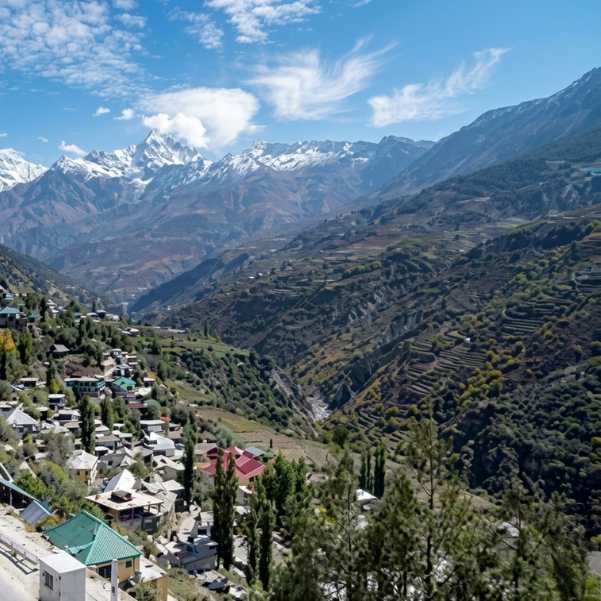
Keylong
~20 km · 30 to 45 min drive
The district headquarters of Lahaul and Spiti, with the only proper market in the valley, Kardang Monastery above the town, and the logistical base for deeper Lahaul exploration. A natural half day trip from Jispa.
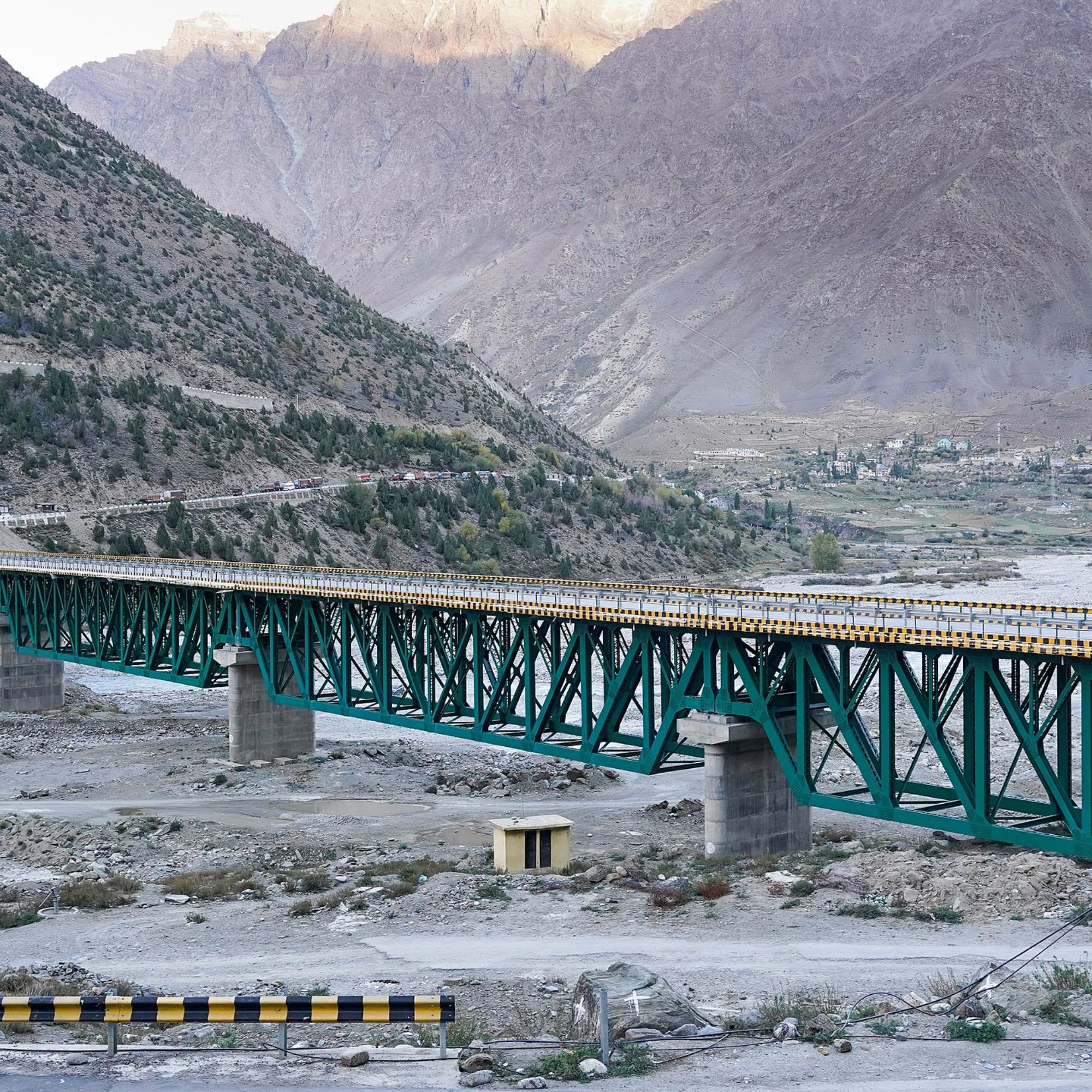
Darcha
~7 km · 15 min drive
A small settlement north of Jispa, historically the starting point for treks into Zanskar. Not much to do but the walk or drive between Jispa and Darcha is pleasant.
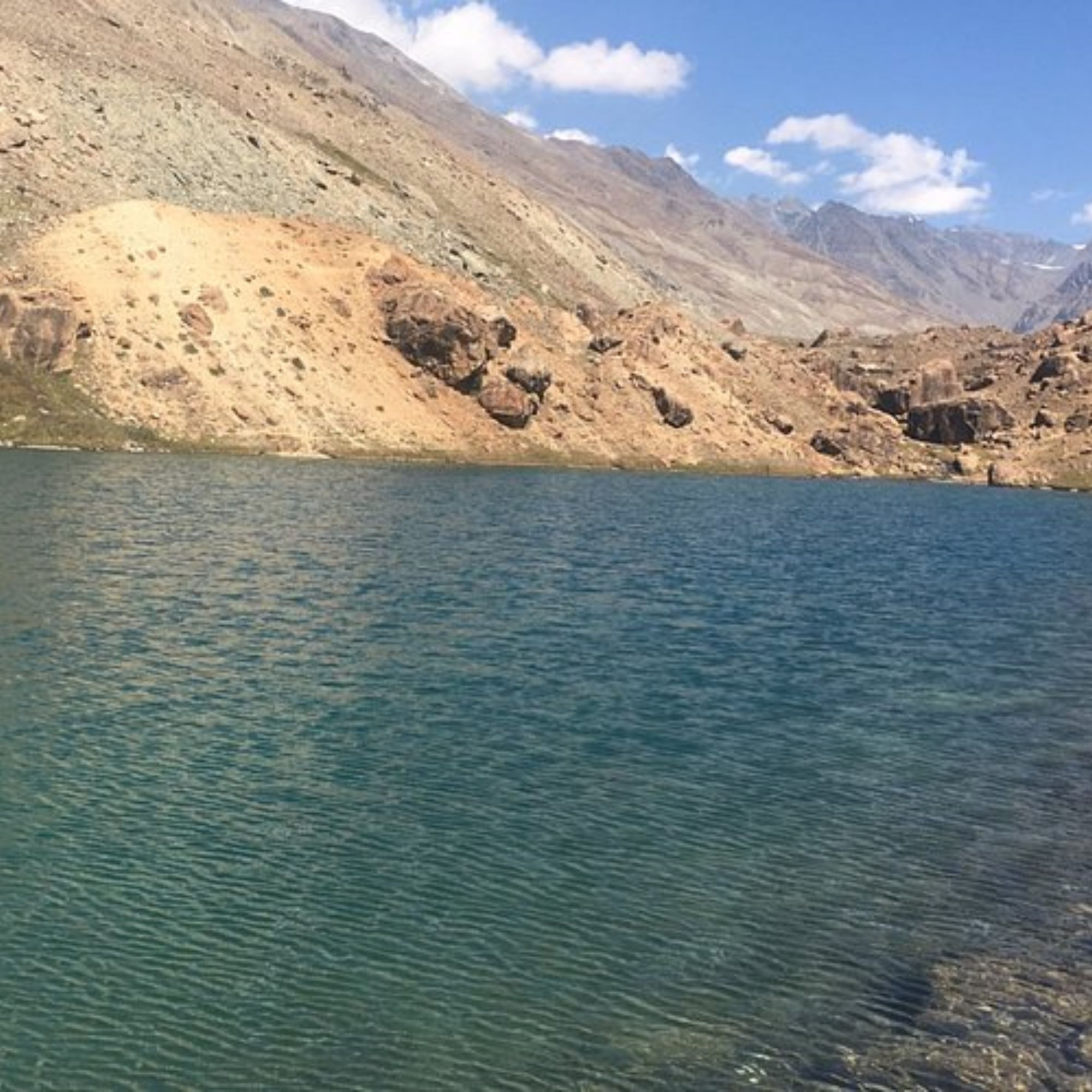
Deepak Tal
~27 km from Jispa · 1 hour drive
A small blue lake on the Manali to Leh highway towards Baralacha La. A natural photo stop and a good morning drive from Jispa. Not a destination by itself, but worth 20 minutes if the road is open.
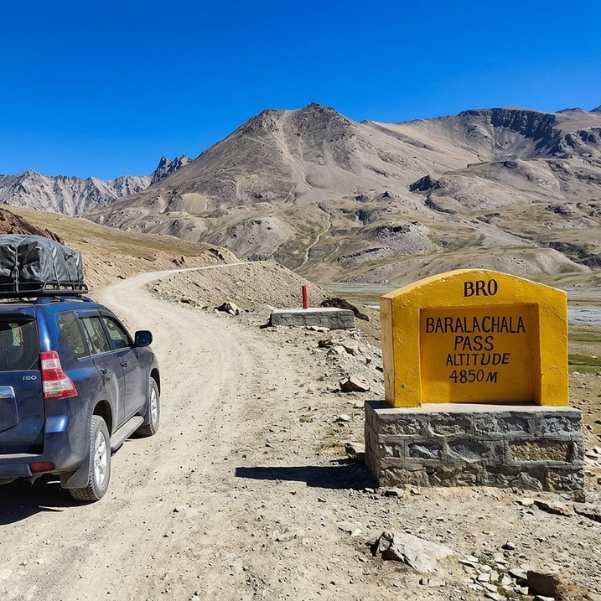
Suraj Tal and Baralacha La
~50 to 55 km from Jispa · 1.5 to 2 hours drive
Suraj Tal is a small alpine lake near Baralacha La pass at around 4,890 m. Worth a full day drive when the road is open, generally June to October. Do not linger at the pass, the altitude is serious.
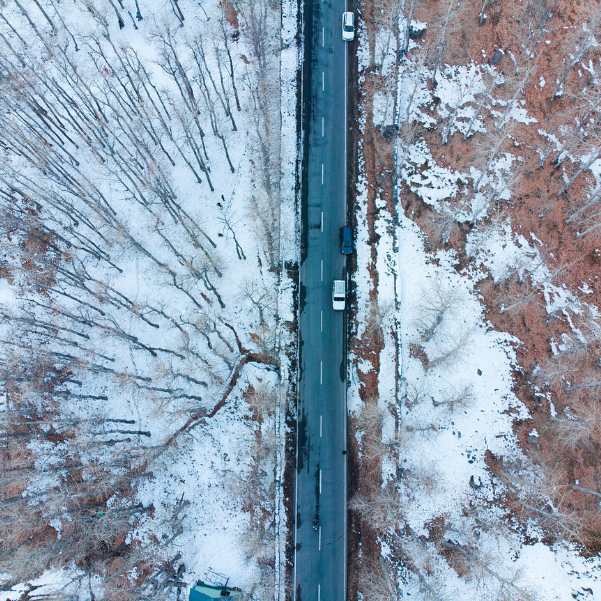
Sissu Village
~55 km · 1.5 hours drive towards Manali
The first proper village after the Atal Tunnel, with a waterfall visible from the highway, a small lake, and a helipad sunset viewpoint. A good combined stop on the way to or from Jispa.
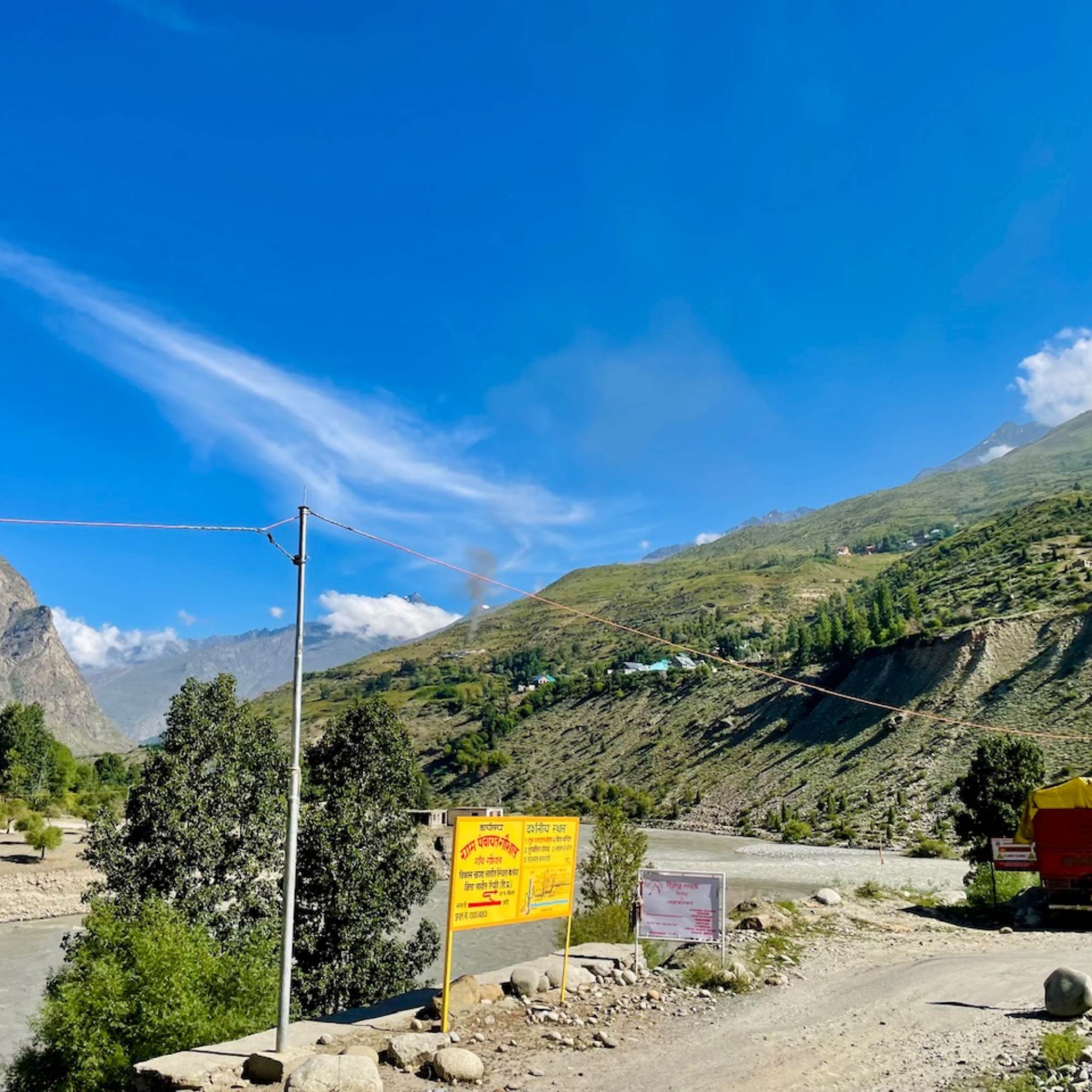
Tandi
~35 km · 50 min drive
The confluence of the Chandra and Bhaga rivers. The nearest fuel pump to Jispa. Worth a brief stop to see where the two rivers meet to form the Chenab.
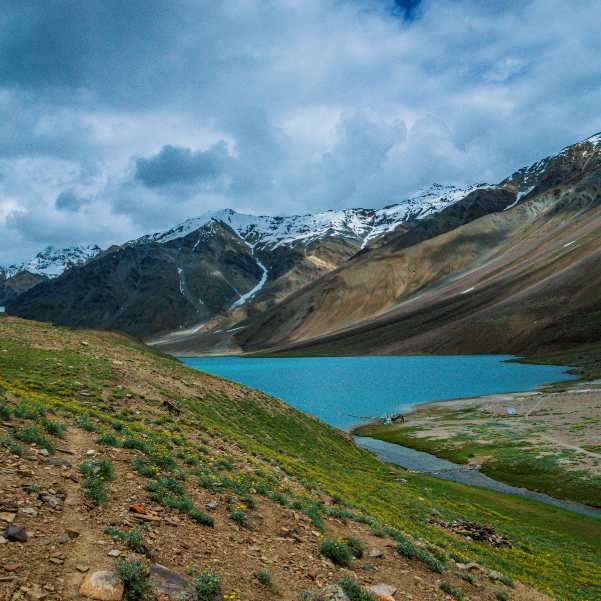
Chandratal Lake
~170 km via Gramphu and Batal · Full day
The famous crescent moon lake at roughly 4,300 m, reached via a long detour through Gramphu and Kunzum. Not a day trip from Jispa. Plan it as part of a separate Spiti circuit.
Our packages with Jispa
Curated trips that include a visit to Jispa.
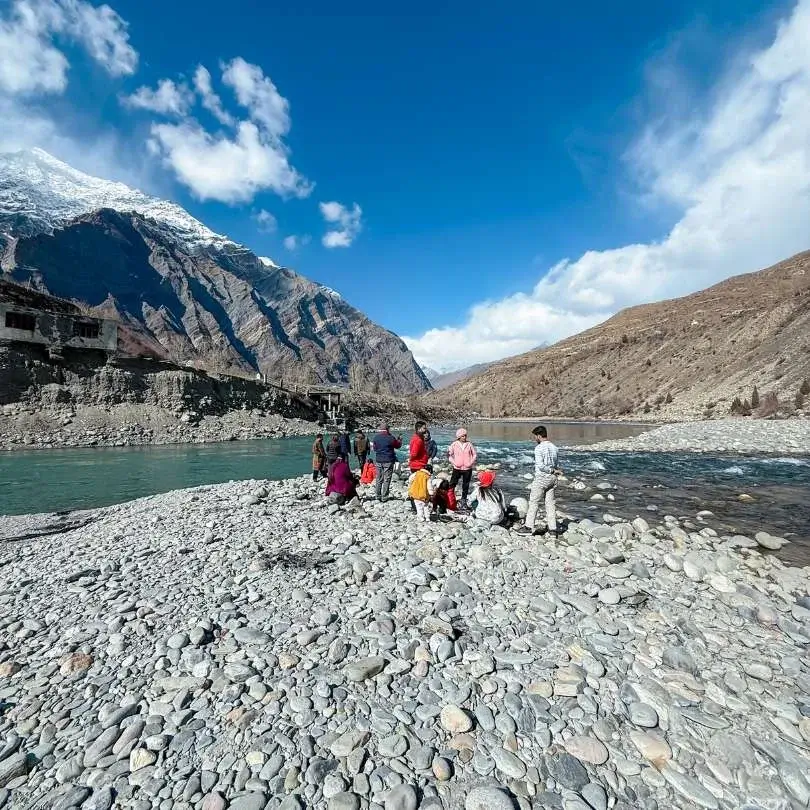 6D/5N
6D/5NMost Loved Sissu Valley Escape With Jispa Riverside Stay
2D Sissu•1D Jispa
₹15,999₹19,999SAVE INR 4,000/ person 5D/4N
5D/4NClassic Sissu Valley Trip
2D Sissu•1D Manali
₹12,799/ person
Frequently Asked Questions
Where is Jispa?
Jispa is in the Lahaul valley of Lahaul and Spiti district, Himachal Pradesh. It sits on the bank of the Bhaga river at around 3,200 metres, roughly 20 km north of Keylong and about 100 km from Manali via the Atal Tunnel. It is on the Manali to Leh highway (NH3), about 7 km south of Darcha.
How do I reach Jispa from Manali?
Drive through the Atal Tunnel, continue through Sissu, Tandi, and Keylong, then 20 km further north to Jispa. Total distance is about 100 km and takes roughly 3 to 4 hours depending on traffic and season. Taxis, shared cabs, and HRTC buses run from Manali. Buses heading towards Keylong or Leh stop at Jispa.
What is the altitude of Jispa?
Around 3,200 metres, roughly 10,500 feet. This is moderate altitude, lower than Kaza or Leh, and most travellers handle it fine without special preparation. Some people feel mild breathlessness on the first evening.
Is Jispa open in winter?
The Atal Tunnel keeps the road to Keylong accessible year round. However, the 20 km stretch from Keylong to Jispa can get blocked after heavy snowfall. Most camps shut from November to April. Winter visits are possible but only practical for experienced Himalayan travellers with proper gear and flexible plans.
How many days do I need at Jispa?
One to two nights is the sweet spot. One night gives you the camping experience and a morning by the river. Two nights lets you add a drive to Deepak Tal or Suraj Tal. Three nights only if you are here specifically to do nothing, which some people genuinely are.
When is the best time to visit Jispa?
May to June and September to October for the clearest weather and best camping conditions. July and August are green but monsoon can cause road issues on the approach. The river is at its strongest in summer. For the quietest version, aim for late September.
Is there mobile network and ATM in Jispa?
BSNL is the most reliable network. Jio and Airtel work in patches. Data speeds are slow. There is no ATM in Jispa. Nearest ATMs are in Keylong, and even those can run dry on busy weekends. Carry enough cash from Manali for your entire Lahaul stay.
Where can I stay in Jispa?
Riverside camps are the main stay type, running from roughly 2,000 to 4,000 rupees per person per night with meals. There are also a few homestays and guesthouses including Hotel Ibex. Book ahead in June to August. Camp quality varies, read recent reviews or ask for recommendations.
Is Jispa safe for families with kids?
Generally yes. The altitude at 3,200 m is moderate. The village is small and walkable. Main caution is the river. The Bhaga looks calm but the current is strong and the water is glacial cold. Do not let kids near the water unsupervised.
Is there fuel available near Jispa?
No fuel pump in Jispa itself. The nearest pump is at Tandi, about 35 km south towards Keylong. If you are self driving from Manali, fill your tank before the tunnel. If continuing towards Leh, carry a spare jerrycan.
Can I visit Deepak Tal and Baralacha La from Jispa?
Yes. Deepak Tal is roughly 27 km from Jispa, about 20 km past Darcha, roughly an hour each way. Baralacha La and Suraj Tal are about 50 to 55 km from Jispa, roughly 1.5 to 2 hours each way. Both roads are generally open from June to October. Confirm locally before driving north. Do not stay long at Baralacha La, the altitude at nearly 4,900 m is serious.
How is Jispa different from Sissu and Keylong?
Jispa is the quietest of the three, further from Manali, and known specifically for riverside camping on the Bhaga. Sissu is the closest Lahaul village to Manali via the tunnel and has the waterfall and lake. Keylong is the district headquarters with a market, ATMs, and better connectivity. Pick Jispa for the river, Sissu for proximity, Keylong for logistics.
Related guides
Posts about Sissu
- Where to Stay in Sissu in 2026: Best Hotels, Homestays & Areas for Every Budget
- Sissu in October 2026: Weather, Snow Chances, Road Status & Autumn Travel Guide
- Sissu in December 2026: Snowfall, Weather, Road Status & Winter Travel Guide
- Sissu in November 2026: Weather, First Snow, Road Status & Travel Guide
- Best Time To Visit Sissu in 2026: Month Wise Weather, Snow and Road Guide
- Manali To Sissu Road Trip Guide 2026: Route, Distance, Road Status, Cost And Local Tips