
Mud Village
The last village in Pin Valley at around 3,810 metres, where the road ends and the trekking trails take over
- Village
- ~3,810 m
- Kaza · ~50 km
- Pin Valley
- Jun to early Oct
What makes it special
Mud is the kind of place where the road literally runs out. You drive about 33 to 34 kilometres of broken track from Attargo Bridge along the Pin river, pass a handful of smaller villages, and then Mud appears on a slope at around 3,810 metres with the Parbati range rising almost vertically behind it. After this village, there is no more road. The trail goes up and over the high passes to Kullu and Kinnaur on foot, several days of walking either way.
Pin Valley is greener than the rest of Spiti, and that is the first thing most travellers notice. The Pin river feeds barley and pea fields, summer brings real green into a landscape that is otherwise rock and dust, and the contrast against the bare brown ridges is the photo everyone takes. The geology is unusual enough that Mud was a working base for European geologists in the 1860s, and an entire rock formation in the Western Himalayas is still named after the village.
People come here for one of three reasons. They are starting or finishing the Pin Parvati or Pin Bhabha trek and Mud is their trailhead. They are slow travelling Spiti and want one or two nights somewhere the bus tours do not reach. Or they are headed into Pin Valley National Park, one of the few protected snow leopard habitats in Himachal. If none of those is you, a half day excursion from Kaza is honestly enough.
Quick answers
- Is Mud Village worth visiting?
- If you have at least 7 days for Spiti and you like quiet, simple places, yes. Stay one night and you get a side of the valley most travellers miss. If you only have 4 or 5 days for the whole region, skip Pin Valley and use that time for Kaza, Key, Langza and Chandratal instead.
- How much time do you need at Mud?
- One night is enough for most travellers. That gives you the green and blue valley views in the morning and a slow walk through the village. Two nights makes sense if you are doing Pin Valley National Park, riding around the valley, or prepping for a trek. A pure day trip from Kaza is doable but the road is rough enough that it feels unrewarding.
- Can you stay at Mud Village?
- Yes. The village has around a dozen family run homestays and one or two slightly larger guesthouses. Ibex Homestay is the name that comes up most often in recent traveller reports. Expect simple clean rooms, heavy blankets, bucket hot water on request, and shared meals. Book ahead in July and August.
Quick facts
Everything you need to know at a glance.
At a glance
- Altitude
- ~3,810 m / ~12,500 ft
- Location
- Pin Valley, Spiti, Himachal Pradesh
- Nearest town
- Kaza, ~50 km, 2 to 3 hours
- Open season
- Generally mid June to early October
- Time needed
- 1 to 2 nights for most travellers
- Difficulty
- Moderate. Remote access, real altitude, no medical help nearby.
- Entry fee
- None for the village. Pin Valley National Park has a separate ticket if you enter the park.
- Best arrival window
- Reach by early afternoon. Avoid the Pin Valley road after dark.
On the ground
- Mobile network
- Almost none. BSNL postpaid sometimes catches a thin bar, nothing usable for calls or data. Treat Pin Valley as off grid and tell your family before you head in.
- ATMs
- None in Pin Valley. Withdraw enough cash in Kaza or earlier. Even Kaza ATMs run dry in season, so carry more than you think you need.
- Fuel
- No fuel anywhere in Pin Valley. Tank up at Kaza for the round trip. Self drivers should keep a 5 litre spare for peace of mind.
- Food
- Homestay meals and one or two tiny eating joints. Dal rice, thukpa, momos, omelettes. No menus. You eat what the kitchen is cooking.
- Permits
- Indian travellers need no special permit for the village. Foreign nationals need an Inner Line Permit for Spiti, usually issued at Kullu or Reckong Peo. Pin Valley National Park entry has its own permit, available locally.
- Drones
- Pin Valley sits next to a national park boundary and a sensitive border zone. Drone use is restricted and generally not welcome. Avoid it.
- Washrooms
- At your homestay. Confirm an attached bathroom when booking, some older rooms still use shared washrooms across the courtyard.
- Walking
- Easy. The whole village is walkable in 30 minutes. Down to the Pin river flats takes another 15 to 20 minutes, gentle gradient.
- Guides
- Homestay owners and a few villagers double up as guides for short hikes into Pin Valley National Park and as porters and arrangers for the Pin Bhabha and Pin Parvati treks.
Seasonal weather
- Mid June16°4°Late spring
- July to August22°8°Summer
- September to mid October14°0°Autumn
- Late October to April0°-22°Winter
Suitable for
- Couples — suitable
- Families — with some care
- Seniors — with some care
- Solo — suitable
- First-timers — with some care
- Pet-friendly — with some care
How to reach Mud Village
4 approach routes, with seasonal access.
From Kaza
Generally mid June to early October. Road can briefly cut after heavy rain or fresh snow.- Distance
- ~50 km via Attargo Bridge
- Time
- 2 to 3 hours one way
- Road
- Tarred NH 505 from Kaza for the first 16 km to Attargo Bridge. After the bridge, mostly unpaved gravel and broken patches for the remaining 33 to 34 km along the Pin river. Slow drive, especially after rain.
- Last fuel
- Tank up at Kaza. No fuel in Pin Valley.
The standard approach. Leave Kaza by mid morning, head south on NH 505 toward Tabo, and look for the right turn at Attargo Bridge after about 16 km. Cross the bridge, and from there you are on the Pin Valley road, following the river upstream past Gulling, Sagnam and Teling. The track is doable for a sedan in dry weather but a high clearance vehicle is more comfortable. Reach Mud by early afternoon. There is also a daily bus from Kaza around 4 PM that reaches Mud by evening and returns the next morning at 6 AM.
From Tabo
Generally mid June to early October. Same caveats as the Kaza approach.- Distance
- ~65 km via Attargo Bridge
- Time
- 3 to 4 hours one way
- Road
- Tarred from Tabo for about 32 km on NH 505 till Attargo Bridge, then rough gravel for 33 to 34 km along the Pin river to Mud.
- Last fuel
- Tank up at Kaza if possible. There is no reliable fuel between Kaza and Reckong Peo on the Shimla side.
Useful if you are entering Spiti from the Shimla side and want to skip going all the way to Kaza first. Drive west from Tabo on NH 505 along the Spiti river until Attargo Bridge, then cross over and turn into Pin Valley. The detour fits cleanly into a Tabo to Kaza day if you start early.
From Manali
Generally mid June to early October, depending on Kunzum Pass clearance and snow.- Distance
- ~250 km via Atal Tunnel, Kunzum Pass and Kaza
- Time
- Best done over 2 days with a halt at Losar or Kaza
- Road
- Mix of tarred and rough sections. The Manali to Kaza stretch is the well known bone shaker via Gramphu, Batal and Kunzum Pass. Kaza to Mud is described above.
- Last fuel
- Tank up at Manali. Next reliable fuel is Kaza. Carry a spare can if self driving.
Nobody sane drives Manali to Mud in one day. Plan one night at Losar to acclimatise and another at Kaza, then do Mud as a side trip from Kaza on day three or four. The body needs that buffer at altitude, especially before sleeping a night above 3,800 metres in a remote village.
From Shimla (Kinnaur side)
NH 5 and NH 505 are generally open most of the year except for short closures after landslides or fresh snow. Pin Valley road itself is the deciding factor, generally open mid June to early October.- Distance
- ~440 km via Reckong Peo, Nako and Tabo
- Time
- 3 days of comfortable driving
- Road
- NH 5 then NH 505. Steadier road than the Manali side overall, but landslide prone in monsoon between Wangtu and Pooh.
- Last fuel
- Rampur, Reckong Peo, Pooh, Kaza.
Standard Kinnaur side approach. Sleep at Sangla or Sarahan on day one, Kalpa or Nako on day two, Tabo or Kaza on day three. From Tabo you can cut into Pin Valley directly via Attargo Bridge without driving all the way to Kaza first. Altitude gain is gradual on this side, easier on first time visitors.
Best time to visit
Season by season, so you can plan around the weather rather than hope.
- Recommended
Late spring
Mid June
Snow on the high ridges, green just starting in the fields
- Day temperature
- 12 to 18 C
- Night temperature
- 3 to 7 C
- Roads
- Pin Valley road usually opens in this window after winter
- Crowds
- Light
The Pin Valley road generally becomes drivable some time in June, depending on how the winter went. Days are bright and cold, the river runs fast with snowmelt, and the higher passes still hold heavy snow. Crowds are thin because most travellers wait for July. A good window if you want quiet, but check road status the morning of the drive.
Summer
July to August
Greenest you will ever see Spiti, also the busiest
- Day temperature
- 15 to 22 C
- Night temperature
- 6 to 10 C
- Roads
- Most open of the year. Watch for landslides and stream crossings after heavy rain.
- Crowds
- Highest of the year
Pin Valley turns into the green strip you have seen in photos. Pea and barley fields are at their best, and the contrast against the cold desert all around is at full saturation. This is also when most Spiti tour groups push through Pin Valley, so book your homestay in advance. Spiti sits in rain shadow, but short bursts of rain do happen, and the road from Attargo can briefly cut after heavy showers.
- Recommended
Autumn
September to mid October
The quiet sweet spot before winter shuts the valley
- Day temperature
- 8 to 15 C
- Night temperature
- -2 to 4 C
- Roads
- Generally the best of the year, dry and stable
- Crowds
- Low to moderate
Most regular Spiti drivers will tell you September is when they would visit. The sky goes sharp blue, the fields turn gold after harvest, and crowds drop sharply after the first week. Nights start dropping below freezing by late September. The first fresh snow on the higher passes usually falls in early October, and the Pin Valley road typically closes some time in mid to late October.
- Closed
Winter
Late October to April
Road shuts, village goes very quiet
- Day temperature
- -5 to 5 C
- Night temperature
- -25 to -10 C
- Roads
- Pin Valley road generally snow blocked
- Crowds
- Almost nobody
Pin Valley shuts down in winter for normal travellers. The road from Attargo gets snow blocked by November in most years, the village population thins out, and only a handful of locals stay through. A few specialised winter Spiti operators run snow leopard tracking trips into the area on foot from Kaza, but this needs proper guides, gear and acclimatisation. For a regular traveller, treat Mud as inaccessible from late October to late May.
Things to see & do
8 things worth your time at Mud Village.
Stay one night and watch the morning light
One nightThe single best reason to come this far. The colour shift in the valley between sunset and sunrise is what people remember from Mud after they leave. Drop your bags by mid afternoon, walk the village, eat early, sleep, and be outside with a chai by 6 AM the next morning.
Walk the village in the late afternoon
30 to 45 minutesMud is small, around 30 houses on a gentle slope. Stone lanes, low mud and stone walls, prayer flags on every other roof, fields of peas in summer, barley going gold in September. Say a soft Julley to anyone you meet, the local hello, and do not peer into courtyards. Sunset light on the Parbati range is the photograph everyone takes.
Sit by the Pin river flats
30 to 60 minutesWalk down from the village onto the river flats. The Pin runs cold, fast and noisy in summer. The contrast between the green valley floor and the bare brown ridges above is most obvious from down here. Do not try to wade in, glacial water and uneven currents are not friendly.
Day hike toward Pin Valley National Park
3 to 5 hoursThe trail past Mud heads west into Pin Valley National Park. You do not need to go deep into the park to enjoy the walk. Two or three hours one way takes you to clearings with panoramic valley views, sometimes with grazing yaks or marmots. Carry water, a snack, and watch the weather. Hire a local guide from your homestay if you want to go further or look for blue sheep and ibex.
Use Mud as a Pin Bhabha or Pin Parvati trek base
7 to 12 days end to endMud is the standard start or finish point for the Pin Bhabha trek (which crosses to Kafnu in Kinnaur over a pass at roughly 4,900 metres) and the Pin Parvati trek (which crosses to the Parvati Valley in Kullu over a pass at roughly 5,300 metres). Both are serious high altitude treks. Local operators in the village arrange porters, guides and basic logistics. Do not attempt either without proper acclimatisation, prior trekking experience, and a guide.
Stop at Kungri Monastery on the drive in
30 to 45 minutesAbout 10 km before Mud as you drive in, Kungri is the second oldest monastery in Spiti, an active Nyingma school gompa with quiet prayer halls and an unusual annual dance ritual in July. Worth a stop. Much less visited than Key or Tabo.
Look for wildlife (with realistic expectations)
VariablePin Valley National Park is one of the more important snow leopard habitats in India, but actually seeing one is a winter pursuit involving days of tracking with a specialised guide. In summer you may spot blue sheep, ibex on far slopes, marmots, lammergeier and golden eagle if you are patient. Carry binoculars.
Photograph the green and bare contrast at midday
An afternoonMost Spiti photography rules say avoid midday light. In Pin Valley, midday actually works for the wide shots because the sun lights up both the green floor and the bare brown ridges at full saturation. Side light at sunset is still better for the village itself.
Know before you visit Mud Village
The practical bits, from people who have been.
Why Mud is special, and why some travellers should skip itLast village in Pin Valley, trek gateway, and a real change of pace from the rest of Spiti.
Most of Spiti is a high cold desert. Brown rock, thin air, ancient monasteries clinging to ridges, settlements that look carved out of the mountains themselves. Pin Valley breaks that pattern. The Pin river creates a band of green that runs the length of the valley, the villages have noticeably more vegetation around them, and the geology around Mud is unusual enough that it brought serious European geologists here in the 1860s. The Mudh Formation, named after the village, is still in use as a geological term across the Western Himalayas today.
Mud itself is the dot at the end of the road. Past the village, the valley narrows, the trail climbs into Pin Valley National Park and over the high passes to Kullu and Kinnaur. That makes the village both a peaceful overnight halt for slow travellers and a working base camp for trekkers. The two crowds mix oddly well.
Honestly, Mud is not for everyone. If your Spiti trip is 4 or 5 days, the time you spend on the rough Pin Valley road is time you could spend doing more famous things. If you have 7 or more days, want a quieter night, or are heading into the trekking circuits, it earns its place easily.
Photography guide for Mud and Pin ValleySunrise and sunset for the village, midday for the wide valley contrast.
The drive in is half the photo opportunity. Pin Valley opens up in stages from Attargo Bridge to Mud, and the colour saturation peaks roughly between 11 AM and 3 PM, when the sun lights both the green valley floor and the bare brown ridges directly. Stop often.
For the village itself, the best windows are the last hour before sunset, when the Parbati range catches warm light and the mud walls glow, and the first hour after sunrise, when the valley floor is still in soft shadow but the high ridges are lit. Midday in the village is harsh and flat.
Ask before photographing people, especially in the village interiors. Field workers, the monks at Kungri, and homestay families almost always agree if you ask, and the photo you get is better. Drones in this area sit in a grey zone given national park boundaries and border sensitivities. Avoid them.
Who Mud suits, and who should reconsiderBuilt for slow travellers, trekkers and quiet seekers. Hard on very young kids and unprepared seniors.
Mud rewards travellers who like simple homestays, basic food, and zero phone signal. If that sounds restful, you will love it. If it sounds stressful, you might want to admire Pin Valley from Kaza and not push further in.
Families with small kids: Possible but think it through. Altitude at 3,810 metres, the rough drive in, no medical help worth speaking of, and a long way back to Kaza in an emergency. Kids over 8 or 9 who have been to altitude before usually do fine. For very young children, plan a softer Spiti trip first and save Mud for later.
Seniors: Doable if they have been to Ladakh, Spiti or similar altitude before, are comfortable with simple homestays, and have no significant heart, lung or BP issues. The drive itself is more tiring than the stay. Break it with a night at Kaza both before and after.
Pets: A few homestays accept calm, well behaved pets, but always confirm before you arrive. Altitude affects dogs too. Watch for breathlessness or lethargy on day one.
First time Spiti visitors: Maybe. If your trip is 7 days or longer and you are already acclimatised by the time you head into Pin Valley, fine. If not, save Mud for a second Spiti trip.
Planning your Mud Village stopOne night is enough for most. Two if you are walking into the park or prepping a trek.
For a typical Spiti circuit, slot one night at Mud after at least 2 to 3 nights of acclimatisation in Kaza or other Spiti villages. Reach Mud by early afternoon, walk and rest in the evening, leave after breakfast the next morning.
If you are using Mud as a base for Pin Valley National Park hikes, longer rides up the valley, or Pin Bhabha or Pin Parvati trek prep, plan two nights minimum. Trekkers usually spend 2 to 3 nights here for acclimatisation and final logistics before stepping off.
Book homestays ahead in July and August. In June and September, walk in usually works, but a phone call from Kaza the day before is wise. Pin Valley road status, weather, and stream crossings shift season to season, please reconfirm before you leave for the drive.
Where to stay and eat at MudFamily run homestays only. Simple rooms, shared meals, no proper hotels.
Mud has no hotels. What it has is around a dozen family run homestays scattered through the village, plus one or two slightly larger guesthouses. Ibex Homestay is the name that comes up most often in recent traveller reports and has a small restaurant attached, useful if you are arriving late or eating outside your stay.
Rooms are basic. Clean, with heavy blankets, solar lighting that may flicker out by 11 PM, and bucket hot water on request rather than a hot shower on tap. Some rooms have attached bathrooms, others share washrooms across the courtyard. Confirm this when you book.
Food is simple and honest. Dal, rice, a fresh sabzi, sometimes thukpa, sometimes momos. No printed menus. Eat what the kitchen is cooking, ask for chai often. Carry a small stash of dry fruit or biscuits as backup, kitchens wind down early.
Altitude, safety and how to not ruin your stayReal altitude, no proper medical help, and a long way back to Kaza if anything goes wrong.
3,810 metres is not extreme by Ladakh or Spiti standards, but it is not a joke either. Mild headache or breathlessness on the first evening is normal if you came up too fast. Vomiting, severe headache that does not lift after rest and water, dizziness, or trouble breathing while sitting still are warning signs. Get back to Kaza the next morning, do not push higher.
The simple rules. Acclimatise in Kaza or lower for at least 2 nights before driving up to Mud. Drink 3 to 4 litres of water on the day you arrive. Skip alcohol the first night. Eat warm and light. Sleep early. Diamox if your doctor has prescribed it for you, not as a casual handout to friends.
Mud has no proper medical facility. The nearest reliable hospital is at Kaza, about 50 km of rough driving back. Carry your own basic first aid kit, any prescription meds, and an altitude pack including ORS, paracetamol, and a small oximeter if you have one.
One quiet recheck reminder. Network is almost non existent. Tell your family before you leave Kaza that you will be off grid for a day or two, share an expected return date, and stick to it.
Local culture, do's and don'tsBuddhist village, soft local etiquette, simple respect goes a long way.
The villagers are Buddhist and the local language is Bhoti. The standard greeting is Julley (sometimes spelt Juley), which works as hello, thank you and goodbye. A nod and a smile, the way you would in any small village, gets you a long way.
Walk clockwise around any chorten, mani wall or prayer wheel. Remove caps and shoes inside the gompa. Do not point your feet toward altars or scriptures. Photography inside monastery prayer halls is usually allowed only if asked first, sometimes with a small contribution to the gompa.
A few practical things. Carry your trash out, the village has no waste management. Plastic bottles are technically banned in Spiti, refill from your homestay's filtered water. Drive slowly through the village, especially around children, livestock and stray dogs. Do not pick wild flowers, several local plants are protected.
One small honest tip. If a homestay owner declines to let you photograph their kitchen or family, do not negotiate. Smile, accept it, and move on.
Local tips most travellers missSmall things that change how the trip feels.
Carry cash in small notes. Homestays prefer 100s and 500s, change for 2,000 is genuinely hard to find. Plan for roughly 1,200 to 2,500 per person per night including meals, depending on the homestay and the season.
Leave Kaza by 9 or 10 AM at the latest. The Pin Valley road is no fun in the dark, and you want to reach Mud with daylight to spare for finding a stay if you have not booked.
If you can stretch your trip by one extra day, drop in at Sagnam (about 14 km before Mud) on the way back and sit by the river for an hour. Less crowded than Mud, and the view of the valley opening downstream is excellent.
For trekkers, do not skip the prep day at Mud. A full day of rest and slow walks before stepping off for Pin Bhabha or Pin Parvati is the difference between a good trek and a miserable one. Use the time to talk to your guide, recheck gear, and eat one last properly cooked meal.
Nearby attractions
Other places worth the detour.
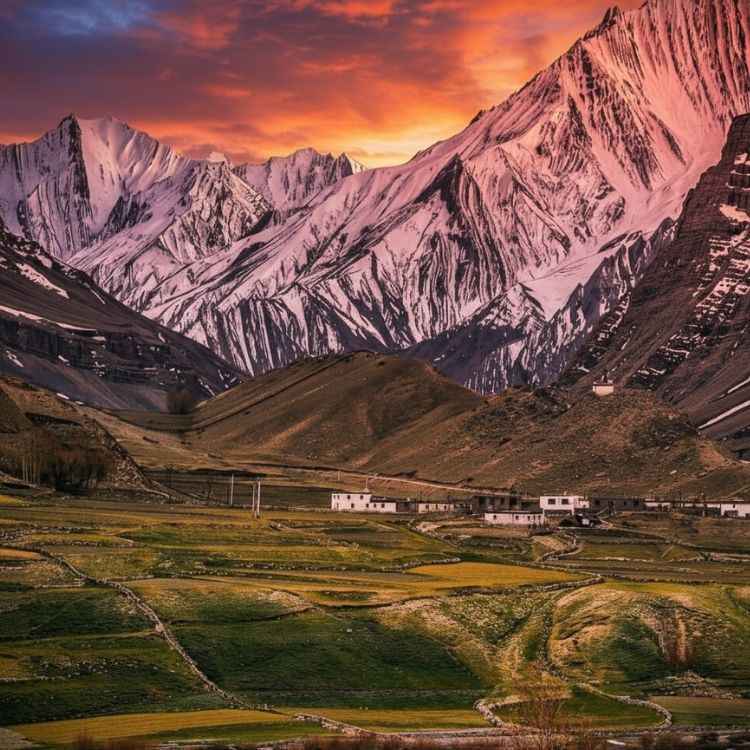
Pin Valley National Park
Begins just past Mud
Cold desert national park and one of India's important snow leopard habitats. Day hikes from Mud reach the buffer zone easily, deeper exploration needs permits and a local guide.
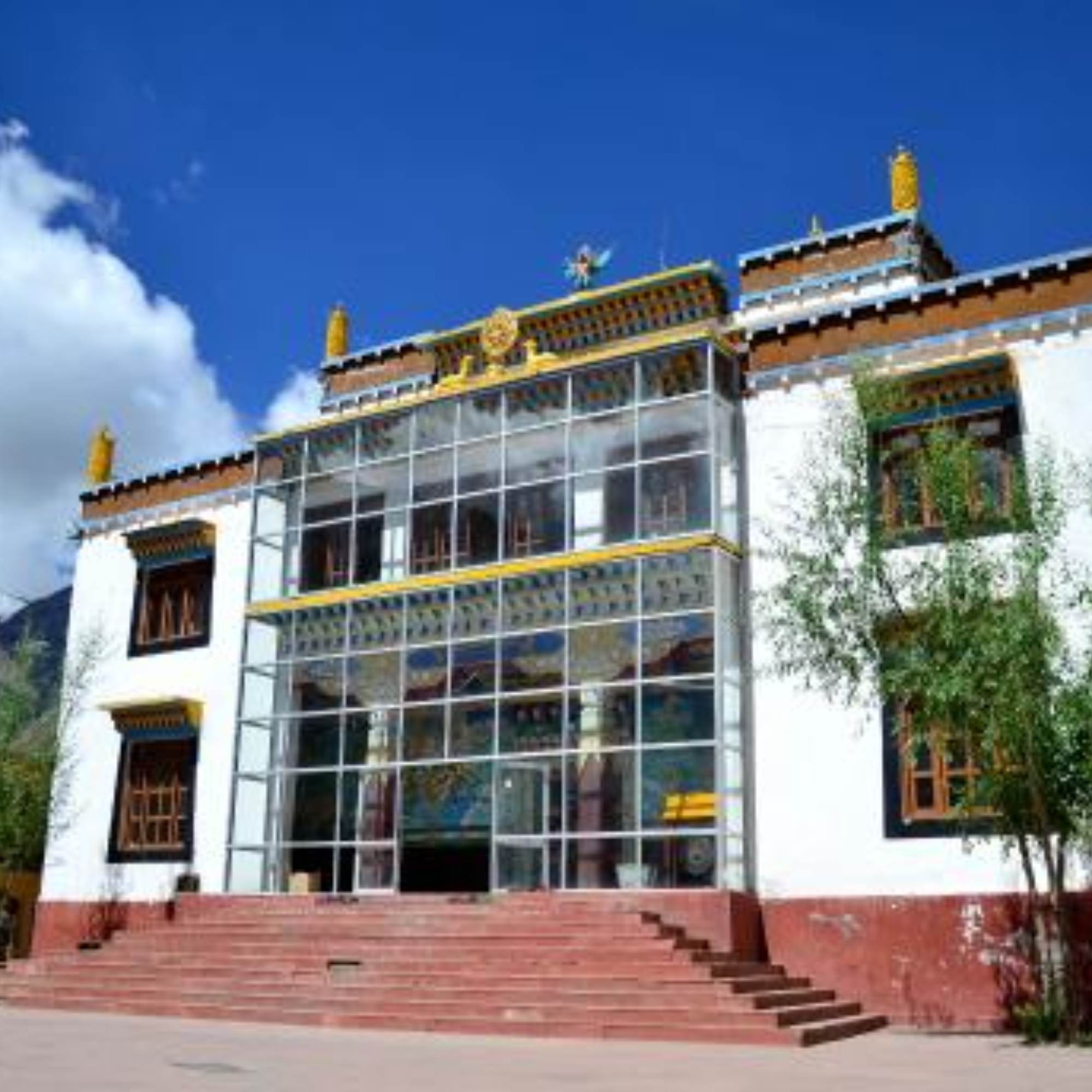
Kungri Monastery
~10 km · 25 min
The second oldest monastery in Spiti, an active Nyingma school gompa with quiet prayer halls and an unusual annual cham dance ritual in July. Easy stop on the drive in or out.
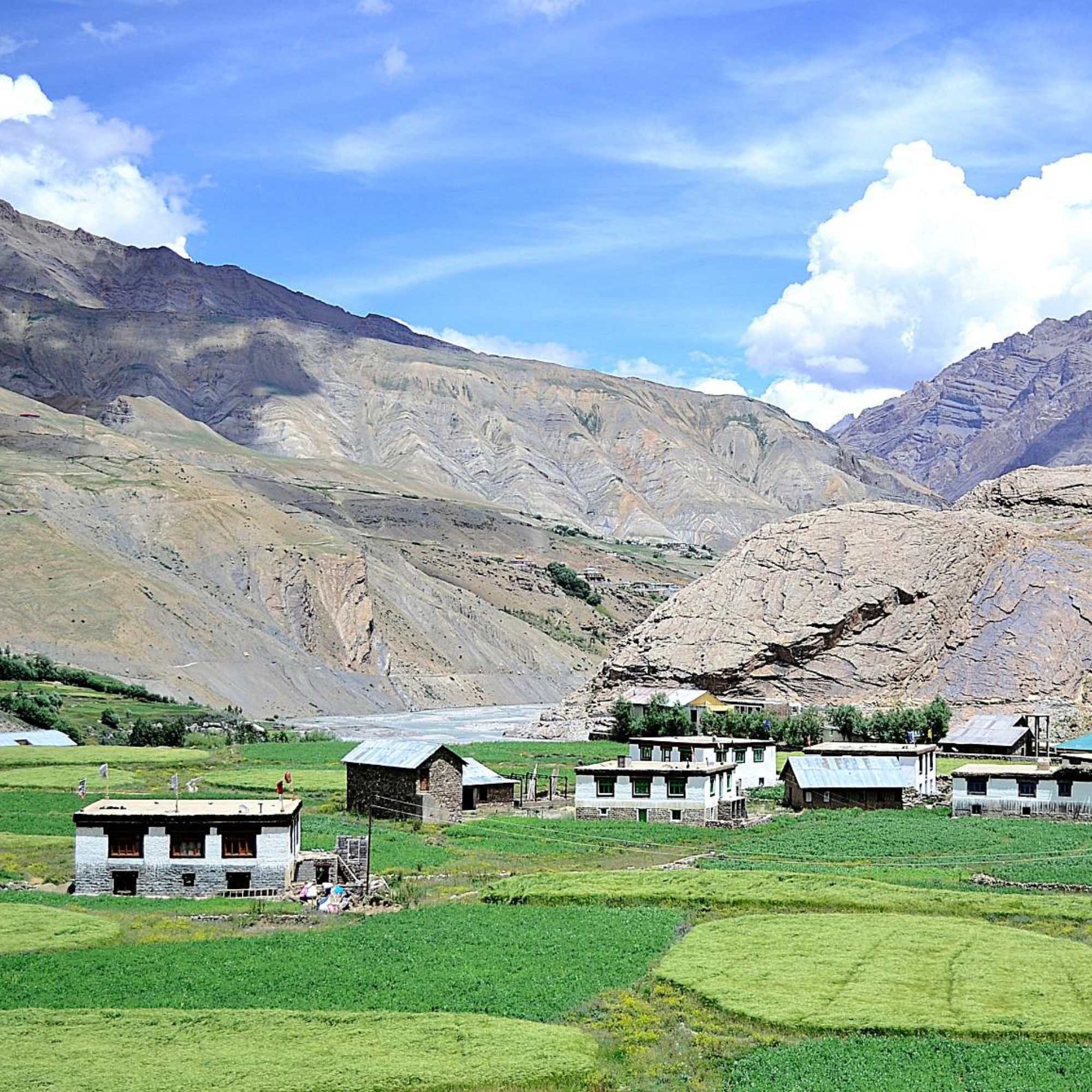
Sagnam Village
~14 km · 30 min
The largest village in Pin Valley with a small bank branch and a couple of guesthouses. Worth a stop for the river views and a chai on the way to or from Mud.
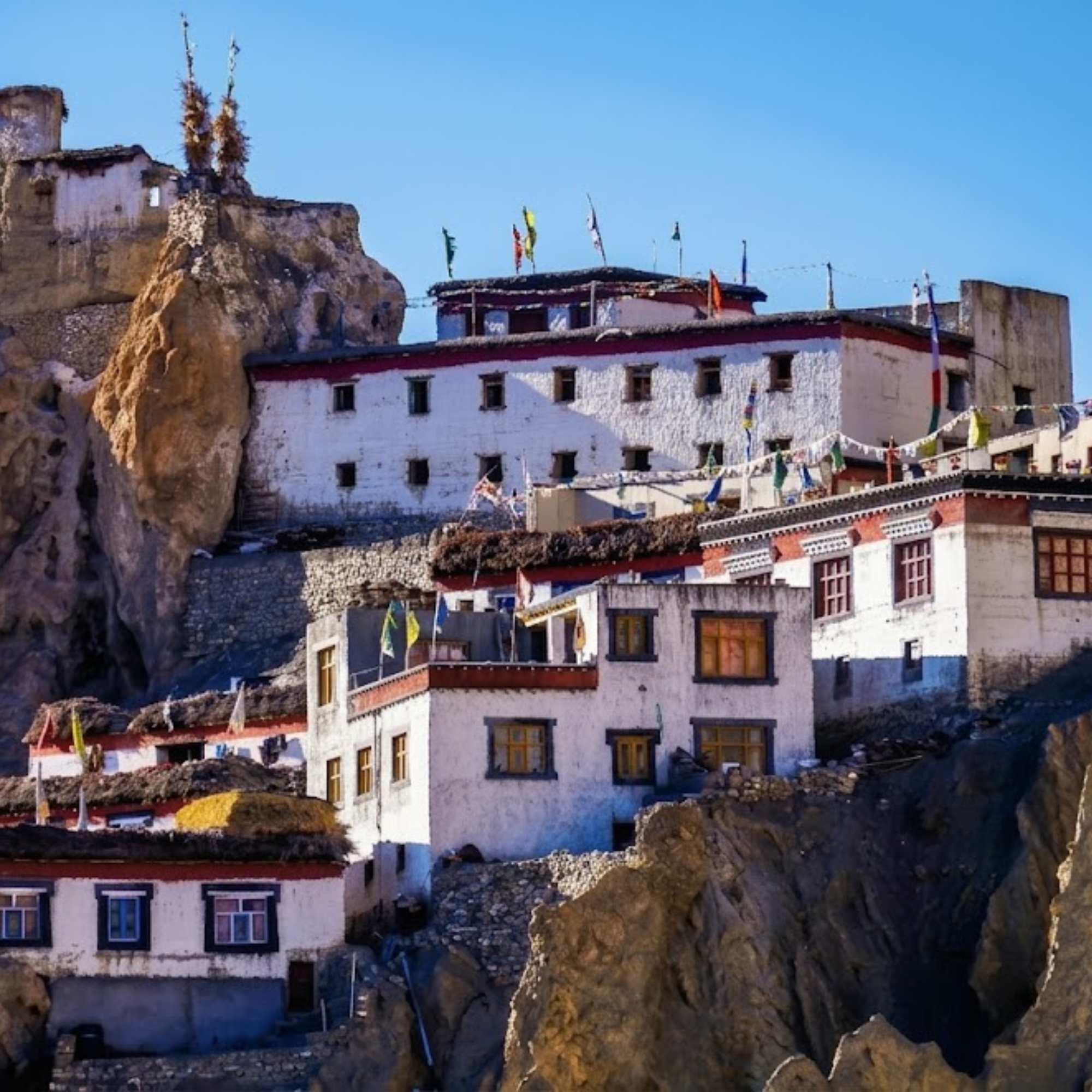
Dhankar Monastery and Lake
~50 km · 2 hrs
Old fortress monastery perched on a cliff above the Spiti and Pin confluence, with a small alpine lake reached by an hour or so of climbing above. A standard halt on the way back to Kaza.
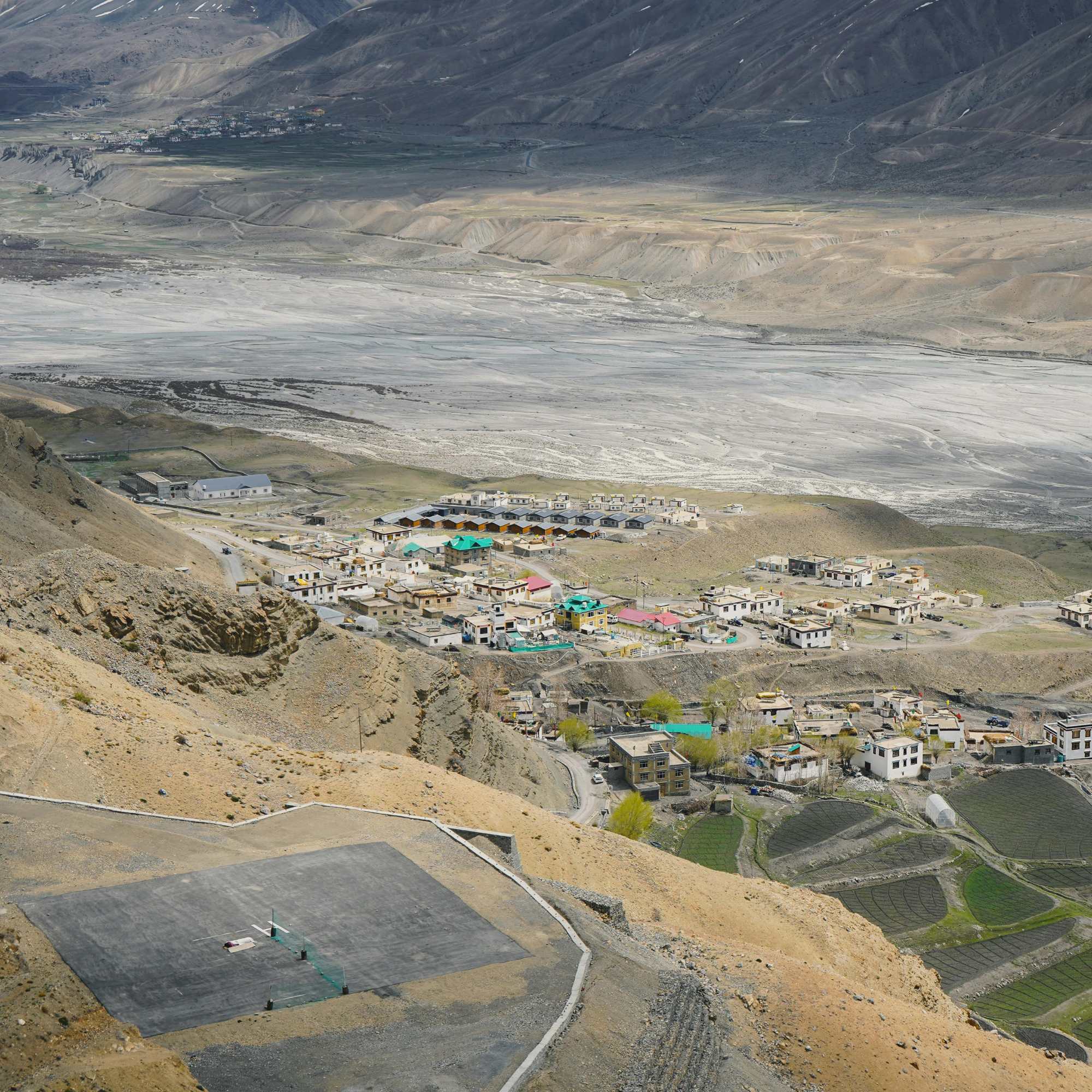
Kaza
~50 km · 2 to 3 hrs
The largest town in Spiti and the natural base before and after a Pin Valley trip. Petrol pump, cafes, the closest ATMs (when working), and the route hub for most travellers.
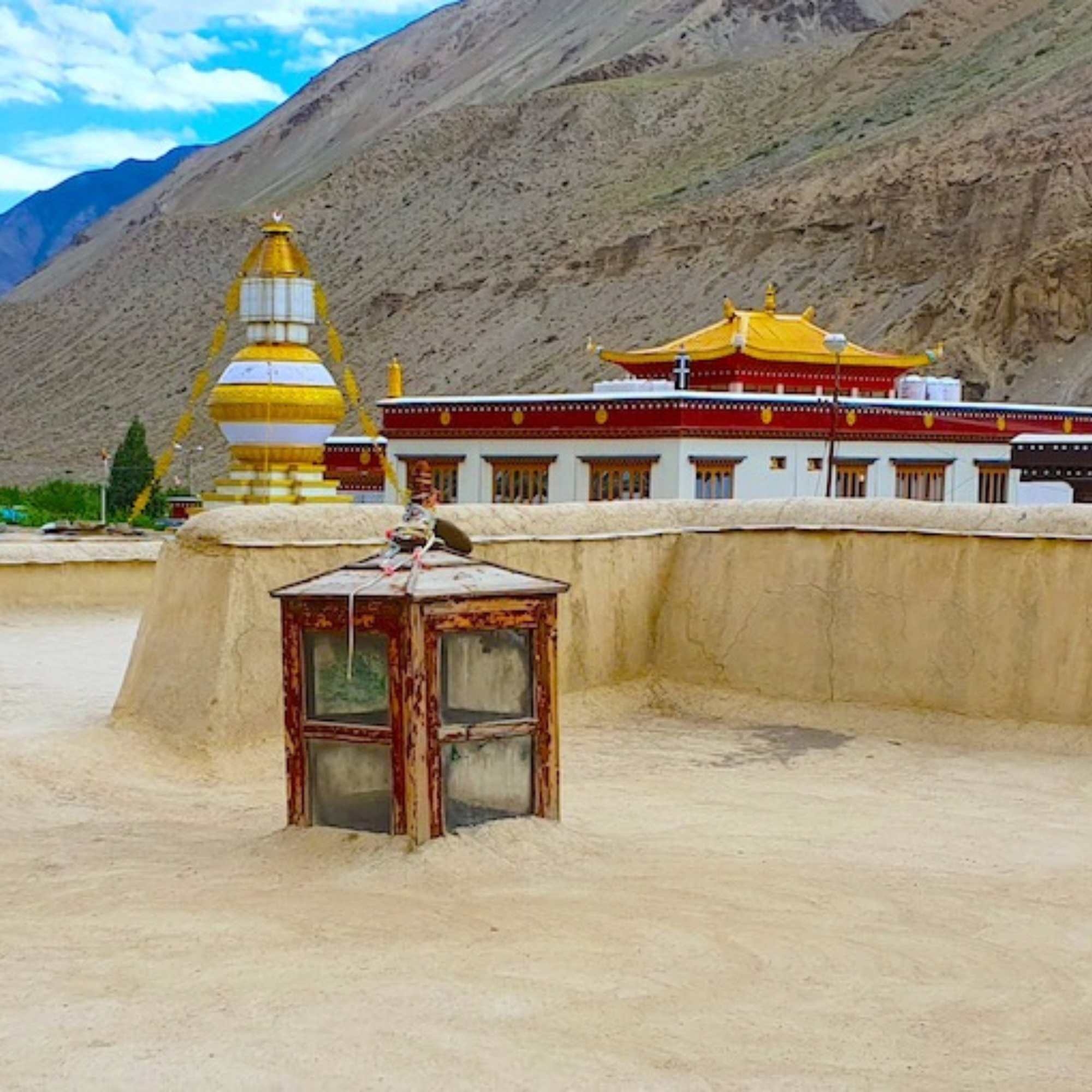
Tabo Monastery
~65 km · 3 to 4 hrs
One of the oldest continuously functioning monasteries in the Himalayas, with rare wall paintings older than a thousand years. Easy combination if you are heading toward the Shimla side.
Our packages with Mud Village
Curated trips that include a visit to Mud Village.
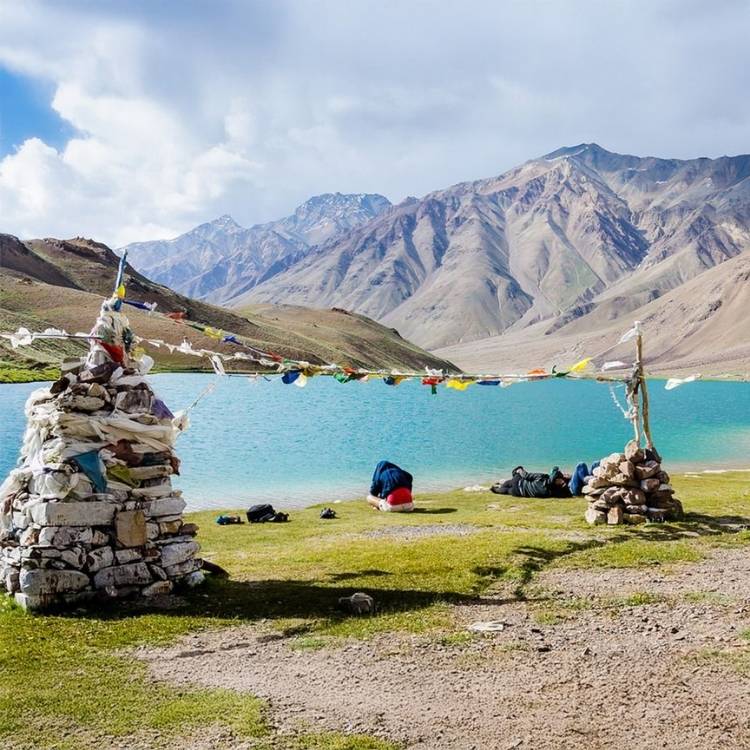 10D/9N
Summer Spiti Circuit With Chandratal
1D Narkanda•1D Sangla+5
₹29,999₹38,999SAVE INR 9,000/ person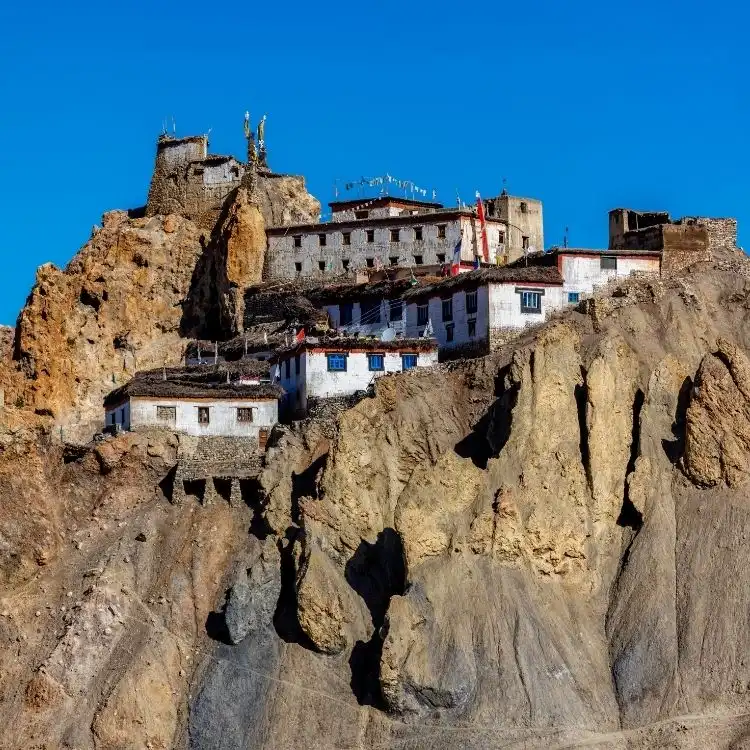 Group Tour10D/9N
Full Spiti Valley Circuit With Chandratal
1D Narkanda•1D Sangla+5
₹29,999₹32,999SAVE INR 3,000/ person 10D/9N
Shimla Spiti Manali Circuit With Chandratal
1D Narkanda•1D Sangla+5
₹45,999₹52,499SAVE INR 6,500/ person
Frequently Asked Questions
How do I reach Mud Village from Kaza?
Drive south on NH 505 for about 16 km, take the right turn after Attargo Bridge into Pin Valley, and follow the rough valley road for another 33 to 34 km along the Pin river. Total around 50 km, 2 to 3 hours one way. There is also a daily local bus that leaves Kaza around 4 PM and reaches Mud by evening, returning at 6 AM the next morning.
What is the altitude of Mud Village?
Mud sits at roughly 3,810 metres, around 12,500 feet. Acclimatise for at least 2 nights in Kaza or another Spiti village before staying overnight here, especially if you are coming directly from the plains.
Is there mobile network at Mud Village?
Almost none. BSNL postpaid sometimes catches a thin signal, nothing usable for calls or data. Treat Pin Valley as off grid and let your family know before you head in.
When is the best time to visit Mud Village?
Mid June to early October. July and August are the greenest and busiest. September is the quiet sweet spot with crisp clear weather. The Pin Valley road generally closes from late October through May due to snow.
How long should I spend at Mud?
One night is enough for most travellers. Two nights if you are doing day hikes into Pin Valley National Park, riding around the valley, or prepping for the Pin Bhabha or Pin Parvati trek.
Can I do Mud as a day trip from Kaza?
Technically yes. Practically, the road is rough enough that a 4 to 6 hour return drive feels unrewarding without proper time at the destination. If you can spare one night, do it. If you cannot, drive only as far as Sagnam or Kungri Monastery and turn back.
Are there hotels at Mud Village?
No proper hotels. A handful of family run homestays and a couple of small guesthouses, including Ibex Homestay which is the most often mentioned. Expect simple clean rooms, heavy blankets, bucket hot water, and shared meals.
Is Mud Village suitable for families with kids?
Possible, with caution. Altitude, rough access road, no medical help, and basic homestays add up. Kids over 8 or 9 who have handled altitude before usually do fine. For very young children or first time altitude families, plan a softer Spiti trip first and save Mud for later.
Do I need a permit for Mud Village or Pin Valley?
Indian travellers do not need a special permit for Mud or Pin Valley. Foreign nationals usually need an Inner Line Permit for Spiti, issued at Kullu or Reckong Peo. Pin Valley National Park entry has its own ticket and permit, available locally if you plan to enter the park itself.
What treks start from Mud Village?
The Pin Bhabha Pass trek to Kafnu in Kinnaur (around 4,900 metres at the pass, roughly 7 days), and the Pin Parvati Pass trek to the Parvati Valley in Kullu (around 5,300 metres at the pass, roughly 8 to 11 days). Both are serious high altitude treks requiring prior trekking experience, proper acclimatisation, and a guide.
Is fuel available at Mud or anywhere in Pin Valley?
No fuel anywhere in Pin Valley. The nearest pump is at Kaza. Tank up before you head in and carry a small spare can if you are self driving.
Can I see snow leopards at Pin Valley National Park in summer?
Almost no chance. Summer sightings are rare even for guides. Snow leopard tracking in Pin Valley is a winter activity, run by specialised operators with experienced guides, and requires several days of tracking on foot.
Related guides
Posts about Lahaul and Spiti
- Winter Spiti from Bangalore in 2026-27: Flights, Leave Days & Delhi 4x4 Departures
- What Does a Winter Spiti 4x4 Trip Really Cost in 2026-27? Package Price vs Total Holiday Budget
- How Many Leave Days Do You Need for a 9-Day Winter Spiti Trip in 2026-27?
- Winter Spiti for 4 to 6 Friends: Private 4x4 Quote vs Shared Group Seats (2026-27)
- Winter Spiti from Mumbai in 2026-27: Delhi or Chandigarh, Total Budget and Return Planning
- Is Winter Spiti a Trek? Walking, Stairs and Driving Effort on a 9-Day Trip (2026-27)