
Kunzum Pass
The high pass at roughly 4,551 metres that connects Lahaul to Spiti, and the only road door into the valley from the Manali side in summer
- High Pass
- ~4,551 m
- Manali · 122 km
- Kaza · 79 km
- Jun to Oct
What makes it special
Kunzum Pass, or Kunzum La, is the high saddle at roughly 4,551 metres that connects the Lahaul valley to the Spiti valley. It is not a destination you go to, it is the door you drive through. For seven or so months a year it is shut under snow. The weeks it stays open are effectively the summer window for the Manali to Kaza route, which is why every Spiti itinerary from the Lahaul side bends around it. The top is small and exposed. A chorten, a cluster of prayer flags, and the Kunzum Mata temple, which most drivers circle once, slowly, before pushing on. That parikrama is a local tradition, not a photo stop, and it is taken seriously. The 360 degree view takes in the Chandrabhaga range and the long grey tongue of the Bara Shigri Glacier to the north. Honestly, the pass itself is brief. What makes it memorable is what sits on either side of it. On the Manali side, fifteen hairpins drop you steeply to Batal, the famous Chacha Chachi Dhaba, and the rough 14 km turn off to Chandratal. On the Kaza side, the road rolls down to Losar through a wide, dry, light coloured valley that feels like another country. Spend twenty minutes at the top, do not linger longer.
Quick answers
- Is Kunzum Pass worth visiting?
- Yes, if you are already crossing between Manali and Spiti. It is not a detour destination on its own. Plan 20 to 30 minutes at the top, a round of the temple, a few photos, then move on. The altitude does not reward lingering.
- Is the pass open right now?
- Depends on the date. It is generally open from around late May or early June to mid or late October, and shut by snow the rest of the year. In early 2026 the pass is still snowbound, BRO clearance typically starts in March or April. Always reconfirm the Lahaul and Spiti district road status before you leave.
- How much time do you need here?
- About 20 to 30 minutes at the top is enough, and is what locals actually recommend. Any longer at 4,551 metres starts to work against you. Plan the crossing as part of a bigger drive, not as a stop in itself.
Quick facts
Everything you need to know at a glance.
At a glance
- Altitude
- ~4,551 m / ~14,931 ft (some sources say ~4,590 m)
- Location
- NH505, between Lahaul and Spiti, Himachal Pradesh
- Open season
- Generally late May or early June to mid or late October
- Nearest towns
- Batal about 12 to 14 km, Losar about 22 km, Kaza about 79 km
- Time at the top
- 20 to 30 minutes, do not linger
- Entry
- No formal entry fee at the pass itself. Separate forest fee applies for the Chandratal diversion
- Daytime crossing
- Cross in daylight only, ideally before 2 pm. Weather turns fast by afternoon
- Effort
- No walking required, altitude is the real factor
On the ground
- Mobile network
- Assume none at the pass. BSNL occasionally flickers. Plan to be offline from Gramphu onwards
- ATM
- None for a very long way. Nearest reliable ATMs are Manali and Kaza, carry cash
- Fuel
- No fuel between Manali and Kaza. Fill up in both, and carry a spare jerrycan if riding a bike
- Food
- Nothing at the pass itself. Chacha Chachi Dhaba at Batal on the Manali side is the known halt. Small dhabas at Losar on the Kaza side
- Washrooms
- Basic facilities at Batal and Losar. Nothing usable at the top
- Parking
- Small open parking at the top, tight on weekends in peak July
- Permits
- Indian nationals generally do not need a permit for the pass itself. Rules for parts of the Spiti route can change, verify for your nationality and route before travel
- Drones
- Drones are generally not encouraged. Do not fly at or near the temple
- Walking
- No trek required. A slow parikrama of the temple takes 2 to 3 minutes
- Vehicle type
- In the first two weeks after opening, often 4x4 only. Once snow walls drop, all vehicles pass, but clearance matters on the Batal stretch
Seasonal weather
- Jun to Aug15°1°Summer
- Sep to mid Oct10°-5°Autumn
- Late Oct to Apr-2°-25°Winter
- May5°-8°Spring
Suitable for
- Couples — suitable
- Families — with some care
- Seniors — with some care
- Solo — suitable
- First-timers — suitable
- Pet-friendly — not suitable
How to reach Kunzum Pass
3 approach routes, with seasonal access.
From Manali
Generally late May or early June to mid or late October- Distance
- About 122 km
- Time
- 6 to 8 hours one way
- Road
- Atal Tunnel then NH505, tarred till Gramphu, rough dirt and stream crossings after that
- Last fuel
- Manali is the last reliable pump before the pass. Next is Kaza
The classic summer approach. Manali, Atal Tunnel, Sissu, Koksar, Gramphu, then right onto NH505 through Chhatru and Chhota Dhara to Batal. The pass climbs from Batal in about fifteen sharp hairpins, which are genuinely tight and loose in the first few weeks after opening. Do not attempt as a same day return from Manali, that is how people lose a day to altitude and a night to bad sleep. Break at Chandratal or at Batal.
From Kaza
Kaza side generally opens a little earlier than the Manali side- Distance
- About 79 km
- Time
- 3.5 to 4 hours one way
- Road
- Mostly tarred with rough patches, climbs gently from Losar
- Last fuel
- Kaza, the last reliable pump for the whole region
The easier climb. From Kaza, drive past Hansa and on to Losar, which sits at about 4,076 m and is the last village before the pass. From Losar the road rises roughly 22 km up a wide, dry valley to the top. Gradient is gentler than the Manali side and the road is usually cleaner. This is the less stressful direction to cross.
From Shimla via Kinnaur and Kaza
Kinnaur side generally open most of the year, the pass itself is summer only- Distance
- About 500 to 550 km, depending on stops
- Time
- 3 to 4 days with halts
- Road
- Highway to Shimla, then mountain road through Kinnaur
- Last fuel
- Shimla, Reckong Peo, Pooh, Kaza
The smarter loop if acclimatisation matters. Come in slowly via Sarahan or Sangla, then Nako or Kalpa, then Tabo, then Kaza. Cross Kunzum in the Kaza to Manali direction on your last leg. By the time you reach the pass you are already acclimatised and the climb feels far easier.
Best time to visit
Season by season, so you can plan around the weather rather than hope.
- Recommended
Summer
June to August
The main open window, both approaches usually running
- Temperature at top
- Roughly 1 to 15 C
- Roads
- Both Manali and Kaza sides usually open
- Crowds
- Moderate to high, peaks in July
- Photography
- Clean light early, flat by midday
This is when the pass is reliably open and the full Manali to Kaza circuit comes alive. Days at the top are bright and brisk, nights at Batal and Losar are cold. Mid July to mid August is peak traffic, bikes, SUVs, and tour vehicles all sharing the road. Cross early in the day if you can, the wind picks up in the afternoon.
Monsoon
Mid July to mid August
Pass stays open, the Manali side is the risk
- Temperature at top
- Roughly 3 to 14 C
- Roads
- Manali side can close for hours or days after heavy rain
- Crowds
- Moderate
- Photography
- Heavy cloud, dramatic but unpredictable
Kunzum itself sits in a rain shadow and stays mostly dry. The danger is the Manali approach through Lahaul, where heavy rain, flash floods, and landslides can block the road at Chhatru, Chhota Dhara, or the Chandra river crossings near Batal. If you are travelling in this window, build at least one buffer day into your plan and prefer the Kaza side approach.
- Recommended
Autumn
September to early or mid October
The quietest and sharpest version of the crossing
- Temperature at top
- Roughly minus 5 to 10 C
- Roads
- Generally open, early snow risk in late Oct
- Crowds
- Low
- Photography
- Best light of the year, honestly
Fewer travellers, thinner traffic, and the cleanest light of the year. The Chandrabhaga peaks look closer than they did in July. Nights get cold quickly, so carry a proper jacket even for a day crossing. Watch the dates at the tail end of October, an early snowfall can shut the pass suddenly, sometimes within 48 hours of the first storm.
- Closed
Winter
Late October to April
Snowbound, the pass is not accessible
- Temperature at top
- Often well below zero, minus 25 C or lower at night
- Roads
- Closed
- Crowds
- None
- Photography
- Not accessible
Kunzum shuts with the first heavy snowfall, typically by mid or late October, and stays closed till BRO clears it in the following spring. Manali to Kaza is not possible in this window. Spiti is reachable only via Kinnaur from the Shimla side. Do not attempt a winter crossing, people have been stranded here with serious consequences.
Spring
May
Awkward shoulder, opening date changes every year
- Temperature at top
- Roughly minus 8 to 5 C
- Roads
- Manali side usually still clearing, Kaza side opens earlier
- Crowds
- Very low
- Vehicle rule
- Often 4x4 only in the first two weeks of opening
The pass may open in late May, or it may not open until early June. In 2022 it opened on 3 May. In 2024 it took until the first week of June. In 2025 BRO opened it on 24 May for 4x4 vehicles only, with wider access about two weeks later. Early May is too risky to plan around. If you are targeting late May, keep a flexible itinerary and a Plan B via Kinnaur.
Things to see & do
7 things worth your time at Kunzum Pass.
Do a parikrama of the Kunzum Mata temple
5 to 10 minutesThe small stone temple at the top is dedicated to Kunzum Mata, a form of Goddess Durga. Local drivers slowly circle it once before continuing, a tradition meant to ask for a safe journey ahead. Stop the car, walk round once, do not honk, do not rush. It is a quiet two minutes that sets the tone for the rest of the drive.
Take in the Bara Shigri and Chandrabhaga view
10 to 15 minutesThe 360 degree view from the top is the main reason to stop. The long grey line of the Bara Shigri, one of the largest glaciers in the western Himalayas, sits to the north. The Chandrabhaga peaks rise beyond. Best light is early morning, by noon the contrast goes flat.
Photograph the Manali side hairpins
10 minutesWalk about 50 metres along the road on the Manali side, away from the parking. From there the fifteen hairpins dropping to Batal stack up in the frame. Better than anything you will get from the parking itself. Do not step off the shoulder, the fall is real.
Drop down to Chandratal Lake
3 to 4 hours round trip from the passThe turn off for Chandratal leaves the main road just below the pass on the Manali side, near Batal. It is a 14 km rough dirt stretch that takes roughly 45 to 60 minutes each way, plus a 15 to 20 minute walk from the roadhead to the lake. Do not try to do it as a same day return from Manali, break the drive at the lake or at Batal.
Eat at Chacha Chachi Dhaba in Batal
45 minutesAbout 12 to 14 km below the pass on the Manali side. Rajma chawal, hot tea, and basic shelter run for decades by the same family. Almost every traveller who has crossed Kunzum has a photo here. Worth stopping regardless of meal time, if only for the cups of chai.
Pause at Losar on the Spiti side
30 to 45 minutesLosar sits at about 4,076 m and is the first Spiti village after the pass. A small collection of homestays, a couple of dhabas, and a checkpoint. Good place to stretch, warm up, and drop some altitude before continuing to Kaza.
Short stops on the Spiti side descent
Ad hocThe Kaza side of the pass runs through a wide, light coloured valley that is genuinely different from anything on the Lahaul side. Pull over once or twice, even a five minute stop is enough. Shadows on the slopes change fast through the afternoon.
Know before you visit Kunzum Pass
The practical bits, from people who have been.
What Kunzum Pass actually isThe summer only road link between Lahaul and Spiti on NH505
Kunzum La is the high saddle in the eastern Kunzum Range that connects the Lahaul valley to Spiti. It sits on NH505 roughly 122 km from Manali and 79 km from Kaza. Altitude is commonly quoted at 4,551 metres, though some sources cite around 4,590 metres, so treat the figure as a close approximation. It is closed by snow for roughly seven months a year, which is why every Spiti trip from the Manali side is built around its opening window. There is talk of a tunnel under the pass for all weather connectivity, nothing is operational yet.
Opening and closing patternGenerally late May or early June open, mid or late October close
Opening dates change every year and depend on how much snow BRO has to clear. Recent pattern, 2022 saw an unusually early opening on 3 May, 2024 waited until the first week of June, 2025 opened on 24 May for 4x4 vehicles only with full access about two weeks later. Closure typically happens with the first heavy snow in mid or late October, sometimes earlier. One gentle nudge, reconfirm the current road status on the Lahaul and Spiti district website and with local drivers before you leave Manali or Kaza. The mountain decides, not the calendar.
What the drive actually feels likeFifteen tight hairpins from Batal, a gentler climb from Losar
From Manali, the last 60 km before the pass is where the road gets genuinely rough. Water crossings at Chhatru and Chhota Dhara, loose gravel, and the final fifteen hairpins climbing from Batal at around 4,000 m. Even in a good SUV it is a slow drive. From Kaza, the climb through Losar is gentler, the road is in better shape, and the elevation gain is less dramatic. If you have a choice, cross in the Kaza to Manali direction, your car and your stomach will thank you.
Who should cross it, and who should think twiceFine for most adults, careful for seniors, small kids, and pets
Crossing the pass itself is just a drive, no walking required. What filters people is the altitude and the road roughness on the Manali side. Seniors with heart, blood pressure, or breathing issues should think carefully, 4,551 m is real altitude and there is no medical help anywhere nearby. Kids under 5 often struggle with the cold and the long bumpy stretches. Pets are not recommended, the altitude is hard on them and there is no vet support in the region. If anyone in the group is feeling the altitude before you reach the pass, do not stop at the top for more than a few minutes.
Altitude, safety, and the real risksAMS at the top, landslides on the Manali side
At 4,551 m, oxygen is meaningfully thinner than in Manali or Kaza. Symptoms to watch for, persistent headache, nausea, dizziness, shortness of breath. If anything severe shows up, descend immediately, do not spend time at the top. Practical points, do not try to reach the pass on your first day out of the plains, sleep at Manali or Kalpa first. Skip alcohol the previous night. Drink water through the drive. Eat light. On the Manali side, the real risk is rain, landslides at Chhatru, Chhota Dhara, and the Chandra river crossings near Batal are a regular feature in July and August. Cross in daylight, ideally by early afternoon.
What to carryWarm layers, fuel buffer, cash, basic meds
A proper jacket even in July, thermals if you are crossing before June or after September, gloves and a cap for the wind at the top. Sunglasses and sunscreen, the sun is brutal at this altitude. Enough cash in small notes, there are no ATMs between Manali and Kaza. Your regular medicines plus basic altitude and stomach medication on a doctor's advice. A refillable water bottle. If you are driving your own car or bike, carry spare fuel, a tow rope, basic tools, and a tyre inflator. Bikers should also carry chain lube, the dust and water crossings are hard on a chain.
Fuel, cash, and network realityNo fuel, no ATMs, no network between Manali and Kaza
This is the single most underrated part of the trip. There is no fuel station between Manali and Kaza, a stretch of about 200 km. Bikers routinely carry a spare jerrycan. Car drivers should leave Manali or Kaza with a full tank. There are no ATMs anywhere on this route, carry cash in small notes for dhabas, tea, and the Chandratal forest fee. Mobile network disappears after Gramphu on the Manali side and is absent till you are close to Losar on the way down. Tell someone where you are going and roughly when you will be back in signal.
Do's and don'ts at the passQuiet, short, and respectful of the temple
Do stop the car and take a slow parikrama of the temple, it is a local tradition, not a tourist stop. Do carry out everything you brought in, including tissues and wrappers. Do leave the prayer flags alone. Do not climb up on the chorten or the temple for photos. Do not honk at the top. Do not drink at the pass, it makes AMS worse quickly. Do not park in the middle of the road, it is narrow and buses need the turn. Do not linger beyond 30 minutes unless you are well acclimatised, even then there is no real reason to stay longer.
Nearby attractions
Other places worth the detour.
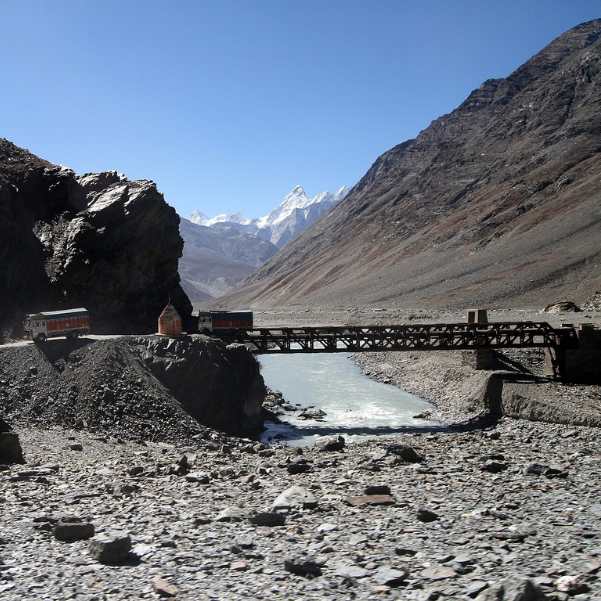
Batal
About 12 to 14 km, 30 to 45 minutes
The road junction at the base of the fifteen hairpins on the Manali side. Home of the Chacha Chachi Dhaba, basic rooms, hot rajma chawal, and usually the only warm place for several hours in either direction.
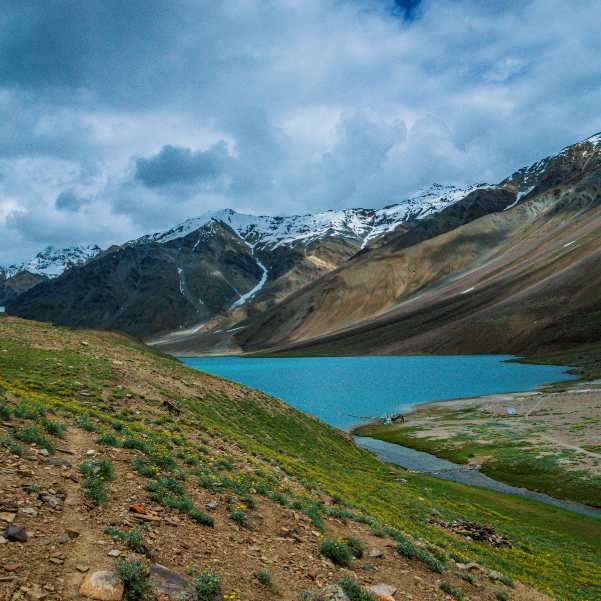
Chandratal Lake
About 22 km from the top, 1 to 1.5 hours
The crescent shaped Ramsar lake at roughly 4,300 m, just off the Manali side of the pass. The turn off is near Batal, the final 14 km is rough dirt. Most travellers pair Chandratal with the Kunzum crossing.
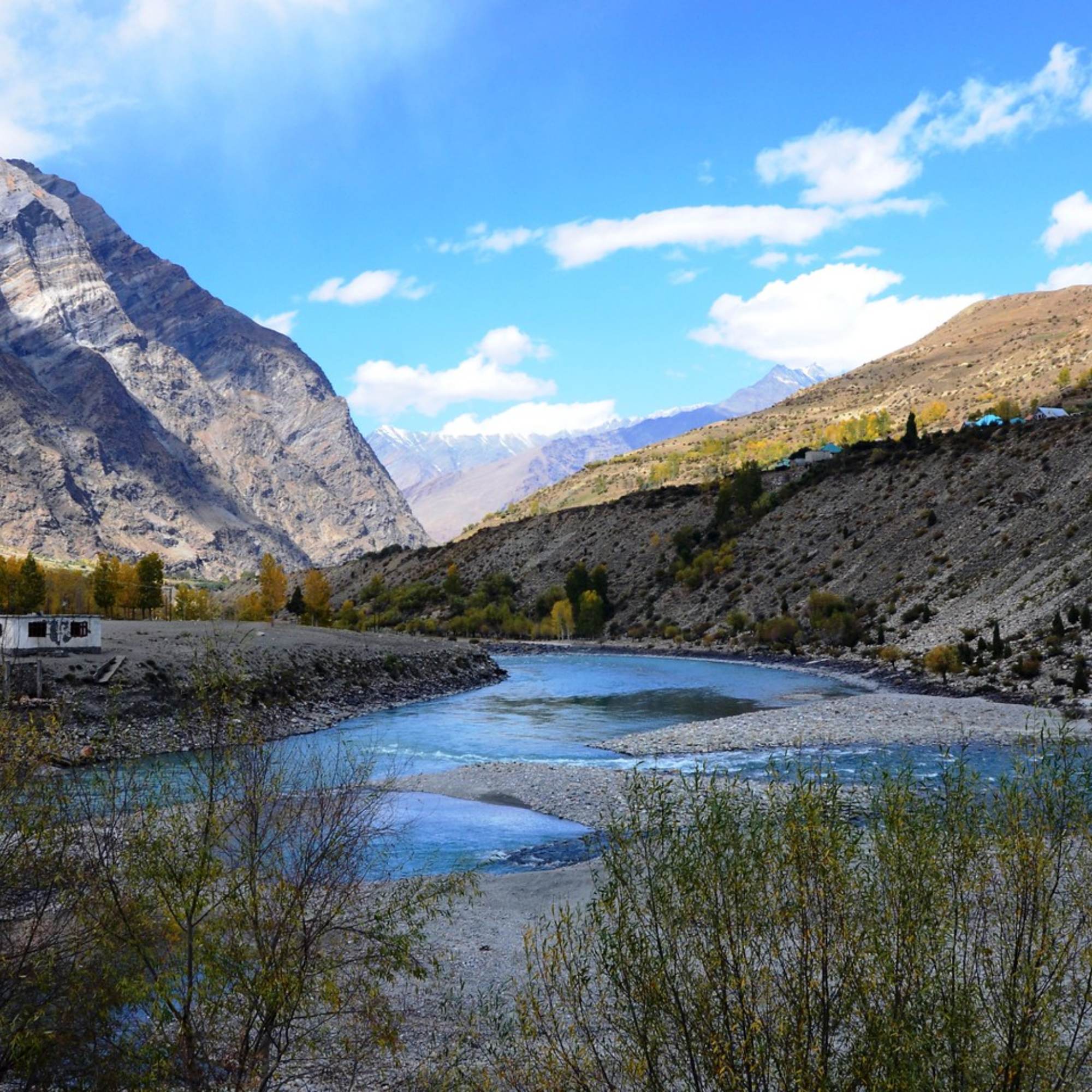
Chandra river valley and Chhota Dhara
Along the Manali side approach
The wide glacial riverbed and the small settlement you cross on the way in. Worth a five minute stop for photographs, especially in the late afternoon light.
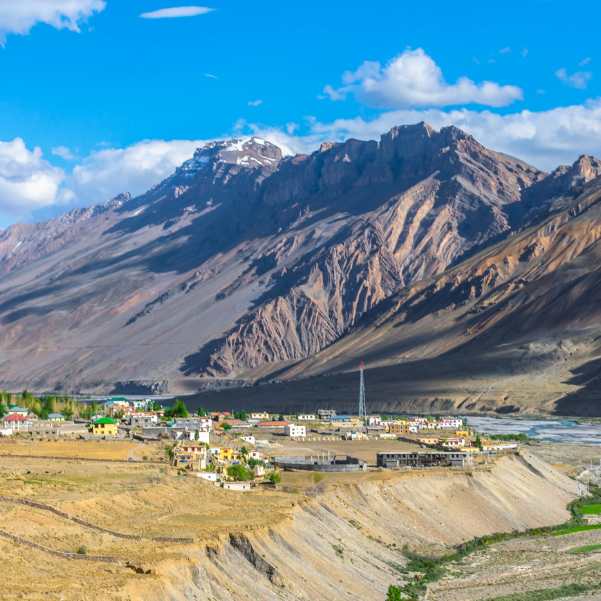
Kaza
About 79 km, 3.5 to 4 hours
The main town of Spiti Valley, sub divisional headquarters, with the region's most reliable petrol pump, ATMs, and stays. The logistical base for anything you plan after crossing the pass.
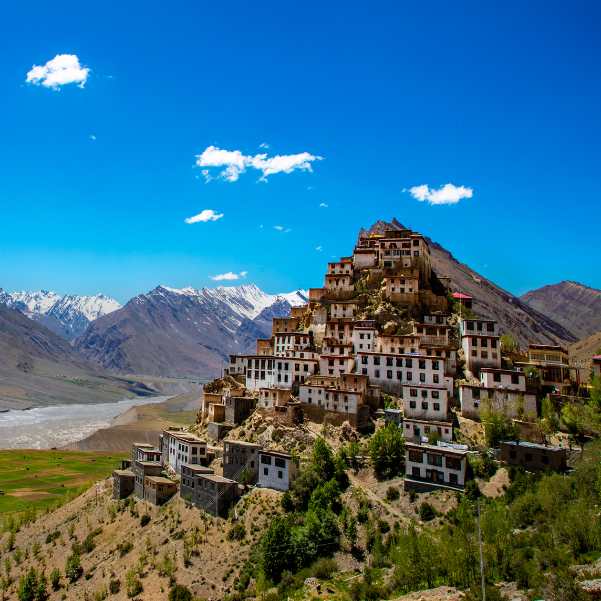
Key Monastery
About 90 km, 4 to 4.5 hours
Spiti's largest gompa, stacked on a conical hill at about 4,166 m. Usually combined with the Kunzum crossing as part of the same Spiti circuit.
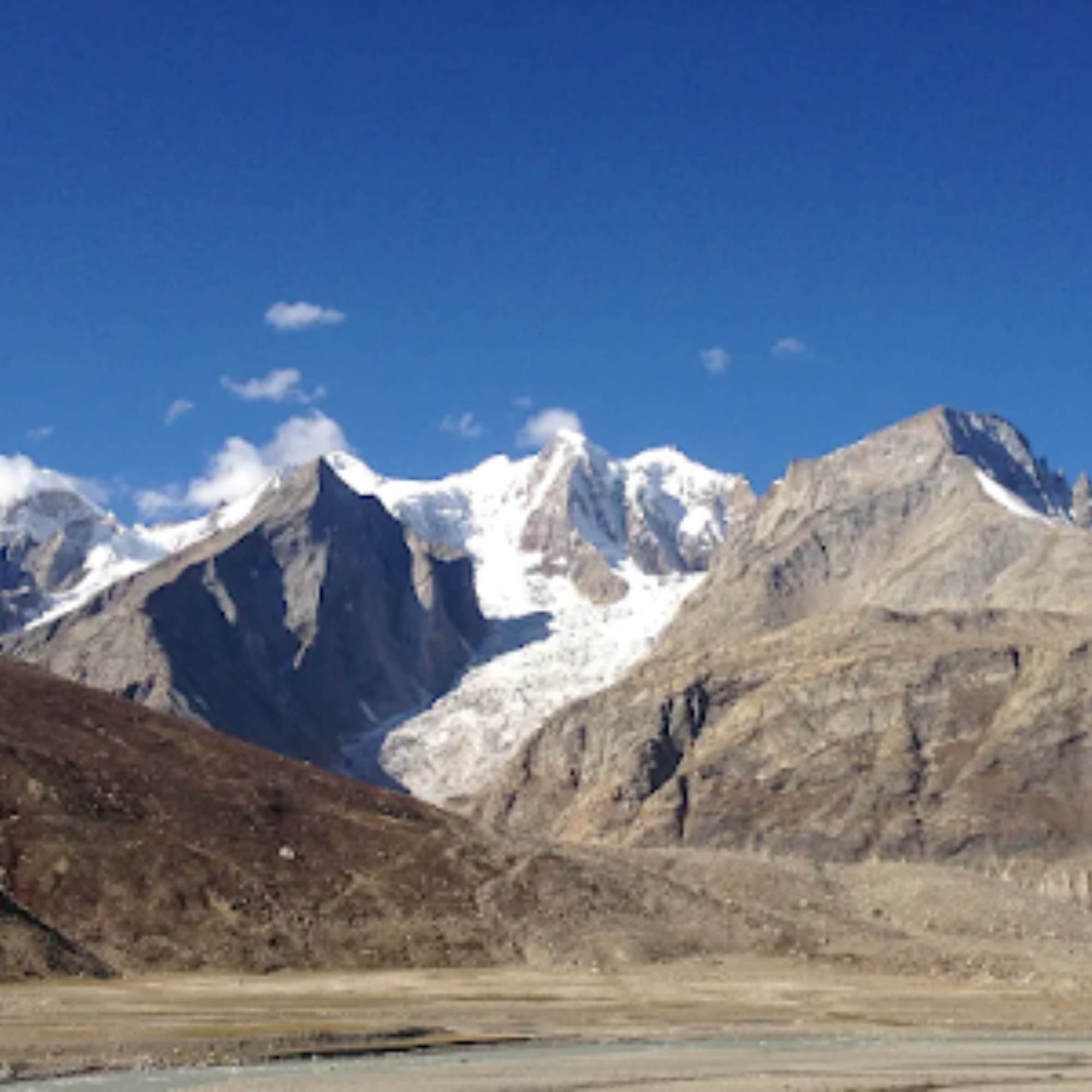
Bara Shigri Glacier viewpoint
Visible from the pass itself
One of the largest glaciers in the western Himalayas, the long grey tongue you see to the north from the top of the pass. No trek access from the road, the view is the visit.
Our packages with Kunzum Pass
Curated trips that include a visit to Kunzum Pass.
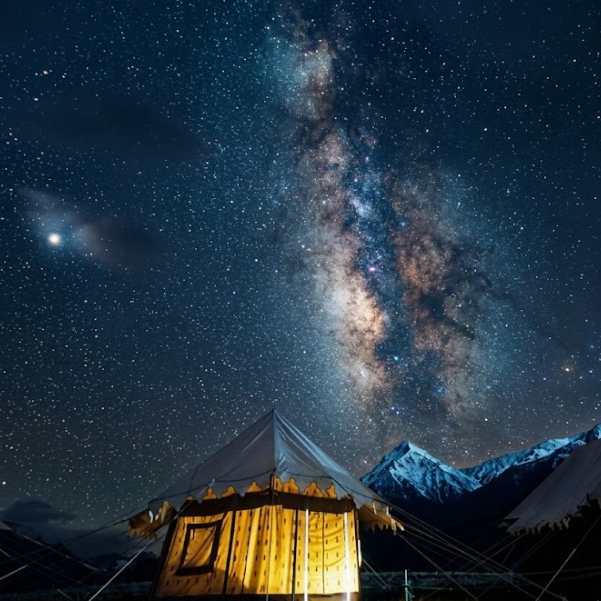 5D/4N
5D/4NBest Chandratal Camping Tour From Manali
1D Sissu•1D Chandratal Camp
₹25,499/ person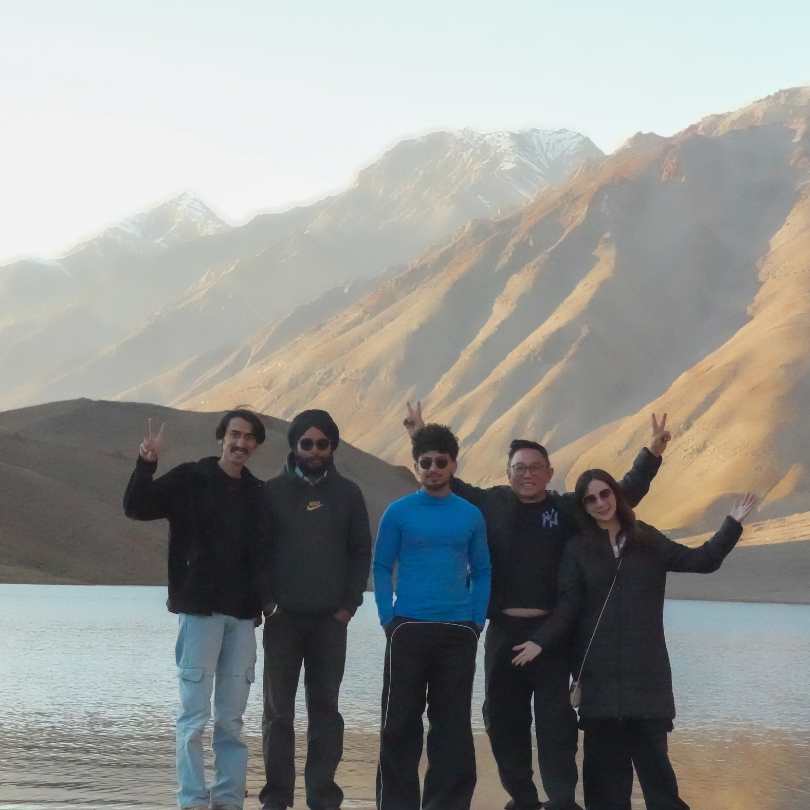 5D/4N
5D/4NManali to Chandratal Lake Road Trip
1D Sissu•1D Chandratal Camp
₹19,999₹23,999SAVE INR 4,000/ person
Frequently Asked Questions
What is the altitude of Kunzum Pass?
Kunzum Pass sits at roughly 4,551 metres, about 14,931 feet. A few sources quote around 4,590 metres instead, so treat the figure as a close approximation. Either way, it is one of the higher motorable passes in Himachal Pradesh.
When does Kunzum Pass open in 2026?
The exact 2026 opening date is not yet announced, it depends on snowfall and BRO clearance. Based on recent years, expect the pass to open somewhere between late May and the first week of June, often for 4x4 vehicles first and then all vehicles about two weeks later. Reconfirm the Lahaul and Spiti district road status before you travel.
When does Kunzum Pass close?
It usually closes with the first heavy snowfall of the season, typically in mid or late October, sometimes earlier. Once shut, the Manali to Kaza route is closed till the following spring. Spiti is then reachable only via Kinnaur from the Shimla side.
How far is Kunzum Pass from Manali?
About 122 km on NH505, via Atal Tunnel, Gramphu, Chhatru, Chhota Dhara, and Batal. The drive takes 6 to 8 hours one way, depending on road conditions and water crossings. Do not plan a same day return from Manali.
How far is Kunzum Pass from Kaza?
About 79 km, via Hansa and Losar. The drive takes roughly 3.5 to 4 hours one way. The Kaza side is gentler and usually in better shape than the Manali side.
Do I need a permit to cross Kunzum Pass?
Indian nationals generally do not need a permit for the pass itself. Some foreign nationals may need permits for specific parts of the wider Spiti and Kinnaur route. Rules can change, please verify current requirements for your nationality and route with a local operator or an official source before travel.
Is Kunzum Pass safe to cross?
Yes, in peak summer and autumn, if the road is officially open and you are driving in daylight. The real risks are altitude sickness at the top, rough road conditions on the Manali side, and landslides or flash floods on the Manali approach during the monsoon window. Do not cross in winter, even if someone tells you the road is technically passable.
Can I reach Chandratal through Kunzum Pass?
Yes, the turn off for Chandratal leaves the main road near Batal, just below the pass on the Manali side. The final stretch is about 14 km of rough dirt. Plan an overnight at the lake or at Batal, a same day round trip from Manali is a long and tiring push.
Is Kunzum Pass open to all vehicles?
Usually yes, during the main season from June to October. In the first two weeks after opening, BRO often allows only 4x4 vehicles while the road settles. Motorcycles are generally allowed once the pass is fully open, but avoid the first opening window on a bike. Always reconfirm the vehicle rules on the day you travel.
Is there fuel, food, or network at the pass?
No fuel anywhere between Manali and Kaza. No ATMs on the route. No food at the top itself, the nearest halts are Chacha Chachi Dhaba at Batal and small dhabas at Losar. Assume zero mobile network from Gramphu on the Manali side until you are close to Losar on the Spiti side.
How long should I spend at the top?
20 to 30 minutes is plenty. Do a slow parikrama of the Kunzum Mata temple, take a few photos, look at the Bara Shigri glacier view, and push on. Any longer at this altitude starts working against you, especially if you have come up the same day from Manali.
Is Kunzum Pass suitable for kids and seniors?
A quick crossing is manageable for healthy kids above 5 and for seniors who have acclimatised. Seniors with heart, blood pressure, or breathing issues should think carefully, there is no medical help for hours in either direction. If anyone in the group is feeling AMS symptoms before the top, keep the stop short and push down the other side.
Can I cross Kunzum Pass in May?
Sometimes. In 2025 it opened on 24 May, in 2024 not until early June, in 2022 as early as 3 May. Early May is too risky to plan around, late May is a realistic but uncertain window, mostly for 4x4 vehicles. If you are targeting May, keep a buffer day and a Plan B via Kinnaur.
Is there anything to do at Kunzum besides the temple?
Not really. This is a crossing point, not a destination. The temple parikrama, the Bara Shigri view, and the stack of fifteen hairpins on the Manali side are the main things to see. Plan the interesting bit as Chandratal, Batal, Losar, Kaza, or Key Monastery on either side of the pass.
Are there any stays near the pass?
No stays at the top. The nearest options are tent camps and basic rooms at Batal on the Manali side, and homestays at Losar on the Spiti side, both generally open only during the main season. For a proper bed with heating, plan to sleep at Kaza or at an authorised Chandratal camp.
Related guides
Posts about Lahaul and Spiti
- Winter Spiti from Bangalore in 2026-27: Flights, Leave Days & Delhi 4x4 Departures
- What Does a Winter Spiti 4x4 Trip Really Cost in 2026-27? Package Price vs Total Holiday Budget
- How Many Leave Days Do You Need for a 9-Day Winter Spiti Trip in 2026-27?
- Winter Spiti for 4 to 6 Friends: Private 4x4 Quote vs Shared Group Seats (2026-27)
- Winter Spiti from Mumbai in 2026-27: Delhi or Chandigarh, Total Budget and Return Planning
- Is Winter Spiti a Trek? Walking, Stairs and Driving Effort on a 9-Day Trip (2026-27)