
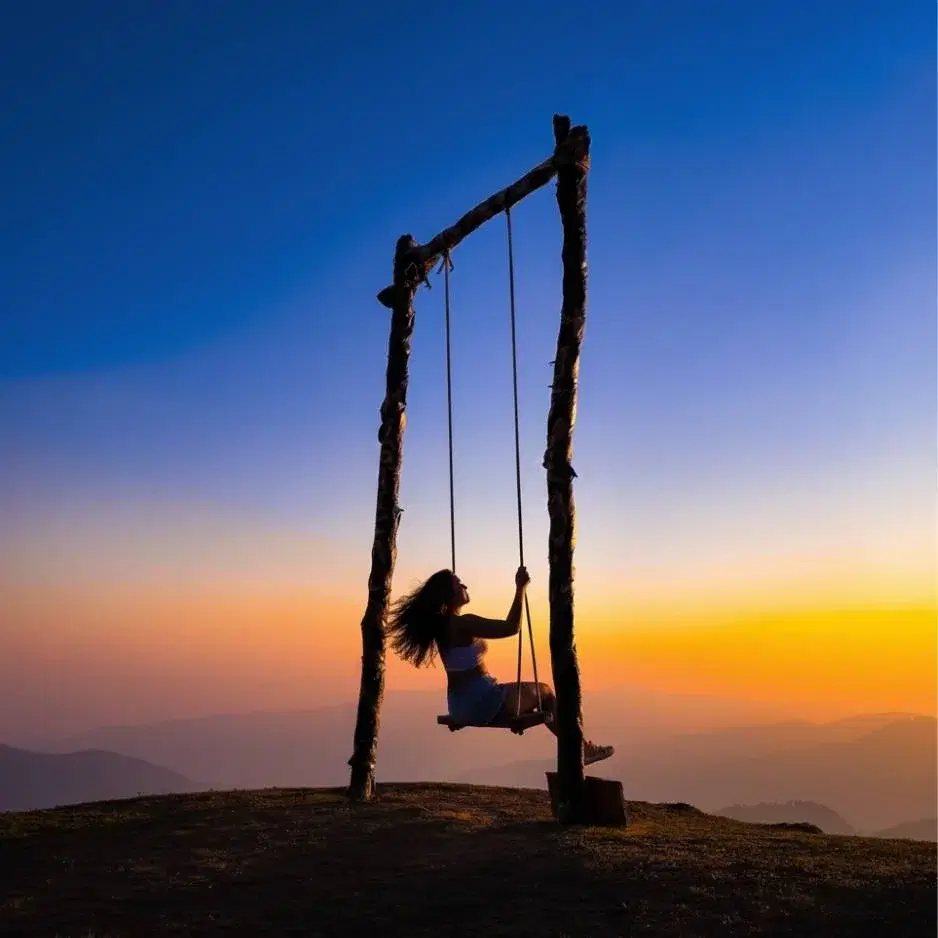
6D/5N
Best Jibhi Tirthan Valley & Shangarh Meadows Trip
1D Delhi •2D Tirthan Valley+2
₹15,999₹21,900SAVE ₹5,901/ person
Best Jibhi Tirthan Honeymoon Tour Packages Curated By Experts
1D Delhi •2D Tirthan Valley+2
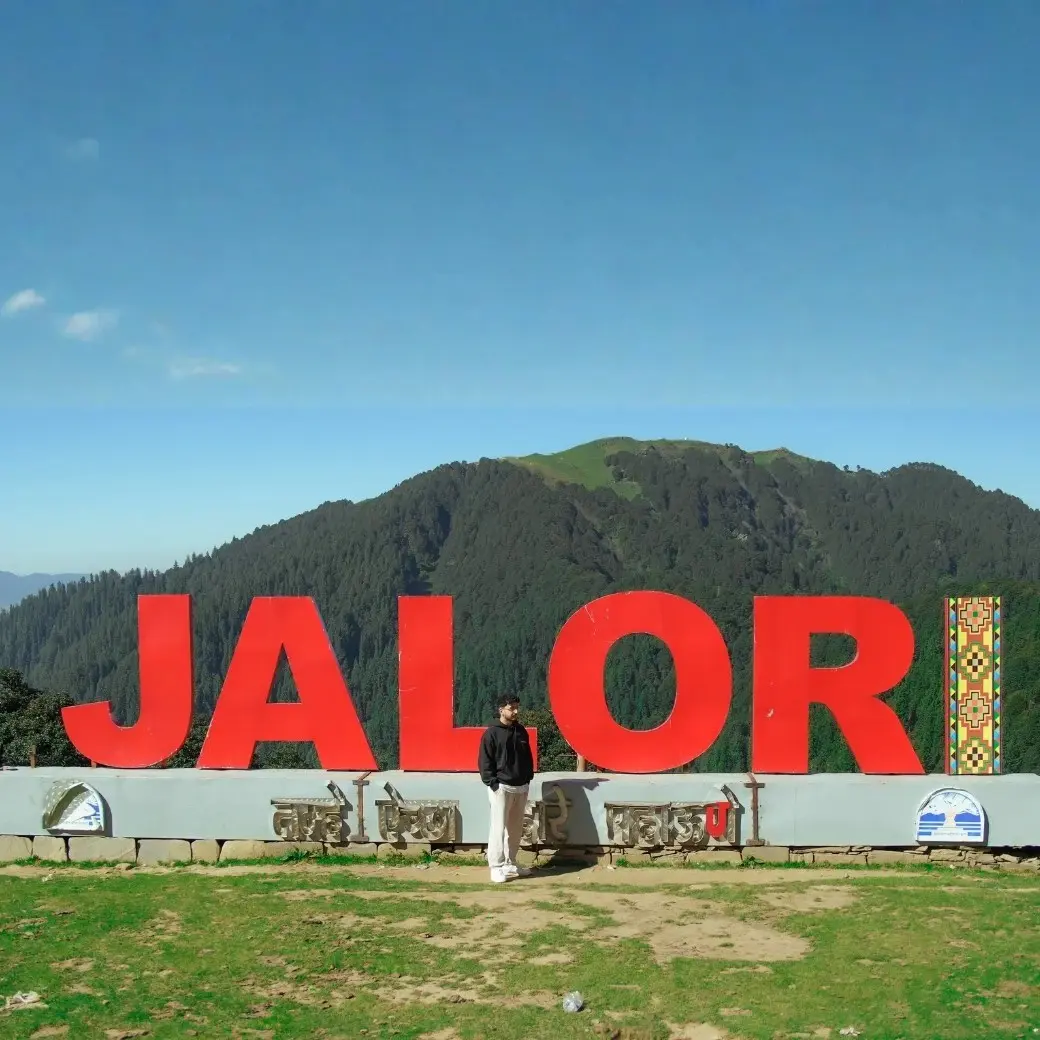
1D Delhi •2D Jibhi / Tirthan Valley+1
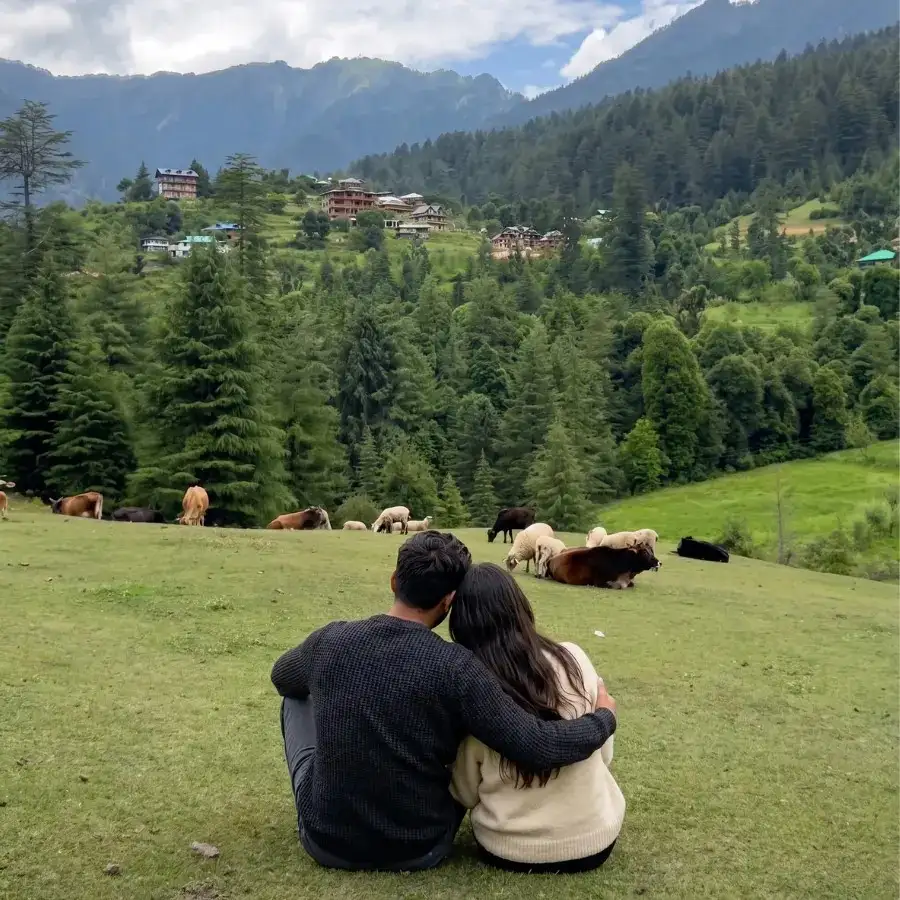
1D Delhi•2D Jibhi+2
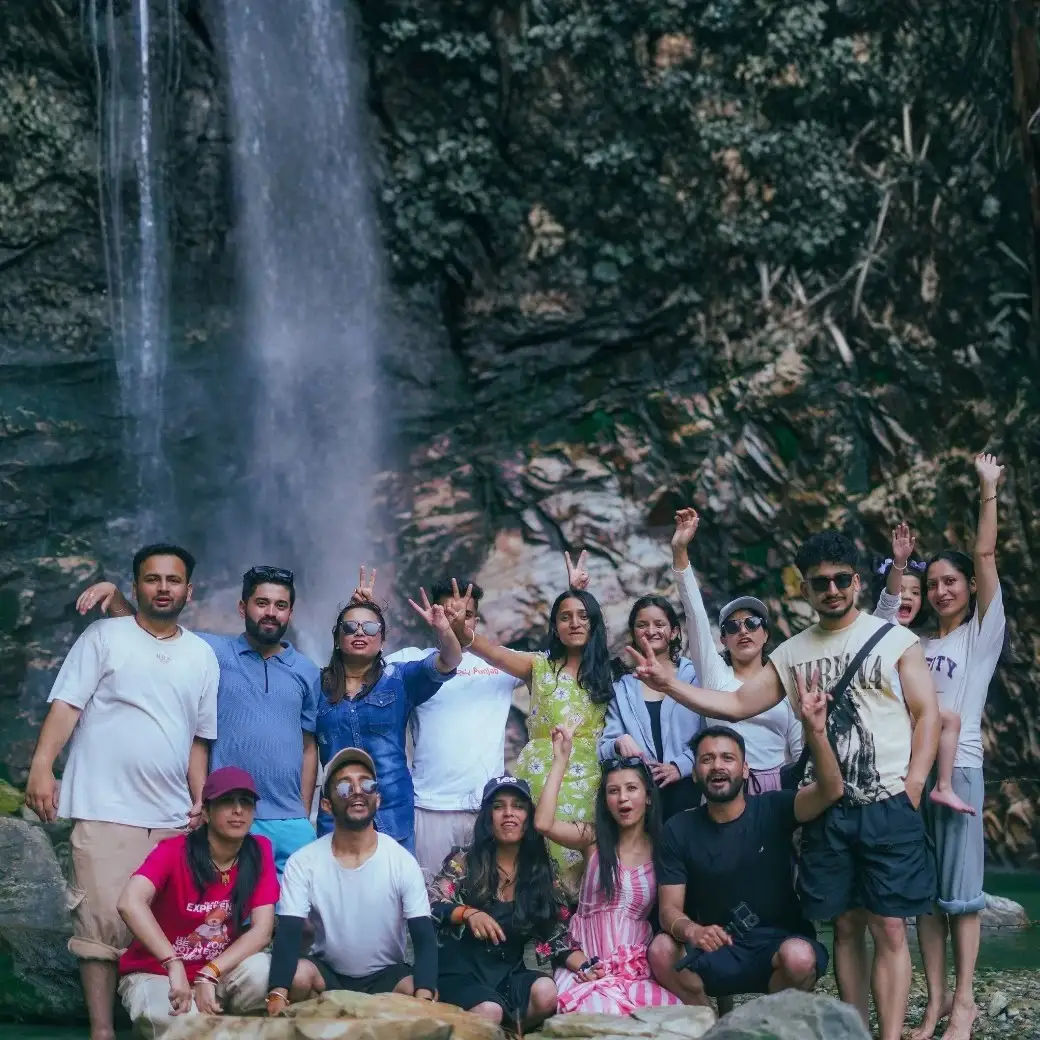 Group Tour
2D Tirthan Valley•1D Shangarh (Sainj Valley)
Where the Forest Closes In, the River Goes Quiet, and the Two of You Stop Needing Anywhere Else to Be
There is a balcony in Jibhi, wooden and slightly uneven, where the morning mist sits at the level of the pine tops and the only sound is water moving somewhere below in the valley. You are sitting there with someone you love, wrapped in a blanket, holding something warm, and the world feels like it has gone to sleep and left you both in charge of the quiet. That is Jibhi Tirthan. Not a honeymoon that performs. A honeymoon that pauses.
Jibhi and Tirthan Valley are not the Himachal you see on holiday packages. There are no mall roads, no traffic queues, no overpriced tourist viewpoints. What there is, instead, is a pair of valleys where wooden cottages sit under deodar trees, where the Tirthan River runs cold and clear, where forest paths lead to waterfalls and ancient towers without a ticket counter, and where the cafés feel like they were opened by someone who moved here because they fell in love with the silence. This is an offbeat Himachal honeymoon for couples who do not want to perform their romance for a crowd.
A Jibhi Tirthan honeymoon tour package done right does not fill every hour. It gives you mornings where nobody knocks, afternoons where the river is the only plan, evenings where dinner is trout and rajma with desi ghee at a riverside stay, and the kind of slow, unchoreographed closeness that only happens when you are somewhere genuinely far from noise.
Travel Coffee is a Himachali travel company based in Shimla. Jibhi, Tirthan, Banjar, Gushaini, Shoja, and the roads between them are routes we have driven many times, in every season. We know which wooden cottages actually have the balcony views they advertise. We know which forest paths work for a romantic morning walk. We know when Jalori Pass is open and beautiful and when it is smarter to stay in the valley and let the river be enough.
When we plan a Jibhi honeymoon trip, we start with what makes it romantic, not what makes it look busy. You do not need ten stops. You need the right three. A stay with character, a route that does not exhaust you, a couple of walks that feel earned, and enough unplanned time that the trip stops feeling like a trip and starts feeling like your own.
Slower couple-friendly pacing that treats unplanned time as part of the itinerary, not a gap.
Locally chosen stays with character, wooden cottages with views, riverside rooms, and balconies that face the right valley.
Scenic routes that do not feel rushed, because the drive between Banjar, Jibhi, and Shoja is part of the experience.
Offbeat experiences beyond the crowded spots, including village walks, forest paths, and café mornings.
Route honesty in changing weather, especially around Jalori Pass and higher trails.
Romantic stays that feel real, not staged or gimmicky.
A mix of quiet time and light exploration designed for two people, not a tour bus.
Support from a Himachali team that knows these valleys from the inside.
Most Himachal honeymoons happen in places where you spend half the trip in traffic and the other half at viewpoints with fifty other couples. Jibhi Tirthan is the opposite. The valleys are small and connected by forest roads that wind through cedar and pine. The river follows you almost everywhere. The stays feel like someone built them into the trees instead of clearing the trees to build them. And the daily rhythm here is not about covering sightseeing lists. It is about sitting on a wooden balcony, walking a short forest trail, sharing a meal that came from the valley, and letting the place do its work.
Jibhi and Tirthan have different moods. Jibhi has café-and-cottage energy with waterfalls, wooden bridges, and village paths. Tirthan leans quieter and more river-focused, with water as a constant companion and the Great Himalayan National Park giving the landscape a wilder edge. Together, they give couples a honeymoon that is part soft adventure and part deep rest, without needing a crowd or a checklist.
What stays with couples here is not a landmark. It is the morning mist on the balcony. The afternoon when you walked to a waterfall and then sat in a café for two hours because neither of you wanted to leave. The evening when dinner was trout and siddu with ghee and the conversation was about nothing and everything. Jibhi Tirthan does not try to impress you. It tries to slow you down. And for couples, that turns out to be the most romantic thing a destination can do.
Slow mountain romance: the kind that comes from shared silence, forest air, and the absence of schedule. Not staged. Not performed. Just two people somewhere beautiful with nowhere else to be.
Forest and river calm: the Tirthan River gives the trip its emotional core. The sound of water after dinner, the cold of the river on your feet, the way everything quiets down once you are near it.
Short adventure for couples: enough trails and viewpoints to feel active without exhausting the trip. Jibhi Waterfall, Jalori Pass, Serolsar Lake, and the Raghupur Fort trail all offer earned views with manageable effort.
Heritage and village character: Chehni Kothi's Kath Kuni tower, village deity traditions, stone-and-wood homes, and the feeling of stepping into a way of life that has not been repackaged for tourists.
Food and café moments: trout at a Tirthan-side stay. Siddu with ghee. Dham if the timing is right. Rajma with desi ghee. Rhododendron tea in a quiet café. The food here is simple, warm, and tastes better when shared.
Offbeat Himachal without the rush: a honeymoon that feels personal because the destination itself is still personal. No queues. No parking chaos. No manufactured tourist energy.
Our short 2 nights 3 days romantic breaks cover the essential Jibhi experience. A wooden cottage stay, Jibhi Waterfall, riverside time, and a slow café morning. Compact and well-paced for couples with limited leave who still want the trip to feel unhurried.
The 3 nights 4 days Jibhi Tirthan Shoja escape is our most recommended format for honeymooning couples. It gives you enough time for both the Jibhi and Tirthan moods, a scenic drive to Shoja, and one or two optional outings like Jalori Pass or a riverside walk. The extra night makes the difference between a trip that happened and a trip that settled.
Couple trips with Jalori Pass and Serolsar Lake suit couples who enjoy walking together. Jalori at about 3,120 metres adds altitude views and a different energy. The Serolsar Lake trek is roughly five kilometres round trip through dense forest to a sacred lake associated with Budhi Nagin. This format works for couples who want soft adventure alongside the quiet.
Winter honeymoon stays with snow and quieter villages suit couples who love the cold. December to February. The valley goes misty, the wooden cottages feel cosier, and the silence deepens. Jalori Pass may be snow-affected and inaccessible, but the lower valley remains romantic. We plan these with honest expectations about what is open and what is not.
Tirthan plus GHNP nature-focused escapes give couples a wilder edge. Riverside stays near Gushaini, short walks near the Great Himalayan National Park entry zone, and birdwatching. For nature-loving couples, this adds depth the main Jibhi circuit does not.
Café-and-stay-based slow honeymoon trips strip the itinerary to essentials. A beautiful stay. Good food. A short walk. A long conversation. No pressure. The simplest Jibhi Tirthan honeymoon tour packages are often the most romantic ones.
Jibhi and Tirthan are road destinations. No airport or railway station nearby. Most couples drive from Chandigarh (roughly 260 to 280 km, about seven to eight hours) or from Delhi (roughly 480 to 510 km, about ten to twelve hours including breaks).
The Aut to Banjar to Jibhi route is the one we recommend for most couples. The road is well-maintained for the majority and the final stretch through Banjar into the valleys is scenic without being difficult. In normal conditions, a sedan works on this route, though higher ground clearance is better in winter or for rougher village access roads.
The Shimla to Narkanda to Jalori to Shoja to Jibhi route is longer and more dramatic. It crosses Jalori Pass at about 3,120 metres and gives couples mountain views, snow in winter, and a more adventurous entry. This route is season-dependent. When the pass is open, it is extraordinary. When it is not, the Aut route is the reliable choice.
Bhuntar airport near Kullu is the nearest useful airport, but flights are limited. Train travellers usually reach Chandigarh or Ambala and complete the journey by road. A private cab from Chandigarh gives couples the most flexibility and comfort for a romantic trip to Jibhi Tirthan.
Time zone: India Standard Time (IST), UTC+5:30.
Currency: Indian Rupee (INR). ATMs are limited. Carry enough cash. Digital payments work at some but not all stays.
Languages: Hindi and English are understood at most tourist-facing stays. Pahari and Kulluvi are commonly heard locally.
March to June: the most comfortable window for a Jibhi Tirthan honeymoon trip. Green forests, mild weather, accessible trails, and clear drives. Jalori Pass is usually open. This is when the valleys feel most alive.
September to November: autumn light, cleaner mountain views, fewer visitors, and a crispness in the air that makes every walk feel sharper. Often the most romantic window for couples who want the valleys at their quietest.
Winter (December to February): colder, mistier, and the most intimate season. Snow is possible in higher areas and around Jalori, though the pass may close. The lower valley stays romantic regardless. Wooden cottages with heaters and misty balconies make winter Jibhi feel like a different honeymoon entirely.
Two to three days for a short romantic break covering Jibhi essentials. Three to four days for a fuller Jibhi Tirthan Shoja experience with optional Jalori or Tirthan-side outings. We do not recommend trying to see everything. A Jibhi honeymoon trip works best when it leaves room for the unplanned afternoon that becomes the best memory.
2 packages found
 Group Tour
1D Delhi •2D Tirthan Valley+1
1D Delhi•2D Jibhi+1
Jibhi and Tirthan Valley offer couples something most Himachal destinations cannot: romance that comes from the setting itself. Forest paths to waterfalls, rivers that run cold and clear, wooden cottages under deodar canopy, ancient towers in village silence, and high-altitude lakes reached by quiet forest trails. These are the places where your honeymoon finds its feeling.
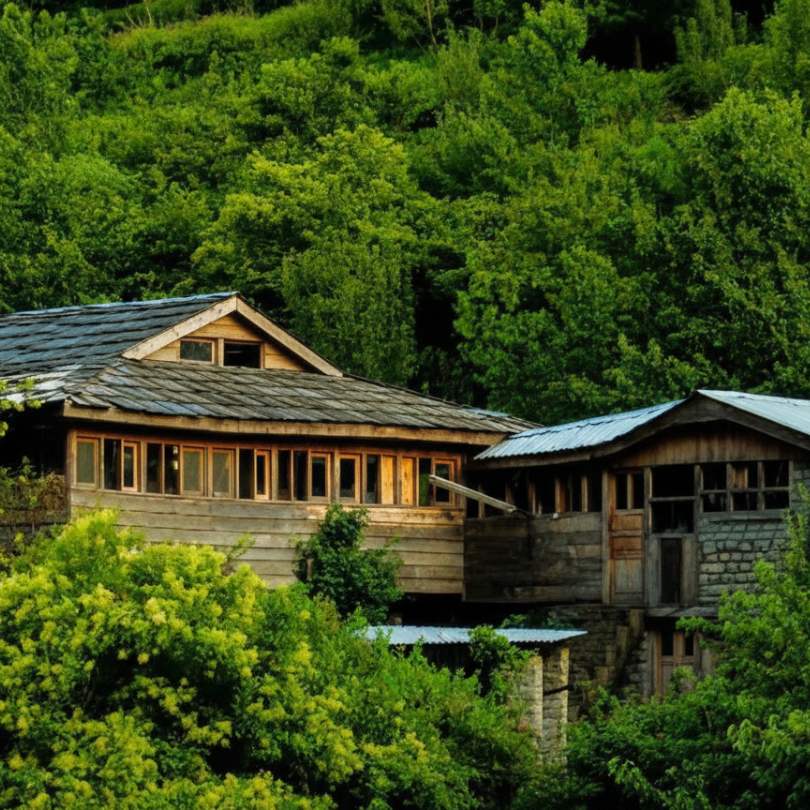
Gushaini is a small riverside village in Banjar tehsil of Kullu district, sitting at around 1,500 m on the Tirthan river, with the Falachan nala joining just upstream. It is the last real road head on the Tirthan side of the Great Himalayan National Park, the most popular base for riverside homestays in Tirthan Valley, and the closest village to the GHNP gate at Ropa. Most travellers come here for two or three slow nights, a walk to the park gate, and a morning of trout fishing on the river.
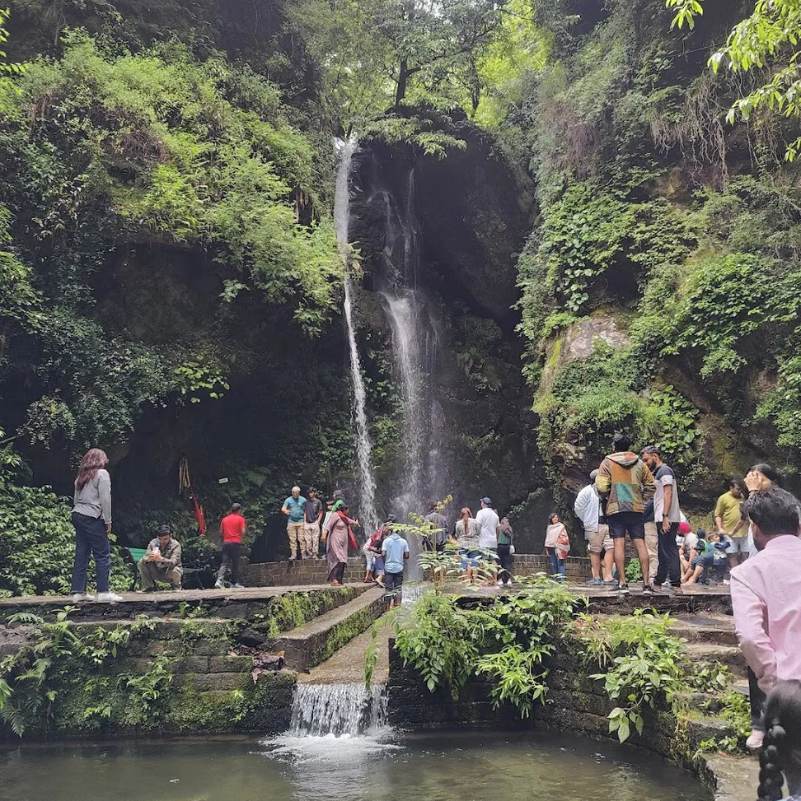
Jibhi Waterfall is a small forest waterfall a short walk from Jibhi village market in Kullu district, Himachal Pradesh. A stone and wooden bridge path through pine and deodar leads to a modest cascade with a shallow pool at the base, maintained by the forest department. Plan it as a 45 minute to 1 hour stop, pair it with the boulder pool at Mini Thailand for the standard slow Jibhi morning.
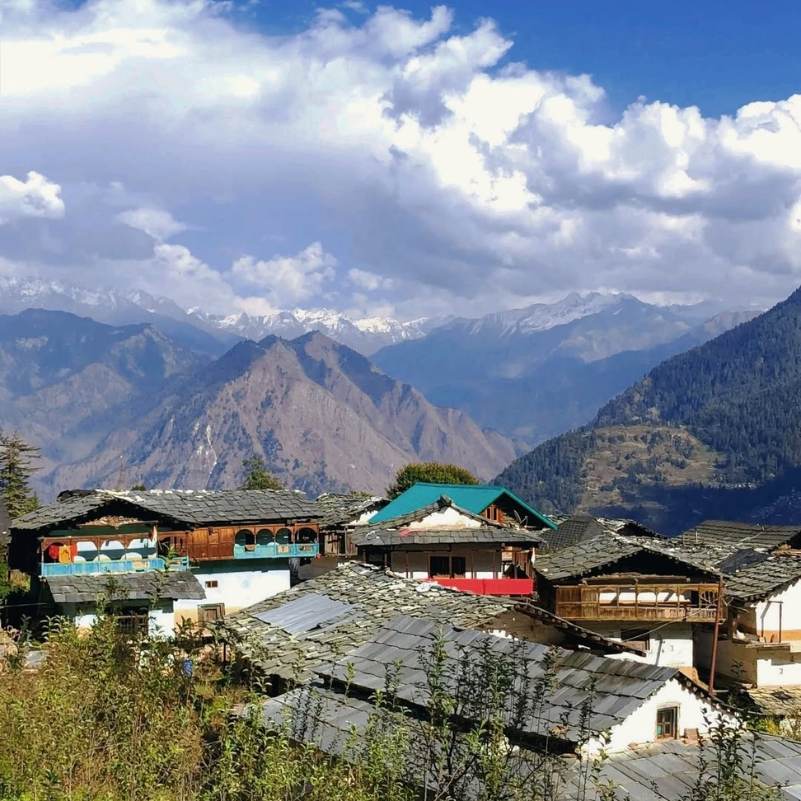
Bahu is a small village in Banjar tehsil of Kullu district, sitting on a ridge roughly 7 to 10 km above Jibhi by a road of tight hairpins. Traditional Kath Kuni stone and timber homes, the Bahu Nag temple at the upper end of the village, and pine and deodar forest on every slope. The standard pick for travellers who want a quieter, higher base than Jibhi for two slow nights.
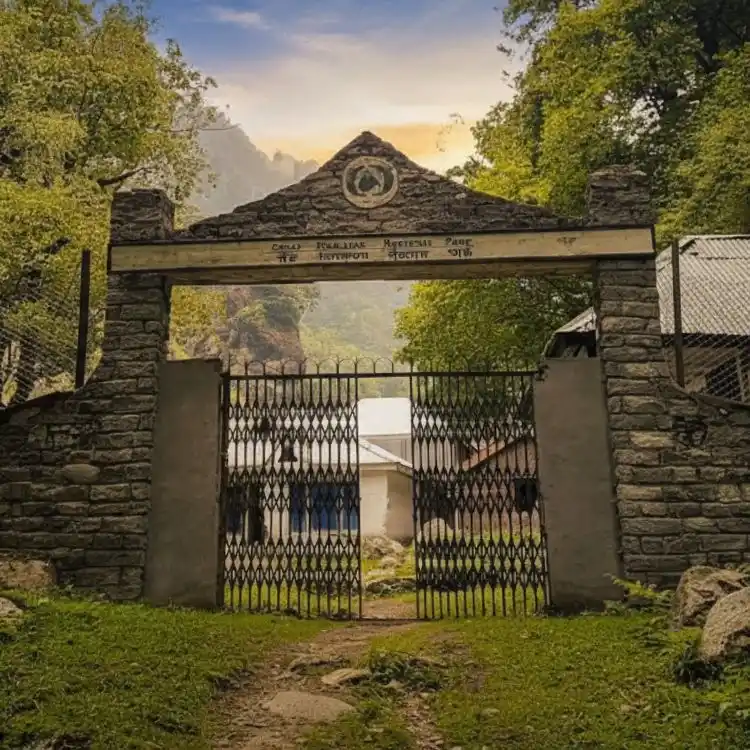
Great Himalayan National Park (GHNP) is a UNESCO World Heritage protected area in Kullu district of Himachal Pradesh, covering the high catchments of the Tirthan, Sainj, Jiwa Nal and Parvati rivers. The park itself is roughly 905 sq km, and the wider Conservation Area with the Sainj and Tirthan sanctuaries and the ecozone runs to about 1,171 sq km. There are no roads inside, only foot trails, with permits issued at the range offices at Sairopa, Ropa Sainj and Largi.
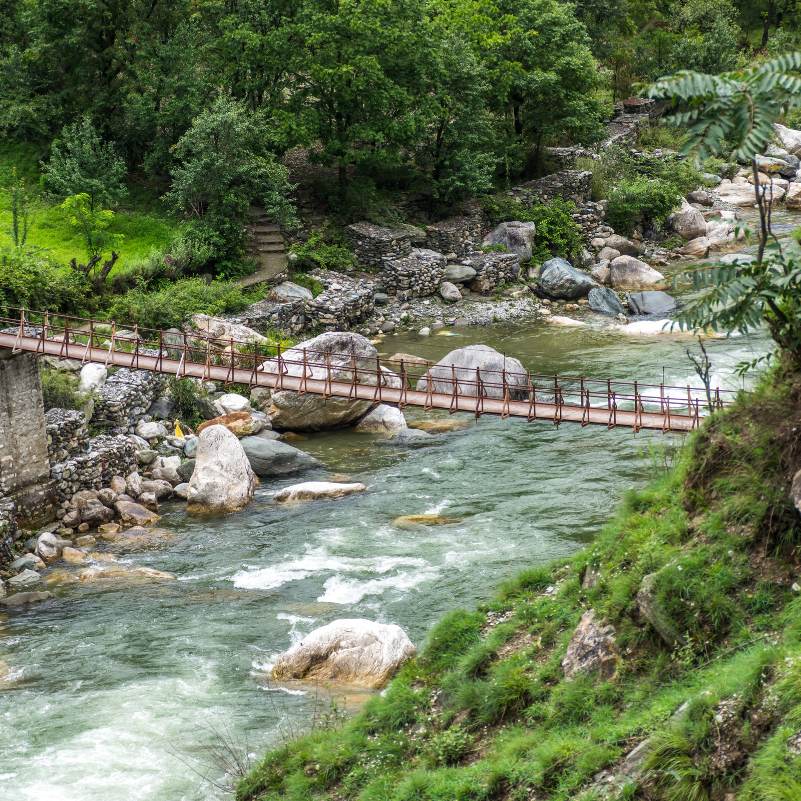
Tirthan Valley is a 25 to 30 km river valley in Banjar tehsil of Kullu district, running along the Tirthan River from Banjar town up to Bathad on the edge of the Great Himalayan National Park. The main villages are Sai Ropa, Nagini, Gushaini, and Bathad, and most travellers base in a riverside homestay for two to four slow nights. Quieter than Jibhi and Shoja next door, the valley draws travellers who want the river, the trout, the GHNP treks, and the slowest pace in Kullu.
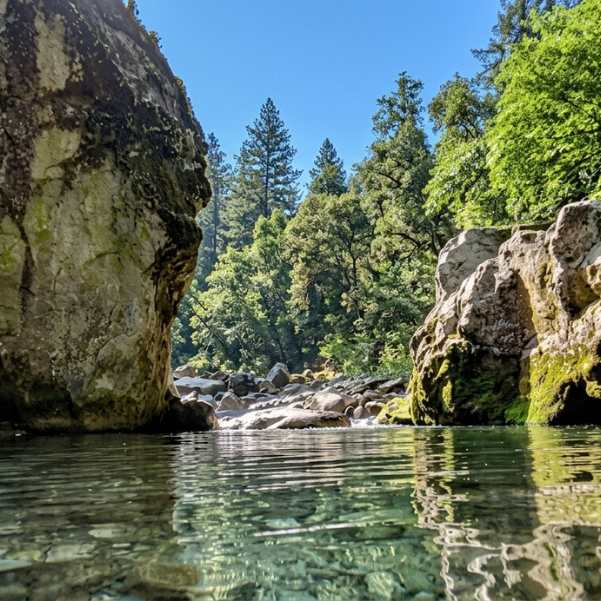
Mini Thailand is the tourist nickname for Kulhi Katandi, a small spot on the Pushpabhadra stream a short walk off the road from Jibhi village towards Jalori Pass. Two large boulders form a natural arch over a clear pool, which is the photo people came for. Plan it as a 30 to 45 minute morning stop, not a destination day.
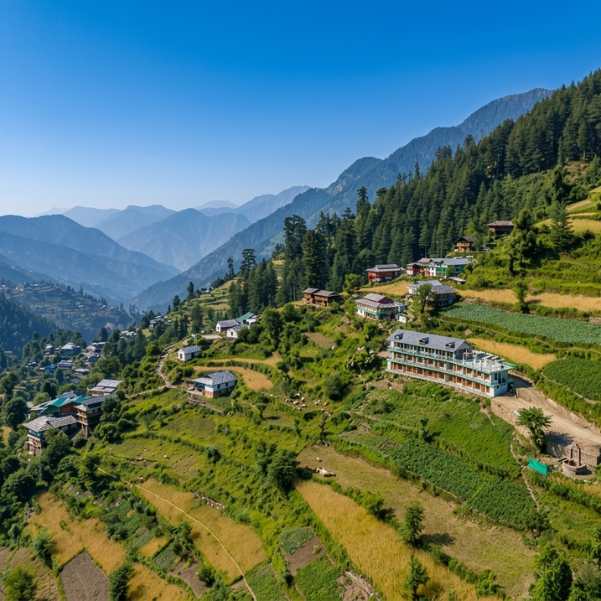
Shoja is a small forest village at around 2,700 metres in Banjar tehsil of Kullu district, sitting on the road between Jibhi and Jalori Pass. About 5 km below the pass and 7 to 10 km above Jibhi, higher and quieter than its neighbour, with a handful of homestays, a few small cafes, and deodar forest at every edge. The standard high altitude base for travellers who want silence after dark and a short drive to the Jalori day walks.
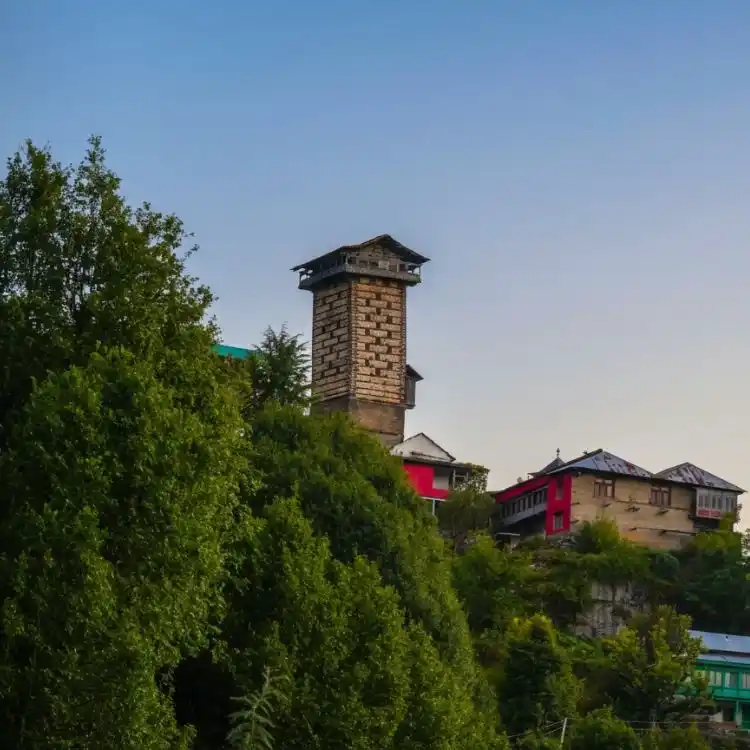
Chehni Kothi is a tall stone and wood tower in Chehni village above Banjar in Kullu district, built in the Kath Kuni style with no cement, nails, or metal fasteners. Several centuries old and partly damaged in the 1905 Kangra earthquake, it stays one of the tallest surviving wooden towers of its kind in the western Himalaya. Most travellers visit as a half day from Jibhi or Tirthan, walking up through apple orchards from Bagi or Bihar village.
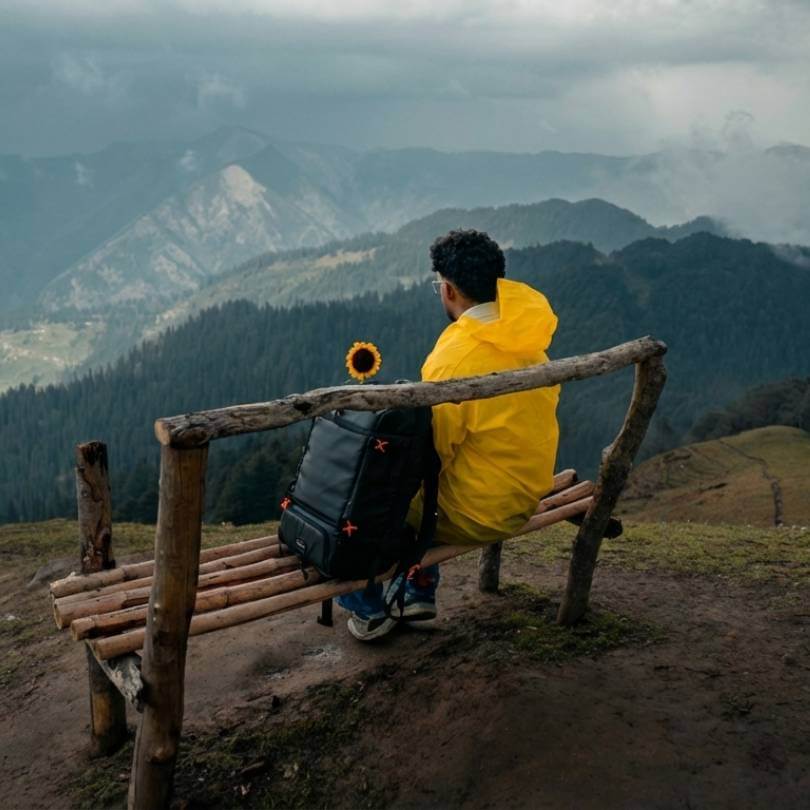
Raghupur Fort Trek is a short, steep walk that starts at Jalori Pass, climbs roughly 3 km through oak and rhododendron forest, and tops out on a grassy ridge at around 3,300 metres with the ruined walls of an old hill fort. From the meadow you get an open view across the Pir Panjal and the Great Himalayan Range. Most travellers do it as a 2 to 3 hour day hike from Jibhi or Shoja.
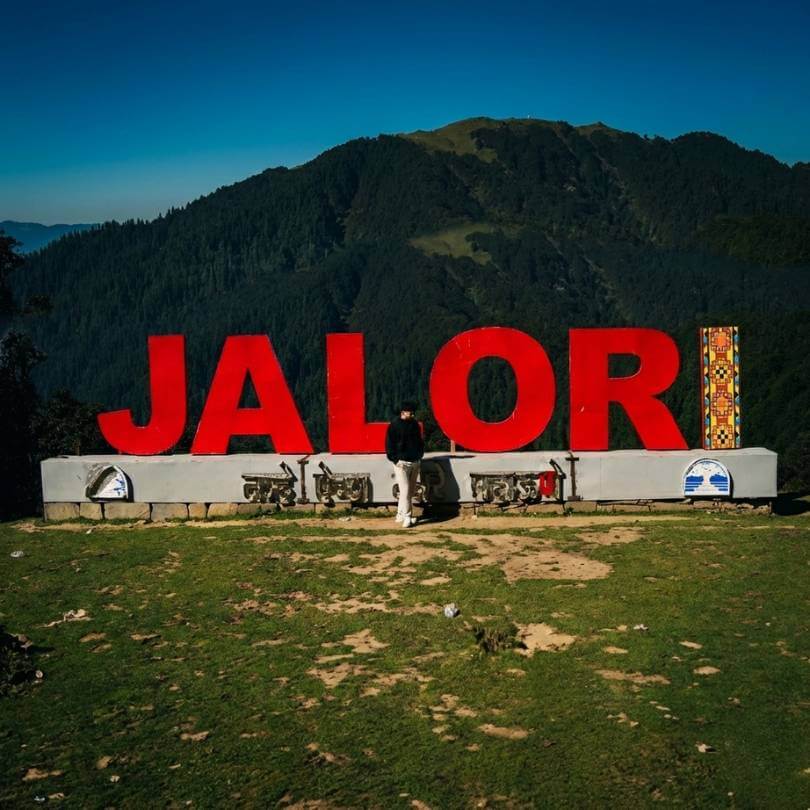
Jalori Pass tops out at 10,800 ft on NH 305, the highway branch that crosses from the Banjar valley into Outer Seraj. At the top you get a small Mata Jalori temple, four or five dhabas, and the trailheads for Serolsar Lake (5 km one way) and Raghupur Fort (3 km one way). The road is seasonal — generally open April to November on BRO snow clearance, and firmly shut through peak winter from January to March.
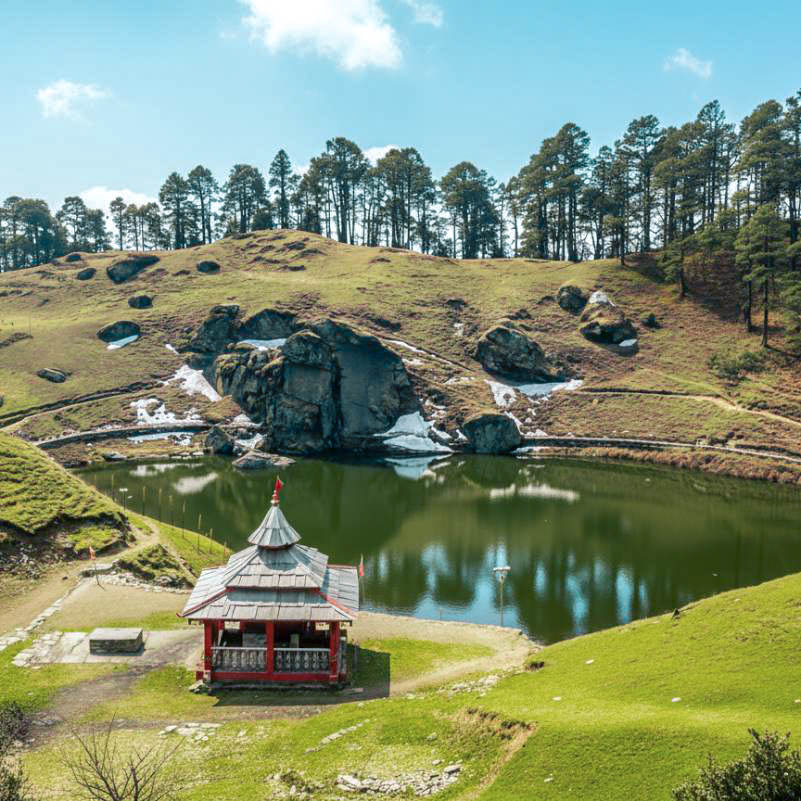
Serolsar is a small alpine lake in the Seraj Valley of Kullu district, sitting at roughly 3,100 metres, about the same altitude as Jalori Pass itself. You reach it by an easy 5 km walk from the pass through oak and deodar forest, and a small Budhi Nagin temple stands on its bank. The most popular day hike from the Jibhi and Shoja area.
The most romantic things to do in Jibhi Tirthan are not activities you schedule. They are forest walks where the waterfall gets closer, riverside afternoons where neither of you wants to leave, café mornings in wooden rooms with valley views, and evenings where dinner is trout and the conversation is about nothing and everything. These are the moments your honeymoon will be built from.
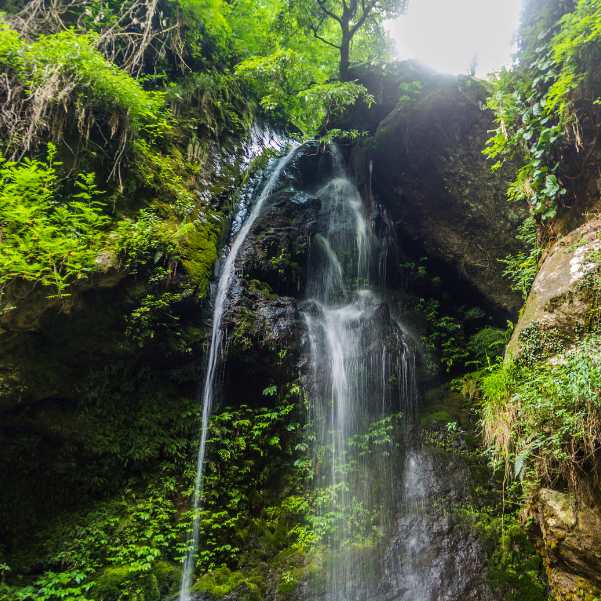
The path is short, the forest is tall, and the sound of water gets closer with each step. This walk takes less than an hour and gives you the kind of shared quiet moment that a hundred resort activities cannot.
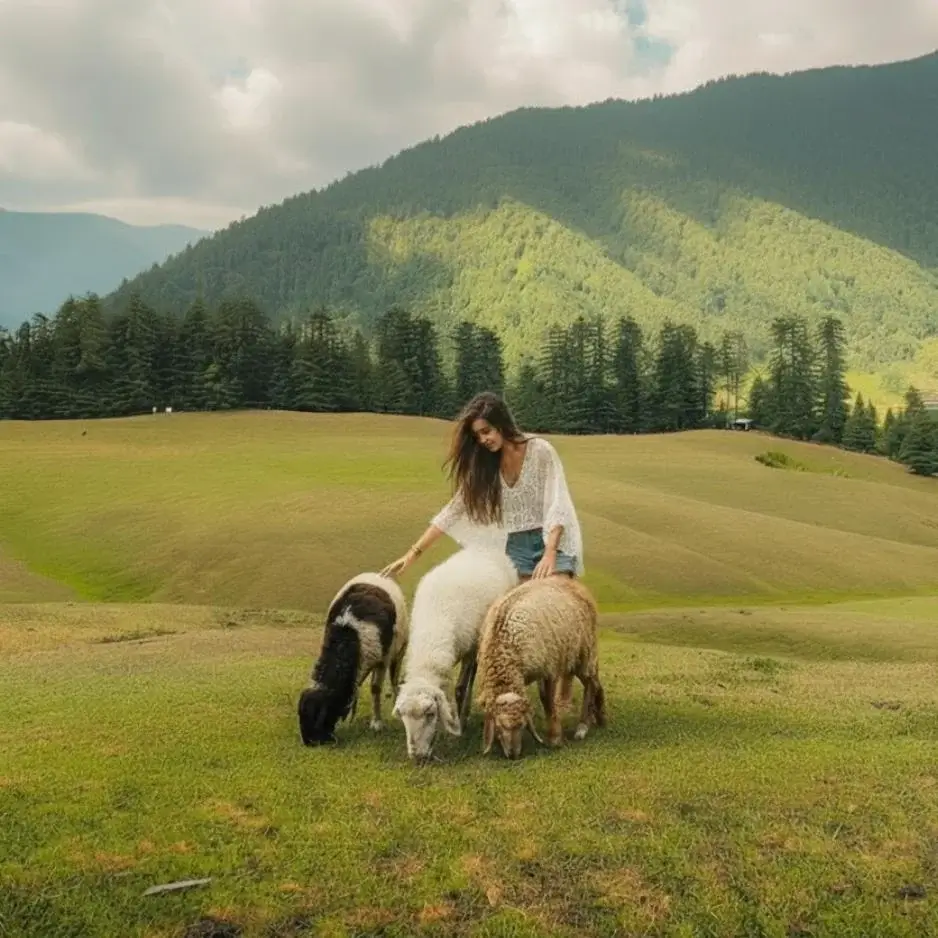
Find a spot on the wooden walkway. Watch the light on the water. Say nothing. This is the kind of honeymoon pause that feels more romantic than any planned dinner.
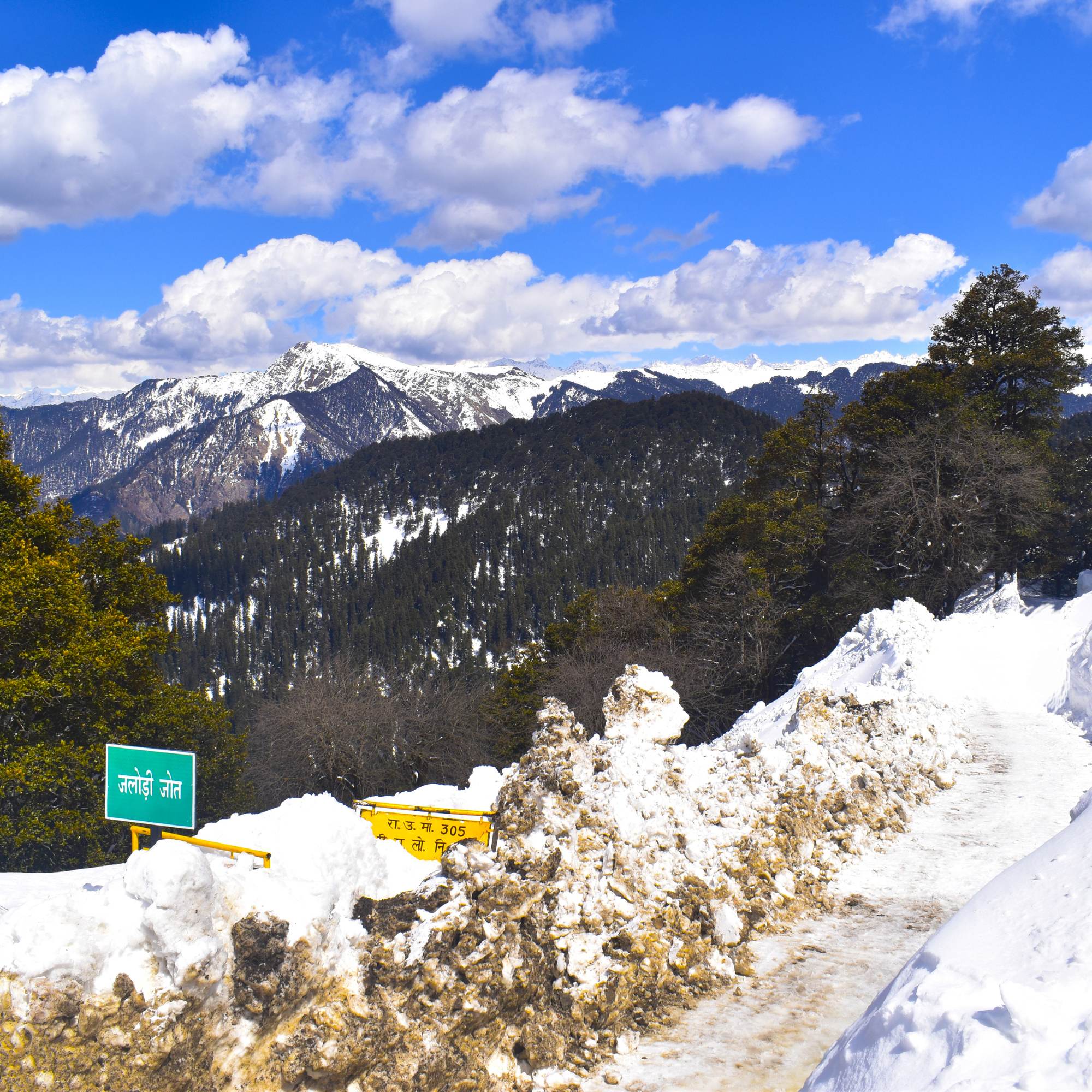
The switchbacks climb through deodar. The air cools. The view opens. Standing at 3,120 metres with prayer flags and snow peaks behind you, holding hands in cold wind, is one of those moments that does not need a caption.
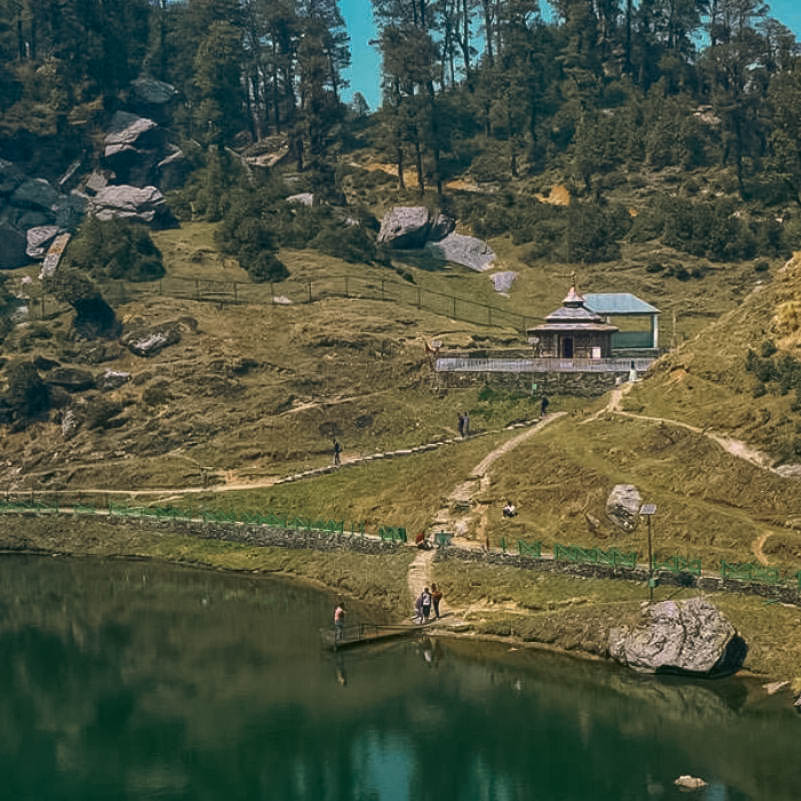
Five kilometres through forest. The trees are dense. The trail is quiet. And then the lake appears, green and still, with a small temple and the legend of Budhi Nagin in the air. For couples who enjoy walking, Serolsar is the romantic highlight of the trip.
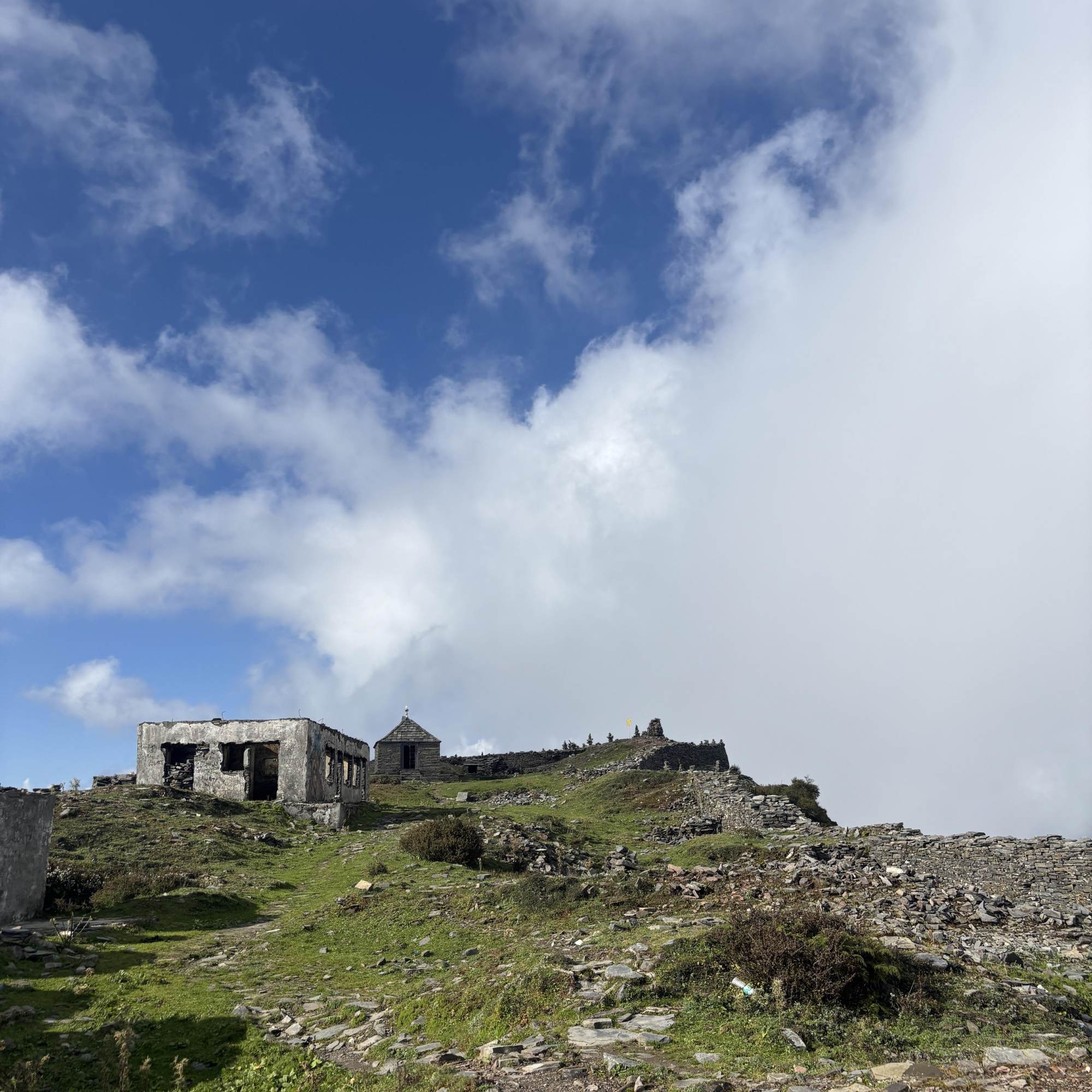
Longer and more exposed than Serolsar, but more rewarding for couples who want open sky and panoramic views. The fort ruins add history. The wind at the top makes you both go quiet.
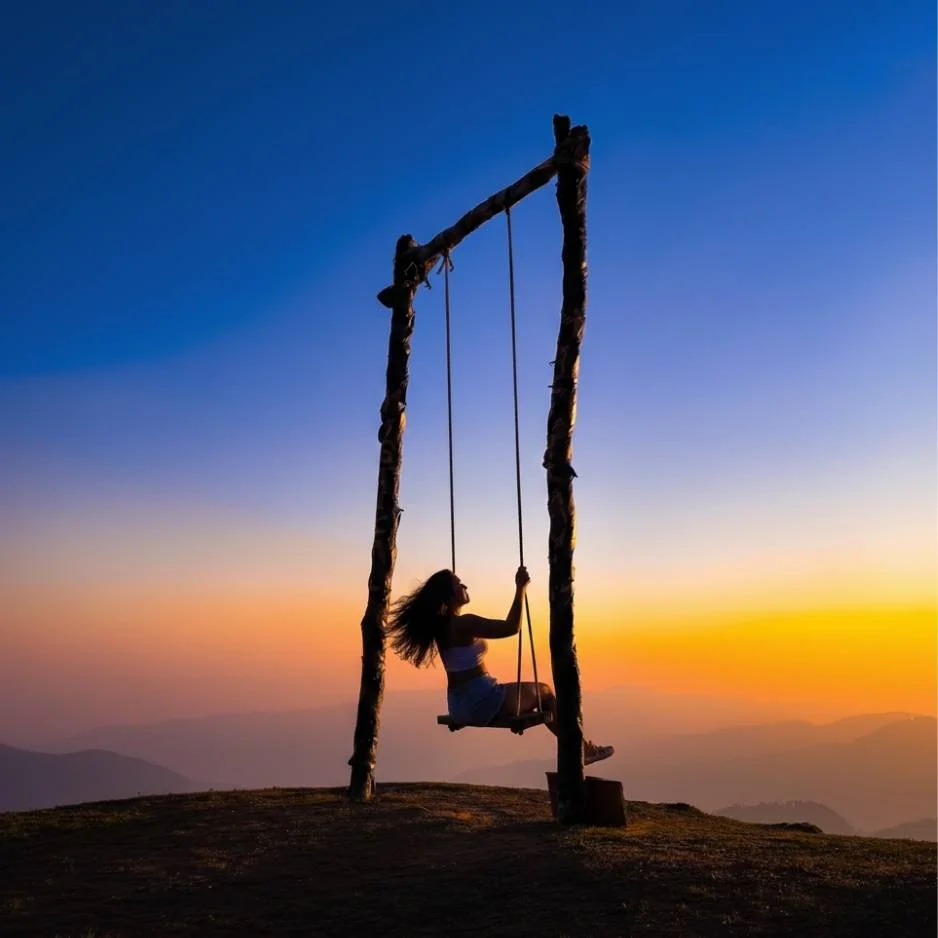
Small cafés with wooden tables and forest views. Hot tea. Maybe rhododendron juice if you are lucky. An afternoon where the only plan is to sit together and let the valley do its work.
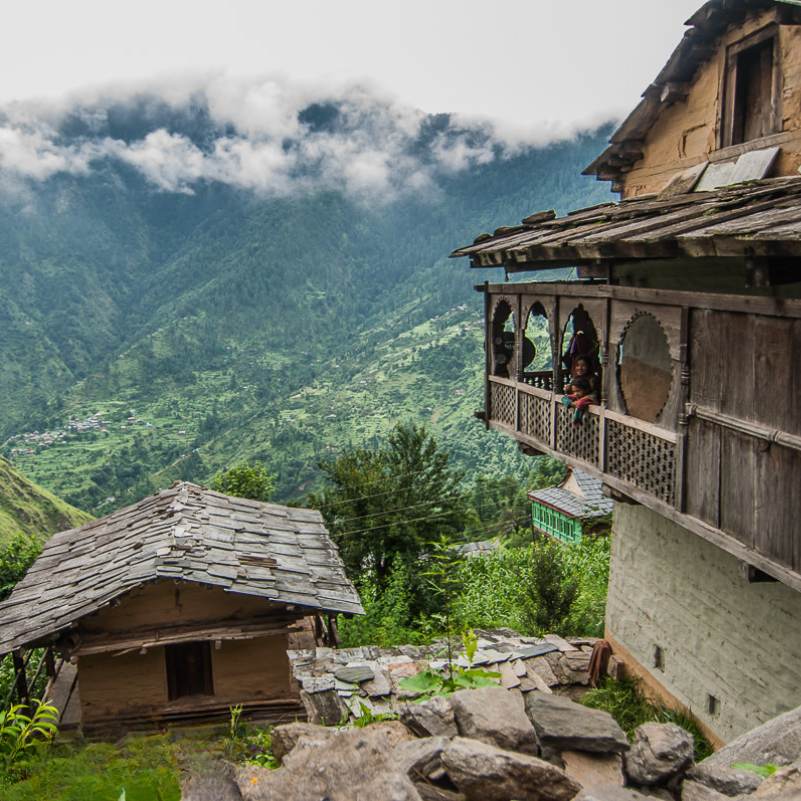
Fresh river trout at a Tirthan-side stay. Siddu with ghee. Rajma with desi ghee. Dham if the timing is right. Mountain food, made with care, that tastes better shared on a cold evening after a forest walk.
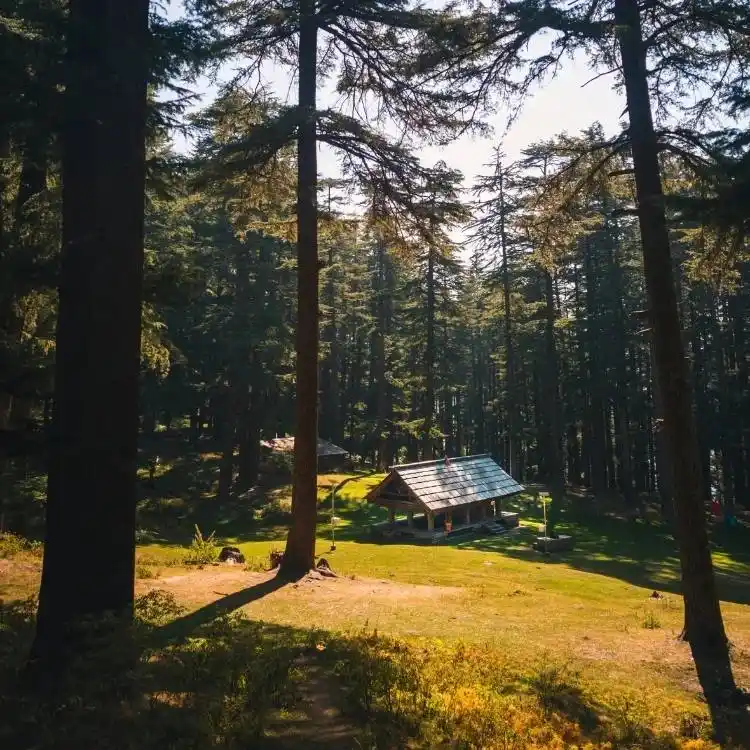
The stay is the experience. A wooden room. A blanket. A balcony facing the valley. Morning mist that makes the pines disappear. This is not a hotel amenity. This is the honeymoon.
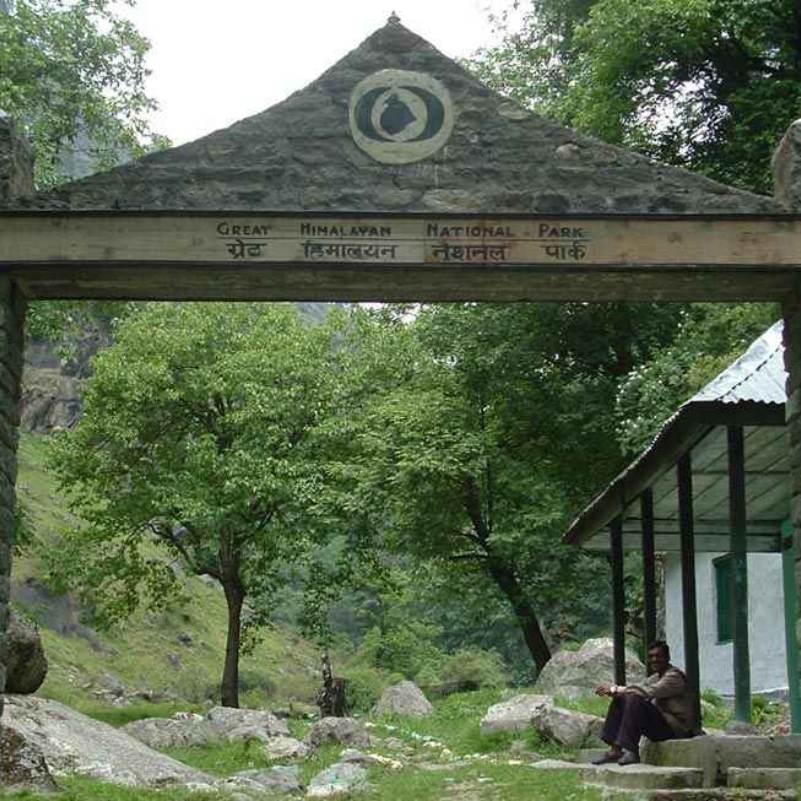
Near Gushaini, the trails are gentler and the forest is thicker. Birdwatching if you are patient. River sounds everywhere. A walk here does not need a destination. The walk is the destination.
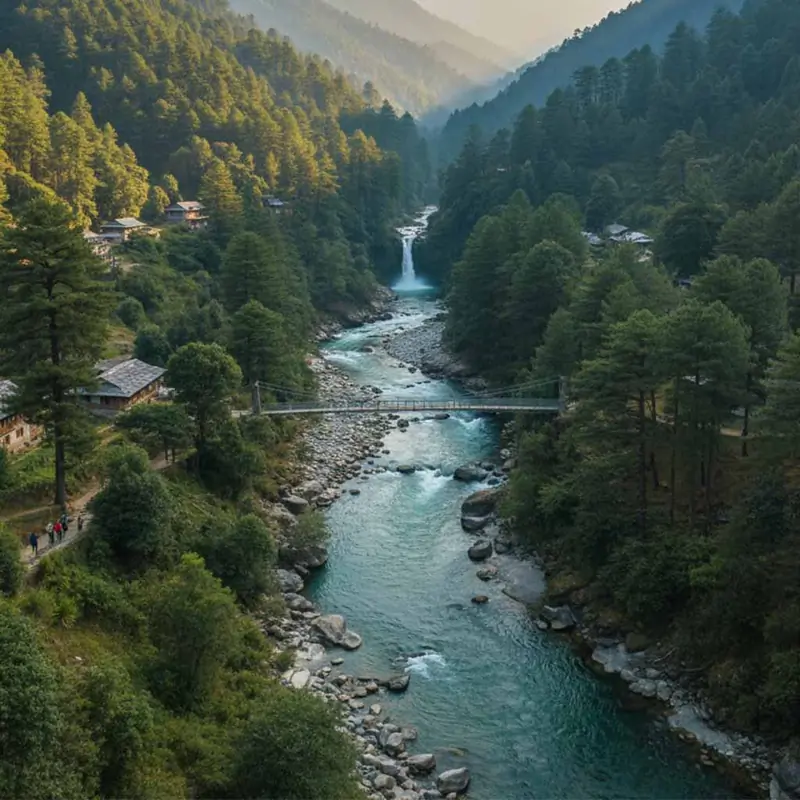
Some stays offer bonfires. The sky here, away from city glow, is dense with stars. Sitting by a fire or lying on a cold balcony looking up, with the person next to you, is the kind of evening you will both remember.

“Travel Coffee truly went above and beyond. Even though we booked from Indonesia without meeting them, we always felt secure — their team was available 24/7 and took care of every detail. Shubham personally ensured our comfort throughout the Himachal trip, from hotel checks to small gestures like bringing lotion and altitude pills. Their sincerity and local expertise made the journey unforgettable.”
Andre & Angel
Real experiences shared by Travel Coffee travellers in Jibhi Tirthan Honeymoon Tour.
7 traveller reviews
Based on Google reviews.
I had an amazing experience with Travel Coffee. I booked tirthan-jibhi-manali tour and travel coffee team was super quick and swift in planning the entire trip. Ishita Sood was super indulgent and efficient in taking care of my preferences. … More
Just got back from an amazing trip to Jibhi and Shoja, and overall it was a really refreshing experience 🌄✨ … More
We recently completed a Shimla–Kufri–Manali trip with my partner, and our driver, Vinod, truly made the journey exceptional. He navigated icy mountain roads—especially while heading towards Jibhi—with great skill and care, always … More
Thanks to Travel Coffee team for arranging a perfect jibhi manali trip for us. Everything was smooth and hassle free. Definitely booking again with them and special thanks to mr saurabh for taking care and always checking with us.
We booked our Manali–Jibhi–Kasol–Shangarh trip with Travel Coffee and it honestly felt like travelling under the care of someone who genuinely knows the mountains. Every part of the route had its own charm, but what made the trip truly … More
⭐ Worst Travel Experience Ever – Felt Like a Punishment Our trip to Jibhi, Himachal Pradesh with this travel agency was a total nightmare. We paid in advance for a soothing, luxurious stay but ended up suffering. The hotel was under construction, full of dust and noise, which badly affected my husband’s dust allergy. There was no room heater unless we paid extra, no complimentary clean water, no tea or coffee options, and our 8-year-old daughter didn’t even get hot milk. The meal menu was the same every day, making the experience even worse. The agency ignored all our messages, and to make it worse, they have no refund or compensation policy. Completely unprofessional, careless, and heartless — they turned our family holiday into a punishment. Avoid this agency at all costs.
Our group booked the Manali–Jibhi trip through Travel Coffee and we were genuinely impressed. The itinerary felt relaxed and well-planned, and we actually got time to enjoy everything without rushing. The hotels they gave us were clean, … More
March to June for the most comfortable weather and fullest trail access. September to November for autumn colour, fewer crowds, and the sharpest mountain light. Winter is romantic but some higher areas like Jalori may be inaccessible. We help couples choose based on what they value most: greenery, quiet, or snow.
Two to three days for a short break. Three to four days for a fuller experience including Shoja, Jalori, or the Tirthan side. Jibhi Tirthan rewards lingering. A trip that tries to cover everything in two days misses the point of being here.
One of the best offbeat honeymoon destinations in Himachal. The combination of wooden stays, forest paths, river calm, and the absence of tourist-circuit noise makes it ideal for couples who want romance that feels real. The best Jibhi Tirthan honeymoon tour packages are built around this quiet, not around cramming stops. It is not a luxury resort honeymoon. It is a mountain honeymoon where the setting does the work.
July and August bring heavy rain, which can make trails slippery and roads unpredictable. Landslide risk increases. We do not recommend monsoon for a couple trip to Jibhi Tirthan. If you must travel in this period, stick to lower valley stays and avoid higher trails and Jalori altogether.
Yes, with the right expectations. The lower valley remains accessible most winters. Jalori Pass may close due to snow. Stays are colder but many offer heaters and blankets. Winter Jibhi is atmospheric and deeply quiet. Pack heavy layers, carry cash, and accept that some trails may not be available.
Walk to Jibhi Waterfall. Sit by the river at Mini Thailand. Drive to Jalori Pass when open. Trek to Serolsar Lake if you enjoy walking. Spend a café afternoon in Shoja. Try trout and local Himachali food. Stay in a wooden cottage and let the balcony view be the evening plan. The best things to do here are the simplest ones.
By road from Chandigarh (about seven to eight hours) or Delhi (about ten to twelve hours) via Mandi, Aut, and Banjar. This is the easier route. The Shimla to Narkanda to Jalori route is scenic but season-dependent. A private cab gives couples the most comfort and flexibility.
No. Jalori Pass is typically open from March or April to November, depending on snowfall and clearance. In winter, the pass can be blocked by snow. We always check current conditions before including Jalori in a couple's itinerary. If the pass is closed, the lower valley still has more than enough for a meaningful Jibhi Tirthan honeymoon.
Layers: thermals in winter, a warm jacket year-round for evenings. Comfortable walking shoes with grip. Sunscreen for higher trails. A power bank. Cash, because ATMs are scarce. Pack lighter than you think. The stays are casual and the trails are forest-grade.
Camping is available at designated spots along the Tirthan River and some forest-edge locations near Jibhi and Gushaini. For couples, riverside camping under stars can be memorable, but facilities are basic. If you prefer a bed and a roof, wooden cottage stays give you the forest feeling with more comfort.
Absolutely. For a cold desert adventure honeymoon with monasteries and stargazing, see our Spiti Valley honeymoon package at travelcoffee.in/honeymoon-tour-packages/himachal/lahaul-and-spiti-valley. For high-altitude lakeside camping under the Milky Way, explore our Chandratal honeymoon package at travelcoffee.in/honeymoon-tour-packages/himachal/chandratal. For a classic hill station romance with Mall Road walks and heritage charm, check our Shimla honeymoon package at travelcoffee.in/honeymoon-tour-packages/himachal/shimla. Each offers a very different honeymoon mood.