
Bahu Village
A quiet Kath Kuni village on a ridge above Jibhi, with the Bahu Nag temple, pine and deodar forest, and the slowest pace in the Banjar valley
- Mountain village
- Kath Kuni homes
- Jibhi · 7 to 10 km
- Banjar valley
- Best Apr to Jun, Sep to early Nov
What makes it special
Bahu is a small village in Banjar tehsil of Kullu district, perched on a ridge roughly 7 to 10 km above Jibhi by a road of tight hairpins. Most travellers come up here for one reason. It is one of the quietest villages in the broader Banjar valley, with a handful of homestays, traditional Kath Kuni stone and timber homes, and the Bahu Nag temple at the upper end of the village.
The setting is straightforward. Pine and deodar forest on every slope, a few apple orchards on the gentler ground, and the snow line of the Great Himalayan National Park visible across the valley on a clear morning. The village sits higher than Jibhi at the river, which is why it gets snow in winter and runs cold even in May nights when the lower valley feels mild. There is no market street, no cafe scene, and almost no shops. What there is, is silence.
Honest framing most pages skip. This is not a destination for travellers who want activities, food variety, or things to tick off a list. Two days of doing very little is the right shape of a trip here, and people who plan a packed schedule end up disappointed. If you want cafes and the option to drift between three or four places, base in Jibhi and come up here for a half day walk instead.
Quick answers
- Is Bahu Village worth visiting?
- Yes if you want a properly quiet village base, do not need cafes or nightlife, and would rather read on a wooden balcony than tick off attractions. The setting is honest mountain Himachal, with old Kath Kuni homes, deodar forest, and the Bahu Nag temple at the top of the village. Skip it if this is your first Himalayan trip or you want food variety. Base in Jibhi 7 to 10 km below instead and come up for a half day.
- How much time do you need in Bahu?
- Two nights is the sweet spot. One night feels rushed because the drive up eats most of an afternoon. Three nights works if you came specifically to walk, read, and eat. Five or more nights starts to drag unless you are working remotely. A common pairing is two nights in Bahu plus two more in Jibhi or Tirthan for a fuller picture of the valley.
- Can you stay in Bahu Village?
- Yes, mostly small family run homestays. Rooms generally run 1,500 to 3,500 rupees a night with meals included, depending on quality and season. The village does not have hotels or surge capacity, so book ahead in peak season. Read guest reviews from the last six months before committing, property quality shifts faster than any guide can keep up with.
Quick facts
Everything you need to know at a glance.
At a glance
- Altitude
- ~2,000 to 2,200 m (sources vary, treat as approximate)
- Location
- Banjar tehsil, Kullu district, Himachal Pradesh
- Nearest base
- Jibhi 7 to 10 km below; Banjar ~14 km; Aut ~40 km
- Open season
- Year round. Best Apr to Jun and Sep to early Nov.
- Best stay length
- Two to three nights
- Entry fee
- None. The village is open and free to walk through.
- Time needed
- Two nights minimum, three if you want a full Jalori day plus a slow day in the village
- Access difficulty
- Easy by car when dry. The 7 to 10 km road from Jibhi is steep with tight hairpins.
On the ground
- Mobile network
- Patchy. BSNL works most reliably, Jio sometimes catches a signal. Signal can drop in parts of the village.
- ATMs
- None in the village. Nearest reliable ATMs at Banjar and Aut. Withdraw cash before driving up.
- Fuel
- No fuel at Bahu, Jibhi, or on the way up. Last reliable pumps are at Banjar and on the Aut side.
- Food
- Mostly homestay home cooking. No restaurants in the village. A small tea shop or two operates seasonally.
- Parking
- Most homestays have informal parking nearby. Roadside parking elsewhere, no fees.
- Permits
- None required for the village. Great Himalayan National Park entry, if you plan to visit, is separate.
- Drones
- Not advised. The village is close to the Great Himalayan National Park boundary and noise overhead is intrusive in a small village. Better to leave it.
- Walking surface
- Tarred village road and dirt forest tracks. Sturdy sneakers or trekking shoes work, slippery soles do not.
- Guides
- Not needed for the village itself. A local guide arranged through your homestay helps for forest walks and winter snow trails.
Seasonal weather
- March to early June18°4°Spring
- July to August22°12°Summer monsoon
- September to early November16°0°Autumn
- Mid November to February8°-8°Winter
Suitable for
- Couples — suitable
- Families — with some care
- Seniors — with some care
- Solo — suitable
- First-timers — with some care
- Pet-friendly — with some care
How to reach Bahu Village
4 approach routes, with seasonal access.
From Jibhi (the standard short hop)
Year round, with the usual caveat that the road can shut briefly during heavy snow in deep winter.- Distance
- ~7 to 10 km, depending on which signboard you trust
- Time
- ~30 to 45 minutes
- Road
- Narrow tarred road with continuous hairpins climbing from the river bridge south of Jibhi village. Manageable in a small SUV or taxi when dry. Slippery in monsoon, tricky after fresh winter snow.
- Last fuel
- No fuel at Jibhi or Bahu. Tank up at Banjar or Aut on the way in.
The standard approach. Drive south out of Jibhi market on the link road for about 600 metres to a river bridge, then take the road that climbs to your right. The route is steep almost the whole way, with tight switchbacks through pine and deodar forest. Local taxis from Jibhi run roughly 700 to 1,200 rupees one way depending on season and timing. Self drive is fine if you are used to Indian hill roads, less so for long sedans or first time mountain drivers.
From Banjar
Year round, with the same brief winter caveat for fresh snow on the upper section.- Distance
- ~14 km (sources vary, some quote shorter)
- Time
- ~45 minutes to 1 hour
- Road
- Tarred NH 305 from Banjar to Jibhi, then the narrower side road from Jibhi up to Bahu.
- Last fuel
- Banjar itself, the last reliable fuel before the climb.
If you are coming directly from Banjar town or shifting bases between the Tirthan side and Bahu, drive on NH 305 to Jibhi, then take the climb to Bahu from there. About 45 minutes to an hour total in normal conditions. Local shared taxis run this route in season, private hire is around 1,000 to 1,500 rupees.
From Delhi or Chandigarh (approach to Jibhi)
The approach to Jibhi is open year round. Only the village access from Jibhi can shut briefly in deep winter.- Distance
- ~500 km from Delhi, ~270 km from Chandigarh
- Time
- 12 to 14 hours from Delhi, 8 to 9 hours from Chandigarh
- Road
- NH 3 from Chandigarh to Aut, then NH 305 into the Banjar valley to Jibhi, then the climb up to Bahu. Mostly decent tar, slower in monsoon because of landslide risk between Mandi and Aut.
- Last fuel
- Chandigarh, Swarghat, Bilaspur, Sundernagar, Aut, Banjar.
Most travellers reach via an overnight Volvo from Delhi to Aut, then a taxi onwards. Aut is the key turn off, just before the Aut tunnel on the Manali highway, easy to miss at night. From Aut it is 24 km to Banjar, another 8 km to Jibhi, and 7 to 10 km of steep climb above that to Bahu. Plan to sleep one night in Jibhi or Bahu before doing anything active, you do not want to start a steep walk after 14 hours on the road.
From Bhuntar Airport (Kullu Manali)
Year round on the road. Flights to Bhuntar can be cancelled in poor weather, particularly in winter.- Distance
- ~60 km
- Time
- ~2 to 2.5 hours
- Road
- NH 3 through the Aut tunnel, then NH 305 to Banjar and Jibhi, then the climb up to Bahu. Standard mountain road quality.
- Last fuel
- Bhuntar, Aut, Banjar.
Bhuntar (Kullu Manali) is the closest airport, about 60 km away. Hire a taxi for around 2,500 to 3,500 rupees one way to Bahu, and allow 2 to 2.5 hours for the drive. The route runs back through the Aut tunnel, then NH 305 into the Banjar valley to Jibhi, then up to Bahu. Tell your homestay your arrival time and most will pre book the taxi for you.
Best time to visit
Season by season, so you can plan around the weather rather than hope.
- Recommended
Spring
March to early June
The cleanest window once the upper roads dry out
- Day temperature
- 12 to 18 C in the village
- Night temperature
- 4 to 10 C
- Roads
- All open by late March in most years
- Crowds
- Light to moderate, busier on May weekends
Usually one of the two best windows of the year. The forest greens up through April, apple blossoms across the lower slopes in late April, and afternoons stay clear through May. Mornings still drop to single digits even in May, and the village runs colder than the river at Jibhi, so carry a warm layer. Weekends in May get busier with travellers from Delhi and Chandigarh, weekdays stay calm.
Summer monsoon
July to August
Skippable unless you actively enjoy mist and rain
- Day temperature
- 16 to 22 C
- Night temperature
- 12 to 16 C
- Roads
- Open but landslide prone between Mandi and Aut
- Crowds
- Low
Most travellers skip this window and it is a fair call. The road from Mandi to Aut sees regular landslides through July and August, the climb up to Bahu turns slippery, and the long views across to the Great Himalayan National Park vanish in cloud most afternoons. Photographers who actively want monsoon mist photos sometimes plan around this. If you do come in August, plan around the weather, carry a proper rain shell, and do not start a forest walk in a thunderstorm.
- Recommended
Autumn
September to early November
The sharpest air of the year, gold in the orchards
- Day temperature
- 10 to 16 C
- Night temperature
- 0 to 7 C
- Roads
- Generally dry and stable, the best driving window
- Crowds
- Moderate, drops sharply after mid October
If you can time it, late September to mid October is the sharpest window of the year. Post monsoon air clears the haze across the valley, the apple harvest fills the orchards on the lower slopes, and the light goes the cleanest it gets all year. Weekdays are quiet, October weekends get busier. By early November the nights bite, carry a real warm layer. First snow at the village usually arrives some time in late November.
Winter
Mid November to February
Snow on the deodar, wood fire evenings, and a quiet village
- Day temperature
- 2 to 8 C
- Night temperature
- -8 to 0 C
- Roads
- Village access usually open, can shut briefly in storms
- Crowds
- Low, busier around Christmas and New Year
Bahu sits high enough to get real snow in deep winter, sometimes a foot or more at a time, and the deodar forest in fresh snow is the kind of view some travellers come up here specifically for. The trade off is real cold, short daylight, and a road that can get tricky after fresh snowfall. The pass road above Shoja shuts during this window, which means longer drives are off the table. What works in winter is short snow walks in the village forest, long evenings by a wood fire, and reading. Always check road status with your stay the day before driving up.
Things to see & do
10 things worth your time at Bahu Village.
Walk to the Bahu Nag temple
30 to 45 minutes round tripThe most natural walk in the village. The temple sits at the upper end of the settlement and is dedicated to Bahu Naag, a serpent deity locals consider the protector of the village. Built in traditional Kath Kuni stone and wood with carved beams and a tiered slate roof. Remove shoes and caps before going up the steps, walk clockwise if you do the parikrama, and do not photograph the inner sanctum. Quiet most of the day, busier during local festivals.
Slow village walk through the Kath Kuni homes
45 minutes to 1 hourBahu still has a working core of stone and timber homes built in the layered Kath Kuni method, with slate roofs and wooden balconies, some said to be several decades or more old. Walk the lanes slowly, do not photograph people without asking, and you will see why the village earns its reputation as one of the more intact traditional settlements in the broader Jibhi area. Mornings are calmer than afternoons.
Read on a wooden balcony
As much as you can give itHonestly the main reason most travellers come up here, even if they do not say so when they book. The wifi is patchy, the cafes do not exist, and the village shuts down by about 8 PM. Two long mornings on a homestay balcony with a book and a cup of chai resets you in a way a busier hill town cannot. Bring something good to read.
Forest walk through pine and deodar
1 to 3 hoursThe forest starts at the edge of the village. Walk the dirt tracks behind the homestays and you are inside dense pine and deodar within five minutes. No marked trails, no fees, no plan needed. Carry water and a warm layer, and do not push too far if you are alone, the network is patchy. Ask your host to recommend a route or to send a local along if you want to go beyond an hour.
Day trip to Jalori Pass and the day walks
Full dayThe closest serious day out from Bahu. Drive down to Jibhi, then up to Jalori Pass at 10,800 ft, around 1.5 hours total each way. From the pass the trailheads start for Serolsar Lake (5 km gentle forest walk) and Raghupur Fort Trek (3 km steeper climb to a meadow ridge). Read the linked guides before you head up to pick the right one for your day, and check road status, the pass road is closed through peak winter.
Half day to Mini Thailand Jibhi (Kulhi Katandi)
Half dayAn easy combined morning if you want to see something other than your own balcony. Drive down to Jibhi, walk down to the boulder pool on the Pushpabhadra stream, and have breakfast at a village cafe before driving back up. The whole loop takes 2 to 3 hours and gives you a soft change of pace from the village quiet.
Half day to Chehni Kothi
Half dayIf you have a half day spare and an interest in heritage, drive 30 to 40 minutes towards Banjar and walk up to the great Kath Kuni tower at Chehni village. The walk is short and steady, the orchards are pretty in any season, and the tower itself is one of the better surviving examples of traditional western Himalayan architecture. A natural pairing with the Kath Kuni homes you have already seen in Bahu.
Snow days in winter
1 to 3 daysBetween roughly mid December and February, the village gets real snow, sometimes a foot or more at a time. The Jalori Pass road shuts during this window so the upper trails are off the table without a guide and proper gear. What works is short walks in the village forest when the snow has settled, sledding for kids on the gentler slopes, and long evenings by a wood fire. Ask your homestay about local guides if you want to attempt a snow walk further out, do not attempt it alone.
Bird watching at dawn
1 to 2 hoursThe deodar and oak forests around the village are good ground for Himalayan monal (the state bird), several thrush species, and the occasional Himalayan griffon vulture circling on a thermal. Dawn is much better than midday. Walk slowly out of the village onto the forest tracks, pause every few hundred metres for two minutes, and you have a real chance of a sighting. Carry small binoculars if birding matters to you.
Eat siddu, madra and local Himachali food
Across your stayLunch and dinner at most homestays in Bahu is Himachali home food rather than restaurant food. Siddu, a steamed wheat bun usually filled with poppy seed paste or dal, served with ghee. Madra, a chickpea or rajma curry in a yoghurt base. Local rajma chawal that bears no resemblance to the Punjabi version. Tell your hosts at check in what you cannot eat and let them suggest the rest, the food improves immediately when you stop ordering off a notional menu.
Know before you visit Bahu Village
The practical bits, from people who have been.
What Bahu actually isA small Kath Kuni village above Jibhi in Banjar tehsil, with the Bahu Nag temple at the top and pine and deodar forest on every side.
Bahu is a small village in Banjar tehsil of Kullu district, sitting on a ridge roughly 7 to 10 km above Jibhi by a tarred road of tight hairpins. The exact distance depends on which signboard you trust, some sources quote shorter, some longer. From Banjar town it is around 14 km, again with some variation across sources. The village itself is small, a scatter of stone and timber homes along a tarred lane, with the Bahu Nag temple at the upper end and forest pressing in on every side.
The village sits higher than Jibhi at the river, somewhere around 2,000 to 2,200 metres depending on which house you measure, and is part of the broader Banjar valley along with Jibhi, Shoja, and the Tirthan side. Tourism here is recent and still small. A handful of family run homestays, a small tea stall or two in season, and the temple at the top. There is no central bazaar, no famous attraction, and no street life after dark.
For the visitor, this is what matters. The village is small enough to walk end to end in 15 minutes. The forest starts at the edge of the road. Mornings are cold even in May. The reason to come is height, silence, and traditional Himachali architecture, not activities. If that sounds right, you will love it. If it sounds dull, base in Jibhi and come up for a half day instead.
Bahu vs Jibhi vs Shoja: which to base inBahu for properly quiet, traditional architecture, and snow in winter. Jibhi for cafes and variety. Shoja for the closest base to Jalori Pass.
This is the question most travellers actually want answered, so here it is straight.
Pick Bahu if: You want the quietest of the three bases. You came specifically to read, walk in the forest, and eat home cooked food. You like the idea of staying in or near a Kath Kuni village rather than a tourist village. You are coming for snow in winter and accept the limited road access that brings.
Pick Jibhi if: You want a wider range of homestays and cafes, the option of two or three restaurants in an evening, and easy access to Jibhi Waterfall and the Mini Thailand boulder pool. The standard pick for first time visitors and travellers with younger kids who get bored without options.
Pick Shoja if: You want the closest base to Jalori Pass for the day walks (about 5 km from the pass), and a quieter evening than Jibhi. Sits at around 2,700 m, higher than Bahu, with a few homestays and a couple of small cafes.
A pragmatic plan many travellers like: Two nights in Bahu for the silence and the architecture, two more in Jibhi or Shoja for variety and the Jalori day walks. Total four nights, you see different sides of the area, and the drives between are short.
The Bahu Nag temple and local customsThe serpent god temple at the top of the village is in active use. Remove shoes at the steps, walk clockwise if you do parikrama, no photos inside.
The Bahu Nag temple, also written Balu Naag in some sources, sits at the upper end of the village and is dedicated to a serpent deity that locals consider the protector of the area. The Nag cult is widespread across Kullu and the western Himalaya, and most of these temples follow a similar pattern. Built in traditional Kath Kuni style with layered stone and deodar wood, carved beams, and a tiered slate roof.
The basic etiquette is the same as at most active Himachali temples. Remove shoes and caps before going up the steps. Walk clockwise around the shrine if you do parikrama. Do not touch the wooden pillars or carved beams, the wood is fragile and constant touch wears it down. Do not photograph the inner sanctum or any deity images. Photographs of the exterior, the courtyard, and the surrounding village are fine.
Local festivals and the deity's annual processions are a different scale of visit, with villagers from the broader area gathering for puja and folk performances. If you happen to be in Bahu during one, stay to the side, watch quietly, and ask your homestay before joining anything. Otherwise, the temple stays calm most of the day and a brief 10 to 15 minute pause on the way up is the standard visit.
Where to stay in BahuMostly small family run homestays. Roughly 1,500 to 3,500 a night with meals included. Book ahead in peak season.
Almost all the accommodation in Bahu is family run homestays, a few in restored Kath Kuni homes, others in newer construction with mountain views. Rooms generally run 1,500 to 3,500 rupees a night for two with meals included, depending on quality and season. Some properties are run by long time residents who started taking guests in the late 1990s and 2000s, and the food at these tends to be the best in the village.
What to expect inside the room: Wooden floors and ceilings in the older properties, mountain views or forest views from the window, hot water on bucket request at the simpler stays and on the tap at the better ones, a basic heater or extra blankets for cold nights. Wifi is patchy at most properties and very few have geysers that run all day. The simpler the property, the more the soul.
A small recheck reminder: stay quality and availability in a small village like this changes faster than any web page can keep up with. Read recent guest reviews from the last six months, not from two years ago, before you commit. The village does not have surge capacity in peak season, so book a few weeks ahead for May, June, October, and the Christmas to New Year window.
Photography guideBest light at dawn and dusk. The Kath Kuni homes and the temple are the standout subjects. Skip the drone.
The light here is best at the two ends of the day. First hour after sunrise gives mist sitting in the valleys below the village while the deodar tops catch the warm light. The last hour before sunset paints the western ridges in pink for a brief window before everything goes cold. Midday is flat in summer, harsh on the forest trails, and only useful if you have storm clouds breaking against the slopes.
A 24 to 50 mm lens covers most scenes. The wider end for the village lanes and the forest interiors, the longer end for ridge details across the valley and the carved wooden beams of the homes. A polariser cuts haze in autumn when the sky goes deep blue. In winter, the white slopes against the dark deodar trunks make for strong frames if you can get a clear morning between storms.
Photographing the village and locals: Ask before pointing a lens at people, especially elders and children. Most homestay hosts are relaxed about it once asked. Drones are not a good idea here, the village is small and close to the Great Himalayan National Park boundary, and noise overhead is intrusive in such a quiet place. Better to leave the drone in the car and shoot from the ridge meadows on foot.
Who should visit (and who can skip)Best for solo travellers, couples, and slow families with older kids. First time Himalaya visitors usually do better in Jibhi.
Honest framing for who this place actually suits.
Solo travellers and couples: Yes. Probably the best fit. Plenty of space to read, walk, and slow down. The village is safe, hosts are welcoming, and an evening on a wooden balcony with a book is the right kind of evening here.
Families with kids: Mixed. Older kids who like forest walks and do not need wifi do well here. Younger kids may struggle with the lack of cafes, the cold evenings, and the limited entertainment. If you are travelling with under sevens, base in Jibhi and drive up to Bahu for a day visit if you want the higher quiet.
Seniors: Doable. Pick a homestay with road access right up to the door, since some properties involve a short uphill walk from the parking. Mornings get cold even in summer, so pack warm layers. The drive up the hairpins from Jibhi can be uncomfortable for anyone prone to motion sickness, take it slow.
Pets: Many homestays welcome dogs but not all, confirm before booking. The village road sees very light traffic so dogs do well off leash on quieter stretches. Keep them on leash near the temple area.
First time visitors to Himachal: Probably better in Jibhi. Bahu rewards travellers who already know what to expect from a quiet hill village. First time, you may find it too still and miss the social options of the bigger village.
The road up, and safety7 to 10 km of steep hairpins from Jibhi. Fine in dry conditions, tricky in monsoon and after fresh snow. Use a local taxi if you are not used to hill driving.
The road from Jibhi to Bahu is the part of the trip that most surprises first time visitors. It climbs steeply almost the whole way on continuous tight hairpins through pine and deodar forest. In dry weather the surface is fine and small SUVs and taxis manage without trouble. In monsoon it gets slippery, in deep winter after fresh snow it can be tricky to drive, and very long sedans are awkward on some of the corners.
If you are not used to Indian hill roads or do not have decent ground clearance, take a local taxi from Jibhi. Most homestays will arrange one for around 700 to 1,200 rupees one way. Coming in winter, ask your homestay the day before about road conditions, the upper section can shut briefly during a fresh storm and reopen once the snow has been cleared or compacted.
Mobile network and rescue: Mobile signal is patchy in the village and effectively zero on parts of the climb. There is no clinic in Bahu, and the nearest community health centre is at Banjar, around an hour by road. A proper hospital is at Kullu, around 2 to 3 hours away. Carry your regular medicines, a small first aid kit, sunscreen, and a headlamp. Tell your homestay your plan before you head into the forest, every time.
A quiet recheck reminder: road status into the upper villages can shift after monsoon and deep winter storms. Reconfirm with your homestay close to your travel date before you commit to a self drive.
Local tips most travellers missCarry cash, tank up at Banjar, eat what your host cooks, and leave the schedule loose. The village rewards a steady pace.
Carry small cash. The village has no ATM, the nearest is at Banjar, and most homestays prefer cash for any extras. Withdraw enough for two or three days plus a buffer before you head up.
Tank up before the climb. There is no fuel pump at Bahu, Jibhi, or anywhere on the way up from Banjar. The last reliable pumps are at Banjar and on the Aut side. Coming from Manali or the north, fuel at Aut. Coming from Mandi or the south, fuel at Banjar at the latest.
Pack warm layers even in summer. Mornings drop into single digits even in May and June, evenings get cold fast once the sun is off the slopes, and the homestays are not always heated. A fleece, a windproof shell, and a beanie save trips here. In winter, double everything and add gloves and proper boots.
Eat what your homestay cooks. The food across Bahu is mostly home cooking by the host family and the quality is consistently good. Tell them at check in what you cannot eat (vegetarian is the default at many properties) and let them suggest the rest. Special requests outside their plan rarely improve the meal.
Use the village for what it is. Plan one quiet morning a day where you do nothing, then one active half or full day, alternated. People who try to pack the schedule end up tired and a little disappointed because the place does not give back when rushed. Two nights minimum, three is better. Download maps, music, and reading offline before you arrive, the network is not reliable enough for streaming and that is part of the point.
Nearby attractions
Other places worth the detour.
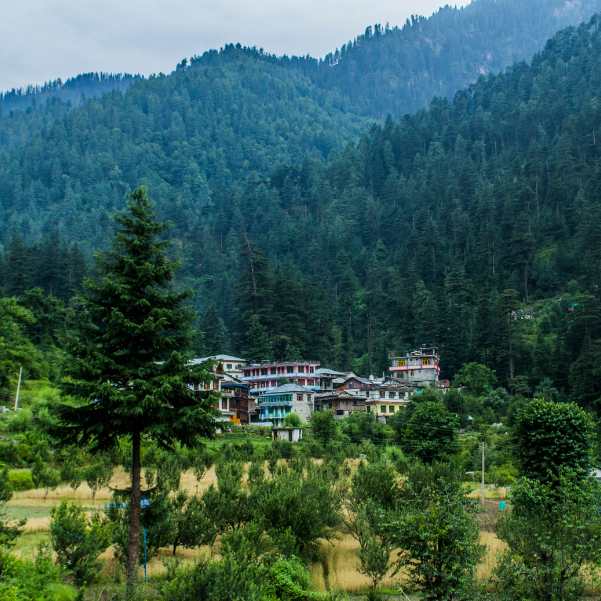
Jibhi Village
7 to 10 km · 30 to 45 min drive
The bigger village down the road from Bahu, with the wider range of homestays, cafes, and the Jibhi Waterfall in the bazaar.
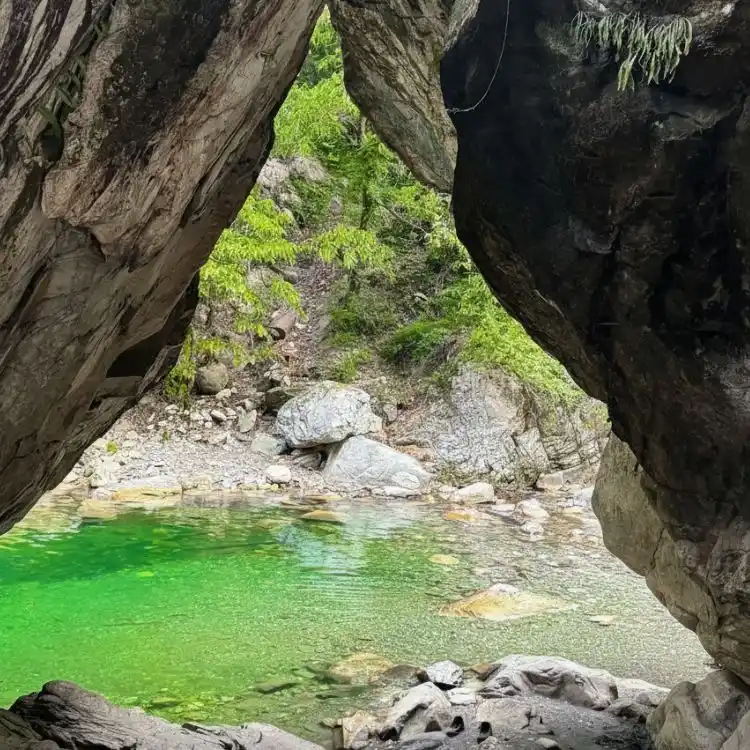
Mini Thailand Jibhi (Kulhi Katandi)
~9 to 12 km · 45 min drive + short walk
A small forest stream spot a short walk off the road in Jibhi, with two boulders forming a natural arch over a clear pool.
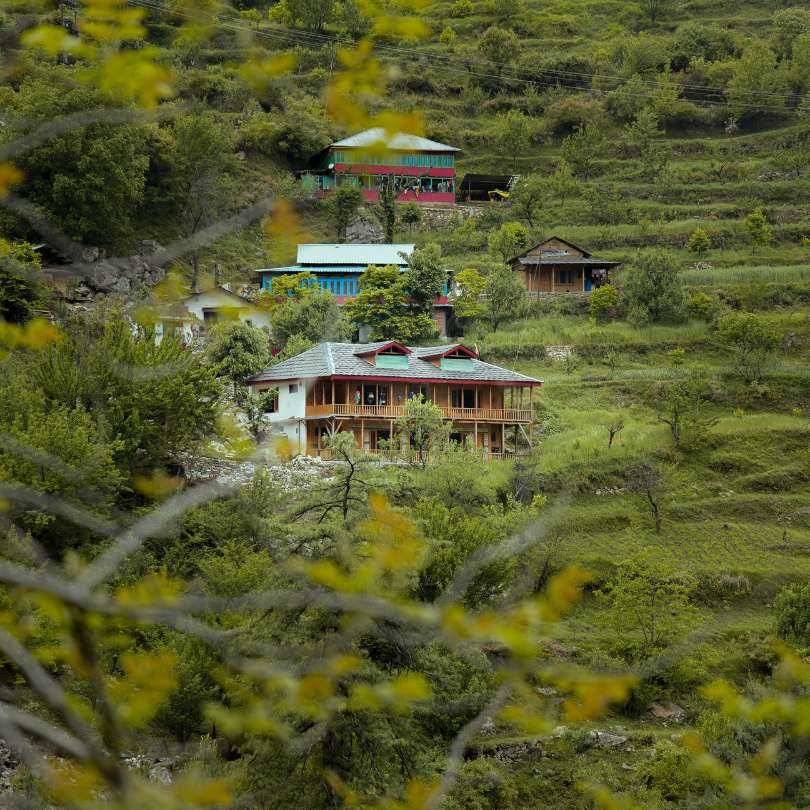
Shoja
~14 to 18 km · 45 min to 1 hour drive
A small forest village at around 2,700 m, the closest base to Jalori Pass. Quieter and higher than Jibhi. A natural pair with Bahu if you are splitting a longer trip across two bases.
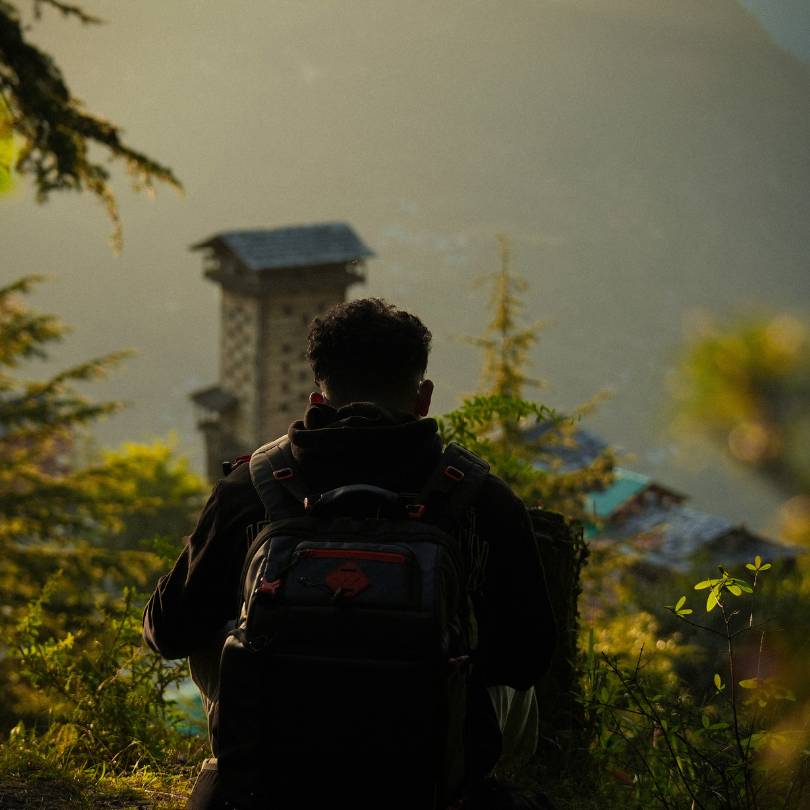
Chehni Kothi
~17 to 20 km · 1 hour drive to the walk start
A tall Kath Kuni stone and wood tower above Banjar, several centuries old, reached by a short uphill walk through orchards.
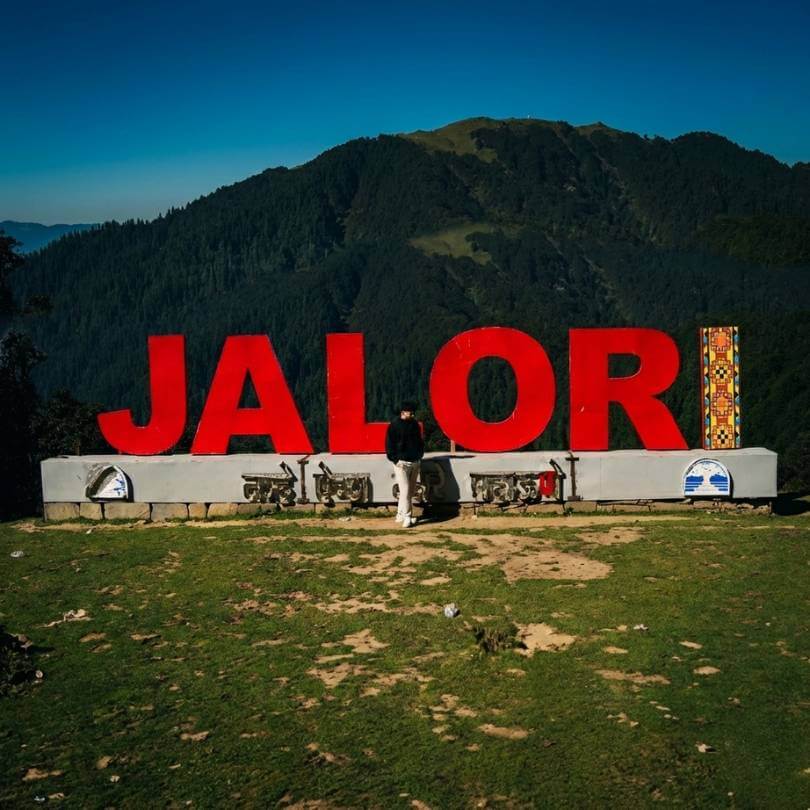
Jalori Pass
~22 km · 1.5 hours drive via Jibhi
The mountain pass on NH 305 above Jibhi and Shoja at 10,800 ft, the trailhead for the area's classic day walks.
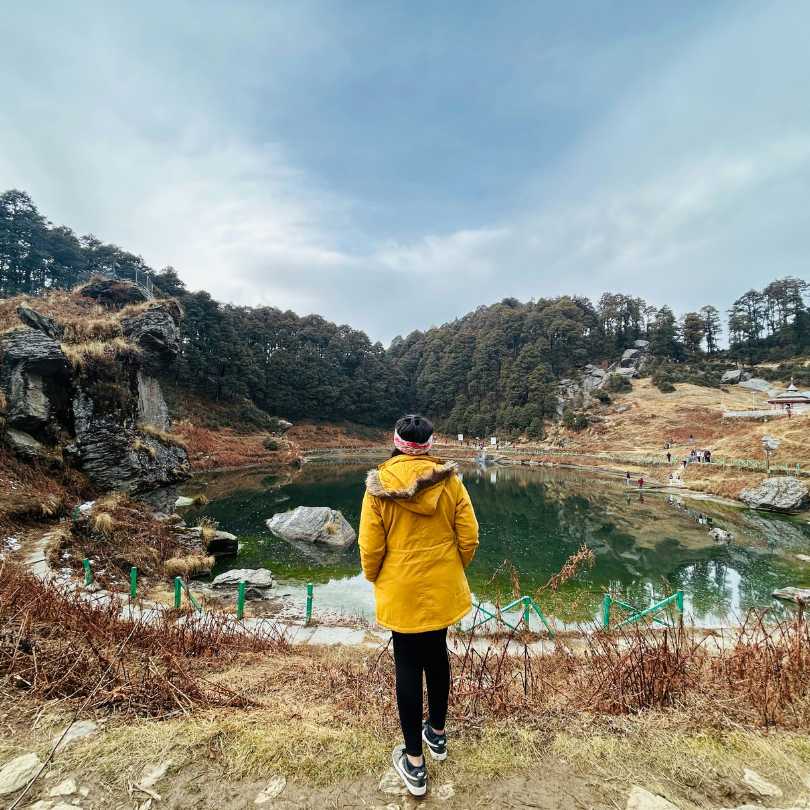
Serolsar Lake
Drive to Jalori Pass + 5 km trek each way
A small sacred alpine lake reached by an easy 5 km forest walk from Jalori Pass, with a Budhi Nagin temple on the bank.
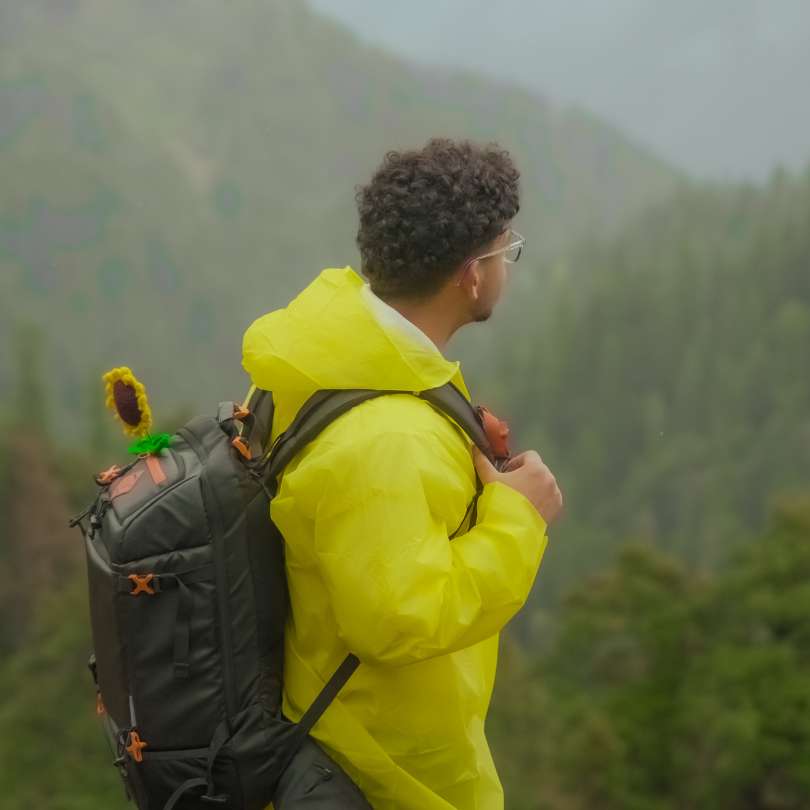
Raghupur Fort Trek
Drive to Jalori Pass + 3 km trek each way
A short steep day hike from Jalori Pass to a meadow ridge with old fort walls and a wide panorama.
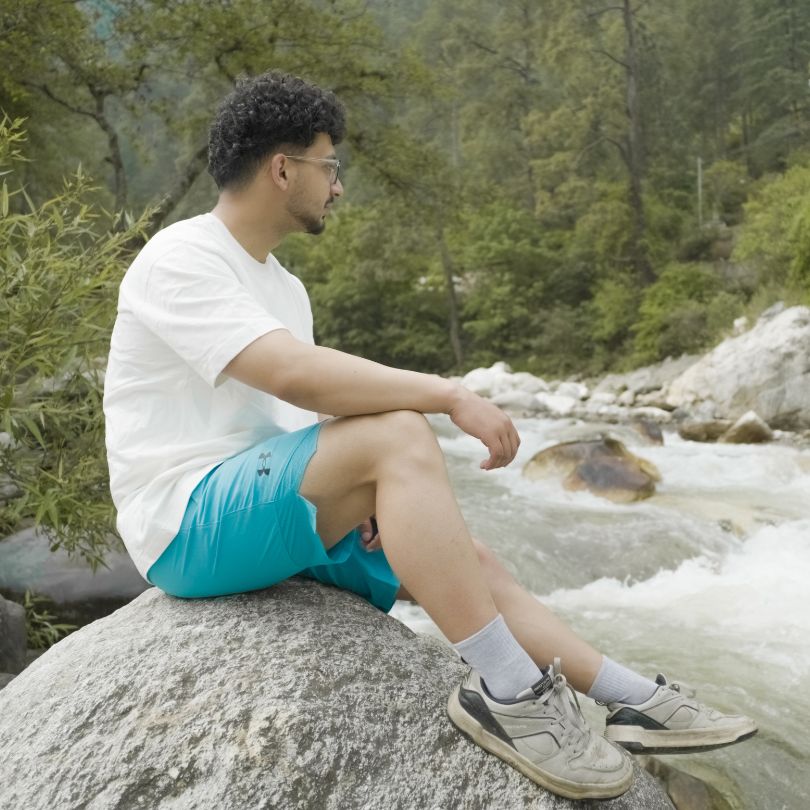
Tirthan Valley
~30 km · 1 hour drive
The river valley below the road, with trout fishing, riverside cafes, and trekking access into the Great Himalayan National Park.
Great Himalayan National Park
Tirthan entry ~35 km from Bahu via Jibhi and Banjar
UNESCO World Heritage site covering the Tirthan, Sainj and Jiwa river catchments. Separate entry permits needed.
Our packages with Bahu Village
Curated trips that include a visit to Bahu Village.
 Group Tour5D/4N
Best Jibhi Tirthan Valley & Jalori Pass Weekend Tour From Delhi
1D Delhi •2D Tirthan Valley+1
₹5,999₹6,599SAVE INR 600/ person 5D/4N
5D/4NJibhi Tirthan Valley & Jalori Pass Scenic Weekend Tour
1D Delhi•2D Jibhi+1
₹11,999₹15,999SAVE INR 4,000/ person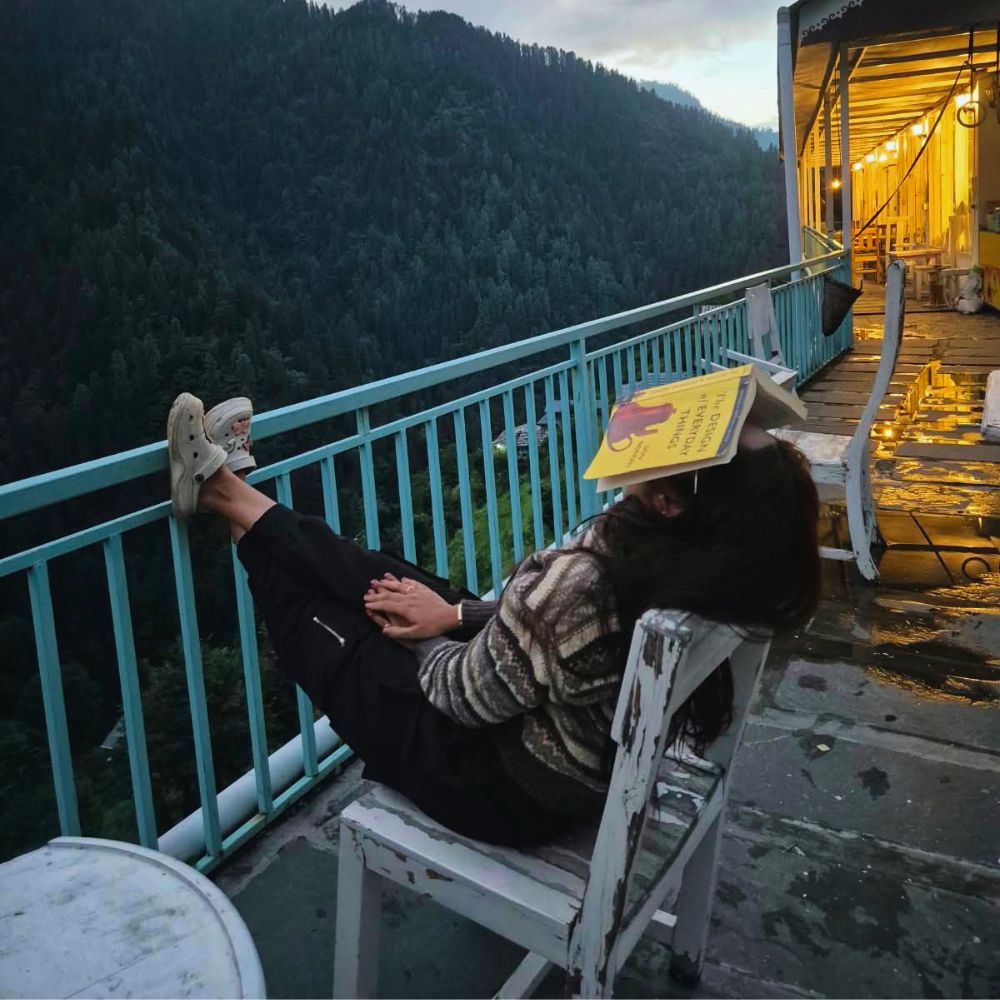 6D/5N
6D/5NBest Jibhi Tirthan Valley & Shangarh Meadows Trip
1D Delhi •2D Tirthan Valley+2
₹15,999₹19,999SAVE INR 4,000/ person
Frequently Asked Questions
Where is Bahu Village?
In Banjar tehsil of Kullu district, Himachal Pradesh, on a ridge roughly 7 to 10 km above Jibhi village by road. Around 14 km from Banjar town and about 40 km from Aut on the Manali highway. The village sits higher than the Tirthan and Banjar valleys at the river, somewhere around 2,000 to 2,200 metres depending on which house you measure.
What is Bahu Village known for?
Three things, mainly. The Bahu Nag temple at the upper end of the village, a serpent god shrine in traditional Kath Kuni style. The cluster of stone and timber Kath Kuni homes that still make up most of the village core. And the silence, since Bahu has stayed off the standard tourist trail and is one of the quietest villages in the broader Banjar area.
How far is Bahu from Jibhi?
Around 7 to 10 km by road, depending on which signboard you trust. About 30 to 45 minutes by car or taxi on a steep tarred road of continuous hairpin bends. Local taxis from Jibhi run roughly 700 to 1,200 rupees one way.
How do I reach Bahu Village from Delhi?
Most travellers take an overnight Volvo from Delhi to Aut, total around 12 to 14 hours, then a taxi to Banjar and onwards to Jibhi and up to Bahu, around 2 hours from Aut. Self drive from Delhi via NH 44 and the Aut tunnel takes a similar time. From Bhuntar (Kullu Manali) airport, allow about 2 to 2.5 hours by taxi. The last 7 to 10 km from Jibhi up to Bahu is the slowest part of the drive, narrow tarred road with hairpins.
When is the best time to visit Bahu?
Late March to mid June and September to early November are the cleanest windows. April brings the first wildflowers and apple blossom on the lower slopes, October gives the sharpest air of the year, and both have stable road access. Skip July and August unless you actively like monsoon weather. December to February is for travellers who specifically want snow and accept the trade offs of cold and limited road access.
Does Bahu Village get snow in winter?
Yes, generally between mid December and February, sometimes earlier and later. The village can see a foot or more of snow at a time and the deodar forest in fresh snow is the kind of view some travellers come up here specifically for. The Jalori Pass road above Shoja shuts during this window so longer drives are off the table, and the village access road from Jibhi can shut briefly during fresh storms. Always check road status before driving up in winter.
Where can I stay in Bahu?
Mostly small family run homestays, including a couple of older properties run by long time residents and some newer construction. Rooms generally run 1,500 to 3,500 rupees a night with meals included, depending on quality and season. The village does not have hotels or surge capacity, so book ahead in peak season. Read recent guest reviews from the last six months before committing, the property quality shifts faster than any guide can keep up with.
Are there restaurants or cafes in Bahu?
Almost none. A small tea shop or two operates seasonally, but there is no cafe scene and no restaurants. The smarter plan is to eat at your homestay, where home cooked Himachali food like siddu, madra, and rajma chawal is usually the best food in the village anyway. Tell your hosts what you cannot eat and let them suggest the rest, the food improves immediately when you stop ordering off a notional menu.
What is the Bahu Nag temple?
A traditional Kath Kuni temple at the upper end of the village, dedicated to Bahu Naag (also written Balu Naag), a serpent deity locals consider the protector of Bahu and the surrounding area. Part of the wider Nag cult of Kullu. Built in layered stone and deodar wood with carved beams and a tiered slate roof. Active shrine in regular use, remove shoes and caps before going up the steps, do not photograph the inner sanctum.
Is Bahu suitable for families and seniors?
Mixed. Older kids and active seniors do well here if they like quiet places and forest walks. Younger kids and slower seniors usually do better in Jibhi, where the cafes, food variety, and shorter drives make life easier. If you are travelling with very young kids, base in Jibhi and come up to Bahu for a half day visit instead. Senior travellers should pick a homestay with road access close to the parking.
Are there ATMs and mobile network in Bahu?
No ATMs in the village, the nearest reliable ATMs are at Banjar and Aut. Withdraw enough cash for your stay before you head up, since most homestays prefer cash and the small tea shops are cash only. Mobile network is patchy. BSNL works most reliably, Jio and Airtel sometimes do, and signal can drop entirely in parts of the village. Download maps, music, and reading offline before you arrive.
Is Bahu better than Jibhi as a base?
Different, not better. Pick Bahu for silence, traditional Kath Kuni architecture, snow in winter, and a slower pace overall. Pick Jibhi for the wider range of stays, more cafes, the Jibhi Waterfall, and a small village atmosphere with more travellers around. Many travellers split a longer trip between the two, two nights in Bahu and two in Jibhi, which is a fair plan if you have four nights or more.
Related guides
Posts about Jibhi
- Jibhi in December 2026: Snowfall, Weather, Road Status and Winter Guide
- Jibhi in October 2026: Weather, Road Conditions, Places and Trip Plan
- Jibhi in August 2026: Weather, Road Safety, Itinerary and Honest Advice
- Jibhi for Honeymoon in 2026: Why Couples Choose It Over Manali
- Best Things to Do in Jibhi for Couples in 2026: Romantic Places, Walks and Hidden Gems
- Jibhi or Kasol — Which Is Better? An Honest, No-Fluff Comparison