
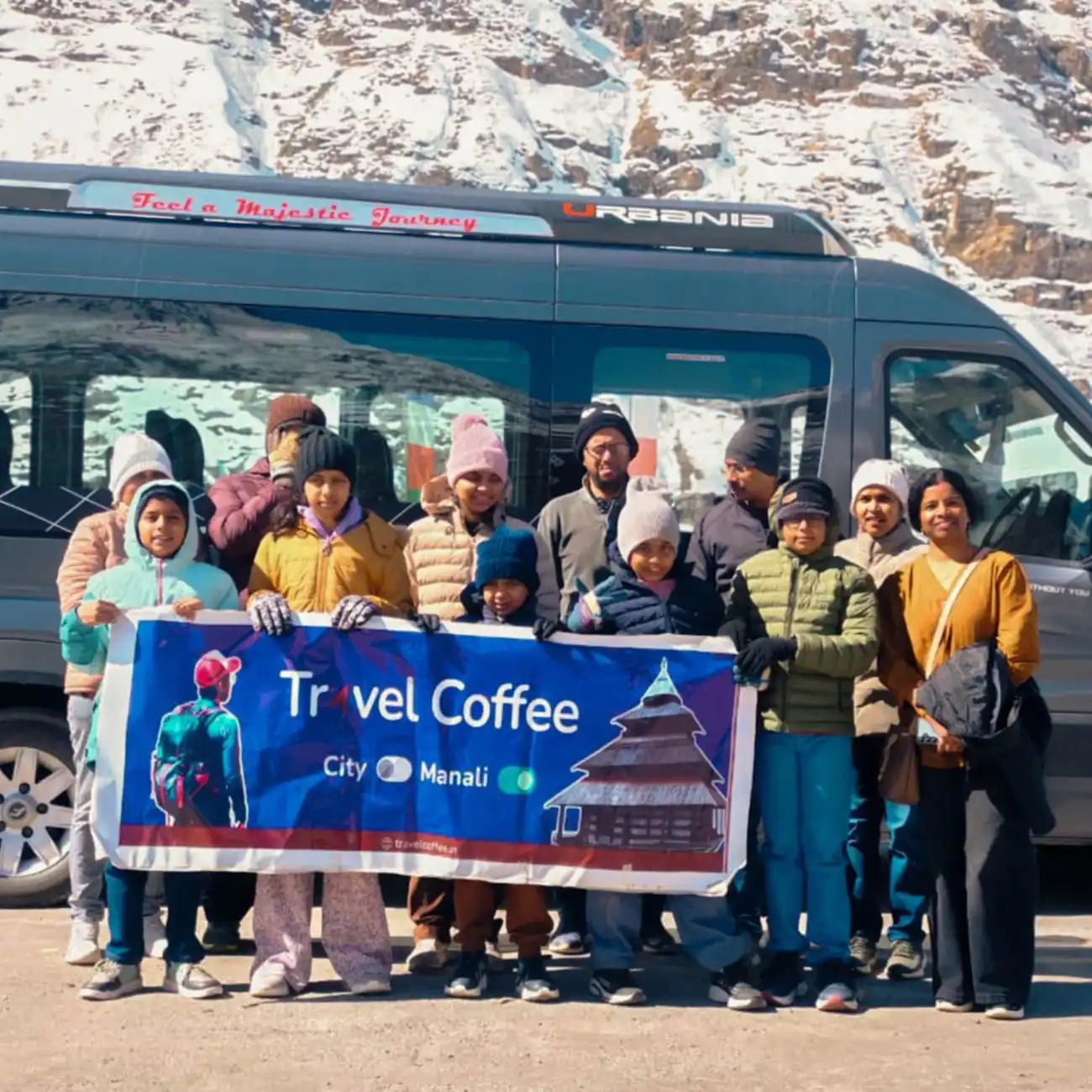
5D/4N
Premium Manali Tour Package with Private Cab and Rohtang Pass
4D Manali
₹14,999₹19,999SAVE INR 5,000/ person
Best Rohtang Pass Tour Packages Curated By Experts
4D Manali
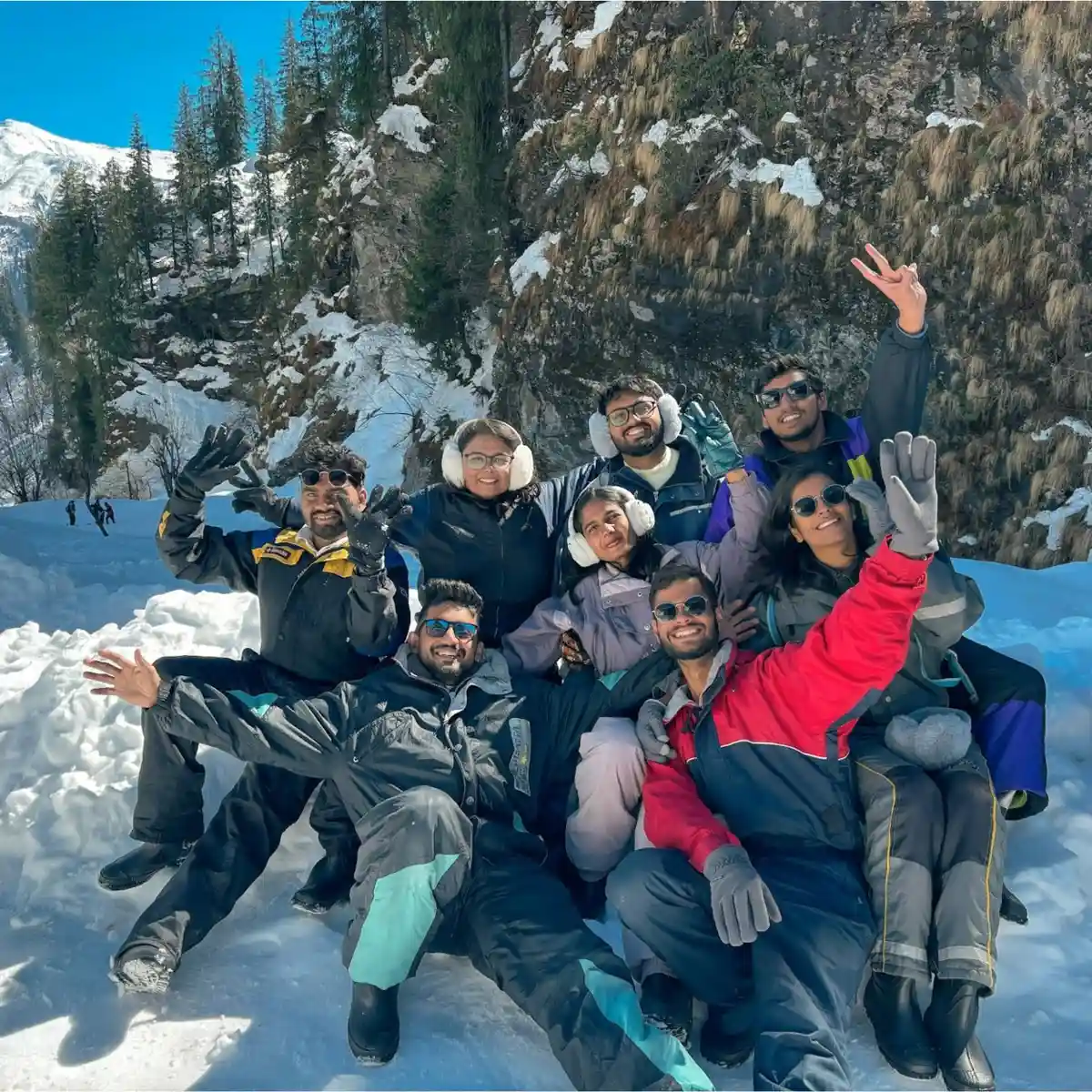
3D Manali
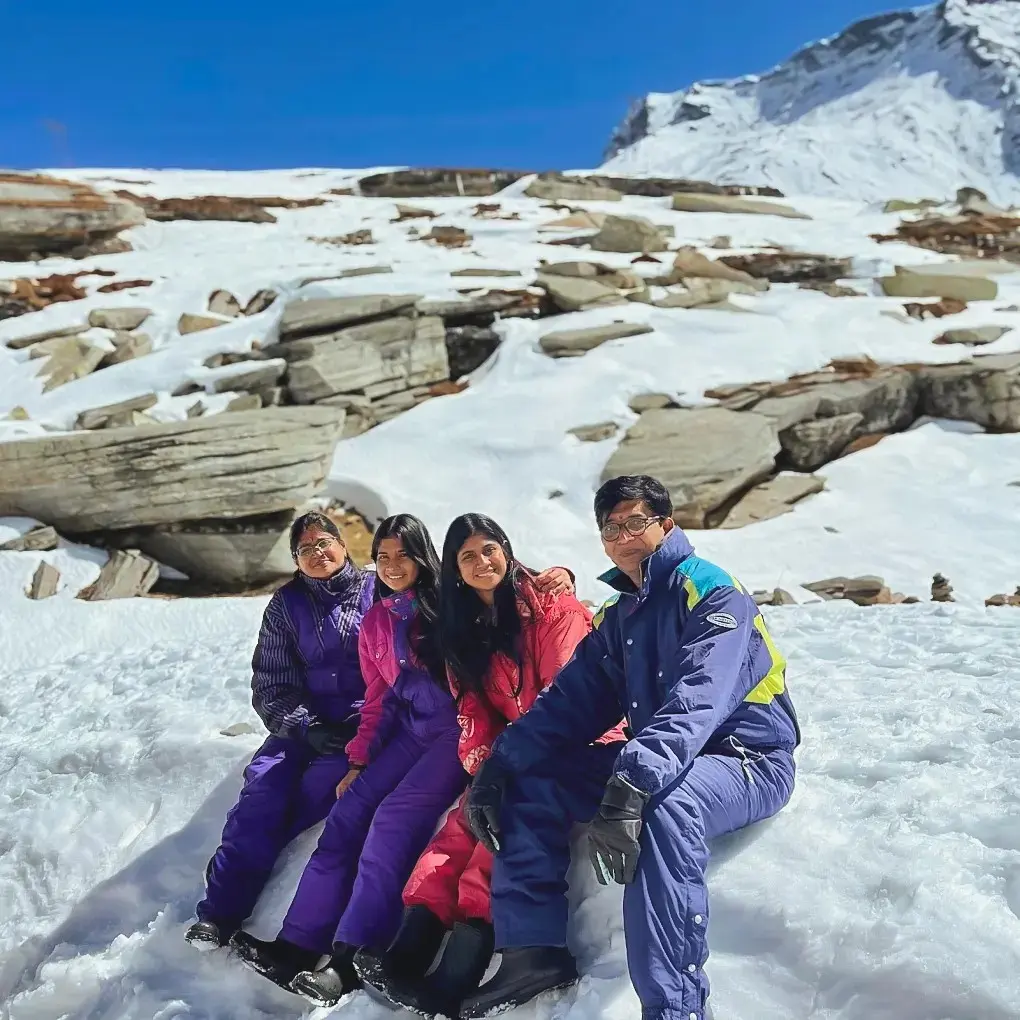
2D Shimla•2D Manali
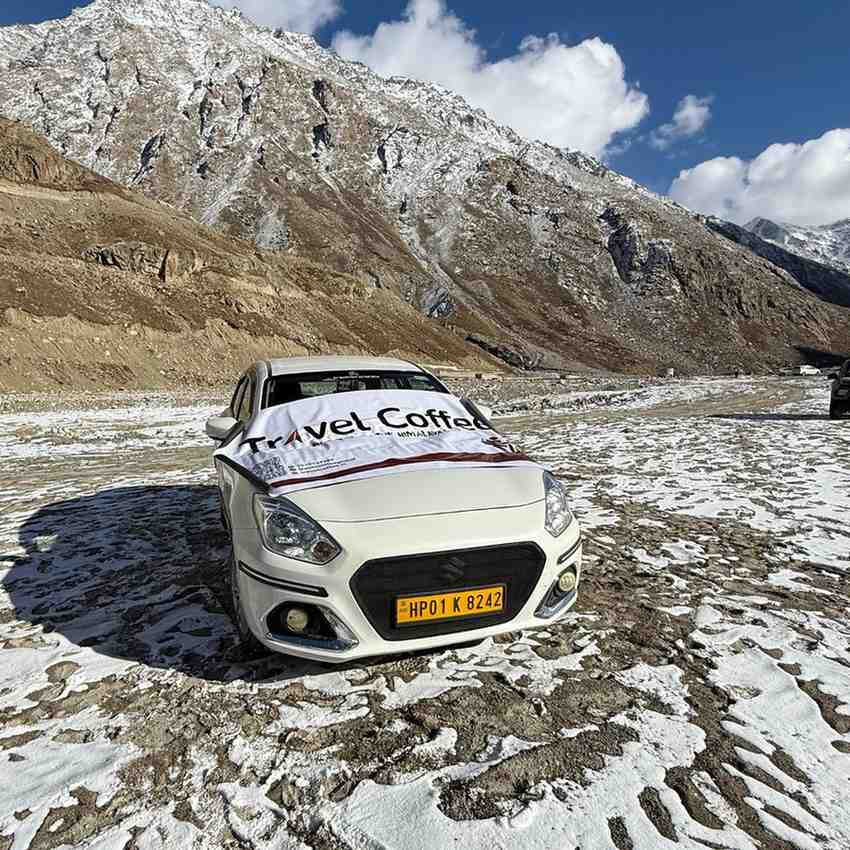
2D Shimla•3D Manali
A Rohtang Pass tour package is normally a Manali based trip.
Most travellers either add a one day Rohtang excursion to a Manali holiday, or book a longer Manali package that keeps one full day aside for the pass.
Rohtang sits at 3,978 metres on the Pir Panjal range, about 51 kilometres from Manali on the old Keylong road. It opens only for part of the year.
Access is never automatic. It depends on the road, the weather, the vehicle permit and what the Kullu administration allows that morning.
We plan every Rohtang day with that in mind. You hear the alternative from us before you travel rather than after.
The package cards below show durations, starting cities and current prices. If nothing fits your dates, ask us for a custom plan.
Planning a wider trip around the pass? Compare all our Himachal tour packages, from Manali and Rohtang holidays to the full Shimla and Spiti circuits.
Already staying in Manali? Take the one day tour.
A private vehicle, an early start, permit handling in the vehicle's registration number, and you are back the same afternoon.
Want a short holiday? A three day Manali package gives you one day for Rohtang and one for local sightseeing or Solang.
It works well from Chandigarh, and from Delhi if you are comfortable with overnight Volvo at both ends.
Travelling from Delhi or Chandigarh? Choose a package that includes transport.
Volvo transfers and local sightseeing in one price save you stitching a trip together from three vendors. Most of these run four or five days.
Family or couple? Take a private package.
Rohtang mornings mean early starts and long stretches in the vehicle. Your own cab lets you turn back at Marhi without a group vote.
Is Rohtang the whole reason for your trip? Say so at the enquiry stage.
We will build the plan around the permit and keep two days free for it, so one bad morning does not end the trip.
If you want the pass as one part of a longer holiday, start with our Manali tour packages.
Inclusions vary a lot between packages, and this is where most disappointment starts.
Read the inclusions on the specific card rather than assuming. Check these eleven things:
Our Himachal packages carry GST inside the price and list driver and parking charges openly.
Current starting prices are shown on the package cards above and come from our live inventory.
Ten things move the price:
Keep government charges separate from the package price in your head.
The tourism permit fee is ₹500 per vehicle, plus a congestion charge of ₹50 for cars, jeeps and MUVs, or ₹100 for buses and heavy vehicles.
That is a charge per vehicle, not per person, and it is not our fee.
Any taxi rate you have seen quoted on a forum is a commercial rate set by an operator, not an official tariff.
No. No responsible operator in Manali can, and you should be careful with anyone who says otherwise.
Access on any given day depends on the weather, and on how much snow the Border Roads Organisation has cleared.
It also depends on whether the upper road is judged safe, whether permits remain in the daily quota, and whether the administration has placed a maintenance or traffic restriction on that date.
How the police manage traffic that morning is the last variable.
Any one of these can shut the road while Manali town sits in sunshine.
What we do control is how we handle it.
We check the permit position and the road status for your date before we confirm the day.
If it is not going to happen, you hear it from us in advance rather than at the Gulaba barrier.
We then move the day to whatever is genuinely open, and we tell you plainly how that differs from the pass.
Where money has already been committed on your behalf, we show you the exact breakdown before anything is adjusted. Ask our team for the written cancellation terms that apply to your package before you pay.
The permit belongs to the vehicle, not to you.
One permit covers everyone travelling in that vehicle, and it is valid for a single day, to and fro.
If a Travel Coffee vehicle is taking you, our Manali team applies in that vehicle's registration number and carries the printout.
You only need to give us your ID details and your travel date early.
If you are driving your own car, you apply on the official portal at rohtangpermits.hp.gov.in.
Private vehicles fall under the special permit category. It runs on a much smaller daily quota of 60 petrol and 40 diesel vehicles, and it is issued once to one vehicle during the season.
The rules as the portal currently states them:
Rules change between seasons and sometimes within one, so check the portal for your own date.
If you are continuing past the pass into Lahaul or Spiti rather than turning back, that is a different permit again.
Our Spiti Valley permit guide explains how the two work together.
The route never changes.
You leave Manali and drive north past Nehru Kund, through Kothi village and past Rahala Waterfall.
At around 20 kilometres you reach the Gulaba checkpoint, where your permit is checked.
From there the road climbs through switchbacks to Marhi at around 40 kilometres, and then up the final stretch to the pass. You return the same way.
Most Rohtang mornings start between 6 and 7.
The upper road is narrow, traffic builds through the morning, cloud usually arrives after midday, and vehicles are expected to begin the descent by early afternoon.
A late start costs you the view, and often the day.
Timing beyond that is honest guesswork rather than a schedule.
On a clear weekday you might be at the top in two and a half hours. On a Saturday in June with a queue at Gulaba, the same drive can take twice as long.
That is why we do not print minute by minute promises.
Three things are worth knowing before you go.
Rahala Waterfall is at its best when the melt and the monsoon are feeding it. It is a few minutes at the roadside rather than a destination.
The Marhi dhabas run seasonally, and they are the last proper food stop before the top.
The highest point you actually reach can change, because the administration sometimes holds vehicles at a lower snow point depending on conditions.
Solang Valley sits on the same road out of Manali, but it needs its own time.
Treat Rohtang as a full day. Back in Manali by late afternoon, cold and pleased, is the realistic version.
Three days is the shortest sensible plan: arrival and local Manali, Rohtang, departure.
It works, but it gives you only one shot at the pass.
Four days is more comfortable.
It adds either a Solang and Atal Tunnel day or a Sissu excursion, and it leaves a spare morning if the Rohtang day gets pushed.
From Delhi or Chandigarh, add a travel day at each end.
Delhi packages usually run on overnight Volvo both ways, which turns three days on the ground into a five day trip.
Whichever length you pick, keep the Rohtang day loose inside your stay rather than fixed to a date.
Permits are released close to the day, and the weather does what it wants. Flexibility is the single biggest thing that improves your odds.
Day by day itineraries sit on each package page, so open the package that interests you.
Late May and June usually bring the deepest and cleanest snow, because the road has just been cleared and the snow walls near the top are still standing.
This is the best window if snow is your reason for going. It is also when permits go fastest.
Our guide to Rohtang in May covers the opening window in detail.
July and August are the monsoon months.
The pass is generally accessible, but cloud sits on the top, the surface turns slushy, and landslide activity on the Manali side can close the road at short notice.
Families often have a better time on the Sissu side in these weeks.
September is underrated. Thin crowds, sharp light, easy permits and the clearest views of the year, though usually little snow left.
It is also the kindest month for families and older travellers, because the road is calm and the queues are short.
October is beautiful and unreliable in equal measure.
Cold mornings, golden light, and a real chance the pass closes for the season while you are still planning.
November to April the road over the pass is shut under snow. Look at Solang, Sethan or the Sissu side instead.
Our guides to Rohtang in March and what April really looks like explain how far up the road you can actually get before the pass opens.
We do not publish an expected opening date.
It depends on snow clearance and on a formal order from the district administration, and every year the internet fills with dates that turn out to be wrong.
These four get mixed up constantly, often by the people selling them. Here is the real difference.
Rohtang Pass is the high pass itself: the altitude, the switchbacks, the seasonal snow, and the moment at the top where green Kullu ends and dry Lahaul begins.
It needs a permit, it is seasonal, and it is a full day.
Solang Valley is about 14 kilometres from Manali, and it is where the organised activities actually are, from the ropeway to paragliding.
No Rohtang permit, open far more of the year, and under an hour from town.
Atal Tunnel is a 9 kilometre highway tunnel running from Dhundi to Teling under the Pir Panjal range.
It is a road, not a viewpoint, and there is no stopping inside. Its purpose is year round access to Lahaul.
Sissu lies beyond the tunnel in Lahaul, roughly 40 kilometres from Manali, with a waterfall, a small lake and the wide Chandra valley.
See our Sissu village guide if you are weighing it against Rohtang.
The point most people miss is simple. The Atal Tunnel bypasses Rohtang Pass completely.
Drive through the tunnel and you have gone underneath the pass, not over it.
Two different drives, two different permissions, two different days out.
They are also not interchangeable. Solang is not a smaller Rohtang, and Sissu is not the same as standing on the pass.
When the pass is shut we will suggest whichever of these is genuinely open and worth your day. We will not pretend it is the same experience.
From Manali is the only practical way for a day trip.
About 51 kilometres on the old Keylong road, two to three hours each way, with the permit checked at Gulaba.
From Delhi, it is roughly twelve to fourteen hours by overnight Volvo to Manali, and the Rohtang day runs from there.
There is no direct Delhi to Rohtang trip.
From Chandigarh, it is around eight to ten hours by road to Manali. This is the easier approach if you are flying into north India.
By air, Bhuntar Airport near Kullu is about 50 kilometres short of Manali, with limited flights that depend on the weather.
Chandigarh is the reliable airport for a Rohtang trip.
Volvo or private cab both work for the Manali leg.
Volvo is cheaper and fine for two people. A private cab suits families, anyone travelling with older parents, and anyone who wants to stop along the way.
Stay in Manali. It is the base for every Rohtang trip, and it is where the hotels, food, ATMs and vehicle support are.
There are no tourist hotels at the pass. It is a road summit with dhabas and seasonal stalls, and every vehicle comes down the same day.
Families with children. Generally yes, with care.
The concern is altitude rather than the road. Spend at least one night in Manali first, and keep the time at the top short.
Our guide on taking children to Rohtang covers ages and symptoms properly.
Couples. One of the better day trips in Himachal, particularly early in the season or in September. A private cab is worth the difference.
Groups of friends. Works well. Split a Tempo Traveller and start early.
Accept that the group moves at the pace of its slowest member at 3,978 metres.
Solo travellers. Straightforward, though a solo private cab is expensive. Ask us about shared options on your dates.
Senior citizens. Often fine, because there is almost no walking involved.
Altitude and cold are the real considerations, not fitness.
Travellers with health concerns. The pass is nearly 2,000 metres above Manali, and the air at the top is thin and cold.
If you have a heart, lung or blood pressure condition, or anything affected by altitude, speak to your doctor before booking.
We are not able to advise on this and we will not pretend otherwise.
Pregnant travellers. Please decide this with your doctor.
Our guide on Rohtang during pregnancy sets out the realities, including how basic the medical facilities on the route are.
We are a Himachal company.
Our office is in Shimla and our ground operations run from Manali and Kaza. The person answering your question about the Rohtang road has usually spoken to a driver who was on it this week.
Compare the package cards above for durations, starting cities and current prices.
If your dates are fixed, or Rohtang is the whole reason for the trip, send us a message. We will build the plan around the permit rather than around a template.
4 packages found
4D Manali
2D Shimla•2D Manali
2D Shimla•3D Manali
3D Manali
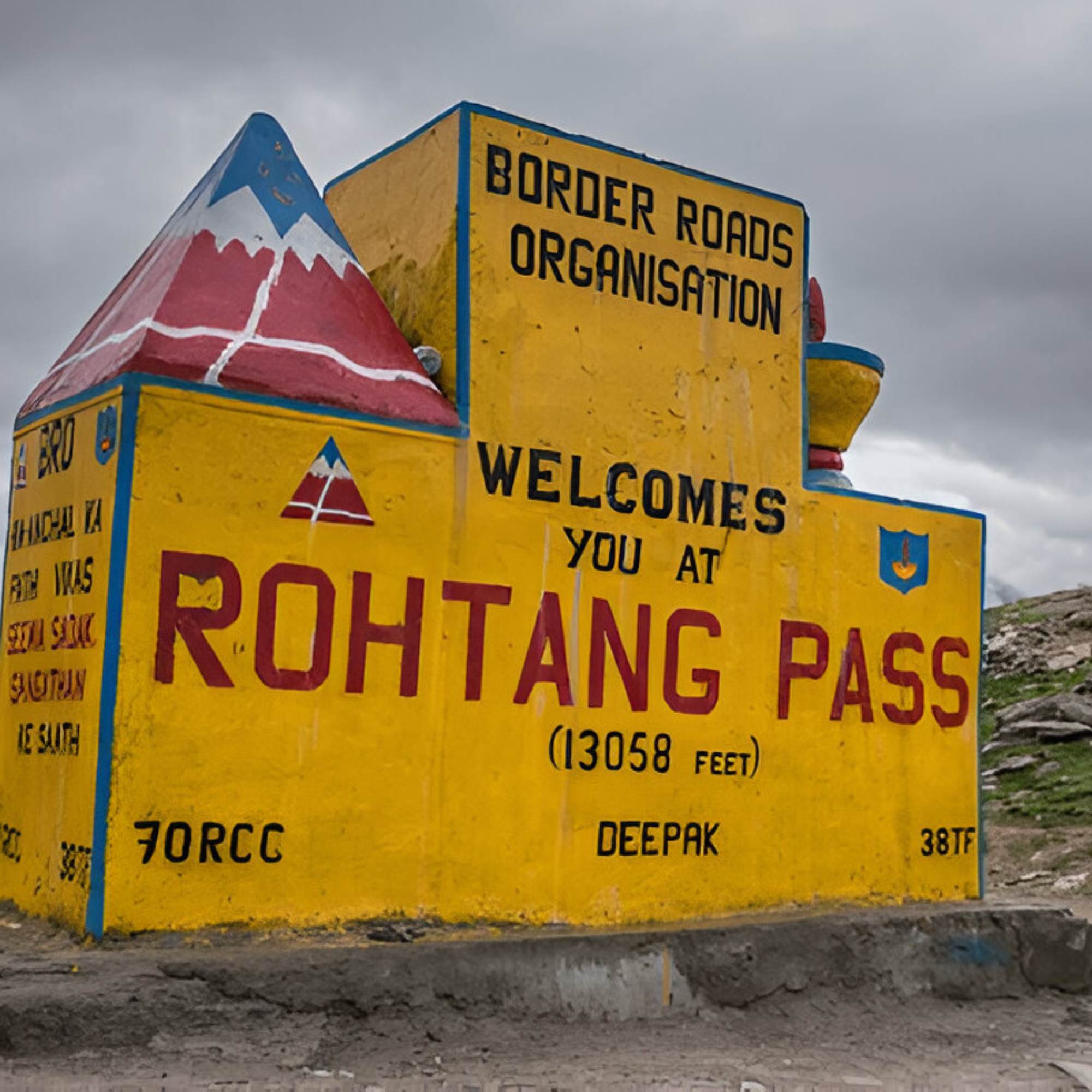
The reason for the trip. A road summit at 3,978 metres on the Pir Panjal range, about 51 kilometres from Manali. This is where the green Kullu valley behind you gives way to the dry Lahaul valley ahead. Seasonal snow, thin air, and a view that on a clear morning is worth the early start. It needs a vehicle permit and a full day, and access is not guaranteed on any date. Tip: keep your time at the top short and start down before the cloud builds.
A small village about 12 kilometres out of Manali where the Beas runs through a deep gorge below the road. Most vehicles pass it without stopping, which is a pity. The gorge is the first real sign that you are leaving the valley floor behind. On the same route, no detour needed, and five minutes is enough. Tip: ask your driver to pull over near the bridge rather than at the first viewpoint, where the parking is chaotic.
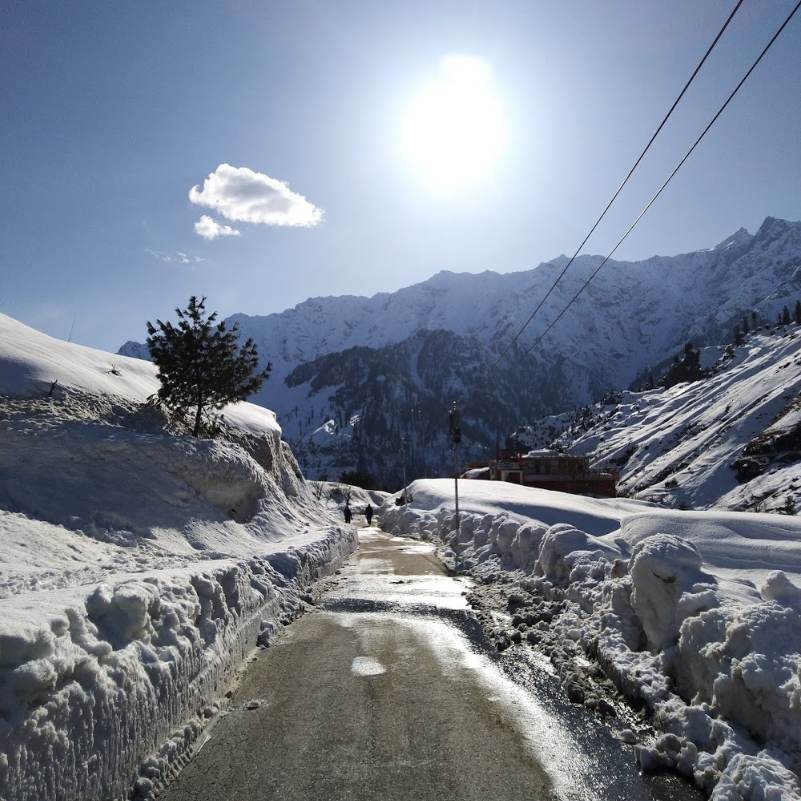
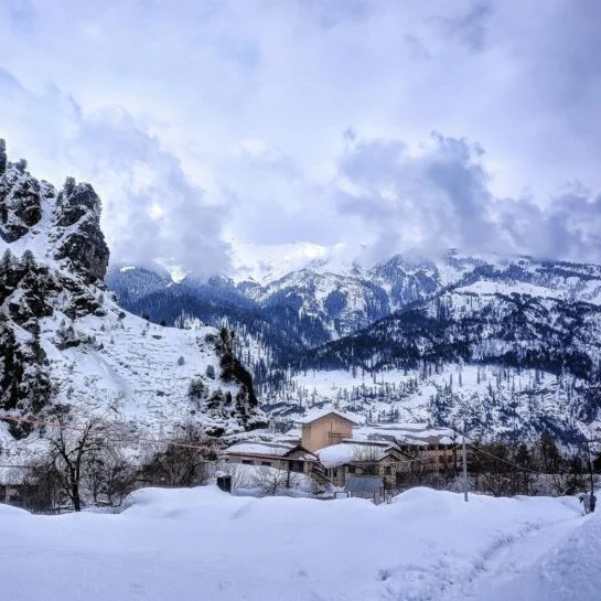
The checkpoint at around 20 kilometres where your Rohtang permit is verified. It is also Manali's most reliable snow point in the months when the pass itself is shut, sitting on open slopes with the Bhrigu Lake trail starting nearby. On the same route, and unavoidable. Tip: this is where a queue can eat an hour on a summer weekend, which is the practical argument for a six o'clock start.
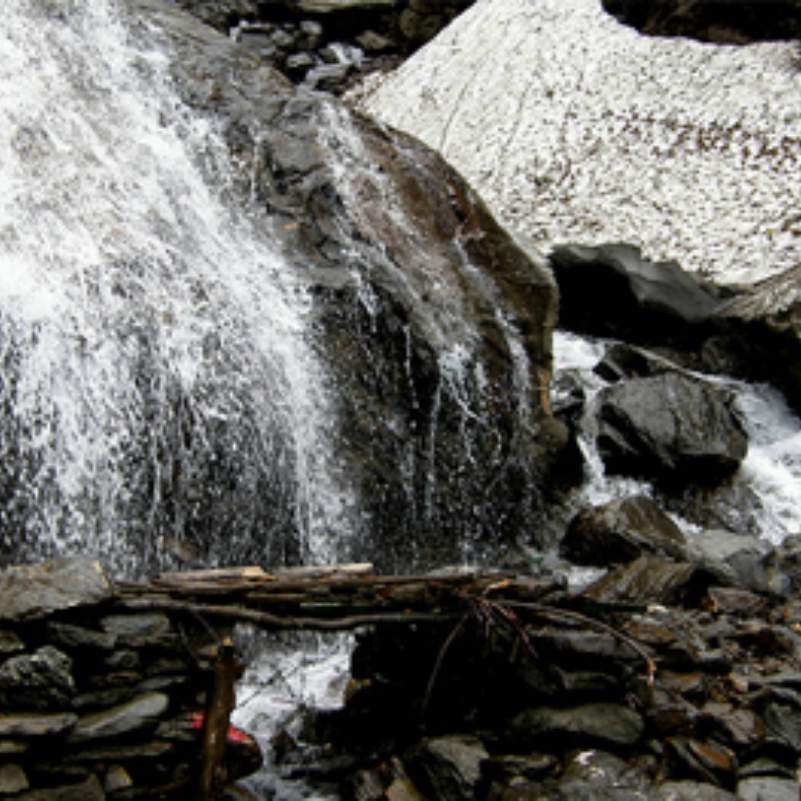
A roadside fall around 16 kilometres from Manali at roughly 2,500 metres, fed by snowmelt above. It runs hard in the early season and through the monsoon, then thins out later in the year. On the same route, and visible from the vehicle. Tip: it is a photo stop of a few minutes, not a destination, and the rocks near the base stay slippery all season, so do not scramble down for a better angle.
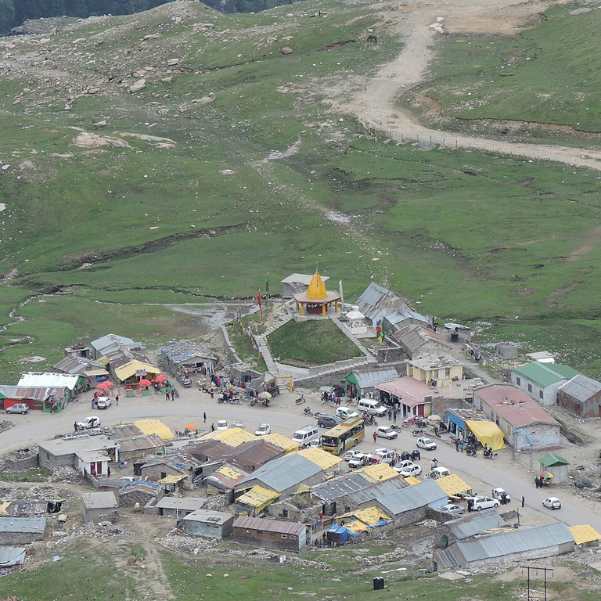
A cluster of dhabas at around 3,300 metres, roughly 40 kilometres from Manali, operating seasonally. This is the last proper tea and food stop before the top, about 11 kilometres below the pass. Tip: Marhi is your decision point. If the cloud is already sitting low here, the view at the summit will not be better, and stopping for chai instead of pushing on is a perfectly good day.
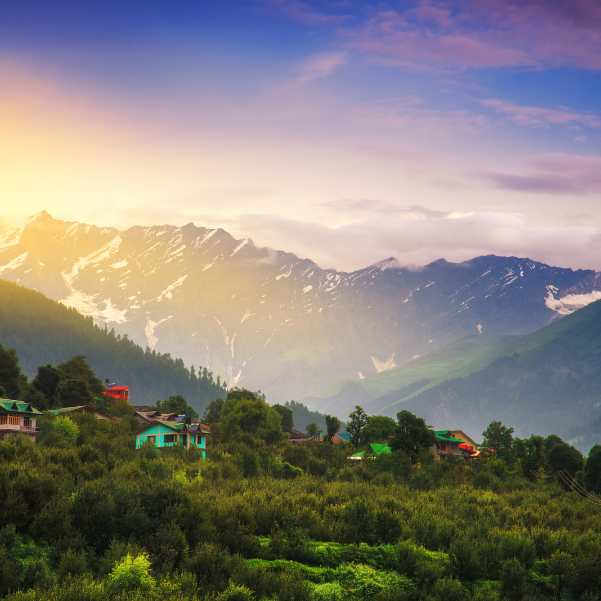
About 14 kilometres from Manali, and the place where Manali's organised adventure activities actually happen, from the ropeway to paragliding and winter snow play. It branches off the same road out of town, but it needs its own half day. It is not a quick add on to a Rohtang trip. Tip: this is the sensible alternative when Rohtang permits are gone or the pass is shut, and it is open far more of the year.
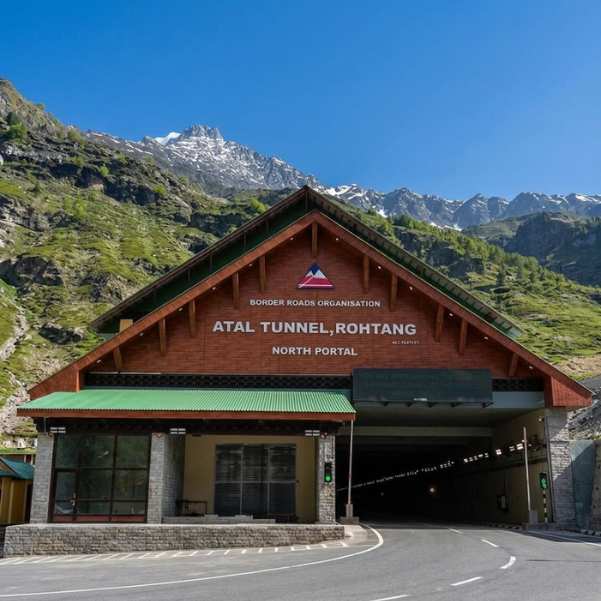
The 9 kilometre highway tunnel from Dhundi to Teling that cuts under the Pir Panjal range and keeps Lahaul reachable through the winter. It is a road, not a viewpoint, and there is no stopping or photography inside. It sits on a different route from Rohtang. Tip: driving through the tunnel does not mean you have visited Rohtang Pass. If someone sells you the two as one thing, ask which permit you are travelling on.
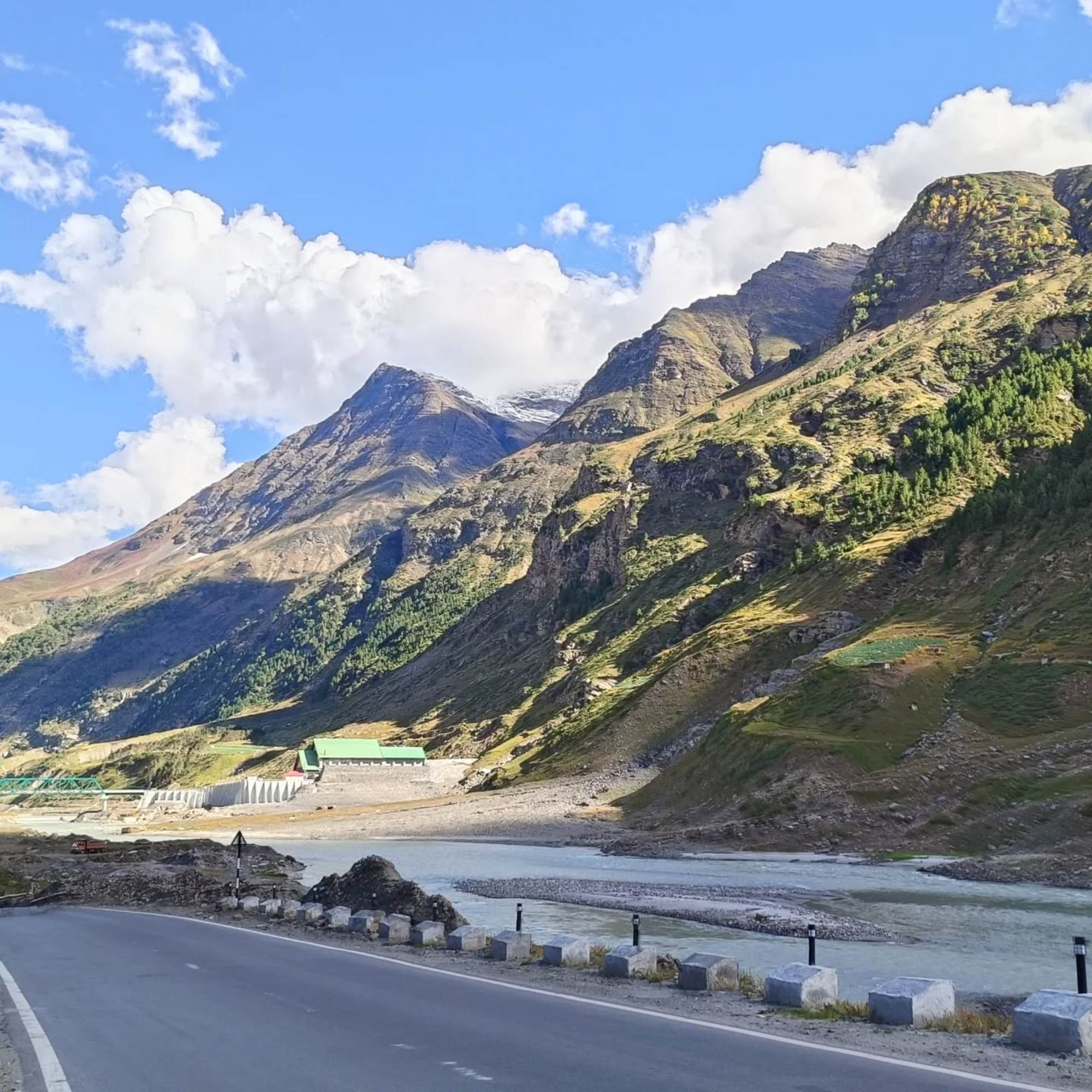
A Lahauli village beyond the tunnel, roughly 40 kilometres from Manali, with a waterfall dropping off the cliff behind it, a small lake, and the wide Chandra valley opening out. Different route, different day, and no Rohtang permit needed. Tip: when the pass is closed but the tunnel is open, Sissu is often the better use of the day. It is lower, easier and much less crowded.
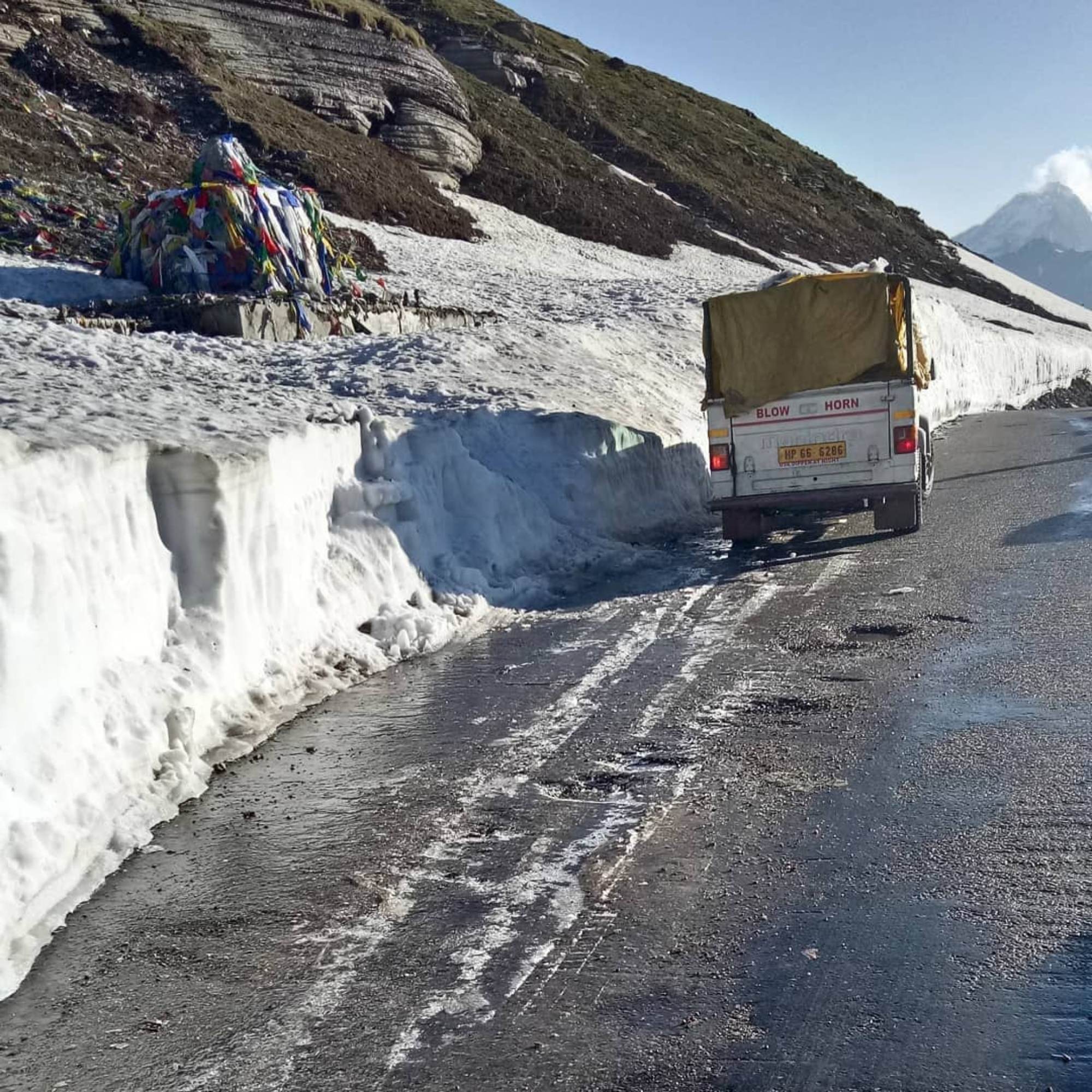
The drive is most of the experience. You climb out of Manali through deodar forest, cross the treeline somewhere above Gulaba, and the last stretch is all switchbacks and open mountain. Two to three hours each way, and a clear morning is the difference between a great drive and a queue in fog.
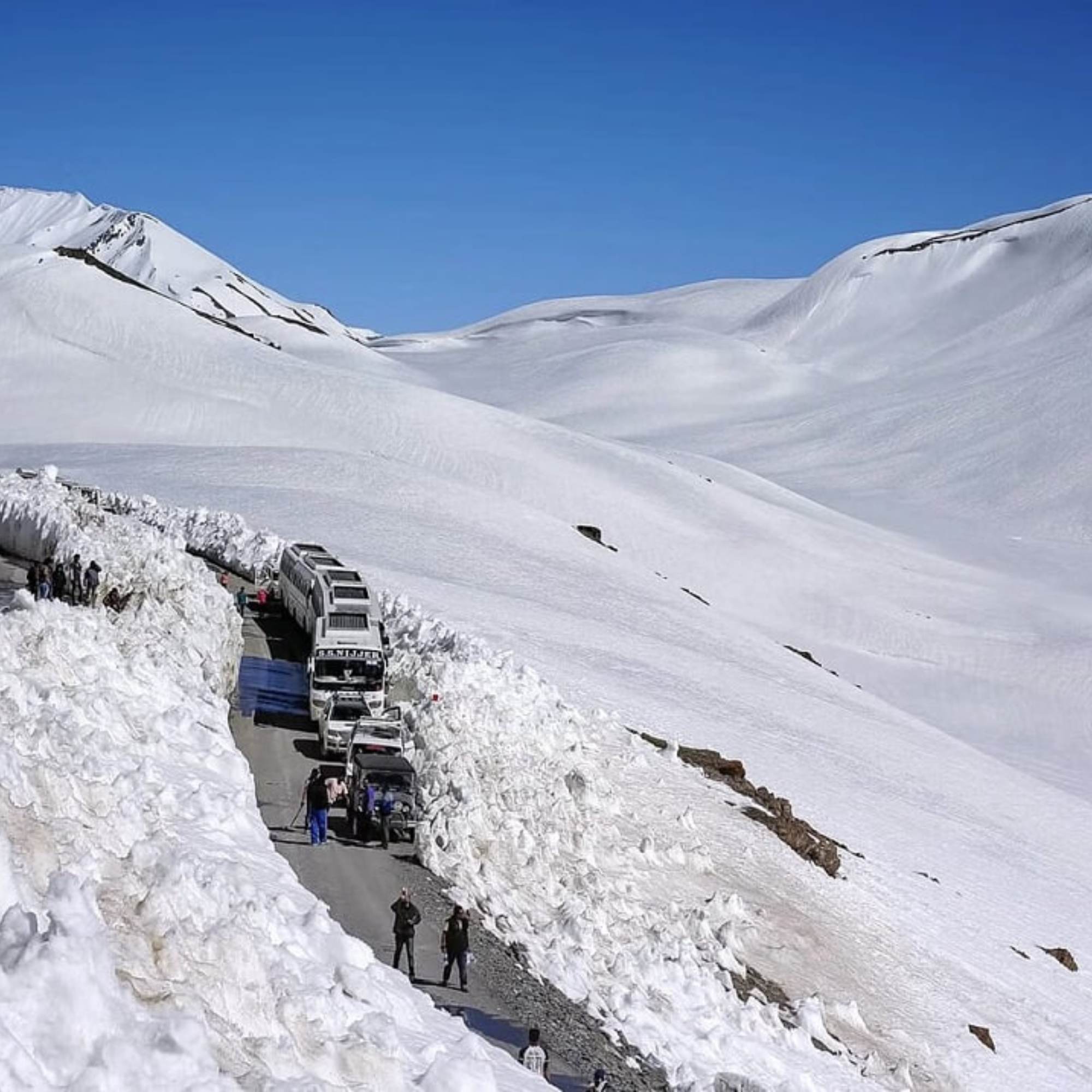
In the weeks just after the road opens, the cleared snow stands in walls on both sides of the upper road. It is the single most photographed thing on this route. They shrink through the season and are usually gone by high summer, so this is an early season sight rather than a promise.
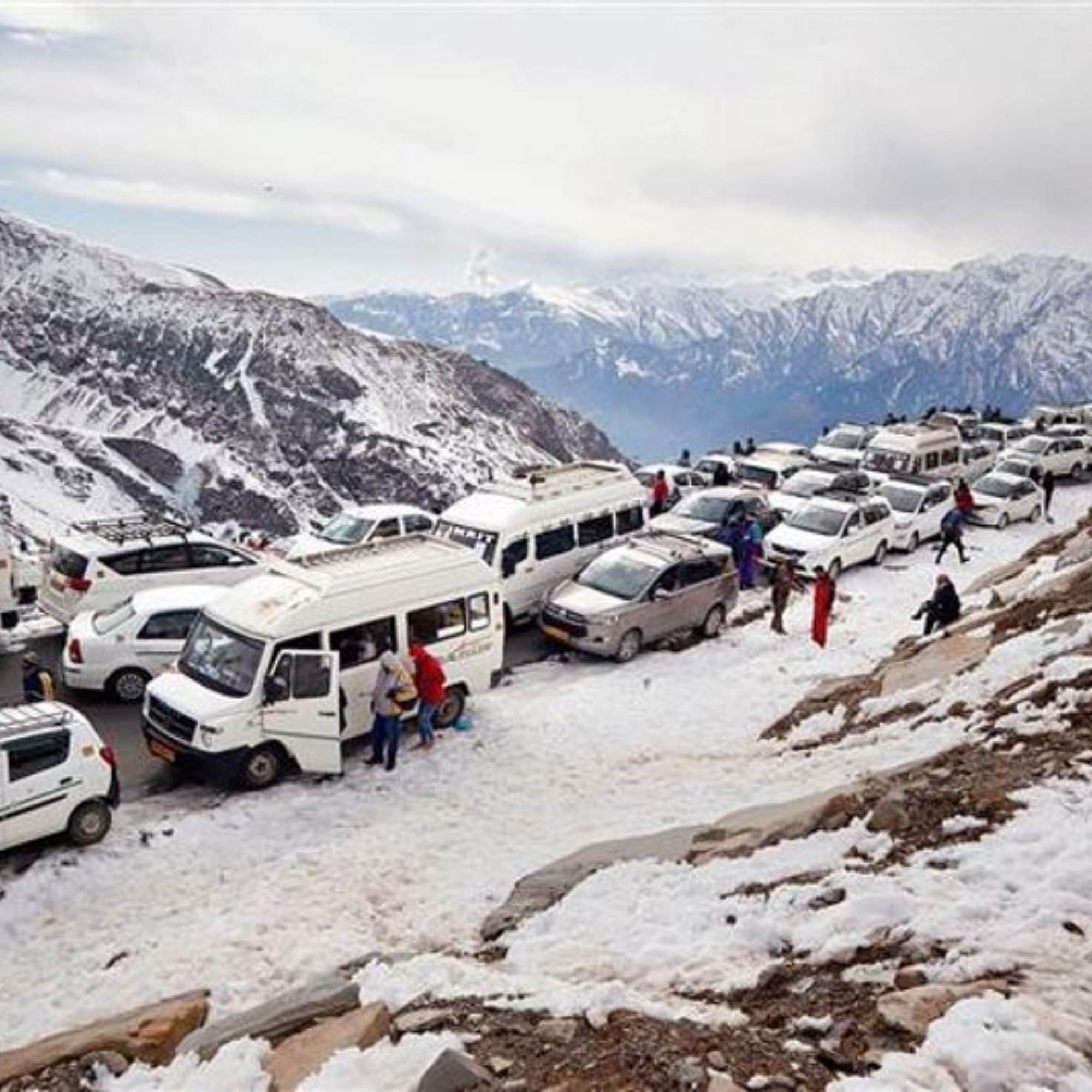
Where you are allowed to stop and play in the snow is decided on the day, and it is often a designated point below the summit rather than the top itself. Boots and jackets are rented from operators on the ground. Half an hour is plenty at this altitude, particularly with children.
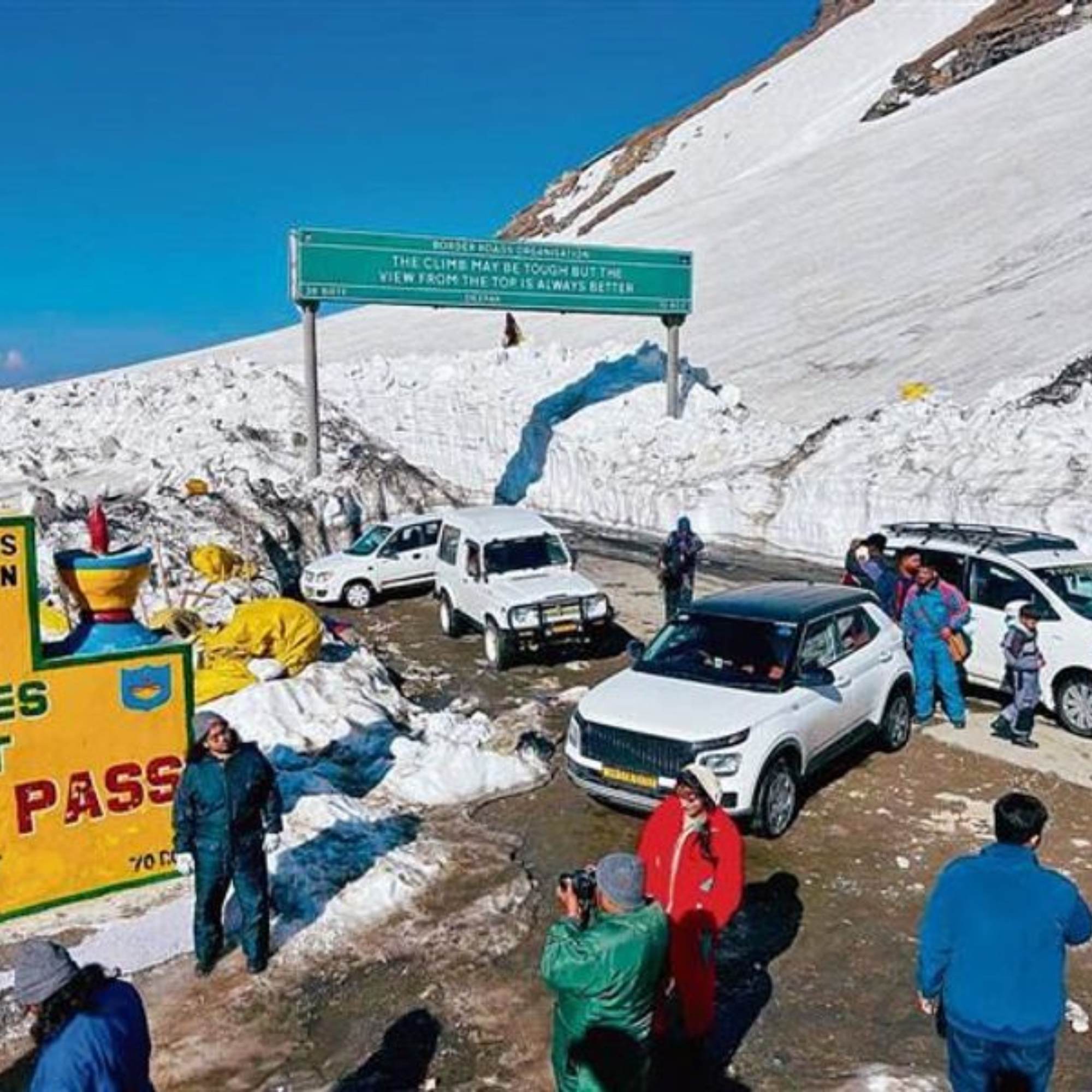
The best fifteen minutes of the day. Standing at the top you have green Kullu behind you and dry, brown Lahaul opening out ahead. It is the clearest example in Himachal of a mountain range deciding what grows on either side of it. Bring a wide lens and shoot before the light goes flat.
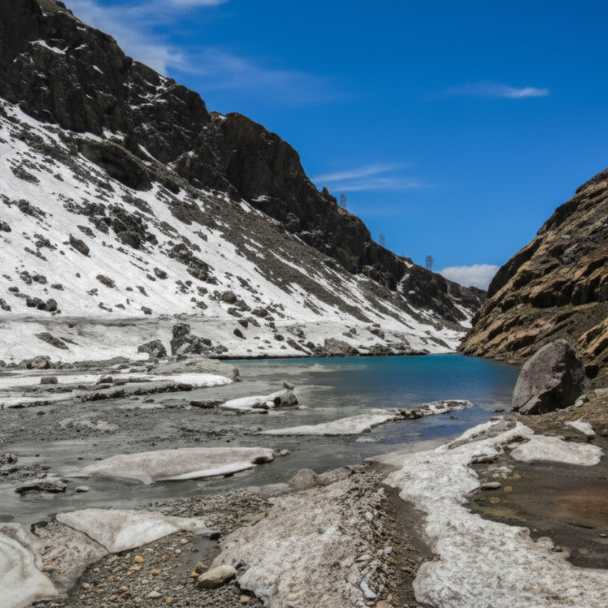
Chai and Maggi at 3,300 metres, in a row of seasonal dhabas that exist entirely because of this road. Worth twenty minutes on the way up or down. It is also the honest place to judge whether conditions above are worth continuing into.
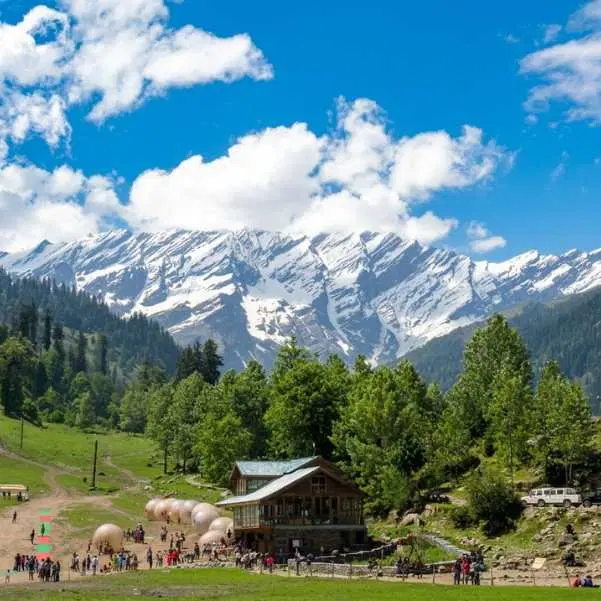
Ropeway, paragliding, zorbing and ATV rides, about 14 kilometres from Manali. This is where the organised activities are, and it deserves its own half day rather than being squeezed onto the end of a Rohtang morning.
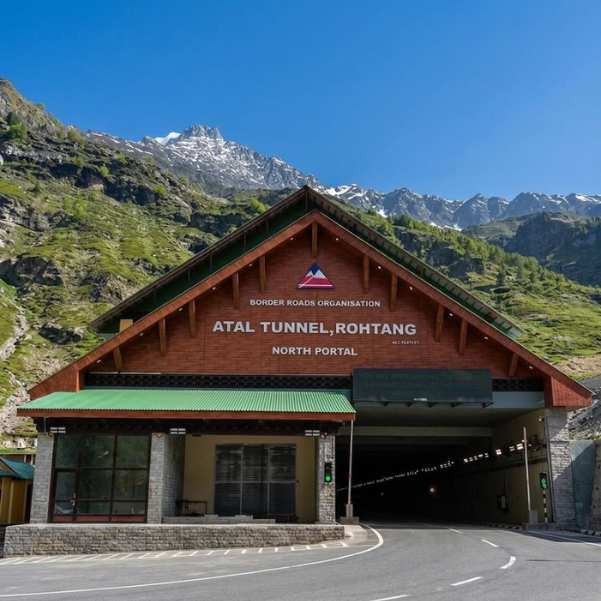
A different day out, and the most useful plan B in the region. Fifteen minutes underground and you are in Lahaul. The Sissu waterfall, the lake and a valley that feels nothing like Kullu, open through most of the year.
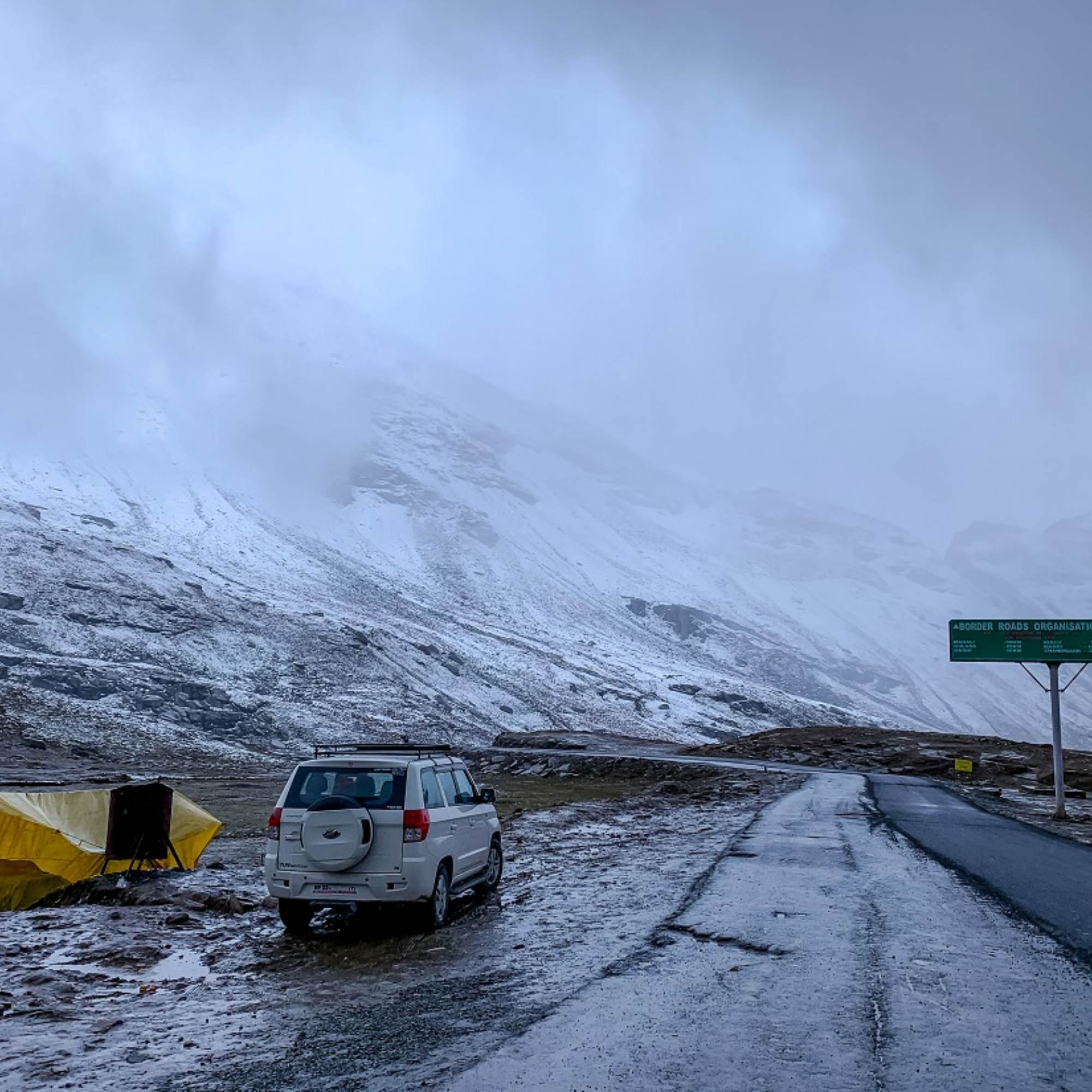
For families, couples and anyone travelling with older parents, having your own vehicle changes the day. You start when you want, stop where you want, and turn back at Marhi without negotiating with strangers.

“Travel Coffee truly went above and beyond. Even though we booked from Indonesia without meeting them, we always felt secure — their team was available 24/7 and took care of every detail. Shubham personally ensured our comfort throughout the Himachal trip, from hotel checks to small gestures like bringing lotion and altitude pills. Their sincerity and local expertise made the journey unforgettable.”
Andre & Angel
It depends on how you travel. A Rohtang day added to a Manali stay costs far less than a package with Volvo transfers from Delhi and four nights of hotels. Current starting prices are shown on the package cards above, straight from our live inventory. Separately, the official permit is a government charge of ₹500 per vehicle plus ₹50 congestion for cars, jeeps and MUVs. That is per vehicle, not per person, and it is not our fee.
It varies by package. Where a Travel Coffee vehicle takes you, our team applies for the permit in that vehicle's registration number and carries the printout. The package page states whether the charge sits inside the price or is billed at actual, so read the inclusions before booking. If it is not stated clearly, ask our team to confirm it in writing. If you are driving your own car, the permit stays your responsibility and we can only guide you through it.
Yes, if you are already staying in Manali. It is a private vehicle day trip with a driver, an early start, permit handling for the vehicle, and a return the same afternoon. It suits travellers who have booked their own hotel and only want the Rohtang day organised. Availability depends on the permit quota for your date, so send us your date as early as you can.
Three to four days works for most people. Rohtang itself needs one full day. Add a day for local sightseeing and a day for Solang or the Atal Tunnel side, and you have a comfortable trip. Coming from Delhi or Chandigarh by road, add a travel day at each end, which usually makes it five. Two days leaves no room if the pass shuts on your only Rohtang morning.
Yes, with the correct permit in that vehicle's registration number. Private vehicles apply under the special permit category, which runs on a much smaller daily quota of 60 petrol and 40 diesel vehicles and is issued once to one vehicle during the season. The vehicle must not be more than ten years old, and you need a valid photo ID, a valid PUC certificate and the registration details. Carry the printout.
Usually yes, provided the vehicle qualifies and the rental company allows it. The permit is tied to the registration number, so the car must be under ten years old with a valid PUC, and the papers must match what you show at Gulaba. Two things catch people out. Some rental agreements exclude Rohtang, and some fleets are already past the age limit. Confirm both in writing first.
A valid government photo ID, a valid Pollution Under Control certificate, and the vehicle registration details including the registration date, since the age limit is ten years. The special permit for private vehicles also asks for the traveller's address details. Everything is submitted online at rohtangpermits.hp.gov.in and a printout is compulsory. Details on the permit must match your documents, or the vehicle can be turned back at the checkpoint.
The window is short. The portal releases tourism permits in two slots each day, at 10:00 and 16:00, and accepts applications only a couple of days ahead of travel. You cannot lock a permit weeks in advance, and on busy summer dates the quota can be exhausted quickly after release. That is why we ask for your preferred Rohtang date early, even though the permit itself is applied for close to the day.
No. The road over the pass stays shut through the winter under snow. It reopens only after the Border Roads Organisation clears it and the district administration allows tourist traffic, usually somewhere in the late May to early June window, and it generally stays accessible until October. There is no fixed calendar. For year round access to Lahaul, that is what the Atal Tunnel is for, and it does not take you over Rohtang.
The first few weeks after the road opens give the deepest and cleanest snow, which in most years means late May and June. By July and August the snow at the top is thinner and slushy by afternoon, and monsoon cloud often takes the view away. September is the clearest month but usually has little snow left until fresh falls arrive in October. We cannot promise snow on any given date.
Check the official portal for your date rather than relying on a fixed rule. The Kullu district administration issues dated orders restricting the Rohtang road for maintenance. Tuesday has been the restricted day in recent seasons, but those orders have carried specific date ranges rather than establishing a permanent weekly closure. The portal shows the current restriction when you apply. We check it for your date before confirming a Rohtang day.
We tell you as soon as we know, and we move the day rather than cancel your trip. Depending on what is genuinely open, that usually means Solang Valley, the road as far as Gulaba or Marhi if it is permitted, Sethan, or a run through the Atal Tunnel to Sissu. These are different experiences rather than replacements, and we will say so plainly instead of quietly swapping the itinerary.
That depends on what was charged for the Rohtang day specifically, and what has already been committed on your behalf. A permit fee that was never issued is a different matter from a vehicle that was booked and reported for duty. We show you the exact breakdown and adjust accordingly rather than leaving you to argue about it. Ask our team for the written cancellation terms that apply to your package before you pay.
Normally no. Jackets, snow boots and gloves are rented from operators on the ground and paid directly, unless a package says otherwise, so check the inclusions on the card. Our advice is to carry your own warm layers and gloves and rent only the boots and outer jacket, because rental quality varies and sizes run out on busy mornings.
No. Sledging, snow scooter rides and similar activities are run by independent operators and paid directly. What runs on a given day depends on the season, the snow, and what the administration permits. Organised adventure sports such as skiing and paragliding belong to Solang Valley rather than the pass itself, so treat any itinerary promising them at Rohtang with caution.
For most healthy children it is manageable with sensible planning. The concern is altitude, not the road. You climb close to 2,000 metres above Manali in a few hours, which is a lot for a small body. Spend at least one night in Manali first, keep the time at the top short, and turn back if a child is unwell. Speak to your paediatrician if you have any doubt. Our full family guide is at travelcoffee.in/blog/is-rohtang-pass-safe-for-kids-real-family-safety-guide
Often yes, provided the altitude is taken seriously. The trip involves a long winding drive and very little walking, which suits older travellers, but 3,978 metres is high, cold and thin on oxygen. Anyone with a heart, lung or blood pressure condition should ask their doctor first, carry their regular medication, and be willing to stop at Marhi rather than push for the top.
This is a question for your doctor rather than a travel company. What we can tell you honestly is that the altitude gain is steep, the road is winding, the medical facilities on the route are basic, and evacuation takes hours. Many pregnant travellers choose Solang or the Sissu side instead, which are lower and easier to reach. Our detailed guide is at travelcoffee.in/blog/is-rohtang-pass-safe-for-pregnant-women
No, and this is the mix up we correct most often. The Atal Tunnel runs under the Pir Panjal range from Dhundi to Teling near Sissu, bypassing the pass completely. Drive through the tunnel and you have not visited Rohtang. The pass is reached by the old road from Manali through Kothi, Gulaba and Marhi, and it needs its own permit.
We do not recommend it and we will not promise it. Each one needs real time, the Rohtang permit carries its own return timing, and the Solang stretch alone can hold you up badly on a busy morning. A Rohtang and Atal Tunnel loop is possible on paper, but only when the permit type, the road condition and the police restrictions on that day all allow it.
It is the most practical alternative, and a genuinely good day out. Solang sits about 14 kilometres from Manali, stays open far longer in the year, needs no Rohtang permit, and is where the organised activities are. What it does not give you is the high pass, the altitude, or the view of Lahaul opening up on the far side. Take it as its own thing.
Early, and earlier than you expect. Most Rohtang days start between 6 and 7 in the morning. The road above Gulaba is narrow with switchbacks, traffic builds through the morning, cloud usually rolls in after midday, and vehicles are expected to begin the descent by early afternoon. Leaving at nine is how people spend the day in a queue and reach the top in flat light.
Sometimes, but the permit is the constraint rather than the hotel or the vehicle. Because the tourism quota is capped and released only a couple of days ahead, a last minute booking in peak season can leave you with a confirmed trip and no permit for your date. If Rohtang is the main reason for the trip, book early and keep the Rohtang day flexible within your stay.
No. There are no tourist hotels at the pass. It is a road summit at 3,978 metres with dhabas and seasonal stalls, and vehicles are expected to descend the same day. Manali is the normal base. If you want to sleep on the far side of the range, that means Sissu, Koksar or Keylong in Lahaul, reached through the Atal Tunnel, which is a different trip.