
Sissu Waterfall
A tall cliff waterfall on the far side of the Chandra river, locally called Palden Lhamo Dhar, visible from the Manali to Leh highway at Sissu and from the helipad above the lake
- Palden Lhamo Dhar
- Across the Chandra from Sissu
- Viewpoint at ~3,120 m
- Best Jul to Sep for flow
- Ice column Dec to Feb
What makes it special
Sissu Waterfall, known locally as Palden Lhamo Dhar, is a tall cliff waterfall on the north face of the mountain wall that rises across the Chandra river from Sissu village in the Lahaul valley. You do not need a trek to see it. It is visible directly from the Manali to Leh highway (NH3) as you drive into Sissu, from the grassy ground around Sissu Lake, and clearest from the Sissu helipad above the lake. On a driving day from Manali you can be parked opposite the waterfall in under two hours from the Atal Tunnel south portal.
The name is worth a minute. Palden Lhamo is a protector deity in Tibetan Buddhism, associated in Himalayan valleys with mountains, weather, and water. The Labrang gompa in the next hamlet above Sissu is dedicated to her, and the waterfall carries the same name in Lahauli usage. Dhar means a sustained flow or torrent. You will see the name romanised as Palden Lhamo Dhar, occasionally Palden Lamo Dar, or simply listed on tourism pages as Sissu Waterfall. They are the same thing.
What the waterfall actually looks like changes sharply with the season, and that is most of what you need to know when planning a visit. From roughly June to September, snow and glacial melt from the slopes above drive a full flow, and in a wet July or August the water runs wide enough to be heard from the highway when traffic is light. By late October it thins considerably. From December to February the whole column freezes into a tall blue white ice sheet against the cliff, which is why some photographers now come specifically in winter. Spring is the awkward window, too little melt for strong flow, too much slush on the approach for easy walking.
The honest verdict. This is a 15 to 30 minute viewpoint for most travellers, not a destination on its own. Pair it with Sissu Lake, the helipad above, and a short walk through Sissu village, and you have a genuinely good half day stop in Lahaul. Make a dedicated day trip from Manali only if you are photographing it, and even then add at least two other village stops so the drive is worth the time. If you want to get closer, a small suspension footbridge downstream of the helipad lets you cross the Chandra and hike roughly 1 to 2 km uphill towards the base. The trail is moderate but uneven, and the bridge condition varies with the season, so ask locally before heading across.
Quick answers
- Where is Sissu Waterfall and can you see it easily?
- Yes, very easily. It sits on the cliff face across the Chandra river from Sissu village, visible directly from the Manali to Leh highway (NH3) as you enter Sissu, from the edge of Sissu Lake, and clearest from the Sissu helipad above the lake. You do not need a trek or a guide. Park at the lake area, walk a few hundred metres to the helipad viewpoint, and the waterfall is in plain view across the valley.
- When is the best time to see Sissu Waterfall?
- July to September for strongest flow, late September to October for clean air and thin crowds, and December to February for the frozen ice column. Skip March to April, the flow is weak and the approach is slushy. Most photographers pick either mid July for the full summer roar or mid January for the ice. Both are genuinely worth the drive.
- Can you go to the base of Sissu Waterfall?
- Yes. A suspension footbridge downstream of the helipad crosses the Chandra river to the far bank. From there, a standard hiking trail of roughly 1 to 2 km leads uphill to the base of the falls, taking about 20 to 30 minutes at a steady pace. The path is moderate but can be uneven and slippery after rain or snowmelt, so wear proper shoes. In winter the trail can be icy, so check conditions before heading across. If you would rather skip the crossing, the helipad viewpoint gives you the best framed view of the full cliff and column from the village side.
Quick facts
Everything you need to know at a glance.
At a glance
- Viewpoint altitude
- Around 3,120 m / ~10,235 ft. The waterfall column rises on the cliff above the viewpoint.
- Location
- North cliff face across the Chandra river from Sissu village, Lahaul valley, Lahaul and Spiti district, Himachal Pradesh
- Nearest base
- Sissu village, walking distance. Manali ~40 km via Atal Tunnel. Keylong ~30 km.
- Visibility
- Visible year round from the highway. Strongest flow Jun to Sep. Frozen ice column Dec to Feb.
- Time needed
- 15 to 30 minutes for a short stop. 45 minutes with photography. Half day when paired with Sissu Lake and the helipad.
- Entry fee
- None for the viewpoint. The zipline, when running, is around 400 to 500 rupees per ride separately.
- Known for
- The tall Palden Lhamo Dhar cliff waterfall, strongest in monsoon and frozen into an ice column in deep winter
- Access difficulty
- Easy. Roadside viewpoint from NH3, flat walk from the lake to the helipad. Moderate if hiking to the base via the footbridge.
On the ground
- Mobile network
- Jio 4G works reliably in Sissu. Airtel and BSNL also have coverage. Data speeds are reasonable for a mountain village. Signal drops on the trail across the river towards the waterfall base.
- ATMs
- None near the viewpoint. Nearest ATMs in Manali or Keylong. Carry cash.
- Fuel
- No pump at Sissu. Nearest is Tandi, about 25 km west towards Keylong. Fill up in Manali before the tunnel.
- Food
- HP Tourism canteen and a few small shacks near Sissu Lake in season, simple fare. Your homestay in the village is usually better for a proper meal.
- Parking
- Informal roadside parking on NH3 near the viewpoint, and near Sissu Lake. Generally free. Small charges at some operators in peak season.
- Washrooms
- Basic public washrooms near Sissu Lake in season. Not always clean. Carry tissue and sanitiser.
- Permits
- None for Indian nationals. Foreign nationals should carry ID and confirm current Lahaul rules.
- Drones
- The helipad is right here, and drones are not officially permitted near it. Use ground photography instead.
- Walking surface
- Flat ground from the parking to the lake and up to the helipad. Easy for most visitors including older travellers. Can be muddy after rain or snowmelt.
Seasonal weather
- May to June22°8°Spring
- July to August25°12°Summer monsoon
- September to October20°4°Autumn
- November to March5°-15°Winter
Suitable for
- Couples — suitable
- Families — suitable
- Seniors — suitable
- Solo — suitable
- First-timers — suitable
- Pet-friendly — with some care
How to reach Sissu Waterfall
6 approach routes, with seasonal access.
From Sissu village
Year round- Distance
- 200 to 500 m
- Time
- 3 to 10 minutes on foot
- Road
- Flat gravel and grass around the lake, short tarred walk from the highway
- Last fuel
- Not relevant on foot
The simplest approach if you are staying in Sissu. Walk from the village or from the Sissu Lake parking along flat ground to the helipad, which is the clearest viewpoint across the Chandra. No climb, no tickets, no guide.
From Manali via Atal Tunnel
Year round via the tunnel. Occasional brief closures for maintenance or weather.- Distance
- About 40 km
- Time
- 1 to 1.5 hours
- Road
- Tarred highway through the tunnel, tarred road with patched sections along the Chandra to Sissu
- Last fuel
- Fill up in Manali. No pump at Sissu. Nearest onward is Tandi, 25 km west.
The standard drive. From Manali, take NH3 south to the Atal Tunnel south portal at Dhundi (about 25 km), cross the 9 km tunnel (15 to 20 minutes), exit at the north portal, and continue about 6 km along the highway to Sissu. Park at Sissu Lake or on the shoulder opposite the cliff. In peak summer and on weekends, the tunnel can queue at the south portal for 30 to 60 minutes, leave by 7 or 8 AM for a comfortable arrival.
From Koksar
Year round- Distance
- About 14 km
- Time
- 25 to 30 minutes
- Road
- Tarred highway along the Chandra river
- Last fuel
- Tandi pump is about 40 km further west
A short drive west along the Chandra from Koksar village past the Atal Tunnel north portal junction to Sissu. Useful if you are combining Koksar as a check post halt with a longer lower Lahaul loop from Manali.
From Keylong
Year round- Distance
- About 30 km
- Time
- 45 minutes to 1 hour
- Road
- Tarred highway along the Chandra river
- Last fuel
- Tandi petrol pump between Keylong and Sissu
The reverse hop if you are based in Keylong and driving back towards the tunnel. The road follows the Chandra river through Tandi and Gondhla before dropping into Sissu. A natural coffee stop if you want to see the waterfall before heading back to Manali in the evening.
From By bus from Manali
Year round via the tunnel, fewer services in winter- Distance
- About 40 km
- Time
- 1.5 to 2 hours including stops
- Road
- Highway through the Atal Tunnel
- Last fuel
- Not applicable
HRTC buses running from Manali towards Keylong or Udaipur pass through Sissu. Frequency varies by season, generally a few services a day in summer, fewer in winter. Confirm timings at the Manali bus stand on the day. The bus drops you on the highway in Sissu village, and the lake and helipad viewpoint are a short walk from the stop.
From Delhi
Year round to Manali, then year round via the tunnel- Distance
- About 540 km to Manali, then 40 km onward
- Time
- 14 to 16 hours to Manali, then 1.5 hours to the viewpoint
- Road
- NH 44 and NH 3 to Manali, then the Atal Tunnel
- Last fuel
- Chandigarh, Sundernagar, Mandi, Manali
Most travellers take an overnight Volvo from Delhi to Manali, arriving around 8 to 10 AM. From Manali, push through the tunnel to Sissu and be at the viewpoint by lunch. Self driving from Delhi in one shot is doable but tiring, especially if combined with altitude acclimatisation. The comfortable plan is to reach Manali on day one, drive to Sissu on day two morning.
Best time to visit
Season by season, so you can plan around the weather rather than hope.
Spring
May to June
Flow is building, crowds are low, and the air is clearer than in monsoon
- Day temperature
- 15 to 22 C
- Night temperature
- 5 to 8 C
- Waterfall flow
- Building, strongest by late June
- Crowds
- Low to moderate
Flow is building but not at its best. Snowmelt starts driving water down the slopes, the column widens through May and picks up real volume by June. Days are warm enough for a t-shirt at the viewpoint, nights still need a jacket. The lake below is ice free by mid May in most years, and the cliff photographs well in the clearer pre monsoon light. If you are chasing peak flow, wait for July. If you want fewer crowds and reasonable water, late May to mid June is a good compromise.
- Recommended
Summer monsoon
July to August
The loudest, widest version of the column and the busiest viewpoint of the year
- Day temperature
- 18 to 25 C
- Night temperature
- 10 to 12 C
- Waterfall flow
- At its fullest
- Crowds
- High, especially weekends
Peak flow. Snow and glacier melt drive the column to its full summer width, and after a wet spell you can hear the water from the highway when traffic drops. Lahaul sits in a partial rain shadow so direct rain is less frequent than in Manali, but the approach road from the Atal Tunnel can see landslides after heavy rain. Cloud cover often flattens the light after midday, which is why morning visits before 10 AM are best. This is also peak crowd season, the helipad viewpoint gets busy by mid morning in July and August.
- Recommended
Autumn
September to October
Sharpest light of the year, thinner crowds, and the cleanest photograph of the cliff
- Day temperature
- 12 to 20 C
- Night temperature
- 2 to 5 C
- Waterfall flow
- Slowing but still visible
- Crowds
- Low to moderate
If you can time it, late September to mid October is the cleanest version of Sissu Waterfall. The monsoon clears, the air sharpens, the light is the best of the year for photography, and the tunnel traffic drops noticeably after the first week of September. Flow thins but stays visible well into October. Poplars around Sissu Lake turn yellow, nights get cold quickly. Carry a proper warm layer for the evening visit to the helipad.
- Recommended
Winter
November to March
Frozen ice column, quieter viewpoint, and a genuinely different photograph
- Day temperature
- -5 to 5 C
- Night temperature
- -10 to -15 C
- Waterfall state
- Frozen ice column
- Crowds
- Low, slightly busier around Christmas and New Year
The other signature window. From around December to February the column freezes into a tall blue white ice sheet against the cliff, clearly visible from the highway and the helipad. Clean midday light between 11 AM and 2 PM shows the ice best because the sun has to clear the ridge. The Atal Tunnel keeps the approach open year round, but the short road between the tunnel exit and the village can be icy in deep winter, carry chains for your tyres. Services at the lake shrink to a couple of shacks. Warm layers, proper boots, and a flexible plan are the basics for a winter visit.
Things to see & do
8 things worth your time at Sissu Waterfall.
See the waterfall from the highway
5 to 10 minutesThe first sighting for most travellers. As you drive into Sissu from the Atal Tunnel side, a long open stretch of the highway runs directly opposite the cliff with the waterfall. Slow down, pull over where the shoulder widens near the Sissu turn off, and the column is there in full view across the Chandra. A 5 to 10 minute stop is enough for a first look. Step off the tarmac carefully, traffic can be fast on this stretch in peak season.
View it from Sissu Lake
15 to 20 minutesThe middle distance option, and often the most photographed one. Park at Sissu Lake, walk out to the flat ground on the far side of the water, and the waterfall sits framed by the mountains with the lake in the foreground. In the morning before 8 AM the lake is still and you can sometimes get a reflection of the cliff. Bring a polariser if you have one, the glare off the water flattens the image otherwise.
Walk up to the helipad viewpoint
20 to 30 minutesThe best angle by some margin. A short walk up from the lake or the highway brings you to the Sissu helipad, which sits on slightly raised ground with a clear line of sight across the valley. The cliff and the waterfall fill the frame from here, and in the late afternoon the west facing wall catches warm light. This is the view most people associate with the place. Go 30 to 45 minutes before sunset for the best colour on the cliff.
Photograph the summer flow
30 to 60 minutesIn July and August the column is at its full summer width and the sound carries clearly across the river. A 24 to 70 mm lens covers most of the frame from the lake, a 70 to 200 mm is useful from the highway for isolating the upper tiers. Morning light from roughly 7 to 9 AM is cleanest because the cliff faces partly west and catches a side angle that early. Avoid harsh midday sun, it flattens the texture of the falling water.
Photograph the winter ice column
30 to 60 minutesFrom December to February the water slows, then freezes into a long blue white ice column against the cliff. The frozen surface only receives direct sunlight once the sun rises above the southern ridge, typically by mid morning. Plan to shoot between roughly 11 AM and 2 PM for the strongest contrast on the blue white surface. A tripod helps for sharp detail on the ice texture. Dress for sustained cold, nights regularly drop to minus 10, and even daytime shooting means standing in place for extended stretches. Winter road access is via the Atal Tunnel, confirm conditions on the day.
Ride the zipline across the valley (if operating)
15 to 20 minutesA private zipline has been operating in the Sissu Lake and helipad area during the open season, typically from around May to October, with a view towards the waterfall and the Chandra valley during the ride. Reported rates have been around 400 rupees per ride, though this shifts year to year and operator to operator. The ride is a fun add on, not a way to reach the base of the waterfall. Confirm at the lakeside counter on the day, not in advance online.
Hike to the base via the footbridge
45 to 75 minutes round tripA suspension footbridge downstream of the helipad crosses the Chandra river to the far bank. From there, a roughly 1 to 2 km hiking trail climbs uphill through open ground and rocky patches towards the base of the falls, taking about 20 to 30 minutes at a steady pace. In peak summer you will feel the mist as you get closer. Wear proper shoes, the path can be slippery after rain or snowmelt. In winter the trail can be icy and the crossing is not recommended. Check at the lakeside area on the day to confirm trail conditions before starting.
Time your visit for morning or late afternoon
30 to 45 minutesThe waterfall is technically visible 24 hours, but the good window is sunrise and the two hours before sunset. At sunrise the air is cleanest and the highway is empty, which is the reason morning photographs look sharper than midday ones. In the evening, pair the helipad viewpoint with Sissu Lake for a slow half hour as the cliff turns amber. Bring a warm layer, the valley cools fast once the sun drops below the ridge.
Know before you visit Sissu Waterfall
The practical bits, from people who have been.
What Sissu Waterfall actually isA tall cliff waterfall across the Chandra river from Sissu village, locally Palden Lhamo Dhar, viewed from the village side or reached via a footbridge and short hike
Sissu Waterfall is a tall cliff waterfall on the north face of the mountain wall across the Chandra river from Sissu village. Local Lahauli usage calls it Palden Lhamo Dhar, after the protector deity Palden Lhamo, to whom the Labrang gompa in the hamlet above is also dedicated. Dhar means a sustained flow. Most tourism pages shorten the name to Sissu Waterfall.
The main viewpoints sit on the village side of the river, at around 3,120 metres. The waterfall itself rises up the cliff opposite. Most travellers see it from the highway, the lake, or the helipad above. You can also cross the Chandra on a suspension footbridge downstream of the helipad and hike roughly 1 to 2 km uphill to the base of the falls.
Published height figures vary. A few travel pages estimate around 50 metres from the top of the visible flow to the base, nobody has published a surveyed number, and the apparent height changes with how much of the column is running. Treat that 50 metre figure as an approximation rather than a hard fact.
Three viewpoints, ranked honestlyHelipad is the best angle, Sissu Lake is the best reflection, the highway is the fastest glance
The three viewpoints that matter, in order of quality.
Best, the Sissu helipad. Walk up from Sissu Lake or the highway, five minutes on foot. The helipad sits on slightly raised ground with a clean line of sight across the valley. The cliff and the waterfall fill the frame from here. Late afternoon light, 30 to 45 minutes before sunset, is when the west facing wall catches warm colour.
Second, Sissu Lake. On a still morning the lake reflects the cliff, which is why this is the photograph you see most often online. Get there before 8 AM in summer, before 10 AM in winter. A polariser helps to cut the glare.
Third, the highway itself. A long open stretch of NH3 runs directly opposite the cliff as you drive into Sissu from the tunnel side. Pull over where the shoulder widens, step off the tarmac carefully. Good for a first sighting, less good for a proper photograph because the angle is straight on and the road is busy in peak season.
Most travellers combine all three in 30 to 45 minutes.
Summer flow vs winter freezePeak flow in Jul to Aug, cleanest light in late Sep to Oct, frozen ice column Dec to Feb, skip Mar to Apr
The waterfall changes more with the season than almost any other sight in Lahaul.
Summer, June to September. Full flow, driven by snow and glacial melt on the slopes above. The column is wide and the sound carries across the river. Peak is usually late July and August after a wet spell, which is also when Lahaul gets its few landslides on the approach. Clouds often flatten the light after midday, plan for morning visits.
Autumn, late September to October. Flow thins as the melt slows, but the air sharpens and the crowds drop. The cliff photographs cleanly, the lake below is still ice free, and the overall scene is easier on the eye than in July. This is the underrated window for most travellers.
Winter, December to February. The whole column freezes into a tall blue white ice sheet against the cliff. Dramatic, different, and worth the drive for photographers. Clean midday light between 11 AM and 2 PM shows the ice best because the sun has to clear the ridge. Cold is real, night temperatures drop well below freezing, proper layers mandatory.
Spring, March to early May. The awkward window. Too little melt for strong flow, too much slush on the approach for comfortable walking. If you have a choice, skip spring. A gentle recheck reminder, snow clearance timing shifts year to year, confirm before you drive up.
Getting to the base via the footbridgeA suspension footbridge and a 1 to 2 km uphill trail connect the village side to the waterfall base
A suspension footbridge crosses the Chandra river downstream of the Sissu helipad, giving you pedestrian access to the far bank. From there a hiking trail of roughly 1 to 2 km climbs through open ground and rocky patches towards the base of the waterfall. At a steady pace the walk takes about 20 to 30 minutes one way.
The bridge is a simple iron and cable structure wide enough for foot traffic. In peak summer the trail is straightforward and you will feel spray from the falls as you approach. After rain or snowmelt the path can be slippery, so proper shoes with grip are important. In winter the trail may be icy and the crossing is harder, so use your judgment on conditions.
Before heading across, check at the Sissu Lake area or the helipad for any updates on trail conditions or seasonal maintenance. The zipline near Sissu Lake also crosses part of the valley, though that is more of an adventure ride than a direct hiking route to the base.
If the hike does not appeal to you, the helipad viewpoint on the village side gives you the best composed view of the full cliff and column anyway. Many photographers prefer the helipad angle to the base.
The zipline, what it is and what it is notA seasonal paid ride with a valley view, not a route to the waterfall. Confirm at the lakeside counter on the day.
A private zipline has been operating in the Sissu Lake and helipad area during the open season, generally from May to October. The line runs across part of the valley with the waterfall and the Chandra in view during the ride, which is why it gets bundled with the waterfall on some tourism listings.
What it actually is. A short adventure ride, not a direct hiking route to the waterfall base. You clip in at one platform, glide across, and unclip at the other side. The whole ride takes a minute or two. Reported rates have been around 400 to 500 rupees per ride in recent years, though operator mix, pricing, and exact route shift season to season. Children below 8 or so are usually not allowed, weight limits apply, ask at the counter.
Practical advice. Do not book online, several listings are outdated or third party. Walk up to the counter on the day, ask what is running, and decide. If safety gear looks worn or the operator feels rushed, skip it, there is no shortage of other things to do at the lake. As of early 2026, zipline operations continue seasonally, status can change.
Who should visit, and how to time itWorth a 30 minute stop for most travellers, worth a dedicated day only for photography or the winter ice
Yes, stop and visit if: you are already driving through Lahaul, you want a short photograph stop, you are in Sissu for a night and have 30 minutes to spare, or you are chasing the frozen ice column for winter photography. This covers most travellers.
Yes, plan a day trip from Manali if: you are serious about photography, you want the winter ice experience, or you are combining with a full Sissu village half day. Leave Manali by 8 AM, reach Sissu for the morning light, combine with Sissu Lake and the helipad, eat in the village, drive back by 3 PM.
Skip a dedicated trip if: you only want a waterfall for the sake of one, the approach does not justify the drive on its own. In that case, stop here during any Lahaul or Spiti drive that already passes through Sissu.
Families with kids: Fine. Flat walk to the viewpoints, moderate altitude. Keep kids away from the open edge of the helipad and the river bank.
Seniors: Fine at the viewpoint level. Skip the zipline. Carry warm layers even in summer, evenings cool fast.
Pets: Generally fine on leash around the lake and helipad. Confirm with your homestay if you plan to bring one.
Nearby attractions
Other places worth the detour.
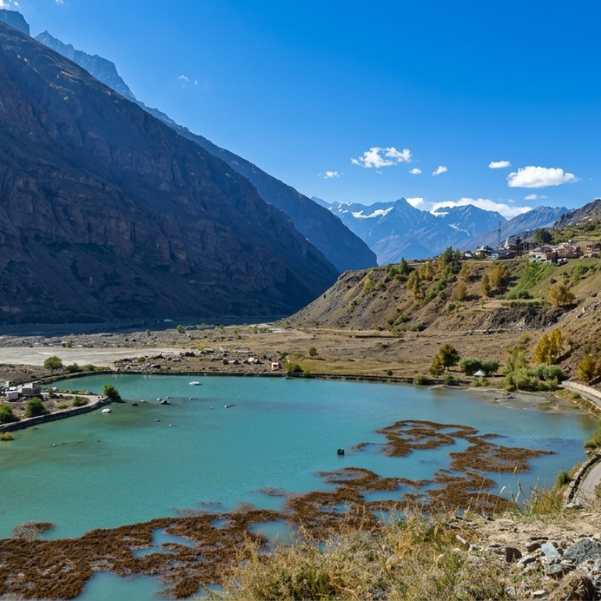
Sissu Lake
~200 m · 3 min walk
A small man made lake on the edge of Sissu village near the helipad, and one of the best angles on the waterfall from the village side of the Chandra. Works as a natural pair, walk the lake and then up to the helipad for the full view.
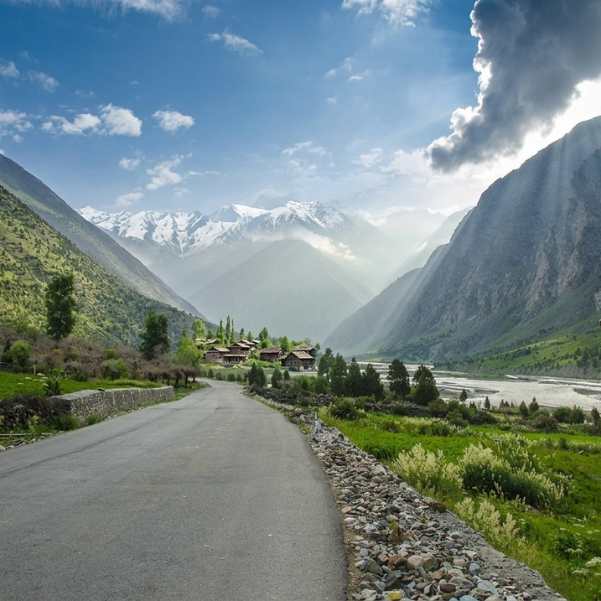
Sissu Helipad Viewpoint
~300 m · 5 min walk uphill from the lake
Elevated ground just above Sissu Lake with the cleanest angle on the waterfall, the Chandra valley, and the high peaks behind. The photograph most people associate with Sissu. Go 30 to 45 minutes before sunset for warm light on the cliff.
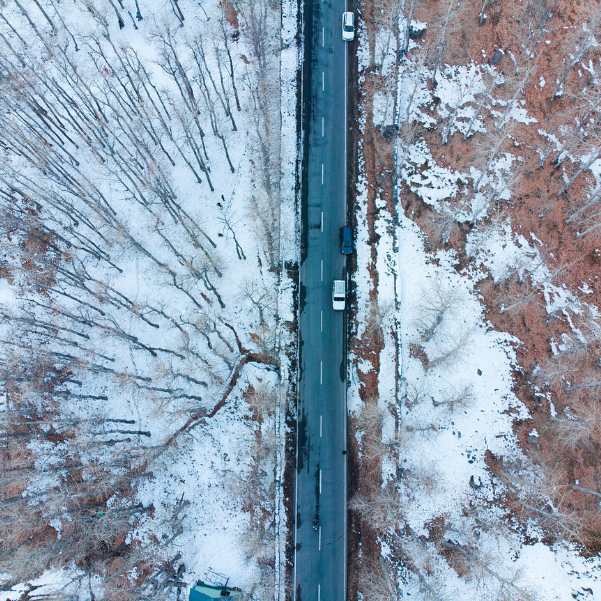
Sissu Village
Walking distance · waterfall is visible from the village itself
The Lahauli village on the near side of the waterfall, with homestays, a temple to Raja Ghepan at adjacent Shashin, and the easiest overnight in lower Lahaul. Pair the waterfall with a slow walk through the village lanes.
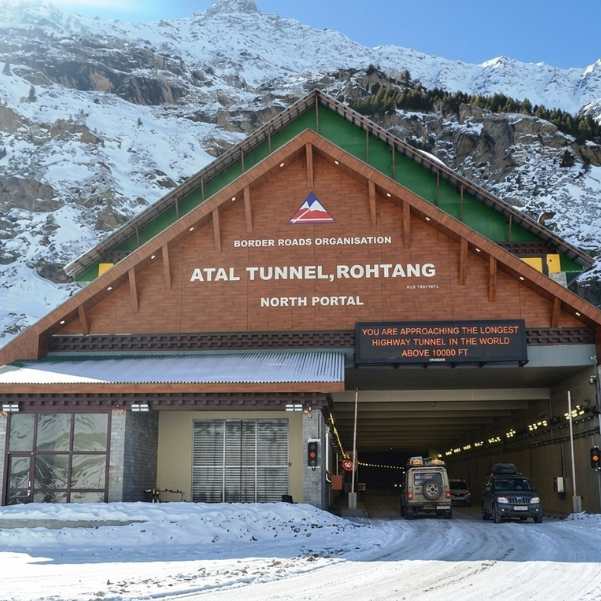
Atal Tunnel north portal
~6 km south · 10 min drive
The 9 km tunnel through the Pir Panjal range that makes year round access to the Sissu Waterfall viewpoint possible. About 6 km south of the waterfall area, queues at the south portal on peak weekends can add 30 to 60 minutes to the drive.
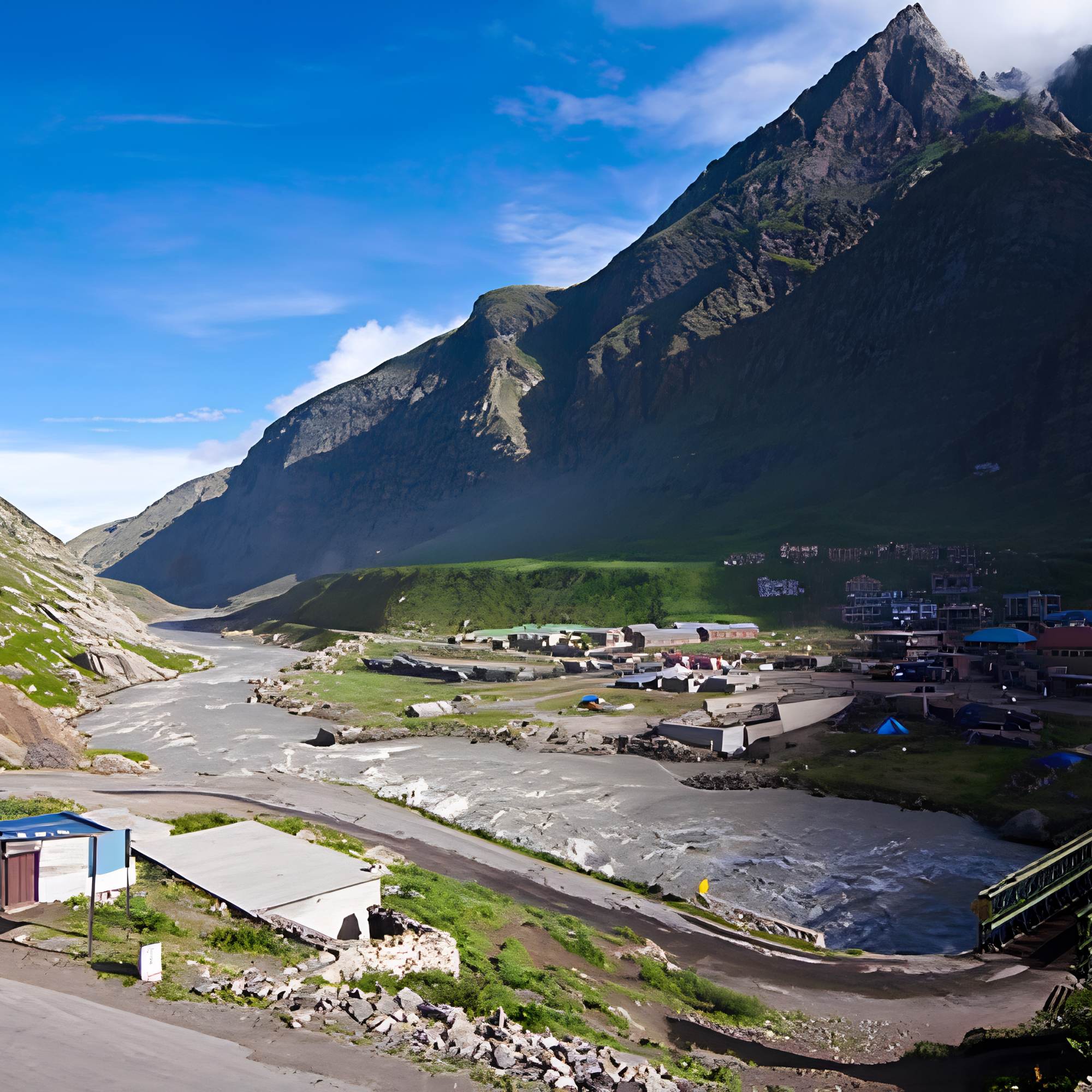
Koksar Village
~14 km east · 25 min drive
The small Lahauli village below Rohtang Pass on the Chandra river, the main police check post for Spiti bound vehicles via Gramphu. Pair with the waterfall on a longer Lahaul day from Manali.
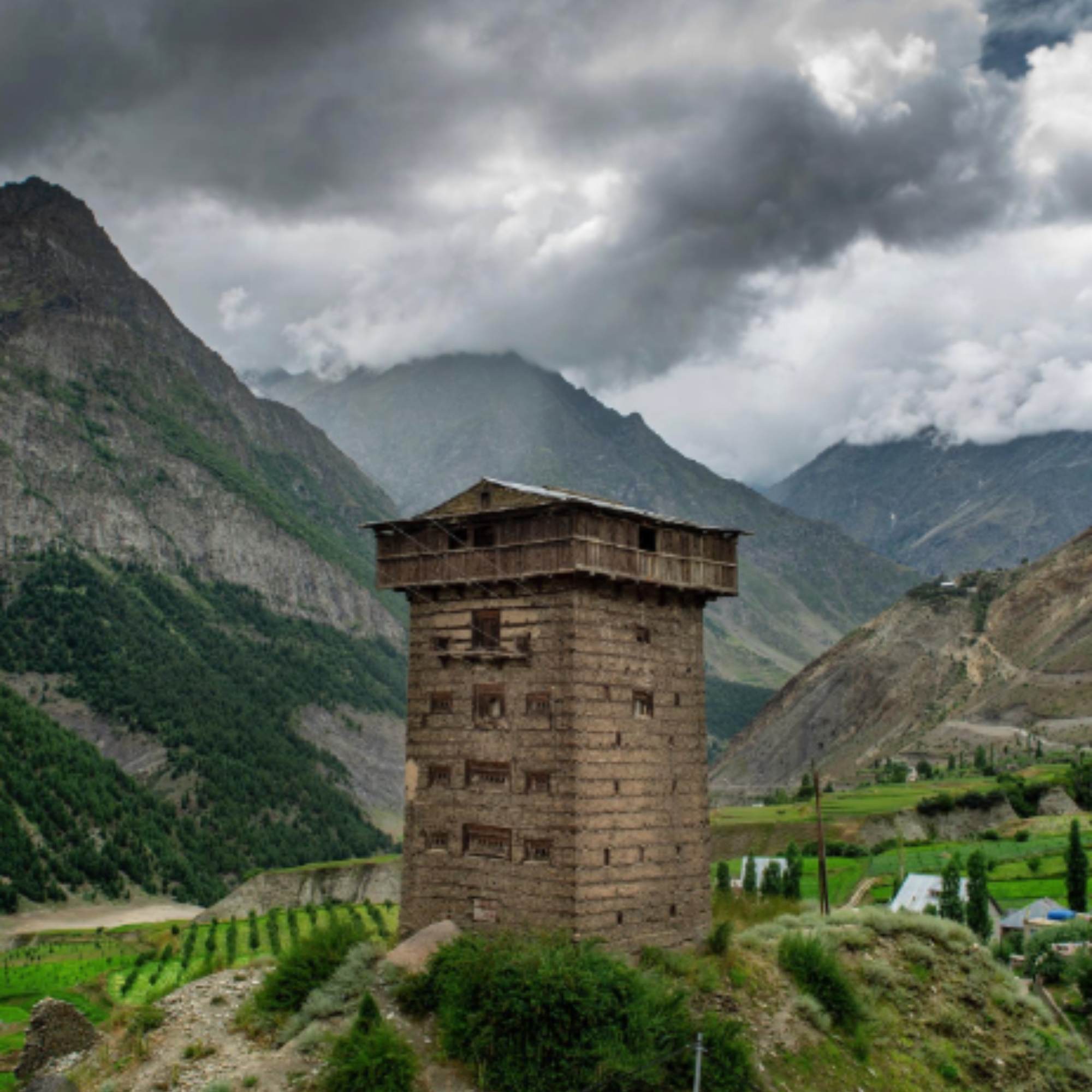
Gondhla Fort
~11 km west · 20 min drive
The only seven storey Kathkuni tower fort in Lahaul, built around 1700 AD for the Thakurs of Gondhla. About an hour west of Sissu on the road to Keylong. A natural architectural stop on a half day Lahaul loop.
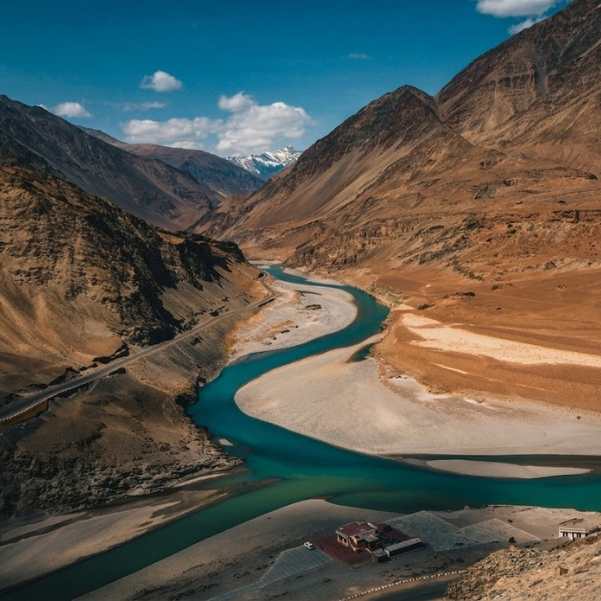
Tandi Sangam
~22 km west · 40 min drive
The confluence of the Chandra and Bhaga rivers where they meet to form the Chenab. The last reliable fuel pump before Keylong sits here. A quick 15 minute halt on a deeper Lahaul drive from Sissu.
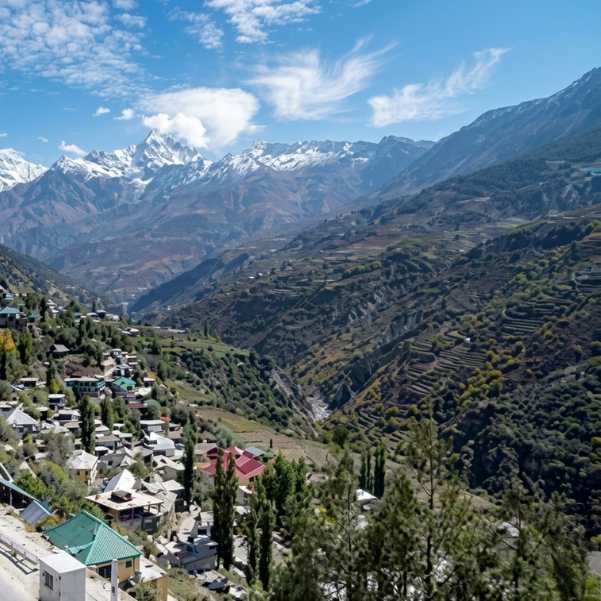
Keylong
~30 km west · 45 min to 1 hour drive
The district headquarters of Lahaul and Spiti, with the only proper market in the valley, an ATM, fuel, a hospital, and the Kardang Monastery above the town. A day trip extension from a Sissu base.
Our packages with Sissu Waterfall
Curated trips that include a visit to Sissu Waterfall.
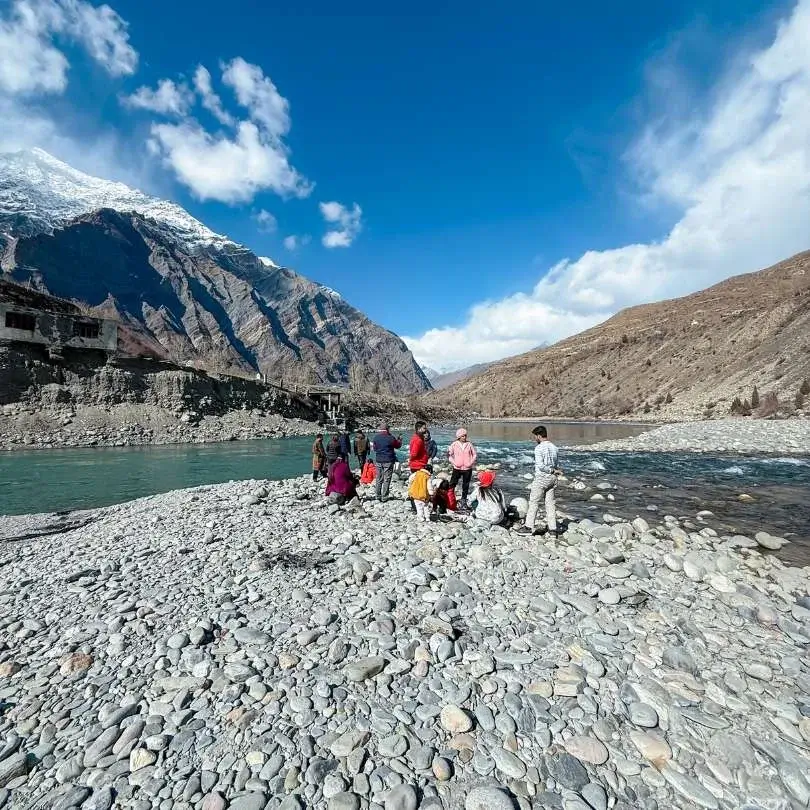 6D/5N
6D/5NMost Loved Sissu Valley Escape With Jispa Riverside Stay
2D Sissu•1D Jispa
₹15,999₹19,999SAVE INR 4,000/ person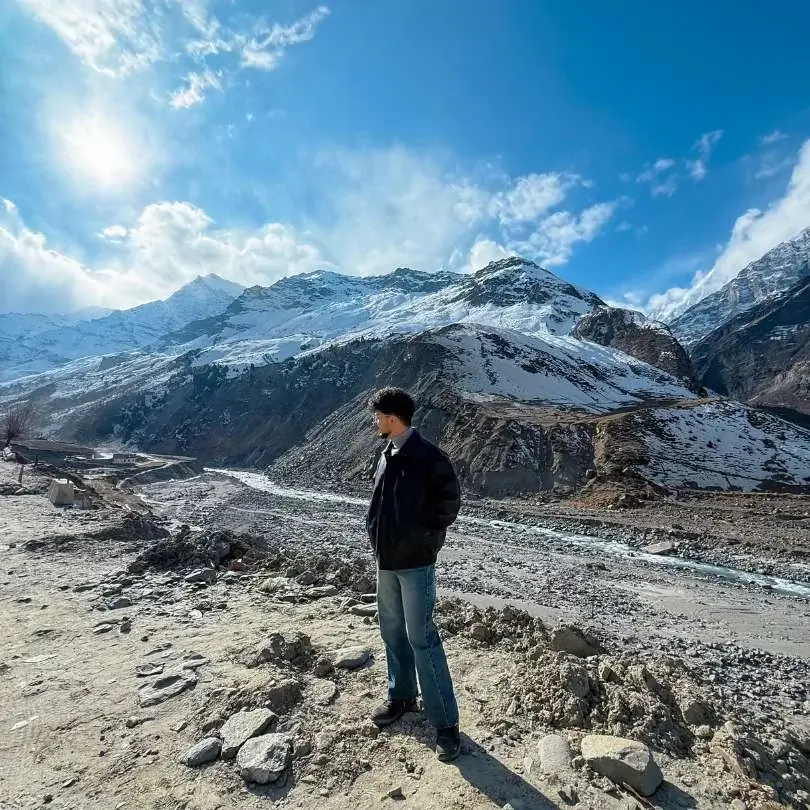 5D/4N
5D/4NClassic Sissu Valley Trip
2D Sissu•1D Manali
₹12,799/ person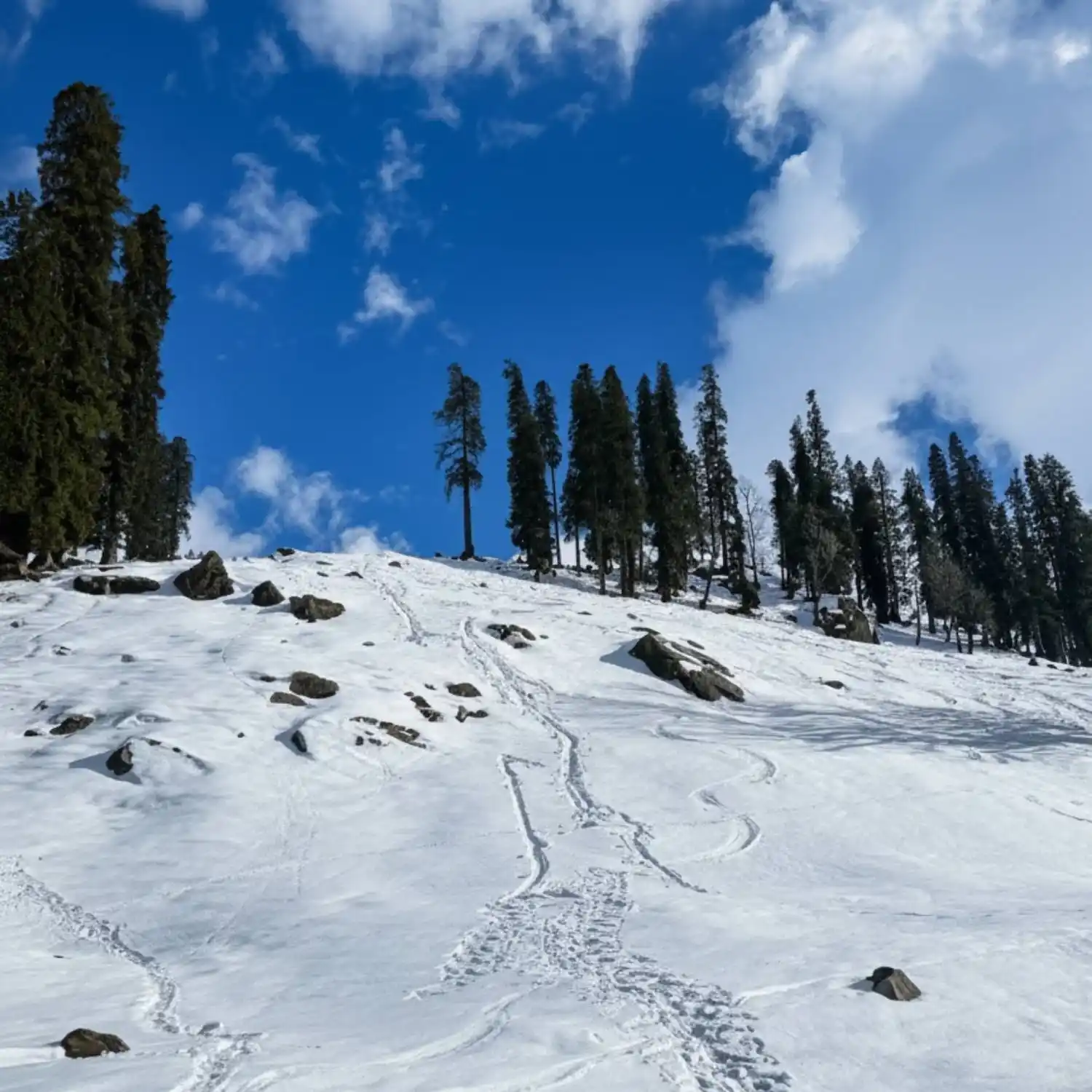 6D/5N
6D/5NManali Solang Sissu & Snow Village Sethan Budget Trip
1D Delhi•3D Manali+2
₹12,999₹19,999SAVE INR 7,000/ person
Frequently Asked Questions about Sissu Waterfall
Where is Sissu Waterfall?
Sissu Waterfall is in the Lahaul valley of Himachal Pradesh, on the cliff face across the Chandra river from Sissu village. It sits about 40 km from Manali through the Atal Tunnel and roughly 6 km past the tunnel's north portal. The waterfall is easy to spot from the village side of the river without any trek or guide. A suspension footbridge also lets you cross the Chandra and hike closer to the base if you want.
What does Palden Lhamo Dhar mean?
Palden Lhamo is a protector deity in Tibetan Buddhism, often associated in Himalayan valleys with mountains, weather, and water. The Labrang gompa in the hamlet just above Sissu is dedicated to her. Dhar in Lahauli usage means a sustained flow or torrent. Put together, Palden Lhamo Dhar is the local name for the waterfall, the same feature that tourism pages simply call Sissu Waterfall.
How do I reach Sissu Waterfall from Manali?
Drive through the Atal Tunnel on the Manali to Leh highway. The tunnel is about 9 km long, the total drive from Manali is roughly 40 km and takes 1 to 1.5 hours in normal traffic. From the north portal, continue about 6 km along NH3 to Sissu. The waterfall is visible from the highway as you approach the village, and the best viewpoint is the helipad just above Sissu Lake, a 5 minute walk from the road.
When is the best time to visit Sissu Waterfall?
July and August for the strongest flow, late September to October for the clearest air and thinner crowds, and December to February for the frozen ice column. Most photographers pick either mid July for the full summer roar or mid January for the ice. Skip March to early May, the flow is weak and the approach is still slushy.
How high is Sissu Waterfall?
Published figures vary, with several travel pages estimating around 50 metres from the highest visible flow to the base. Nobody has published a surveyed figure and the apparent height changes with how much of the column is flowing. It is tall enough that a 24 mm wide angle lens fits it comfortably from the lake, and a 70 to 200 mm lens is useful for isolating the upper tiers. Treat the 50 metre figure as a rough estimate.
Can you reach the base of Sissu Waterfall?
Yes. A suspension footbridge downstream of the helipad crosses the Chandra river. From there, a roughly 1 to 2 km uphill hiking trail leads to the base. The path is moderate but can be uneven and slippery, especially after rain or snowmelt. In winter the trail can be icy, so check conditions before heading across. The zipline near Sissu Lake also crosses the valley, though it is more of an adventure ride than a hiking route. If you prefer not to cross, the helipad viewpoint on the village side gives you the best composed view of the full cliff.
Does Sissu Waterfall freeze in winter?
Yes, in winter. From around December to February the column freezes into a long blue white ice sheet against the cliff, clearly visible from the highway and the helipad. It is one of the more striking winter sights in Lahaul, and the reason a small number of photographers drive up specifically in January and February. The sun clears the ridge around 11 AM, so late morning to early afternoon gives you the best light on the ice.
Is there a zipline at Sissu Waterfall?
A private zipline has been running in the Sissu Lake and helipad area during the warmer months, generally May to October, with a view towards the waterfall during the ride. Reported rates have been around 400 to 500 rupees per ride, though operators and pricing shift year to year. The ride is a fun add on with a view, not a way to reach the waterfall itself. Confirm at the lakeside counter on the day.
Is there an entry fee at Sissu Waterfall?
There is no formal entry fee for the viewpoint. Parking along the highway and near the lake is informal and generally free, though some operators charge small amounts near the lake in peak season. The zipline, if running, is the only paid activity at the viewpoint area and is priced separately.
Is the viewpoint family friendly?
Yes. The walk from the lakeside parking to the helipad is flat, short, and suitable for most ages. Altitude at 3,120 metres is moderate, and the drive from Manali through the tunnel is comfortable. Keep small kids away from the Chandra river bank, it looks calm but runs fast, and from the edge of the helipad which is open on one side. In winter, carry proper cold weather gear, the cold is the main hazard for families visiting with kids or older travellers.
Can I see Sissu Waterfall on a day trip from Manali?
Yes, and many people do exactly that. Leave Manali by 8 or 9 AM, drive through the Atal Tunnel, reach Sissu by mid morning, see the waterfall from the highway and the helipad, stop at Sissu Lake, eat at a village dhaba, and return by late afternoon. An overnight gives you morning light, the helipad sunset, and a quieter experience, which is a better version of the same trip.
Is there parking and food near the viewpoint?
Basic parking is available along the highway at the viewpoint and around Sissu Lake, generally free. A few small shacks and the HP Tourism canteen operate near the lake in season serving tea, Maggi, momos, and sandwiches. For proper meals, your homestay in Sissu or one of the dhabas in the village is a better bet. Options shrink in winter when most shacks shut.
What is the best time of day to photograph the waterfall?
Morning for the reflection on Sissu Lake and the cleanest air. Late afternoon for warm light on the cliff, roughly 30 to 45 minutes before sunset. Midday flattens the texture of falling water in summer and is only useful in winter because the sun has to clear the ridge to light the ice column. On a full day from Manali, plan to reach Sissu by 10 AM for morning light, walk the lake, visit the helipad, lunch in the village, and start back by 3 to 4 PM.
Related guides
Posts about Sissu
- Where to Stay in Sissu in 2026: Best Hotels, Homestays & Areas for Every Budget
- Sissu in October 2026: Weather, Snow Chances, Road Status & Autumn Travel Guide
- Sissu in December 2026: Snowfall, Weather, Road Status & Winter Travel Guide
- Sissu in November 2026: Weather, First Snow, Road Status & Travel Guide
- Best Time To Visit Sissu in 2026: Month Wise Weather, Snow and Road Guide
- Manali To Sissu Road Trip Guide 2026: Route, Distance, Road Status, Cost And Local Tips