
Sissu Lake
A small man made lake at around 3,120 metres on the edge of Sissu village in Lahaul, 90 minutes from Manali through the Atal Tunnel, best as a short stop, not a day destination
- Man made lake
- ~3,120 m
- Sissu · edge of village
- Manali · ~40 km via Atal Tunnel
- Year round access
What makes it special
Quick reality check first, because most pages online will not tell you this. Sissu Lake is a man made water body, not a natural glacial lake. It was created by the local administration as part of the tourism build out around the Sissu helipad after the Atal Tunnel opened in October 2020. It sits at around 3,120 metres on the edge of Sissu village in the Lahaul valley, roughly 40 km from Manali through the tunnel. Size wise, think large pond rather than mountain lake. If you are picturing Chandratal or Nako, adjust your expectations before you set out.
What you actually get when you arrive is a calm, shallow stretch of water with the Lahauli peaks rising behind it, the Chandra river running wide just below, and the Sissu Waterfall visible across the valley. There is usually a cluster of small eateries near the lake, including an HP Tourism canteen in season, basic washrooms, a parking strip, and in summer a few pedal boats and tent setups along the grass. On a still morning, the water reflects the snow peaks cleanly and it is genuinely a nice 20 minutes. On a busy July afternoon with buses from Manali piling in, it is less that.
Who this is for, honestly. The lake works as a short stop on a Sissu day trip from Manali, a 20 minute break on a Spiti circuit, or an easy evening walk if you are staying overnight in the village. It works well for families with small kids because the terrain is flat and the altitude is moderate by Himachal standards. It does not work as a standalone destination, a trekking base, or a quiet alpine retreat. If solitude is what you want, Chandratal or the Ghepan Lake trek are better answers. Come to the lake for what it is, not what the internet sometimes sells it as.
Quick answers
- Is Sissu Lake worth visiting?
- Yes, but only as a short stop, not as a destination. It is a small man made lake near the Sissu helipad, at around 3,120 metres, with a nice view of the Lahauli peaks and the Sissu Waterfall across the valley. Go for 20 to 45 minutes on a drive through Lahaul or during a night in Sissu. Skip it if you are looking for a natural high altitude lake, Chandratal or Ghepan Lake are what you actually want.
- How much time do you need at Sissu Lake?
- About 20 to 45 minutes in most seasons. Enough for a walk around the water, a few photos, a boat ride in summer if you want one, and a chai from the canteen. Families with kids sometimes stretch it to an hour. If you are planning more than that, build in the waterfall viewpoint and the helipad sunset and treat it as a half day in Sissu.
- Can you boat and camp at Sissu Lake?
- Boating is generally available in summer, roughly June to September, usually pedal boats with a small fee paid at the spot. Camping is offered by private operators on the grass near the lake through the warmer months, typically April to October. Both are weather dependent, and pricing and operator quality shift year to year. Confirm with your homestay or at the lake before committing.
Quick facts
Everything you need to know at a glance.
At a glance
- Altitude
- Around 3,120 m / ~10,235 ft
- Location
- Edge of Sissu village near the helipad, Lahaul valley, Himachal Pradesh, on the north bank of the Chandra river
- Nearest base
- Sissu village, walking distance. Manali ~40 km via Atal Tunnel. Keylong ~30 km.
- Access
- Year round via the Atal Tunnel. Water open May to Oct, frozen Dec to Feb.
- Best visit window
- Daylight hours, roughly 6 AM to 6 PM. Morning is calmest for reflections.
- Entry fee
- Generally free to access the lake area. Small charges for pedal boats and parking at some operators.
- Time needed
- 20 to 45 minutes for most travellers. Up to an hour with kids.
- Access difficulty
- Easy. Drive up to a roadside parking strip, walk a few minutes on flat ground.
On the ground
- Mobile network
- BSNL is the most reliable. Airtel and Jio work in patches. Data is slow. Plan for limited connectivity.
- ATMs
- None in Sissu. Nearest ATMs in Manali or Keylong. Carry cash.
- Fuel
- No pump in Sissu. Nearest is Tandi (~25 km towards Keylong). Fill up in Manali before the tunnel.
- Food
- HP Tourism canteen and a few small shacks near the lake in season. Maggi, momos, tea, sandwiches. Limited options in winter.
- Parking
- Informal parking along the road near the lake. Small charges at some operators in peak season.
- Washrooms
- Basic public washrooms near the lake in season. Not always clean. Carry tissue and hand sanitiser.
- Permits
- None for Indian nationals. Foreign nationals should carry ID and check current Lahaul and Spiti rules.
- Drones
- Not officially permitted near the helipad. Avoid flying. Use ground photography instead.
- Walking surface
- Flat ground and gravel around the lake. Suitable for most visitors including older travellers. Can be muddy after rain or snowmelt.
- Guides
- Not needed. Drive up, park, walk.
Seasonal weather
- May to June22°8°Spring
- July to August25°12°Summer monsoon
- September to October20°4°Autumn
- November to March5°-15°Winter
Suitable for
- Couples — suitable
- Families — suitable
- Seniors — suitable
- Solo — suitable
- First-timers — suitable
- Pet-friendly — with some care
How to reach Sissu Lake
5 approach routes, with seasonal access.
From Sissu village
Year round- Distance
- About 1 km
- Time
- 5 minutes by car, 15 minutes on foot
- Road
- Village road and short tarred stretch to the lake parking
- Last fuel
- No pump in Sissu. Fill up in Manali or Tandi.
If you are staying in the village, walking is the honest answer. The lake is a gentle 15 minute walk from most homestays, flat ground, poplar lined lanes. Drive only if you have limited time or kids who are tired. A tuk tuk or a homestay ride works too if you prefer.
From Manali (via Atal Tunnel)
Year round via the tunnel. Tunnel occasionally closed briefly for maintenance or weather.- Distance
- About 40 km
- Time
- 1 to 1.5 hours
- Road
- Tarred highway through the Atal Tunnel, then highway to Sissu village, then a short turn off to the lake
- Last fuel
- Fill up in Manali. No fuel till Tandi, 25 km past Sissu.
The standard approach. From Manali, take NH3 south to the Atal Tunnel south portal at Dhundi. The tunnel is about 9 km long and generally takes 15 to 20 minutes to cross at the posted speed. Exit the north portal and continue about 6 km along the highway to Sissu. The lake is signposted at the edge of the village near the helipad. In peak summer and on weekends, traffic can queue at the south portal for 30 to 60 minutes, leave early.
From Keylong
Year round- Distance
- About 30 km
- Time
- 45 minutes to 1 hour
- Road
- Tarred highway along the Chandra river
- Last fuel
- Tandi petrol pump between Keylong and Sissu
A comfortable short drive if you are based in Keylong or heading to Manali from the Leh route. The road follows the Chandra river through Tandi and Gondhla before dropping into Sissu. A natural coffee stop if you are driving back towards the tunnel.
From Delhi or Chandigarh
Year round- Distance
- Delhi ~580 km, Chandigarh ~350 km
- Time
- Plan on Manali as your overnight, then 1.5 hours onward
- Road
- NH 44 and NH 3 to Manali, then the Atal Tunnel
- Last fuel
- Mandi, Sundernagar, Manali
The realistic plan is to sleep in Manali on night one and drive through the tunnel to Sissu the next morning. Overnight Volvo from Delhi arriving in Manali around 8 to 10 AM works well, push through the tunnel by lunch, lake in the afternoon. Self driving in one shot from Delhi with a stop to Sissu is doable but tiring, especially if you are combining it with acclimatisation.
From By bus from Manali
Year round, fewer services in winter- Distance
- About 40 km
- Time
- 1.5 to 2 hours including stops
- Road
- Highway through the Atal Tunnel
- Last fuel
- Not applicable
HRTC buses running from Manali towards Keylong or Udaipur pass through Sissu. Frequency varies by season, usually a few services a day in summer. Confirm timings at the Manali bus stand on the day. The bus drops you on the highway in the village, the lake is a 15 minute walk from there.
Best time to visit
Season by season, so you can plan around the weather rather than hope.
- Recommended
Spring
May to June
Cleanest reflections, the boats come out, best all round window
- Day temperature
- 15 to 22 C
- Night temperature
- 5 to 8 C
- Crowds
- Moderate, higher on weekends
- Boating
- Usually available from mid to late May
- Photography
- Clean reflections in the morning, clear light
The ice has melted, the lake fills up with snowmelt, and the water is at its cleanest. Poplars green up around the edges, the waterfall across the valley comes alive, and pedal boats are usually running by late May. Days are warm enough for a t-shirt, nights still need a jacket. Weekday mornings in May are the quietest time of year to visit, before the summer crowds from Manali build up.
Summer monsoon
July to August
Full water, busy crowds, occasional landslides on the approach
- Day temperature
- 18 to 25 C
- Night temperature
- 10 to 12 C
- Crowds
- High, especially weekends
- Boating
- Operating in full season
- Road risk
- Landslides possible on the approach
This is peak visitor season. The lake is at its fullest, boats are running, camps are set up, and the dhabas are open. The downside is volume. Day trippers from Manali pile in through the tunnel and the lake can feel crowded by mid morning. Sissu itself sits in a partial rain shadow so direct rain is less frequent than in the Kullu valley, but the approach road from the tunnel can see landslides and debris flows after heavy rain. Keep a buffer day in your plan and aim for a morning visit before the buses arrive.
- Recommended
Autumn
September to October
The sharpest light of the year and thinner crowds
- Day temperature
- 12 to 20 C
- Night temperature
- 2 to 5 C
- Crowds
- Low to moderate
- Boating
- Usually runs till mid October, weather dependent
- Photography
- Cleanest light of the year
If you can pick one window, late September to mid October is the best time to be at the lake. The monsoon has cleared, the air is sharp, the poplars turn yellow, and the views to the high peaks sharpen up. Crowds drop noticeably after the first week of September. Nights get cold quickly by October, carry a proper warm layer even for a midday visit. Boating usually winds down through October depending on weather.
Winter
November to March
Frozen surface, snow around the village, a different kind of trip
- Day temperature
- -5 to 5 C
- Night temperature
- -10 to -15 C
- Crowds
- Low, busier around Christmas and New Year
- Lake state
- Frozen surface, often snow covered
- Services
- Reduced, confirm before you drive up
The lake generally freezes from around December to February and stays frozen through the coldest months. No boating. Snow usually surrounds the area by mid December, and the waterfall across the valley freezes into a tall ice column. Temperatures drop well below zero at night. The Atal Tunnel keeps access open, but the short road between the tunnel exit and the village can be icy, carry chains if self driving. Food options at the lake shrink to a couple of shacks, some years less. Go with warm layers and low expectations of services, and a winter visit can be genuinely memorable.
Things to see & do
8 things worth your time at Sissu Lake.
Walk a slow lap around the lake
15 to 30 minutesThe best thing to do here, and free. A flat path circles most of the water, with poplars on one side and the peaks behind. Early morning, before 8 AM, is when the water is stillest and the reflections are cleanest. Late afternoon gives you a different light with longer shadows. Most people miss the slow walk because they are focused on boats and photos, but this is where the lake actually earns its keep.
Pedal boating in summer
15 to 30 minutesPedal boats are generally available from around late May to October, weather dependent, rented by the half hour or hour with a small ticket. Pricing shifts operator to operator and year to year, confirm at the counter. The boats are small and easy, fine for kids above 5 with a life jacket. Do not expect a big lake experience, the water is shallow and the loop is short. Think of it as a soft activity for kids and first timers, not an adventure.
Watch the Sissu Waterfall across the valley
10 to 20 minutesFrom near the lake you get a clean view across the Chandra river to the Sissu Waterfall, locally called Palden Lhamo Dhar, on the opposite cliff face. It is strongest from June to September when the snowmelt peaks. In deep winter it freezes into a tall ice column visible from the lake side. A zoom lens helps, roughly 70 to 200 mm.
Catch sunset from the nearby helipad
30 to 45 minutesThe Sissu helipad is a five minute walk from the lake on slightly higher ground. This is the spot most people come for and the photograph you see on most Sissu posts. Go 30 minutes before sundown, the light turns the snow peaks pink and the valley goes amber. Bring a jacket, the wind picks up once the sun dips. If you only have an hour in Sissu, spend it here and the lake together.
Birdwatching in spring and autumn
30 to 60 minutesMigratory birds including Siberian wild geese and ducks are generally reported around the lake in spring and autumn, drawn by the still water and the Chandra river alongside. Not a guaranteed sighting, and not a birding destination in the serious sense, but worth an early morning visit with binoculars if you are into it. Quietness gets you further than equipment here, stay off the water and avoid the boat area at dawn.
Stargazing after dinner
30 to 60 minutesOn a clear night, and they are common in spring and autumn, the sky above the lake is genuinely dark. Light pollution in Lahaul is minimal, and the lake area stays quiet after 8 PM once the day trippers have left. Warm layers are non negotiable even in summer, nights at 3,120 metres get cold fast. Full moon nights are less dramatic but beautiful on the snow in winter.
Camping by the lake
OvernightPrivate operators set up tent camps on the grass near the lake generally from April to October. Quality varies widely, from basic pitched tents to slightly better setups with meals included. Read recent reviews before booking, not reviews from two years ago, the operator mix shifts fast. For most travellers, a homestay in the village is a better night than a tent on a crowded grass patch, consider that before committing.
Sit and do nothing
As long as you wantPick a bench or a flat rock, order a tea from the canteen, and watch the light move across the peaks. This is what most overnight visitors end up doing anyway, and it is the version of Sissu Lake that actually sticks with you. Not every section of a trip needs an activity attached.
Know before you visit Sissu Lake
The practical bits, from people who have been.
What Sissu Lake actually isA small man made lake near the Sissu helipad, built up as tourism infrastructure after the Atal Tunnel opened
The single most useful thing to know before you drive up. Sissu Lake is a man made water body, not a natural glacial lake. It was built up on the edge of the village near the helipad as part of the tourism build out that grew here after the Atal Tunnel opened in October 2020. A lot of travel blogs describe it as a natural alpine lake. That is not accurate. What it actually is, is a well located, easy to reach, mostly pleasant roadside lake with a strong backdrop of Lahauli peaks and the Chandra river running alongside.
Once you accept that framing, the place becomes easier to enjoy. Twenty minutes here on the way into Sissu. An hour with kids and a pedal boat. A morning walk if you are staying overnight. Those are the right expectations. What it is not, is Chandratal. If a remote, natural, high altitude lake is what you want, plan a Spiti circuit and budget a day or two for the real thing.
When to visit and how long to stayMornings are best, 20 to 45 minutes for most travellers, overnight only if you are staying in Sissu village
The best time of day is early morning, ideally before 9 AM in summer. The water is stillest, the reflections are cleanest, and the tourist buses from Manali have not arrived yet. Late afternoon works for photographs of the peaks catching warm light. Midday summer is the weakest window, the lake gets busy and the light goes flat.
Time needed is short. 20 to 45 minutes covers a walk around the water, a few photos, and a tea. Families with kids who want a pedal boat can stretch it to an hour. Any longer and you are waiting for a meal or just enjoying the view, which is fine but plan for it.
By season, May to June and September to October are the cleanest windows. July to August is busy and the approach can get hit by landslides. December to February is the frozen lake window, quieter, colder, genuinely different. A gentle recheck reminder. Road conditions on the stretch between the tunnel and Sissu can shift after snowfall or heavy rain, confirm status on the day of your drive.
Where to stay, where to eatHomestays and a hostel in Sissu village, basic eateries at the lake, simple food
Nobody stays at the lake itself in a hotel sense. For an overnight, base yourself in Sissu village, which has homestays, a few guesthouses, a PWD rest house, and at least one backpacker hostel within easy walking distance of the lake. Rates generally run from around 1,000 to 1,500 for a basic room to 2,000 to 4,000 for a comfortable mid range stay with meals. Book ahead in peak winter (December to January) and peak summer (May to June). Walk ins are usually fine in shoulder months.
Food at the lake itself is the HP Tourism canteen and a few small shacks in season. Maggi, momos, thukpa, tea, sandwiches, sometimes a simple plate of rice and dal. Nothing fancy, nothing bad. Options shrink in winter. Your homestay in the village will usually feed you better than any of the lakeside options, eat there and use the canteen only for snacks and tea.
Camping tents are set up near the lake by private operators generally from April to October. Quality varies more than you would expect. For most travellers a village homestay beats a lakeside tent, especially on windy or cold nights.
Who this suits, and who should skipGood for families, couples on a short Lahaul trip, and quick stops on a Spiti circuit. Skip if you want a real alpine lake.
Families with kids: Yes. Flat ground, moderate altitude, a pedal boat, a short walk. One of the easier Himalayan stops to take young kids to. The Chandra river below looks calm but runs strong, do not let kids near the water unsupervised.
Seniors: Yes. At 3,120 metres the altitude is manageable, and the drive from Manali via the tunnel is comfortable. The walk around the lake is flat. Most older travellers handle this fine. If there are heart or lung concerns, talk to a doctor before you come up.
Couples and slow travellers: Yes if you pair it with a Sissu overnight, the helipad sunset, and a village walk. As a standalone day trip from Manali it is thin, you will run out of things to do here in an hour.
Pets: Generally fine outdoors, keep them leashed near the road and the helipad. Confirm with your homestay if you plan to bring one.
Skip if: you are specifically chasing a natural alpine lake experience. What you want then is Chandratal Lake or the Ghepan Lake trek from Sissu itself. Do not drive through the tunnel just for this lake, go for the village and the valley, the lake is one piece of that.
Altitude, weather, and safetyModerate altitude, easy in summer, icy roads and real cold in winter
At 3,120 metres, Sissu Lake is lower than Leh, Kaza, or Chandratal. Most travellers handle it fine, especially coming up from Manali where the drive gains altitude gradually through the tunnel. Mild breathlessness on the first evening is normal. Headache or nausea that does not go away with rest means you should not push higher the next day.
Winter specific: The tunnel keeps access open, but the short road between the tunnel exit and the village can be icy and snow covered in December to February. Carry chains for your tyres if self driving. Night temperatures drop well below freezing. Pack thermals, a heavy jacket, gloves, and a warm cap even for a one night stay. The village has a primary health centre for basic issues, anything serious means Keylong or back through the tunnel to Manali.
Monsoon specific: Sissu itself sees less rain than Manali, but the approach road after the tunnel exit can get landslides and debris flows in July and August. Check road status on the day before you leave Manali.
Water safety: Do not swim in the lake. It is cold enough to cause cramps in minutes. Do not walk out on the frozen surface in winter, the ice thickness is not monitored. Do not try to cross the Chandra river below the lake to reach the waterfall, the current is stronger than it looks.
Photography guideMorning for reflections, late afternoon for the peaks, winter for the frozen lake
The three photographs people come here for. One, the lake with the Lahauli peaks reflected on a still morning, cleanest before 8 AM. Two, the Sissu Waterfall framed across the valley from the lake side, 70 to 200 mm lens, best in late morning light in summer. Three, the frozen surface in winter with snow around the edges, clean midday light is best for the ice texture.
Drones are not officially permitted near the helipad, which is right next to the lake. Keep drones in the bag. Ground photography gets you everything you actually need. A small reminder, there are reports of aggressive photo vendors around the Sissu lake and waterfall area asking for large amounts for unsolicited photos. Politely decline if you do not want the service, do not hand over your camera.
The Atal Tunnel and the approach9 km tunnel, year round Lahaul access, 90 minutes from Manali with traffic considered
The Atal Tunnel is the reason Sissu Lake gets as many visitors as it does. Before the tunnel opened in October 2020, Lahaul was reachable from the Manali side only via the Rohtang Pass, which was open for roughly five months a year. The tunnel made Lahaul a year round destination, and Sissu, being the first village past the exit, became the most accessible point in the valley.
Practical notes. Traffic can queue at the south portal on peak weekends and holidays, sometimes for 30 to 60 minutes. Speed is restricted inside the tunnel, generally around 40 kmph, with 15 to 20 minutes to cross at the posted speed. Occasional maintenance and weather closures happen. Check live updates before you drive in peak season. From the north portal it is about 6 km along the highway to Sissu village, then a short turn off to the lake near the helipad.
Local tips most visitors missGo early, carry cash, skip the photo vendors, manage expectations
Fill your fuel tank in Manali. The nearest pump past the tunnel is at Tandi, about 25 km beyond Sissu towards Keylong. A full tank from Manali is enough for a same day return. Carry enough cash. There is no ATM in Sissu, homestays and most lakeside operators prefer cash, UPI works in patches where network is available.
Be cautious with self appointed photographers near the lake and the waterfall viewpoint. Several travellers have reported being pressured into paying large amounts for unsolicited photos. Politely decline at the start, do not hand over your phone or camera.
Beat the day trippers. Buses and taxis from Manali generally arrive at the lake between 11 AM and 2 PM. A 7 AM start from Manali, or a night in Sissu and an early morning walk, is a different experience from an afternoon visit in peak season.
Manage expectations. The lake is small, man made, and sometimes crowded. Enjoy it for what it is. Then spend the rest of your Lahaul time on the village, the helipad sunset, a trek, a drive to Jispa, or a deeper push into Spiti via Kunzum Pass. That is where the Lahaul trip actually lives.
Nearby attractions
Other places worth the detour.
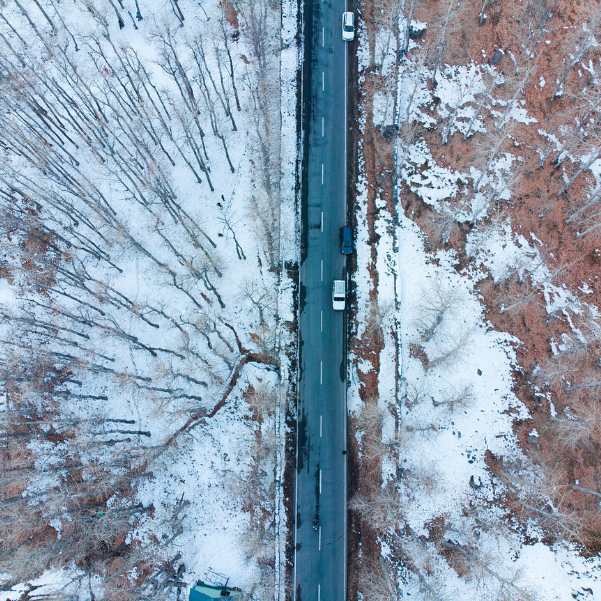
Sissu Village
Walking distance · 15 min on foot
The village the lake belongs to, a cluster of traditional slate roofed houses, homestays, a few dhabas, and a temple at adjacent Shashin. Pair the two on the same visit.
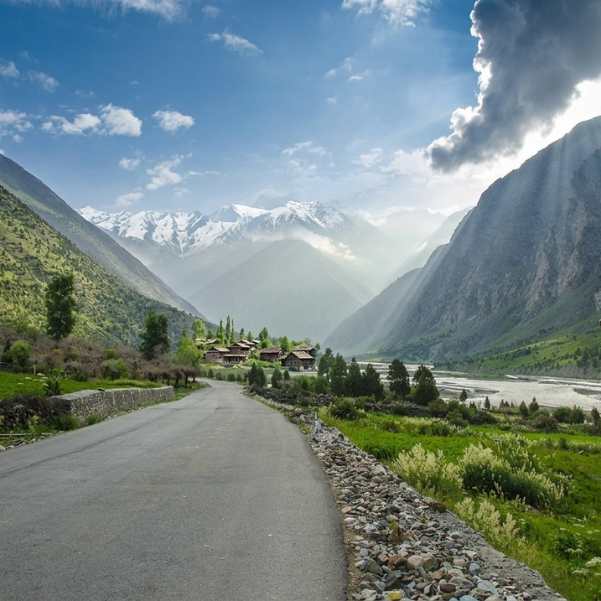
Sissu Helipad Viewpoint
~200 m · 5 min walk
Elevated ground right next to the lake with a wide view of the Chandra valley and the waterfall on the opposite cliff. The one photograph most people post from Sissu. Go 30 minutes before sunset.
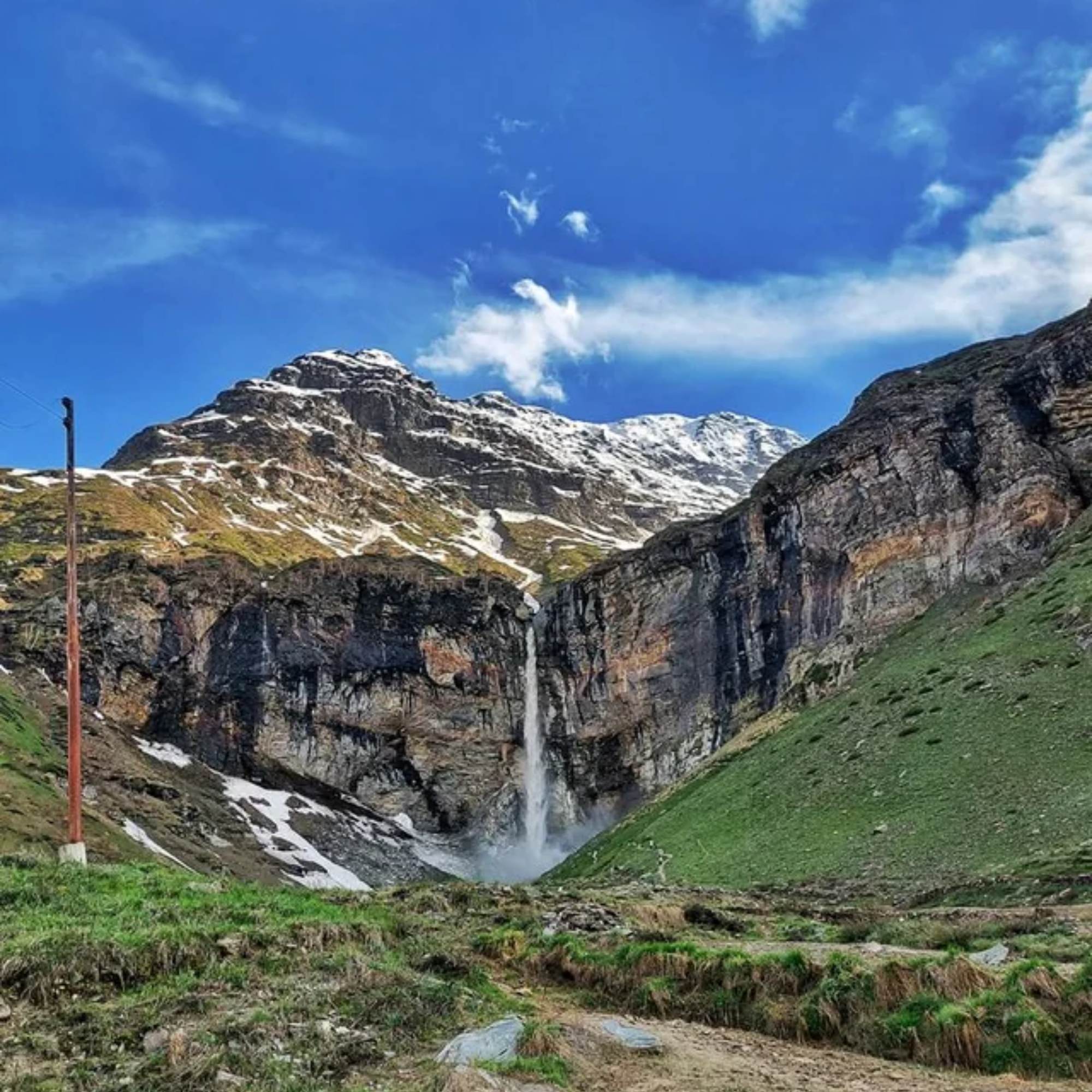
Sissu Waterfall
~1 km across the river
Known locally as Palden Lhamo Dhar, a tall waterfall visible from the highway and the lake area. Strongest June to September, frozen into an ice column in winter. View from across the river, do not try to cross.
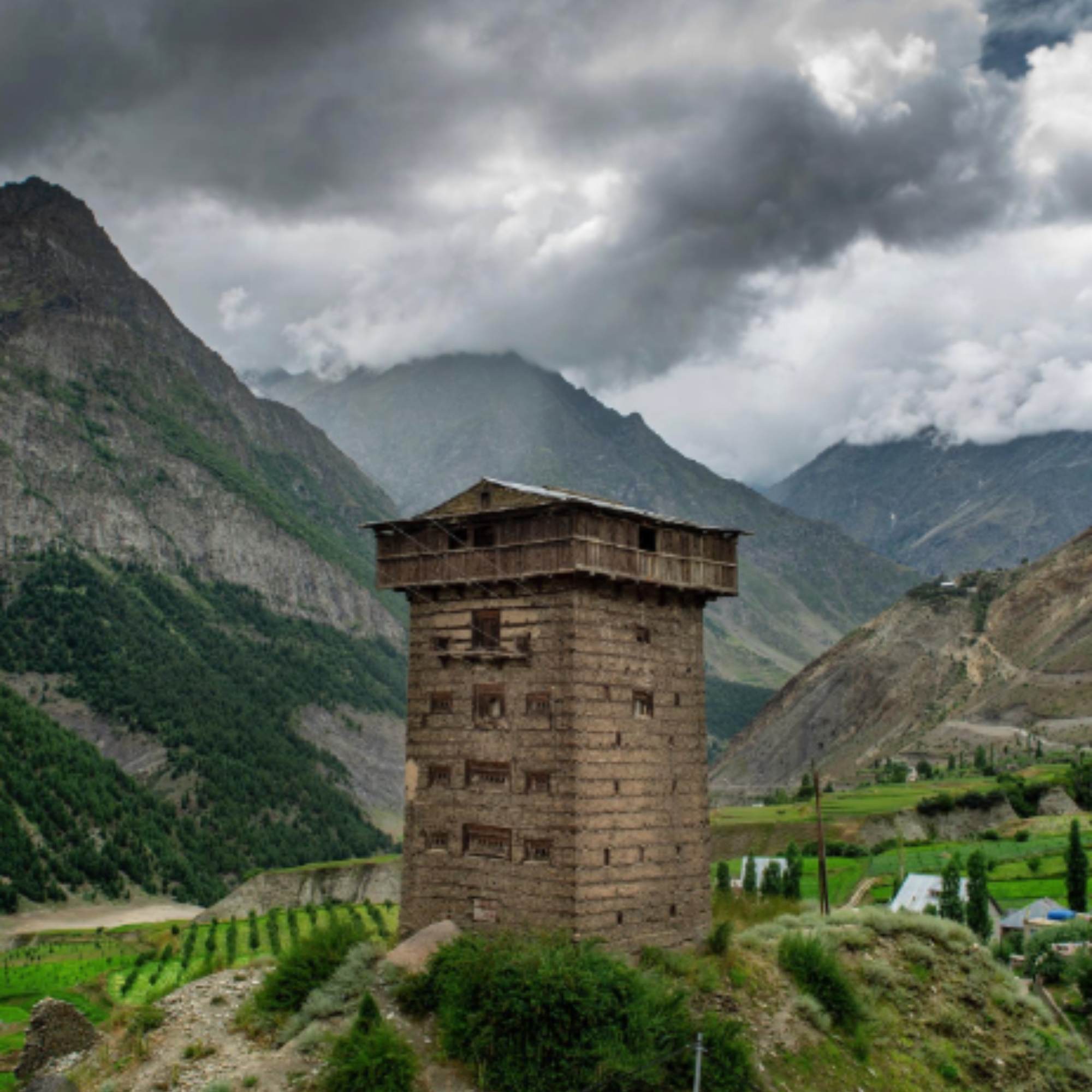
Gondhla Fort
~11 km · 20 min drive
A several centuries old wooden and stone fort in Tibetan style on the way between Sissu and Tandi. Small but worth a 20 minute stop for the architecture and the view down the valley.
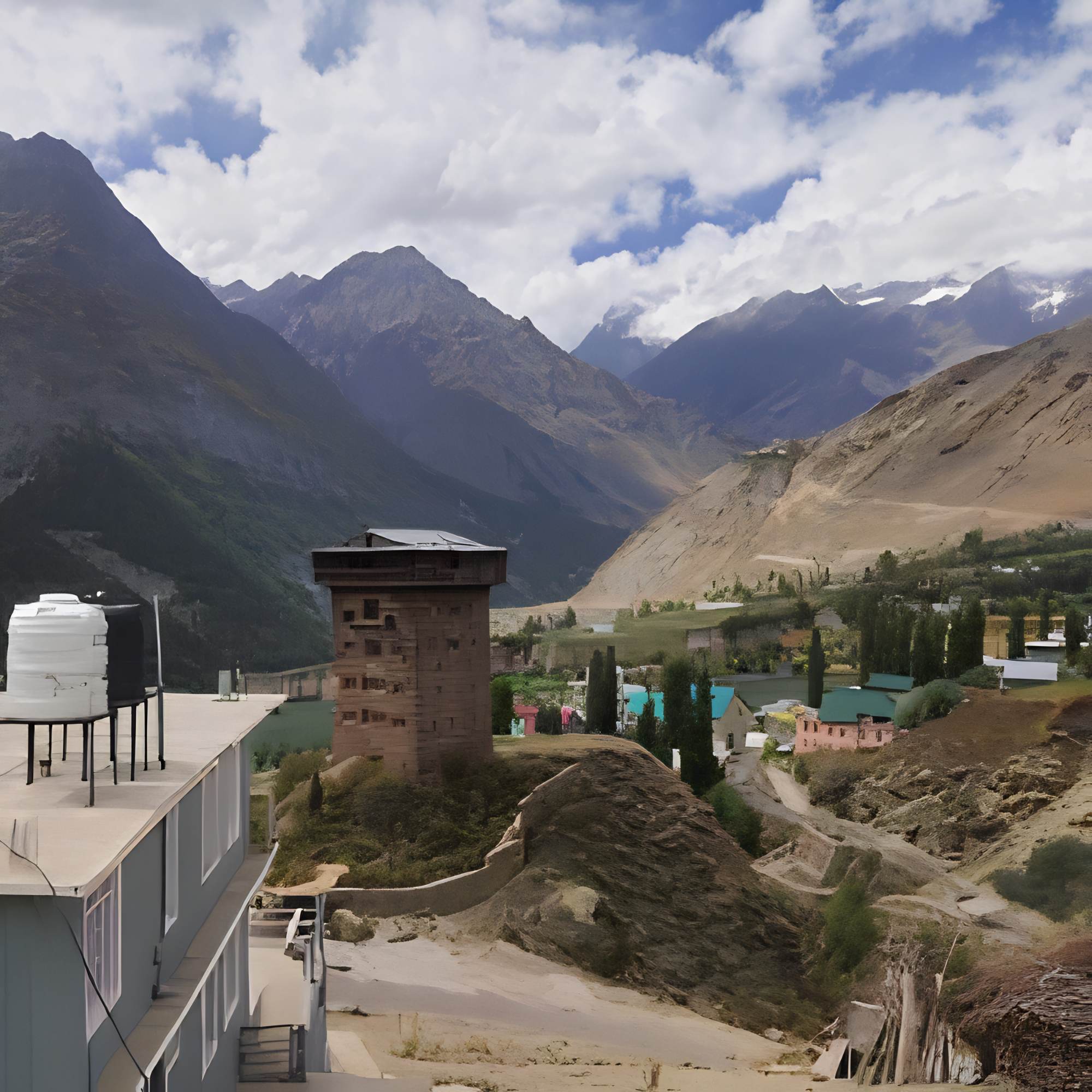
Keylong
~30 km · 1 hour drive
The district headquarters of Lahaul and Spiti, with the only proper market in the valley, an ATM, Kardang Monastery above the town, and the base for deeper Lahaul exploration. A good day trip from a Sissu overnight.
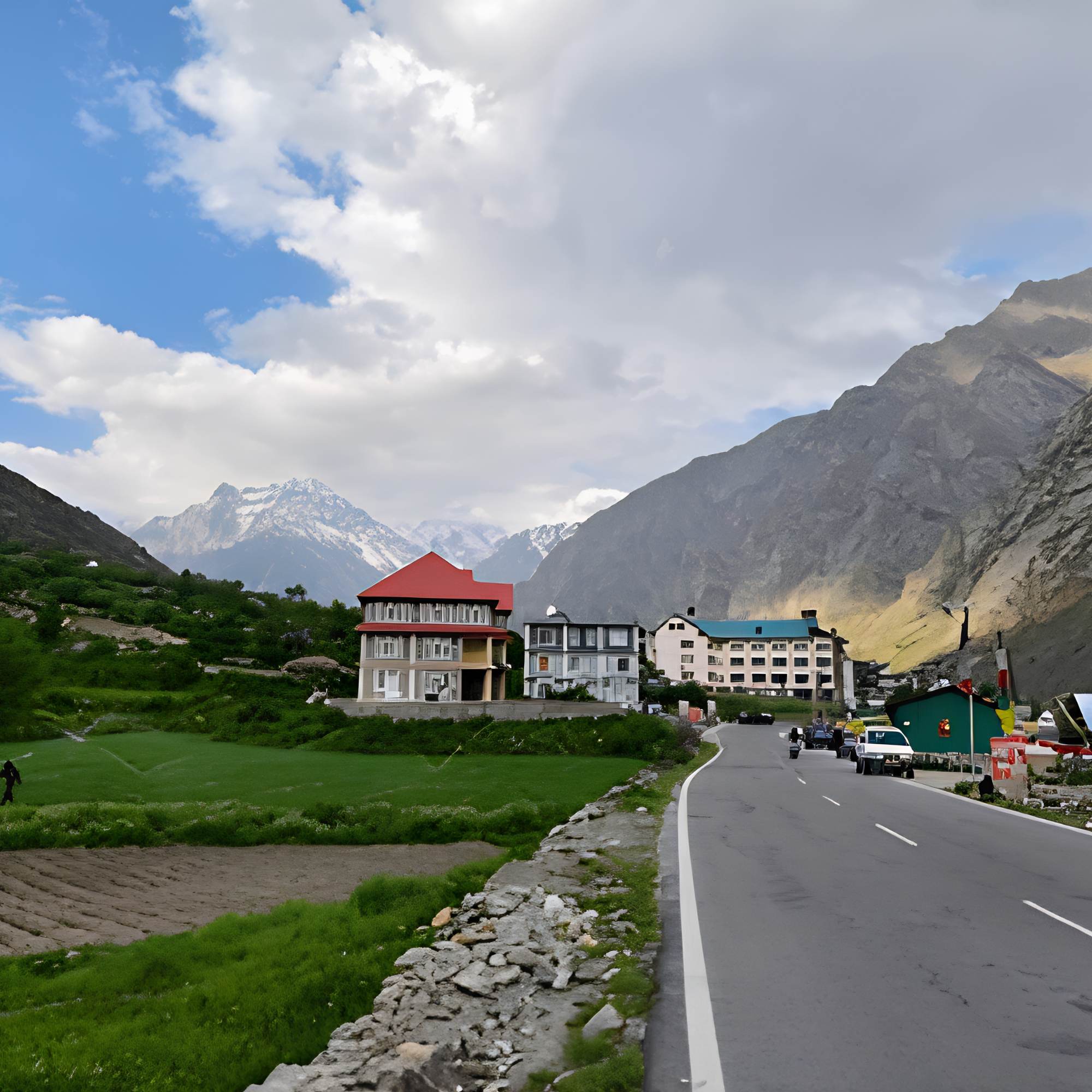
Jispa
~55 km · 1.5 hours drive
A quiet Lahauli hamlet on the Bhaga river with riverside campsites and a small monastery. Popular as a softer overnight halt for travellers heading towards Ladakh.
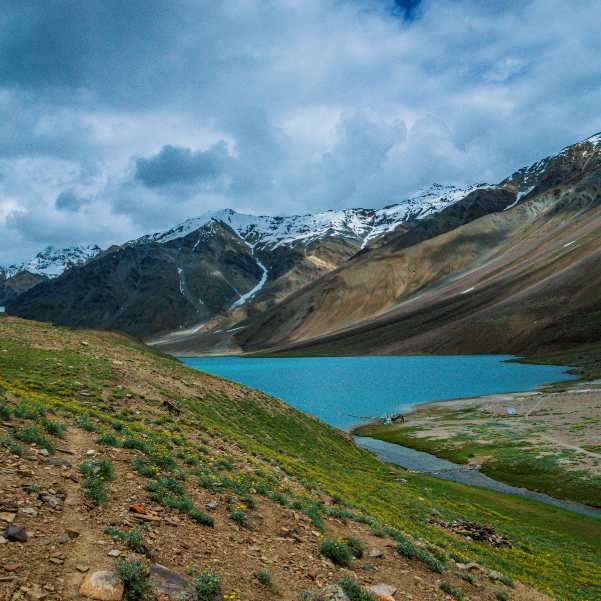
Chandratal Lake
~110 km via Gramphu and Batal · 5 to 6 hours
The real thing. A natural crescent moon glacial lake at around 4,300 metres, reached via the Gramphu junction. A full day drive each way from Sissu, better planned as part of a Spiti circuit than a day trip.
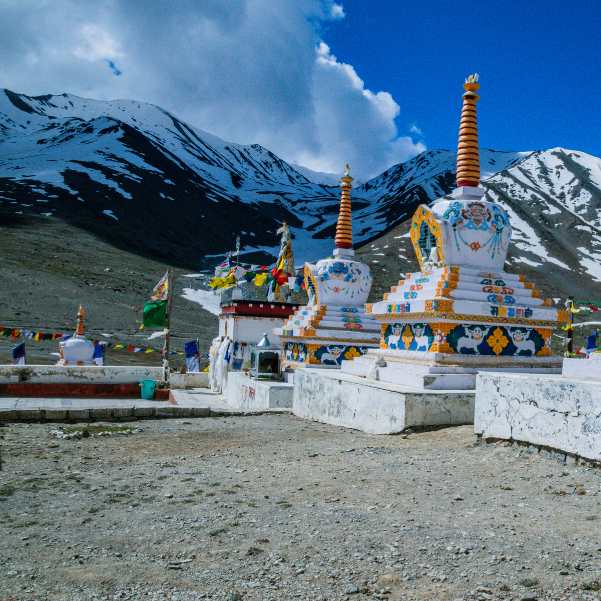
Kunzum Pass
~125 km via Gramphu and Batal · 6 to 7 hours
The high pass at around 4,551 metres connecting Lahaul to Spiti, generally open June to October. Not a day trip from Sissu, plan it as part of a multi day Spiti circuit.
Our packages with Sissu Lake
Curated trips that include a visit to Sissu Lake.
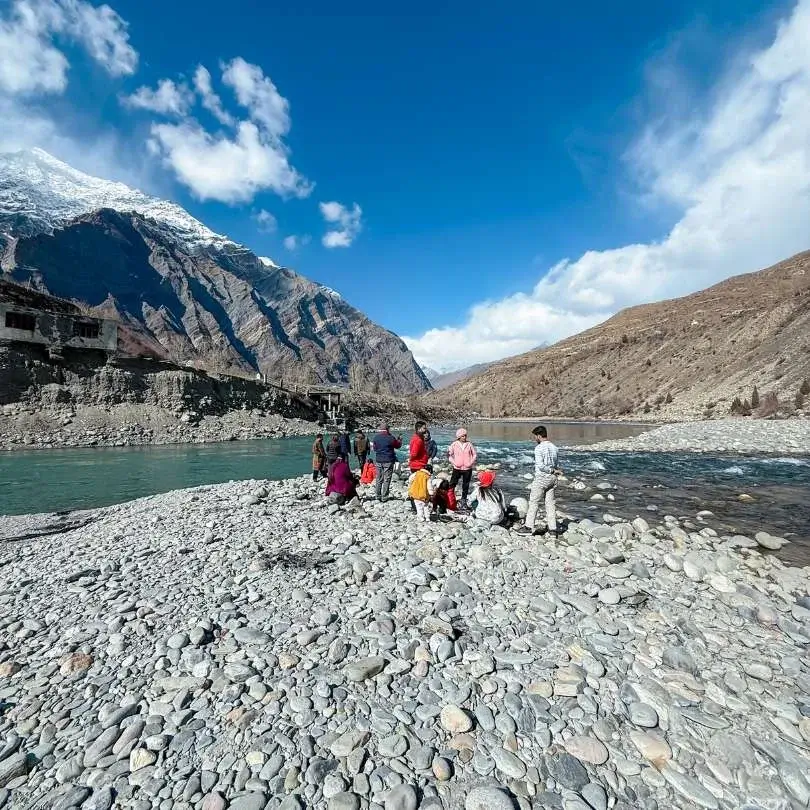 6D/5N
6D/5NMost Loved Sissu Valley Escape With Jispa Riverside Stay
2D Sissu•1D Jispa
₹15,999₹19,999SAVE INR 4,000/ person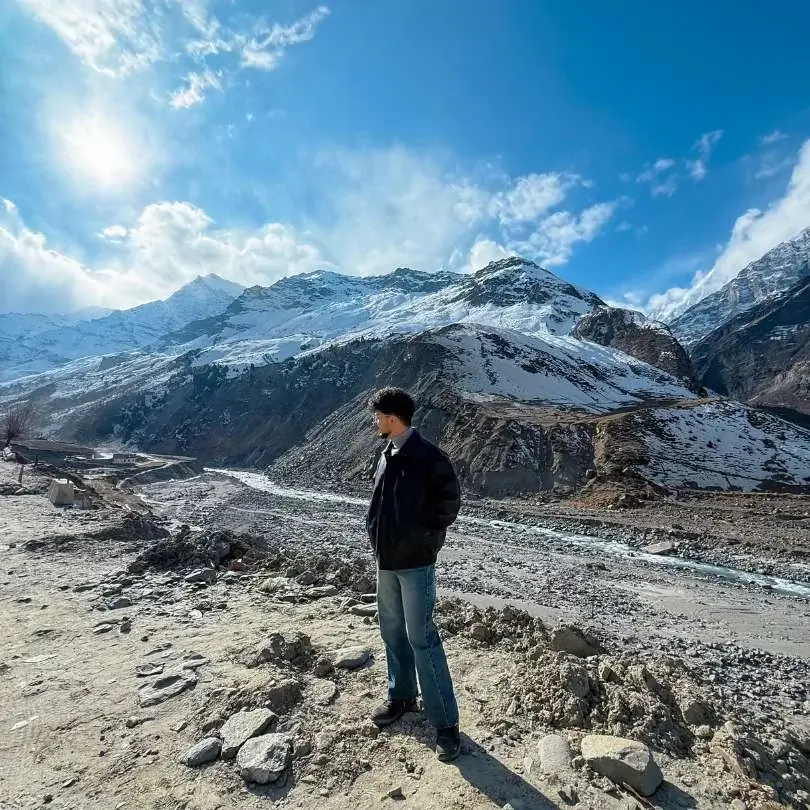 5D/4N
5D/4NClassic Sissu Valley Trip
2D Sissu•1D Manali
₹12,799/ person
Frequently Asked Questions
Where is Sissu Lake?
Sissu Lake sits on the edge of Sissu village in the Lahaul valley of Himachal Pradesh, at around 3,120 metres on the north bank of the Chandra river, next to the village helipad. It is about 40 km from Manali via the Atal Tunnel, roughly 6 km past the tunnel's north portal, and around 30 km from Keylong.
Is Sissu Lake a natural lake?
No. Sissu Lake is a man made water body, built up as part of the tourism infrastructure that grew around the helipad after the Atal Tunnel opened in 2020. Several travel blogs describe it as a natural high altitude lake, which is not accurate. It is a pleasant, well located, small roadside lake. Go with that expectation.
How do I reach Sissu Lake from Manali?
Drive through the Atal Tunnel on the Manali to Leh highway (NH3). The tunnel is about 9 km long, the drive from Manali to the lake is roughly 40 km and takes 1 to 1.5 hours depending on traffic and season. Taxis and shared cabs run regularly, and HRTC buses heading towards Keylong or Leh stop in the village. The lake is a short walk or a 5 minute drive from the highway.
What is the altitude of Sissu Lake?
Around 3,120 metres, roughly 10,235 feet. This is moderate altitude, lower than Kaza, Leh, or Chandratal. Most visitors handle it fine without special preparation. Mild breathlessness on the first evening is normal.
Is there a boating facility at Sissu Lake?
Yes, pedal boats are generally available from around late May to October, weather dependent, with a small ticket paid at the lakeside counter. Pricing and operator mix shift year to year, confirm at the spot. Boating is usually shut in winter when the lake freezes.
Can you camp at Sissu Lake?
Private operators set up tent camps on the grass near the lake generally from April to October. Quality varies widely between operators. For most travellers, a homestay in Sissu village is a better overnight than a lakeside tent. If you specifically want the camping experience, read recent reviews before booking.
Is Sissu Lake open in winter?
Yes, access is open year round via the Atal Tunnel. The lake itself generally freezes over from around December to February. No boating or camping in winter. The short road between the tunnel and the village can be icy in deep winter, carry chains for your tyres if self driving.
Is there an entry fee at Sissu Lake?
There is generally no formal entry fee for the lake itself. You may pay small charges for pedal boats, parking at some operators, or specific camping setups. Foreign nationals should carry identification and check current Lahaul and Spiti rules for the broader region.
How much time do I need at Sissu Lake?
20 to 45 minutes is enough for most travellers. Time for a walk around the water, a few photos, and a tea from the canteen. Families with kids who want a pedal boat ride can stretch it to an hour. Beyond that, combine it with the helipad sunset and a village walk, or treat Sissu as a half day stop on a larger Lahaul trip.
Is Sissu Lake safe for families with small kids?
Generally yes. The terrain around the lake is flat, the altitude is moderate, and pedal boats are kid friendly with a life jacket. The main caution is the Chandra river below the lake area, which looks calm but runs strong, do not let kids near the water unsupervised. In winter, the cold is real, pack proper layers.
Is Sissu Lake worth visiting, honestly?
As a short stop on a Sissu visit or a Lahaul drive, yes. As a standalone destination from Manali, only if you are short on time and the village is as far as you can go. If you are chasing a real natural alpine lake, drive on to Chandratal or trek to Ghepan Lake instead, Sissu Lake is not in that category.
What is there to do near Sissu Lake?
The Sissu Waterfall across the valley, the helipad sunset viewpoint 200 metres away, walks through Sissu village, the Raja Ghepan temple at adjacent Shashin, the Gondhla Fort 11 km east, Keylong 30 km onward, and Jispa 55 km further along the Leh highway. Ghepan Lake trek from the village if you want a harder day.
How is Sissu Lake different from Chandratal or Ghepan Lake?
Sissu Lake is a small man made lake on the edge of a village at 3,120 metres, reached by a short drive from Manali. Chandratal is a natural crescent moon glacial lake at around 4,300 metres, reached by a long drive through Kunzum Pass. Ghepan Lake is a high altitude glacial lake above Sissu, reached by a moderately tough day trek. Different categories entirely.
Is there mobile network at Sissu Lake?
BSNL is the most reliable network. Airtel and Jio work in patches. Data is slow. Do not depend on UPI, carry cash for the canteen, boating, and parking.
Related guides
Posts about Sissu
- Where to Stay in Sissu in 2026: Best Hotels, Homestays & Areas for Every Budget
- Sissu in October 2026: Weather, Snow Chances, Road Status & Autumn Travel Guide
- Sissu in December 2026: Snowfall, Weather, Road Status & Winter Travel Guide
- Sissu in November 2026: Weather, First Snow, Road Status & Travel Guide
- Best Time To Visit Sissu in 2026: Month Wise Weather, Snow and Road Guide
- Manali To Sissu Road Trip Guide 2026: Route, Distance, Road Status, Cost And Local Tips