
 Group Tour
5D/4N
Sainj Valley and Shangarh Group Trip
3D Shangarh
₹8,499₹12,499SAVE INR 4,000/ person
Best Mumbai to Shangarh Tour Packages Curated By Experts
Group Tour3D Shangarh
2D Shangarh
 Group Tour
2D Tirthan Valley•1D Shangarh (Sainj Valley)
If you have been doing the Kasol trip every year and it has started to feel crowded, commercial and a little too familiar, Shangarh is the trip that fixes that.
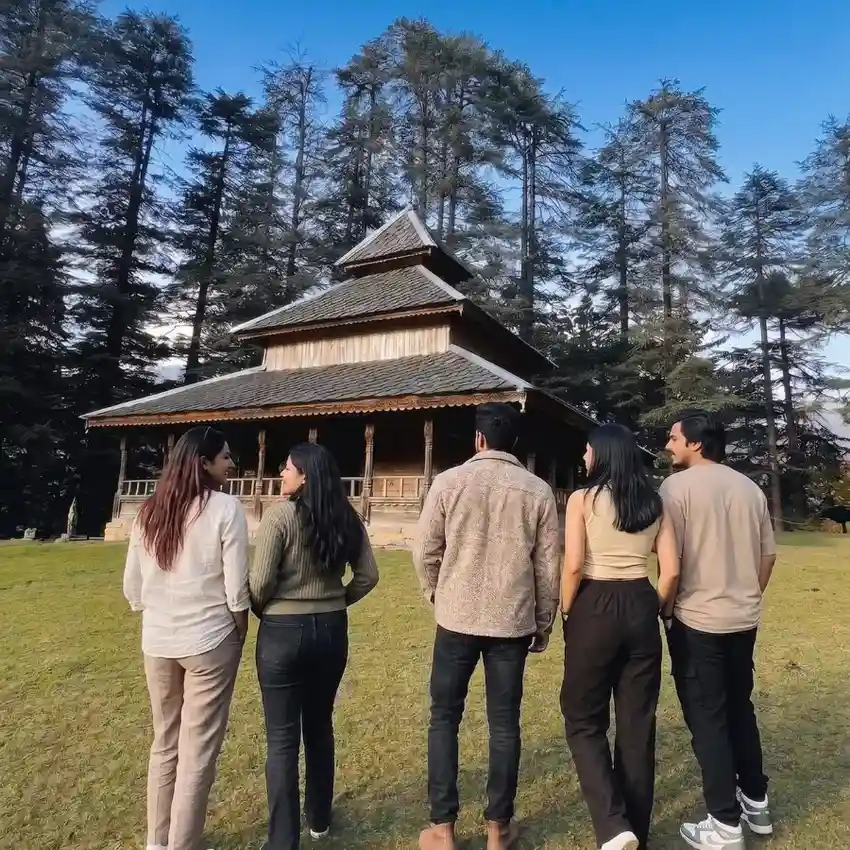
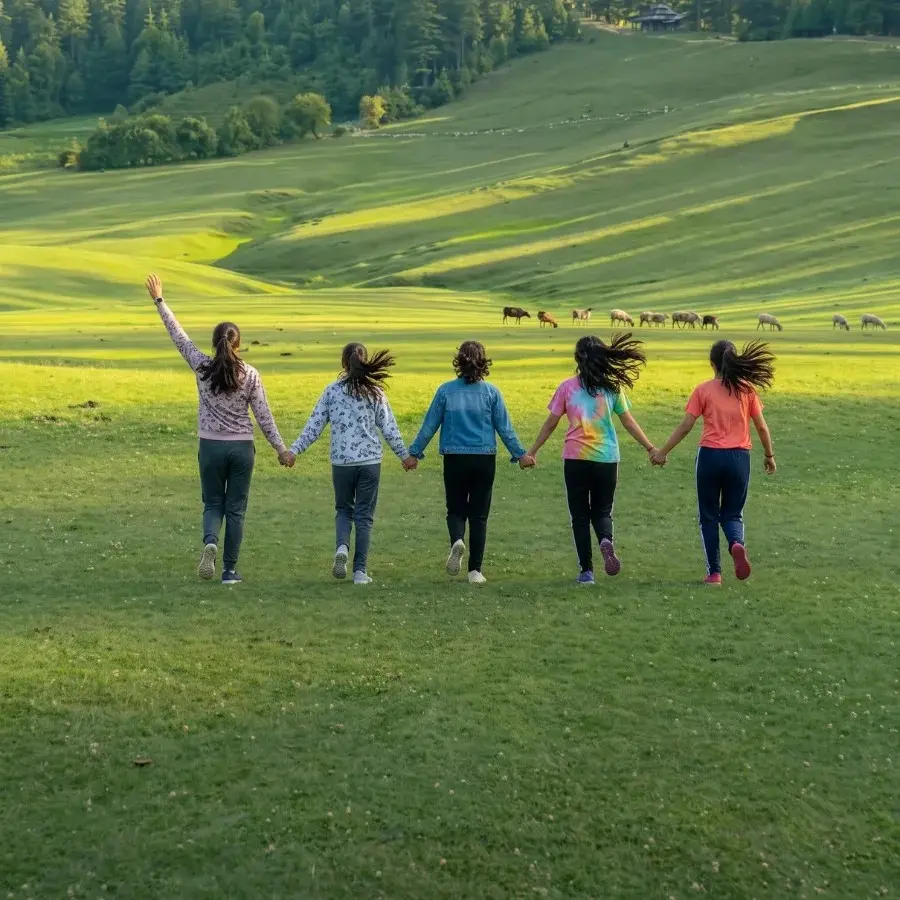
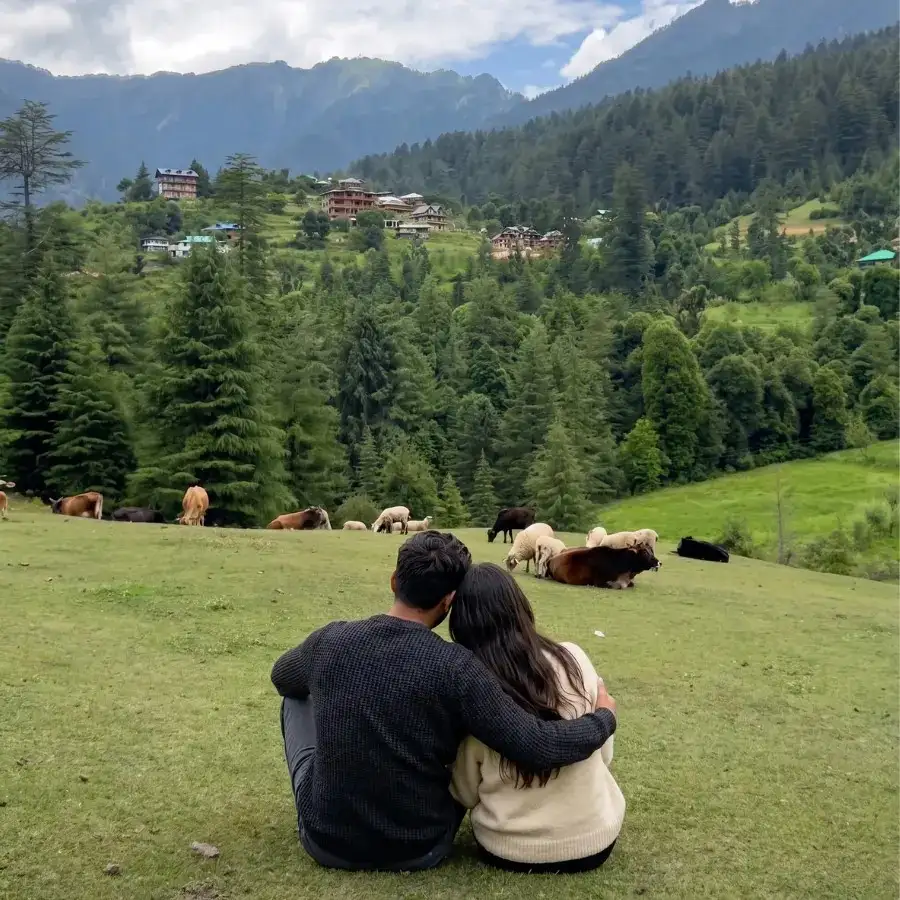
Shangarh is a small village in the Sainj Valley of Himachal Pradesh. It sits at about 2,100 metres, inside the buffer zone of the Great Himalayan National Park. There is a wide green meadow, an old wooden temple at its edge, deodar forest on all sides, and almost nothing else. No cafes. No tourist market. No crowd.
From Mumbai, you fly to Chandigarh in about two and a half hours. From Chandigarh, a day's drive takes you through Mandi and into the Sainj Valley. By the second morning of your trip, you can be sitting on the meadow with the mountains behind you and the only sound being birds in the trees.
It is a long way from Mumbai. But for a traveller who wants the kind of quiet that Lonavala and Matheran cannot give, and the kind of Himachal that Kasol and Manali no longer offer, Shangarh is worth every hour of the journey.
The shortest comfortable format. You fly to Chandigarh, drive to Shangarh, spend two full days in the village, and return. Two days in Shangarh is enough to walk the meadow, visit the temple, explore the forest, and feel the silence.
Adds a third day in the village or a halt on the way in. Time for the Pundrik Rishi Lake trek, the neighbouring villages, and the kind of slow mornings that Shangarh is made for. The version we recommend for most Mumbai travellers.
Combines Shangarh with Tirthan Valley, which begins on the other side of the same turnoff at Aut. Shangarh for the silence and the forest. Tirthan for the river and the trails. Two moods in one trip. The most complete offbeat Himachal trip from Mumbai.
Mumbai travellers are not short of weekend options. Lonavala, Alibaug, Matheran, Goa. For Himachal, the default is usually Manali or Kasol. Some have added Jibhi or Tirthan to the list.
Shangarh sits a step beyond all of these. It is not a hill station with a tourist strip. It is a single village on a ridge above the Sainj Valley, with a wide green meadow that opens out of thick deodar forest and an old wooden temple dedicated to Shiva sitting at its edge. The silence is not a marketing line. It is real.
For a Mumbai traveller who spends most of the year in noise, traffic and humidity, the contrast of Shangarh is physical. The air is dry and cold. The sky is clear. The only sounds are birds. After Mumbai, this feels like someone has turned the world's volume down.
A direct flight from Mumbai to Chandigarh takes about two and a half hours. From Chandigarh, a day's drive puts you inside the valley. Five days of leave gives you a proper trip. Seven gives you Shangarh and Tirthan together.
Fly to Chandigarh (recommended). Direct flights from Mumbai take about two to two and a half hours. IndiGo and Air India operate on this route. From Chandigarh, a private cab takes you through Mandi and into the Sainj Valley.
Fly to Delhi. More flight options and sometimes lower fares. From Delhi, continue by overnight bus to Aut or fly onward to Chandigarh and drive from there.
There are no direct flights from Mumbai to Kullu or Bhuntar. Chandigarh is the cleaner route.
After landing, we coordinate the ground vehicle and the itinerary from the moment you arrive.
Chandigarh to Mandi about 200 km through Bilaspur and Sundernagar. Smooth highway. Mandi to Aut about 30 km. Aut to Sainj about 20 km following the Sainj river. Sainj to Shangarh via Ropa about 10 km, narrow, steep, gravelled in parts, through thick deodar forest. Total from Chandigarh about 240 km, 6 to 7 hours.
From Mumbai, the full journey unfolds over a day. You fly, you drive, you climb into the forest, and you arrive at a meadow that looks like it belongs in a different century.
We plan from your flight. Your itinerary starts with your landing time in Chandigarh. Vehicle, driver and itinerary are coordinated from the moment you arrive.
We know the road. The last 10 km to Shangarh is not a road you plan from Google Maps. Better homestays that are clean, warm and run by families who cook well. Private trips, not group bus packages. Honest guidance on duration. Combination logic for Shangarh with Tirthan. One plan from Mumbai to Mumbai.
Time zone: Indian Standard Time (IST), UTC+5:30.
Currency: Indian Rupee (INR). No ATMs in Shangarh. Carry cash from Chandigarh or Mandi.
Languages: Hindi widely spoken. Kullvi locally. English understood at some stays.
Flights: Mumbai to Chandigarh direct, about 2.5 hours. IndiGo and Air India.
Mobile network: limited to no signal. BSNL intermittent. Download offline maps.
Permits: No permit for Shangarh. GHNP permit for deeper treks.
Food: Home cooked vegetarian meals at homestays. Rajma chawal, dal, roti. No restaurants in Shangarh.
Mumbai's humid heat to Shangarh's dry mountain cold is one of the sharpest contrasts in domestic travel. The dryness is as much a relief as the cold. Even in summer, nights drop to single digits. Pack warm layers.
Five to six days for Shangarh. Seven to eight with Tirthan Valley. The six day format is the safest starting point for most Mumbai travellers.
Shangarh at about 2,100 metres. No altitude concern. The last stretch of road is the main factor. Carry basic medicines. Nearest hospital in Sainj town.
5 packages found
Group Tour3D Shangarh
Group Tour2D Tirthan Valley•1D Shangarh (Sainj Valley)
2D Shangarh
1D Delhi •2D Tirthan Valley+2
1D Delhi•2D Jibhi+2
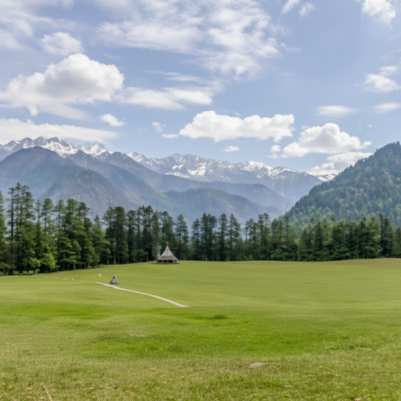
The wide, flat green meadow surrounded by deodar trees. In the morning light, with mist lifting and peaks behind, it is one of the most beautiful meadows in Himachal. After Mumbai's noise, the silence here is physical.
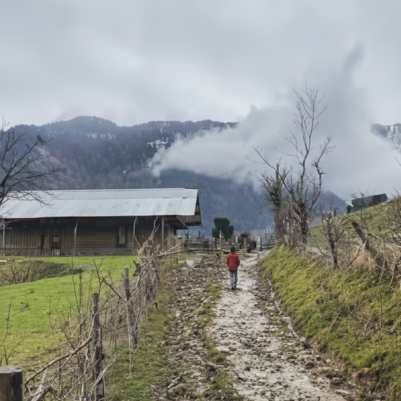
An ancient wooden temple at the edge of the meadow. Centuries old. Quiet and grounding.
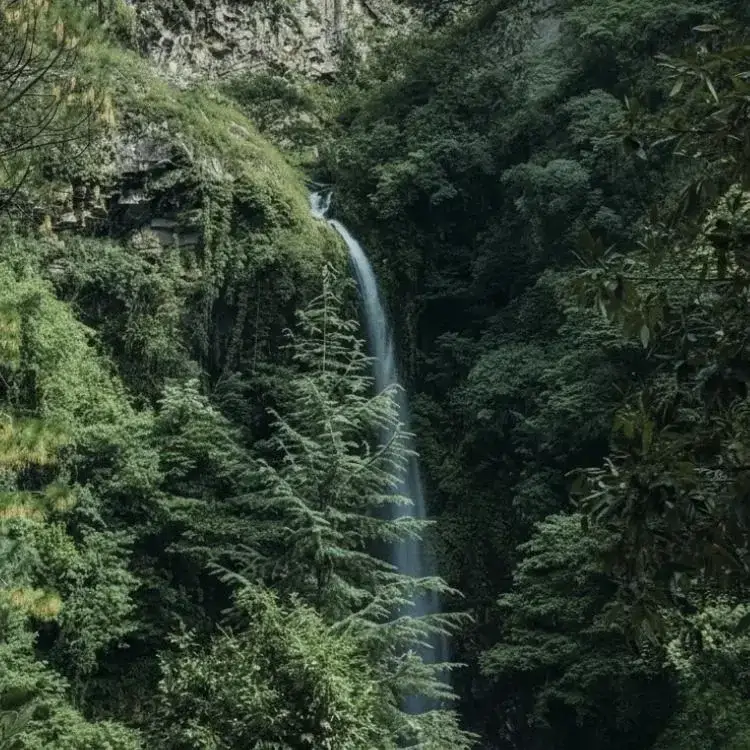
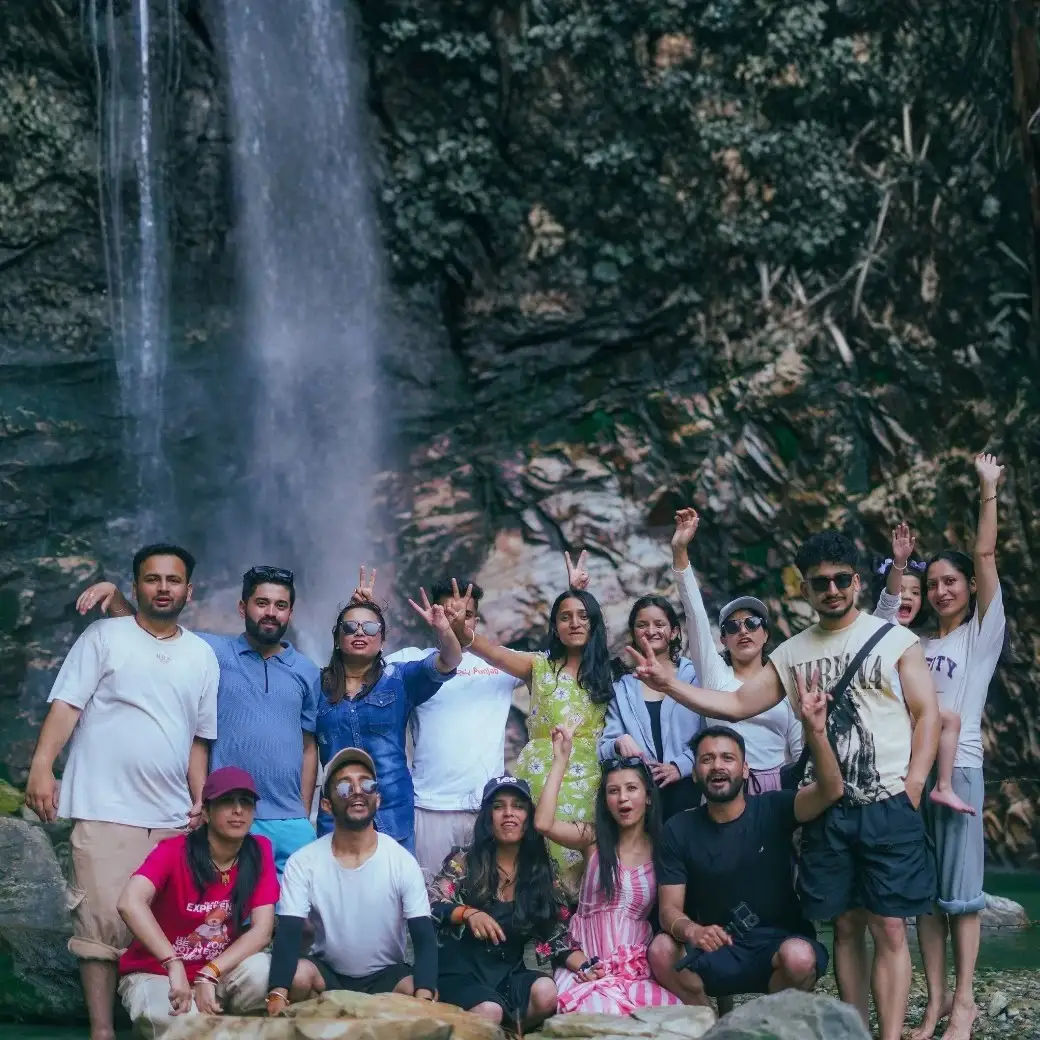
A short walk from the village through forest to a waterfall.
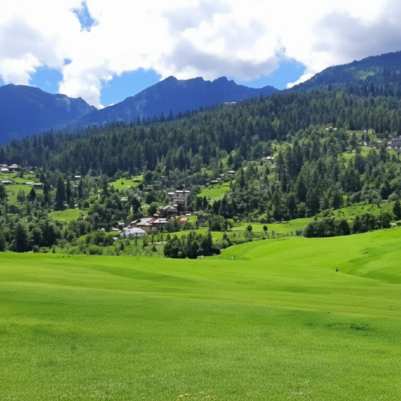
A sacred lake reached by a moderate trek through deodar and rhododendron forest. About 3 to 4 km.
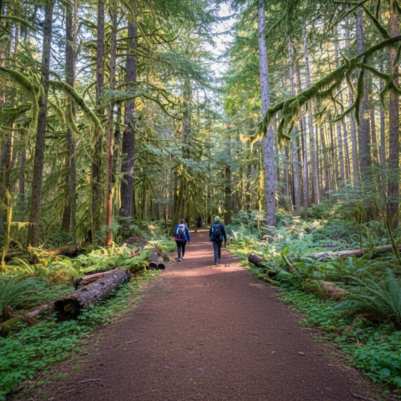
In a neighbouring village. Old fort and a waterfall reached by a short hike.
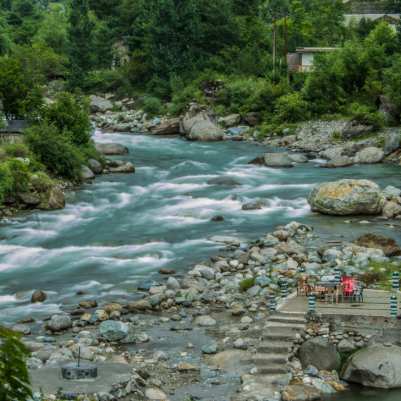
The broader valley. River, terraced fields, forest, slate roofed villages.
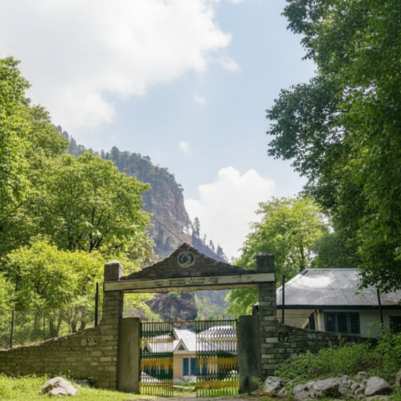
UNESCO World Heritage. Rises behind Shangarh. Multi day treks start from this area.
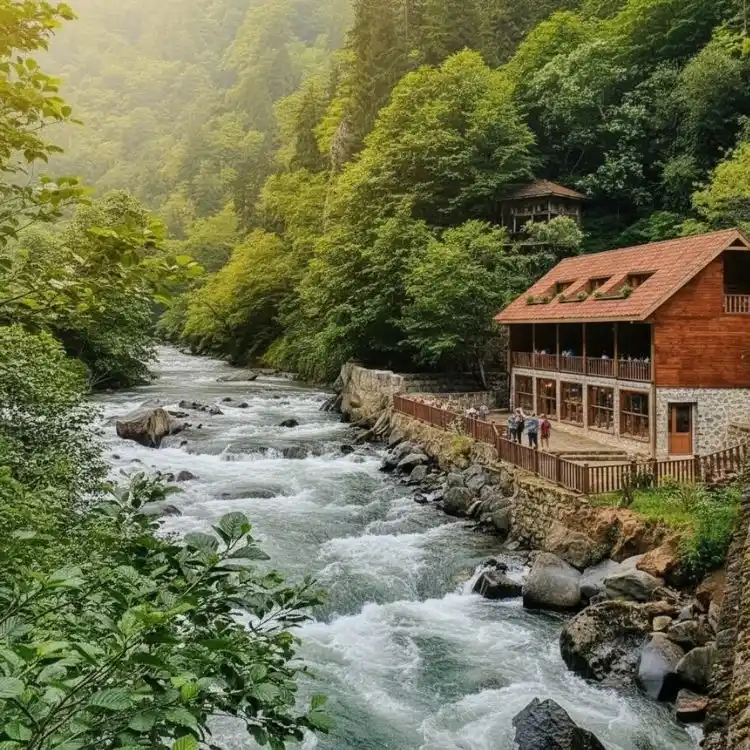
On the other side of Aut. Jibhi, Gushaini, river walks, Jalori Pass. The natural combination with Shangarh.
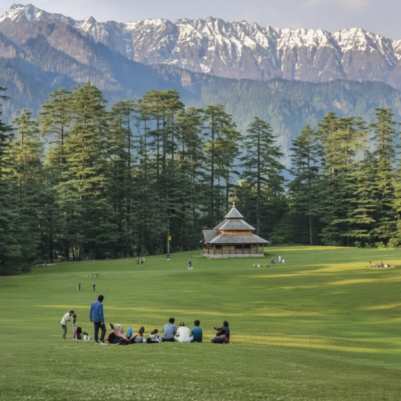
After Mumbai's noise, the silence of the Shangarh meadow is the experience. Not a joke, not a filler line. It is the reason to come.
A quiet visit to a centuries old temple that feels untouched.
A short, easy forest walk.
A moderate trek into the GHNP buffer zone. Best with a local guide.
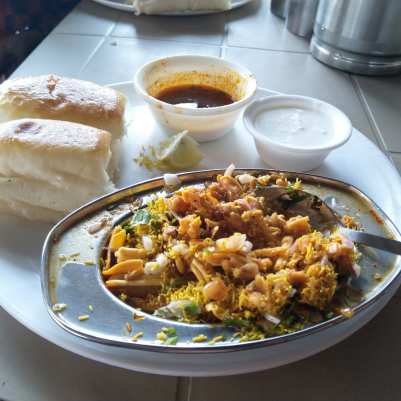
Home cooked rajma chawal, dal, roti, local vegetables. After months of Mumbai food delivery, the simplicity is its own luxury.
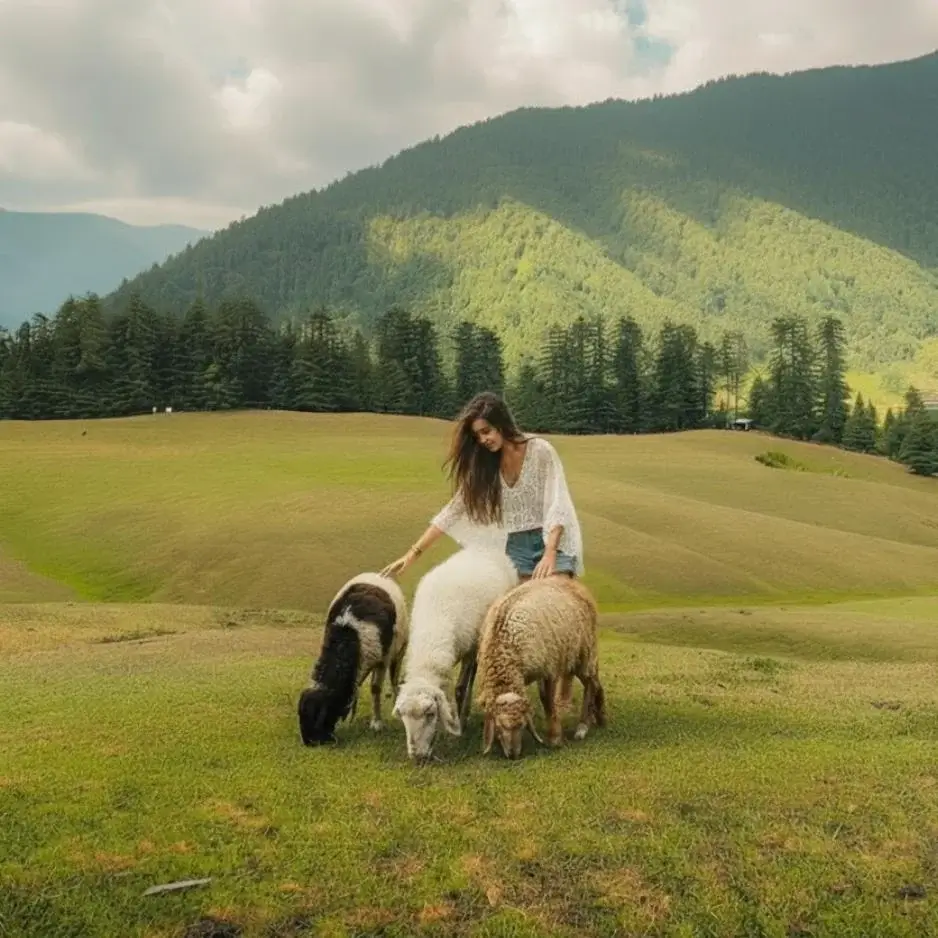
Goshati, Darari. Apple orchards, traditional houses, stone paths.
River stays, trail walks, Jalori Pass. A different pace from Shangarh but a natural partner.

“Travel Coffee truly went above and beyond. Even though we booked from Indonesia without meeting them, we always felt secure — their team was available 24/7 and took care of every detail. Shubham personally ensured our comfort throughout the Himachal trip, from hotel checks to small gestures like bringing lotion and altitude pills. Their sincerity and local expertise made the journey unforgettable.”
Andre & Angel
Fly to Chandigarh (about 2.5 hours). Drive to Shangarh through Mandi and Aut (about 240 km, 6 to 7 hours). No direct Mumbai to Kullu flights.
Five to six for Shangarh. Seven to eight with Tirthan Valley.
If you want genuine quiet and a village that is not a tourist destination, yes. If you need activity and infrastructure, it may not be enough.
For quiet, absolutely. Kasol has become busy and commercial. Shangarh is what Kasol felt like before the crowds arrived.
Yes. Both valleys start from the same turnoff at Aut.
Highway is fine. Last 10 km to Shangarh is narrow, steep and gravelled.
Very much. Quiet, private, beautiful.
Yes, with older children. Not ideal for very young children.
Home cooked vegetarian. Rajma chawal, dal, roti. Simple and fresh.
Mumbai's humidity and heat to Shangarh's dry, cool mountain air is one of the sharpest domestic contrasts. Pack warm layers even in summer.
March to June and September to November. October especially good for light and clarity.
Very limited. BSNL intermittent. Other networks mostly do not work.
No. Carry cash from Chandigarh or Mandi.
No permit for Shangarh. GHNP permit for deeper treks.
Layers, warm jacket, cap, gloves, sturdy shoes, headlamp, rain layer, medicines, cash, offline maps. The temperature gap from Mumbai is significant.
No direct flights exist. Chandigarh is the practical gateway.
The road can be disrupted. Not recommended for tight plans.
Yes, December to February.
Some homestays offer weekly stays. WiFi is limited. Best for light work and disconnection.
WhatsApp us your dates, group size, comfort level and number of days. We will plan the right trip and send a clear quote.