 Group Tour
10D/9N
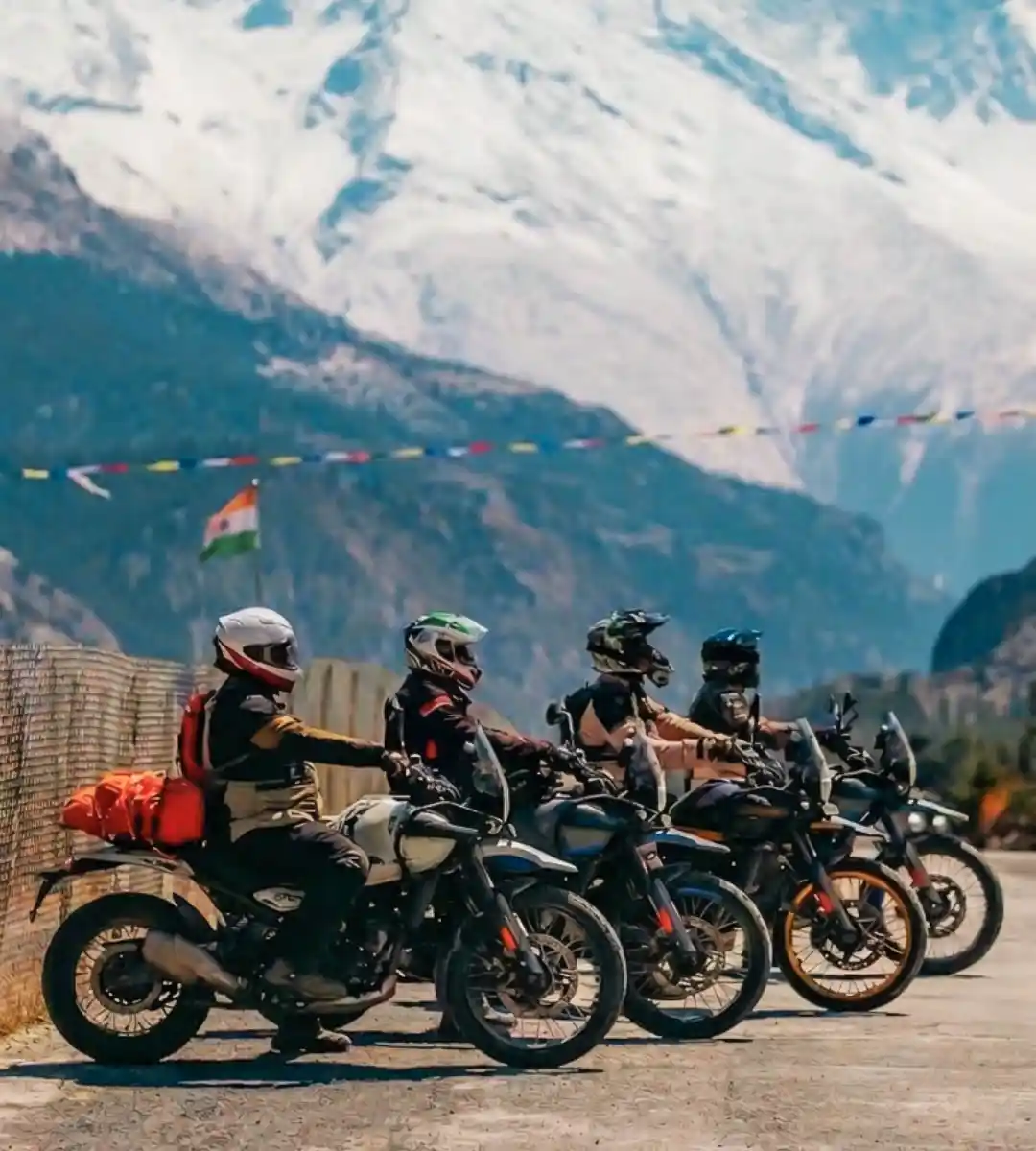
Most Loved Spiti Valley Bike Expedition With Chandratal
1D Jibhi•1D Sangla+4
₹34,999₹41,999SAVE INR 7,000/ person
Best Manali To Chandratal Tour Packages Curated By Experts
Group Tour1D Jibhi•1D Sangla+4
2D Kaza•1D Chandratal Camp
The lake sits at 4,300 metres, tucked behind Kunzum Pass, on a road that tests your patience and rewards it in equal measure. Starting from Manali, this is one of the shortest, most dramatic high altitude road trips in the Indian Himalayas.
A Chandratal trip from Manali is not about distance. It is about crossing from green valleys into raw, open landscapes within a few hours.
The Atal Tunnel changed everything. What once took a full day of climbing over Rohtang now begins with a ten minute tunnel ride into Lahaul. From there, the road to Chandratal unfolds through some of the most striking terrain in Himachal.
Whether you want a quick 2 day camping escape or a longer journey connecting Chandratal with Kaza and the Spiti Valley, Manali is where it all begins.
Starting Point: Manali, Himachal Pradesh
Best Duration: 2 nights to 4 nights for Chandratal focused trips. 7 to 10 nights if extending to Kaza and Spiti.
Best Months: Mid June to early October. Peak conditions in July, August, and September.
Ideal For: Couples, friends, solo travellers, small groups, and adventurous families with older children.
Stay Style: Alpine camping at designated campsites near Chandratal. Guesthouse or hotel stays possible at Sissu, Jispa, or Kaza depending on itinerary.
Route Summary: Manali to Atal Tunnel to Gramphu to Batal to Chandratal campsite zone. Approximately 110 km one way, followed by a 2 km walk to the lake.
For those short on time but high on intent. You leave Manali early, drive through the Atal Tunnel and into Lahaul, cross the rough stretch beyond Batal, and reach the campsite zone by afternoon.
You camp for one night under open skies, walk to the lake at sunrise, and return to Manali the next day. This is a fast trip. It works well for fit travellers comfortable with long drives on mountain roads.
The most popular option and the one we recommend for most travellers. You get a night halt at Sissu or Chatru on the way, a full evening and morning at the Chandratal campsite, and a comfortable return.
There is time to breathe, adjust to altitude, and actually enjoy the landscape instead of racing through it. This is the sweet spot between time and experience.
A slower, more immersive version of the Chandratal circuit. You spend a night in Lahaul, a night at the campsite, and another night in the valley on your return.
This is the best pace for families, older travellers, or anyone who wants to explore Lahaul's villages along the way. Plenty of time for photography and genuinely settling into the mountain rhythm.
For travellers who want more than just the lake. This itinerary connects Chandratal with Kaza, giving you a taste of Spiti Valley without committing to a full 10 day circuit.
You cross Kunzum Pass, descend into Spiti, explore Kaza and Key Monastery, and return via the same route or continue onward. Best if you have a few extra days and want camping plus culture in one trip.
There is something about crossing the Atal Tunnel and watching the landscape shift from lush Kullu pines to the dry, windswept terrain of Lahaul that sets the tone for this trip immediately.
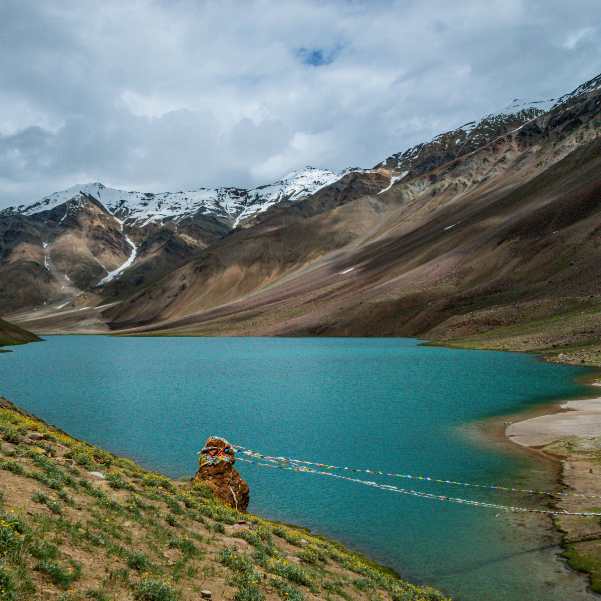
Chandratal is not a casual lake visit. It is a crescent shaped glacial lake at 4,300 metres, set in a basin surrounded by moraines and peaks. The water shifts between turquoise and deep green depending on the light and season.
The road to get there is rough. The air is thin. The nights are genuinely cold. But this is exactly what makes it worth doing.
From Manali, the journey is compact. You do not need a week. You do not need to fly anywhere. You just need the right vehicle, the right timing, and a willingness to be on roads that are not always smooth.
For travellers coming from Delhi or Chandigarh, a Manali to Chandratal tour package is one of the most accessible true high altitude experiences in North India. Real mountain travel, compressed into a short, doable format.
Manali is the natural launchpad for Chandratal, and the Atal Tunnel is the reason it works so well for short trips. You no longer need to climb over Rohtang Pass and lose half a day. The tunnel puts Lahaul within easy reach.
Manali also has everything you need before departure. Fuel stations, ATMs, pharmacies, gear shops, proper meals, and mobile network. Once you cross the tunnel, services thin out fast.
For travellers coming from Delhi or Chandigarh, Manali is already a familiar base. You can fly to Kullu, take a Volvo bus, or drive up. No complicated logistics needed.
It also works as a comfortable altitude buffer. A day in Manali at around 2,000 metres before heading to 4,300 metres makes the transition easier on your body.
We have driven this route enough times to know where the rough patches shift each season, where the water crossings swell after rain, and where the best campsite spots face the morning light.
Realistic Timing: We do not compress 3 day itineraries into 2 days just to lower the cost. Our schedules are built around what actually works on these roads, with buffer for delays and rest.
Experienced Mountain Drivers: Every vehicle on our Chandratal trips is handled by a driver who knows the Lahaul and Spiti roads well. This is not a route where an unfamiliar driver will do.
Honest Guidance: If we think you need 3 nights instead of 2, we will tell you. If September conditions look uncertain, we will let you know. We would rather plan the right trip than sell a booking.
Good Camps and Stays: We work with campsites and guesthouses that we have personally vetted. Clean tents, warm sleeping bags, decent food, and staff who know how to handle the cold.
Altitude Aware Pacing: Our itineraries are designed to let your body adjust. We plan halts at the right elevations and avoid pushing to high altitude too fast.
Private and Small Group Flexibility: Whether you are a couple wanting a private vehicle trip or a group of eight planning a camping weekend, we build the trip around your group, not a fixed template.
Understanding the road ahead helps you plan better and arrive with confidence.
You leave Manali and drive toward the tunnel entrance near Palchan. The road is smooth and climbs gently through the Kullu Valley. The tunnel itself is about 9 km long and takes you directly under the Rohtang range into Lahaul.
After exiting the tunnel near Sissu, you drive through the Lahaul Valley. The landscape changes quickly. Dry mountains, wide river beds, and small villages replace the green forests.
Gramphu is a junction. The road splits toward Keylong and Leh on one side, and toward Batal and Chandratal on the other. This is where you turn off the highway.
This is where the road gets serious. The highway ends and you are on a mountain track. Expect broken surfaces, river crossings, and slow driving.
Snow patches may linger on the roadside even in July. The terrain here is raw and immense. This stretch takes about 2 to 3 hours depending on conditions.
From Batal, a narrow road climbs toward the Chandratal parking area. Rough and steep in parts, but short. You reach the campsite zone first, where tents are set up by various operators. The lake is not visible from the road.
A gentle walk from the campsite takes you to the lake shore. The trail is mostly flat with a slight incline. At 4,300 metres, even a flat walk can feel harder than usual.
Take it slow. The first glimpse of the lake, its colour and its stillness, is the kind of moment you do not forget easily.
This is one of the most common questions we get, so let us be direct.
It is physically possible. The distance is about 110 km each way. But the road beyond Batal is slow, unpredictable, and rough. You would need to leave Manali by 4 or 5 AM, spend the entire day driving, and get maybe 30 to 45 minutes at the lake before turning around.
It is exhausting. It does not leave any room for delays, breakdowns, or bad weather.
And it strips the experience of what makes it special: the quiet evening at the campsite, the cold clear night sky, and the sunrise walk to the lake when the water is still and the light is soft.
If you only have 2 days, you can still do this trip properly with an early start and a night at the campsite. The difference between a rushed day trip and an overnight visit is enormous.
If you truly only have one day and cannot extend, consider driving to Sissu or Chatru and enjoying Lahaul instead of rushing to Chandratal and back.
Day 1: Manali to Chandratal campsite via Atal Tunnel, Gramphu, and Batal. Reach by afternoon. Evening at the campsite.
Day 2: Early morning walk to the lake. Return to Manali by evening.
Best for fit travellers short on time who are comfortable with long mountain drives and basic camping.
Day 1: Manali to Sissu or Chatru. Explore Lahaul. Overnight at a guesthouse or camp.
Day 2: Drive to Chandratal campsite. Afternoon at camp. Evening walk toward the lake.
Day 3: Sunrise at Chandratal. Return to Manali.
The right pace for most people. You arrive at Chandratal rested and have proper time to enjoy it.
Day 1: Manali to Sissu. Explore the village, waterfall, and valley.
Day 2: Sissu to Chandratal via Batal. Camp overnight.
Day 3: Morning at the lake. Drive to Chatru or back to Sissu. Overnight.
Day 4: Return to Manali.
Best for families, photographers, and anyone who wants a comfortable, unhurried experience with time to actually stop and look around.
Connect Chandratal with Kunzum Pass, Losar, Kaza, Key Monastery, Kibber, Tabo, and more. Return via the same route or continue to Shimla via Kinnaur if the road is open.
This is for travellers who want the full Spiti experience with Chandratal as the opening chapter.
The camping area sits about 2 km from the lake, in a designated zone managed by local operators and the Forest Department. You do not camp on the shore.
Tents are typically alpine or dome style with mattresses and sleeping bags. Meals are cooked on site. Toilets are basic and shared. Facilities are functional, not luxurious.
Nights are cold. Even in July and August, temperatures can drop below 5 degrees Celsius after sunset. Come prepared for that.
Sissu: The most comfortable halt. Proper rooms, hot water, and cooked meals. A good option for families or anyone who wants one night in a real bed.
Jispa: A quieter alternative further along the highway. Simple guesthouses with a riverside setting.
Chatru: Riverside camping. Functional rather than comfortable. Good as a midway pause on longer itineraries.
Batal: Dhaba style shelter only. Not recommended as an overnight halt unless road conditions demand it.
Kaza: If extending to Spiti, Kaza offers proper hotels, homestays, and restaurants. A different level of comfort entirely.
We will always be upfront about what to expect at each stop. No surprises.
The road typically opens during this window, though exact dates depend on snow clearance. Lingering snow, possible closures, and limited camp availability define this early stretch.
The landscape is at its most dramatic though. Snow patches, swollen streams, and wildflowers just beginning. Best for experienced travellers comfortable with uncertainty.
Peak season. The road is at its most accessible and camps are fully running. Daytime highs hover around 10 to 15 degrees. Nighttime lows drop near freezing.
Rain is possible, especially in August, and can make the road temporarily difficult. Despite that, this is the best window for most travellers, especially those visiting for the first time.
Many experienced travellers consider September the finest month for Chandratal. The monsoon recedes. Skies clear. The landscape turns golden and the lake colours are at their most vivid.
Camps begin winding down toward late September. Plan for early to mid month if you can.
The tail end of the season. Some camps may already be closed. Cold conditions and early snowfall can create complications. Only advisable for travellers with flexible dates and proper cold weather gear.
The road to Chandratal is closed. Snow covers the entire region. There is no access from any direction during winter.
You start from Manali at about 2,050 metres. You reach Chandratal at about 4,300 metres. That is a gain of over 2,000 metres, often within a single day of driving.
Altitude sickness is a real possibility if you push too fast or skip acclimatisation. Symptoms include headache, nausea, dizziness, and breathlessness. Most healthy adults manage fine if they stay hydrated, avoid alcohol the night before, and take the walk to the lake slowly.
The road from Gramphu onward is not a highway. It is a rough mountain track with loose gravel, sharp turns, water crossings, and sections that may be broken or washed out.
This is normal for this route. It is part of the experience. A capable driver and the right vehicle make all the difference.
Even in peak summer, temperatures at the campsite regularly drop to 2 to 5 degrees Celsius. Warm clothing, thermals, a good sleeping bag, and a woollen cap are not optional. If you run cold, bring an extra layer.
Families with young children (under 8): The altitude, cold, and basic facilities make this a difficult trip for small children. Consider a Sissu trip instead if travelling with toddlers.
Elderly travellers: The altitude gain and rough roads demand a certain level of physical resilience. A slower 4 day itinerary can work for fit older adults, but plan honestly about fitness levels.
People with respiratory or cardiac conditions: High altitude travel carries genuine risk if you have asthma, COPD, or heart conditions. Please consult your doctor before booking.
For most healthy adults and teenagers, this trip is safe, manageable, and genuinely memorable with the right pacing.
The road beyond Gramphu demands ground clearance. Vehicles like the Mahindra Thar, Scorpio, Bolero, Toyota Fortuner, and Innova Crysta handle the terrain, water crossings, and steep climbs effectively.
If you are booking a private trip with us, an SUV is almost always included as the default.
A 12 to 17 seater tempo traveller works on the highway up to Gramphu and sometimes as far as Batal in good conditions. But for the final stretch to Chandratal, the road is narrow and rough. Groups using tempo travellers sometimes switch to smaller vehicles for the last section.
Not recommended. One unexpected water crossing or road washout can leave a low clearance car stranded. It might work in perfect conditions, but this road rarely offers perfect conditions.
If you have experience with mountain driving and have done similar routes before, self drive in a capable SUV works.
For most travellers, especially first timers, a chauffeur driven vehicle with a local driver is the safer and more relaxed choice. The driver knows the road, the conditions, and how to respond when things change.
We do not list fixed prices because no two trips are the same. But we want you to understand what shapes the cost so there are no surprises.
Trip Duration: A 2 day trip naturally costs less than a 4 day trip. More days mean more fuel, more nights, and more meals.
Private vs Shared: A private vehicle and dedicated itinerary costs more than joining a group departure. Private trips offer freedom. Shared trips offer savings.
Vehicle Type: A smaller SUV for two people costs differently from a large vehicle for a group of ten.
Camp and Stay Quality: Basic camping at Chandratal is affordable. Adding guesthouse stays at Sissu or hotel nights in Kaza raises the budget.
Kaza Extension: Including Spiti adds days, distance, accommodation, and sometimes permits.
Pickup and Drop: Starting and ending in Manali keeps things simple. Pickup from Chandigarh or Delhi adds travel time and cost.
Share your dates, group size, and preferences with us, and we will put together a transparent quote. No hidden costs.
Your phone will work in Manali. It probably will not work much after the Atal Tunnel. Jio and Airtel may show a bar or two in Sissu. Beyond Gramphu, expect silence until Kaza.
Download offline maps before you leave. Let family know about the connectivity gap so they do not worry.
Fill your tank and withdraw cash in Manali. Both become unreliable after the tunnel. Camps and dhabas on this route do not accept UPI or cards. Carry enough cash for meals, tips, and any small emergencies.
Warm layers are essential: thermals, a fleece, and a windproof jacket. A cap and gloves for campsite evenings. Sturdy shoes with good grip for the walk to the lake.
Sunscreen and sunglasses because UV is strong at altitude. A refillable water bottle. A torch or headlamp. A small personal medical kit.
Do not overpack. But do not underestimate the cold either.
It changes fast up here. Warm sunshine in the morning can turn into near freezing wind by evening. Rain appears without much warning, especially in July and August. Always carry a rain jacket, even if the sky looks clear when you leave.
Almost every itinerary on this route works better when you leave early. The roads are quieter in the morning, the light is better, and you reach your halt with daylight to spare. We recommend leaving Manali by 6 to 7 AM on the first day.
Medical help is not available between Manali and Kaza. Carry your own prescription medicines, a basic first aid kit, and altitude sickness medication if recommended by your doctor. Be self sufficient on this front.
The road from Manali to Chandratal is short on a map but long on memory.
Whether you want a quick 2 night camping trip to the lake or a longer journey that takes you over Kunzum Pass and into the villages of Spiti, we will help you plan it with honesty and care.
Every trip we put together is built around real road conditions, real altitude, and real experience on this route. No inflated promises. No copy paste itineraries. Just a well planned trip with people who know the terrain and care about getting it right for you.
Send us a message on WhatsApp with your travel dates, group size, and any questions. We will get back to you with a plan that fits.
Travel Coffee. Real mountain trips, made with care.
5 packages found
1D Sissu•1D Chandratal Camp
Group Tour1D Jibhi•1D Sangla+4
2D Kaza•1D Chandratal Camp
2D Kaza•1D Chandratal Camp
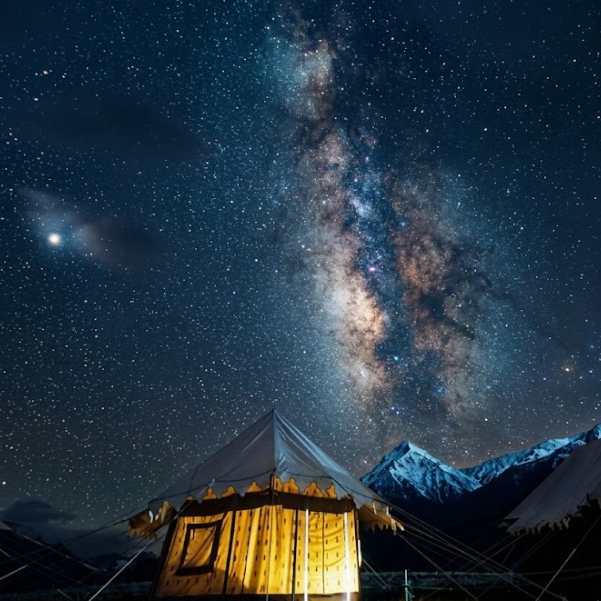
1D Sissu•1D Chandratal Camp
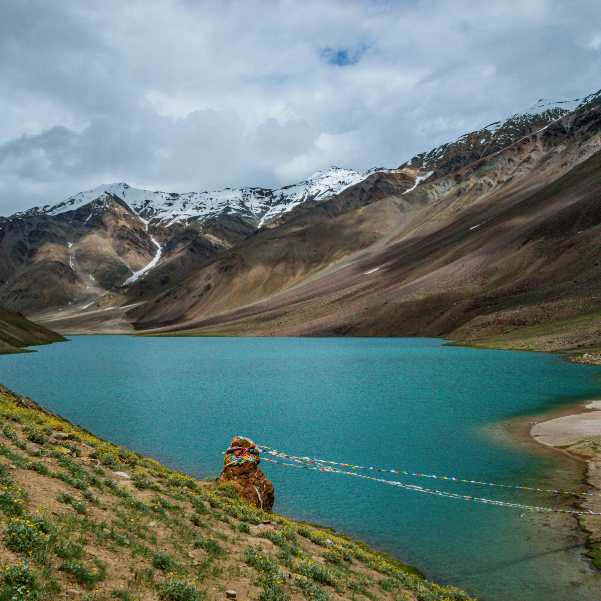
At 4,300 metres, Chandratal sits in a natural amphitheatre of barren ridges. The lake is roughly one kilometre around, crescent-shaped, and changes colour through the day. Mornings are usually still, with near-perfect reflections. The walk from camp is short but memorable, the lake appearing suddenly as you crest the final rise.
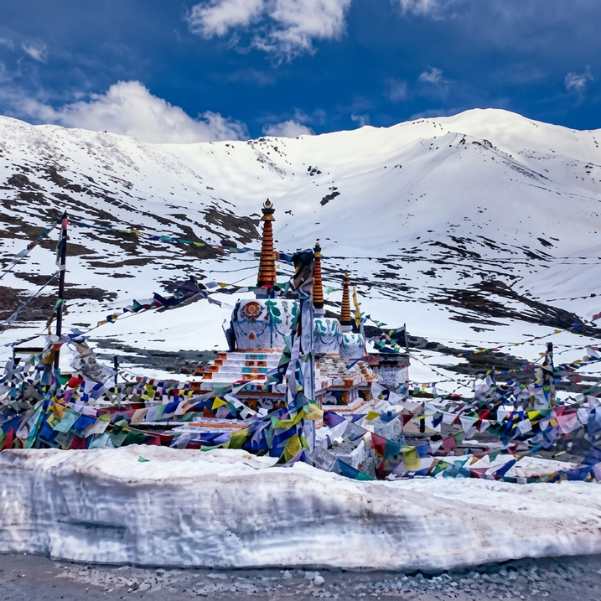
At roughly 4,590 metres, Kunzum La connects Lahaul to Spiti. A small temple marks the top. The pass offers wide views of snow-covered ranges and valley systems on either side. Crossing Kunzum is a defining moment in any Chandratal itinerary.
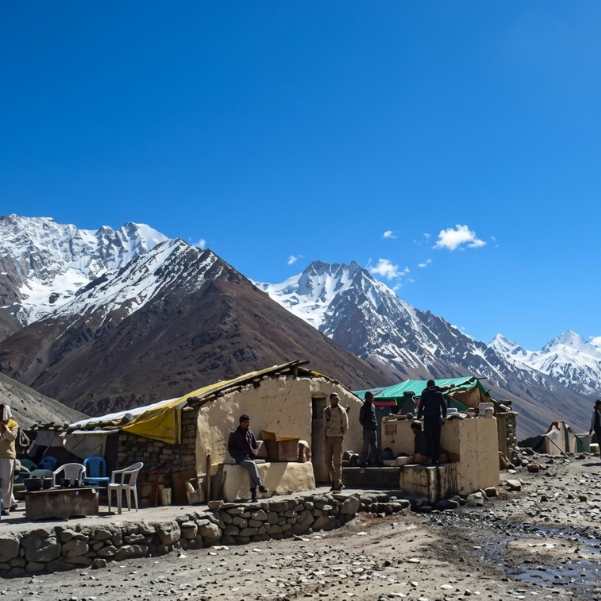
Not a village so much as a collection of roadside shelters where travellers stop for tea. It sits at the junction between the Chandratal turnoff and the Kunzum route. The landscape is raw and glacial. Batal gives you a real sense of how remote this territory is.
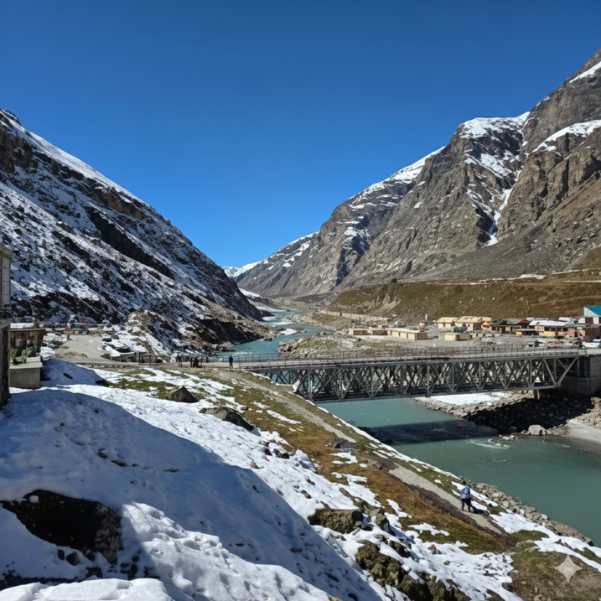
A green, relatively mild village in Lahaul Valley. Waterfalls, riverside views, and clean guesthouses make it a welcome rest point and a good acclimatization stop before pushing higher.
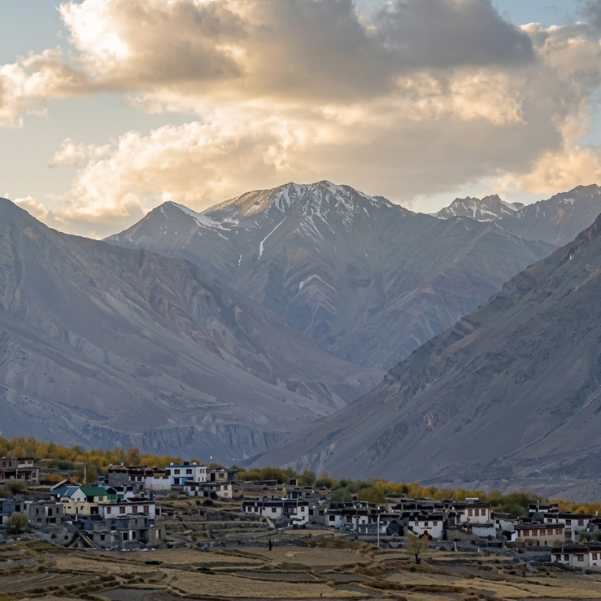
The first village on the Spiti side after crossing Kunzum. The valley opens up, the terrain shifts from grey rock to sandy brown, and the distinct character of Spiti begins. For combined Chandratal and Spiti trips, Losar is the gateway.
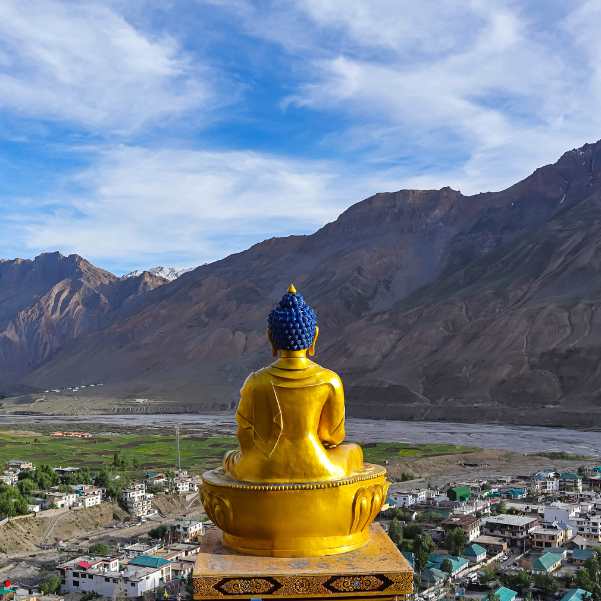
The administrative centre of Spiti Valley, offering fuel, ATMs, basic medical support, and guesthouses. Also a base for visiting Key Monastery, Pin Valley, and Hikkim. Kaza adds cultural depth to the journey.
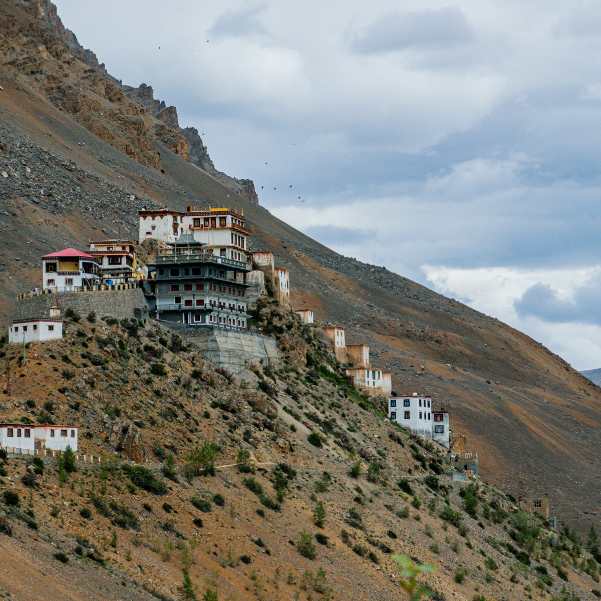
Perched on a hilltop above the Spiti River, Key is the largest monastery in Spiti. The layered white and ochre structure against bare mountains is unforgettable. A visit brings spiritual and cultural texture to a Chandratal road trip.
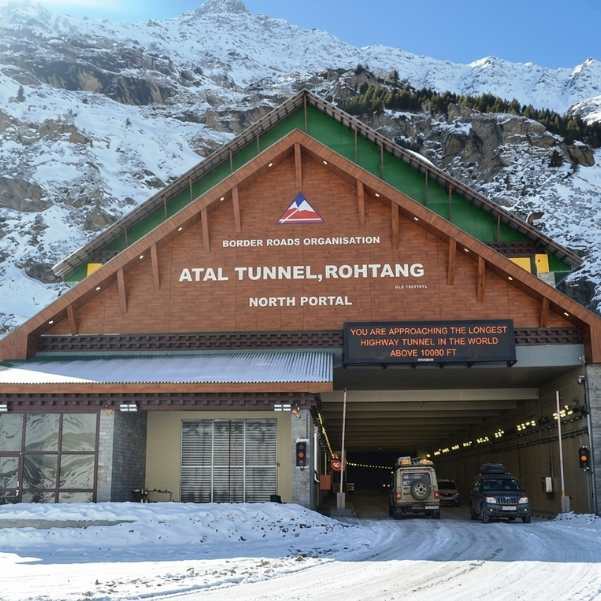
This 9.02-kilometre tunnel below Rohtang connects Manali to Lahaul year-round, saving hours of driving. For Chandratal-bound travellers, this is where the mountain journey truly begins.
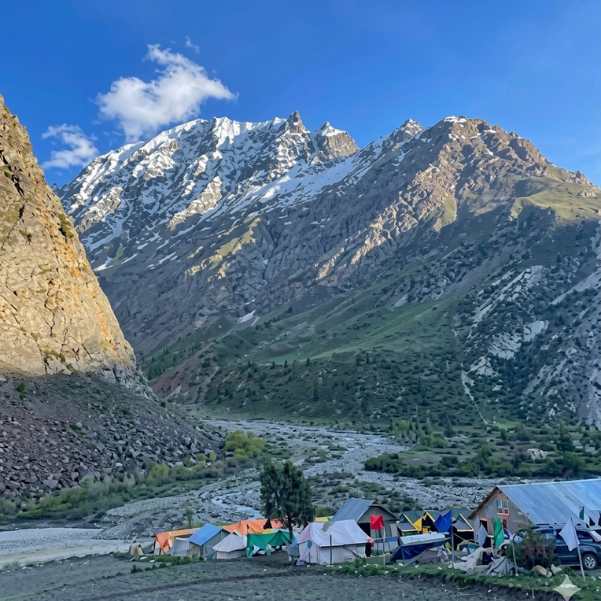
A small settlement along the Bhaga River in Lahaul. Jispa works well as an overnight stop, with simple and pleasant riverside camps.
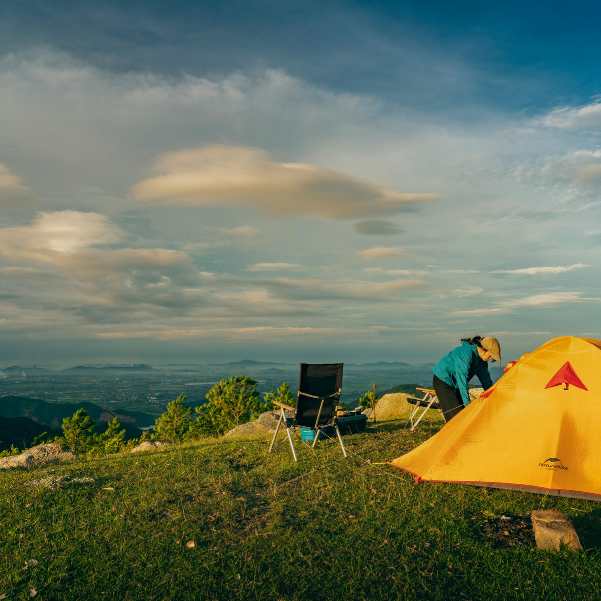
A night at over 4,200 metres with nothing between you and a canopy of stars is the highlight of most trips.
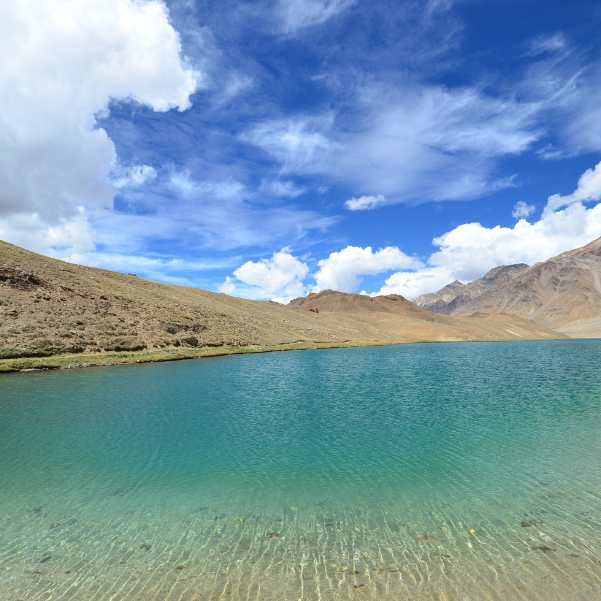
Reaching before dawn, when the water is perfectly still, gives you a view that few places on earth can match. The colour shifts as sunlight touches the ridges are slow and extraordinary.
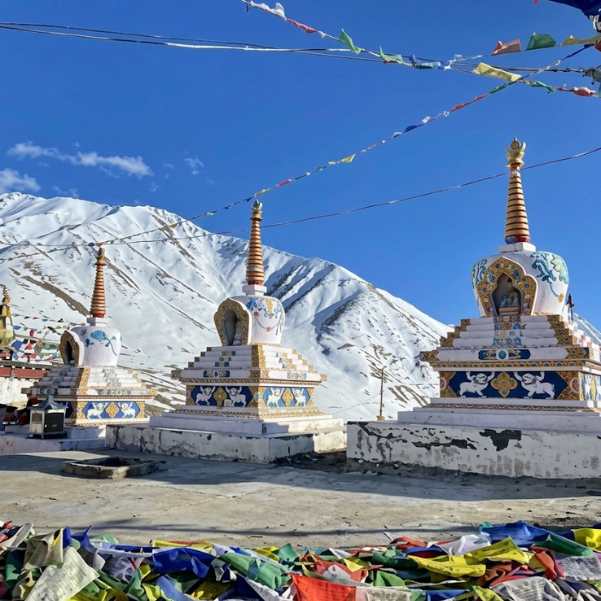
Whether by car or bike, Kunzum is one of the most exhilarating stretches in Himalayan travel. The unpaved road, the altitude, and the vast emptiness make it genuinely thrilling.
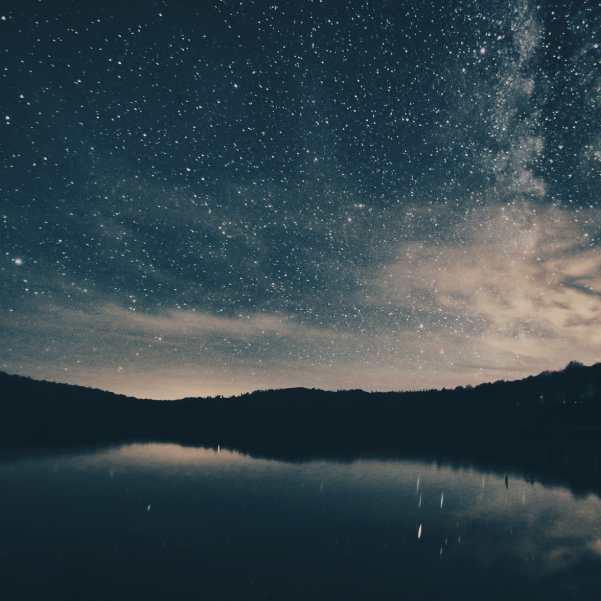
With zero light pollution and thin atmosphere, Chandratal is one of the finest astrophotography locations in India. The Milky Way is visible to the naked eye on clear nights.
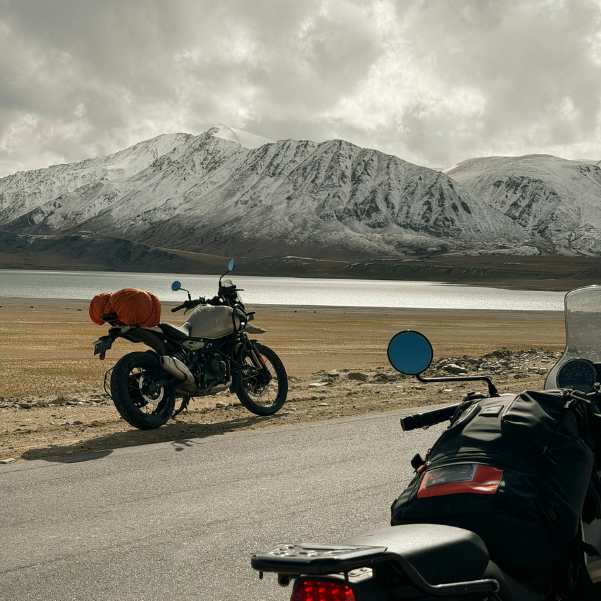
Adding Chandratal to a Spiti circuit creates one of the most complete high altitude road trips in India.

“Travel Coffee truly went above and beyond. Even though we booked from Indonesia without meeting them, we always felt secure — their team was available 24/7 and took care of every detail. Shubham personally ensured our comfort throughout the Himachal trip, from hotel checks to small gestures like bringing lotion and altitude pills. Their sincerity and local expertise made the journey unforgettable.”
Andre & Angel
Approximately 110 km to the Chandratal parking area. But distance is misleading here. The first half via the Atal Tunnel is smooth highway. The second half is a rough mountain track. Total driving time is usually 5 to 7 hours depending on conditions.
Honestly, not for most people. The round trip takes 10 to 14 hours of driving. You would arrive tired, get a brief window at the lake, and drive back in fading light on a rough road. An overnight trip with even one night at the campsite is a completely different experience.
The road typically opens by mid June after snow clearance and remains accessible until early October. Exact dates vary each year based on snowfall and weather patterns.
Families with teenagers and older children (above 10 to 12 years) can do this trip comfortably on a 3 or 4 day itinerary. For younger children, the altitude, cold nights, and basic facilities make it challenging. A Lahaul trip to Sissu is a better alternative for families with small kids.
September is one of the finest months. The rain eases, the sky opens up, and the landscape has a warm golden tone that photographers love. Camps begin closing toward late September, so aim for the first two to three weeks.
Early October is sometimes possible. But camps may be shut, temperatures drop sharply at night, and early snowfall can block the road without warning. Only plan for October if you are flexible and prepared for cold.
We would not recommend it. The road beyond Gramphu has water crossings, loose gravel, and broken sections that require ground clearance. A high clearance SUV is the right choice for this route.
At the lake area, yes. All accommodation is in tented camps. If you prefer rooms with walls and hot water, you can stay at Sissu or Jispa and do a day visit to Chandratal, though that limits your time at the lake.
Thermals, fleece, a windproof jacket, warm cap, gloves, sturdy shoes, sunscreen, sunglasses, a headlamp, personal medicines, a water bottle, and cash. The essentials are warmth, grip, and sun protection.
Barely. You might get patchy signal in Sissu. Beyond that, there is effectively no network until Kaza. Plan for a digital detox, whether you want one or not.
It depends on duration, group size, vehicle choice, and whether you are going private or shared. Rather than quoting a generic number, we prefer to understand your specific plan and share a transparent, detailed quote.
Yes, and many travellers do. From Chandratal, you cross Kunzum Pass and descend into Spiti. A 4 to 5 day itinerary covers both comfortably. For a fuller Spiti circuit including Key, Kibber, and Tabo, plan 7 to 10 days.
Three days and 2 nights. It gives you a proper halt in Lahaul for acclimatisation, a full overnight at Chandratal, a sunrise visit to the lake, and a relaxed return. Not too rushed, not too long.
Indian nationals do not need a special permit to visit Chandratal. Camping permits from the Himachal Pradesh Forest Department are handled by the camp operators. If you are a foreign national, an Inner Line Permit may be required depending on the route. We will guide you on this during planning.
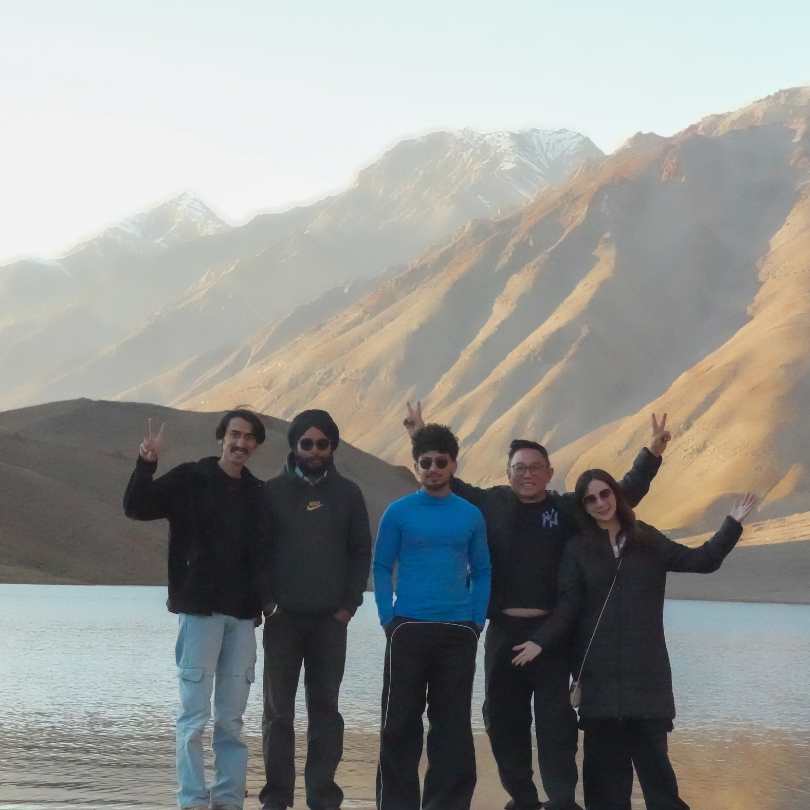
Real experiences shared by Travel Coffee travellers in Manali To Chandratal.
5 traveller reviews
Based on Google reviews.
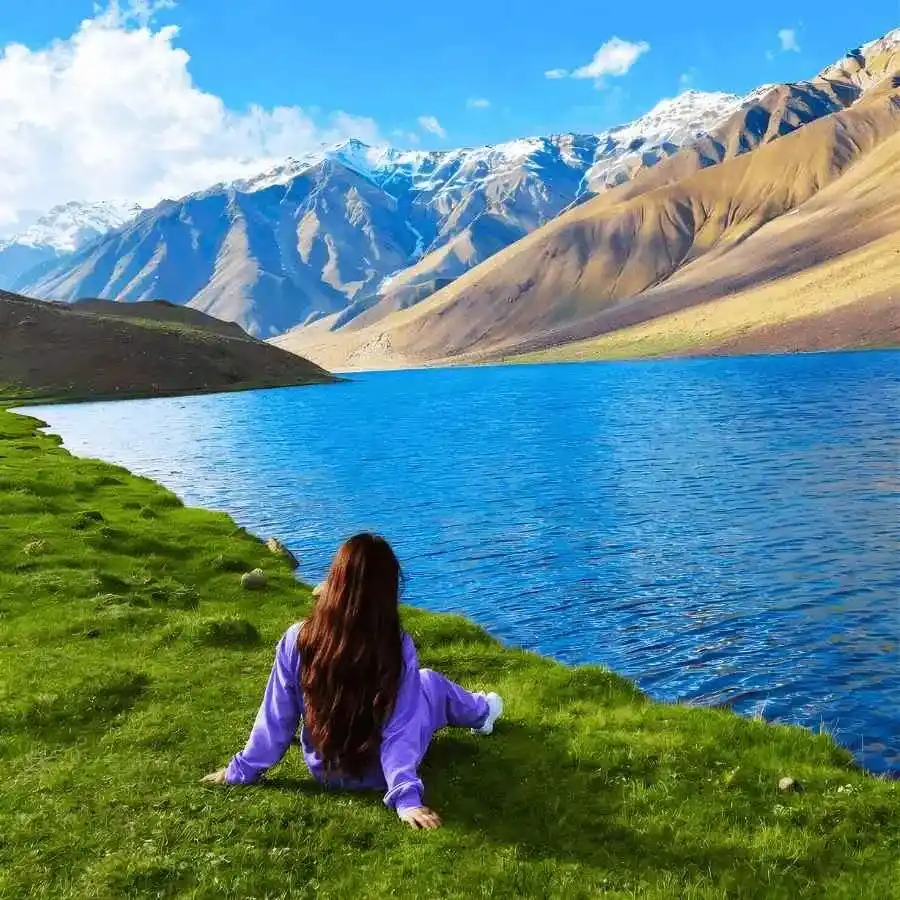
Real photos and videos shared by travellers from recent trips.
I, being a senior citizen travelled solo with Travel Coffee for Spiti Valley and Chandratal Lake for 8N/9D. It was an amazing trip, well organised with decent hotels. Vanshika from Travel Coffee supported me, took great care of me till the very end. I enjoyed a lot and am looking forward to join any upcoming trips in future
I recently completed the Spiti Valley - Chandratal Lake Tour, ending in Manali, organized by Travel Coffee. Overall, it was a memorable and enjoyable experience. The accommodations throughout the trip were comfortable, the food arrangements were good, and the bikes provided were well-maintained and reliable for the challenging terrain. The route itself was breathtaking, and the overall trip execution was satisfactory. There was some minor mismanagement on Day 1, primarily related to the coordination by the tour guide, which caused a bit of confusion at the start of the journey. Even when we were heading to Chandratal the backup can was never with us we completed the toughest terrain by ourselves. However, the team managed things better as the trip progressed. One area where there is definitely scope for improvement is the daily rider briefing and overall coordination among participants. A short briefing each morning covering the day's route, terrain conditions, expected riding challenges, fuel stops, road conditions, and possible traffic bottlenecks would greatly enhance the riding experience and help riders prepare better. That said, these were relatively minor issues in an otherwise well-organized adventure. The stunning landscapes, good arrangements, and overall experience made the trip worthwhile. Thank you to the Travel Coffee team for helping create some wonderful memories in Spiti Valley.
My first trip to Himachal was awesome! Thank you Travel Coffee, our captain Anil Sharma, and our driver Beenu sharma for making this trip memorable. My dream of seeing the Milky Way Galaxy and snow-covered Chandratal came true because of you. The team was amazing, and all the fellow travelers were very friendly. Thank you so much for the wonderful memories! ❤️🏔️🌌
We completed our Spiti Valley bike trip with Travel Coffee and it was an unforgettable adventure. Ishita coordinated everything very well before the trip and helped us understand the route, riding conditions, packing list and safety points. The journey was challenging, but the planning was strong. The support team was helpful, the bikes were in good condition, and the route through Kinnaur, Kaza and Chandratal was absolutely stunning. Every day had a different kind of landscape. Spiti on a bike is not easy, but with the right team it becomes a lifetime memory. Thank you Travel Coffee for making it happen
We had booked a customised Kinnaur and Spiti trip with Travel Coffee and the experience was wonderful from start to finish. Preeti helped us plan the itinerary in a very practical way, covering Narkanda, Sangla, Chitkul, Kalpa, Kaza and Chandratal without making the journey too hectic. She explained the route clearly before the trip and was always available during the journey. The hotels selected for us were comfortable and had beautiful views, especially in Kalpa and Kaza. Our driver was polite, punctual and very confident on the difficult mountain roads. Overall, it was a beautifully managed Himalayan trip. We came back with lifetime memories and would definitely recommend Travel Coffee for Spiti and Kinnaur.