
Sissu Monastery (Labrang Gompa)
The small Buddhist gompa in Labrang village above Sissu, dedicated to the protector deity Palden Lhamo
- Labrang Gompa, near Sissu
- Dedicated to Palden Lhamo
- Short walk above the village
- Often locked, ask for the lama
- 20 to 30 min stop
What makes it special
Sissu Monastery is the common tourist name for Labrang Gompa, a small Buddhist monastery in Labrang village just above Sissu in the Lahaul valley. It is dedicated to Palden Lhamo, a wrathful protector goddess in Tibetan Buddhism, and the Sissu waterfall across the Chandra river carries her name too, Palden Lhamo Dhar. That overlap is not a coincidence. In old Lahauli belief the deity is associated with the water and the mountain wall opposite the village, so the gompa and the waterfall end up being two expressions of the same protective figure. It is the quiet heart of a visit here, and most pages miss it.
Most sources list this place as Sissu Monastery, Sissu Gompa, or Labrang Gompa, and all three point to the same building. It sits on a low ridge a short walk or 5 minute drive uphill from Sissu village, on slightly higher ground than the main settlement. That bit of elevation is quietly the best thing about the visit. You get a wide open view across the Chandra valley, the Gyephang Goh peak to the east, and on a clear day the waterfall cliff on the opposite wall. If you are already in Sissu for the lake or the waterfall, walking up here adds a natural 20 to 30 minutes to the day.
The gompa itself looks modern rather than ancient. It has been restored and rebuilt over the years, and the interior holds a set of well kept Buddha statues along with murals in Tibetan Buddhist style. If you are chasing centuries old architecture, this is not the Lahaul gompa for you. Kardang near Keylong, Shashur above Keylong, and Guru Ghantal across Tandi Sangam are the older, historically richer options. Come here for the setting, the deity context, and a quiet 20 minutes, not for archaeology.
One honest thing most pages skip. Like most gompas in Lahaul, this one is often locked, especially outside festival days and morning prayer hours. You usually need to ask around in Labrang village for the caretaker lama, who generally lives close by and will open it if he is around. If the gompa is locked and you are short on time, walk around the outside, sit in the courtyard, enjoy the view, and move on. And do not confuse it with the Raja Ghepan Temple in the adjacent hamlet of Shashin, which is a separate shrine to the main Lahauli folk deity Lord Ghepan and is closed to non residents of Lahaul.
Quick answers
- Is Sissu Monastery the same as Labrang Gompa?
- Yes. The gompa most travel pages list as Sissu Monastery is actually called Labrang Gompa, in Labrang village just above Sissu. Both names refer to the same small Buddhist monastery. If you are searching for either name, you are looking at the same place.
- Where exactly is it and how do I reach it?
- It sits in Labrang village on slightly higher ground above Sissu, roughly a kilometre or two uphill from the main village. From a Sissu homestay or the lake area, it is a 10 to 20 minute walk on a clear path, or a 5 minute drive on a narrow road. From Manali, it is around 42 km via the Atal Tunnel and the Sissu turn off.
- Is it worth a separate visit?
- Only as part of a Sissu visit, not as a dedicated trip. The gompa is small, often locked, and takes 20 to 30 minutes when you do find it open. Pair it with the Sissu waterfall, the lake, and a walk through the village for a proper half day. If you are specifically chasing ancient Lahauli gompas, drive on to Kardang near Keylong instead. That is the older, historically richer option.
Quick facts
Everything you need to know at a glance.
At a glance
- Altitude
- Around 3,200 m / ~10,500 ft, slightly higher than Sissu village at 3,120 m
- Location
- Labrang village on the slope above Sissu village, Lahaul valley, Lahaul and Spiti district, Himachal Pradesh
- Nearest base
- Sissu village, 10 to 20 minute uphill walk or 5 minute drive. Manali ~42 km via Atal Tunnel. Keylong ~32 km.
- Access
- Year round. The Atal Tunnel keeps Sissu connected through winter.
- Timings
- Informal. Best chance of finding the door open is mornings 8 to 10 AM or late afternoons 4 to 5 PM. Otherwise ask in the village for the caretaker lama.
- Entry fee
- None. Small donation in the box inside is appreciated, typically 20 to 100 rupees.
- Time needed
- 20 to 30 minutes for a normal visit. 15 minutes more if you walk the Labrang village lanes.
- Known for
- Small village gompa dedicated to Palden Lhamo, set on the slope above Sissu with a wide open view of the Chandra valley
- Access difficulty
- Easy to moderate. 10 to 20 minute walk uphill from Sissu village, or drive up in 5 minutes on a narrow road.
On the ground
- Mobile network
- BSNL remains the most reliable. Jio and Airtel are improving year by year but still patchy and unpredictable up here. Data is slow in most spots. Do not plan on smooth video calls.
- ATMs
- None at Labrang or Sissu. Nearest ATMs in Manali or Keylong. Carry cash, including small change for the donation box.
- Fuel
- No pump at Sissu. Nearest is Tandi, about 25 km west. Fill up in Manali before the drive up.
- Food
- Nothing at the gompa. A few small dhabas and tea stalls at Sissu lake and in the village below.
- Parking
- Small informal parking at the gompa entrance. Better to park in Sissu and walk up in most cases.
- Washrooms
- None at the gompa. Use the basic facilities at Sissu Lake before walking up.
- Photography
- Allowed outside and in the courtyard. Inside the main hall, ask the lama first. No flash photography near statues or altar.
- Drones
- Not appropriate near a religious site. Keep drones grounded here. Sissu helipad area also restricts drone use.
- Walking surface
- Clear uphill path from Sissu village, gravel and dirt, 10 to 20 minutes. Moderate gradient at altitude, pace yourself.
- Guided tours
- None operate. The caretaker lama may explain the statues informally if you ask in simple Hindi.
Seasonal weather
- May to June22°8°Spring
- July to August25°12°Summer monsoon
- September to October20°4°Autumn
- November to March5°-15°Winter
Suitable for
- Couples — suitable
- Families — suitable
- Seniors — with some care
- Solo — suitable
- First-timers — suitable
- Pet-friendly — not suitable
How to reach Sissu Monastery (Labrang Gompa)
5 approach routes, with seasonal access.
From Sissu village
Year round. Winter path can be icy.- Distance
- ~1 to 2 km
- Time
- 10 to 20 minutes uphill on foot
- Road
- Gravel and dirt village path, moderate gradient
- Last fuel
- Not relevant on foot
From your Sissu homestay or the lake area, walk uphill through the village lanes along a clear path. It is a moderate climb, not steep, but altitude makes even easy gradients feel heavier, so take it slow, especially on your first day in Lahaul. Morning before 10 AM is best for the light and for quieter lanes. Watch for village dogs on the edges of Labrang, they bark but rarely bother anyone moving at a walking pace.
From Sissu highway turn off
Year round, dry weather preferred in deep winter- Distance
- ~2 km
- Time
- 5 minutes by road
- Road
- Narrow mountain road, patched tarmac and gravel
- Last fuel
- Not applicable for this stretch
If the walk feels heavy at altitude and you have a car, this is the shortcut. A narrow motorable road runs from the Sissu highway turn off up to Labrang village. The surface is patched but driveable for SUVs, hatchbacks, and taxis. Small cars can manage it in dry weather. Park near the gompa gate or at the village square and walk the last 100 metres. Avoid driving up in deep winter ice.
From Manali via Atal Tunnel
Year round via the tunnel- Distance
- About 42 km
- Time
- 1 to 1.5 hours
- Road
- Tarred highway through the tunnel, then a short uphill road from Sissu turn off
- Last fuel
- Fill up in Manali. No pump at Sissu. Nearest onward is Tandi, 25 km west.
Drive from Manali on NH 3 through the Atal Tunnel, about 25 km to the south portal and 15 to 20 minutes through the tunnel itself. From the north portal at Teling, continue about 5 km to the Sissu turn off, then 2 km uphill to Labrang. Total drive from Manali town is roughly 45 to 75 minutes depending on tunnel queue in summer. Leave by 7 or 8 AM to beat the weekend queue at the south portal.
From Keylong
Year round- Distance
- About 32 km
- Time
- 45 minutes to 1 hour
- Road
- Tarred highway along the Chandra, then a short climb
- Last fuel
- Tandi petrol pump between Keylong and Sissu
If you are staying in Keylong and doing a lower Lahaul circuit back towards Manali, Sissu Monastery works as a 30 to 45 minute halt between Gondhla and the tunnel. Drive east on NH 3 through Tandi and Gondhla, turn up to Labrang at the Sissu turn off. Pair it with Gondhla Fort for an architecture and religion half day from Keylong.
From Ghepan Lake trek start
Generally May to October for the full trek- Distance
- Trek start in Sissu village, gompa is ~1.5 km in
- Time
- Typically a 2 day round trip, pace varies with fitness
- Road
- Village path to Labrang, then mountain trail onward
- Last fuel
- Fill water in Sissu village, no water sources on the upper trail are reliable
The approach most Ghepan Lake trekkers use. The trek starts in Sissu village, climbs through Labrang, and continues up to the lake, so the gompa falls naturally in the first hour or so. Treat it as an acclimatisation halt, do not speed past. The lake is about 17 km one way from Sissu, usually done as an overnight with a camp near the lake. Most groups plan on two days total, though walking time shifts noticeably with fitness and how well you are adjusted to altitude. Summer to early autumn only, May or June to October.
Best time to visit
Season by season, so you can plan around the weather rather than hope.
- Recommended
Spring
May to June
Path clear of snow, village life resumed, comfortable walk up from Sissu
- Day temperature
- 15 to 22 C
- Night temperature
- 5 to 8 C
- Path condition
- Clear of snow in most years
- Visitor count
- Low to moderate
A good window. Snow clears from the path to Labrang by early May in most years, the caretaker lama is usually around as village life resumes, and the walk up from Sissu is comfortable in a t-shirt by late morning. Wildflowers appear on the slopes in late May and June. The waterfall across the Chandra builds flow through June, which is when the combined visit is at its best. Snow clearance timing shifts year to year though, so check locally before a May trip.
- Recommended
Summer monsoon
July to August
Gompa stays quiet even while the waterfall viewpoint gets busy
- Day temperature
- 18 to 25 C
- Night temperature
- 10 to 12 C
- Gompa visitor count
- Still low
- Village activity
- High
Peak tourist season in Sissu but the gompa itself rarely gets busy, since most travellers stick to the waterfall and the lake. Mornings are generally clear, afternoons can cloud over. The walk up from Sissu is hot by midday, best done before 10 AM. Lahaul sees less direct rain than Manali due to its partial rain shadow location, but the tunnel approach road from the Kullu side can have landslide delays after heavy rain.
- Recommended
Autumn
September to October
Cleanest air, sharpest light, and the most reliable window to find the lama at home
- Day temperature
- 12 to 20 C
- Night temperature
- 2 to 5 C
- Path condition
- Excellent, dry
- Crowds
- Low
The best overall window. Air sharpens after the monsoon, poplars around Sissu turn yellow, the light is the cleanest of the year, and tunnel traffic drops noticeably after the first week of September. Labrang village is busy with harvest activity and the lama is generally available most days. Nights get cold by October, carry proper layers for an evening gompa visit. This is when the two part visit, waterfall and gompa together, is at its best.
Winter
November to March
Accessible year round but timings get informal and the path can be icy
- Day temperature
- -2 to 5 C
- Night temperature
- -10 to -15 C
- Path condition
- Icy in places, especially early morning
- Lama availability
- Low, hardest time to find the door open
Open but low key. The Atal Tunnel keeps Sissu connected through winter, so you can reach Labrang year round, which was not true before 2020. The gompa itself stays accessible but the caretaker lama is harder to find, many families retreat indoors in deep winter, and the path up can be icy especially early morning. Carry proper cold weather gear including gloves and a windproof layer, and plan the visit for late morning when the sun has been on the village for a few hours. Winter works if you are staying in Sissu for a couple of nights, not for a rushed day trip.
Things to see & do
6 things worth your time at Sissu Monastery (Labrang Gompa).
Find the caretaker lama for the key
10 to 20 minutes to locate, variableUsually the first thing you have to sort out. If the main door is shut, walk into the Labrang village lanes, ask a local for the lama in charge of the gompa, and he will generally come up to open it. Mornings around 8 to 10 AM and late afternoons around 4 to 5 PM are your best chance, because that is when many Lahaul gompas see informal prayer time. Offer a small donation in the box inside as a matter of respect. Do not push it if the lama is unavailable, sometimes you just have to see the outside and move on.
Look at the statues and murals
10 to 15 minutes insideInside the main prayer hall you will find statues of different forms of the Buddha, prayer wheels lining the walls, thangka paintings in Tibetan Buddhist style, and butter lamps. The centrepiece is a Palden Lhamo figure. Walk clockwise around the hall, which is the usual convention. Do not photograph the statues unless the lama specifically says yes, and do not touch the ritual items. Ten to fifteen minutes is enough, there is not a huge amount to see.
Sit in the courtyard for the valley view
15 to 30 minutesThe quiet hour most visitors skip. The gompa courtyard sits on slightly higher ground than Sissu village, with a clear open view across the Chandra valley, the green roofs of the village below, and the waterfall cliff on the far ridge. A simple 15 minute sit here, preferably in the morning before the valley fills with traffic from the tunnel, is the part of the visit that tends to stick. Keep voices low, do not play music, respect that this is still a working religious building.
Pair with the Sissu Waterfall visit
Combine into a half dayThe pairing most travellers miss. The waterfall across the Chandra is locally called Palden Lhamo Dhar, after the same deity the gompa is dedicated to, so doing the two together in a single half day, gompa first and then the waterfall from the helipad viewpoint, makes for a richer visit than either one alone. Walk the short distance from the village or drive up in 5 minutes, then head back down and across to the lake and helipad.
Combine with the Ghepan Lake trek start
2 days (overnight trek)The Ghepan Lake trek, one of the popular treks from Sissu, starts in Sissu village and passes right through Labrang on the way up. If you are planning the trek, a stop at the gompa first is a natural warm up. The full trek is about 34 km round trip, and the walking time usually lands somewhere between 10 and 14 hours depending on your fitness and how well you have acclimatised. Rated moderately tough. Most people do it as an overnight camp. Summer to early autumn only.
Walk up from Sissu village
15 to 20 minutes one wayFrom most Sissu homestays or the lake area, the gompa is a 10 to 20 minute walk uphill on a clear path, or a 5 minute drive on a narrow motorable road. The walk is moderate, not steep, but the altitude at around 3,200 metres makes even easy climbs feel heavier than they are, so pace yourself. Early morning before 10 AM is the best time, both for the light and for the quieter lanes.
Know before you visit Sissu Monastery (Labrang Gompa)
The practical bits, from people who have been.
What Sissu Monastery actually isSame place as Labrang Gompa. Small Buddhist monastery above Sissu dedicated to Palden Lhamo.
Sissu Monastery and Labrang Gompa are the same place. The building is called Labrang Gompa in Lahauli usage, and it sits in Labrang village, a small hamlet on slightly higher ground above Sissu. Tourism pages tend to use Sissu Monastery as a wider catch all name because Sissu is the more recognisable location.
It is a Buddhist monastery dedicated to Palden Lhamo, a wrathful protector deity in Tibetan Buddhism. The current structure has a fairly modern look after restoration, with statues of different forms of the Buddha, thangka paintings in Tibetan Buddhist style, and prayer wheels along the outer walls.
Practical short version. It is a small village gompa, best visited as a 20 to 30 minute stop paired with the waterfall and the lake. Not a standalone destination.
How to find the gompa openOften locked. Try morning 8 to 10 AM, ask in Labrang village for the caretaker lama, do not rely on generic timings online.
This is the single most useful thing to know in advance. Like most gompas in Lahaul, the door stays locked outside prayer hours, which are informal and unpublished. Do not rely on generic timings listed on tourism pages.
First try, morning 8 to 10 AM. Walk up from Sissu, look for the main door. If it is open, informal prayer may be in progress, enter quietly and sit at the back.
If locked, ask in the village. The caretaker lama generally lives in one of the houses in Labrang, a couple of minutes walk from the gompa. Ask anyone you meet for the lama who holds the key, people will point you the right way. Common Hindi or basic English is enough.
Be flexible. If the lama is travelling, working in the fields, or simply out for the day, you may not see the inside. Accept it, walk the courtyard, enjoy the view, and come back tomorrow if your plan allows.
Late afternoon second window. Roughly 4 to 5 PM is the other informal prayer time at many Lahaul gompas. Works as a fallback if morning did not line up.
Festival days. The gompa opens up for ceremonies tied to Tibetan Buddhist festivals, which shift year to year. If your dates happen to overlap, ask at your Sissu homestay, they will know.
The Palden Lhamo connection with the waterfallThe gompa and the waterfall are both dedicated to Palden Lhamo. Seeing both links the landscape to a real local belief.
This is the single most interesting cultural detail at Sissu, and most travellers miss it.
The gompa in Labrang is dedicated to Palden Lhamo, the wrathful protector goddess in Tibetan Buddhism. She is associated in Himalayan valleys with mountains, weather, water, and the fierce side of the Dharma. In Lahaul, she is treated as a protector of the Sissu area.
The waterfall across the Chandra river from Sissu village is locally called Palden Lhamo Dhar, the same deity's name. Dhar in Lahauli usage means a sustained flow or torrent. Local belief draws a line between the goddess, the water, and the mountain wall opposite the village. When you sit at the Sissu helipad and look at the waterfall, and then walk 20 minutes up to Labrang Gompa and look at the Palden Lhamo statue inside, you are looking at two expressions of the same protective figure in local understanding.
You do not need to be religious to appreciate this. The connection is a quiet piece of Lahauli culture that a casual traveller can pick up with a short walk between two viewpoints. If you are already visiting the waterfall, walking up to the gompa adds about an hour to your day and a layer of context that no signboard in Sissu currently explains.
Don't confuse it with the Raja Ghepan TempleLabrang Gompa is the Buddhist monastery open to visitors. Raja Ghepan Temple at Shashin is a closed shrine to the Lahauli village deity. Two different places.
Three different religious sites are often conflated around Sissu. Knowing which is which saves time.
Labrang Gompa, Labrang village. The actual Sissu Monastery. Buddhist gompa, dedicated to Palden Lhamo, open to visitors when the lama is around. This is what most tourism listings for Sissu Monastery mean.
Raja Ghepan Temple, Shashin hamlet. The main shrine to Lord Ghepan, the folk deity of Lahaul, in Shashin adjacent to Sissu. This is a different religious tradition, closer to the older pre Buddhist Lahauli belief, and it is generally closed to non residents of Lahaul. Do not plan a visit expecting to go inside.
Gyephang Goh, the mountain. The 5,870 metre peak east of Sissu is also named after Ghepan. It is not a temple or shrine, just the sacred mountain the Shashin temple is connected to. You see it on the drive from Koksar.
If you have heard about a Sissu Buddhist monastery, you want Labrang Gompa. If you have heard about the Lahauli village deity, that is the closed Ghepan temple at Shashin. Two different places, 10 minutes apart, different rules.
Etiquette for the visitShoes off, walk clockwise, voices low, ask before photographing inside, small donation, no feet towards the altar
Labrang Gompa is a working village monastery, not a museum, and the rules are simple courtesy. Follow them and the visit will be gracious.
Remove shoes. Before entering the main hall. There is a spot at the door.
Walk clockwise. Around the central hall, stupas, and prayer wheels. This is the universal Buddhist convention and worth sticking to even if nobody is watching.
Keep voices low. Phones on silent. If informal prayer is in progress, sit at the back quietly, do not take flash photographs, do not walk in front of the lama.
Ask before photographing inside. Outside is fine. Inside, the rule varies from gompa to gompa and day to day. A quiet question to the lama is always better than an uncomfortable correction.
No feet towards the altar. If you sit on the floor, tuck your feet back, do not stretch them towards the statues or the main altar.
Small donation. 20 to 100 rupees in the box is appropriate and appreciated. The gompa runs on community support.
Do not touch ritual items. Prayer wheels are fine to spin clockwise. Drums, bells, butter lamps, and texts are not to be handled.
Who should visit, and who should skipWorth 20 to 30 minutes if you are already in Sissu. Not worth a dedicated day trip. Not the gompa for ancient architecture.
Yes, stop in if: you are already in Sissu for the waterfall and the lake. The gompa adds 20 to 30 minutes, a different kind of view, and a bit of cultural context. Strong pairing.
Yes, plan the Ghepan Lake trek through it: the trek from Sissu to Ghepan Lake passes Labrang village. The gompa is a natural acclimatisation halt on the way up.
Skip a dedicated trip from Manali if: you are only coming to see the monastery. It does not justify the drive on its own. A two hour trip each way plus tunnel queue for a 20 minute gompa visit is the wrong trade.
Skip it altogether if: you are chasing centuries old Lahauli gompa architecture. Kardang, Guru Ghantal, Shashur, and Tayul are the historically richer monasteries. Drive up to Keylong and do a proper monasteries circuit, it is a far better version of the same interest.
Families with kids: fine. Short walk, moderate altitude, quiet visit. Prep kids on the quiet rules beforehand.
Seniors: uphill walk from Sissu village is moderate, about 10 to 20 minutes on a clear path. Drive up instead if the walk feels heavy at altitude.
Nearby attractions
Other places worth the detour.
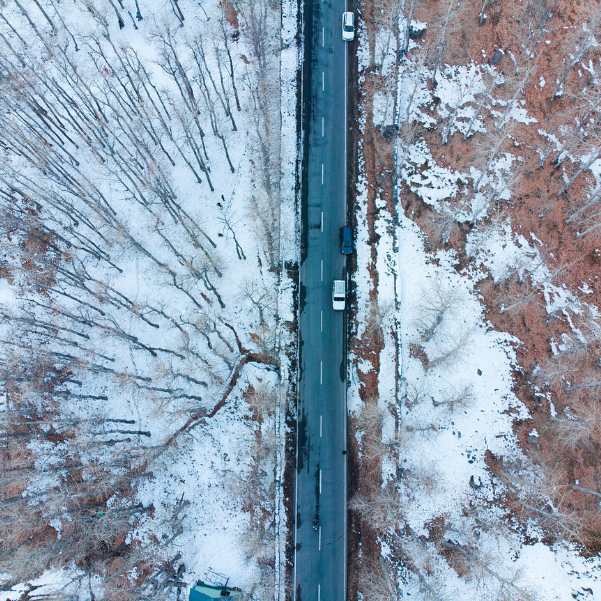
Sissu Village
~1 to 2 km below · 10 to 20 min walk uphill
The main village below the gompa, on the right bank of the Chandra river. The natural base for any visit to Labrang Gompa, with homestays, dhabas, and the lake and helipad area. Walking up to the gompa from here is the standard approach.
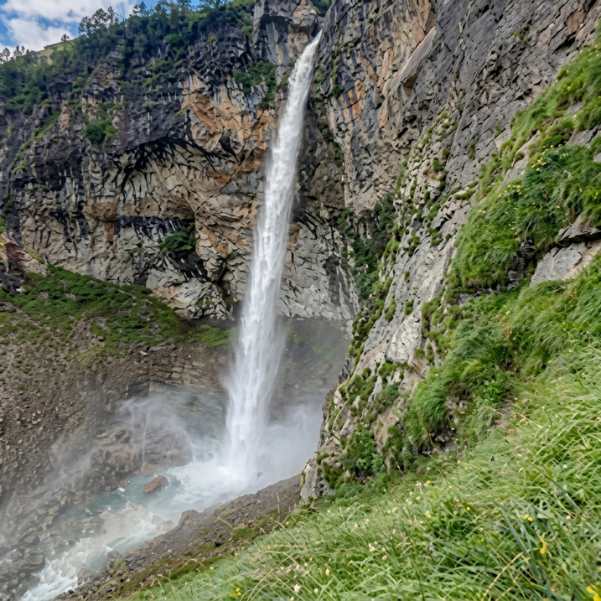
Sissu Waterfall
~2 km · visible from the village, viewed from the helipad
The tall Palden Lhamo Dhar waterfall on the cliff across the Chandra from Sissu village. Pairing it with the gompa in a single half day is the best way to see both in their full context.
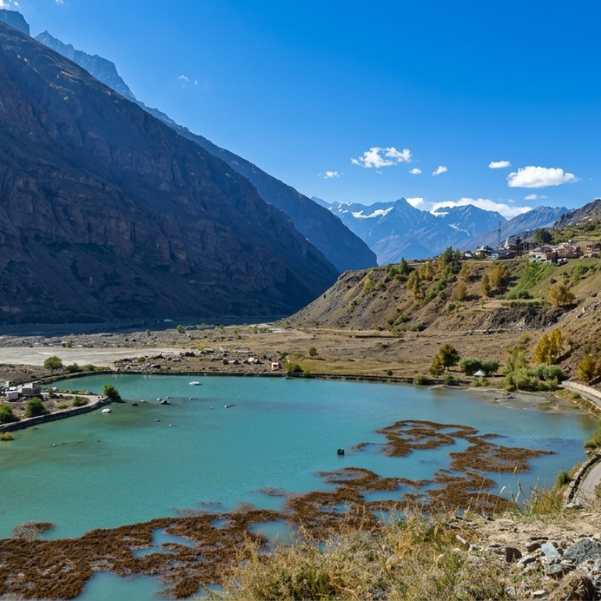
Sissu Lake
~1 to 2 km · 10 min walk downhill from the gompa
A small man made lake near the Sissu helipad, below the uphill path to the gompa. A natural first stop of the morning, before walking up to Labrang. Good reflection of the waterfall cliff on a still morning.
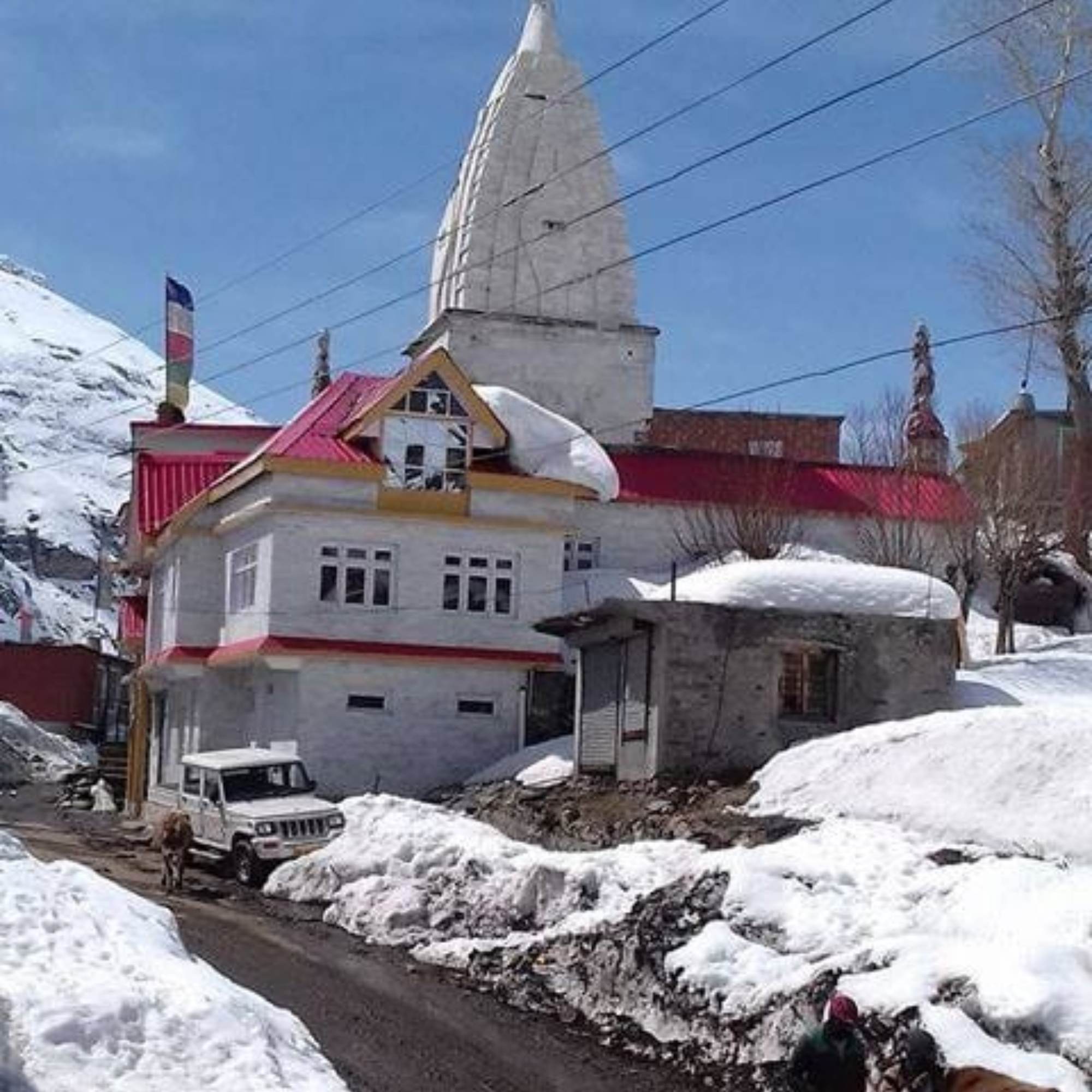
Raja Ghepan Temple at Shashin
~1 km from Sissu village
A separate temple to Lord Ghepan, the folk deity of Lahaul, in the hamlet adjacent to Sissu. Important local site but closed to non residents of Lahaul. Worth knowing about for the cultural context, not as a visit plan.
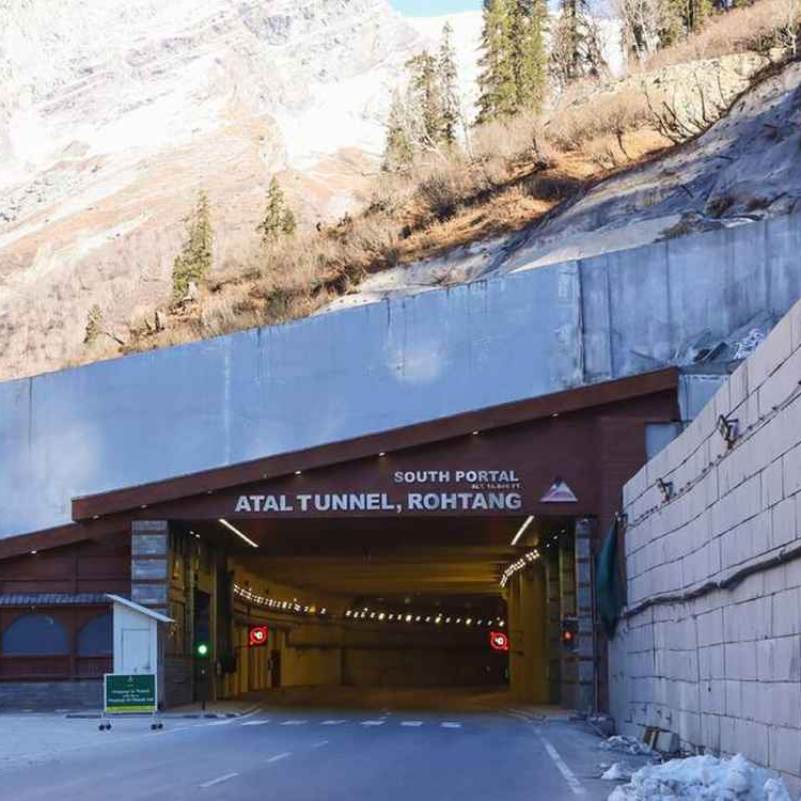
Atal Tunnel
~5 km south · 10 min drive
The 9.02 km highway tunnel on NH 3, about 5 km south of Sissu, that makes year round access to Labrang Gompa possible. Most visitors cross it on the way in. Summer weekend queues at the south portal can add 30 to 60 minutes.
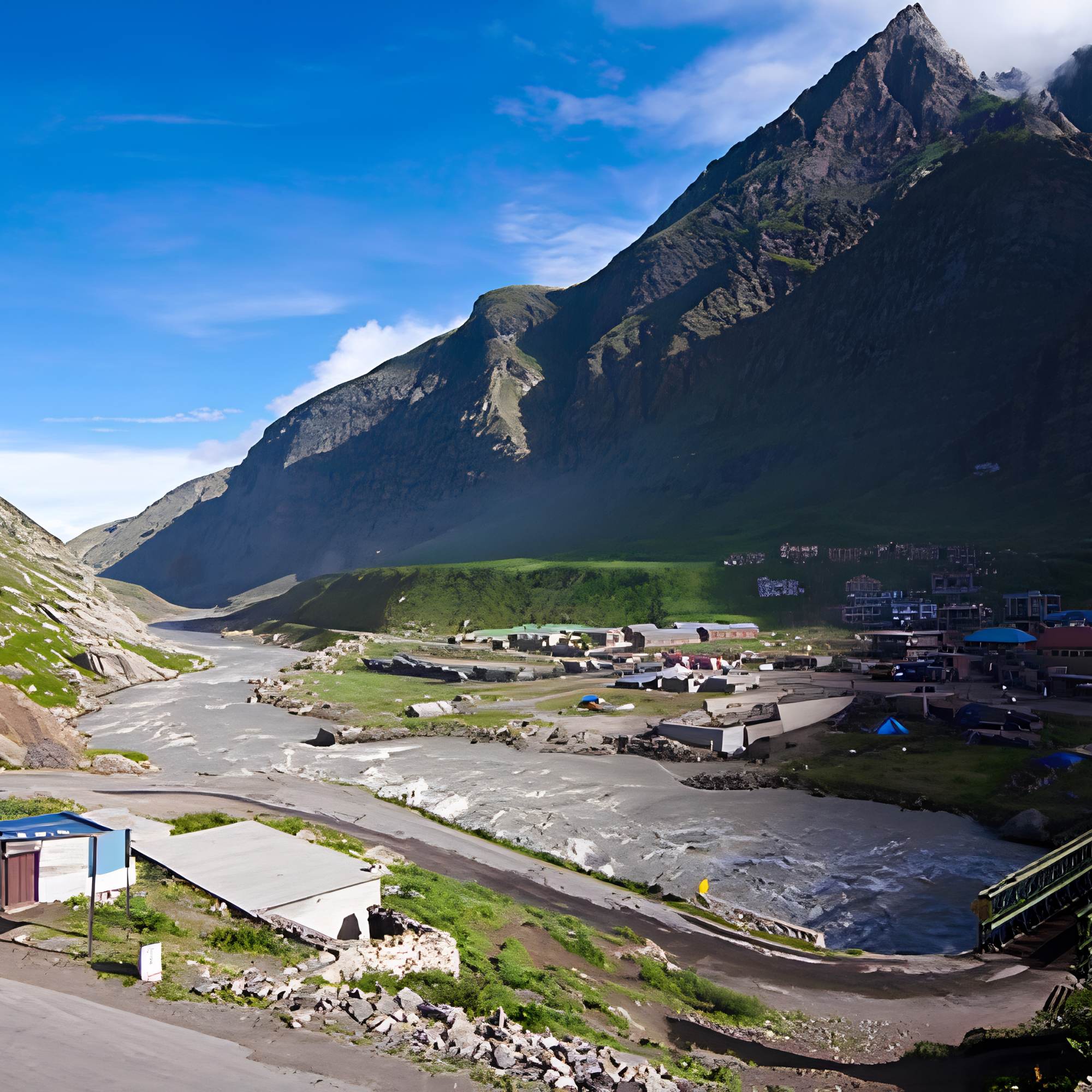
Koksar Village
~14 km east · 25 min drive
The Lahauli village 14 km east on the Chandra, the main police check post for Spiti bound vehicles via Gramphu. Pair with the gompa on a wider lower Lahaul day from Manali.
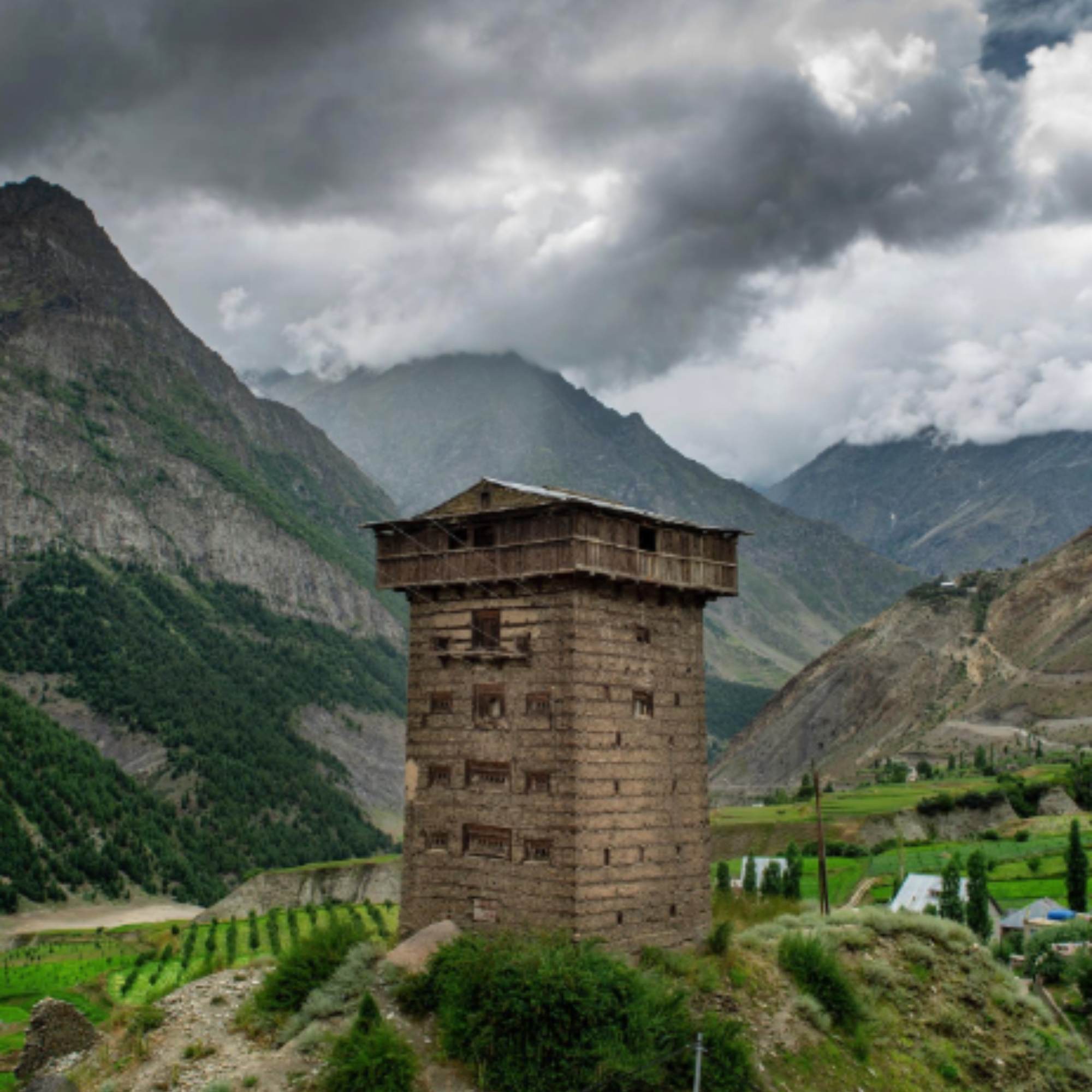
Gondhla Fort
~11 km west · 20 min drive
The only seven storey Kathkuni tower fort in Lahaul, built around 1700 AD for the Thakurs of Gondhla, about 25 minutes west of Sissu. A useful architectural contrast with the modern gompa at Labrang.
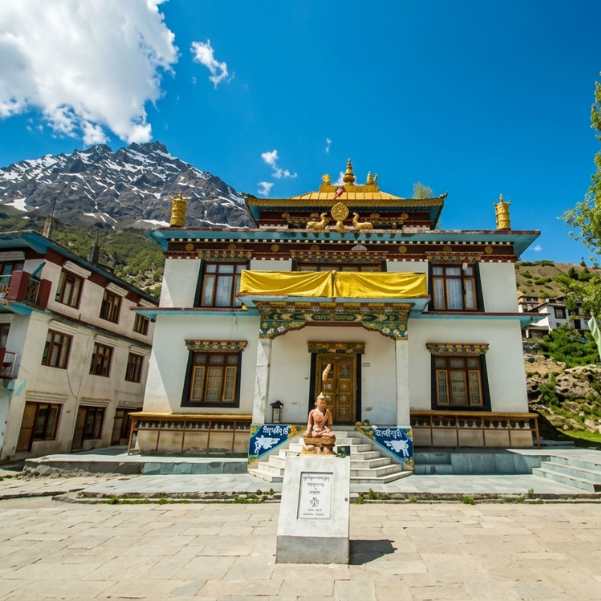
Kardang Monastery
~35 km west · 1 hour drive
One of the oldest and largest Buddhist monasteries in Lahaul, above Keylong across the Bhaga river. Attributed to the Drukpa Kagyu tradition and several centuries old. Pair with a Keylong overnight for a proper Lahaul monasteries circuit.
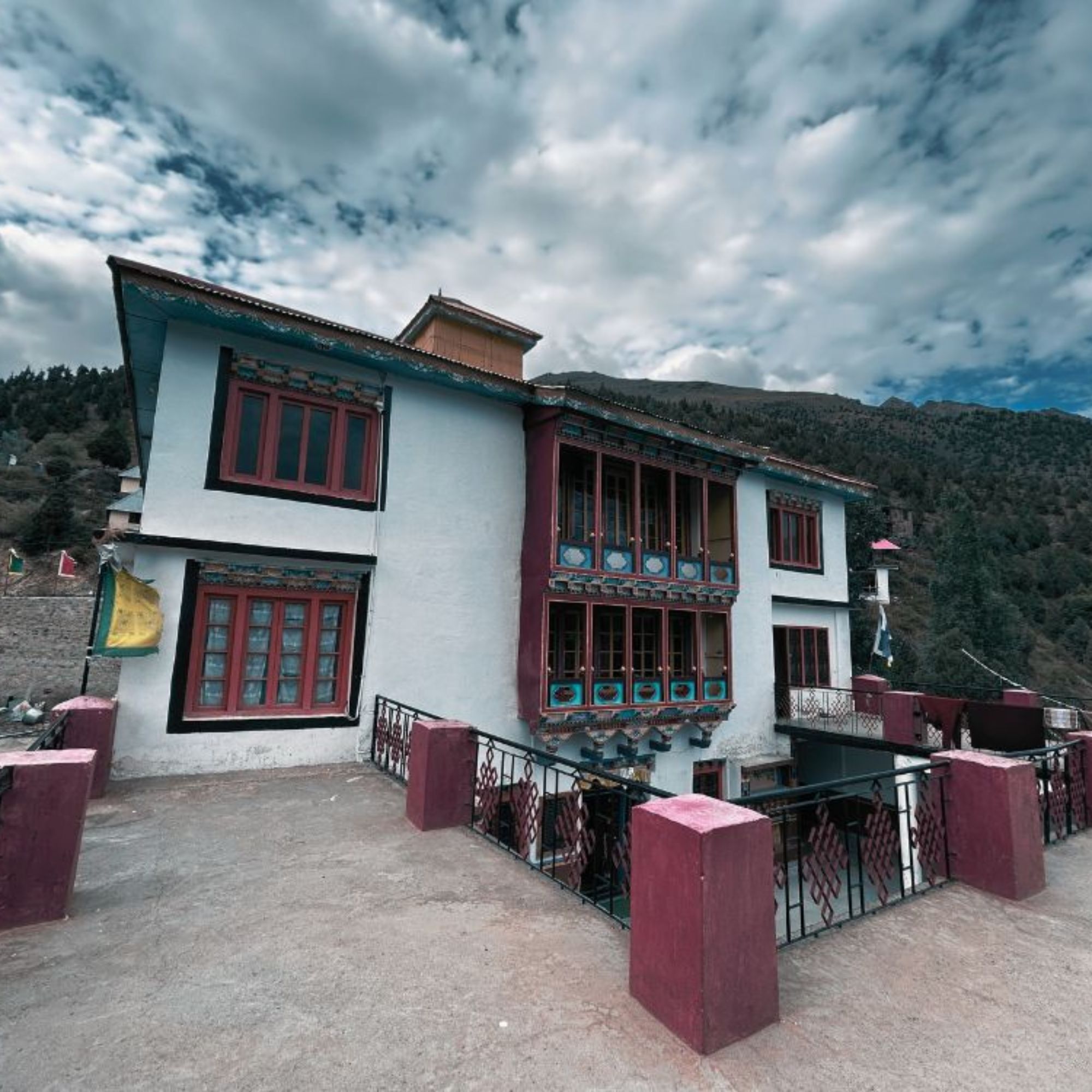
Shashur Monastery
~32 km west · 1 hour drive
Another important Lahaul gompa, above Keylong on the hillside. Shashur means blue pines in local usage, named after the deodar forest on its approach. Part of any serious Lahaul monasteries circuit.
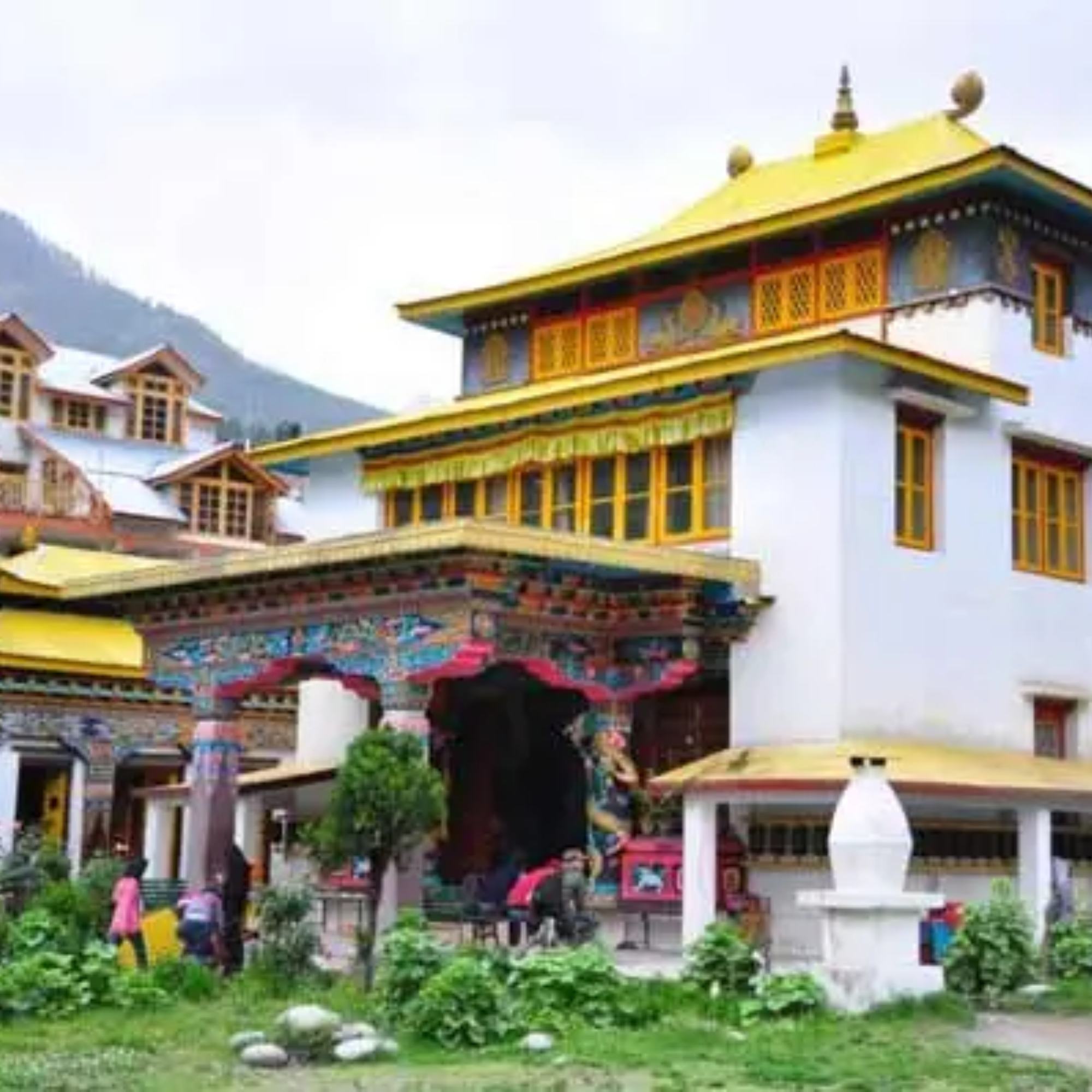
Guru Ghantal Gompa
~22 km west of Sissu · 40 min drive
A very old gompa across the Tandi Sangam, reportedly the oldest in Lahaul, attributed to Guru Padmasambhava. Keys are held at Tupchiling Gompa in the valley. Proper historical gompa stop for those genuinely interested in old Lahauli architecture.
Our packages with Sissu Monastery (Labrang Gompa)
Curated trips that include a visit to Sissu Monastery (Labrang Gompa).
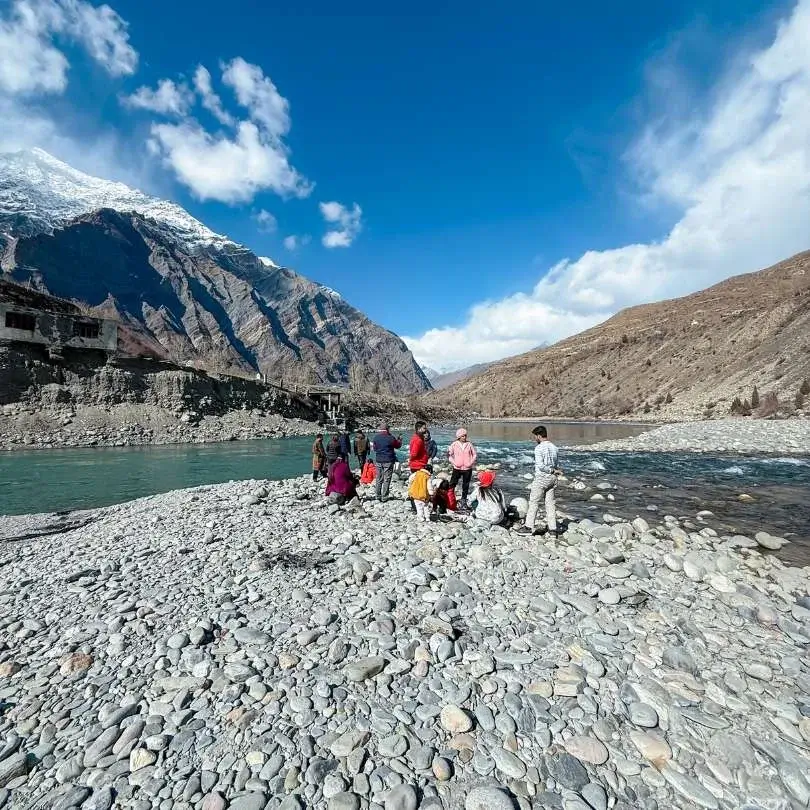 6D/5N
6D/5NMost Loved Sissu Valley Escape With Jispa Riverside Stay
2D Sissu•1D Jispa
₹15,999₹19,999SAVE INR 4,000/ person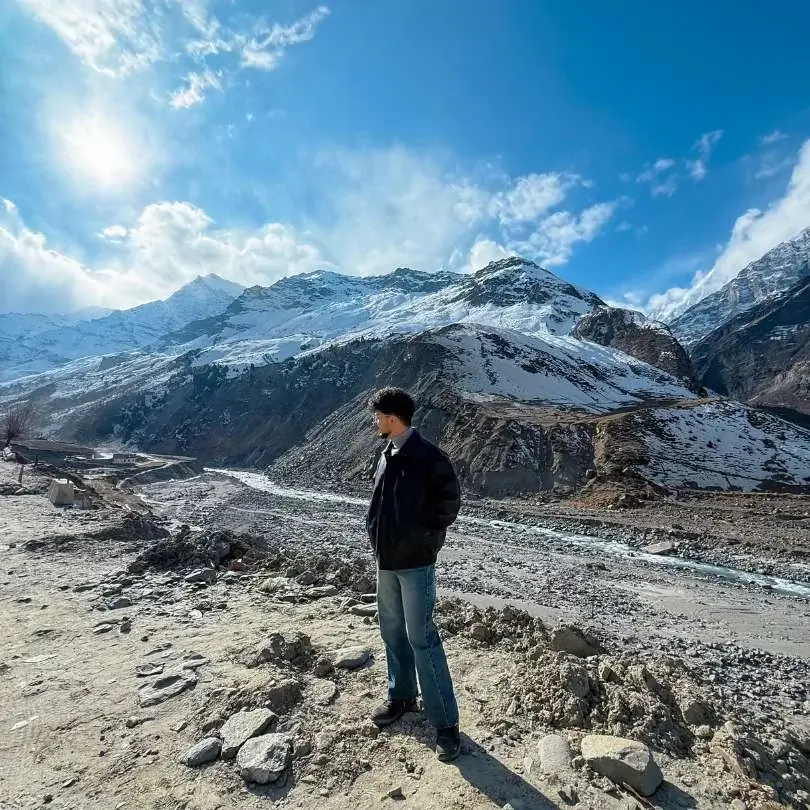 5D/4N
5D/4NClassic Sissu Valley Trip
2D Sissu•1D Manali
₹12,799/ person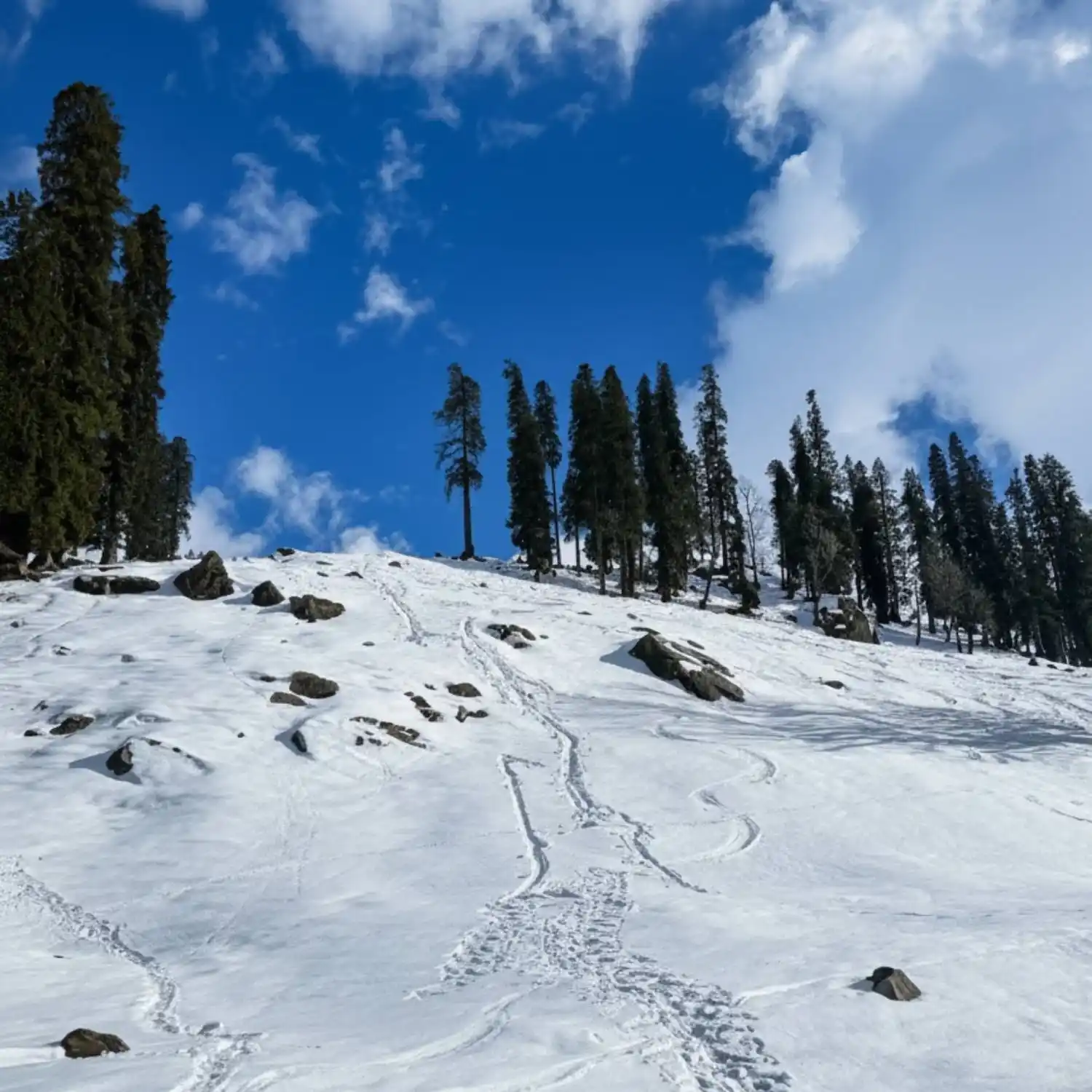 6D/5N
6D/5NManali Solang Sissu & Snow Village Sethan Budget Trip
1D Delhi•3D Manali+2
₹12,999₹19,999SAVE INR 7,000/ person
Frequently Asked Questions about Sissu Monastery
Is Sissu Monastery the same as Labrang Gompa?
Yes, in practical usage they are the same place. The gompa most sources list as Sissu Monastery is actually named Labrang Gompa, sitting in Labrang village just above Sissu in the Lahaul valley. Sissu is the larger, better known settlement, and the gompa is a short walk uphill. Both names point to the same small Buddhist monastery.
Where exactly is Sissu Monastery located?
It sits in Labrang village, a small hamlet on slightly higher ground about a kilometre or two above Sissu village in the Lahaul valley. From Sissu, it is a 10 to 20 minute uphill walk or a 5 minute drive on a narrow motorable road. From Manali, it is about 42 km via the Atal Tunnel, NH 3, and the Sissu turn off.
Who is Palden Lhamo and why is this gompa dedicated to her?
Palden Lhamo is a wrathful protector deity in Tibetan Buddhism, often depicted riding a mule through a sea of blood, associated in Himalayan valleys with mountains, weather, water, and guardianship of the dharma. In Lahaul she is treated as a protector of the Sissu area, and the gompa at Labrang is dedicated to her in that role.
Is Sissu Monastery an ancient monastery?
No. The gompa has been rebuilt and restored over the years, and the current structure has a fairly modern look. If you want ancient Lahaul gompas with genuine centuries of history, Kardang near Keylong (attributed to the Drukpa Kagyu tradition and several centuries old), Shashur above Keylong, and Guru Ghantal across Tandi Sangam are the older options. Come here for the setting and the deity context, not for archaeology.
Is the gompa open to visitors?
Yes, Indian and foreign visitors are welcome, but the door is often locked outside prayer hours. This is normal for most Lahaul gompas. Ask in Labrang village for the caretaker lama, who generally lives close by, and he will usually open it if he is around. Mornings around 8 to 10 AM and late afternoons around 4 to 5 PM are your best chance. Exact timings are informal and can change.
Is there an entry fee?
None officially. Like most village gompas in Lahaul, there is no ticket counter. A small donation in the box inside is expected and appreciated, typically 20 to 100 rupees depending on what feels right. The lama does not charge to open the door. The entire experience is informal, not commercial.
Can I take photographs inside?
Photography outside is fine. Inside the main prayer hall, ask the lama before photographing, rules vary from gompa to gompa and from day to day. A safe default is no photographs of the statues, the altar, or ritual items, and definitely no flash. Remove your shoes before entering, keep voices low, and do not sit on any cushions reserved for monks or elders.
How long should I spend at Sissu Monastery?
20 to 30 minutes is right for most travellers. Ten minutes inside if the door is open, ten minutes in the courtyard for the valley view, maybe another ten if you walk around the village lanes. Stretch to an hour if you are waiting for the lama to arrive or if you are interested in sitting through informal prayer. This is not a half day visit.
What is the difference between Labrang Gompa and the Raja Ghepan Temple?
They are two completely different places. Labrang Gompa (commonly called Sissu Monastery) is a Buddhist monastery in Labrang village dedicated to Palden Lhamo, open to all visitors. The Raja Ghepan Temple is in the adjacent hamlet of Shashin, dedicated to Lord Ghepan, the main folk deity of Lahaul valley, and is generally closed to non residents of Lahaul. If you are looking for Sissu Monastery, you want Labrang Gompa, not the Ghepan temple.
Are there other monasteries worth visiting nearby?
A few. Kardang Monastery across the Bhaga river from Keylong, Shashur Monastery above Keylong, Tayul Gompa in the Bhaga valley further west, and Guru Ghantal Gompa across Tandi Sangam are all within a half day drive from Sissu. Each has a distinct character, and Kardang and Guru Ghantal in particular are older and architecturally richer than Labrang. A proper Lahaul monasteries circuit takes a full day from Sissu and pairs well with a Keylong overnight.
Can I visit Sissu Monastery in winter?
Yes, the gompa and the approach road stay accessible year round, since the Atal Tunnel keeps Sissu connected to Manali through winter. The caretaker lama may be harder to find in deep winter, and many families retreat indoors from December to February. Carry proper cold weather gear, the approach walk can be icy, and plan the visit for late morning when the sun has been on the village for a few hours.
What is the etiquette for visiting a Lahaul gompa?
Remove your shoes before entering, keep voices low, walk clockwise around the main hall, do not point feet at statues or the altar, do not touch ritual items, and ask before photographing. A modest donation in the box is appreciated. If prayer is in progress, stay quietly at the back and do not interrupt. These are the same rules you would follow at any active Buddhist gompa in the Himalayas.
Does the gompa have any connection with the Dalai Lama?
It does not. The Dalai Lama visited Sissu in August 2010 and met with pilgrims in the village area, which local residents remember and occasionally mention at the gompa. There is no resident Dalai Lama connection at Labrang Gompa, it is a small village monastery served by a local caretaker lama, not a major teaching institution.
Related guides
Posts about Sissu
- Where to Stay in Sissu in 2026: Best Hotels, Homestays & Areas for Every Budget
- Sissu in October 2026: Weather, Snow Chances, Road Status & Autumn Travel Guide
- Sissu in December 2026: Snowfall, Weather, Road Status & Winter Travel Guide
- Sissu in November 2026: Weather, First Snow, Road Status & Travel Guide
- Best Time To Visit Sissu in 2026: Month Wise Weather, Snow and Road Guide
- Manali To Sissu Road Trip Guide 2026: Route, Distance, Road Status, Cost And Local Tips