
Jibhi in October 2026: Weather, Road Conditions, Places and Trip Plan
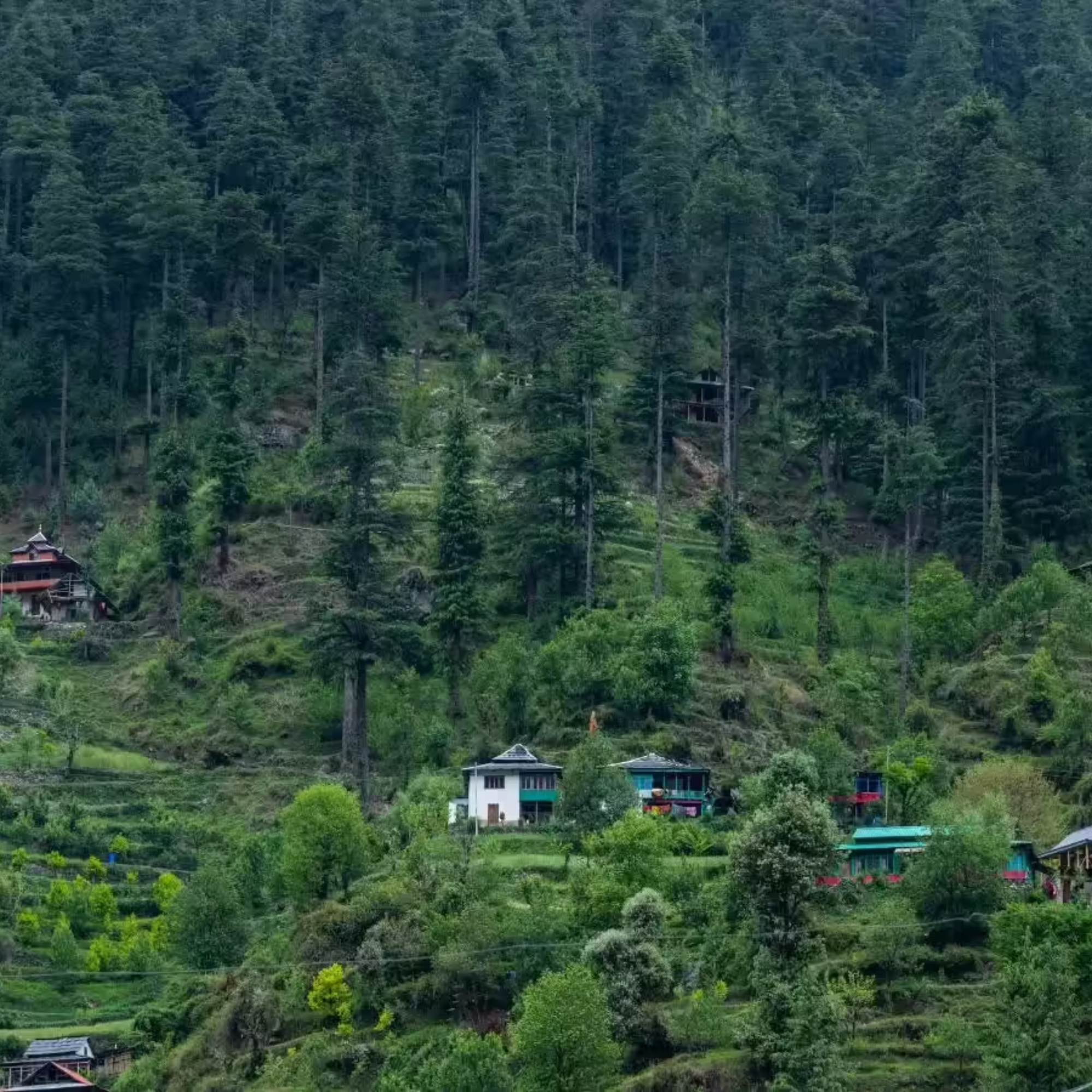
Visiting Jibhi in October 2026 is ideal for travellers who prefer clear skies, colourful forests, peaceful surroundings and comfortable daytime weather. The monsoon season is usually over by this time, making outdoor activities, village walks and sightseeing more enjoyable.
October also brings cooler mornings and evenings, especially during the second half of the month. Road conditions are generally better than during the rainy season, but travellers should still check the latest updates before visiting Jalori Pass or other higher areas.
This guide by Travel Coffee covers the expected weather, road conditions, best places to visit and a practical trip plan to help you organise a comfortable and memorable Jibhi holiday in October 2026.
Quick Answer
October is generally one of the better periods for visiting Jibhi. The monsoon has largely moved on, skies are often clearer, and the weather suits village walks, photography and short treks.
For planning, work with a broad range of 6°C to 18°C. Late October evenings and anything around Jalori Pass will feel colder than that range suggests.
Do not plan an October trip expecting snow in Jibhi village. Guaranteed snowfall is not what this month gives you.
Jalori Pass is normally accessible through October, but its actual road status is something you check before departure, not something anyone can promise months in advance.
If you want the route, stays and Aut transfer sorted around real conditions, our Jibhi and Tirthan Valley tour packages are a sensible starting point.
Is October a Good Time to Visit Jibhi?
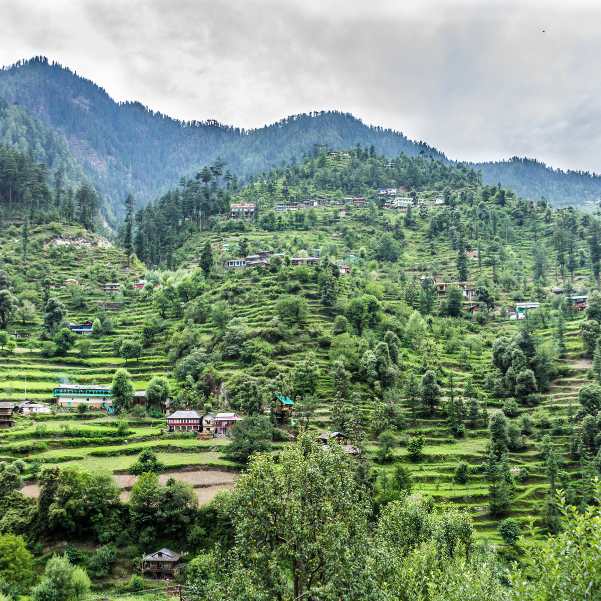
Yes, for most travellers. The post-monsoon period is when the air clears and the mountains actually show themselves, which is not always the case in July or August.
Deodar slopes stay green well into the month while the birch and maple begin to turn. Walking is comfortable, the light is good for photography, and short treks stop being a sweaty chore.
In our experience, October works best for travellers who want clear views without the intense May and June rush. You get the scenery without the queue of cars at the Aut tunnel.
That said, do not expect completely dry weather. A passing shower is always possible in these hills, and October is not exempt from it.
Crowd-wise, a normal weekday in Jibhi can feel very quiet. A long weekend, a festival date or a Saturday arrival is a different story, and the good rooms fill faster than people expect.
October suits you if you want cool weather, walkable days, clear views and slow village time. It suits you less if you are chasing snow or a nightlife scene.
👉 Planning a Jibhi trip this October? Chat with our travel experts on WhatsApp.
What Is the Weather Like in Jibhi in October?
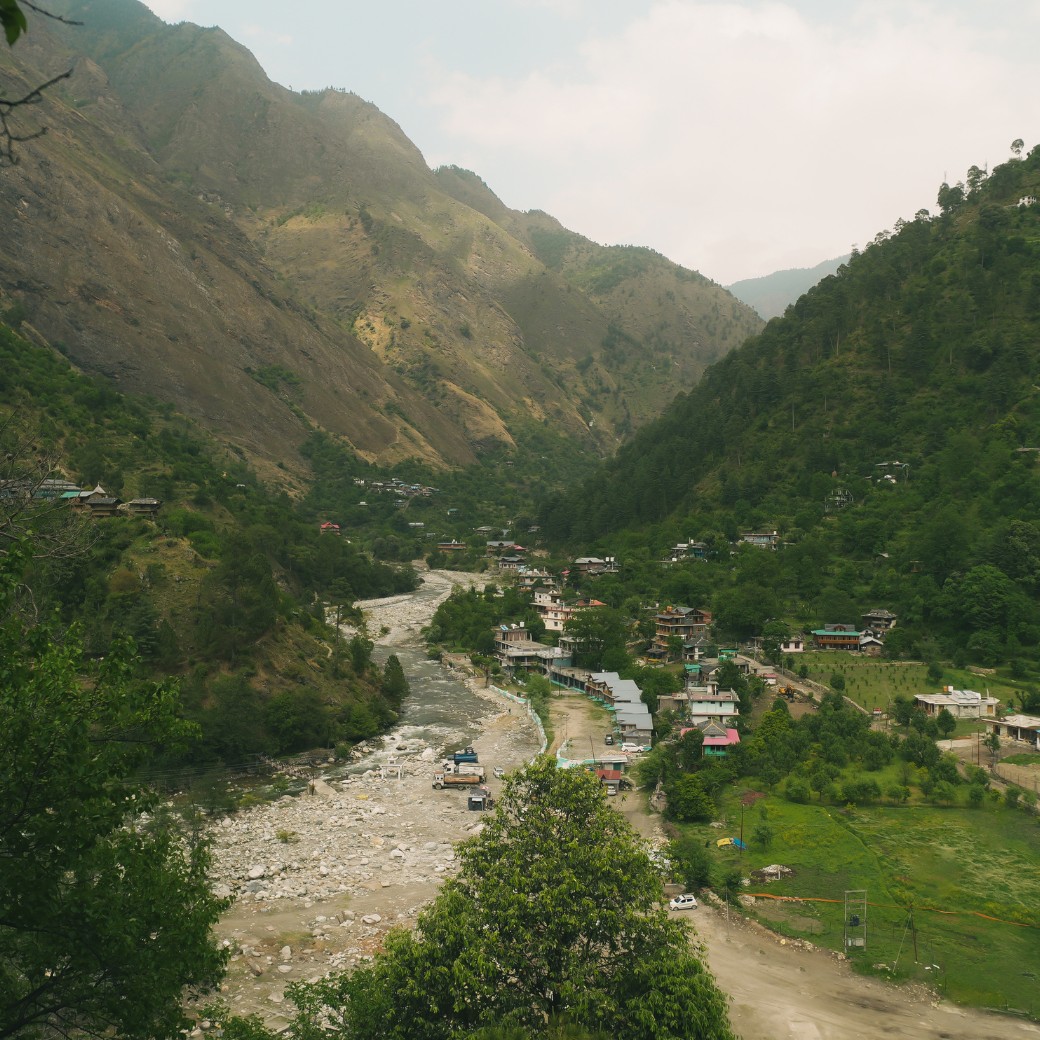
Two different weather stories run at the same time here, and mixing them up is the most common packing mistake we see.
Jibhi village sits low enough to feel pleasant in the afternoon sun. Jalori Pass and the exposed trek routes above it are a different climate altogether, colder and windier, often by a wide margin.
Historical models put October's average high around 16°C and the average low around 6°C. Local stays report daytime conditions closer to 10°C to 18°C with nights around 4°C to 7°C.
We use 6°C to 18°C as the broad editorial planning range. Treat it as a guide, not a guaranteed 2026 forecast.
Early October weather
Early October still carries a little of the monsoon's softness. Afternoons are mild, mornings are cool, and the landscape is at its greenest.
Streams run full, the waterfall has volume, and the forest floor stays damp. Trails can be muddy in patches.
A passing shower is entirely possible in the first week or two. Carry a light rain layer and do not treat the month as rain-free.
Mid-October weather
This is the sweet spot for most people. Mornings turn properly cool, visibility improves, and the autumn character starts showing in the trees.
Afternoons stay comfortable for walking. Nights need a jacket but not a survival kit.
When road conditions are normal, mid-October gives you the most balanced combination for sightseeing and trekking in a single trip.
Late October weather
Evenings get cold in the last week. Thermals, a proper warm jacket and accommodation with working heating stop being optional extras.
The same day can feel like two different seasons depending on where the sun is. Comfortable in a t-shirt at two in the afternoon, sharply colder within an hour of sunset.
Does It Snow in Jibhi in October?
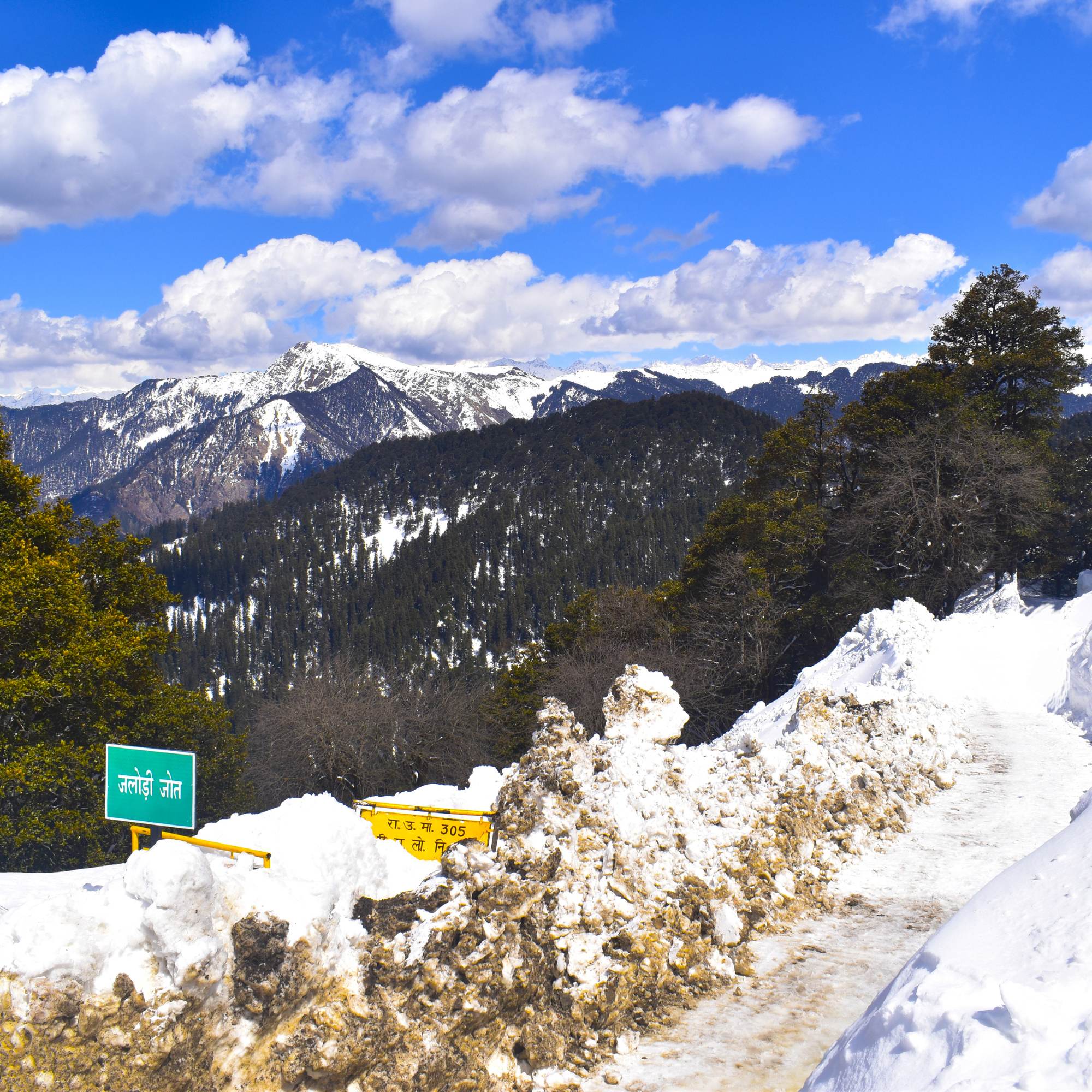
No. Snowfall is not the normal October experience in Jibhi village.
The usual snow window here runs later, generally from late December to February. Weather never follows an exact calendar and odd years happen, but that is the established pattern.
Higher ground around Jalori Pass can be much colder than the village, and an unusually early spell is not impossible. It is still not something to build a trip around.
If snow is the whole reason for your trip, October is the wrong month and Jibhi is the wrong place to gamble on it. Come in winter instead, or pick a destination where the odds are better.
What Do Jibhi's Crowds and Landscape Look Like in October?
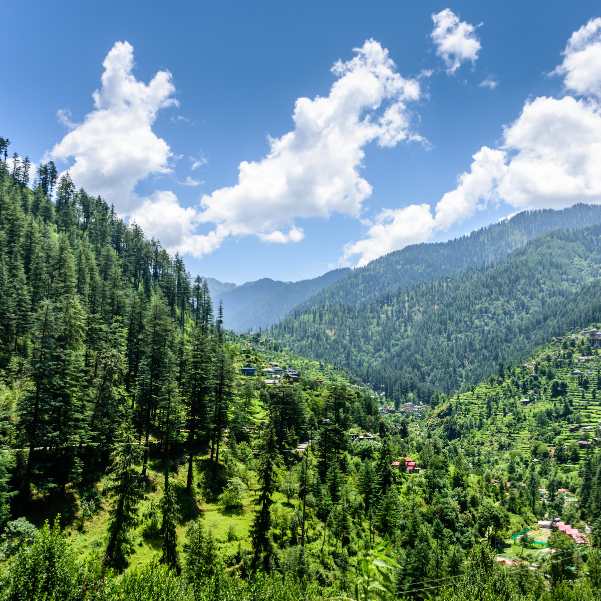
The valley starts October green and finishes in autumn colour. Deodars stay dark green throughout, but the deciduous trees turn, and that contrast is what photographers come for.
October has also been described as the apple-plucking season across the Banjar and Tirthan region. You will see crates stacked by the roadside and trucks working the Aut route.
Those orchards are private property. Ask before you walk in, and ask again before you photograph anyone working. A quick word usually gets you a yes, and often gets you an apple.
Crowd information is genuinely contradictory here, and it is worth being honest about that. Several travel portals classify October and November as peak season for Himachal.
Local guides in Banjar will tell you October is quieter than summer. Both are describing something real.
The resolution is timing rather than the month. Weekdays in Jibhi generally stay calm, while long weekends, Dussehra-related travel and the standard Saturday arrival wave are when the village feels busy.
Kullu Dussehra 2026 is expected to begin around 20 October, which is the scheduled date of Vijayadashami.
However, the official 2026 festival programme has not yet been published. Confirm the final dates through the Kullu district administration or the official festival website before booking accommodation around the event.
Is Jalori Pass Open in October 2026?
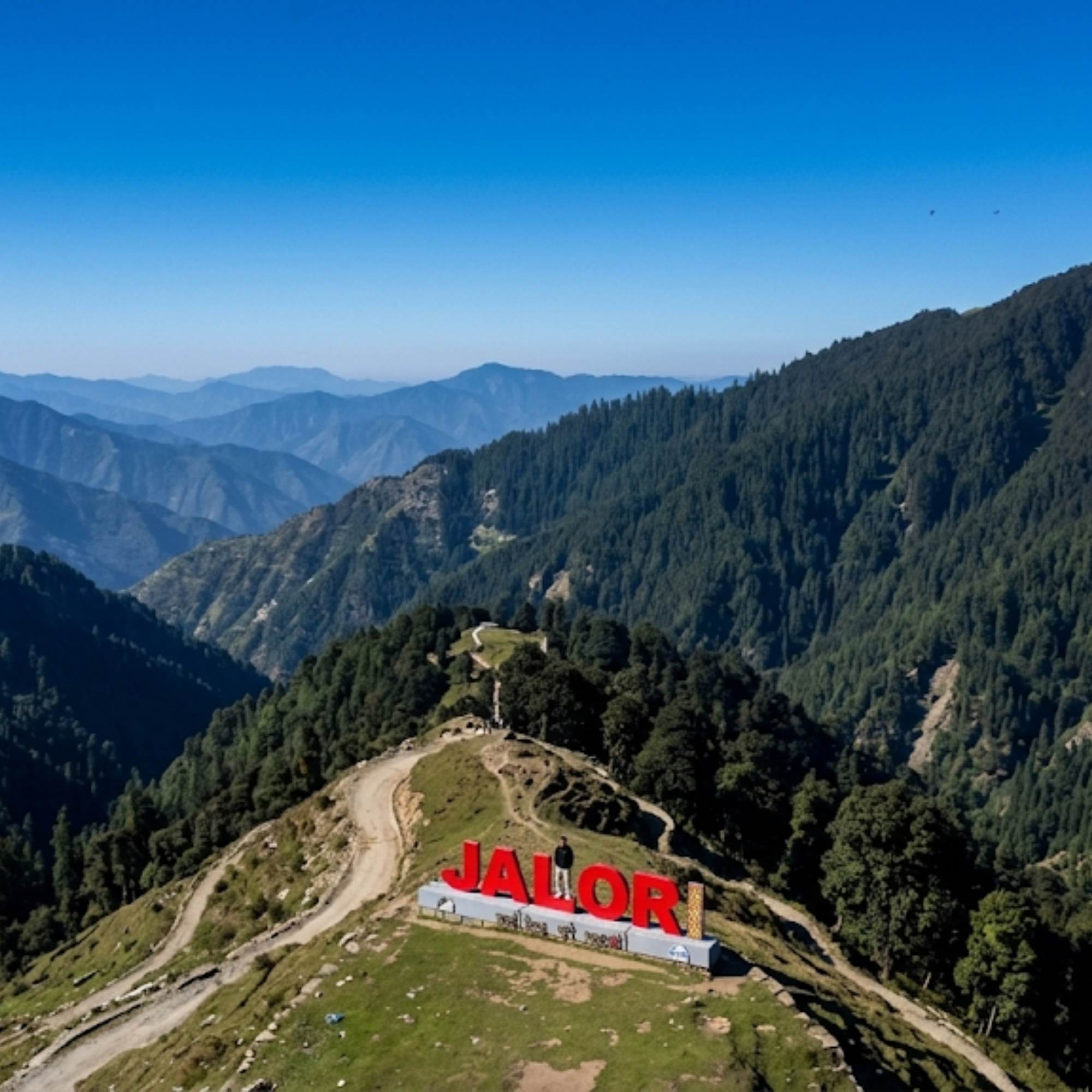
October normally falls within the accessible autumn season for Jalori Pass. That is a pattern, not a guarantee, and nobody can responsibly promise a future road status.
Jalori Pass is approximately 12 km from Jibhi and sits at approximately 3,120 metres. That altitude gain over such a short distance is exactly why the two places feel so different.
The upper road is narrow and steep. It is drivable, and plenty of vehicles do it every season, but it asks for confidence behind the wheel.
If you have not driven mountain roads before, take a local cab from Jibhi. Reversing on a narrow section to let a Bolero pass is a skill, and October is not the month to learn it.
Go in daylight and start early. Light drops fast on these slopes and the road does not improve after dark.
Heavy rain, a landslide or unusually early snowfall can affect access even during a normally open month. Check conditions 24 to 48 hours before departure rather than trusting a blog written months earlier, including this one.
We will not tell you "Jalori Pass is open today" unless this page carries a same-day local confirmation. Any website that does tell you that is guessing.
If the pass is out on your dates, the trip is not over. Jibhi Waterfall and the village walks around it fill a comfortable half day.
Mini Thailand works as a short stop, and Chehni Kothi gives you a proper cultural morning with a real walk attached. Lower Tirthan Valley stays accessible when the upper road does not, and riverside days there are underrated.
Our Jalori Pass travel guide covers the route and the seasonal picture in more detail.
What Are the Best Places to Visit in Jibhi in October?
Jibhi Waterfall and village walks
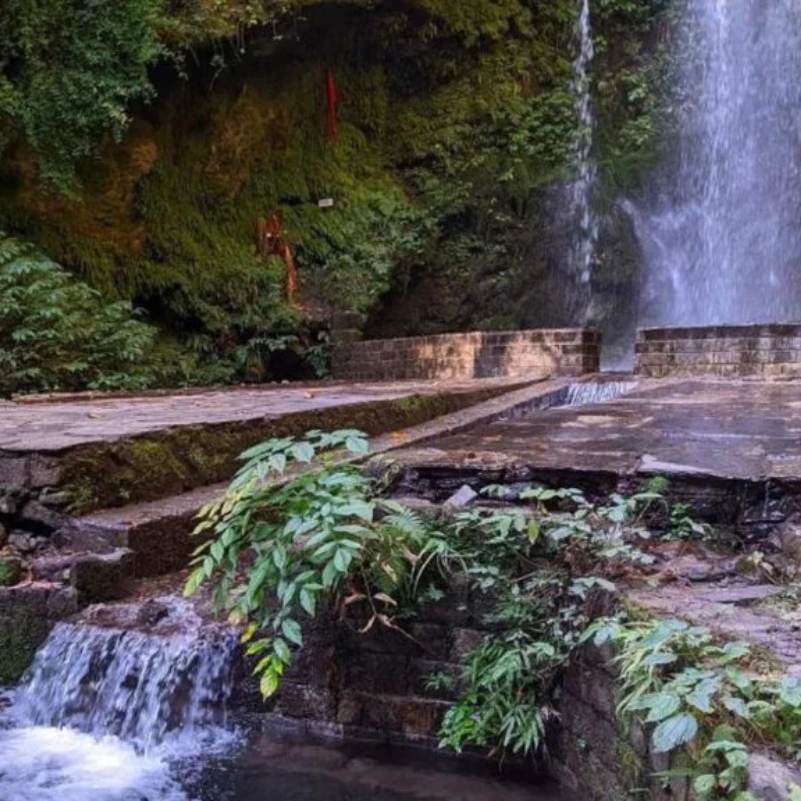
This is your day one. You have just come off a long journey, and the waterfall plus a wander through the village is exactly the right amount of effort.
The approach is short and the surrounding forest is the picture most people already have in their head when they think of Jibhi.
Wet stones stay slippery long after the rain stops. Good-grip shoes matter more here than most people expect, and the slips we hear about almost always involve someone in smooth-soled sneakers.
Mini Thailand
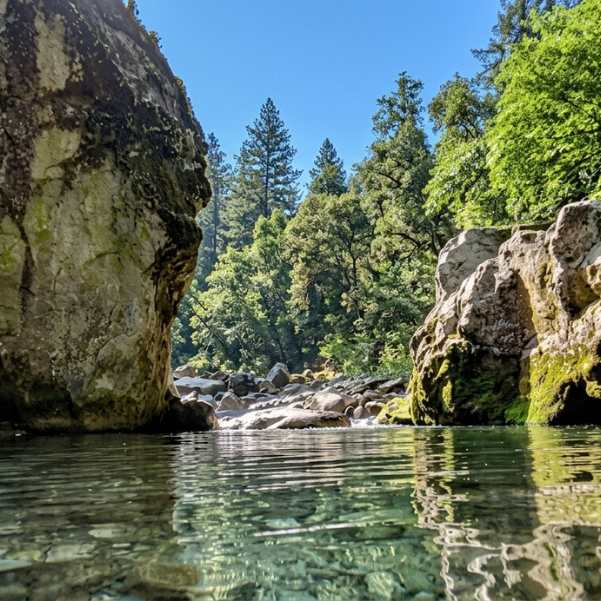
Set your expectations before you go. Mini Thailand is a small natural stream and rock formation, not a full-day attraction, and it does not look like Thailand.
It is a pretty spot for an hour. That is all it needs to be.
Combine it with the waterfall, a village walk and a café stop and it slots into an afternoon nicely. Go expecting a headline attraction and you will be disappointed.
Jalori Pass
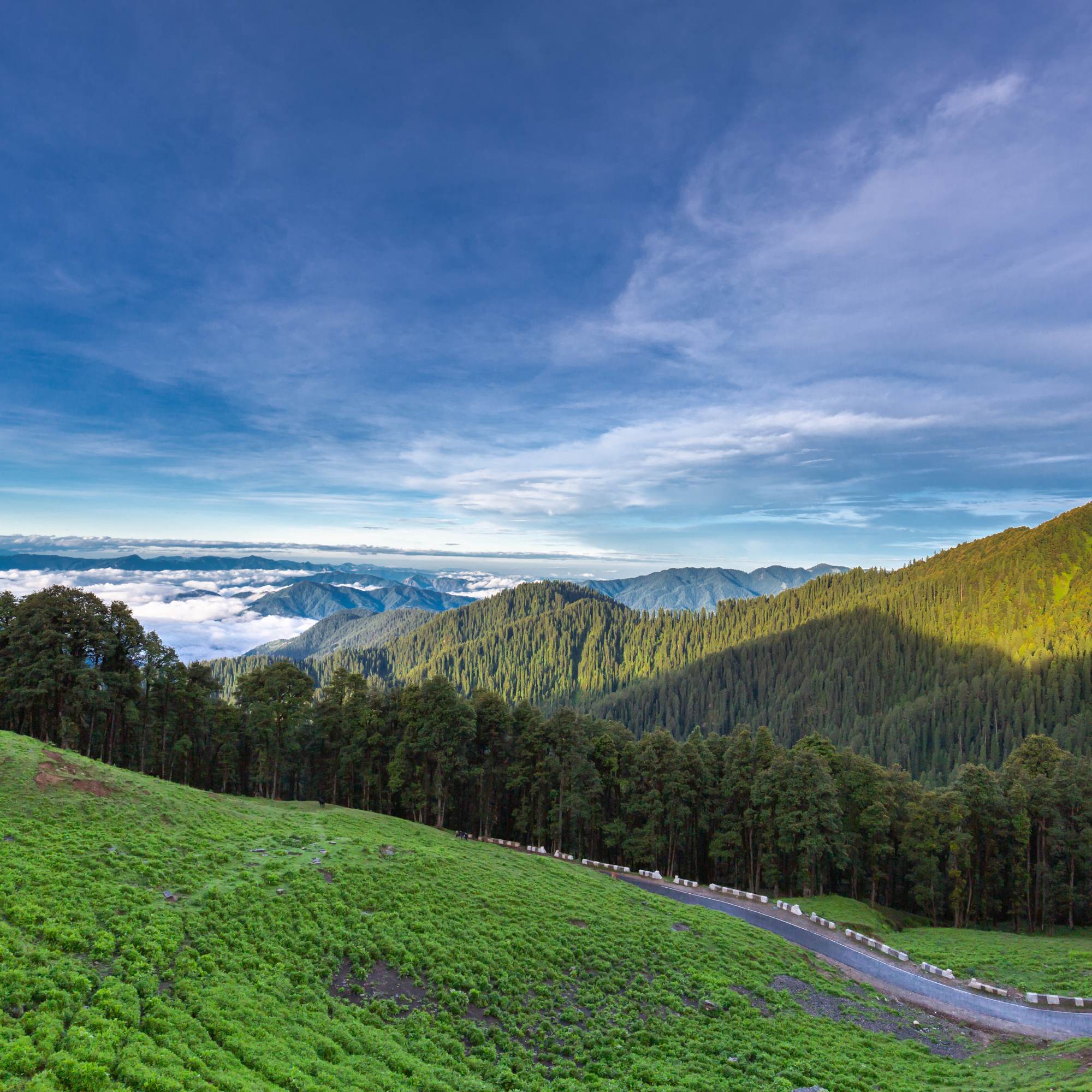
The pass is where the valley opens up. Wide views, thin cool air, and the starting point for both the Serolsar Lake and Raghupur Fort routes.
Carry an extra layer even if Jibhi felt mild when you left. The temperature difference across those 12 km catches people out constantly.
Serolsar Lake
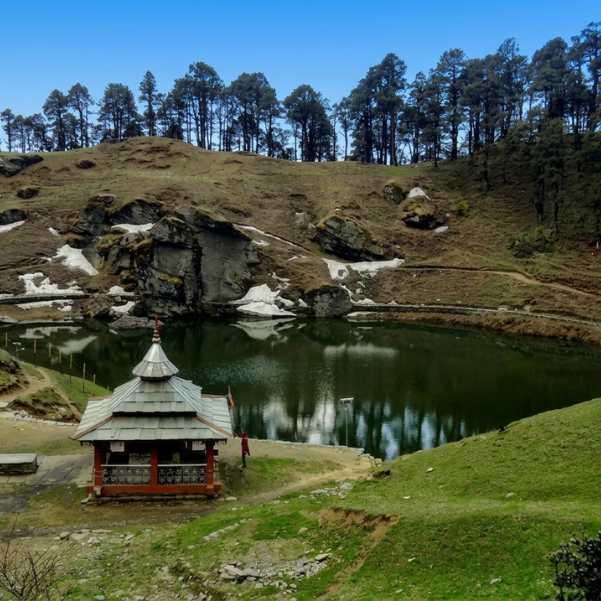
Published sources differ on the trekking distance. Some describe the route as approximately 5 kilometres in total, while others mention 5 to 6 kilometres each way.
Since the exact distance may depend on the starting point and trail conditions, confirm the route locally before beginning the trek.
For planning, allow approximately four to five hours for the round trip, depending on your pace and how long you sit around at the lake.
The walk is a forest trail from Jalori Pass and it is beginner-friendly for anyone with reasonable basic fitness. It is not flat throughout and we are not going to pretend otherwise.
Start early, carry water and be back before dark. The forest goes dim well before the sky does.
Raghupur Fort
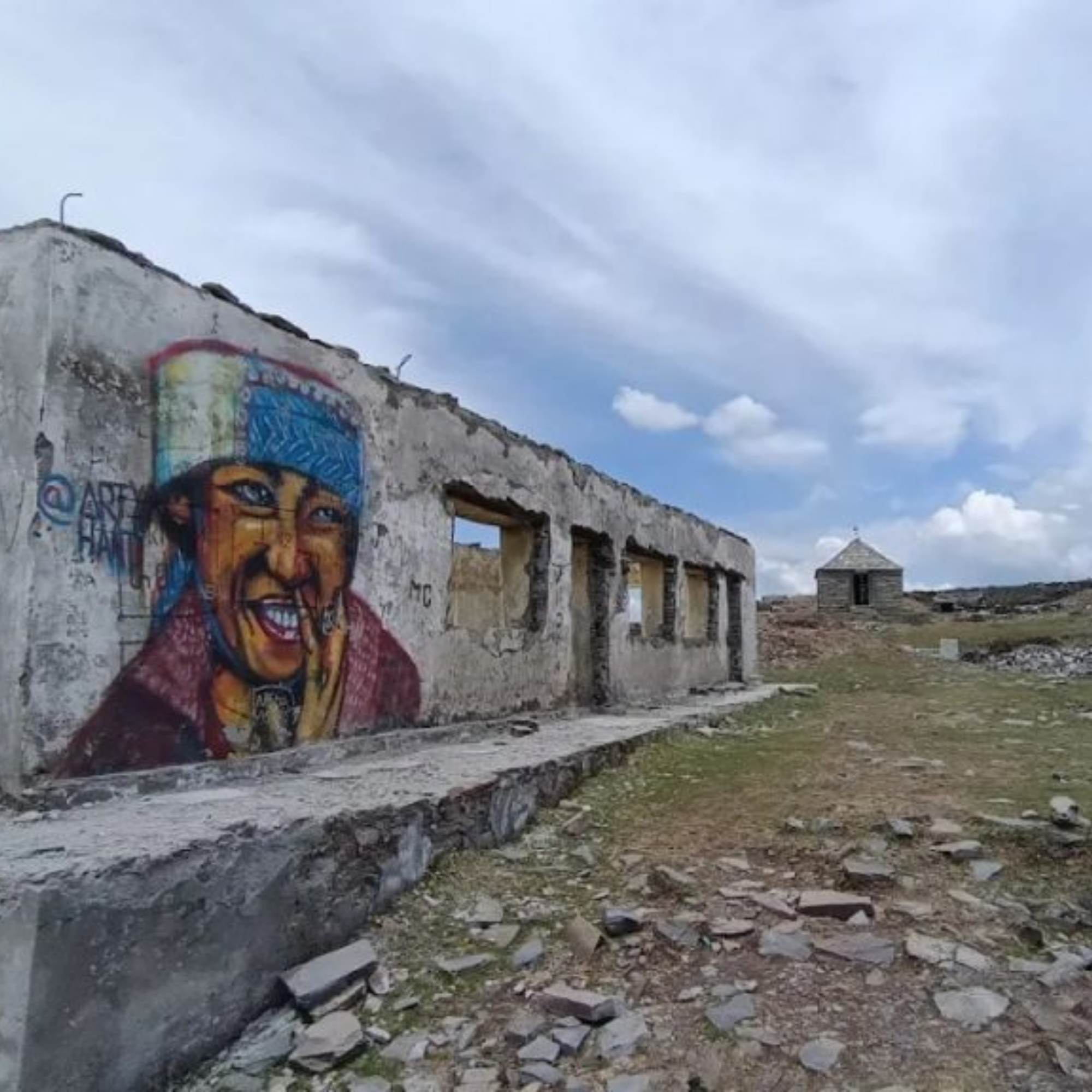
Our current guide describes Raghupur Fort as approximately 3 km each way and around two to three hours round trip from Jalori Pass.
The trail is shorter than Serolsar but steeper in sections, and it opens into meadow with wide views near the top. In October those meadows are at their best.
Pick one. Raghupur or Serolsar, not both in a day. Rushing both turns a good day into a forced march and you will enjoy neither.
Our Raghupur Fort trek guide has the route detail if you want it.
Chehni Kothi and Shringa Rishi Temple
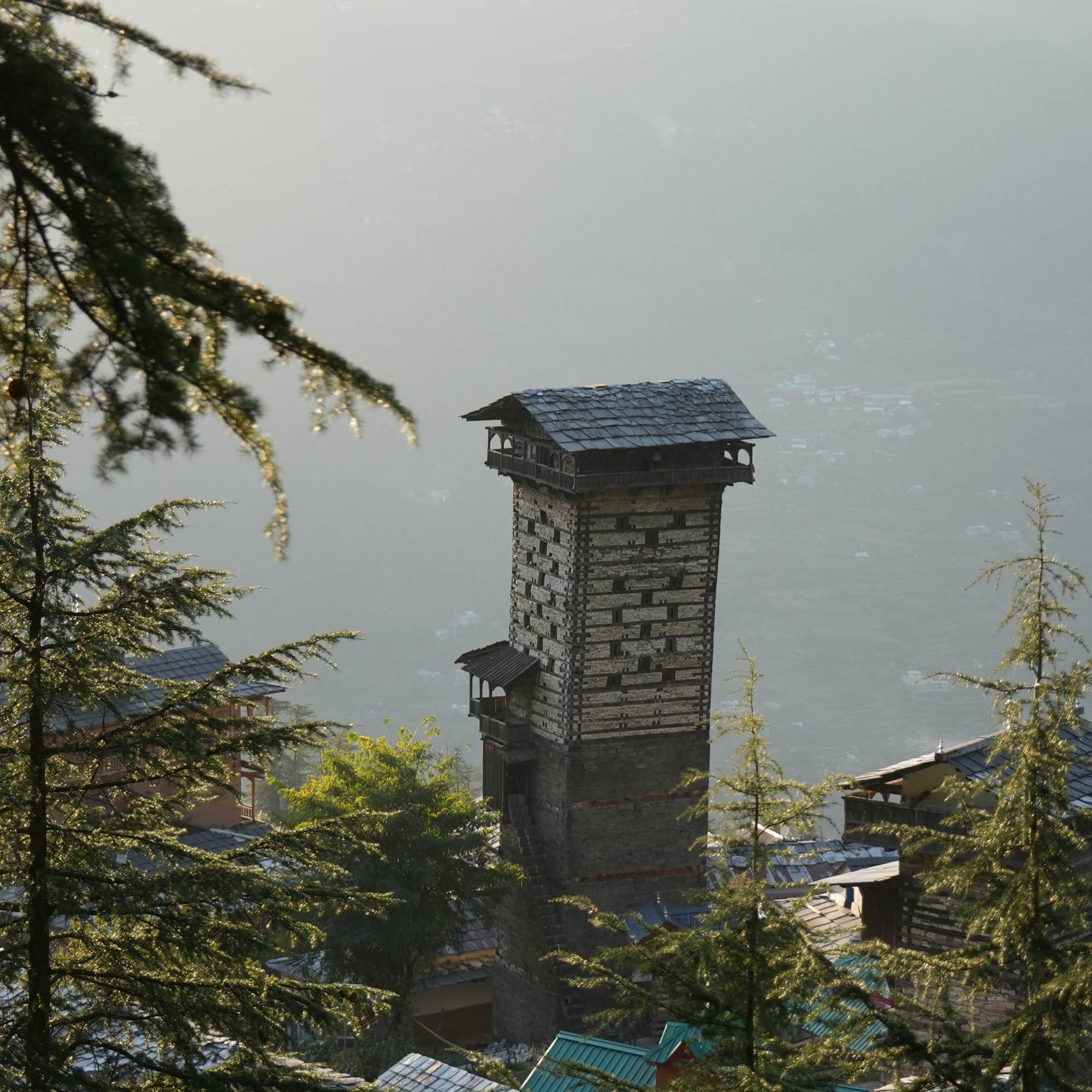
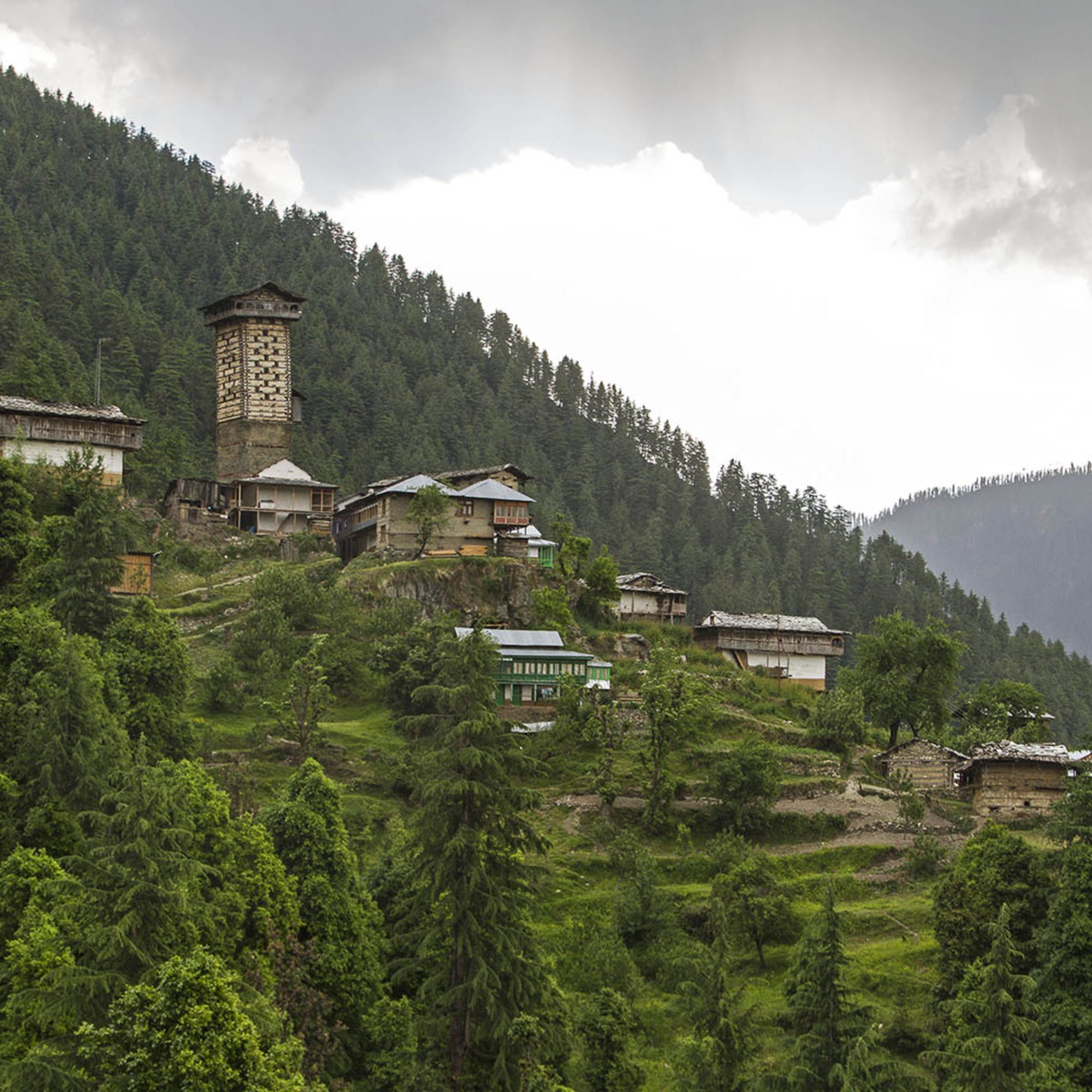
Chehni Kothi is a traditional wood-and-stone tower in Chehni village, and it is one of the most striking pieces of old architecture in this part of Himachal.
The uphill approach from the Shringa Rishi Temple side takes approximately one hour according to traveller reports. Your actual time depends on your legs and how often you stop.
This is a living village, not a monument with a ticket counter. Dress respectfully, keep your voice down near the temple, and ask before photographing residents or any religious activity.
Shoja and lower Tirthan Valley
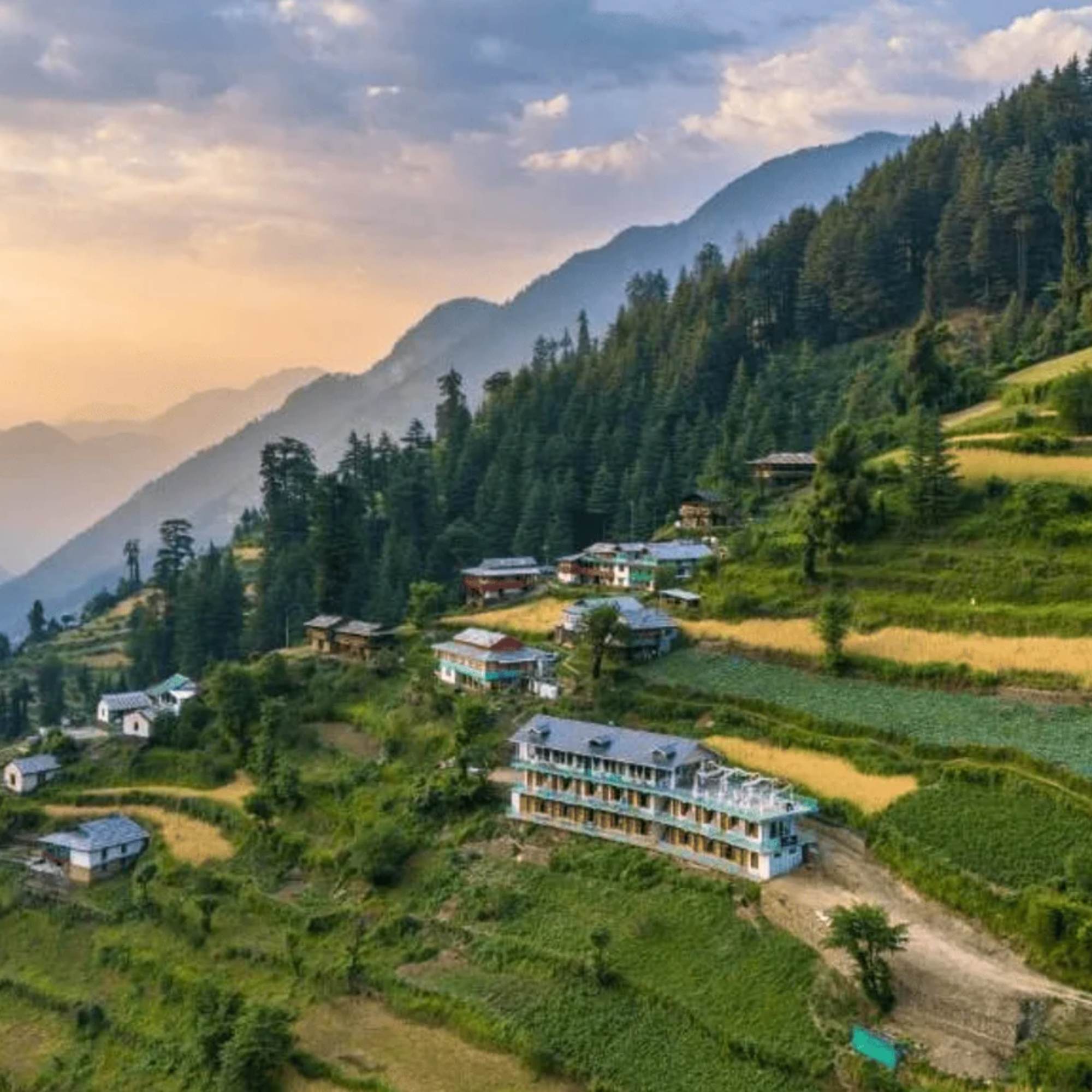
Shoja sits closer to Jalori Pass and works as a quieter base if the village café scene is not your priority.
Lower Tirthan Valley is a separate place with a separate character. Riverside walks, lower altitude, trout and a slower rhythm.
Jibhi and Tirthan get treated as one destination in a lot of listicles. They are close, they are related, and they are not the same place. Tirthan is your alternative when cloud or road conditions make Jalori a bad idea.
What Is the Best Three-Day Jibhi Itinerary for October?
Day 1: Arrival and easy Jibhi sightseeing
Day 1 starts with most people stepping off an overnight bus, which means the morning is for check-in, a shower and actual food. Do not schedule a trek for this day.
Once you have rested, walk down to Jibhi Waterfall, then take in Mini Thailand and the village lanes at whatever pace suits you.
Keep the evening relaxed. A café, a bonfire if your stay does one, an early night. Day two is the one that needs your legs.
Day 2: Jalori Pass with one trek
Day 2 rewards an early start. The drive to Jalori Pass is only about 12 km but the road is slow, and daylight is your friend on the way back.
Then choose. Serolsar Lake for the longer forest experience at roughly four to five hours round trip, or Raghupur Fort for a shorter but steeper route at around two to three hours.
All of this is conditional on current weather and road status. If the pass is affected on your dates, swap in Chehni Kothi or a Tirthan day and you lose nothing.
Day 3: Chehni Kothi or Tirthan Valley
Day 3 splits two ways. If you want culture and old Himachali architecture, Chehni Kothi is your morning, roughly an hour uphill from the Shringa Rishi Temple side, then time in the village itself.
If your legs are finished or trekking was never the point, lower Tirthan Valley gives you a riverside day with no obligation to climb anything.
Our team recommends keeping the final day flexible because mountain travel rarely rewards a rushed checklist. Hold the day loosely and decide over breakfast.
👉 Chat with our team for expert itinerary planning, hotel recommendations and package details.
How Do You Reach Jibhi in October?
Delhi to Jibhi by overnight bus
The road distance is approximately 490 to 518 km, depending on your exact route and drop point.
The journey commonly takes around 11 to 13 hours. Traffic out of Delhi, roadwork and weather can stretch that, so build in a buffer rather than booking a tight onward plan.
Many travellers get down around Aut and continue toward Banjar and Jibhi by local bus or taxi. This is the standard pattern and it works well, though the connection is far easier in daylight.
Current FlixBus fares have been seen from approximately ₹979, while aggregator prices vary widely by date and operator. Check your actual travel date rather than trusting any figure printed in an article, this one included.
Chandigarh to Jibhi
The road route runs through Mandi, Aut and Banjar. It is a shorter run than Delhi and a common choice for anyone flying into Chandigarh.
We have not verified a precise travel time for this route, so we are not going to invent one. Ask your operator or check live navigation on the day.
Reaching Jibhi by flight
Bhuntar is the closest airport at approximately 50 km.
Mountain flight schedules shift with the weather, and operations here are known to change at short notice. Do not build a same-day onward plan that cannot absorb a few hours of slippage.
Self-driving advice
Reach the final mountain section in daylight. That single rule prevents most of the trouble we hear about.
The road to Jibhi itself is not the same beast as the steeper upper Jalori Pass section. Plenty of people who drive to Jibhi comfortably decide to take a local cab for the pass, and that is a sensible call rather than a failure.
If steep roads, sharp bends or reversing on a narrow shoulder make you uneasy, arrange a local driver. It costs less than you think and the day gets better.
Adding Manali or Shimla to the trip is common since both sit on the same broad route. Our Manali tour packages and Shimla tour packages work well as extensions on either side of a Jibhi leg.
How Much Does a Jibhi Trip Cost in October?
Prices move constantly. Weekday versus weekend, property quality, whether meals are included and how far ahead you book will each swing the number more than the month does.
Available planning estimates put budget homestays around ₹1,500 to ₹2,500 per night, mid-range cottages around ₹2,500 to ₹5,000, and treehouse stays around ₹3,000 to ₹7,000.
A current 2026 itinerary guide estimates approximately ₹5,000 to ₹15,000 per person for three days, depending on travel and accommodation style.
Read that estimate carefully. The biggest question is whether your long-distance transport from Delhi or Chandigarh sits inside the number or outside it, because that alone can move it dramatically.
Where a customised package earns its keep is the logistics. The Aut transfer, a driver who knows the Jalori Pass road, stays that genuinely have working heating in late October, and a fallback plan if the pass is affected.
For a couple travelling light, doing it yourself is fine. For families, older parents or a group of six, handing over the transport chain is usually the difference between a holiday and a management exercise.
Where Should You Stay in October?
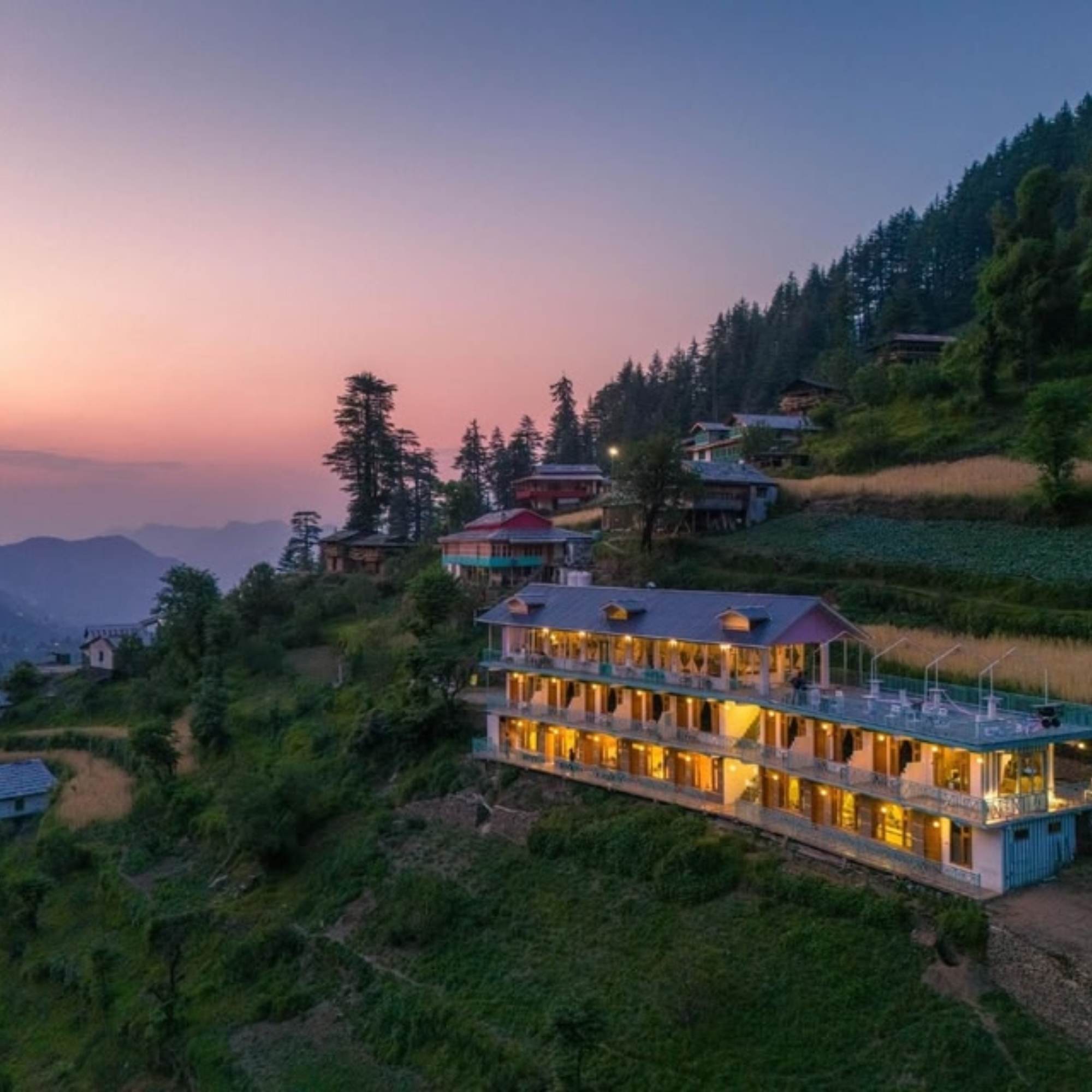
Central Jibhi is the easy answer. Cafés within walking distance, the waterfall close by and the village attractions on your doorstep.
Shoja puts you closer to Jalori Pass, which shortens your day two drive. It is quieter and there is less to do in the evening, which for some people is the entire point.
Ghiyagi is quieter still, and lower Tirthan Valley gives you riverside stays with a completely different feel.
If you are travelling in late October, ask specific questions before booking. Confirm heating, hot water availability, road access to the property and how far you will actually walk from parking with your bags.
Not every room has a heater or a bukhari, whatever the photos suggest. Ask directly and insist on a direct answer.
What Should You Pack for Jibhi in October?

Layers are the whole strategy. A t-shirt, a fleece or sweater and a warm jacket over the top covers almost everything this month throws at you.
For late October, add light thermals. You will use them in the evening and on the pass, and they weigh nothing in the bag.
Walking shoes with proper grip are non-negotiable, especially around the waterfall and on the trek routes. Pack extra socks, because wet socks ruin days.
Sun protection is easy to forget at altitude. The October sun is strong even when the air is cold, and a burnt neck is a classic Himachal souvenir.
Carry a compact rain layer, a reusable water bottle and your personal medicines. Pharmacies in Banjar are limited and specific medication may not be available.
One thing people consistently get wrong
The clothing that works in a sunny Jibhi afternoon is not the clothing that works at Jalori Pass an hour later.
Do not assume one jacket handles both for everyone in your group, because cold tolerance varies wildly and someone always underpacks.
Do You Need Any Permits in 2026?
For normal sightseeing, no. Jibhi village, Jalori Pass, Serolsar Lake and Raghupur Fort do not generally require a tourist permit.
Formal entry into the Great Himalayan National Park core zone is a different matter, and that does require a permit.
The official GHNP website says permits can be obtained at the Shamshi head office, the Shairopa range office in Tirthan Valley and the Ropa range office in Sainj Valley.
A June 2026 report describes revised Himachal protected-area fees of ₹300 per day for Indian visitors and ₹600 per day for foreign visitors for the first three days.
The official GHNP page still tells travellers to check the latest fee, so treat both figures as provisional. Confirm directly with GHNP before you travel.
Is Jibhi Safe in October?
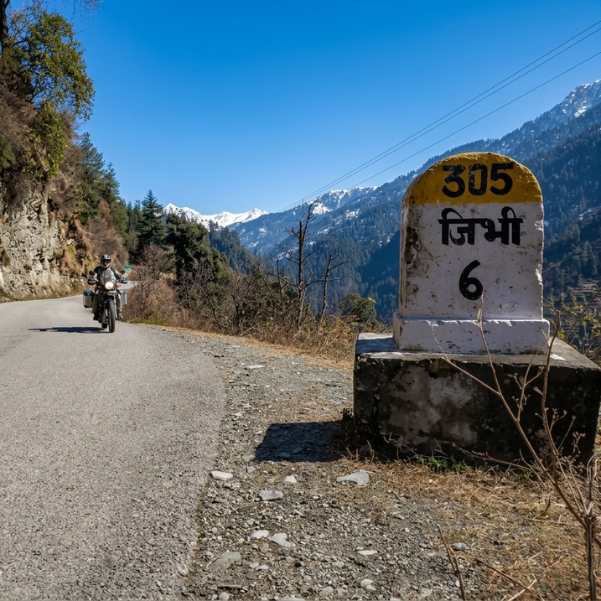
October is generally more suitable for outdoor travel than peak monsoon. The landslide risk drops and the roads are in better shape. None of that makes the mountains casual.
Drive in daylight. This applies to the highway approach and doubly to the Jalori Pass section.
Return from treks before dark. The forest on the Serolsar route gets dim early, and route-finding in low light is how people get into trouble.
Stay off the edges of wet rocks near the waterfall, and do not enter streams when the current is strong. Post-monsoon water levels stay higher than they look.
Tell your host your route before you leave for a trek. Mobile coverage is patchy on the trails, and someone knowing roughly where you are is worth more than any app on your phone.
The Kullu District Emergency Operation Centre can be reached on 01902-225630 and 01902-225631. Save them, but treat them as useful additional contacts rather than a substitute for the national emergency number or local police assistance.
Is Early October or Late October Better?
Early October if you want milder evenings. It suits families, anyone travelling with older parents and people who genuinely dislike cold. The landscape is greener and the days are gentler.
Mid to late October if you want a stronger autumn atmosphere and the sharper photography light that comes with it. The colour is better and the views are clearer.
The trade is the nights, which turn properly cold in the last week and need thermals and heated accommodation.
Both halves can get busy around long weekends and festival dates. Kullu Dussehra 2026 currently shows conflicting dates across sources, and we are not publishing a firm date until the official schedule resolves it. Check it yourself before you lock in accommodation.
Who Should Visit Jibhi in October?
October in Jibhi suits couples, photographers, beginner trekkers, solo travellers, small groups and anyone who likes mountain travel at a slow pace.
If your ideal holiday is a village walk, a forest trail, a café afternoon and a cold clear evening, this is your month.
If you want guaranteed snowfall, a nightlife scene or resort-style entertainment, a different season or a different destination will serve you better. Jibhi does not do those things and we would rather tell you now.
Still deciding between valleys? Our comparison of Jibhi or Kasol: which is better? breaks down the difference in character.
Planning Your October Jibhi Trip
October gives you Jibhi at close to its best: clear views, comfortable walking weather, autumn colour and a village that still moves at its own pace. Get your dates right and it is hard to beat.
The two things to lock down before you leave are the current Jalori Pass road status and accommodation with real heating if you are travelling late in the month. Almost everything else can be decided over breakfast.
👉 Planning a Jibhi trip this October? Chat with our travel experts on WhatsApp.
Explore Our Curated Jibhi Tour Packages
 Group Tour6D/5N
Best Jibhi Tirthan Valley Tour With Shangarh Meadows
2D Tirthan Valley•1D Shangarh (Sainj Valley)
₹9,999₹12,999SAVE INR 3,000/ person 6D/5N
6D/5NJibhi Tirthan Valley & Shangarh Meadows Experience
1D Delhi•2D Jibhi+2
₹21,799₹27,999SAVE INR 6,200/ person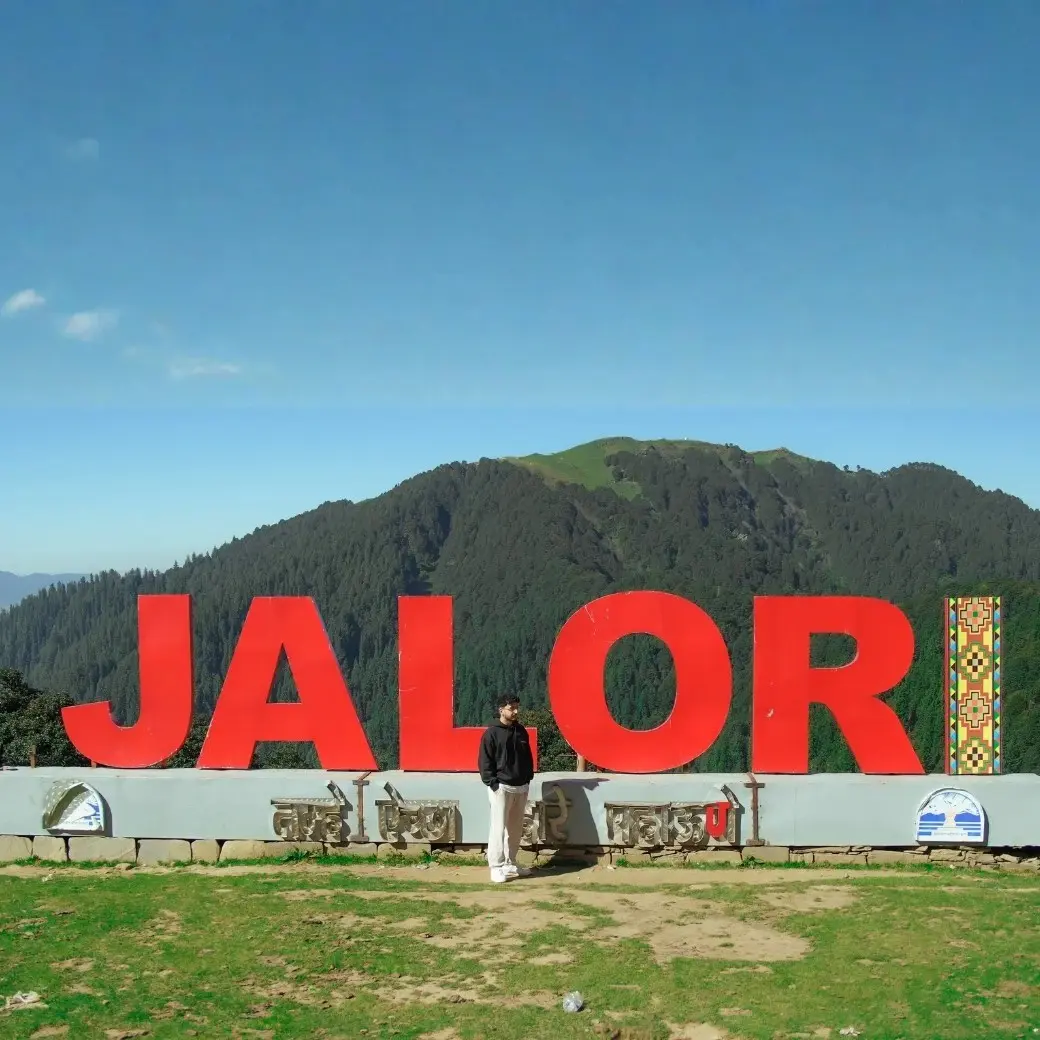 5D/4N
5D/4NWeekend Jibhi & Tirthan Valley Riverside Escape
1D Delhi •2D Jibhi / Tirthan Valley+1
₹12,900₹19,999SAVE INR 7,099/ person
Related topics
Frequently Asked Questions
Is October a good month to visit Jibhi?
Yes, for most travellers. Post-monsoon skies are usually clearer, the weather suits walking and short treks, and the autumn colour arrives through the month. Just do not expect it to be completely dry or completely empty.
What is the temperature in Jibhi in October?
Plan around a broad range of approximately 6°C to 18°C. Historical models show an average high near 16°C and an average low near 6°C, while local stays report daytime conditions of roughly 10°C to 18°C and nights of 4°C to 7°C. Late October nights sit at the colder end, and Jalori Pass runs colder than the village at any point in the month.
Does Jibhi receive snowfall in October?
Not normally. Snow in Jibhi is more commonly associated with late December to February. Higher ground around Jalori Pass can be far colder than the village, but October is not a month to book if snow is what you want.
Is Jalori Pass open in October?
October normally falls within the accessible autumn season. That is a pattern rather than a promise, and heavy rain, a landslide or unusually early snowfall can affect access. Check the current status 24 to 48 hours before departure and do not rely on any article for a live answer.
Can a hatchback reach Jibhi in October?
The road to Jibhi is manageable for a hatchback in normal conditions and plenty of people drive one up. The upper Jalori Pass section is a different road, narrower and steeper, and that is where driver confidence starts to matter more than the car. If you are unsure, drive to Jibhi and take a local cab for the pass.
How many days are enough for Jibhi?
Three days is the comfortable minimum: one for arrival and easy sightseeing, one for Jalori Pass with a single trek, and one for Chehni Kothi or Tirthan Valley. Two days works if you skip the treks entirely. Four or more lets you add lower Tirthan properly without rushing anything.
What clothes should I carry for Jibhi in October?
Layers. A t-shirt, a fleece or sweater and a warm jacket, plus light thermals if you are travelling in the second half of the month. Add walking shoes with grip, extra socks, sun protection and a compact rain layer. Remember that Jalori Pass needs more than Jibhi village does on the same day.
Is the Serolsar Lake trek suitable for beginners?
It is beginner-friendly for anyone with reasonable basic fitness, but it is not flat throughout. Allow approximately four to five hours for the round trip at a relaxed pace, start early and carry water. If you are not used to walking at altitude, treat it as a full day rather than a morning activity.
Is Jibhi crowded in October?
It depends entirely on the day. Weekdays generally stay calm, while long weekends, Dussehra-related travel and Saturday arrivals fill the village and take the better rooms. Sources disagree on whether October counts as peak season, which tells you the real answer is about timing rather than the month itself.
Do tourists need a permit for Jibhi?
Not for normal sightseeing. Jibhi village, Jalori Pass, Serolsar Lake and Raghupur Fort do not generally require a tourist permit. Formal entry into the Great Himalayan National Park core zone does, and those permits come through the Shamshi, Shairopa and Ropa offices.
Should I stay in Jibhi or Shoja?
Stay in Jibhi if you want cafés, the waterfall and the village attractions within walking distance. Choose Shoja if you want a quieter base and a shorter drive to Jalori Pass on trek day. Neither is wrong, and the decision usually comes down to whether you want an evening scene or an early night.
More about Jibhi
 Jibhi
JibhiJibhi in December 2026: Snowfall, Weather, Road Status and Winter Guide
Planning a trip to Jibhi in December 2026? Discover the latest updates on snowfall, weather, temperature, and road conditions. Find out when to expect snow, what to pack, and whether the roads to Jibhi are safe for a memorable winter getaway.
- Best Time to Visit
- Snow Travel
 Jibhi
JibhiJibhi in August 2026: Weather, Road Safety, Itinerary and Honest Advice
Planning a trip to Jibhi in August 2026? Discover the latest weather conditions, road safety tips, suggested itinerary, places to visit, and practical travel advice. This guide will help you decide whether August is the right time to experience Jibhi's lush monsoon beauty while traveling safely.
- Best Time to Visit
- Monsoon Travel
 Jibhi
JibhiJibhi for Honeymoon in 2026: Why Couples Choose It Over Manali
Thinking of choosing Jibhi over Manali for your honeymoon? This honest 2026 guide explains why Jibhi is becoming a favourite for couples who want privacy, wooden stays, forest walks, waterfalls, slow mornings, and a quieter Himachal honeymoon without the tourist rush of Manali.
- Places to Visit
- First-Time Travellers