
Pabbar Valley
A river valley in Shimla district that runs from prosperous apple orchards and 9th century temples at the lower end, through one of Himachal's best trout fishing stretches at Rohru, up through deodar forest and remote Himachali villages, to the wide alpine meadows of Chanshal Pass at 3,750 metres where the paved road ended a long time ago
- Valley Region
- 900 to 3,750 m
- Shimla district
- 100 to 180 km from Shimla
- Apple country
- Trout fishing
- Chanshal Pass gateway
- Hatkoti temples
- Year round (lower valley)
- Deodar forests
What makes it special
The Pabbar Valley is not a single destination. It is an entire stretch of Shimla district that runs along the Pabbar River from the foothills near Jubbal and Hatkoti all the way up to the Chanshal range, where the river begins as glacial meltwater from the Chandan Nahan glacier at over 4,000 metres. Understanding this matters for planning, because the valley changes character dramatically as you go deeper.
The lower valley, from Theog through Kotkhai, Jubbal, and Hatkoti, is prosperous apple country. This is the Golden Apple Belt of Himachal Pradesh, and during harvest season (roughly September to November) you will see crates of Rich Red and Royal Delicious apples stacked by every roadside. The Hatkoti temple complex, with 9th century stone shikhara architecture dedicated to Goddess Hateshwari and Lord Shiva, sits on the Pabbar near a confluence of streams. The Jubbal Palace, designed by a French architect in 1930, is another landmark in the lower valley, though it is not always open to visitors.
Rohru, the main town at roughly 1,525 metres, sits in the middle of the valley and is the practical hub. ATM, fuel pump, hospital, market, hotels, and the fisheries office for trout permits. The Pabbar River runs through town, grey green and fast. Brown and rainbow trout have lived in this water since the British stocked it, and the stretch between Rohru and Chirgaon is still considered some of the best trout water in the state. If you are coming to the valley for fishing, Rohru is your base.
Above Rohru, the valley narrows. The road follows the river through Chirgaon, past the Dhamwari trout hatchery, and climbs through Tikkri to Larot, the last village before the upper reaches. Larot sits at about 2,100 metres in thick deodar forest, with apple orchards on the terraces and the Chanshal range visible above the treeline. From here, the road deteriorates into the rough, unpaved 15 km stretch that leads to Chanshal Pass at roughly 3,750 metres. This is the highest motorable crossing in Shimla district, with wide alpine meadows and open Himalayan views. Beyond the pass, the road drops into the Dodra Kwar valley, one of the most isolated inhabited areas in Himachal.
The valley also holds the Giri Ganga temple, reachable by a 7 km trek through deodar forest near Rohru, believed to mark the source of the Giri River. And Kuppar Bugyal, a high altitude meadow near Larot with wildflowers in season, adds another layer for trekkers.
Honest framing. The Pabbar Valley is not Manali or Kasol. There is no backpacker scene, no cafe culture, no nightlife. The accommodation is basic throughout. The roads are narrow and bumpy in sections. What the valley offers instead is India's most productive apple belt, one of the state's best trout rivers, genuine Himachali village life that has not been reshaped by tourism, 9th century temple architecture, and a road that climbs from orchard country to a genuine high altitude pass in 48 km. If you want the polished version of Himachal, stay closer to Shimla. If you want the valley that most people from Shimla recommend but most tourists skip, this is it.
Quick answers
- What is Pabbar Valley?
- A river valley in Shimla district, Himachal Pradesh, stretching along the Pabbar River from the foothills near Jubbal to the Chanshal range. Known as the Golden Apple Belt of Himachal, one of the state's best trout rivers, 9th century temples at Hatkoti, and the road to Chanshal Pass (3,750 m). Main town is Rohru (1,525 m). About 100 to 180 km from Shimla depending on depth.
- How many days do I need?
- Three to four days covers the valley well. Day one: Shimla to Rohru via Hatkoti. Day two: fishing or trekking. Day three: Chanshal Pass (full day from Rohru, or split with a night in Larot). Day four: return. Two days is enough for just the lower valley (temples, orchards, fishing).
- When is the best time to visit?
- October for clear skies, dry roads, and apple harvest in full swing. March to June for comfortable weather and trout fishing. May to October if you want Chanshal Pass. Monsoon (July to August) brings rain and landslide risk. The lower valley is accessible year round.
Quick facts
Everything you need to know at a glance.
At a glance
- Type
- A river valley region, not a single destination. Stretches from the lower foothills (~900 m) to Chanshal Pass (3,750 m).
- Location
- Shimla district, Himachal Pradesh. Along the Pabbar River from Jubbal to the Chanshal range.
- Main town
- Rohru, at roughly 1,525 m. ATM, fuel, hospital, hotels.
- Distance from Shimla
- About 100 km (Hatkoti) to 180 km (Chanshal Pass). 4 to 8 hours depending on depth.
- Access
- Lower valley year round. Upper valley (above Rohru) generally May to October.
- Time needed
- 2 days for the lower valley. 3 to 4 days to include Chanshal Pass.
On the ground
- Road condition
- Paved but narrow to Rohru. Rough and narrow from Rohru to Larot. Unpaved and steep from Larot to Chanshal Pass.
- Mobile network
- Jio and Airtel in Rohru and lower valley. BSNL intermittent above Chirgaon. Dead at Chanshal Pass.
- ATM
- Last ATM in Rohru. Carry backup cash from Shimla.
- Fuel
- Last pump in Rohru. Fill completely before going upstream.
- Food
- Dhabas in Rohru. Homestay meals in villages. Nothing at Chanshal Pass. Fresh trout in season.
- Accommodation
- HPTDC rest house and budget hotels in Rohru. Homestays in villages. Basic camps at Larot. No luxury stays anywhere.
- Medical
- Government hospital in Rohru (basic). For serious cases, Shimla (4 to 5 hours).
Seasonal weather
- March to June28°8°Spring and Summer (at Rohru)
- July to September25°12°Monsoon
- October to November22°3°Autumn
- December to February14°-3°Winter
Suitable for
- Couples — suitable
- Families — suitable
- Seniors — suitable
- Solo — suitable
- First-timers — with some care
- Pet-friendly — with some care
How to reach Pabbar Valley
2 approach routes, with seasonal access.
From Shimla (via Theog, Kotkhai, Hatkoti)
Year round to Rohru. May to October for the upper valley.- Distance
- About 100 km (Hatkoti) to 180 km (Chanshal Pass)
- Time
- 4 to 5 hours to Rohru. 7 to 10 hours to Chanshal Pass.
- Road
- State highway to Rohru (mixed quality). Narrow mountain road above. Unpaved beyond Larot.
- Last fuel
- Shimla, Theog, Rohru (last pump)
From Shimla, take the Hindustan Tibet Road to Theog, then turn off toward Kotkhai, Kharapathar, and Hatkoti. The road follows the Pabbar River from Hatkoti to Rohru. Road quality is mixed, with rough patches around Kharapathar. An alternate route via Narkanda and Tikkar is slightly longer but avoids the worst stretches. HRTC buses run frequently to Rohru. Beyond Rohru, the road narrows through Chirgaon to Larot (about 33 km further). The last 15 km from Larot to Chanshal Pass is unpaved and requires a 4x4.
From Delhi or Chandigarh
Year round to Rohru.- Distance
- About 450 to 550 km from Delhi to Rohru
- Time
- 10 to 14 hours. Best split over two days.
- Road
- Highway then mountain roads.
- Last fuel
- Multiple highway stops, Shimla, Rohru
From Delhi or Chandigarh, take NH44 to Chandigarh or Solan, then climb through Shimla or bypass it toward Theog and continue to the valley. An alternative loop from the Uttarakhand side runs through Dehradun, Chakrata, Tiuni, and Hatkoti. This avoids retracing the Shimla highway and works well for a circuit trip. Split the journey with at least one overnight stop.
Best time to visit
Season by season, so you can plan around the weather rather than hope.
- Recommended
Spring and summer
March to June
Comfortable weather, trout season, and Chanshal Pass starts opening in May.
- Temperature (Rohru)
- 10 to 28°C.
- Roads
- Generally stable to Rohru. Pass road clearing in May.
- Fishing
- Trout season open.
- Chanshal Pass
- Opens May, usually.
Comfortable temperatures in the lower valley (10 to 28 degrees at Rohru). Apple blossoms in April. Trout fishing season opens in March. The Pabbar runs clean and moderate. Roads from Shimla are generally stable. Chanshal Pass typically opens in May, making this the start of the full valley window. Late June is ideal for combining the lower valley with the pass.
Monsoon
July to September
Green valley and wildflowers, but rain and landslide risk on the roads.
- Temperature (Rohru)
- 12 to 25°C.
- Rain
- Moderate to heavy. Landslide risk.
- Upper valley
- Road conditions harder.
- Crowds
- Low.
Rain is intermittent but can be heavy. The road from Shimla has landslide risk, especially around Kharapathar. The Pabbar swells and turns muddy. The upper valley road to Chanshal gets significantly harder after rain. The valley is at its greenest, and wildflowers at Kuppar Bugyal peak in July. But road disruptions can cost you hours. Late September is the safer end of this window.
- Recommended
Autumn and apple harvest
October to November
Apple harvest, clear skies, dry roads. October is the best month.
- Temperature (Rohru)
- 3 to 22°C.
- Apple harvest
- September to November.
- Roads
- Dry and stable.
- Chanshal Pass
- Usually open through October.
The best window for the Pabbar Valley. Apple harvest runs September to November, and the orchards are loaded. Clear post monsoon skies give the sharpest mountain views. Roads are dry and stable. October is the single best month. If combining with Chanshal Pass, the pass is usually still open through October but early snow can close it. Nights get cold, especially in November.
Winter
December to February
Cold and quiet. Lower valley accessible. Upper valley closed.
- Temperature (Rohru)
- -3 to 14°C.
- Snow
- Possible in lower valley. Heavy above.
- Chanshal Pass
- Closed.
- Atmosphere
- Quiet, local, cold.
Cold mornings and cold nights (down to minus 3 at Rohru, much colder higher up). Snow is possible in the lower valley but not guaranteed. The upper valley and Chanshal Pass are closed. The road from Shimla to Rohru usually stays open but snow near Kharapathar can cause delays. Rohru in winter is quiet and local. Not much to do beyond walking the river and visiting temples. The valley has a stripped down feel that some travellers enjoy.
Things to see & do
5 things worth your time at Pabbar Valley.
Trout fishing on the Pabbar River
Half day to full dayThe Pabbar River has brown and rainbow trout, stocked since the British era. The best stretches are between Rohru and Chirgaon, with the Dhamwari trout hatchery (25 km upstream from Rohru) as a marker. You need a permit from the Himachal Pradesh Fisheries Department (available in Rohru). Rod and line only. The season generally runs March to October. Early morning is the most productive window. Bring your own gear if possible. Rental options in Rohru are limited.
Drive to Chanshal Pass
Full day from Rohru or split over two days via LarotThe 48 km road from Rohru to Chanshal Pass at roughly 3,750 metres is the main adventure draw. The road climbs from apple orchards through deodar forest to open alpine meadows. A 4x4 or adventure motorcycle is strongly recommended for the last 15 km from Larot. Fill fuel in Rohru. Plan a full day for the round trip or stay overnight in Larot for an early start. Generally accessible May to October.
Visit the Hatkoti Temples
1 to 2 hoursThe Hatkoti temple complex sits on the Pabbar River about 12 km from Rohru toward Shimla. The main temples date to the 9th century, with stone shikhara architecture dedicated to Goddess Hateshwari and Lord Shiva. An annual mela during Chaitra Navratri draws large crowds. No entry fee. Worth a stop on the drive between Shimla and Rohru.
Drive the orchard roads during apple season
Half day to full day driveSeptember to November is apple harvest. The orchards between Hatkoti, Rohru, and Chirgaon are thick with fruit, and the valley road is one of the most pleasant drives in the Shimla region during this window. You can buy apples directly from farmers along the road. The varieties here, particularly Rich Red and Royal Delicious, are considered some of the best in the country.
Trek to Giri Ganga
Half day (7 km each way)A 7 km trek through thick deodar forest leads from near Rohru to Giri Ganga, believed to be the source of the Giri River. A small shrine sits where the river emerges below the Kuppar peak. The walk is shaded and pleasant. Not a demanding trek, but wear proper shoes as the trail can be muddy.
Know before you visit Pabbar Valley
The practical bits, from people who have been.
Planning your depth into the valleyThree zones: lower valley (easy, for everyone), middle (basic facilities, most vehicles OK), upper (rough, 4x4 only, no facilities).
Think of the valley in three zones.
Lower valley (Hatkoti to Rohru). Comfortable altitude (1,300 to 1,525 m). Paved roads, though narrow. Apple orchards everywhere. The Hatkoti temples are worth a stop. Rohru has hotels, ATM, fuel, hospital. Families, seniors, and first time visitors do well here.
Middle valley (Rohru to Larot). The road narrows and climbs. Chirgaon has the Pabbar bridge and is near the Dhamwari trout hatchery. Larot (about 2,100 m) is the last settlement with any facilities. Basic homestays and seasonal camps. No ATM, no fuel, poor phone signal. Most vehicles can reach Larot.
Upper valley (Larot to Chanshal Pass). Rough, unpaved road. Chanshal Pass at roughly 3,750 m. 4x4 or adventure motorcycle needed. Zero facilities. Self sufficiency required. Not for families, seniors, or nervous drivers.
Plan your depth based on your comfort level. The lower valley is accessible to everyone. The upper valley is an adventure trip.
Suggested itinerary3 to 4 days covers it well. Day one: Shimla to Rohru. Day two: fishing or trekking. Day three: Chanshal Pass. Day four: return.
Three to four days covers the valley well. Here is a practical split.
Day one. Drive from Shimla to Rohru via Hatkoti (stop at the temples). Reach Rohru by late afternoon. Settle into the HPTDC rest house or a guesthouse.
Day two. Trout fishing on the Pabbar (morning), or trek to Giri Ganga (half day). Explore the Rohru bazaar and Shikhru Devta temple. Stock up on supplies if heading to the upper valley the next day.
Day three. Drive to Chanshal Pass and back (full day from Rohru). Or split it: drive to Larot in the afternoon, sleep there, and tackle the pass at dawn on day four.
Day four. If you slept in Larot: pass in the morning, then drive back to Rohru or all the way to Shimla. If you did the pass on day three: drive the orchard road back toward Shimla at a relaxed pace.
If you are only interested in the lower valley (temples, fishing, orchards), two days is enough. If you want Kuppar Bugyal on top of everything else, add a day.
Where to stay and eatRohru has the best stays. Homestays in surrounding villages. Basic camps at Larot. Nothing at the pass.
Rohru is the only town with proper facilities. HPTDC rest house (the best option, book ahead for apple season). Budget hotels and guesthouses. Dhabas serving north Indian food. Fresh trout in season is the one local speciality worth trying.
Chirgaon and surrounding villages have homestays (roughly 500 to 1,200 rupees per night, often including meals). Home cooked Himachali food, which is simple and good.
Larot has basic homestays, one hotel, an HPPWD rest house, and seasonal tented camps. Confirm availability before counting on any of them. No market, no provisions shop.
Chanshal Pass has nothing. Carry your own food, water, and warm clothing.
There are no luxury or resort style stays anywhere in the Pabbar Valley. Set your expectations for basic but clean, functional accommodation throughout.
Practical ground realityLast ATM and fuel in Rohru. Signal dies beyond Chirgaon. Basic hospital in Rohru. Buses to Rohru from Shimla.
ATM. Rohru has one ATM (State Bank or UCO, can be unreliable). Carry backup cash from Shimla. There is no ATM anywhere beyond Rohru.
Fuel. Last pump is in Rohru. Fill completely before going upstream. No fuel between Rohru and the other side of Chanshal Pass.
Network. Jio and Airtel work in Rohru and the lower valley. Beyond Chirgaon, only BSNL catches intermittent patches. At Chanshal Pass, there is no signal. Download offline maps in Shimla or Rohru.
Medical. Government hospital in Rohru (basic). For anything serious, Shimla is the nearest proper hospital (4 to 5 hours). Carry a first aid kit if going to the upper valley.
Transport. HRTC buses run regularly from Shimla to Rohru. Private taxis available. Self driving is fine for the lower valley. For Chanshal Pass, a 4x4 or adventure motorcycle is strongly recommended.
Nearby attractions
Other places worth the detour.
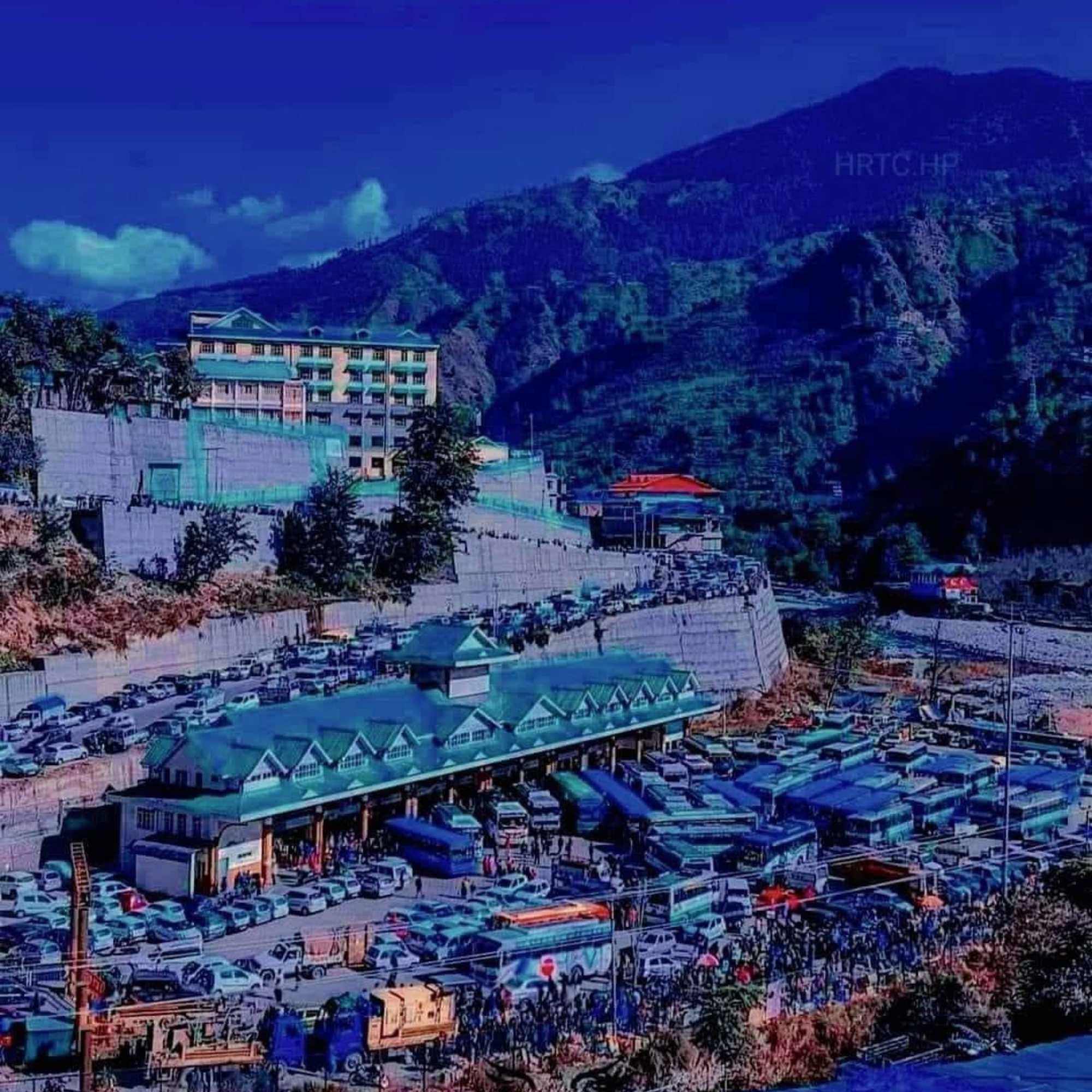
Rohru
About 115 km from Shimla
The main town of the Pabbar Valley at roughly 1,525 metres. Trout fishing on the Pabbar River, quality apple orchards, the Shikhru Devta temple, and the last proper supply stop (ATM, fuel, hospital) before the upper valley. The practical base for any Pabbar Valley trip.
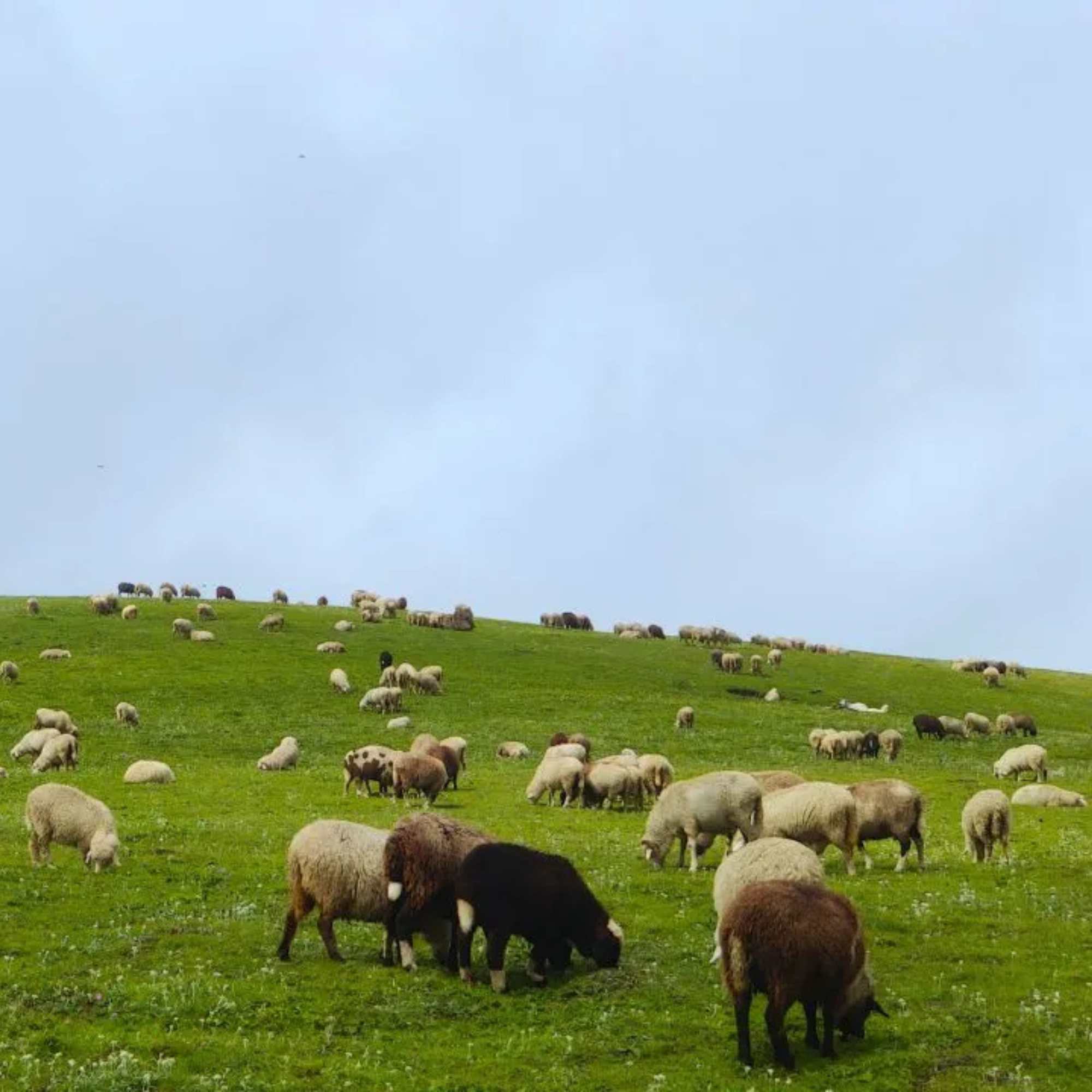
Chanshal Pass
About 160 to 180 km from Shimla
The highest motorable pass in Shimla district at roughly 3,750 metres. About 48 km from Rohru on rough mountain road. Wide grassy meadows and open Himalayan views. 4x4 or adventure motorcycle recommended. Generally open May to October.
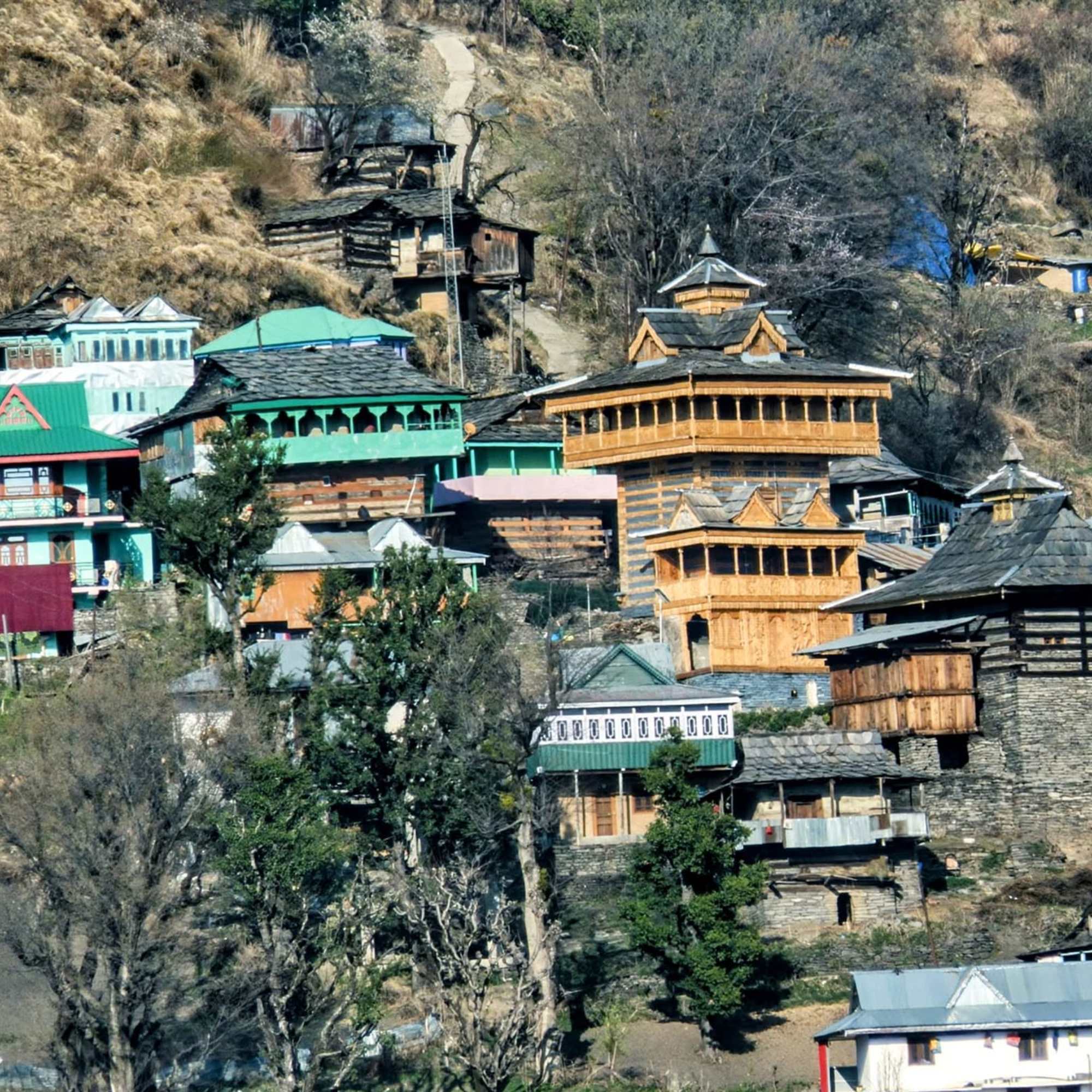
Larot Village
About 33 km from Rohru
The last village before Chanshal Pass at roughly 2,100 metres. Apple orchards, deodar forest, a few basic homestays and seasonal camps. Used as an overnight base by Chanshal Pass travellers. Near Kuppar Bugyal. No ATM, no fuel.
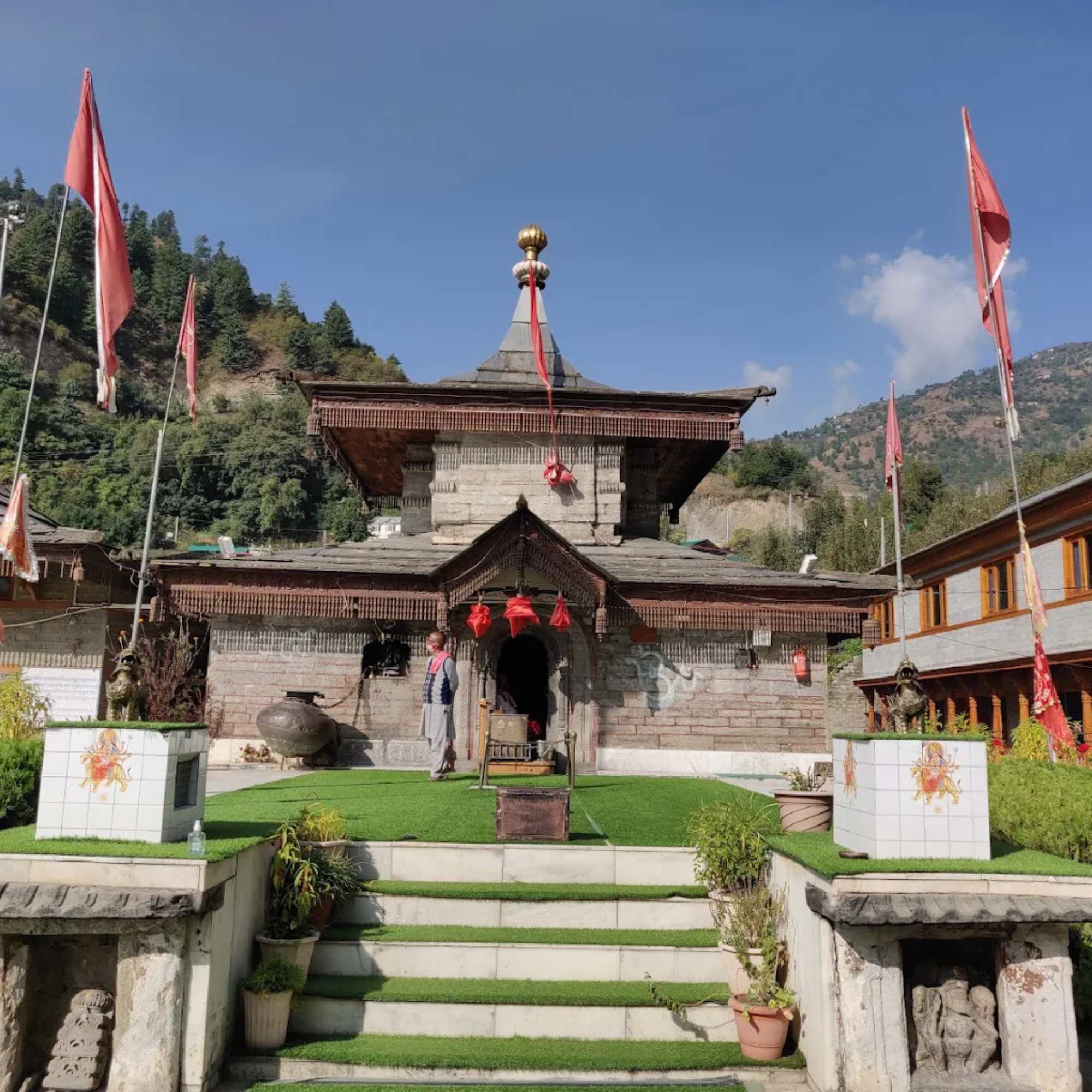
Hatkoti Temple
About 100 km from Shimla
An ancient stone temple complex on the Pabbar River, about 12 km from Rohru toward Shimla. Dedicated to Goddess Hateshwari (Durga) and Lord Shiva. Nagara shikhara architecture from the 8th to 9th century. Annual mela during Chaitra Navratri. No entry fee. A worthwhile stop on the drive in or out.
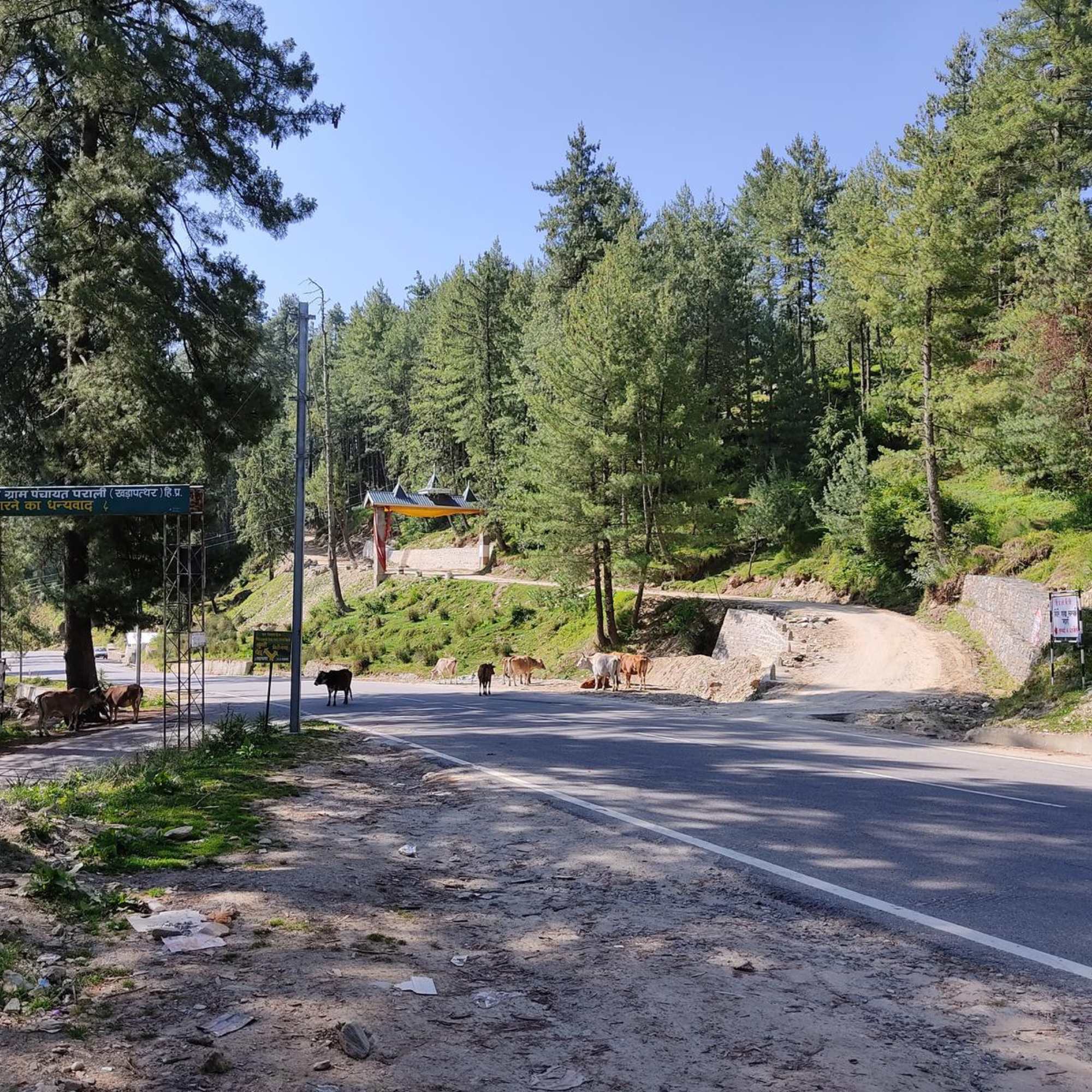
Kuppar Bugyal
Near Kharapathar (about 10 km trek from town)
A high altitude alpine meadow at roughly 3,200 metres above Giri Ganga Temple. Wide open grasslands and 360 degree Himalayan views. Accessible by a 3 km trek from the temple. Guide recommended.
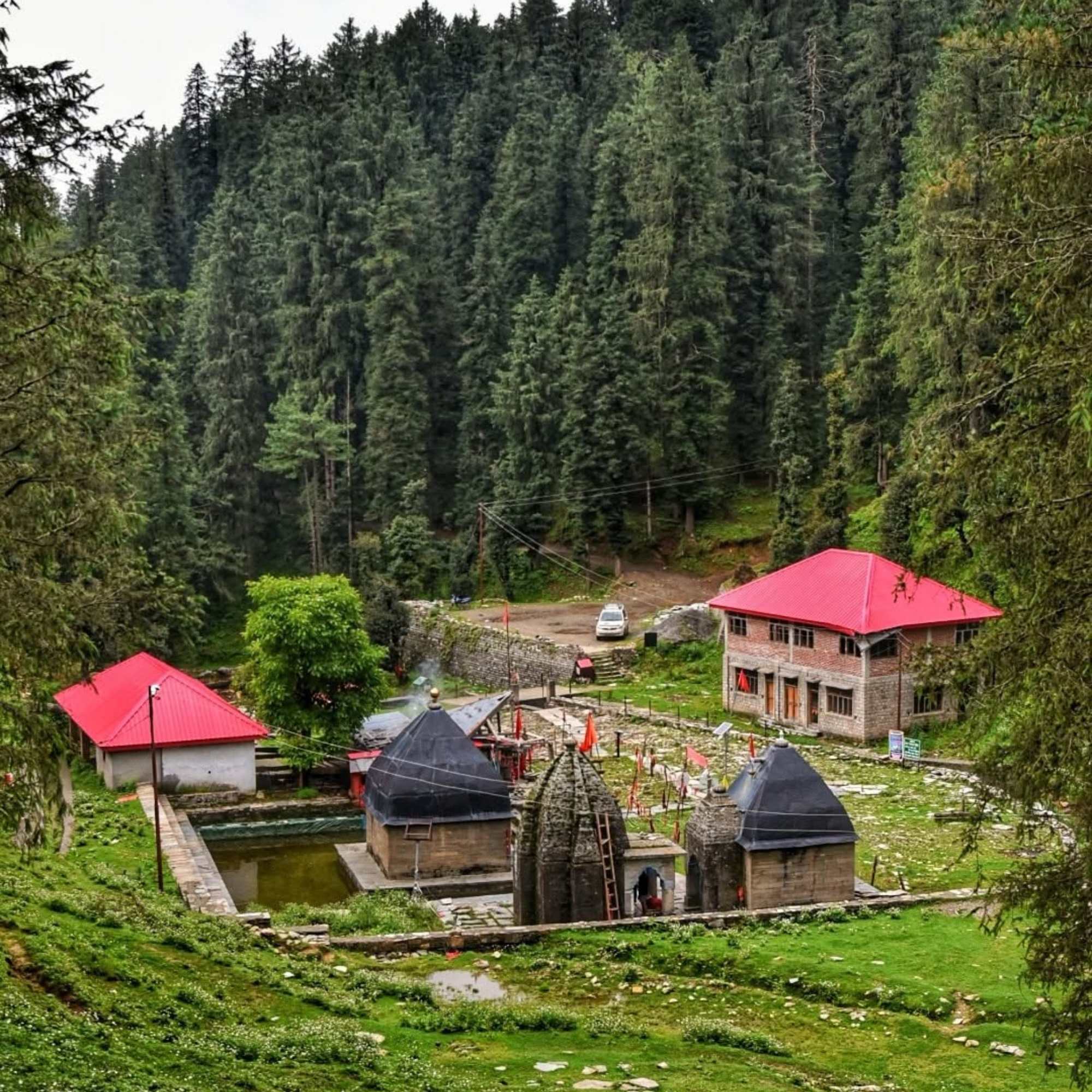
Giri Ganga Temple
About 7 km from Kharapathar
An ancient forest temple at the source of the Giri Ganga river, 7 km above Kharapathar. Shrines to Durga, Shiva, and Kali in dense deodar forest. A Dharamshala for basic stays. The Kuppar Bugyal trek starts from here.
Our packages with Pabbar Valley
Curated trips that include a visit to Pabbar Valley.
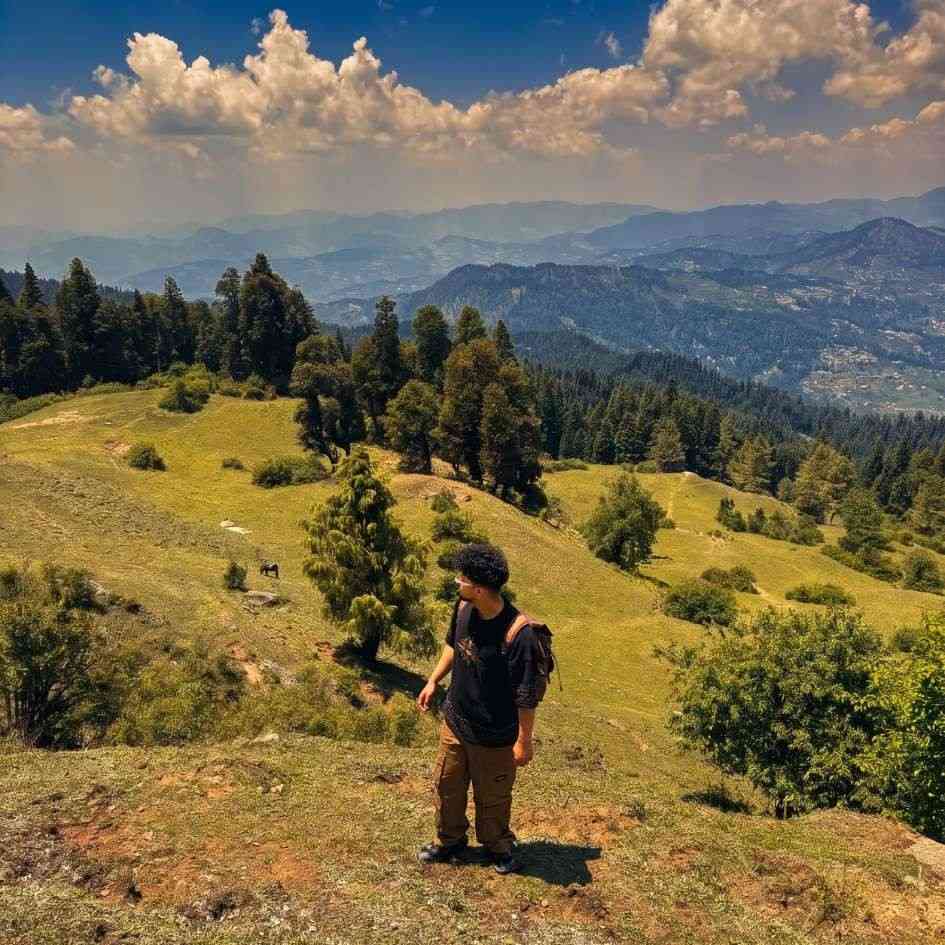 Group Tour5D/4N
Chanshal Pass Weekend Group Trip With Giri Ganga and Kuppar Bugyal
1D Kharapathar / Kotkhai•1D Rohru / Chirgaon (Pabbar Valley)
₹8,999₹12,999SAVE INR 4,000/ person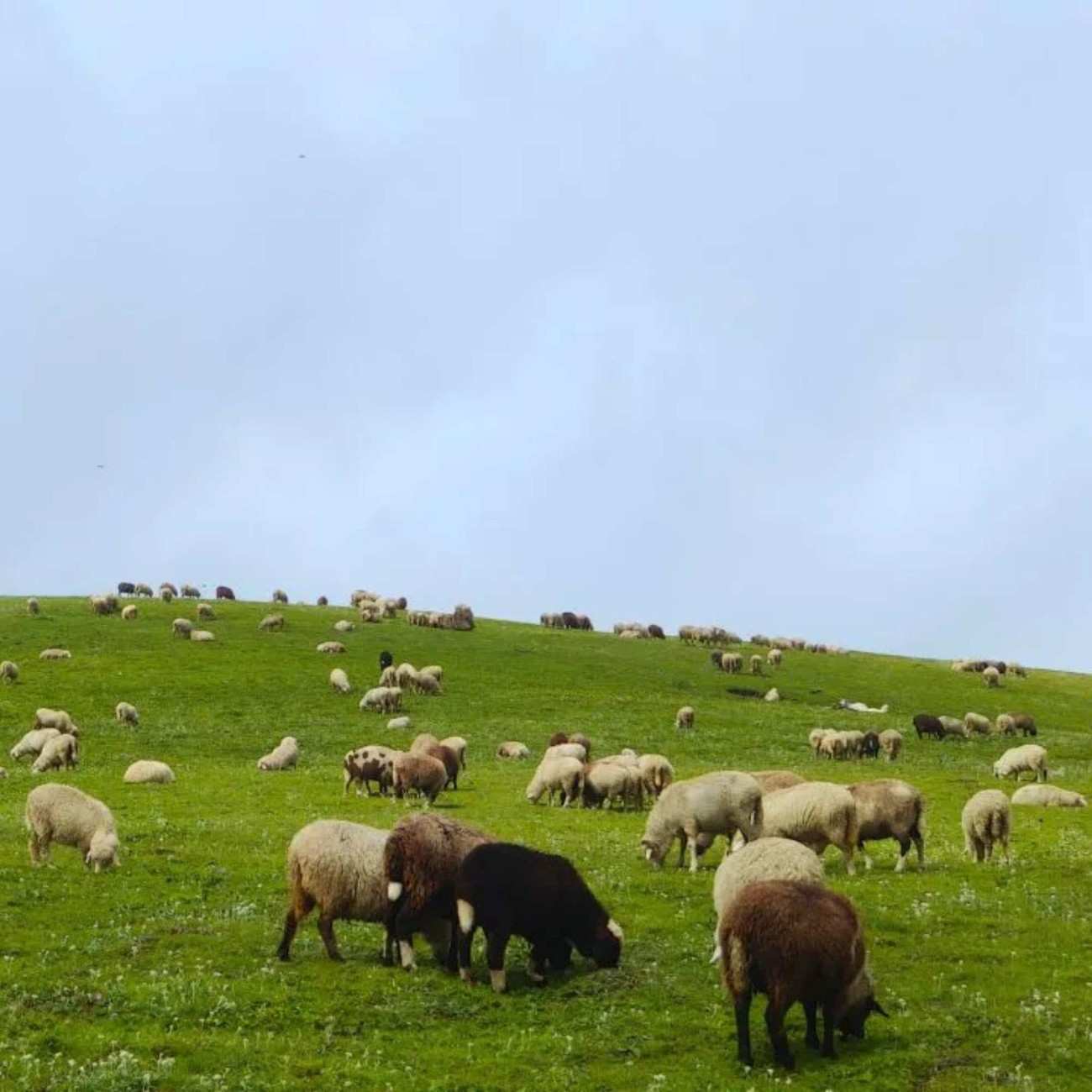 8D/7N
8D/7NMost Loved 4x4 Pabbar Valley Expedition With Giri Ganga Kuppar Bugyal Chanshal Pass and Dodra Kwar
1D Kharapathar / Kotkhai•2D Rohru / Chirgaon (Pabbar Valley)+1
₹32,999₹39,999SAVE INR 7,000/ person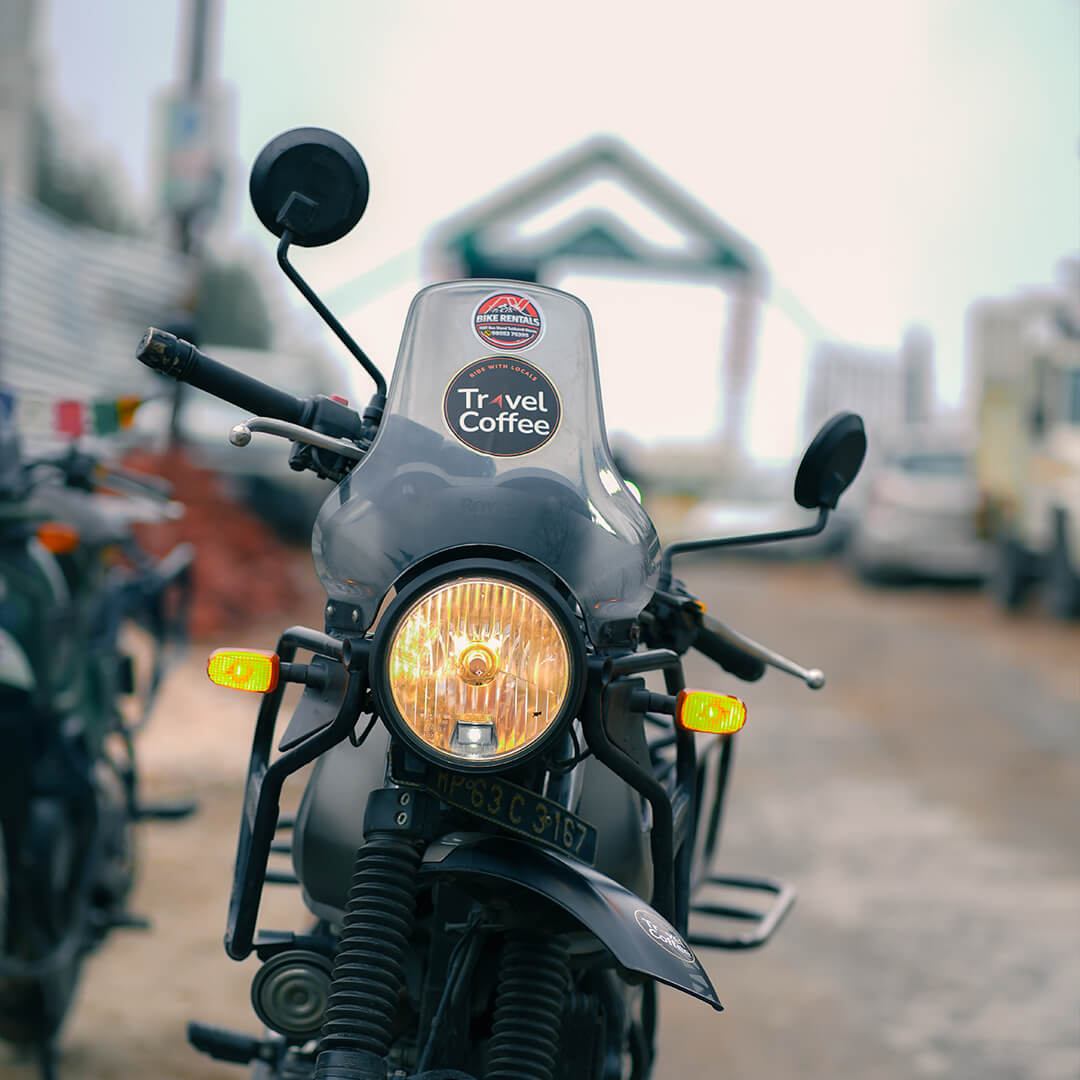 8D/7N
8D/7NUltimate Pabbar Valley Bike Expedition With Giri Ganga Kuppar Bugyal Chanshal Pass and Dodra Kwar
1D Kharapathar / Kotkhai•2D Rohru / Chirgaon (Pabbar Valley)+1
₹29,999/ person
Frequently Asked Questions
What is Pabbar Valley?
A river valley in Shimla district, Himachal Pradesh, running along the Pabbar River from the foothills near Jubbal to the Chanshal range. Known as the Golden Apple Belt of Himachal, one of the state's best trout fishing rivers, 9th century temples at Hatkoti, and the road to Chanshal Pass. Main town is Rohru (1,525 m). About 100 to 180 km from Shimla depending on how deep into the valley you go.
When is the best time to visit Pabbar Valley?
September to November for apple harvest and clear post monsoon weather. October is the best single month. March to June for comfortable temperatures and trout fishing. If you want to combine with Chanshal Pass, May to October when the pass is open. July and August are monsoon with rain and landslide risk. Winter is cold but the lower valley remains accessible.
How far is Pabbar Valley from Shimla?
About 100 km from Shimla to the lower valley (Hatkoti area). About 115 km to Rohru. About 160 to 180 km to Chanshal Pass. The road from Shimla runs through Theog and Kotkhai, taking 4 to 5 hours to Rohru. An alternate route via Narkanda is slightly longer. HRTC buses run regularly to Rohru.
What is the altitude of Pabbar Valley?
The lower valley (Hatkoti, Rohru) is at about 1,300 to 1,525 metres, which is comfortable year round. The upper valley climbs through Larot (about 2,100 m) to Chanshal Pass (3,750 m). Altitude is only a concern if you are going to the pass.
Where should I stay in Pabbar Valley?
Rohru is the practical base for the valley. It has the HPTDC rest house (the best option), budget hotels, guesthouses, an ATM, fuel, and a hospital. Homestays exist in Chirgaon, Larot, and surrounding villages (500 to 1,200 rupees per night, often with meals). Larot has seasonal camps for Chanshal Pass travellers. No luxury stays anywhere in the valley.
What are the main things to do in Pabbar Valley?
Trout fishing (Rohru to Chirgaon stretch, permit required), the drive to Chanshal Pass (4x4 recommended), Hatkoti temples (9th century), the Giri Ganga forest trek (7 km from Rohru), Kuppar Bugyal meadow (near Larot), apple orchard drives during harvest season, and the Jubbal Palace on the approach road.
How many days do I need for Pabbar Valley?
Three to four days covers the valley well. Day one: drive from Shimla to Rohru via Hatkoti. Day two: trout fishing or Giri Ganga trek. Day three: Chanshal Pass round trip (or split over two days with a night in Larot). Add a day if you want Kuppar Bugyal or a second fishing session.
Is Pabbar Valley suitable for families?
Yes, for the lower valley. The altitude around Rohru is gentle, the town is safe, and the orchard roads are pleasant for short drives. Hatkoti temples work well for all ages. The upper valley and Chanshal Pass are not suitable for families with small children due to rough roads, altitude, and lack of medical facilities.
Is there ATM and mobile network in Pabbar Valley?
Rohru has one ATM (patchy) and the last fuel pump before the upper valley. Jio and Airtel work in Rohru. Beyond Chirgaon, only BSNL works intermittently. At Chanshal Pass there is no signal. Carry cash from Shimla. Fill fuel at Rohru. Download offline maps before leaving town.
Related guides
Posts about Shimla
- Shimla Snow Trip 2026: Best Time, Itinerary, Cost and Local Tips
- Shimla in February 2027: Weather, Snowfall, Itinerary and Travel Tips
- Snow Point Near Shimla in 2026: Kufri, Fagu, Narkanda and the Best Places to Find Snow
- Shimla Honeymoon Guide 2026: Best Time, Itinerary, Cost and Romantic Places
- Shimla Kufri Chail Narkanda Tour 2026: Complete 6 Day Itinerary, Cost and Road Guide
- Shimla to Kasol Distance, Route, Bus and Taxi Guide 2026