
Giri Ganga Temple
An ancient forest temple at the source of the Giri Ganga river, 7 km above Kharapathar in Shimla district, where the road ends at a Dharamshala in thick deodar forest, a sacred kund holds water believed to be Gangajal that a sage once spilled, and the trail beyond climbs to Kuppar Bugyal with views of ranges most people in Shimla never learn exist
- Temple and Trek
- Pabbar Valley
- ~3,000 m
- 7 km from Kharapathar
- Shimla · ~77 km
- Origin of Giri Ganga River
- Deodar forest
- Kuppar Bugyal nearby
- Dharamshala stays
- No entry fee
What makes it special
Giri Ganga is one of those places where you arrive and immediately understand why someone built a temple here. The forest is so thick the sky shrinks to a narrow strip between the deodar canopy. The air smells like pine resin and wet earth. A stream runs close by, and the only sounds are water and birds. The temple sits right at the source of the Giri Ganga river, a tributary of the Yamuna, and the whole setting feels older than anything you can see.
The temple complex is small but layered. The main shrine, dedicated to Goddess Durga, stands on a stone platform in the centre of a water tank that locals call a kund. The water in this kund is believed to be sacred, originating from a spring connected to the legend that gives the place its name. Two other shrines sit nearby, one dedicated to Lord Shiva and one to Goddess Kali. The architecture is traditional Himachali, with stone and wooden construction and carved details that have weathered centuries. A Dharamshala built in the same traditional style with a thatched roof stands close to the temple, and this is where visitors sleep. Beyond the temple and the Dharamshala, there is nothing. No concrete buildings. No shops. No cafes. Just forest.
The legend is this. An ancient sage wanted to create a place in Himachal with the same spiritual power as Kashi. He and a group of sadhus carried Gangajal in their kamandals from Haridwar, following the old path through the Nagan valley forests. They stopped to rest at the Kuppar Bugyal meadow at the top of a peak above. While resting, the Gangajal accidentally spilled onto the ground. A spring formed at the spot, and the stream it created was named Giri Ganga, which roughly means "the Ganga that fell." The temple was built at the point where this stream emerges from the base of the Kuppar hill. Local deities started visiting the site with their followers, and over time it became one of the most important sacred spots in the Pabbar Valley.
Getting here is half the experience. From Kharapathar, a small town on the Shimla to Rohru road at about 2,700 metres, a rough dirt track winds 6 to 7 km through dense deodar, pine, and spruce forest. The track is wide enough for a vehicle, and local taxis and 4x4s make the trip, but calling it a road is generous. It is bumpy, uneven, and turns to slush after rain or snowfall. You can also walk it, which takes about 2 to 3 hours and is the better option if you enjoy forest walks. The track ends at a small clearing near the Dharamshala, and the temple is right there.
What surprises most first time visitors is the quiet. Even in the trekking season, Giri Ganga sees far fewer people than any comparable destination near Shimla. On weekdays, you might share the temple with a handful of pilgrims and nobody else. The forest around the temple has been kept thick by the reverence locals have for the place, and that protection has created something rare: a spot less than 80 km from a state capital where leopards and Himalayan black bears are still present. A local guide is recommended if you plan to trek beyond the temple toward Kuppar, not because the trail is technical, but because the forest is dense enough that losing your way is a real possibility.
A couple of small dhabas have been known to operate near the temple clearing during peak summer months and around major festivals. When they are open, expect basic vegetarian thali, rajma, dal, rice, and sometimes a sabzi. Mutton thali shows up occasionally. But these dhabas are weather dependent and entirely seasonal. Outside of roughly May to June and festival weeks, options can shrink to nothing, and even during season there is no guarantee both will be running on the day you arrive. Treat any food available here as a bonus, not a plan. Carry your own meals and snacks from Kharapathar. The Dharamshala at the temple offers basic floor accommodation, no beds, no hot water, just a roof and walls. If you want something more comfortable, stay at the HPTDC Giriganga Resort in Kharapathar or one of the guesthouses in town, and visit the temple as a day trip.
Every year, local communities gather at the temple during Shivratri and Navratri for worship and rituals. Local deities from surrounding villages are brought to the temple in traditional processions. If your visit coincides with either festival, the atmosphere shifts from quiet solitude to communal devotion, and seeing the temple come alive with music, prayer, and village participation is something that stays with you.
Honest framing. Giri Ganga is not for everyone. If you want infrastructure, comfort, and things to do, this is not the place. If you want thick forest, genuine silence, a temple that feels ancient because it is, and the option to trek higher to Kuppar Bugyal for mountain views that nobody else is looking at, it is one of the best things within a day's reach of Shimla.
Quick answers
- What is Giri Ganga Temple?
- An ancient temple complex at roughly 3,000 metres in dense deodar forest, about 7 km above Kharapathar in Shimla district. It sits at the origin of the Giri Ganga river, a tributary of the Yamuna. Shrines to Goddess Durga, Lord Shiva, and Goddess Kali. A sacred water tank (kund) near the main shrine. A Dharamshala for basic overnight stays. The temple is believed to have been built centuries ago and is linked to a legend of sages who accidentally spilled Gangajal at Kuppar Bugyal above, creating the river. No entry fee.
- How much time do I need?
- Half a day if you are visiting just the temple from Kharapathar and returning. A full day if you want to include the trek to Kuppar Bugyal (about 3 km further, 1.5 to 2 hours up). An overnight stay at the Dharamshala lets you do both without rushing and catch the temple at dawn, which is when the forest is at its quietest.
- Is the trek difficult?
- The walk from Kharapathar to the temple (6 to 7 km) is easy to moderate, mostly flat or gently uphill on a wide dirt track through forest. You can also drive this stretch in a 4x4 or local taxi. The trek from the temple to Kuppar Bugyal (about 3 km) is steeper, through thick forest, and takes about 1.5 to 2 hours. A guide is recommended for the Kuppar stretch because the trail is not well marked and the forest is dense enough to get lost in.
Quick facts
Everything you need to know at a glance.
At a glance
- Location
- In dense deodar forest, about 7 km above Kharapathar. Pabbar Valley, Shimla district, Himachal Pradesh.
- Altitude
- Approximately 3,000 m (about 9,800 feet). Kharapathar, the base town, sits at about 2,700 m.
- Type
- Ancient forest temple at the origin of the Giri Ganga river. Shrines to Durga, Shiva, and Kali.
- From Kharapathar
- About 6 to 7 km. 1 hour by local vehicle, 2 to 3 hours on foot.
- Entry fee
- None.
- Time needed
- Half day for the temple. Full day with Kuppar Bugyal. Overnight for both at a relaxed pace.
On the ground
- Mobile network
- Very limited. Signal barely reaches Kharapathar itself. No reliable network at the temple. Carry offline maps.
- Food
- A couple of small dhabas sometimes operate near the temple during peak summer and festival periods. Highly seasonal and weather dependent. They may serve basic vegetarian thali and occasionally mutton, but can close without notice. Outside peak months, expect nothing. Carry your own food from Kharapathar.
- Accommodation
- Temple Dharamshala (basic floor stay, no beds). HPTDC Giriganga Resort and guesthouses in Kharapathar.
- ATM and cash
- No ATM at the temple or in Kharapathar. Nearest in Kotkhai or Rohru. Cash is mandatory.
- Safety
- Leopards and bears inhabit the forest. Take a local guide for the Kuppar trek. Do not trek alone in the forest after dark.
Seasonal weather
- March to June20°5°Spring and Summer
- July to September16°8°Monsoon
- October to November14°-2°Autumn
- December to February5°-10°Winter
Suitable for
- Couples — suitable
- Families — with some care
- Seniors — with some care
- Solo — suitable
- First-timers — with some care
- Pet-friendly — not suitable
How to reach Giri Ganga Temple
2 approach routes, with seasonal access.
From Kharapathar
Generally March to November by vehicle. December to February the track may be snow covered. Walking possible year round with proper gear.- Distance
- About 6 to 7 km
- Time
- 1 hour by vehicle, 2 to 3 hours on foot
- Road
- Rough dirt track through dense forest. Motorable for 4x4s and local taxis but bumpy. Turns slushy in rain and snow.
From Kharapathar town, the dirt track starts near the main road and heads into the forest. The route is mostly shaded by tall deodar and pine. Local taxis (usually Maruti vans or Boleros) know the track and typically charge between Rs 1,000 to 1,500 for a round trip, as drivers rarely agree to a one way drop because there are no return fares waiting at the temple clearing. If driving your own vehicle, a high clearance vehicle with 4WD is recommended, especially after rain. The track ends at a small clearing near the Dharamshala. The temple is a short walk from there.
From Shimla
Year round to Kharapathar. The dirt track beyond depends on weather.- Distance
- About 75 to 80 km to Kharapathar, then 7 km to the temple
- Time
- 3.5 to 4.5 hours to Kharapathar by road, then 1 to 3 hours to the temple
- Road
- NH 5 and state highway to Kharapathar, then dirt track to the temple. Roads are generally good till Kharapathar with some rough patches near Kotkhai.
From Shimla, take NH 5 toward Theog. At Theog, turn off toward Kotkhai and continue on the Shimla to Rohru road through apple country. The route passes Kufri, Fagu, Theog, Chhaila, and Kotkhai before reaching Kharapathar. HRTC buses run from Shimla to Rohru and stop at Kharapathar. The road is paved and mostly in decent shape, though the section around Kotkhai can have rough patches. From Kharapathar, the 7 km dirt track to the temple requires a local taxi or walking.
Best time to visit
Season by season, so you can plan around the weather rather than hope.
- Recommended
Spring and early summer
March to June
Dry trail, comfortable temperatures, and the forest at its most alive.
- Temperature
- 5 to 20 degrees.
- Trail
- Dry, clear.
- Dhabas
- May operate in peak months, but not guaranteed. Carry your own food.
- Best for
- Temple visit, Kuppar trek, camping.
The best window for most visitors. The dirt track is dry and passable even for smaller vehicles. Wildflowers appear in the forest clearings. Daytime temperatures at the temple are comfortable, around 10 to 20 degrees, but nights drop sharply. The Kuppar Bugyal trek is at its easiest. Weekends in May and June see slightly more visitors, but the place never gets crowded.
Monsoon
July to September
Lush forest, but the track turns slushy and leeches appear.
- Temperature
- 8 to 16 degrees.
- Trail
- Muddy, slippery. Leech risk.
- Road
- Slushy. 4x4 only or walk.
- Note
- Stream flow is strongest. Forest is vivid green.
The forest is at its greenest, and the Giri Ganga stream runs strongest. But the dirt track turns muddy and difficult for vehicles. Leeches are common on the trail. The Kuppar trek becomes slippery and a guide is even more essential. Some trekkers enjoy the monsoon atmosphere, but most should come in drier months.
- Recommended
Autumn
October to November
Clear air, dry trails, and the best mountain views from Kuppar.
- Temperature
- Minus 2 to 14 degrees. Cold nights.
- Views
- Clearest of the year from Kuppar.
- Trail
- Dry. Good condition.
- Best for
- Photography, Kuppar trek, solitude.
Post monsoon clarity makes this the best window for the Kuppar Bugyal trek. The sky is sharp, the air is clean, and the views from the meadow stretch to the Pir Panjal, Swargarohini, and Bandarpunch ranges. The trail is dry. Crowds are nonexistent. October is the single best month. November gets cold fast.
Winter
December to February
Snow, deep cold, and genuine isolation. Only for properly prepared visitors.
- Temperature
- Minus 10 to 5 degrees.
- Snow
- Regular. Track often blocked.
- Dhabas
- Almost certainly closed. Full self sufficiency required.
- Access
- Walk only. Carry full supplies.
Snow covers the temple and the forest. The dirt track is usually impassable by vehicle. Walking in from Kharapathar through snow covered forest is a committed winter trek. Temperatures drop to minus 10 degrees or below at night. The Dharamshala may be functional but confirm locally. Winter camping is possible with proper gear and forest department permission. Beautiful, but this is not a casual visit.
Things to see & do
3 things worth your time at Giri Ganga Temple.
Visit the ancient temple complex
30 minutes to 1 hourThe temple complex sits in a clearing surrounded by deodar forest. The main shrine to Goddess Durga stands on a stone platform in the centre of a sacred water tank. Two smaller shrines nearby are dedicated to Lord Shiva and Goddess Kali. The architecture is traditional Himachali stone and wood. Remove your shoes before entering the shrine area. A dim diya burns inside the main shrine through the day. The kund beside the shrine holds water believed to have sacred properties. The atmosphere is quiet, simple, and old in a way that does not need to explain itself.
Trek to Kuppar Bugyal
3 to 4 hours round trip from the templeFrom the temple, a trail climbs about 3 km through thick deodar and coniferous forest to Kuppar Bugyal, a high altitude meadow at roughly 3,200 metres. The forest on this stretch is dense, with rhododendrons appearing in the upper sections. The trail is not well marked, and a local guide from Kharapathar is strongly recommended. The forest is home to leopards and bears, and getting lost is a realistic concern. The payoff is genuine. The meadow opens up to wide views of the Pir Panjal, Swargarohini, and Bandarpunch ranges, and rock cut images of a goddess sit near the top. Allow 1.5 to 2 hours up and about 1 hour down.
Walk the forest trail from Kharapathar
2 to 3 hours one wayInstead of driving, walk the 6 to 7 km dirt track from Kharapathar to the temple through one of the thickest deodar forests in Shimla district. The walk is shaded almost entirely, with the canopy blocking direct sun for most of the route. Birdlife is strong, and you may spot Himalayan birds including monals and pheasants if you walk quietly. The track is wide and the gradient gentle, making it an easy forest walk rather than a technical trek. Carry at least 2 litres of water and some snacks.
Know before you visit Giri Ganga Temple
The practical bits, from people who have been.
The temple and what to expect on the groundAncient temple, basic Dharamshala, no electricity, no signal. Food is not guaranteed. Carry your own meals, water, cash, and a sleeping bag.
The temple complex is small and deeply traditional. Three shrines sit in a clearing: the main one to Goddess Durga on a stone platform inside a water tank, and two others to Lord Shiva and Goddess Kali. Remove your shoes before approaching the shrines. There is no ticket counter, no priest collecting fees, and no tourism infrastructure. A dim diya burns inside the main shrine. Respect the site as a living place of worship, not a tourist attraction.
The Dharamshala near the temple offers basic floor accommodation. Expect a thatched roof structure with no beds, no hot water, and no electricity. Bring a sleeping bag or heavy blanket if you plan to stay overnight.
A couple of small dhabas have been known to set up near the clearing during peak summer months (roughly May to June) and around major festivals like Shivratri and Navratri. When open, they serve basic vegetarian thali and sometimes mutton. But their operation depends entirely on weather and footfall. Outside these windows, food options can shrink to absolute basics or disappear entirely. Do not count on the dhabas being open on the day you arrive. Carry enough food and water from Kharapathar to be fully self sufficient. There is a small clearing used for parking if you drive in.
Mobile signal is essentially nonexistent at the temple. Download offline maps before you leave Kharapathar. There is no ATM anywhere nearby. Cash is mandatory for everything, including the dhabas (if open), Dharamshala, and any local taxi.
Wildlife, guides, and safety in the forestLeopards and bears in the forest. Hire a guide for Kuppar. Do not trek alone or after dark. Camping needs forest department permission.
The forest around Giri Ganga is genuinely wild. Leopards and Himalayan black bears are present. Sightings are uncommon but the animals are there, and the thick forest means visibility is limited. For the temple visit alone, the wide dirt track from Kharapathar is safe during daylight. For the Kuppar Bugyal trek, hire a local guide from Kharapathar. The trail through the upper forest is not well marked, and the dense tree cover makes it easy to lose direction. Guides charge a modest fee and know the trails well.
Do not trek to Kuppar alone, and do not walk in the forest after dark. Carry a torch, a whistle, and a basic first aid kit. There is no medical help at the temple or on the trail. The nearest hospital is in Rohru, about 30 km from Kharapathar.
Camping at Giri Ganga or Kuppar Bugyal requires permission from the HP Forest Department. Check with the forest rest house in Kharapathar for current rules before setting up camp.
Who this place suits and who should reconsiderBest for solo trekkers, couples seeking solitude, and pilgrims. Not ideal for young families or those expecting infrastructure.
Will love it. Solo trekkers who want forest solitude without the crowds of popular trails. Couples looking for a place where the phone does not ring. Photographers chasing thick Himalayan forest and the Kuppar meadow. Anyone who values atmosphere over amenities. Pilgrims drawn to the Giri Ganga legend and the temple's quiet energy.
Should think twice. Families with young children will find the dirt track rough and the facilities too basic for a comfortable stay. Seniors who cannot manage a bumpy vehicle ride or a 2 to 3 hour walk should reconsider. If you expect hotels, restaurants, and mobile signal, this is not the place. The temple area is not pet friendly due to wildlife risk.
First timers to Himachal. If this is your first trip to the hills, start with Shimla or Narkanda and come to Giri Ganga when you are ready for something remote. It rewards preparation and the right mindset.
Nearby attractions
Other places worth the detour.
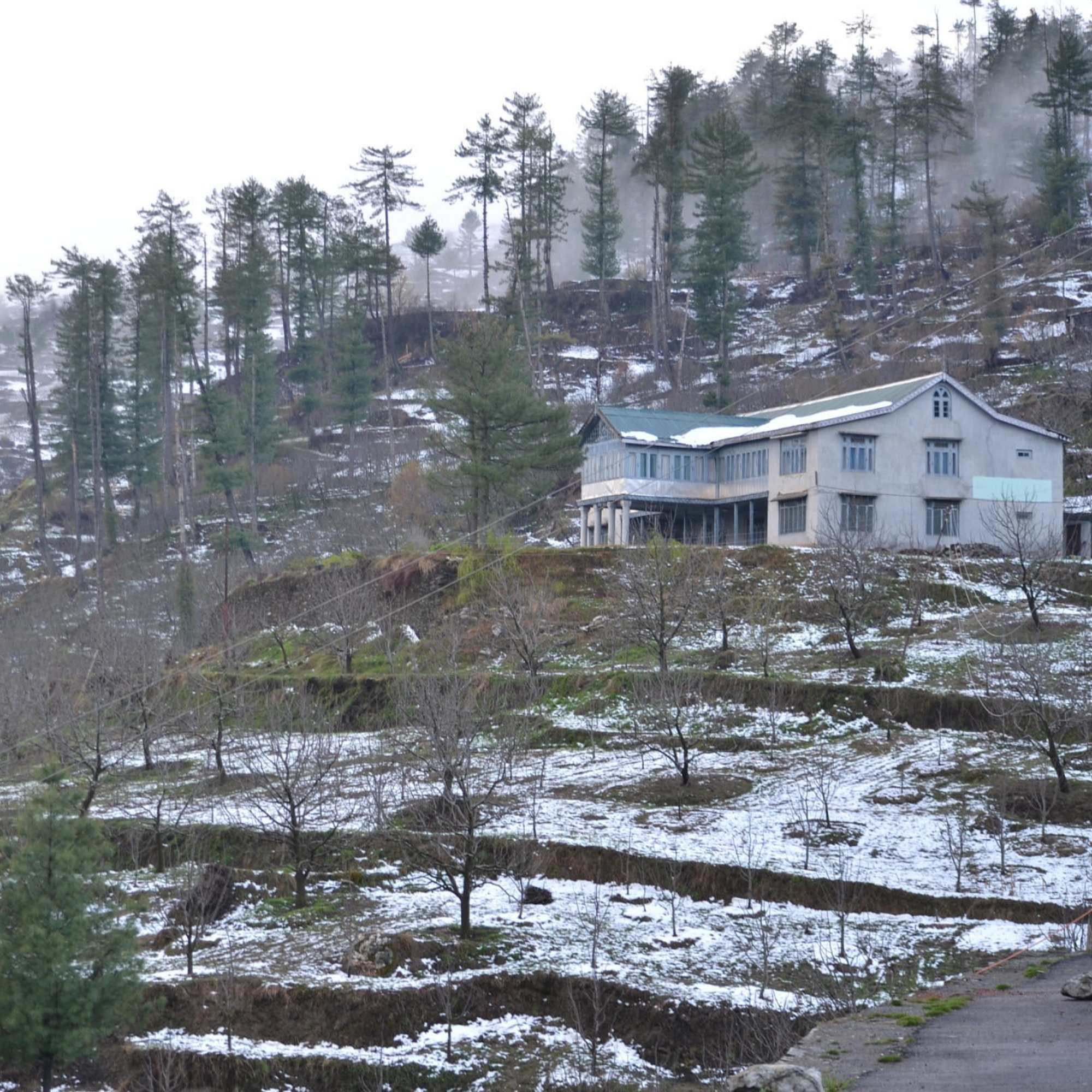
Kharapathar
About 7 km (base town)
The small town at roughly 2,700 metres on the Shimla to Rohru road that serves as the base for Giri Ganga. HPTDC Giriganga Resort, forest department rest house, and a few guesthouses. Also known as the starting point for the Chanshal Pass road. Apple orchards surround the town.
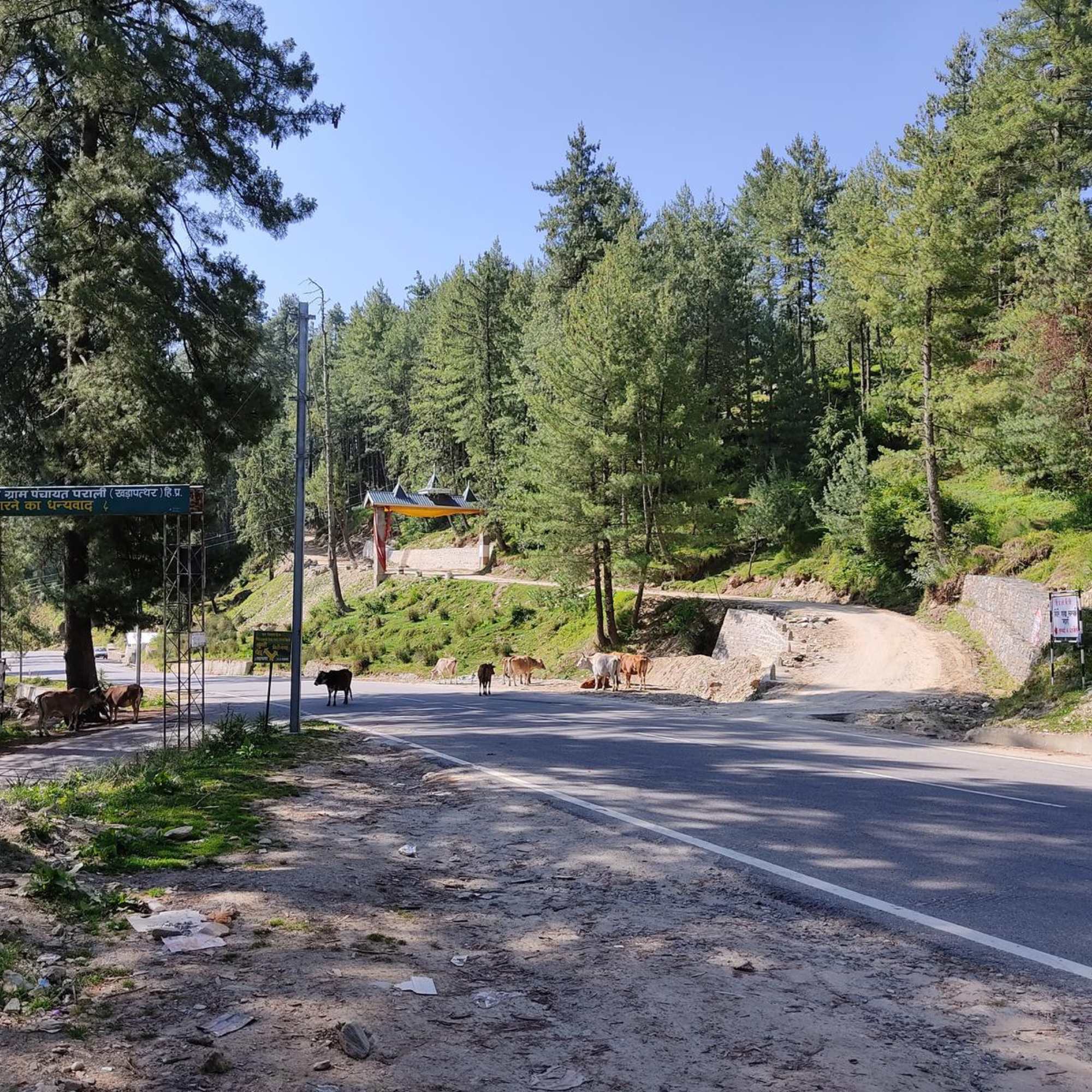
Kuppar Bugyal
About 3 km trek beyond the temple
A high altitude meadow at roughly 3,200 metres above the temple, reachable by a 1.5 to 2 hour forest trek. Wide views of the Pir Panjal, Swargarohini, and Bandarpunch ranges. Rock cut images of a goddess near the top. The meadow is the source of the Giri Ganga stream. Guide recommended.
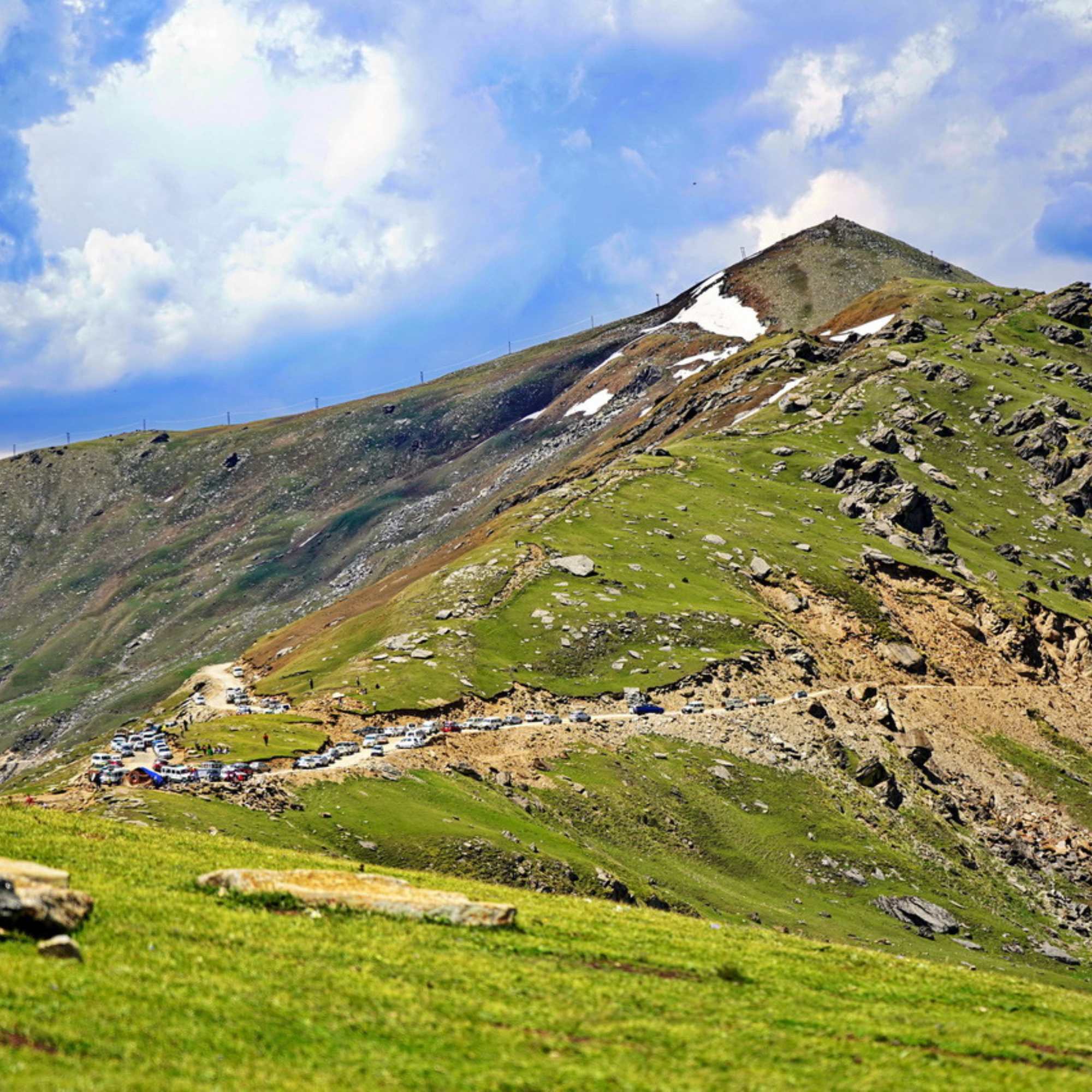
Chanshal Pass
About 50 km from Kharapathar by road
One of the highest motorable passes in Himachal Pradesh at roughly 4,520 metres. The road from Kharapathar leads through the upper Pabbar Valley toward Dodra Kwar. A full day excursion from Kharapathar. Road conditions are unpredictable and it is generally open only from June to October.
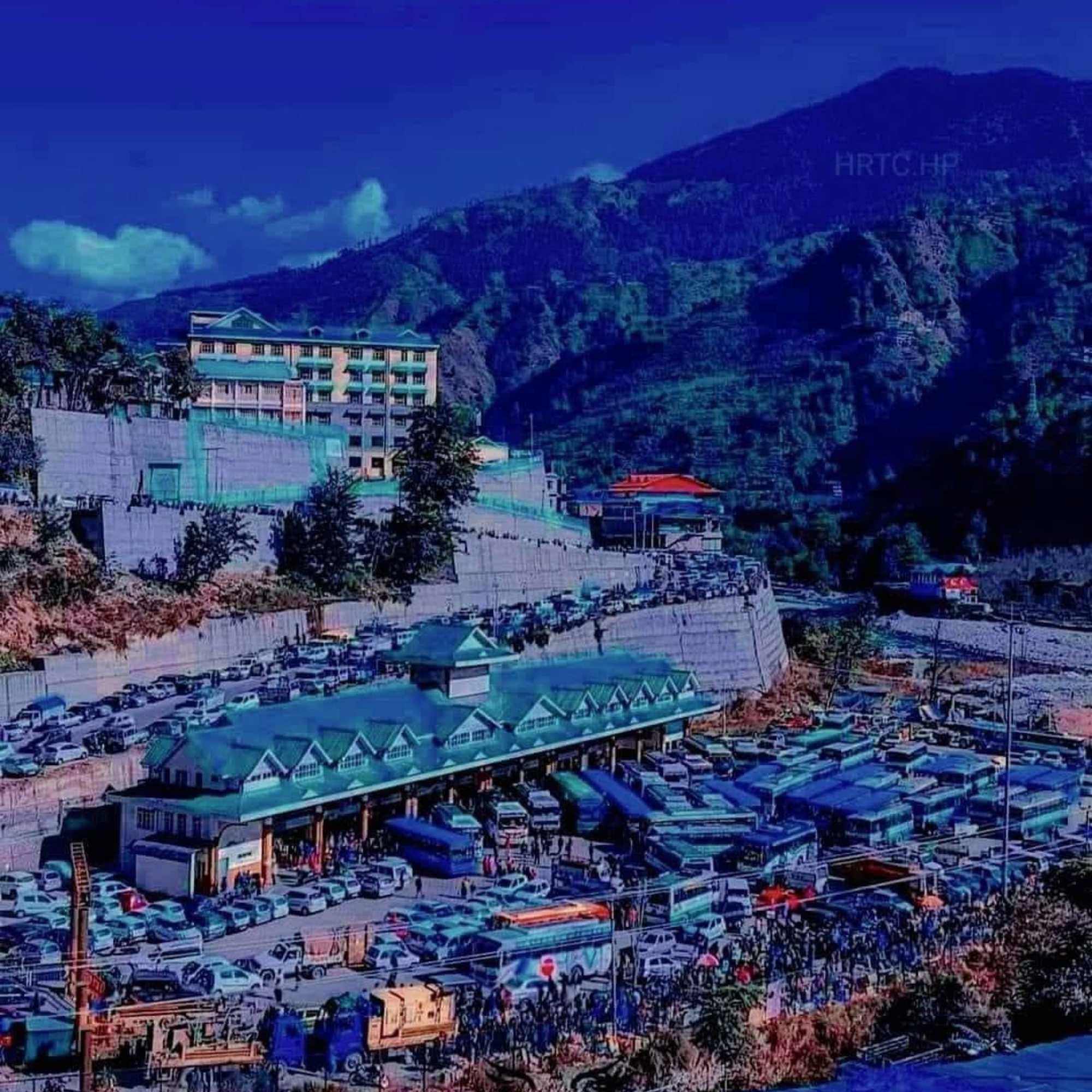
Rohru
About 30 km from Kharapathar
A larger town in the Pabbar Valley, known for its apple orchards and the annual Rohru fair. The nearest town with a hospital, ATMs, and reliable services. On the Shimla to Rohru road.
Our packages with Giri Ganga Temple
Curated trips that include a visit to Giri Ganga Temple.
 8D/7N
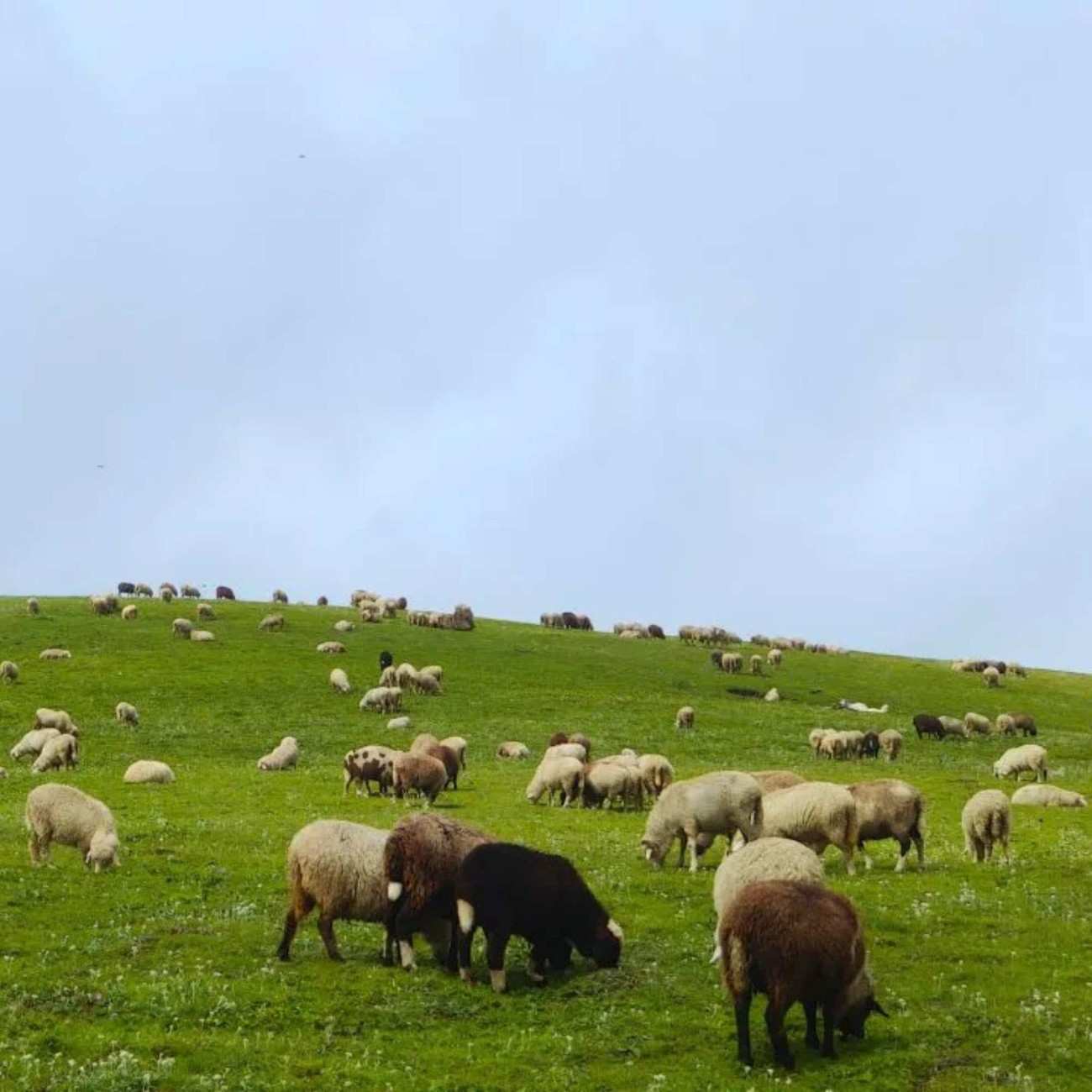
8D/7NMost Loved 4x4 Pabbar Valley Expedition With Giri Ganga Kuppar Bugyal Chanshal Pass and Dodra Kwar
1D Kharapathar / Kotkhai•2D Rohru / Chirgaon (Pabbar Valley)+1
₹32,999₹39,999SAVE INR 7,000/ person 8D/7N
8D/7NUltimate Pabbar Valley Bike Expedition With Giri Ganga Kuppar Bugyal Chanshal Pass and Dodra Kwar
1D Kharapathar / Kotkhai•2D Rohru / Chirgaon (Pabbar Valley)+1
₹29,999/ person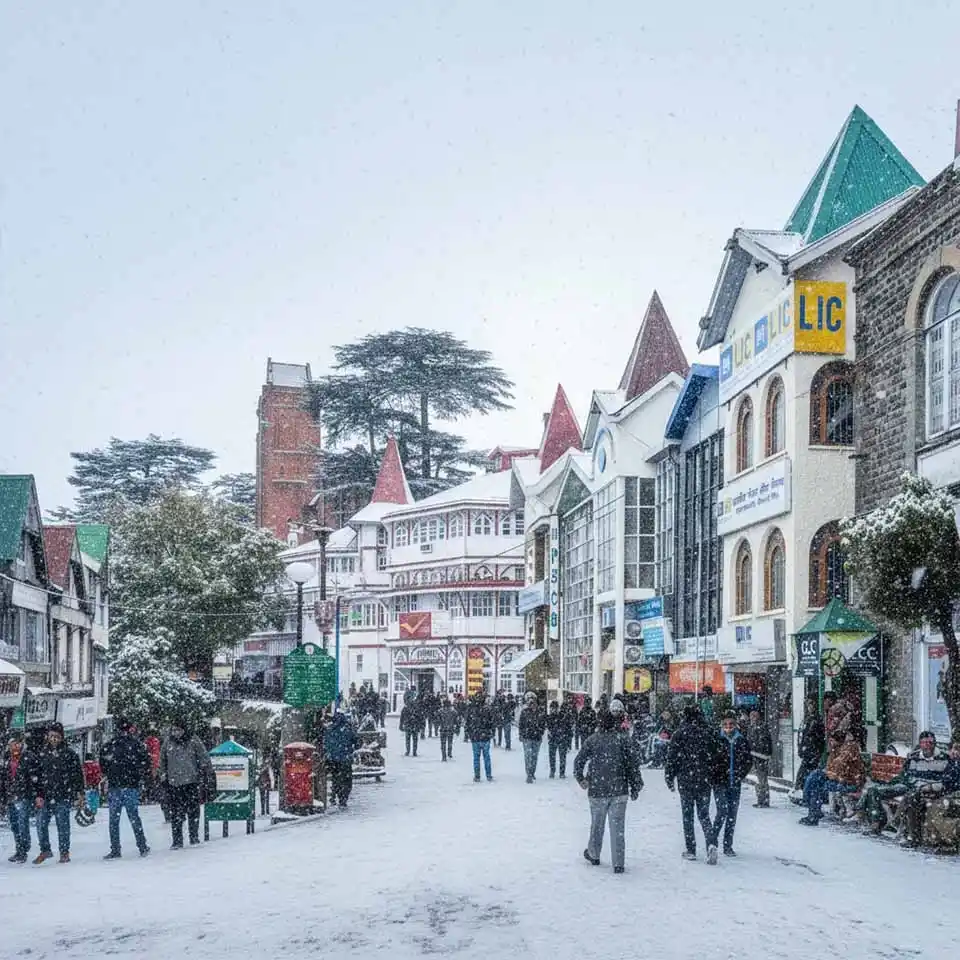 7D/6N
7D/6NShimla Mashobra Kufri Chail Narkanda Tour With Hatu Peak Sunrise
1D Delhi•3D Shimla+3
₹29,999₹38,999SAVE INR 9,000/ person
Frequently Asked Questions
What is Giri Ganga Temple?
In short, it is a centuries old forest temple sitting at roughly 3,000 metres in thick deodar forest, about 7 km up a dirt track from Kharapathar in Shimla district. The temple marks the spot where the Giri Ganga river, a Yamuna tributary, emerges from the hillside. There are three shrines here, to Goddess Durga, Lord Shiva, and Goddess Kali, along with a sacred water tank locals call the kund. Legend says sages accidentally spilled Gangajal at the Kuppar meadow above, and the stream that formed became the Giri Ganga. The temple was built where that water surfaces. There is a basic Dharamshala for overnight stays, no mobile signal, and no real infrastructure. That is the appeal.
How do I reach Giri Ganga Temple?
From Shimla, drive about 75 to 80 km to Kharapathar via Theog, Kotkhai, and the Shimla to Rohru road (about 3.5 to 4.5 hours). From Kharapathar, a rough dirt track goes 6 to 7 km through forest to the temple. You can drive this stretch in a 4x4 or local taxi (about 1 hour) or walk it (2 to 3 hours). HRTC buses run from Shimla to Rohru and stop at Kharapathar.
Is there accommodation at Giri Ganga?
A traditional Dharamshala near the temple offers basic floor accommodation with no beds, no hot water, and no electricity. Bring a sleeping bag. For more comfortable stays, the HPTDC Giriganga Resort and guesthouses in Kharapathar are the better options, about 7 km back down the track.
What is Kuppar Bugyal?
A high altitude meadow at roughly 3,200 metres, about 3 km above the temple. A trek of 1.5 to 2 hours through dense forest leads to the meadow, which offers views of the Pir Panjal, Swargarohini, and Bandarpunch ranges. Rock cut images of a goddess are found near the top. A local guide is recommended because the trail is not well marked and the forest is dense.
What is the best time to visit?
March to June and October to November. October is the single best month, especially for the Kuppar Bugyal trek, with clear skies and sharp mountain views. Monsoon (July to September) makes the track slushy and brings leeches. Winter (December to February) brings snow and deep cold, suitable only for prepared winter trekkers.
Is it safe? Are there wild animals?
Leopards and Himalayan black bears inhabit the forest. The dirt track from Kharapathar is safe during daylight. For the Kuppar Bugyal trek, hire a local guide. Do not trek alone in the upper forest or walk after dark. There is no medical help at the temple. The nearest hospital is in Rohru, about 30 km from Kharapathar.
Is there mobile signal at Giri Ganga?
Essentially no. Signal barely reaches Kharapathar. At the temple and beyond, there is no reliable network. Download offline maps before you leave Kharapathar. UPI and digital payments will not work. Cash is mandatory.
Can I camp at Giri Ganga or Kuppar Bugyal?
Camping is possible but requires permission from the Himachal Pradesh Forest Department. Check with the forest rest house in Kharapathar for current rules. Carry your own tent and gear. There are no facilities at the campsite.
Is the road to Giri Ganga driveable?
The 6 to 7 km dirt track from Kharapathar to the temple is rough but motorable for 4x4 vehicles and local taxis. It turns slushy and difficult in rain and after snowfall. In dry weather, experienced drivers in high clearance vehicles can manage it. Sedans and low vehicles should not attempt it. Walking is always an option and takes 2 to 3 hours.
Do I need a guide?
For the temple visit via the dirt track from Kharapathar, no. The track is wide and straightforward. For the Kuppar Bugyal trek (3 km beyond the temple), a local guide is strongly recommended. The forest is dense, the trail is poorly marked, and wildlife is present. Guides can be arranged in Kharapathar.
When do festivals happen at the temple?
The main gatherings are during Shivratri (usually February or March) and Navratri (twice a year, roughly March/April and September/October). Local deities from surrounding villages are brought to the temple in traditional processions. Exact dates follow the Hindu calendar and change annually.
Can I get food at Giri Ganga?
Do not count on it. A couple of small dhabas sometimes set up near the temple clearing during peak summer months and around major festivals. When they are open, they serve basic vegetarian thali and occasionally mutton. But they are entirely weather and footfall dependent, and outside of roughly May to June and festival weeks, there may be nothing available at all. Carry enough food and water from Kharapathar to cover your entire visit.
Related guides
Posts about Shimla
- Shimla Snow Trip 2026: Best Time, Itinerary, Cost and Local Tips
- Shimla in February 2027: Weather, Snowfall, Itinerary and Travel Tips
- Snow Point Near Shimla in 2026: Kufri, Fagu, Narkanda and the Best Places to Find Snow
- Shimla Honeymoon Guide 2026: Best Time, Itinerary, Cost and Romantic Places
- Shimla Kufri Chail Narkanda Tour 2026: Complete 6 Day Itinerary, Cost and Road Guide
- Shimla to Kasol Distance, Route, Bus and Taxi Guide 2026