
Sainj River
The river that creates the Sainj Valley, flowing from glaciers at Raktisar inside the Great Himalayan National Park down to the Beas at Larji, one of four watersheds that make this corner of Kullu a protected landscape
- River
- Beas tributary
- GHNP watershed
- Originates at Raktisar
- Sainj Valley
- Kullu district
- Birding
- Raktisar trek
What makes it special
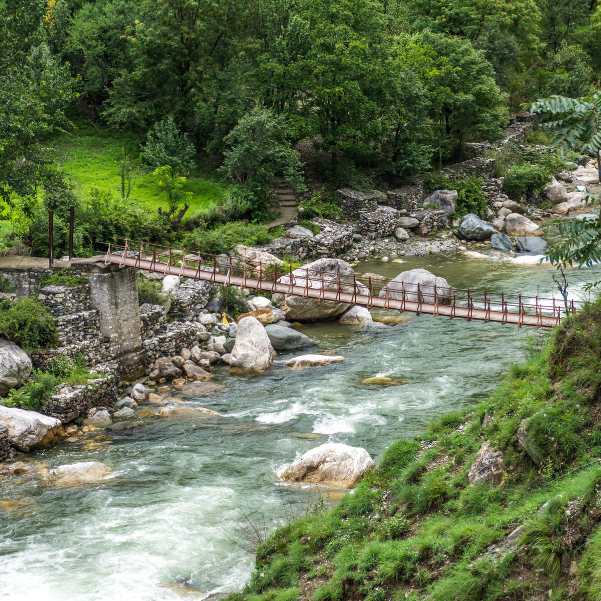
The Sainj River is the river that creates the Sainj Valley. It originates from glacial streams high inside the Great Himalayan National Park, where two glaciers converge at Raktisar at roughly 3,900 metres. From there it flows southwest, cutting a V shaped valley through the lower ranges of the main Himalaya, passing Shakti village, Neuli, the Ropa Forest Complex, and Sainj town, before meeting the Beas River near Larji, right where the Aut tunnel road begins. The Tirthan River joins the Beas at almost the same point, so Larji is effectively where three rivers merge.
For most travellers, the Sainj River is the constant companion on the drive into the valley. From Aut, the road follows the river upstream for about 27 km to Neuli, and the sound of water is the background to every homestay, every forest walk, and every morning at Shangarh. The Ropa Forest Rest House sits directly on its bank, which is why travellers who stay there remember the sound of the river more than anything else about the rooms.
Here is what most people miss. The river is not just scenery. It is the reason the valley exists as a protected landscape. The Sainj, along with the Tirthan, Jiwa Nal, and upper Parvati, forms one of the four river systems whose watersheds make up the GHNP. The fact that these rivers still run clean and the forest around them is still intact is a direct result of the national park protection. When you walk along the Sainj near Neuli or sit by it at Ropa, you are looking at one of the better preserved Himalayan river stretches in this part of the range.
The river runs clearest in spring (March to June) and post monsoon autumn (October to November). In monsoon, it rises dramatically, turns muddy brown, and the sound shifts from a steady rush to something you can feel through the ground. By winter, the flow thins and quiets. If you are planning a visit for the river experience specifically, the Ropa stretch in October is the version most people find the most satisfying, when the post monsoon volume is still there but the water has cleared.
Quick answers
- What is the Sainj River?
- A tributary of the Beas River that flows southwest through the Sainj Valley in Kullu district, Himachal Pradesh. It originates from glaciers at Raktisar (roughly 3,900 m) inside the Great Himalayan National Park and joins the Beas near Larji, about 27 km from Aut on the Manali highway. The river gives the Sainj Valley its name and is one of four river systems whose watersheds form the GHNP.
- Where can I experience the river?
- The Ropa Forest Rest House sits directly on the bank and is the closest riverside stay. The stretch near Ropa and Neuli is the most accessible for walking along the river. The drive from Aut follows the river for 27 km. October is the best month for clear water and strong flow.
- Can I trek to the source?
- Yes. The Raktisar trek (roughly 92 km round trip, 7 to 9 days) follows the Sainj River from Neuli to its glacial source. It requires a GHNP permit, a registered guide, and proper camping gear. One of the more rewarding GHNP treks, with dense forest, alpine meadows, and a chance to see the western tragopan.
Quick facts
Everything you need to know at a glance.
At a glance
- What it is
- A tributary of the Beas River in Kullu district, Himachal Pradesh.
- Origin
- Glacial streams at Raktisar (~3,900 m) inside the Great Himalayan National Park.
- Meets the Beas
- Near Larji, where the Tirthan River also joins. Close to the Aut tunnel on the Manali highway.
- Valley length
- The Sainj Valley runs roughly 35 km from Larji to the upper reaches.
- Why it matters
- One of four river systems forming the GHNP watershed. The valley and its villages are protected under the Wildlife Protection Act.
On the ground
- Riverside access
- The road from Aut to Neuli follows the river for 27 km. Best riverside access at Ropa Forest Complex.
- Best time for the river
- October for post monsoon clarity and volume. March to June for clear snowmelt flow. Avoid July to August (muddy, high).
Suitable for
- Couples — suitable
- Families — suitable
- Seniors — suitable
- Solo — suitable
- First-timers — suitable
- Pet-friendly — with some care
How to reach Sainj River
1 approach route, with seasonal access.
From Aut to Neuli (the road follows the river)
Year round. Road can be affected by river flooding in heavy monsoon.- Distance
- About 27 km from Aut to Neuli
- Time
- 1.5 to 2 hours by bus
- Road
- Valley road alongside the Sainj River. Tarred to Sainj town, narrows past Sainj.
The entire drive from Aut to Neuli follows the Sainj River upstream for about 27 km. You enter the valley at Larji, where the river meets the Beas, and the road stays close to the water all the way to the road end. The river is visible from the bus or car throughout the journey. The best riverside stops are near the Ropa Forest Complex (about 26 km from Aut) and along the stretch between Sainj town and Ropa.
Best time to visit
Season by season, so you can plan around the weather rather than hope.
- Recommended
Spring and early summer
March to June
Clear snowmelt flow, dry banks, comfortable walking.
- Water
- Clear, moderate flow from snowmelt.
- Banks
- Dry, accessible.
- Birding
- Good. Dawn walks productive.
The river runs clear with snowmelt. Moderate volume. The best window for riverside walks and birding. The water is cool and visible through to the riverbed in the upper stretches.
Monsoon
July to September
High water, muddy, dramatic but not for casual access.
- Water
- High, muddy. Dangerous near the banks.
- Banks
- Wet, possibly flooded in sections.
- Road
- Can be affected by landslides near the river.
The river transforms. Volume surges, the water turns muddy brown, and the sound fills the valley. The banks can be dangerous. Stream crossings on forest trails become tricky. The river is dramatic to watch but not the time for casual riverside walks.
- Recommended
Autumn
October to November
Post monsoon clarity and volume. The best single month is October.
- Water
- Strong, clearing to green blue.
- Banks
- Dry, accessible.
- Light
- Best photography window.
The best version of the river for most travellers. Post monsoon volume is strong but the water clears to a green blue. The air is clean, the banks are dry, and the surrounding forest is still green from the rains. October at Ropa, with the river running clear and the morning light on the water, is the single best riverside experience in the valley.
Winter
December to February
Thin flow, cold valley, quiet.
- Water
- Low flow, thin.
- Banks
- Cold. Possible frost.
- Valley
- Quiet, few visitors.
The river thins and quiets. Still flowing but with much less volume. The valley floor is cold. The river is peaceful but less visually compelling than in other seasons.
Things to see & do
3 things worth your time at Sainj River.
Walk along the river near Ropa
1 to 2 hours at dawnThe Ropa Forest Rest House sits directly on the Sainj River bank. The stretch of river here is accessible, relatively calm outside monsoon, and good for morning walks. Blue Whistling Thrush, magpies, and other Himalayan species are regularly seen along the water. Bring binoculars and walk before 8 AM for the best birding window.
Trek to Raktisar, the source of the Sainj
7 to 9 daysThe Raktisar trek follows the Sainj River upstream from Neuli to its glacial source at roughly 3,900 metres, where two glaciers converge. This is a multi day wilderness trek (roughly 92 km round trip, 7 to 9 days) requiring a GHNP permit, a registered guide, and proper camping gear. It is one of the most rewarding GHNP treks, with a chance to see the endangered western tragopan. Plan through the GHNP office at Ropa well in advance.
Sit by the river anywhere between Sainj town and Ropa
As long as you wantThe drive from Aut to Neuli follows the river for about 27 km. The scenery changes as you go: the river widens near Larji, narrows past Sainj town, and the deodar forest closes in near Ropa. On a clear day, sitting by the river at any point along this stretch is a free, quiet, and genuinely pleasant way to spend an hour. The best spots are near the Ropa Forest Complex and along the road between Sainj town and Ropa.
Know before you visit Sainj River
The practical bits, from people who have been.
Why this river mattersOne of four GHNP watershed rivers. Well protected, clean water in the upper stretches. Respect the environment.
The Sainj River is one of four river systems (along with the Tirthan, Jiwa Nal, and upper Parvati) whose watersheds make up the Great Himalayan National Park. The entire Sainj Valley sits within the GHNP buffer zone, and the Sainj Wildlife Sanctuary encompassing Shakti and Maror villages borders the park on this side. The river's watershed extends from about 1,200 metres at Larji to over 3,900 metres at its glacial source.
What this means practically: the river and its surroundings are well protected, the water quality is genuinely good in the upper stretches, and the forest cover along the banks is intact. Treat the environment accordingly. No littering, no washing in the river at sacred sites, and carry your waste out of any riverside stop.
Staying near the riverRopa FRH is the closest riverside stay. Homestays near the river at Sainj town.
The closest riverside accommodation is the Ropa Forest Rest House, which sits directly on the Sainj River bank. Book through the GHNP website. For a homestay experience near the river, Sainj town has a few options, and a private homestay operates opposite the Ropa FRH (listed on Airbnb as The Great Himalayan Homestay).
Shangarh and Upper Neahi are higher up from the river but within the same valley system. The drive to either passes along the river for most of the way.
Seasonal changesRiver rises in monsoon, thins in winter. Spring and autumn are the best windows.
The river rises significantly during monsoon (July to August). The road along the river can be affected by landslides and water damage. During heavy rain, stream crossings on forest trails near the river can become difficult. In winter, the river thins and the cold is genuine at the valley floor. The most comfortable river experience is in spring or autumn.
A small recheck reminder. Road conditions along the river, particularly between Sainj town and Neuli, can change after heavy rain. Confirm with your homestay or the GHNP office at Ropa before planning any riverside walks in monsoon.
Nearby attractions
Other places worth the detour.
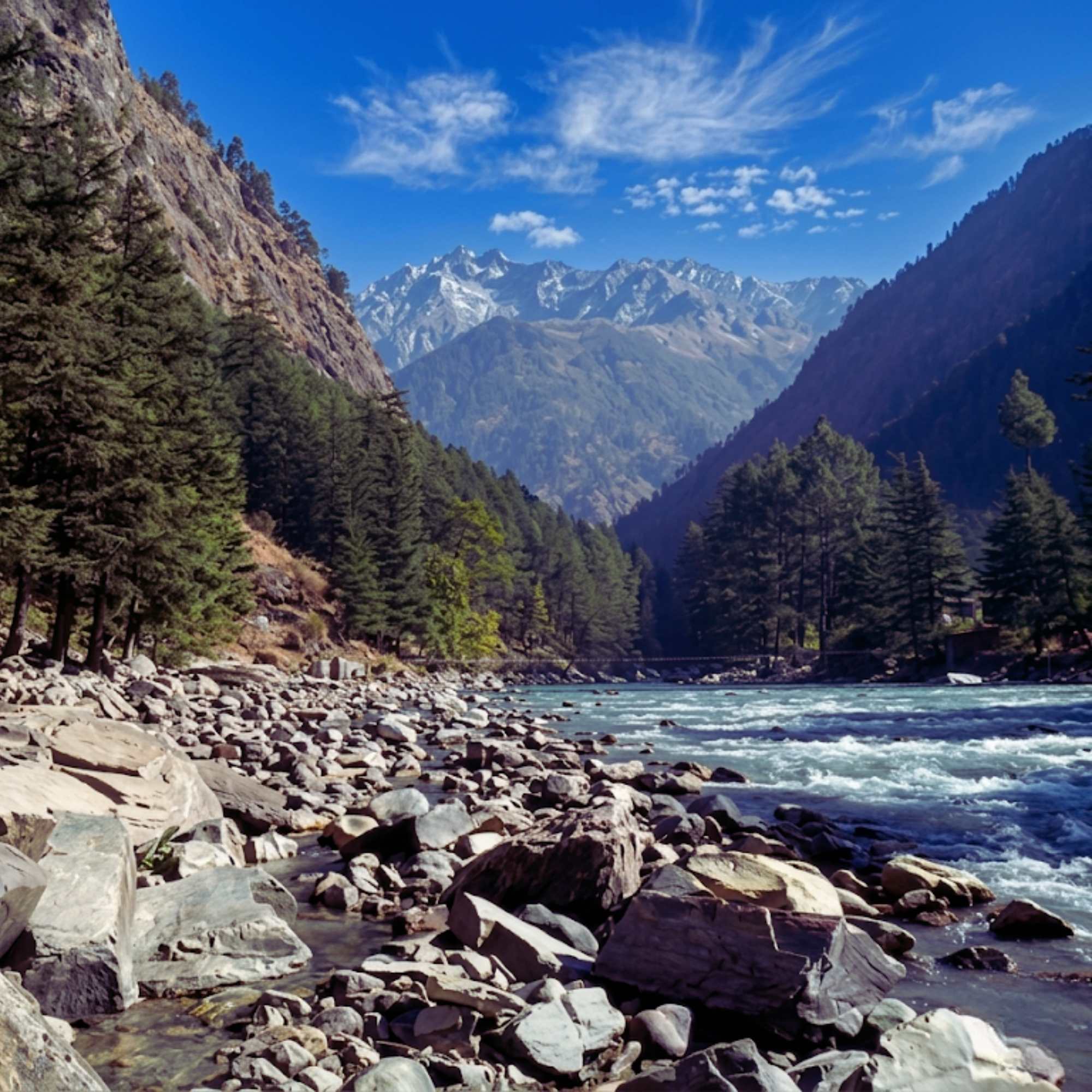
Sainj Valley
The river runs through the entire valley
The valley created by the Sainj River, with villages, homestays, and the GHNP buffer zone along its length.
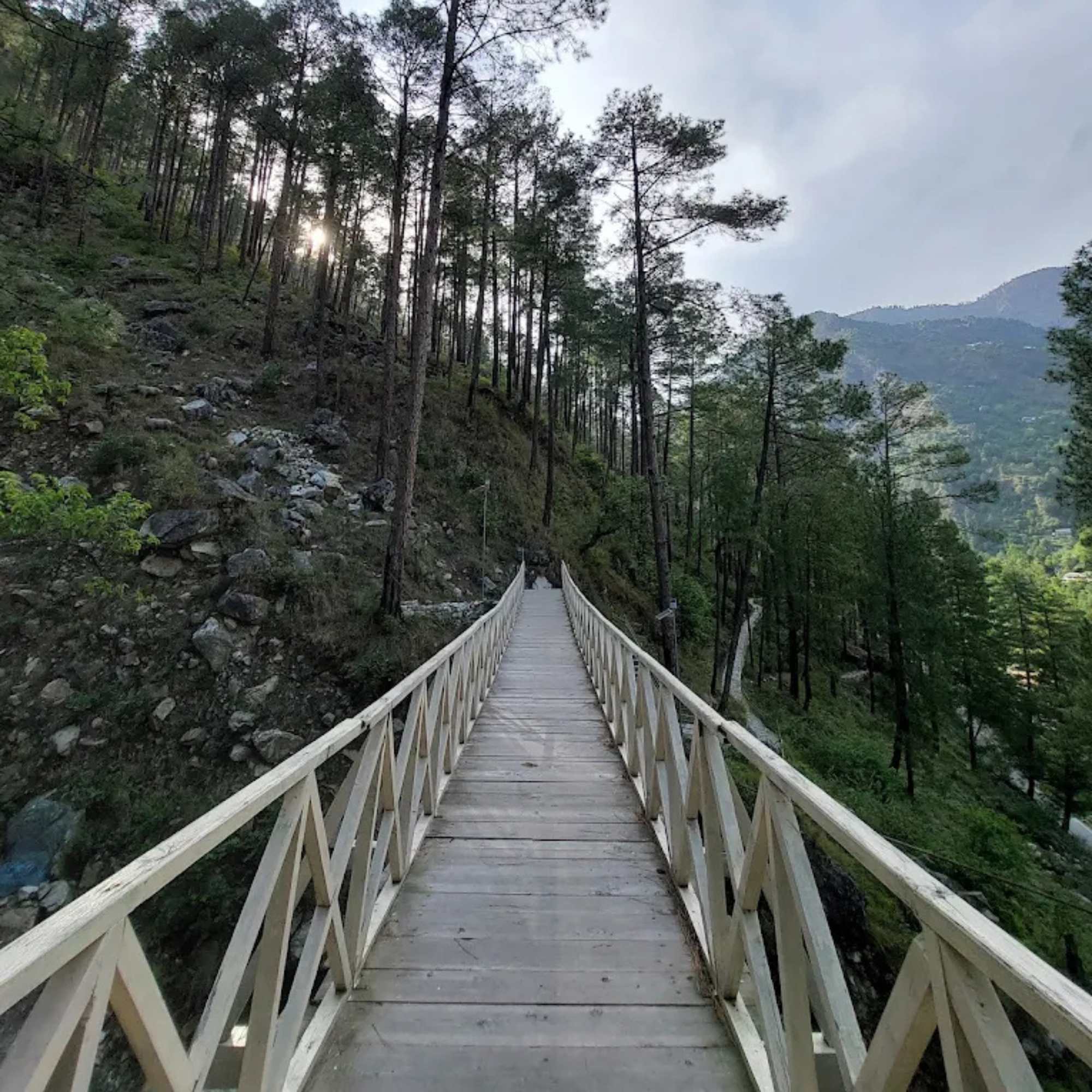
Ropa Forest Complex
On the river bank, about 8 km from Sainj town
The government forest rest house and GHNP range office sitting directly on the Sainj River bank. The best riverside accommodation in the valley.
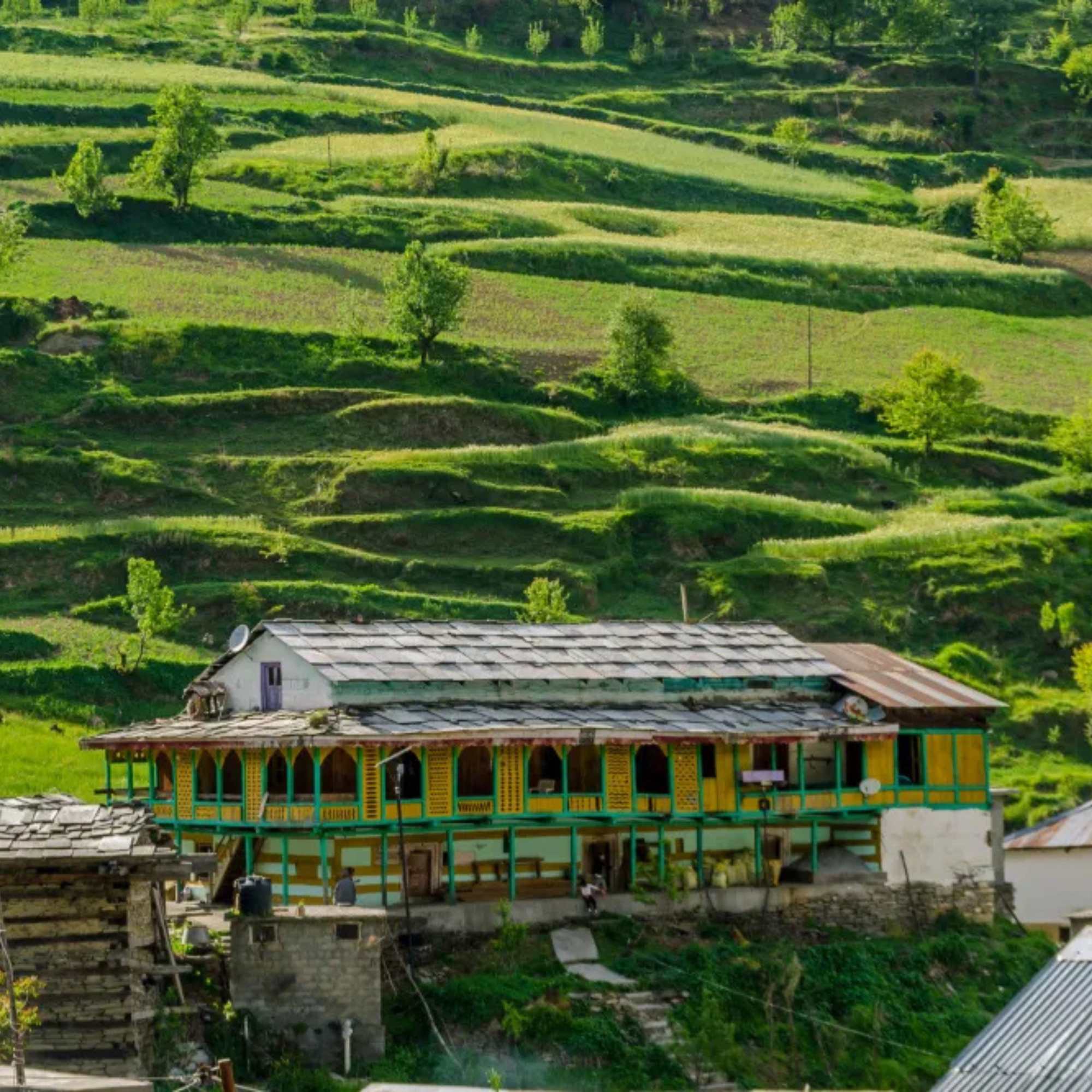
Neuli Village
About 27 km from Aut, on the river
The road end village where the Raktisar trek (to the source of the Sainj River) begins.
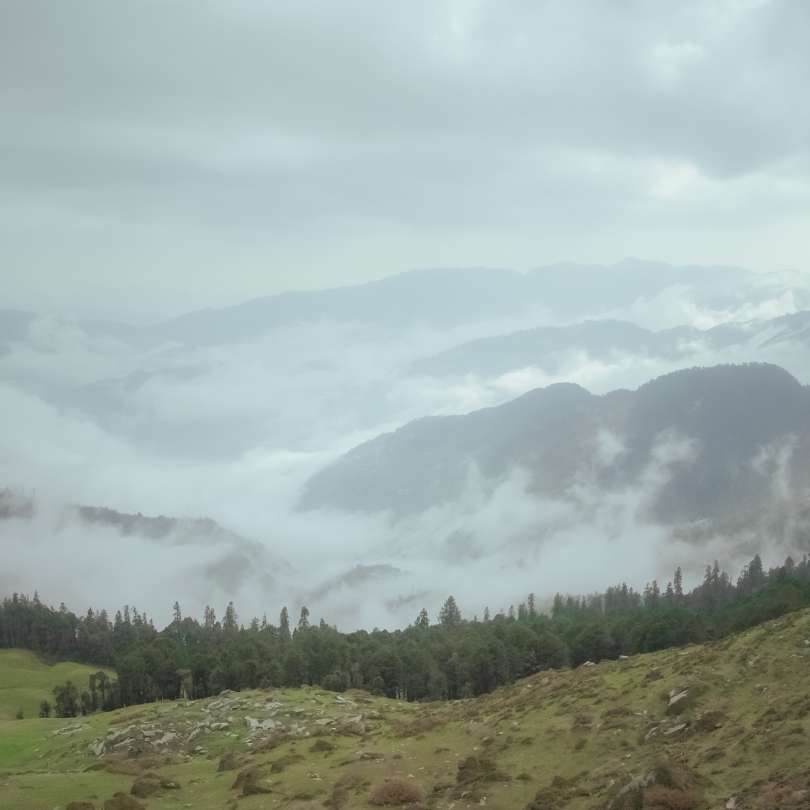
Great Himalayan National Park
The river originates inside the park
UNESCO World Heritage protected wilderness. The Sainj River is one of four rivers whose watersheds form the park.
Tirthan Valley
Adjacent valley, about 2 hours drive via Aut
The other main GHNP approach valley. The Tirthan River joins the Beas at almost the same point as the Sainj, near Larji.
Our packages with Sainj River
Curated trips that include a visit to Sainj River.
 Group Tour5D/4N
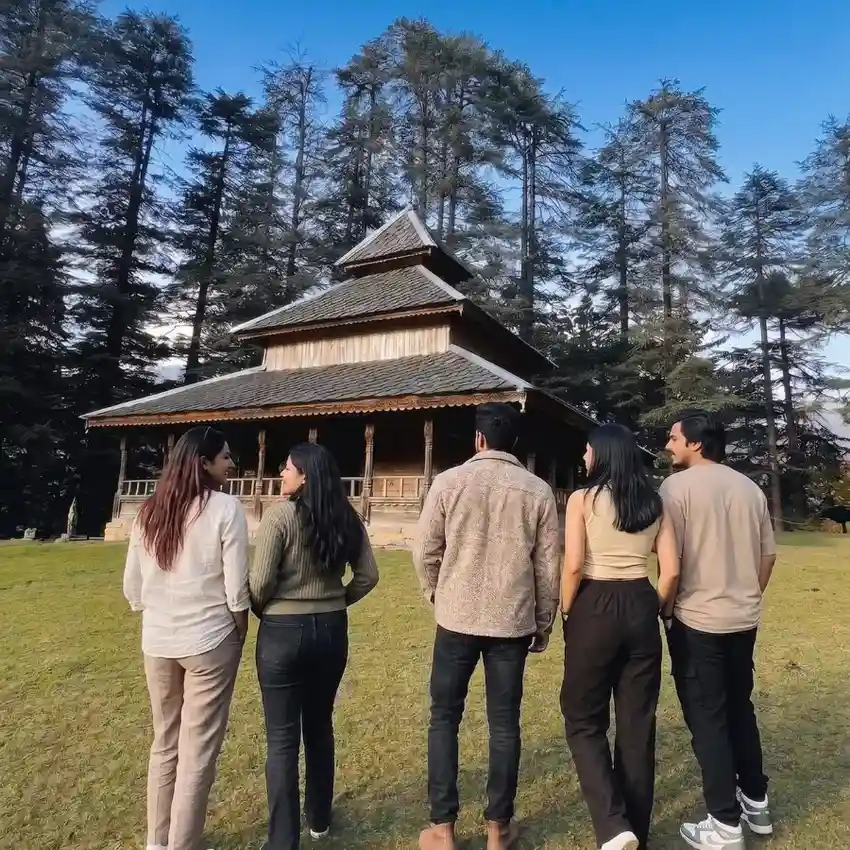
Shangarh Sainj Valley Weekend Group Trip
2D Shangarh
₹8,499₹8,999SAVE ₹500/ person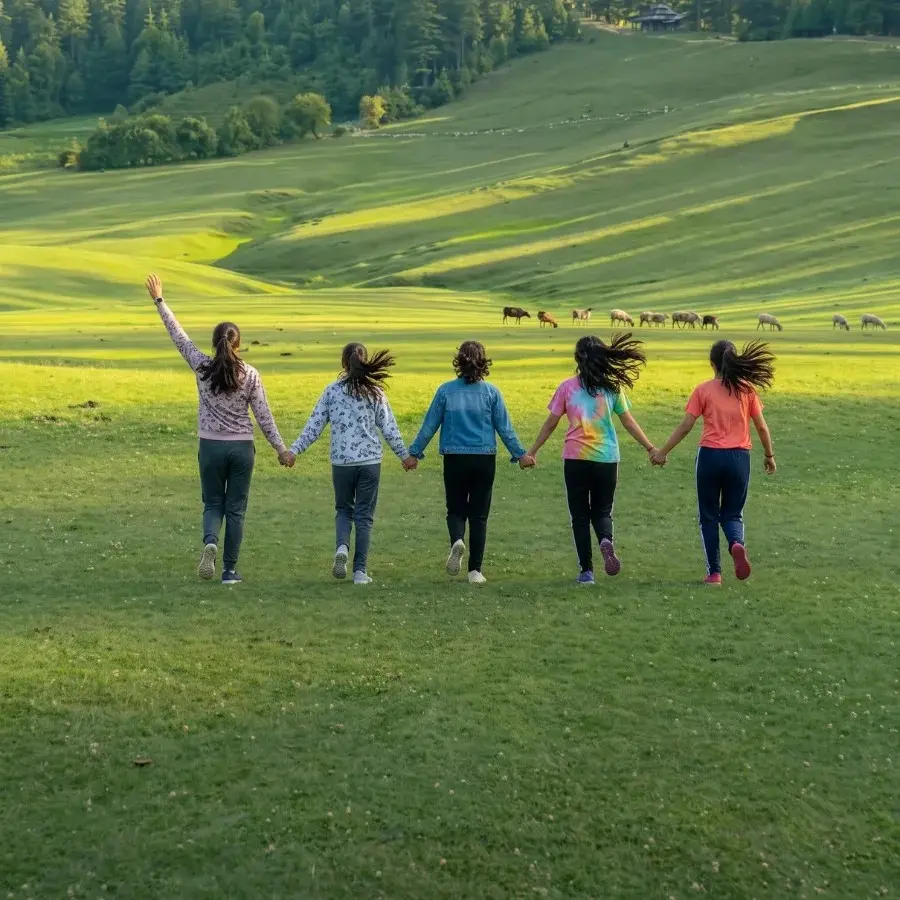 5D/4N
5D/4NMost Loved Shangarh Sainj Valley Tour With Private SUV
2D Shangarh
₹12,999₹16,999SAVE ₹4,000/ person
Frequently Asked Questions
What is the Sainj River?
A tributary of the Beas River in Kullu district, Himachal Pradesh. It originates from glacial streams at Raktisar (roughly 3,900 m) inside the Great Himalayan National Park. It flows southwest through the Sainj Valley, past Neuli, Ropa, and Sainj town, and joins the Beas near Larji, close to the Aut tunnel on the Manali highway.
Where does the Sainj River originate?
From two converging glaciers at Raktisar, at roughly 3,900 metres, high inside the Great Himalayan National Park. The Raktisar trek follows the river to its source and takes 7 to 9 days.
Where does the Sainj River meet the Beas?
Near Larji, where the Tirthan River also meets the Beas. This confluence point is near Aut on the Delhi to Manali highway. A dam at Larji creates a lake at this junction.
Can I fish in the Sainj River?
Not formally as a tourist activity. There are no angling permits specifically for the Sainj River that we can confirm, unlike the Tirthan where catch and release trout fishing is established. If fishing is your primary interest, the Tirthan Valley is the better choice.
Where can I stay near the river?
The Ropa Forest Rest House sits directly on the bank. Homestays at Upper Neahi and Shangarh are within walking distance of the river or its tributaries. For the closest riverside experience in the valley, Ropa is the spot.
When is the river at its best?
October is the sweet spot. The post monsoon volume is still strong, but the water has cleared to a green blue. The air is clean and the surrounding forest is lush. In monsoon (July to August), the river runs high and muddy. In winter, the flow thins. Spring (March to June) is also good, with clear water from snowmelt.