
Upper Neahi Village
A small traditional village in the upper Sainj Valley, sitting in deodar forest next to the sacred Pundrik Rishi Lake, with homestays, meadow treks, and the kind of quiet that takes a full day to properly hear
- Village
- Sainj Valley
- ~1,800 to 2,000 m
- GHNP buffer zone
- Pundrik Rishi Lake nearby
- Homestays
- No entry fee
- Best Mar to Jun, Sep to Nov
What makes it special
Upper Neahi is one of those villages in the Sainj Valley that most travellers hear about as a footnote. "Walk past the lake and there is a village." That undersells it. Upper Neahi sits in a clearing of deodar forest in the upper valley, surrounded by corn terraces and apple orchards, with the sacred Pundrik Rishi Lake about 200 metres away and views of the high snow-capped ridges of the GHNP core zone on clear mornings. The village has traditional stone and wood houses with deodar interiors, the kind that smell like pine resin when the bukhari is lit in winter. A few rooftops are still crowned with drying corn in harvest season.
Upper Neahi is not a destination with a checklist of attractions. There is no market, no cafe, no evening scene, and for most of the day, no mobile signal. What there is: a small meadow at Dalogi where you can sit for an hour without seeing another person, a couple of homestays where the food is cooked on a wood stove, the sacred lake steps away, and forest walks in every direction. The village retains old customs and traditions. Some of the buildings date back centuries by local accounts. If you talk to the older residents, you will hear stories tied directly to the Mahabharata, which is common across Kullu but feels more alive in a village this small and quiet.
Most travellers reach Upper Neahi as part of a Pundrik Rishi Lake trek, either from Dehuri (about 30 to 45 minutes past the lake) or from the Ropa side via Jhili Neahi. The village is also a starting point for the trek to Sarikanda meadow, a high altitude grassland about 6 to 7 km away that offers wide views of the GHNP peaks. And there is a trail connecting Upper Neahi to Shangarh, roughly 3 km through forest, which means you can walk between the two villages without touching a road.
The pace here is different from even Shangarh, which has started to feel busier on weekends. Upper Neahi is the version of Sainj Valley that the whole valley felt like a few years ago. If that appeals to you, stay two nights. If you need more structure, treat it as a day walk from Dehuri and return to your base by evening.
Quick answers
- Is Upper Neahi worth visiting?
- Yes, if you want the quietest, most traditional village experience in the Sainj Valley. The sacred Pundrik Rishi Lake is a short walk away, the Sarikanda meadow trek starts from here, and the village itself has old wooden houses, corn terraces, and a pace that slows you down whether you plan for it or not. Skip it if you need cafes, reliable signal, or a packed schedule. Two nights is the sweet spot.
- How do I get to Upper Neahi?
- Most commonly by walking from Dehuri village (about 30 to 45 minutes past Pundrik Rishi Lake) or by taking the rough road from Ropa to Jhili Neahi and walking the last stretch. There is a motorable road to Jhili Neahi, but shared vehicles are limited and charge heavily. From Shangarh, a forest trail of about 3 km connects the two villages.
- How many days do I need?
- Two nights, one full day is ideal. Day one: arrive, settle into a homestay, walk to the lake and the Dalogi meadow. Day two: trek to Sarikanda meadow or walk to Shangarh. You can visit as a day walk from Dehuri or Shangarh, but the overnight stay is what makes the village worth the effort.
Quick facts
Everything you need to know at a glance.
At a glance
- Location
- Upper Sainj Valley, Kullu district, Himachal Pradesh. Near Pundrik Rishi Lake, within the GHNP buffer zone.
- Approximate altitude
- Roughly 1,800 to 2,000 m. Sources vary, treat as approximate.
- Nearest town
- Sainj town, roughly 10 to 15 km. Dehuri village, about 2 to 3 km walk.
- Time needed
- 2 nights, 1 full day ideal. Day trip possible from Dehuri or Shangarh.
- Entry fee
- None. No permits needed for the village or nearby walks.
- Effort level
- Moderate. Reaching the village requires a 30 to 60 minute uphill walk through forest.
On the ground
- Mobile network
- Almost none. BSNL may catch a weak signal in one or two spots. Jio and Airtel do not work. Assume offline.
- Food
- Homestay meals only. No restaurants, no shops. Order meals in advance.
- ATM and cash
- No ATM anywhere nearby. Nearest in Sainj town. Carry enough cash for your full stay.
- Accommodation
- A few homestays and cottages. Aastha Homestay and Tripsso Cottages are known. Confirm booking before heading up.
- Walking
- Reaching the village involves a forest walk. Trails to meadows are uneven. Proper shoes essential.
Seasonal weather
- March to June22°6°Spring and Summer
- July to September24°14°Monsoon
- October to November20°4°Autumn
- December to February12°-4°Winter
Suitable for
- Couples — suitable
- Families — with some care
- Seniors — with some care
- Solo — suitable
- First-timers — suitable
- Pet-friendly — with some care
How to reach Upper Neahi Village
4 approach routes, with seasonal access.
From Dehuri village (on foot via Pundrik Rishi Lake)
Year round. Muddy in monsoon, cold in winter.- Distance
- About 2 to 3 km from Dehuri
- Time
- 45 minutes to 1.5 hours one way, depending on pace
- Road
- Forest trail through deodar woods, past Pundrik Rishi Lake. Uphill sections, uneven ground.
The most common approach. Take a bus from Sainj town to Dehuri (roughly three buses daily, timings shift with season). From Dehuri, walk through the deodar forest to Pundrik Rishi Lake (about 30 to 45 minutes), then continue past the lake for another 15 to 20 minutes to reach Upper Neahi. The trail is well trodden by villagers but has no signboards. Ask at Dehuri for directions. The walk is the best part of getting here.
From Ropa or Jhili Neahi (partly motorable)
Year round, though road can be rough after rain.- Distance
- About 8 km from Ropa Complex to Upper Neahi
- Time
- 2 to 3 hours on foot, or drive to Jhili Neahi and walk the last stretch
- Road
- Rough road to Jhili Neahi, then a short walk. The road is not smooth and shared vehicles are limited.
An alternate approach from the GHNP Ropa Complex side. A rough road runs to Jhili Neahi village. Shared vehicles sometimes operate in the evening but charge heavily and are inconsistent. From Jhili Neahi, Upper Neahi is a short further walk. This route passes through the Nuhada waterfall area if you are walking from the Ropa side.
From Shangarh (on foot through forest)
Year round. Can be muddy after rain.- Distance
- About 3 km one way
- Time
- 1 to 1.5 hours
- Road
- Forest trail connecting the two villages. No road.
A forest trail connects Upper Neahi to Shangarh, about 3 km through deodar forest. If you are based at Shangarh and want to see Upper Neahi without backtracking via Sainj town, this is the direct route. Ask your Shangarh homestay host for current trail conditions and directions. The trail is not marked.
From Delhi (overnight bus via Aut)
Year round from Delhi. Valley road conditions vary by season.- Distance
- Approximately 490 km to Sainj, then local transport to Dehuri and a walk
- Time
- Overnight bus to Aut (10 to 12 hours), then local transport and walking
- Road
- Highway till Aut, then valley roads to Sainj, bus to Dehuri, walk to Upper Neahi.
Take an overnight Volvo or semi sleeper bus from Delhi to Aut. From Aut, local bus or cab to Sainj town (about 18 km). Then bus to Dehuri and walk up to the village. Budget a full day for the journey. Reaching Upper Neahi before dark requires an early start from Aut.
Best time to visit
Season by season, so you can plan around the weather rather than hope.
- Recommended
Spring and early summer
March to June
Green forest, comfortable walking weather, the best window for the Sarikanda trek.
- Weather
- 6 to 22 degrees.
- Crowds
- Very light.
- Trail
- Dry, manageable.
- Lake
- Moderate water levels.
The best overall window. Trails are dry and the deodar forest is green. Days are warm enough for long walks, nights need a proper jacket. The Dalogi meadow is at its most pleasant. Apple orchards along the approach trail start blooming in April. Weekdays are quiet on the trails.
Monsoon
July to September
Lush green but muddy trails and leeches in the lower forest.
- Weather
- 14 to 24 degrees. Rain frequent.
- Crowds
- Almost none.
- Trail
- Muddy, leeches possible.
- Lake
- Highest water level.
The forest turns its deepest green and the Pundrik Rishi Lake has the most water visible. But the trail from Dehuri gets muddy, leeches are possible in the lower sections, and the approach road to Jhili Neahi gets rougher. Late September, after the rains taper, is a good window if you can time it.
- Recommended
Autumn
October to November
Clean air, dry trails, the best single month is October.
- Weather
- 4 to 20 degrees. Cold nights.
- Crowds
- Low, except during the October festival.
- Trail
- Dry, firm.
- Views
- Best clarity of the year.
Post monsoon clarity makes this the best photography window. The air is sharp, trails are dry, and the lake still holds decent water from the rains. The October Pundrik Rishi festival brings hundreds of locals to the lake area. Outside the festival, the trails are quiet. Nights get cold by November.
Winter
December to February
Cold, quiet, possible snow. Come prepared or skip.
- Weather
- Minus 4 to 12 degrees.
- Crowds
- Almost none.
- Trail
- Cold. Possible frost or ice.
- Facilities
- Some homestays may close. Confirm.
Cold and very quiet. Snow is possible. The lake is at its least visible, mostly grass. Some homestays may close for the season. If you come prepared with serious warm layers and confirm accommodation, winter in Upper Neahi is as peaceful as this valley gets. The deodar wood rooms smell best when the bukhari is running. But this is not a casual visit.
Things to see & do
5 things worth your time at Upper Neahi Village.
Walk to Pundrik Rishi Lake
30 minutes round trip from the villageThe sacred Pundrik Rishi Lake is about 200 metres from the village. A short walk brings you to a grassy wetland roughly 400 metres long, surrounded by deodar forest. A small wooden temple dedicated to the sage Pundrik Rishi stands nearby, and a cave associated with Jehar Devta is also in the area. Strict rules apply: no entering the water, no alcohol, no non vegetarian food at the site. The lake is more of a sacred marsh than a clear alpine lake, but the atmosphere and the forest setting make it worth multiple visits across your stay.
Trek to Sarikanda meadow
5 to 7 hours round tripA high altitude meadow reachable by a 6 to 7 km trek from Upper Neahi. The views from Sarikanda are wide and take in the GHNP peaks on clear days. This is an easy to moderate day trek that does not need a permit. Carry water and food, there is nothing along the way. A local guide from the village is useful for navigation, especially in the forest sections where the trail is not obvious. Most travellers start early and return by afternoon.
Wander the Dalogi meadow
1 to 2 hoursA small open meadow near the village where you can sit, read, or watch the clouds move over the GHNP ridgeline without any distractions. Some homestays point you towards Dalogi as the first thing to do after checking in. Early morning and late afternoon are the best windows.
Walk to Shangarh through the forest
1 to 1.5 hours one wayA forest trail of about 3 km connects Upper Neahi to Shangarh. If you are spending two nights here, use one morning to walk to Shangarh, see the meadow and the Shangchul Mahadev Temple, and walk back before the afternoon clouds build. Ask your homestay for current trail conditions.
Sit with the locals and listen
As long as they will have youUpper Neahi is one of those villages where the conversations are the trip. The older residents carry stories that connect directly to the land, the lake, and the customs that have shaped this valley. If your homestay host introduces you to someone, ask about the village history. You will learn things no travel page, including this one, can capture.
Know before you visit Upper Neahi Village
The practical bits, from people who have been.
Where to stayA few homestays and cottages. Book ahead, order meals in advance, confirm before walking up.
A couple of homestays and cottage properties have come up in Upper Neahi. Aastha Homestay is the one that gets mentioned most by travellers, run by a local family. Tripsso Cottages is a newer wooden cottage property. Expect clean rooms with deodar wood interiors, heavy blankets, and home cooked meals that need to be ordered a few hours in advance. If you arrive without ordering, you may be stuck with whatever the family can put together quickly.
Prices generally range from 1,500 to 3,000 rupees per night including meals, but this can shift with the season. Phone signal is essentially absent, so confirm your booking from Sainj town or Dehuri before walking up. Some hosts accept WhatsApp bookings when they happen to have a signal. Carry enough cash to cover your stay, meals, and any return transport.
Network, cash, and medicalAlmost no signal, no ATM, no medical facility. Come fully prepared.
Mobile signal in Upper Neahi is close to zero. BSNL may catch a weak signal in one or two spots near certain houses. Jio and Airtel do not work here. Download offline maps before leaving Sainj town. There is no ATM anywhere nearby. The nearest is in Sainj town. Carry enough cash for your entire stay.
There is no medical facility in the village. The nearest basic healthcare is in Sainj town. If you take regular medications, carry them. A basic first aid kit is essential for anyone planning the Sarikanda trek or longer walks. Tell your homestay host your plan before heading out on any walk.
Families, seniors, and petsReachable only on foot. Families with older kids and active seniors can manage. Not ideal for very young children.
Reaching Upper Neahi requires walking for 30 to 60 minutes on an uphill forest trail, depending on your starting point. There is no vehicle access to the village itself. Families with children above 8 who enjoy walking and village life will have a good time. Younger children will need carrying on the uneven trail, and there is nothing to entertain them beyond the outdoors.
For seniors, the uphill walk is the deciding factor. If you walk regularly and can handle 30 to 45 minutes of steady climbing on uneven ground, you will manage. The village itself is reasonably flat once you arrive. If stairs at home are a challenge, this one is harder.
Pets can come but keep them leashed near the lake, it is a sacred site. The village has free roaming dogs. There is no veterinary care anywhere nearby.
Respect the village and the lakeSacred site nearby. Quiet village. Respect the customs and carry your waste out.
Pundrik Rishi Lake is a sacred site for the local communities. The rules are not suggestions: no entering the water, no alcohol, no non vegetarian food near the lake. A fine of 5,000 rupees is reportedly enforced. These rules are the reason the place is clean and well preserved.
Upper Neahi is a small residential village, not a tourist stop. Walk through the lanes respectfully. Greet people. Ask before photographing anyone. Carry all your waste out. The village sits in the GHNP buffer zone, and the forest protection depends on everyone treating the space as it deserves.
Nearby attractions
Other places worth the detour.
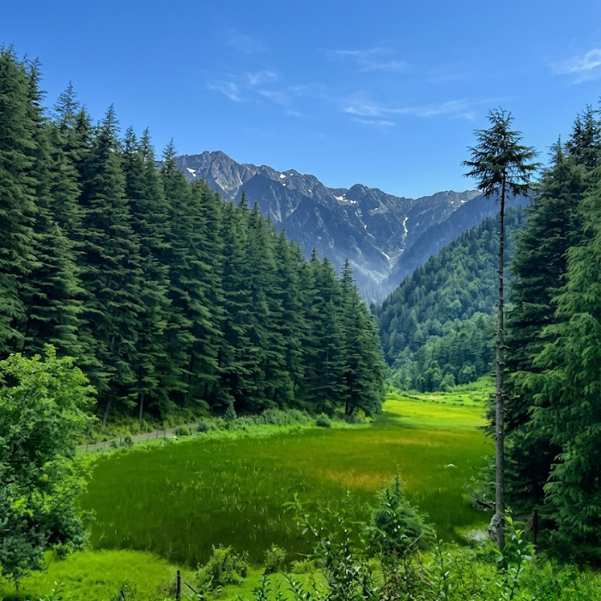
Pundrik Rishi Lake
About 200 metres from the village
A sacred grassy wetland with a small wooden temple, about a 5 minute walk from the village. The closest attraction and the reason most travellers come to this part of the valley.
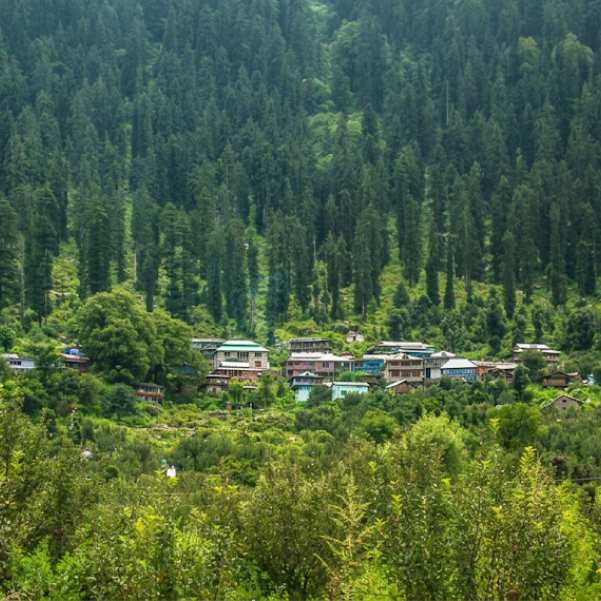
Dehuri Village (Deohari)
About 2 to 3 km walk downhill
The nearest village with bus access, homestays, and the Dehuri Mela fair in May. The most common starting point for the walk to Upper Neahi.
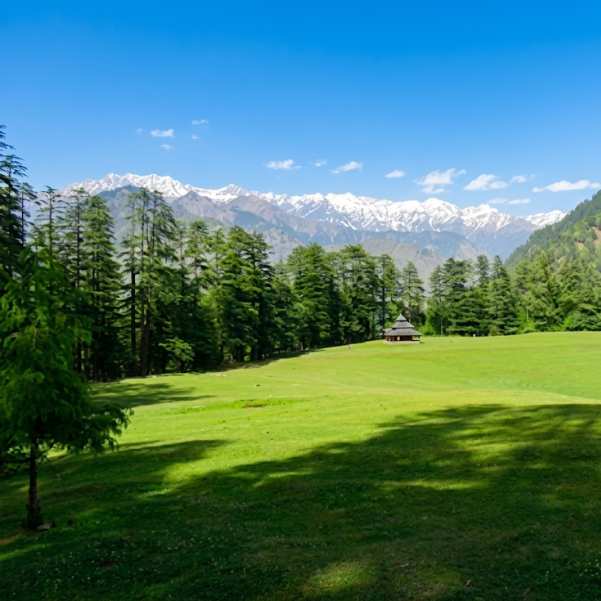
Shangarh Meadows
About 3 km forest walk
The most visited spot in the Sainj Valley, a wide sacred meadow with the Shangchul Mahadev Temple. Connected to Upper Neahi by a forest trail.
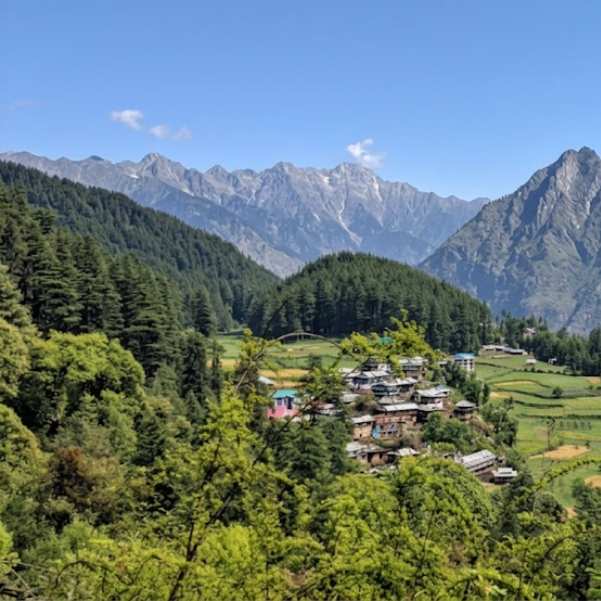
Manyashi Village
About 1 to 1.5 hours walk via Dehuri
A tiny ridge village above Dehuri with two wooden tower temples. Combine with Upper Neahi across a two day stay at Dehuri.
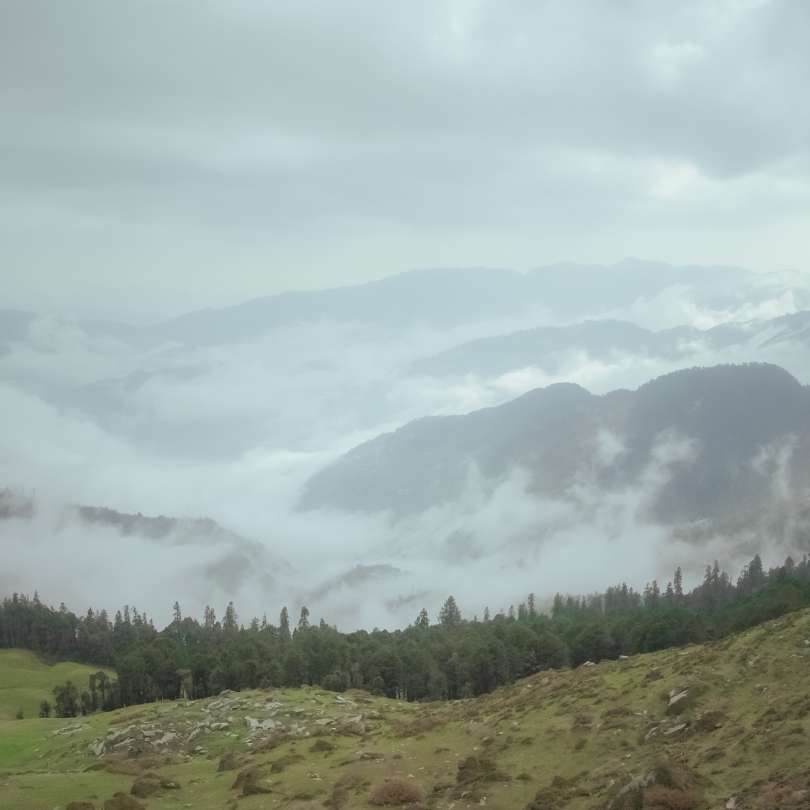
Great Himalayan National Park
GHNP buffer zone
UNESCO World Heritage protected wilderness. Upper Neahi sits within the GHNP buffer zone, and the surrounding forest is part of the protected landscape.
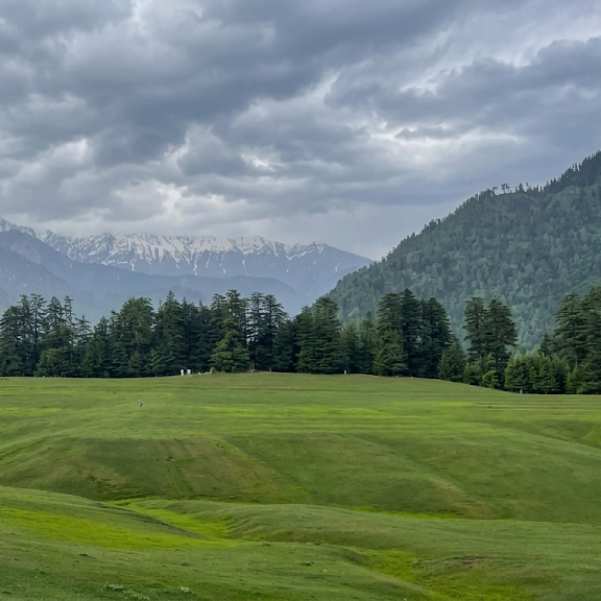
Sarikanda meadow
About 6 to 7 km trek from the village
A high altitude grassland with wide GHNP views. The main day trek from Upper Neahi. Plan 5 to 7 hours round trip.
Our packages with Upper Neahi Village
Curated trips that include a visit to Upper Neahi Village.
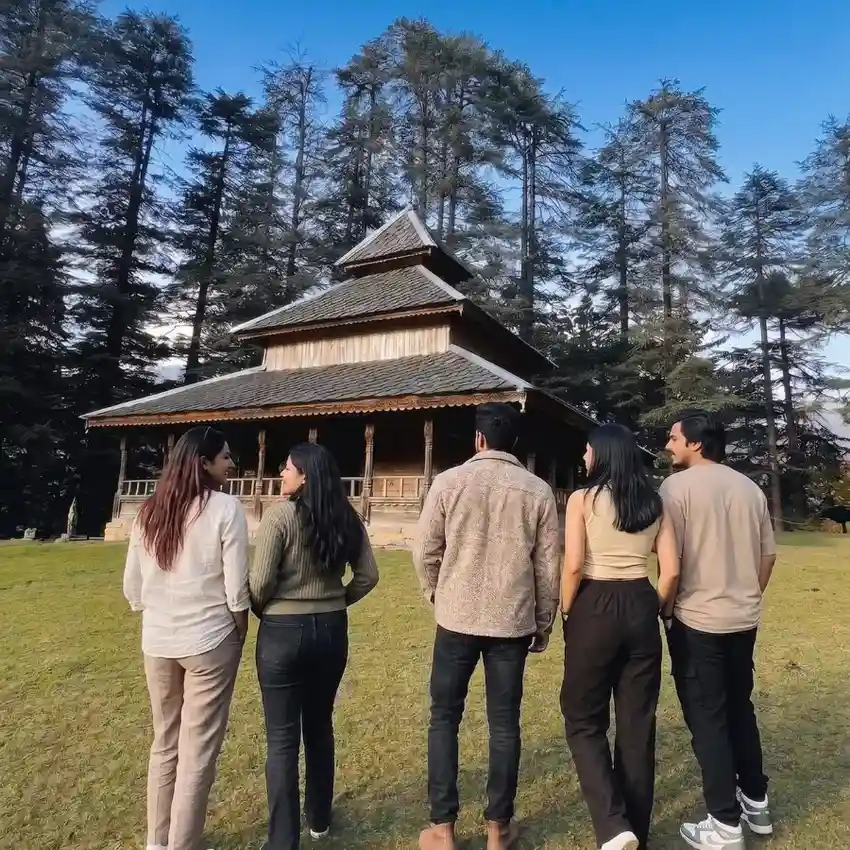 Group Tour5D/4N
Shangarh Sainj Valley Weekend Group Trip
2D Shangarh
₹8,499₹8,999SAVE ₹500/ person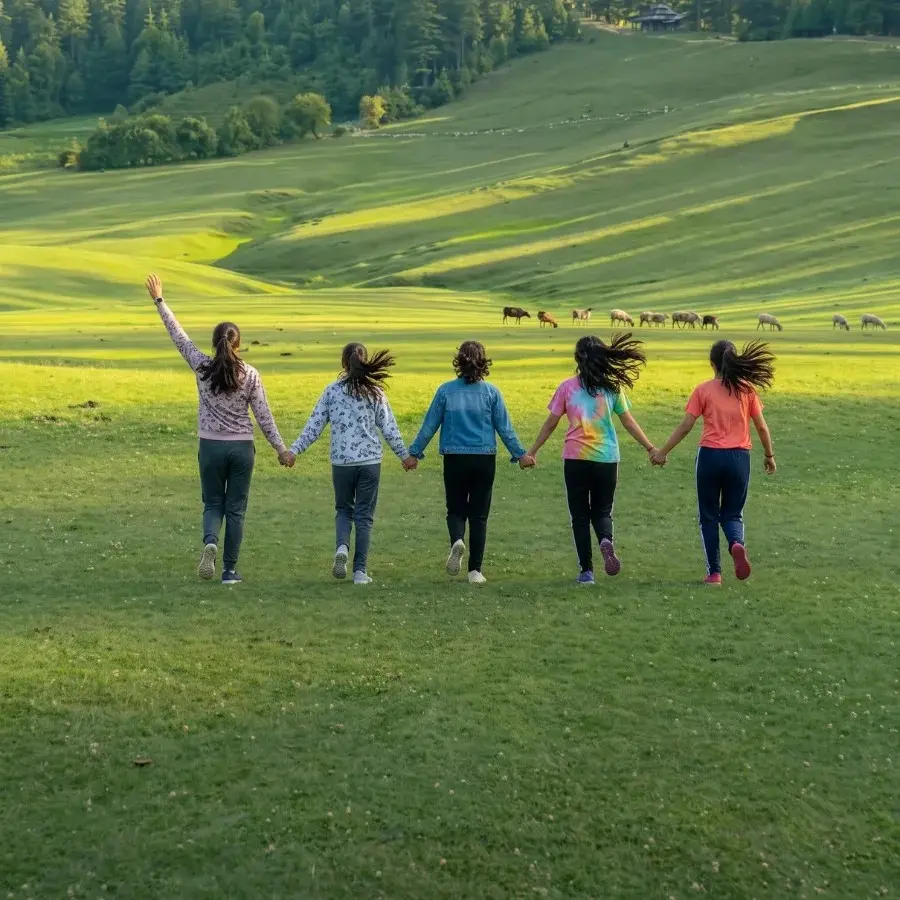 5D/4N
5D/4NMost Loved Shangarh Sainj Valley Tour With Private SUV
2D Shangarh
₹12,999₹16,999SAVE ₹4,000/ person
Frequently Asked Questions
What is Upper Neahi Village?
A small traditional Himachali village in the upper Sainj Valley, Kullu district, Himachal Pradesh. It sits at roughly 1,800 to 2,000 metres within the Great Himalayan National Park buffer zone, near the sacred Pundrik Rishi Lake. Known for its deodar wood houses, agricultural terraces, and very quiet pace of life.
Is Upper Neahi worth visiting?
Yes, if you want real quiet, traditional village life, and easy access to the Pundrik Rishi Lake and Sarikanda meadow trek. It is the most peaceful corner of the Sainj Valley. Skip it if you need cafes, mobile signal, or a full schedule. The appeal is the absence of all that.
How do I reach Upper Neahi?
Most commonly by walking from Dehuri village, about 2 to 3 km through deodar forest past Pundrik Rishi Lake. Takes 45 minutes to 1.5 hours. Alternatively, a rough road reaches Jhili Neahi (shared vehicles limited and expensive), with a short walk beyond. A forest trail also connects Upper Neahi to Shangarh, about 3 km.
How many days should I spend?
Two nights, one full day is ideal. Arrive on day one, walk to the lake and Dalogi meadow. Day two: trek to Sarikanda meadow or walk to Shangarh. A day trip from Dehuri or Shangarh covers the basics but misses the slow village experience.
What is the best time to visit?
March to June and September to November. October is particularly good for clear air and the annual Pundrik Rishi festival. Monsoon (July to September) brings lush green but muddy trails and leeches. Winter is cold, and some homestays may close.
Are there homestays in Upper Neahi?
Yes, a few. Aastha Homestay is the most mentioned by travellers. Tripsso Cottages is a newer wooden property. Expect clean rooms with deodar interiors, home cooked meals ordered in advance, and basic facilities. Prices generally range from 1,500 to 3,000 rupees per night with meals. Confirm bookings from Sainj town before walking up, as there is almost no mobile signal in the village.
Is there mobile network in Upper Neahi?
Almost none. BSNL may catch a weak signal at one or two spots. Jio and Airtel do not work. Download offline maps and confirm all bookings before leaving Sainj town. Treat the stay as offline.
How far is Pundrik Rishi Lake from Upper Neahi?
About 200 metres. A 5 minute walk from the village. The lake is a sacred grassy wetland with strict rules: no entering the water, no alcohol, no non vegetarian food at the site.
Can I trek from Upper Neahi to Shangarh?
Yes. A forest trail of about 3 km connects the two villages, taking roughly 1 to 1.5 hours. The trail is not marked, so ask your homestay for directions. This avoids backtracking through Sainj town.
Is Upper Neahi suitable for families?
For families with children above 8 who enjoy walking and village life, yes. The village requires a 30 to 60 minute uphill walk to reach, with no vehicle access. Very young children would need carrying. There is no medical facility in the village.
What is the Sarikanda trek?
A day trek to a high altitude meadow about 6 to 7 km from Upper Neahi. The meadow offers wide views of the GHNP peaks. Easy to moderate difficulty, 5 to 7 hours round trip. No permit needed. A local guide is useful for navigation in the forest sections.