
Nahi Village
A quiet settlement on the forest road between Ropa and Upper Neahi in the Sainj Valley, serving as the alternate approach to Pundrik Rishi Lake and home to a family that weaves traditional shawls on wooden looms
- Village
- Sainj Valley
- GHNP buffer zone
- Alternate lake approach
- Homestay
- Shawl weaving
- No entry fee
- Quiet
What makes it special
Nahi (also written Neahi or Jhili Neahi) is the lower of two settlements in the Neahi area of the Sainj Valley, sitting on a forest road between the Ropa Forest Complex and the village of Upper Neahi higher up. If you hear locals say "Jhili Neahi," they mean this settlement. If they say "Upper Neahi" or "Upper Nahi," they mean the village above. The two are connected by a walk of about 15 to 20 minutes through forest.
The reason Nahi matters to travellers is that it sits on the alternate approach to Pundrik Rishi Lake from the Ropa side. Instead of taking the bus to Dehuri and walking through the forest, you can reach Nahi from Ropa on a rough motorable road (shared vehicles run occasionally, mostly in the evening, but charge heavily) and walk up through Upper Neahi to the lake from this side. It is a shorter walk from Nahi to the lake compared to the Dehuri approach, though the Dehuri route is more popular because it has bus access.
The village itself is small. A few traditional stone and wood houses, terraced fields, deodar forest on all sides, and wide views across the Sainj Valley floor. A homestay at Jhili Neahi is known among repeat visitors for the family's handmade shawls, which the women weave on traditional looms. The pace here is even quieter than Upper Neahi. Most of the time, you will have the village to yourself.
Here is the honest framing. Nahi is not a destination you plan a trip around. It is a settlement you pass through on the way to Upper Neahi or the lake, or a place you stay if you want the quietest possible base in this part of the valley. If you are already at Ropa or planning a Pundrik Rishi Lake visit from that side, Nahi is the natural stop. If you are coming from Dehuri, you will bypass Nahi entirely and reach the lake directly. The choice depends on which direction you are arriving from.
Quick answers
- What is Nahi Village?
- A small settlement also known as Jhili Neahi or Lower Neahi, sitting on a forest road between the Ropa Forest Complex and Upper Neahi village in the Sainj Valley. It is the alternate approach to Pundrik Rishi Lake from the Ropa side and has a homestay known for handmade shawl weaving. Not a standalone destination, but the quietest possible base in this corner of the valley.
- How do I get there?
- From Ropa Forest Complex, a rough road runs to Jhili Neahi (shared vehicles rare, walk about 1 to 1.5 hours). From Dehuri, walk past Pundrik Rishi Lake and down through Upper Neahi. From Shangarh, a forest trail of about 3 km connects to the Neahi area.
- How much time do I need?
- One night is enough if you are using it as a base for the lake walk. Most travellers pass through rather than stay. The homestay and the shawl weaving are what make an overnight worthwhile.
Quick facts
Everything you need to know at a glance.
At a glance
- Location
- Between Ropa Forest Complex and Upper Neahi, Sainj Valley, Kullu district, Himachal Pradesh.
- Approximate altitude
- Roughly 1,700 to 1,900 m. Sources vary, treat as approximate.
- Nearest town
- Sainj town, roughly 10 km. Ropa Complex, about 1 to 1.5 hours walk.
- Time needed
- Transit: 30 minutes. Overnight with lake walk: 1 night.
- Entry fee
- None.
- Access
- Rough road from Ropa (shared vehicles rare) or forest walk. No direct bus.
On the ground
- Mobile network
- Very limited. Assume offline.
- Food
- Homestay meals only. No shops. Order in advance.
- ATM and cash
- No ATM. Nearest at Sainj town. Carry cash.
- Accommodation
- One homestay at Jhili Neahi. More options at Upper Neahi (15 min walk above).
Seasonal weather
- March to June22°6°Spring and Summer
- July to September24°14°Monsoon
- October to November20°4°Autumn
- December to February12°-4°Winter
Suitable for
- Couples — suitable
- Families — with some care
- Seniors — with some care
- Solo — suitable
- First-timers — suitable
- Pet-friendly — with some care
How to reach Nahi Village
2 approach routes, with seasonal access.
From Ropa Forest Complex (by rough road or walk)
Year round. Road rougher in monsoon.- Distance
- About 3 to 5 km from Ropa
- Time
- 1 to 1.5 hours on foot, 20 to 30 minutes by vehicle if available
- Road
- Rough forest road, not smooth. Vehicle clearance helps.
A rough road runs from the Ropa Forest Complex to Jhili Neahi. Shared vehicles occasionally operate in the evening but are inconsistent and charge heavily. Walking takes about 1 to 1.5 hours on a forest road. The road is rough but passable for vehicles with clearance in dry weather. This is the most direct approach.
From Dehuri village (on foot via Pundrik Rishi Lake)
Year round. Muddy in monsoon.- Distance
- About 3 to 4 km total from Dehuri
- Time
- 1.5 to 2 hours total
- Road
- Forest trail and village paths. Uphill from Dehuri to the lake, then relatively flat.
Walk from Dehuri to Pundrik Rishi Lake (about 30 to 45 minutes), continue past the lake to Upper Neahi (15 to 20 minutes), and walk down to Jhili Neahi (another 15 to 20 minutes). A natural through route that combines the lake visit with reaching the Nahi area. This approach has bus access on the Dehuri end.
Best time to visit
Season by season, so you can plan around the weather rather than hope.
- Recommended
Spring and early summer
March to June
Comfortable walking weather and the best access.
- Weather
- 6 to 22 degrees.
- Trail
- Dry, manageable.
- Homestay
- Open. Confirm before heading up.
Dry trails, green forest, the most comfortable window for the walk. The road from Ropa is at its most passable. The Pundrik Rishi Lake has moderate water levels.
Monsoon
July to September
Lush but muddy trails and a rougher road.
- Weather
- 14 to 24 degrees. Rain frequent.
- Trail
- Muddy, leeches possible.
- Road
- Rougher than usual.
The forest is at its greenest and the lake has the most water visible. But the road from Ropa gets rougher, the forest trail can be muddy, and leeches are possible in the lower sections.
- Recommended
Autumn
October to November
Clean air, dry trails, the best single month is October.
- Weather
- 4 to 20 degrees. Cold nights.
- Trail
- Dry, firm.
- Views
- Best clarity.
Post monsoon clarity. Dry trails, clean air, and the lake still holds water from the rains. The best photography window. Nights get cold by November.
Winter
December to February
Cold, quiet, homestay may close.
- Weather
- Minus 4 to 12 degrees.
- Homestay
- May close. Confirm.
- Trail
- Cold, possible frost.
Cold and very quiet. The homestay may close. The lake is at its least visible. Come only if you are already in the area.
Things to see & do
3 things worth your time at Nahi Village.
Walk to Pundrik Rishi Lake via Upper Neahi
1 to 2 hours round tripThe main practical reason to be here. From Nahi, walk up through Upper Neahi (about 15 to 20 minutes) and continue to Pundrik Rishi Lake (another 10 to 15 minutes past the village). The total walk from Jhili Neahi to the lake is roughly 30 to 45 minutes through deodar forest. This is a shorter approach than the more popular route from Dehuri.
See the shawl weaving at the homestay
30 minutes to an hourThe Jhili Neahi homestay family is known for handmade shawls woven on traditional wooden looms. If you stay here, ask about the weaving. Watching the process and understanding the patterns is one of those quiet cultural details that you remember longer than most planned activities.
Morning forest walk
1 to 2 hoursThe forest around Nahi is deodar and oak, part of the GHNP buffer zone. Early morning walks through the surrounding forest and along the terraced fields are good for birding and for the kind of quiet that takes effort to find in most hill destinations. No specific trail needed. Walk in any direction and the forest will take you.
Know before you visit Nahi Village
The practical bits, from people who have been.
Getting hereRough road from Ropa, shared vehicles rare. Walk from Ropa or combine with the Dehuri to lake route.
A rough road runs from the Ropa Forest Complex to Jhili Neahi. Shared vehicles occasionally run on this road, mostly in the evening, but availability is inconsistent and the fare is high for the short distance. Walking from Ropa takes roughly 1 to 1.5 hours on a forest road. The road is not smooth but is passable for vehicles with clearance in dry weather.
From the Dehuri side, you can reach the Nahi area by walking through the forest past Pundrik Rishi Lake and descending through Upper Neahi. This makes a natural through route if you want to combine Dehuri, the lake, and the Neahi villages in one outing.
Where to stayOne homestay with shawl weaving family. Confirm before heading up. Upper Neahi and Ropa are fallbacks.
A homestay at Jhili Neahi has been operating for some time and is known among travellers who have visited the area more than once. The family is welcoming and the women weave traditional shawls on wooden looms. Expect clean rooms, basic facilities, and home cooked meals ordered in advance. Phone signal is inconsistent, so confirm your booking from Sainj town or Ropa before walking up.
If the homestay is full or closed, Upper Neahi (15 to 20 minutes walk above) has a few more homestay options. The Ropa Forest Rest House (about 1 to 1.5 hours walk back) is the fallback.
Ground realityNo signal, no ATM, no shops. Carry supplies from Sainj. Confirm everything locally.
Mobile signal is very limited. No ATM, no shops, no medical facility. Carry everything you need from Sainj town. The nearest medical help is at Sainj, about 10 km away. Tell your homestay host your walking plans before heading out.
A small recheck reminder. Shared vehicle schedules on the Ropa to Nahi road, homestay availability, and trail conditions all shift with the season. Confirm with the GHNP office at Ropa or your host before depending on anything specific.
Nearby attractions
Other places worth the detour.
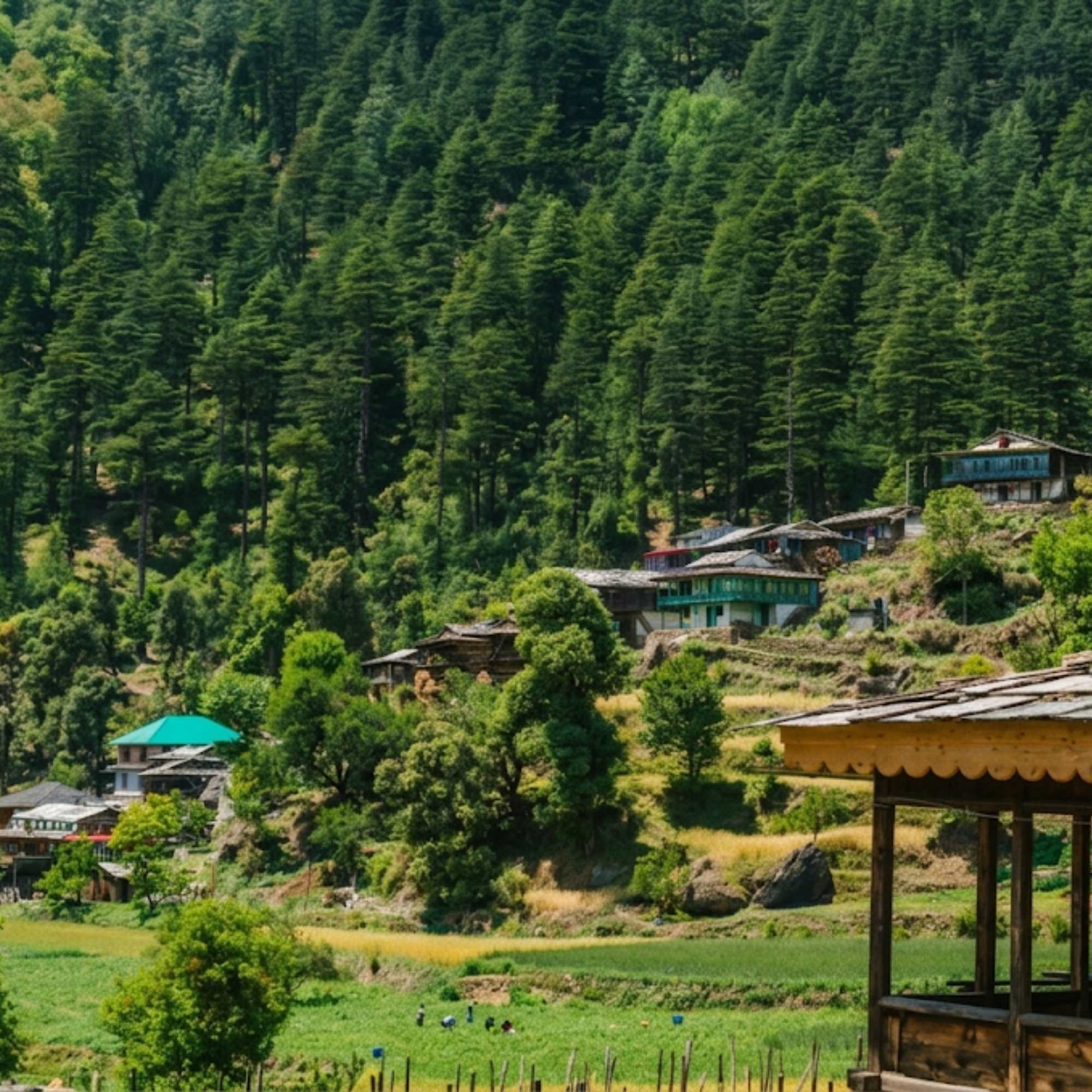
Upper Neahi Village
About 15 to 20 minute walk uphill
The village higher up from Jhili Neahi, about 15 to 20 minutes walk. Homestays, deodar forest, and the sacred Pundrik Rishi Lake steps away. The two villages function as a pair.
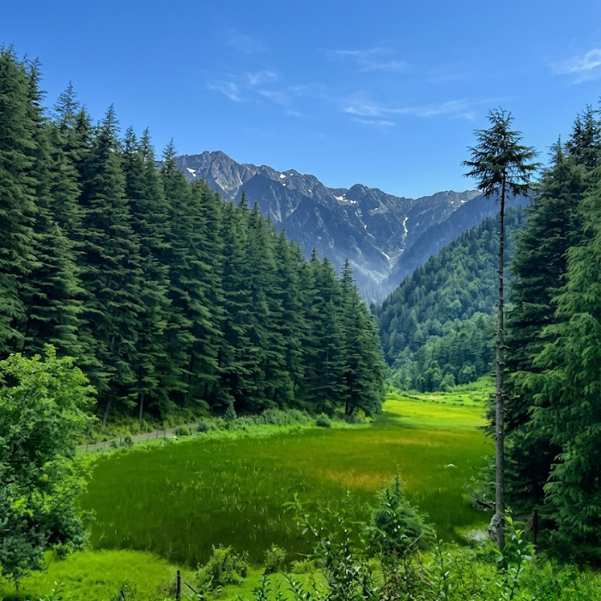
Pundrik Rishi Lake
30 to 45 minutes walk via Upper Neahi
A sacred grassy wetland about 30 to 45 minutes walk from Jhili Neahi via Upper Neahi. The shorter approach compared to the more popular route from Dehuri.
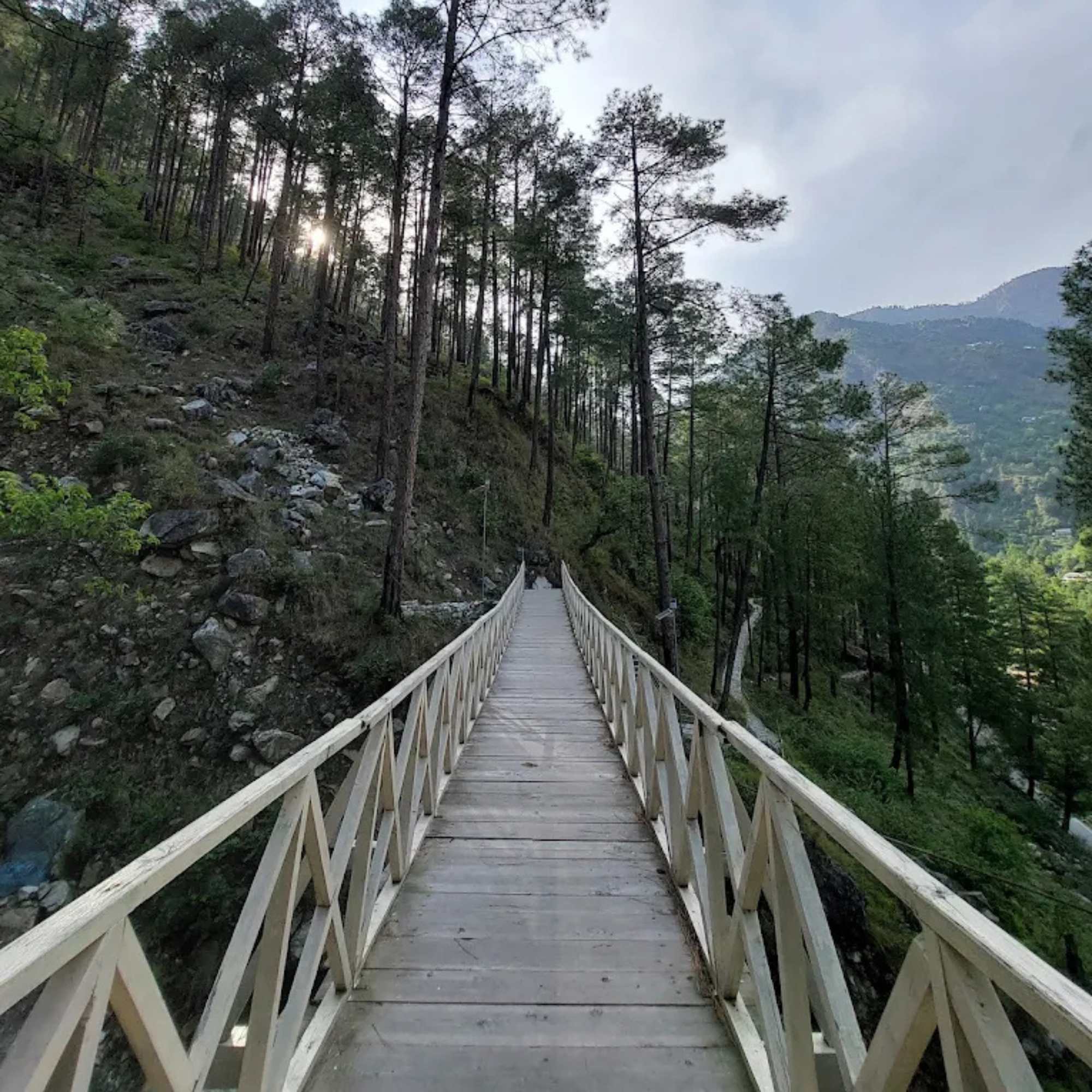
Ropa Forest Complex
About 1 to 1.5 hours walk
The GHNP range office and forest rest house on the Sainj River, about 1 to 1.5 hours walk from Nahi. The road to Nahi starts from here.
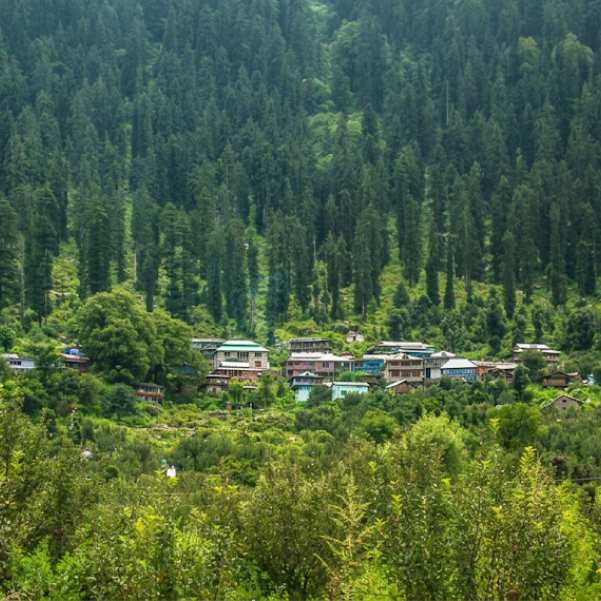
Dehuri Village (Deohari)
About 2 to 3 km via the lake trail
The quiet agricultural village that is the more popular approach to Pundrik Rishi Lake from the bus route side.
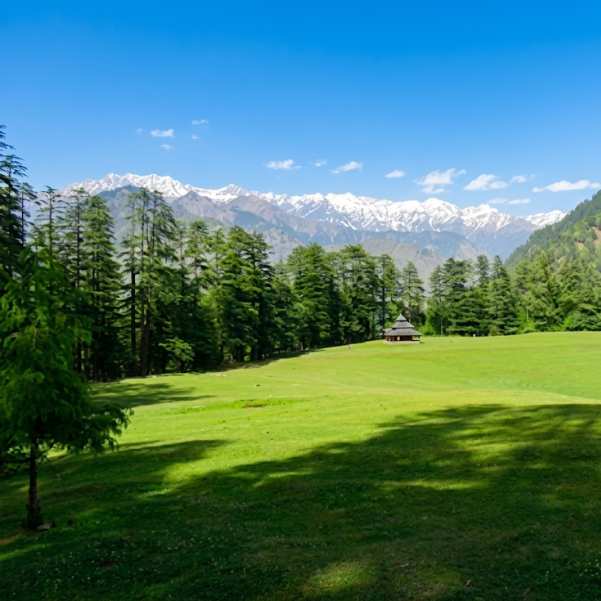
Shangarh Meadows
About 3 km forest trail or 10 km by road via Ropa
The most visited spot in the Sainj Valley. Connected to the Neahi area by a forest trail of about 3 km.
Our packages with Nahi Village
Curated trips that include a visit to Nahi Village.
 Group Tour5D/4N
Shangarh Sainj Valley Weekend Group Trip
2D Shangarh
₹8,499₹8,999SAVE ₹500/ person 5D/4N
5D/4NMost Loved Shangarh Sainj Valley Tour With Private SUV
2D Shangarh
₹12,999₹16,999SAVE ₹4,000/ person
Frequently Asked Questions
What is Nahi Village?
A small settlement in the Sainj Valley, also known as Jhili Neahi or Lower Neahi. It sits on a forest road between the Ropa Forest Complex and Upper Neahi village, within the GHNP buffer zone. It serves as the alternate approach to Pundrik Rishi Lake from the Ropa side and has a homestay known for handmade shawl weaving.
How do I reach Nahi?
From the Ropa Forest Complex, a rough road runs to Jhili Neahi. Shared vehicles run occasionally, mostly in the evening, but charge heavily and are not consistent. Walking from Ropa takes roughly 1 to 1.5 hours. Alternatively, if coming from Dehuri, you can walk past Pundrik Rishi Lake and down to Upper Neahi, then continue to Jhili Neahi below.
Is Nahi worth visiting?
Not as a standalone destination, but as the quietest base in this part of the valley if you want to explore Pundrik Rishi Lake and Upper Neahi at your own pace. The homestay with shawl weaving adds a cultural layer. If you are short on time, Upper Neahi or Dehuri are better bases.
How far is Pundrik Rishi Lake from Nahi?
About 30 to 45 minutes walking uphill through forest. You pass through Upper Neahi first (15 to 20 minutes), then continue to the lake (another 10 to 15 minutes). This is a shorter walk than the more popular approach from Dehuri.
Is there a homestay at Nahi?
Yes. A homestay at Jhili Neahi is known among repeat visitors. The family weaves traditional shawls on wooden looms. Expect clean rooms, home cooked meals, and very basic facilities. Phone signal is inconsistent, so confirm your booking from Sainj town or Ropa before heading up.
Is there mobile network?
Very limited. BSNL may work in spots. Assume mostly offline. No ATM, no shops beyond what the homestay family can provide. Carry cash, water, and any supplies from Sainj town.