
Manikaran Hot Springs
Geothermal springs along the Parvati River where water emerges from the ground hot enough to cook rice, the Gurudwara langar uses that heat to feed thousands daily, and bathing pools inside the complex let you soak in naturally heated mineral water for free while the cold river rushes past a few metres away
- Hot springs
- Parvati Valley
- ~1,760 m
- Geothermal
- Indoor bathing pools
- Inside Gurudwara
- Silica and calcium rich
- Food cooked in springs
- Year round
- No entry fee
What makes it special
The hot springs at Manikaran are not a spa. They are raw geothermal energy coming out of the ground at temperatures that can reach 96°C, right next to the cold Parvati River. Steam rises from cracks in the rock on one side. Glacial water rushes past on the other. The contrast hits you immediately, and it does not stop being strange no matter how long you stand there.
Here is the most important thing to understand before you go. The natural springs along the riverbank are dangerously hot. They can and do cause burns. You cannot bathe in them. Bathing is only safe and allowed in the designated, temperature controlled indoor pools inside the Gurudwara Sri Guru Nanak Dev Ji complex and the nearby temple bathing areas, where the water has been mixed with cooler water and brought down to a comfortable temperature. Do not put your hands, feet, or any part of your body into the open spring vents along the river. They are near boiling.
The indoor bathing pools inside the Gurudwara have separate sections for men and women. The water is warm to hot (not scalding), rich in natural minerals including silica and calcium, and slightly alkaline. No soap or shampoo is allowed. The pools are cleaned and maintained by the Gurudwara. There is no charge. You need to cover your head and remove your shoes before entering the Gurudwara complex. Scarves are available at the entrance if you do not have one.
Outside the Gurudwara, a couple of guesthouses and private operators manage smaller bathing areas. These may charge a small fee and maintenance varies. If you are only visiting once, the Gurudwara pools are the better option.
The water here is traditionally believed to have therapeutic benefits for skin and joints. Pilgrims and locals have attributed relief from joint stiffness, skin irritation, and general aches to the mineral content for generations. The springs are rich in natural minerals like silica, calcium, sodium, and chloride. Whether the benefits hold up to clinical scrutiny or not, the experience of soaking in naturally heated mineral water at 1,760 metres while the Parvati River runs cold a few metres away is worth the stop on its own terms.
The Gurudwara's langar kitchen is the other thing everyone talks about. Rice and dal are placed in large vessels directly over the hottest spring vents and cooked entirely by geothermal heat. No gas, no fire, just the earth doing the work. The langar serves this food to thousands of visitors every day, free of charge. When you are sitting there with a tray of rice that was cooked by a hot spring, the whole place makes sense in a way that reading about it never quite captures.
Getting here is simple. Manikaran is an easy 4 km drive from Kasol along the main valley road. Any bus heading toward Barshaini passes through. A taxi takes about 15 minutes. You can also walk it in about 45 minutes if you enjoy riverside roads.
Honest framing. The bathing pools are functional, not luxurious. Expect tiled floors, shared changing areas, and crowds on weekends and festival days. This is a living religious site, not a wellness retreat. If you want private pools in a controlled setting, this is not that. If you want a genuine, slightly overwhelming, culturally grounded geothermal experience at no cost, Manikaran is one of the best in India.
Quick answers
- What are the Manikaran Hot Springs?
- Natural geothermal springs along the Parvati River at Manikaran, an easy 4 km drive from Kasol. The raw springs along the riverbank reach up to 96°C and are too hot to touch. Safe bathing is only in the designated indoor pools inside the Gurudwara complex, where the water is cooled to a comfortable temperature. Free entry, separate sections for men and women. Cover your head and remove shoes before entering. The Gurudwara langar cooks food in the spring water. Open year round.
- Can I bathe in them?
- Only in the designated, temperature controlled indoor pools inside the Gurudwara and temple complexes. Never in the open spring vents along the river, which reach near boiling temperatures and can cause serious burns. Bring a towel and change of clothes. No soap in the water.
- How much time do I need?
- One to two hours. That covers bathing in the indoor pools (30 to 60 minutes), eating at the langar, and a short walk along the riverside to see the steam rising from the natural vents. Half a day if you want to explore the temples and town as well.
Quick facts
Everything you need to know at a glance.
At a glance
- Location
- Along the Parvati River in Manikaran town, an easy 4 km drive from Kasol. Kullu district, Himachal Pradesh.
- Altitude
- Approximately 1,760 m (5,770 feet).
- Type
- Natural geothermal hot springs. Raw springs reach up to 96°C. Safe bathing only in designated indoor pools.
- Bathing
- Free indoor pools inside the Gurudwara complex. Separate men and women sections. Cover head, remove shoes.
- Entry fee
- None for Gurudwara pools. Some private spots may charge a small fee.
- Time needed
- 1 to 2 hours for bathing and langar. Half a day for the full Manikaran experience.
On the ground
- Open
- Year round. The springs are geothermally active in all seasons.
- Facilities
- Tiled indoor bathing pools, basic shared changing areas. Bring your own towel.
- Food
- Free langar inside the Gurudwara. Food cooked in hot spring water. Small eateries in Manikaran town.
- Safety
- Raw springs reach 96°C and cause burns. Bathe only in indoor pools. Keep children away from open vents.
Seasonal weather
- March to June28°8°Spring and Summer
- July to September26°14°Monsoon
- October to November22°4°Autumn
- December to February14°-2°Winter
Suitable for
- Couples — suitable
- Families — suitable
- Seniors — suitable
- Solo — suitable
- First-timers — suitable
- Pet-friendly — not suitable
How to reach Manikaran Hot Springs
2 approach routes, with seasonal access.
From Kasol
Year round.- Distance
- About 4 km
- Time
- 15 minutes by vehicle, 45 minutes on foot
- Road
- Paved valley road. Good condition.
From Kasol, take any bus heading toward Manikaran, Barshaini, or deeper into the valley. Buses pass through roughly every 30 to 60 minutes. Taxis are available from the Kasol bus stand. The road follows the Parvati River. At Manikaran, get off near the Gurudwara. The hot springs are inside the complex and along the riverbank.
From Bhuntar (nearest airport)
Year round.- Distance
- About 35 km
- Time
- 1 to 1.5 hours
- Road
- State highway and valley road.
From Bhuntar (the nearest airport and highway junction), take the Parvati Valley road. Manikaran is about 35 km from Bhuntar. Buses run frequently. The road passes through Kasol on the way.
Best time to visit
Season by season, so you can plan around the weather rather than hope.
- Recommended
Spring and summer
March to June
Comfortable weather, busy crowds. Weekday mornings are best.
- Weather
- 8 to 28 degrees.
- Crowds
- Moderate to high.
- Experience
- Pleasant but busy.
Comfortable air temperatures make the bathing experience pleasant. This is the busiest season. Weekends and festival days (especially Baisakhi in April) bring large crowds. Visit on a weekday morning for the most relaxed experience.
Monsoon
July to September
Fewer crowds, rain possible, springs operate normally.
- Weather
- 14 to 26 degrees. Rain frequent.
- Crowds
- Lower.
- Road
- Landslide risk on approach.
Rain keeps some visitors away, making the pools less crowded. The road from Kasol can be affected by landslides. The springs operate normally regardless of rain.
- Recommended
Autumn
October to November
Clear air, thin crowds, the hot water starts feeling more rewarding as it gets cooler.
- Weather
- 4 to 22 degrees.
- Crowds
- Low.
- Experience
- Comfortable and uncrowded.
Clear weather, thin crowds, and comfortable air temperatures. A good balance. The hot water feels increasingly rewarding as nights get colder.
- Recommended
Winter
December to February
The best season for the hot springs. Cold air, hot water, the most dramatic contrast.
- Weather
- Minus 2 to 14 degrees. Cold.
- Crowds
- Low.
- Experience
- Best contrast. Cold air, hot water.
This is when the hot springs feel best. Cold air, genuinely cold Parvati River rushing past, and you sitting in naturally heated water. The contrast between the freezing morning air and the hot pool is the most dramatic in winter. Fewer visitors. The Gurudwara operates year round.
Things to see & do
3 things worth your time at Manikaran Hot Springs.
Bathe in the Gurudwara's indoor hot spring pools
30 minutes to 1 hourThe designated indoor pools inside the Gurudwara are where you actually bathe. Separate sections for men and women. The water is warm to hot, mineral rich (silica, calcium, sodium), and free. Cover your head and remove shoes before entering the complex. Bring a towel and a change of clothes. Start in a cooler pool and work up. No soap or shampoo. Budget 30 to 60 minutes. Early morning is the quietest window.
Eat food cooked in hot spring water
30 minutes to 1 hourWatch the Gurudwara kitchen cook rice and dal in large vessels placed directly over the hottest spring vents. The food cooks entirely from geothermal heat. No gas, no fire, just the earth. The langar serves this food to thousands of visitors daily for free. Eating a meal cooked by hot springs at 1,760 metres is something you remember. Cover your head and remove shoes inside the complex.
Walk along the riverside vents (look, do not touch)
15 to 20 minutesSeveral spots along the riverbank between the Gurudwara and the Shiva temple show springs bubbling up from the ground at near boiling temperatures. Steam rises from cracks in the rocks. In some places, locals have placed cooking vessels over the vents. This stretch gives you a sense of the raw geothermal power underneath the town. Look and photograph, but do not touch the water or step near the vents. A 15 to 20 minute walk covers the main stretch.
Know before you visit Manikaran Hot Springs
The practical bits, from people who have been.
Bathing rules and what to bringCover head, remove shoes. Bring towel and change of clothes. No soap. Test pool temperature before getting in.
Bring a towel and a change of dry clothes. Wear footwear you do not mind getting wet, as the tiled areas around the indoor pools can be slippery. No soap, shampoo, or cosmetics in the spring water. This rule is enforced.
You must cover your head and remove your shoes before entering the Gurudwara complex. Scarves are available at the entrance if you do not have one. Dress modestly. These are the same rules that apply at any Gurudwara.
The indoor pools vary in temperature. Start in a cooler pool and move to a hotter one if comfortable. Do not stay in very hot water for extended periods, especially if you feel lightheaded. Separate bathing sections for men and women. Changing areas are shared and basic.
Safety warning: the raw springs are dangerously hotRaw springs reach 96°C and cause burns. Bathe only in designated indoor pools. Keep children away from open steam vents.
This is critical. The natural hot spring vents along the riverbank reach temperatures up to 96°C. That is near boiling. They can and do cause serious burns. Do not touch, step on, or put any part of your body into the open spring outlets along the river. Keep children well away from the steam vents at all times.
Bathing is only safe in the designated, temperature controlled indoor pools inside the Gurudwara and temple complexes, where the water has been mixed with cooler water and brought to a safe temperature. These are the only places where you should get into the water.
People with heart conditions, very high blood pressure, pregnant women, and those with very sensitive skin should consult a doctor before bathing in mineral water, even in the cooled pools.
Worth confirming on arrival. Pool availability and access arrangements can change. Check at the Gurudwara entrance for current details.
Getting there and finding the poolsEasy 4 km drive from Kasol. Cover head and remove shoes at the Gurudwara. Follow signs for the indoor bathing pools.
Manikaran is an easy 4 km drive from Kasol along the main Parvati Valley road. Any bus heading toward Barshaini or deeper into the valley stops here. Buses pass through roughly every 30 to 60 minutes. A taxi from Kasol takes about 15 minutes. Walking takes about 45 minutes along the road.
The Gurudwara pools are the main bathing area. Enter through the Gurudwara complex, cover your head, remove your shoes, and follow signs for the bathing section. The riverside springs, where you can see steam and near boiling water emerging from the ground, are along the stretch between the Gurudwara and the Shiva temple. Look but do not touch.
Parking is limited on weekends and festivals. The Gurudwara has a newer parking area but it fills quickly. Arrive early or take a bus from Kasol.
Nearby attractions
Other places worth the detour.
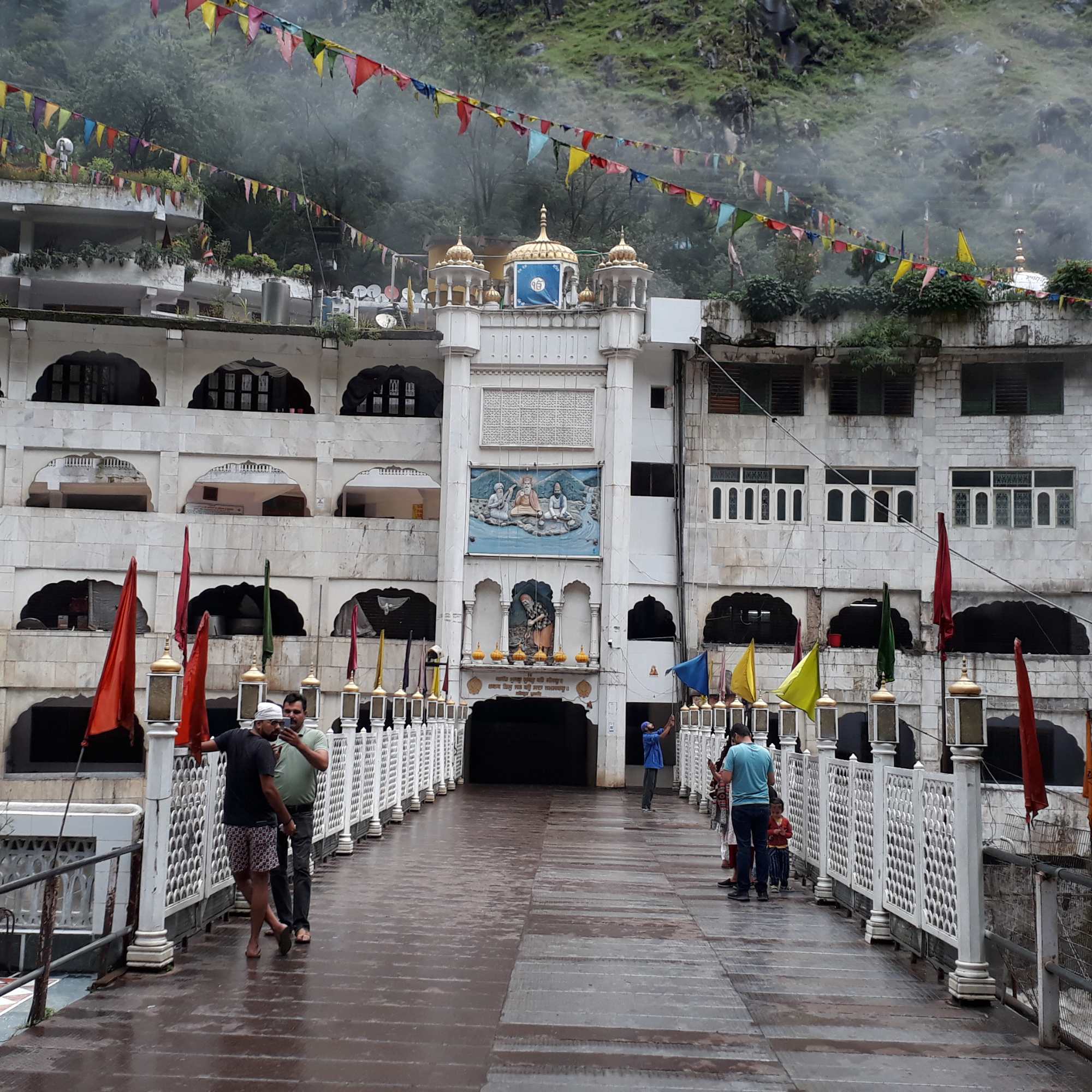
Manikaran Sahib Gurudwara
Adjacent (the pools are inside the complex)
The Gurudwara complex that houses the main bathing pools. Also home to the free langar where food is cooked in hot spring water. The religious and cultural anchor of Manikaran.
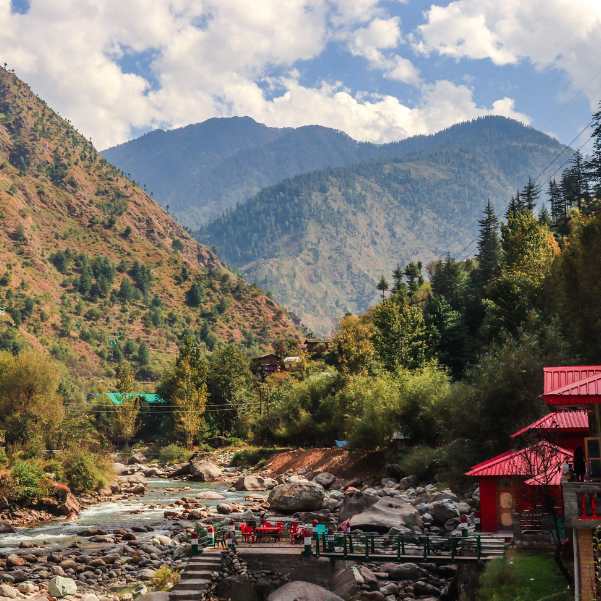
Kasol
About 4 km by road
The main backpacker town of the Parvati Valley. Cafes, hostels, riverside walks, and the starting point for most valley explorations. Most visitors combine Manikaran with a stay in Kasol.
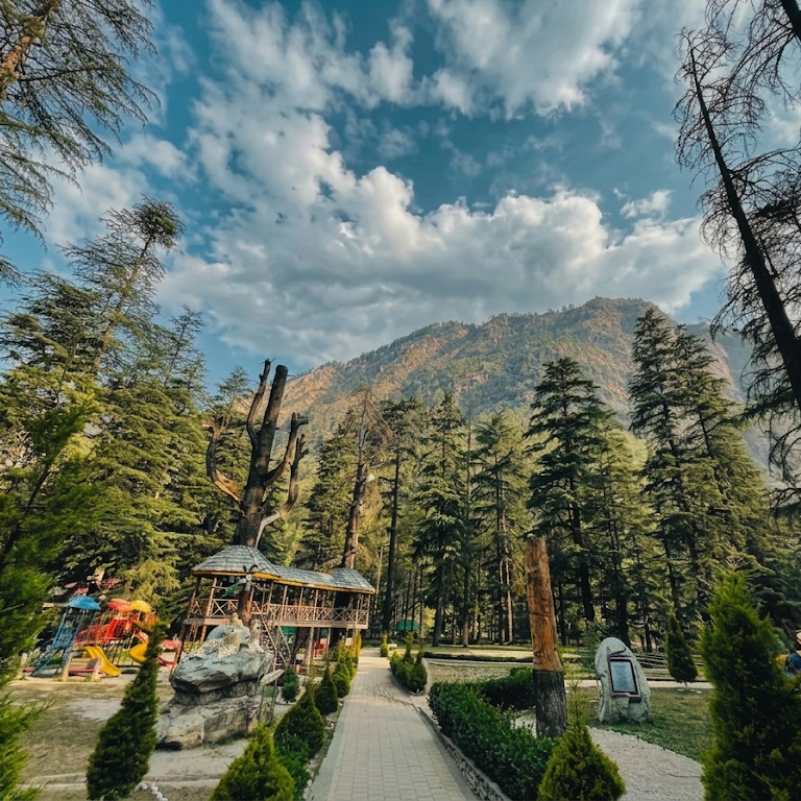
Kasol Nature Park
About 4.5 km (in Kasol)
A small maintained park on the bank of the Parvati River in Kasol. A gentle contrast to the geothermal intensity of Manikaran.
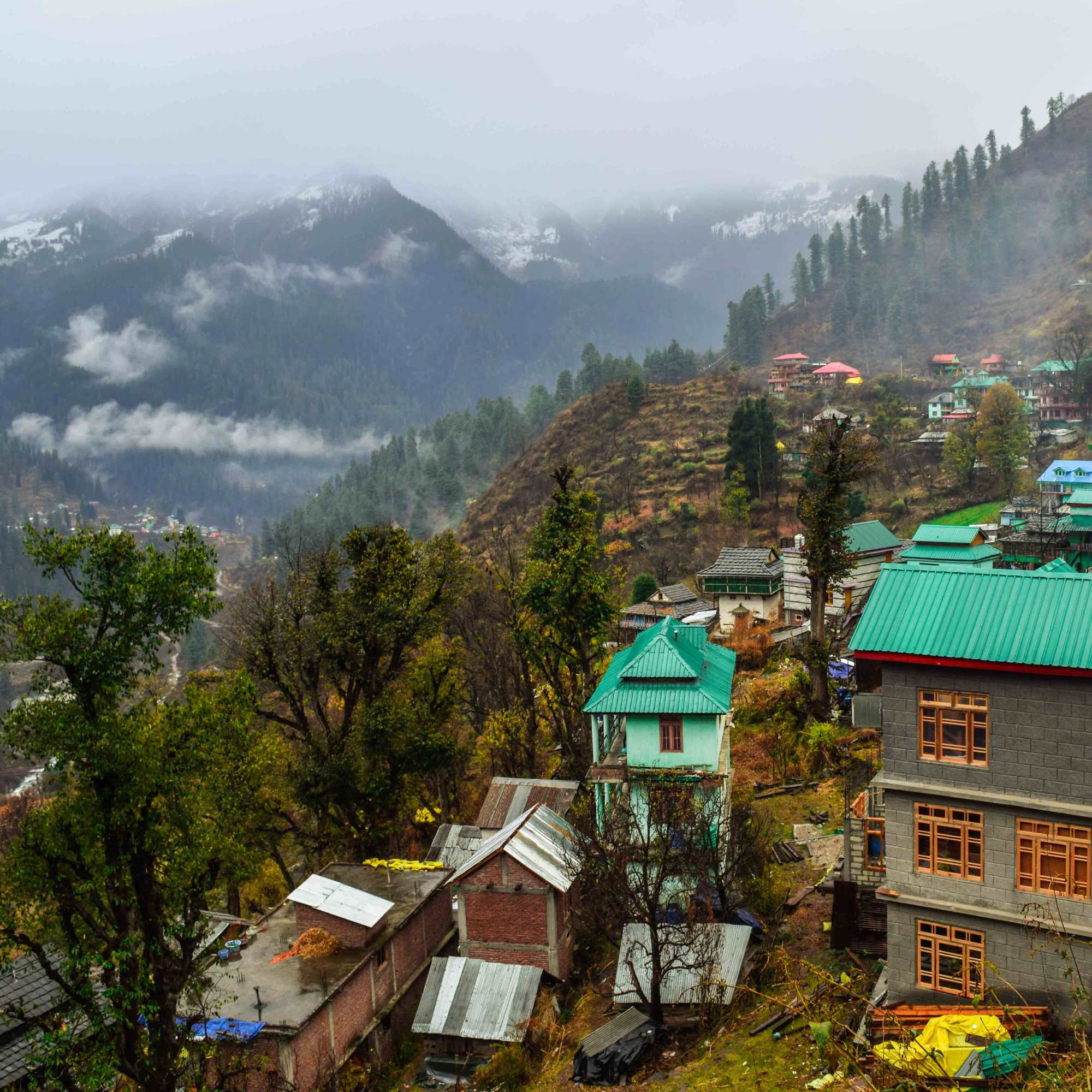
Tosh Village
About 16 km by road via Barshaini
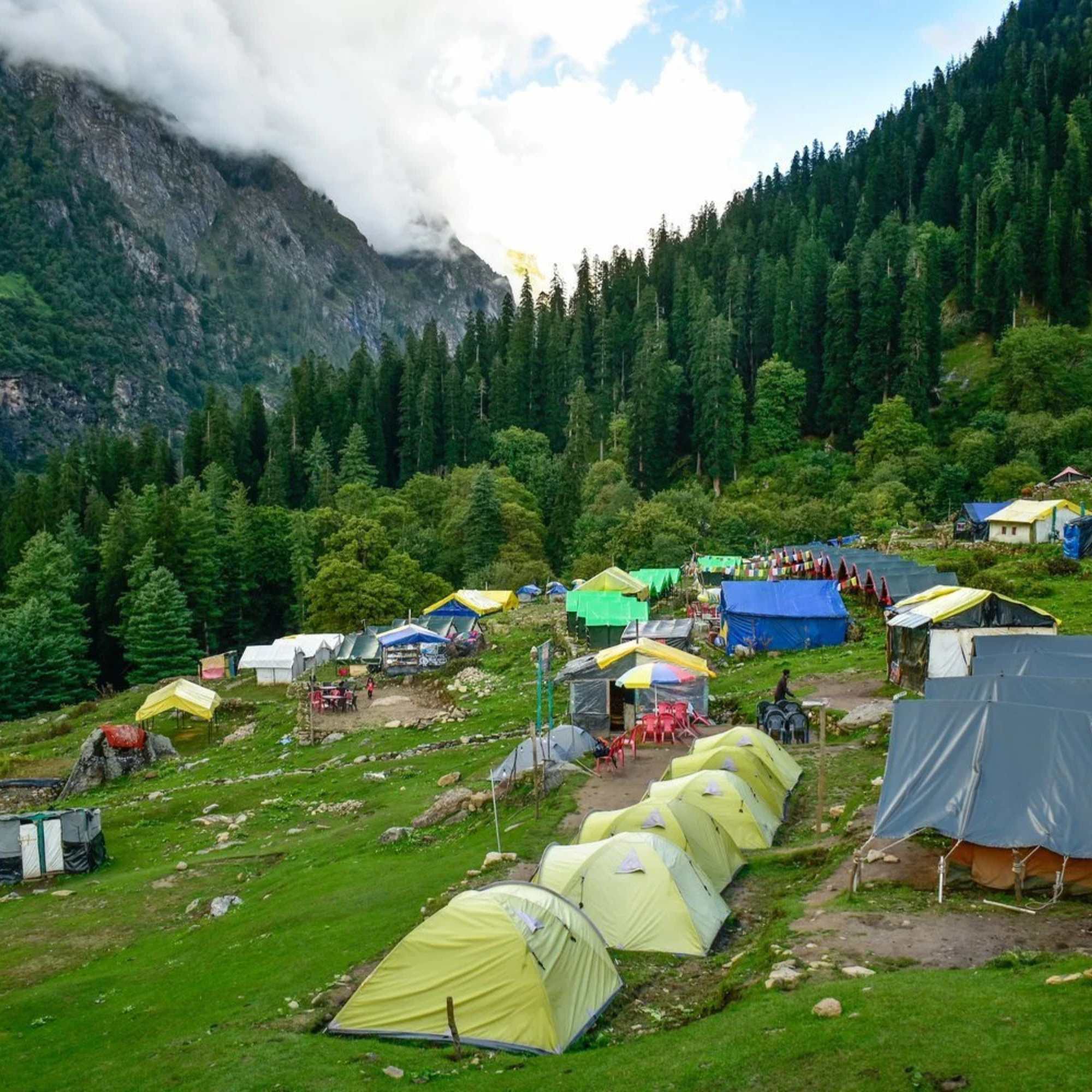
A hillside village at 2,400 metres with mountain views and cafes. About 16 km further up the valley from Manikaran via Barshaini.
Kheerganga
Trek from Barshaini (12 km further up the valley)
A high altitude meadow with different natural hot springs at roughly 2,960 metres. Trek from Barshaini. A different geothermal experience at much higher altitude.
Our packages with Manikaran Hot Springs
Curated trips that include a visit to Manikaran Hot Springs.
 4D/3N
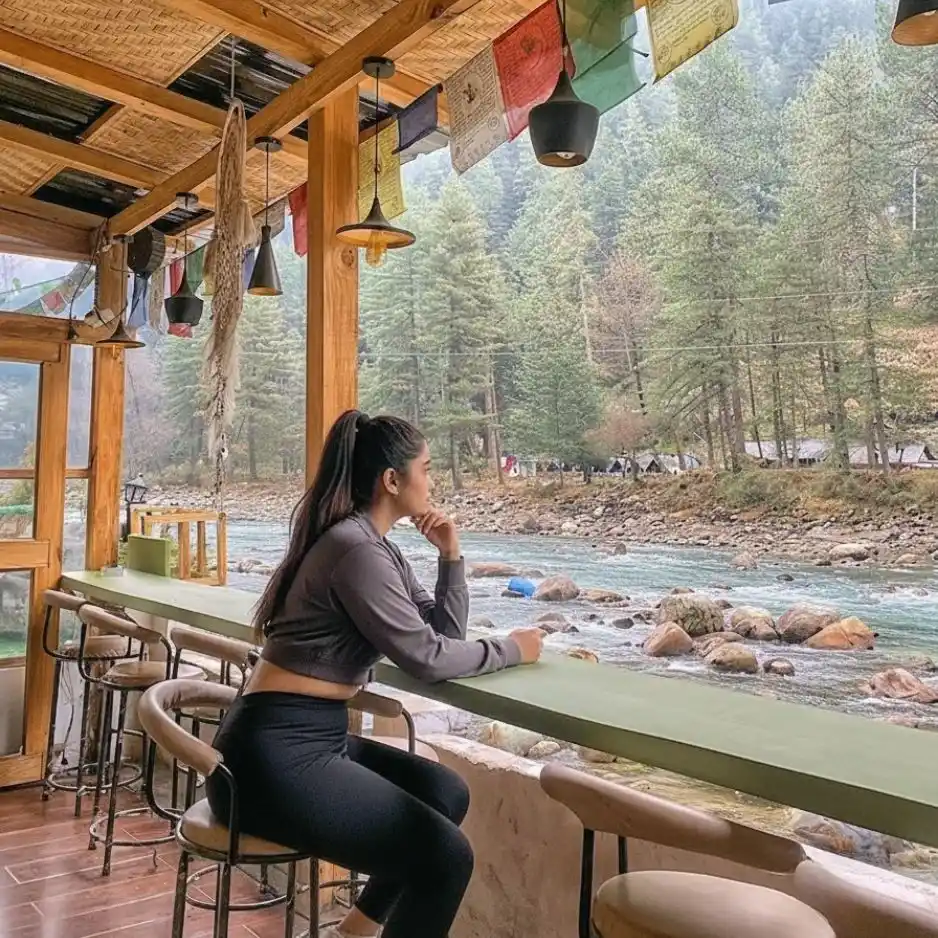
4D/3NPerfect Manikaran Kasol Tosh Weekend Getaway
1D Delhi•2D Kasol+1
₹15,999₹19,999SAVE INR 4,000/ person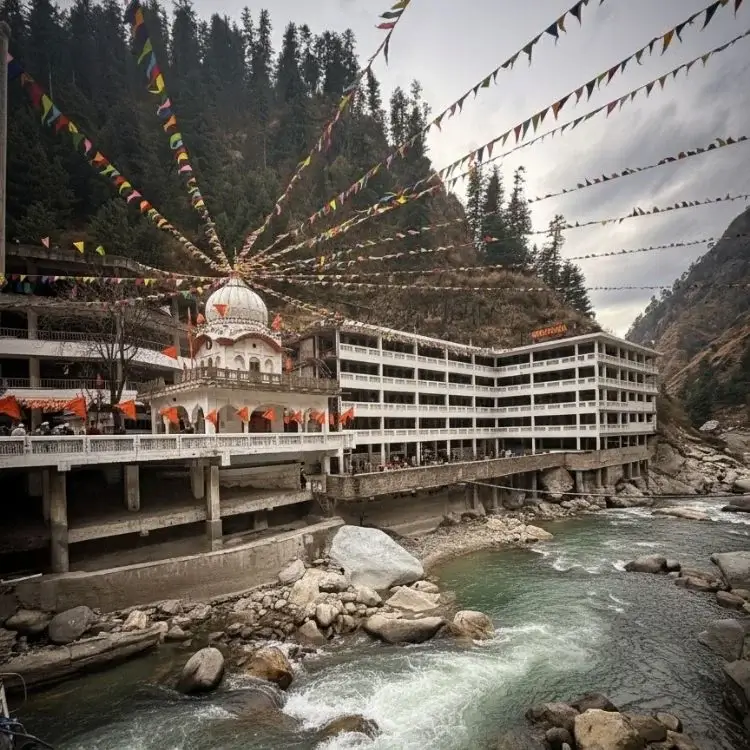 4D/3N
4D/3NWeekend Trip To Manikaran, Kasol & Tosh
1D Delhi •2D Kasol+1
₹9,999₹14,999SAVE INR 5,000/ person
Frequently Asked Questions
What are the Manikaran Hot Springs?
Natural geothermal springs along the Parvati River at Manikaran, covering a stretch of about 1.2 km. The raw springs emerge from the ground at temperatures up to 96°C. Safe bathing is only in the designated, temperature controlled indoor pools inside the Gurudwara complex and temple bathing areas, where the water is cooled to comfortable levels. Free of charge, separate sections for men and women.
How hot is the water?
The raw springs along the riverbank reach up to 96°C, which is near boiling and will cause burns. Do not touch them. The indoor bathing pools inside the Gurudwara are cooled to comfortable temperatures by mixing with cooler water. Always test with your hand before getting in. The water is hot enough in its raw form that the Gurudwara kitchen cooks rice and dal in it.
Can I bathe in the hot springs?
Only in the designated, temperature controlled indoor pools inside the Gurudwara and temple complexes. Never in the raw spring vents along the riverbank, which are near boiling and dangerous. Bring a towel and change of clothes. No soap or shampoo in the water.
Is there an entry fee?
No entry fee for the Gurudwara pools or the langar. Some private bathing spots outside the Gurudwara may charge a small amount.
Are the hot springs open year round?
Yes, year round. The springs are geothermally active in all seasons. The Gurudwara and indoor bathing pools operate every day. Winter (December to February) is when the hot water feels best against the cold mountain air.
Do the hot springs have healing properties?
The water is rich in natural minerals including silica, calcium, sodium, and chloride. It is traditionally believed to have therapeutic benefits for skin and joints. Pilgrims and locals have attributed relief from joint stiffness, skin irritation, and general aches to the mineral content for generations. Clinical evidence varies, but the mineral content is real and well documented.
What should I bring?
A towel, a change of dry clothes, and footwear you can get wet. Do not bring soap, shampoo, or cosmetics into the water. You must cover your head and remove your shoes before entering the Gurudwara complex. Scarves are available at the entrance. Dress modestly.
What is the best time of day to bathe?
Early morning, before 9 AM. The pools are quietest then. Weekday mornings are the emptiest. Weekends and festival days (especially around Baisakhi in April) can get very crowded.
Is it safe?
The indoor pools are safe for most people. Test the water temperature first and do not stay in too long. People with heart conditions, very high blood pressure, pregnant women, or those with sensitive skin should consult a doctor first. Keep children supervised at all times. The raw springs along the river are not safe to touch under any circumstances.
How far are the hot springs from Kasol?
An easy 4 km drive from Kasol (15 minutes by vehicle, 45 minutes on foot). On the main valley road between Kasol and Barshaini. Any bus heading deeper into the valley passes through. You must cover your head and remove your shoes when entering the Gurudwara grounds.
Related guides
Posts about Kasol
- Shimla Manali Kasol Itinerary 2026: 7, 8 and 9 Day Routes Without Rushing
- Best Offbeat Places Near Kasol Most Tourists Miss in 2026
- Rasol Village Trek From Kasol 2026: Route, Distance & What to Expect
- Kalga, Pulga & Tulga Villages in 2026: The Offbeat Side of Parvati Valley
- Kheerganga Trek from Kasol 2026: Route, Difficulty, Cost & Best Time
- Snowfall in Kasol 2026: Does It Snow, Best Time & Nearby Snow Places