
Manikaran Sahib
A pilgrimage town where Sikh and Hindu traditions share the same geothermal hot springs on the bank of the Parvati River, the Gurudwara's langar cooks food in spring water hot enough to boil rice, and the Shiva temple still leans from an earthquake that hit over a century ago
- Pilgrimage
- Parvati Valley
- ~1,760 m
- Hot springs
- Gurudwara
- Free langar
- Sikh and Hindu
- 4 km from Kasol
- No entry fee
- Year round
What makes it special
Manikaran sits on the bank of the Parvati River, about 4 km past Kasol on the road deeper into the valley. It is a pilgrimage town that holds significance for both Sikhs and Hindus, which is unusual and worth understanding before you arrive. The Gurudwara Sri Guru Nanak Dev Ji dominates the town, built where Sikh tradition holds that Guru Nanak visited with his disciples Bhai Bala and Bhai Mardana during his third Udasi. Across the road and river, Hindu temples dedicated to Lord Shiva and Lord Rama share the same strip of land and the same geothermal heat.
The hot springs are the thing that makes Manikaran unlike anywhere else in the valley. Water emerges from the ground at temperatures high enough to cook food. And they do. The Gurudwara langar, which feeds thousands of people every day for free, cooks rice and dal in vessels placed directly over the spring water. When you eat at the langar, you are eating food cooked by geothermal heat. That is a fact that lands differently when you are sitting there with a tray in your hands.
The springs cover a stretch of about 1.2 km along the river. Some are channelled into bathing pools inside the Gurudwara complex, with separate sections for men and women. The water is mineral rich and very hot, so it is cooled in pools before bathing. Locals and pilgrims believe the springs have healing properties, particularly for joint pain and skin conditions. Whether or not you hold that belief, the experience of bathing in naturally heated water while the Parvati River rushes past a few metres away is something most travellers remember.
On the Hindu side, the Shiva temple is the most prominent. It was built by Raja Jagat Singh of Kullu and was visibly tilted by the earthquake of 1905. The tilt is still noticeable today. According to the legend that gives the town its name, Parvati lost an earring (mani means jewel, karan means ear) in the river here. Shiva performed the Tandava dance, and the jewels were returned through the hot springs. The legend ties the place name, the hot springs, and the religious significance into one story.
Honest framing. Manikaran is a pilgrimage town first and a tourist stop second. The Gurudwara complex is large, active, and well run. The streets outside are narrow and can be crowded, especially on weekends and during festivals like Baisakhi. Parking is limited. The overall atmosphere is devotional, not touristic. If you arrive expecting a scenic valley stop, you may be surprised by the density and energy of the place. If you arrive understanding that this is a living religious site where thousands come for faith, the experience makes much more sense.
Most travellers visit Manikaran as a half day stop while heading to Tosh or Barshaini, or as a day trip from Kasol. That is enough time to visit the Gurudwara, eat at the langar, see the hot springs, and walk through the temple area. Staying overnight is possible at the Gurudwara's free sarai, which can accommodate several thousand people, or at basic guesthouses in the town.
Quick answers
- What is Manikaran Sahib?
- A pilgrimage town at about 1,760 metres in the Parvati Valley, sacred to both Sikhs and Hindus. The Gurudwara Sri Guru Nanak Dev Ji is built around natural geothermal hot springs where water emerges hot enough to cook food. The langar serves free meals to thousands daily, with rice and dal cooked in the spring water. Hindu temples including a Shiva temple tilted by the 1905 earthquake sit nearby. No entry fee. Open year round.
- How much time do I need?
- Half a day. Two to three hours covers the Gurudwara, langar, hot springs, and the temple area comfortably. If you want to bathe and linger at the langar, allow three to four hours. Most people visit on the way to or from Tosh or Barshaini.
- Is it worth visiting if I am not religious?
- Yes, regardless of your faith. The hot springs, the langar, the scale of the Gurudwara, and the devotional energy of the place make it worth a stop even if you are not on a pilgrimage. Experiencing a meal prepared entirely by the earth's natural warmth leaves a lasting impression.
Quick facts
Everything you need to know at a glance.
At a glance
- Location
- Parvati Valley, about 4 km from Kasol and 35 km from Bhuntar. Kullu district, Himachal Pradesh.
- Altitude
- Approximately 1,760 m (5,770 feet).
- Significance
- Pilgrimage site for both Sikhs (Gurudwara Sri Guru Nanak Dev Ji) and Hindus (Shiva and Rama temples). Built around natural hot springs.
- Entry fee
- None. Langar, darshan, and bathing pools inside the Gurudwara are free.
- Time needed
- Half a day. 2 to 4 hours for a thorough visit.
- Open season
- Year round. The Gurudwara and hot springs operate in all seasons.
On the ground
- Mobile network
- Generally available. Jio, Airtel, BSNL work in town. Signal can be weaker inside the complex.
- Food
- Free langar at the Gurudwara (rice, dal, roti). A few small eateries and tea stalls in Manikaran town. More variety in Kasol.
- ATM and cash
- ATMs in Manikaran town but not always functional. Carry cash from Kullu or Bhuntar.
- Accommodation
- Free sarai at the Gurudwara (basic, clean, can house thousands). Basic guesthouses in town. More options in Kasol.
- Parking
- Limited. New Gurudwara lot fills up on weekends and festivals. Arrive early or take a taxi from Kasol.
Seasonal weather
- March to June28°8°Spring and Summer
- July to September26°14°Monsoon
- October to November22°4°Autumn
- December to February14°-2°Winter
Suitable for
- Couples — suitable
- Families — suitable
- Seniors — suitable
- Solo — suitable
- First-timers — suitable
- Pet-friendly — not suitable
How to reach Manikaran Sahib
3 approach routes, with seasonal access.
From Kasol
Year round.- Distance
- About 4 km
- Time
- 15 minutes by vehicle, 45 minutes on foot
- Road
- Paved valley road. Good condition year round.
From Kasol, take a taxi, bus, or even walk. The distance is about 4 km along the main Parvati Valley road. Any bus heading toward Manikaran, Barshaini, or Tosh passes through. A taxi takes about 15 minutes. Walking takes about 45 minutes along the road.
From Bhuntar (nearest airport)
Year round. Monsoon can cause occasional disruptions between Bhuntar and Kasol.- Distance
- About 35 km
- Time
- 1 to 1.5 hours by road
- Road
- State highway and valley road. Mostly good.
From Bhuntar (the nearest airport and highway junction on the Kullu to Manali road), take the Parvati Valley road. Buses run frequently. Shared taxis are available. The road passes through Kasol on the way. Total distance is about 35 km.
From Delhi (overnight bus)
Year round from Delhi.- Distance
- About 500 km to Bhuntar, then 35 km to Manikaran
- Time
- 10 to 12 hours by bus, then 1 to 1.5 hours to Manikaran
- Road
- National highway to Bhuntar, valley road to Manikaran.
Overnight Volvo or semi sleeper bus from Delhi to Bhuntar or Kasol (10 to 12 hours). From Kasol, a short 15 minute ride to Manikaran. Budget a full day for travel. Manikaran is an easy add on to any Kasol trip.
Best time to visit
Season by season, so you can plan around the weather rather than hope.
- Recommended
Spring and summer
March to June
Pleasant weather, dry roads, and the best overall window for a comfortable visit.
- Weather
- 8 to 28 degrees. Pleasant.
- Crowds
- Moderate. High on weekends and Baisakhi.
- Road
- Good condition.
The most comfortable window. Pleasant daytime temperatures, dry roads, and manageable crowds on weekdays. Weekends and holidays around Baisakhi (April) can be very busy. The hot springs feel less essential in warm weather, but the langar and Gurudwara are worth visiting in any season.
Monsoon
July to September
Rainy, road disruptions possible, but the Gurudwara stays open.
- Weather
- 14 to 26 degrees. Frequent rain.
- Road
- Landslide risk on the Bhuntar to Kasol stretch.
- Gurudwara
- Open. Langar continues.
Heavy rain is common. The road from Bhuntar can be disrupted by landslides. The town gets muddy. Fewer visitors. The Gurudwara and langar continue to operate. If you are already in the valley and the road is open, a monsoon visit is possible but less comfortable.
- Recommended
Autumn
October to November
Clear air, thin crowds, and the hot springs at their most rewarding.
- Weather
- 4 to 22 degrees. Cold nights.
- Crowds
- Low.
- Hot springs
- At their most rewarding as the air cools.
Clean air, clear skies, and noticeably fewer crowds. The best balance of comfortable weather and quiet. Nights get cold by November. The hot springs feel especially good as temperatures drop.
- Recommended
Winter
December to February
Cold valley, hot springs, and the most atmospheric time to visit.
- Weather
- Minus 2 to 14 degrees. Cold.
- Hot springs
- The best contrast. Cold air, hot water.
- Gurudwara
- Open year round.
Cold, especially at night and early morning. The hot springs are the main draw in winter. Bathing in naturally heated water while the valley is freezing around you is a memorable experience. The Gurudwara and langar operate year round. Roads are open but cold. Carry proper winter clothing.
Things to see & do
4 things worth your time at Manikaran Sahib.
Visit the Gurudwara and the hot springs
1 to 2 hoursThe Gurudwara complex is large and active. Remove shoes, cover your head (scarves available at the entrance), and walk through. The main prayer hall has continuous kirtan. The hot spring area inside the complex is visible from the walkway, with steam rising from the water. Separate bathing pools for men and women are available. The architecture is a mix of white marble and the valley's natural stone. Spend time here slowly. Rushing through misses the point.
Eat at the langar
30 minutes to an hourThis is worth doing regardless of your faith. The Gurudwara langar feeds thousands of people every day, free of charge. Rice and dal are cooked using the geothermal spring water. You sit on the floor in rows, volunteers serve you, and the food is simple, hot, and genuinely good. The scale of the operation is impressive. Be respectful, follow the flow, and eat with gratitude. There is no charge and no expectation beyond basic courtesy.
Walk through the Hindu temples
20 to 30 minutesThe Shiva temple, built by Raja Jagat Singh of Kullu and visibly tilted since the 1905 earthquake, sits close to the Gurudwara. Smaller temples dedicated to Lord Rama and Lord Vishnu are nearby. The temple area is compact and can be walked in 20 to 30 minutes. The tilt of the Shiva temple is worth noticing. It is a physical reminder of the valley's seismic history.
Bathe in the hot spring pools
30 minutes to an hourBathing areas inside the Gurudwara complex have separate sections for men and women. The spring water is very hot and is cooled in pools before use. Bring a change of clothes and a towel. The experience is genuinely warm, both in temperature and in atmosphere. Two additional bathing spots outside the Gurudwara complex are managed by guesthouses.
Know before you visit Manikaran Sahib
The practical bits, from people who have been.
Etiquette and what to respectCover head, remove shoes, no tobacco or alcohol. Scarves available at entrance. Respect both Sikh and Hindu traditions.
Cover your head before entering the Gurudwara. Scarves are available at the entrance if you do not have one. Remove shoes at the designated area. Do not carry tobacco, alcohol, or any intoxicant into the complex. Dress modestly. Photography is generally allowed in common areas but be respectful and ask before photographing inside the prayer hall or near devotees in prayer. Follow the flow of visitors. Do not push in crowded hours.
On the Hindu temple side, remove shoes before entering. The Shiva temple area is compact and close to the Gurudwara. Respect both traditions equally.
Hot springs safetyWater is extremely hot at source. Use only designated pools. Bring clothes and towel. Separate sections for men and women.
The hot springs are genuinely hot. The water emerges at temperatures well above boiling and is cooled in pools before bathing. Do not put your hand or foot directly into unmarked spring outlets. Use only the designated bathing pools. Bring a change of clothes and a towel. Separate sections for men and women. The water is mineral rich and some people with sensitive skin may find it strong. Be cautious and do not stay in for extended periods if you feel lightheaded.
Ground realityATMs unreliable. Signal available but weak in parts. No hospital. Limited parking on busy days. Check langar timings locally.
Manikaran town has a few ATMs, though they are not always functional. Mobile signal is generally available (Jio, Airtel, BSNL) though it can be weak inside the Gurudwara complex. There is no hospital in Manikaran. The nearest medical facilities are in Bhuntar or Kullu. Carry basic medicines.
Parking in Manikaran is limited, especially on weekends and festival days. The Gurudwara has a newer parking lot, but space fills up quickly. If driving, arrive early. Otherwise, take a taxi or bus from Kasol.
A small recheck reminder. Festival dates, langar timings, and bathing pool availability can shift. The Gurudwara stays open year round, but specific services may change around major events. Check locally on arrival.
Nearby attractions
Other places worth the detour.
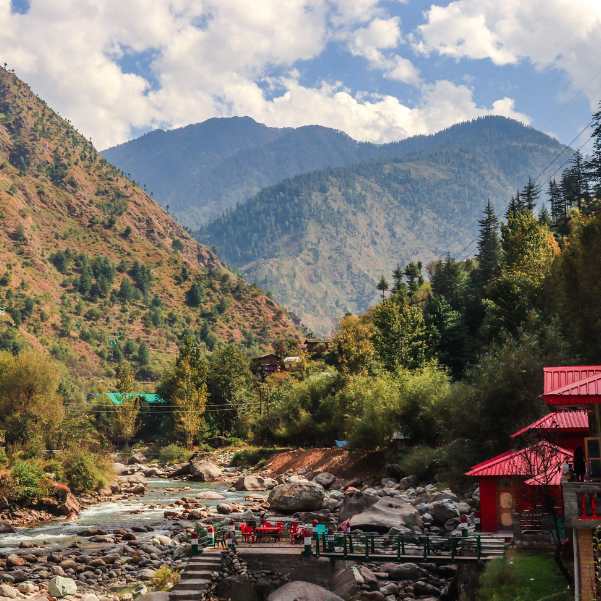
Kasol
About 4 km by road
The main backpacker town of the Parvati Valley. Cafes, hostels, and riverside walks. Most travellers combine Kasol and Manikaran in one trip.
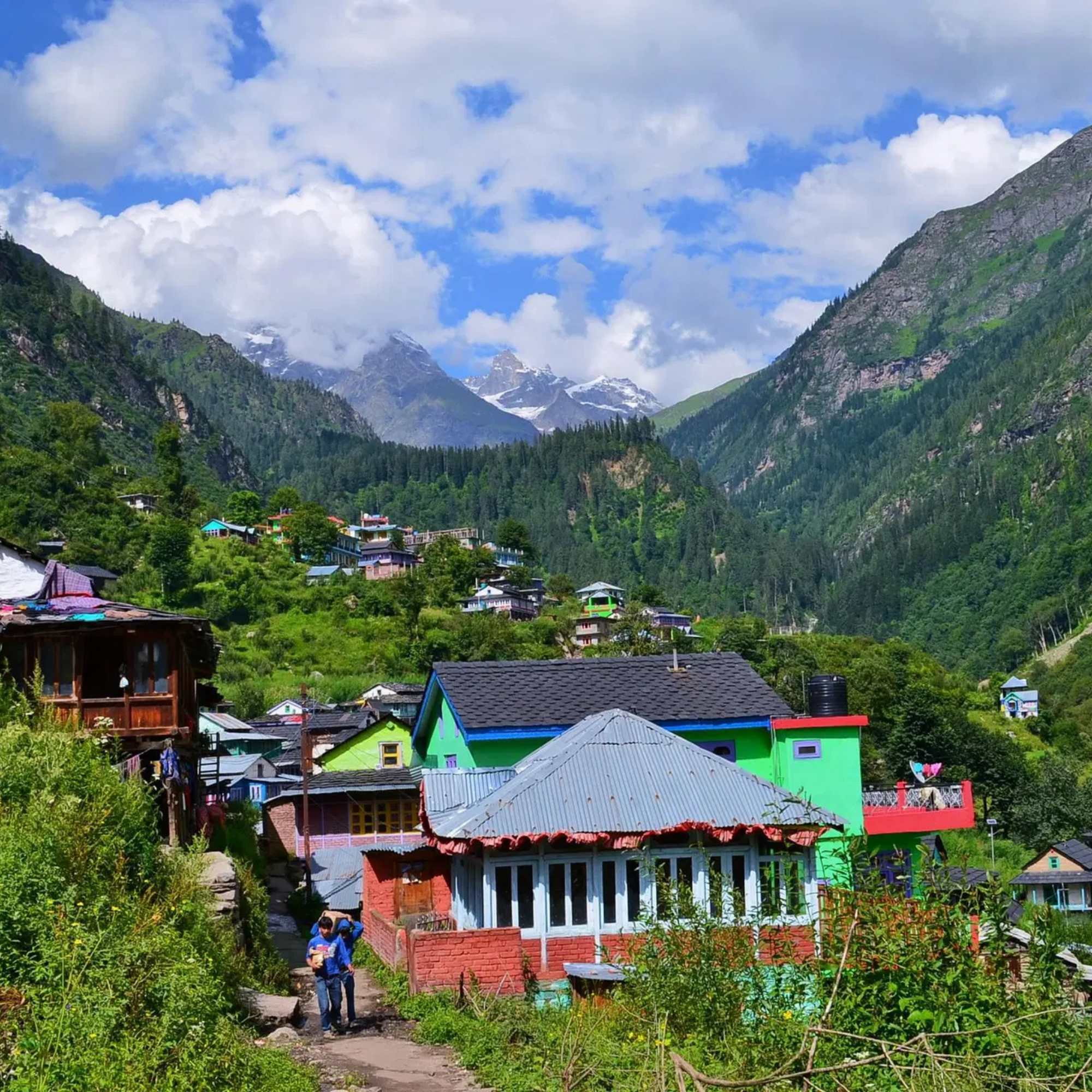
Tosh
About 16 km by road plus a short walk from Barshaini
A hillside village at 2,400 metres with wide mountain views, cafes, and the starting point for the Kutla trek. About 16 km further up the valley from Manikaran via Barshaini.
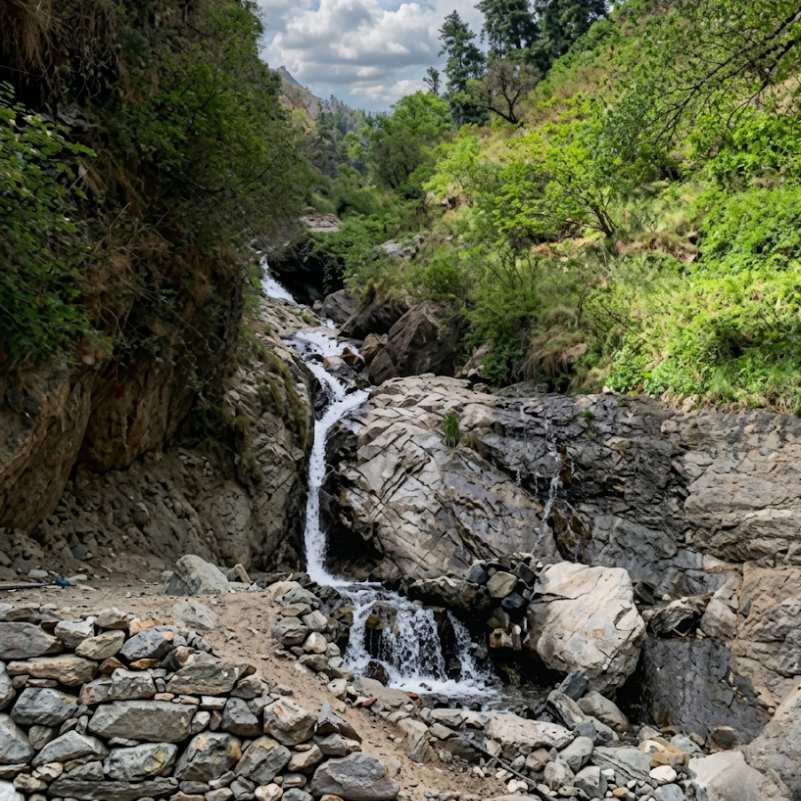
Barshaini
About 12 km further up the valley
The road head where the Tosh road and the Kheerganga trek begin. A transit point for deeper valley explorations.
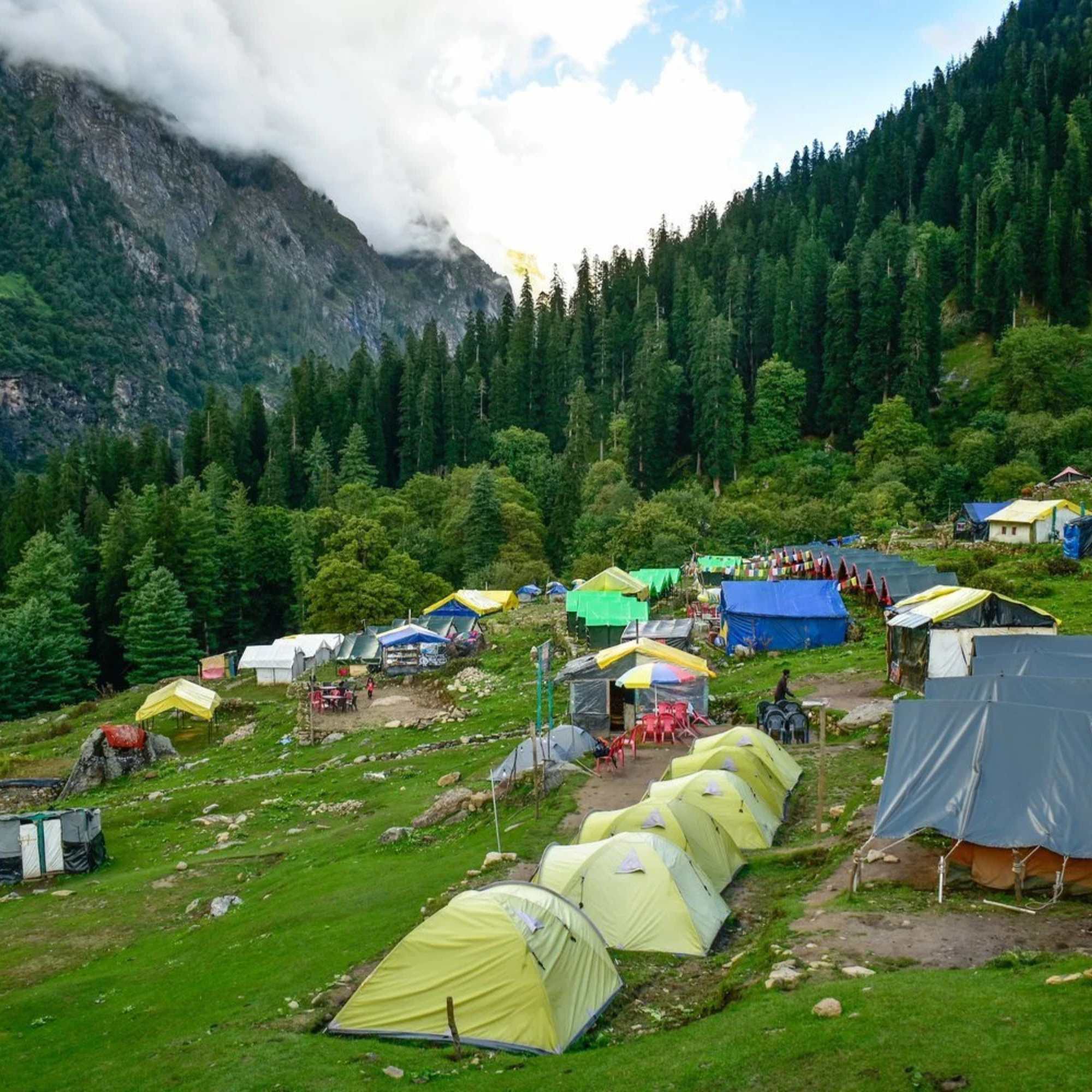
Kheerganga
About 4 to 5 hours trek from Barshaini
A high altitude plateau with natural hot springs, accessible by trek from Barshaini. One of the most popular treks in the Parvati Valley. Check locally for trail status and any seasonal restrictions.
Chalal
About 5 km from Manikaran (via Kasol)
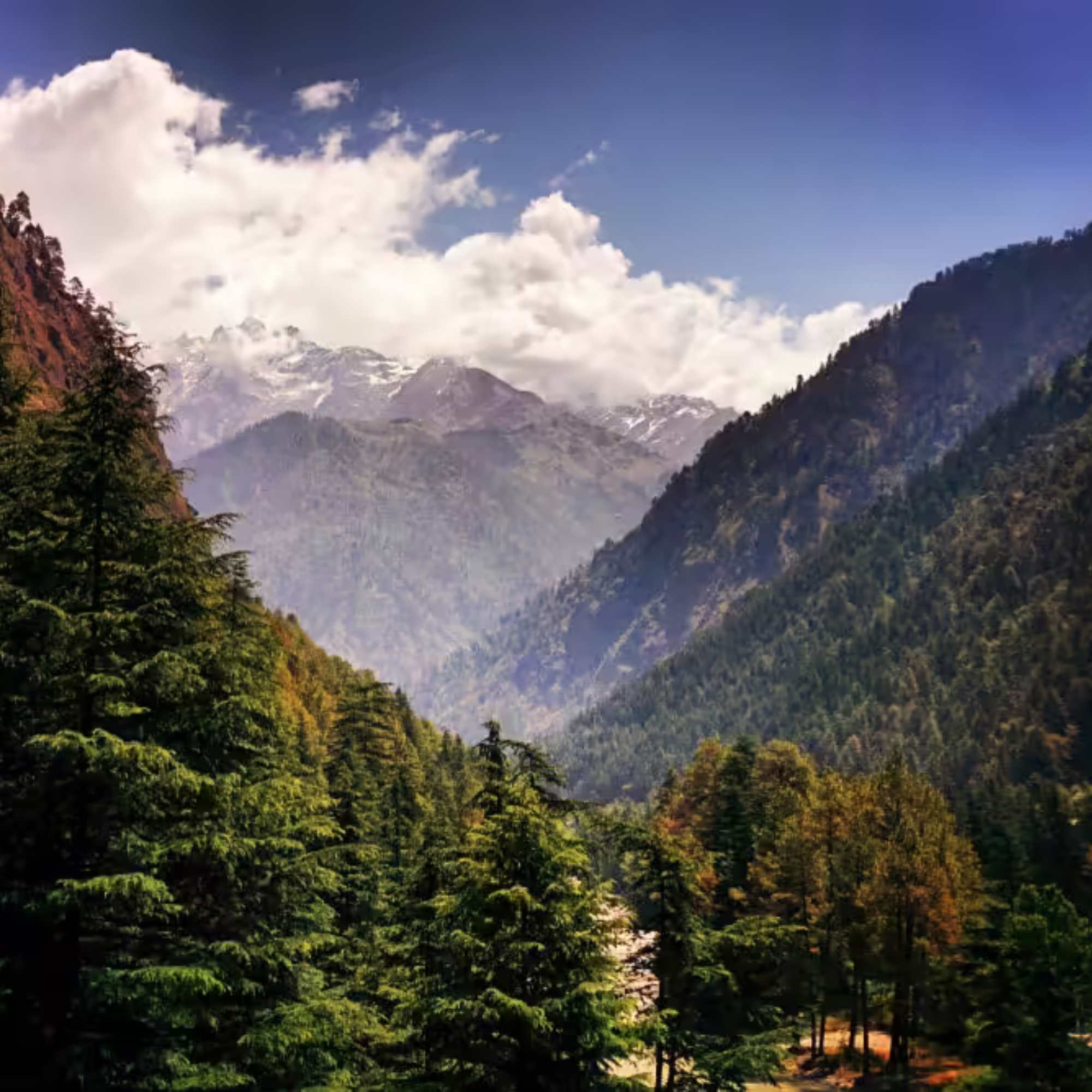
A small riverside village on the opposite bank of the Parvati River from Kasol. A 30 minute walk from Kasol with cafes and a relaxed backpacker atmosphere.
Our packages with Manikaran Sahib
Curated trips that include a visit to Manikaran Sahib.
 4D/3N
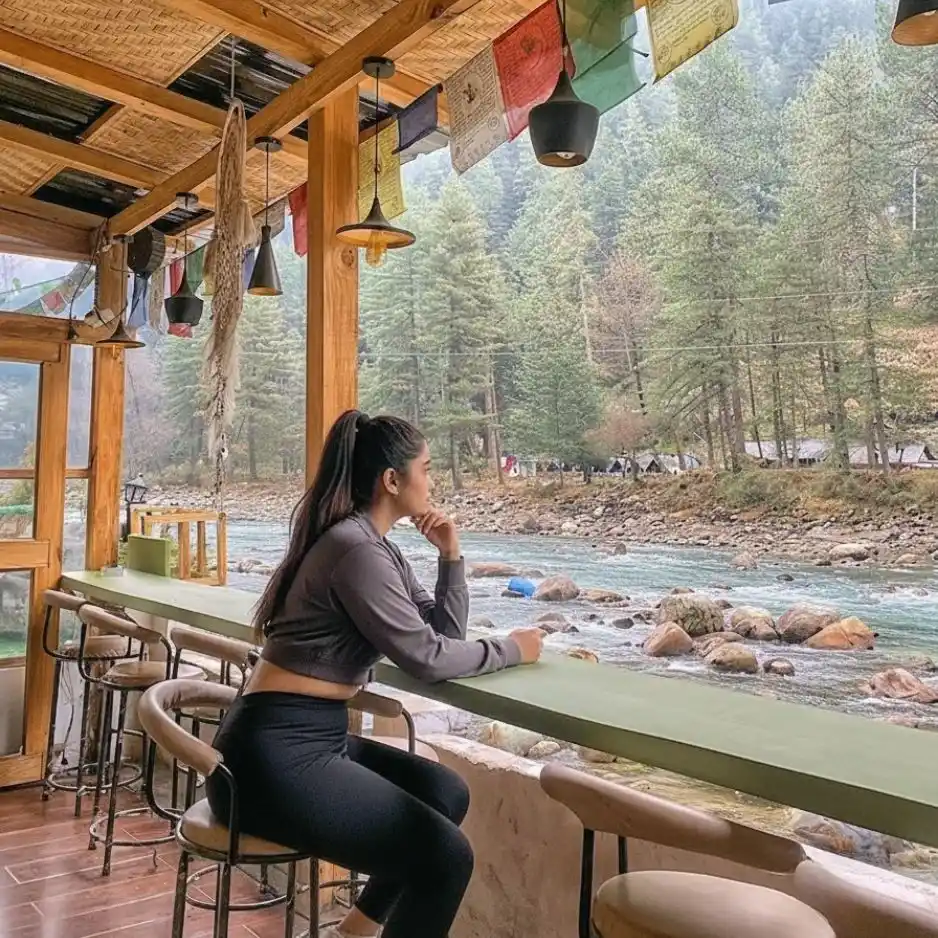
4D/3NPerfect Manikaran Kasol Tosh Weekend Getaway
1D Delhi•2D Kasol+1
₹15,999₹19,999SAVE INR 4,000/ person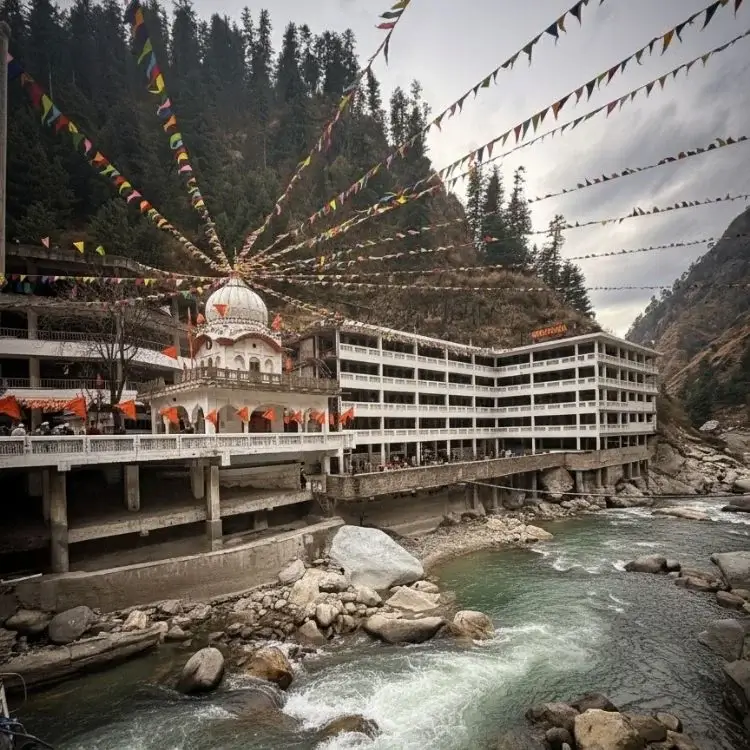 4D/3N
4D/3NWeekend Trip To Manikaran, Kasol & Tosh
1D Delhi •2D Kasol+1
₹9,999₹14,999SAVE INR 5,000/ person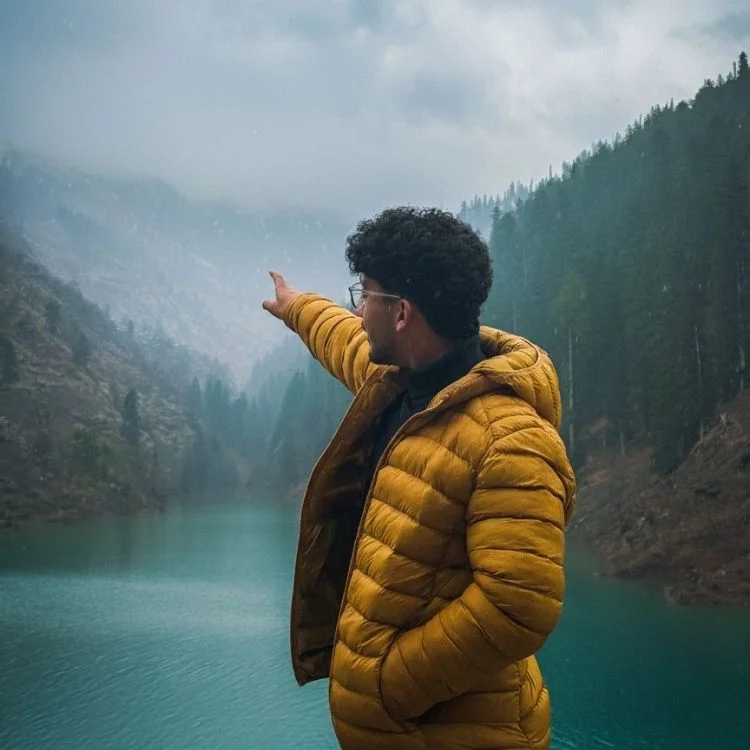 4D/3N
4D/3NBest Manikaran Kasol Tosh Weekend Trip
1D Delhi •2D Kasol+1
₹9,799₹13,999SAVE INR 4,200/ person
Frequently Asked Questions
What is Manikaran Sahib?
A pilgrimage town in the Parvati Valley, about 4 km from Kasol, significant for both Sikhs and Hindus. It is built around natural geothermal hot springs on the bank of the Parvati River. The Gurudwara Sri Guru Nanak Dev Ji is the main landmark. Hindu temples dedicated to Lord Shiva and Lord Rama sit nearby. The hot springs are used to cook the Gurudwara's langar, which feeds thousands of visitors daily for free.
How do I reach Manikaran from Kasol?
From Kasol, take a taxi, local bus, or walk. The distance is about 4 km by road, roughly 15 minutes by vehicle. Manikaran is on the main Parvati Valley road between Kasol and Barshaini, so any bus heading deeper into the valley passes through. From Bhuntar, the distance is about 35 km.
Is there an entry fee?
No. Entry to the Gurudwara, the langar, and the hot spring bathing pools inside the complex is free for everyone.
What are the rules for visiting the Gurudwara?
Remove shoes before entering. Cover your head (scarves are available at the entrance if you do not have one). Dress modestly. Do not carry tobacco, alcohol, or any intoxicant into the Gurudwara complex. Photography is generally allowed in common areas but ask before photographing inside the prayer hall. Be quiet and respectful.
Can I stay overnight at the Gurudwara?
Yes, free of charge. The Gurudwara sarai (guest house) can accommodate several thousand people. Rooms are basic, clean, and provided with bedding. Donations are welcome but not required. Basic guesthouses and hotels also operate in Manikaran town.
Can I bathe in the hot springs?
Yes. Separate bathing areas for men and women are available inside the Gurudwara complex. The spring water is very hot and is cooled in pools before use. Bring a change of clothes and a towel. Two additional bathing spots outside the complex are managed by guesthouses.
Is the langar available to non-Sikh visitors?
Yes. The Gurudwara langar serves free meals to all visitors throughout the day. Rice and dal are cooked using geothermal hot spring water. The food is vegetarian, simple, and good. Sit on the floor in rows, eat what is served, and return your tray. There is no charge.
What is the best time to visit?
Year round. The Gurudwara and hot springs operate in all seasons. April to June and September to November have the most comfortable weather. Winter is cold but the hot springs make it worthwhile. Monsoon can cause road disruptions on the approach from Bhuntar.
How much time do I need?
Half a day is sufficient for most visitors. Two to three hours covers darshan, langar, the hot springs, and the temple area. If you want to bathe and spend time at the langar without rushing, allow three to four hours.
Can I visit Manikaran on the way to Tosh or Kheerganga?
Yes. Manikaran is on the road between Kasol and Barshaini. Most travellers heading to Tosh or Kheerganga pass through Manikaran. A stop of one to two hours on the way is natural and easy to plan.
Is Manikaran suitable for families and elderly visitors?
Yes, and it works well. The town is accessible by road, the Gurudwara complex has ramps in some areas, and the langar is served on the ground floor. The hot spring bathing areas may require climbing steps. Elderly visitors and families with children visit regularly. Parking can be limited on busy days, so arrive early.
What does the name Manikaran mean?
The name comes from the Hindu legend. Mani means jewel or gem, and Karan means ear. According to the story, Goddess Parvati lost an earring in the river at this spot. Lord Shiva performed the Tandava dance to retrieve it, and the jewels were returned through the hot springs.
Related guides
Posts about Kasol
- Shimla Manali Kasol Itinerary 2026: 7, 8 and 9 Day Routes Without Rushing
- Best Offbeat Places Near Kasol Most Tourists Miss in 2026
- Rasol Village Trek From Kasol 2026: Route, Distance & What to Expect
- Kalga, Pulga & Tulga Villages in 2026: The Offbeat Side of Parvati Valley
- Kheerganga Trek from Kasol 2026: Route, Difficulty, Cost & Best Time
- Snowfall in Kasol 2026: Does It Snow, Best Time & Nearby Snow Places