
Kalga Village
A small traditional village at about 2,280 metres on a hillside above Barshaini, reachable only by a 30 to 45 minute uphill walk through pine trees, where the apple orchards open to wide views of the Parvati Valley and the main sound after dark is the wind through the forest
- Village
- Parvati Valley
- ~2,280 m
- 30 to 45 min trek from Barshaini
- No road access
- Apple orchards
- Kheerganga base
- Homestays
- No entry fee
- Quiet
What makes it special
Kalga is the village people find when they think Tosh is too crowded. It sits at roughly 2,280 metres on a hillside above Barshaini, on the right bank of the Parvati River, and the only way in is a 30 to 45 minute uphill walk. There is no road. That walk is the filter. It keeps out day trippers, keeps out traffic, and keeps the village feeling like it belongs to a different decade.
The village is small. Maybe 40 to 50 houses, traditional Himachali construction with wood and stone, scattered across a slope that opens into apple orchards and pine forest. The views down into the Parvati Valley are wide. On a clear day you can see the snow line above and the river far below. The sound of the Parvati reaches you faintly, mixed with wind and the occasional dog barking. That is about as loud as it gets.
What makes Kalga different from other Parvati Valley villages is a specific combination. It is high enough to feel like mountains, close enough to Barshaini to be accessible in under an hour, quiet enough that you can hear yourself think, and connected enough to the Kheerganga trek route that it works as a base camp or a stop. Many trekkers heading to Kheerganga start or end through Kalga, using the alternative route on the right side of the river rather than the more popular left bank trail via Nakthan.
Homestays have been growing here steadily. The range is wide. You can find a basic room with a shared bathroom for roughly 500 rupees, or a guesthouse with mountain views, a small cafe, and attached facilities for 800 to 1500 rupees. Some places have become well known in the backpacker circuit. Old Brahma, Zevibes, Gypsy House, and a handful of others get mentioned repeatedly. Most serve home cooked meals. Most run on solar and intermittent grid electricity. WiFi is a generous term for what you will get.
Honest framing. Kalga is not a tourist destination with things to do. It is a village where the main activity is being in the village. Walking through the orchards. Sitting on a wall and looking at the valley. Reading. Talking to other travellers or to the homestay owners. Eating dal rice. Going to sleep early because there is nothing else to do and waking up to a sunrise that makes you understand why that is fine. If you need cafes, nightlife, or structured activities, Tosh or Kasol will suit you better. If you need real quiet and a village that still feels like someone's home rather than a tourist economy, Kalga is one of the last places in the Parvati Valley that delivers that.
Quick answers
- What is Kalga Village?
- A small traditional village at about 2,280 metres in the Parvati Valley, accessible only by a 30 to 45 minute uphill walk from Barshaini. No road. Apple orchards, pine forest, wide valley views. Basic homestays from 500 to 1500 rupees a night. Known as a quieter alternative to Tosh and a base for the Kheerganga trek via the right bank trail.
- Is it worth visiting?
- Yes, if you want genuine mountain village quiet without the cafe culture and crowds of Kasol or Tosh. Not a place with activities or nightlife. It is a place to slow down, walk through orchards, and sleep without engine noise. If that sounds boring, it is not for you. If that sounds like exactly what you need, you will understand the moment you arrive.
- How much time do I need?
- One night minimum. Two nights is the sweet spot. Three if you are trekking to Kheerganga from here. Walk up from Barshaini in the morning, spend the afternoon and evening, sleep, and walk back down the next morning at a minimum.
Quick facts
Everything you need to know at a glance.
At a glance
- Location
- Above Barshaini, right bank of the Parvati River. Parvati Valley, Kullu district, Himachal Pradesh.
- Altitude
- Approximately 2,280 m (about 7,480 feet).
- Access
- 30 to 45 minute uphill walk from Barshaini. No road.
- Time needed
- One night minimum. Two nights recommended.
- Entry fee
- None.
- Walk difficulty
- Easy to moderate uphill. Manageable for most fitness levels. Harder with heavy luggage.
On the ground
- Mobile network
- Jio and Airtel now work near Barshaini, but signal is patchy inside Kalga, especially inside wood and stone homestays. BSNL most consistent. WiFi unreliable.
- Food
- Homestay meals (dal rice, roti, eggs, chai). A few guesthouse cafes. Carry snacks from Kasol.
- ATM and cash
- No ATM in Kalga. Basic cash access now available at Barshaini or Manikaran. Carrying physical cash up the hill is still recommended.
- Accommodation
- Homestays and guesthouses. 500 to 1500 rupees per night. Basic to comfortable. Meals usually available.
- Safety
- Generally safe. Trail from Barshaini is well used. Carry a torch for late arrivals. Tell someone your plans.
Seasonal weather
- March to June22°5°Spring and Summer
- July to September20°12°Monsoon
- October to November16°0°Autumn
- December to February10°-5°Winter
Suitable for
- Couples — suitable
- Families — with some care
- Seniors — not suitable
- Solo — suitable
- First-timers — with some care
- Pet-friendly — with some care
How to reach Kalga Village
3 approach routes, with seasonal access.
From Barshaini (on foot)
Year round. Monsoon makes the trail slippery. Winter can bring snow above.- Distance
- About 2 km uphill
- Time
- 30 to 45 minutes
- Road
- Uphill footpath through trees. Rocky in places. Muddy in monsoon.
From Barshaini, walk to the bridge near the hydro project dam. Do not cross the bridge to the left (that leads to Tosh and Pulga). Stay on the right side and follow the path uphill through the trees. The trail is well used and locals can point you in the right direction. The last section steepens before you enter the village. In monsoon, the trail gets muddy. In winter, ice is possible on the upper stretch. Carry a torch if you arrive in the evening.
From Kasol (by road to Barshaini, then on foot)
Year round. Road to Barshaini can be disrupted in monsoon.- Distance
- About 16 km by road, then 2 km walk
- Time
- 45 minutes by road, then 30 to 45 minutes walking
- Road
- Valley road to Barshaini, then footpath.
From Kasol, take a local bus or shared taxi toward Manikaran and onward to Barshaini. Buses run roughly hourly. Taxis are available but negotiate the fare in advance. The road follows the Parvati River through the valley, passing Manikaran Sahib on the way. At Barshaini, get off and walk up to Kalga.
From Delhi (overnight bus)
Year round from Delhi. Monsoon can delay road stretches.- Distance
- About 500 km to Bhuntar, 31 km to Kasol, 16 km to Barshaini, then walk
- Time
- 10 to 12 hours to Bhuntar, then 2 to 2.5 hours to Barshaini, then 30 to 45 minutes walk
- Road
- National highway to Bhuntar, valley road to Barshaini, footpath to Kalga.
Overnight bus from Delhi to Bhuntar or Kasol (10 to 12 hours). From Kasol, bus or taxi to Barshaini (45 minutes). Walk up to Kalga. Budget a full travel day. Plan to arrive at Barshaini before dark so you can walk up the trail in daylight.
Best time to visit
Season by season, so you can plan around the weather rather than hope.
- Recommended
Spring and early summer
April to June
Green orchards, flowering trees, and the best overall window for a first visit.
- Weather
- 5 to 22 degrees. Warm days, cool nights.
- Trail
- Dry, clear, easy walking.
- Homestays
- Most open. Book ahead for peak weekends.
The best time. Apple trees flower in April and May. The trail from Barshaini is dry and clear. Daytime temperatures are comfortable. Nights are cool but not cold enough to need serious winter gear. Peak weekends in May and June can bring more visitors, but Kalga never gets truly crowded the way Tosh does.
Monsoon
July to September
Lush but muddy. Leeches possible. For experienced travellers only.
- Weather
- 12 to 20 degrees. Rain frequent.
- Trail
- Muddy, slippery. Leeches in forest sections.
- Homestays
- Some close. Confirm before heading up.
The valley turns intensely green. But the trail from Barshaini gets muddy and slippery. Leeches are possible in the forest sections. Rain is frequent and heavy. Some homestays close. The Kheerganga trail from Kalga is harder and less safe in monsoon. Come only if rain and mud genuinely do not bother you.
- Recommended
Autumn
October to November
Clear air, apple harvest, thin crowds. October is the best single month.
- Weather
- 0 to 16 degrees. Cold nights.
- Views
- Best of the year. Clear and wide.
- Crowds
- Very low.
Post monsoon clarity. The air is clean, the valley views are the sharpest of the year, and the apple harvest brings a different energy to the village. Crowds are thin. Nights get properly cold by November, but the daytime light and the stillness make this the most rewarding window for Kalga.
Winter
December to February
Cold, snow possible, many homestays close.
- Weather
- Minus 5 to 10 degrees. Snow possible.
- Trail
- May be icy or snow covered.
- Homestays
- Most close. Confirm before going.
Properly cold. Snow is possible at this altitude. Many homestays close for the season. The trail from Barshaini can be icy. Come only if you have proper winter gear, experience with cold mountain travel, and have confirmed in advance that your chosen homestay is open.
Things to see & do
4 things worth your time at Kalga Village.
Walk through the apple orchards
30 minutes to an hourThe orchards above and below the village are the best walk here. Apple, plum, and walnut trees on a gentle slope with wide views of the valley. In spring (April to May), the trees flower. In late summer and autumn, the fruit hangs from the branches. The paths are not marked but you cannot really get lost. Walk uphill and the forest thickens. Walk downhill and you end up back near the trail to Barshaini. No rush. No destination. Just trees and air.
Sit and do nothing, on purpose
As long as you needDo not underestimate this. It is exactly what most people actually come to Kalga for. Find a wall, a rock, a guesthouse terrace, or a patch of grass with a view of the valley. Sit. The mountains do not need you to hike them to be worth seeing. The pace of the village, the sound of wind in the pines, and the absence of engines is the whole experience. If doing nothing makes you uncomfortable, Kalga will fix that or confirm that you need a different kind of trip.
Trek to Kheerganga via the right bank trail
4 to 5 hours one wayKalga is on the right bank of the Parvati River and connects to the Kheerganga trek via a less crowded trail through dense forest. The right bank route is quieter and more forested than the popular left bank trail via Nakthan, but it is not entirely separate. About halfway up, the trail descends to a river crossing near Rudranag, where it merges with the main Nakthan route. From that point, both routes share the same steep forest climb to the top. The early section from Kalga is less marked, and losing the trail is possible if you are not paying attention. Ask your homestay host to point out the key turns before you start, or consider hiring a local guide. The full trek takes roughly 4 to 5 hours depending on pace and fitness. Start early.
Walk to Pulga village
30 to 45 minutes one wayPulga sits at a similar altitude on the other side of the valley, accessible by a trail from Kalga that crosses the river and climbs up. The walk is easy to moderate and the village has a similar character. Slightly smaller, slightly quieter, and worth seeing if you are spending more than one night in the area. You can also reach Tulga, an even smaller settlement between the two. Ask your homestay host for the current trail condition.
Know before you visit Kalga Village
The practical bits, from people who have been.
Getting there and the trail30 to 45 min uphill walk from Barshaini. No road. Wear proper shoes. Do not attempt after dark.
From Kasol, take a bus or taxi to Barshaini (about 16 km, roughly 45 minutes by road). From Barshaini, walk uphill on the right bank trail. At the bridge near the dam, do not cross to the left (that side leads to Tosh and Pulga). Stay right and follow the path uphill through the trees. The walk takes 30 to 45 minutes depending on your pace and luggage weight. The trail is clear in dry weather but gets muddy and slippery in monsoon. Wear proper shoes, not sandals.
If you arrive late and cannot find the trail in the dark, stay at Barshaini for the night and walk up in the morning. The trail is not lit.
Where to stay and eatHomestays from 500 to 1500 rupees. Meals available at most places. Simple, home cooked food.
Multiple homestays and small guesthouses operate in the village. At the basic end, a room with a shared bathroom runs roughly 500 to 800 rupees. At the more comfortable end, rooms with attached bathrooms and mountain views go for 800 to 1500 rupees. Prices shift with the season and occupancy. Walk in bookings are usually fine except during peak weekends in May and June.
Most homestays serve meals. Dal rice, roti, vegetables, eggs, and chai are standard. Some guesthouses have small cafes with expanded menus. Do not expect variety. The food is simple, home cooked, and usually good. Carry snacks from Kasol if you need more options.
Ground realityNo ATM in the village, but basic cash access now available at Barshaini or Manikaran. Signal improved near Barshaini but patchy inside Kalga's homestays. Carry physical cash and a torch.
No ATM in Kalga itself. Basic cash withdrawal via UPI or an ATM is now possible down at Barshaini or Manikaran, so a trip all the way back to Kasol is not strictly necessary. That said, UPI at Barshaini depends on mobile signal cooperating, which is not guaranteed. The safest approach is still to carry enough physical cash up the hill from the start.
No medical facility. No road. Electricity is intermittent, a mix of solar and grid. Power cuts are common.
Mobile signal has improved near Barshaini. Jio and Airtel now work reasonably well at the road head and on parts of the trail. But once you are inside Kalga, signal becomes patchy and drops significantly inside the thick walled wood and stone homestays. BSNL remains the most consistent network in the village. WiFi at guesthouses is unreliable. Do not count on stable connectivity for work or emergency calls.
Carry medicines, a torch, warm layers, and a portable charger. Tell someone your plans before you head up.
A small reminder. Homestay availability, trail conditions, and pricing can shift with the season. Check with your Kasol guesthouse or with fellow travellers who have recently been before heading up.
Who it suits and who should reconsiderGreat for solo travellers, backpackers, quiet seekers. Not ideal for families with small kids, comfort seekers, or those needing connectivity.
Kalga works well for solo travellers, backpackers, couples who like quiet mountain villages, trekkers using it as a Kheerganga base, and anyone who specifically wants to escape the noise of Kasol and Tosh. It rewards people who are comfortable with simplicity.
It is not a good fit for families with very young children or elderly members who cannot manage the 30 to 45 minute uphill walk. Not for travellers who need reliable connectivity, hot water, or comfort beyond a clean bed and a meal. Not for anyone who will feel restless without structured activities or social nightlife. Tosh, Kasol, or Chalal are better options for those travellers.
Nearby attractions
Other places worth the detour.
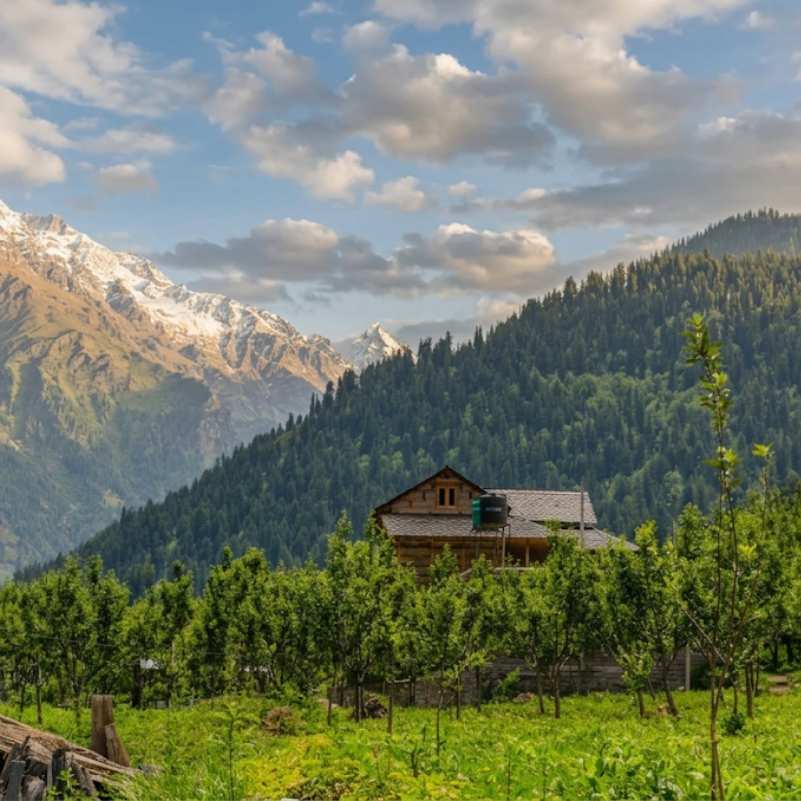
Pulga
30 to 45 minutes walk from Kalga
A similar altitude village on the other side of the valley. Slightly smaller and quieter. Accessible by trail from Kalga crossing the Parvati River. Worth combining if you have two or more nights in the area.
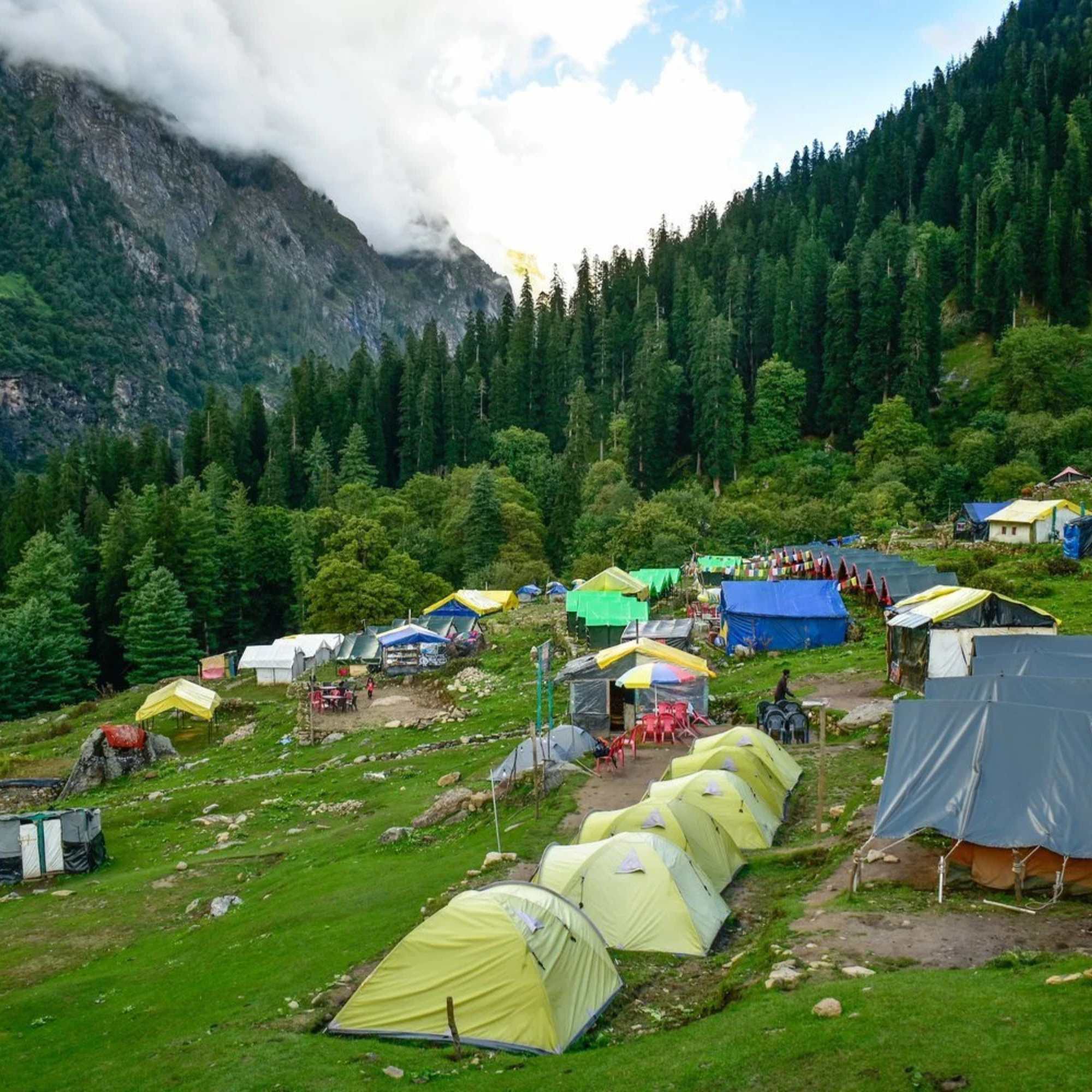
Kheerganga
4 to 5 hours trek from Kalga
A high altitude meadow with natural hot springs. The Kheerganga trek from Kalga follows the quieter right bank trail through dense forest. Check locally for trail status and any seasonal restrictions.
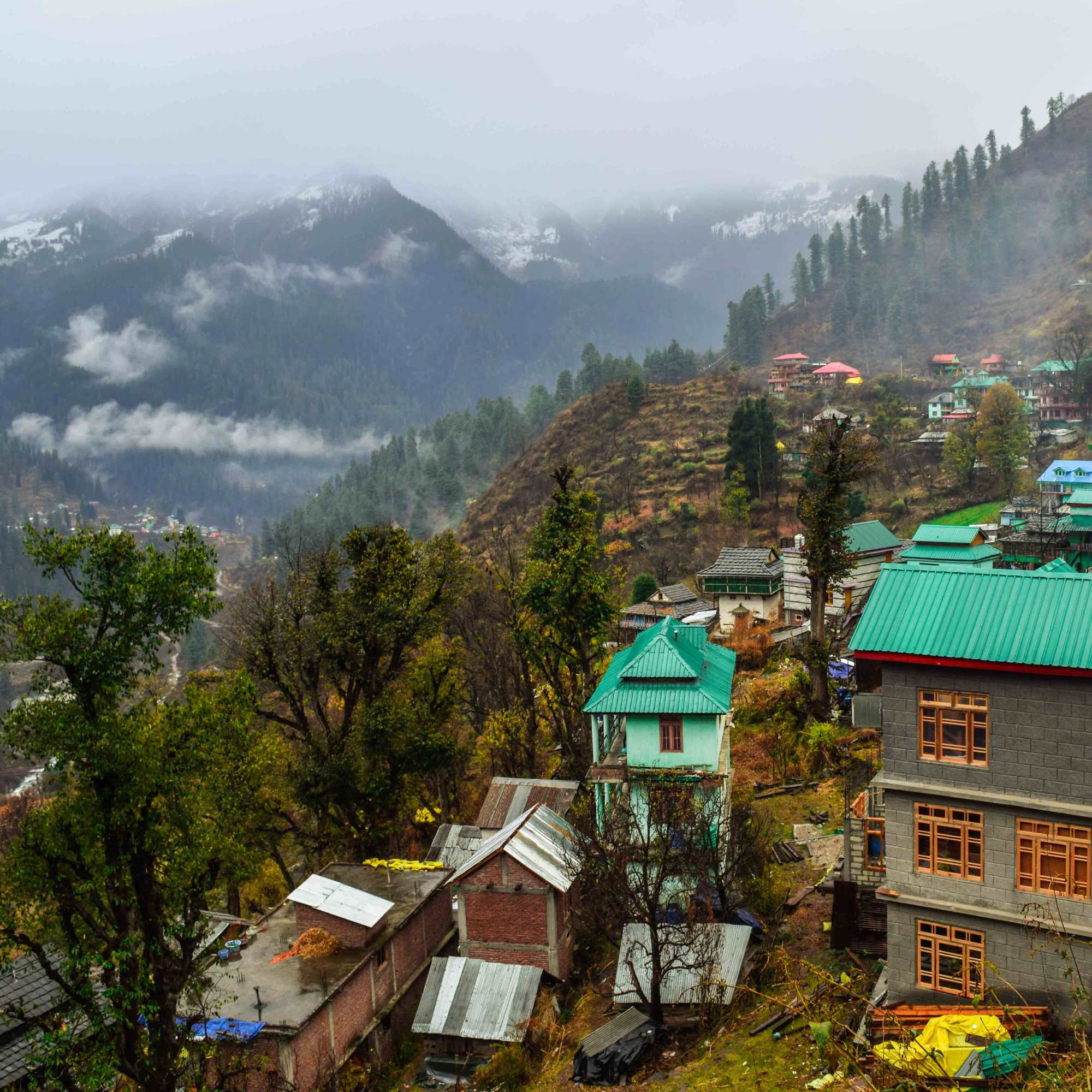
Tosh Village
About 3 km from Barshaini by road, then a short walk
A hillside village higher up in the Parvati Valley with more cafes, guesthouses, and a busier tourist scene. Reachable by road from Barshaini. If you want the social version of this part of the valley, Tosh is it.
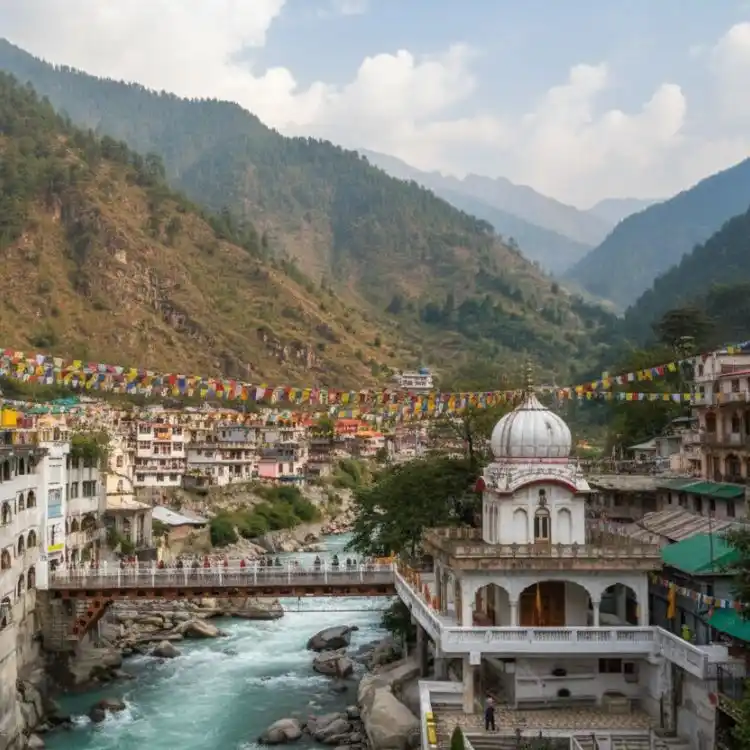
Manikaran Sahib
About 12 km from Barshaini by road
A pilgrimage town with a Gurudwara, hot springs, and a free langar. On the road between Kasol and Barshaini. Worth a stop on your way in or out of Kalga.
Barshaini
30 to 45 minutes walk downhill
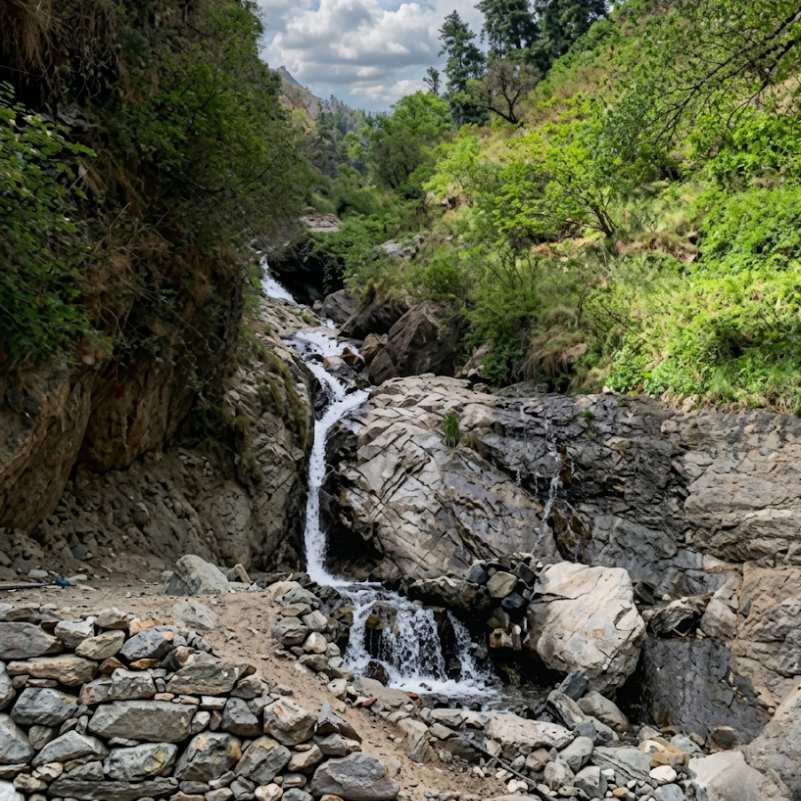
The nearest road head. Where buses and taxis from Kasol drop you. A small settlement with a dam, a bridge, and a few tea stalls. Not a destination itself but the transit point for Kalga, Tosh, and Pulga.
Our packages with Kalga Village
Curated trips that include a visit to Kalga Village.
 4D/3N
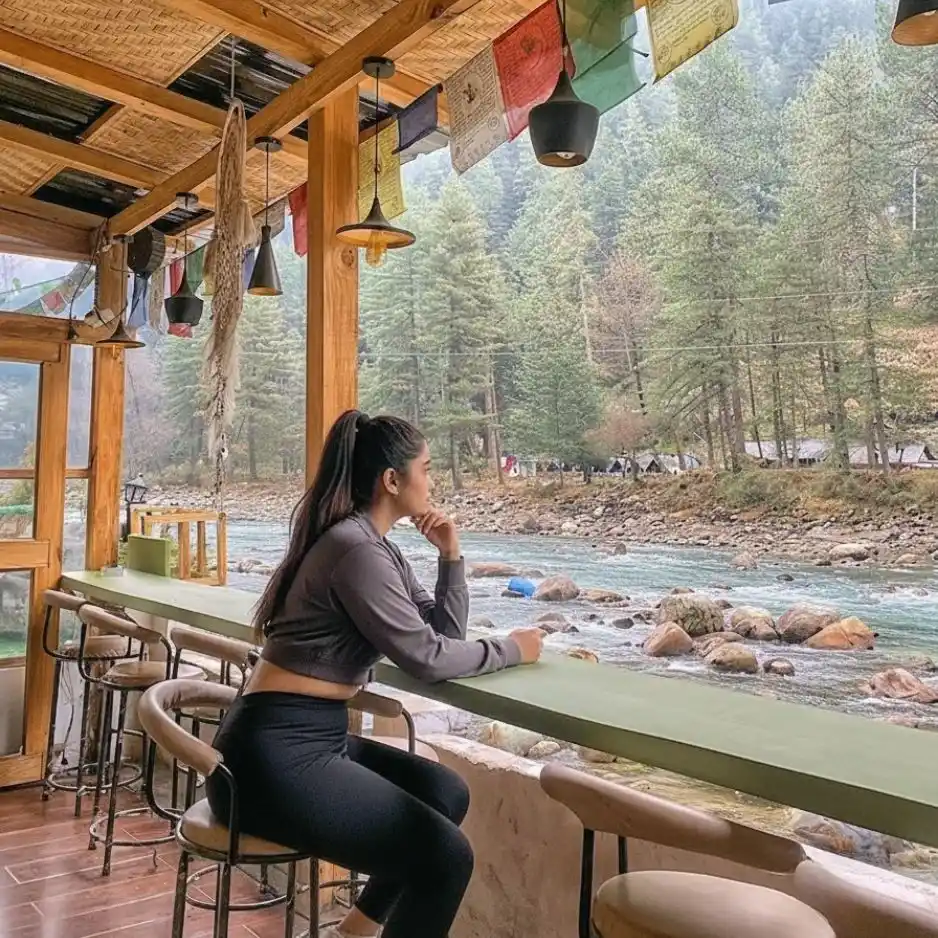
4D/3NPerfect Manikaran Kasol Tosh Weekend Getaway
1D Delhi•2D Kasol+1
₹15,999₹19,999SAVE INR 4,000/ person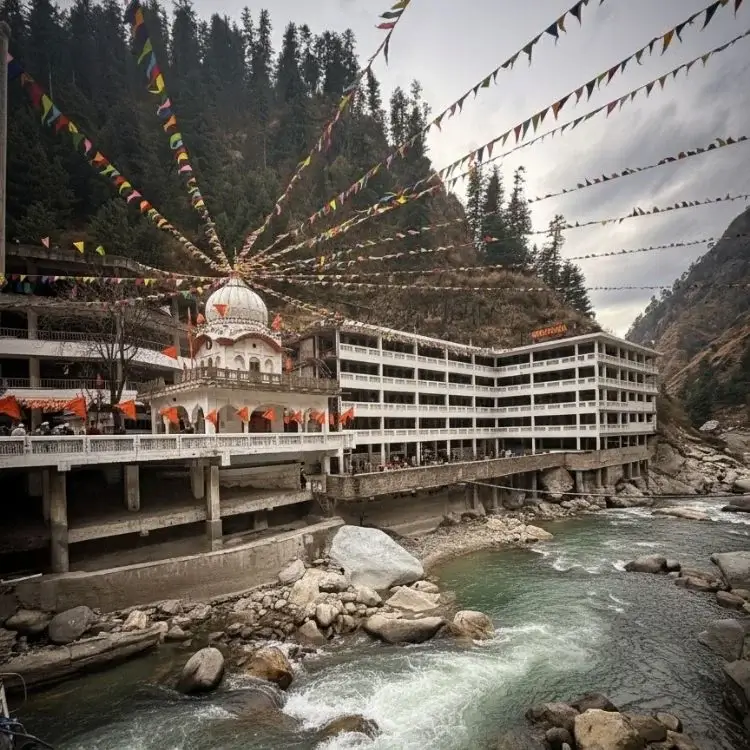 4D/3N
4D/3NWeekend Trip To Manikaran, Kasol & Tosh
1D Delhi •2D Kasol+1
₹9,999₹14,999SAVE INR 5,000/ person
Frequently Asked Questions
What is Kalga Village?
A small traditional village at roughly 2,280 metres in the Parvati Valley, about 30 to 45 minutes uphill walk from Barshaini. No road access. Apple orchards, pine forests, and wide valley views. Known for basic homestays and a quiet pace. Also serves as an alternative starting point for the Kheerganga trek.
How do I reach Kalga?
Get to Barshaini by road (bus from Kasol or Bhuntar, or taxi). From Barshaini, walk uphill on the right side of the valley for about 30 to 45 minutes. At the bridge near Barshaini, do not cross to the left (that goes to Tosh and Pulga side). Stay right and follow the path uphill. Ask locals if you are unsure.
Is there a road to Kalga?
No. Kalga is accessible only on foot. The nearest road head is Barshaini.
How much do homestays cost?
Roughly 500 to 1500 rupees per night depending on the season, the room, and the facilities. Basic rooms with shared bathrooms start around 500. Guesthouses with attached bathrooms and cafes are at the higher end. Prices can change, especially in peak season. Most homestays also serve meals.
Can I trek to Kheerganga from Kalga?
Yes. Kalga connects to Kheerganga via the right bank trail of the Parvati River. The right bank trail goes through dense forest and is quieter than the main Nakthan route. About halfway up, the two routes converge near a river crossing at Rudranag, and from there a single trail climbs steeply to the top. The full trek takes about 4 to 5 hours. The early section from Kalga is less marked, so a local guide or clear directions from your host are recommended.
What is the best time to visit?
April to June and September to November. October is particularly good for clear skies and fewer visitors. Monsoon (July to September) makes the trail to the village muddy and slippery and increases leech risk. Winter is cold and many homestays close.
Is Kalga suitable for families?
It depends on the family. The 30 to 45 minute uphill walk from Barshaini is manageable for active families with older kids but not easy with very young children or heavy luggage. Facilities are basic. No medical help nearby. Families who are comfortable with simple stays and some walking will enjoy it. Those expecting hotel level comfort should not come.
Is there mobile network?
Improving but still patchy inside the village. Jio and Airtel now work reasonably well near Barshaini and on the trail up, but once you are inside Kalga, signal drops in and out, especially inside the wood and stone homestays which block reception. BSNL is the most consistent. Do not count on stable data for calls or work. Some guesthouses advertise WiFi but it ranges from slow to non functional.
How is Kalga different from Tosh?
Tosh has road access, more cafes, a larger tourist economy, and a party scene in peak season. Kalga has no road, fewer visitors, more genuine village atmosphere, and a noticeably slower pace. If Tosh feels too social for you, Kalga is the quieter alternative in the same part of the valley.
Is there an ATM?
No ATM in Kalga. Basic cash withdrawal via UPI or an ATM is now possible down at Barshaini or Manikaran, so you do not strictly need to go all the way back to Kasol. That said, availability is not guaranteed and signal at Barshaini can be unreliable for UPI. Carrying enough physical cash up the hill from the start is still the safest approach.
How much time do I need?
One night is the minimum. Two nights is the sweet spot if you want to settle in and walk the orchards properly. Three nights only if you are doing the Kheerganga trek from here or genuinely want extended stillness.
Related guides
Posts about Kasol
- Shimla Manali Kasol Itinerary 2026: 7, 8 and 9 Day Routes Without Rushing
- Best Offbeat Places Near Kasol Most Tourists Miss in 2026
- Rasol Village Trek From Kasol 2026: Route, Distance & What to Expect
- Kalga, Pulga & Tulga Villages in 2026: The Offbeat Side of Parvati Valley
- Kheerganga Trek from Kasol 2026: Route, Difficulty, Cost & Best Time
- Snowfall in Kasol 2026: Does It Snow, Best Time & Nearby Snow Places