
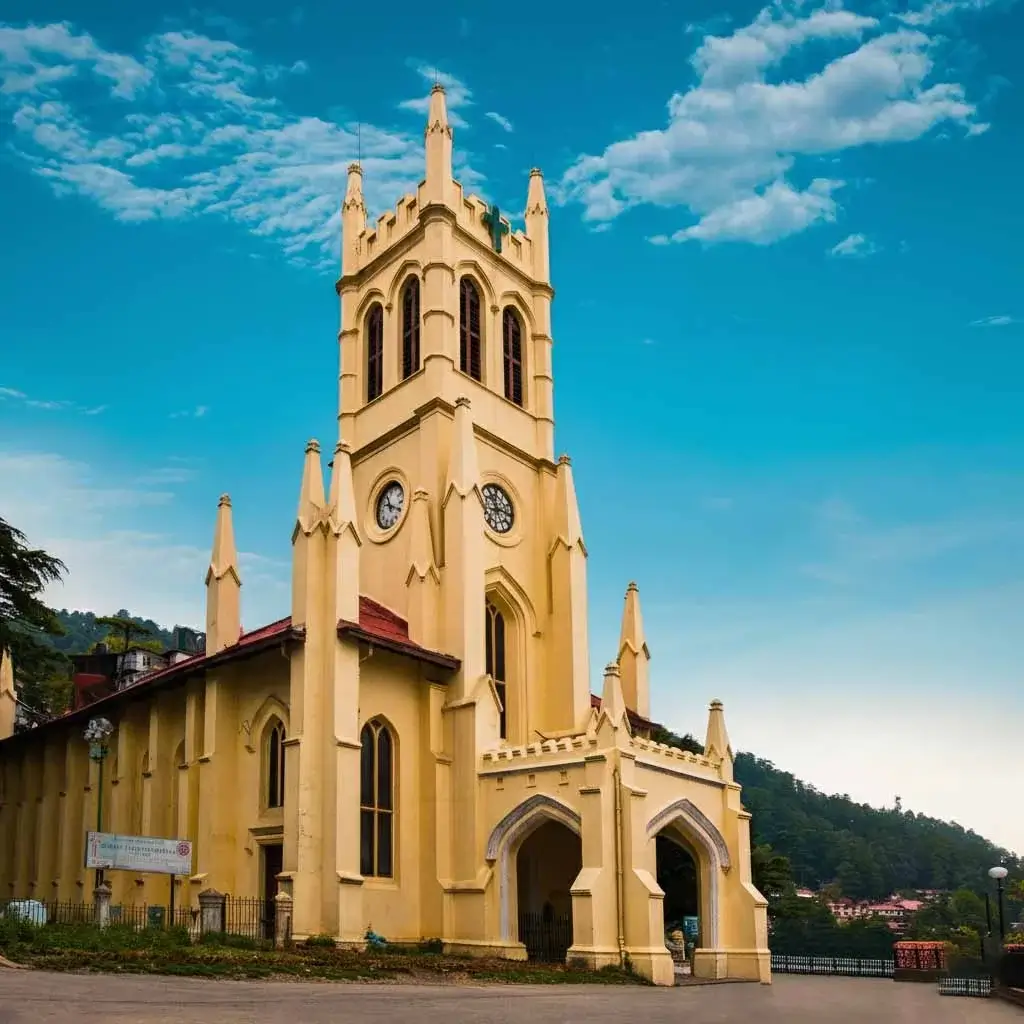
6D/5N
Classic Shimla Kufri Mashobra Narkanda Experience
1D Delhi•3D Shimla+2
₹12,999₹18,999SAVE ₹6,000/ person
Best Narkanda Tour Packages Curated By Experts
1D Delhi•3D Shimla+2
1D Delhi•2D Shimla+3
1D Delhi•3D Shimla+3
1D Delhi•3D Shimla+2
Best Narkanda Tour Packages Curated By Local Experts
Narkanda sits at 8,900 feet, 65 km past Shimla on the Hindustan Tibet Highway.
Only about 500 families live in the main village cluster. This is what Shimla used to feel like before tourism took over. The air smells of pine and fresh apples. Roads wind through thick deodar forests. Mornings are quiet enough to hear birds you forgot existed in cities.
Whether you want crisp mountain mornings, a soft winter snow escape, or a short break with scenic drives and slow walks, Narkanda is the kind of place that fits perfectly.
Travel Coffee’s Narkanda tour packages are designed for couples, families, and small groups who want a peaceful Himachal holiday with comfortable pacing and local guidance.
At Travel Coffee, we build Narkanda trip packages around the experience you actually want, not a rushed checklist.
We choose stays based on whether you want valley views or forest surroundings. We give you buffer time for scenic drives that need photo stops every few kilometers. We plan days that feel relaxed, not exhausting.
Our packages work beautifully for weekend breaks from Delhi and Chandigarh, family holidays where grandparents can enjoy mountains without tiring, and winter getaways that feel magical without being risky.
We keep things simple, safe, and personal, so the mountains feel like a break you remember, not a task you completed.
Narkanda is best reached by road. You can drive, take a private cab, or travel via Shimla and continue towards Narkanda. The road journey is scenic and comfortable when planned with good timings.
The most practical air route is via Chandigarh and then onward by road. Many travellers prefer road travel for this circuit because the views are part of the charm.
You can reach Kalka by train and connect onwards towards Shimla, then continue by road to Narkanda.
If you want a calm hill escape with the best scenery, spring and autumn are the most comfortable seasons.
Narkanda's charm lies in its simplicity and authenticity. The air genuinely feels cleaner here than lower elevation towns. The pace naturally slows down. The orchard lifestyle adds warm local character that tourism hasn't commercialized yet.
When apple season arrives in September and October, the entire region transforms. Families work together picking fruit from sunrise to sunset.
Trucks lined with wooden crates wait for daily loads. Small sorting sheds buzz with activity. The whole area smells like fresh apples mixed with pine. Children help sort apples by size after school. It's agricultural life at its most honest.
Most locals here are originally from nearby villages and have been farming apples for generations. They know which varieties grow best at which altitude. They understand weather patterns from years of watching clouds. When you stay at homestays, hosts often share apple farming stories over dinner.
Food is hearty and mountain style. Simple thalis with dal, sabzi, rice, and fresh rotis. Thick parathas stuffed with seasonal vegetables or potatoes. Rajma chawal that tastes better at high altitude.
Comforting warm meals that hit perfectly on cold evenings. Homestay aunties make siddu, the local steamed bread, if you ask ahead. Some places serve apple dishes during harvest season: apple chutney, apple halwa, even apple pakoras.
In the hills, food isn't about fancy menus or Instagram presentations. It's about warmth, freshness made with care, and a peaceful table where conversation happens naturally. The best meals here are ones eaten slowly while watching mist roll through valleys outside your window.
2 packages found
1D Delhi•3D Shimla+3
1D Delhi•2D Shimla+3
The core attractions around Narkanda, all within a short drive or walk from town.
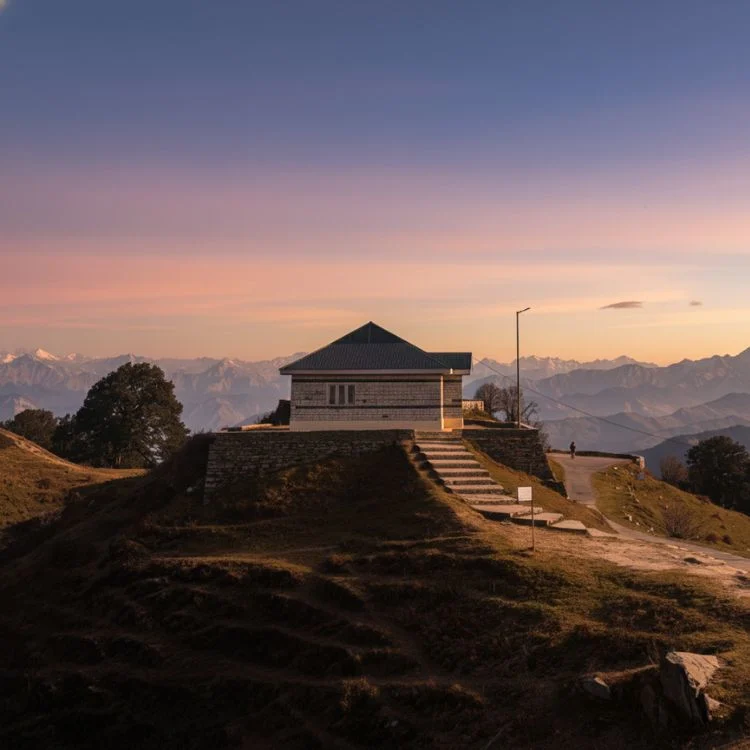
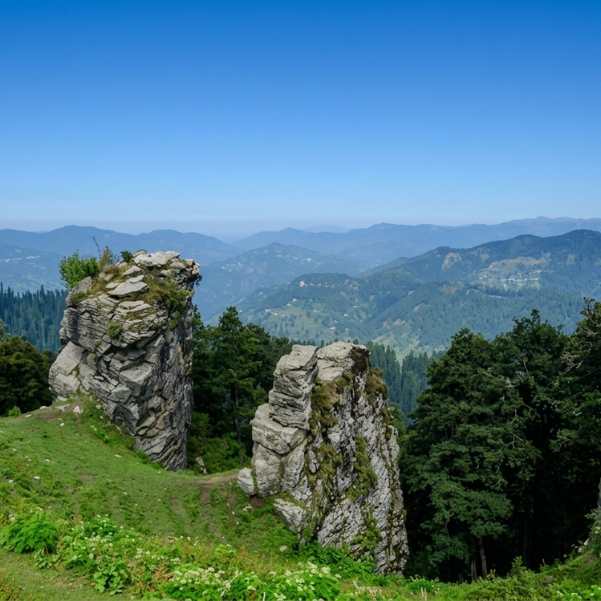
The highest point in Shimla district at roughly 3,400 metres, about 8 km uphill from Narkanda market. You can drive up a narrow forest road (30 to 40 minutes) or trek through thick deodar, fir, and spruce forest (2 to 3 hours). At the summit, the Hatu Mata Temple sits in a clearing surrounded by old cedars. The temple is built in traditional Himachali Kathkuni style with carved wooden panels and is dedicated to Goddess Kali. The 360 degree panorama from the top covers the Srikhand Range, the Kinnaur Kailash peaks to the northeast, and the snow line toward Uttarakhand to the southeast. Go before 8 AM for the sharpest light. The single best thing to do in the Narkanda area.
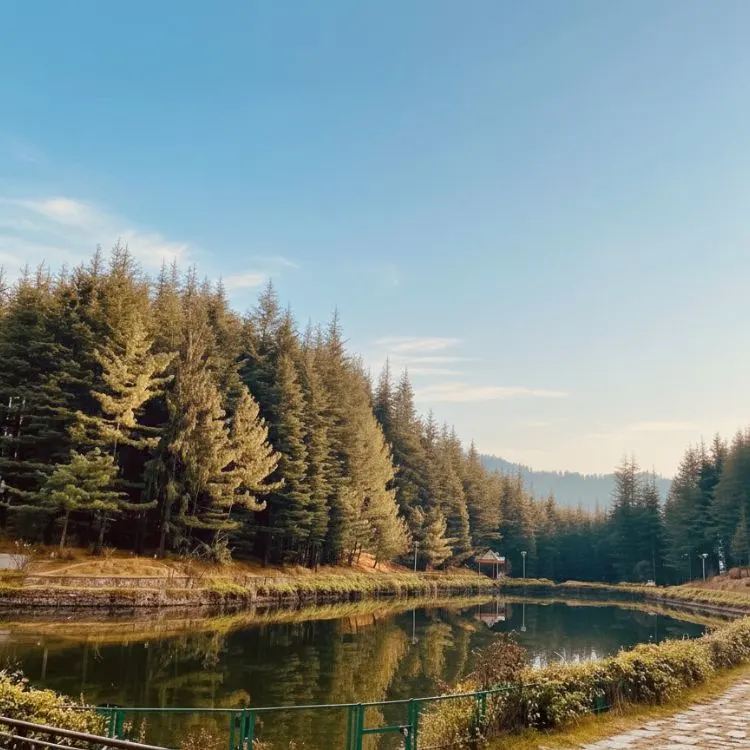
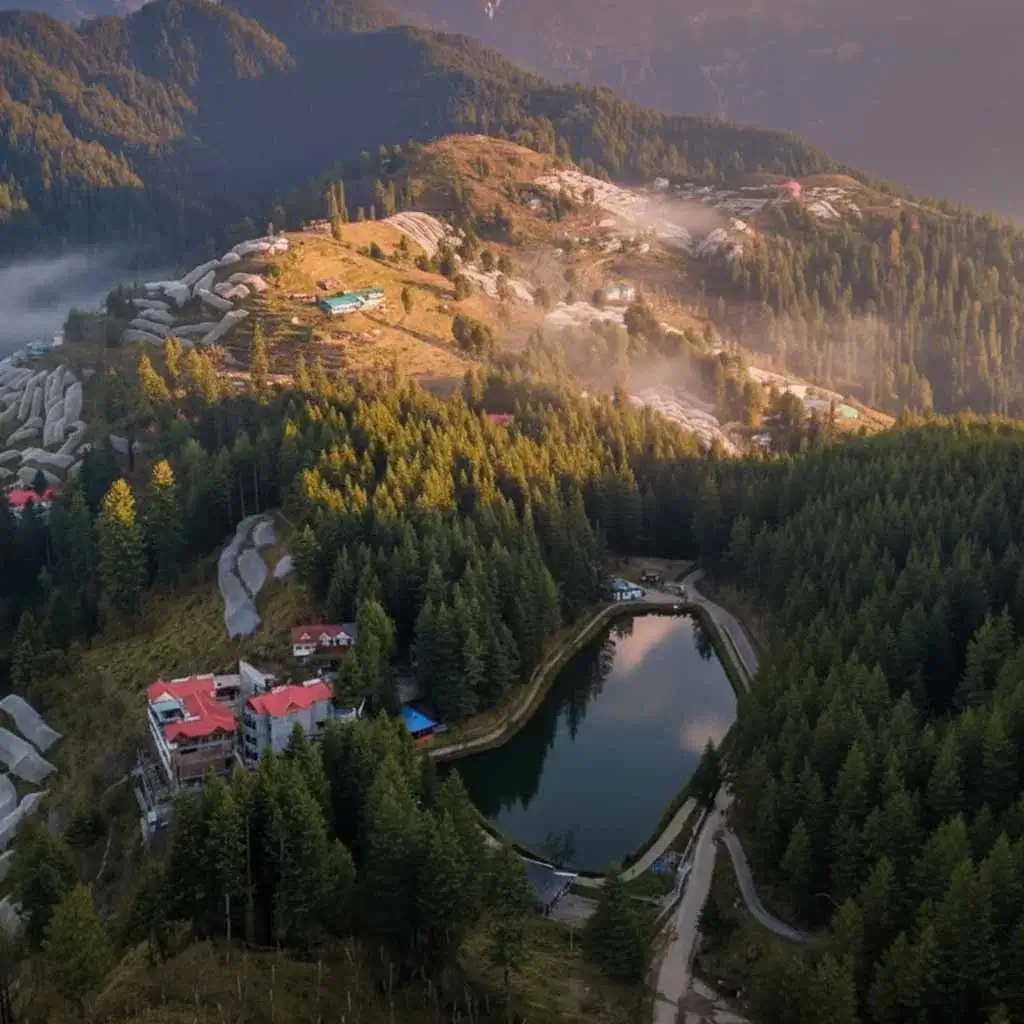
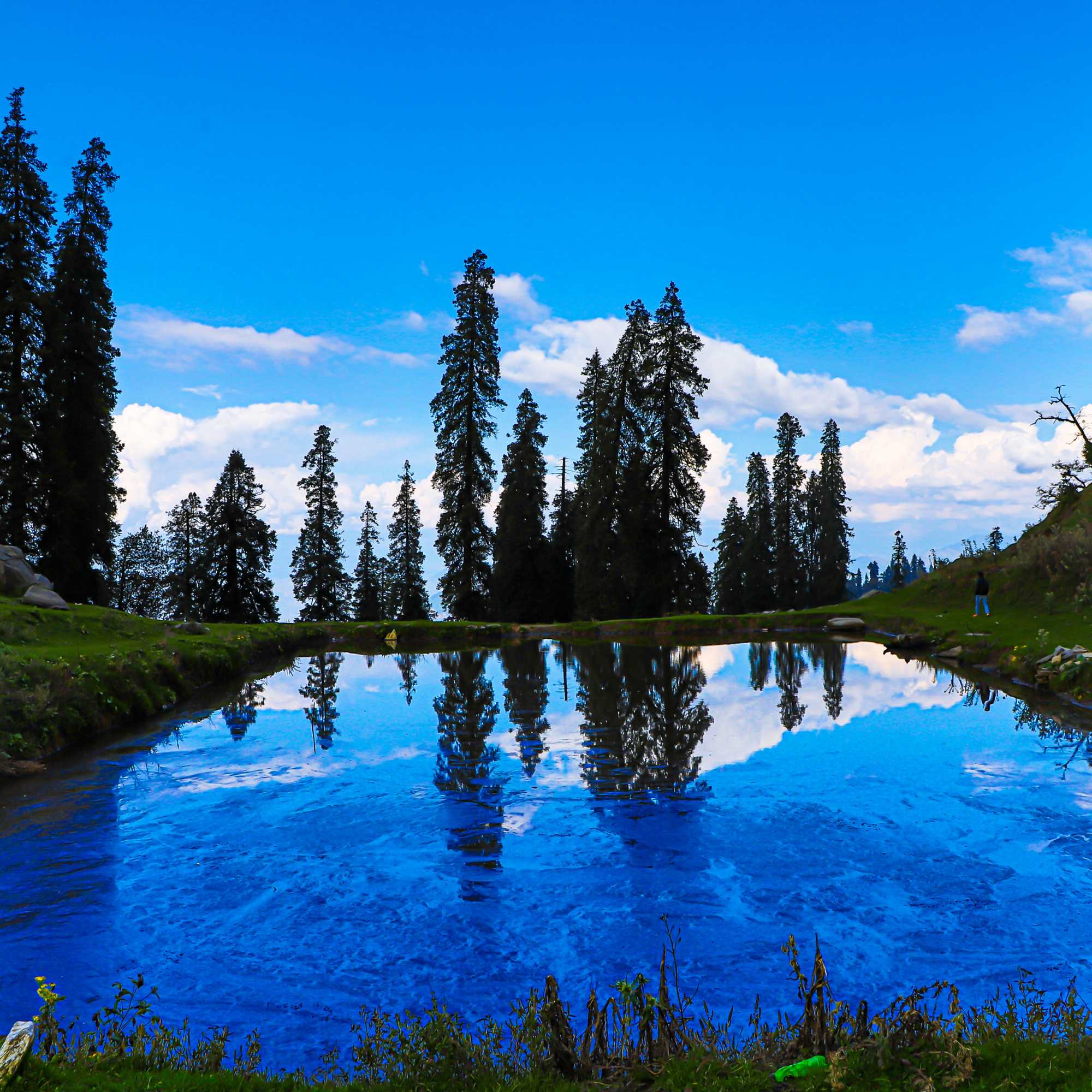
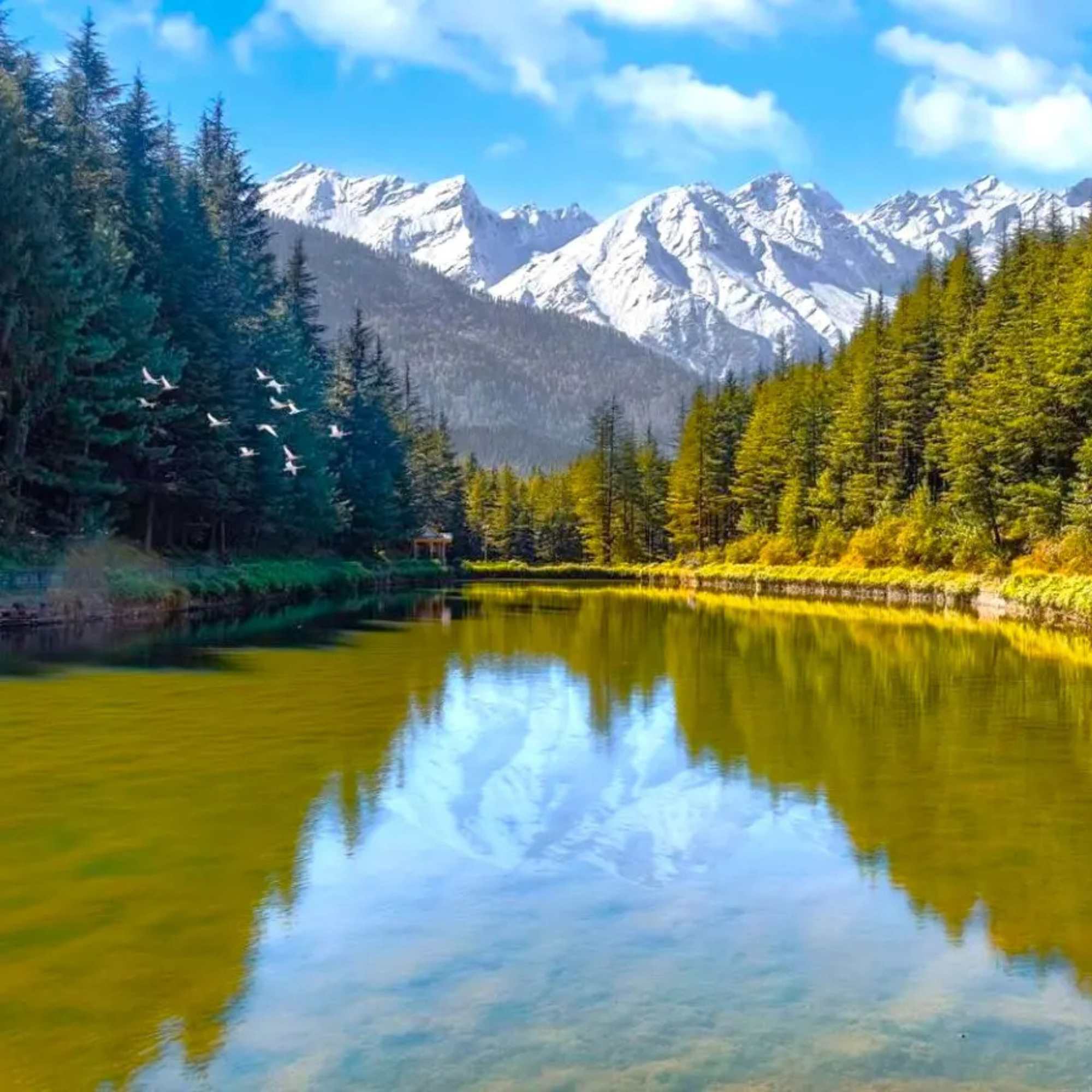
A small, oval shaped lake about 12 km from Narkanda, set among pine and deodar trees with a local Nag Devta shrine on the bank. The water is calm and reflects the surrounding forest. It is a gentle, easy stop for families and couples. Not much happens here, which is exactly the point. Carry a flask and snacks if you want to sit for a while. Best between April and October. The drive to the lake is scenic in itself.
About 15 km from Narkanda, this is where Himachal's apple industry started. Satyanand Stokes, an American who settled here in 1916, introduced commercial apple farming to the region, and the orchards of Kotgarh and Thanedar have been the heart of the apple belt ever since. Visit during blossom season (April to May) for pink and white covered hillsides, or during harvest (August to October) to see the orchards loaded with fruit. Saint Mary's Church, built during the colonial era, sits quietly in Kotgarh. Several heritage homestays in the area offer orchard stays where you wake up among apple trees.
About 7 km from Narkanda on the highway toward Rampur, this hilltop temple in Kacheri village is dedicated to Goddess Kali. The setting is quiet, surrounded by pine woods, and gets far fewer visitors than Hatu Peak. Worth a stop if you are driving the highway or want a short, calm temple visit without crowds. The courtyard gives clean views of the surrounding hills.
Narkanda has been a skiing destination since the British era, and HPTDC runs basic ski courses on the slopes near town during winter (roughly January to March, depending on snowfall). The runs are beginner level and the infrastructure is modest compared to Auli or Gulmarg, but for a first taste of skiing on a Shimla area trip, it works. Jau Baug (also called Jor Bagh) is a grassy alpine meadow about a kilometre past the Hatu Mata Temple, used for picnics in summer and camping when conditions allow. In winter, it disappears under snow.
Narkanda is a place for simple mountain experiences that feel deeply satisfying.
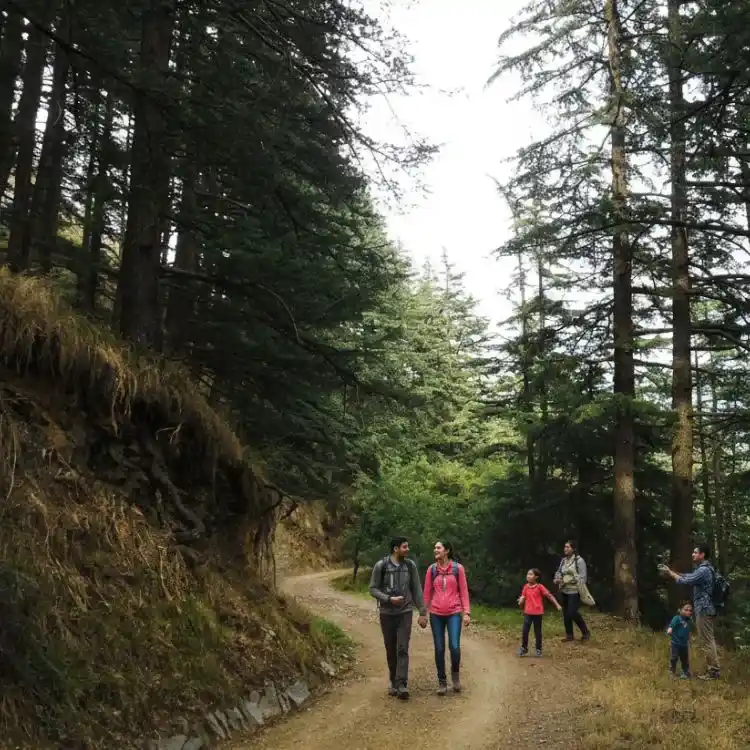
Start your day with fresh air and slow walking trails. Orchard walks are peaceful and perfect for couples, families, and photographers.
One of the best half-day experiences. The views feel rewarding, and the route is scenic.
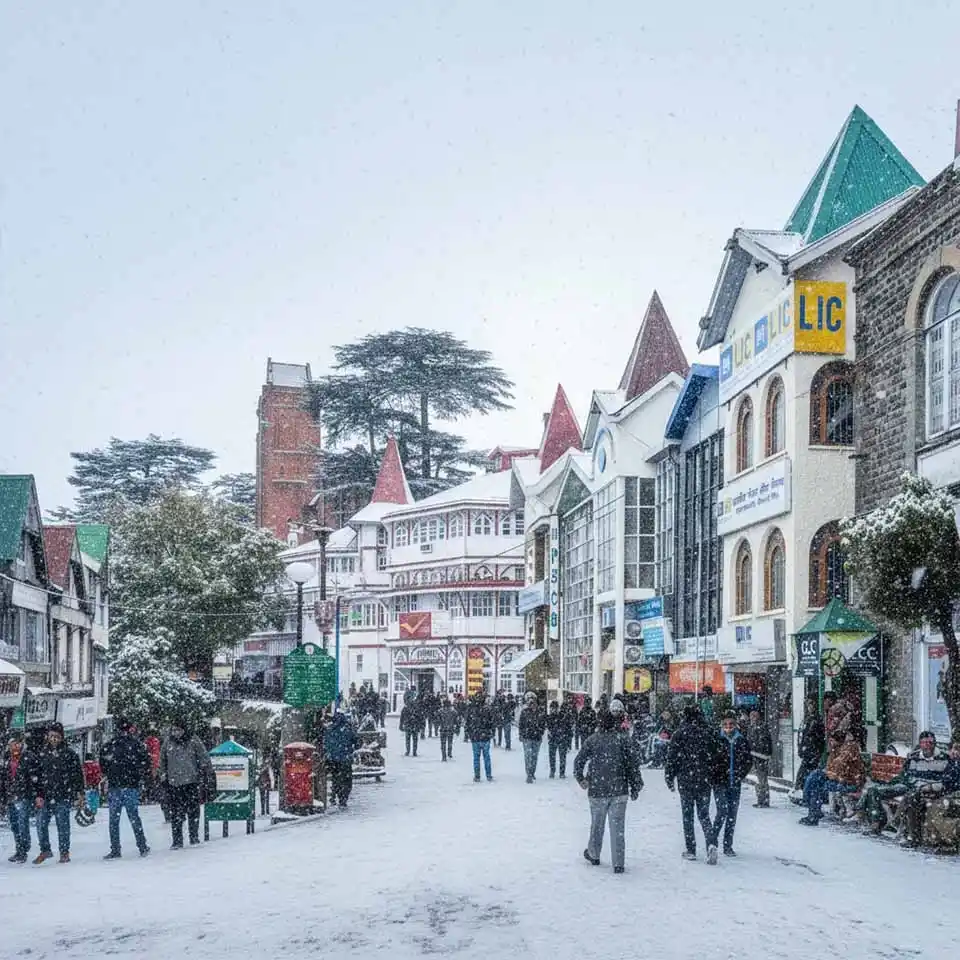
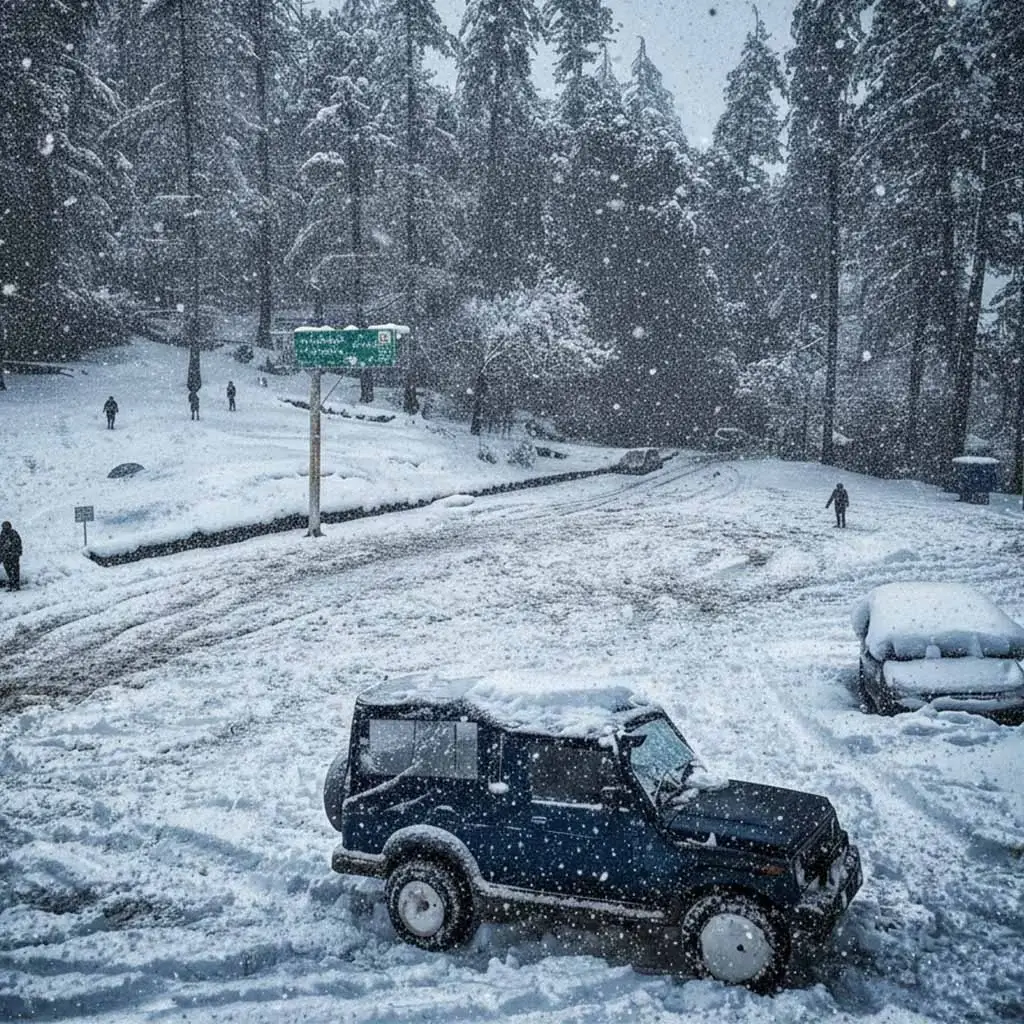
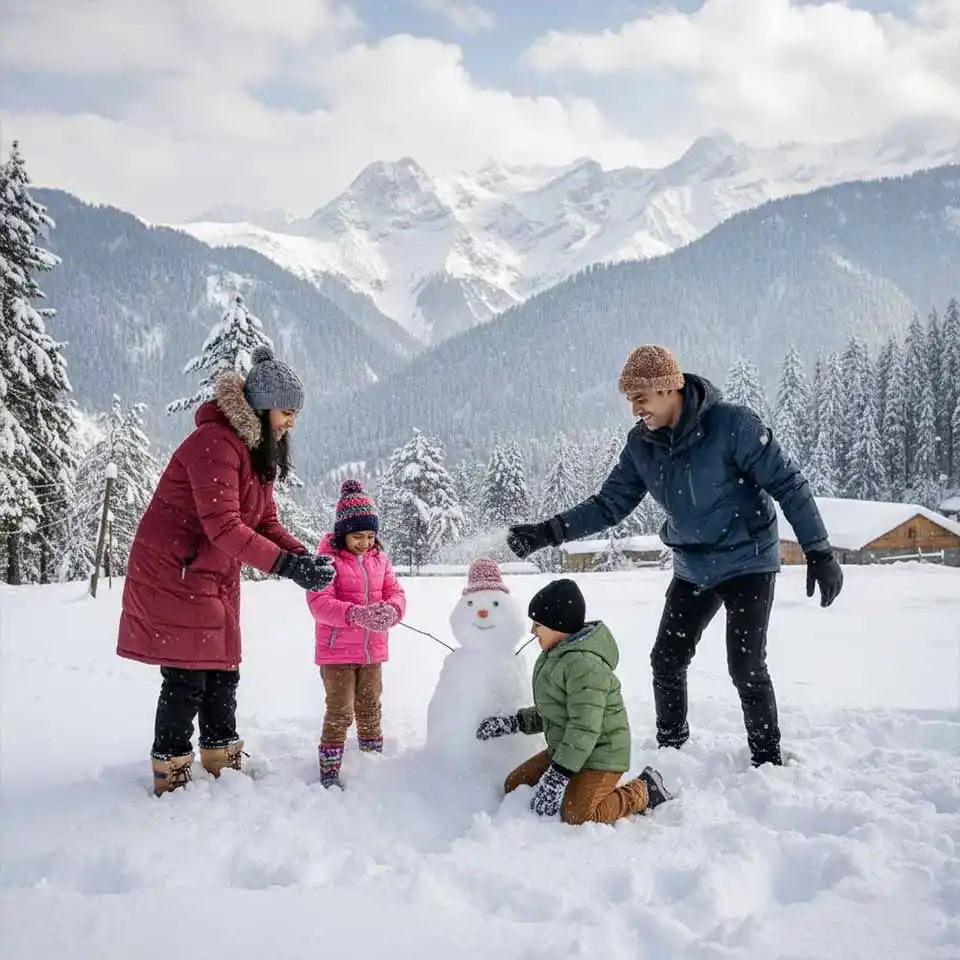
In winter weeks, Narkanda becomes a soft snow destination. It’s perfect for travellers who want snow vibes without extreme crowds.
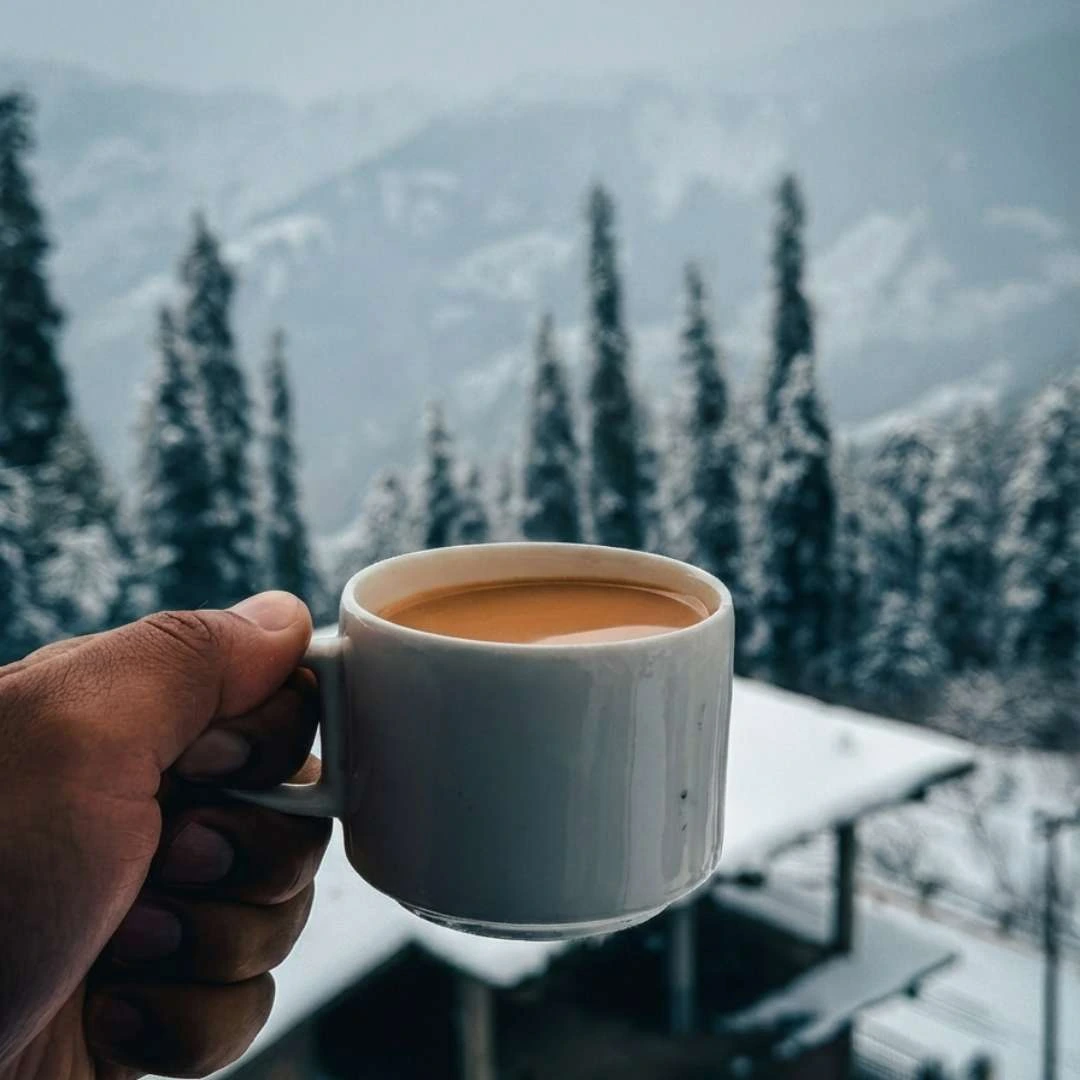
A simple tea break with a view can become the highlight of the day. Narkanda is perfect for slow pauses like this.
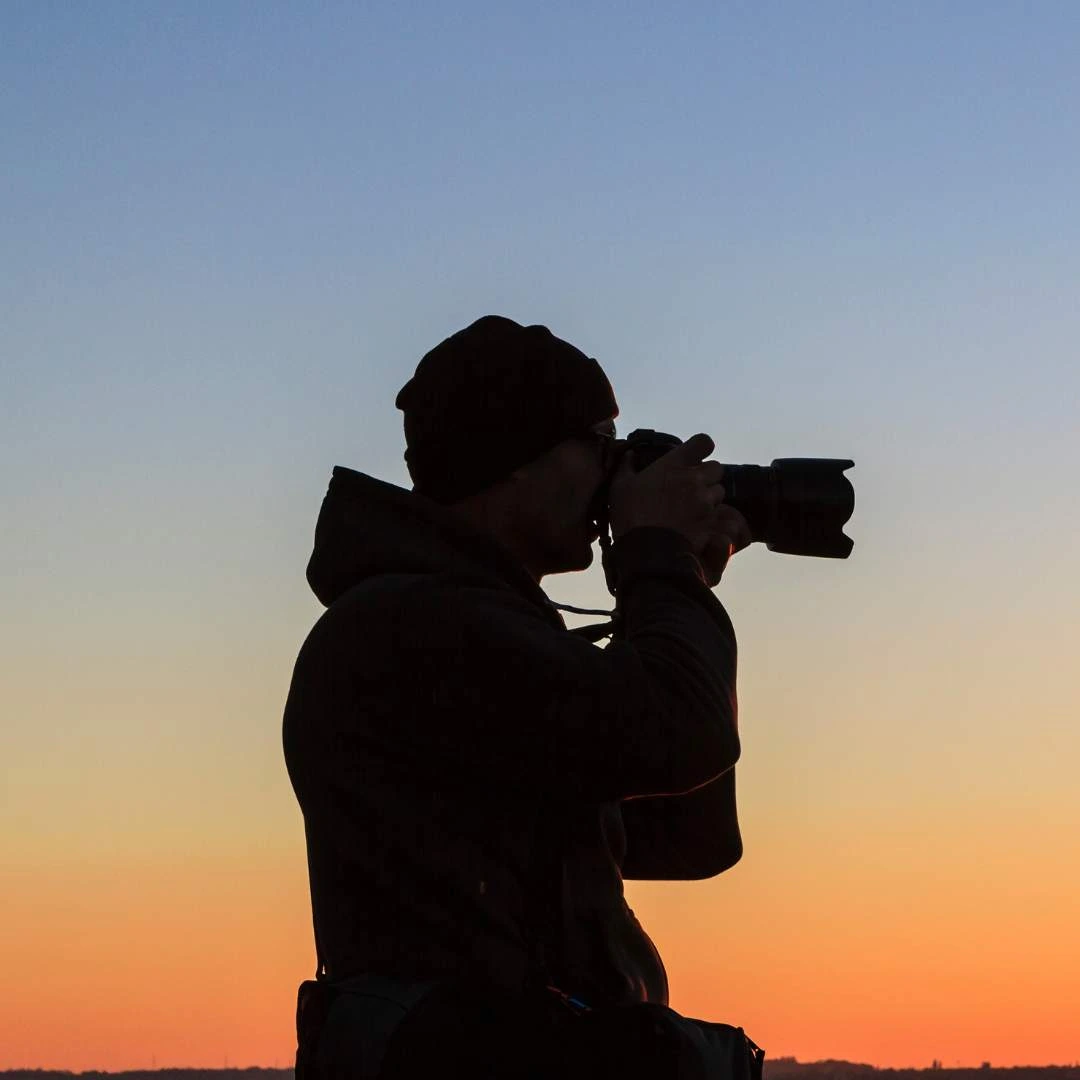
In autumn, the light becomes crisp and golden. Forest lanes and orchard trails look beautiful without much effort.
Narkanda is ideal for travellers who want to sleep early, wake up fresh, eat warm food, and do nothing in a beautiful place.

“Travel Coffee truly went above and beyond. Even though we booked from Indonesia without meeting them, we always felt secure — their team was available 24/7 and took care of every detail. Shubham personally ensured our comfort throughout the Himachal trip, from hotel checks to small gestures like bringing lotion and altitude pills. Their sincerity and local expertise made the journey unforgettable.”
Andre & Angel
Narkanda is a hill town in Himachal Pradesh, known for apple orchards, pine forests, scenic viewpoints, and seasonal snowfall. It’s a quieter alternative to crowded hill stations.
Narkanda can be visited as a day trip from Shimla, but it’s best enjoyed with at least 1–2 nights so you can experience the calm mornings and slow pace properly.
March to June and September to November are best for comfortable weather and clear views. Winter is great if you want cold vibes and possible snow.
Snow is possible in winter, usually between late December and February, but snowfall timing varies each year. Peak winter weeks often offer the best chance.
Narkanda is reached by road. Many travellers route via Shimla and continue onward. Private cabs and self-drive are both popular options depending on comfort.
2–3 days are ideal for a relaxed Narkanda experience. If you want to club it with Shimla/Kufri, 3–4 days works well.
Hatu Peak, orchard walks, viewpoint stops, calm lake visits, seasonal snow experiences, and slow scenic drives.
Most travellers do it easily. You can drive close to the top and walk a short stretch. Difficulty depends on weather and your pace, especially in winter.
Skiing options depend on snowfall and local availability. Winter months are the season, but activity availability can vary based on conditions.
Winter driving can be safe with caution, early starts, and the right vehicle. On snow/ice days, chains or a local driver can help. We plan travel timing based on conditions.
Stays near scenic viewpoints and quieter lanes work best if you want peace. If you want easy access to cafés/market areas, choose central options.
Thermals, warm jacket, gloves, woollen cap, thick socks, good grip shoes, moisturiser/lip balm, and basic medicines.
Connectivity is generally better than deep remote valleys, but can still fluctuate in some stretches. Some stays provide Wi-Fi, but speeds vary.
Yes. Narkanda pairs well with Shimla and Kufri, and can be planned as a scenic circuit trip.
Cost depends on season, stay category, and transfer type. Budget plans focus on simple stays, while premium plans include better hotels and private transfers.