
Rohtang Pass Altitude Sickness in 2026: Symptoms, Prevention and When to Turn Back
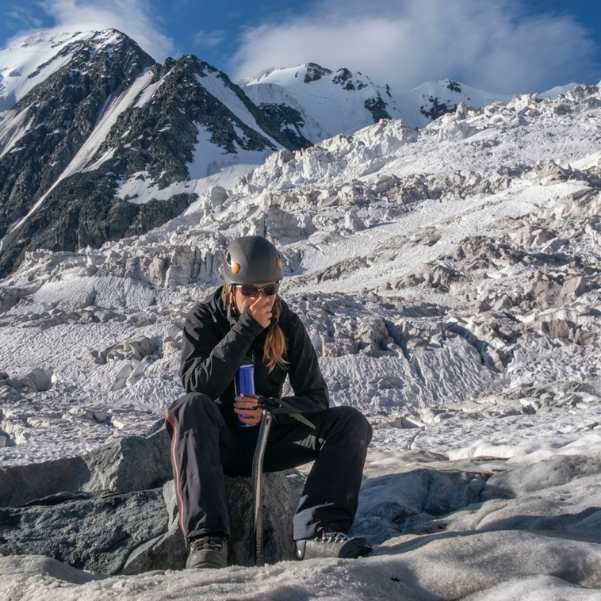
If you are worried about rohtang pass altitude sickness, you are asking the right question before your trip instead of after.
Rohtang sits high enough that even a day visit can make you feel sick, and most people do not realise this until the headache hits somewhere near the top.
This guide by Travel Coffee tells you what to watch for, how to lower your risk, and the one thing that matters most: knowing when to turn back.
Quick Answer: Can You Get Altitude Sickness at Rohtang Pass?
Yes. Rohtang Pass sits at 3,978 metres, about 13,051 feet, and a fast climb from Manali can trigger acute mountain sickness even on a day trip.
A headache with nausea, dizziness or strange tiredness means you should stop and reassess. Breathlessness while sitting still, confusion or not being able to walk normally means you go down at once and get emergency help.
If you want someone to handle the permit and taxi headache for you, our Rohtang Pass tour packages come with a local driver who knows the barrier checks.
Why Can Altitude Sickness Happen at Rohtang Pass?
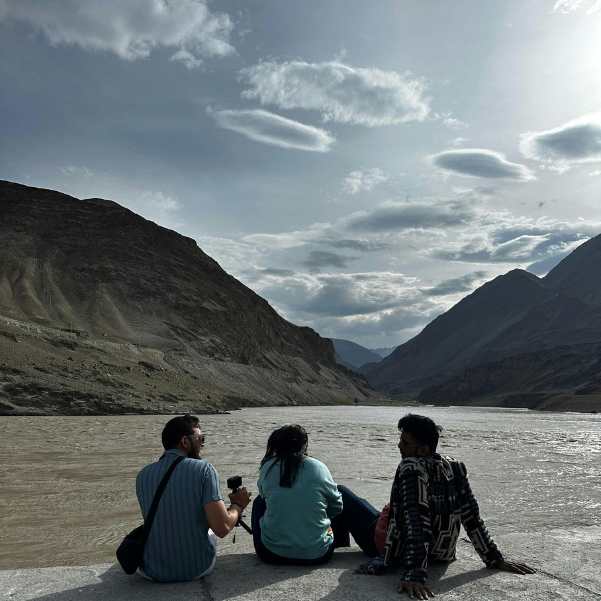
Rohtang Pass is about 51 km from Manali, and most tourists gain a big chunk of altitude in a single road journey. Your body goes from Manali height to nearly 4,000 metres in a few hours, with no time to adjust.
Here is the simple reason it makes you feel bad. Higher up, the air pressure is lower, so each breath gives you fewer oxygen molecules than the same breath does at sea level.
The oxygen percentage in the air is still roughly the same. There is just less pressure pushing it into your lungs.
Coming back down to Manali the same day is usually easier on your body than sleeping up at 3,978 metres. But a day trip does not remove the risk. People still get sick on day trips all the time.
In our experience running trips here, the travellers who struggle most are the ones who drove up from the plains, reached Manali late at night, and pushed straight to Rohtang the next morning with no rest.
If you want the logistics handled by people who know this road, our Manali tour packages come with a local driver who understands altitude and pacing.
What Are the First Symptoms of Rohtang Pass Altitude Sickness?
Common Early Symptoms
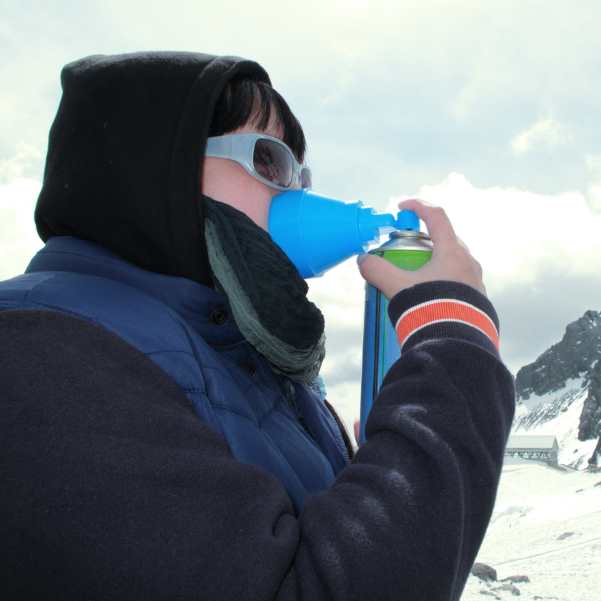
The usual early signs are headache, nausea, loss of appetite, dizziness, unusual tiredness and sometimes vomiting.
These often start 2 to 12 hours after you climb or arrive. So they can show up at the pass, on the drive back, or even after you reach your hotel in Manali.
A headache after gaining altitude, especially when it comes with one more matching symptom, is worth taking seriously. Do not brush it off.
Why People Dismiss the Symptoms
Cold weather, the winding road, bad sleep, dehydration, migraine, anxiety and plain exhaustion can all feel similar to altitude sickness. That overlap is exactly why people ignore the warning signs.
Do not assume every headache is just the road when it keeps getting worse after you climbed.
One thing most tourists get wrong is treating a growing headache as a minor annoyance and carrying on with snow activities.
That is the moment to slow down, not push harder. When breathing, coordination or alertness is affected, this is not the time to guess the cause yourself.
Is Breathlessness at Rohtang Pass Normal or Dangerous?
Breathlessness While Walking or Playing in Snow
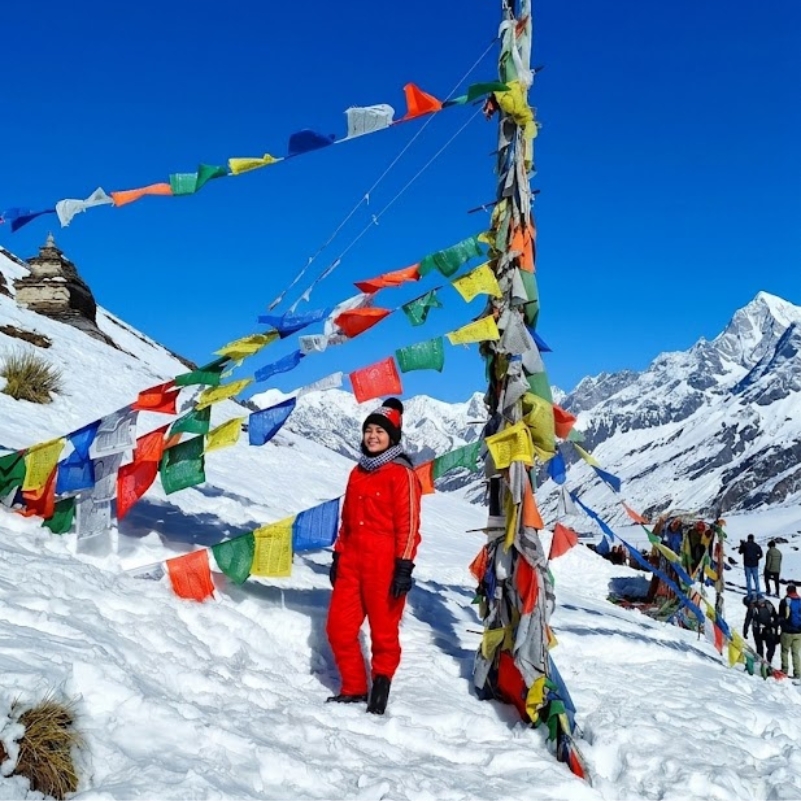
Your breathing will feel heavier when you walk uphill, run, or play in the snow, because there is less oxygen per breath. That is expected.
Mild breathlessness from effort should ease off once you stop and rest. You should still think clearly, talk normally and walk steadily.
Breathlessness That Means It Is Time to Descend
Breathlessness that keeps getting worse, a big drop in your ability to walk, chest congestion, a cough that will not stop, or symptoms that do not settle after resting all mean the trip is over. Turn back toward Manali.
Breathlessness while you are sitting still is not something to push through. Full stop.
A calm number on a pulse oximeter must never override how bad someone actually feels. We have seen travellers stare at a reassuring reading while the person next to them clearly could not breathe properly.
Emergency Warning Signs
Confusion, unusual drowsiness, slurred speech, not being able to walk in a straight line, or losing coordination can point to high-altitude cerebral oedema, a swelling in the brain.
Severe trouble breathing at rest, a worsening cough, chest congestion or real respiratory distress can point to high-altitude pulmonary oedema, fluid building up in the lungs.
Both are emergencies. They need immediate descent and emergency medical help.
When Should You Stop, Turn Back or Call for Help?
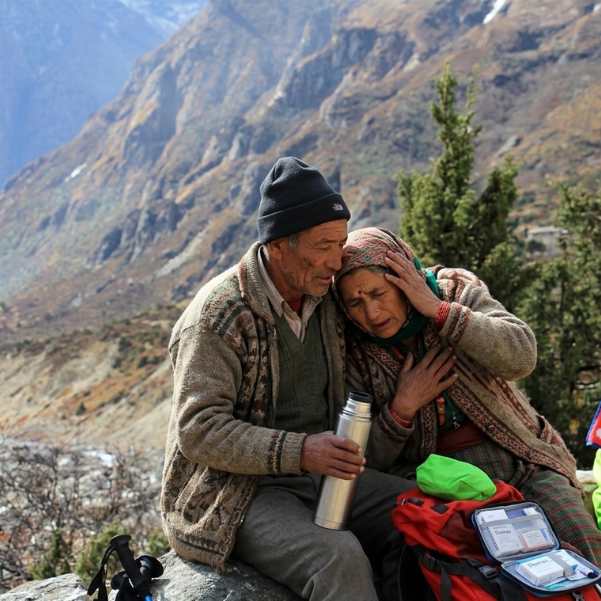
This is the part that actually matters. Everything else is background. This is the decision that keeps people safe.
Stop Activities and Reassess
The moment matching symptoms appear, stop skiing, sledging, climbing, running and long walks. Just stop.
Sit somewhere sheltered, tell your driver, and stay with a companion. Do not go higher and do not wander further from the vehicle.
Turn Back Toward Manali
Go down when symptoms get worse, do not settle after rest, or include repeated vomiting, heavy dizziness, a severe headache or unusual weakness.
Photos, snow activities, the permit you paid for, the money already spent, none of these are ever a reason to delay going down. In our experience, the biggest mistake is waiting for the whole group to finish its snow activities while one person quietly gets worse.
Descent is the main fix for worsening altitude illness. Oxygen may help support someone while you get them down, but it does not justify staying at the pass.
Dropping about 300 metres or more often helps simple AMS. Treat that as a rough guide, not a promise, and never let it delay a bigger descent when things are serious.
Call for Emergency Assistance
Breathlessness at rest, confusion, loss of coordination, altered consciousness or severe breathing trouble is an emergency.
Keep the person's effort to a minimum while you move them down. India's single nationwide emergency number is 112. Save it in your phone before you leave.
Mobile signal and road access vary a lot up there, so nobody can promise how fast help will arrive. That is one more reason to act early rather than wait.
How Can Adults Reduce Their Risk Before a Rohtang Day Trip?
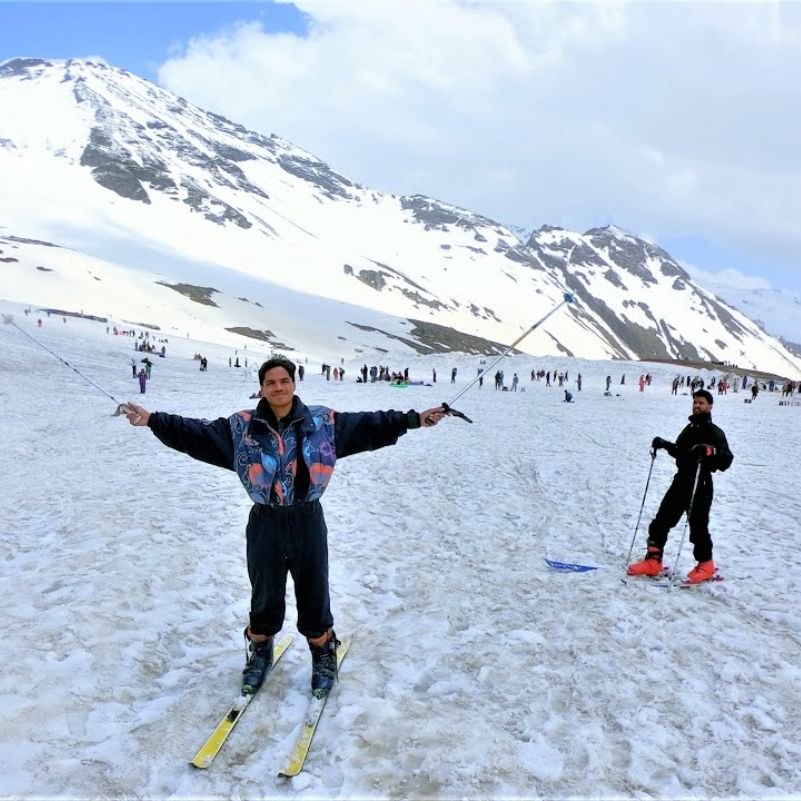
Stage the Journey Sensibly
Driving from the plains to Manali and pushing straight to Rohtang makes the altitude jump more abrupt and harder on your body.
A night at a middle altitude can help your body start adjusting, but it cannot guarantee you will avoid altitude sickness.
If you are already unwell, badly sleep-deprived, unusually breathless, or feeling symptoms even at rest, rethink the visit and get medical advice where you can.
Avoid Preventable Strain
Skip alcohol and any unnecessary sedating medicine around the time you climb.
Eat normally and drink water the way you normally would. Do not force down huge amounts of water thinking it will prevent or cure altitude sickness. It does not work that way.
Wear warm layers and move gently when you arrive. Do not sprint uphill or throw yourself into heavy snow activities the second you step out of the car.
Plan the Return Before Leaving Manali
Tell your driver before you set off that symptoms beat the itinerary. If someone feels bad, you come down, no debate.
Keep warm clothes, drinking water, your ID, your regular prescribed medicine and a charged phone within reach.
A rigid sightseeing plan is dangerous because it makes people ignore symptoms so they do not "waste" the trip. Our team recommends agreeing on the turn-back rule with your driver before you leave Manali.
If you would rather have the whole day arranged, see our Rohtang Pass tour packages.
Booking a tour does not stop altitude illness, and we will never pretend it does. What it does is give you sensible planning, a flexible driver and a team that will happily turn the car around when your body says so.
What Is the Oxygen Level at Rohtang Pass?
People search "oxygen level at rohtang pass" expecting a scary single number. The real answer needs one distinction: oxygen concentration versus air pressure.
At about 3,978 metres, the air pressure, and the oxygen available in each breath, is roughly 61 to 62 percent of what you get at sea level.
This does not mean the air is only 61 percent oxygen. Oxygen is still about the same share of the air. The lower pressure just means each breath delivers fewer oxygen molecules.
Treat that 61 to 62 percent figure as a way to picture it, not as a personal medical reading. It is not measuring what is happening inside your body.
Can a Pulse Oximeter Tell You When to Turn Back?
A pulse oximeter can give you extra information, but it cannot diagnose altitude sickness on its own.
Cold hands, movement, shivering, poor circulation, nail polish, certain skin factors and cheap device quality can all throw off the number. Warm your hand, hold still, and wait for a steady reading before you trust it.
We have seen travellers focus too heavily on a pulse-oximeter number while ignoring how the person actually feels. Serious symptoms mean descent and medical help even if the screen shows a comforting number.
Do Oxygen Cans, Cylinders or Diamox Make Rohtang Safe?
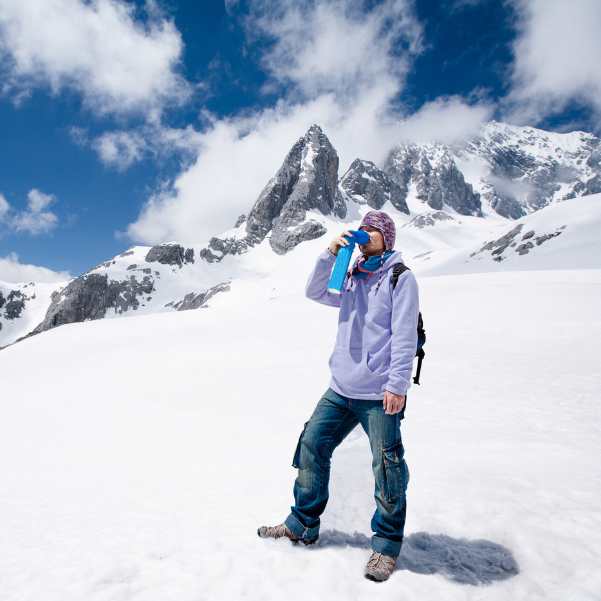
Portable Oxygen Cans
A small disposable oxygen can might give you a brief feeling of relief.
But CDC guidance warns these little cans usually hold far too little oxygen to actually help for any real length of time. Never use one to keep playing in the snow or to put off going down.
Medical Oxygen
Proper medical oxygen can support someone who is sick while you bring them down or evacuate them.
It does not replace descent, and it does not replace a real medical check. We will not print flow settings or treatment steps here, because that is for trained people, not a travel blog.
Acetazolamide or Diamox
Diamox is a prescription medicine used in some high-altitude situations. We are not going to give you a dose or a schedule, and you should not self-medicate.
It has its own contraindications, side effects and medical considerations. If you are thinking about it, talk to a doctor who understands high-altitude medicine before your trip.
Do not copy a Diamox schedule off social media, a forum, another traveller or a tour operator. Your body is not their body.
Who Should Speak to a Doctor Before Visiting Rohtang Pass?
If you have heart disease, chronic lung disease, already-low oxygen levels, pulmonary hypertension, significant sleep apnoea, poorly controlled asthma, or a history of severe altitude illness, get individual medical advice first.
A recent serious heart or brain event, an unstable medical condition, or symptoms even at rest may make high-altitude travel a bad idea for you right now.
Do not stop, double or change your regular medication just for the trip without asking a professional first.
Children, Seniors and Pregnancy Need Separate Decisions
Kids, older travellers and pregnant travellers all need more specific guidance than a general adult article can give.
Read our Rohtang Pass safety guide for children if you are travelling with young ones.
Read our Rohtang Pass pregnancy safety guide before planning a trip while pregnant.
Is It Altitude Sickness, Motion Sickness, Dehydration or Anxiety?
Motion sickness usually comes from the twisting road and shows up as nausea, sweating or general travel queasiness.
Altitude sickness follows recent altitude gain and often brings a headache with tiredness, dizziness, nausea or a drop in appetite.
Dehydration, migraine, a viral bug, exhaustion and anxiety can all create a similar mix of symptoms, which is why guessing is hard.
Do not treat this as a self-diagnosis checklist. And be very clear about one thing: breathlessness at rest, confusion, loss of coordination or altered consciousness should never be written off as "just anxiety" or "just the road."
What Should You Do if Symptoms Start After Returning to Manali?
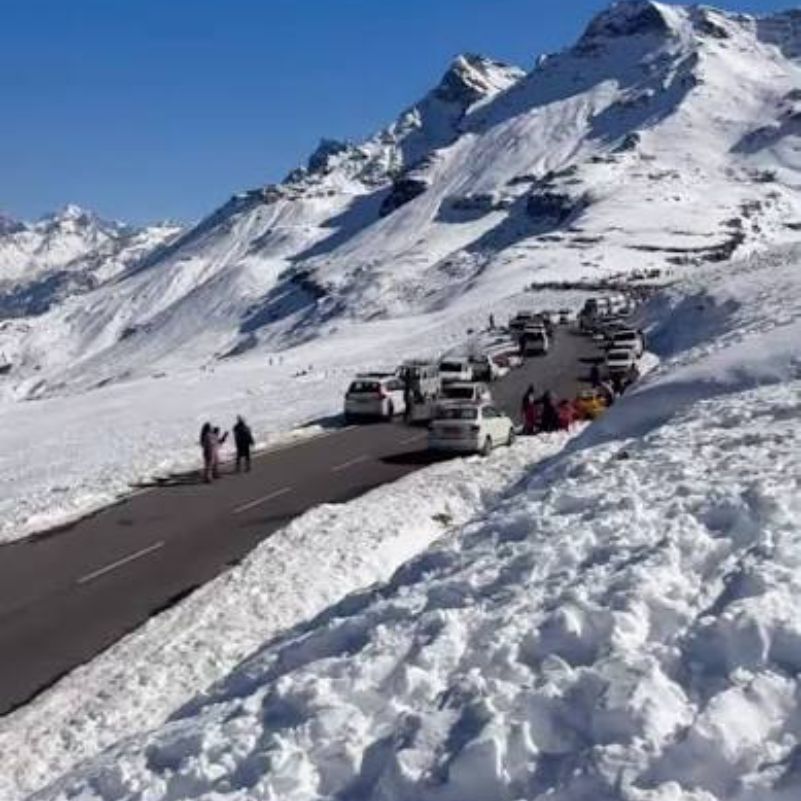
Symptoms can first show up during the drive down or after you reach your hotel, because AMS often starts several hours after you climb.
Stay at the lower altitude, rest, and do not head back up to Rohtang or anywhere high while symptoms continue.
Symptoms that stick around or get worse need a medical check. Breathlessness at rest, confusion, altered consciousness, not being able to walk normally, or severe breathing trouble needs emergency help through 112.
Rohtang Pass Access and Safety Checks for 2026
The official permit system is run by District Administration Kullu at https://rohtangpermits.hp.gov.in/. Everything goes through that portal.
Access reopened in stages during May 2026, and tourist traffic was reported at the pass by late June 2026. That is history, not a promise that the road is open on the day you plan to go.
Access can change fast because of snow clearance, heavy rain, landslides, maintenance work and date-specific district orders. A road that was open yesterday can shut by afternoon.
Check the official permit portal and the latest District Kullu notice on the morning you travel, as permit fees, daily vehicle quotas and maintenance-day rules can change.
A Sensible Rohtang Safety Plan Before Leaving Manali
Talk about any relevant medical conditions with the people you are travelling with, and keep any prescribed emergency medicine easy to reach.
Agree before you leave that anyone can ask for an immediate return, no argument and no debate. That one agreement has saved more trips than any tablet.
Never leave a person who feels sick sitting alone. Someone stays with them the whole time.
Check the permit, the road notice and the weather. Wear proper layers, keep your phone charged, and save 112.
Here is the rule again in plain words: when altitude symptoms get worse, you go down. You do not wait for the sightseeing schedule to finish.
Final Word
Three things keep you safe on a Rohtang day trip. Recognise the symptoms early, because a small headache is easier to handle than a full emergency. Never push through worsening symptoms just to finish your sightseeing. And when you are in doubt, go down.
The pass will still be there next season. Your health matters more than any photo, permit or plan. Plan well, stay flexible, and treat the turn-back rule as the most important part of your trip
Explore Our Curated Rohtang Pass Tour Packages
 5D/4N
5D/4NPremium Manali Tour Package with Private Cab and Rohtang Pass
4D Manali
₹14,999₹19,999SAVE INR 5,000/ person 5D/4N
5D/4NBest Value Manali Volvo Package with Rohtang Pass
3D Manali
₹9,999₹13,999SAVE INR 4,000/ person 7D/6N
7D/6NComplete Shimla Manali Volvo Package with Rohtang Pass
2D Shimla•2D Manali
₹15,999₹19,999SAVE INR 4,000/ person
Related topics
Frequently Asked Questions
Can you get altitude sickness on a one-day trip to Rohtang Pass?
Yes. You do not need to sleep at altitude to feel sick. A fast climb from Manali to 3,978 metres in a single morning is enough to trigger acute mountain sickness in some people. Coming down the same day is usually easier on your body than staying overnight, but it does not remove the risk. Watch for headache, nausea and dizziness, and be ready to turn back toward Manali if they appear or get worse.
What are the first symptoms of altitude sickness at Rohtang?
The earliest signs are usually headache, nausea, loss of appetite, dizziness and unusual tiredness, sometimes with vomiting. They often begin 2 to 12 hours after you climb, so they may hit at the pass, on the drive back, or after you reach Manali. A headache that keeps getting worse after gaining altitude, especially with one more matching symptom, deserves attention. Do not assume it is only the winding road.
Is breathlessness normal at Rohtang Pass?
Feeling out of breath while walking uphill, running or playing in snow is normal, because each breath gives you less oxygen up there. That kind of breathlessness should ease when you stop and rest. Breathlessness while you are sitting still is different and is a warning sign. If it does not settle with rest, or it comes with a cough or chest congestion, stop the trip and head down toward Manali.
What is the oxygen level at Rohtang Pass?
At around 3,978 metres, the air pressure and the oxygen available in each breath is roughly 61 to 62 percent of sea-level conditions. This does not mean the air is only 61 percent oxygen. Oxygen is still about the same share of the air. The lower pressure just means each breath delivers fewer oxygen molecules, which is why you feel short of breath more easily.
What pulse-oximeter reading is dangerous at Rohtang Pass?
There is no single number that applies to everyone. Altitude illness is judged mainly by symptoms and recent altitude gain, not by one reading. Cold hands, movement, shivering, poor circulation, nail polish, skin factors and cheap devices can all skew the number. Warm the hand, hold still and wait for a steady reading. If someone has serious symptoms, they need to descend and get help even if the screen looks reassuring.
Does staying one night in Manali prevent altitude sickness?
It can help by making the climb less abrupt, giving your body a bit of time to adjust before you go higher. But it cannot guarantee you will avoid altitude sickness. Some people spend a night in Manali and still feel unwell at the pass. Treat it as a sensible step, not a guarantee, and stay alert to symptoms on the day you go up to Rohtang.
How long should you stay at Rohtang Pass?
There is no medically guaranteed safe duration that works for every visitor. Keep your visit flexible rather than fixed to a set number of minutes. Enjoy the place, but leave at the first concerning symptom instead of trying to hit a target time. In our experience, the travellers who stay relaxed about timing and leave early when someone feels off have the smoothest trips.
Should you carry an oxygen can to Rohtang Pass?
A small disposable oxygen can may give brief, short-lived relief. CDC guidance warns these cans usually hold too little oxygen to help for any real length of time. Never use one to keep doing snow activities or to delay going down. If someone is genuinely unwell, the answer is descent and medical help, not a puff from a can. Do not let an oxygen can create false confidence at altitude.
Should you take Diamox before visiting Rohtang?
We will not give you a dose or a schedule, and you should not self-medicate. Diamox is a prescription medicine with its own contraindications and side effects. If you think you might need it, discuss your specific health and trip with a clinician who understands high-altitude medicine before you travel. Do not copy a schedule from social media, a forum, another traveller or a tour operator.
Does being physically fit prevent altitude sickness?
No. Fitness and altitude tolerance are not the same thing. Very fit people get altitude sickness too, sometimes because they push harder and climb faster. Being in good shape is helpful for the general trip, but it does not protect you from AMS. Watch for symptoms regardless of how fit you are, and be just as willing to turn back.
Can symptoms start after returning to Manali?
Yes. AMS symptoms commonly begin several hours after you climbed, so they can first appear during the drive down or after you reach your hotel. If that happens, stay at the lower altitude, rest, and do not head back up while symptoms continue. Symptoms that persist or worsen need a medical check, and any emergency warning signs need immediate help through 112.
Can people with asthma or heart disease visit Rohtang Pass?
There is no simple yes or no. It depends on how stable and severe your condition is. People with heart disease, chronic lung disease or poorly controlled asthma should get an individual pre-travel medical assessment before deciding. A doctor who knows your history is the right person to weigh the risk, not a blog. Do not change your regular medication for the trip without professional advice.
Is Rohtang Pass safe for children?
Children can be more vulnerable to altitude and cold, and they need more specific guidance than a general adult article. Read our dedicated Rohtang Pass safety guide for children before you plan a family trip.
Is Rohtang Pass safe for senior citizens?
Older travellers can visit, but altitude, cold and any existing heart or lung conditions all raise the stakes, so a cautious approach and individual medical advice make sense. Pace the day gently, keep the return flexible, and turn back early if anyone feels unwell.
Can pregnant women visit Rohtang Pass?
Pregnancy needs its own careful decision, and general travel advice cannot replace personalised obstetric guidance. Please speak to your doctor first, and read our Rohtang Pass pregnancy safety guide for a fuller picture before you plan anything.
More about Rohtang Pass
- Rohtang Pass
Best Places to Visit on the Way to Rohtang Pass in 2026
Discover the best places to visit on the way to Rohtang Pass in 2026, including Solang Valley, Rahala Waterfalls, Gulaba, Marhi, and more for an unforgettable Himalayan road trip.
- Places to Visit
- Road Trips
 Rohtang Pass
15 Rohtang Pass Mistakes to Avoid in 2026: Permits, Taxi Scams, Timing and Snow Rentals
Planning a Rohtang Pass trip in 2026? Discover 15 common mistakes to avoid, from permits and weather to packing and safety, for a smooth mountain adventure.
- First-Time Travellers
- Permits & Fees
- Rohtang Pass
What to Wear in Rohtang Pass in 2026: Complete Packing List for Every Month
Planning a trip to Rohtang Pass in 2026? Discover the complete packing list, essential clothing, footwear, and travel tips to stay warm, comfortable, and prepared for changing mountain weather.
- First-Time Travellers
- Best Time to Visit