
Spiti Valley Bike Trip In July 2026: Is It Safe, Worth It & Which Route To Take?

A Spiti Valley bike trip in July 2026 is one of those plans that sounds perfect on paper. The passes are open, the villages are alive, the sky is that deep Himalayan blue.
But July is also full monsoon in most of Himachal, and the roads you ride to reach Spiti pass through some of the wettest, most landslide-prone sections in the state.
So is it worth it? Yes. But only if you plan it like a monsoon trip, not a summer holiday.
We have been sending riders into Spiti every July for years. Some come back saying it was the best ride of their lives.
Others come back a day late, drenched, with stories about waiting out a landslide for six hours near Gramphu. The difference is always in how they planned, not where they went.
Quick Answer: Is A Spiti Valley Bike Trip In July 2026 Safe And Worth It?
July works for prepared riders, but it is not risk-free. Spiti itself is a rain-shadow cold desert with very little rainfall. The problem is not Spiti. The problem is getting to Spiti.
The access roads through Kullu, Manali, Shimla and Kinnaur all face monsoon rain, landslides and water crossings in July.
The safest approach is to enter from the Shimla and Kinnaur side and exit via Manali only if Kunzum Pass, Gramphu and Batal are confirmed stable close to your travel dates.
Keep 1 to 2 buffer days in your plan. Do not book a non-refundable flight home the day after your last riding day. July rewards riders who stay flexible and punishes those who run on tight schedules.
If you want a local team to help route your July trip around real-time road conditions, explore our Spiti Valley Bike Trip options or keep reading.
Why July In Spiti Is Beautiful But Not Simple

Here is what makes July tempting. Every village from Kaza to Kibber to Langza to Hikkim is open and running. Homestays are active. The Kaza petrol pump is operational. Chandratal may be accessible if the route from Kunzum is stable.
The landscape across Kinnaur and Lahaul is green in a way you will not see in September. And the riding itself, once you are past the rough patches, is as good as it gets anywhere in India.
What most riders get wrong is treating July Spiti like a clear-weather ride. It is not. July is a planning month. You need to know which sections get rain, which stretches are landslide-prone, and which days to push through versus which days to sit tight at a homestay and wait.
High demand does not remove monsoon risk. Just because 50 bikes are heading to Spiti this weekend does not mean the road will cooperate. In our experience, the riders who have the best July trips are the ones who accept that flexibility is not a weakness. It is the plan.
Does It Rain In Spiti Valley In July?
This is the question everyone asks, and the answer is more nuanced than most blogs make it.
Spiti Valley is a cold desert. The official Lahaul-Spiti district page describes it as a typical mountain desert with average annual rainfall around 170 mm. That is less rain in an entire year than Mumbai gets in a single day.
The Spiti valley floor, at an average elevation of around 4,270 m (14,010 ft), sits in the rain shadow of the Greater Himalayas. Monsoon clouds dump most of their moisture on the southern slopes before they reach Spiti.
So no, Kaza does not get drenched in July. On most days, the sky is clear and the sun is strong.
But here is what nobody mentions loudly enough. You do not teleport to Kaza. You ride through Kullu, Manali, Shimla or Kinnaur to get there.
These regions are firmly in the monsoon belt. Rain, landslides, mudslides and blocked roads are a genuine July reality on the approach routes.
The main July risk is often before and after Spiti, not inside the Kaza belt. Once you are in, the riding is usually dry and sunny. Getting in and getting out is where the monsoon makes its presence felt.
Which Route Is Better For A Spiti Bike Trip In July 2026?
Best Overall Route For Most Riders: Shimla To Kinnaur To Kaza, Exit Via Manali If Stable
If this is your first Spiti bike trip, or if you are riding with a group that includes less experienced riders, enter from the Shimla side.
The route goes through Shimla, Narkanda, Rampur, Reckong Peo or Kalpa, Nako, Tabo and Kaza. You gain altitude gradually over three to four days. You pass through proper towns with mechanics, fuel, food, medical shops and phone signal.
If something goes wrong with your bike near Rampur, you are not stranded. You are in a town with options.
The Shimla-Kinnaur route is also more forgiving on the body. You sleep at progressively higher altitudes, which gives you natural acclimatisation. By the time you reach Kaza at 12,500 feet, your body has had days to adjust.
For riders who want to explore Kinnaur as part of the circuit, this route gives you Sangla, Chitkul and Kalpa on the way in. For those starting from Shimla, the first day's ride to Narkanda is a gentle warm-up through apple orchards and pine forests.
This is our standard July recommendation for most first-time Spiti riders.
Manali To Kaza First: Only For Experienced Riders
The Manali route is shorter and more dramatic. It goes through the Atal Tunnel (9.02 km long), Khoksar, Gramphu, Chhatru, Batal, Kunzum Pass, Losar and Kaza.
The total distance is about 182 km via the Atal Tunnel, and the ride usually takes 7 to 10 hours depending on road conditions, breaks, water crossings and weather.
On a clear day, this is one of the most spectacular rides in India. You go from green valleys to barren moonscape in a single day. But in July, the stretch after Gramphu toward Batal is where the monsoon hits hardest.
Gravel, boulder patches, slush, water crossings and zero phone signal make this section genuinely tough for riders who are not used to off-road mountain conditions.
We have seen experienced riders handle this route confidently in July and come out grinning. We have also seen first-timers stall at a water crossing near Pagal Nala and lose half a day. Know which category you fall into before you choose this route.
If you want a detailed comparison of both approaches, our Manali to Spiti bike route vs Shimla route guide breaks down the differences clearly.
When To Avoid The Manali Exit In July
Skip or postpone the Manali exit if any of these are true: heavy rain alerts in Kullu or Manali, Gramphu to Batal stretch reported as unstable, Kunzum Pass is slippery or partially blocked, or Chandratal access is restricted.
Chandratal should be treated as a bonus, not a promise. We always tell our riders this. If the route is stable and local operators confirm it, go for it. If there is any doubt, do not force it. A washed-out crossing at 14,000 feet is not an adventure. It is a problem.
The fallback is simple: exit via the same route you entered. Kaza to Tabo to Nako to Kinnaur to Shimla. It adds a day or two, but you stay on roads that are better maintained and have more backup options.
👉 Talk to our Himachal team on WhatsApp for real-time July road updates.
July Route Risk Breakdown For Riders
Shimla To Kinnaur Section
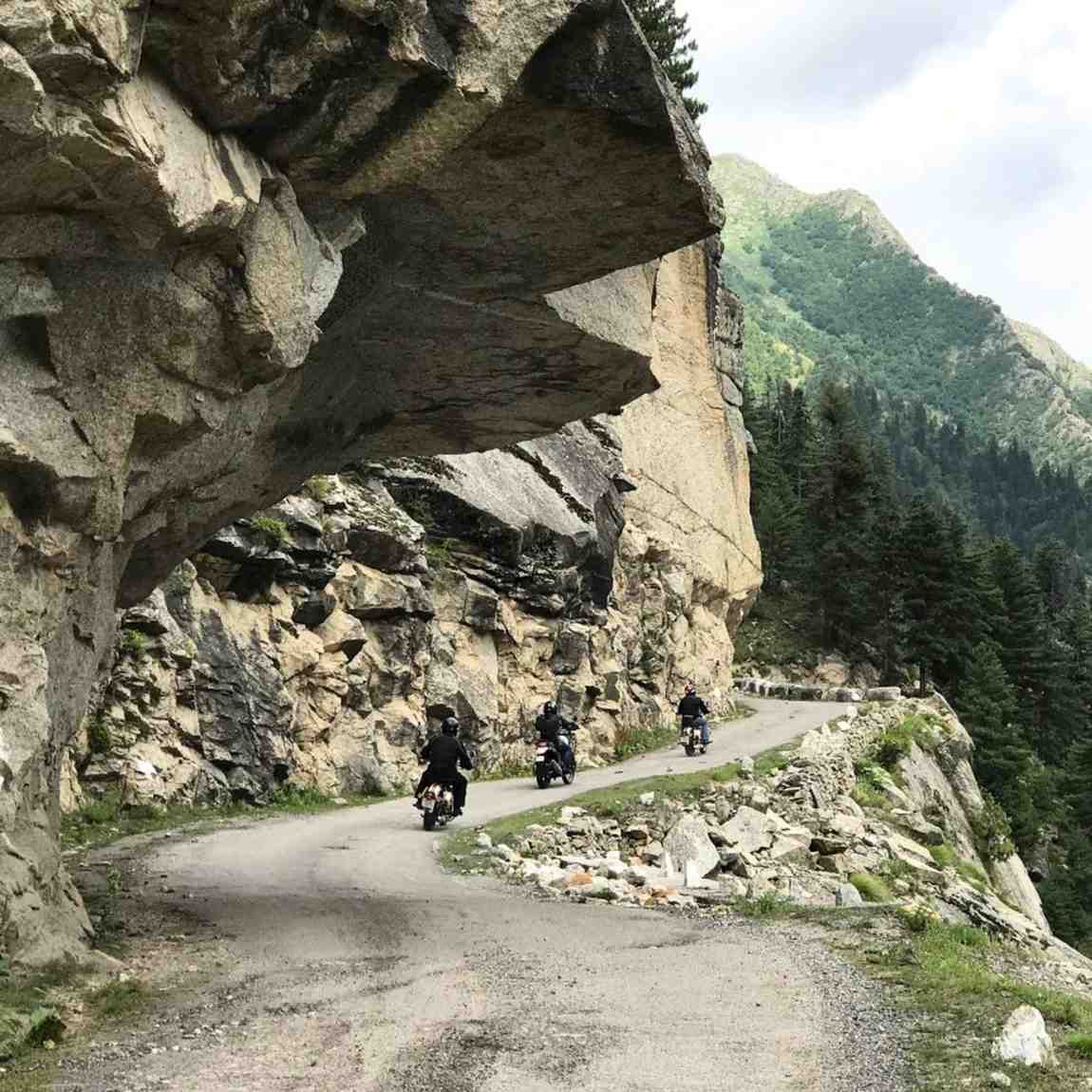
The Shimla to Kinnaur stretch is more gradual, but do not assume it is risk-free in monsoon. Rain and roadblocks can delay a riding day by hours. Landslides between Rampur and Reckong Peo are common in July, especially after heavy overnight rain.
One rule we give every rider: do not ride at night. Not in Kinnaur, not in Spiti, not anywhere on this circuit. Mountain roads in the dark, especially wet ones with no guardrails, are not worth the risk. If daylight is running out, stop for the night and leave early the next morning.
Also, do not plan a tight departure flight immediately after the circuit. A single landslide can delay your return by a full day.
Kinnaur To Nako, Tabo And Kaza

As you move from Kinnaur deeper into Spiti, the landscape dries out. Rain becomes less frequent. The sky opens up. But the roads still deserve respect.
Cliff-edge sections and shooting-stone zones between Pooh and Nako can be dangerous after rain. Loose rocks fall without warning. Start early each morning, ride patiently, and do not overtake on blind turns.
In our experience, the riders who get into trouble on this section are almost always the ones who were rushing.
The stretch from Tabo to Kaza is usually the most comfortable part of the Shimla-side approach. By this point, you are in the dry zone and the road quality improves significantly.
Kaza To Kunzum, Chandratal And Manali
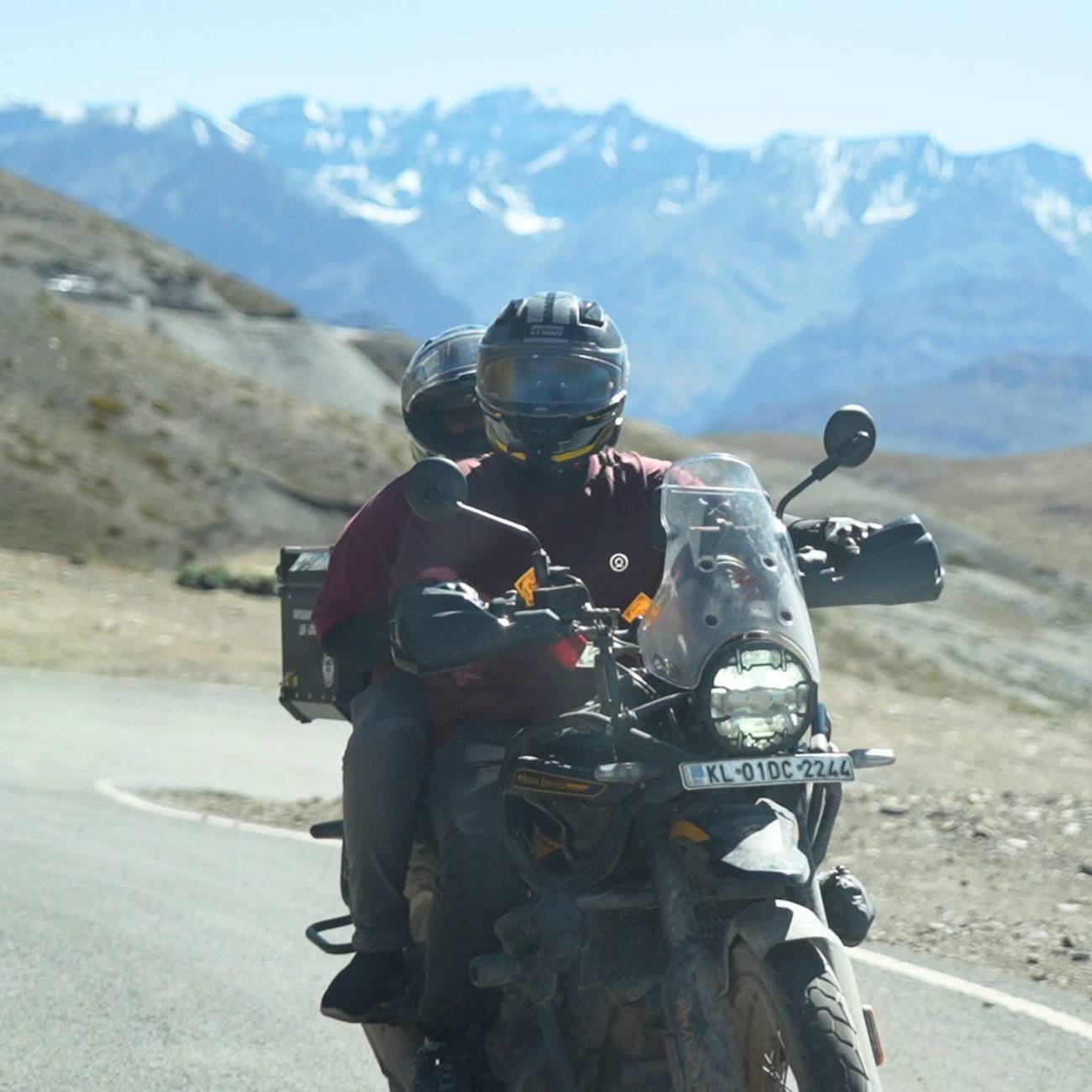
This is usually the most demanding section for July riders. And it is the last section, which means you are riding it when your body is already tired from days on the bike.
The road after Gramphu toward Batal and Kunzum is broken, gravelly, and full of boulders, slush and water crossings. Phone network disappears. There are no mechanics, no fuel, and no proper shelters until you reach Manali.
One timing tip that can save your ride: cross water streams before noon. Glacial-melt streams swell through the day as the sun warms the ice above.
A stream that was ankle-deep at 7 AM can be waist-deep by 2 PM. Every experienced Spiti rider knows this. Start your riding day around 6 AM on the Gramphu to Batal stretch.
For the full picture on the Chandratal route and its 2026 status, check our Chandratal opening dates and road status guide.
Is Chandratal Possible On A July 2026 Bike Trip?
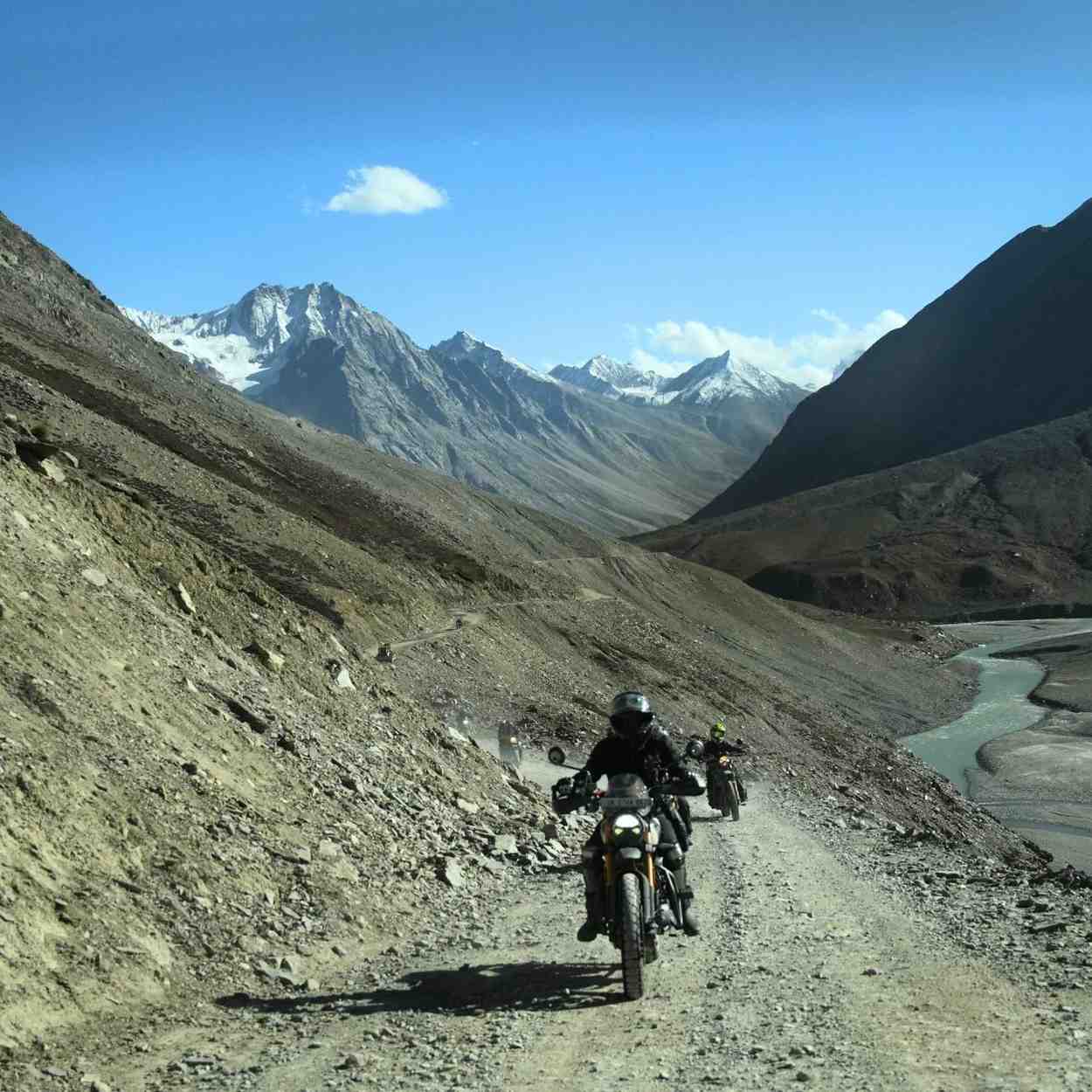
Usually, yes. But not always, and never guaranteed.
Chandratal is accessible in July only if Kunzum Pass and the Chandratal approach road from the Batal side are both open and stable. Kunzum Pass sits at 4,551 m (14,931 ft), and the lake is about 21 km from Kunzum according to the official district page.
As of 20 May 2026, The Tribune reported that the Sumdo-Kaza-Gramphu highway via Kunzum had opened for light 4x4 vehicles after over six months of closure.
Some stretches remained slippery in morning and evening due to melting snow, and restoration work was continuing. By July, conditions typically improve, but this is not something to assume without checking close to your travel dates.
Here is what we tell every rider: plan your circuit so that Chandratal is a conditional stop, not the centrepiece. If conditions allow it, ride to the lake.
If they do not, skip it and come back another season. Forcing Chandratal in bad weather on a bike is one of the most common and most avoidable mistakes riders make.
If Chandratal is a priority for your trip, our Spiti circuit package with Chandratal includes built-in flexibility for exactly this situation.
Who Should Do A Spiti Bike Trip In July?
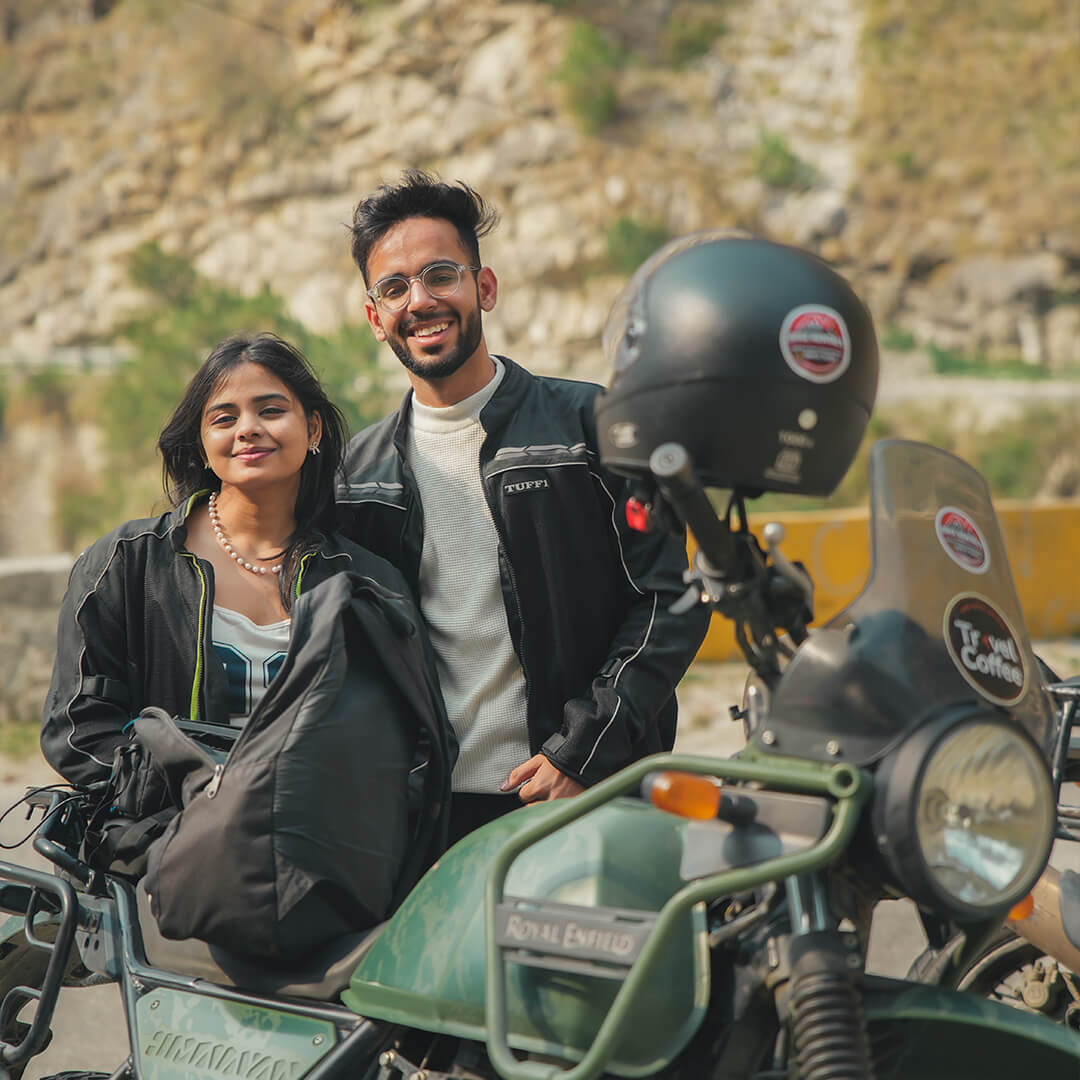
July Spiti suits riders who have some Himalayan riding experience. Not necessarily Spiti itself, but at least one trip on mountain roads with gravel, rain and altitude. If you have ridden to Ladakh, Kinnaur, or even the Rohtang side in proper monsoon conditions, you know what to expect.
You should also have proper rain and riding gear, not just a jacket you hope will work. Waterproof riding gear, proper gloves, boots with grip and a helmet that does not fog up in rain are not optional. They are the minimum.
Buffer days are essential. Two is ideal. One is the bare minimum. July is not a month where you can stick to a fixed schedule and expect the mountains to cooperate.
Group riders with a backup vehicle, a mechanic and a road captain are significantly safer than solo first-timers. If you are riding solo, you need to be genuinely confident in your ability to handle a bike in rough conditions without help.
Who Should Avoid A July Spiti Bike Trip?
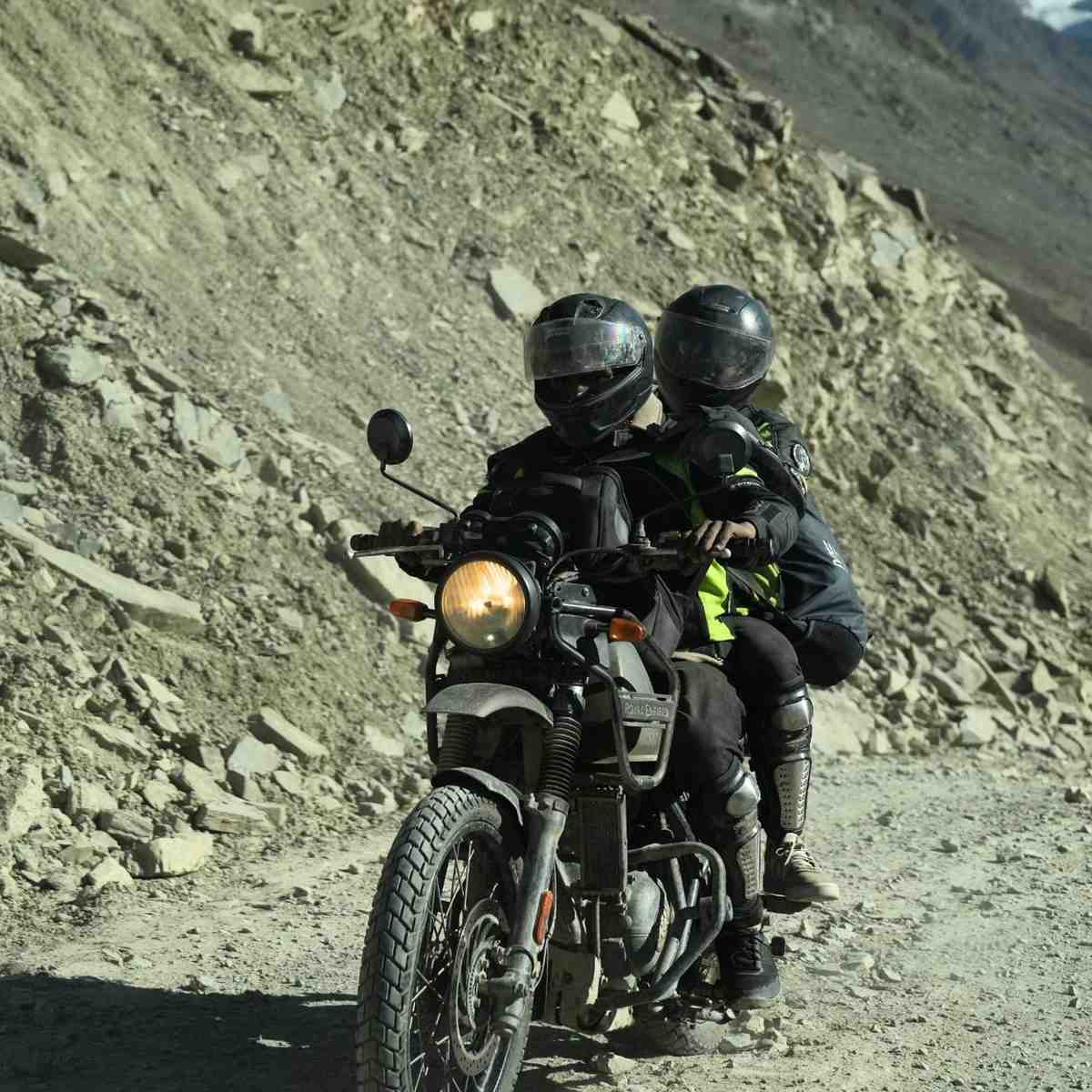
July is not the right month for first-time bike riders on mountain roads. If you have never ridden on gravel, never crossed a water stream on a bike, and never dealt with altitude, July Spiti is too much too soon.
It is also not ideal for nervous pillion riders. The rough sections shake and bounce hard, and 7 to 10 hours of that on the Manali-Kaza stretch is physically exhausting for a pillion.
If you only have 6 to 7 fixed days from Delhi with no room for delays, do not attempt a July Spiti circuit. One landslide, one blocked road, one day of heavy rain, and your schedule falls apart.
Riders without proper gear should also wait. A cotton jacket and sneakers will not protect you at 14,000 feet in rain and wind.
Solo beginners should absolutely not attempt the Manali-first route in July. If you want a calmer, drier window, September is often a better choice with clearer skies and lower monsoon risk.
Recommended 9 To 10 Day July 2026 Bike Itinerary
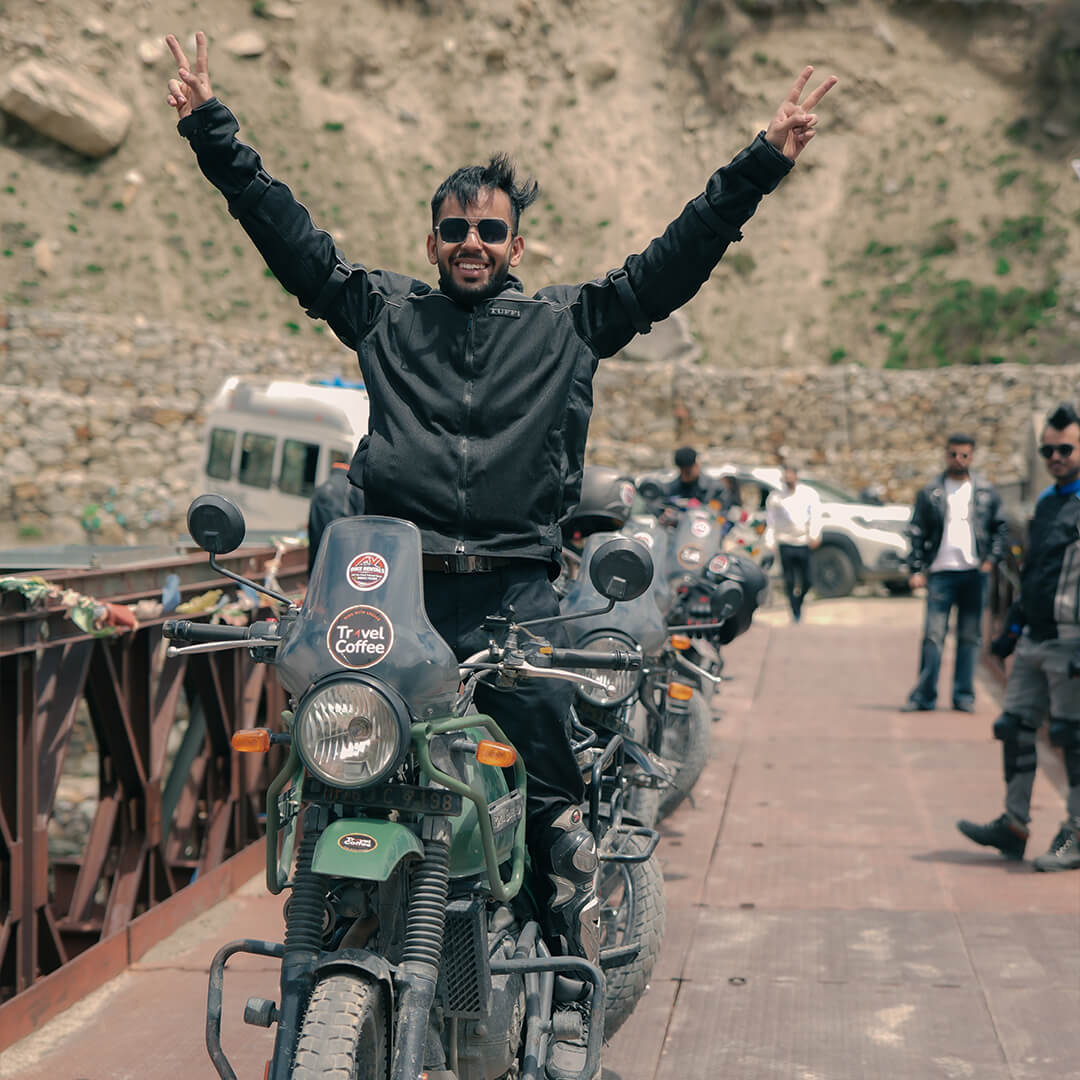
Safer Shimla In, Manali Out Circuit
Day 1: Ride from Chandigarh or Delhi to Narkanda. This is a gentle start through the hills. Narkanda sits at about 2,700 m, so your body gets a mild introduction to altitude. Good food, proper stays, and a quiet evening.
Day 2: Narkanda to Sangla or Chitkul. The Kinnaur valley opens up on this stretch. Chitkul, the last inhabited village near the Indo-Tibetan border, is worth the extra hour if you have the energy. Fuel up in Rampur. Do not skip this.
Day 3: Sangla to Kalpa. Short riding day. Use the time to rest, explore Kalpa, and let your body adjust. The views of Kinner Kailash from Kalpa are the kind you remember for years.
Day 4: Kalpa to Nako or Tabo. You cross into drier terrain here. The landscape shifts from green valleys to brown rock and open sky. Tabo Monastery is over a thousand years old and worth a stop even if you are not into history.
Day 5: Tabo to Kaza. You are in Spiti now. Kaza is the main hub. Fuel up, get cash, eat a proper meal, and rest. This is your base for the next two days.
A food tip from our team: the thukpa and momos at the small Tibetan eateries near Kaza main market are the best hot meal you will have on this circuit. After days of dal-chawal at highway dhabas, a bowl of proper thukpa at 12,500 feet feels like a reward.
Day 6: Kaza local circuit. Visit Key Monastery, Kibber, Chicham Bridge, Langza, Hikkim, Komik. Do not skip this day. Riders who push straight through Kaza miss the best parts of Spiti.
A local money-saving tip: the Kaza post office sells postcards you can mail from the world's highest post office in Hikkim. It costs almost nothing and makes a better souvenir than anything you will buy in a shop.
Day 7: Kaza to Chandratal, if open and confirmed stable. If not, ride directly to Sissu or Manali. The Chandratal route goes through Losar, over Kunzum Pass, and down to the lake approach road. Camp overnight near Chandratal if conditions allow.
Day 8: Chandratal or Sissu to Manali. If you camped at Chandratal, this is a long day. Start by 6 AM. If you stayed at Sissu, the ride to Manali through the Atal Tunnel is about 2 hours.
Day 9: Buffer day. Use it if you got delayed anywhere. If not, ride back to Chandigarh or Delhi, or spend the day in Manali.
Day 10: Extra buffer for riders coming from Delhi. Do not underestimate the Delhi to Chandigarh or Delhi to Shimla drive on tired legs after nine days of mountain riding.
The Kaza rest day on Day 6 should not be skipped. Our team has seen too many riders push through Kaza without stopping, only to hit fatigue and altitude issues on the Kunzum stretch the next day.
Shorter Manali Side Itinerary For Experienced Riders Only
This is a conditional option. Do not plan this unless you have confirmed road status for Kunzum and the Gramphu-Batal stretch within 24 hours of departure.
Day 1: Manali to Sissu or further if roads allow.
Day 2: Sissu to Kaza via Kunzum.
Day 3: Kaza local circuit and rest.
Day 4: Kaza to Chandratal if open, or directly toward the Manali exit.
Day 5: Return to Manali.
Day 6: Buffer.
This works in 6 to 7 days but only for riders who know the route, have a capable bike, and carry at least one buffer day. We do not recommend this for first-timers in July.
Permits, E-Aagman And Documents For July 2026
Indian citizens
Indian citizens do not need an Inner Line Permit (ILP) or Protected Area Permit (PAP) for normal Spiti tourism. Carry a valid photo ID at all times. You will be asked for it at checkpoints.
Foreign nationals
Foreign nationals need permits for notified protected areas in Kinnaur and Spiti. Apply through the relevant district office or through your tour operator well before travel.
E-Aagman registration
E-Aagman registration is required. The official e-Aagman portal says vehicles entering Lahaul and Spiti have to apply for an E-Pass. An e-permit per vehicle is required for the Atal Tunnel, Rohtang, Koksar and Chandratal circuit. An e-ticket per vehicle is required for other places.
Rohtang permit details:
The official Rohtang permit portal lists a ₹500 permit fee and a ₹50 congestion charge for car, jeep and MUV (₹100 for buses and heavy vehicles). There is a daily quota of 800 petrol vehicles and 400 diesel vehicles.
Permit windows open at 10:00 AM and 4:00 PM . You need valid ID proof, a valid PUC certificate and vehicle registration details. Printout is compulsory. Do not show up at the tunnel without a physical printout.
SADA fee for Lahaul-Spiti is reported at ₹100 for two-wheelers, ₹200 for cars, ₹300 for SUVs and MUVs, and ₹400 for buses and trucks.
For the full breakdown of every permit, fee and document you need, read our Spiti Valley permit guide for 2026.
Bike, Gear, Fuel, Cash And Network Checklist
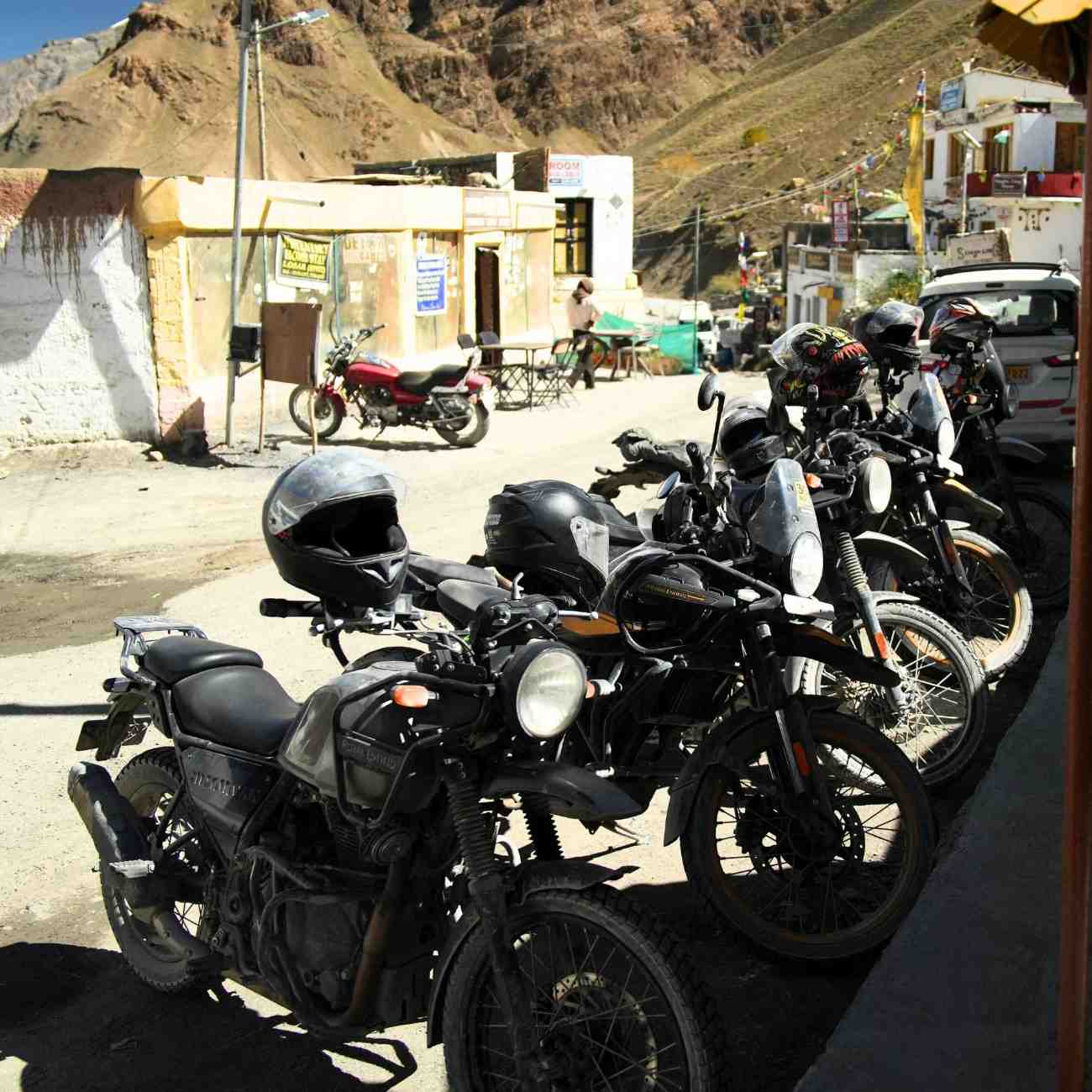
The best bike for Spiti is the one in good condition. A well-maintained Royal Enfield Himalayan handles the terrain well. The Scram 411, Hero Xpulse and even the Classic 350 work too, depending on your riding skill and the bike's condition.
Do not rent a bike with bald tyres, a weak clutch or a leaking fork seal. Check everything before you leave Manali or Shimla.
Fuel reality
There is no petrol pump between Manali and Kaza. This is the single most important logistical fact of the Manali route. Carry at least 5 litres of extra fuel on the Manali-Kaza side. 10 litres is safer depending on your bike's mileage and your riding plan.
Kaza has fuel, but supply can be delayed when tankers get held up by road closures in peak season. Do not assume the pump will have petrol the day you arrive.
One thing most travel blogs do not mention: the small dhaba at Batal sometimes sells emergency petrol in bottles at a markup. Do not count on it. But if you are desperate, ask.
Network
BSNL has the best chance in Spiti. Jio can be patchy. Airtel is mostly unreliable in remote sections. Download offline maps before you leave. Tell someone your plan and expected check-in times before you ride into no-signal zones.
Gear you actually need
Rain-layer jacket and pants, thermal inner layer, a proper helmet, riding jacket with armour, gloves with grip, knee guards, riding boots (not sneakers), a puncture kit, a tyre inflator, a spare clutch cable and chain lube. Skip the fancy camera stabiliser. Do not skip the clutch cable.
Cash
Carry enough for the entire trip. ATMs in Kaza exist but often run dry. UPI works at some places in Kaza but do not depend on it beyond the main town. Dhabas on the highway only take cash.
How Much Does A July 2026 Spiti Bike Trip Cost?
A 9-day own-bike Spiti trip costs roughly ₹20,800 to ₹24,500 covering fuel, food, stays and basic expenses. This assumes budget homestays and guesthouses at ₹500 to ₹1,500 per night and food at roughly ₹500 to ₹800 per day.
Fuel for a 2,200 to 2,400 km trip at about 30 kmpl works out to roughly ₹7,000 to ₹7,700 based on Himachal petrol prices around ₹98 to ₹99 per litre.
A rented-bike version costs roughly ₹34,300 to ₹42,500. Himalayan rental in Manali runs about ₹1,400 to ₹2,500 per day depending on the model, condition, season and operator.
A guided Spiti Valley bike tour package with backup vehicle, mechanic and planned stays starts around ₹25,999 onward. This is the option we usually recommend for riders who want the experience without the logistics headache.
Check out our Ultimate Spiti Valley Bike Expedition package for the complete route and inclusions.
When Should You Postpone Or Change The Plan?
This is the section most bike trip guides do not write. But it is the one that matters most in July.
Postpone or change your route if you see heavy rain alerts for Kullu or the Shimla-Kinnaur belt, if landslide reports are coming in from the section you plan to ride, or if there is an official route closure on Kunzum or the Gramphu-Batal stretch.
Also postpone if you cannot get local confirmation for the Chandratal approach, if anyone in your group is showing altitude sickness symptoms, or if your bike has a mechanical issue that cannot be fixed properly with available tools.
Never ride into a closure just to check. We have seen riders do this. They reach a blocked road, wait for hours, and then ride back in fading daylight on the same broken stretch. That is not bravery. That is bad planning.
The safer fallback is a Kinnaur-Spiti-Kinnaur loop; enter and exit via Shimla. You lose the Manali exit and Chandratal, but you keep the core Spiti experience. Or postpone to September, when skies are clearer, roads are drier, and the monsoon risk drops significantly.
What we always tell riders: the mountains will be there next month and next year. Your bones will not heal as fast. Make the smart call.
👉 Talk to our local team on WhatsApp before planning your July route.
Final Verdict: Should You Do A Spiti Valley Bike Trip In July 2026?
Yes, if you are a prepared rider with buffer days, proper gear and a flexible route plan. July Spiti is genuinely rewarding.
The landscape is at its greenest on the approach, the villages are fully alive, and the Kaza circuit is as good as it gets any month. The riding, once you are inside Spiti, is mostly dry and clear.
No, if you are a casual beginner, a nervous pillion, or someone with a fixed non-refundable flight immediately after the trip. July does not forgive tight schedules. One blocked road changes everything.
The recommended approach
Enter from the Shimla and Kinnaur side, which gives you gradual altitude gain and more backup options. Confirm road status locally before committing to the Manali exit.
Treat Chandratal and the Kunzum crossing as conditional. Carry buffer days. Carry proper gear. And carry the willingness to change plans if the mountains say no.
A Spiti Valley bike trip in July 2026 can absolutely be one of the best rides of your life. You just need to plan it as a monsoon trip, not a summer cruise.
Explore Our Curated Spiti Bike Trips
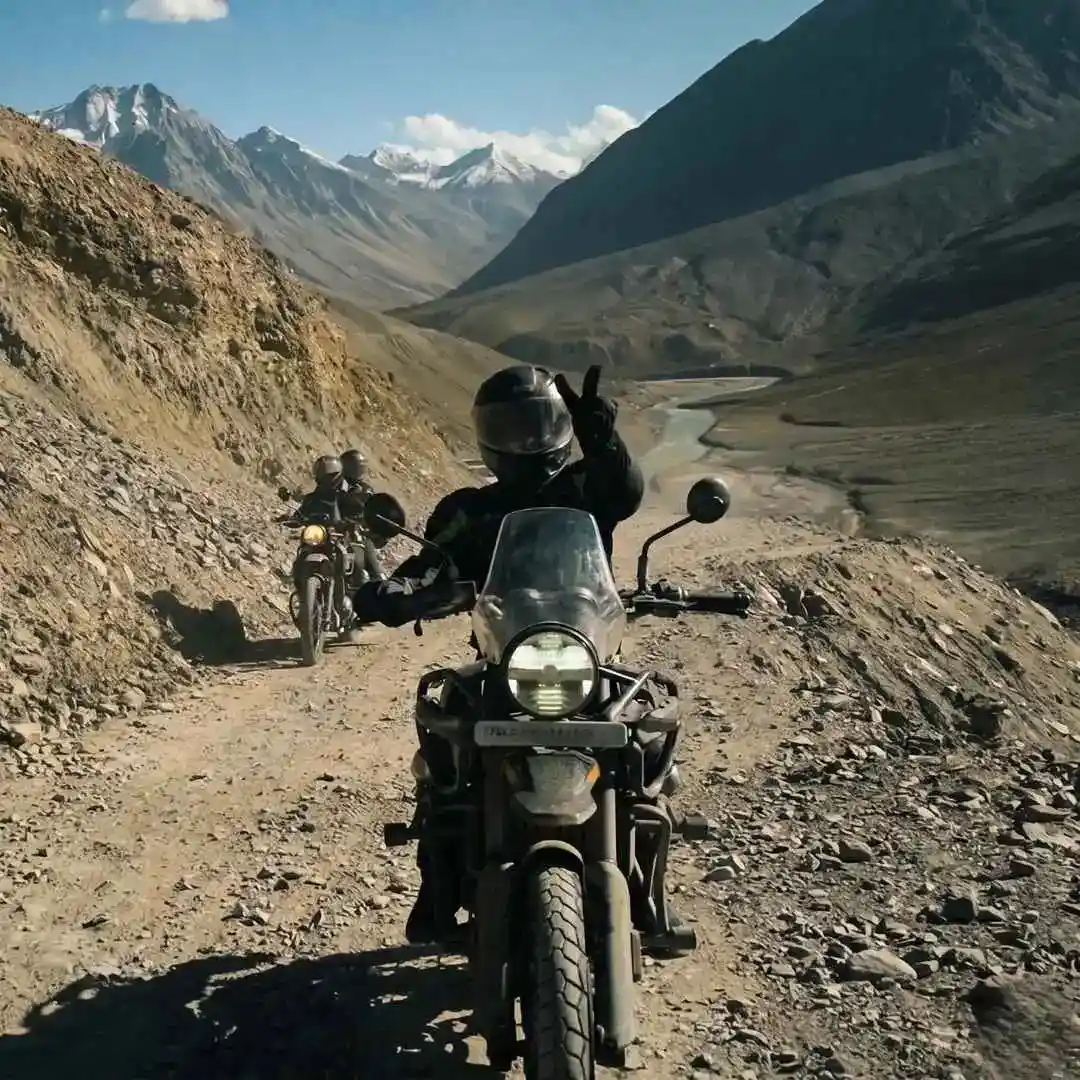 Group Tour7D/6N
Spiti Bike Trip From Manali With Chandratal
1D Sissu•1D Chandratal Camp+1
₹25,999₹29,999SAVE ₹4,000/ person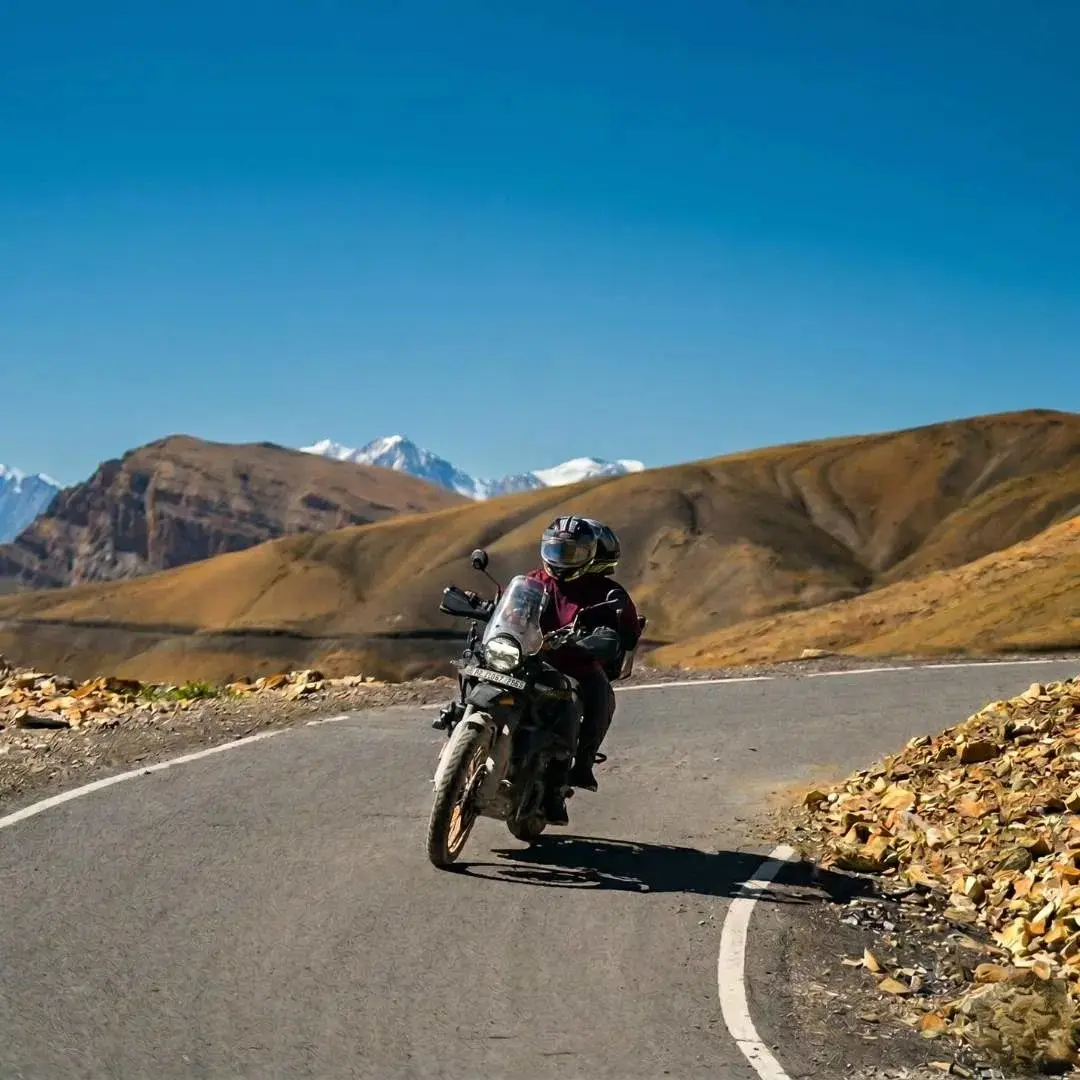 Group Tour11D/10N
Ultimate Spiti Valley Bike Expedition With Chandratal and Pin Valley
1D Narkanda•1D Sangla / Baspa Valley+5
₹32,999₹39,999SAVE ₹7,000/ person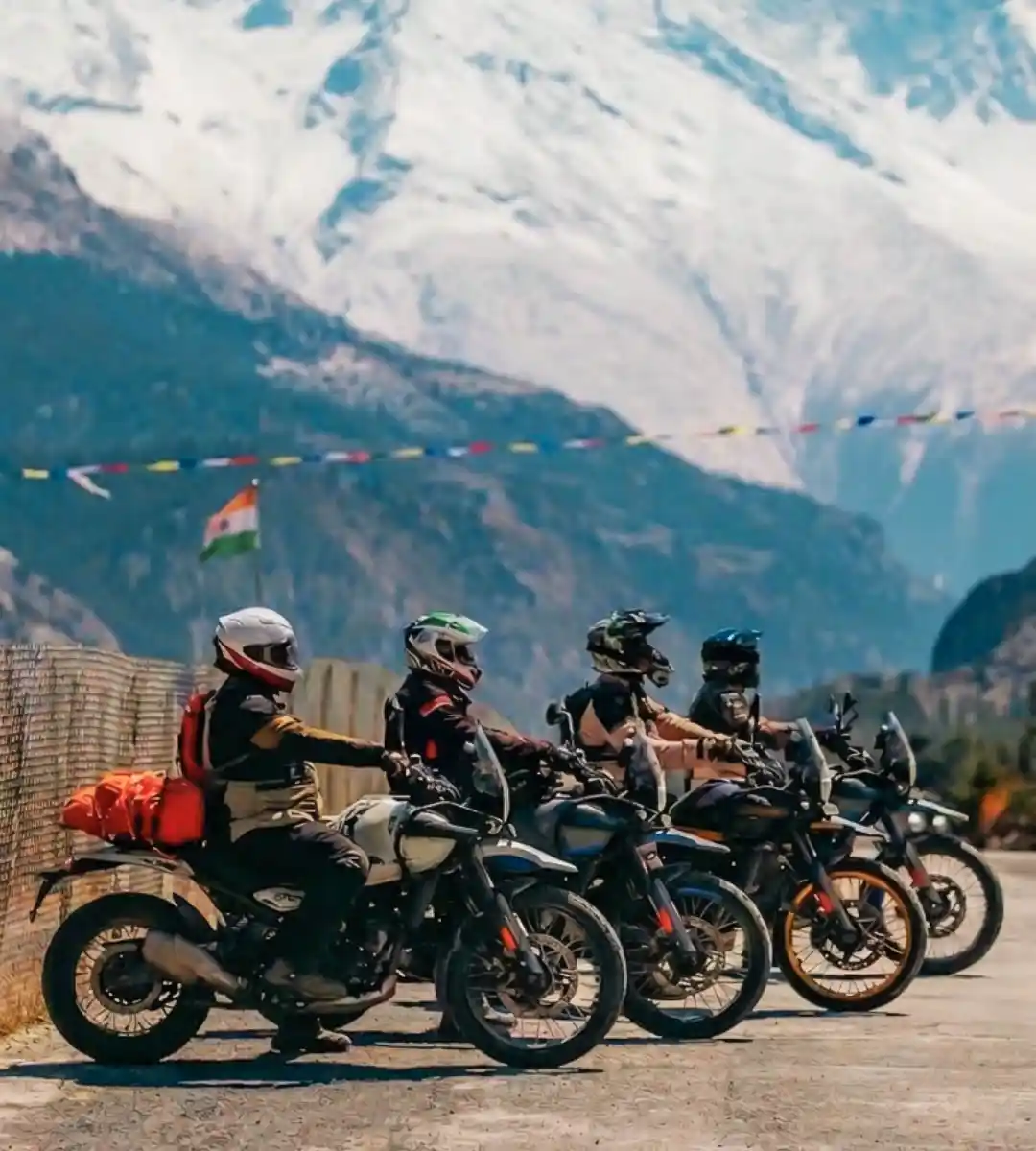 Group Tour10D/9N
Most Loved Spiti Valley Bike Expedition With Chandratal
1D Jibhi•1D Sangla+4
₹34,999₹41,999SAVE ₹7,000/ person
Related topics
Frequently Asked Questions
Is July a good time for a Spiti Valley bike trip?
July works well for experienced riders who plan for monsoon conditions on the approach routes. Spiti itself is dry, but the roads through Kullu, Manali and Kinnaur can face rain and landslides. With proper gear, buffer days and flexible routing, July is a rewarding month.
Is Spiti Valley safe in July 2026?
Spiti is safe if you plan correctly. The risks come from the approach roads, not the valley itself. Check road status before departure, ride only in daylight, carry proper gear and keep buffer days for weather delays.
Does Spiti Valley receive rainfall in July?
Spiti is a rain-shadow cold desert with average annual rainfall around 170 mm. The valley floor stays mostly dry in July. However, the access roads through Kullu, Kinnaur and Shimla are in the monsoon belt and can receive significant rain.
Which route is safer in July, Shimla or Manali?
The Shimla-Kinnaur route is safer for most riders in July. It gains altitude gradually, passes through proper towns with fuel and mechanics, and avoids the rough Gramphu-Batal stretch entirely on the way in.
Is Manali to Kaza road open in July?
Usually yes, but conditions vary. As of late May 2026, the Sumdo-Kaza-Gramphu highway via Kunzum opened for light 4x4 vehicles. By July, conditions typically improve, but always verify status within 24 hours of departure.
Can beginners ride to Spiti in July?
First-time mountain riders should avoid July for Spiti. The monsoon adds water crossings, slush and unpredictable road conditions that demand experience. September is a calmer month for beginners with less monsoon interference.
Is Chandratal open in July 2026?
Chandratal is usually accessible in July if Kunzum Pass and the approach road are stable. Camps are typically operational by mid-June. Always confirm status locally before committing to this leg.
How many days are enough for a July Spiti bike trip?
9 to 10 days is the sweet spot for a full circuit. This includes riding days, a rest day in Kaza and 1 to 2 buffer days for weather or road delays. A 6 to 7 day trip is possible for experienced riders on the Manali route only.
Do Indians need a permit for Spiti Valley?
No ILP or PAP is needed for Indian citizens for normal Spiti tourism. Carry valid photo ID. You do need an E-Aagman E-Pass for your vehicle when entering Lahaul and Spiti, and a separate Rohtang permit if using that route.
Do foreigners need a permit for Spiti Valley?
Yes. Foreign nationals need permits for notified protected areas in Kinnaur and Spiti. Apply through the district administration or your tour operator well in advance.
Is petrol available between Manali and Kaza?
No. There is no petrol pump between Manali and Kaza. Carry at least 5 litres of extra fuel, and 10 litres is safer for some riders and routes. Kaza has a petrol pump, but supply can be delayed in peak season.
What should I verify before leaving for Spiti in July?
Check road status for your specific route, especially Kunzum Pass and the Gramphu-Batal stretch. Verify Chandratal access separately. Confirm your bike is serviced and tyres are in good condition. Download offline maps. Carry printed permits. Inform someone about your route and expected check-in points.
More about Lahaul and Spiti
 Lahaul and Spiti
Manali To Kaza Road Status 2026: Kunzum Pass, Batal & Gramphu Update
Is Manali to Kaza open today? August 2026 road status: the route is open and Chandratal camps are running, but the monsoon is active with orange alerts on the Chamba-Kangra-Mandi belt for Aug 10 to 11. Kunzum Pass, Gramphu-Batal, the 4x4 advisory question, vehicle advice, HRTC bus info, and safer route options.
- Road Status
 Lahaul and Spiti
Spiti Valley Road Status 2026: Open Routes, Closed Roads & Best Route Today
Is Spiti Valley open today? August 2026 road status: both routes are open and the full circuit is running, but the monsoon is active with orange alerts on the Chamba-Kangra-Mandi belt for Aug 10 to 11. Shimla-Kaza, Manali-Kaza via Kunzum, Chandratal, HRTC buses, permits, vehicle advice, and backup plans.
- Road Status
 Lahaul and Spiti
Chandratal Road Status 2026: Is Chandratal Lake Open Today?
Is Chandratal Lake open today? August 2026 road status: the lake is open and camps are running, but the monsoon is active with an orange alert on the western belt for Aug 10 to 11. Kunzum Pass, Batal diversion, camp updates, permits, entry fees, vehicle advice, and what to do if the road closes.
- Road Status