
What to Carry on a Spiti Bike Trip: Complete Packing & Gear Checklist 2026
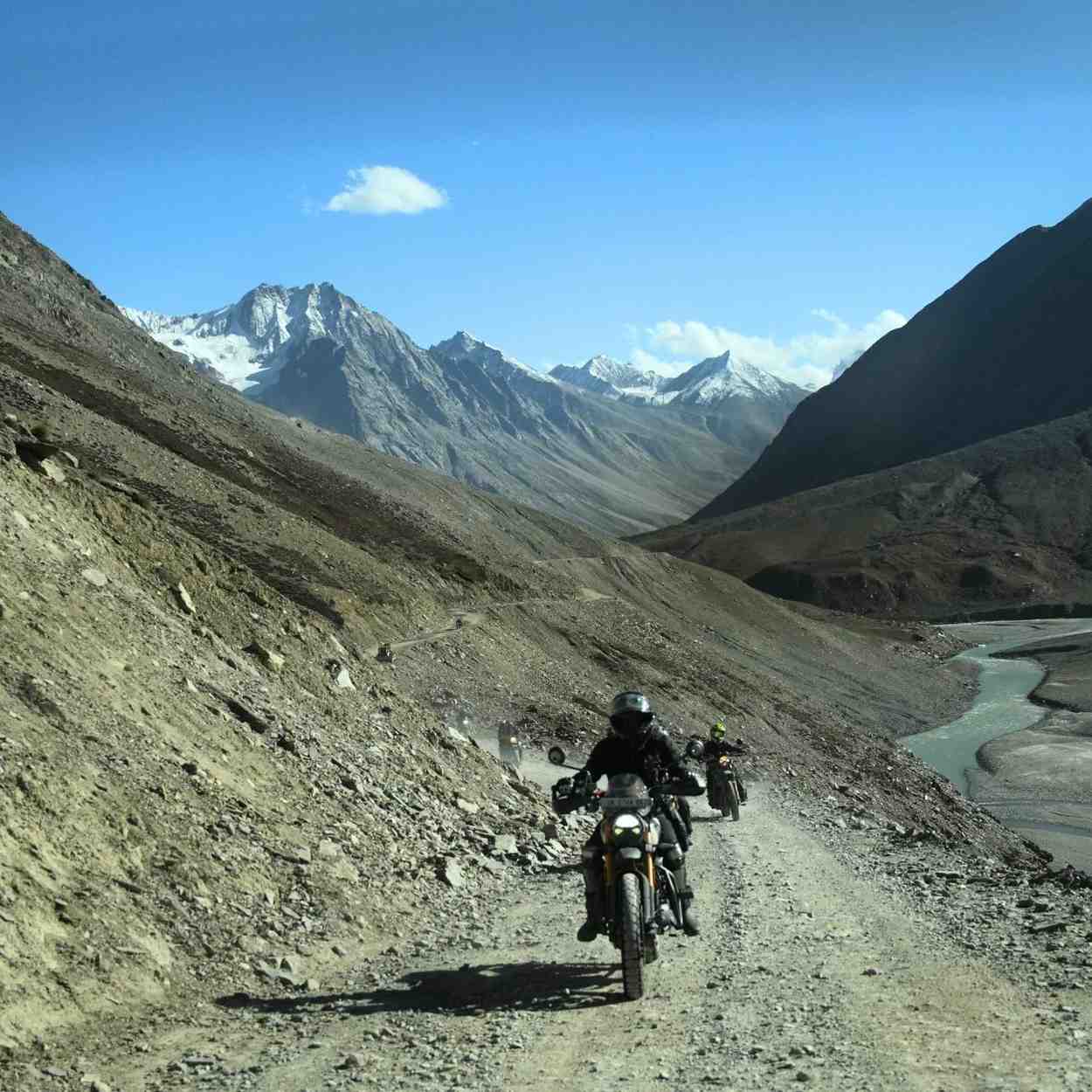
Riding to Spiti is not the same as riding to Manali or Kasol. The altitude is higher, the cold cuts deeper, the roads break in ways your suspension has never met before, and shops vanish for hundreds of kilometres at a stretch.
What you pack decides whether you finish the ride smiling or shivering at a roadside dhaba waiting for someone to fix your bike.
This is the only Spiti bike trip packing list you will need for 2026. Real gear, real medicines, real documents, and clear notes on what we can help arrange and what you must carry yourself.
Quick Answer: What Should You Carry on a Spiti Bike Trip?
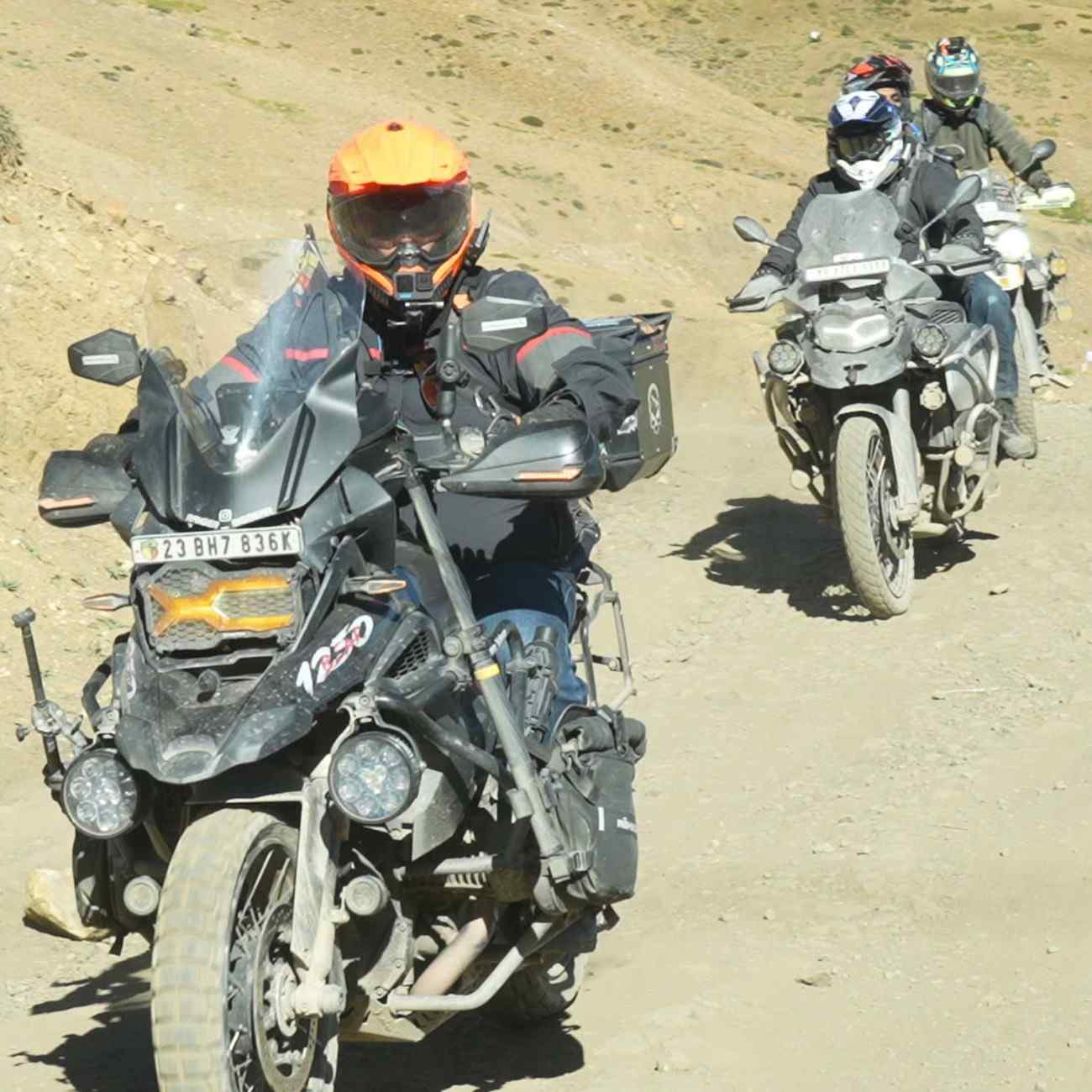
A Spiti bike trip packing list must include a full-face helmet, an armoured riding jacket, riding gloves, over-ankle riding boots, layered clothing with thermals and a windproof outer, a rain suit, your original documents, a basic medicine kit, a power bank, offline maps, snacks, a water bottle, cash in small notes, and a light, balanced luggage setup.
Even on a guided Travel Coffee trip, every rider must personally carry their own riding gear, prescription medicines, original documents, and clothes.
Anything else can be planned around. These are the non-negotiables.
Why Packing Right Matters More on a Spiti Bike Trip
Spiti is not a normal hill-station ride. The official Lahaul and Spiti district website notes that the district sits at 3,350 metres or 10,988 feet and stays under snow for a great part of the year, with winter temperatures falling to -20°C.
Even in peak summer, you ride through cold winds, sudden rain, dust storms, freezing water crossings, and roads that turn into riverbeds without warning.
There are long stretches between Kaza and Manali where you will not see a fuel pump, a chemist, or a mobile signal for hours.
In our experience running Spiti trips out of Shimla every season, the riders who struggle the most are not the ones with the slowest bikes. They are the ones who packed wrong.
Pack too heavy and your bike feels unstable on gravel. Pack too light and you freeze on the way to Kunzum.
If you want a feel for the kind of routes and altitudes you will actually be riding through, our Spiti Valley tour packages page lays out the full circuit options.
What Travel Coffee Provides vs What You Must Bring Yourself
This is where most riders get confused. A travel company can take a lot of stress off your trip, but no company can carry your gloves for you.
What Travel Coffee can help arrange
Travel Coffee is based in Shimla and we help travellers with customised Spiti trip planning, route guidance, day-wise itineraries, vetted homestays and hotels, local trip coordination, and on-ground support throughout the journey.
We do not promise bikes, fuel, riding jackets, helmets, mechanic backup, or permit handling unless that is specifically written into your package. Inclusions vary by trip type.
Always confirm the exact inclusions in writing before booking. We tell every traveller this on the first call.
What every rider must personally carry
Your helmet, your riding jacket, your gloves, your boots, your knee and shin guards, your thermals, your fleece, your rain suit, your medicines, your original ID and bike documents, your phone and chargers, your toiletries, and your emergency contacts.
These cannot be borrowed, rented at the last minute in Manali, or skipped because the weather forecast looked sunny.
Why this split matters
A good operator removes route stress, stay stress, and trip-day surprises. A good operator does not replace personal safety gear.
In our experience, the riders who enjoy Spiti the most are not the ones who pack the most. They are the ones who pack the right things.
👉 WhatsApp our Himachal team to sort your Spiti route, dates, and stays
For a ready-built option, our best-selling summer Spiti circuit with Chandratal covers the most popular 9-day route.
Complete Spiti Bike Trip Riding Gear Checklist
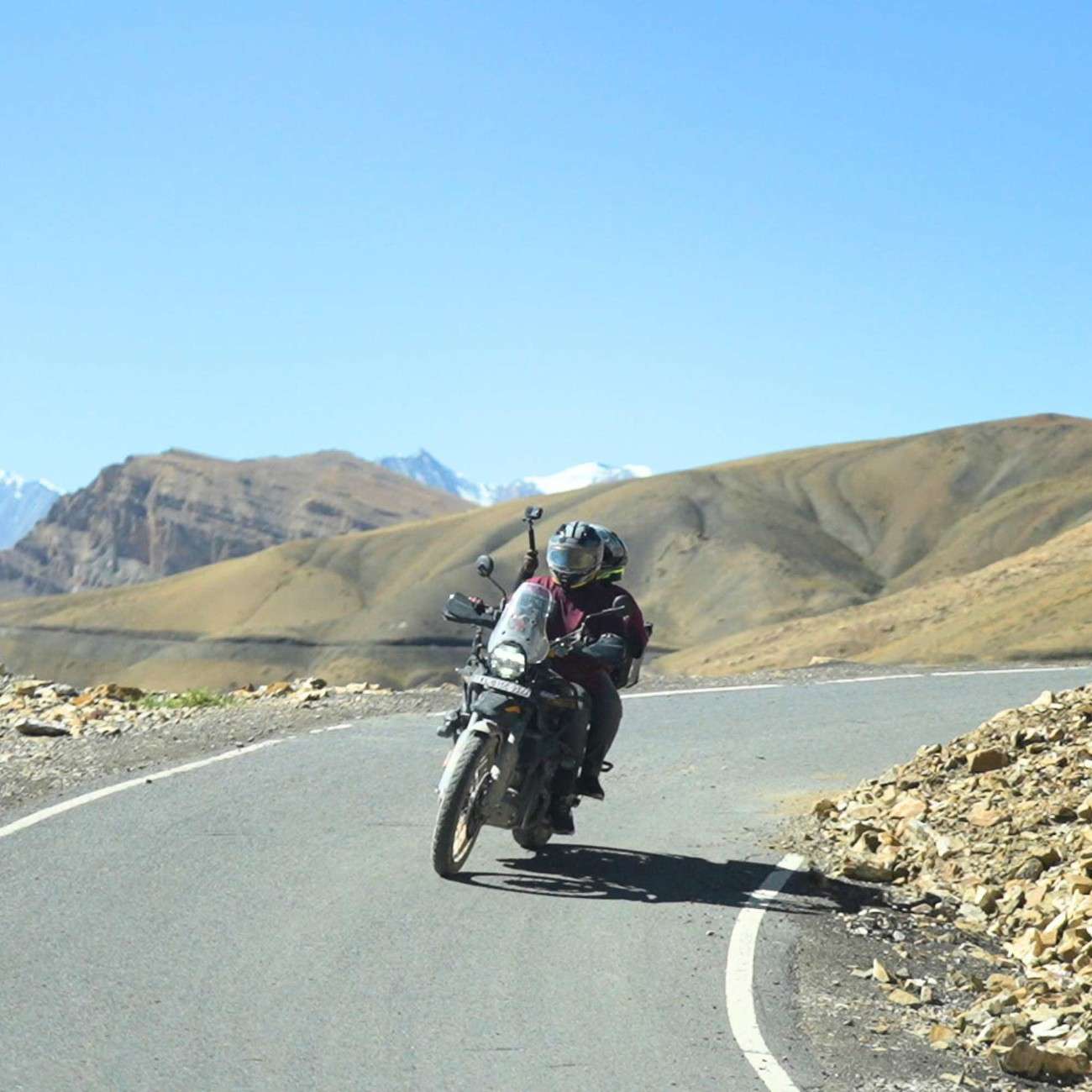
Riding gear is the difference between a small fall and a big problem. At Spiti altitudes, even minor accidents take longer to recover from. Cold slows healing. Distance from hospitals slows help.
Helmet
A full-face helmet is non-negotiable for Spiti.
It protects against crash impact, sharp gravel kicked up by other bikes, freezing wind at Kunzum and Baralacha, and the constant dust on the unpaved stretches.
Carry a clear visor for early-morning and evening rides, a tinted visor for daytime glare on the high passes, and an anti-fog spray or insert because cold air will fog your visor within minutes.
Open-face and half helmets are not enough for Spiti. Skip them.
Riding jacket and riding pants
Get an armoured riding jacket with shoulder, elbow, and back protection. A jacket with a thermal liner and a removable rain liner saves you from carrying two extra jackets.
Riding pants are the part most beginners skip. Do not. At minimum carry knee and shin guards that you can wear over your pants.
Jeans tear instantly on a slide. Jeans soak through in five minutes of rain.
Abrasion-resistant material with CE-rated armour is the standard. Spend the money once and use it for years.
Gloves
Carry waterproof riding gloves with hard-knuckle protection as your main pair.
Add a pair of warm inner gloves for cold mornings near Kunzum and Chandratal. Your hands lose feeling fastest, and frozen hands cannot work the clutch properly.
If you have space, a lighter summer-mesh pair helps for the warmer Reckong Peo and Kalpa stretch.
Boots
Over-ankle riding boots with grip, ankle support, and waterproofing.
Sneakers and casual shoes are for the homestay in the evening. They are not riding footwear. A foot peg slipping in wet sneakers on a Spiti switchback is exactly how riders break ankles.
Carry 3 to 4 extra pairs of warm socks. Wet socks at 4,000 metres are misery.
Rain and dust protection
A separate rain suit (jacket and pant) on top of your riding jacket. Rain liners inside jackets help, but a full external rain suit is what actually keeps you dry on a 3-hour downpour.
Waterproof bag covers for your saddle bags. A balaclava or buff for cold wind. Zip-lock bags inside your luggage for phone, wallet, charger, and documents.
If you also like other adventure stuff around the wider region, our guide to best things to do in Spiti covers what else you can squeeze in before or after Spiti.
What Clothes Should You Pack for a Spiti Bike Trip?
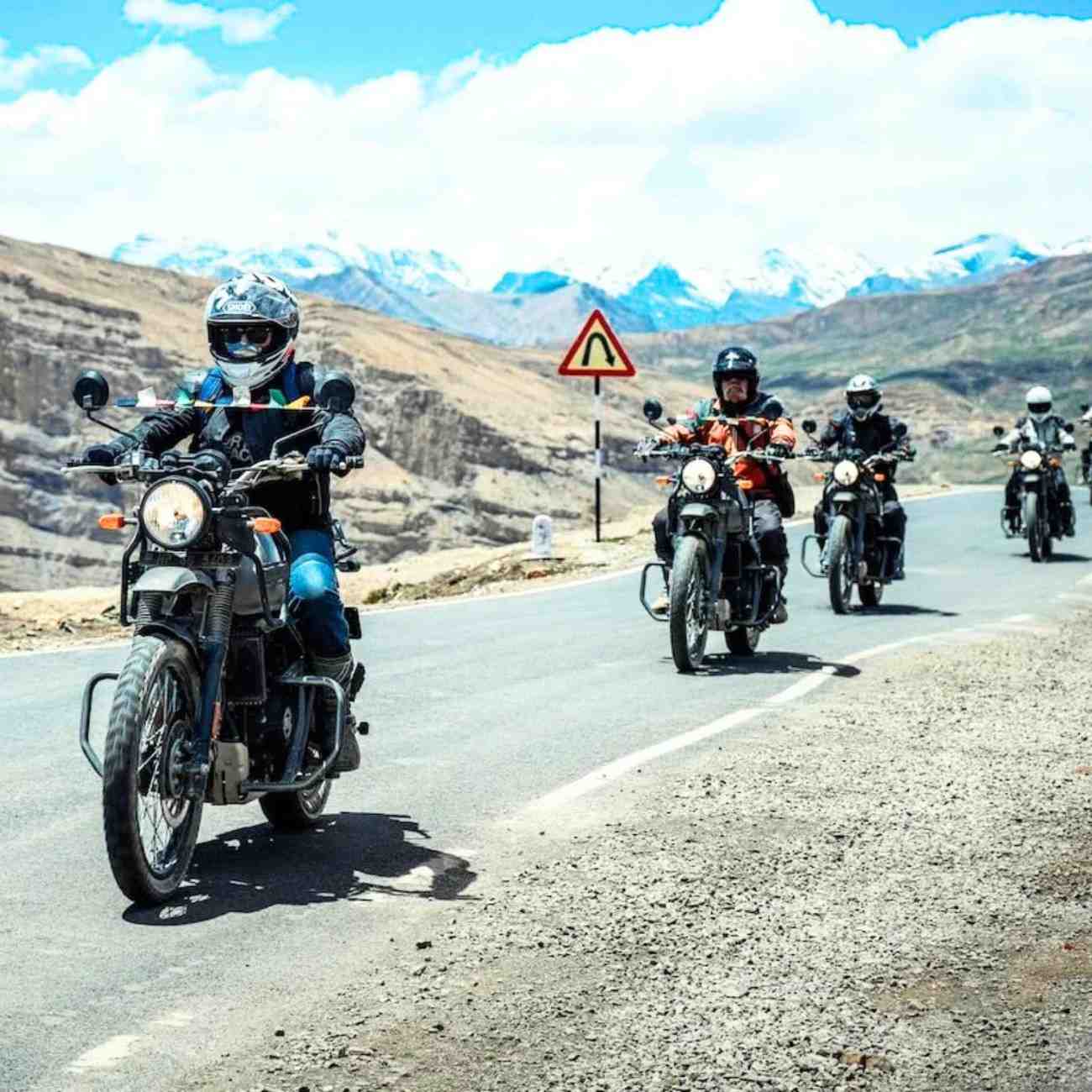
The trick to Spiti dressing is layering. One thick jacket cannot do what three thinner layers can.
Base layers
Thermal top and bottom in merino wool or synthetic. Two pairs minimum. One you wear, one drying.
Moisture-wicking T-shirts for daytime under your riding jacket. Quick-dry innerwear so you do not freeze when you sweat on a climb.
Avoid cotton for riding. Cotton holds moisture, dries slowly, and chills you fast at altitude.
Mid layers
A fleece jacket and a light down jacket or warm sweater. The combination is warmer than one heavy coat and packs smaller.
One hoodie or sweatshirt for evenings at the homestay when you have peeled off the riding gear and just want to sit by a heater with a chai.
Outer layers
A windproof and waterproof outer shell goes on top of everything when the weather turns. Your riding jacket liner pulls double duty here.
Your rain layer is the final boss. Always reachable. Always packed last so you can grab it without unpacking the whole bag.
Night and homestay clothes
Track pants for evenings, warm thermal socks for sleeping, a beanie that you will probably also wear inside the room, slippers, one clean spare outfit for the day you reach civilisation, and basic sleepwear.
Most homestays in Kaza, Tabo, and Kibber are basic. Some have heaters. Some have a bukhari and that is it. Pack like you will sleep in 5°C indoors.
Month-wise adjustment
June to September riders should prepare for rain, slush, water crossings, and afternoon thunder. Pack extra waterproofing and dry bags.
April, May, October, and November riders need heavier cold protection. Snow is still around the high passes and night temperatures plummet.
Exact temperature ranges vary year to year and elevation to elevation.
What Documents and Permits Should Riders Carry in 2026?
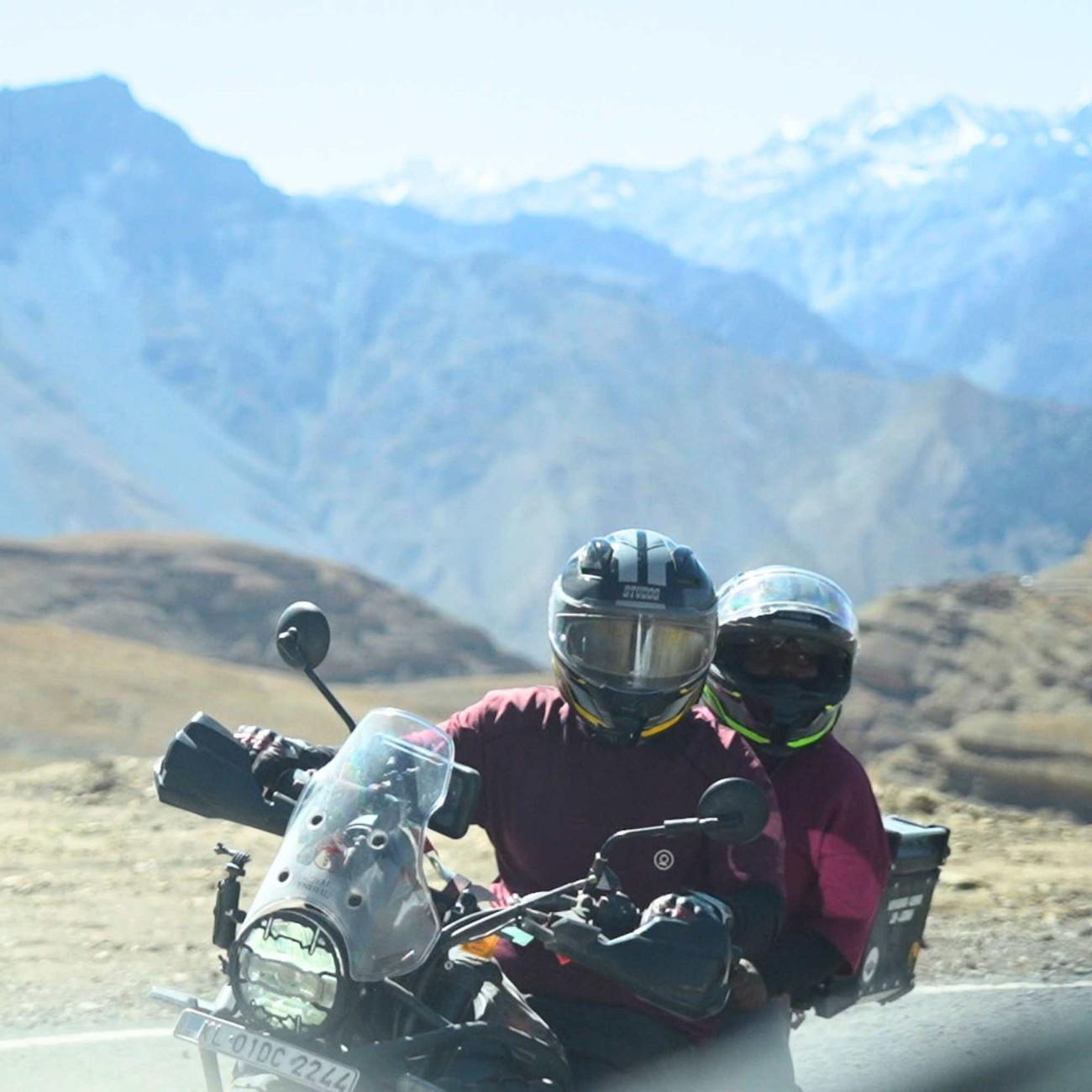
Documents are boring until a checkpoint asks for them. Then they are everything.
Personal documents
Original government ID (Aadhaar, passport, voter ID), original driving licence, an emergency contact card with two numbers, your blood group written down, any allergy notes, and your hotel or homestay confirmations printed if possible.
Keep photocopies in a separate bag. If your wallet falls into a stream at Pagal Nala, the photocopies in your saddle bag save the trip.
Bike documents
RC, valid insurance, valid PUC, and a spare key.
If the bike is rented or not registered in your name, carry the original rental agreement and a notarised NOC from the owner. Checkpoints in Lahaul and Spiti do ask for these.
e-Aagman and vehicle entry
The official e-Aagman portal says applicants who have vehicles and want to enter District Lahaul and Spiti have to apply for an E-Pass.
An E-Permit per vehicle is required for the Atal Tunnel, Rohtang, Koksar, and Chandertal circuit. An E-Ticket per vehicle is required for other places. The application form lists "Two Wheeler" as a vehicle type, so yes, this applies to bikes too.
Vehicle entry rules and exact route conditions can change between seasons and even between months. Verify e-Aagman requirements again 2 to 3 days before you ride out.
Rohtang and Manali side notes
The official Rohtang Permits page lists the Rohtang tourism permit fee for Car and Jeep as ₹500 plus ₹50 congestion charge, with daily limits of 800 petrol vehicles and 400 diesel vehicles.
Requirements include valid ID proof, valid PUC certificate, and vehicle registration date with vehicle age not more than 10 years.
The Manali Entry page lists the green tax for Bike as ₹100, valid for seven days for vehicles not registered in Himachal Pradesh.
Not every Spiti bike rider needs a Rohtang permit. It depends on whether you are using Rohtang Pass itself, the Atal Tunnel, the Manali side, the Chandratal diversion, or another route. Verify before you travel.
For what the Manali side actually looks like in early-season, our Rohtang Pass in May breakdown gives the real picture.
Foreign traveller permits
The official Lahaul and Spiti Foreigner Section says protected areas in Himachal Pradesh are not open to foreigners without permits. Areas requiring Protected Area Permits for foreigners include Khab, Samdo, Dhankar, Tabo, Gompa, Kaza, Morang, and Dubling.
If you are a foreign traveller riding Spiti, your permit list is different from an Indian rider's list. Do not follow generic Indian-rider blogs blindly.
If you want a Spiti bike trip with proper document guidance, e-Aagman checks, route planning, backup support, and Chandratal included, you can check our complete Lahaul and Spiti bike expedition.
What Medicines Should You Carry for a Spiti Bike Trip?
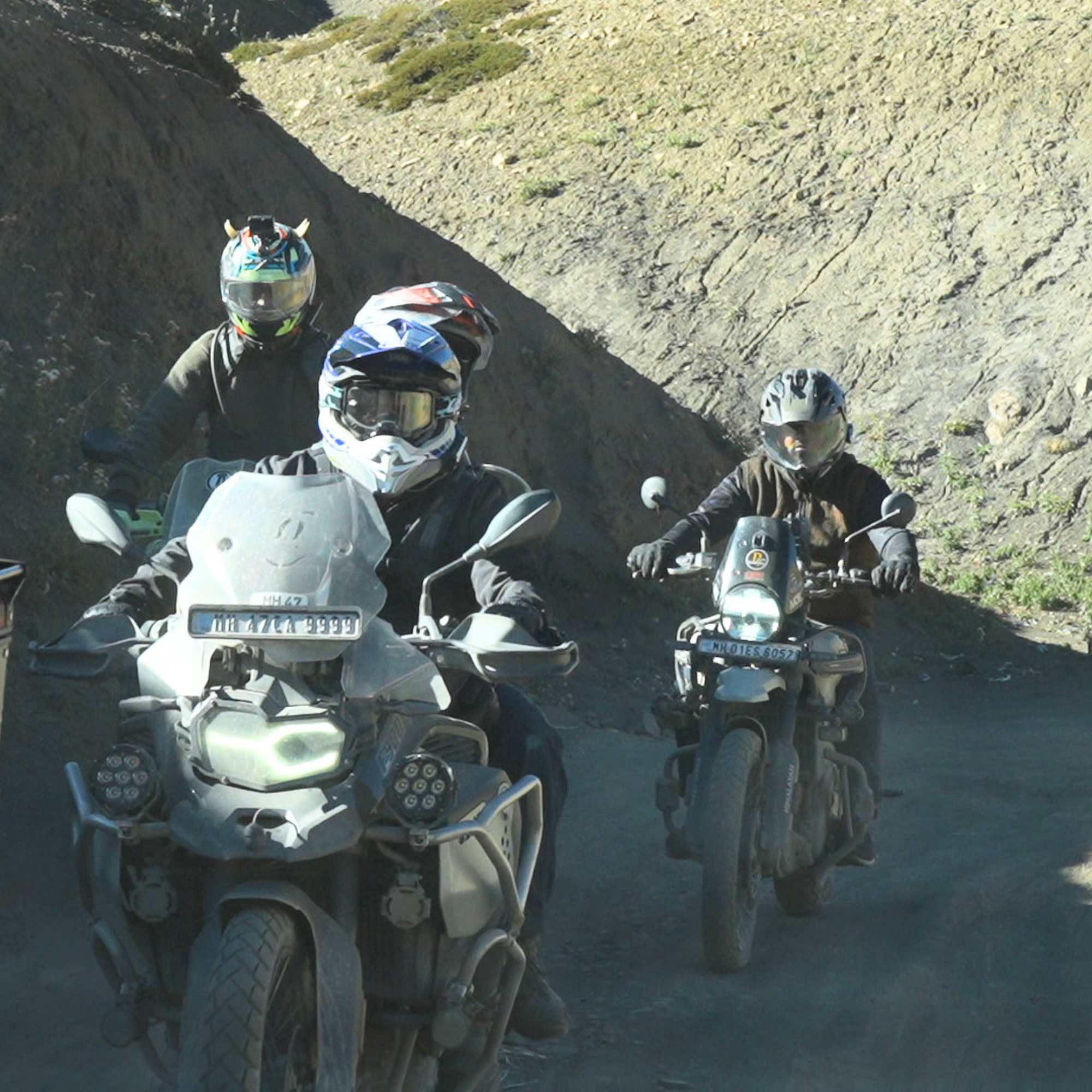
A chemist may be 4 hours of riding away when you actually need one.
Basic first-aid kit
Adhesive bandages in two sizes, antiseptic cream, antiseptic wipes, sterile cotton, medical tape, a small pain-relief spray, ORS sachets, a basic stomach medicine recommended by your doctor, your personal prescriptions, and any regular medicines you take at home.
Pack everything in a single soft pouch that fits inside your tank bag. Easy to grab. Easy to find at night.
Altitude-related medicines
This is the part beginners take lightly and regret later. The CDC says travellers going above 8,000 feet may be at risk of altitude illness.
CDC advice on managing altitude is straightforward. Plan a gradual ascent where possible. Avoid going from low elevation to above 9,000 feet in a single day where possible. Above 9,000 feet, increase your sleeping altitude by no more than 1,600 feet per day where possible.
Avoid alcohol and heavy exercise for the first 48 hours after arriving above 8,000 feet. CDC also says travellers should talk to a doctor about medicines to prevent or treat altitude illness.
If your doctor prescribes Diamox or acetazolamide, follow the dosage they give you. Do not pick up Diamox from a chemist on the way without talking to a doctor first.
Emergency health notes
Write down your blood group, known allergies, any medical conditions, and two emergency contacts on a card. Keep it in your wallet and a copy in your tank bag.
If something goes wrong at altitude, you may not be in a state to remember any of this. The card does the talking for you.
Bike Tools and Spares to Carry for Spiti
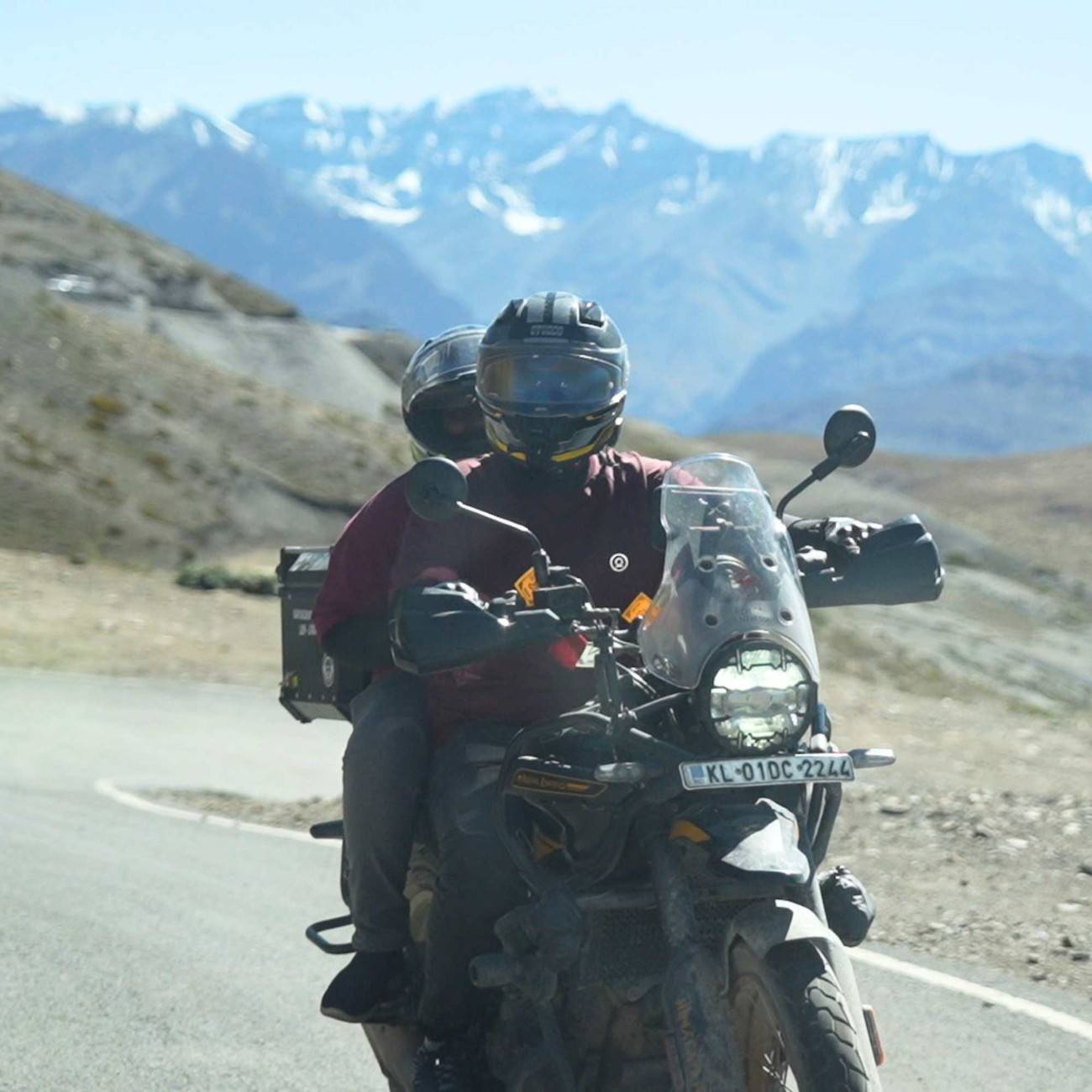
Even if you are not a mechanic, basic spares save trips.
Basic toolkit
A small spanner set, a few screwdrivers, pliers, Allen keys to fit your bike, a small adjustable wrench, electrical tape, zip ties of two sizes, and a small torch.
Most of this fits in a roll-up tool pouch under your seat or in a saddle-bag pocket.
Repair essentials
A puncture repair kit, a portable inflator that runs off the bike battery or a power bank, a spare tube if your bike runs tube tyres, a spare clutch cable, a spare accelerator cable, two spare fuses, one spare spark plug, a small bottle of chain lube, and a chain cleaner if you have space.
The single most useful spare is the clutch cable. If yours breaks past Batal, you are walking back unless you have a spare zip-tied under the seat.
Pre-trip service
Get the bike serviced 2 to 3 weeks before departure. Cover tyres, brakes, clutch, chain, engine oil, battery, lights, suspension, and horn.
Doing the service early gives you time for a 100 to 150 km test ride. If something the workshop missed is going to fail, it will fail in your home city, not at Pagal Nala.
Our team recommends carrying a printed service receipt with the date. If a checkpoint or homestay asks about your bike's roadworthiness, you have proof.
Electronics, Navigation and Power Backup
Phones die fast in cold weather. Plan around it.
Power
Carry a 20,000 mAh power bank at minimum. Two charging cables (one is going to fail), a wall adapter, and a bike charger that fits your handlebar setup.
A spare camera battery if you ride with a GoPro. A small zippered pouch for cables so you are not untangling them at every stop.
Navigation
Download offline Google Maps for the entire Manali to Kaza to Shimla loop before you leave home. Add Maps.me as backup, because Google sometimes loses pin accuracy in remote pockets.
Take screenshots of key route notes, your hotel addresses, and important phone numbers. Save offline copies of everything that matters.
A handwritten note of major stops, fuel pumps, and dhabas on a small card in your jacket pocket sounds old-school. It works.
Safety
A headlamp is essential for any homestay where electricity drops at night. A small torch in the tank bag. An emergency whistle. A reflective strip on the back of your jacket if it does not already have one.
Keep your phone in an inner pocket close to your body in extreme cold. Phone batteries shut off in low temperatures even when they show 40 percent.
Food, Hydration and Daily Ride Snacks
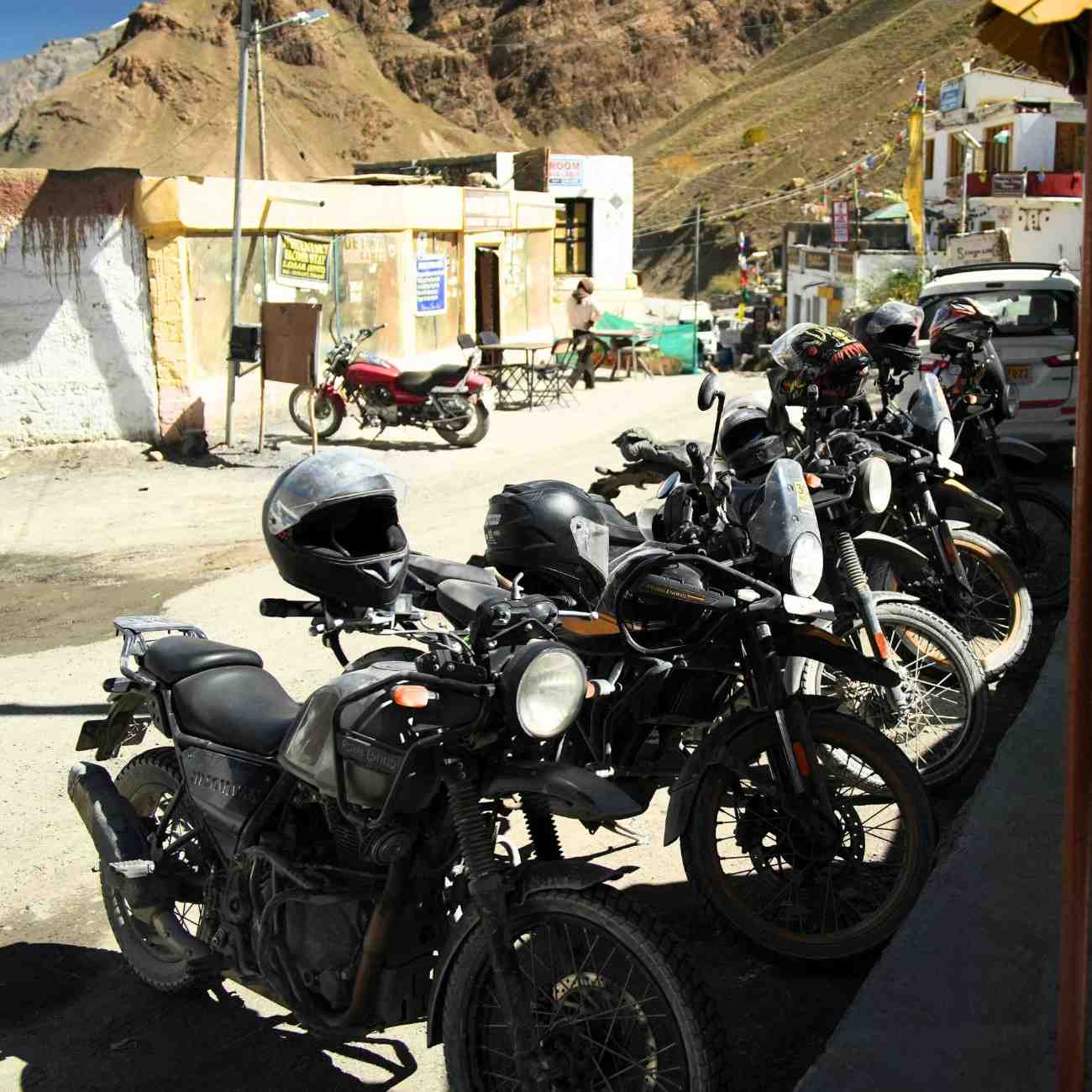
Riding on an empty stomach at altitude is a fast track to a headache and a long afternoon of regret.
Hydration
Carry a 1.5 to 2 litre reusable water bottle or a hydration pack. ORS sachets and electrolyte sachets in a zip-lock pouch.
A flask of hot ginger tea filled in Manali or Kalpa before you start the ride is a small thing that saves the first cold morning hours. Our drivers swear by it.
Cold weather tricks the body. You sweat less, you drink less, and you end up dehydrated without realising it. Sip water at every stop even when you do not feel thirsty.
Snacks
Energy bars, a small bag of dry fruits, dark chocolate, light ready-to-eat snacks like khakra or theplas if you are bringing some from home, and something salty like a small pack of namkeen or peanuts.
The salty snack is a small thing that helps a lot at altitude. The body loses salt faster up there.
The dhabas at Batal and Chhatru serve the last proper hot meals before the Chandratal stretch. Time your ride so you cross them between roughly 8 AM and 6 PM in season. Past sunset, you ride hungry.
What to keep accessible
Water, snacks, your medicine pouch, wallet, ID, rain layer, gloves, sunscreen, lip balm, and power bank should all be reachable without opening your main saddle bag.
A tank bag or a small sling pouch under your jacket works. Never bury essentials at the bottom of a saddle bag tied with three straps.
👉 Chat with our team on WhatsApp for your Spiti basics
How to Pack Your Luggage on a Bike
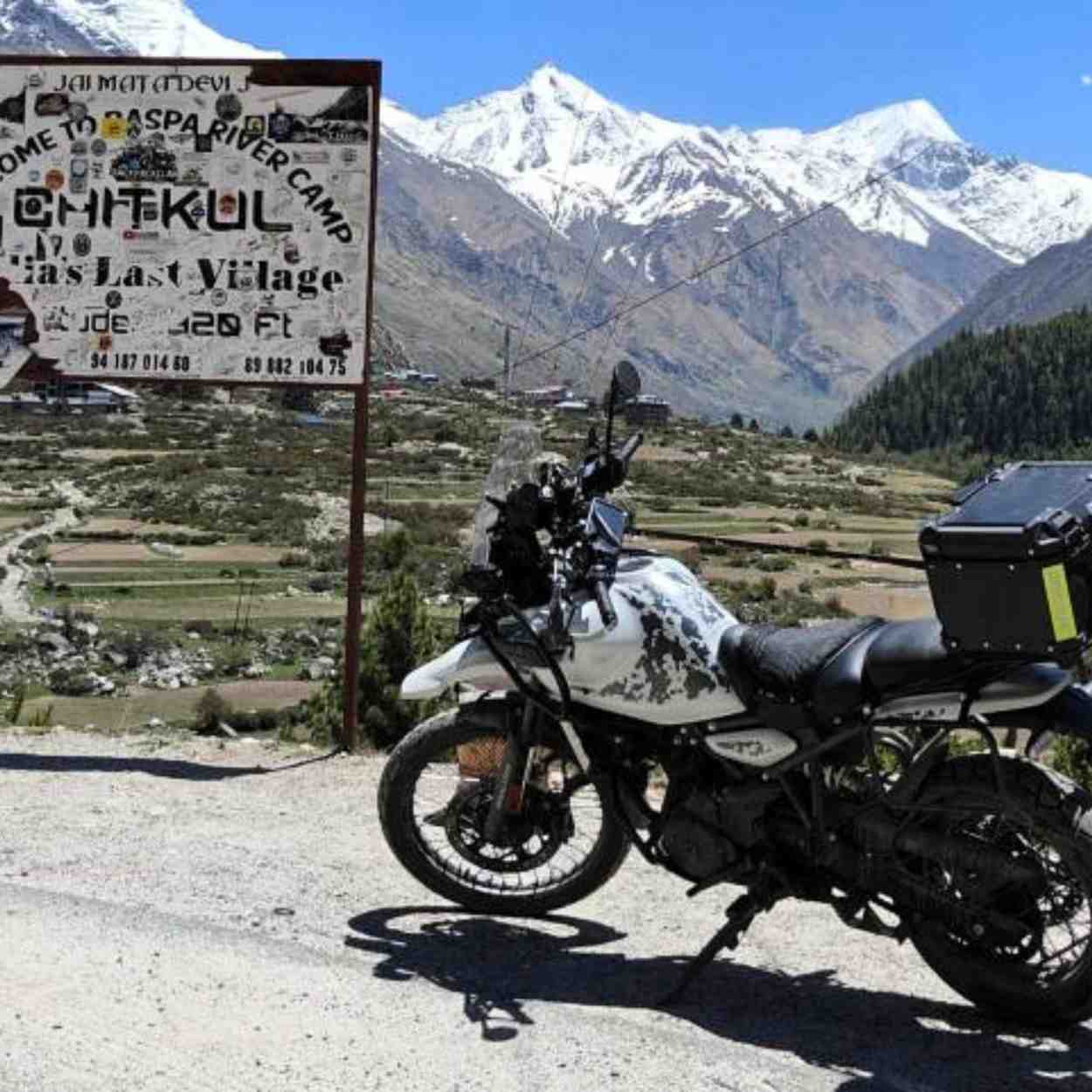
This is where most riders go wrong on day one.
Saddle bags vs backpack
Saddle bags or a tail bag should carry your main luggage. A small daypack on your back should only have your essentials and nothing heavy.
A heavy backpack tires your shoulders within 2 hours, makes your spine stiff by hour 4, and shifts your balance every time you stand on the pegs over rough patches.
In our experience helping riders plan kit lists, the day-one backpack is the part most people redo on day two of the ride.
Weight balance
Equal weight on both saddle bags. Heavy items at the bottom and towards the bike, lighter items on top and outside. Waterproof inner liners. Dry bags inside the saddle bags for clothes and electronics. Zip-lock pouches for documents.
A tail bag on top of the rear seat balances the load and stops the saddle bags from swinging.
Quick-access packing
In your daypack or jacket pocket: phone, wallet, ID copy, rain gloves, a snack, the power bank, a small medicine strip, sunglasses, lip balm, and a sunscreen tube.
Everything else goes in the saddle bags.
What to Carry for Chandratal, Kunzum and Manali-Side Spiti
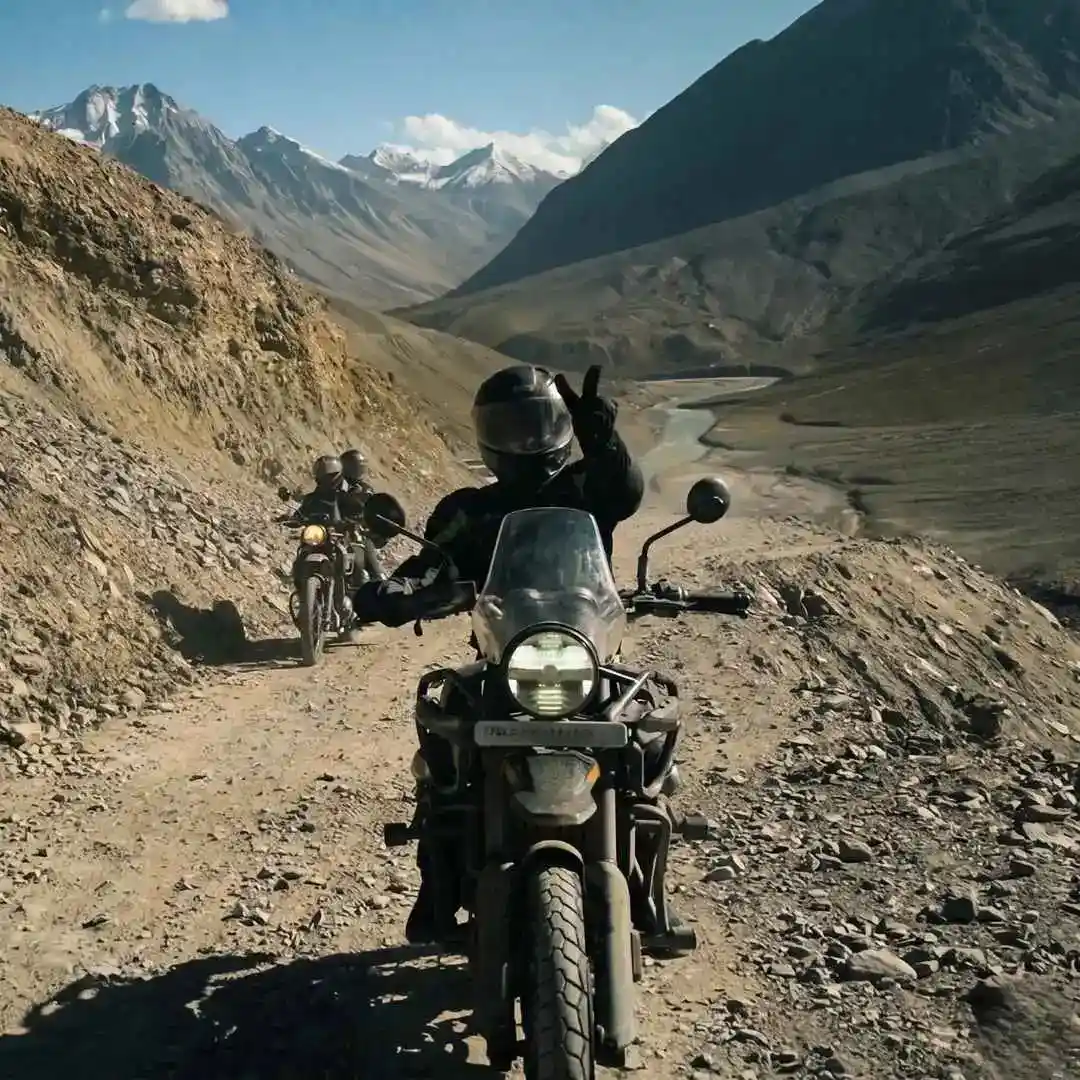
The Chandratal and Kunzum side is the coldest, dustiest, and most exposed stretch of any Spiti bike trip.
The official district Passes page lists Kunzum La at 4,550 m, while another official tourist page lists Kunzum Pass at about 4,590 m. Either way, you are riding at roughly 4,550 to 4,590 metres, so plan for that altitude.
The Passes page describes Kunzum La as the gate to Spiti Valley from the west, connecting the Batal side with Losar at 4,085 m.
For this stretch, carry an extra cold layer, fully waterproof gloves, your rain suit easily reachable, a torch, extra snacks and water, and double-check your e-Aagman entries before crossing.
Keep your documents in a single waterproof pouch in the tank bag. Wind on Kunzum can rip a paper out of your hand in two seconds.
A useful warning for 2026 planners. As checked on April 30, 2026, the official road status page (last updated March 20, 2026) listed Delhi to Manali open, Manali to Keylong open, Keylong to Kaza closed, and Keylong to Leh open.
Roads in this region change weekly. Verify status again 2 to 3 days before riding through and once more on the morning of departure.
For a clear breakdown of when the Chandratal stretch actually opens, our guide on when Chandratal will open in 2026 covers what to expect month by month.
If you want a softer break before or after the high-altitude stretch, our Sissu tour package gives you a comfortable Lahaul-side base camp at lower elevation.
A quick money tip most riders miss. The Kaza fuel pump is the only one in Spiti and it runs higher than the plains. Top up fully in Manali or Kalpa, and carry an extra jerrycan of fuel only if your bike's tank cannot reach Kaza on a single fill. Most modern bikes can.
What Not to Carry on a Spiti Bike Trip
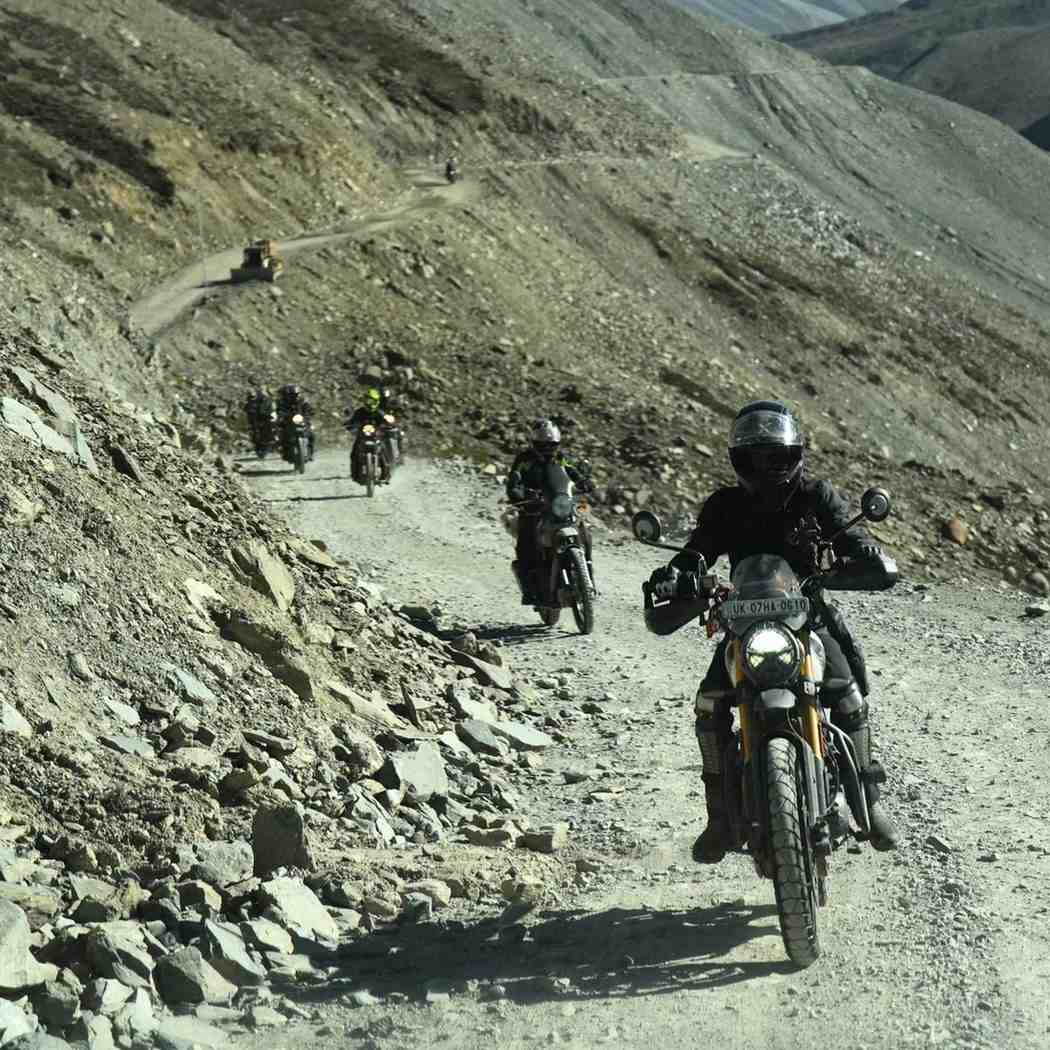
The list of things to skip is shorter than what to carry, but it is more important.
Skip the trolley bag. Skip the hard suitcase. Both are useless on a bike and worse in a homestay where the rooms are small.
Skip extra clothes. You will wear the same riding gear most days. Two sets of riding clothes plus one homestay set is enough.
Skip heavy cotton hoodies and cotton tees as your main warm layer. They get wet, they stay wet, you stay cold.
Skip flip-flops and casual sandals as riding footwear. Keep them only for the homestay.
Skip glass bottles. They break. Carry one steel water bottle and refill.
Skip excess gadgets. One phone, one power bank, one camera if you must. Three phones, two cameras, and a tablet is just weight that wears you out.
Skip expensive jewellery and watches. There is nowhere to wear them and everything to lose.
Skip large camera tripods if you are not a serious photographer. A small pocket tripod or a phone clip is plenty.
Overpacking is the most common beginner mistake on a Spiti bike trip. The bike feels off-balance, you ride slower, you tire faster, and your back hurts by day three.
Final Pre-Departure Checklist Before You Leave
Run through this the night before, not the morning of departure.
Gear check first. Helmet, jacket, gloves, boots, knee and shin guards, rain suit, balaclava, all packed and reachable.
Document check next. Original ID, driving licence, RC, insurance, PUC, photocopies, e-Aagman printout or screenshot, hotel confirmations, emergency contact card.
Bike check. Fuel topped up, tyre pressure correct, chain cleaned and lubed, engine oil level checked, brakes tested, lights working, horn working, mirrors set, spare cables and toolkit in the saddle bag.
Medicine check. First-aid pouch, personal prescriptions, ORS, pain relief, any altitude medicine your doctor has approved. Stored in one easy-to-find place.
Route and road-status check. Official road status page checked. e-Aagman application status confirmed. Weather forecast for the next 3 days noted.
Cash check. Carry ₹15,000 to ₹20,000 in cash spread across two pockets and the saddle bag. UPI does not work in many parts of Spiti. Small notes are easier than big ones at dhabas.
Offline maps check. Maps downloaded, screenshots saved, hotel addresses noted, key numbers stored offline.
Weather check. Rain forecast on the route? Snow above 4,000 m? Adjust which layer goes on top of the saddle bag.
Emergency contact check. At least two people back home know your full route, your hotel names, and your daily check-in plan.
If you are starting from Chandigarh, check our Chandigarh to Spiti Bike Trip and match this packing list with the route before departure.
Our team recommends doing this check one night before departure, not on the morning when everyone is already rushing.
👉 Share your plan on WhatsApp and we will help you refine it
Explore Our Handpicked Spiti Valley Bike Trips
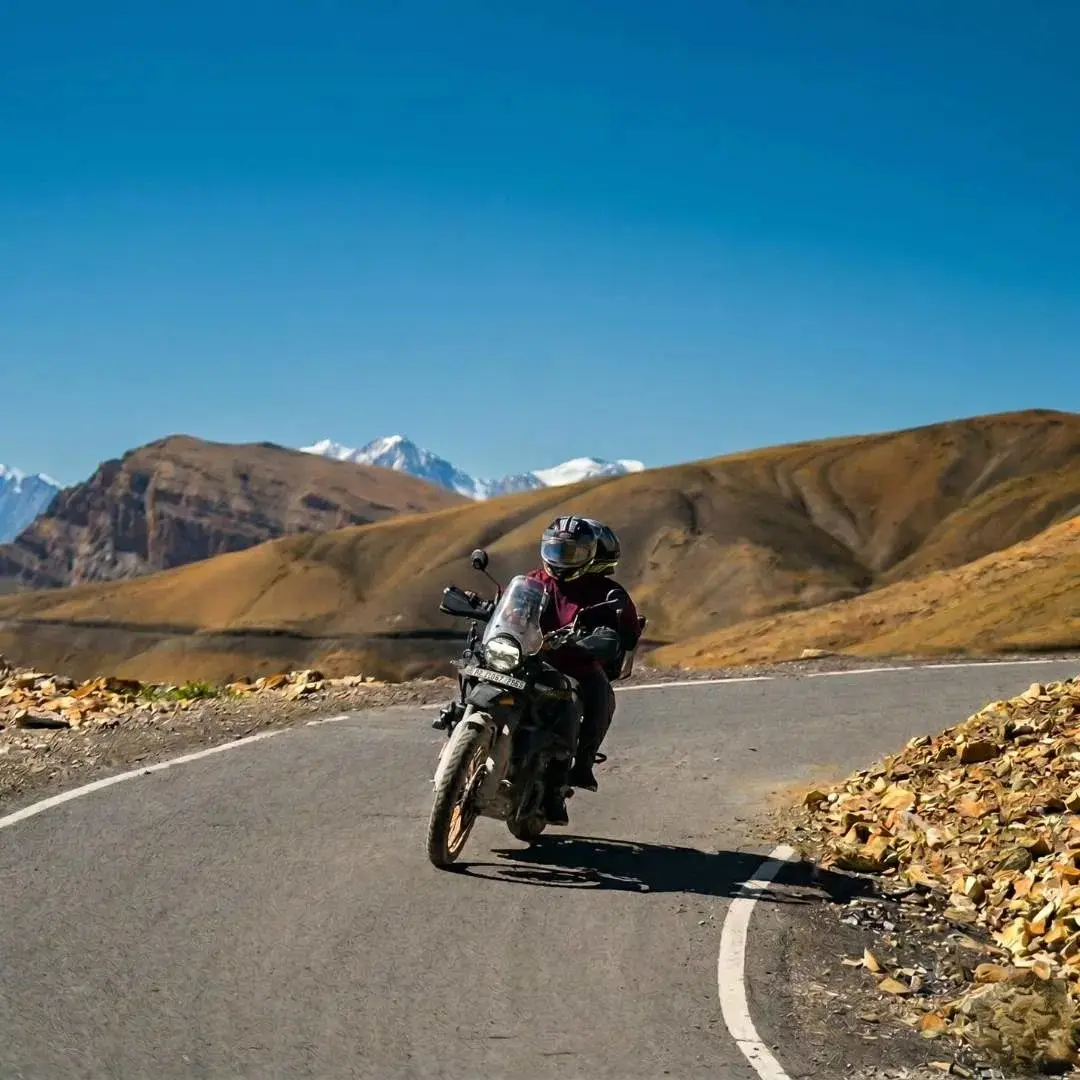 Group Tour11D/10N
Ultimate Spiti Valley Bike Expedition With Chandratal and Pin Valley
1D Narkanda•1D Sangla / Baspa Valley+5
₹32,999₹39,999SAVE ₹7,000/ person Group Tour7D/6N
Spiti Bike Trip From Manali With Chandratal
1D Sissu•1D Chandratal Camp+1
₹25,999₹29,999SAVE ₹4,000/ person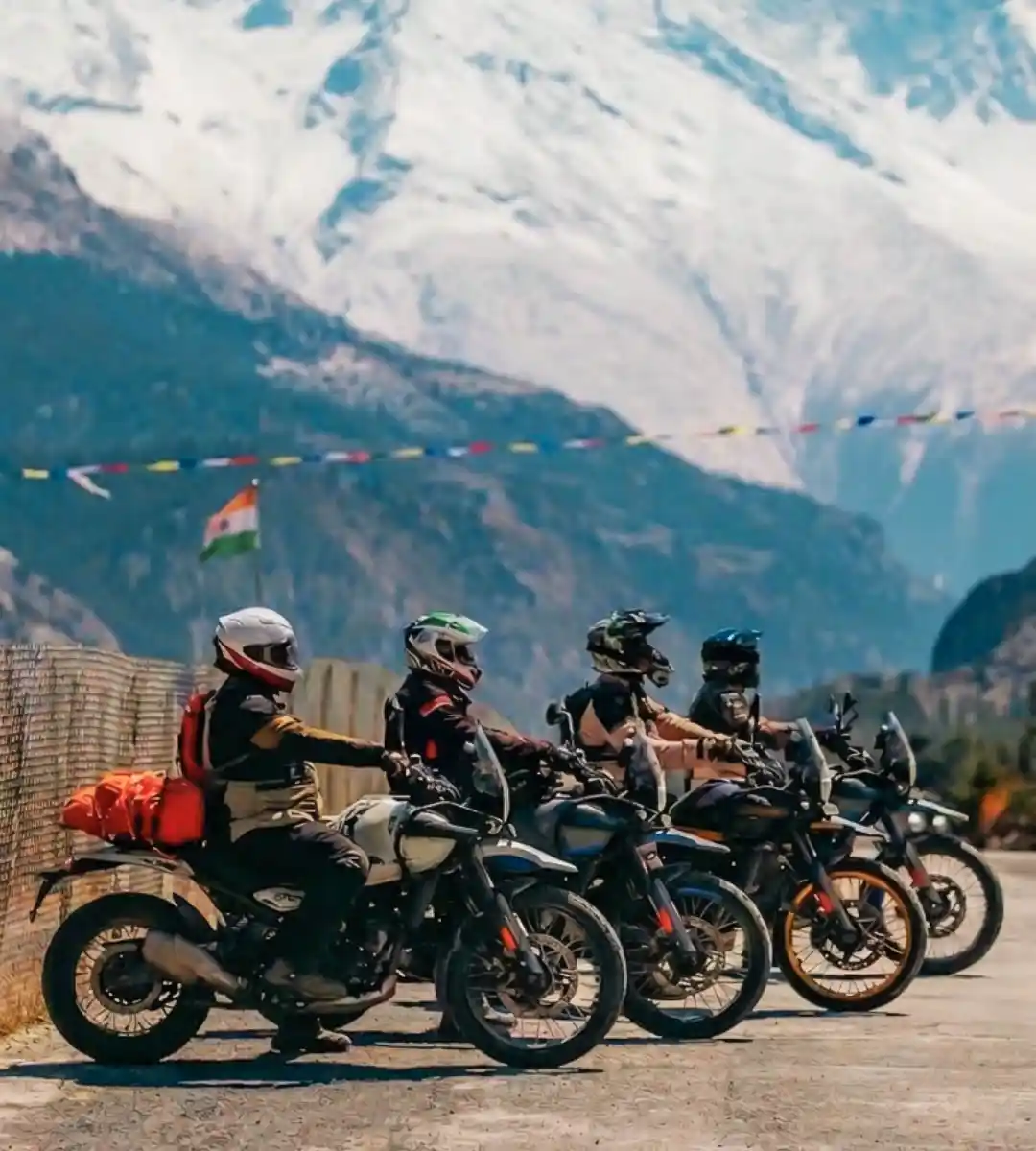 Group Tour10D/9N
Most Loved Spiti Valley Bike Expedition With Chandratal
1D Jibhi•1D Sangla+4
₹34,999₹41,999SAVE ₹7,000/ person
Related topics
Frequently Asked Questions
What should I carry on a Spiti bike trip?
Carry a full-face helmet, an armoured riding jacket, riding gloves, over-ankle boots, knee guards, thermals, a fleece, a rain suit, your original documents, a basic medicine kit, a power bank, offline maps, snacks, a water bottle, cash, and a balanced saddle-bag setup.
What riding gear is mandatory for Spiti?
A full-face helmet, an armoured riding jacket, riding gloves, and over-ankle boots are the minimum. Add knee and shin guards even if your jacket has no leg-protection option. Skipping any of these is a real safety risk on Spiti's rough roads.
Do I need thermals for Spiti in summer?
Yes. Even in June, July, and August, nights at Kaza and Chandratal drop to single digits and high passes get colder. A thermal top and bottom plus a fleece is the bare minimum for evenings.
Are saddle bags better than backpacks for a Spiti bike trip?
Saddle bags are far better. They sit on the bike instead of your shoulders, they balance the load, and they keep your back free for long days in the saddle. A small daypack is fine for essentials but should never be your main bag.
What documents are required for a Spiti bike trip?
Original government ID, driving licence, bike RC, valid insurance, valid PUC, photocopies of all of these, a notarised NOC if the bike is not in your name, and any e-Aagman E-Pass, E-Permit, or E-Ticket required for your route.
Do I need e-Aagman for a bike trip to Spiti?
Yes. The official e-Aagman portal says vehicles entering Lahaul and Spiti must apply for an E-Pass. The form lists Two Wheeler as a vehicle type. An E-Permit covers the Atal Tunnel, Rohtang, Koksar, and Chandertal circuit. An E-Ticket covers other places.
What medicines should I carry for Spiti?
A basic first-aid kit with bandages, antiseptic, ORS, pain relief, your prescriptions, and any regular medicines. Talk to your doctor before the trip about altitude medicines like Diamox. Carry a card with your blood group, allergies, and two emergency contacts.
Should I take Diamox for Spiti?
Only on doctor's advice. The CDC says travellers should talk to a doctor about medicines to prevent or treat altitude illness. Do not self-prescribe Diamox or buy it from a chemist on the route without medical advice.
Can I buy riding gear in Kaza?
No. Kaza has basic shops but no proper riding gear store. Anything you forget at home cannot be bought reliably in Spiti. Buy your gear in your home city or in Manali before crossing into Lahaul.
What should I carry for Chandratal on a bike?
Extra cold layers, fully waterproof gloves, a rain suit reachable in seconds, a torch, extra water and snacks, and a clean copy of your e-Aagman E-Permit. Cash for camp stays. A tank bag for documents because Kunzum wind tears paper.
What should a pillion carry on a Spiti bike trip?
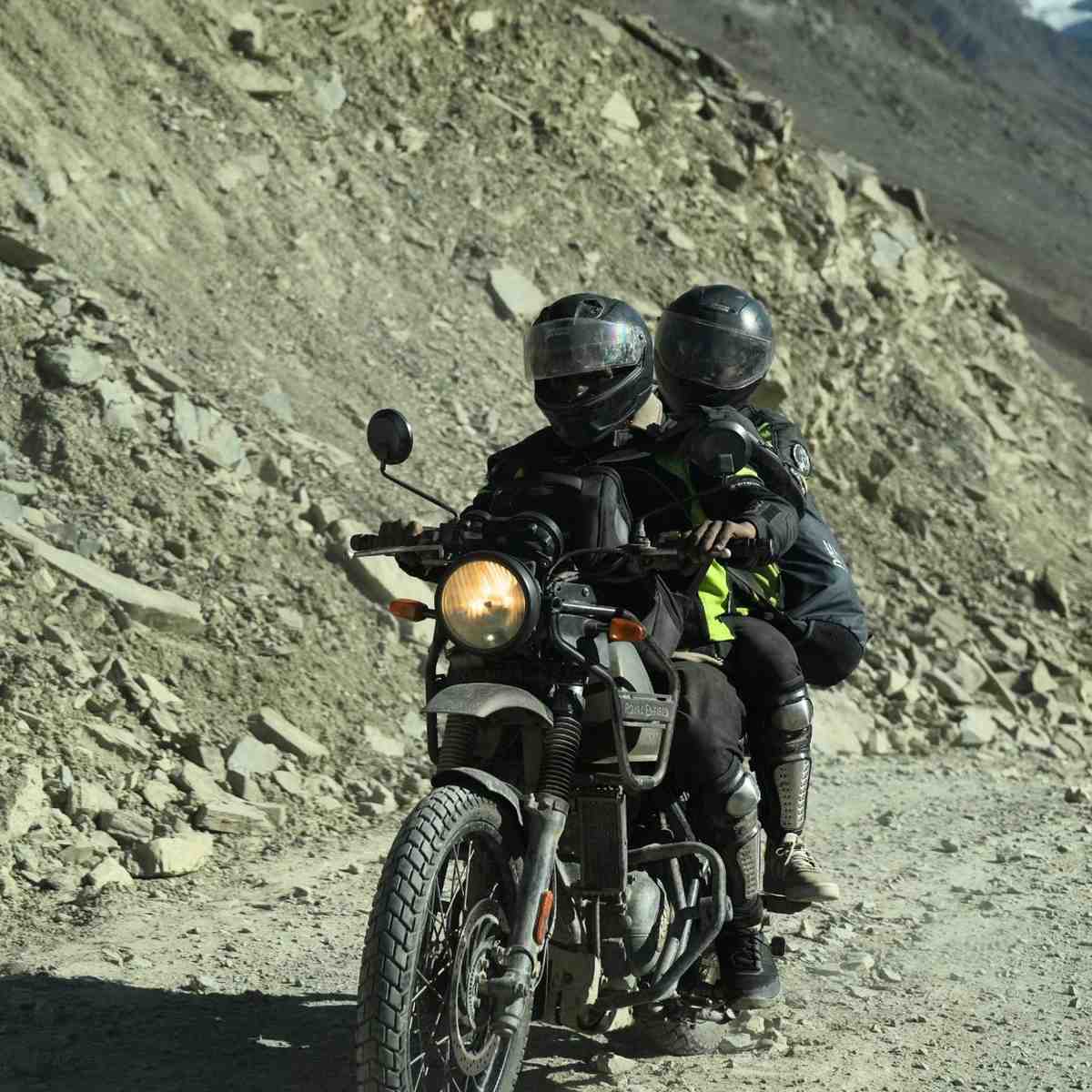
A pillion needs the same helmet, jacket, gloves, and boots as the rider. Pillions feel the cold worse than riders because they cannot move much, so add an extra fleece. Personal medicines, ID, snacks, water, sunglasses, and lip balm in a small daypack.
What should I not carry on a Spiti bike trip?
Skip trolley bags, suitcases, heavy cotton clothing, casual sandals as riding footwear, glass bottles, expensive jewellery, and extra gadgets you do not actually use. Overpacking unbalances the bike and tires you out faster than the altitude.
More about Lahaul and Spiti
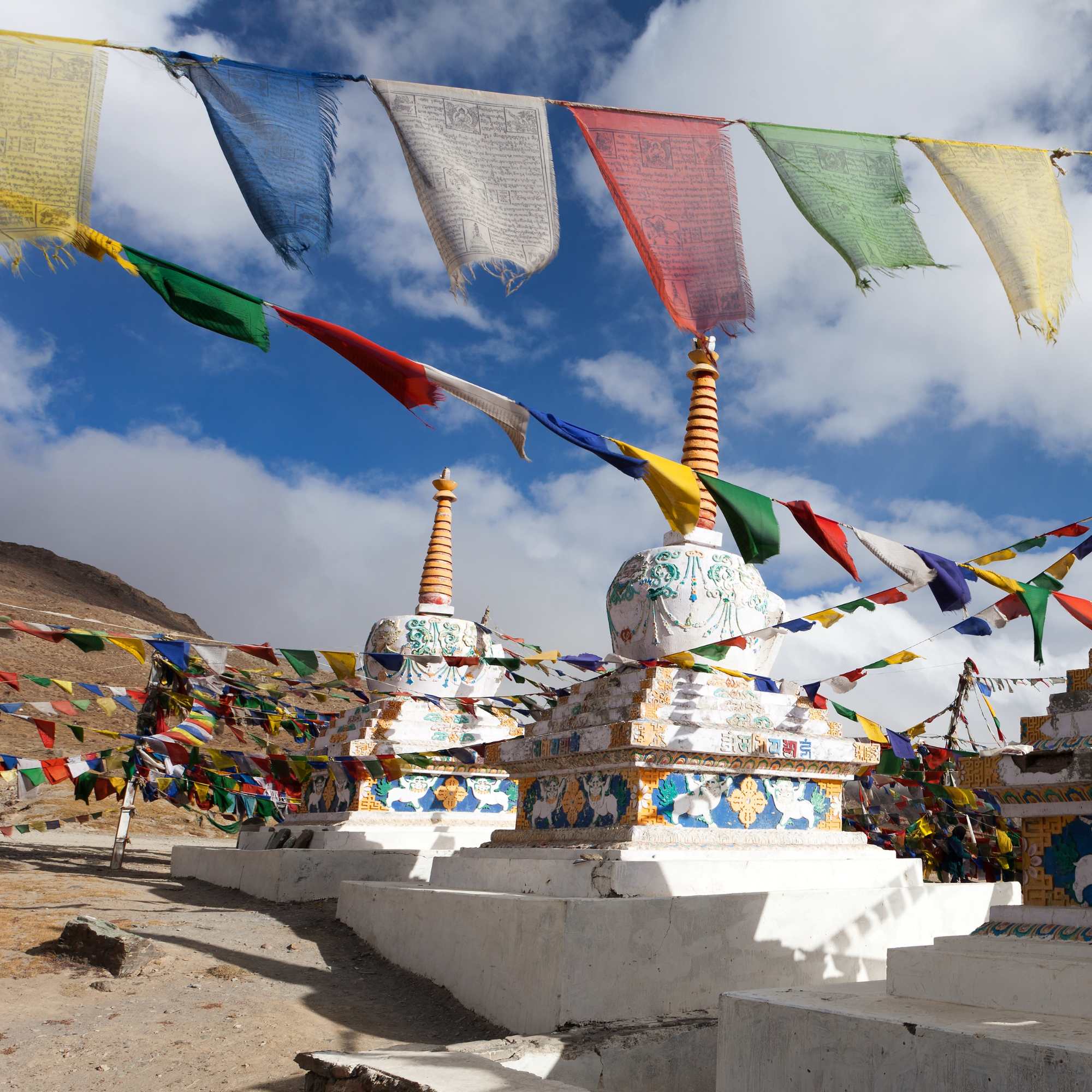 Lahaul and Spiti
Manali To Kaza Road Status 2026: Kunzum Pass, Batal & Gramphu Update
Is Manali to Kaza open today? August 2026 road status: the route is open and Chandratal camps are running, but the monsoon is active with orange alerts on the Chamba-Kangra-Mandi belt for Aug 10 to 11. Kunzum Pass, Gramphu-Batal, the 4x4 advisory question, vehicle advice, HRTC bus info, and safer route options.
- Road Status
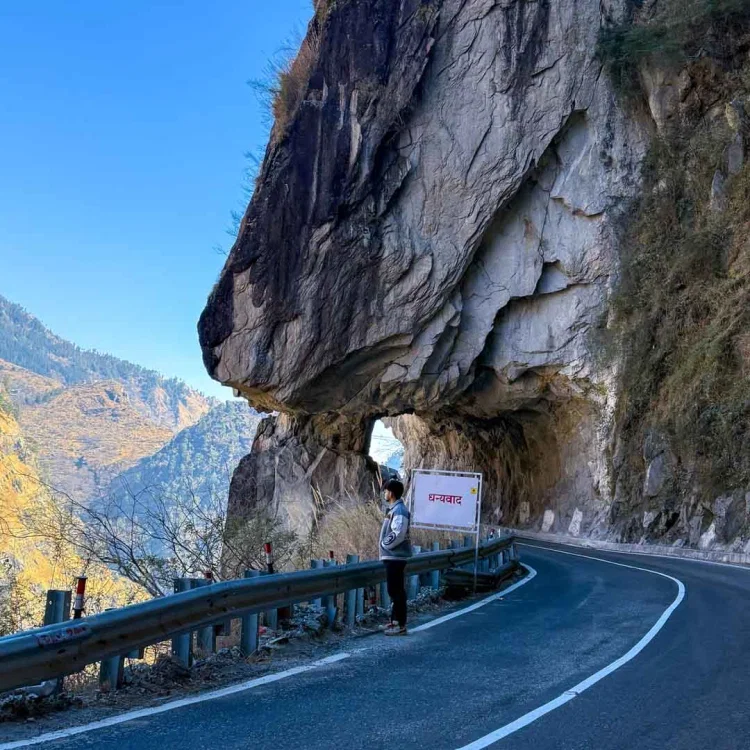 Lahaul and Spiti
Spiti Valley Road Status 2026: Open Routes, Closed Roads & Best Route Today
Is Spiti Valley open today? August 2026 road status: both routes are open and the full circuit is running, but the monsoon is active with orange alerts on the Chamba-Kangra-Mandi belt for Aug 10 to 11. Shimla-Kaza, Manali-Kaza via Kunzum, Chandratal, HRTC buses, permits, vehicle advice, and backup plans.
- Road Status
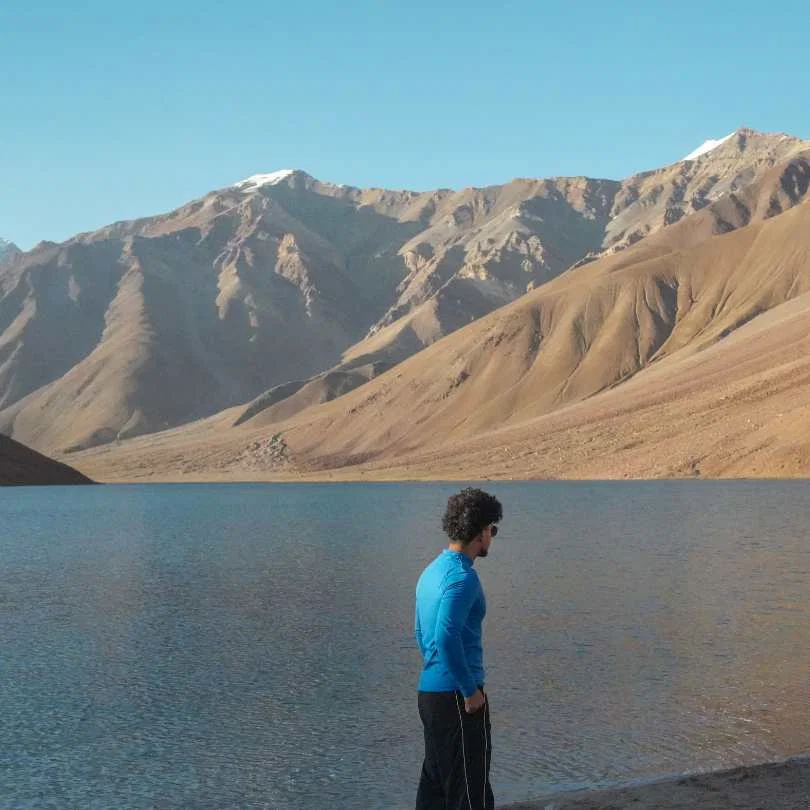 Lahaul and Spiti
Chandratal Road Status 2026: Is Chandratal Lake Open Today?
Is Chandratal Lake open today? August 2026 road status: the lake is open and camps are running, but the monsoon is active with an orange alert on the western belt for Aug 10 to 11. Kunzum Pass, Batal diversion, camp updates, permits, entry fees, vehicle advice, and what to do if the road closes.
- Road Status