
Zanskar Valley vs Ladakh 2026: Which Remote Ladakh Trip Is Better for You?
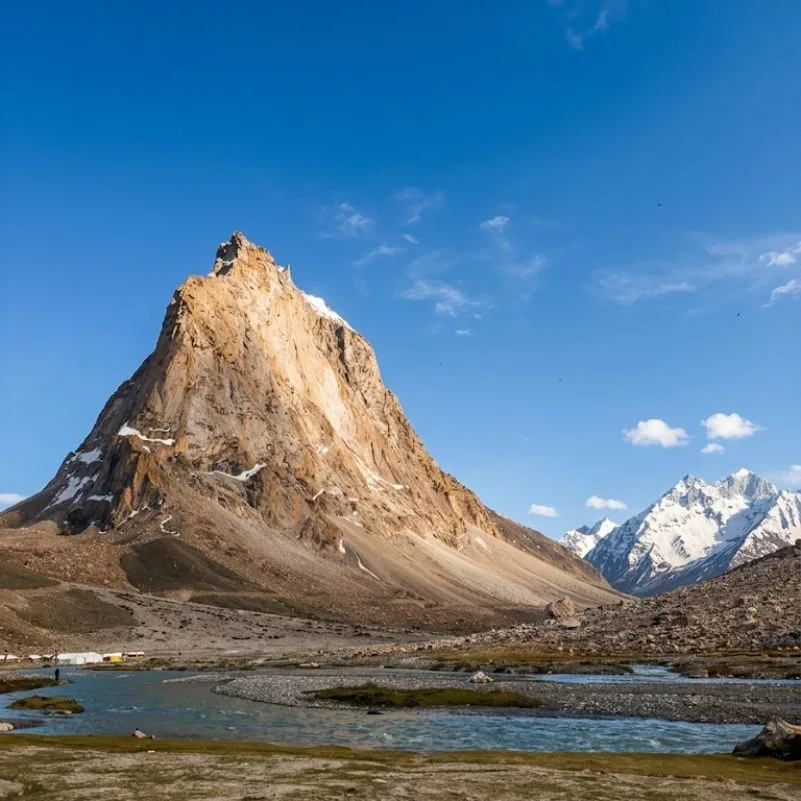
If you are stuck on Zanskar Valley vs Ladakh and cannot decide where your next remote Himalayan trip should go, you are asking the right question early.
These are not the same kind of trip. One is a full road expedition through glaciers and cave monasteries. The other is a focused run to dark skies or a quiet high lake.
We plan both every season, and the truth is most travellers pick wrong because nobody explains the difference clearly. Here it is, with real road status, real distances, and honest warnings.
Quick Answer: Should You Choose Zanskar, Hanle, Tso Moriri or Classic Ladakh?
Pick Zanskar Valley if you want raw road adventure, glaciers, old monasteries and real isolation. It is the strongest expedition of the four.
Pick Hanle if you want stargazing. The Hanle Dark Sky Reserve gives you a night sky you will not get anywhere else in India.
Pick Tso Moriri if you want a quieter high altitude lake and you have fewer days than a full Zanskar expedition needs.
And pick classic Ladakh (Leh, Nubra, Pangong) if this is your first high altitude Himalayan trip and you want comfort while you adjust.
👉Tell us your travel dates, and we'll recommend the perfect Ladakh itinerary.
What Does "Zanskar Valley vs Ladakh" Actually Mean?
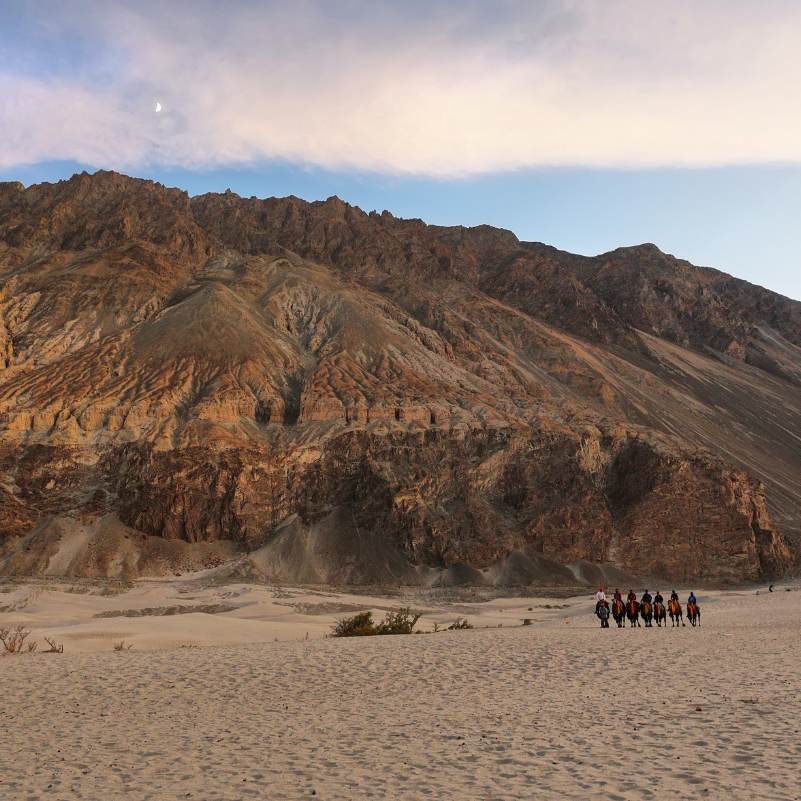
First, clear up the confusion. Zanskar is part of Ladakh. It is a region inside Ladakh, not a separate state and not a separate destination outside Ladakh.
So technically "Zanskar vs Ladakh" is not a fair fight. Zanskar is one piece of a much bigger map.
What most travellers mean by "Ladakh" is the popular circuit: Leh, Nubra, Pangong, Hanle, Tso Moriri and the rest.
So the real choice is this. Do you go deep into Zanskar, or do you pick one of the other offbeat Ladakh routes like Hanle or Tso Moriri? That is the question this guide answers.
One thing most tourists get wrong from the start
They treat Zanskar like a single viewpoint you drive to and photograph. It is not. It is a multi-day expedition with its own roads, its own villages, and its own weather. Plan it like a sightseeing stop and the trip falls apart.
Zanskar Valley in One Line: Who Is It Best For?
Zanskar is for the traveller who wants a slow expedition, not a checklist. The main base town is Padum, and almost everything radiates from there.
This is a land of villages, monasteries, glacier views and difficult roads. The whole region spreads over more than 5,000 sq km, so distances feel big and services feel thin.
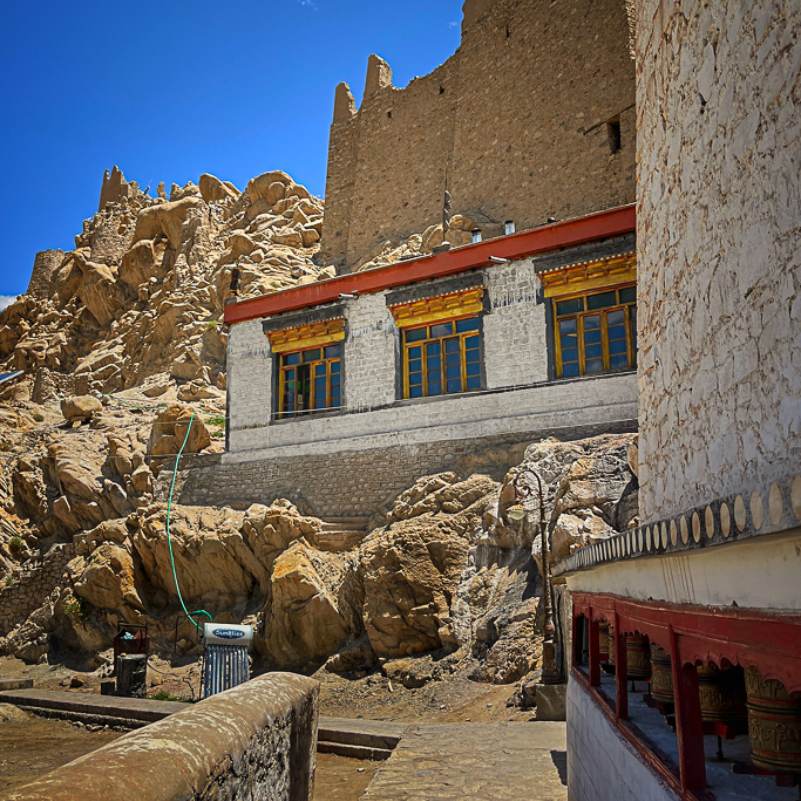
You get Karsha, the largest monastic establishment in Zanskar, sitting 9 km from Padum. You get Stongde Monastery 18 km from Padum and Burdan Monastery 12 km from Padum.
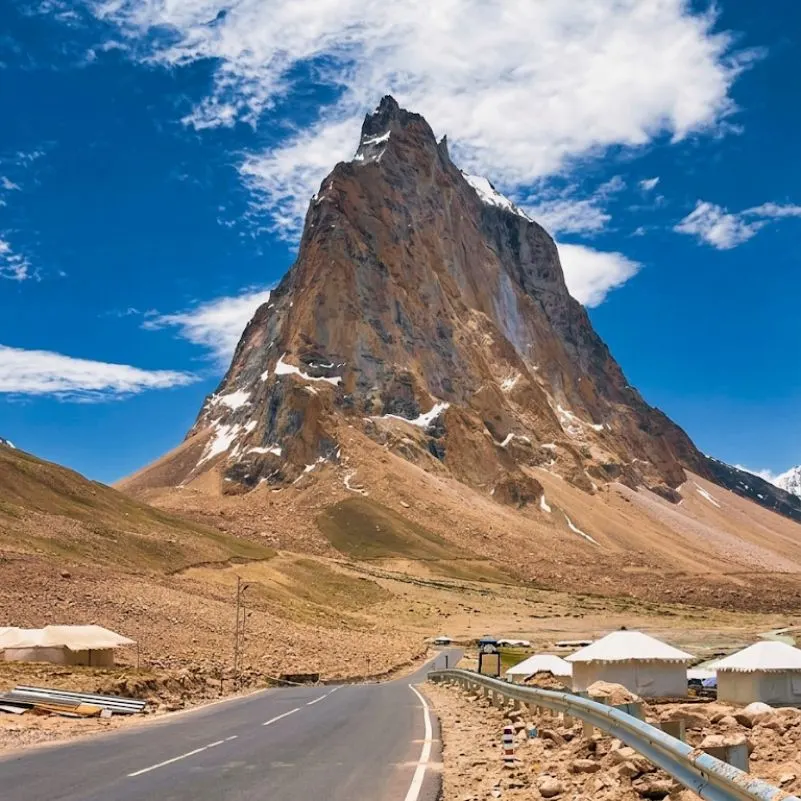
You also get bigger sights like Pensi La, the Drang Drung Glacier, the rock tower of Gonbo Rangjon, and the cave monastery of Phugtal deep in the Lungnak valley.
If that list excites you more than it tires you, Zanskar is your trip. If you want easy roads and hot showers, it is not.
Zanskar suits experienced high altitude travellers who can handle long driving days and basic stays. We plan it as an offbeat Ladakh expedition for exactly this kind of traveller.
Offbeat Ladakh in One Line: What Do Hanle and Tso Moriri Offer?
Hanle
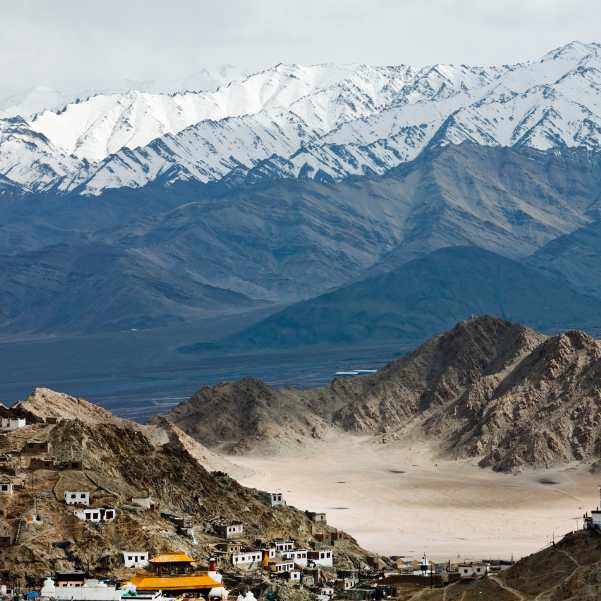
Hanle is the stargazing route. The Hanle Dark Sky Reserve was notified by the Government of Ladakh in December 2022, and it is built around the Indian Astronomical Observatory.
This is where you go for the Milky Way, for astrophotography, for a night sky most Indians never see in their lives.
Tso Moriri
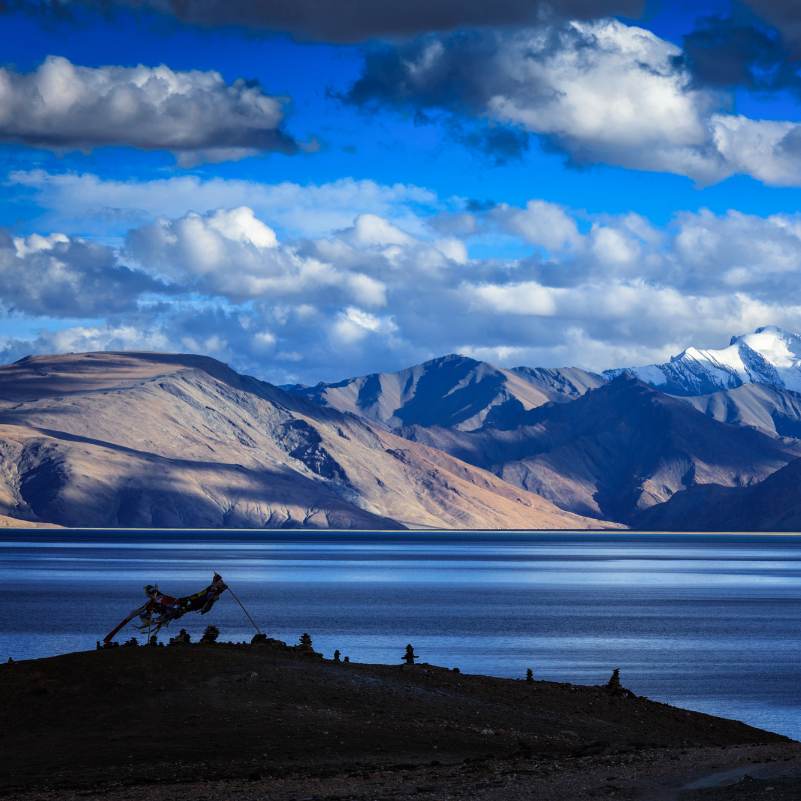
Tso Moriri is the quieter lake. It sits in the Changthang plateau, it is part of a Ramsar wetland reserve, and it is far less crowded than Pangong.
Both need real altitude planning and careful route checks. Neither is comfortable in the way a hill station is. Do not expect resorts or quick fixes out here. The remoteness is the point, and it cuts both ways.
Zanskar or Hanle: Which One Should You Choose?
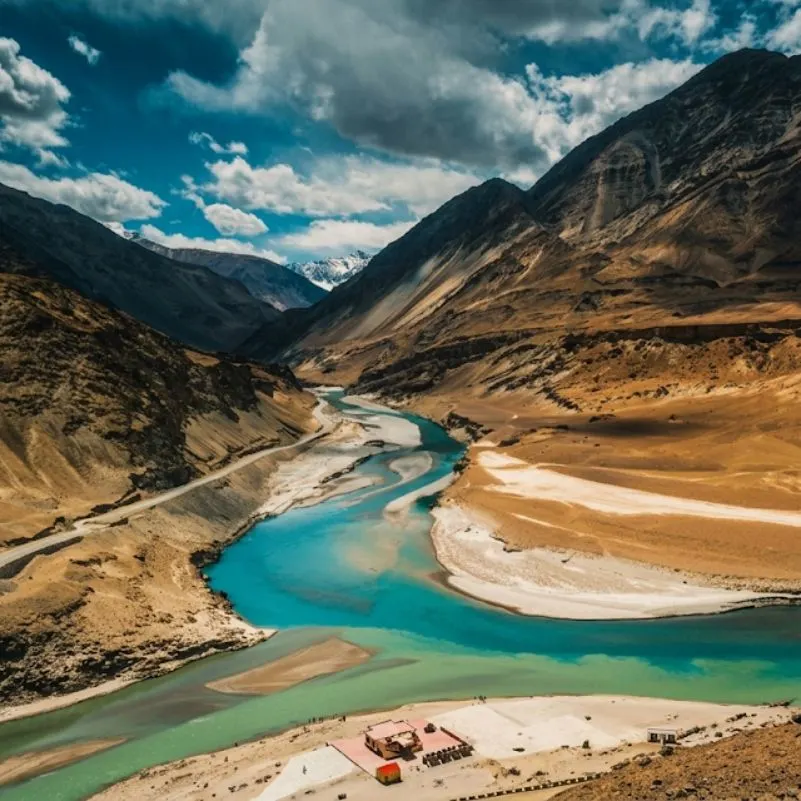
Choose Zanskar if you want remote roads, monasteries and glacier landscapes
Zanskar feels like a full road expedition. You are not driving to one spot. You are moving through a whole valley over several days.
You base yourself in Padum and reach out to Karsha, Stongde, Phugtal, Pensi La and the Drang Drung Glacier. Each one is its own day.
This needs more days, real buffer time, and patience with basic infrastructure. Power, food and stays out here are simple. That is the deal.
In our experience, the people who love Zanskar are the ones who came for the journey itself, not just the photos at the end.
Choose Hanle if you want stars, silence and a focused remote route
Hanle is about the sky. PIB lists the Hanle Dark Sky Reserve at 4,250 m, and astrophotographers and amateur astronomers chase it because the night sky here is extremely dark.
The Indian Institute of Astrophysics says the region around Hanle has some of the darkest skies in India, with roughly a 22 km radius tied to the Dark Sky Reserve plan.
There is even a local community angle. PIB noted the reserve had 24 astronomy ambassadors in 2025, local people trained to run night sky sessions.
The big planning tip for Hanle is timing. Aim for nights around the new moon, when there is no moonlight to wash out the stars. Check the exact new moon dates for your travel month before you lock plans.
Hanle gives you remoteness without forcing you through a full Zanskar loop. It is a focused route, not a sprawling one.
Verdict for Zanskar or Hanle
If you are an expedition lover who wants roads, monasteries and glaciers, choose Zanskar.
If you are a photographer or a star chaser with fewer days, choose Hanle. It delivers one extraordinary thing and does it better than anywhere else.
Zanskar or Tso Moriri: Which One Is Better?
Choose Zanskar for depth and adventure
Go for Zanskar when you have 7 to 10 days and you want depth. Monasteries, glacier viewpoints, rough roads and remote villages all in one trip.
This is a commitment, not a side trip. If you want to feel genuinely far from everything, this is the stronger pick.
Choose Tso Moriri for a shorter peaceful lake escape
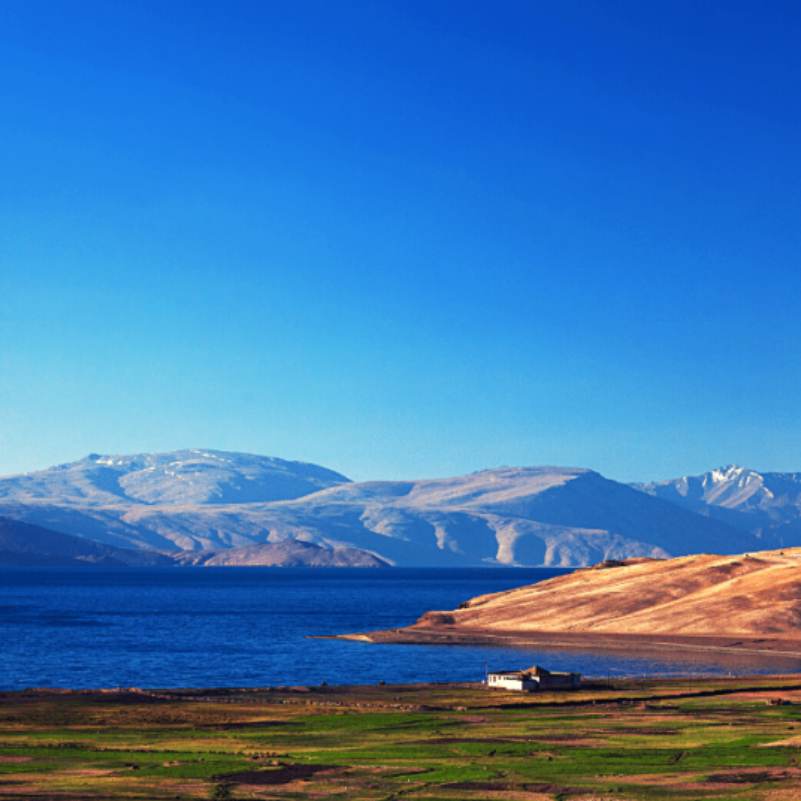
Tso Moriri works when your days are limited and you want calm. Leh to Tso Moriri is 240 km and takes about 6 to 7 hours, per the official Leh source.
The lake itself is about 19 km long and up to 8 km wide, ending at the village of Korzok. It is part of the Tsomoriri Wetland Conservation Reserve, a Ramsar site, so you also get birdlife along the shore.
The official Leh source calls it lesser known and less crowded than Pangong, which is exactly why we send quieter travellers here.
One honest note on altitude. Sources conflict on Tso Moriri's exact height, with the official Leh page saying about 4,000 m and others saying 4,522 m, so treat any single number with care.
Verdict for Zanskar or Tso Moriri
Choose Tso Moriri for a shorter, peaceful lake plan that fits a tighter schedule.
Choose Zanskar for a proper remote Ladakh expedition where the journey matters as much as the destination.
If you want us to shape either one around your dates, our Ladakh tour package options cover both styles.
How Many Days Do You Need?
Minimum days for Zanskar Valley
A 7 day Zanskar trip is possible, but it is rushed. You will spend most of it driving and very little of it resting.
We usually push travellers towards 9 to 10 days for a relaxed Zanskar Valley itinerary. That extra time absorbs road delays and bad weather, which are normal here, not rare.
Minimum days for Hanle
Hanle slots into a Changthang style route, but the exact routing should be fixed only after you check permits and road status for your dates.
One rule does not change. The official Leh health advisory asks tourists arriving in Leh to take at least 48 hours of acclimatisation before pushing into high altitude areas. Hanle is high. Respect that buffer.
Minimum days for Tso Moriri
For Tso Moriri, one overnight is the minimum and two nights is far more relaxed.
Remember the drive is 240 km and 6 to 7 hours each way from Leh, so a single overnight means two long driving days back to back. Two nights lets you actually enjoy the lake.
Best 2026 Route Options for Zanskar Valley
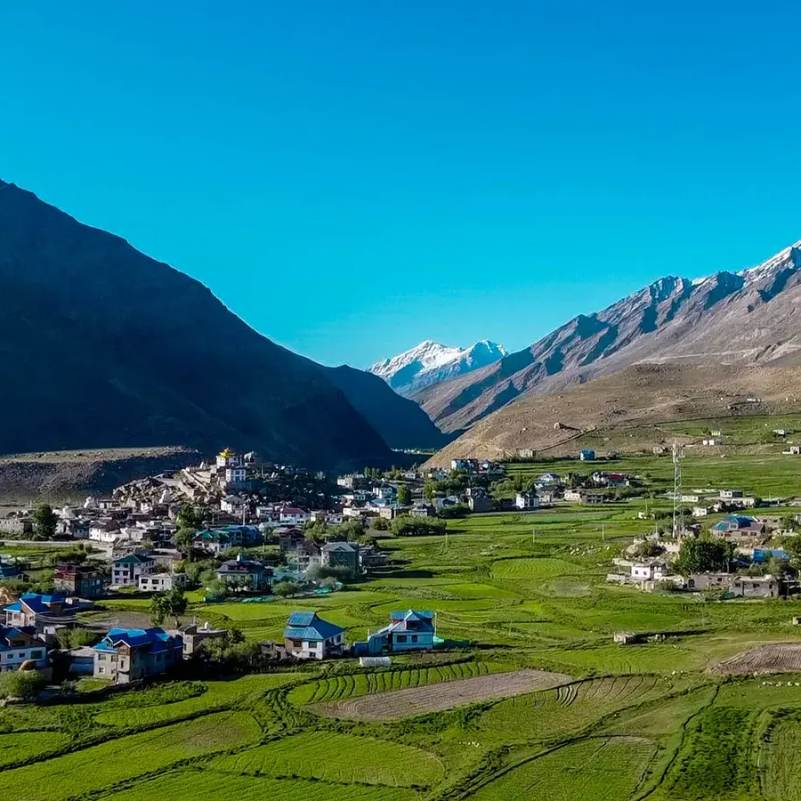
Route 1: Srinagar, Kargil, Rangdum, Pensi La, Padum
This is the gradual, more traditional way in. You climb slowly through Kashmir into Kargil, then on to Rangdum and over the pass.
Kargil to Zanskar is 250 km, and Pensi La sits 160 km from Kargil at 4,401 to 4,450 m. Pensi La is the highest point on the whole Kargil to Zanskar road.
The slow altitude gain on this side is genuinely easier on your body. If you are nervous about high altitude, this is the gentler entry.
If you are starting from the Kashmir side, our Kashmir route support team can handle the Srinagar to Kargil leg for you.
Route 2: Manali, Jispa, Darcha, Shinku La, Gonbo Rangjon, Padum
This is the adventure approach, and it is the harder one. You go from Manali up through Jispa and Darcha, over Shinku La, past the rock tower of Gonbo Rangjon into Padum.
Here is the warning. A 2026 road tracker reported this road was open only for 4x4 vehicles on 25 April 2026, with slippery snow and ice near Shinku La. That is not a road for a regular hatchback in the early season.
Do not make the classic mistake here. People check the Manali to Keylong status, see it open, and assume the whole road is fine. It is not the same thing.
The Darcha to Shinku La stretch must be checked separately and on the same day you travel. Conditions on this side change fast.
For the Manali side logistics, our Manali route planning team can set up the early legs. Many travellers also break the journey with a Sissu or Lahaul halt before pushing higher.
Route 3: Nimmu, Chilling, Zangla, Padum
This is the newest axis. BRO connected the 298 km Nimmu Padum Darcha road on 25 March 2024, giving Ladakh a third main road link after Manali-Leh and Srinagar-Leh.
It runs from the Leh side through Chilling and Zangla into Padum, opening up a route that simply did not exist as a through road before.
Work on the Shinkun La tunnel is meant to support future all-weather connectivity on this axis. That is the long term plan, not today's reality.
For now, treat this road like any other Zanskar route. Check current advisories before you commit, because "connected" on paper does not always mean smooth on the ground.
Sample Zanskar Valley Itinerary for 7 to 10 Days
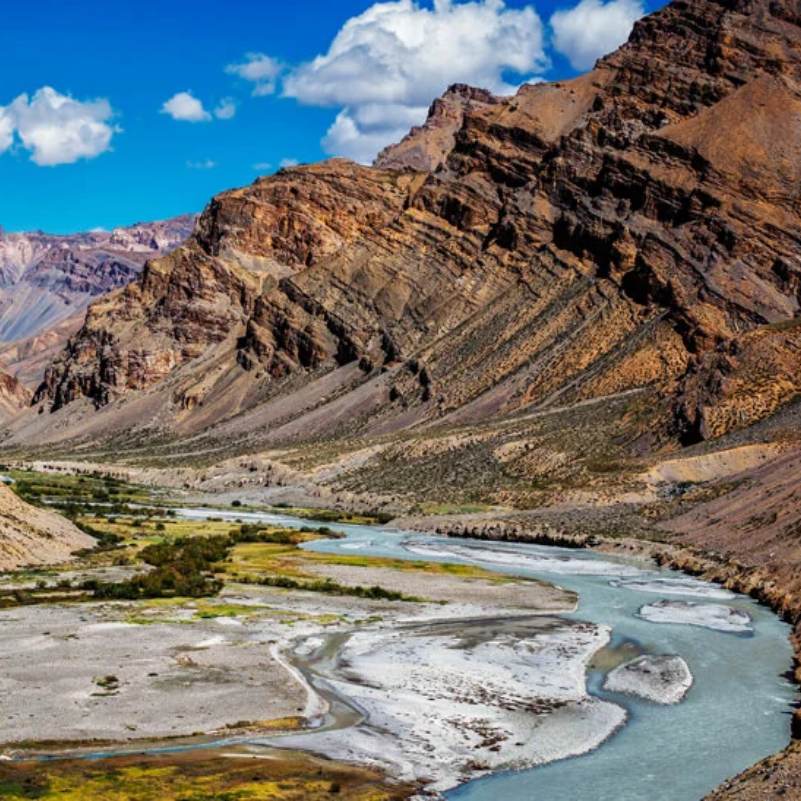
7 day practical Zanskar plan
Here is a tight but workable seven day flow. Day 1 is Leh arrival and rest, because you do not move on day one, full stop.
Day 2 you drive Leh to Kargil, roughly 210 km on one common commercial route. Day 3 you cross Pensi La and reach Padum from Kargil, a long haul of around 295 km on that same route logic.
Day 4 stays around Padum, taking in Karsha, Stongde and Zangla. Day 5 is your Phuktal side trip or a push to Purne, with Padum to Purne about 56 km.
Day 6 you start working back, heading from Padum or Purne towards Sarchu or Jispa via Shinku La, weather allowing. Day 7 you return towards Leh or Manali depending on which exit you chose, with Sarchu to Leh around 230 km if you loop that way.
This plan works, but it leaves almost no slack. One landslide or one snow patch on Shinku La and the whole thing tightens up.
9 to 10 day slower Zanskar plan
The ten day version is the one we actually recommend. You take the same backbone and add breathing room.
Build in a buffer day in Padum and another near Purne. These are not wasted days. They are the days that save your trip when a road closes.
Add Drang Drung Glacier, the monastery and meadow stop at Rangdum, and Sani near Padum for a proper monastery day. Spread the sightseeing instead of cramming it.
What we tell our travellers is simple. In Zanskar, the slow plan is not the lazy plan. It is the safe plan, because the roads and altitude do not care about your schedule.
👉Need a customized Zanskar road trip plan? Chat with our Ladakh experts on WhatsApp.
Can You Combine Zanskar, Hanle and Tso Moriri in One Trip?
Yes, you can. But it is not a smart pick for a short holiday.
Commercial 10 day routes combining Zanskar, Hanle and Tso Moriri do exist, and they cover serious ground.
The honest version is this. We would only fix the exact routing after checking roads, permits and acclimatisation for your specific dates, because all three change year to year.
If you want all three properly, plan for 10 to 12 days minimum. Anything shorter and you are just driving through, not experiencing.
Difficulty, Comfort and Road Conditions Compared
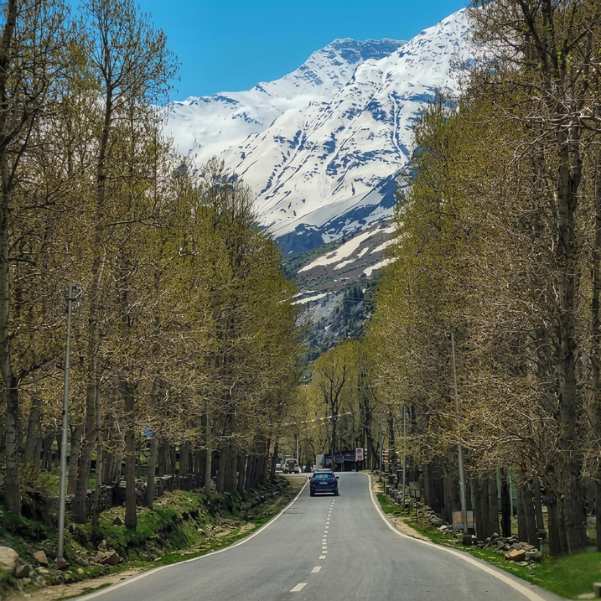
Zanskar is the toughest of the three on roads and services. Conditions swing a lot, fuel and food stops are few, and stays are basic once you are past Kargil or Darcha.
Hanle is remote and altitude heavy, but it is a focused run rather than a sprawling loop. You are dealing with high ground and long drives, not constant rough roads.
Tso Moriri is shorter than Zanskar, but do not mistake shorter for easy. It is still high, still isolated, and still a real drive at 240 km and 6 to 7 hours from Leh.
The one habit that matters across all three is same day road verification. A road that was fine last week tells you nothing about today, especially on the Shinku La side.
Permits and Acclimatisation for Remote Ladakh
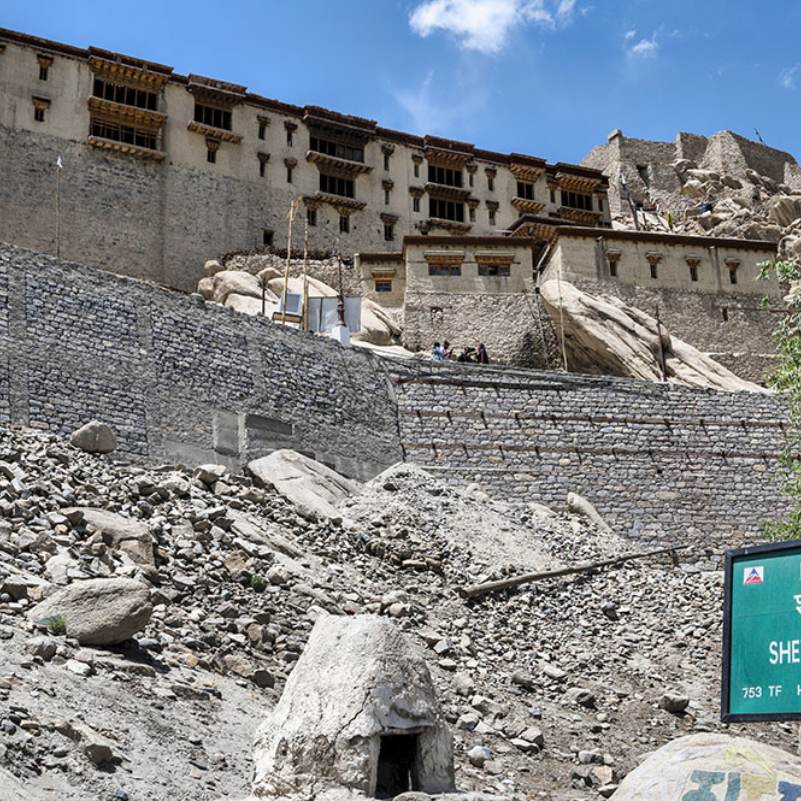
Sort your paperwork before you travel. The official Leh tourist portal allows online payment of tourist fees, so handle that early instead of scrambling on arrival.
The acclimatisation rule is not optional in our book. Take the 48 hours in Leh that the official health advisory asks for before going high. Skipping it is the fastest way to ruin a trip with a headache and nausea.
Hanle and Tso Moriri generally need an Inner Line Permit because they sit in restricted areas, according to permit guides, since rules shift and depend on your nationality and the year.
For Zanskar, check permit rules based on your nationality and your chosen route. Indians and foreigners do not always face the same requirements, so confirm before you drive.
Cost: Which Remote Ladakh Trip Is More Expensive?
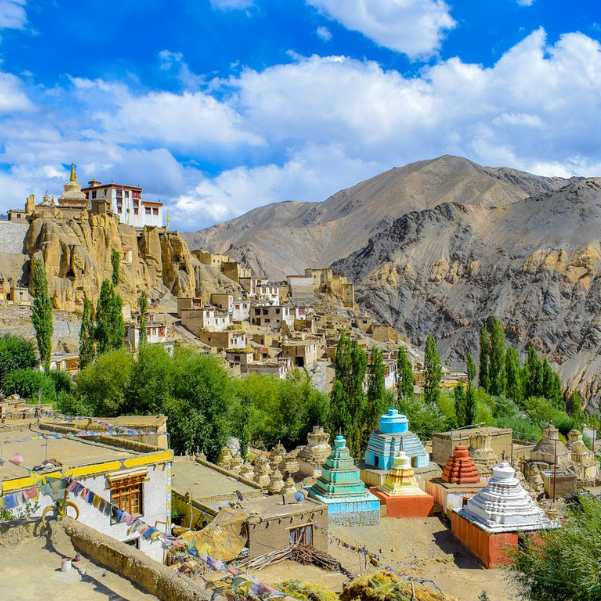
We will not quote Travel Coffee prices here, because your real cost depends on your group, dates and stays.
But the pattern is clear. Zanskar usually costs more than a short Hanle or Tso Moriri add-on. It needs more days, longer vehicle movement, heavier fuel planning and remote stays, and all of that adds up.
For a rough online budget sense, budget travellers can expect around ₹2,500 to ₹4,000 per day, mid-range travellers around ₹4,500 to ₹7,000 per day, and premium private trips ₹10,000 or more per day.
Treat these as general market ranges, not fixed rates, because inclusions, vehicle sharing, hotel category and season can change the final cost.
A money saving tip
Adding Tso Moriri to an existing Leh trip is cheap. Building a standalone Zanskar expedition is not. Plan the structure right and the budget follows.
Which Trip Is Better for Your Travel Style?
For first-time Ladakh travellers
If this is your first time at this altitude, do classic Leh, Nubra and Pangong first. Add Tso Moriri if you still have days left.
Leave Zanskar for your second trip, once you are comfortable with thin air and rough roads. It is a much better experience when your body already knows what high altitude feels like.
For bikers and 4x4 road trippers
Zanskar is your playground, but only if you are experienced. Shinku La and Pensi La are real passes, not photo stops.
Get your tyres checked, plan your fuel carefully, and keep buffer days for weather. The riders who get into trouble out here are almost always the ones who underestimated the road, not the ones who lacked nerve.
For photographers
Pick Zanskar for monasteries and raw, empty landscapes. Pick Hanle for the night sky and the Milky Way. Pick Tso Moriri for lake reflections and the birdlife along a Ramsar wetland.
Each gives you a completely different memory card. Choose by the kind of photo you actually want to come home with.
For families and comfort-focused travellers
Families and comfort seekers should lean towards Tso Moriri or classic Ladakh over Zanskar.
Go with a private cab, slow pacing, oxygen support on hand and good stays. We can arrange all of that, though we never make medical promises, because altitude affects every body differently.
Final Verdict: Which Remote Ladakh Trip Should You Book?
Choose Zanskar if you want the strongest expedition feel, with glaciers, cave monasteries and roads that test you. It is the deepest experience of the four.
Choose Hanle if stargazing is the whole point. Nothing else in India matches that sky.
Choose Tso Moriri for peaceful, quieter lake scenery on a shorter plan.
And choose classic Ladakh if this is your first high altitude Himalayan trip and you want to ease in.
If you are still torn, that is normal, and it is exactly the kind of thing we sort out over a quick chat. If Zanskar feels like too much for now, a Spiti Valley alternative gives you remote Himalayan roads with easier logistics.
Explore Our Curated Leh Ladakh Tours
 6D/5N
6D/5NUltimate Leh Ladakh Tour Package with Nubra Valley & Pangong Lake
2D Leh•1D Nubra Valley+1
₹28,999₹35,999SAVE ₹7,000/ person 6D/5N
6D/5NBest Selling Leh Ladakh Tour With Nubra Valley and Pangong Lake
2D Leh•1D Nubra Valley+1
₹23,999₹28,599SAVE ₹4,600/ person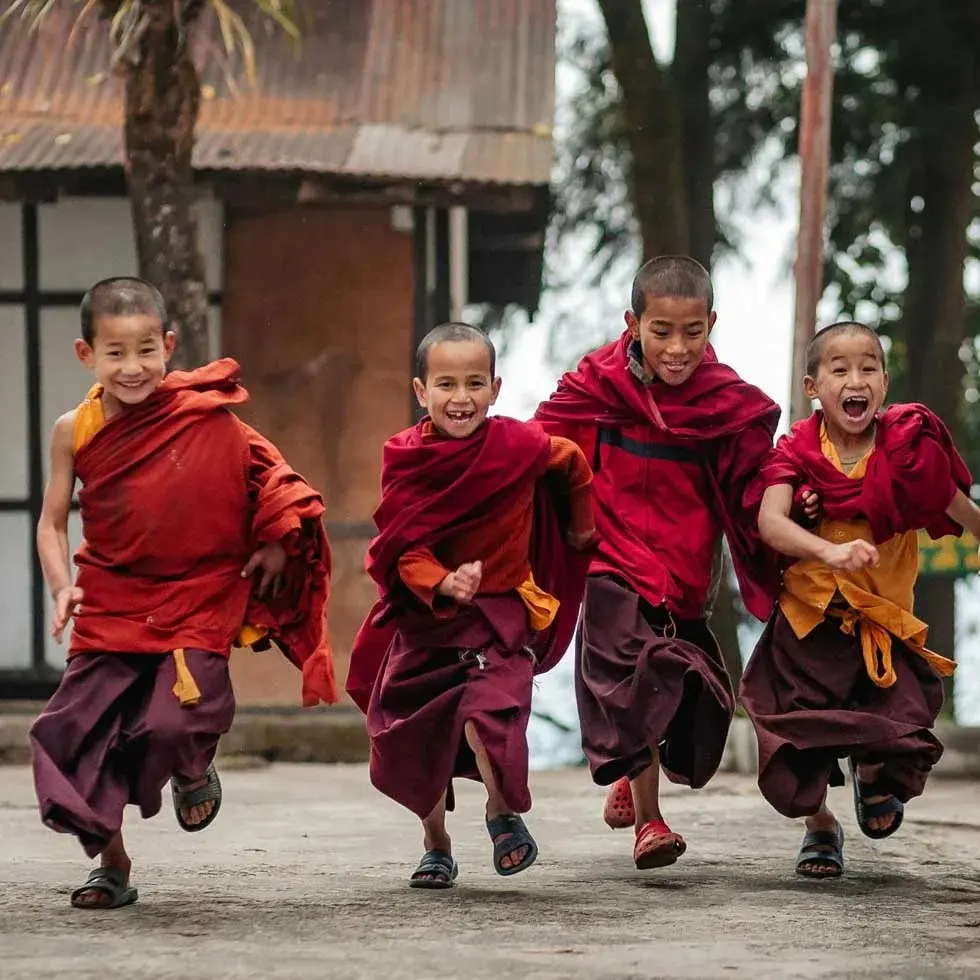 4D/3N
4D/3NLeh Ladakh Short Getaway
2D Leh•1D Pangong Lake
₹16,499₹19,999SAVE ₹3,500/ person
Related topics
Frequently Asked Questions
Is Zanskar better than Ladakh for an offbeat trip?
Zanskar is part of Ladakh, so it is not really a rival to it. Among offbeat options, Zanskar is the most remote and adventurous, while Hanle and Tso Moriri are more focused and easier to fit into shorter plans.
How many days are enough for Zanskar Valley?
Seven days is possible but rushed. Nine to ten days is far better and gives you buffer for road delays and weather, which are common in Zanskar.
Is Zanskar Valley worth visiting?
Yes, if you want a real expedition with glaciers, old monasteries and isolation. It is not worth it if you want comfort, easy roads or a quick sightseeing trip.
Which is better, Zanskar or Hanle?
Zanskar is better for road adventure, monasteries and glaciers. Hanle is better for stargazing and astrophotography, especially if you have fewer days.
Which is better, Zanskar or Tso Moriri?
Zanskar is better when you have seven to ten days and want depth. Tso Moriri is better for a shorter, peaceful high altitude lake trip.
Is Zanskar suitable for first-time Ladakh travellers?
Not as a first trip. We suggest classic Leh, Nubra and Pangong first, then Zanskar once you are comfortable with high altitude and rough roads.
What is the best time to visit Zanskar Valley?
The summer months, once the passes and roads are clear and stable. Early season carries snow and ice risk on high stretches like Shinku La, so always check same day status.
Do Indians need a permit for Zanskar Valley?
Permit rules depend on your nationality and route, so confirm before you travel. Check the latest requirements for your chosen entry road rather than assuming.
Do you need a permit for Hanle and Tso Moriri?
Both generally require an Inner Line Permit because they are restricted areas. Rules can change and depend on nationality and year, so verify close to your travel dates.
Can Zanskar, Hanle and Tso Moriri be done together?
Yes, commercial 10 day combined routes exist, but it is not ideal for a short holiday. Plan for 10 to 12 days minimum and fix routing only after checking roads, permits and acclimatisation.
Is the Darcha to Padum road open in 2026?
The Padum-Darcha road reopened after winter on 8 April 2025, and a 2026 tracker reported the Manali-Darcha-Shinkula-Padum road open only for 4x4 vehicles on 25 April 2026 with snow and ice near Shinku La. Always check the Darcha to Shinku La stretch separately on the day you travel.
Is Phuktal Monastery reachable by road?
A 2026 travel report says Phugtal, a cave monastery in the Lungnak valley, has no direct road access, since access can change. Travellers typically reach it on foot from the nearest road head.
More about Ladakh
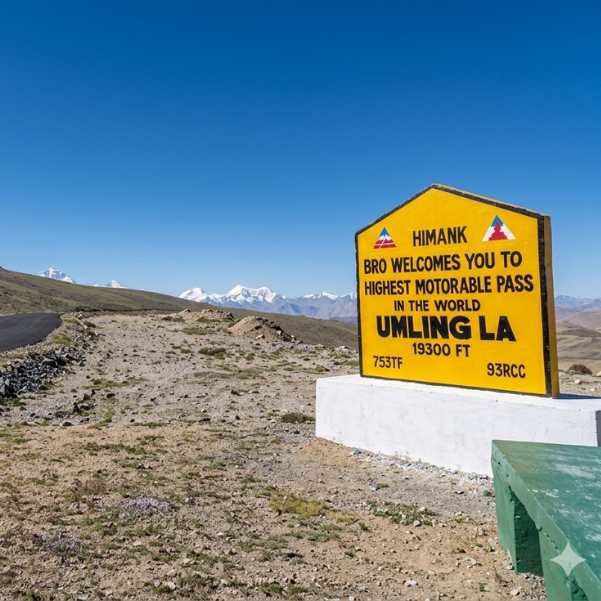 Ladakh
Umling La Ladakh Guide 2026: Route, Altitude, Permit, Safety & Reality Check
Planning to visit Umling La in 2026? This complete guide covers the route, altitude, permit requirements, road conditions, safety tips, and the realities of travelling to one of the world's highest motorable roads.
- Road Status
- Altitude & Health
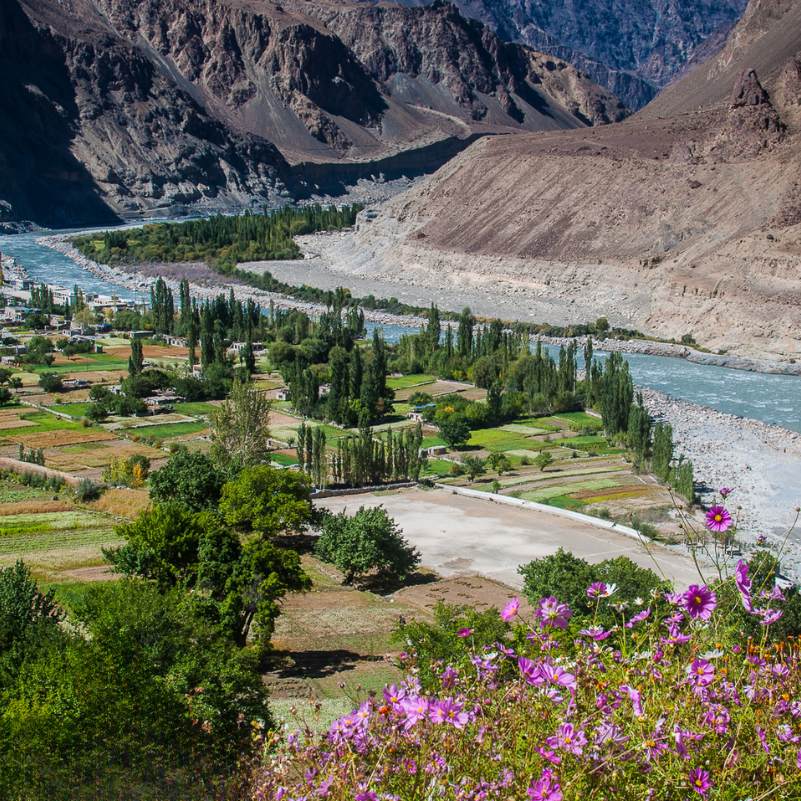 Ladakh
Turtuk Ladakh Travel Guide 2026: Balti Culture, Apricot Orchards and Why It Is Perfect for Families
Planning a trip to Turtuk? This 2026 travel guide explores the village's rich Balti culture, beautiful apricot orchards, top attractions, travel route, and why Turtuk is one of the best family-friendly destinations in Ladakh.
- Places to Visit
- Family Travel
- Ladakh
Offbeat Ladakh for Couples in 2026: Quiet Routes Beyond Pangong and Nubra
Looking for a peaceful Ladakh getaway? This 2026 guide explores quiet routes and hidden destinations beyond Pangong and Nubra, helping couples discover scenic landscapes, unique stays, and unforgettable offbeat experiences.
- Places to Visit
- Things to Do