
Tso Moriri Lake vs Pangong Lake in 2026: Which One Should You Choose in Ladakh?
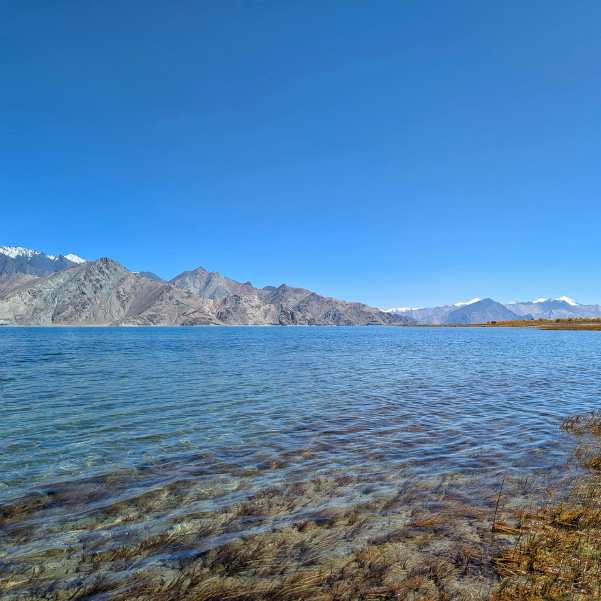
Ladakh has two lakes that keep coming up in every trip conversation: Pangong and Tso Moriri. Both are stunningly beautiful. Both need permits.
Both sit at a serious altitude. And most travellers planning a Ladakh trip spend way too long trying to figure out which one to pick.
Here is the honest answer from Travel Coffee that has planned hundreds of Ladakh trips: the right lake depends entirely on your travel style, how many days you have, and how well your body handles altitude. This guide breaks it all down so you can decide quickly and plan well.
Quick Answer
Pangong
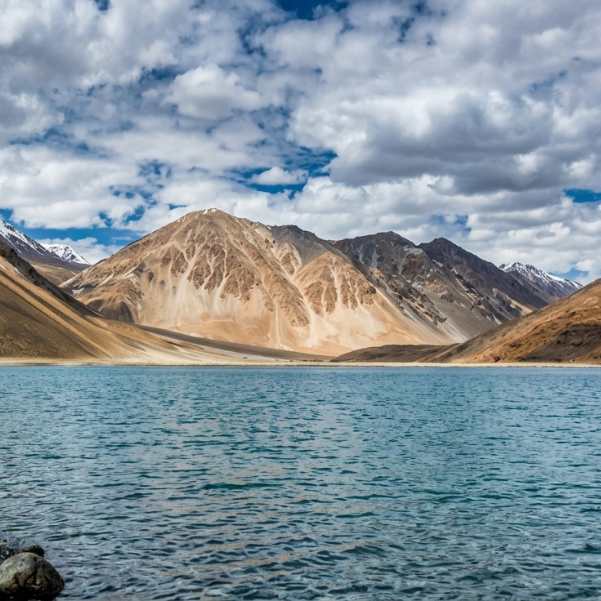
Pangong is usually the better pick for first-time Ladakh travellers, shorter trips of 6 to 7 days, and anyone who wants that iconic blue-lake photo that has been all over social media since 3 Idiots. It is easier to access, has more accommodation options, and fits neatly into standard Ladakh itineraries.
Tso Moriri
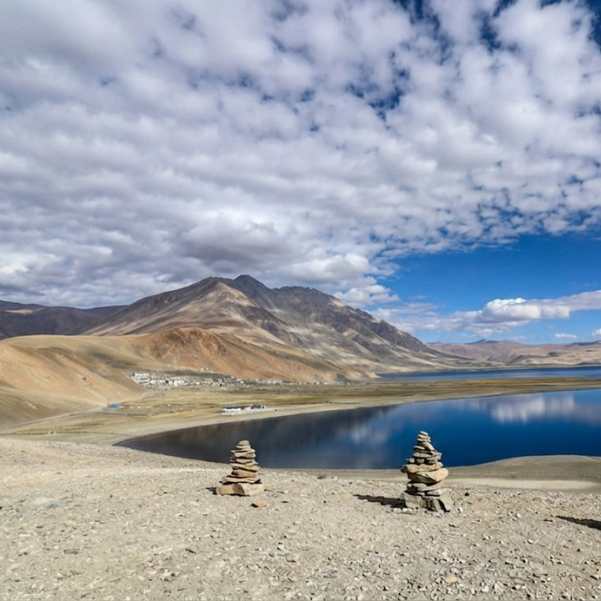
Tso Moriri is the better choice if you want fewer people, more silence, real wildlife, and a lake that feels like it belongs to another century. It sits slightly higher and the route is more remote, but the experience is worth every extra kilometre.
If you have 10 or more days in Ladakh and your body has adjusted well to the altitude, covering both is genuinely possible. Most people regret not doing both when they had the time.
Tso Moriri Lake vs Pangong Lake: What Is the Real Difference?
This is not just a question of which lake looks prettier. Both are beautiful. The real difference is the kind of trip each one gives you.
Pangong Lake
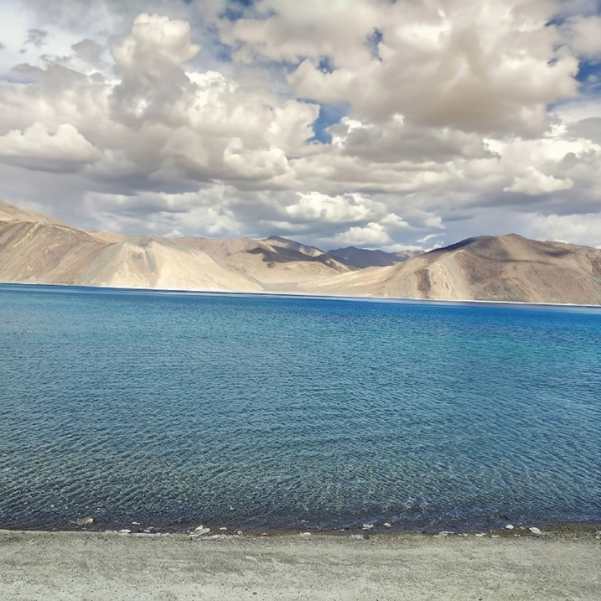
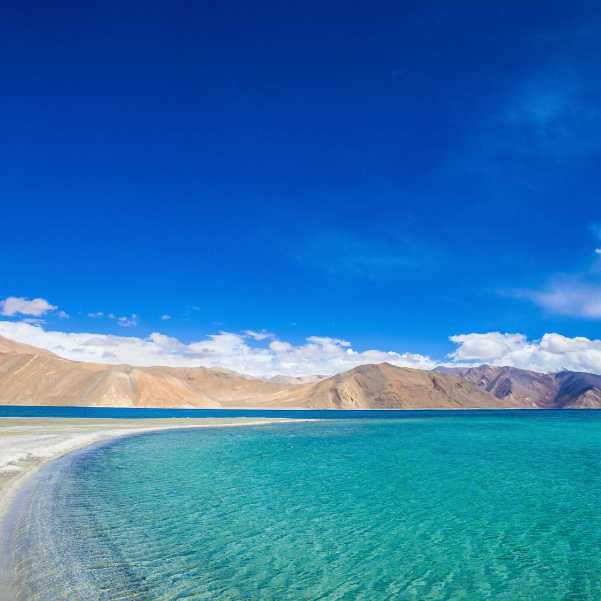
Pangong is big, dramatic, instantly recognisable, and popular. The blue shifts in colour depending on the time of day; steel grey in the morning, vivid turquoise by noon, almost violet near sunset. It is the kind of lake that makes you stop mid-sentence and stare.
Tso Moriri Lake
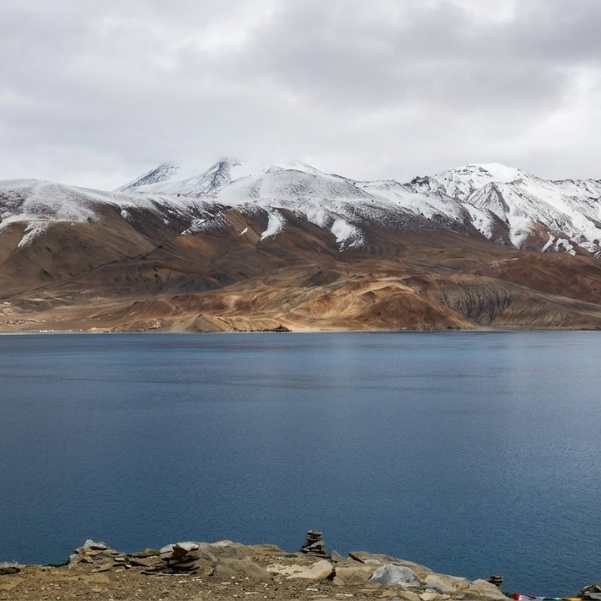
Tso Moriri is quieter, deeper in the Changthang plateau, and surrounded by a stillness that Pangong simply cannot offer anymore.
There is barely any development around it. The Korzok village on its banks has a monastery, a handful of homestays and camps, and very little else.
In our experience planning Ladakh trips, travellers who go to Pangong often come back saying "it was beautiful but busier than I expected." Travellers who go to Tso Moriri almost always say "I wish I had known about this one earlier."
Which Lake Is Better for First-Time Ladakh Travellers?
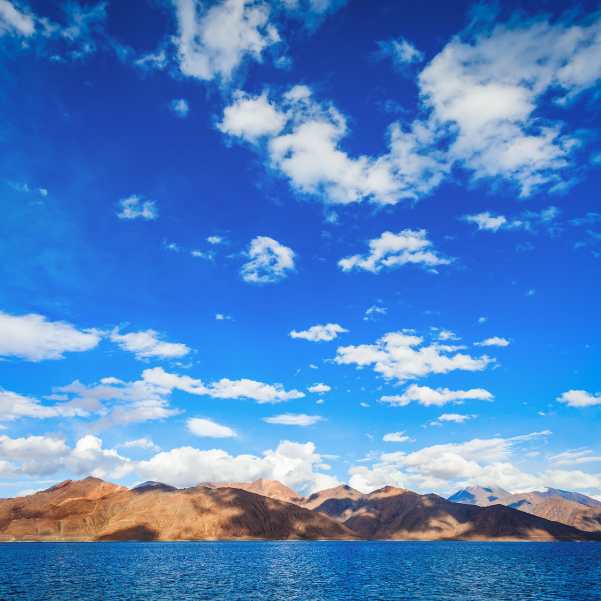
For most people on their first Ladakh trip, Pangong wins. It is easier to loop into a standard Leh to Nubra to Pangong circuit that most operators offer. The roads are more travelled, the camps are better set up, and there is backup if something goes wrong.
Tso Moriri sits further from Leh, the route via Chumathang is rougher, and the infrastructure at Korzok is more basic. That is not a bad thing, but for someone who has never been to Ladakh, it adds uncertainty.
That said, if you are a repeat Ladakh traveller and have already seen Pangong, Tso Moriri is not just worth it, it is where you should have gone the second time.
In our experience, it converts people completely. First-timers who are told about it by a friend who has already been almost always choose it without hesitation.
Which Lake Is More Beautiful: Pangong's Drama or Tso Moriri's Peace?
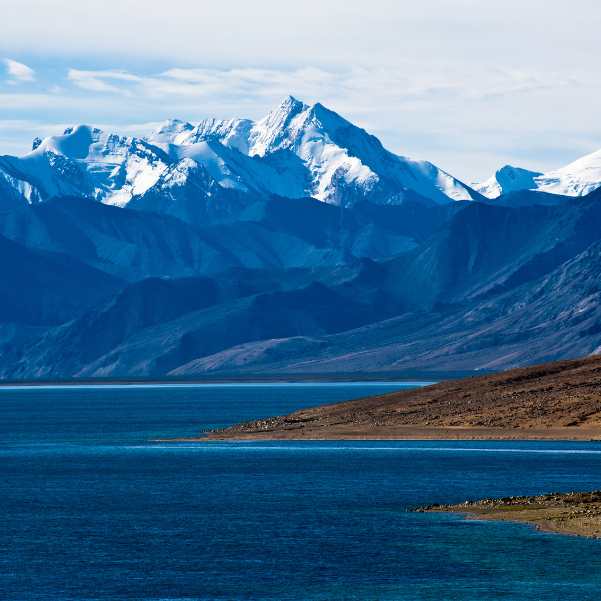
Honest answer: both. Different honest answer: it depends on what moves you.
Pangong's scale is hard to match. It stretches around 134 km total, and even the Indian portion feels vast. The colour contrast between the blue water, brown mountains, and clear sky creates photographs that look almost edited.
The famous rock from 3 Idiots, the shifting colours across the day, the sheer weight of the landscape, Pangong earns its reputation.
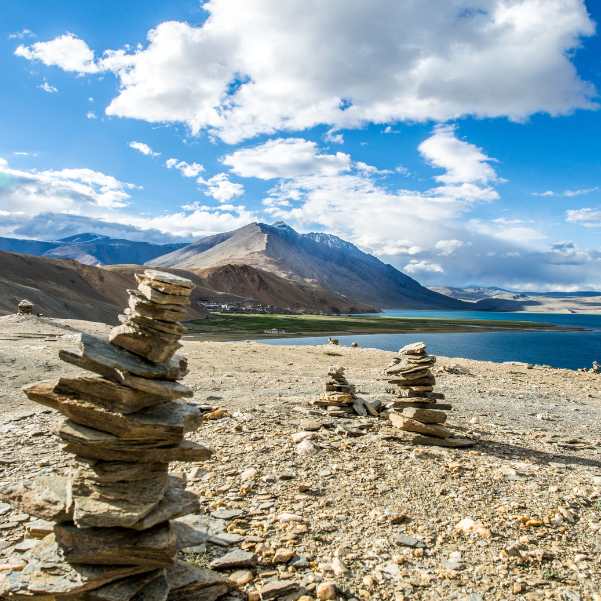
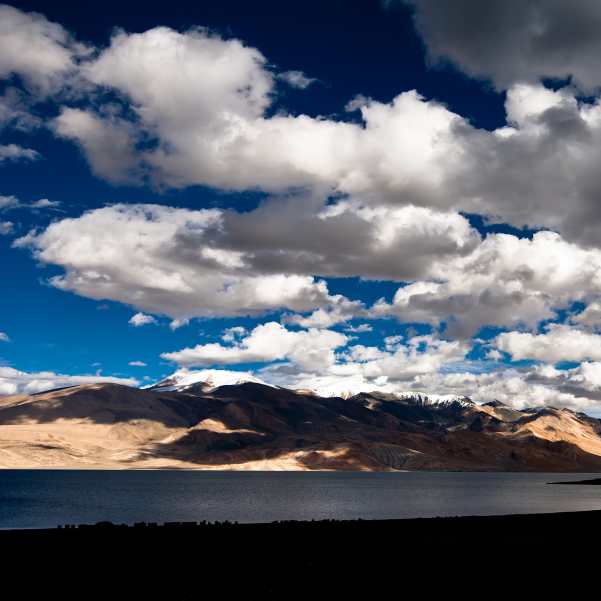
Tso Moriri does not try to compete on drama. It wins on atmosphere. The lake is about 28 km long and sits surrounded by the Changthang plateau with mountains reflecting off water that barely has a ripple.
On a still morning, it looks like someone placed a mirror in the middle of nowhere. Black-necked cranes cross overhead. Bar-headed geese land near the shore. The silence is real.
We always say the same thing to travellers who ask us to pick one: Pangong gives you a moment. Tso Moriri gives you a feeling that stays with you longer.
Which Lake Is Less Crowded and More Peaceful?
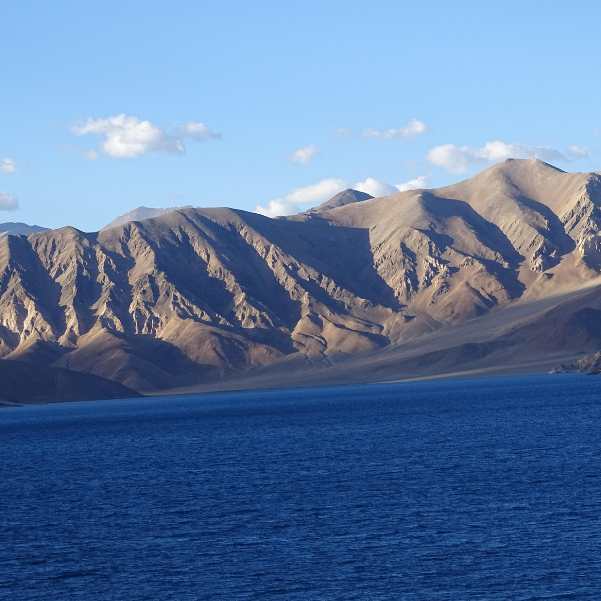
Tso Moriri, without question. Pangong has grown significantly in tourist traffic over the last decade. July and August especially see serious camp density on the Spangmik side, with vehicles lining the road and camps sitting close enough together that you can hear your neighbours' music.
Tso Moriri still has the kind of silence that is genuinely rare. The isolation of the Changthang plateau acts as a natural filter. Travellers who make the effort to reach Korzok are generally there because they want the experience, not just the photograph.
For sunrise and sunset photography especially, Tso Moriri is in a different league. The light hits the water without a crowd of people in the foreground.
The reflections are sharp and clear. You can sit at the edge for an hour and feel like you have the whole place to yourself.
>> WhatsApp us to check Tso Moriri and Pangong road status
How Do the Road Conditions Compare?
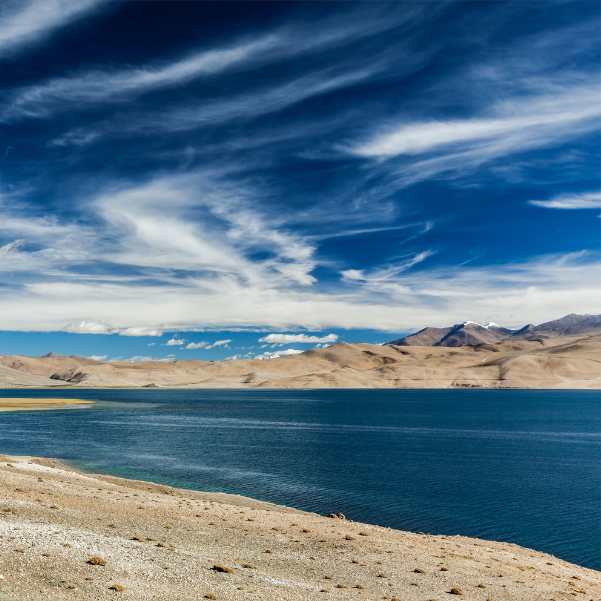
The Leh to Pangong route via Chang La pass is the most travelled mountain road in Ladakh. It is rough in parts, and Chang La at 5,360 m is no joke, but the road is used by enough vehicles that conditions are reasonably known.
Drive time from Leh to Spangmik is typically 5 to 6 hours depending on stops and traffic at the pass.
The Leh to Tso Moriri route via Chumathang runs about 213 km and takes roughly 6 to 7 hours. The road passes through the Indus Valley and then climbs through more remote terrain toward Korzok.
It is paved in sections and rough in others. The Chumathang hot springs route is generally accessible throughout the year from Leh.
What most tourists get wrong about Tso Moriri is assuming that because the Chumathang route is technically accessible, the road will be smooth and fast. It is not.
Sections after Sumdo can be slow, and water crossings near the plateau are not uncommon. A high-clearance vehicle is strongly recommended. This is not the route to attempt in a sedan.
Which Lake Is Safer in Terms of Altitude and Acclimatization?
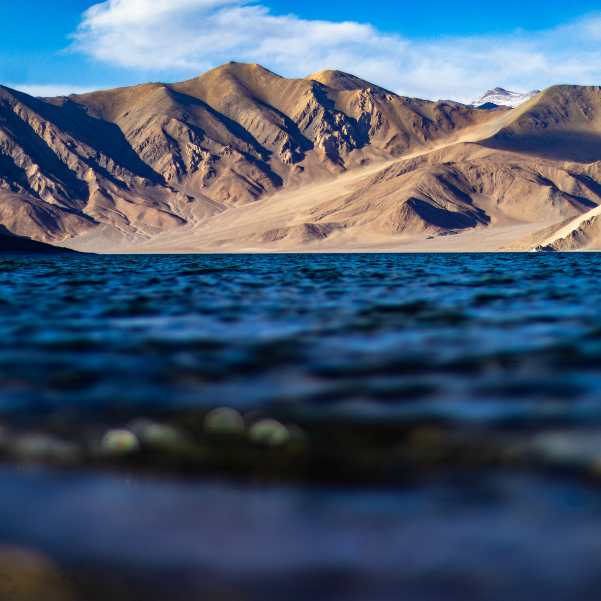
Tso Moriri sits higher than Pangong. The altitude of Tso Moriri is reported as roughly 4,522 m to 4,595 m depending on the source. Pangong sits at around 4,225 m to 4,320 m depending on the source. The difference is real, and at those altitudes, even 300 to 400 metres matters.
The Leh administration has a clear advisory: all tourists arriving in Leh should undergo at least 48 hours of acclimatization before heading to higher altitude areas. This is not a suggestion. It is the single most common reason trips go wrong.
In our experience, travellers who push straight from Leh to Tso Moriri without proper acclimatization almost always have a rough first night at Korzok.
Headaches, nausea, and breathlessness are common. Stay those two nights in Leh first. Walk slow. Drink water. Then head out.
Pangong is slightly more forgiving because of the lower altitude, but the same rule applies. Do not rush to the lake.
How Far Are Pangong and Tso Moriri from Leh?
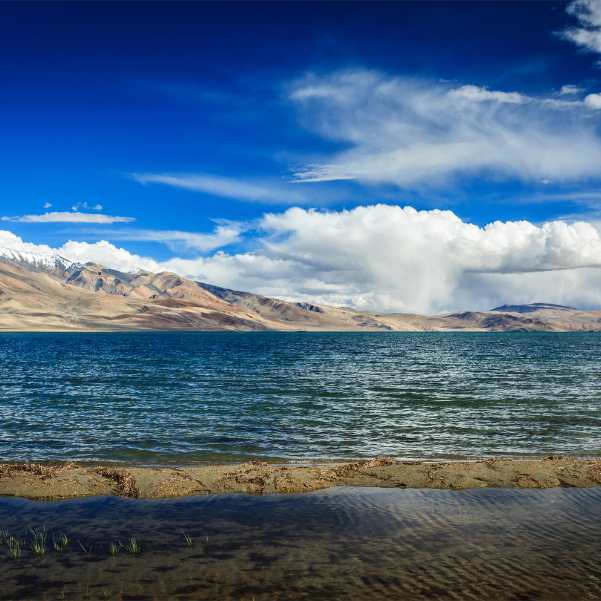
Pangong is commonly cited as around 145 km from Leh to the lake stretch. Keep in mind the distance to the lake and the distance to a specific stay point like Spangmik will differ slightly. Driving time is typically 5 to 6 hours depending on Chang La traffic and your pace.
Tso Moriri via Chumathang is approximately 213 km from Leh, with a drive time of around 6 to 7 hours. Via Tso Kar, the distance is approximately 233 km and takes longer, but the Tso Kar stopover makes it a more rewarding full-day drive.
The practical point here is that Tso Moriri requires more driving and therefore more time. If you only have a single night to allocate to one lake, Pangong is the more efficient choice. If you can spare an extra day, Tso Moriri is absolutely worth it.
Which One Has Better Stay Options: Spangmik or Korzok?
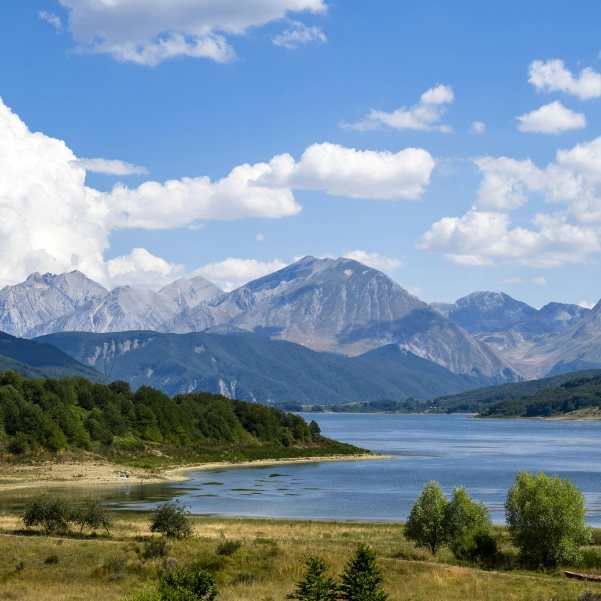
Pangong's Spangmik stretch has the most accommodation variety in the Changthang region. You will find tented camps of various quality levels, some permanent camp setups, and a few homestays.
The better camps have proper beds, attached toilets, and decent food. The area is clearly more developed for tourism.
Tso Moriri's Korzok is a traditional village with a functioning monastery. Stays here are mainly homestays and a small number of basic camps. The food is home-cooked and simple.
There is no room service, no proper attached bathrooms in most places, and very little by way of amenities. But there is something about waking up in a home in Korzok with the lake visible outside the window that no camp at Pangong can replicate.
The eco-sensitive and conservation reserve status of Tso Moriri means development around it is intentionally restricted.
All stays are routed through Korzok, which keeps the area clean and limits visitor pressure on the lake itself. This is the right call, even if it limits your options.
What we always tell travellers heading to Korzok: confirm your stay before you go. Do not count on landing there and finding a room easily, especially in July and August.
Which Lake Is Better for Photography, Birdwatching, and Wildlife?
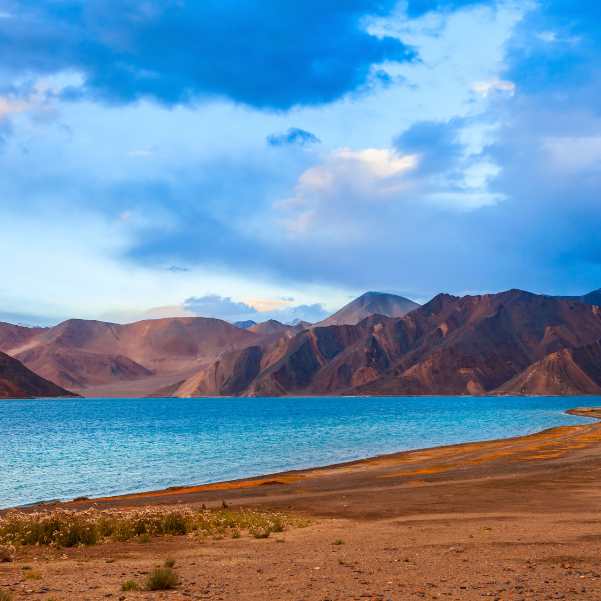
For classic Ladakh lake photography: wide shots, dramatic colours, blue water against brown peaks, Pangong is the more immediately rewarding choice. The scale of the lake and the colour shifts make it easier to get a striking shot even without much technical skill.
For wildlife photography and birdwatching, Tso Moriri is in a different category entirely. The lake is a Ramsar-listed wetland and part of a conservation reserve. Black-necked cranes and bar-headed geese are regularly seen here.
The open Changthang plateau around the lake also supports kiang (wild Tibetan ass) and sometimes wolves at a distance.
For travellers specifically interested in birdwatching or wildlife, Tso Moriri is genuinely one of the best sites in the Indian Himalayas.
Pangong has birds too, but the volume of tourist activity reduces wildlife sightings significantly, especially in peak season.
Our honest recommendation for photographers: spend a night at each if you can. Pangong for the dramatic midday colours. Tso Moriri for the stillness, the wildlife, and the pre-dawn reflections.
Connect with our team on WhatsApp and get a personalized travel plan in minutes.
Can You Cover Both Pangong and Tso Moriri in One Trip?
Yes, but you need time and a proper plan. On a 10 to 12 day Ladakh itinerary with good acclimatization in Leh, covering both is very doable.
The most common approach is Leh to Nubra Valley to Pangong, then down toward Tso Moriri, and back to Leh.
There are direct offbeat routes between Pangong and Tso Moriri that avoid going back to Leh. These routes exist and some experienced drivers know them. But they are long, remote, and very rough.
They are not routes for first-time Ladakh travellers or for anyone on a tight schedule. If your driver says he does not know the route, believe him and take the main roads.
For travellers with 6 days or less, choose one lake and do it well rather than rushing both. A hurried visit to Tso Moriri after a rushed Pangong visit helps no one.
If you want help mapping out a Ladakh route that includes both lakes with proper pacing, our Ladakh tour packages are built around exactly this kind of acclimatization-first planning.
Pangong or Tso Moriri: Which One Should You Choose Based on Your Travel Style?
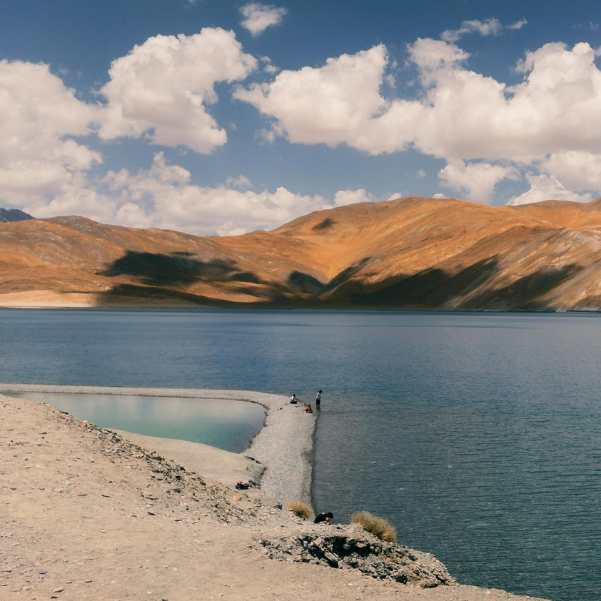
If you are a first-time Ladakh traveller with 6 to 8 days, go to Pangong. Do the Nubra Valley loop, cross Chang La, and spend a night at Spangmik. You will not regret it.
If you are coming back to Ladakh and have already seen Pangong, Tso Moriri is the obvious next step. Do the Chumathang route, stay in Korzok, and spend two nights if you can.
If you are travelling with family and older members, Pangong is easier to manage. The road is more predictable, the accommodation is better, and the overall setup is more convenient.
If you are a photographer or birdwatcher, Tso Moriri should be on your list regardless of whether it is your first or fifth Ladakh trip. The quality of wildlife and the calm around the lake is hard to match anywhere in northern India.
If you are a solo traveller looking for a genuine offbeat experience, Tso Moriri is where you want to be. We have sent many solo travellers there and the feedback is consistent — it is the Ladakh lake they will recommend to everyone.
If you want the iconic India bucket-list lake photo that you grew up seeing in travel magazines, go to Pangong. There is no shame in that. It is iconic for good reason.
You might also want to look at our Spiti Valley packages if you are considering combining Ladakh with a high-altitude Himachal circuit, the landscapes complement each other beautifully and the Chandratal lake adds a strong third comparison to this debate.
Permits, Fees, and Practical 2026 Travel Tips
Both Pangong and Tso Moriri fall within zones that require visitors to complete the official Ladakh tourism payment process.
Domestic tourists can travel after completing the online payment on the official Ladakh tourist portal and showing the payment slip at checkposts. You do not need to go to the DM office separately if you are an Indian national.
The fee is reported to include an environment fee, a wildlife fee, and a Red Cross fund contribution. Third-party sources in 2026 often cite the environment fee as ₹400 per person, the wildlife fee as around ₹20 per person per day, and the Red Cross amount as ₹50.
However, there is conflicting reporting on the Red Cross amount and whether it applies in all cases. Check the official portal before your trip for exact current amounts.
Foreign tourists should note that certain passport categories require additional protected area approvals. Confirm the requirements well before your travel date.
The 48-hour Leh acclimatization advisory applies for both lakes. This is especially important for Tso Moriri given the slightly higher altitude.
Ignoring this is the single most common mistake that ruins lake visits. A pounding headache at 4,500 m with no medical facility nearby is not a good situation.
Also: carry cash. ATMs in Leh work. ATMs near either lake effectively do not exist.
Our Honest Recommendation
For shorter or first-time Ladakh trips, go to Pangong. It is easier, more connected, and gives you the most iconic Ladakh lake experience with the least logistical complexity.
For quieter, more offbeat travel, Tso Moriri is the better choice. The effort required to get there is real, but the experience on the other side of that effort is genuinely rare.
For 10-plus day Ladakh itineraries with proper acclimatization, do both. Plan Pangong as part of the Nubra loop and route Tso Moriri on your way back toward Leh or as a dedicated add-on. Both lakes in one trip is the version we recommend whenever the time allows.
The one thing we would say to everyone: do not skip the acclimatization days in Leh. The lakes will still be there on Day 3. Your body needs those first two days more than the itinerary does.
Before you go, also check our Chandratal opening dates and road status guide if you are combining Ladakh with a Spiti circuit and want to understand how all three high-altitude lakes fit into one trip.
Plan Your Ladakh Route with Travel Coffee
We plan Ladakh and Himachal trips with acclimatization built in from the start, not added as an afterthought. Whether you want Pangong, Tso Moriri, or both, we can help you build an itinerary that fits your pace, budget, and comfort level.
Browse our popular tours to see routes that include both lakes, or get in touch to talk through a custom itinerary. We know these roads well.
We drive them every season. And we would rather help you plan it right than hear about it going wrong.
Also worth reading if you are going as a solo woman: our guide on solo female safety in Spiti Valley covers a lot of practical ground that applies to Ladakh travel too.
Explore Our Curated Leh Ladakh Tours
 6D/5N
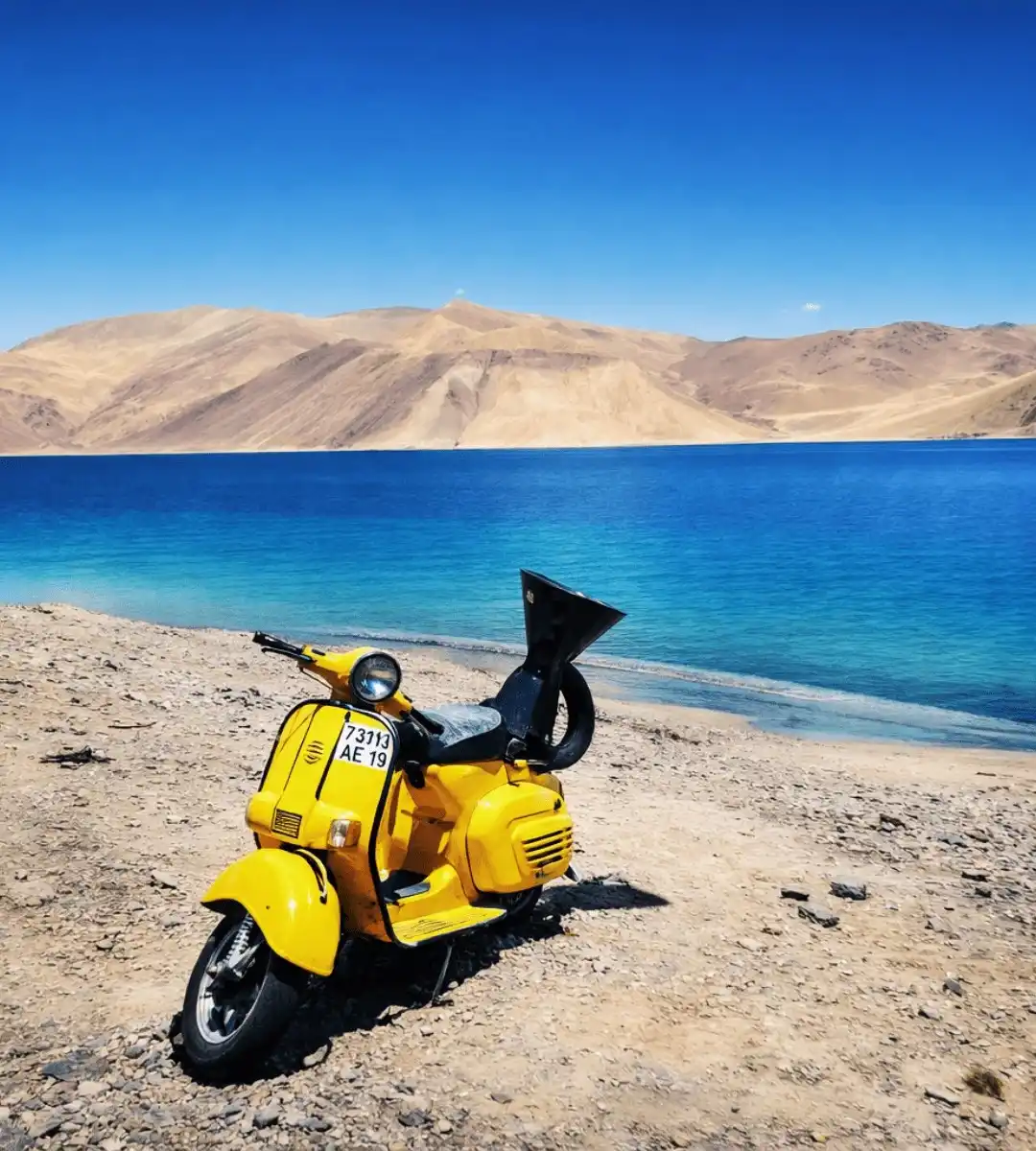
6D/5NBest Selling Leh Ladakh Tour With Nubra Valley and Pangong Lake
2D Leh•1D Nubra Valley+1
₹23,999₹28,599SAVE ₹4,600/ person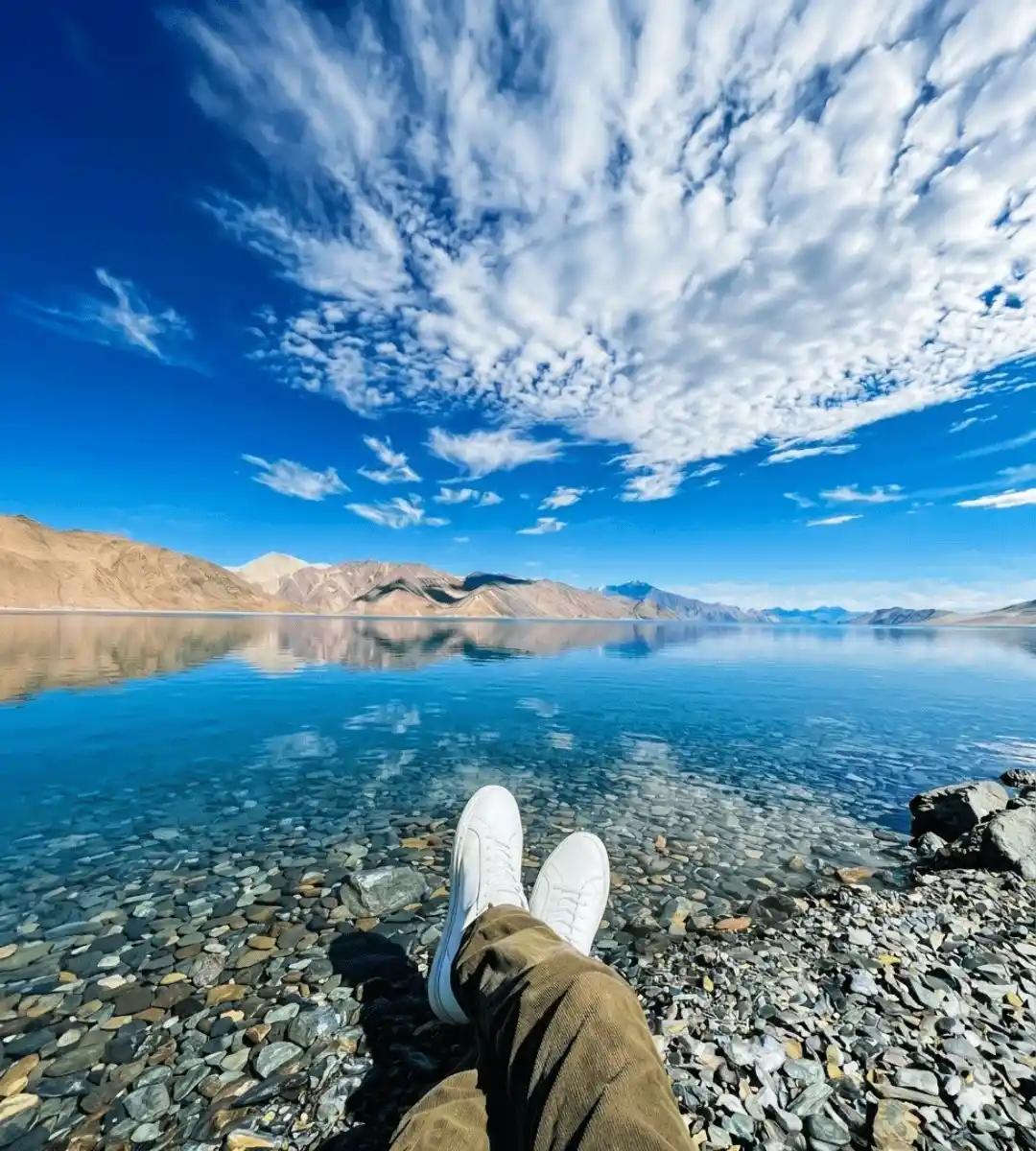 6D/5N
6D/5NUltimate Leh Ladakh Tour Package with Nubra Valley & Pangong Lake
2D Leh•1D Nubra Valley+1
₹28,999₹35,999SAVE ₹7,000/ person 4D/3N
4D/3NLeh Ladakh Short Getaway
2D Leh•1D Pangong Lake
₹16,499₹19,999SAVE ₹3,500/ person
Related topics
Frequently Asked Questions
Which is better, Pangong Lake or Tso Moriri?
Pangong is better for first-time visitors and shorter trips. Tso Moriri is better for travellers who want fewer crowds, wildlife, and a quieter Changthang experience. If you have 10 or more days in Ladakh with proper acclimatization, visit both.
Which is more beautiful, Pangong or Tso Moriri?
Both are genuinely beautiful in different ways. Pangong is larger, more dramatic, and more immediately striking. Tso Moriri is calmer and has a stillness that stays with you longer. Most travellers who have seen both say Tso Moriri surprised them more.
Is Tso Moriri worth visiting?
Absolutely. If you want fewer crowds, better wildlife, and a lake experience that feels genuinely remote, Tso Moriri is one of the best decisions you can make in Ladakh. The extra driving is worth every kilometre.
Can I visit Tso Moriri by public transport?
Public transport options to Tso Moriri are very limited. Shared taxis from Leh exist but are not reliable or frequent. Most travellers reach Korzok via a private hired vehicle or as part of an organised tour.
How do I reach Tso Moriri Lake?
The most common route is from Leh via Upshi and Chumathang (about 213 km) roughly 6 to 7 hours. The alternate route via Tso Kar is about 233 km and is seasonal. A high-clearance vehicle is strongly recommended for both routes.
What is the best time to visit Tso Moriri Lake?
June to September is the main window when roads are reliable and accommodation is fully operational. July and August see the most tourists. June and September offer better wildlife sightings and fewer people.
How is the road to Tso Moriri?
The road via Chumathang is a mix of paved and rough sections. It gets progressively more remote and unpaved as you approach Korzok. Expect a long drive with slow sections. Do not attempt it in a low-clearance car.
What is the distance from Leh to Tso Moriri Lake?
Approximately 213 km via Chumathang and around 233 km via Tso Kar. Drive time is roughly 6 to 7 hours depending on road conditions and stops.
Can I camp at Tso Moriri Lake?
You cannot camp freely right at the lakeshore. The area is a Ramsar-listed conservation reserve. Stays are routed through Korzok village, where you can find homestays and basic camps. Always book before you arrive.
What wildlife can I see at Tso Moriri Lake?
Black-necked cranes and bar-headed geese are regularly spotted at the lake. The wider Changthang plateau supports kiang (wild Tibetan ass) and sometimes wolves. Tso Moriri is one of the best wildlife sites in the Indian Himalayas for serious birdwatchers.
Is there a monastery near Tso Moriri Lake?
Yes. Korzok Monastery sits right on the edge of Korzok village overlooking the lake. It is one of the highest monasteries in the world and a genuinely beautiful place to visit during your stay.
Do I need a permit for Tso Moriri?
Yes. Domestic Indian tourists need to complete the online payment on the official Ladakh tourist portal and carry the slip for checkpost verification. Foreign tourists may need additional protected area clearance depending on the passport category. Check the official Ladakh tourism portal before your travel date for current requirements and fees.
More about Ladakh
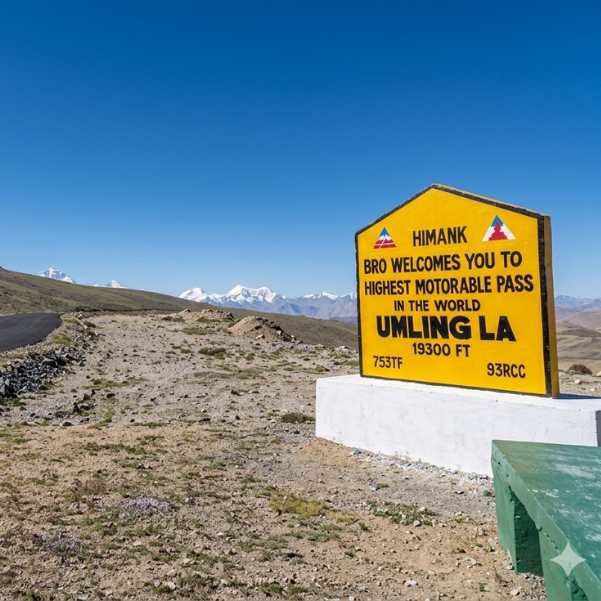 Ladakh
Umling La Ladakh Guide 2026: Route, Altitude, Permit, Safety & Reality Check
Planning to visit Umling La in 2026? This complete guide covers the route, altitude, permit requirements, road conditions, safety tips, and the realities of travelling to one of the world's highest motorable roads.
- Road Status
- Altitude & Health
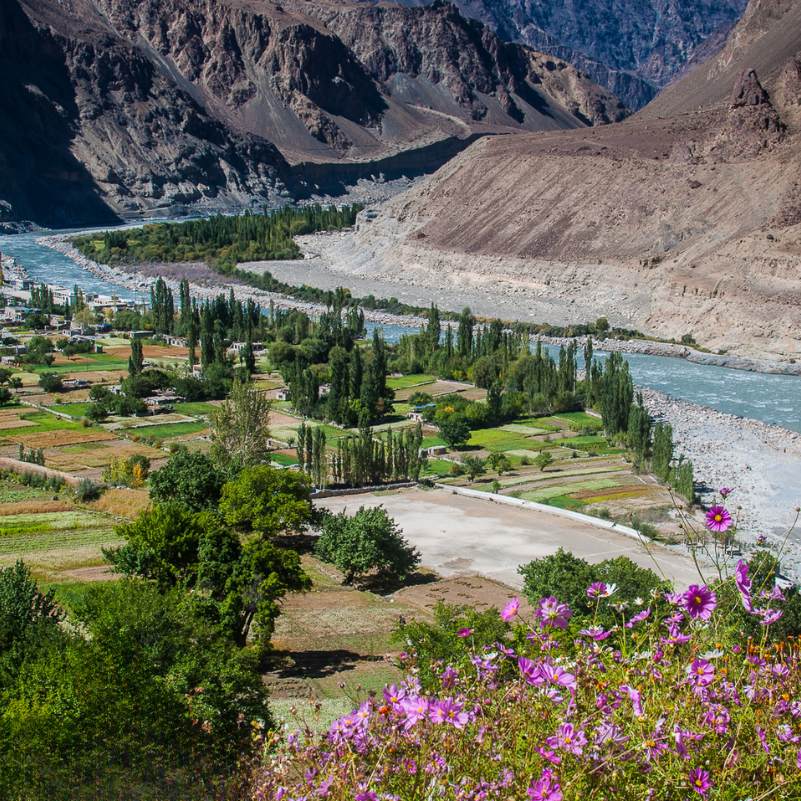 Ladakh
Turtuk Ladakh Travel Guide 2026: Balti Culture, Apricot Orchards and Why It Is Perfect for Families
Planning a trip to Turtuk? This 2026 travel guide explores the village's rich Balti culture, beautiful apricot orchards, top attractions, travel route, and why Turtuk is one of the best family-friendly destinations in Ladakh.
- Places to Visit
- Family Travel
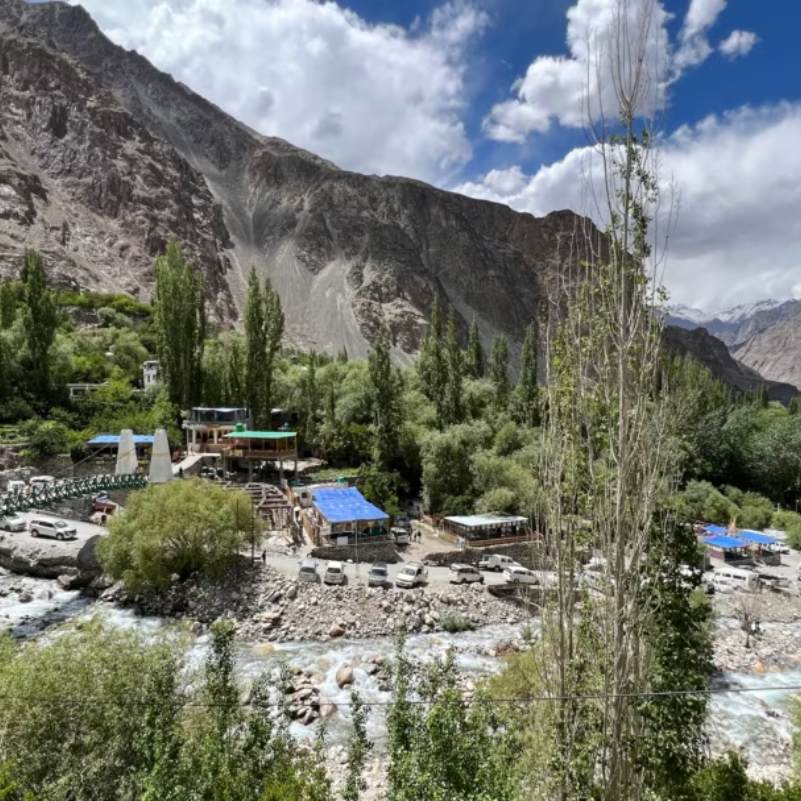 Ladakh
Offbeat Ladakh for Couples in 2026: Quiet Routes Beyond Pangong and Nubra
Looking for a peaceful Ladakh getaway? This 2026 guide explores quiet routes and hidden destinations beyond Pangong and Nubra, helping couples discover scenic landscapes, unique stays, and unforgettable offbeat experiences.
- Places to Visit
- Things to Do