
21 Best Things to Do in Leh Ladakh in 2026 for Adventure, Culture and Scenic Experiences
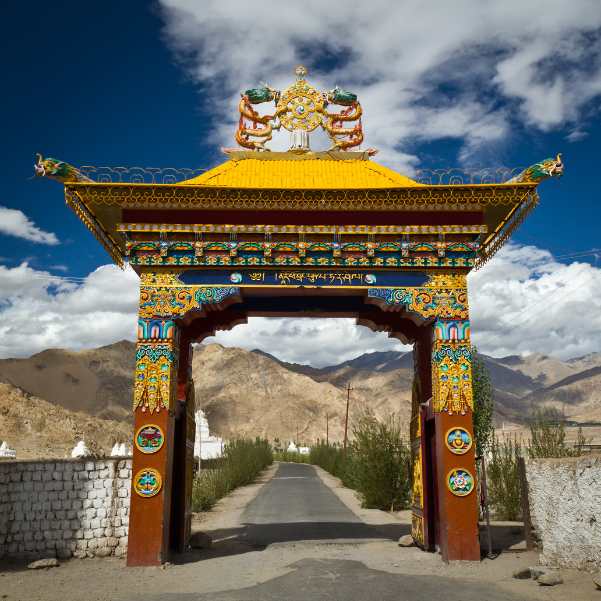
Most people land in Leh with a long list of places and a short list of days. They want Pangong, Nubra, Khardung La, monasteries, rafting, and stargazing, all in five days. And then altitude hits them on Day 1 and the entire plan falls apart.
The real trick to enjoying things to do in Leh Ladakh is not adding more to your list. It is knowing what to do when, what to skip, and how to pace yourself so you actually feel good through the trip instead of dragging yourself from one photo point to the next.
We have been sending travellers to Ladakh for years now, and the pattern is always the same.
The ones who slow down in Leh for the first two days, eat well, walk easy, and then head out come back saying it was the best trip of their lives.
The ones who rush to Pangong on Day 2 come back saying they had a headache the whole time.
This guide by Travel Coffee covers everything worth doing in Leh Ladakh, organised by what actually matters: your acclimatisation, your season, your trip length, and your travel style.
Quick Answer
The best things to do in Leh Ladakh include exploring Leh Market and Leh Palace on your first day, visiting monasteries like Thiksey and Hemis, driving the Khardung La and Nubra Valley route, spending time at Pangong Lake, trying river rafting on the Indus or Zanskar, stargazing at high altitude, and simply slowing down for local food and culture.
What you should do depends on how many days you have, what time of year you are going, and how well your body handles altitude. A 5 day trip looks very different from an 8 day trip, and a summer visit is a completely different experience from a winter one.
If you are not sure where to start, talk to our team on WhatsApp and we will help you figure out an itinerary that actually works.
👉 WhatsApp us to figure out the right itinerary for your trip
What Are the Best Things to Do in Leh Ladakh?
Here is the honest list, in roughly the order most travellers end up experiencing them.
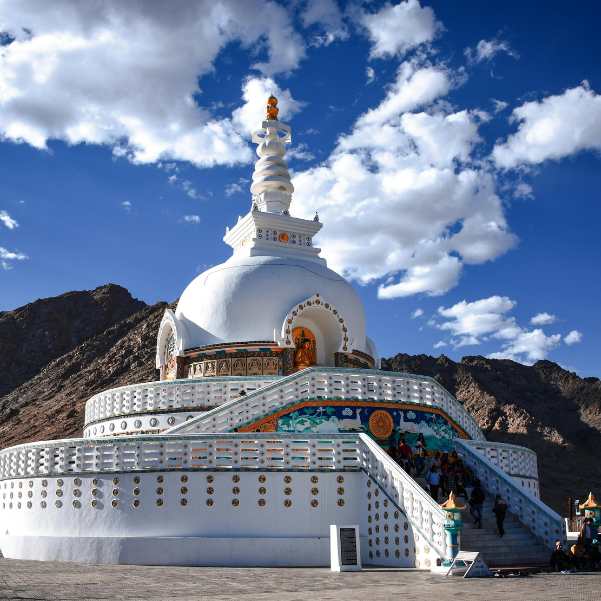
Start with Leh town itself. Walk through the old market lanes in the evening, climb up to Shanti Stupa for the sunset view, and explore Leh Palace when your legs feel ready. These are not filler activities. They are how you let your body adjust to 11,500 feet without realising you are acclimatising.
Once you feel settled, head to the monastery circuit. Thiksey Monastery looks like a mini Potala Palace and the morning prayers there are worth waking up early for.
Hemis Monastery sits inside Hemis National Park, which is the largest national park in South Asia. Shey Palace, Spituk Monastery, and the surreal moonscape of Lamayuru (about 115 km from Leh) round out the cultural stops.
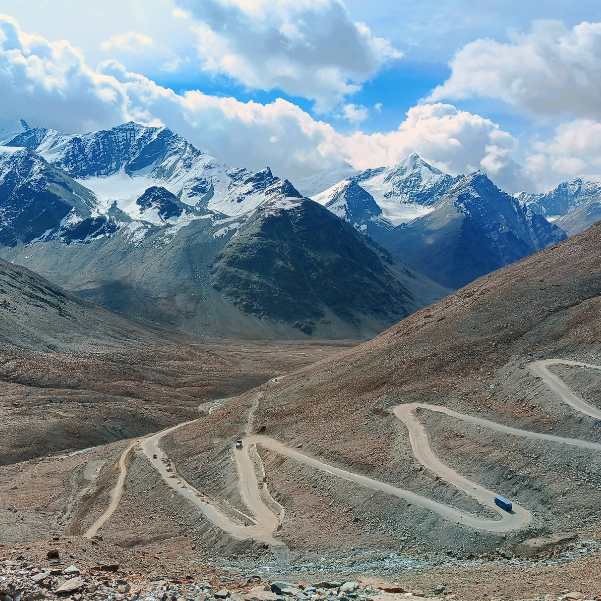
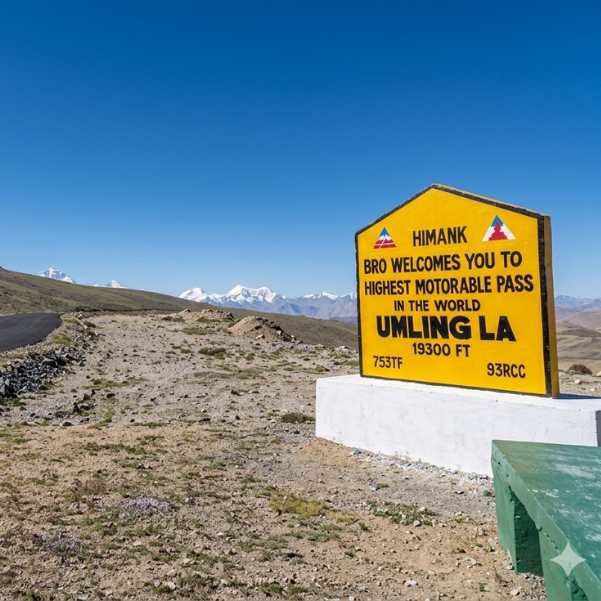
Then come the big drives. Khardung La, officially the second highest motorable pass after Umling La, is on the way to Nubra Valley, about 120 km north of Leh. Pangong Lake sits at 14,270 feet and changes colour through the day in ways that photographs cannot capture. And if you have the time, Tso Moriri is quieter, less crowded, and just as beautiful.
For adventure, there is river rafting on the Indus and Zanskar, trekking through Markha Valley or the easier Sham Valley, mountain biking, jeep safaris, and in winter, the legendary Chadar Trek on the frozen Zanskar River.
And then there are the things no list usually mentions: the feeling of sitting in a rooftop café in Leh at 7 PM with nothing to do, the taste of thukpa when you are genuinely cold, and a sky full of stars that makes your phone camera completely useless.
If you want a full trip planned around your dates and group size, check out our Leh Ladakh tour packages.
What Can You Do in Leh on Your First 1 to 2 Days?
This is the section most travel blogs skip entirely, and it is the most important one.
Leh is at 11,500 feet. You will feel the altitude. Maybe not in the first hour, but by evening on Day 1, most people feel a mild headache, some breathlessness, and a general heaviness. This is normal. It does not mean something is wrong. It means your body is adjusting.
What most tourists get wrong is treating Leh as a transit point. They land, dump their bags, and immediately want to "do something." The smartest thing you can do on Day 1 is almost nothing.
Walk through Leh Main Market in the evening. The pace is slow, the lanes are interesting, and you will find Tibetan handicraft shops, dry fruit stalls, and small restaurants serving momos and butter tea. Do not underestimate butter tea. It tastes strange the first time, but at altitude, the salt and fat genuinely help.
On Day 2, if you feel okay, walk up to Shanti Stupa. The climb has steps and it will wind you a little, which is actually a good test of how your body is doing. The view from the top covers the entire Leh valley, and the light in the late afternoon is beautiful.
Leh Palace is a short walk from the market and gives you a sense of the town's history. Hall of Fame, the army museum, is worth a visit if military history interests you. A few small cafés near the old town serve good coffee and are perfect for sitting and doing nothing for an hour.
In our experience, most travellers enjoy Ladakh more when they slow down in Leh first. The people who rush out to Pangong on Day 2 spend the drive feeling sick instead of enjoying one of the most scenic lake roads in the country.
Skip the Instagram pressure. Give yourself two days. Your body will thank you and so will your trip.
Which Ladakh Experiences Are Best for Adventure Lovers?
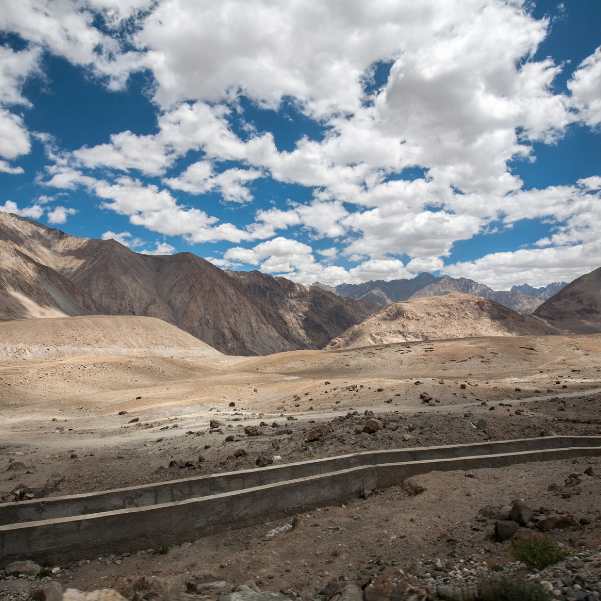
Ladakh is one of those places where the adventure is not something you add to the trip. The trip itself is the adventure. But if you want specific activities, here is what actually works.
River rafting is one of the most popular adventure activities in Ladakh. The official rafting stretches run along the Indus River between Nimoo and Saspol and the Zanskar River from Chilling to Sangam near Nimoo.
The Zanskar stretch has stronger rapids and suits people who want a real adrenaline hit. The Indus stretch is calmer and works well for families and beginners. Rafting season runs through summer and early autumn.
Trekking in Ladakh is a different world from trekking in Himachal or Uttarakhand. The landscape is dry, barren, and wide open. Markha Valley is one of the most popular multi day treks, taking you through remote villages and high passes.
Sham Valley (often called the "baby trek") is shorter, easier, and great if you want a taste of trekking without committing to a week in the wilderness.
Bike rides through Ladakh are iconic, and for good reason. Riding through Khardung La, along the Pangong route, or down to Nubra Valley is a raw, physical experience. But a word of honesty: the roads are rough, altitude hits harder on a bike, and it is not for everyone. More on that below.
Mountain biking on the trails around Leh is growing in popularity and is genuinely fun if you enjoy cycling. Some operators run guided rides on trails that regular tourists never see.
Jeep safaris are a solid option for people who want the landscapes without the physical strain. You cover the same routes but in a comfortable vehicle with a driver who knows every turn.
Winter adventures are a separate category entirely. The Chadar Trek on the frozen Zanskar River is one of the most extreme treks in India.
Snow leopard tracking expeditions happen in Hemis National Park during winter. And the winter light in Ladakh, flat, golden, and impossibly clear, draws photographers from around the world.
Official Leh district tourism promotes the region specifically for trekking, mountaineering, rafting, ice climbing, jeep safaris, and adventure tourism. It is not marketing. Ladakh genuinely delivers on all of these.
Which Cultural and Scenic Experiences Should You Not Miss in Ladakh?
The monasteries alone could fill a week if you let them. But since most people have limited days, here is what actually moves people the most.
Thiksey Monastery
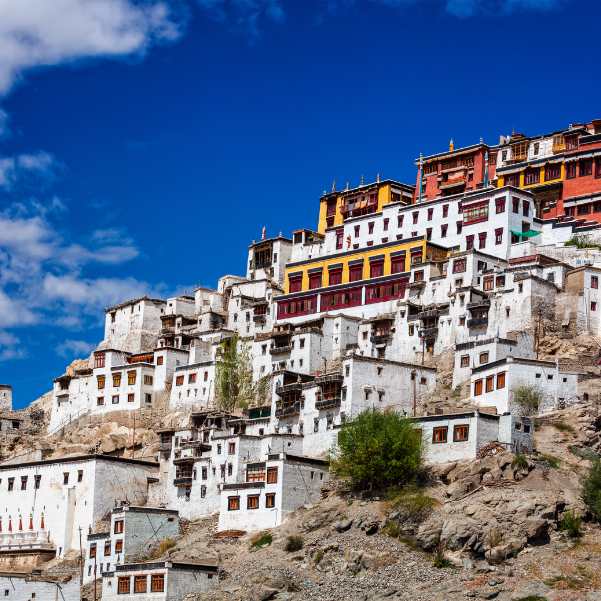
Thiksey Monastery is the one place everyone should visit. It sits on a hilltop about 19 km from Leh and the architecture is striking. If you arrive for the morning prayers around 6 to 7 AM, you will hear monks chanting in a dark hall with butter lamps flickering. That experience stays with you longer than any lake photograph.
Hemis Monastery
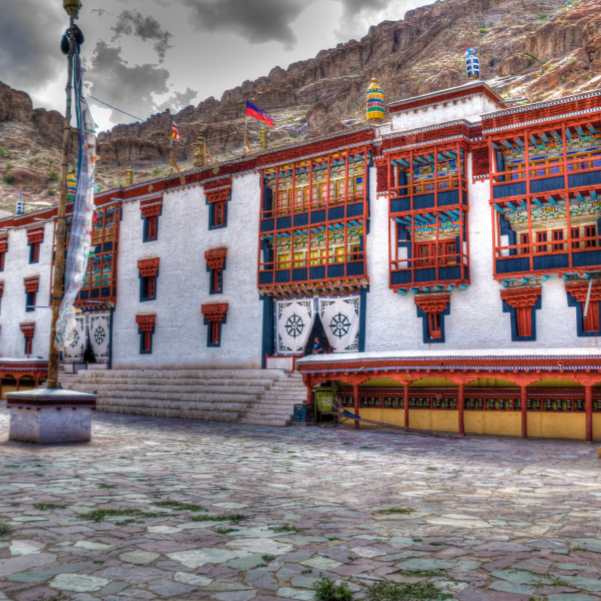
Hemis Monastery is older, larger, and slightly harder to reach. It is also home to the Hemis Festival, which usually falls in late June or the first half of July. If your dates line up, the masked dances and crowds make it one of the most energetic cultural events in Ladakh.
Lamayuru
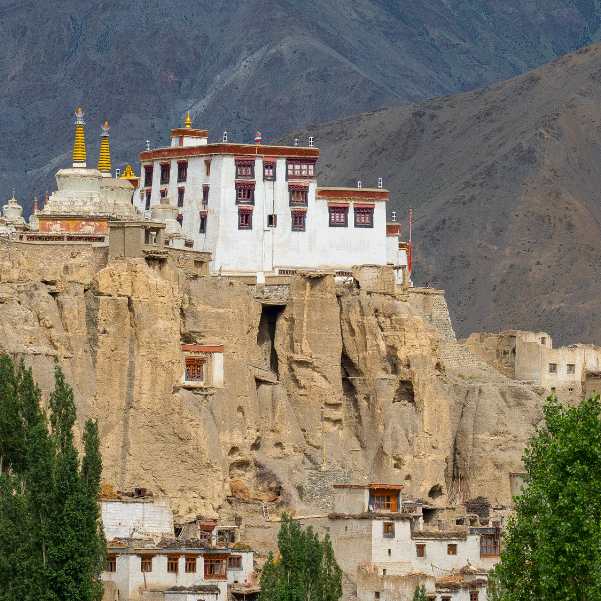
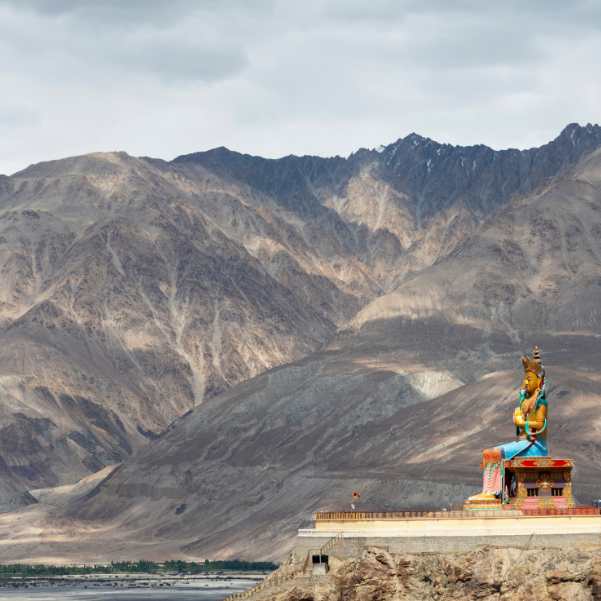
Lamayuru, about 115 km from Leh, feels like a different planet. The monastery sits on a moonscape of eroded rock formations and the drive there is half the experience. Spituk and Shey are closer to Leh and easier to fit into a single afternoon.
Pangong Lake
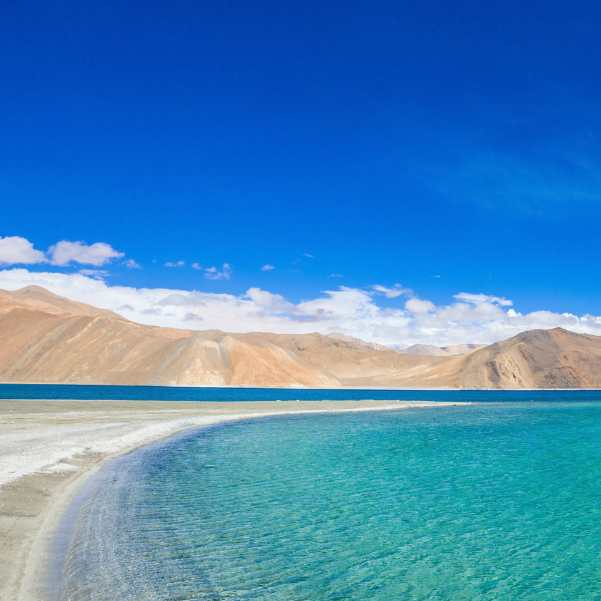
For scenic experiences, Pangong Lake is the big draw. At 14,270 feet, the lake stretches endlessly and shifts colour from blue to green to grey depending on the light. Nubra Valley is warmer, greener (by Ladakh standards), and home to the famous double humped Bactrian camels at Hunder.
The camel safari there is touristy, yes, but the sand dunes backed by snow capped peaks create a landscape that does not exist anywhere else in India.
Tso Moriri
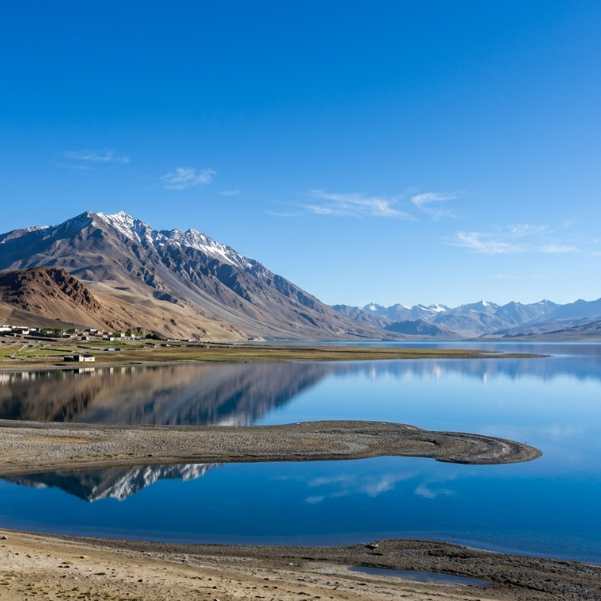
Tso Moriri is for people who want the lake experience without the Pangong crowds. It is harder to reach and requires more days, but the solitude is worth it.
Magnetic Hill
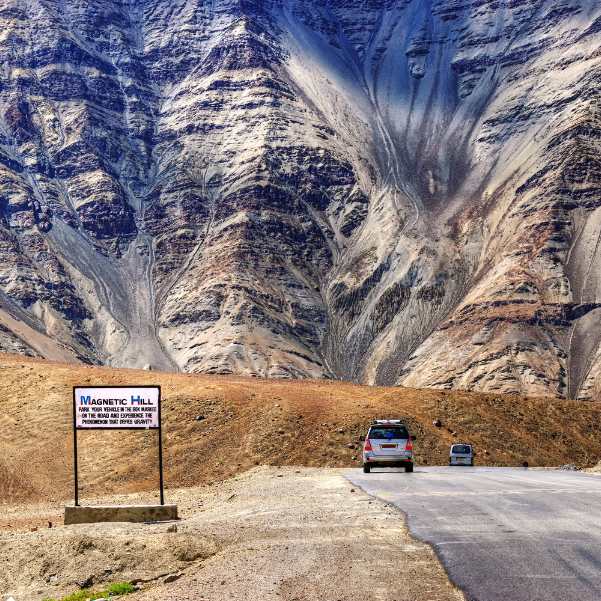
Magnetic Hill, about 30 km from Leh, is a fun optical illusion stop on the way to or from the Srinagar highway. Do not make a special trip for it, but stop if you are passing.
And then there is the food. The momos in Leh are excellent. Thukpa on a cold evening hits different at 11,500 feet. Apricot jam from Ladakh is something you will want to carry home.
Our team always tells travellers to try skyu, a Ladakhi pasta dish made with root vegetables. Most restaurants in the old town serve it and it is the kind of local food you will not find in Delhi or Chandigarh.
One money saving tip that only locals know: the official LAHDC Leh portal offers a 10 percent discount on tourist registration fees when you book through a local travel agent. Most travellers pay full price because nobody tells them this.
Is Ladakh Only for Bikers? Not at All
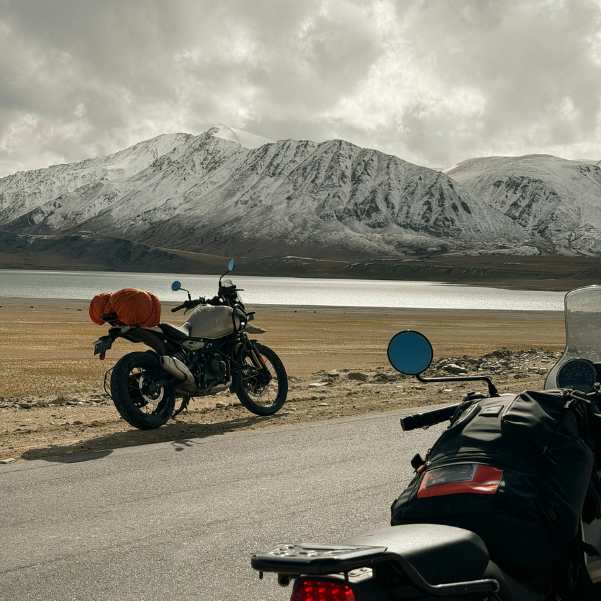
This is one of the biggest myths about Ladakh and it stops a lot of people from ever going.
We have seen travellers enjoy Ladakh completely without riding a bike. Families with kids, couples who prefer comfort, groups of friends who just want a scenic road trip. They all have an incredible time.
Hire a local taxi or book a vehicle with a driver who knows the routes. You cover the same passes, the same lakes, the same valleys. The difference is you get to look out the window and actually enjoy the view instead of focusing on not falling off a cliff.
Nubra Valley with its camel safaris and warm sand dunes works perfectly for families. The monastery circuit around Leh is easy in a taxi.
The drive to Pangong is just as dramatic from the passenger seat. Evening walks in Leh, café hopping, market shopping, and homestay meals: none of these need a motorcycle.
If you are planning a relaxed trip without a bike, our Leh Ladakh tour packages are designed exactly for this. Comfortable vehicles, handpicked stays, and a pace that does not punish you.
Best Adventure Sports in Ladakh by Season
Summer and Early Autumn
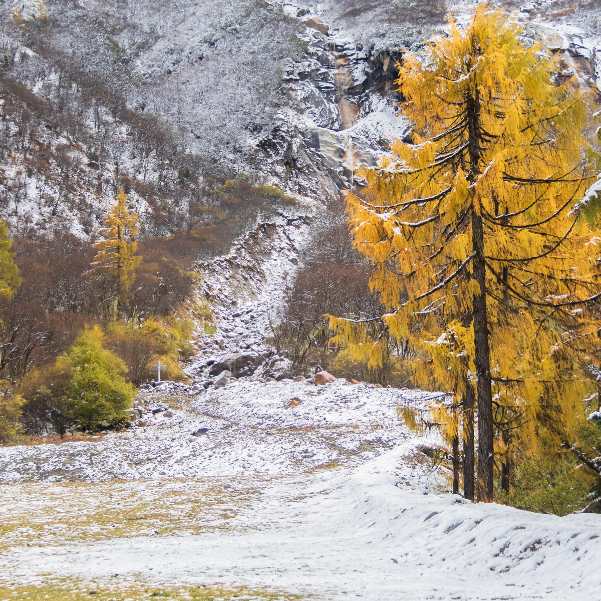
This is the main season, roughly June to September, and almost everything is accessible.
Rafting runs through summer on both the Indus and Zanskar stretches. Road trips to Pangong, Nubra, and Tso Moriri are all possible once the passes are open.
Trekking season peaks in July and August when the trails are clear and the weather is most stable. Mountain biking, camping, and jeep safaris are all at their best.
Here is a timing tip: reach Pangong Lake before 7 AM if you are staying nearby. The light on the water at sunrise is completely different from what you see at noon.
By 10 AM, the first wave of day trippers from Leh starts arriving and the shore gets crowded. Early morning Pangong with nobody around is one of the best moments you can have in Ladakh.
Winter
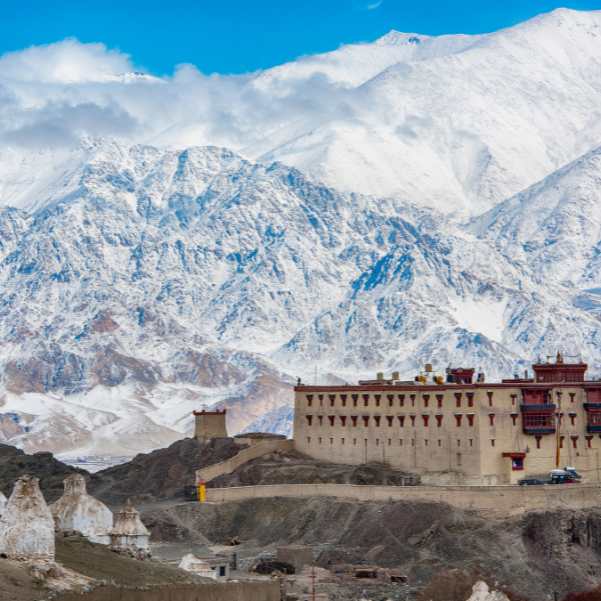
Winter Ladakh is beautiful but demanding. Temperatures drop to minus 20 and below. Most roads are closed. Flights are the only way in.
The Chadar Trek is the headline winter experience: walking on the frozen Zanskar River for days. It is physically tough and not for casual travellers.
Snow leopard tracking in Hemis National Park has grown in popularity and several operators run guided expeditions. Winter festivals, like Losar and the Ladakh Festival, bring local culture to the forefront.
A safety warning: winter Ladakh requires serious preparation. The cold is extreme, medical facilities are limited, and evacuations are difficult. Do not attempt winter trips without proper gear, an experienced guide, and realistic expectations about what you can handle.
Best Places for Specific Ladakh Activities
Rafting
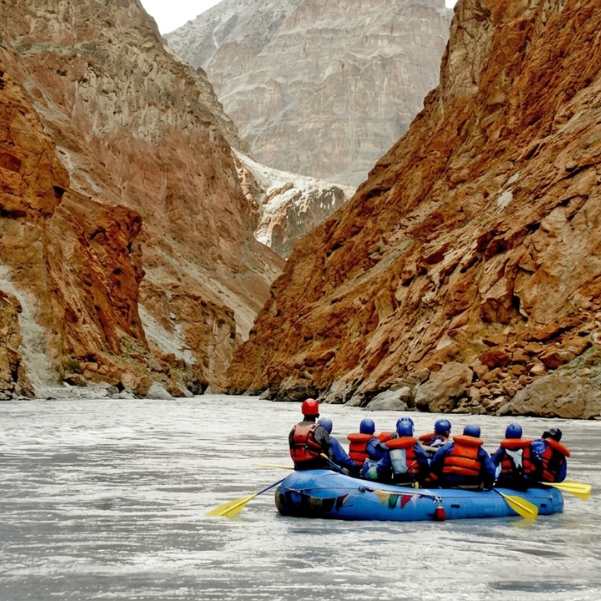
The two main stretches are the Indus River between Nimoo and Saspol (calmer, scenic, good for beginners) and the Zanskar River from Chilling to Sangam near Nimoo (stronger rapids, more intense).
Most rafting operators in Leh can organise either option. The Zanskar confluence point where the two rivers meet is worth seeing even if you do not raft.
Camel Safari
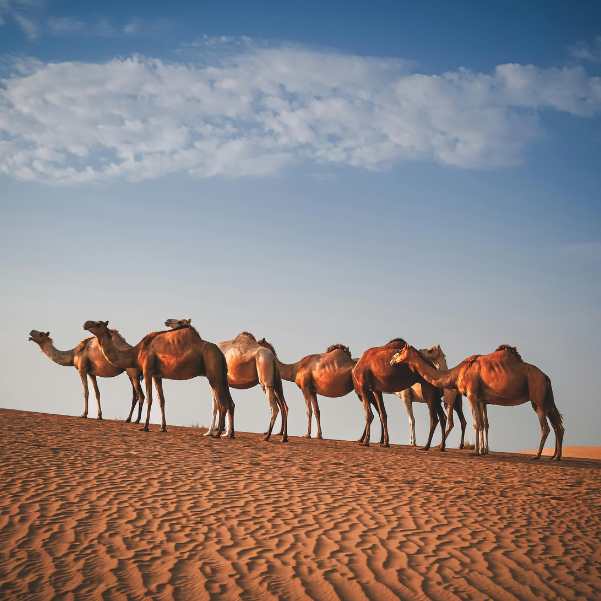
This happens in Nubra Valley at Hunder. The double humped Bactrian camels are unique to this region. The safari itself is short, maybe 15 to 20 minutes, and honestly, it is more of a photo experience than a real desert trek. But the setting is surreal.
Sand dunes in the middle of the Himalayas with snow peaks behind them. Go for the landscape, not the ride itself. Skip the overpriced souvenir stalls at the starting point. The same stuff is cheaper in Leh market.
Monastery Circuit
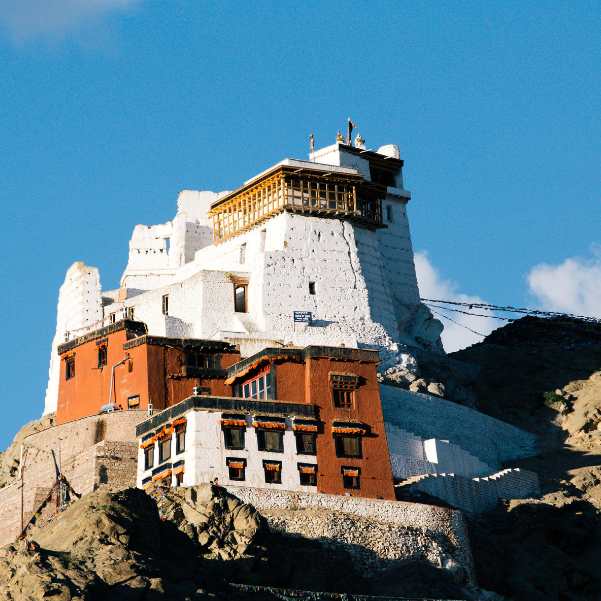
Build this around Leh as your base. Thiksey, Hemis, Shey, and Spituk can all be covered in one or two days with a taxi. Add Lamayuru if you have an extra day and want the drive through the moonland landscape.
Our team recommends doing monasteries early in the trip while you are still acclimatising, before heading out to the longer excursions.
Scenic Lake Experiences
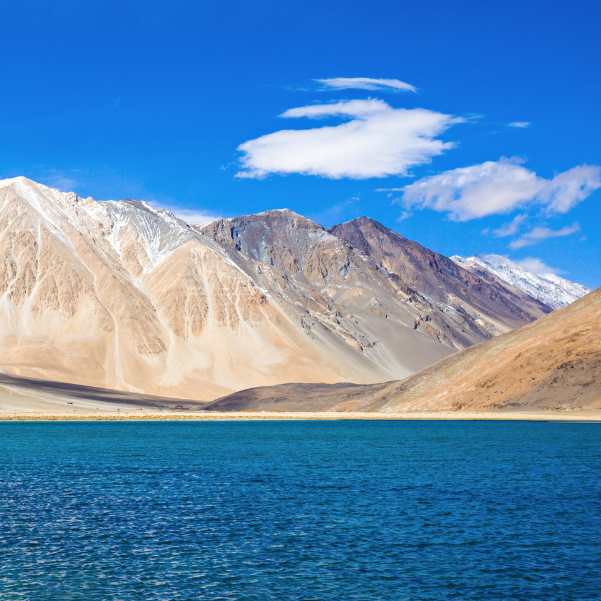
Pangong Lake is the more popular choice and genuinely stunning. Tso Moriri is less accessible but much quieter and equally beautiful.
If you have 7 or more days, try to fit both in. If you only have time for one, Pangong is the safer bet for first timers. Tso Moriri rewards people who have seen Pangong before and want something calmer.
Trekking
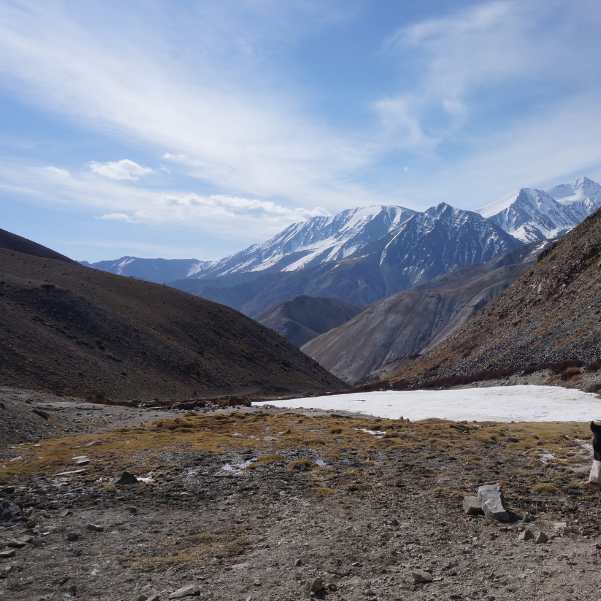
Markha Valley is the classic multi day trek, usually 4 to 6 days through remote villages, river crossings, and high passes.
Sham Valley is a shorter, easier trek that works well for people who want to walk without the full expedition commitment. Both give you a Ladakh that road travellers never see.
Best Offbeat Experiences in Ladakh
Every top 10 list will tell you to visit Pangong and Khardung La. Here is what they usually miss.
Village walks
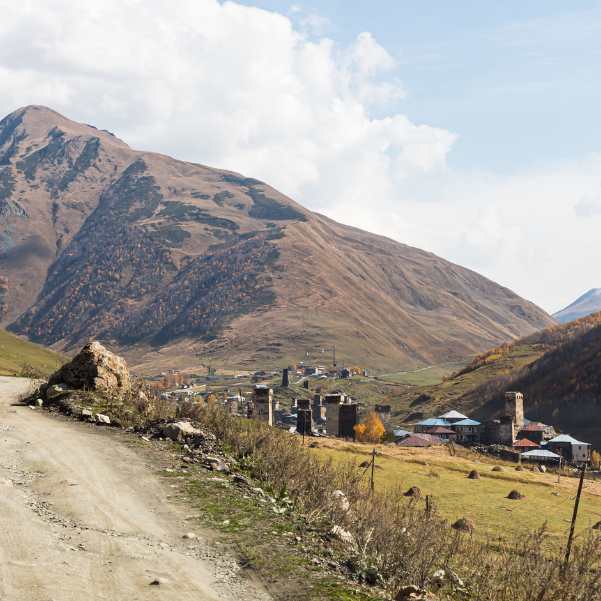
Village walks around Leh are underrated. Places like Stok and Sabu are within 30 minutes of Leh and give you a glimpse of everyday Ladakhi life that the tourist trail completely skips. Apricot orchards, mud brick houses, and locals who are genuinely happy to chat.
Homestays
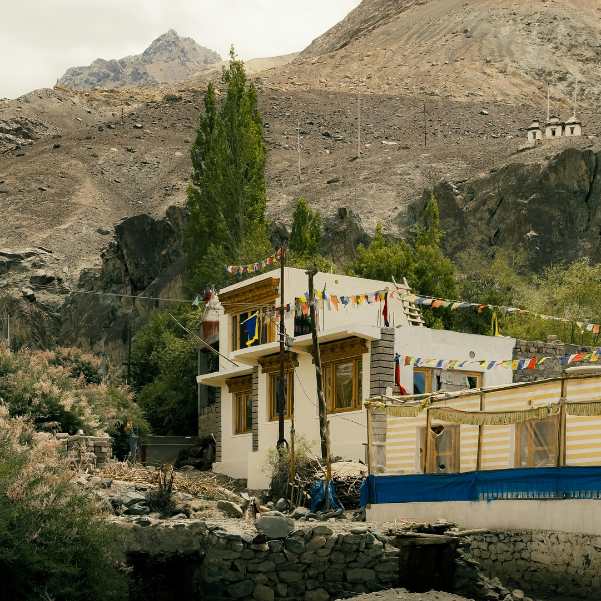
Homestays in smaller villages are one of the best ways to experience Ladakh. The food is homemade, the rooms are basic but warm, and the conversations with the family are the kind of thing you remember years later.
If you are comfortable with simple living, try spending at least one night in a homestay instead of a hotel.
Photography
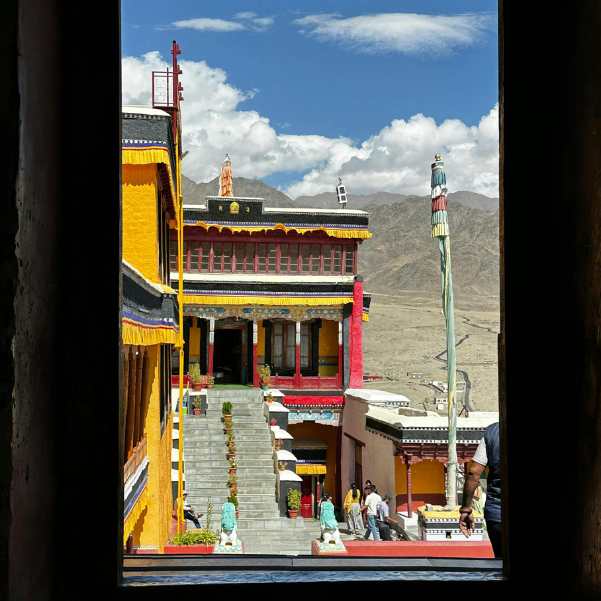
Photography led days work brilliantly in Ladakh. The light changes constantly, the landscapes are dramatic, and you do not need to be a professional to get incredible shots. Spend a full afternoon just walking around Leh with a camera. No agenda, no checklist.
Café time
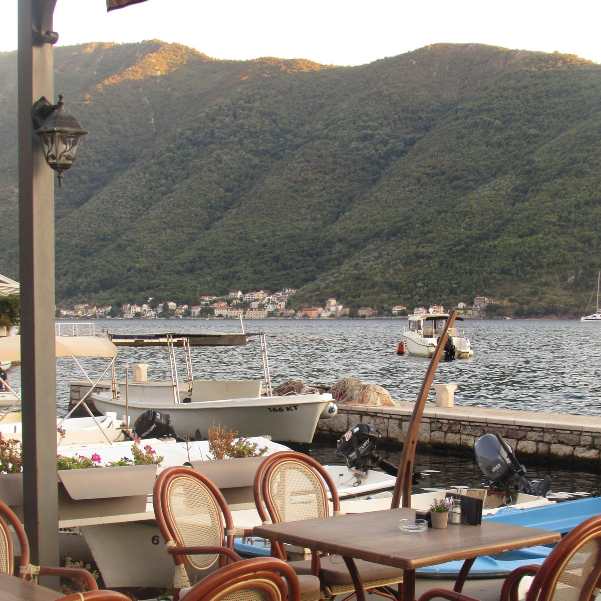
Café time in Leh is an experience in itself. The town has a growing café scene with places serving good coffee, fresh baked goods, and rooftop views. After days of driving on rough roads, sitting in a quiet café with a book feels like the biggest luxury in the world.
And here is what we always tell our travellers: keep at least one buffer day in your itinerary. Not because something will go wrong (though it might), but because the best moments in Ladakh happen when you are not rushing.
A random conversation with a monk, an unexpected clearing in the clouds over a pass, a sunset you did not plan for. These do not happen when you are chasing a schedule.
How Many Days Do You Need to Enjoy Ladakh Properly?
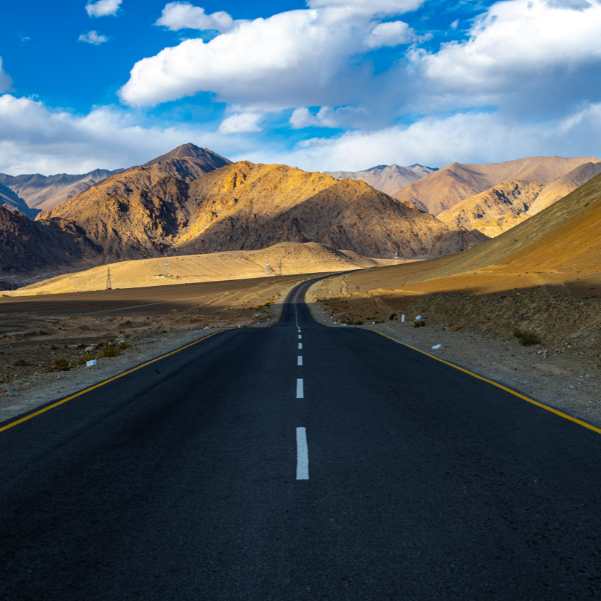
3 to 4 Days
Tight, but possible if you are flying in and just want a taste. Spend Day 1 and 2 in Leh acclimatising and doing local sightseeing. Day 3, do one major excursion, either Nubra Valley or Pangong Lake (not both). Day 4 is your buffer or departure day.
This works for people who are tagging Ladakh onto a longer trip, maybe combining it with Kashmir or flying in for a long weekend.
5 to 7 Days
This is the sweet spot for most travellers. Two days in Leh, then Nubra Valley with a night stay, then Pangong Lake with a night stay, and a final day back in Leh. With 7 days, you can add the monastery circuit, rafting, or a relaxed day exploring nearby villages.
Our popular tours are built around this 5 to 7 day format because it gives enough time for the highlights without feeling rushed.
8 Days or More
Now you are talking. Add Tso Moriri for a quieter lake experience. Drive to Turtuk, the last village before the Line of Control. Visit Hanle for some of the best stargazing in India. The observatory there exists because the sky is that clear. Add a rafting day. Or commit to the Markha Valley trek.
If you have the time, Ladakh rewards slow travel more than almost any other destination in India. More days do not mean more places. They mean more depth at the same places.
Best Time to Visit Ladakh for Sightseeing and Adventure in 2026
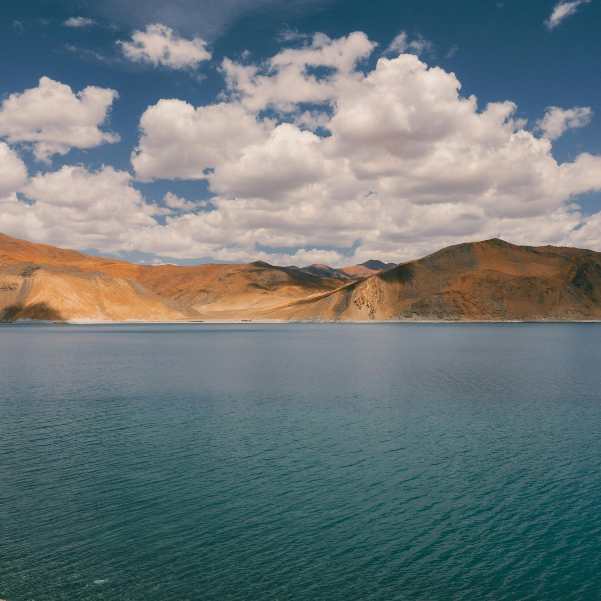
The main tourist season runs from June to September. This is when the roads are open (usually), the weather is warm enough for camping and outdoor activities, and most hotels and operators are running at full capacity.
June
June is the early season. The Manali Leh highway may still be opening. Flights are the more reliable option. The landscape still has snow on the higher peaks and the crowds are thinner.
July and August
July and August are peak months. Everything is open, everything is busy. This is also when the Hemis Festival usually falls, late June or the first half of July. If you want to see it, plan your dates around the festival.
September
September is when the crowds thin and the skies clear up. The light is golden, the air is dry, and the colours are sharper. Nights get cold but days are pleasant.
October
October is risky. Roads start closing, passes can get snowed in, and not all accommodations are running.
Winter
Winter (November to March) is for experienced travellers only. Access is limited to flights. The Chadar Trek happens in January and February. Snow leopard expeditions run through winter.
Road access changes because of snowfall and clearance work. The Leh Manali Highway was officially closed for winter from 8 December 2025. Some 2026 route trackers estimate it may reopen in late May or early June 2026.
The Srinagar Leh Highway usually opens between late March and mid April, but a major avalanche at Zoji La on 27 March 2026 caused deaths and blocked the highway. As of late March 2026, the highway remained closed after that avalanche.
Always check current route conditions before a road trip. Do not assume a highway will be open just because a blog post says it usually is.
Suggested 5 Day and 7 Day Activity Plans for Leh Ladakh
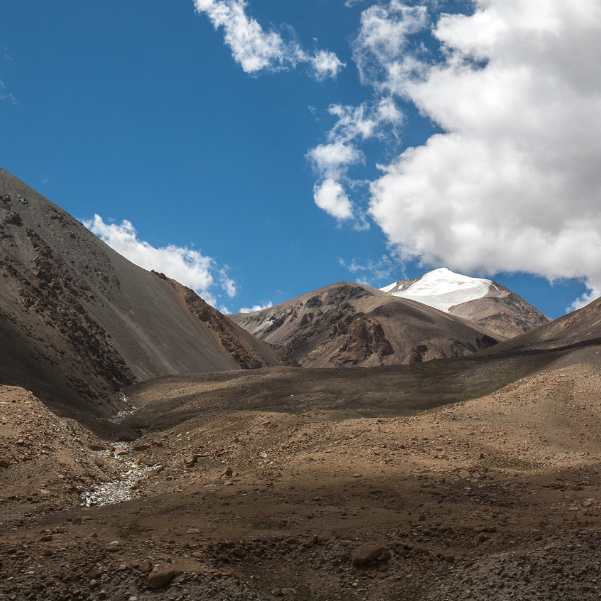
5 Day Plan
Day 1: Arrive in Leh. Rest. Walk to Leh Market in the evening. Eat light, drink water, sleep early.
Day 2: Morning walk to Shanti Stupa. Visit Leh Palace. Afternoon at Hall of Fame or a café. Let your body adjust.
Day 3: Drive to Nubra Valley via Khardung La. Stop at the pass for photos (do not stay long, the altitude is extreme). Reach Nubra by afternoon. Camel safari at Hunder. Stay overnight.
Day 4: Morning in Nubra. Drive to Pangong Lake. The route from Nubra to Pangong via Shyok road is long but scenic. Stay overnight at Pangong.
Day 5: Sunrise at Pangong. Drive back to Leh. This is a full driving day, so start early.
This plan is tight. It works, but there is zero room for error. If a road closes or you feel unwell, the whole schedule shifts.
7 Day Plan
Day 1: Arrive in Leh. Rest and acclimatise. Evening market walk.
Day 2: Monastery circuit: Thiksey, Shey, Spituk. These are all within 30 minutes of Leh. Easy day, no high altitude driving.
Day 3: Drive to Nubra Valley via Khardung La. Afternoon camel safari. Overnight in Nubra.
Day 4: Explore Turtuk or spend a relaxed morning in Nubra. Drive to Pangong Lake via Shyok. Overnight at Pangong.
Day 5: Sunrise at Pangong. Spend the morning at the lake. Drive back to Leh. Rest.
Day 6: Rafting on the Indus (Nimoo to Saspol stretch). Or visit Lamayuru and the moonland. Or use this as a buffer day if anything shifted earlier.
Day 7: Last morning in Leh. Shopping, café time, or a walk through the old town. Departure.
This version gives you breathing room. You can actually sit at Pangong without worrying about the next drive. You get a full day for something extra, whether that is rafting, trekking, or just doing nothing.
What we tell our travellers is simple: the 7 day plan is almost always better than the 5 day plan, not because you see more places, but because you actually enjoy the places you see.
2026 Planning Tips Before You Choose Activities
Before you finalise what to do, sort out the logistics.
Check the official LAHDC Leh portal for tourist registration and fee payment. Online payment is available on the portal, so you do not need to visit the DC office physically. This saves time, especially in peak season when queues can be long.
Remember the 10 percent discount for using a local travel agent for registration. It is a small saving but it adds up for groups.
Route conditions can change quickly in 2026. The March 2026 avalanche at Zoji La is a reminder that road access is never guaranteed, no matter what the calendar says.
The Srinagar Leh highway remained closed days after the event. If you are planning a road trip from Srinagar or Manali, always have a flight as backup.
Our team recommends keeping at least one buffer day in any Ladakh trip longer than 4 days. Mountain plans change fast.
A blocked road, bad weather, or just your body needing rest. One extra day gives you room to adjust without losing the whole trip.
And if you are comparing Ladakh with other mountain destinations, we also run trips to Spiti Valley and Manali. Different landscapes, different vibes, but equally worth it.
Send us your dates and group size on WhatsApp and we will help you build a plan that makes sense for your schedule and budget.
👉 WhatsApp us your dates and group size for a plan that fits your budget
Explore Our Curated Leh Ladakh Tours
 6D/5N
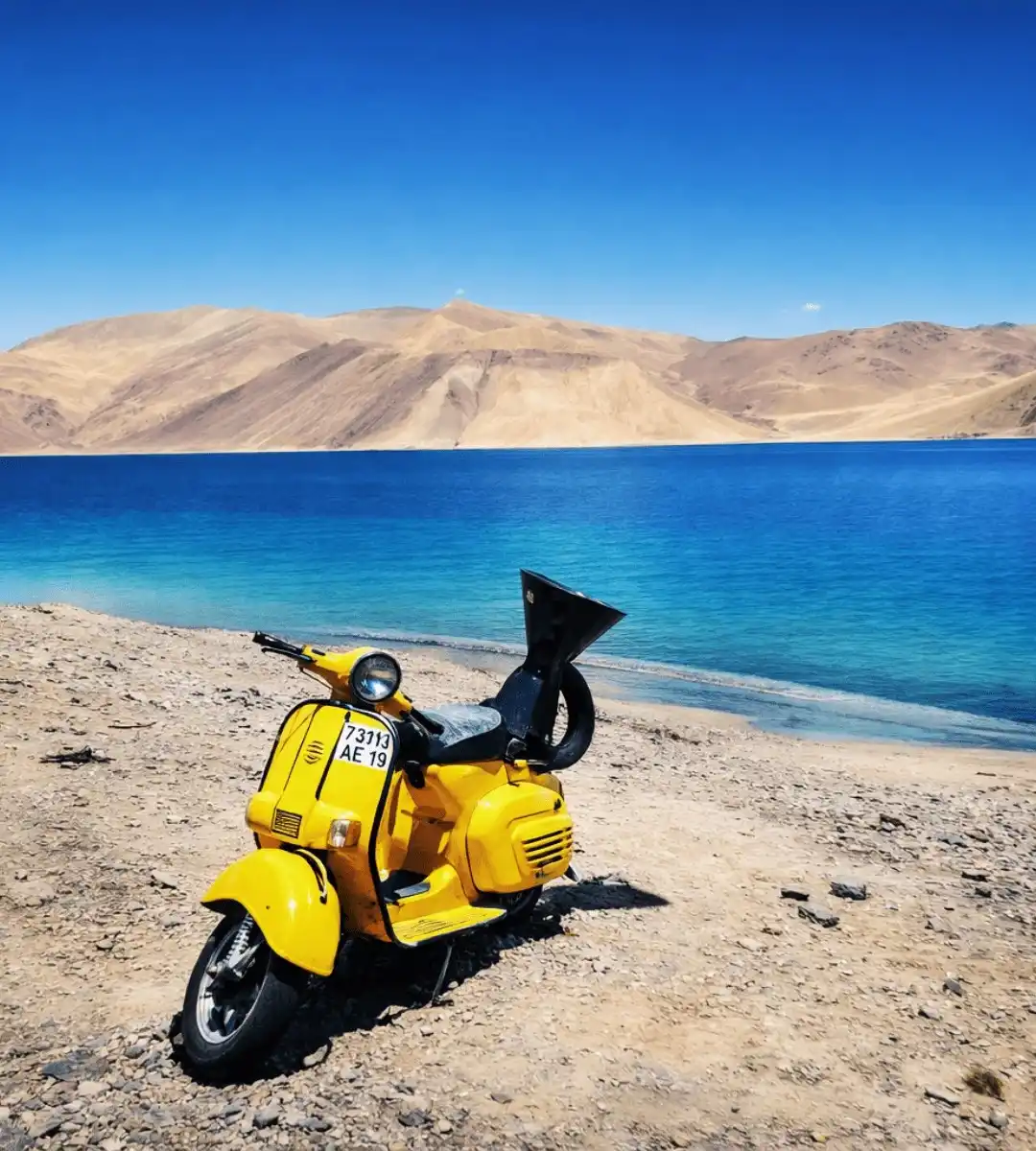
6D/5NBest Selling Leh Ladakh Tour With Nubra Valley and Pangong Lake
2D Leh•1D Nubra Valley+1
₹23,999₹28,599SAVE INR 4,600/ person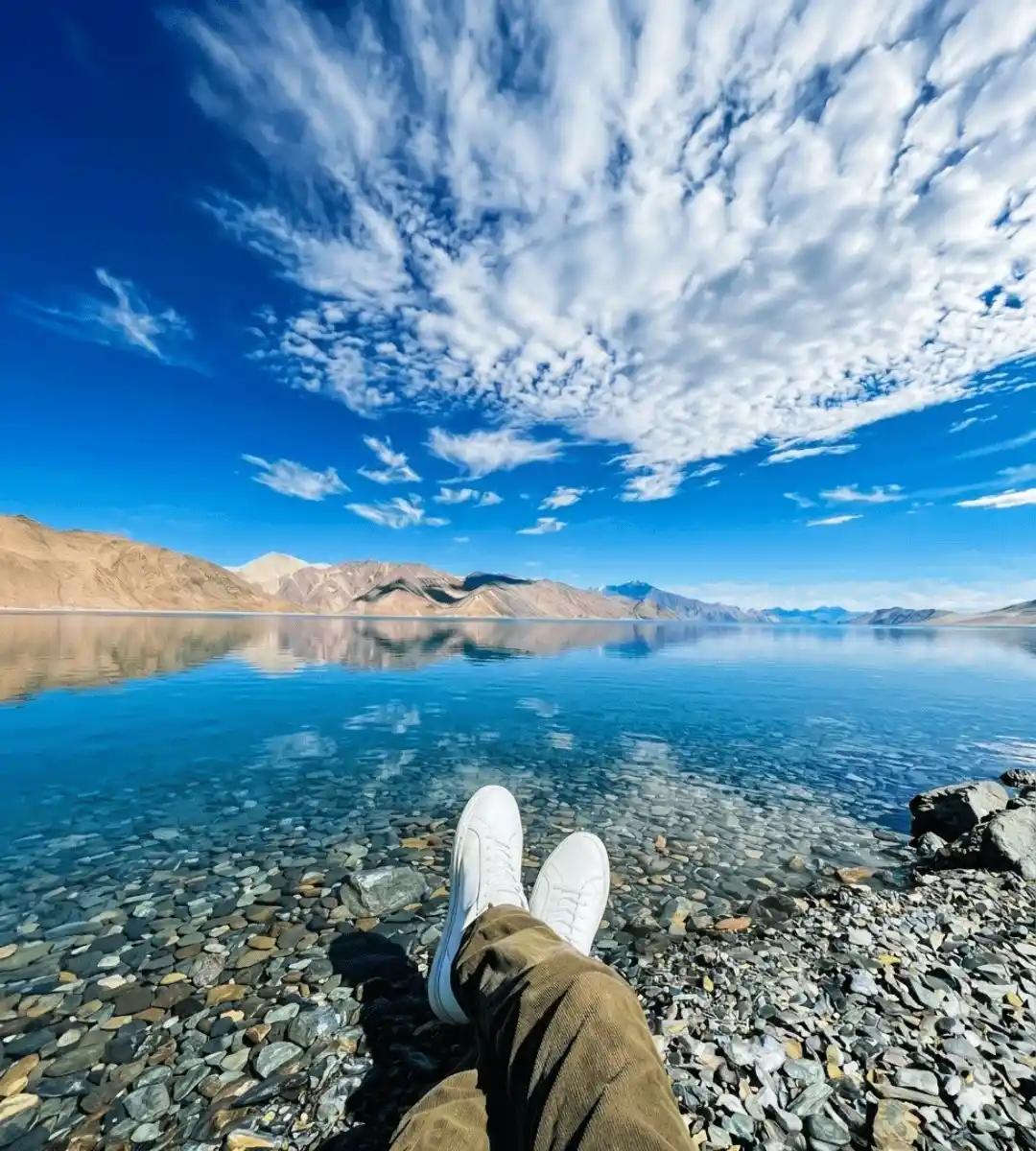 6D/5N
6D/5NUltimate Leh Ladakh Tour Package with Nubra Valley & Pangong Lake
2D Leh•1D Nubra Valley+1
₹28,999₹35,999SAVE INR 7,000/ person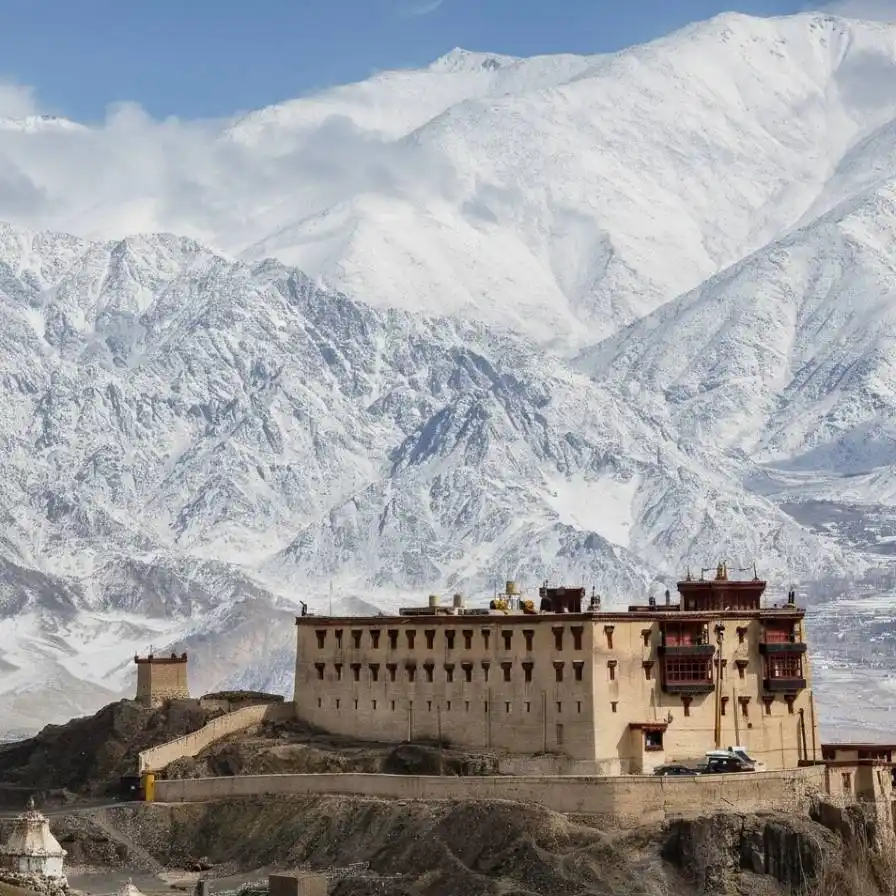 4D/3N
4D/3NLeh Ladakh Winter Getaway
1D Leh•1D Leh Local+2
₹19,999₹22,999SAVE INR 3,000/ person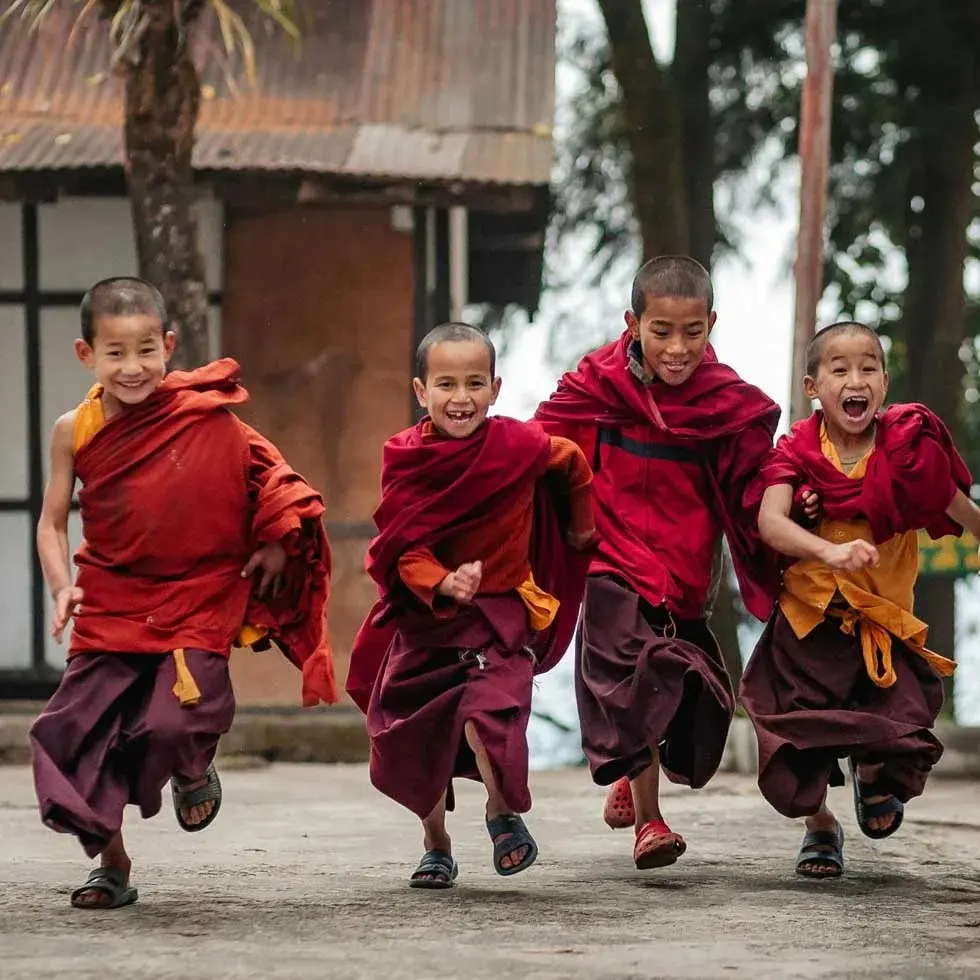 4D/3N
4D/3NLeh Ladakh Short Getaway
2D Leh•1D Pangong Lake
₹16,499₹19,999SAVE INR 3,500/ person
Related topics
Frequently Asked Questions
What are the best things to do in Leh Ladakh for first timers?
Start with Leh town: the market, Shanti Stupa, Leh Palace, and the monastery circuit. Then do the Nubra Valley and Pangong Lake excursions. Keep the first two days light for acclimatisation. This covers the essentials without overwhelming you.
Can I enjoy Ladakh without a bike?
Absolutely. Hire a local taxi or book a package with a vehicle and driver. You cover the same routes, see the same views, and actually get to relax during the drives. Ladakh is not only for bikers. Families, couples, and solo travellers who do not ride enjoy it just as much.
What can I do in Leh while acclimatising?
Walk through Leh Market, visit Shanti Stupa and Leh Palace, explore the old town lanes, try local food like momos and thukpa, sit in a café, and visit Hall of Fame. Keep activities gentle and avoid any high altitude driving on Day 1.
Which activities are best for couples?
Evening walks in Leh, sunrise at Pangong, a night under the stars in Nubra, the monastery circuit at a slow pace, and a rafting experience on the Indus. Ladakh is one of the most romantic destinations in India if you plan it without rushing.
Which adventure sports in Ladakh are beginner friendly?
Rafting on the Indus stretch between Nimoo and Saspol is calm and suitable for beginners. The Sham Valley trek is a gentle introduction to trekking. Camel safari in Nubra is easy and fun. Jeep safaris require zero effort and give you all the scenic drama.
Is rafting in Ladakh safe?
Yes, when done with a licensed operator and proper safety gear. The Indus stretch is calm enough for families. The Zanskar stretch has stronger rapids and suits people with some rafting experience. Always check the operator's equipment and guides before booking.
Is camel safari worth it in Nubra?
The ride itself is short and more of a photo opportunity than a proper safari. But the setting, sand dunes against snow peaks, is unlike anything else in India. Go for the landscape, not the ride. It is worth one stop, not worth an entire day.
How many days do I need for Leh Ladakh?
Five days is the minimum to cover Leh, Nubra, and Pangong. Seven days is the sweet spot for a comfortable pace. Eight or more days let you add Tso Moriri, Turtuk, rafting, or a trek. Always include a buffer day.
What are the best Ladakh experiences in winter?
The Chadar Trek on the frozen Zanskar River is the headline experience. Snow leopard tracking in Hemis National Park, winter festivals, and the stark winter landscapes are all remarkable. But winter Ladakh requires serious preparation for extreme cold and limited access.
What should I avoid doing on my first day in Leh?
Do not drive to Khardung La, Pangong, or any high altitude destination. Do not drink alcohol. Do not overeat. Do not do anything physically intense. Your body needs at least 24 hours to start adjusting to 11,500 feet. Rest, hydrate, and walk gently.
Which places in Ladakh are best for stargazing?
Hanle is the best spot. There is an astronomical observatory there because the sky conditions are that good. Pangong Lake on a clear night is extraordinary. Nubra Valley away from the camps also offers incredible stargazing. The key is getting away from any light source, which is easy in Ladakh because there are not many.
Is Pangong or Nubra better if I have limited time?
If you can only do one, Pangong has the more dramatic visual impact. The lake, the colours, the drive: it is hard to beat. But Nubra offers more variety, including sand dunes, camels, warmer weather, and the village of Turtuk. If you lean towards landscapes, pick Pangong. If you lean towards experiences, pick Nubra.
More about Ladakh
 Ladakh
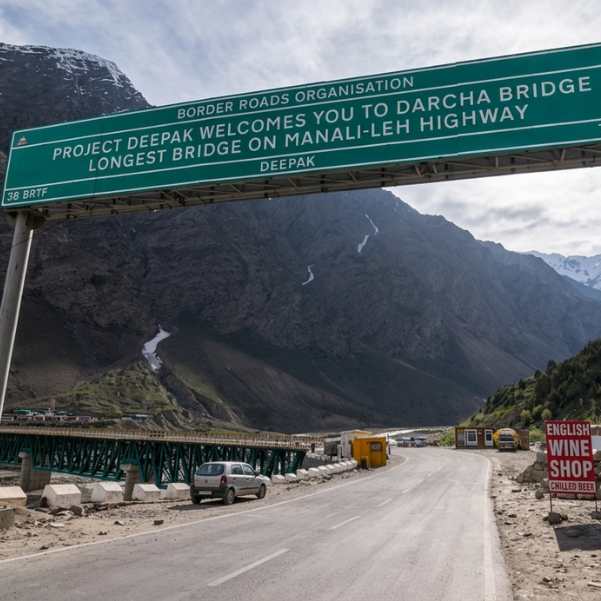
Manali to Leh Highway 2026: Every Pass, Stop and Distance
Plan your Manali to Leh Highway journey in 2026 with a complete guide to major mountain passes, overnight stops, route highlights, and distance. Discover key stops like Jispa, Sarchu, and Pang, along with famous passes including Baralacha La and Tanglang La.
- Road Trips
- How to Reach
 Ladakh
Umling La Ladakh Guide 2026: Route, Altitude, Permit, Safety & Reality Check
Planning to visit Umling La in 2026? This complete guide covers the route, altitude, permit requirements, road conditions, safety tips, and the realities of travelling to one of the world's highest motorable roads.
- Road Status
- Altitude & Health
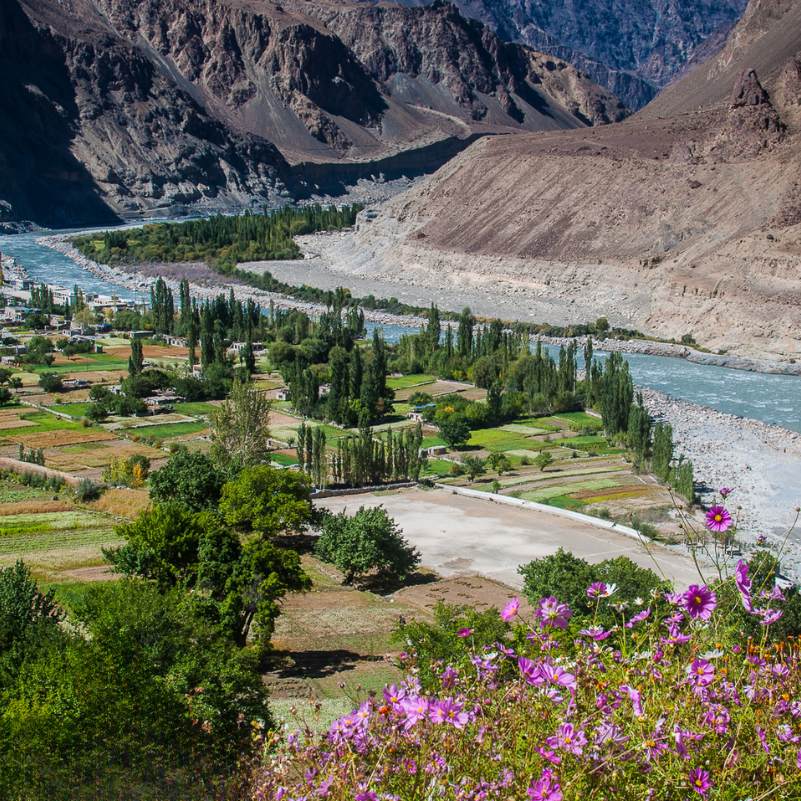 Ladakh
Turtuk Ladakh Travel Guide 2026: Balti Culture, Apricot Orchards and Why It Is Perfect for Families
Planning a trip to Turtuk? This 2026 travel guide explores the village's rich Balti culture, beautiful apricot orchards, top attractions, travel route, and why Turtuk is one of the best family-friendly destinations in Ladakh.
- Places to Visit
- Family Travel