
Kinnaur Packing List 2026: What to Pack for Kalpa, Sangla, Chitkul and Nako
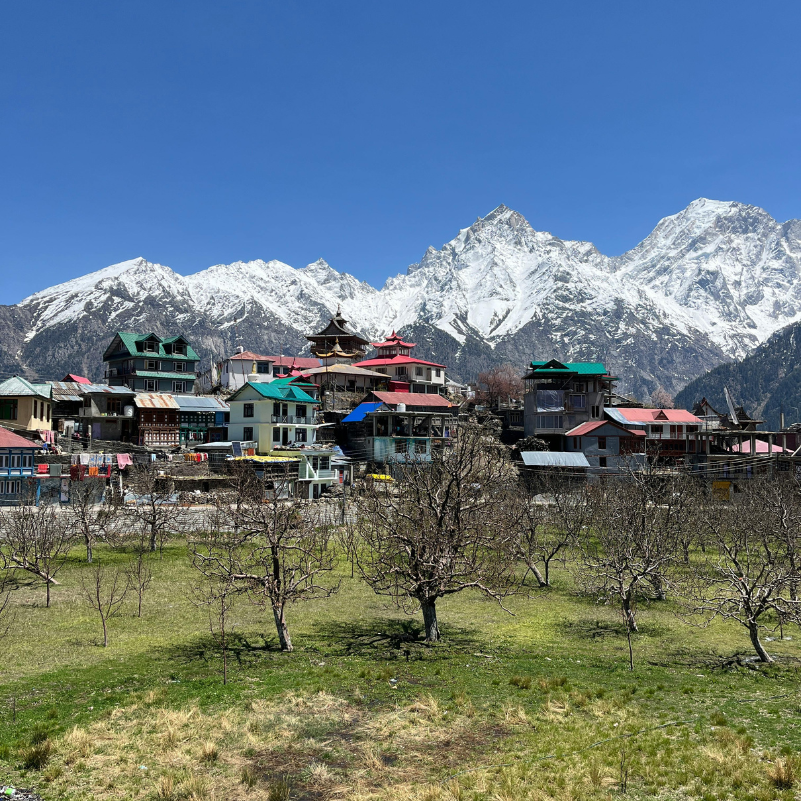
Most people pack for Kinnaur like they are going to Shimla. That is the first mistake. Kinnaur stretches from around 2,600 metres at Sangla to over 3,600 metres at Nako, and what you need at the bottom of that range is very different from what you need at the top.
Your Kinnaur packing list needs to account for warm days, freezing evenings, unpredictable rain, dusty roads, and places where you cannot buy basics for hours.
This guide by Travel Coffee covers what to actually carry for a Kinnaur trip across all seasons, broken down by destination, travel style, and the kind of practical detail that comes from sending hundreds of travellers on this route.
Quick Answer: What Should You Pack for a Kinnaur Trip?
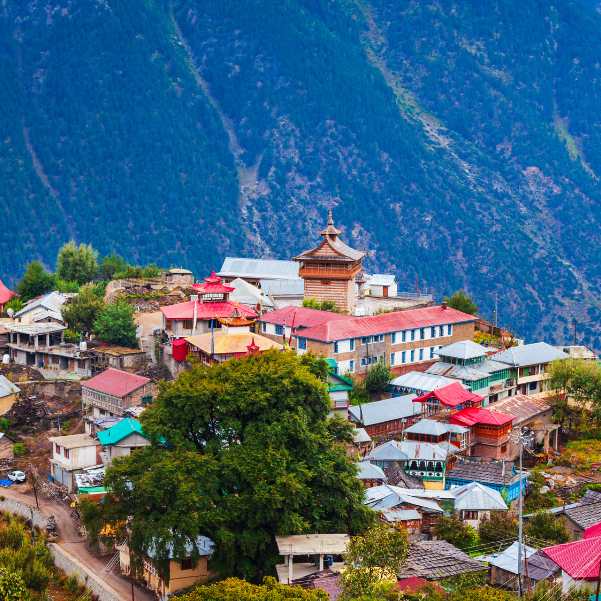
Pack in layers. One proper insulated jacket, two to three mid-layers, thermals for evenings, comfortable walking shoes, high-SPF sunscreen, your personal medicines, a valid government ID, and a fully charged power bank. That covers the basics for most trips.
Upper Kinnaur spots like Chitkul (3,450 m) and Nako (3,663 m) need warmer packing than Kalpa (2,759 m) or Sangla (2,621 m). The higher you go, the colder and windier it gets, especially after sundown.
If you are still figuring out your route and dates, our Kinnaur tour packages can help you sort the logistics so you can focus on packing smart.
Why Packing for Kinnaur Is Different from a Normal Hill Station Trip
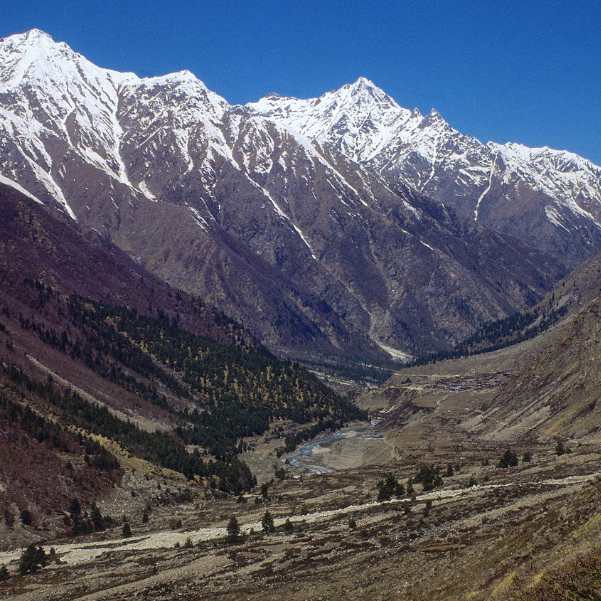
Kinnaur is not Manali or Mussoorie. You are not going to a single hill station where the temperature stays roughly the same throughout your trip.
The altitude changes significantly as you move through the circuit. Reckong Peo sits at 2,670 metres and is about 235 km from Shimla by road. Kalpa is just 14 km ahead at 2,759 metres.
But then you push to Chitkul at 3,450 metres or Nako at 3,663 metres, and suddenly your light fleece is not enough.
The other thing that catches people off guard is the road time. Most travellers reach Kinnaur by road from Shimla, and the drives between towns can stretch to 5 or 6 hours on rough mountain highways.
You sit in a car all day in the sun, then step out at your destination and the wind cuts right through your T-shirt.
The weather shifts fast here. We have seen mornings start sunny in Sangla and turn into full rain by lunch in Chitkul. Pack for both extremes in the same bag, and you will be fine.
What Clothes Should You Pack for Kinnaur in Summer, Monsoon, Autumn and Winter?
There is no single Kinnaur clothes guide that works year-round. What you wear in May is very different from what you need in December.
April to June (Summer)
Days are pleasant in the sun. T-shirts and light full-sleeve shirts work during the day, especially around Sangla and Kalpa.
But mornings and evenings cool down quickly, so carry a proper fleece or light jacket for after sunset.
If you are heading to Chitkul or Nako, add a windproof layer on top of the fleece. The wind at 3,400 metres and above makes a 12-degree evening feel much colder.
Thermals are not essential for most of lower Kinnaur in May, but carry one set if your plan includes Nako or any overnight stay above 3,000 metres.
What most tourists get wrong: they see "summer" on the calendar and pack shorts and sandals. Kinnaur summer is not Delhi summer.
Your evenings will be cold even in June, and the UV at this altitude burns skin faster than you expect.
July to September (Monsoon)
Rain changes everything. The temperatures do not drop drastically, but wet clothes in mountain wind make you feel colder than the thermometer says.
A compact, waterproof rain jacket is more useful here than an umbrella. Umbrellas are useless on windy mountain roads.
Quick-dry fabrics help. Cotton takes forever to dry in humid mountain air. Two pairs of quick-dry trousers and three to four layers on top will see you through. Waterproof shoe covers or at least sturdy shoes with grip are non-negotiable.
One thing to keep in mind for monsoon: the Kinnaur administration suspended the Kinnaur Kailash Yatra in 2025 due to continuous rainfall, rockfall, and foggy conditions. Monsoon in this region is real.
Check road conditions before you start, and pack with the assumption that you might get properly wet at least once.
October to November (Autumn)
This is when Kinnaur turns golden and the skies get that deep, clear blue. Days are comfortable in layers, but nights start getting seriously cold, especially above Kalpa.
Thermals are a must for this window. A good down jacket or heavy insulated jacket replaces the light fleece you used in summer.
Gloves, a warm cap, and woollen socks should go in your bag even if you think you will not need them. You will.
December to February (Winter)
Winter Kinnaur is a different trip entirely. Snow is common across the upper circuit. Roads can close for days. Buses become unreliable.
Pack heavy thermals (top and bottom), a proper winter jacket rated for sub-zero temperatures, snow boots with grip, multiple pairs of warm socks, a balaclava or neck gaiter, insulated gloves, and hand warmers if you can find them.
Layer aggressively. Three thin layers beat one thick one because you can add or remove as the day shifts.
In our experience running winter trips through this region, the single biggest issue is cold feet. People bring warm jackets but forget that standing on frozen ground for 20 minutes at a viewpoint will numb your toes fast. Invest in proper socks and footwear before anything else.
If you need help figuring out what works for your specific travel dates, reach out to Travel Coffee on WhatsApp and we will give you a straight answer.
👉 WhatsApp Travel Coffee for a clear answer based on your dates
What Should You Pack for Kalpa, Sangla, Chitkul and Nako Separately?
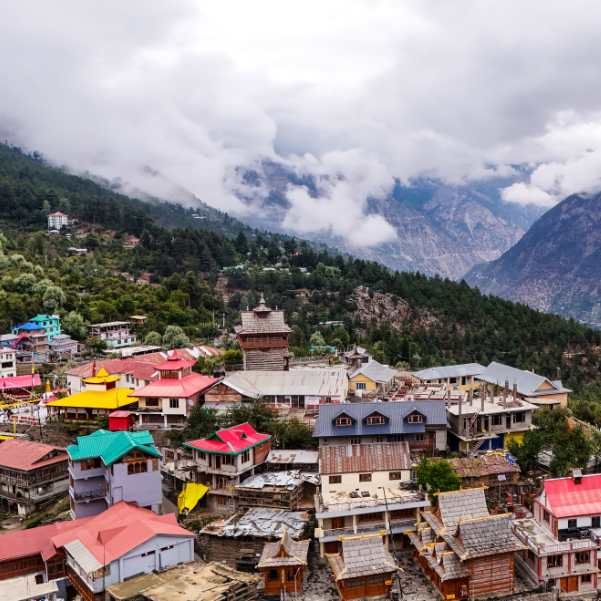
One generic packing list does not work because these four places sit at very different altitudes and have very different feels.
Kalpa and Sangla
Kalpa (2,759 m) and Sangla (2,621 m) are the more accessible stops on the Kinnaur circuit. The towns have shops, basic markets, and you can pick up a shawl or a pair of socks if you forgot yours. Weather here is moderate compared to the upper circuit.
For summer visits, two mid-layers and a light jacket handle most situations. For autumn or early winter, add thermals and a proper insulated jacket.
Chitkul and Nako
Chitkul (3,450 m) is the last inhabited village on the Indo-Tibetan border in this valley. Nako (3,663 m) sits even higher, with a small lake surrounded by mountains. Both are noticeably colder than Sangla or Kalpa, especially at night.
The altitude difference between Sangla and Nako is over 1,000 metres. That is enough to turn a comfortable evening into a freezing one.
If your itinerary includes either of these, add an extra warm layer, a windproof jacket, warm socks, and gloves to whatever you packed for the lower circuit.
Our team always tells first-timers heading to Chitkul: carry a thermos from your last dhaba stop and fill it with ginger tea. At 3,450 metres, a hot drink does more for your comfort than any extra layer you forgot to pack.
Shopping options at Chitkul and Nako are almost nonexistent. You cannot buy a jacket or thermals there. Pack everything you need before you leave Shimla or Reckong Peo.
What Footwear Works Best in Kinnaur?
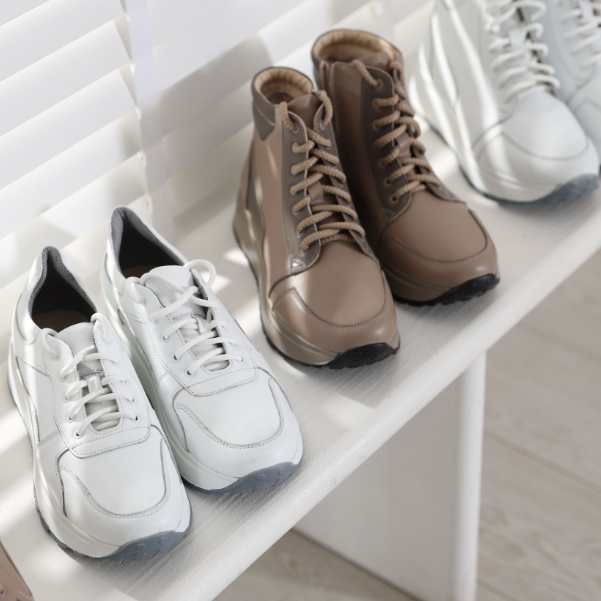
This depends entirely on what kind of trip you are doing.
For a standard road trip where you drive between towns, stop at viewpoints, and walk through villages, a pair of sturdy sports shoes with good grip works perfectly.
You do not need full trekking boots for Kalpa or Sangla unless you are planning a proper hike.
If you are walking on trails around Chitkul, exploring monastery paths at Nako, or doing any kind of off-road walking, proper trekking shoes with ankle support make a real difference.
The terrain is uneven, often loose gravel, and one twisted ankle in a place with no medical facility nearby can ruin the trip.
For winter travel (December to February), waterproof snow boots with insulated lining are the only sensible option. Regular shoes get wet from snow, stay wet, and your feet freeze.
Skip this: fancy new shoes that you have never worn before. Every season we see travellers show up with brand-new trekking boots and spend the first two days with blisters. Break in your shoes at home before the trip.
What Medicines and Personal Care Items Should You Carry for Kinnaur?

Start with your personal prescriptions. If you take any regular medication, carry enough for the full trip plus two extra days. Pharmacies exist in Reckong Peo, but availability of specific brands is not guaranteed, and smaller towns have very limited options.
For general travel preparedness, pack basic painkillers (paracetamol), ORS sachets, an anti-nausea medicine for motion sickness on winding roads, an antacid, bandages, antiseptic cream, and any allergy medication you might need.
If you are prone to motion sickness, take your medicine 30 minutes before getting in the car, not after you start feeling sick.
Sunscreen with SPF 50 or higher is essential, not optional. The UV at these altitudes is intense even on cloudy days. Your lips will crack without a good SPF lip balm. A basic moisturiser helps too, because mountain air is dry and your skin will feel it after day two.
Tissues, wet wipes, and hand sanitiser should go in your daypack, not buried in your main bag. Roadside toilet stops in Kinnaur are exactly what you think they are.
A money-saving tip most guides skip: buy all your medicines and toiletries in Shimla or your home city before you leave. Prices in small-town Kinnaur shops are marked up, and the selection is thin.
What Documents and Safety Essentials Should You Keep Ready?

Carry a valid government-issued photo ID (Aadhaar, driving licence, passport, or voter ID). Hotels and checkpoints will ask for it. Keep a photocopy as backup.
Foreign tourists need a permit for protected areas in Kinnaur. The Inner Line Permit costs ₹200 per person at the e-governance centre, with service charges payable separately.
People moving in the notified area must carry a valid identity card. Note that no access is permitted on roads leading to Shipki La and Kaurik from the highway.
Save your hotel booking confirmations, bus tickets, and any travel documents offline on your phone. Network coverage gets patchy deeper into the circuit, and loading a confirmation email from a server in Chitkul is not going to happen.
Write down two emergency contact numbers on paper and keep it in your wallet. If your phone dies or gets damaged, you will be glad you did this.
👉 WhatsApp Travel Coffee for a straight answer based on your dates
What Electronics and Travel Gear Are Actually Useful in Kinnaur?
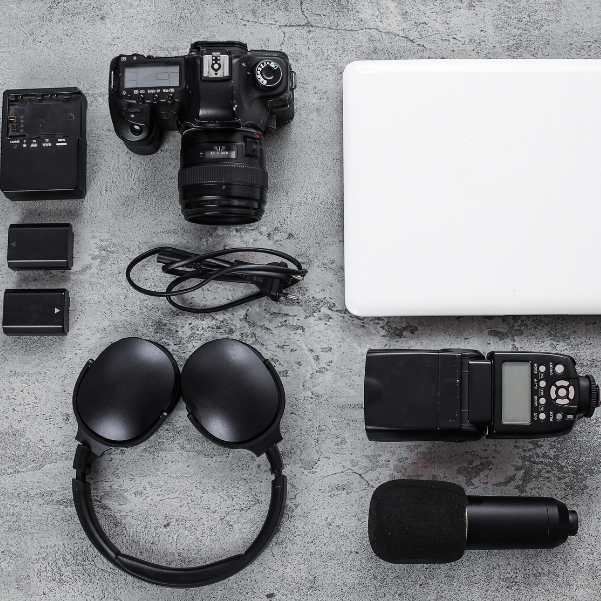
A power bank
A power bank (at least 10,000 mAh, ideally 20,000) is the single most important gadget after your phone. Electricity is available across Kinnaur, but power cuts can be frequent, especially in places like Nako. Your car is not always near your room when you need a charge.
A car charger
It is useful if you are on a road trip. Carry the right cables for your phone. This sounds obvious, but we have seen people borrow cables at dhabas in the middle of nowhere because they forgot theirs.
A small torch or headlamp
It matters more than you think. Village lanes after dark, hostel corridors during a power cut, midnight trips to the bathroom in a homestay. These situations come up every trip.
Download your maps offline before you leave Shimla. Google Maps offline mode or Maps.me both work well. Mobile coverage is generally better around Sangla but gets patchier toward Chitkul. Do not rely on live GPS in deeper Kinnaur.
A pair of UV-blocking sunglasses is not a luxury at this altitude. Your eyes will hurt after a full day in the mountain sun without them.
A reusable water bottle and a small daypack round out the essentials. The daypack goes with you on viewpoint stops and village walks while your main bag stays in the car or hotel.
Backpack or Suitcase for Kinnaur Road Trips?
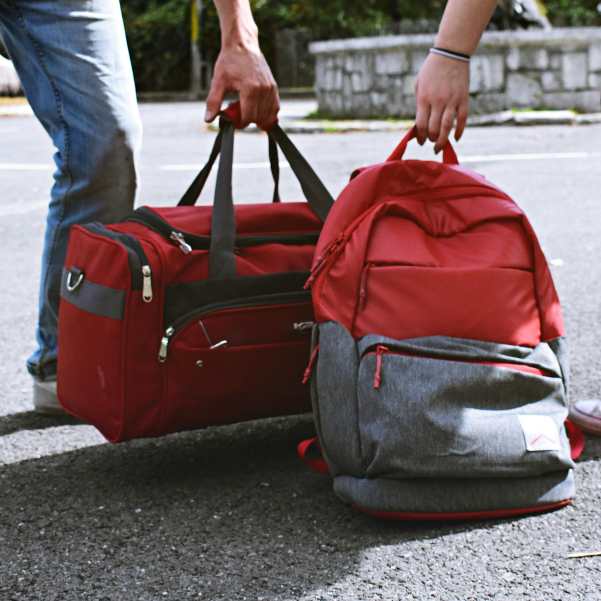
A backpack wins for almost every type of Kinnaur trip.
If you are on a bus or shared cab, luggage goes on the roof rack or gets squeezed between seats. A soft backpack adjusts. A hard suitcase does not.
If you are self-driving, a backpack fits easily in the boot and you can grab it quickly at each stop without wrestling a suitcase out.
For families with lots of gear, one soft duffel bag plus individual daypacks works better than multiple suitcases. Kinnaur hotels and homestays often have narrow staircases and small rooms. Rolling a large trolley up three flights of wooden stairs in a Chitkul guesthouse is nobody's idea of fun.
The only situation where a suitcase is fine is if you are staying in one or two places with a private vehicle and a driver who handles your luggage. Even then, keep it medium-sized.
What Extra Things Should Bikers, Trekkers, Families and First-Timers Add?
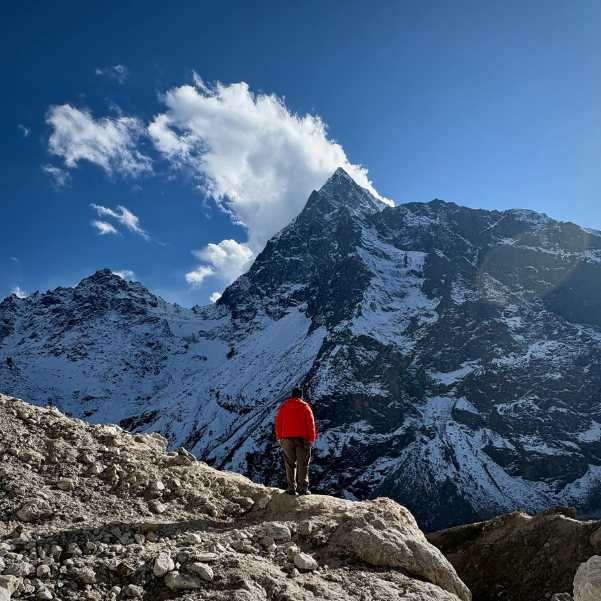
For Bikers
Riding the Shimla to Kinnaur highway on a motorcycle is one of the best road experiences in Himachal, but it asks more of your body and gear than a car trip.
Add riding gloves, a good quality balaclava or buff for dust and wind, knee guards if you have them, and a waterproof cover for your backpack.
Carry a spare pair of socks and a dry T-shirt in a zip-lock bag. After a day of riding through dust and water crossings, changing into dry clothes at the end feels like a luxury.
Our Shimla tour packages can help bikers sort out the logistics of the Shimla to Kinnaur stretch, including stay options along the way.
For Casual Trekkers
If your plan includes short walks to viewpoints, monastery trails, or the walk around Nako Lake, carry proper walking shoes with grip, a small water bottle, energy bars or dry snacks, and sunscreen. A trekking pole helps on loose gravel paths, especially if you have knee issues.
For Families with Kids
Pack vomit bags. Seriously. The roads are winding and long, and kids (and many adults) get motion sick on the Kinnaur route.
Carry a separate bag with snacks, water, wet wipes, a change of clothes, and entertainment for the car. Chargers for tablets and headphones make a 6-hour drive more survivable for everyone.
Kids lose body heat faster than adults at altitude. Pack one extra warm layer for each child compared to what you would carry for yourself.
For Elderly Travellers
Add warm socks (at least three pairs), an extra shawl, personal medicines in double quantity, a comfortable neck pillow for long drives, and easy-to-eat snacks. If anyone in the group has breathing or heart conditions, consult a doctor before planning upper Kinnaur.
What Should You Not Pack for Kinnaur?
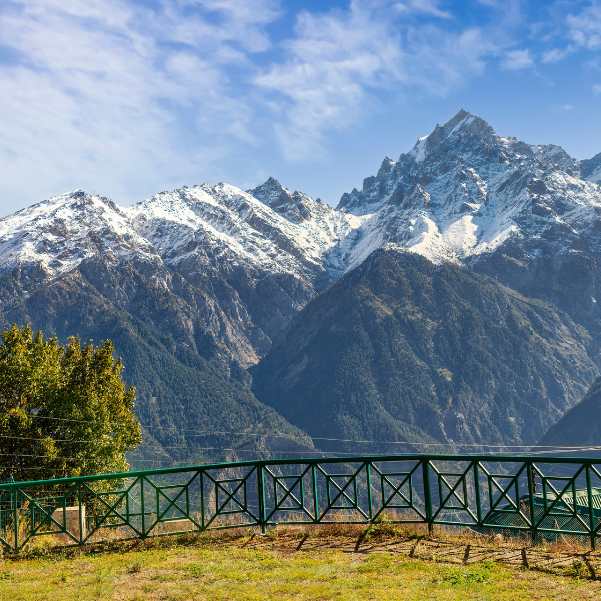
Do not overpack. This is the number one mistake we see, and it makes every part of the trip harder.
Do not carry only one charger. Carry a power bank, a car charger, and a wall plug. Relying on a single charger at 3,600 metres where power cuts happen is asking for a dead phone at the worst moment.
Do not bring hard-soled formal shoes, high heels, or flip-flops as your only footwear. Kinnaur terrain punishes bad shoe choices.
Do not pack a massive suitcase for a multi-stop road trip where you change hotels every night. You will regret it by stop three.
Do not rely on buying warm clothes locally. Reckong Peo has a few shops, but the quality is basic and the prices are inflated. Anything beyond the main towns has nothing.
Do not carry more than two pairs of jeans. They are heavy, slow to dry, and take up more space than quick-dry trousers that do the same job better.
Printable Kinnaur Packing Checklist
For clothes, carry two to three T-shirts, two to three full-sleeve shirts, two pairs of comfortable trousers (quick-dry preferred), thermals (top and bottom), a fleece mid-layer, a windproof jacket, a warm insulated jacket for upper Kinnaur and colder months, warm socks (three to four pairs), regular socks (two pairs), a warm cap, lightweight gloves, and a rain jacket or poncho for monsoon months.
For footwear, pack sturdy walking shoes or trekking shoes and a pair of light sandals or slippers for indoor use. Add snow boots if travelling between December and February.
For toiletries, carry sunscreen (SPF 50+), lip balm with SPF, moisturiser, toothbrush and paste, a small towel, tissues, wet wipes, hand sanitiser, and any personal hygiene items.
For medicines, pack paracetamol, ORS sachets, anti-nausea tablets, antacid, bandages, antiseptic cream, personal prescriptions (with extra stock), and allergy medicine if needed.
For documents, keep your government photo ID, permit documents for foreign nationals, hotel booking confirmations (saved offline), emergency contact numbers on paper, and cash in smaller denominations.
For gadgets, pack your phone with offline maps downloaded, a power bank (10,000 to 20,000 mAh), charging cables, a car charger, a torch or headlamp, UV-blocking sunglasses, and a reusable water bottle.
For seasonal extras, add hand warmers and a balaclava for winter, a waterproof bag cover for monsoon, and extra warm layers for any trip to Chitkul or Nako.
Planning a Kinnaur Trip and Extending to Spiti?
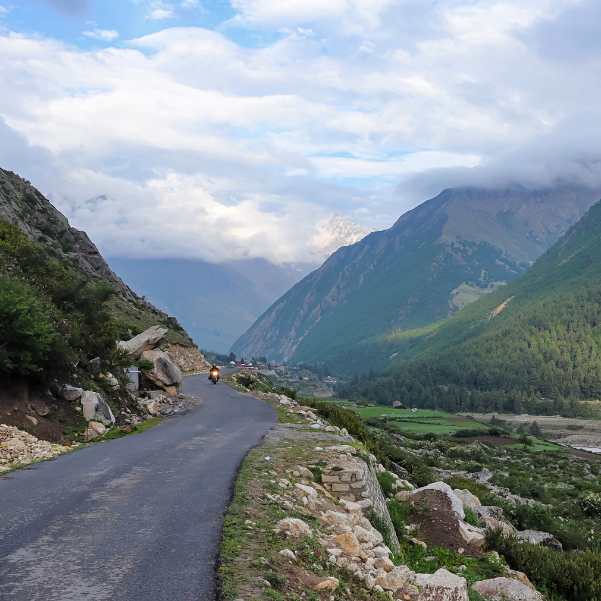
A lot of travellers combine Kinnaur with Spiti Valley, entering from Shimla through Kinnaur and continuing to Kaza and beyond.
If this is your plan, everything in this Kinnaur packing list still applies, but you need to level up on the warm layers.
Spiti sits higher than Kinnaur. Kaza is at about 3,800 metres. Chandratal Lake is over 4,300 metres.
The cold at those altitudes is a step above what you feel even at Nako. Add a heavier jacket, extra thermals, and a sleeping bag liner if you plan to camp.
Check route conditions before committing. The road connecting Kinnaur to Spiti via Nako and Tabo is usually the safer option for the Shimla-side entry.
The Manali route over Kunzum Pass opens later in the season and can be unpredictable.
Our Spiti Valley tour packages handle the full circuit with proper buffer days and acclimatisation stops built in.
Want to know if Chandratal is worth adding to your plan? Read our Chandratal 2026 opening dates and planning guide before locking your itinerary.
And if you are a solo female traveller wondering about safety on this route, our honest take on whether Spiti is safe for solo women covers the ground reality.
Final Local Tips Before You Pack
Smart layering beats overpacking every time. Three light layers that you can add or remove through the day will keep you more comfortable than one massive jacket that is either too hot or not enough.
Roll your clothes instead of folding them. You fit more in less space, and pulling out a single layer from a packed bag is easier when everything is rolled.
Keep one complete change of clothes in your daypack, not just your main bag. If your main luggage gets delayed on a bus roof or stuck in a different vehicle, you will have something dry and warm to wear.
We have been helping travellers plan Kinnaur trips for years, and the one thing everyone says after their first trip is the same:
"I wish I had packed lighter and warmer." Less stuff, better quality, more layers. That is the formula.
If you want help putting together a Kinnaur plan that fits your dates, budget, and comfort level, talk to our team on WhatsApp and we will sort it out. You can also browse our popular tours or reach out directly if you prefer email.
Explore Our Curated Kinnaur Valley Tours
 5D/4N
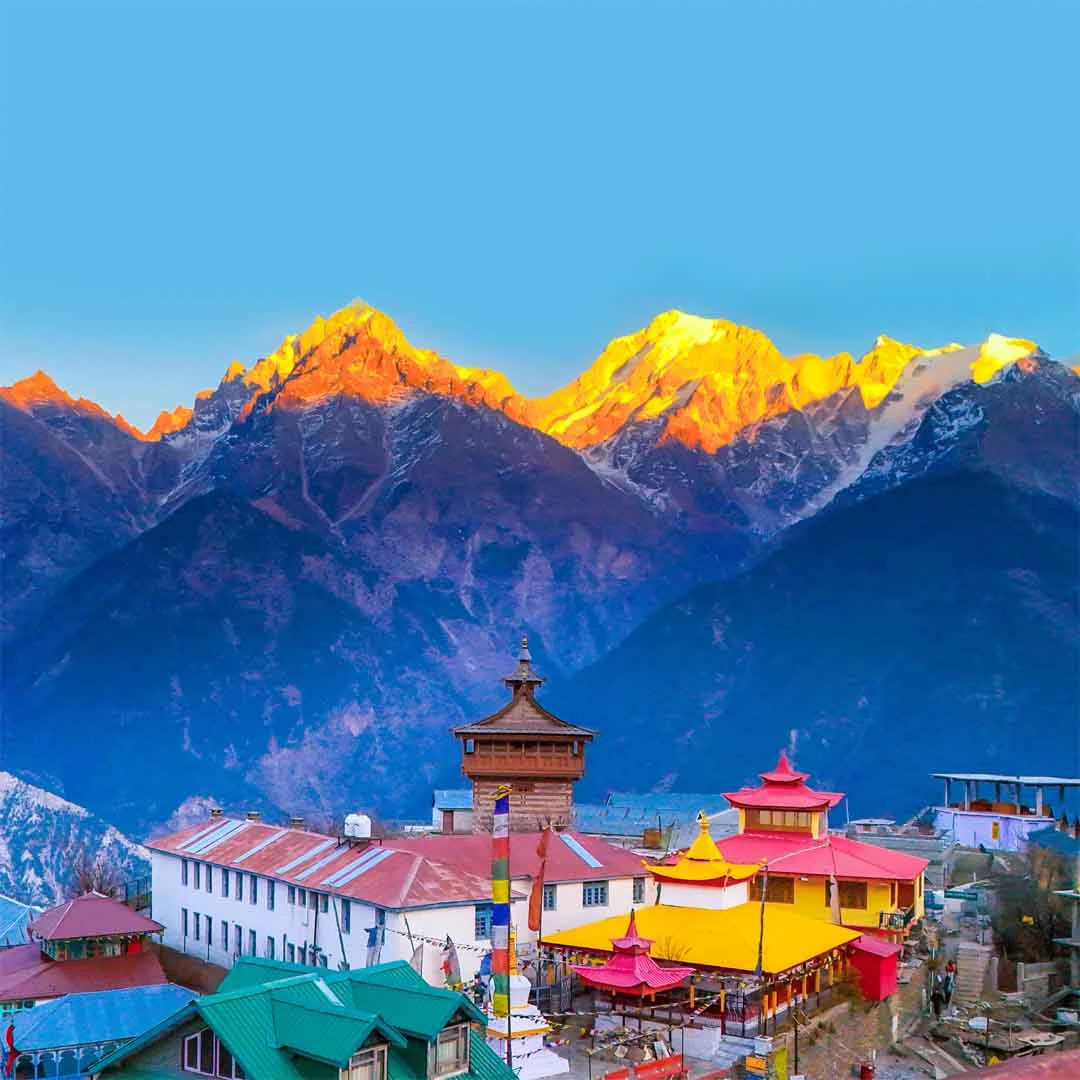
5D/4NClassic Kinnaur Valley Circuit With Sarahan Sangla Chitkul and Kalpa
1D Shimla•1D Sarahan+2
₹19,999₹21,999SAVE ₹2,000/ person 5D/4N
5D/4NKinnaur Tour Package From Delhi With Sangla Chitkul and Kalpa
1D Sangla•1D Kalpa
₹14,999₹16,999SAVE ₹2,000/ person 4D/3N
4D/3NKinnaur Valley Scenic Circuit With Sangla Chitkul and Kalpa
1D Shimla•1D Sangla+1
₹16,999₹17,999SAVE ₹1,000/ person Group Tour5D/4N
Kinnaur Valley Weekend Group Trip With Sangla Chitkul and Kalpa
1D Sangla•1D Kalpa
₹12,999₹15,999SAVE ₹3,000/ person Group Tour9D/8N
Best Selling Winter Spiti Valley Group Tour
2D Sangla•1D Tabo+2
₹18,999₹27,999SAVE ₹9,000/ person
Related topics
Frequently Asked Questions
What clothes should I pack for Kinnaur in May?
Pack T-shirts and light shirts for the day, a fleece for evenings, and a windproof jacket for upper Kinnaur. May is sunny but not warm at altitude. Carry a light thermal set if you are going to Chitkul or Nako. Sunscreen is essential because the UV is strong even when the air feels cool.
Do I need thermals for Kinnaur in June?
For Sangla and Kalpa, thermals are optional in June. Evenings are cool but a fleece usually handles it. For Chitkul and Nako, carry one thermal set as a backup. Nights above 3,400 metres can still surprise you with how cold they get.
What should I pack for Chitkul and Nako?
Everything you would pack for lower Kinnaur, plus one extra warm layer, a windproof jacket, warm socks, and gloves. Chitkul is at 3,450 m and Nako at 3,663 m. The cold at these altitudes is noticeably sharper than Kalpa or Sangla, especially after sunset.
Are trekking shoes necessary for Sangla and Kalpa?
Not for a standard road trip. Sturdy sports shoes with good grip work fine for village walks and viewpoint stops. Trekking shoes become important if you plan off-road walks, trails, or if you are visiting in monsoon or winter when surfaces get slippery.
Do I need a permit for Kinnaur?
Indian tourists generally do not need a specific permit for the standard Kinnaur circuit. Foreign tourists need an Inner Line Permit for protected areas in Kinnaur. The permit costs ₹200 per person at the e-governance centre, with service charges payable separately. No access is permitted on roads leading to Shipki La and Kaurik.
What ID should I carry for Kinnaur?
A valid government-issued photo ID is required. Aadhaar card, driving licence, passport, or voter ID all work. Keep a photocopy as backup. People moving in the notified area must carry a valid identity card.
Is Kinnaur safe in monsoon?
Kinnaur is beautiful in monsoon but carries real risks. Landslides, rockfall, and road closures are common between July and September. Check road conditions before starting your trip. The Kinnaur Kailash Yatra was suspended in 2025 due to exactly these conditions. Travel is possible but requires flexibility and caution.
Which medicines should I keep for a Kinnaur road trip?
Carry paracetamol, ORS sachets, anti-nausea medicine for winding roads, an antacid, bandages, antiseptic cream, and your personal prescriptions with extra stock. Pharmacies exist in Reckong Peo but options are limited deeper into the circuit.
Will phone networks work in Kinnaur?
Network coverage is generally better around Sangla and Reckong Peo, but gets patchier as you move toward Chitkul. Download offline maps before you leave Shimla. BSNL tends to work better than private networks in remote Himachal areas, but do not count on consistent coverage anywhere in upper Kinnaur.
Is a backpack better than a suitcase for Kinnaur?
Yes. A backpack is easier to carry, fits into shared cabs and bus luggage racks, and works better at guesthouses with narrow stairs. A suitcase is only practical if you are staying in one place with a private vehicle.
What should families with kids carry for Kinnaur?
Pack vomit bags, motion-sickness medicine, extra snacks, wet wipes, a spare change of clothes in the daypack, and entertainment for long car rides. Kids lose body heat faster, so carry one extra warm layer per child compared to what adults need.
Can I buy woollens and basics locally or should I carry everything?
Reckong Peo has a few shops where you can buy basic shawls, socks, and caps. Quality is basic and prices are higher than city rates. Anything beyond Reckong Peo, especially at Chitkul or Nako, has almost nothing. Carry everything you need from home or Shimla.
More about Kinnaur
 Kinnaur
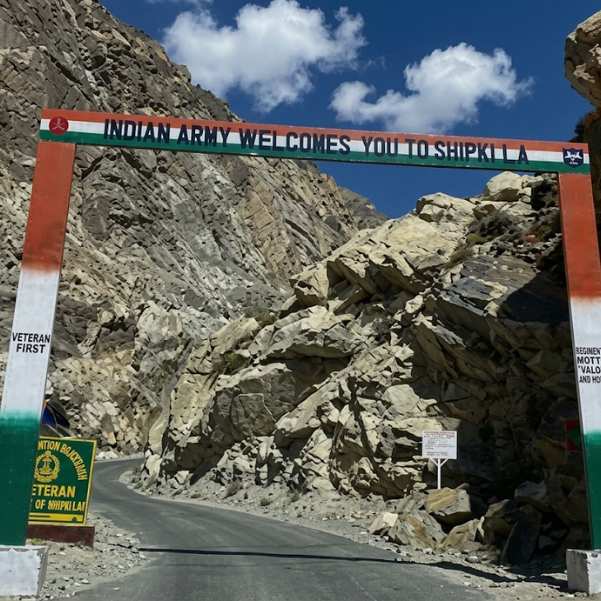
Shipki La Pass in September 2026: Weather, Permit, Road Status and Travel Guide
Planning Shipki La Pass in September 2026? This travel guide covers expected post-monsoon weather, permit and token rules, road status, route details via Reckong Peo–Pooh–Namgia, safety tips, and key things to check before visiting this high-altitude India–Tibet border pass in Kinnaur. Shipki La was opened for domestic border tourism in June 2025, while foreign travellers still need to follow protected-area permit rules in Kinnaur. Confirm the latest road and access updates before travel, as border permissions and mountain road conditions can change.
- Best Time to Visit
- Road Status
 Kinnaur
Shipki La Pass in August 2026: Weather, Road Status, Permit Rules and Travel Tips
Plan your August 2026 Shipki La trip with weather expectations, monsoon road-risk updates, permit rules, ID/token guidance, and practical border-zone travel tips.
- Best Time to Visit
- Road Status
 Kinnaur
Shipki La Pass in July 2026: Road, Permits, Weather and Travel Guide
Planning Shipki La Pass in July 2026? This guide explains whether Shipki La is open for Indian tourists, Aadhaar and permit rules, monsoon road conditions on NH-5, how to reach from Shimla, Chandigarh, Kalpa and Reckong Peo, where to stay, what to carry, border rules and the safest Kinnaur backup plan.
- Best Time to Visit
- Road Status