
Hanle Ladakh Stargazing Guide 2026: Best Time, Moon Phase, Stay & Route
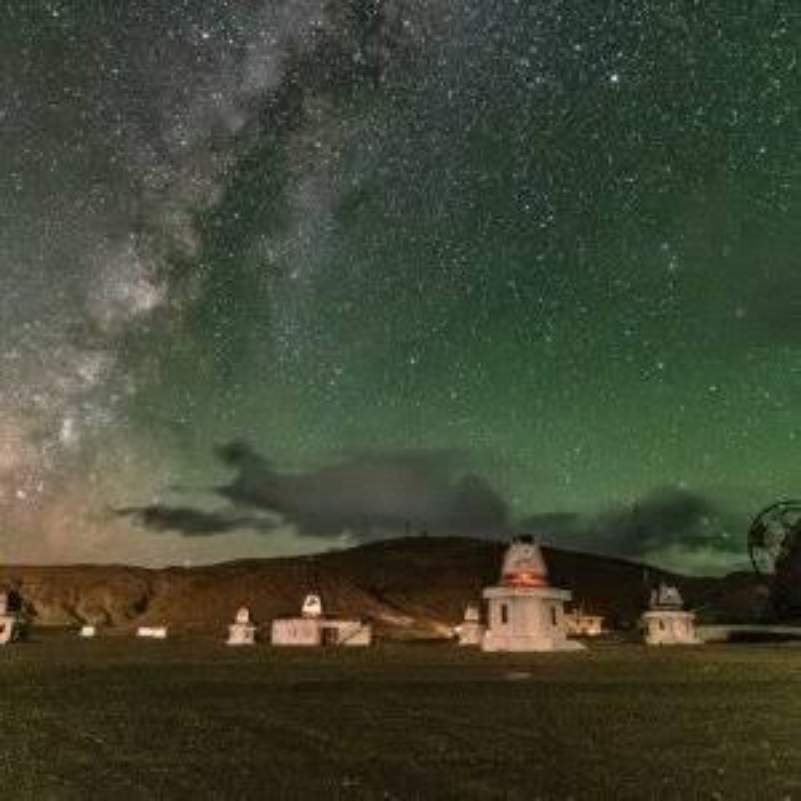
If you want the clearest night sky in India, this Hanle Ladakh Stargazing Guide 2026 is built to help you plan it without guesswork.
Hanle sits deep in the Changthang region of Ladakh, around 260 to 270 km from Leh, at the kind of altitude where the air is thin, dry, and almost free of light pollution.
In our experience running Ladakh circuits, the people who leave Hanle disappointed are almost always the ones who turned up on a full moon night or skipped acclimatisation in Leh. Both mistakes are easy to avoid once you know how the place works.
Quick Answer: Is Hanle worth it for stargazing?
Yes, Hanle is worth it, but only if you plan it right.
Hanle is the best stargazing spot in India for travellers who time their trip around the new moon, give themselves at least 48 hours to acclimatise in Leh, and are happy with remote, basic, high-altitude conditions.
It is roughly 260 to 270 km from Leh, so treat the drive as a full day, not a quick hop.
The best months are June to September, and the magic happens on the darkest nights, which is why new moon planning matters more than anything else.
If you want someone to handle the routing, permits, and stays, our Ladakh tour packages are built around exactly this kind of trip.
👉 Message us now and plan your perfect Hanle night-sky experience.
What most travellers get wrong about Hanle
Most people pick their travel dates first and check the moon later. That is backwards.
In Hanle, a bright moon washes out the Milky Way completely. Pick the new moon week first, then build the rest of your trip around it.
Why is Hanle so famous for stargazing?
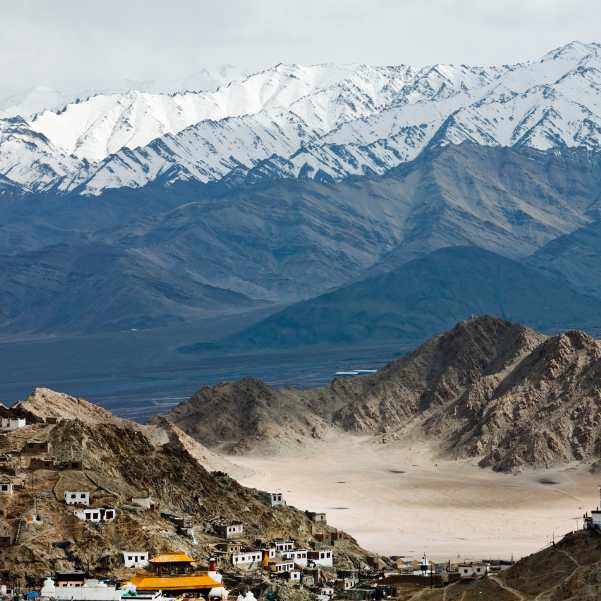
Hanle is famous because of one rare combination: very little light pollution, dry cold desert air, and serious altitude.
The Hanle Dark Sky Reserve was declared in December 2022 and became India's first dark sky reserve. It covers a roughly 22 km radius around Hanle, inside the Changthang Wildlife Reserve.
The reserve runs through an MoU between UT Ladakh, LAHDC Leh, and the Indian Institute of Astrophysics (IIA). That partnership is the reason the darkness here is actually protected, not just lucky.
The science village in the middle of nowhere
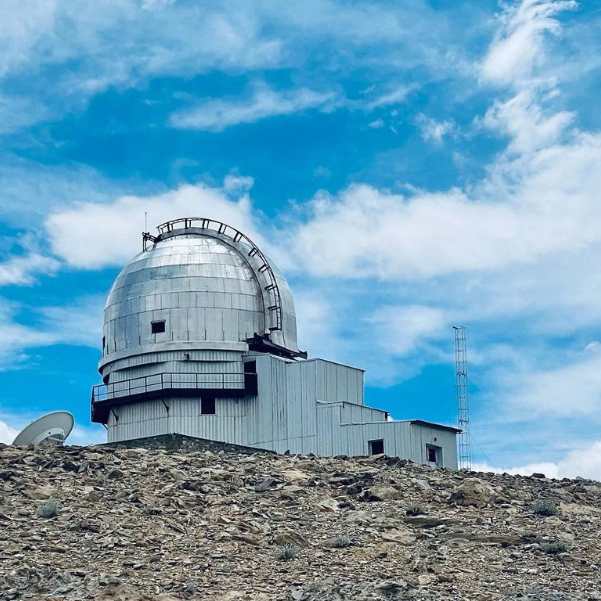
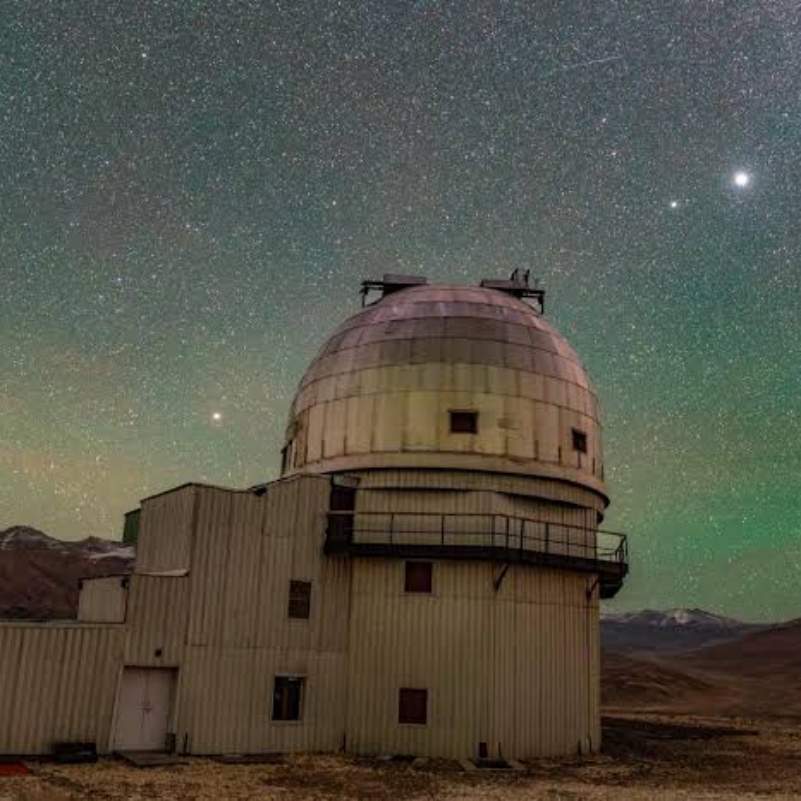
Hanle is home to the Indian Astronomical Observatory (IAO), a working scientific facility at about 4500 m above sea level. The IIA visitor page lists Hanle itself at around 4200 m.
The nearby Digpa Ratsa peak, also called Mt. Saraswati, stands at 4517 m. At this height the air holds very little moisture, which is part of why the stars look so sharp.
Local people now run the stargazing
This is the part we love. The IIA trained 24 local Astronomy Ambassadors, two-thirds of them women, and gave each one an 8-inch telescope.
These Astro Ambassadors run guided viewing for visitors using 8-inch Dobsonian telescopes and charge a small fee for it. When you book a session, your money supports local families, not an outside agency.
The cold dry air, the height, the protected darkness, and trained local guides together make Hanle the strongest stargazing setup in the country right now.
What is the best time to visit Hanle for stargazing in 2026?
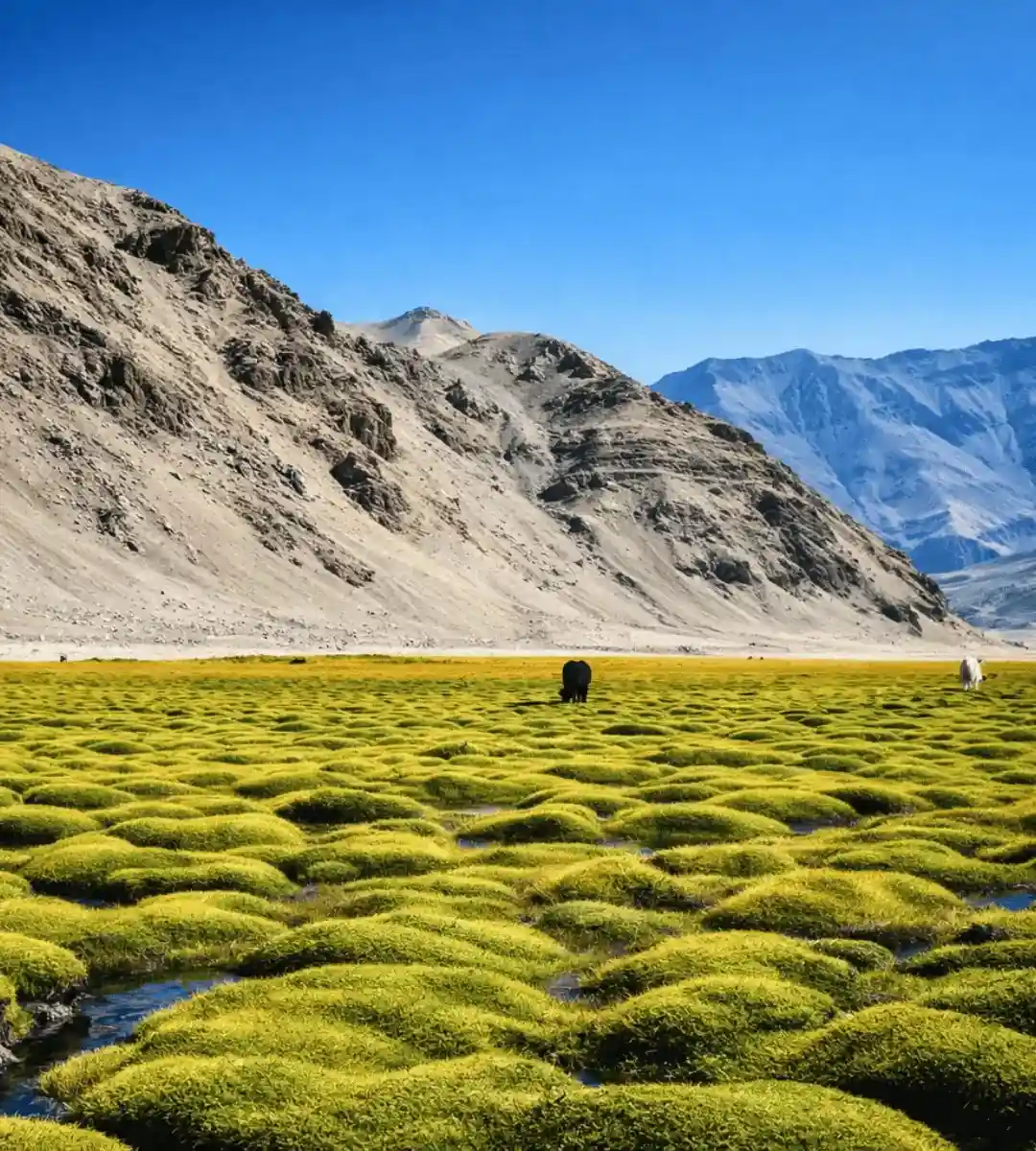
The broad season runs from May to October.
For most travellers, we recommend June to September. The roads are more reliable, the nights are cold but manageable, and homestays are properly running.
October can give you stunning clarity because the air is even drier, but the nights get sharply colder and conditions turn more variable. Pack for a real cold if you go this late.
May is possible but on the colder, less predictable edge of the season. Early-season weather can shift fast.
Winter is only for experienced high-altitude travellers with solid local support. Do not attempt a casual winter Hanle trip.
One honest warning
Even in the best month, a clouded-over night can hide everything. We always tell travellers to keep two nights in Hanle so a single bad-weather night does not end your whole stargazing plan.
Which moon phase is best for Hanle stargazing?
The new moon, and the two to three nights around it, give you the darkest sky and the best Milky Way.
For 2026, the useful new moon dates for Hanle are 17 May, 15 June, 14 July, 12 August, 11 September, and 10 October. Plan your nights in Hanle to land on or near one of these.
The full moon dates to avoid for Milky Way trips in 2026 are 31 May, 30 June, 29 July, 28 August, 26 September, and 26 October.
A full moon is not useless. If you want moonlit mountains and silvery landscapes, it can be beautiful. It is just the wrong choice if your main goal is the Milky Way arching overhead.
A timing tip that changes everything
Even within a good moon phase, the sky is darkest once the moon has set and the late-night hours roll in. Sleep early, then wake for the deep-dark window. That single habit decides how much you actually see.
Can you visit Hanle Observatory at night?
No. Tourists should not expect night access to the observatory.
The IAO is a working scientific facility, not a public planetarium. There are no visitor telescopes inside the IAO for casual celestial viewing.
You can visit the observatory only during daylight hours. Night access is restricted, full stop.
So the thing to skip is any plan to sneak into the observatory after dark for a look through a big telescope. It will not happen, and you will only waste a precious clear night.
Book your viewing the right way
Arrange your telescope session through the local Astro Ambassadors or your homestay. They bring the 8-inch Dobsonian telescopes to a proper dark spot and walk you through what you are seeing.
For context, the observatory itself runs serious instruments like the 2 m Himalayan Chandra Telescope and the MACE telescope, inaugurated on 4 October 2024 and described by DAE as Asia's largest and the world's highest imaging Cherenkov telescope at about 4300 m. MACE was built by BARC with ECIL and Indian industry partners. You will see these from outside in daylight, not look through them at night.
How do you reach Hanle from Leh?
The main practical route is Leh, Karu, Upshi, Chumathang, Mahe, Nyoma, Loma, Hanle.
The distance is around 260 to 270 km, and the IIA describes the drive as roughly 6 hours. In real life, with breaks, checkposts, road conditions, and weather, it usually eats a full day.
Start early from Leh. You want daylight for the whole drive and time to settle in before the cold sets in.
Practical advice for the drive
Carry your own snacks and water. After Chumathang, proper hot-food stops thin out fast, so do not gamble on finding a meal at the right moment.
Keep offline maps on your phone, because network drops out for long stretches. Carry your permit copies and ID within easy reach for the checkposts.
Do not depend on last-minute fuel. Tank up in Leh and treat any fuel after that as a bonus, not a plan. Use an experienced local driver who knows these roads, because this is not the place to learn high-altitude driving.
The budget option most people miss
There is a scheduled bus that, per the IIA, runs Leh to Hanle on Wednesday and Saturday, and Hanle to Leh on Thursday and Sunday.
It is far cheaper than hiring a private vehicle, but travellers should confirm the latest timing at Leh bus stand before planning around it, as schedules in Ladakh can change.
Can Hanle be combined with Pangong Lake, Tso Moriri, or Umling La?
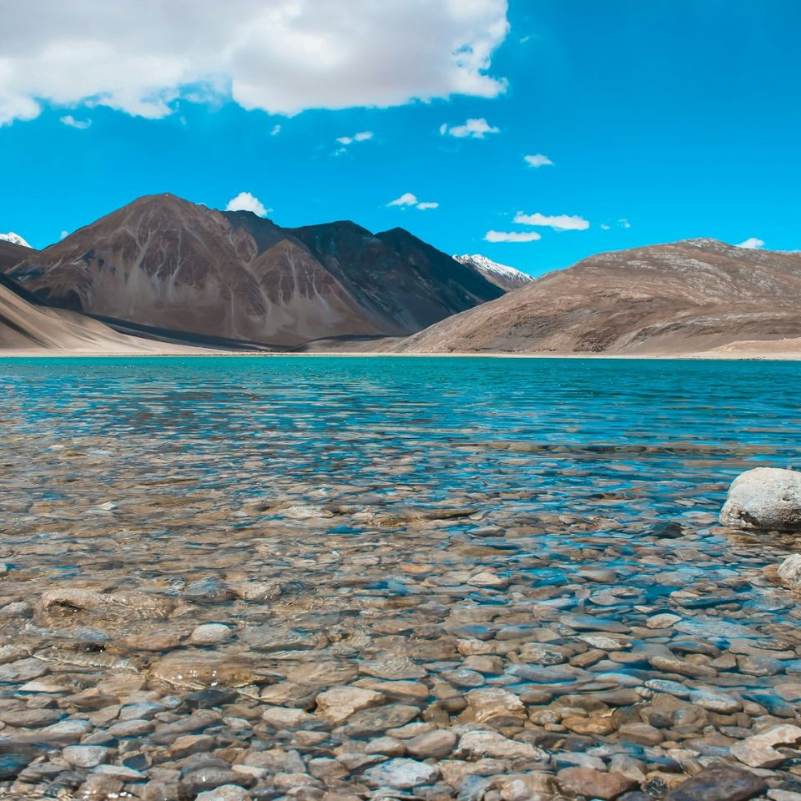
Yes, and these combinations are what make a Hanle trip feel like a proper circuit.
Pangong to Hanle and Hanle to Tso Moriri both work well for planned Ladakh routes, especially if you want to avoid backtracking all the way to Leh.
However, these are high-altitude routes where road conditions can change quickly due to weather, snowfall, landslides, water crossings and seasonal restrictions.
Before finalising this section of your itinerary, confirm the latest road status with local drivers, your stay, or authorities in Leh.
Umling La is an extreme high-altitude add-on. Only consider it after you are properly acclimatised, never as a day-one stunt.
One honest correction: do not call Umling La the world's highest motorable road. Recent reports say Mig La surpassed Umling La in 2025, so we leave that title alone unless it is verified again.
A quick note for travellers comparing high-altitude trips: if Ladakh dates do not work out, our Spiti Valley tours cover similar cold-desert terrain on a shorter circuit.
Do you need permits for Hanle in 2026?
Yes, and for domestic tourists the process is now mostly online.
You pay through the official Leh online portal, and you do not need to visit the DC office in person. After payment you get a slip.
Carry that payment slip in PDF or hard copy, because it gets checked at the checkposts on the way to Hanle. Also carry your Leh arrival boarding pass, which is mandatory along with the permit.
What the fees look like
The green fee is ₹400 per person. The official structure also includes a Red Cross Fund contribution and a wildlife fee.
The wildlife fee is commonly listed as ₹20 per person per day, and the Red Cross fee is often shown as ₹50 optional. Since the Red Cross part is listed as optional, that is one small place you can save, though it is a fund worth supporting.
Foreigners need a Protected Area Permit (PAP) and should verify the current rules through a local operator before travelling, since these rules change.
Where should you stay in Hanle for stargazing?
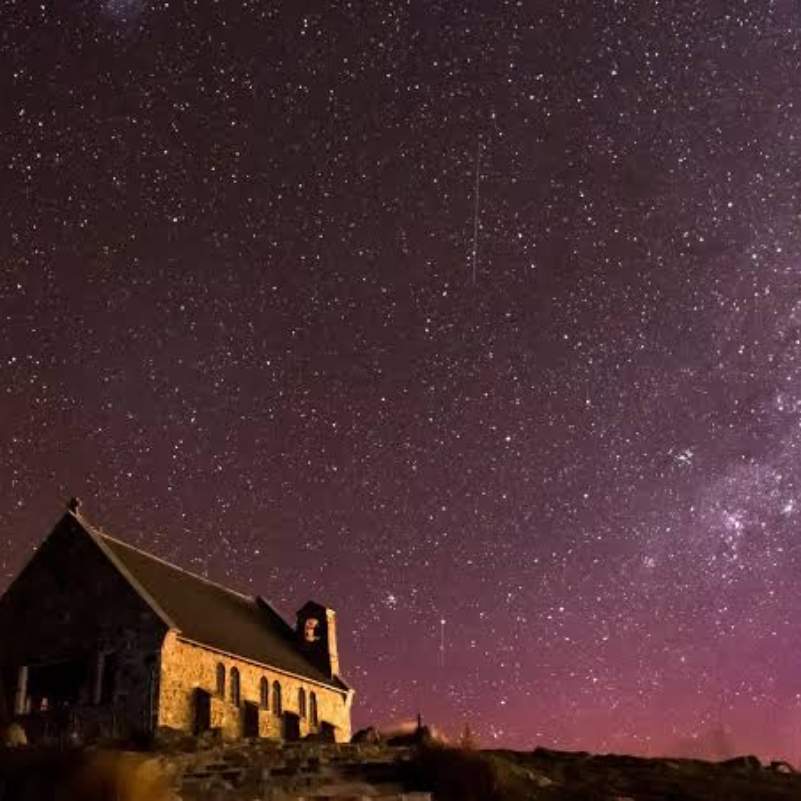
Set your expectations before you book. Hanle stays are mostly simple homestays and small guesthouses, not luxury hotels.
Pick a stay that can arrange Astro Ambassador telescope viewing for you. That single feature matters more than fancy rooms, because the whole point of the trip is the sky.
A look at sample pricing
To give you a rough idea, Hanle House has listed double-room tariffs in the range of around ₹7,700 to ₹10,600, depending on the meal plan and the tariff page you are looking at.
Padma Homestay listings have also shown an extra-bed charge of about ₹2,320 per person per night. Treat these as indicative prices only, because Hanle stay rates can change by season, availability, meal plan and direct booking terms.
For guided stargazing, The Guardian has reported a small per-person fee for sessions led by Hanle’s astro-ambassadors. Budget a modest local fee for the experience and confirm the latest amount with your homestay or guide when you reach Hanle.
What your stay will actually feel like
Keep it simple in your head: warm bedding, basic home-cooked meals, limited power, and genuinely cold nights. That is the deal, and honestly it is part of the charm.
👉Need help planning a stargazing trip? Message us on WhatsApp for the best homestay recommendations.
What can you actually see in Hanle's night sky?
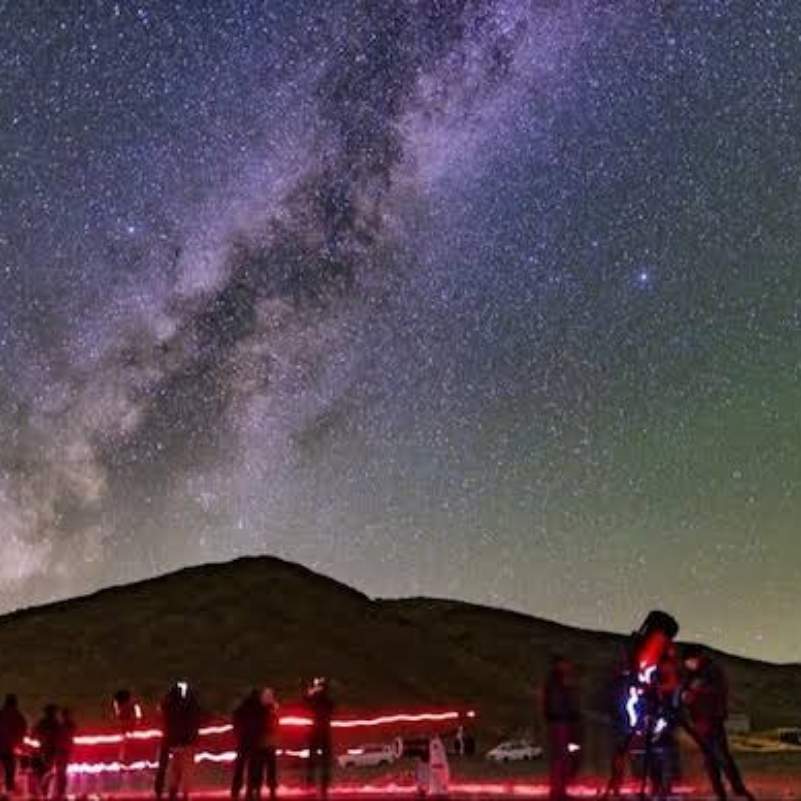
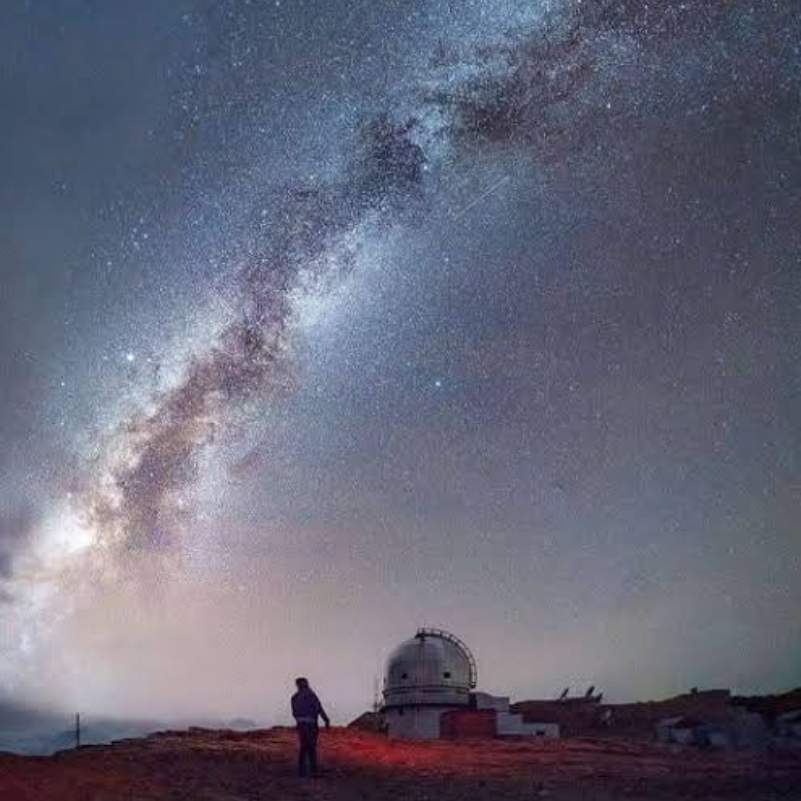
On a clear new moon night, the Milky Way stretches right across the sky, bright enough to throw a faint shadow on the ground.
You will see thousands of stars, several planets, the major constellations, and through a telescope, star clusters and other deep-sky objects the Astro Ambassadors will point out.
How to enjoy it at each level
For naked-eye viewing, just lie back and let your eyes adjust for twenty minutes. No gear needed, and it is often the most moving part of the night.
For phone photography, a modern phone in night mode on a small tripod can capture the Milky Way surprisingly well. For DSLR photography, bring a tripod, a wide fast lens, and spare batteries, because the cold drains them fast.
For telescope sessions, let the Ambassador drive. They know which objects are worth the time on any given night. We will not promise specific meteor showers, since those depend on the date, so go for the Milky Way and treat any shooting star as a bonus.
How many days do you need for Hanle stargazing?
Two flowing options, depending on how much time you have.
The 5-day Leh, Hanle, Leh plan
Spend your first two nights in Leh to acclimatise. This is non-negotiable, since the health advisory recommends at least 48 hours before heading higher.
On day three, drive Leh to Hanle and settle in. Spend two nights in Hanle so you get two chances at a clear sky, then drive back to Leh on the final day. This is the cleanest plan if stargazing is your only goal.
The 7-day relaxed circuit
Again, start with two nights in Leh. Then loop in Pangong or Tso Moriri on the way, reach Hanle, and again keep two nights there for the sky.
High-route road conditions in Ladakh can change quickly, especially on Pangong to Hanle and Hanle to Tso Moriri linkups.
These routes depend on weather, snowfall, water crossings and the season, so always confirm the latest road status locally before committing to the plan. The extra days give you useful buffer, and in Ladakh that buffer is never wasted.
If you are mapping out other Himalayan high-altitude trips around the same dates, our Chandratal open 2026 guide breaks down a similar season-by-season picture. For a packaged version of that, see our Chandratal Spiti package.
What should you carry for Hanle stargazing?

Pack for cold first, everything else second.
Bring thermals, gloves, a warm cap, and a proper windproof jacket. Nights at this altitude are brutal once the sun drops, even in summer.
For the gear side
Carry a power bank, spare camera batteries kept warm in an inside pocket, and a red light or dim torch so you do not ruin everyone's night vision.
For health and logistics
Carry your medicines, plenty of water, cash because card and UPI fail out here, offline maps, and snacks. Keep your ID proof, permit copies, and Leh arrival boarding pass together in one pouch.
On altitude safety, follow the official advice
2 to 3 litres of water per day, and avoid alcohol, smoking, and sedatives while you acclimatise. What we always tell our travellers is to drink water before you feel thirsty, because at this height thirst shows up late.
How can travellers protect Hanle's dark sky?
The darkness here is the whole product, and it is fragile.
Use no bright torches and no phone flashlights at the viewing area. Keep your screen dim and red if you can.
Do not run high-beam headlights near viewing spots. A single car's full beam can wreck a group's night vision for half an hour.
No loud music, no littering, and real respect for local homes. The families here opened their region to visitors on the understanding that we keep it quiet, clean, and dark.
In our experience, the travellers who follow this etiquette also have the better night, because the whole group's eyes stay properly dark-adapted. Hanle's tourism survives only as long as the sky stays black, so protecting the darkness is protecting the trip itself.
Explore Our Curated Leh Ladakh Tour Packages
 6D/5N
6D/5NUltimate Leh Ladakh Tour Package with Nubra Valley & Pangong Lake
2D Leh•1D Nubra Valley+1
₹28,999₹35,999SAVE ₹7,000/ person 6D/5N
6D/5NBest Selling Leh Ladakh Tour With Nubra Valley and Pangong Lake
2D Leh•1D Nubra Valley+1
₹23,999₹28,599SAVE ₹4,600/ person 4D/3N
4D/3NLeh Ladakh Short Getaway
2D Leh•1D Pangong Lake
₹16,499₹19,999SAVE ₹3,500/ person
Related topics
Frequently Asked Questions
What is the best month for Hanle stargazing in 2026?
June to September is best for most travellers. October gives sharper clarity but colder, more variable nights.
Which moon phase is best for Hanle?
The new moon and the two to three nights around it. The 2026 new moon dates are 17 May, 15 June, 14 July, 12 August, 11 September, and 10 October.
Can I see the Milky Way in Hanle?
Yes. On a clear new moon night the Milky Way is bright enough to see clearly with the naked eye and photograph easily.
Is Hanle Observatory open at night?
No. The observatory allows daytime visits only, and there are no visitor telescopes inside for night viewing. Book a session with local Astro Ambassadors instead.
How far is Hanle from Leh?
Around 260 to 270 km on the Leh, Upshi, Chumathang, Nyoma, Loma, Hanle route. Plan for a full-day drive.
How many days are enough for Hanle?
Five days for a focused Leh, Hanle, Leh trip with two nights in Hanle. Seven days if you add Pangong or Tso Moriri.
Do Indians need a permit for Hanle in 2026?
Yes. Domestic tourists pay online through the official Leh portal and carry the payment slip plus the Leh arrival boarding pass for checkposts.
Can foreigners visit Hanle?
Yes, but they need a Protected Area Permit (PAP). Foreign travellers should verify current rules through a local operator before the trip.
Where should I stay in Hanle for stargazing?
In a simple homestay or small guesthouse that can arrange Astro Ambassador telescope viewing. Expect basic comfort, warm bedding, and cold nights.
Is Hanle safe for families?
It can be, as long as you acclimatise properly in Leh first and your group handles the altitude and the cold. It is remote, so plan carefully.
Can I go from Pangong to Hanle?
Yes, Pangong to Hanle works for planned circuits, but always verify current road status before you travel, since conditions change with weather and season.
What should I carry for Hanle stargazing?
Thermals, gloves, cap, windproof jacket, power bank, spare batteries, a red or dim torch, medicines, water, cash, offline maps, snacks, ID, and permit copies.
More about Ladakh
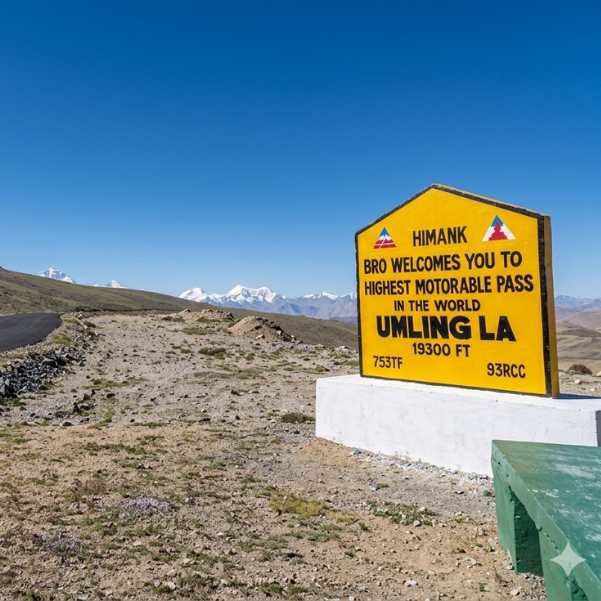 Ladakh
Umling La Ladakh Guide 2026: Route, Altitude, Permit, Safety & Reality Check
Planning to visit Umling La in 2026? This complete guide covers the route, altitude, permit requirements, road conditions, safety tips, and the realities of travelling to one of the world's highest motorable roads.
- Road Status
- Altitude & Health
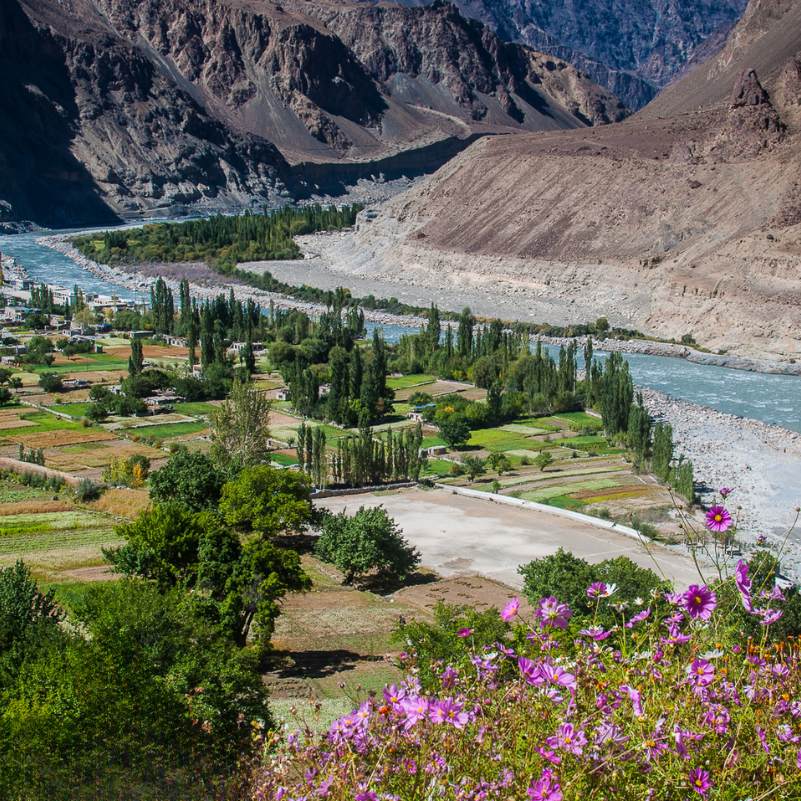 Ladakh
Turtuk Ladakh Travel Guide 2026: Balti Culture, Apricot Orchards and Why It Is Perfect for Families
Planning a trip to Turtuk? This 2026 travel guide explores the village's rich Balti culture, beautiful apricot orchards, top attractions, travel route, and why Turtuk is one of the best family-friendly destinations in Ladakh.
- Places to Visit
- Family Travel
 Ladakh
Offbeat Ladakh for Couples in 2026: Quiet Routes Beyond Pangong and Nubra
Looking for a peaceful Ladakh getaway? This 2026 guide explores quiet routes and hidden destinations beyond Pangong and Nubra, helping couples discover scenic landscapes, unique stays, and unforgettable offbeat experiences.
- Places to Visit
- Things to Do