
Rasol Village
A small traditional village of about 70 houses on a ridge at 3,048 metres above the Parvati Valley, reached by a steep 3 to 5 hour climb from Chalal through pine and deodar forest, where the views stretch across the entire valley and the only sound after dark is the wind through the trees
- Village
- Parvati Valley
- ~3,048 m
- 3 to 5 hour climb from Chalal
- Steep trail
- Valley views
- Basic homestays
- No road access
- No entry fee
What makes it special
Rasol is what Chalal used to be before the cafes multiplied. A small village of about 70 to 75 houses and roughly 200 people, sitting at around 3,048 metres on a ridge above the Parvati Valley. You start from Kasol, walk 30 minutes across the Parvati River bridge to Chalal, and then the real climbing begins. From Chalal, the trail goes steeply uphill through pine and deodar forest for another 3 to 5 hours depending on your fitness and pack weight. The last hour is the one that burns. Your calves will know. By the time you arrive, you have earned the view. And the view is the point. From the upper edge of the village, you can see down the entire Parvati Valley, with Sar Pass and Khali Pass visible on a clear day.
The village is small, traditional, and protective of its customs. Wooden houses with slate roofs, terraced fields, apple and plum orchards, a temple at the centre. Like nearby Malana, the community here has its own rules about outsiders. Do not touch the temple or any village property. Do not enter any building unless invited. Do not wander into areas that are clearly private. Ask before photographing people. These are not guidelines. They are rules the community takes seriously. The locals are warm and welcoming if you approach with genuine respect, and that respect starts with understanding that this is someone's home, not a backdrop for your photos.
A few basic homestays operate in the village, generally charging 300 to 800 rupees a night. Do not expect attached bathrooms or hot water. Meals are usually dal rice and roti, cooked on a chulha by the family you stay with. There is no WiFi. Mobile signal barely works. Electricity may be intermittent. If that sounds uncomfortable, Rasol is not for you. If that sounds like exactly what you are looking for, you will understand why people who come here keep coming back.
Most people do the trek as an overnight trip. Walk up from Kasol in the morning (30 minutes to Chalal, then 3 to 5 hours of climbing), spend the afternoon and evening at the village, sleep, and walk back down the next morning. The descent takes about 2 to 2.5 hours. A day trip is technically possible if you start early and move fast, but you will spend most of your time walking and barely any time at the village, which defeats the purpose.
Honest framing. Rasol is a genuinely quiet mountain village. It does not have cafes with cushioned seating and espresso machines. It does not have a party scene. The trail is steep and sustained and the last hour is tiring. The village is not set up for tourism in any organised way. That is exactly its appeal. If you have been to Kasol and Chalal and want to go one step further into the valley's quieter side, Rasol is the right next step.
Quick answers
- What is Rasol?
- A small traditional village at about 3,048 metres on a ridge above the Parvati Valley. About 70 houses, 200 people, and wide views of the valley below. The steep climb starts from Chalal (30 minutes walk from Kasol) and takes another 3 to 5 hours uphill. Basic homestays from 300 to 800 rupees. No road, no ATM, no signal.
- How much time do I need?
- One night is ideal. Walk up in the morning (3.5 to 5.5 hours total from Kasol), spend the evening, sleep, walk back the next morning (about 2 to 2.5 hours down). A day trip is possible but rushed.
- Is Rasol worth the trek?
- Yes, if you want a genuinely quiet mountain village experience without the cafe culture and crowds of Kasol and Chalal. The views from the ridge are wide and the silence at night is real. But be honest with yourself about the trek. It is steep, sustained, and physically hard. If you need WiFi, hot water, or food variety, stay lower in the valley.
Quick facts
Everything you need to know at a glance.
At a glance
- Location
- Ridge above the Parvati Valley, accessible by steep trek from Chalal (which is a 30 min walk from Kasol). Kullu district, Himachal Pradesh.
- Altitude
- Approximately 3,048 m (about 10,000 feet).
- Trek distance
- About 5 to 8 km one way from Kasol via Chalal. The steep climbing portion starts at Chalal.
- Trek time
- 30 min flat walk to Chalal, then 3 to 5 hours steep climb. Descent 2 to 2.5 hours.
- Time needed
- One night. Day trip possible but rushed.
- Entry fee
- None.
- Difficulty
- Moderate to demanding. Steep and sustained climb. Not technical, but physically hard. The last hour is the toughest.
On the ground
- Mobile network
- Barely works. Assume offline.
- Food
- Homestay meals only (dal rice, roti, chai). No shops, no cafes. Carry snacks from Kasol.
- ATM
- None. Carry cash from Kasol.
- Accommodation
- Basic homestays. 300 to 800 rupees per night. No hot water. Intermittent electricity.
- Customs
- Do not touch temple or property. Ask before photographing people. Stay on visitor paths. Community enforced.
- Safety
- Trail is safe but steep. Carry torch for late returns. Tell someone your plan.
Seasonal weather
- March to June20°3°Spring and Summer
- July to September18°10°Monsoon
- October to November14°-2°Autumn
- December to February6°-6°Winter
Suitable for
- Couples — suitable
- Families — not suitable
- Seniors — not suitable
- Solo — suitable
- First-timers — with some care
- Pet-friendly — not suitable
How to reach Rasol Village
1 approach route, with seasonal access.
From Kasol via Chalal (on foot)
Generally April to November. Trail can be muddy in monsoon and snowy in winter.- Distance
- About 5 to 8 km one way from Kasol (steep climbing starts at Chalal)
- Time
- 3.5 to 5.5 hours up (30 min to Chalal, then 3 to 5 hours climbing), 2 to 2.5 hours down
- Road
- Forest trail. Steep, rocky, well worn. No road access.
From Kasol, cross the bridge over the Parvati River and walk through Chalal village (about 30 minutes, flat and easy). This is the warm up. From Chalal, the trail climbs steeply uphill through pine and deodar forest for 3 to 5 hours. The path passes through plum orchards in the lower sections and rhododendron trees higher up. Stream crossings are manageable in dry weather. The trail is well worn but rocky, rooty, and steep throughout. The last hour is the hardest, a sustained push uphill where the gradient does not let up. The descent takes about 2 to 2.5 hours via the same route.
Best time to visit
Season by season, so you can plan around the weather rather than hope.
- Recommended
Spring and early summer
April to June
Dry trail, green forest, rhododendrons in bloom, the best overall window.
- Weather
- 3 to 20 degrees.
- Trail
- Dry and clear.
- Rhododendrons
- In bloom March to May.
The best window. Snow melts off the trail by April in most years. The forest is green, rhododendrons bloom in the lower sections (March to May), and the weather is comfortable for trekking. May and June weekends may see more trekkers. The views are clear on good days.
Monsoon
July to September
Green but muddy. Leeches likely. For rain tolerant trekkers only.
- Weather
- 10 to 18 degrees. Rain frequent.
- Trail
- Muddy, slippery. Leeches.
- Homestays
- Some may close.
The forest turns very green but the trail gets muddy and slippery. Leeches are common. Stream crossings become harder. Not dangerous but significantly less comfortable. Go only if rain does not bother you.
- Recommended
Autumn
October to November
Post monsoon clarity, the best views, the quietest month. October is the peak.
- Weather
- Minus 2 to 14 degrees. Cold nights.
- Views
- Best of the year.
- Crowds
- Very low.
The air clears after the rains. The valley views are the sharpest and widest of the year. October is the single best month for Rasol. The trail dries out, the crowds are thin, and the light on the valley in the morning is worth the climb alone. Nights get cold.
Winter
December to February
Snow, cold, most homestays close. For experienced trekkers only.
- Weather
- Minus 6 to 6 degrees. Snow likely.
- Trail
- Snow covered. Potentially dangerous.
- Homestays
- Most close.
Snow at this altitude. The trail can be blocked or dangerous. Homestays may close. Very cold, very quiet. Only for experienced winter trekkers with proper gear.
Things to see & do
3 things worth your time at Rasol Village.
Trek from Kasol via Chalal
3.5 to 5.5 hours total from Kasol (30 min to Chalal, then 3 to 5 hours climbing)From Kasol, walk 30 minutes across the Parvati River bridge and through Chalal. This part is flat and easy. Then the real climbing starts. From Chalal, the trail goes steeply uphill through pine and deodar forest for 3 to 5 hours. The path passes through plum and apple orchards in the lower sections and rhododendron trees higher up (in bloom roughly March to May). There are a few stream crossings. The trail is well worn but rocky and steep throughout, and it gets steeper as you go. Carry at least 2 litres of water and snacks. The last hour is genuinely hard on the legs. The forest opens up as you approach the village and the valley appears below you, wide and deep.
Sit with the valley view
Evening and morningThis is the reason to stay overnight. Evenings in Rasol are quiet in a way that Kasol and even Chalal are not. The light on the valley in late afternoon, the wind through the pines, the complete absence of traffic or music. Sit with a cup of chai from your homestay host and look at the valley below. Mornings are equally good. Mist lifts off the valley floor and the peaks appear slowly. You do not need to do anything. That is the activity.
Walk through the village
30 minutes to an hourWalk through the village slowly. Wooden houses with slate roofs, terraced fields, the temple at the centre. The village is compact and can be walked in 30 minutes. Ask your homestay host if there is anything specific you should avoid. Do not touch the temple or property. Ask before photographing people. The back lanes give you a sense of daily life at 3,000 metres.
Know before you visit Rasol Village
The practical bits, from people who have been.
The trek30 min flat walk to Chalal, then 3 to 5 hours of steep climbing. Well worn but demanding. Carry water, snacks, torch.
From Kasol, walk across the Parvati River bridge and through Chalal village (about 30 minutes, flat and easy). The real climbing starts at Chalal. From there, the trail goes steeply uphill through pine and deodar forest for 3 to 5 hours depending on your pace and pack weight. The path is well worn but rocky, rooty, and steep throughout. Stream crossings are manageable in dry weather but can be tricky after rain. The last hour is the hardest, a sustained steep climb where your calves and lungs will both feel it.
Carry at least 2 litres of water, snacks, and a torch in case you arrive later than planned. Wear proper trekking shoes, not sneakers or sandals. The descent takes about 2 to 2.5 hours back to Kasol via the same route.
Where to stay and eatBasic homestays, 300 to 800 rupees. Home cooked dal rice meals. No hot water, no WiFi. Confirm before trekking up.
A few homestays in the village offer basic rooms for 300 to 800 rupees per night. Expect a simple room, shared facilities, no hot water, and intermittent electricity. Meals are home cooked dal rice, roti, and chai, prepared by the family on a chulha. There is no menu and no choice. You eat what the family cooks.
Confirm homestay availability before trekking up, either through contacts in Kasol or from fellow trekkers who have recently been. In off season, some places may close.
Village customsDo not touch temple or property. Ask before photographing people. Stay on visitor paths. Check with your host.
Rasol has customs similar to nearby Malana, and the community takes them seriously. Do not touch the temple, village structures, or anyone's personal belongings. Do not enter any building unless invited. Stay on paths meant for visitors and do not wander into clearly private areas.
Ask before photographing people. Not everyone is comfortable being photographed, and asking is a basic courtesy that goes a long way. Your homestay host is the best person to check with about any specific rules or areas to avoid.
In short: this is someone's home. Treat it the way you would want a stranger to treat yours.
Ground realityNo ATM, no shops, no signal, no medical facility. Carry everything from Kasol.
No ATM. No shops. No medical facility. Mobile signal barely works. Carry everything you need from Kasol: cash, water, food, torch, basic medicines. Tell someone in Kasol where you are going and when you expect to return.
Worth checking before you go: homestay availability, trail conditions, and local rules can shift with the season. Check with trekkers who have recently been or with guesthouses in Kasol before heading up.
Nearby attractions
Other places worth the detour.
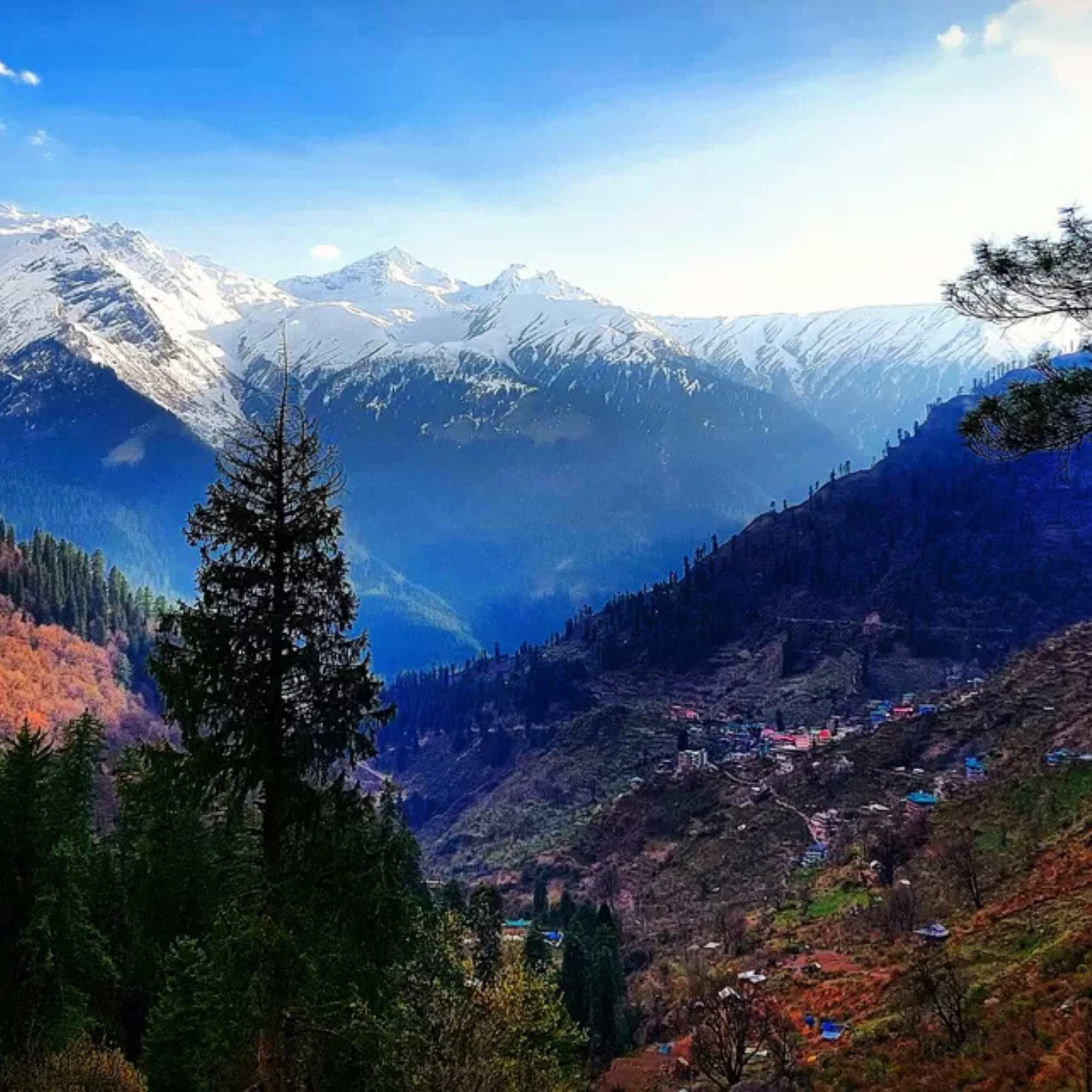
Chalal
About 30 minutes walk from Kasol, on the Rasol trail
A small riverside village between Kasol and Rasol. The first 30 minutes of the Rasol trek pass through Chalal. Cafes and guesthouses available.
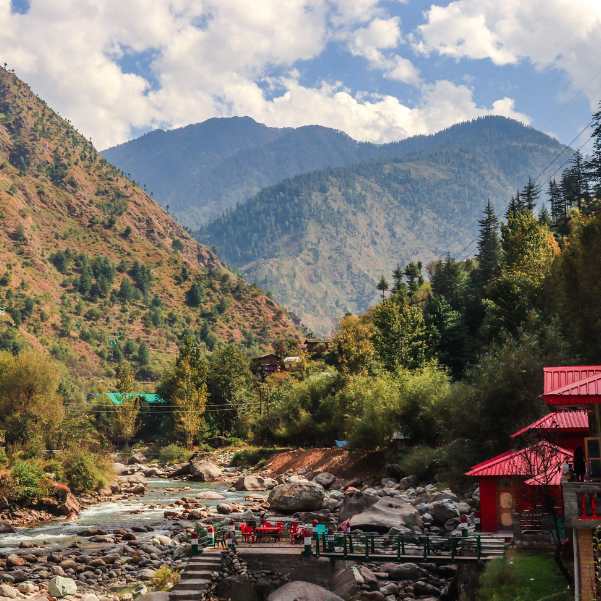
Kasol
About 3 to 4 hours trek downhill
The main backpacker town of the Parvati Valley. Cafes, hostels, and the starting point for the Rasol trek.
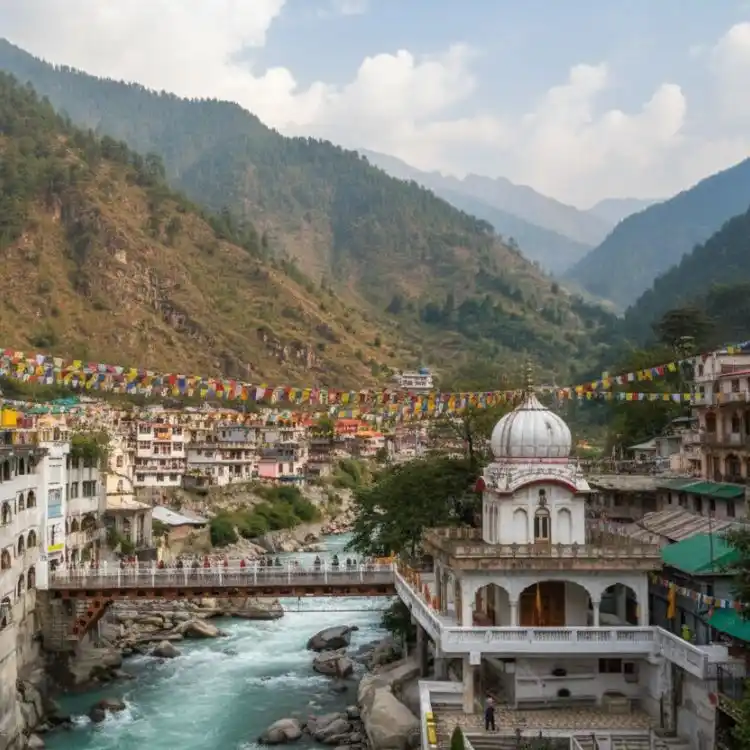
Manikaran Sahib
About 5 km from Kasol by road
A pilgrimage town with a Gurudwara, Hindu temples, and natural hot springs. On the valley road, a few kilometres past Kasol.
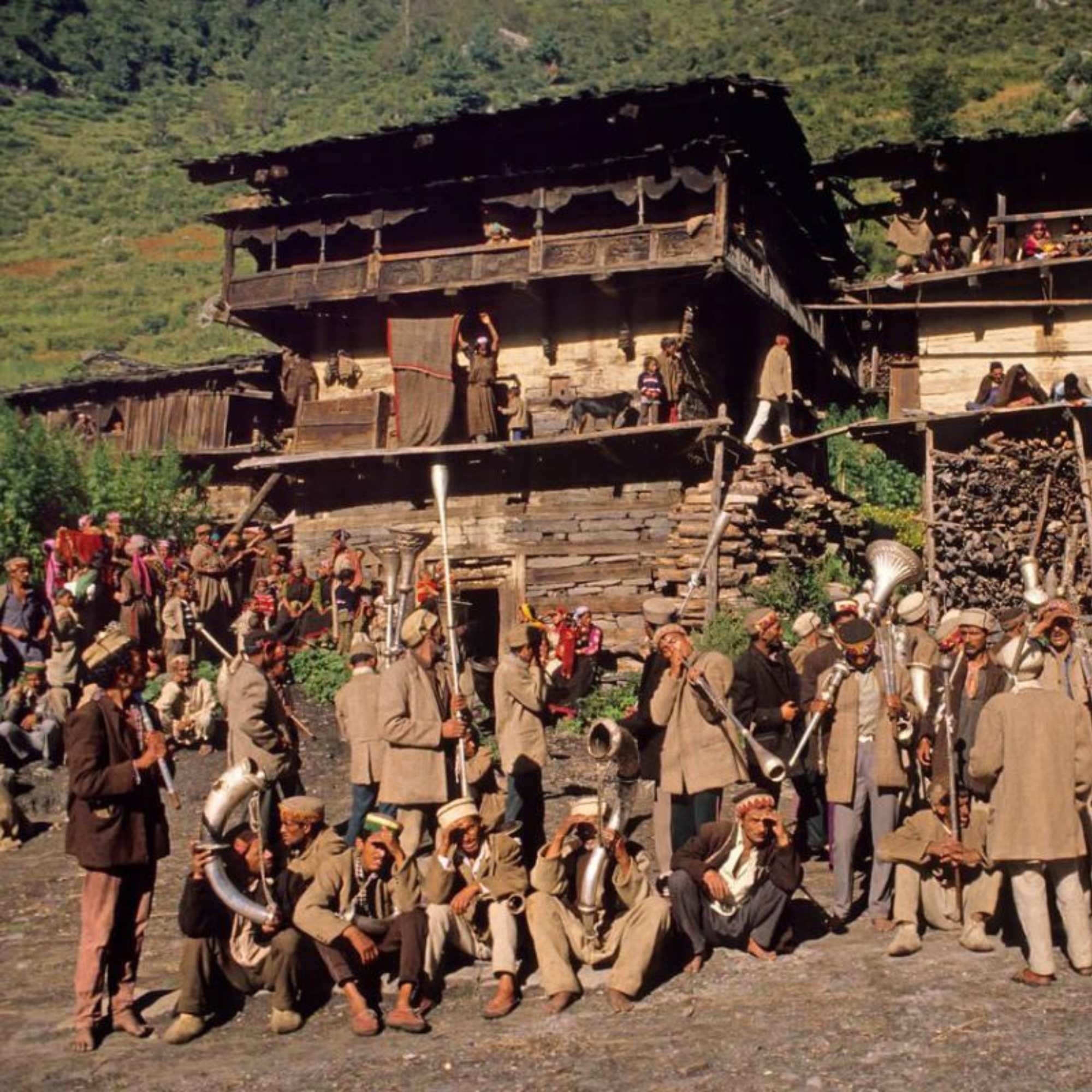
Malana
Separate trek from Jari (not directly connected to Rasol by trail)
An ancient village with strict customs and its own governance system. Accessible by a separate trek from Jari. A different cultural experience from Rasol but with some shared traditions.
Our packages with Rasol Village
Curated trips that include a visit to Rasol Village.
 4D/3N
4D/3NPerfect Manikaran Kasol Tosh Weekend Getaway
1D Delhi•2D Kasol+1
₹15,999₹19,999SAVE INR 4,000/ person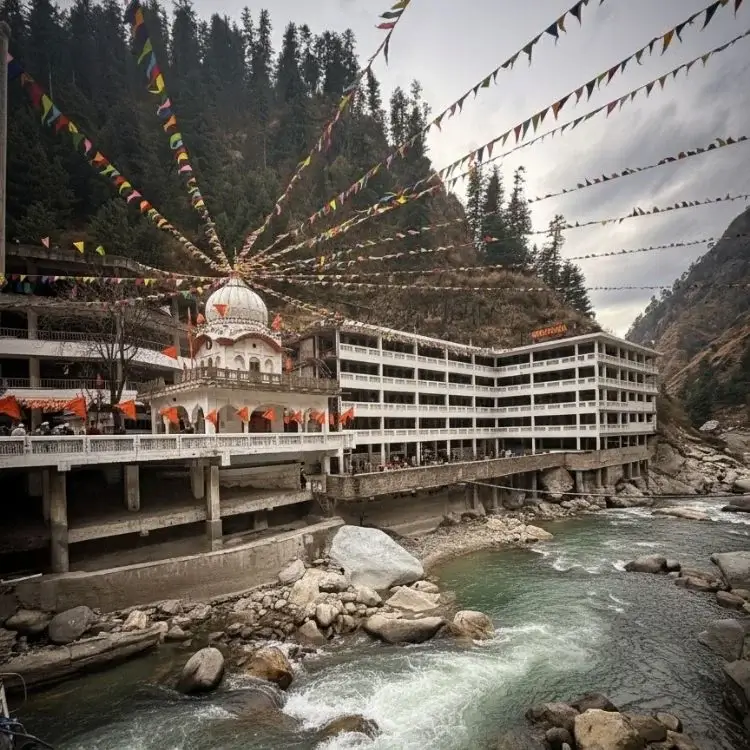 4D/3N
4D/3NWeekend Trip To Manikaran, Kasol & Tosh
1D Delhi •2D Kasol+1
₹9,999₹14,999SAVE INR 5,000/ person
Frequently Asked Questions
What is Rasol Village?
A small traditional village at about 3,048 metres (roughly 10,000 feet) on a ridge above the Parvati Valley. About 70 to 75 houses and 200 people. Wide valley views, basic homestays, and genuine mountain quiet. Accessible only by a steep trek from Kasol via Chalal.
How do I reach Rasol?
Walk from Kasol across the Parvati River bridge to Chalal (30 minutes, flat). From Chalal, the trail climbs steeply uphill through forest for 3 to 5 hours. Total distance is roughly 5 to 8 km. The trail is well worn but steep and sustained. Not a casual walk.
Is there a road to Rasol?
No. Rasol is accessible only by foot. The nearest road is at Kasol.
How much time do I need?
One night. Walk up in the morning, spend the afternoon and evening, sleep at a homestay, walk back down the next morning. A day trip is possible if you start early but you barely get time at the village.
Can I stay overnight?
Yes. A few basic homestays operate in the village, generally 300 to 800 rupees per night. Expect simple rooms, shared facilities, and home cooked dal rice. No hot water, no WiFi, intermittent electricity. Confirm availability through your Kasol guesthouse or fellow trekkers before heading up.
How difficult is the trek?
Moderate to demanding. The climb from Chalal is steep and sustained for 3 to 5 hours. Not technical, but it will test your legs, especially the last hour. Anyone with reasonable fitness can do it, but do not underestimate it. Carry water and wear proper shoes.
What is the best time to visit?
April to June and September to October. October has the clearest views. Monsoon makes the trail muddy and slippery. Winter brings snow at this altitude.
Are there local rules I should know about?
Yes. The community has customs similar to nearby Malana. Do not touch the temple, village structures, or people's belongings. Do not enter private areas. Ask before photographing people. Stay on visitor paths. Ask your homestay host about specific rules. These are taken seriously.
Is there mobile network?
Very limited. Most networks do not work reliably. No ATM. No shops beyond what homestay families can offer. Carry cash, food, water, medicines, and a torch from Kasol.
Is Rasol suitable for families?
Not recommended for young children, elderly, or anyone with mobility issues. The steep, sustained 3 to 5 hour climb and very basic facilities make it unsuitable for most families. Active teenagers who can handle the trek can visit.
Related guides
Posts about Kasol
- Shimla Manali Kasol Itinerary 2026: 7, 8 and 9 Day Routes Without Rushing
- Best Offbeat Places Near Kasol Most Tourists Miss in 2026
- Rasol Village Trek From Kasol 2026: Route, Distance & What to Expect
- Kalga, Pulga & Tulga Villages in 2026: The Offbeat Side of Parvati Valley
- Kheerganga Trek from Kasol 2026: Route, Difficulty, Cost & Best Time
- Snowfall in Kasol 2026: Does It Snow, Best Time & Nearby Snow Places