
Old Manali
The backpacker and cafe quarter of Manali, about 3 km uphill from Mall Road across the Manalsu River. Narrow cobbled lanes, international cafes, traveller hostels, the Manu Temple at the top, and a completely different energy from the main town. Where the hippie trail settled in the 1970s and never quite left.
- Manali · backpacker quarter
- ~2,050 m / ~6,730 ft
- ~3 km from Mall Road
- Cafes · lanes · temples
- Year round destination
What makes it special
Old Manali is the original village that Manali was named after. It sits about 3 km uphill from Mall Road, across the Manalsu River, and at the same altitude of roughly 2,050 metres. The two parts of town feel like different countries. Mall Road is traffic, honking, tourist shops, and hotels stacked on hotels. Old Manali is narrow cobbled lanes, wooden Himachali houses with slate roofs, cafes playing Bob Marley, and the smell of fresh apple pie mixing with incense. The transition happens quickly. Cross the small bridge over the Manalsu, walk uphill for a few minutes, and the energy changes completely.
The backstory matters because it shapes what you will find. Foreign backpackers started arriving in the 1970s, renting village houses for months at a time, drawn by the mountains, the cheap living, and (honestly) the locally grown cannabis. That hippie era left a deep imprint. The cafe names tell the story: Drifters, Lazy Dog, Born Free, Cafe 1947. The menus are a world tour, with Israeli shakshuka next to Italian wood fired pizza next to Himachali siddu next to a full English breakfast. You can buy Tibetan jewellery, get a tattoo, rent a Royal Enfield, or sit with a book by the river and not move for three hours. That is the actual product Old Manali is selling, and it sells it well.
At the top of the village sits the Manu Temple, the only temple in India dedicated to Sage Manu, the mythological creator of humanity. The name Manali itself comes from "Manu Alaya," meaning the abode of Manu. A short walk downhill through the Dhungri cedar forest brings you to the Hadimba Temple, the 16th century wooden cave temple that is the most architecturally significant site in Manali. Between these two temples, with the cafe lanes in between, you have a half day loop that is genuinely one of the best things to do in the area.
Honest framing. Old Manali is not for everyone. If you want proper hotels with room service and a concierge, stay on Mall Road. If you are looking for nightlife beyond a cafe with a guitar, you will be disappointed. The lanes get crowded on summer weekends. The cobblestones are slippery in the rain. Some guesthouses are basic in a way that will not suit families with small children. But if you are a solo traveller, a couple looking for a slower pace, a digital nomad who wants to work from a mountain cafe, or someone who prefers a village over a town, this is where you should base yourself.
Quick answers
- Is Old Manali worth visiting?
- Yes, and for most travellers it is the better half of Manali. The cafe culture, the walking lanes, the temples, and the general vibe make it worth at least a half day even if you are staying on Mall Road. If you are the kind of traveller who prefers a village over a town, base yourself here instead. A half day walk covering the lanes, a cafe stop, and the Manu Temple and Hadimba Temple loop is one of the best things to do in Manali.
- How much time do you need in Old Manali?
- A half day if you are visiting from Mall Road for the lanes, a cafe meal, and the temples. Two to three days if you are staying here and want to settle into the cafe culture, do day trips to Solang Valley and the Atal Tunnel, and take a walk to Jogini Waterfall from Vashisht. Longer stays of a week or more are common among digital nomads and backpackers, and Old Manali supports that well.
- What is the difference between Old Manali and New Manali?
- Old Manali is the original village, about 3 km uphill from Mall Road, with narrow cobbled lanes, backpacker cafes, traveller hostels, and a slower pace. New Manali (the main town around Mall Road) has larger hotels, the bus stand, the main market, restaurants, and more traffic. Most first time tourists stay in New Manali. Most repeat visitors, solo travellers, and long stay people prefer Old Manali. They are close enough that you can walk between them in 20 to 30 minutes.
Quick facts
Everything you need to know at a glance.
At a glance
- Altitude
- Approximately 2,050 m / 6,730 ft. Same as Manali town.
- Location
- About 3 km uphill from Mall Road, across the Manalsu River, in Kullu district, Himachal Pradesh.
- Nearest town
- Manali Mall Road, about 3 km downhill. A 20 to 30 minute walk or a 10 minute auto ride.
- Timings
- Open area, no gate. Cafes generally open from around 8 or 9 AM to 10 or 11 PM. Temples have their own hours.
- Entry fee
- None. Old Manali is a public village, not a ticketed attraction.
- Time needed
- Half day for a visit. 2 to 3 days for a proper stay. A week or more for digital nomads and slow travellers.
- Known for
- Backpacker cafe culture, narrow cobbled lanes, traveller hostels, the Manu Temple, proximity to Hadimba Temple, live music evenings, and the hippie trail legacy.
- Difficulty
- Easy. Walking through the lanes involves some uphill on cobblestones. Accessible for most ages and fitness levels.
On the ground
- Mobile network
- Jio, Airtel, and BSNL all work. 4G is generally reliable. Wi Fi available at most cafes and hostels, though speeds vary.
- ATMs
- No ATM in Old Manali itself. Nearest ATMs are on Mall Road, about 3 km away. Many cafes accept UPI but not all, carry cash.
- Food
- Dozens of cafes and restaurants. Israeli, Italian, Continental, Himachali, Tibetan, and Indian food. Fresh apple juice, wood fired pizza, shakshuka, momos, thukpa, pancakes, and baked goods. Budget Rs 200 to 800 per meal.
- Parking
- Limited parking near the Old Manali bridge area. The inner lanes are too narrow for cars. Walk in or get dropped at the edge.
- Washrooms
- No public washrooms. Cafes are the nearest option. Most are relaxed about non customers using the facilities.
- Permits
- None required.
- Drones
- Not appropriate in the village, especially near temples. It is a residential area with narrow lanes and low flying would be intrusive.
- What to wear
- Comfortable walking shoes with grip for the cobblestones. Layers, evenings are cooler than the town centre. Modest clothing if visiting the temples.
- Accommodation
- Guesthouses, hostels, and homestays ranging from Rs 500 to 3,000 per night. A few boutique properties at higher prices. Book ahead for May, June, and the Christmas to New Year window.
Seasonal weather
- Mar to Jun25°10°Spring and Summer (Mar to Jun)
- Jul to Sep22°12°Monsoon (Jul to Sep)
- Oct to Feb15°-2°Autumn and Winter (Oct to Feb)
Suitable for
- Couples — suitable
- Families — with some care
- Seniors — with some care
- Solo — suitable
- First-timers — suitable
- Pet-friendly — with some care
How to reach Old Manali
2 approach routes, with seasonal access.
From Manali Mall Road
Year round- Distance
- About 3 km
- Time
- 20 to 30 minutes on foot, 10 minutes by auto
- Road
- Paved road from Mall Road to the Old Manali bridge, then narrow cobbled lanes inside the village. Not motor accessible in the interior.
- Last fuel
- Not applicable for this short distance.
Walk or take an auto from Mall Road uphill towards Old Manali. The road crosses the Manalsu River over a small bridge, and from there the lanes narrow and the village begins. Cars can reach the bridge area and a few spots near the edge, but the interior is walking only. The walk itself is pleasant and takes about 20 to 30 minutes at an easy pace. On busy summer weekends, the road can get jammed with vehicles between Mall Road and the bridge. Walk if you can, it is faster and more enjoyable. An auto costs roughly Rs 100 to 150.
From Hadimba Temple
Year round- Distance
- About 1 km
- Time
- 15 to 20 minutes on foot
- Road
- Walking path through the Dhungri forest and village lanes
A natural walking connection. From the Hadimba Temple, walk uphill through the lanes towards Old Manali and continue to the Manu Temple at the top. The walk passes through the cafe area and gives you the best single loop in Manali. Or reverse it, starting in Old Manali and ending at Hadimba.
Best time to visit
Season by season, so you can plan around the weather rather than hope.
- Recommended
Spring and Summer
March to June
Warm days, cafes in full swing, peak crowds on weekends, the liveliest version of Old Manali
- Day temperature
- 15 to 25 C
- Crowds
- Moderate to high, especially May and June weekends
- Cafes
- Fully operational, live music most evenings
- Best for
- Cafe culture, temple visits, combining with Solang and Atal Tunnel day trips
The main season. Cafes are fully open, live music evenings are running, the lanes are lively with travellers from everywhere, and the apple orchards around the village are green. May and June are peak tourist months for Manali and the road to Old Manali gets congested on weekends. The cafes can fill up by lunch on Saturdays. Weekday mornings are calmer. If you are staying in Old Manali, the crowd is less of an issue because you are already inside the village. March and April are quieter and pleasant for walking.
Monsoon
July to September
Green and atmospheric, fewer tourists, cobblestones get slippery after rain
- Day temperature
- 15 to 22 C
- Crowds
- Low to moderate
- Conditions
- Rain likely, paths slippery, some cafes on reduced hours
- Best for
- Budget stays, quieter walks, long cafe sessions with rain outside
Old Manali turns green and moody. Clouds sit low over the valley, and on clear mornings between rain spells the light is genuinely beautiful. Tourist numbers drop, which means shorter cafe queues and a calmer village. The downside is real. The cobbled lanes get slippery after rain. Walking uphill on wet stone requires proper shoes. Some cafes scale back hours or close for the season. The Beas River runs high and fast, and the approach road from Mall Road can see traffic disruptions on heavy rain days. If you catch a good stretch of weather, this is the most atmospheric version of Old Manali.
- Recommended
Autumn and Winter
October to February
Snow from December, quiet lanes, fewer tourists, the most local version of the village
- Day temperature
- 0 to 15 C
- Night temperature
- -5 to 0 C
- Snow
- Generally present December to February
- Crowds
- Low, except Christmas and New Year
- Cafes
- Some close, core ones stay open year round
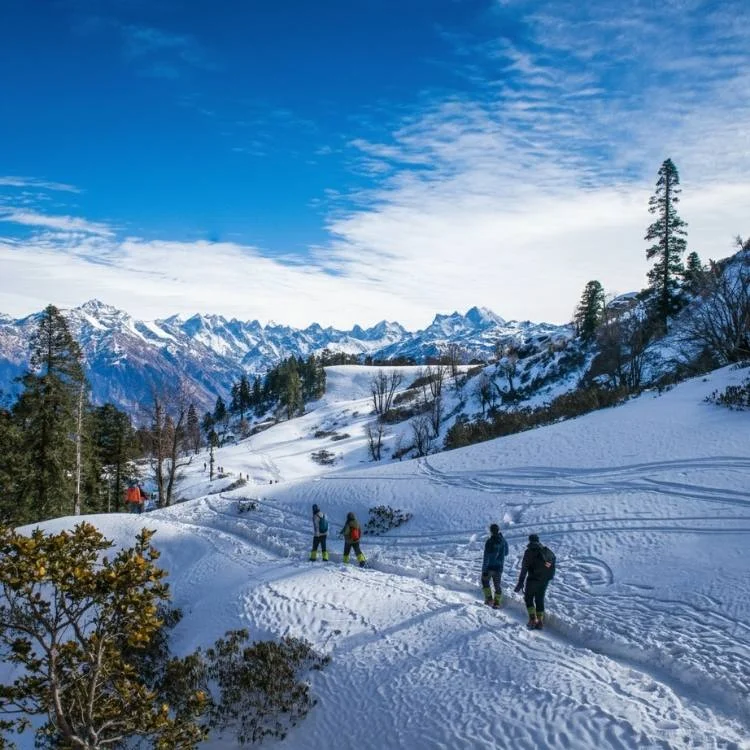
October and November are crisp and clear, with thinning crowds and sharp mountain light. From December through February, snow covers the village, the lanes, and the surrounding slopes. The walk through Old Manali in fresh snow is short but genuinely pretty. Some cafes close for the winter, but enough stay open to keep the area alive. Christmas and New Year bring a brief rush of domestic tourists, then January settles into the quietest version of Old Manali. This is when the village feels most like a village and least like a tourist zone. Bundle up properly. Temperatures drop below freezing at night, and the cobblestones get icy.
Things to see & do
7 things worth your time at Old Manali.
Cafe hop through the lanes
2 to 4 hoursThis is the main thing most people do in Old Manali, and it deserves its own time block. The cafe lane runs from the bridge area up through the village towards the Manu Temple. Notable stops include Cafe 1947 (riverside, Italian food, live music), The Lazy Dog (outdoor riverside seating, continental), Drifters (backpacker favourite), Born Free (live music, hostel attached), and Sunshine Cafe (quiet mornings, baked goods). Smaller spots like Mingma Cafe do excellent coffee. Expect to spend Rs 200 to 500 per person per stop. The rhythm that works best is a morning coffee at a quiet place, a proper lunch at a riverside cafe, and an evening at whichever spot has live music that night. Do not try to cover everything in one session. Spread it out.
Walk the Hadimba Temple and Manu Temple loop
2 to 3 hoursThe best half day plan in Manali. Start at the Hadimba Temple in the Dhungri cedar forest, spend 30 to 45 minutes with the 16th century wooden architecture, then walk uphill through the Old Manali lanes to the Manu Temple at the top. Stop at a cafe on the way back. The loop covers the cultural, spiritual, and backpacker sides of Manali in a single stretch. Go early morning for the quietest experience and the best light through the cedars.
Walk to Jogini Waterfall via Vashisht
3 to 4 hours round tripVashisht village sits across the Beas River, about 3 km from Old Manali. Walk or take an auto to Vashisht, visit the ancient temple and dip in the natural hot springs, then continue on a short trek (about 2 km uphill through pine forest and hamlets) to Jogini Waterfall at around 2,700 metres. The falls are rewarding if you go all the way to the top. The entire trip from Old Manali and back takes 3 to 4 hours at a relaxed pace. Wear proper shoes, the trail gets muddy in monsoon.
Shop the Old Manali market
30 to 60 minutesThe small market in Old Manali is a different experience from Mall Road shopping. Look for Tibetan jewellery, woollen shawls, hand painted signs, musical instruments, incense, locally made fruit jams and preserves, and the kind of bohemian accessories that define the backpacker trail. Prices are generally fair but negotiate for anything over Rs 500. The shops also sell fresh apple juice and local honey, which make good gifts to carry back.
Sit by the river
As long as you wantSeveral spots along the edge of Old Manali give access to the Beas River. Some cafes, like Lazy Dog, have direct river facing seating. You can also find quieter spots by walking towards the bridge or beyond the last cafes. The water is cold, fast, and loud, especially in summer when the snowmelt is at its peak. Do not wade in or attempt to cross. But as a place to sit with a book, a coffee, or just the sound of the water, it is one of the better natural settings within a 5 minute walk of a proper meal.
Day trip to Solang Valley
Half daySolang Valley is about 14 km from Manali, reachable by taxi in 30 to 40 minutes. In summer, the ropeway, paragliding, and ATVs run. In winter, the same valley becomes a snow play ground. A morning at Solang paired with an afternoon back in Old Manali's cafes is a natural day plan. Hire a taxi from the Old Manali bridge area or arrange through your guesthouse.
Day trip to the Atal Tunnel and Sissu
Full dayDrive 25 km north to the Atal Tunnel, pass through the 9 km tunnel in 15 minutes, and emerge in the completely different landscape of the Lahaul valley. Continue to Sissu village for tea, a waterfall, and the contrast between green Kullu and brown Lahaul. Return to Old Manali by evening. This is the best full day plan if you want both adventure and a landscape shift from your Old Manali base.
Know before you visit Old Manali
The practical bits, from people who have been.
What Old Manali actually is and how it differs from New ManaliThe original Manali village, shaped by 1970s backpacker culture, now a cafe and traveller hub separate from the main town.
Manali is essentially two places. New Manali is the main town that grew up around the highway, Mall Road, the bus stand, and the larger hotels. It has the traffic, the shopping, the tour operators, and most of the infrastructure. Old Manali is the original village, sitting about 3 km uphill across the Manalsu River. The Manalsu acts as a natural divider between the two worlds.
Old Manali's character was shaped in the 1970s when foreign backpackers, mostly from Europe and Israel, started staying for extended periods. They rented village houses, spent months in the mountains, and left behind a cafe culture that blends Israeli, Italian, Tibetan, and Indian food in a way that is unique to this stretch of the Himalayas. The result is a village that feels more like a small international traveller hub than a typical North Indian hill station. If you have been to Kasol, the energy is similar but a little more established and a little less raw.
The practical difference for your trip: Old Manali suits solo travellers, couples, digital nomads, and anyone who wants to walk everywhere, eat at cafes, and live at a slower pace. New Manali suits families who want larger hotels, easy access to the bus stand and market, and organised tour pickups. The two are close enough that you can walk between them in 20 to 30 minutes, so you are never really locked into one side.
The cafe scene and what to eatDozens of cafes serving global food with mountain views, from Rs 150 to 800 per meal. Live music most evenings in season.
Old Manali's cafes are not just places to eat. They are the social centre of the village. Most have outdoor seating, some face the river, and several host live music in the evenings. Here is what to expect.
Cafe 1947. One of the oldest and best known. Italian food, wood fired pizza, live music, riverside seating. Reliable, slightly pricier than the lane cafes. Good for an evening out.
The Lazy Dog. Riverside outdoor seating under willow trees. Continental and Asian food, organic ingredients. Arrive early for the river facing tables.
Drifters Cafe. Backpacker staple. Solid breakfast, relaxed vibe, reasonable prices. A good morning anchor.
Born Free Cafe. Attached to a hostel. Live music, international menu, social energy. Works best in the evening.
Sunshine Cafe. Quiet, good for mornings, homemade cakes and fresh juices. The calm alternative when the main lane feels too busy.
Mingma Cafe. Tiny, does only coffee and desserts, but arguably the best coffee in Old Manali. The chocolate chip cookies are worth finding.
Budget guidance: Rs 150 to 300 per person at simpler cafes, Rs 300 to 800 at the riverside and live music spots. Israeli and Continental dishes tend to cost more than local food. UPI works at some places but not all. Carry cash.
Who Old Manali suits and who should stay on Mall RoadBest for solo travellers, couples, and digital nomads. Families and seniors should consider the uneven terrain.
Solo travellers. Yes. This is one of the best solo travel bases in North India. Hostels, cafes, and the general vibe are built for meeting people. Safety is generally good, though standard precautions apply after dark.
Couples. Yes, if you prefer a village atmosphere over a hotel lobby. The cafes, the walks, and the quieter guesthouses suit couples well.
Digital nomads and workation travellers. Yes. Several cafes have Wi Fi (speeds vary), and hostels with coworking spaces have grown in number. A week or two here is comfortable. Test the Wi Fi at your accommodation before committing to a long stay.
Families with young children. With caution. The lanes are steep and cobbled. Accommodation is mostly guesthouses and hostels, not full service hotels. Some guesthouses are basic. It works for families with older, independent kids who enjoy walking and cafes. For families with toddlers who need a pram and a large room, Mall Road is easier.
Seniors. With caution. The walk from Mall Road is uphill. The lanes are uneven. An auto can take you to the edge of the village, but the interior is always on foot. Seniors with good mobility will enjoy it. Those with walking difficulties should be aware of the terrain.
Skip Old Manali if. You want room service, a swimming pool, or organised evening entertainment. Those things exist on Mall Road, not here.
Budget and cost realityHostel dorms from Rs 300, private rooms from Rs 800, cafe meals Rs 150 to 800. Generally cheaper than New Manali.
Old Manali is generally cheaper than New Manali for accommodation and food, though the gap has narrowed as the area has become more popular.
Accommodation. Hostel dorms start at around Rs 300 to 600 per bed. Private rooms in guesthouses run Rs 800 to 2,000 depending on season and quality. A few boutique properties go higher. Book ahead in May, June, and the Christmas to New Year window. Off season rates drop significantly.
Food. A meal at a budget cafe costs Rs 150 to 300. A proper meal at a riverside spot runs Rs 400 to 800. Coffee is Rs 80 to 200 depending on the place. Fresh apple juice is Rs 50 to 100 everywhere.
Transport. An auto from Mall Road to Old Manali costs roughly Rs 100 to 150. Walking is free and more fun. Taxis for day trips to Solang Valley run Rs 800 to 1,200 return.
Shopping. Shawls, jewellery, and souvenirs are cheaper than Mall Road but prices are not fixed. Negotiate for purchases over Rs 500.
Common mistakes and ground realityWalk instead of driving. Carry cash. Wear proper shoes. Plan at least 2 days.
Driving into Old Manali on a summer weekend. Do not. The road from Mall Road to the bridge jams completely in peak season. Walk or take an early morning auto before the traffic builds.
Expecting hotel level accommodation. Most places are guesthouses and hostels. Rooms can be small. Hot water is not always guaranteed in budget stays, especially in winter. Check before you book.
Not carrying cash. UPI and cards work at some cafes but not all. The nearest ATM is on Mall Road. Carry enough cash for a day or two.
Walking the cobblestones in flip flops. The lanes are uneven and slippery, especially after rain or in winter. Proper shoes make a real difference.
Trying to do everything from Old Manali in one day. It works best as a base for 2 to 3 days. One day for the village, temples, and cafes. One day for Solang or the Atal Tunnel. A third day for Vashisht, Jogini Waterfall, or just slowing down.
Nearby attractions
Other places worth the detour.
Manu Temple
At the top of Old Manali, ~10 minute walk uphill from the cafe lane
The only temple in India dedicated to Sage Manu, the mythological creator of humanity. The name Manali comes from this temple. A small, rebuilt pagoda style shrine at the upper end of the village. 15 minutes to see, but the walk through Old Manali to get there is the real experience.
Hadimba Temple
~1 km from Old Manali, in the Dhungri cedar forest
The 16th century wooden cave temple dedicated to Hadimba Devi from the Mahabharata. The most architecturally significant site in Manali. A natural pairing with Old Manali for a half day walking loop through the cedar forest and back through the cafe lanes.
Vashisht Temple and Hot Springs
~3 km, across the Beas River
A sacred temple with natural hot water baths dedicated to Sage Vashisht. The hot springs are the main draw. Reachable by auto or a 30 minute walk. Combine with the Jogini Waterfall trek for a half day outing.
Jogini Waterfall
~5 km total from Old Manali (via Vashisht), 2 km trek from Vashisht
A short trek through pine forest from Vashisht village to a waterfall at about 2,700 metres. The trail takes 1 to 2 hours round trip from Vashisht. Worth going all the way to the top of the falls. Best in the morning on a clear day.
Solang Valley
~14 km, 30 to 40 min drive
Manali's adventure valley with ropeway, paragliding in summer, and snow activities in winter. A natural day trip from an Old Manali base. Combine a Solang morning with an afternoon back in the cafes.
Atal Tunnel
~25 km north
The 9 km highway tunnel under the Pir Panjal range connecting Manali to the Lahaul valley. A full day trip through the tunnel to Sissu and back is one of the best day plans from Manali.
Rohtang Pass
~51 km, seasonal
The high pass at 3,978 metres, open roughly late May to October. Requires a permit booked online. A half day trip for snow play at the summit. Leave early from Old Manali, by 6 or 7 AM.
Our packages with Old Manali
Curated trips that include a visit to Old Manali.
 5D/4N
5D/4NWeekend Manali Getaway From Delhi
1D Delhi•2D Manali+2
₹10,999₹15,999SAVE INR 5,000/ person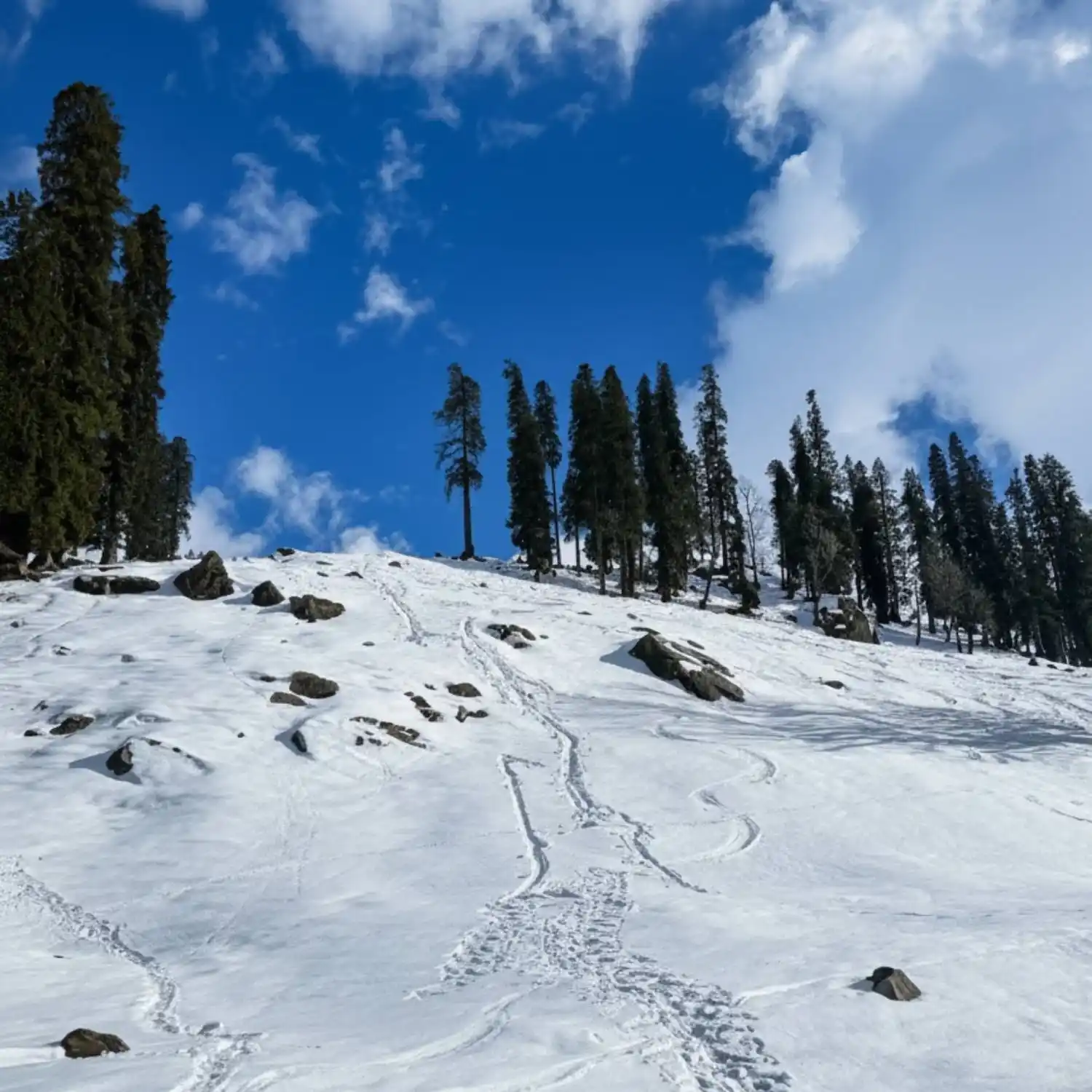 6D/5N
6D/5NManali Solang Sissu & Snow Village Sethan Budget Trip
1D Delhi•3D Manali+2
₹12,999₹19,999SAVE INR 7,000/ person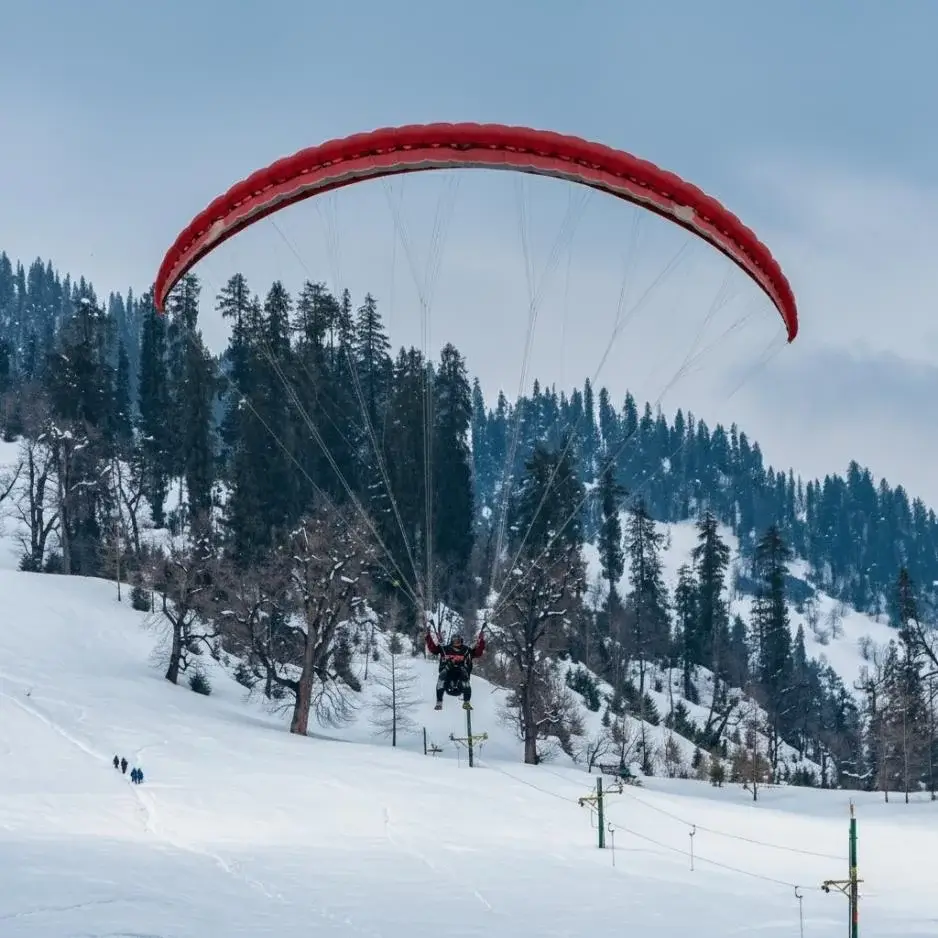 5D/4N
5D/4NManali Solang Sissu Budget Trip
1D Delhi•2D Manali+2
₹13,999₹17,999SAVE INR 4,000/ person
Common questions about Old Manali
Where is Old Manali?
About 3 km uphill from Manali's Mall Road, across the Manalsu River, in Kullu district, Himachal Pradesh. It sits at roughly 2,050 metres, the same altitude as the main town. Walk from Mall Road in 20 to 30 minutes, or take an auto in about 10 minutes.
What is the difference between Old Manali and New Manali?
Old Manali is the original village, now known for its backpacker cafe culture, narrow cobbled lanes, traveller hostels, and a quieter pace. New Manali is the main town around Mall Road, with larger hotels, the bus stand, markets, and more traffic. They are about 3 km apart and easily connected on foot or by auto.
Is Old Manali safe?
Generally yes, including for solo travellers and women. Standard precautions apply, as they would anywhere. The lanes are well lit in the main areas. The village has a regular police presence. Avoid poorly lit back lanes alone at night. The community is used to travellers and generally welcoming.
What are the best cafes in Old Manali?
Cafe 1947 for Italian food and live music. The Lazy Dog for riverside seating. Drifters for a reliable backpacker breakfast. Born Free for evening social energy and live music. Sunshine Cafe for quiet mornings. Mingma Cafe for the best coffee. Prices range from Rs 150 to 800 per person depending on the place.
Is there Wi Fi in Old Manali?
Yes, most cafes and hostels offer Wi Fi. Speeds vary and can be inconsistent, especially during peak hours. If you are planning to work remotely, test the connection at your accommodation before committing to a long stay. Mobile data on Jio and Airtel generally works as a backup.
Can I stay in Old Manali?
Yes, and many travellers prefer it over New Manali. Options include hostel dorms (Rs 300 to 600), private rooms in guesthouses (Rs 800 to 2,000), and a few boutique stays. Most are simpler than the hotels on Mall Road. Book ahead for May, June, and the Christmas to New Year period.
Is Old Manali suitable for families?
It depends on the family. The lanes are steep and cobbled, not ideal for prams. Most accommodation is guesthouses, not full service hotels. Families with older kids who enjoy walking and cafe culture will like it. For families with small children who need a larger room and easy logistics, New Manali is more practical.
What is the best time to visit Old Manali?
March to June for warm weather, open cafes, and live music. October to November for crisp air and fewer crowds. December to February for snow and the quietest version of the village. July to September is monsoon, green and atmospheric but the lanes get slippery. The village is open year round.
How do I get to Old Manali from Mall Road?
Walk uphill for about 20 to 30 minutes, which is the most enjoyable option. Or take an auto for roughly Rs 100 to 150. Cars can reach the bridge area but cannot enter the inner lanes. On summer weekends, walking is faster than driving due to traffic jams on the approach road.
Is there an ATM in Old Manali?
No. The nearest ATMs are on Mall Road, about 3 km away. Many cafes accept UPI payments but not all. Carry enough cash for your daily needs before walking up.
What should I carry to Old Manali?
Comfortable walking shoes with grip for the cobblestones. Cash in small denominations. A light jacket for evenings. Modest clothing for temple visits. Sunscreen and a water bottle for day walks. An umbrella or rain jacket in monsoon season.
Is Old Manali good for digital nomads?
Yes, it is one of the better workation spots in the Indian Himalayas. Several cafes have Wi Fi and a work friendly atmosphere, especially on weekday mornings. Some hostels offer coworking spaces. Test internet speed before settling in for a long stay. Mobile hotspot on Jio or Airtel works as a backup. Monthly rental deals on guesthouses are available off season.
Related guides
Posts about Manali
- Medical Help in Manali for Tourists 2026: Hospitals, Pharmacies and Emergency Steps
- Vegetarian and Jain Food in Manali 2026: Where to Eat Without Guesswork
- Mobile Network, Internet, UPI and ATMs in Manali 2026: What Works Where
- Shimla to Manali in 2026: Distance, Travel Time, Bus vs Cab and the Best Transfer Plan
- Manali with Pets in 2026: Road Travel, Pet-Friendly Stays, Snow Safety and Practical Rules
- Is Manali Safe for Solo Female Travellers in 2026? Areas, Transport and Winter Safety