
Grahan Village
A traditional village of about 50 houses at 2,350 metres in the Parvati Valley, where the local deity has banned alcohol, the temples are off limits to outsiders, the only way in is a 9 km trek through deodar and rhododendron forest, and the quiet is the kind you have to earn
- Village
- Parvati Valley
- ~2,350 m
- ~9 km trek from Kasol
- 4 to 5 hours uphill
- Sar Pass base
- No alcohol
- Kath Khuni houses
- No road access
- No entry fee
What makes it special
Grahan is what happens when you walk just far enough from Kasol that the noise stops. About 50 wooden houses with slate roofs on a hillside at 2,350 metres, surrounded by deodar forest, terraced fields, and apple orchards. No road reaches the village. No vehicles enter it. The only way in is a 9 km trek from Kasol through dense forest, past waterfalls and across the Grahan Nallah stream. Most trekkers take 4 to 5 hours. By the time you arrive, the effort has already filtered out everyone who is not genuinely interested in being there.
The most important thing to know before you go: alcohol is completely banned inside the village. This is not a government regulation or a park rule. It is a decree from the village deity, Yagya Maharishi, and the community enforces it strictly. Do not carry alcohol into the village. Do not consume it there. Violating this can result in a heavy fine or being asked to leave. This rule shapes the entire feel of Grahan. There are no parties, no late night noise, no crowds that come with them. The village is quiet in a way that Kasol and even Chalal simply are not.
Grahan is also the first overnight stop on the Sar Pass trek, one of the most popular multi day treks in Himachal Pradesh. During the trekking season (May and June especially), groups pass through on their way to Min Thach and Nagaru. But most of them camp on the outskirts and move on the next morning. The village itself stays its own thing.
The houses are built in the traditional Kath Khuni style: stone, slate, and wood interlocked without cement, designed to handle heavy snow and earthquakes. Two temples sit inside the village, both worth seeing from the outside. Outsiders are not permitted to enter either temple. The deity Yagya Maharishi is central to the village's identity. Local tradition holds a historical connection to nearby Malana, with the two communities sharing some cultural roots.
Several homestays and a few small cafes operate in the village. The accommodation is basic. Rooms with beds and blankets, shared facilities, home cooked meals. Expect dal rice, rajma chawal, roti, and chai. Some places offer WiFi, which is surprising given that mobile signal does not reach here at all. A few homestays, particularly Blue Heaven and Mountain View, have earned reputations among trekkers for warm hosts and good food. Budget roughly 400 to 600 rupees per night.
The village is also known for its wild honey and organic farming. If you are staying at a homestay, ask about the honey. It is forest collected, genuinely good, and usually available to buy.
Honest framing. Grahan is a real, living village, not a campsite or a rest stop. The people are welcoming, but the rules are real. No alcohol. No entering the temples. No wandering into private areas without invitation. If you treat the village with respect, you will be treated well in return. If you are looking for a party or a social scene, go back to Kasol. Grahan is for the people who want the opposite of that.
Quick answers
- What is Grahan Village?
- A traditional village of about 50 houses at 2,350 metres in the Parvati Valley. No road access. Alcohol is banned by the local deity. Two temples that outsiders cannot enter. Wooden houses with slate roofs in the Kath Khuni style. Homestays from about 400 rupees a night. Also the first overnight stop on the Sar Pass trek. Reachable by a 9 km trek from Kasol (4 to 5 hours uphill).
- How much time do I need?
- One night is the minimum and the ideal for most visitors. Trek up in the morning (4 to 5 hours), arrive by afternoon, spend the evening, sleep, and trek back the next morning (3 to 4 hours). Two nights if you want to explore the nearby waterfalls and fully settle into the pace of the village.
- Is Grahan worth the trek?
- Yes, if you want a genuine mountain village experience without the party and cafe culture of the lower valley. The alcohol ban keeps the atmosphere calm. The lack of road and signal keeps the crowds thin. The homestay food and local honey are genuinely good. If you are not willing to do a 4 to 5 hour trek and follow the village rules, stay lower in the valley.
Quick facts
Everything you need to know at a glance.
At a glance
- Location
- North of Kasol in the Parvati Valley. Kullu district, Himachal Pradesh.
- Altitude
- Approximately 2,350 m (7,700 feet).
- Trek distance
- About 9 km one way from Kasol.
- Trek time
- 4 to 5 hours uphill. 3 to 4 hours downhill.
- Time needed
- One to two nights. Day trip not practical.
- Entry fee
- None.
- Sar Pass connection
- First overnight stop on the Sar Pass trek route.
On the ground
- Mobile network
- None. Some homestays have WiFi.
- Food
- Homestay meals (dal rice, rajma chawal, roti, chai). A few small cafes. Wild honey available to buy.
- ATM
- None. Carry cash from Kasol.
- Accommodation
- Homestays and guesthouses. About 400 to 600 rupees per night. Basic but warm.
- Important rule
- Alcohol is strictly banned inside the village by the local deity. Temples off limits to outsiders. Community enforced.
Seasonal weather
- March to June22°4°Spring and Summer
- July to September20°10°Monsoon
- October to November16°0°Autumn
- December to February8°-5°Winter
Suitable for
- Couples — suitable
- Families — not suitable
- Seniors — not suitable
- Solo — suitable
- First-timers — with some care
- Pet-friendly — not suitable
How to reach Grahan Village
1 approach route, with seasonal access.
From Kasol (on foot)
Generally late March to November. Trail can be muddy in monsoon and snowy in winter.- Distance
- About 9 km one way
- Time
- 4 to 5 hours uphill, 3 to 4 hours downhill
- Road
- Forest trail. Well marked with red arrows, steep in sections, stream crossing. No road access to the village.
From Kasol, the trail heads north through dense deodar and pine forest. Some trek operators drive you to a trailhead partway, reducing the walk. The path crosses the Grahan Nallah stream (manageable in dry weather, be cautious after rain) and climbs steadily. Rhododendron groves line the upper sections, blooming roughly March to May. The last 2 km before the village is the steepest stretch. The trail is well worn and used by villagers regularly. Red arrow markers guide the way. Carry water, snacks, and a torch. The descent back to Kasol takes about 3 to 4 hours.
Best time to visit
Season by season, so you can plan around the weather rather than hope.
- Recommended
Spring and early summer
Late March to June
Dry trail, rhododendrons in bloom, the best overall window.
- Weather
- 4 to 22 degrees.
- Trail
- Dry and clear.
- Rhododendrons
- In bloom March to May.
- Sar Pass groups
- Common in May and June.
The best window. Snow melts from the trail by late March in most years. The forest is green, rhododendrons bloom in the upper sections, and the weather is comfortable. May and June see Sar Pass trekking groups passing through, so the area near the village can be busier than usual. The village itself stays calm.
Monsoon
July to September
Green and lush, but muddy trails and leeches. Waterfalls at their best.
- Weather
- 10 to 20 degrees. Rain frequent.
- Trail
- Muddy, slippery. Stream crossings harder.
- Waterfalls
- At their strongest.
The forest is at its greenest and the waterfalls near the village are at their strongest. But the trail gets muddy and slippery. The Grahan Nallah stream crossing can be tricky after heavy rain. Leeches are possible. Not dangerous, but less comfortable.
- Recommended
Autumn
October to November
Post monsoon clarity, the best views, almost no visitors. October is the peak.
- Weather
- 0 to 16 degrees. Cold nights.
- Views
- Best clarity.
- Crowds
- Very low.
Clean air, clear views, dry trail, and very few visitors. October is the best single month. The valley views from the village are the widest and sharpest of the year. Nights get properly cold by November.
Winter
December to February
Snow, cold, some homestays close. For experienced trekkers only.
- Weather
- Minus 5 to 8 degrees. Snow likely.
- Trail
- Snow covered. Can be dangerous.
- Homestays
- Some close.
Snow at this altitude. The trail can be difficult or blocked. Some homestays close. Very cold. For experienced winter trekkers with proper gear only.
Things to see & do
4 things worth your time at Grahan Village.
Trek from Kasol
4 to 5 hours uphill, 3 to 4 hours downhillThe 9 km trail from Kasol is the experience. The first section is a drive or walk to the trailhead (some operators drive you part of the way). Then the trail enters dense deodar and pine forest, crossing the Grahan Nallah stream and climbing steadily through rhododendron groves that turn red and pink roughly March to May. The last section before the village is steep. Red arrow markers guide the way. Carry water and snacks. Start early to arrive before dark.
Walk to the nearby waterfalls
30 minutes to 1 hour per waterfallThree waterfalls are accessible from trails near the village. Ask your homestay host for directions. The walks are short (30 minutes to an hour each) and the waterfalls are at their best during and just after monsoon. In dry winter months, the flow thins. These are not signposted tourist attractions. They are forest walks that the locals can point you toward.
Walk through the village and see the Kath Khuni architecture
30 minutes to an hourThe village is small and can be walked in 30 minutes. Traditional Kath Khuni houses built from interlocking stone, slate, and wood without cement. Terraced fields, a small school, and two temples at the centre. Do not enter the temples. Photograph from a respectful distance. The building technique, designed to survive heavy snow and earthquakes, is genuinely impressive when you understand what it does.
Try the local wild honey
Part of your homestay experienceThe village produces wild honey from the surrounding forests and organic herbs. Ask at your homestay about buying honey. It is forest collected and the quality is genuinely good. This is not a tourist product. It is part of the local economy.
Know before you visit Grahan Village
The practical bits, from people who have been.
Village rules: alcohol ban and temple accessNo alcohol allowed, strictly enforced. Temples off limits to outsiders. Respect the village's customs.
Alcohol is banned inside Grahan village. This is a decree from the village deity, Yagya Maharishi, and the community enforces it strictly. Do not carry alcohol into the village. Do not consume it there. This is not a guideline or a suggestion. Violating it can result in a heavy fine or being asked to leave by the village council.
Both temples in the village are off limits to outsiders. Do not enter, approach, or touch the temple structures. View from a respectful distance. These are sacred sites for the community and the rules are non-negotiable.
Grahan is a living village with real customs, not a campsite. Respect private spaces, ask before photographing people, and follow any instructions from your homestay host about local norms.
The trekAbout 9 km trek from Kasol through forest. 4 to 5 hours uphill. Well marked but steep in sections.
The trail from Kasol covers about 9 km through dense deodar and pine forest. Some trek operators offer a partial drive to a trailhead, reducing the walk. The path crosses the Grahan Nallah stream (manageable in dry weather, tricky after heavy rain) and climbs steadily through forest. Rhododendron groves line the upper sections. The last 2 km is steep. Red arrow markers guide the way throughout. Carry at least 2 litres of water, snacks, and a torch. Start early to arrive before dark. The descent takes 3 to 4 hours.
Ground realityNo ATM, no signal, no shops. Carry everything from Kasol. Some homestays have WiFi.
No ATM. No mobile signal (some homestays offer WiFi). No shops beyond what the homestays and cafes stock. No medical facility. Carry cash, food, water, basic medicines, and a torch from Kasol. Tell someone in Kasol where you are going and when you expect to return.
Worth checking before you go. Homestay availability, trail conditions, and local rules can shift with the season. During the Sar Pass trekking season (May and June), the area around the village can get busier. Confirm homestay availability before starting the trek, ideally through contacts in Kasol.
Nearby attractions
Other places worth the detour.
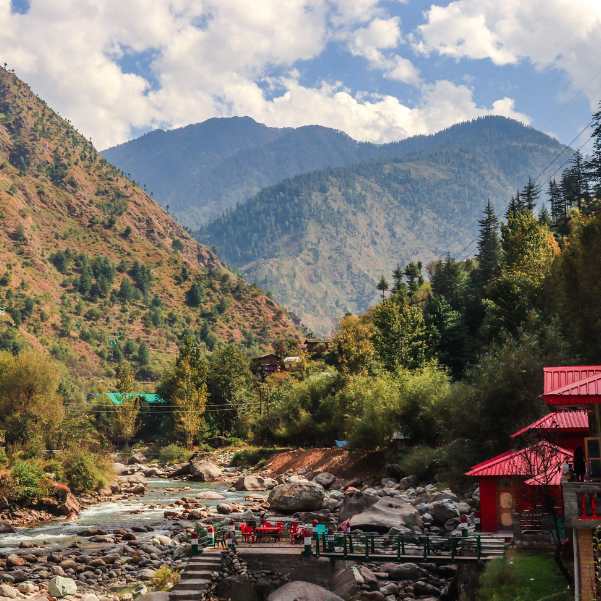
Kasol
About 8 to 10 km trek downhill (3 to 4 hours)
The main backpacker town of the Parvati Valley. Cafes, hostels, and the starting point for the Grahan trek.
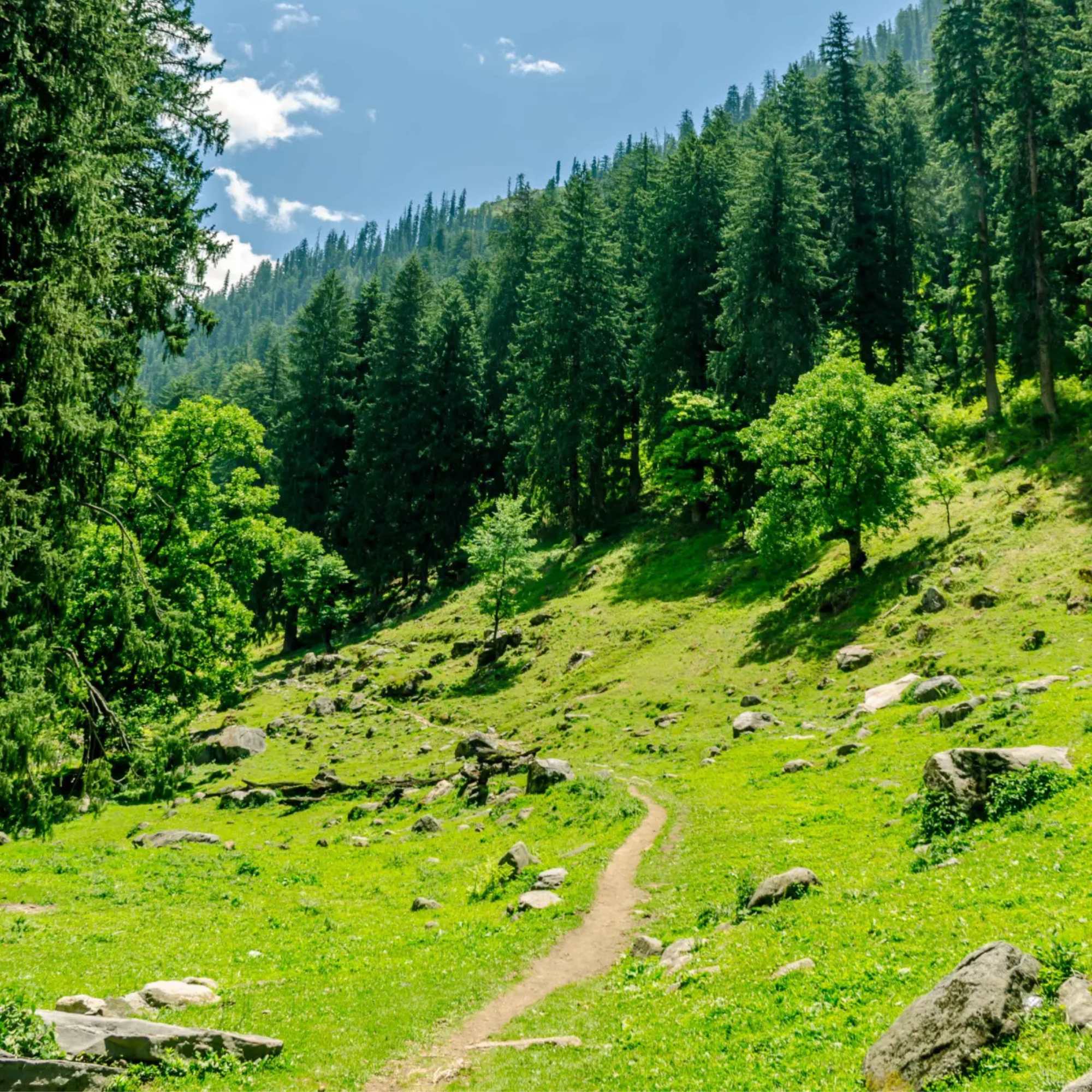
Min Thach (Sar Pass trail)
About 7 km further on the Sar Pass trail
The next campsite above Grahan on the Sar Pass trek. At about 3,400 metres, with open meadow views. Only accessible as part of a multi day trek with proper gear.
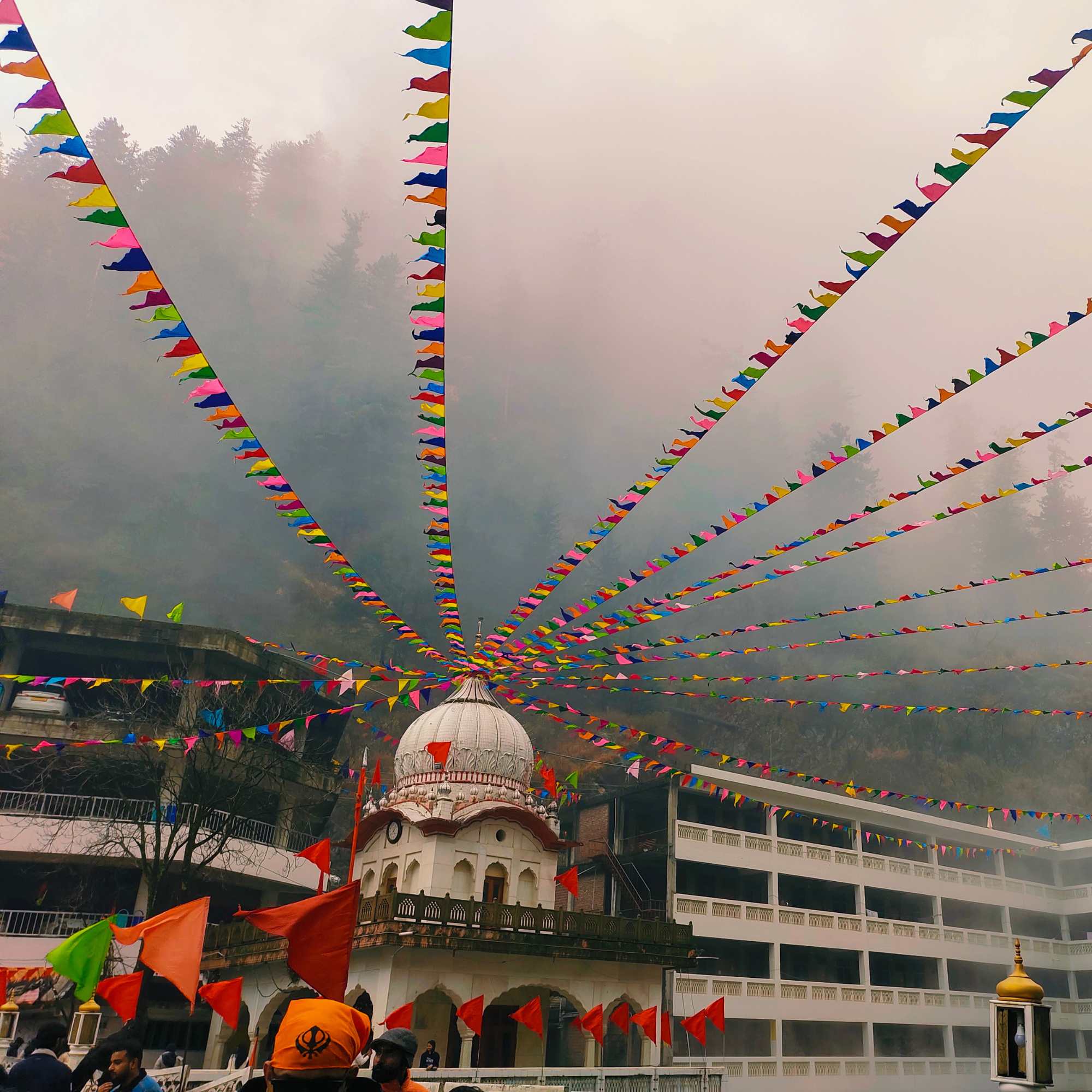
Manikaran Sahib
About 4 km from Kasol by road (then 8 to 10 km trek to Grahan)
A pilgrimage town with a Gurudwara, Hindu temples, and natural hot springs. On the valley road, about 4 km past Kasol. Worth visiting on the way to or from the Grahan trek.
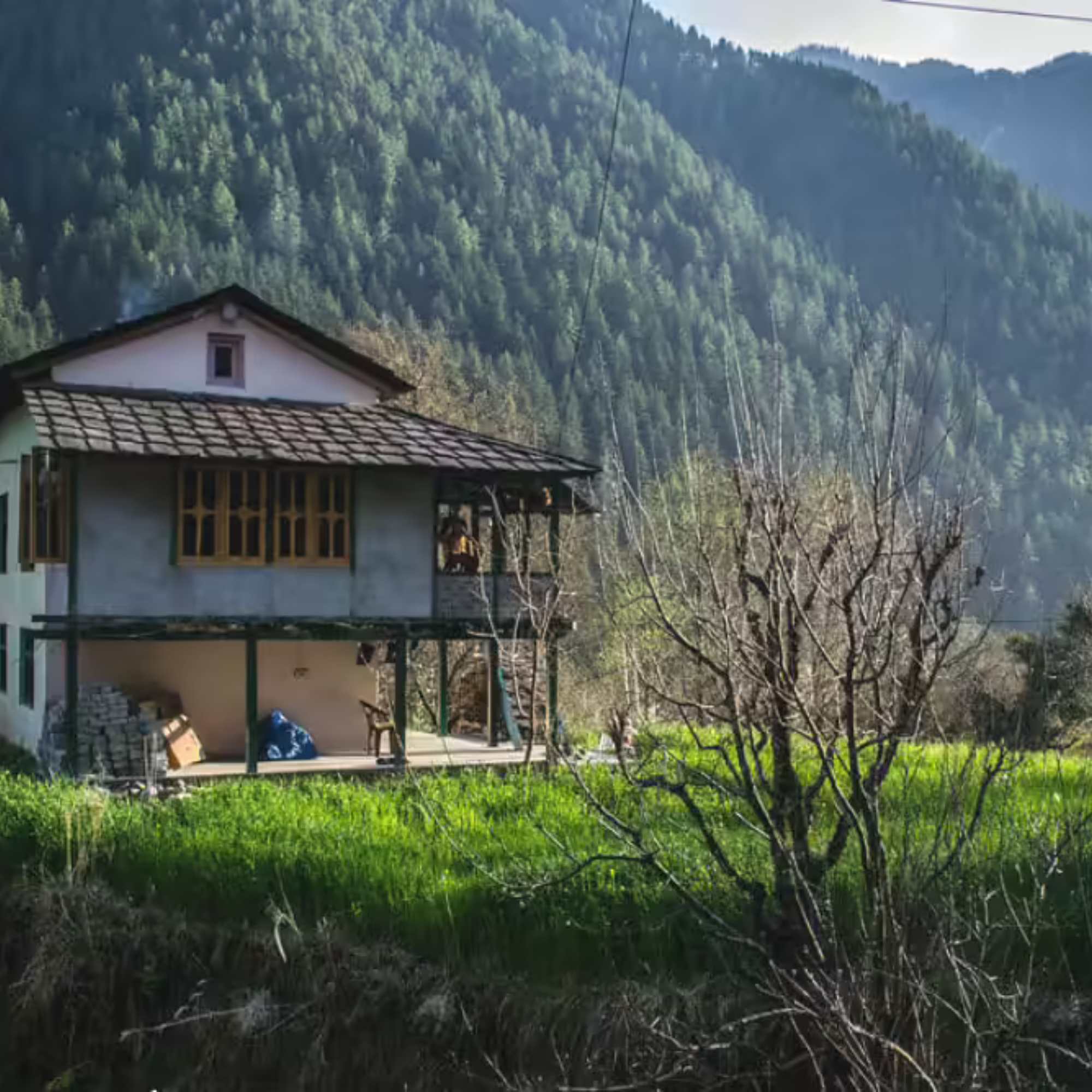
Chalal
About 1.5 km from Kasol (different direction from Grahan)
A small riverside village between Kasol and the Grahan trailhead direction. Cafes and a relaxed atmosphere. The 30 minute walk from Kasol to Chalal is the easiest outing in the valley.
Our packages with Grahan Village
Curated trips that include a visit to Grahan Village.
 4D/3N
4D/3NPerfect Manikaran Kasol Tosh Weekend Getaway
1D Delhi•2D Kasol+1
₹15,999₹19,999SAVE INR 4,000/ person 4D/3N
4D/3NWeekend Trip To Manikaran, Kasol & Tosh
1D Delhi •2D Kasol+1
₹9,999₹14,999SAVE INR 5,000/ person
Frequently Asked Questions
What is Grahan Village?
A traditional village of about 50 houses at 2,350 metres in the Parvati Valley, accessible only by a 9 km trek from Kasol (4 to 5 hours uphill). The village is governed by the deity Yagya Maharishi and has a strict ban on alcohol. Two temples with traditional Kath Khuni architecture sit at the centre. It is also the first overnight stop on the Sar Pass trek.
How do I reach Grahan?
Trek from Kasol. The trail covers about 9 km through dense deodar and pine forest, crossing the Grahan Nallah stream. Some trek operators drive to a trailhead partway up, shortening the walk. Red arrow markers guide the way. Allow 4 to 5 hours for the ascent. No road reaches the village.
Can I bring alcohol?
No. Alcohol is banned inside the village by the orders of the local deity. This rule is strictly enforced and deeply held by the community. Do not carry alcohol into the village. Violating it can lead to a heavy fine.
Can I enter the temples?
No. Both temples in the village are off limits to outsiders. You can view and photograph the exterior from the designated paths. Do not approach or touch the temple structures.
Can I stay overnight?
Yes. Several homestays and a few small cafes operate in the village. Basic rooms cost roughly 400 to 600 rupees per night. Home cooked meals (dal rice, rajma chawal, roti, chai) included or available for a small charge. Some places have WiFi despite no mobile signal.
What is the best time to visit?
Late March to June and October to November. May and June see Sar Pass trekking groups passing through. October has the clearest views. Monsoon makes the trail muddy and slippery. Winter brings snow.
How difficult is the trek?
Moderate. The 9 km trail is well marked with red arrows but has steep sections, especially the last 2 km. A stream crossing is involved. Anyone with basic fitness can do it. Carry water and start early.
Is Grahan on the Sar Pass trek route?
Yes. The trail from Kasol to Grahan is the first leg of the Sar Pass trek (which continues to Min Thach, Nagaru, and over the pass). Many Sar Pass trekking groups camp near Grahan on their first night.
Is there mobile network?
None. No mobile signal reaches the village. Some homestays and cafes have WiFi. No ATM. Carry cash from Kasol.
Is Grahan suitable for families?
Not recommended for young children or elderly travellers. The 4 to 5 hour steep trek and very basic facilities make it unsuitable for most family trips. Active teenagers who can handle the walk can visit.
Related guides
Posts about Kasol
- Shimla Manali Kasol Itinerary 2026: 7, 8 and 9 Day Routes Without Rushing
- Best Offbeat Places Near Kasol Most Tourists Miss in 2026
- Rasol Village Trek From Kasol 2026: Route, Distance & What to Expect
- Kalga, Pulga & Tulga Villages in 2026: The Offbeat Side of Parvati Valley
- Kheerganga Trek from Kasol 2026: Route, Difficulty, Cost & Best Time
- Snowfall in Kasol 2026: Does It Snow, Best Time & Nearby Snow Places