
Chalal Village
A small riverside village on the opposite bank of the Parvati River from Kasol, reachable only by a 30 minute walk across a metal bridge and along a forested trail, where the backpacker cafes thin out, the music gets quieter, and the valley starts to feel like it belongs to you
- Village
- Parvati Valley
- ~1,600 m
- 30 min walk from Kasol
- Riverside trail
- Cafe culture
- Rasol trek start
- No vehicle access
- No entry fee
What makes it special
Chalal sits on the opposite bank of the Parvati River from Kasol, about 1.5 km upstream. You cannot drive there. The only way in is on foot, across a metal bridge near Kasol's main market, then along a narrow trail that follows the river through pine trees, past a handful of cafes, and into the village itself. The walk takes about 30 minutes, and honestly, the walk is half the reason people go.
Here is what Chalal actually is. A cluster of traditional Himachali stone and wood houses on a hillside, surrounded by cafes and guesthouses that have grown around the original settlement over the last decade. The village has a strong Israeli backpacker influence, visible in the cafe menus (shakshuka, falafel, hummus alongside Maggi and thukpa), the music, and the general atmosphere. If you have spent time in Kasol's main strip and found it a bit too loud or too crowded, Chalal is the answer. Same valley, same river, but the volume drops noticeably the moment you cross the bridge.
Two things make Chalal more than just a cafe stop. First, it is the starting point for the trek up to Rasol, a hilltop village at around 3,100 metres that takes about 3 to 4 hours of steep climbing. Most people who trek to Rasol pass through Chalal on the way up. Second, Chalal has historically been known for trance and psychedelic parties, especially in the shoulder season. Whether that is your thing or not, it is part of what shaped the village into its current form, and it is worth knowing before you show up expecting complete silence at midnight.
The honest framing. Chalal is not a remote mountain village anymore. It has WiFi in most cafes, guesthouses with attached bathrooms, and enough foot traffic on weekends to feel social. But it is not Kasol either. There are no shops selling souvenirs, no traffic, and no vehicles. Everything comes in on foot or on mules. That forced simplicity is what keeps the place feeling different, even though it is only a 30 minute walk from one of Himachal's busiest backpacker towns.
If you are the kind of traveller who goes to Kasol and immediately wants to be somewhere quieter but does not want to commit to a full trek, Chalal is exactly the right distance away. Close enough to walk back for dinner in Kasol if you want. Far enough that you feel like you have left.
Quick answers
- What is Chalal Village?
- A small riverside village on the opposite bank of the Parvati River from Kasol, about 1.5 km away and reachable only on foot via a 30 minute trail. Known for its cafe culture, relaxed backpacker atmosphere, and as the starting point for the Rasol trek. No vehicles, no entry fee, no permits. Guesthouses and homestays available from roughly 500 to 1500 rupees a night.
- How much time do I need?
- Most people do it as a half day trip from Kasol. Walk over, sit at a cafe for an hour or two, walk back. If you want to stay overnight, one night is the sweet spot. You will get the evening quiet and a morning when the trail is empty. Two nights if you are combining it with the Rasol trek.
- Is Chalal worth visiting if I am already in Kasol?
- Yes. Even if you do nothing more than walk the riverside trail, have a coffee, and walk back. The 30 minute walk itself is the most pleasant thing you can do from Kasol without committing to a serious trek. If Kasol feels too crowded, Chalal is the fix.
Quick facts
Everything you need to know at a glance.
At a glance
- Location
- Opposite bank of the Parvati River from Kasol. About 1.5 km upstream. Parvati Valley, Kullu district, Himachal Pradesh.
- Approximate altitude
- Roughly 1,600 m (about 5,300 feet). Sources vary slightly.
- Nearest town
- Kasol, about 1.5 km and 30 minutes on foot.
- Time needed
- Half day trip from Kasol, or one night for the overnight experience.
- Entry fee
- None.
- Trail difficulty
- Easy. Flat to gently undulating riverside path. Suitable for most fitness levels.
On the ground
- Mobile network
- Patchy. Jio and Airtel work in spots. Most cafes have WiFi.
- Food
- Multiple cafes serving Israeli, Italian, Indian, and Tibetan food. No shortage of eating options.
- ATM and cash
- No ATM in Chalal. Nearest in Kasol, and even that is not always reliable. Carry cash. Some cafes accept UPI.
- Accommodation
- Guesthouses, homestays, and tented camps. Roughly 500 to 1500 rupees per night depending on season.
- Safety
- Generally safe. Trail can be slippery after rain. Stay on the marked path, especially at night. Keep valuables secure.
Seasonal weather
- March to June28°8°Spring and Summer
- July to September26°14°Monsoon
- October to November22°4°Autumn
- December to February14°-2°Winter
Suitable for
- Couples — suitable
- Families — with some care
- Seniors — with some care
- Solo — suitable
- First-timers — suitable
- Pet-friendly — with some care
How to reach Chalal Village
3 approach routes, with seasonal access.
From Kasol (on foot)
Year round. Trail can be muddy and slippery in monsoon.- Distance
- About 1.5 km
- Time
- 25 to 35 minutes walking
- Road
- Narrow footpath along the Parvati River. Well trodden. No vehicle access.
Start from Kasol's main market area. Walk toward the metal bridge that crosses the Parvati River (ask any local, everyone knows the Chalal bridge). Cross the bridge and follow the riverside trail upstream. The path is narrow but well marked, winding through pine forest with the river below on your left. You will pass a few cafes along the way. The village appears after about 25 to 35 minutes of easy walking. The trail is flat to gently undulating. No steep sections. Carry a torch if walking back after dark.
From Bhuntar (by road to Kasol, then on foot)
Year round to Kasol. Monsoon can cause road disruptions on the Bhuntar to Kasol stretch.- Distance
- About 31 km by road to Kasol, then 1.5 km on foot
- Time
- 1 to 1.5 hours by road, plus 30 minutes walking
- Road
- State highway to Kasol, then footpath.
From Bhuntar (the nearest airport and highway junction), take the Parvati Valley road toward Manikaran. Kasol is about 31 km from Bhuntar, roughly 1 to 1.5 hours depending on traffic. Buses run frequently from Bhuntar to Manikaran and stop at Kasol. Shared taxis and cabs are also available. From Kasol, walk to Chalal as described above. There is no motorable road to Chalal itself.
From Delhi (overnight bus)
Year round from Delhi. Monsoon may cause delays on the Mandi to Bhuntar stretch.- Distance
- About 500 km to Bhuntar, then 31 km to Kasol, then 1.5 km walk
- Time
- 10 to 12 hours by bus to Bhuntar, then 1.5 hours to Kasol, then 30 minutes walk
- Road
- National highway to Bhuntar, state highway to Kasol, footpath to Chalal.
Take an overnight Volvo or semi sleeper bus from Delhi to Bhuntar or Kasol directly. Several private operators run this route. From Bhuntar, catch a local bus or taxi to Kasol (about 31 km). From Kasol, walk to Chalal. Budget a full travel day. Aim to reach Kasol by late morning so you can walk to Chalal in daylight and settle in before evening.
Best time to visit
Season by season, so you can plan around the weather rather than hope.
- Recommended
Spring and early summer
April to June
Warm days, dry trail, cafes buzzing, the best window for a first visit.
- Weather
- 8 to 28 degrees. Warm days, cool nights.
- Trail
- Dry, easy walking.
- Crowds
- Moderate to high on weekends. Quieter midweek.
The most popular window and for good reason. The trail is dry, the weather is comfortable during the day, and the cafes are open and active. Weekends can get busy, especially in May and June. Midweek visits are noticeably quieter. This is also the best time for the Rasol trek from Chalal.
Monsoon
July to September
Lush and green but the trail gets slippery and leeches are possible.
- Weather
- 14 to 26 degrees. Frequent rain.
- Trail
- Muddy, slippery in parts. Leeches possible.
- River
- High and fast. Stay well away from the banks.
The valley turns very green. The Parvati River rises and gets loud. The trail to Chalal can be muddy and slippery in sections. Leeches are possible in the lower stretches during heavy rain. Some guesthouses stay open, some close. Not dangerous, but not the most comfortable window for a casual visit. If rain does not bother you, the village is at its quietest.
- Recommended
Autumn
October to November
Post monsoon clarity, thin crowds, the best month is October.
- Weather
- 4 to 22 degrees. Cold nights.
- Trail
- Dry, firm.
- Crowds
- Low. This is the sweet spot.
The air clears, the crowds thin, and the valley looks its sharpest. October in particular is excellent. The trail dries out, the cafes are still open, and the light on the valley in the late afternoon is the best you will get all year. Nights start getting properly cold by November.
Winter
December to February
Cold, quiet, many cafes and guesthouses close.
- Weather
- Minus 2 to 14 degrees. Properly cold.
- Cafes
- Many close. A few stay open.
- Accommodation
- Limited. Confirm before walking up.
Cold and very quiet. Many guesthouses and cafes in Chalal shut down for the season. The trail is passable but cold. The village empties out. Come only if you are already in Kasol and want the solitude, or if you genuinely enjoy biting cold and empty mountain villages.
Things to see & do
4 things worth your time at Chalal Village.
Walk the riverside trail from Kasol
1 to 2 hours round tripThis is the main draw and many people treat it as the activity itself. The 1.5 km trail from the Chalal bridge follows the Parvati River through pine forest, past small cafes perched on the hillside, with the sound of the river constant below you. You do not need to reach the village to enjoy the walk. Many people turn around at one of the mid trail cafes and are perfectly satisfied. If you continue to Chalal, the trail opens up into the village area with more cafes and guesthouses. The walk back is equally pleasant. Carry a torch if you plan to return after sunset.
Sit at a riverside cafe and do nothing
As long as you wantThis is not a joke activity. It is what most people actually come to Chalal for. The cafes along the trail and inside the village are the real experience. Order a coffee, a plate of shakshuka, or a Maggi. Sit on a cushioned platform overlooking the river. Read, talk, watch the water. The pace here rewards stillness. Freedom Cafe, Shiva Cafe, and several others offer exactly this. Prices are standard Parvati Valley cafe rates.
Trek to Rasol from Chalal
3 to 4 hours one way, steepChalal is the starting point for the trek up to Rasol, a small hilltop village at around 3,100 metres. The trail climbs steeply through forest from Chalal and takes about 3 to 4 hours depending on your pace. Rasol is a genuinely different world from Chalal. Tiny, high, and with wide views of the Parvati Valley below. Most people do it as an overnight trip, sleeping in a homestay at Rasol and returning via Chalal the next morning. The trail is well worn but steep. Carry water and start early.
Stay overnight for the evening and morning quiet
One nightMost visitors do Chalal as a day trip from Kasol. Staying overnight is a different experience. By evening, the day trippers leave, the trail empties, and the village gets genuinely quiet. Mornings are the best part. The light on the river, the empty trail, and the sound of the valley waking up before the Kasol crowds arrive. Guesthouses are basic but adequate. Book ahead on weekends in peak season.
Know before you visit Chalal Village
The practical bits, from people who have been.
Getting there and the trail30 minute walk from Kasol across the Chalal bridge. No vehicle access. Trail is easy but can be slippery after rain.
Start from Kasol's main market. Walk to the metal bridge over the Parvati River (ask anyone, it is the most asked about landmark in Kasol). Cross the bridge and follow the trail upstream along the river. The path is narrow, well trodden, and passes through pine trees with the river below. You will pass a few cafes along the way. The village is about 1.5 km from the bridge, roughly 25 to 35 minutes of easy walking.
The trail has no steep sections but can be slippery after rain, especially on the rocks near the river. Wear proper shoes, not sandals. If you are walking back after dark, carry a torch. The path is not lit. In monsoon, the trail gets muddy and leeches are possible in the lower stretches.
Where to stayGuesthouses, homestays, and camps. 500 to 1500 rupees a night. Confirm before walking up in off season.
Several guesthouses, homestays, and tented camps operate in and around Chalal. Expect basic rooms with beds and attached or shared bathrooms. Some places have river views, some are tucked into the forest. Prices generally range from 500 to 1500 rupees per night, depending on the season, the room, and how much you negotiate. Peak season weekends can push prices higher.
In winter (December to February) and during heavy monsoon, many places close. Always confirm availability before walking up, especially if you are arriving late in the day. Phone signal is patchy, so try to confirm from Kasol before you cross the bridge.
The party scene and what to expectChalal is known for trance and psychedelic parties, mainly in shoulder season. Set your expectations accordingly.
Chalal has a reputation for trance parties that goes back years. This is less of a nightly occurrence and more of a seasonal and sporadic thing, with events more common in the shoulder months. If you are looking for this scene, ask around in Kasol and you will find what you need. If you are looking to avoid it, check with your guesthouse about what is happening on the nights you plan to stay.
The party culture is part of what shaped Chalal's identity as a backpacker destination. Whether you participate or not, it is part of the place. Do not expect a silent mountain village every night.
Ground realityNo ATM, patchy signal, no medical facility. Carry cash and essentials from Kasol.
There is no ATM in Chalal. The nearest is in Kasol, and even that one is not always stocked or functional. Carry enough cash for your stay. Some cafes accept UPI payments when signal cooperates, but do not count on it.
Mobile signal is patchy. Jio and Airtel work in spots. Most cafes offer WiFi. There is no medical facility in Chalal. The nearest is in Kasol or Manikaran (about 4 km from Kasol). Carry basic medicines and a first aid kit.
A small recheck reminder. Guesthouse availability, cafe openings, and trail conditions shift with the season. The best approach is to check with the guesthouses in Kasol or with fellow travellers who have just come back from Chalal before you head over.
Nearby attractions
Other places worth the detour.
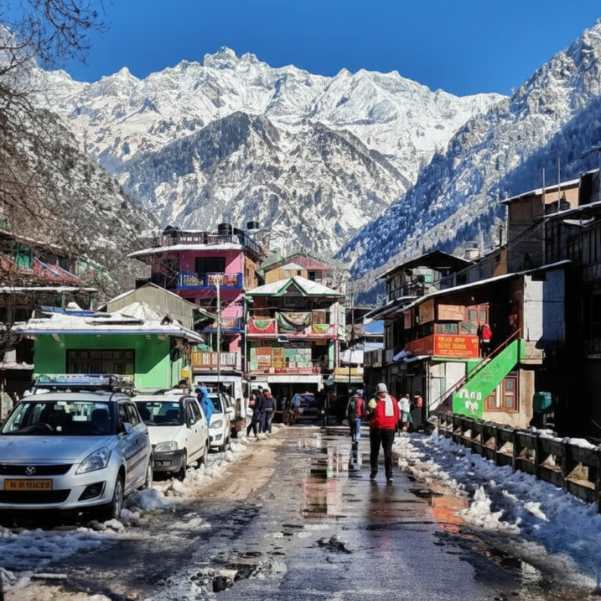
Kasol
About 1.5 km, 30 minutes walk
The Parvati Valley's main backpacker hub, sitting on the other side of the river from Chalal. Cafes, hostels, shops, and the starting point for most Parvati Valley explorations.
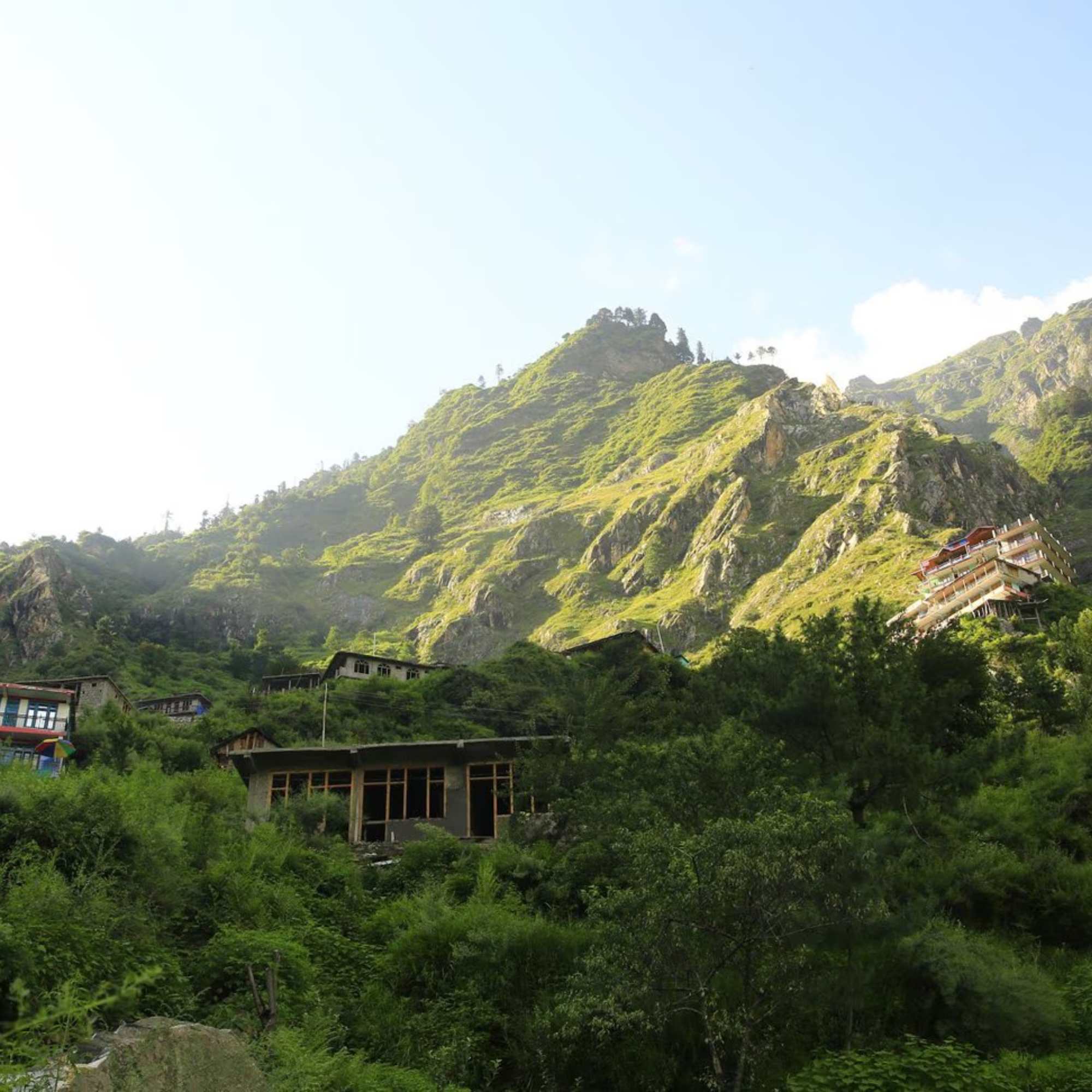
Rasol
About 3 to 4 hours steep trek from Chalal
A small hilltop village at around 3,100 metres with wide views of the Parvati Valley. The trail starts from Chalal and climbs steeply through forest. Most people do it as an overnight trip with a homestay at Rasol.
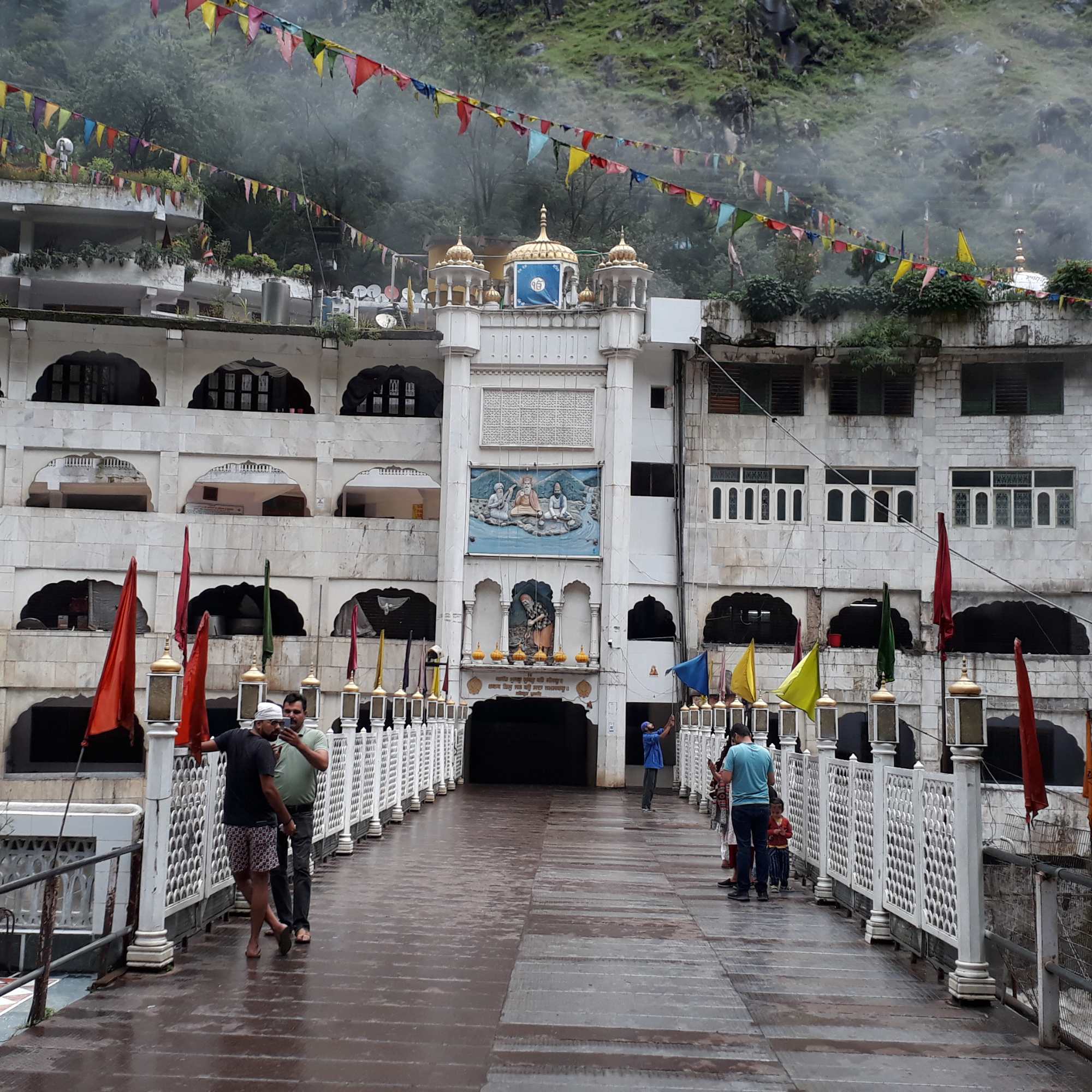
Manikaran Sahib
About 5 km from Kasol (7 km from Chalal)
A major Sikh and Hindu pilgrimage site with natural hot springs and a langar that feeds thousands daily. Accessible by road from Kasol. Worth a visit even if you are not religious.
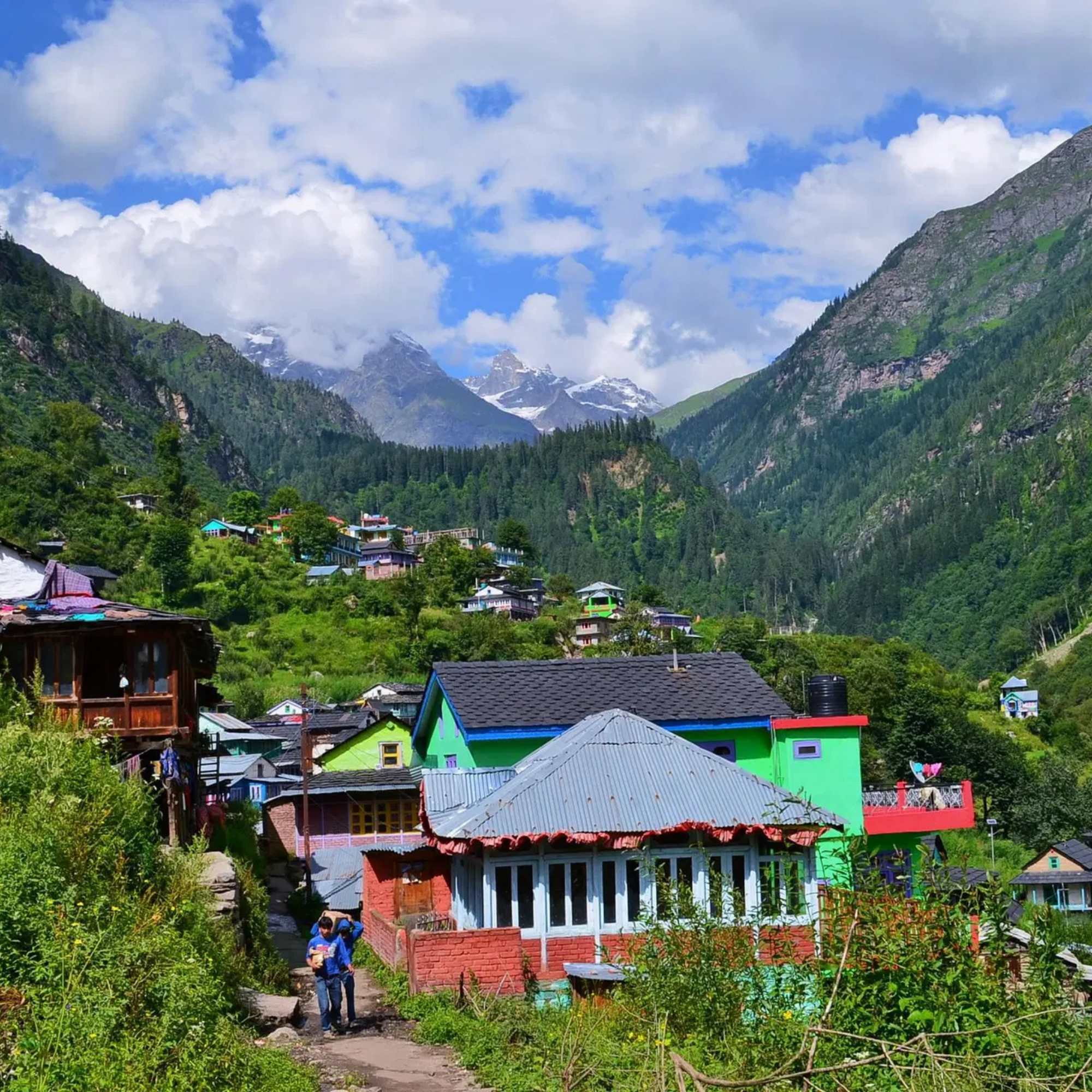
Tosh
About 20 km from Kasol by road, then a short walk
A village higher up in the Parvati Valley with better mountain views and a calmer pace than Kasol. Reachable by road from Kasol via Barshaini. A popular day trip or overnight stop.
Grahan
About 9 km trek from Kasol
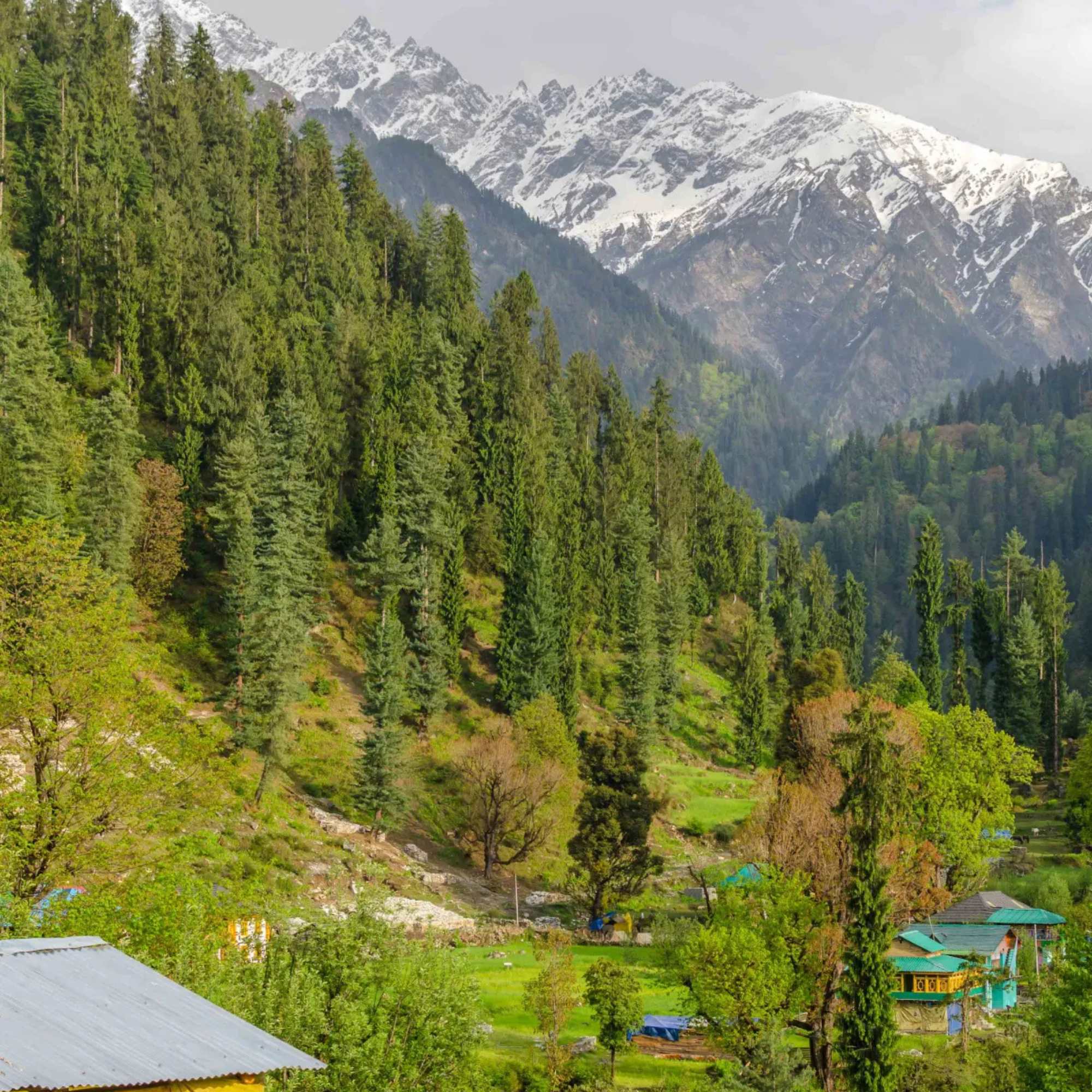
A quiet hilltop village on the Sar Pass trail, about 4 to 5 hours trek from Kasol. More remote and less visited than Chalal, with wide valley views and genuine village life.
Our packages with Chalal Village
Curated trips that include a visit to Chalal Village.
 4D/3N
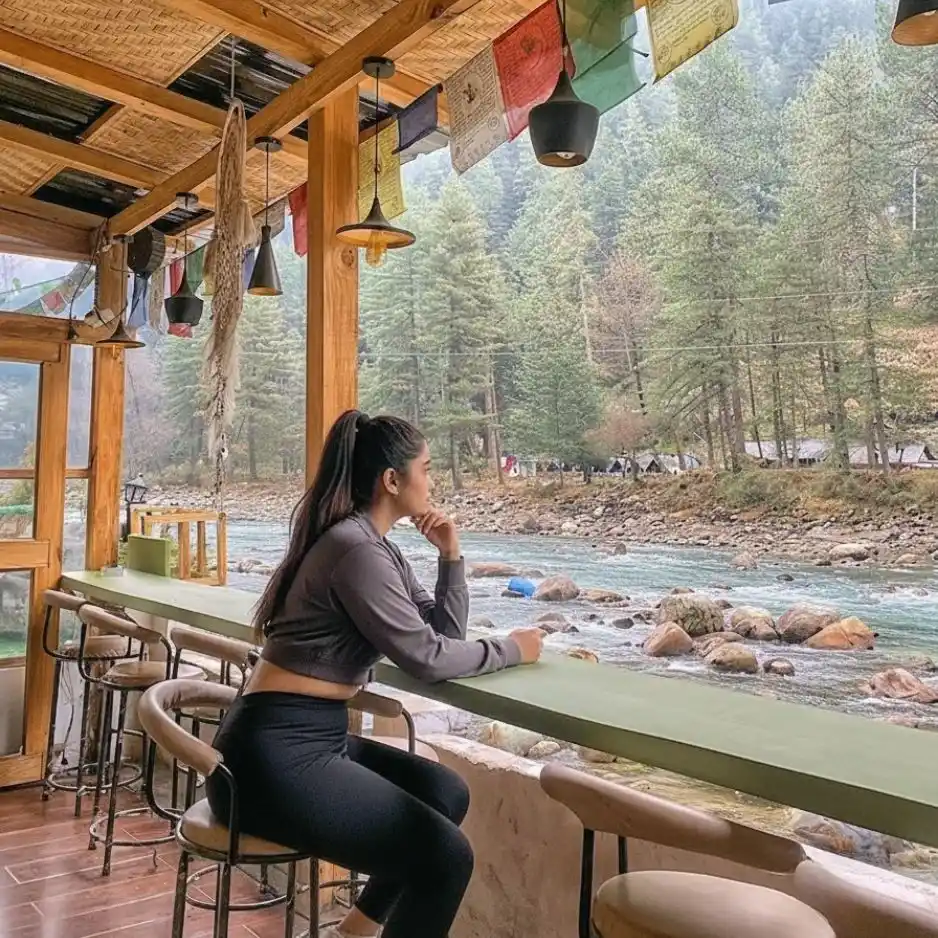
4D/3NPerfect Manikaran Kasol Tosh Weekend Getaway
1D Delhi•2D Kasol+1
₹15,999₹19,999SAVE INR 4,000/ person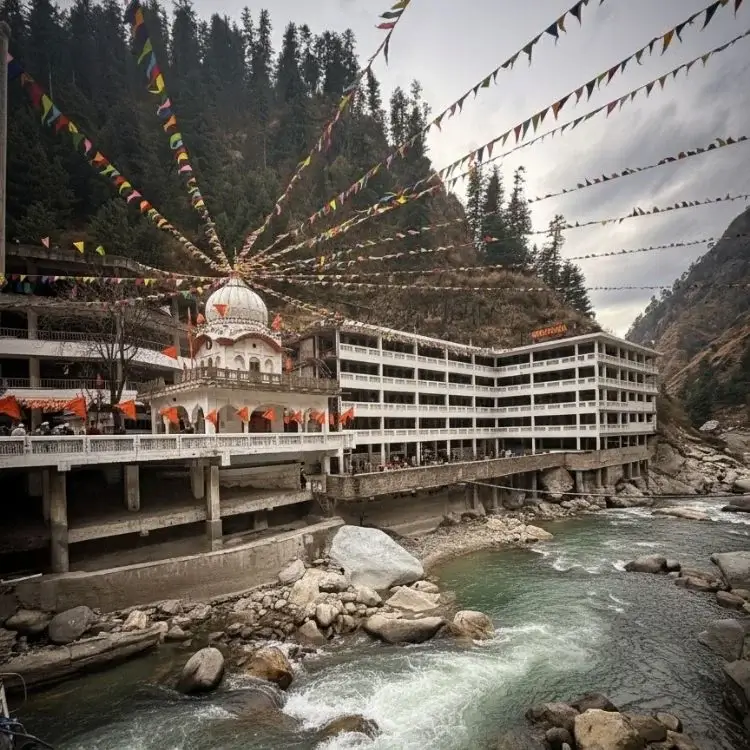 4D/3N
4D/3NWeekend Trip To Manikaran, Kasol & Tosh
1D Delhi •2D Kasol+1
₹9,999₹14,999SAVE INR 5,000/ person
Frequently Asked Questions
What is Chalal Village?
A small village on the opposite bank of the Parvati River from Kasol, about 1.5 km upstream. It is reachable only on foot via a 30 minute riverside trail that starts from the metal bridge near Kasol's main market. The village is known for its cafe culture, relaxed backpacker atmosphere, and as the starting point for the Rasol trek. No vehicles can reach Chalal.
How do I reach Chalal from Kasol?
Walk to the metal bridge near Kasol's main market (everyone knows it). Cross the bridge and follow the riverside trail upstream for about 1.5 km, roughly 25 to 35 minutes. The path is easy, well marked, and passes through pine forest with the Parvati River below. No steep sections. Wear proper shoes, not sandals.
Is there an entry fee?
No. The trail and village are free to access.
Is it safe to trek to Chalal?
Yes. The trail is easy and well trodden. The main hazard is slippery rocks after rain. Carry a torch if walking back after dark, as the trail is not lit. In monsoon, the trail can be muddy and leeches are possible. Stay on the marked path.
Can I stay overnight in Chalal?
Yes. Several guesthouses, homestays, and tented camps operate in the village. Prices generally range from 500 to 1500 rupees per night. In winter and heavy monsoon, many places close. Confirm availability from Kasol before walking over.
What food is available?
Multiple cafes in and around Chalal serve Israeli food (shakshuka, falafel, hummus), Italian, Indian, and Tibetan dishes. Maggi and tea are available everywhere. Prices are standard Parvati Valley cafe rates. You will not go hungry.
Is Chalal good for families?
It depends. The trail is easy enough for most age groups, and a few of the cafes are genuinely pleasant for a family stop. But the overall backpacker and party culture of Chalal means it is not specifically a family destination. For families with teenagers, it works fine. For families with young children or elderly members, the walk itself is fine, but you might prefer to do it as a day trip rather than staying overnight.
What is the best time to visit?
April to June and October to November. October is the single best month. Monsoon (July to September) is doable but the trail gets muddy. Winter (December to February) is cold and many cafes and guesthouses close.
Can I trek to Rasol from Chalal?
Yes. The trail to Rasol starts from Chalal and climbs steeply through forest to a hilltop village at around 3,100 metres. The trek takes about 3 to 4 hours one way. Most people do it as an overnight trip with a homestay at Rasol. Carry water and start early.
Is there mobile network in Chalal?
Patchy. Jio and Airtel work in spots. Most cafes have WiFi. Do not count on a stable connection for calls or video.
Do I need to carry cash?
Yes. There is no ATM in Chalal. The nearest is in Kasol, and even that is not always stocked. Some cafes accept UPI when signal works, but carry enough cash for your planned stay as a backup.
How is Chalal different from Kasol?
Chalal is quieter, slower, and vehicle free. Kasol is a proper town with shops, traffic, and a busy main road. Chalal has the same cafe culture but without the crowds. The 30 minute walk acts as a natural filter. If Kasol feels too commercial or too loud, Chalal is the fix.
Related guides
Posts about Kasol
- Shimla Manali Kasol Itinerary 2026: 7, 8 and 9 Day Routes Without Rushing
- Best Offbeat Places Near Kasol Most Tourists Miss in 2026
- Rasol Village Trek From Kasol 2026: Route, Distance & What to Expect
- Kalga, Pulga & Tulga Villages in 2026: The Offbeat Side of Parvati Valley
- Kheerganga Trek from Kasol 2026: Route, Difficulty, Cost & Best Time
- Snowfall in Kasol 2026: Does It Snow, Best Time & Nearby Snow Places