
Why Is Kasol Called Mini Israel? Food, Culture & Travel Story 2026
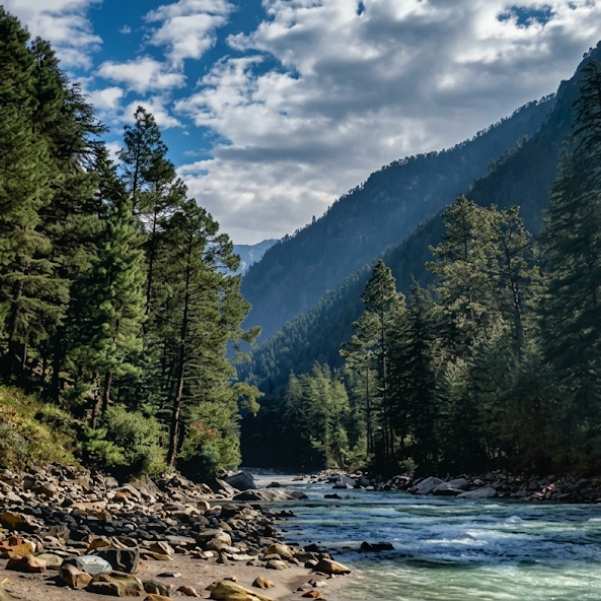
The reason people call Kasol Mini Israel is not some marketing line. It built up over years, one café and one long-staying backpacker at a time, until the menus turned Hebrew and the breakfast plates started looking nothing like what you get in the rest of Himachal.
We have been sending travellers into Parvati Valley for years, and the first question almost everyone asks is some version of this one. So here is the honest story, plus everything you actually need to plan the trip.
Quick Answer: Why is Kasol called Mini Israel?
Kasol is called Mini Israel because so many Israeli backpackers came and stayed here that the village shaped itself around them.
Cafés put up Hebrew signboards and menus, started serving Israeli food like shakshuka and hummus, and a slow riverside backpacker culture grew along the Parvati River.
In 2026 that identity is still very much visible in the food and the signs. But Israeli arrivals have reportedly been quieter this year because of regional conflict and flight disruptions.
So yes, it is still Mini Israel. The crowd just looks a little different right now.
If you want the trip sorted without the planning headache, our Kasol tour packages cover stays, transport and the café-heavy version of this route.
Where is Kasol and why did it become a backpacker hub?
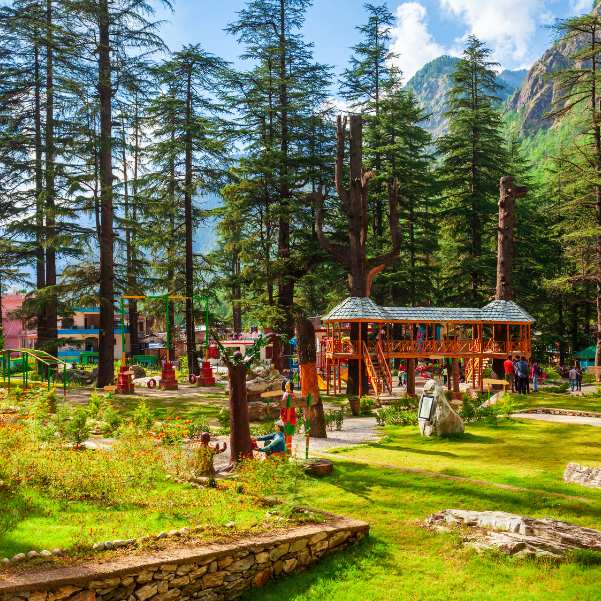
Kasol is a small hamlet in Kullu district, sitting in Parvati Valley right on the banks of the Parvati River. It lies between Bhuntar and Manikaran.
The altitude is roughly 1,580 m (5,180 ft), so it never gets brutally high-altitude cold like Spiti, but the river keeps the air fresh and the nights cool.
Bhuntar is about 31 km away, and that is where most people start the final road stretch into the valley.
What made Kasol a backpacker magnet is simple. Cheap riverside stays, easy access to treks, thick pine forests, and a pace that lets you do nothing all day without feeling guilty.
You wake up late, eat slowly by the river, walk to Chalal, come back for chai, and somehow the whole day is gone. That rhythm is the entire point.
Here is what most tourists get wrong though. They treat Kasol like a checklist stop, rush it in half a day, and leave saying it was overrated. Kasol only works if you slow down. Rush it and you will miss everything that makes it special.
>>Want to experience the slower side of Kasol? Talk to our team on WhatsApp.
Why did Israeli travellers start coming to Kasol?
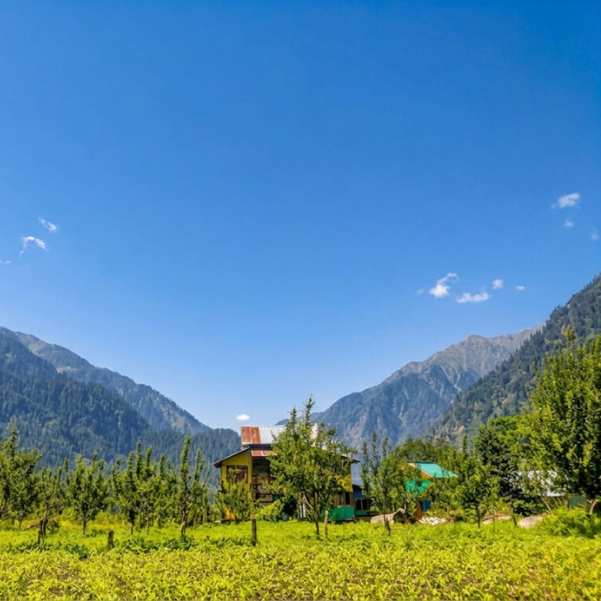
A lot of young Israeli travellers come to India after their mandatory military service. After that intense period, many look for quiet mountains, long affordable stays, and a slower life for a few months.
Kasol gave them all of that. Low costs meant you could stay for weeks. The mountains were calm. And over time the food got familiar too, which matters a lot when you are far from home.
In our experience, the people who stayed longest were the ones who shaped the place. These long-stay travellers supported local cafés, guesthouses, taxi drivers and trek guides, season after season.
That steady connection is what slowly turned a regular Himachali village into something that felt part Israeli. It was not planned. It just grew.
If you are also weighing other Himachal bases for a quiet trip, our Dharamshala and McLeodganj guide covers another spot with a strong traveller culture.
What makes Kasol feel like "Mini Israel"?
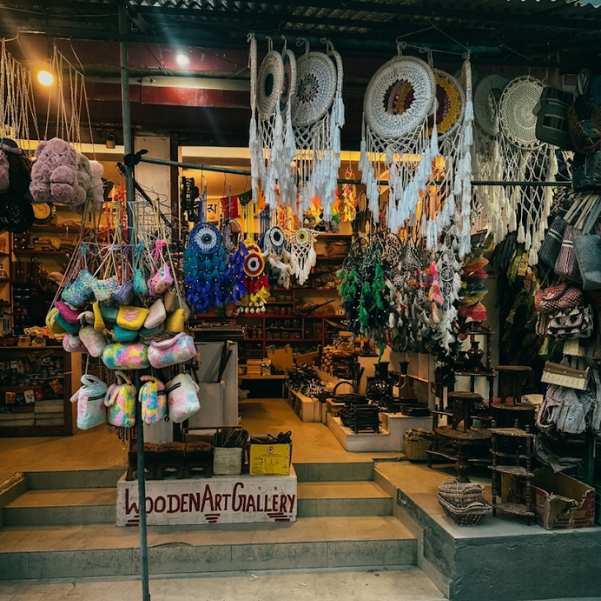
Hebrew signboards and café menus
Walk through Kasol market and you will spot Hebrew script on café boards, menus and small shop signs.
Some cafés play Israeli music, and the staff at a few places know enough Hebrew phrases to make travellers feel at home. That comfort factor is a big part of why people kept coming back.
Israeli-style cafés
The food is where the Mini Israel name really lives. You will find shakshuka, hummus, falafel and pita on menus across town.
These are café breakfasts you sit with for an hour, not quick bites. That is the culture, food as an excuse to stay put and talk.
Long-stay backpacker culture
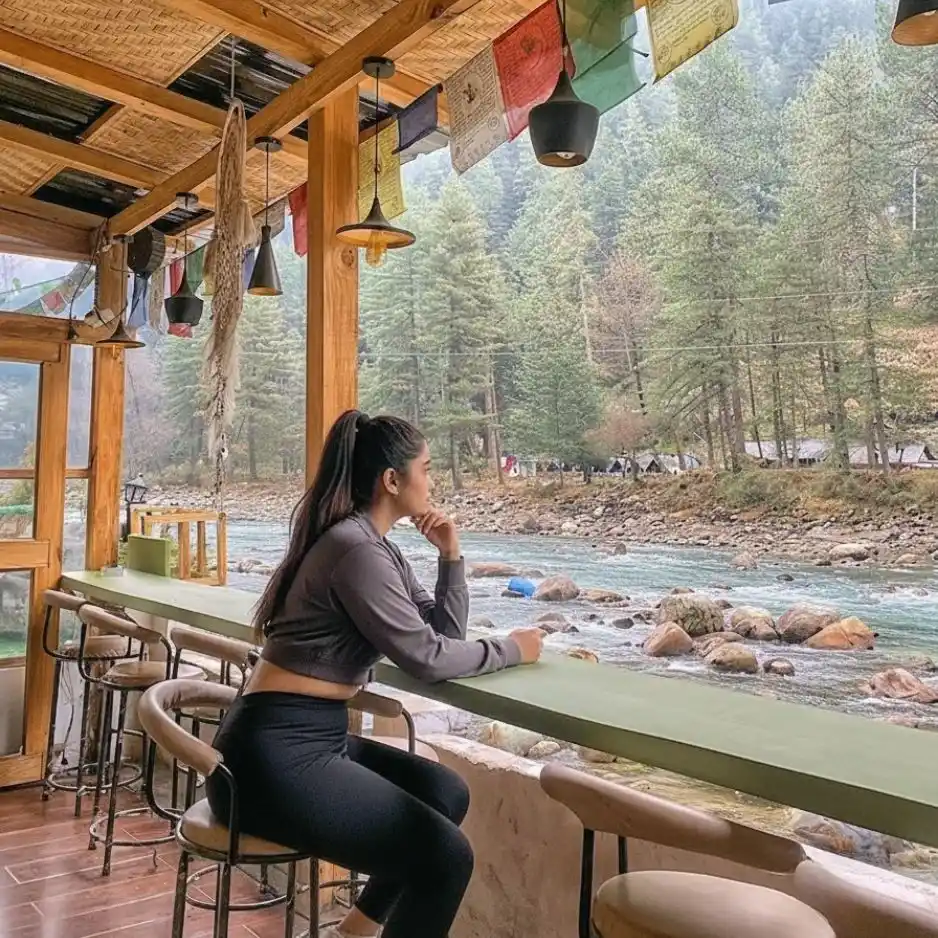
Mornings here start late. People drift into riverside cafés, order coffee, and end up in conversations with travellers from five different countries before lunch.
There is music, there are treks for the afternoon, and there is zero pressure to be anywhere. This slow, mixed, easy-going vibe is the real heart of Kasol.
What Israeli food should you try in Kasol?
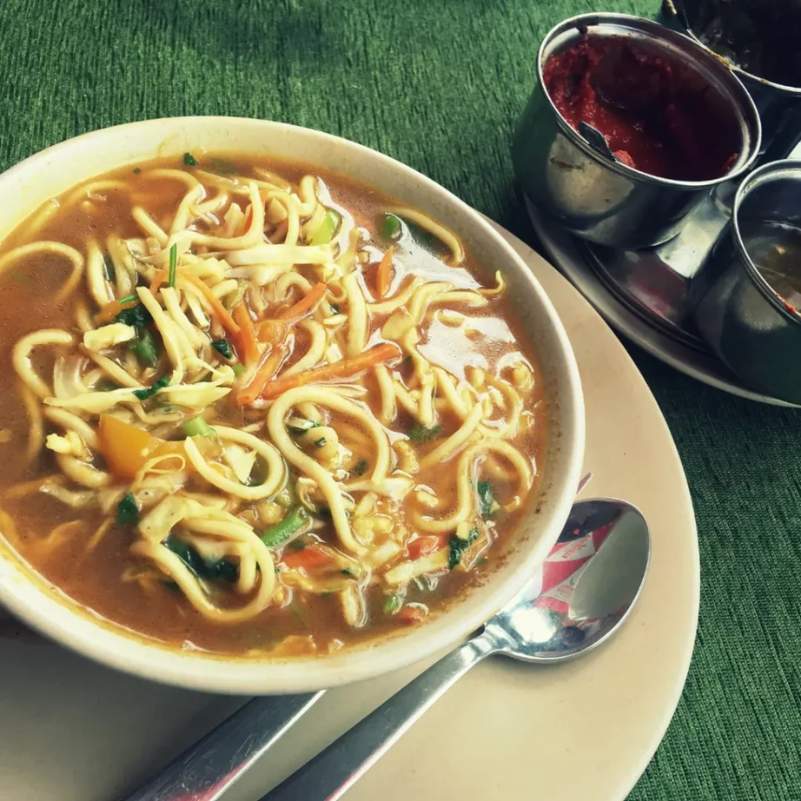
Shakshuka
Shakshuka is one of the most popular Israeli-style café breakfasts in Kasol. Eggs cooked in a spiced tomato base, usually eaten with bread.
It is warm, filling and perfect for a cool Parvati morning. Order it slow, with coffee, and you have your whole morning sorted.
Hummus with pita and falafel
If you have never tried Israeli food before, this is the easiest first order. Hummus with pita and a side of falafel is light, tasty and very shareable.
Our team always tells first-timers to start here. It is hard to go wrong with this combination.
Israeli platter
Some cafés serve a mixed Israeli platter that brings a few of these items together on one plate. Exact inclusions change from café to café, so just ask before ordering.
Bakery food and mountain comfort food
Beyond the Israeli stuff, Kasol cafés are full of comfort food. Pancakes, brownies, pizza, pasta, Maggi, coffee and hot chocolate are everywhere.
A relaxed café visit usually runs ₹300 to ₹800 per person, while a simple meal can be closer to ₹200 to ₹400. Prices change by café and season, so treat these as a guide, not a fixed rate.
Here is a money tip most blogs skip. The bakery items and simple café breakfasts give you the same riverside experience at half the price of the big multi-course platters. You are paying for the spot and the view, not always the fancy plate.
You can build a food-first Kasol trip around exactly this with our Kasol package page.
Which cafés in Kasol are known for this vibe?
A few names come up again and again in café lists and traveller chatter. Moon Dance Café, Evergreen Café, Jim Morrison Café, Bhoj Café and Freedom Café are the ones you will see most often.
We will not crown any single one as the best, because honestly it changes with seasons, staff and your own mood. They are all traveller-popular for good reason.
One honest warning
Café service here can be slow during busy hours. Really slow. If you walk in starving at peak lunch with a flight-to-catch attitude, you will be frustrated.
So do not plan around city-style speed. Order, settle in, enjoy the river. The slowness is part of the deal, not a bug.
Is Kasol still Mini Israel in 2026?
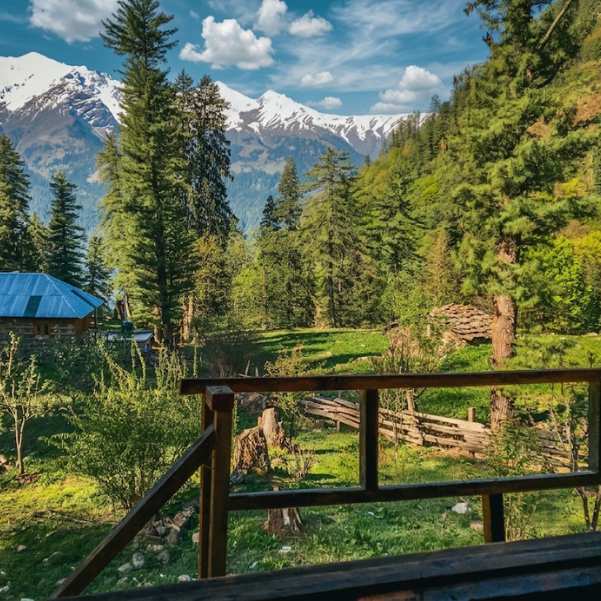
Yes, the food, the menus and the nickname are all still here. Walk the market and the Hebrew signs are right where they have always been.
But 2026 reports say Israeli arrivals have been quieter this year, mostly because of regional conflict and flight disruptions.
One 2026 report estimated Kasol gets around 10,000 Israeli visitors in a normal year, and the season timing itself is reported differently across sources.
The culture remains, but the crowd pattern can change from season to season.
So do not arrive expecting the place to be packed with Israeli backpackers like older travel stories describe. The Mini Israel character lives in the cafés and the food now, more than in the headcount.
What should Indian travellers know before visiting Kasol?
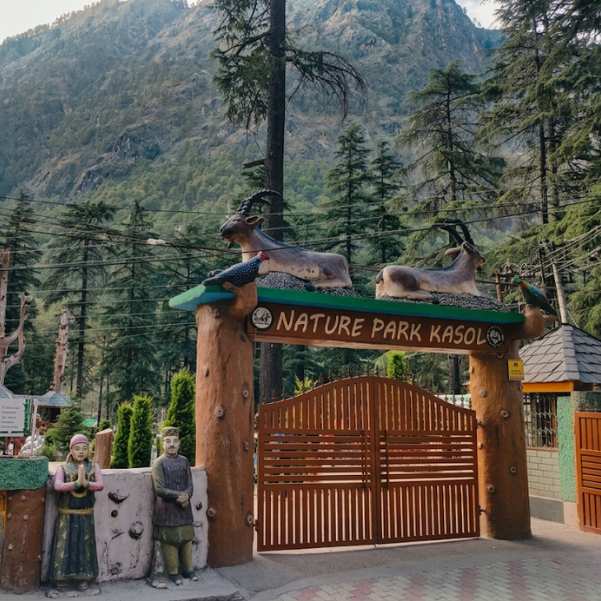
Kasol is a real village with real Himachali families living their normal lives. Respect that. It is not just a party backdrop, even though some visitors treat it that way.
The Parvati River looks calm in places but it is dangerous. People have died getting too close for photos. Stay back from the fast-moving sections.
Carry cash. Mobile networks get weak in pockets of the valley, and upper villages can be worse. Do not assume UPI works everywhere.
Check road status carefully in monsoon or after snow, and always keep buffer time. A single landslide can change your day.
Speaking of which, a February 2026 landslide hit the Manikaran-Barshaini link road at Ghatigarh. So Tosh, Barshaini and Kheerganga side trips need live verification before you commit to them.
If you are still deciding between valleys, our Jibhi or Kasol comparison breaks down which one fits your kind of trip.
How to plan a 2 to 3 day Kasol trip around food and culture?
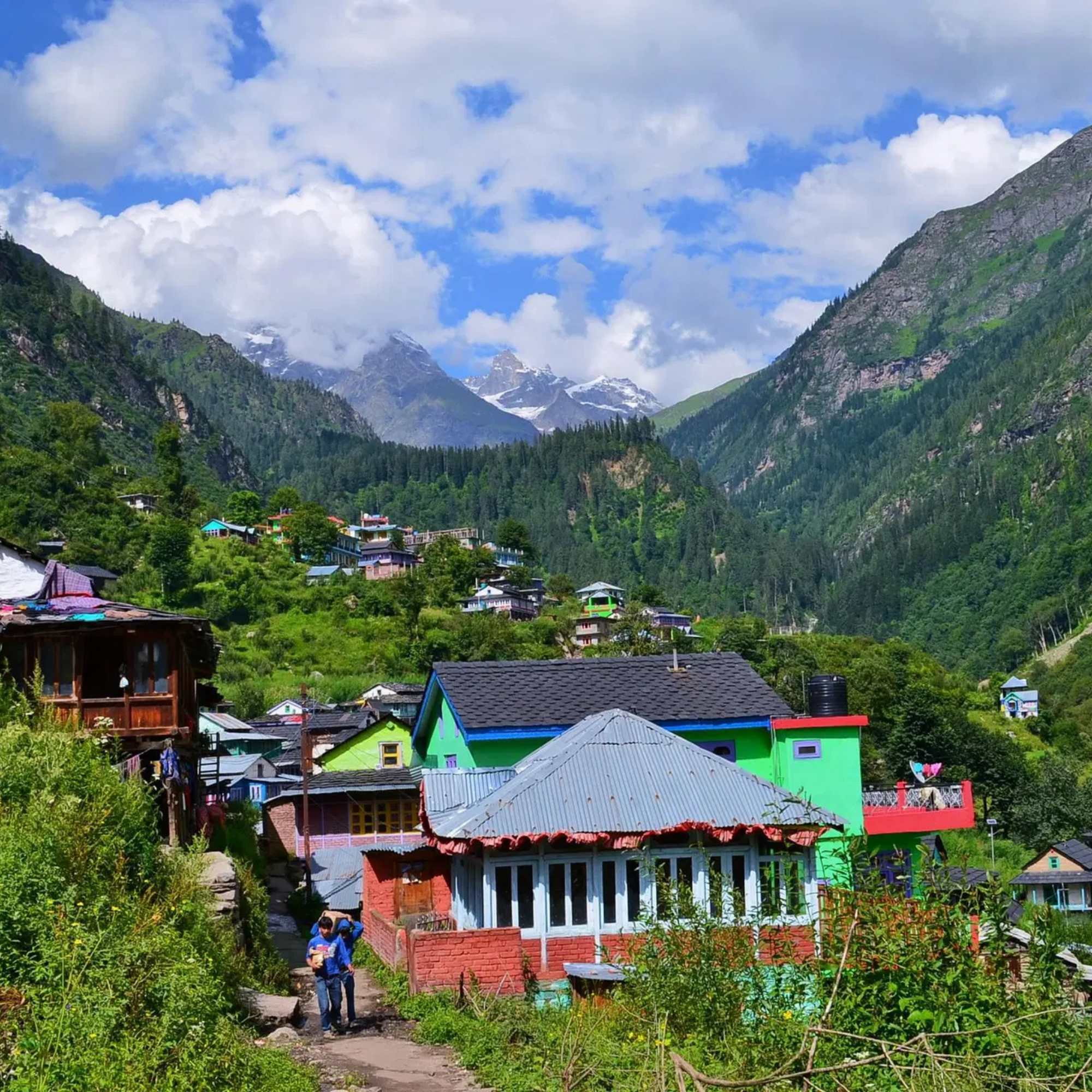
Day 1: Arrive, riverside walk, Kasol market cafés
Keep day one easy. Reach, drop your bags, and just walk along the river to shake off the journey.
Spend the evening in the market trying a café or two. No agenda. Let the place settle into you first.
Day 2: Chalal walk, café hopping, Manikaran Sahib
Start with the short Chalal walk, a gentle forest trail that most people enjoy. Come back, hop between a couple of cafés, and try the Israeli food properly.
In the afternoon, head to Manikaran, about 4 km from Kasol. The hot springs and the gurudwara give it a strong spiritual feel. We are not listing darshan timings here, so check locally on the day.
Day 3: Tosh or Barshaini side if road is clear
If the road is open, the Tosh or Barshaini side makes a great third day. But confirm road status first, because this stretch gets hit by landslides.
Do not assume Kheerganga is accessible year-round. It is not. Check before you build your whole day around it.
What is the best time to experience Kasol's café culture?
The best windows for comfortable travel and full café energy are March to June and October to November. Pleasant days, working roads, lively cafés.
July to September is monsoon, and that brings real landslide risk in this valley. Roads can shut without warning.
Winter is colder and much quieter, and upper villages get hard to reach after snow. The cafés that stay open feel cosy, but your options shrink.
Here is a timing tip we always share. The cafés feel completely different at breakfast versus a packed weekend afternoon. Come for a slow weekday morning by the river and you will understand the appeal far better than on a crowded Saturday.
If you are pairing Kasol with a bigger Himachal loop, our Manali tour packages connect well with this region.
How much does a Kasol trip cost in 2026?
Café spend usually runs ₹300 to ₹800 per person, and a simple meal around ₹200 to ₹400.
For stays, a hostel dorm is roughly ₹400 to ₹700 per night, a budget guesthouse about ₹1,000 to ₹2,000, and a riverside camp around ₹1,500 to ₹2,500.
A weekend trip from Delhi works out to about ₹4,200 to ₹6,700 on a budget and ₹9,800 to ₹16,500 mid-range.
All of these are estimates. Prices move with season and demand, so always check before booking.
How to reach Kasol in 2026?
Most travellers reach Kasol by road via Bhuntar, which sits about 31 km away. The nearest airport is Kullu-Manali Airport at Bhuntar.
The nearest railway station is Joginder Nagar, about 144 km away, which is far enough that most people skip the train route entirely.
For buses, HRTC allows online advance booking up to 60 days ahead, which is worth using in peak season.
Distances depend on your source. Delhi to Kasol shows as 529 km on RedBus and 517 km in another 2026 guide, so check a live map. The Delhi bus fare on RedBus ranges from ₹598 to ₹5,250.
Chandigarh to Kasol also varies by source, with RedBus showing 285 km, and a bus fare of about ₹500 to ₹5,000.
Responsible travel: How to enjoy Kasol without damaging it?
This part matters, so read it properly. Kasol has had real waste management problems. A 2026 report said HP PCB fined the local body or contractor ₹4.8 lakh over improper waste disposal near Kasol/Grahan.
That fine tells you the scale of the problem. The valley is getting buried under tourist trash.
So carry your waste back with you. Avoid plastic where you can. Do not leave bottles and wrappers on trails or riverbanks.
Keep your noise down near homes, respect the riverbanks, and pick operators who actually care about the place. Small choices add up here.
Final verdict: Is Kasol worth visiting for the Mini Israel experience?
Yes, but for the right reasons. Come for the food, the slow cafés, the riverside walks, the Himachali warmth and the Parvati Valley rhythm.
If you come only chasing a nickname or expecting a wild party scene, you might leave disappointed. The magic here is calm, not loud.
The best version pairs Kasol with Manikaran, Tosh, Jibhi or Manali in one relaxed loop. We are happy to build that around your dates and pace.
If you want a taste of the active side of the region too, our adventure activities in Manali guide adds another layer to the trip.
Explore Our Curated Kasol Tour Packages
 4D/3N
4D/3NPerfect Manikaran Kasol Tosh Weekend Getaway
1D Delhi•2D Kasol+1
₹15,999₹19,999SAVE ₹4,000/ person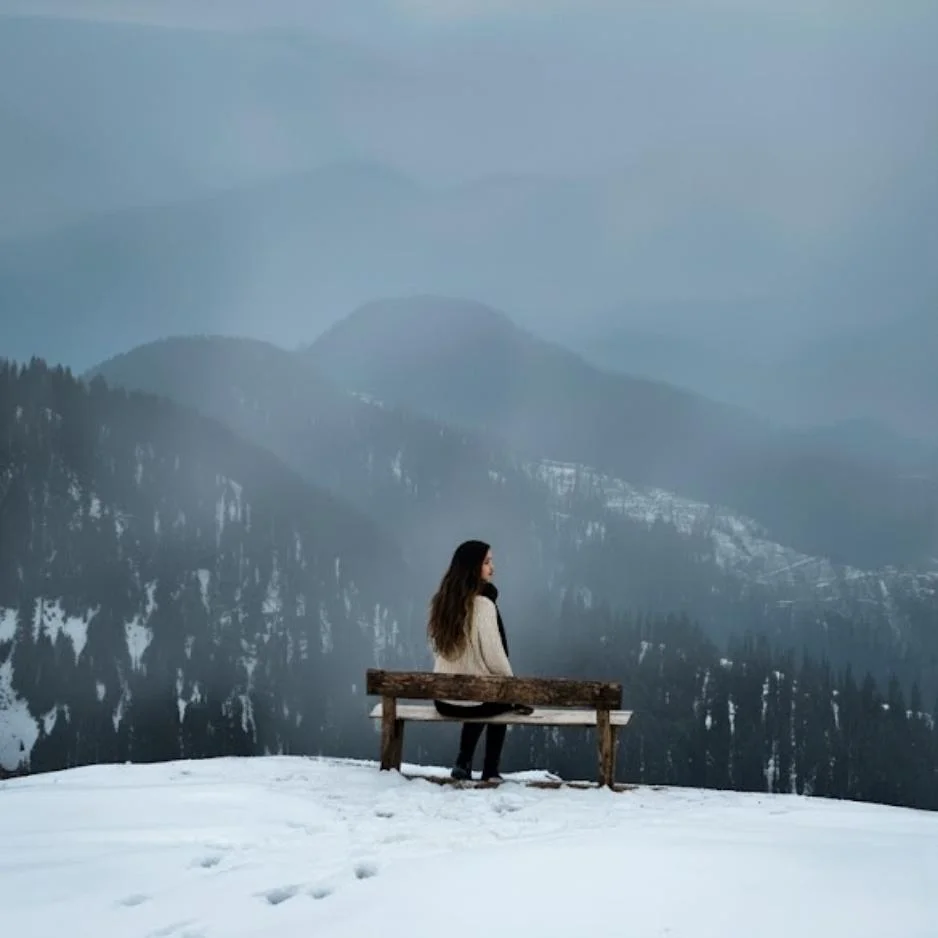 7D/6N
7D/6NManali Kasol Jibhi Valley Trip
1D Delhi•2D Manali+3
₹25,799₹32,999SAVE ₹7,200/ person 8D/7N
8D/7NManali Kasol Bir Himalayan Explorer
1D Delhi•2D Bir+3
₹21,999₹27,999SAVE ₹6,000/ person
Related topics
Frequently Asked Questions
Why is Kasol called Mini Israel?
Because of its long history with Israeli backpackers, Hebrew menus and signboards, and Israeli café food like shakshuka and hummus. The whole village culture grew around it.
Is Kasol still called Mini Israel in 2026?
Yes. The nickname, the food and the Hebrew signs are still very much there. The Israeli crowd has just been quieter this year.
Are there many Israelis in Kasol now?
Fewer than in past years. Reports in 2026 point to quieter arrivals due to regional conflict and flight disruptions. Exact numbers are hard to confirm.
Why do Israelis visit Kasol after military service?
Many come looking for quiet mountains, long affordable stays and a slower lifestyle after their mandatory service. Kasol offered all of that for cheap.
What Israeli food should I try in Kasol?
Start with shakshuka for breakfast, and hummus with pita and falafel for an easy first taste. They are on most café menus.
Which cafés in Kasol serve Israeli food?
Names that come up often include Moon Dance Café, Evergreen Café, Jim Morrison Café, Bhoj Café and Freedom Café. Service can be slow at busy hours.
Are there Hebrew menus in Kasol?
Yes. You will see Hebrew on café boards, menus and shop signs across the market. It is a big part of the Mini Israel feel.
Is Kasol safe for solo travellers?
Generally yes, with normal caution. Stay away from the fast river, watch your spending around peak crowds, and keep someone informed of your plans.
Is Kasol safe for families?
Yes, families enjoy Kasol, especially the easy riverside areas and Manikaran. Just keep kids well away from the river edge.
What is the best time to visit Kasol?
March to June and October to November are best for comfortable travel and full café energy. July to September brings monsoon and landslide risk.
How many days are enough for Kasol?
Two to three days is the sweet spot. Day one to settle in, day two for Chalal and Manikaran, and an optional third day for the Tosh side if roads are clear.
Do I need a permit to visit Kasol?
No permit is generally reported for a normal Kasol weekend trip. For specific treks or special routes, confirm current rules before you go.
More about Kasol
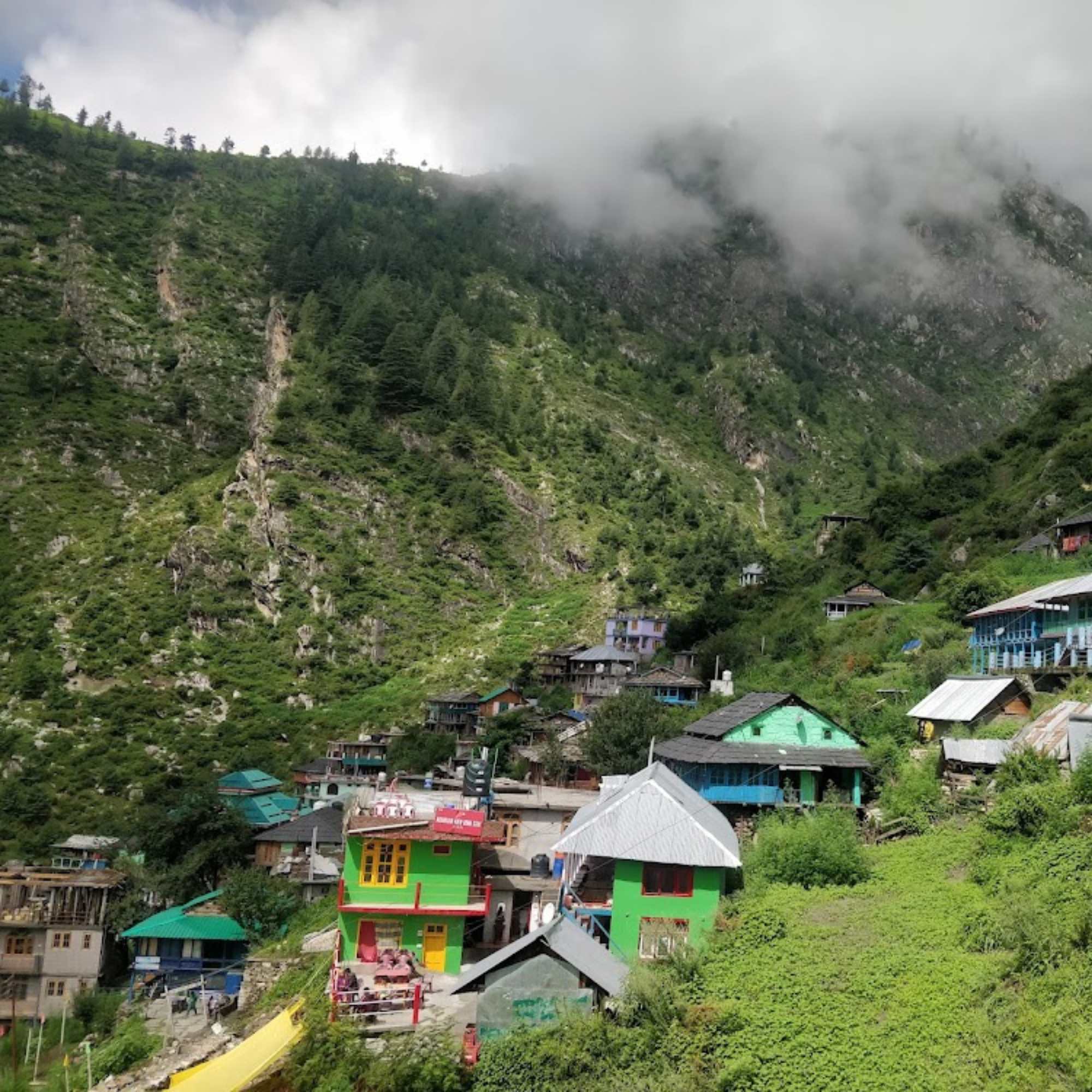 Kasol
KasolBest Offbeat Places Near Kasol Most Tourists Miss in 2026
Escape the crowds and discover the hidden side of Kasol in 2026. From peaceful villages and untouched valleys to scenic trails and secret viewpoints, these offbeat places near Kasol offer authentic Himalayan experiences that most tourists completely miss.
- Places to Visit
- Things to Do
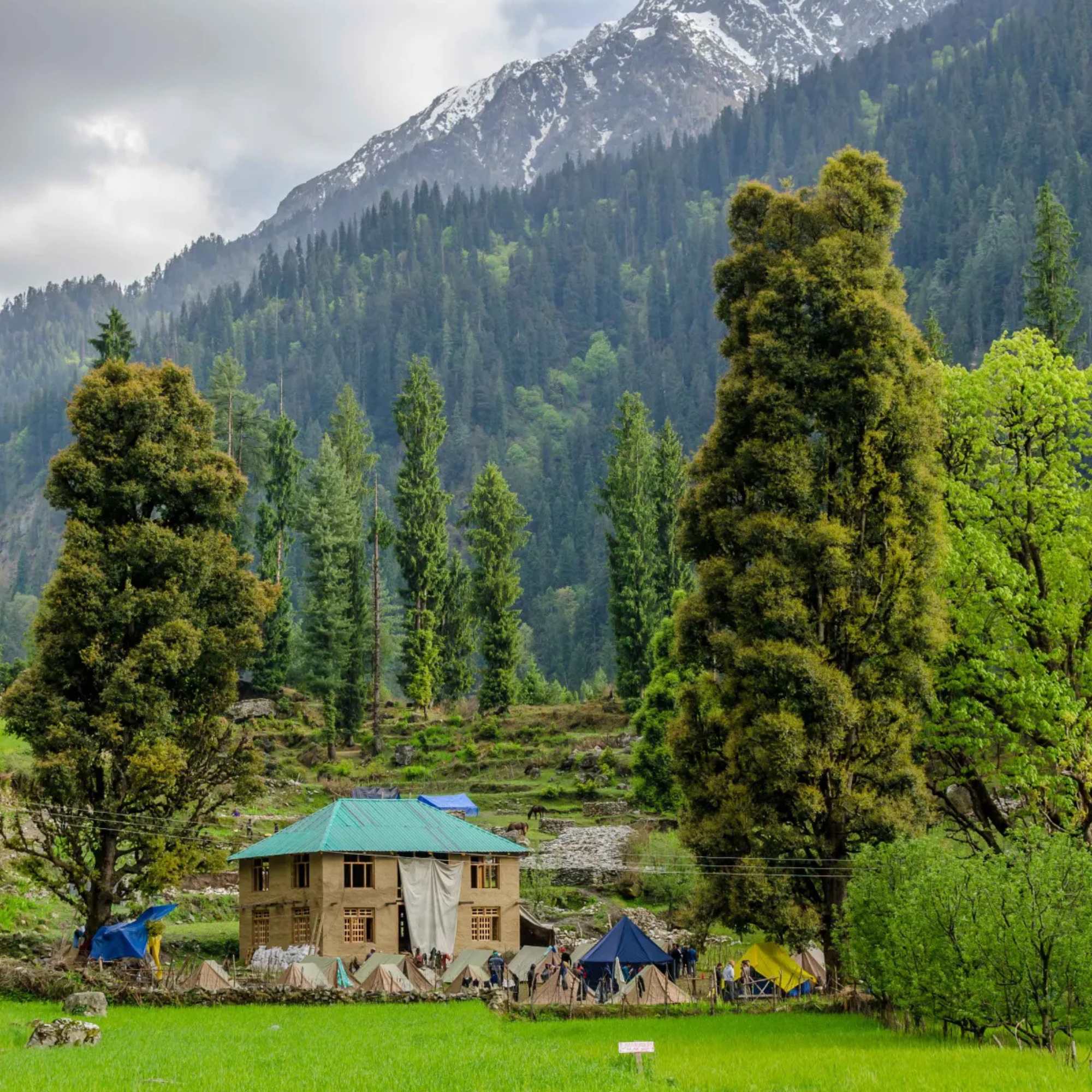 Kasol
KasolRasol Village Trek From Kasol 2026: Route, Distance & What to Expect
Planning the Rasol Village Trek from Kasol in 2026? Explore the complete trekking route, distance, difficulty level, stay options, and essential travel tips to experience one of Parvati Valley’s most peaceful and offbeat Himalayan villages.
- Things to Do
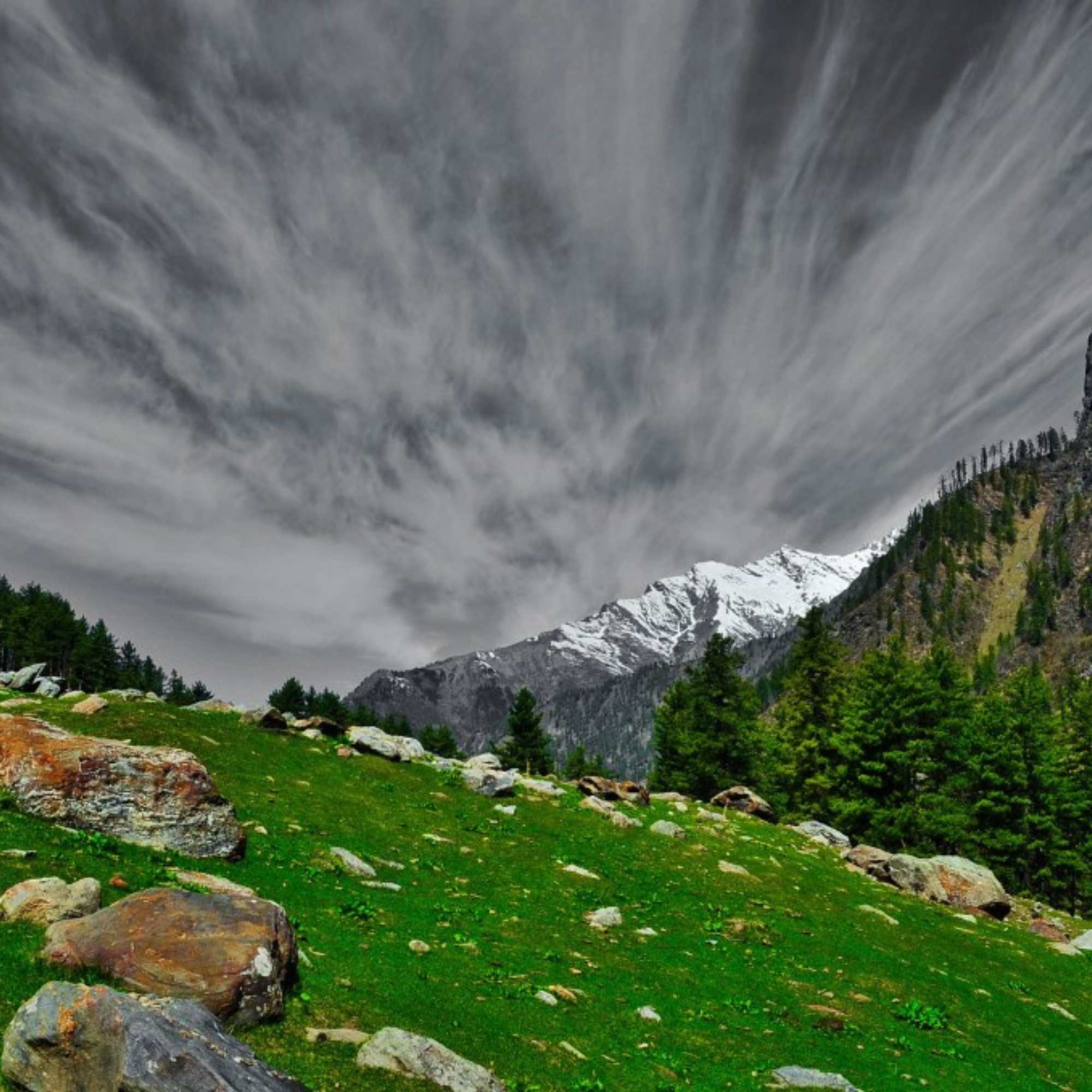 Kasol
KasolKalga, Pulga & Tulga Villages in 2026: The Offbeat Side of Parvati Valley
A Himachal Pradesh travel expert or experienced Parvati Valley trek guide with firsthand knowledge of Kalga, Pulga, and Tulga. The content should provide practical insights on trekking routes, homestays, local culture, seasonal travel, and hidden attractions, helping readers plan an authentic offbeat Himalayan experience with confidence.
- Places to Visit