
Spiti Valley in May 2026: Weather, Road Status, Snow, Routes and Honest Travel Tips

Yes, you can visit Spiti Valley in May. But here is the honest version: your experience will depend heavily on whether you are going in the first week or the last, which route you pick, and how flexible your expectations are.
Is May a good time to visit Spiti Valley? Yes, if you want fewer crowds, cold desert landscapes, snow views on higher peaks, and a quieter experience. But it is not the easiest month. The safest route is usually via Shimla and Kinnaur. The Manali-Kaza route and Chandratal are not guaranteed in May. May sits right at the edge of Spiti's travel season. Snow is still melting on higher passes. Some stretches of road are freshly cleared.
A few key spots, Chandratal included, may or may not be accessible depending on the year. That does not mean May is a bad time. It means you need to plan smarter than someone going in July.
This guide is built for people who want practical, honest planning help for a Spiti Valley trip, not just pretty photos and vague promises. We will walk through weather, road conditions, route choices, snow expectations, itinerary options, and the real differences between early May and late May.
If you are the kind of traveller who likes a bit of rawness in your trips, fewer crowds, and snow-capped landscapes that still look wild and untouched, May might be exactly your month. Let us get into the details.
Latest Update: Spiti Valley in May 2026
Last checked: 25 May 2026
As of late May 2026, the full Shimla-Kinnaur-Kaza route is open. All key stretches from Shimla to Narkanda, Kalpa, Chitkul, Nako, and Kaza are confirmed operational. Pin Valley (Mud) is also accessible.
Update: BRO has reopened the Gramphu-Kaza-Sumdo highway via Kunzum Pass for light 4x4 vehicles after more than six months of winter closure. This is a restricted opening, not a normal tourist-friendly opening. The official Lahaul-Spiti district road status page still shows Keylong to Kaza as closed with an older update date, so treat this as a source conflict and verify before travelling.
Normal cars, sedans, and first-time drivers should not treat this as a green signal. The Gramphu-Batal stretch remains rough with possible water crossings, slush, and broken patches. Same-day local verification is required before attempting this route. For the full Manali-side breakdown, read our dedicated Manali to Kaza road status guide.
Chandratal should still be treated as closed unless a same-day local update confirms the Batal diversion road is clear and camps are running. For lake-specific updates, check our Chandratal road status guide.
Travel Coffee advice: If you are travelling in the last week of May, the Shimla-Kinnaur-Kaza route remains the safest default. The Manali exit is now possible for 4x4 vehicles after same-day confirmation. If you have a capable vehicle and flexible plans, a full circuit may work. If you are in a sedan or travelling with family, stick to the Shimla side. For live road conditions, check the Spiti Valley road status hub or message us on WhatsApp.
Is Spiti Valley Worth Visiting in May?
Short answer: yes, especially if you are okay with a few trade-offs.
Spiti in May is quieter, colder, and more dramatic than peak summer months. Villages like Kaza, Tabo, Nako, and Kalpa are accessible from the Shimla side for most of the month. The landscapes carry a raw, almost untouched quality. Snow still sits on the mountains. Rivers are starting to swell. The valley has a stillness that it loses once June and July bring tourist traffic.
The trade-offs?
The Manali side is often not fully open until mid or late May. Chandratal Lake access is uncertain. Night temperatures still drop well below freezing in higher areas. Some homestays and cafes in remote villages are still getting ready for the season.
For couples looking for a quieter, more intimate trip, May works beautifully. For families with young children, late May is safer and more comfortable. For first-time Spiti travellers who want reliability, the Shimla-Kinnaur side is the smarter entry.
Spiti Valley Weather in May
The weather in Spiti Valley during May is a study in contrasts. Days are mostly clear and sunny, with blue skies that look almost unreal at that altitude. But mornings and nights are genuinely cold, especially in the first half of the month.
Early May (1st to 10th)
Cold mornings with sub-zero or near-sub-zero nights in higher areas. Windy afternoons, especially on open plateaus around Kaza and Chicham. Possible fresh snow or rain showers on higher passes and villages. Daytime temperatures around 8 to 15 degrees Celsius depending on altitude. Nighttime can drop to minus 5 to 2 degrees Celsius in higher villages like Kibber, Langza, and Hikkim.
Mid May (11th to 20th)
Slightly better daytime comfort with temperatures reaching 12 to 18 degrees Celsius in the sun. Nights remain cold, especially above 3,500 metres. High-altitude villages can still feel harsh after sunset. Snow is receding but still visible on peaks and higher passes.
Late May (21st to 31st)
The best window within May. Daytime temperatures in Kaza can reach 15 to 20 degrees Celsius. Nights warm up slightly to around 0 to 5 degrees Celsius in most places. But late May is still colder and less predictable than June. Do not assume it will feel like summer.
Precipitation: May is generally a dry month in Spiti, sitting in a rain shadow. But early in the month, you might encounter the tail end of spring snowfall on higher passes, particularly Kunzum La and Rohtang.
Wind: Afternoons in Spiti can get windy, especially in open areas like the Kaza plateau and around Chicham. Carry a good windproof layer.
The key thing to understand about Spiti Valley temperature in May is that elevation matters more than the calendar date. A day in Kalpa at 2,900 metres feels very different from a day in Hikkim at 4,400 metres.
Early May vs Late May in Spiti
This is where most generic guides fail people. They say "visit Spiti in May" without explaining that the first week and the last week of May are practically different trips.
Early May (1st to 15th)
The Shimla to Kaza route via Kinnaur is usually open, though occasional landslides can cause temporary delays near Rampur, Tapri, or Khab.
Snow is still heavy on higher stretches. The Manali to Kaza route is frequently closed or only partially cleared. Kunzum Pass is often still blocked. Chandratal is almost certainly inaccessible.
The upside? The valley looks stunning. Snow-covered peaks, barely any tourists, a genuine feeling of remoteness.
Late May (16th to 31st)
By the second half of May, conditions improve noticeably. The Shimla side is reliably open. The Manali side often opens up, though this depends on the year and snowfall patterns.
BRO and GREF teams work on clearing Rohtang and Kunzum, but exact opening dates shift from year to year.
Late May also brings warmer days, more open homestays and eateries, and a better chance of reaching Chandratal if the road from the Kunzum side gets cleared.
If you are deciding between early and late May, the honest advice is this: go late May unless you specifically want the rawness and solitude of a barely-open valley.
Explore Our Curated Chandratal and Spiti Valley Packages
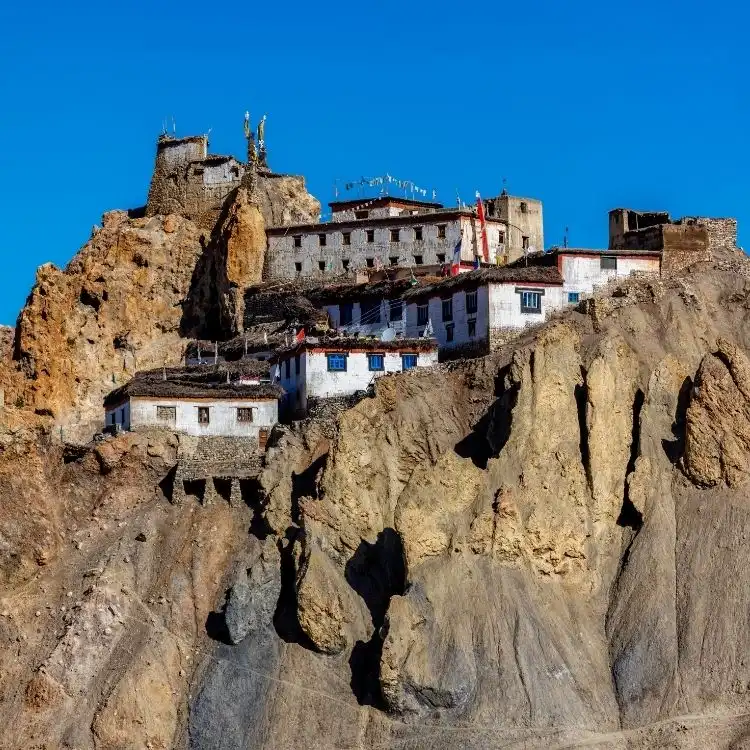 Group Tour10D/9N
Full Spiti Valley Circuit With Chandratal
1D Narkanda•1D Sangla+5
₹29,999₹32,999SAVE INR 3,000/ person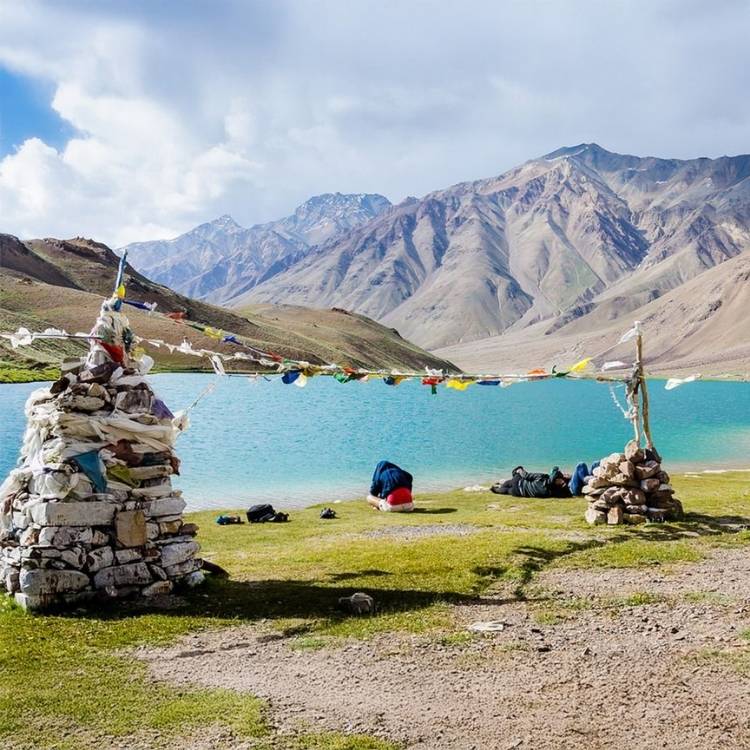 10D/9N
Summer Spiti Circuit With Chandratal
1D Narkanda•1D Sangla+5
₹29,999₹38,999SAVE INR 9,000/ person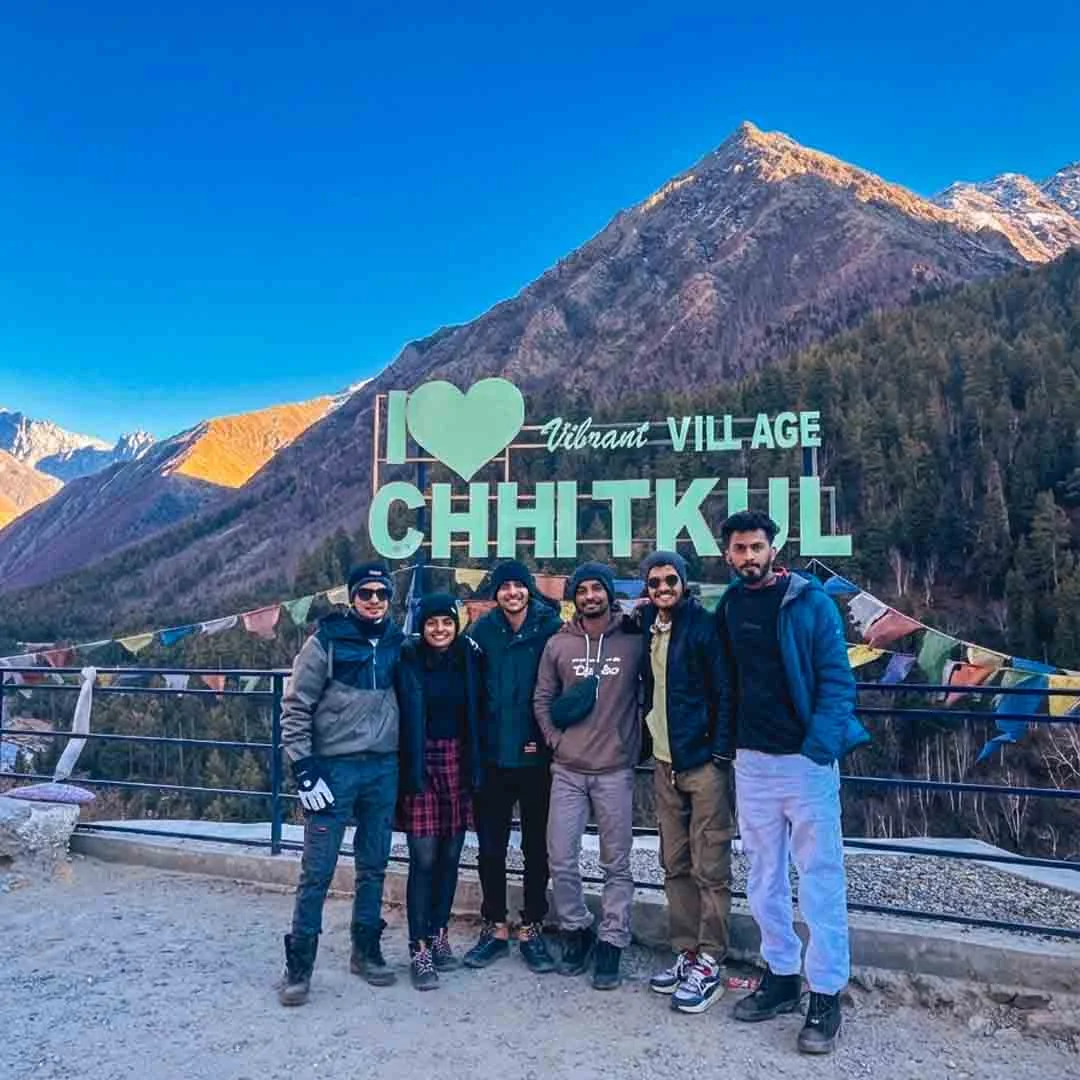 Group Tour9D/8N
Best Selling Winter Spiti Valley Group Tour
2D Sangla•1D Tabo+2
₹18,999₹23,999SAVE INR 5,000/ person
May 2026 Reality Check: What Is Accessible and What Is Not
Before planning your stops, it helps to understand what is usually practical, what is conditional, and what should not be promised in early May.
What is usually practical throughout May
Shimla, Narkanda, Rampur, Reckong Peo, Kalpa, Sangla Valley (detour from Shimla route), Nako, Tabo, Dhankar, Kaza, Key Monastery, Kibber, Chicham, Langza, Hikkim, Komic, and Pin Valley if local road conditions allow.
What is conditional in May
Losar (road from Kaza side usually opens but verify), Kunzum Pass area, Gramphu-Batal stretch, Manali exit via Kunzum, Chandratal diversion from Batal, and the full circuit route (Shimla in, Manali out).
What should not be promised in early May
Chandratal camping, a full Spiti circuit via Manali, Manali to Kaza bike trip, sedan self-drive over Kunzum, or a fixed return through Manali without a backup plan.
Road Status Reality in May
This is the section that actually matters for trip planning, so let us be clear and careful here.
Shimla to Spiti in May
The Shimla to Kaza route via NH-5 and NH-505 through Kinnaur is the more reliable way into Spiti in May. This route passes through Narkanda, Rampur, Sangla (optional detour), Kalpa, Nako, Tabo, and finally Kaza.
For most of May, this route is drivable. The road is paved for large stretches, though some sections between Reckong Peo and Kaza are rough.
Occasional landslides, especially near the Khab Sangam area, can block traffic for hours. That is normal for this part of Himachal; it does not mean the route is dangerous, but you should always keep a buffer day in your itinerary.
If you are a first-timer or travelling with family, the Shimla side is your best bet in May. It acclimatises you more gradually, the elevation gain is slower, and the road network is better maintained early in the season.
Can You Travel from Manali to Kaza in May 2026?
The Manali to Kaza route via Rohtang Pass and Kunzum Pass is the higher, snowier, more dramatic route and it has historically been the more unpredictable one in May.
The route goes: Manali to Atal Tunnel to Khoksar to Gramphu to Chhatru to Batal to Kunzum Pass to Losar to Kaza. The Atal Tunnel helps access Lahaul year-round, but it does not automatically mean the Manali-Kaza highway is open. The bottleneck is the Gramphu-Batal-Kunzum-Losar stretch, which depends entirely on BRO snow clearance.
Late May 2026 update: BRO has reopened the Gramphu-Kaza-Sumdo highway via Kunzum Pass for light 4x4 vehicles. This is a restricted opening, not a normal opening. The official district road status page still shows Keylong to Kaza as closed with an older update date, creating a source conflict that requires same-day verification.
Normal cars, sedans, and nervous drivers should not attempt this route during a restricted 4x4 opening. The Gramphu to Batal stretch can have slush, loose boulders, active water crossings, and broken road sections. Even experienced travellers should start by 5 to 6 AM, carry extra fuel, food, water, and warm layers, and be prepared to turn back if conditions worsen.
For most May travellers, the Shimla-Kinnaur-Kaza route remains the safer and more reliable entry. If your heart is set on the Manali side, the last week of May is the earliest realistic window, and even then flexibility is essential. Check live road conditions on the official Lahaul-Spiti district road status page and through local drivers before you set out. For detailed route-by-route status, read our Manali to Kaza road status guide.
For a deeper look at what to expect on the approach from Manali, read our guide on Rohtang Pass in May.
Want help figuring out which route works for your specific dates? You can message us on WhatsApp and we will share the latest updates we have.
Kunzum Pass Opening History
Since exact opening dates vary every year, looking at recent history helps set expectations:
In 2021, Kunzum Pass opened in the last week of May, benefiting from being the first full season after the Atal Tunnel opened. In 2022, it opened around May 3, which was a record early opening. In 2023, it opened around late May to early June. In 2024, the opening came in the first week of June. In 2025, the pass opened around May 24, initially with restrictions for 4x4-type vehicles only, with full access following about two weeks later.
In 2026, BRO reopened the highway via Kunzum for light 4x4 vehicles in late May. The pattern is consistent with recent years. The official district page lagged behind the actual ground situation, which is also a recurring pattern travellers should expect.
Since the Atal Tunnel opened in October 2020, BRO no longer needs to clear Rohtang Pass first before starting work on the Gramphu-Kunzum side. This has shifted openings earlier by roughly two to three weeks compared to the pre-2020 era. But heavy snowfall, avalanches, road damage and weather can still delay the route in any given year.
For the full picture, read our guide on Kunzum Pass in May. For the latest Manali-side route status including Batal and Gramphu conditions, our Manali to Kaza road status guide covers it in detail.
Is Chandratal Open in May 2026?
This is one of the most searched questions for May travellers, so let us be upfront: Chandratal is not a guaranteed May destination.
Chandratal Lake sits at about 4,300 metres, and the road to it branches off from the Kunzum Pass area near Batal. If Kunzum La is not cleared, you simply cannot reach Chandratal from either side. Even when Kunzum opens, the Batal-Chandratal diversion road may remain snowbound or unsafe for some time after.
In many years, the lake road and camping access become more reliable from June, not May. Campsites are typically not set up until early June.
Travel Coffee advice: If Chandratal is the main reason for your trip, June to September is safer. If you are travelling in May, keep Chandratal as a bonus, not the foundation of your itinerary.
We have written a detailed piece on when Chandratal may open in 2026 that covers this in depth.
Also worth knowing: Chandratal technically sits in the Lahaul-Spiti border zone, which confuses some people when planning routes. The access logistics are what matter most, not the administrative boundary.
Will You See Snow in Spiti in May?
Almost certainly, yes.
Snow is a big part of what makes Spiti in May so visually striking. You will see it on the mountain peaks all around the valley, on higher passes, and on the upper reaches of villages like Langza, Hikkim, and Komic. In early May, even the road between Losar and Kaza might have snow walls on either side.
You probably will not encounter heavy snowfall in Kaza itself during May, but surprise weather is always possible at this altitude.
What you will get are snow-dusted landscapes, frozen streams in the mornings, and the kind of high-altitude beauty that gets much drier and browner by August.
If you specifically want snow views without dealing with harsh winter conditions, late May is the sweet spot. You get the visual drama without the access headaches of deep winter.
How to Reach Spiti Valley in May
By Road
Best May route: Delhi or Chandigarh to Shimla to Narkanda to Rampur to Kalpa or Sangla to Nako to Tabo to Kaza. This is the Shimla-Kinnaur-Kaza route and it is the safest, most reliable way to reach Spiti in May.
Conditional route: Manali to Atal Tunnel to Khoksar to Gramphu to Batal to Kunzum Pass to Losar to Kaza. This route depends on BRO clearing Kunzum Pass and the Gramphu-Batal stretch, which may not happen until late May or early June.
By Air
Chandigarh Airport is the most practical starting point for most travellers. Bhuntar/Kullu Airport near Manali can be used for the Manali side, but flights are limited and weather-dependent. Shimla Airport has limited connectivity and is not ideal for most Spiti plans.
By Train
Chandigarh and Kalka are practical railheads with good connections from Delhi and other major cities. From there, you continue by road. The Shimla toy train is scenic but slow and not ideal if the goal is to reach Spiti quickly.
Can You Reach Spiti by Bus in May?
HRTC buses usually operate on the Shimla-Reckong Peo-Kaza side depending on road and weather conditions. Manali-Kaza bus service depends on Kunzum opening and should not be assumed in May.
Bus travel is budget-friendly but slower and less flexible than private transport. Travellers should verify current schedules before planning because May operations can change due to snow, landslides or road clearance.
Best Places to Visit in Spiti Valley in May
Not every part of Spiti is equally accessible in May. Here is what you can reasonably plan for:
Reliably accessible throughout May: Kaza, Tabo, Dhankar, Key Monastery, Kalpa, Nako, Reckong Peo, Sangla Valley (detour from Shimla route).
Accessible but cold and quiet in early May: Kibber, Langza, Hikkim, Komic, Chicham. These higher villages are reachable, but expect cold nights and limited facilities early on.
Depends on road clearance: Chandratal (conditional, not guaranteed), Kunzum Pass, Batal, and anything on the Manali-Kaza highway beyond Gramphu.
Key Monastery, Dhankar, and Tabo are the cultural highlights most people come for, and they are well within reach in May from the Shimla side. Pin Valley is also worth a visit if you have the time and local road conditions allow.
Langza and Hikkim offer the most otherworldly high-altitude landscapes, but bring warm layers because the wind up there in May can be biting.
Best Itinerary Options for Spiti in May
The right itinerary depends on how many days you have, when in May you are travelling, and how much flexibility you can build in.
For 1 to 15 May
Recommended: Shimla to Kalpa or Sangla to Nako to Tabo to Kaza, then return via Shimla. Do not plan for Manali exit or Chandratal in this window. The Shimla side is your safest and most rewarding option.
For 16 to 25 May
Shimla entry remains safest. Kaza sightseeing is usually the core. Manali exit only if Kunzum and Gramphu-Batal status is confirmed close to your date. Chandratal remains conditional.
For 26 to 31 May
A full circuit may become possible in a good year, but Chandratal and Manali exit should still remain conditional until confirmed.
7 to 8 Days: Shimla Side Entry and Return
Best for: First-time visitors, families, anyone visiting in the first half of May.
This covers Shimla, Narkanda, Sangla or Chitkul, Kalpa, Nako, Tabo, Dhankar, Kaza, Key, Kibber, and back. You skip the Manali exit but get a thorough experience of the Kinnaur and Spiti stretch without depending on pass clearance.
9 Days: Spiti Circuit with Chandratal (If Open)
Best for: Travellers going in late May who want the full experience.
This follows the Shimla side entry, covers the core Spiti stops, and exits via Kunzum and Manali if the road is open. It includes a Chandratal stop if conditions allow. This is our summer Spiti circuit with Chandratal and it is one of the most popular options for a reason: it gives you the best of both sides in a realistic timeframe.
10 Days: Full Spiti Valley Circuit
Best for: People who want to take it slow, acclimatise properly, and not rush through the valley.
The full Spiti circuit with Chandratal over 10 days adds a buffer for weather delays, gives you more time in villages, and is the most comfortable option for people who do not want to feel like they are just ticking off stops. It works especially well in late May when both routes are usually functional.
Shimla to Manali via Spiti (9 Days)
Best for: People who want a one-way trip covering both sides.
The Shimla to Manali Spiti circuit is a fantastic option if the Manali side is confirmed open. You enter through Kinnaur, spend time in Spiti, and exit through Kunzum, Chandratal, and into Manali.
Just remember: this only works if Kunzum is clear, so it is best attempted from the third week of May onward.
Need help picking the right itinerary for your travel dates? Reach out to us on WhatsApp and we will help you figure out what works.
Explore Our Curated Spiti Valley Tours
- Group Tour10D/9N
Full Spiti Valley Circuit With Chandratal
1D Narkanda•1D Sangla+5
₹29,999₹32,999SAVE INR 3,000/ person 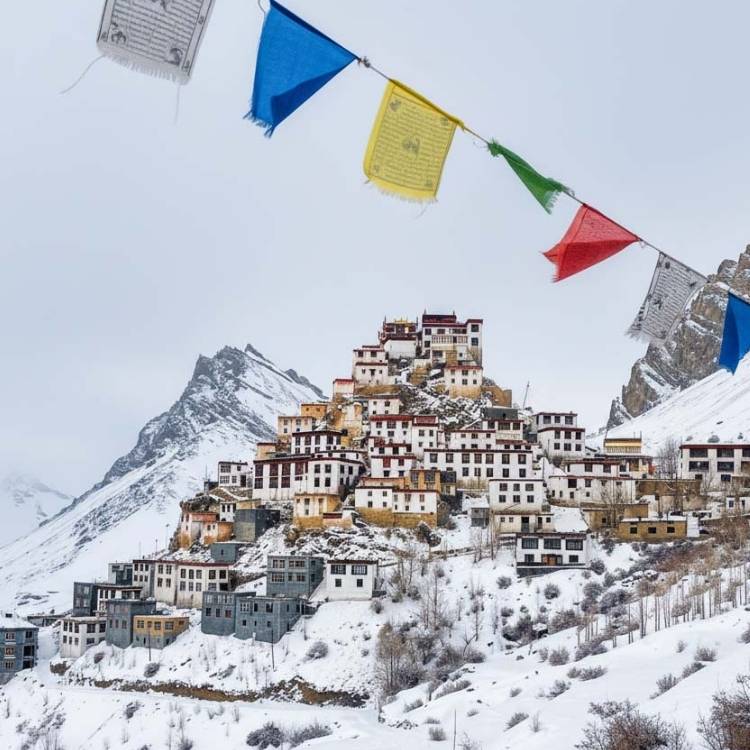 6D/5N
6D/5NCore Winter Spiti Trip
2D Kalpa•2D Kaza
₹15,999₹19,999SAVE INR 4,000/ person 7D/6N
7D/6NCore Winter Spiti Circuit
1D Narkanda•2D Kalpa+2
₹17,999₹21,999SAVE INR 4,000/ person
Is May Good for Couples, Families, Bikers, and First-Timers?
Couples
May is actually one of the best months for couples visiting Spiti. Fewer crowds, more intimate homestay experiences, dramatic landscapes, and a real sense of adventure. Late May offers the best balance of accessibility and atmosphere.
Families
If you have young children (under 7 or 8), late May is better. The Shimla side entry is comfortable, and the gradual altitude gain helps kids adjust. Avoid very high-altitude side trips to Komic or Hikkim with small children unless you are confident about their tolerance.
Bikers
May attracts riders looking for the season's first ride into Spiti. The Shimla route is rideable for most of the month. The Manali route, once open, is one of the most rewarding motorcycle stretches in the country, but check conditions thoroughly before attempting it. Fuel up at every opportunity because stations in Spiti are scarce. If planning a bike trip via Manali-Kaza, late May is better than early May, but the final decision should depend on confirmed road status.
First-timers
If this is your first time in Spiti and you are not sure what to expect, go via the Shimla side, pick late May if you can, and do not overpack your itinerary. Give yourself buffer days. Spiti rewards patience.
If you are a solo female traveller wondering about safety, we have a dedicated guide on whether Spiti is safe for solo female travellers that covers this honestly.
Who Should Avoid Spiti in May?
Spiti in May may not be ideal for travellers expecting a relaxed luxury holiday, families with very young children without buffer days, elderly travellers with breathing or heart concerns, anyone expecting Chandratal as guaranteed, travellers with fixed flights and no flexibility, or first-time mountain self-drivers who are not comfortable with rough, cold, high-altitude roads.
Spiti in May vs Spiti in June
This comparison comes up a lot, so here is a straightforward take.
May is better if
You want fewer crowds, you like raw cold desert landscapes, you want snow views on higher peaks, you are okay with route uncertainty, or you are fine skipping Chandratal if roads are not open.
June is better if
Chandratal is important to you, you want a full circuit, you are planning a bike trip, you are travelling with family, you want more stable road access, or you do not want last-minute route changes.
If you have flexibility on dates, the last week of May and first week of June is arguably the best window. You get most of June's accessibility with much of May's visual drama and quieter atmosphere.
Altitude Sickness and Acclimatisation Tips
Spiti Valley sits between 3,000 and 4,500 metres. That is high enough for altitude sickness to be a real concern, especially if you fly into a nearby city and drive up quickly.
A few things that genuinely help:
Spend at least one night in Kalpa or Sangla before pushing into Spiti. This lets your body adjust gradually. Drink more water than you think you need. Avoid alcohol for the first couple of days at altitude. Walk slowly when you get to places like Kaza, Kibber, or Langza. If you feel a headache, nausea, or unusual dizziness, rest. Do not push higher.
The Shimla side entry is naturally better for acclimatisation because the elevation gain is gradual. Going in from Manali, you cross Rohtang (or go through the Atal Tunnel) and then Kunzum Pass quickly, which gives your body less time to adjust.
If you are someone who gets uneasy about health at altitude, carry Diamox (consult your doctor first), keep Disprin handy, and most importantly, build rest days into your plan. Trying to do Spiti in 5 days with no acclimatisation time is a recipe for a miserable trip.
What to Pack for Spiti in May
May in Spiti needs layering. Lots of it. Days can be warm enough for a t-shirt in the sun, but the moment you step into shade or the sun drops, it gets cold fast.
Essentials
Thermal innerwear (at least two sets), a warm fleece or down jacket, a windproof and waterproof outer layer, warm socks, sturdy walking shoes or boots, gloves for early mornings and cold stretches, sunglasses with UV protection, sunscreen (SPF 50, the sun at altitude is intense), lip balm and moisturiser, a beanie or warm cap for mornings and evenings, and a reusable water bottle.
Often overlooked
A good power bank (charging options are limited in remote areas), a basic medical kit with Diamox, ORS, painkillers, and any personal medication, and a headlamp or torch for nights in villages where power cuts happen.
Do not overpack luggage. Space is limited in vehicles on mountain roads, and you will be in and out of cars frequently. One medium backpack and one daypack is ideal for most people.
Fuel, ATM, Network, and Basic Facilities
Spiti is not set up for convenience. Here is what you need to know:
Fuel
Fuel is available at Pooh, Tabo, and Kaza on the Kinnaur-Spiti side, subject to operational status. Kaza remains the key fuel point inside Spiti. Tabo is an important addition because it reduces the long fuel gap between Reckong Peo/Pooh and Kaza. On the Lahaul side, Tandi is the important fuel stop if you are exiting towards Manali.
Fuel availability in remote areas can still be affected by supply delays, so self-drivers and bikers should top up wherever possible. Do not wait until the tank is low. Fuel prices in high-altitude areas tend to be higher than in the plains.
ATMs
Kaza has ATMs (SBI, UCO Bank), but they are not always functional. Power cuts and network issues can leave them out of cash or offline, especially during peak tourist season. Reckong Peo has more reliable ATMs. Beyond these, do not count on finding one. Carry enough cash for your entire Spiti stretch from Shimla, Rampur, Reckong Peo, Manali, or Chandigarh. UPI works in some places in Kaza and Tabo but should not be your only payment option.
Network
BSNL still has the widest geographic reach across remote Spiti areas, working in Kaza, Tabo, Nako, Losar, and several smaller villages. Jio 4G now works in key settlements like Kaza and Tabo and is often better for data and internet speeds where available. Airtel is more useful on the Shimla-Kinnaur side (up to Reckong Peo area) and in parts of Lahaul (Keylong, Tandi, Sissu), but does not work inside Spiti proper.
Upper villages like Langza, Hikkim, Komic, Kibber, remote Pin Valley stretches, and road sections can still have no reliable network. Download offline maps, hotel details, permit documents, payment screenshots, and emergency contacts before heading into the valley.
Accommodation
In late May, most homestays and guesthouses in Kaza, Tabo, and Kalpa are open. In early May, availability is thinner, and it is smart to book ahead or have your travel operator arrange things in advance.
Approximate accommodation costs in 2026: budget homestays around 400 to 700 rupees per night per room, mid-range guesthouses around 1,200 to 2,000 rupees, comfortable hotels around 2,000 to 3,500 rupees, and premium stays or camps from 3,500 rupees upward. Food and miscellaneous costs average around 1,200 to 1,500 rupees per person per day depending on travel style. Prices vary by season, location, and availability.
Permits and Vehicle Entry Rules for Spiti in May 2026
Indian nationals usually do not need an Inner Line Permit for the standard Spiti route. Just carry a valid government photo ID (Aadhaar, driving licence, voter ID). You may be asked to show ID at police checkpoints along the way.
Foreign nationals may need a Protected Area Permit (PAP) or Inner Line Permit for restricted or border areas in Lahaul and Spiti. This can be obtained from the SDM office in Reckong Peo, Kaza, Shimla, or Keylong. Carry your passport, visa copies, and photographs.
A forest department fee of approximately 150 rupees per person was introduced from June 2025 for certain protected areas. Verify the latest amount and applicability before travel.
Vehicles entering Lahaul and Spiti via the Atal Tunnel side may require an e-Aagman E-Ticket or E-Permit depending on the route and category. The Atal Tunnel to Koksar to Chandratal circuit has separate e-Aagman permit requirements. Always verify current requirements on the official e-Aagman portal before travel.
Do Spiti Travellers Need a Rohtang Permit in May?
If you are going via the Atal Tunnel, you are bypassing Rohtang Pass, so a normal Rohtang tourism permit is not required. However, e-Aagman vehicle entry requirements for Lahaul and Spiti may still apply.
If you specifically choose the Rohtang Pass road (for the experience or snow views), then Rohtang permit rules, fees, daily quotas, and restrictions apply. Verify current details on the official Rohtang permit portal.
For a detailed breakdown, read our guide on Rohtang Pass in May.
Spiti Valley Trip Cost in May
Costs for a Spiti trip in May are broadly similar to other summer months, though early May might get you slightly lower prices at some homestays that are still opening up for the season.
A rough breakdown per person for a 9 to 10 day trip:
Budget: 15,000 to 22,000 INR. This means shared transport, basic homestays, eating at dhabas, and minimal extras.
Mid-range: 25,000 to 40,000 INR. Private vehicle (shared cost with group), decent homestays or guesthouses, a mix of dhaba and restaurant meals.
Organised tour package: 18,000 to 35,000 INR per person depending on group size, duration, vehicle type, and inclusions. This is often the most practical option for first-timers who do not want to worry about logistics, permits, vehicle breakdown backup, and finding accommodation in remote areas on their own.
You can check our Spiti Valley tour packages for a sense of what is included.
Fuel, if you are self-driving, is a significant cost. Shimla to Kaza and back is roughly 1,200 km round trip. Budget for that accordingly.
Why Responsible Travel Matters More in Spiti Now
Spiti's cold desert ecosystem is fragile. The increasing number of tourists each season puts pressure on this remote landscape. A few things that matter:
Avoid littering. Carry your waste back with you. Respect monasteries and local customs, including removing shoes and dressing modestly when visiting prayer halls. Do not drive off-road near meadows or lake areas. Use local homestays and guides where possible to support the community directly. Do not pressure drivers to cross unsafe roads or closed passes. If a road is closed, it is closed for a reason.
Festivals and Cultural Events in Spiti in May
May occasionally aligns with important Buddhist and local celebrations that can add depth to your trip.
Buddha Purnima (the full moon day celebrating the birth, enlightenment, and death of Gautama Buddha) sometimes falls in May. In 2026, Buddha Purnima falls on 12 May. If you are in Kaza or near Key Monastery or Tabo during this time, expect prayer ceremonies, butter lamp offerings, and a more active atmosphere at monasteries. It is not a tourist event, it is a deeply meaningful day for the Buddhist communities here, and witnessing it respectfully is a rare experience.
Saga Dawa, another important Buddhist observance, typically falls between late May and mid-June. If it aligns with your trip, you may see processions and special prayers at monasteries across the valley.
These events are not ticketed or scheduled for tourists, so do not plan your entire trip around them. But if your dates coincide, they add a layer of cultural experience that most May visitors never see.
Which Vehicle Works for Spiti in May
Vehicle choice matters more in May than in peak summer because of road conditions, slush, and occasional snow patches on the Shimla-Kaza route.
SUV or high-clearance vehicle is strongly recommended for any May trip. Models like the Toyota Innova Crysta, Mahindra Scorpio-N, or similar handle the rough stretches between Reckong Peo and Kaza comfortably. If you are planning to attempt the Manali exit in late May, a 4x4 or high-clearance SUV is essential, not optional.
Sedans and hatchbacks can technically manage the Shimla-Kaza route in late May when roads are drier, but they struggle on broken patches near Khab, Malling Nallah, and between Nako and Tabo. A single water crossing or rough boulder section can damage a low-clearance car. We do not recommend sedans for May.
Bikes are a popular choice. The Shimla side is rideable through most of May on a well-maintained motorcycle (Royal Enfield Himalayan, Hero Xpulse, or similar). For the Manali-Kaza side, wait for confirmed road opening and carry proper riding gear for cold, slush, and water crossings. Our best time for a Spiti bike trip guide covers this in detail.
Self-drive tip: if you are bringing your own car, get it fully serviced before the trip. Carry a spare tyre, basic toolkit, jump cables, and a tow rope. Breakdowns in Spiti are not roadside-assistance-friendly. The nearest mechanic may be hours away.
Final Verdict
Spiti Valley in May is not the easiest version of this trip. It is the one that rewards you for being prepared, flexible, and willing to embrace a little uncertainty. The valley looks its most dramatic, the crowds have not arrived, and there is a silence in the high-altitude air that changes the way you travel.
Go via the Shimla side if you want reliability. Save the Manali route for later in the month or for your next visit.
Do not obsess over Chandratal if your dates are early. Build buffer days. Carry layers. Respect the altitude. And plan with someone who actually knows the current conditions on the ground.
If you would like help putting together a Spiti trip that works for your exact dates, group size, and comfort level, we plan these trips every season. Send us a message on WhatsApp and we will get back to you with honest advice and options.
Related topics
Frequently Asked Questions
Is May a good time to visit Spiti Valley?
Yes, May is a good time, especially the second half. You get fewer crowds, snow-capped landscapes, and pleasant daytime weather. The trade-off is that some routes and attractions, like the Manali highway and Chandratal, may not be fully accessible until later in the month.
Is Spiti Valley open in May?
Spiti Valley is open in May, primarily via the Shimla-Kinnaur route. The Manali-Kaza route opens depending on snow clearance over Kunzum Pass, usually by mid to late May. Always verify current conditions before travel.
Can we go to Spiti via Manali in May?
It depends on when in May. The Manali to Kaza highway via Kunzum Pass is often closed in early May due to snow. By the third or fourth week, it usually opens, but this varies by year. Check with BRO or local operators for real-time updates.
Is Chandratal Lake open in May?
Chandratal access depends on the clearance of the road from the Kunzum Pass side. In most years, it becomes accessible only by late May or early June. In early May, it is almost always inaccessible.
What is the temperature in Spiti Valley in May?
Daytime temperatures range from 10 to 20 degrees Celsius depending on altitude. Nighttime temperatures can drop to minus 2 to 5 degrees Celsius, especially in early May and at elevations above 3,500 metres.
How many days are enough for Spiti in May?
A minimum of 7 to 8 days works if you are entering and exiting via the Shimla side. For a full circuit via Shimla in and Manali out, plan for 9 to 10 days. Adding buffer days for weather delays is strongly recommended.
Is Spiti safe in May?
Spiti is generally safe for travellers in May. The main risks are weather-related: road closures, cold snaps, and altitude sickness. Travel with a reliable operator or well-maintained vehicle, carry warm clothing, and acclimatise gradually.
What clothes should I pack for Spiti in May?
Pack thermals, a fleece or down jacket, a windproof outer layer, warm socks, sturdy shoes, sunglasses, high-SPF sunscreen, and gloves for early mornings. Layering is essential because temperatures swing significantly between day and night.
Is May good for a family trip to Spiti?
Late May is suitable for families, especially via the Shimla route. The gradual altitude gain is easier for children to handle. Avoid extremely high-altitude villages with very young kids and keep the itinerary relaxed with buffer days built in.
Is Spiti in May better than June?
It depends on what you value. May offers fewer crowds, more snow, and rawer landscapes, but with less route flexibility. June offers easier logistics, warmer nights, and access to both routes and Chandratal, but with more tourists. The last week of May often gives you the best of both.
Does mobile network work in Spiti in May?
BSNL has the most reliable coverage inside Spiti. Jio 4G now works in Kaza and Tabo for data. Airtel works along the Shimla-Kinnaur highway but becomes patchy past Reckong Peo. Inside the valley, expect limited connectivity. Download offline maps before entering.
Is Rohtang Pass open in May?
Rohtang Pass is often open by May, and the Atal Tunnel provides a year-round alternative to bypass it. However, the crucial stretch for Spiti travellers is beyond Rohtang, towards Batal and Kunzum, which depends on separate BRO clearance.
Do I need a permit for Spiti Valley in May?
Indian nationals do not need a special permit for most of Spiti. Carry a valid government photo ID. Foreign nationals need a Protected Area Permit for restricted areas, obtainable from SDM offices in Reckong Peo, Kaza, Shimla, or Keylong.
Can I take a sedan to Spiti in May?
We do not recommend sedans for May. The road between Reckong Peo and Kaza has rough patches, water crossings, and broken stretches that can damage low-clearance vehicles. An SUV or high-clearance vehicle is strongly recommended.
Is there snowfall in Spiti Valley in May?
Surprise snowfall is possible in early May at higher altitudes like Kunzum Pass, Kibber, and upper villages. You will not see heavy snowfall in Kaza itself, but snow-capped peaks and snow walls on roads are common throughout the month, making May visually dramatic.
Are there any festivals in Spiti in May?
Buddha Purnima falls on 12 May 2026 and is observed at monasteries across Spiti with prayer ceremonies and butter lamp offerings. Saga Dawa, another important Buddhist observance, sometimes falls in late May. These are not ticketed events but add cultural depth if your dates coincide.
More about Lahaul and Spiti
 Lahaul and Spiti
Winter Spiti from Bangalore in 2026-27: Flights, Leave Days & Delhi 4x4 Departures
Planning a Winter Spiti trip from Bangalore in 2026-27? Explore flight options, Delhi pickup points, leave requirements, 4x4 group expeditions, travel costs and a practical itinerary to help you plan your Himalayan winter adventure.
- How to Reach
- Snow Travel
 Lahaul and Spiti
What Does a Winter Spiti 4x4 Trip Really Cost in 2026-27? Package Price vs Total Holiday Budget
Planning a Winter Spiti 4x4 trip in 2026-27? Discover the real travel budget, including package prices, transport, meals, winter essentials and hidden expenses. Learn what your package covers, what costs extra and how to plan your Spiti Valley adventure without unexpected spending.
- First-Time Travellers
- Snow Travel
 Lahaul and Spiti
How Many Leave Days Do You Need for a 9-Day Winter Spiti Trip in 2026-27?
Planning a 9 day Winter Spiti trip in 2026 to 2027 requires careful leave planning, especially for working professionals travelling from cities like Bangalore, Mumbai, Hyderabad and Delhi.
- Itinerary
- Snow Travel