
Narkanda from Shimla in 2026: Distance, Route, Bus, Taxi and Day Trip Guide
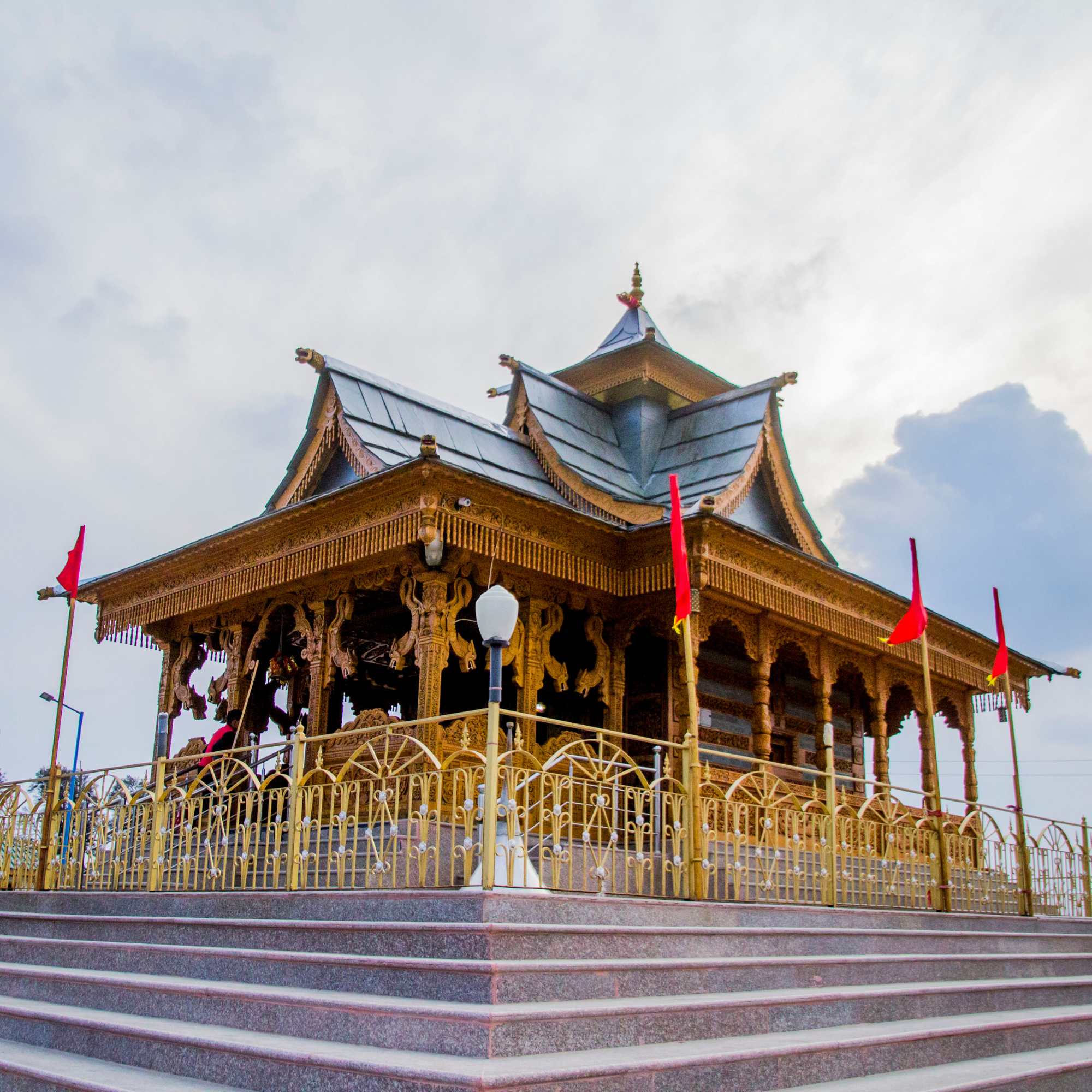
Narkanda is one of the most scenic hill destinations you can visit from Shimla, especially if you want quieter roads, mountain views, apple orchards and a more peaceful Himalayan setting.
The journey itself is part of the experience, with beautiful stretches passing through places such as Kufri and Theog.
In this guide, you will find the distance, main route, expected travel time, bus and taxi options, and practical details for planning a comfortable day trip.
It also covers useful local tips that can help you manage weather, road conditions and sightseeing time more effectively.
Quick Answer: How Do You Reach Narkanda from Shimla?
Narkanda from Shimla is about 60 to 65 km and usually takes two to three hours by road in normal conditions. The main NH5 route runs through Dhalli, Kufri, Fagu, Theog and Matiana. You can travel by HRTC bus, private taxi, shared taxi or your own vehicle.
Winter snow, monsoon rain, road repairs, Kufri traffic and the market stretch at Theog can increase the journey time. Check our detailed Narkanda travel guide before you decide whether to return the same day or stay overnight.
What most tourists get wrong is treating Narkanda as a quick extension of Kufri. The road distance looks manageable, but a long Kufri stop, a slow lunch and a late Hatu Peak visit can turn a relaxed day into a rushed mountain drive after dark.
In our experience, leaving Shimla early makes the day much easier. You cross the busy tourist belt sooner, get more useful daylight in Narkanda and keep a weather backup if the Hatu road does not allow safe access.
How Far Is Narkanda from Shimla?
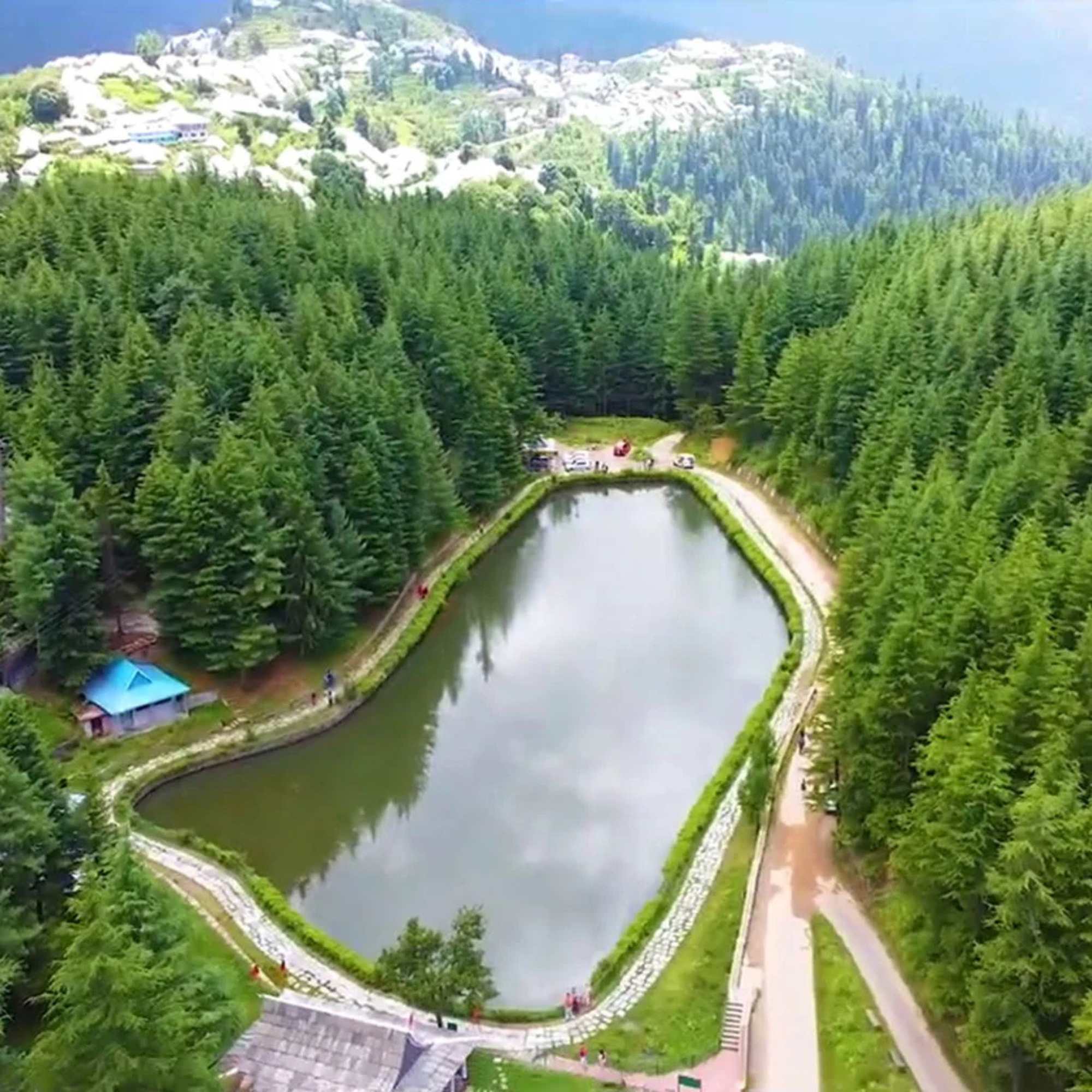
The Shimla District Government places Narkanda about 60 km from Shimla. Route and taxi websites show roughly 61 to 65 km. The difference usually comes from the starting point inside Shimla.
A traveller starting from central Shimla, Sanjauli, Dhalli or ISBT Tutikandi will not see the same map distance. City traffic and the climb towards Dhalli can also change the time before you properly join the upper Shimla road.
Use two to three hours as a sensible private vehicle planning estimate in ordinary conditions. Do not treat it as an exact arrival promise.
A direct drive can take less time than a sightseeing drive, while weekends, rain, snow, repair work and traffic near Kufri or Theog can stretch the journey.
The government destination page gives longer estimates of four to five hours by bus and three to four hours by taxi. Those times can make sense during slow service, congestion or bad weather, but they should not become your fixed expectation for every day.
What Is the Best Route from Shimla to Narkanda?
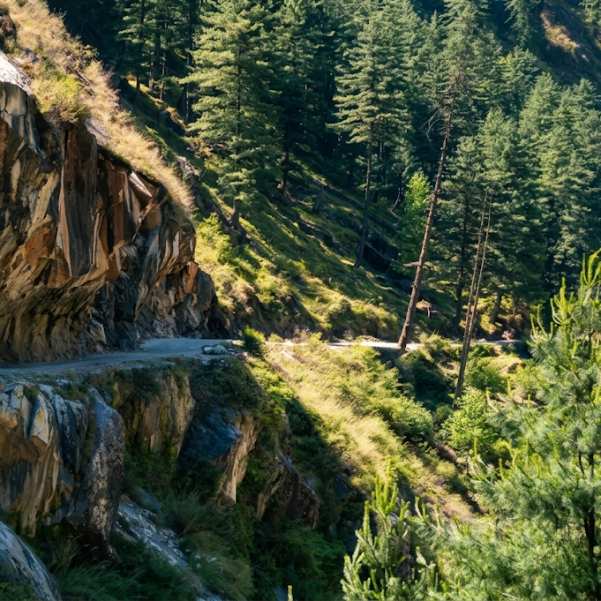
Shimla to Narkanda Route on NH5
The standard Shimla to Narkanda route follows this sequence: Shimla or Sanjauli, Dhalli, Kufri, Fagu, Theog, Matiana and Narkanda. The road forms part of NH5 and the historic Hindustan Tibet corridor.
After you leave Shimla, the road climbs through Dhalli and continues towards Kufri. Fagu comes next, followed by Theog and Matiana. Narkanda sits farther ahead on the same corridor towards Rampur and Kinnaur.
Do not assume the entire road will feel perfectly smooth. Heavy rain, snowfall, landslides and repair work can change short sections quickly. The road may feel easy in dry weather and tiring on another day even though the map remains the same.
Our team recommends checking both the highway and the local Hatu road. Travellers often ask one general question about road conditions, but the narrow Hatu climb can face a different situation from NH5.
Where Does Traffic Usually Slow Down?
Kufri can become busy on weekends, public holidays and snow days. Tourist vehicles stop frequently, local activity traffic increases and roadside movement can slow the drive.
The highway also passes through the market area in Theog. Shops, local vehicles and people crossing the road can reduce speed through this section. Theog still works well as a practical rest point if you need fuel, food or a short break.
In April 2026, the Himachal Pradesh High Court raised concern about potholes on the Dhalli to Narkanda route, with particular attention on the Theog to Narkanda portion. Treat this as a dated road update, not proof that the road stays bad every day.
Travellers planning a wider holiday can compare this route with our Shimla tour packages, especially when they want Kufri, Chail and Narkanda without arranging separate taxis each day.
How Can You Travel from Shimla to Narkanda?
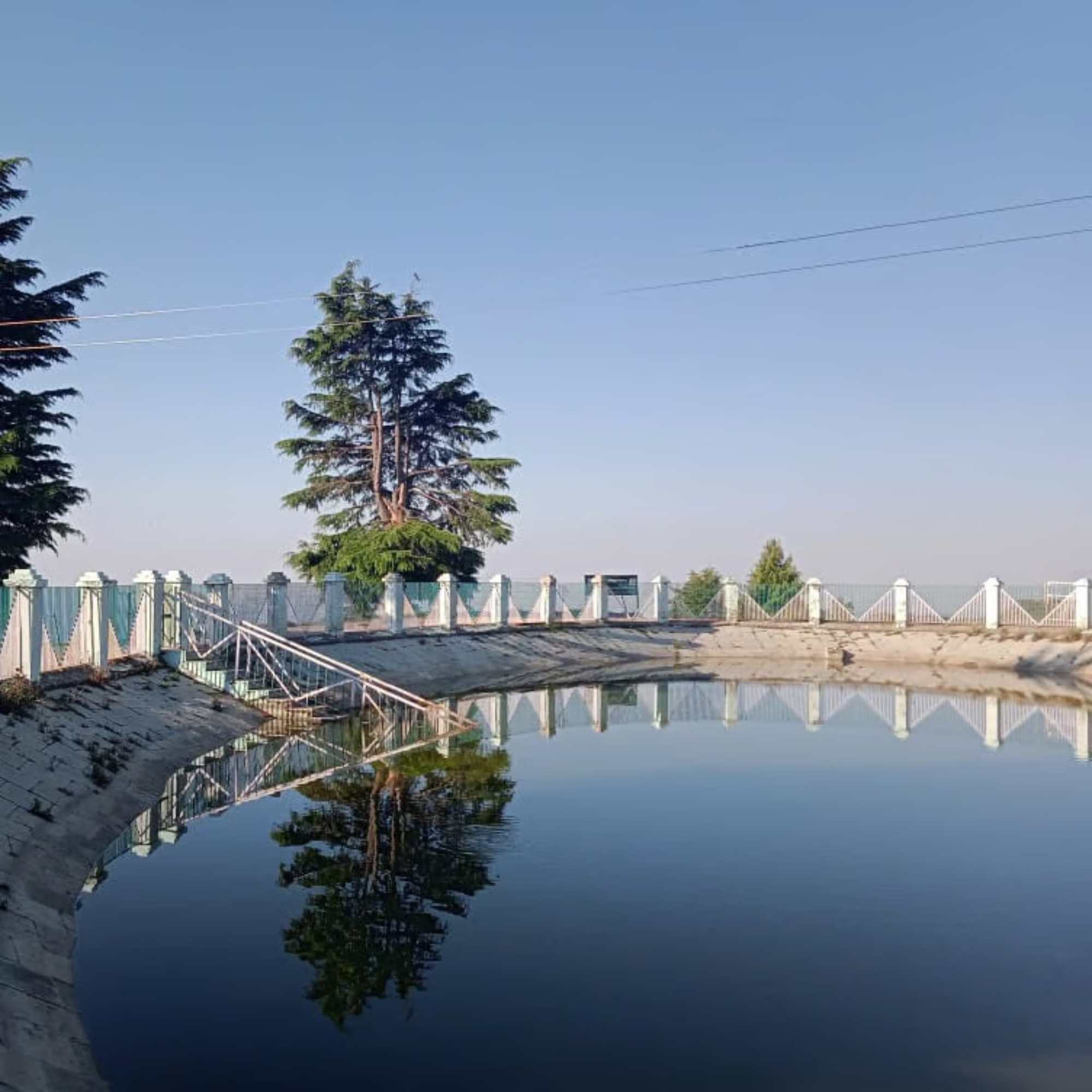
Shimla to Narkanda by HRTC Bus
HRTC buses travelling towards Narkanda, Rampur, Reckong Peo and parts of Kinnaur use this corridor. ISBT Tutikandi is the main formal boarding point in Shimla for these services.
Some travellers also board buses farther along the route at Dhalli, but stopping patterns and seat availability can vary, so confirm locally before relying on this option.
Use ₹150 to ₹200 each way as an indicative Shimla to Narkanda bus fare. HRTC can change fares and schedules, so check the official HRTC booking portal before leaving. Published online bus times conflict, which is why we do not give a fixed first or last bus.
The bus suits solo travellers and people who want to save money. It gives you less control over sightseeing stops and may take longer than a direct private vehicle.
Keep a return plan ready because a day trip by bus becomes difficult if you miss a suitable service back to Shimla.
Shimla to Narkanda by Private Taxi
Current online one way listings show roughly ₹2,000 to ₹2,300. Treat this as a dynamic transfer fare, not a guaranteed local taxi union rate.
Ask what the quote includes before you book. Waiting, parking, return travel, sightseeing stops and the Hatu Peak detour can add to the amount.
A one way transfer only moves you from Shimla to Narkanda. A full day sightseeing cab keeps the vehicle with you and follows a planned route.
This difference matters because some travellers compare a one way listing with a full day local quote and think the second price looks high. Ask the driver to write the route, waiting period and Hatu inclusion clearly before you pay any advance.
Shimla to Narkanda by Shared Taxi
Travellers report shared taxis on this corridor, but pickup points, departure frequency and fares can vary. Confirm the current shared taxi stand, fare and availability locally in Shimla before travelling.
Shared travel can save money, but it gives you little control over departure time and stops. It works better for a simple transfer than a full Narkanda sightseeing day.
Shimla to Narkanda by Self Drive Car or Bike
Normal hatchbacks and sedans generally manage NH5 in dry weather. A careful driver should still allow extra time for market traffic, buses, bends and slow vehicles.
Do not treat winter or monsoon conditions like a normal summer drive. Fresh snow, black ice, fog and heavy rain can change grip and visibility within a short distance. Follow police or district weather warnings and avoid driving during an active warning.
The Hatu Peak road feels narrower and more demanding than the main highway. A confident NH5 drive does not automatically mean you should take the same vehicle up Hatu in ice, snow or poor visibility.
Can Narkanda Be Covered in One Day from Shimla?
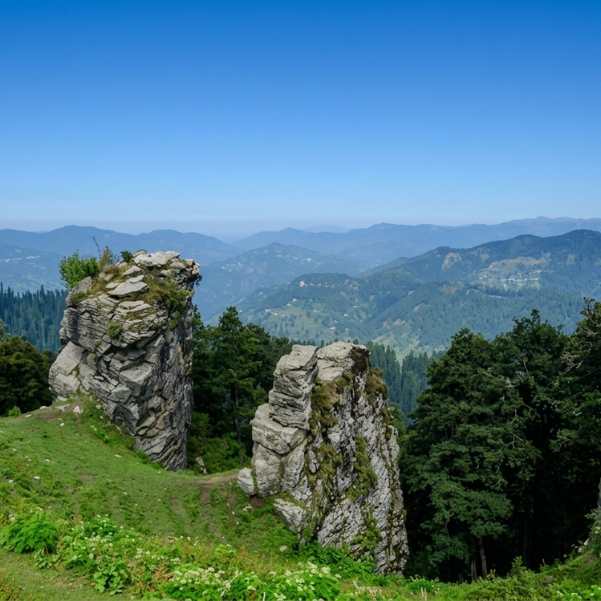
Yes, a Shimla to Narkanda day trip is practical when you start early, use a private vehicle and keep the plan focused. The best compact day combines Hatu Peak with one secondary place such as Tani Jubbar Lake.
Do not try to spend several hours at Kufri, trek fully to Hatu Peak, visit Thanedar, stop at every viewpoint and return comfortably before dark. The map makes this look possible, but mountain roads and weather remove your buffer quickly.
A day trip suits travellers who want a first look at Narkanda and can manage a steady pace. An overnight stay suits people who want a Hatu trek, skiing lessons, sunrise or sunset photography, slow orchard time or a relaxed trip with elderly family members.
We usually suggest an overnight stay for families who do not want to rush. It also protects the trip from one slow road section or a temporary Hatu closure.
What Is the Best One Day Shimla to Narkanda Itinerary?
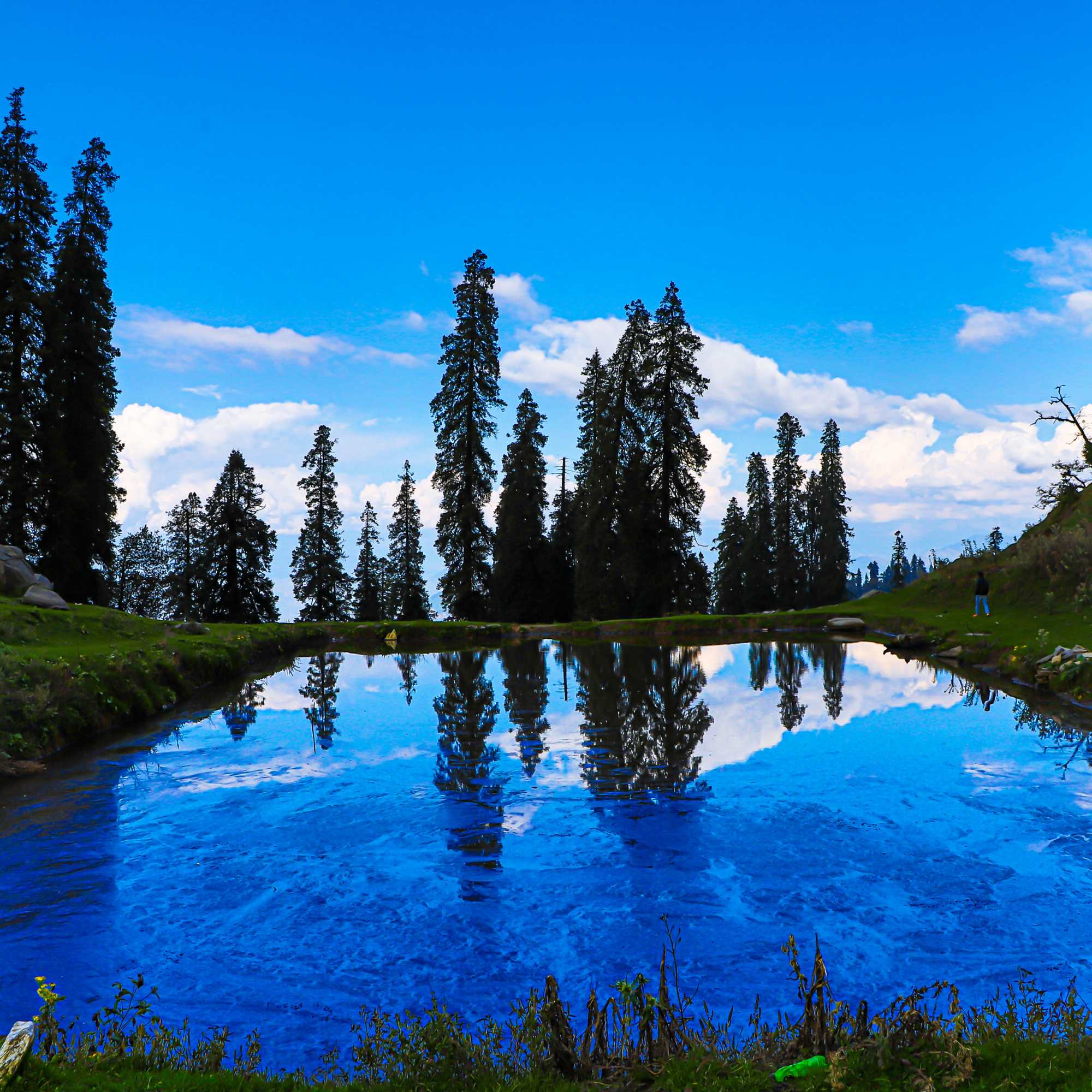
Early Morning Departure from Shimla
Leave around early morning so you can cross Kufri before the busiest tourist period. This simple timing choice changes the whole day because it protects your useful daylight in Narkanda.
Keep Kufri short when Narkanda is the main goal. A photo or tea stop at Fagu works better than a long activity break. The popular mistake is trying to complete a full Kufri visit and a full Narkanda visit in the same daylight window.
For a local chai stop, we suggest a simple dhaba in the Theog market stretch on NH5. The location makes sense because you can take a quick break without leaving the main route. Do not turn it into a long meal stop if Hatu Peak remains your priority.
Late Morning at Hatu Peak
Hatu Peak sits about 7 to 8 km from Narkanda and rises to roughly 3,400 metres. You can drive, hire a local taxi or trek, depending on weather, fitness and road access.
The road is narrow. The Shimla district website suggests a four wheel drive vehicle or a small family car for the climb. Weather still decides whether the road feels safe, and access can change after snow or ice.
A full trek takes more time and does not suit a rushed one day plan. Choose the trek only when you can keep the rest of the itinerary light and return in daylight.
If the Hatu road feels icy or temporarily closes, do not force the climb. Spend more time in Narkanda, visit Tani Jubbar Lake if access remains safe, or continue towards Thanedar for orchard views.
Our team recommends treating Hatu as weather dependent, even when NH5 remains open.
Lunch and Narkanda Market
Narkanda is a small town with simple cafés and dhabas. Keep lunch practical and avoid waiting for a large restaurant experience that the town does not promise.
Ask locally what is fresh and available that day. We do not publish restaurant prices or fixed opening hours because small hill businesses can change their routine with season, weather and demand.
Afternoon at Tani Jubbar Lake or Thanedar
Tani Jubbar Lake lies about 5 km from Narkanda. It works well as the second stop because it stays closer than Thanedar and does not add a long outward drive.
Thanedar lies about 16 km from Narkanda and suits travellers who care more about orchard landscapes than a compact schedule.
Private orchard access and Stokes Farm visiting arrangements can vary, so confirm locally before visiting and do not enter private property without permission.
Spring brings blossom scenery, while summer and early autumn can show more orchard activity. You should not expect ripe apples or fruit picking outside the right season, and even during harvest months access depends on the owner.
Return to Shimla Before Dark
Start the return while you still have mountain daylight. This matters most in winter, monsoon rain, fog and after any fresh road damage.
A daylight return gives you better visibility through Theog, Fagu and Kufri. It also gives you some room if traffic slows near the market or tourist belt.
Travellers who want this route without daily transport planning can look at our Shimla, Kufri, Chail and Narkanda tour.
Where Should You Stop Between Shimla and Narkanda?
Kufri
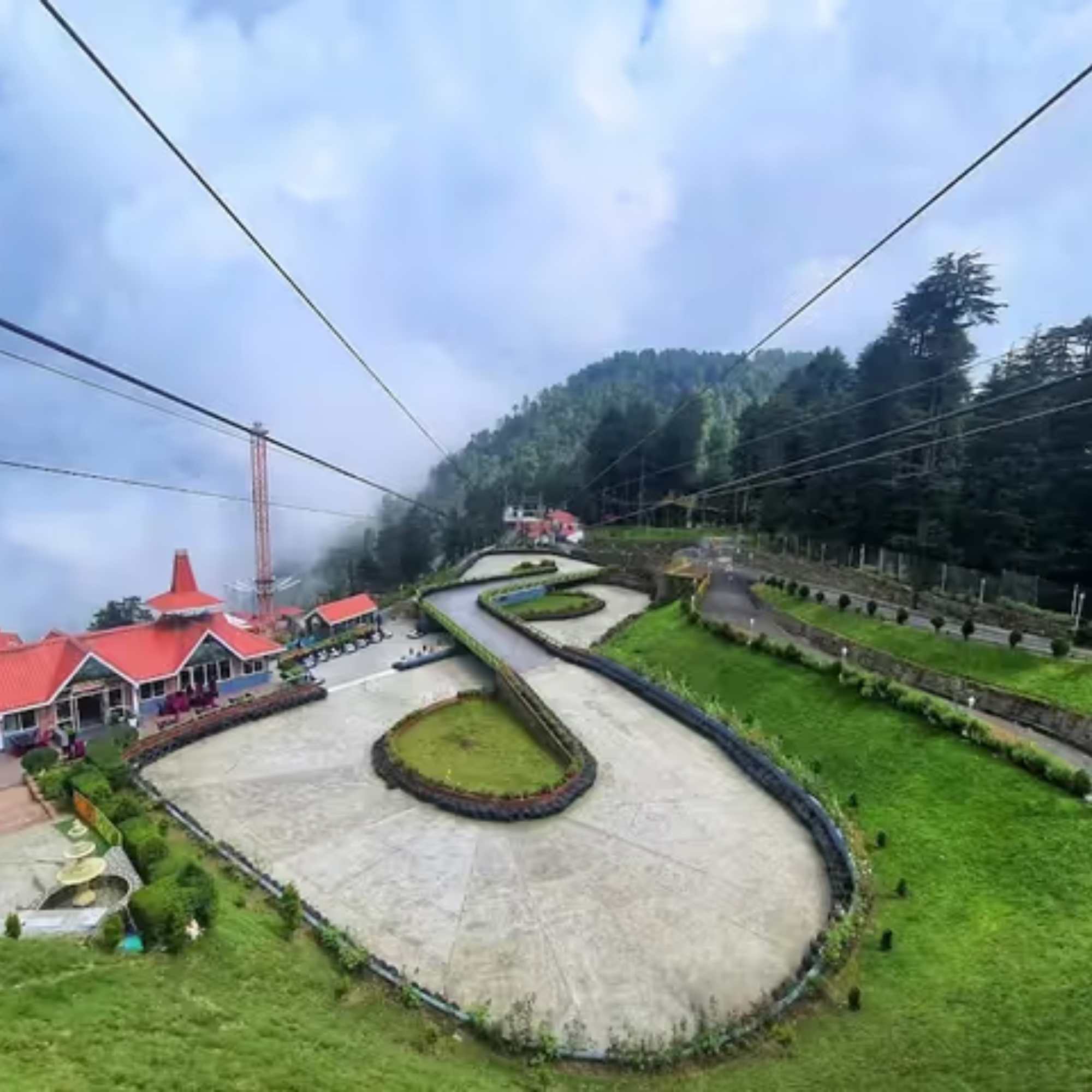
Kufri is the first major tourist stop after Shimla. It works well on a separate sightseeing day, but a long activity visit can consume much of your Narkanda day trip.
Skip the full Kufri activity circuit when Hatu Peak is your main goal. You save daylight, reduce waiting and avoid paying for an experience that pulls attention away from the better planned destination.
Fagu
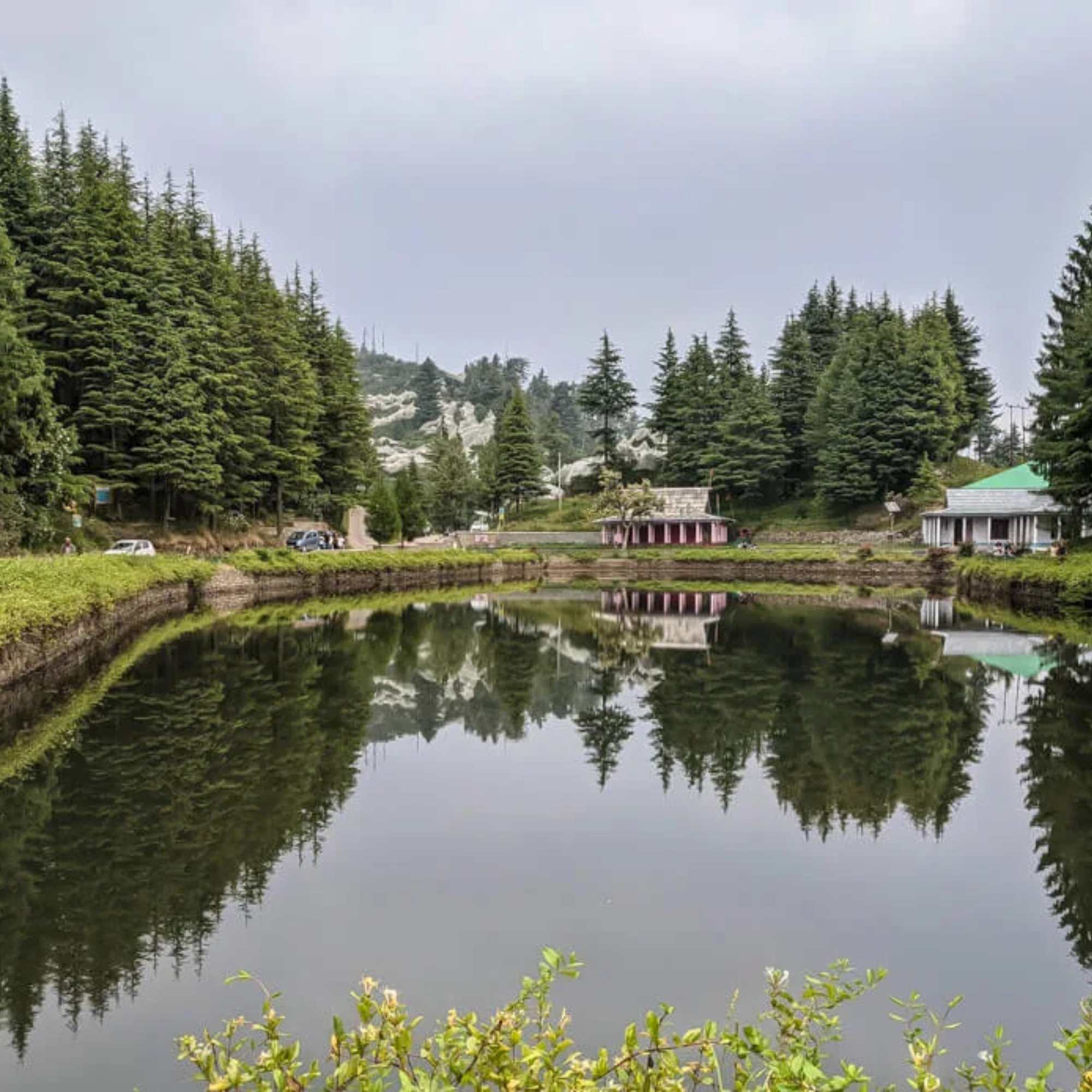
Fagu gives you a convenient scenic break on the same route. You can stop briefly for valley and orchard views without making a large detour.
Keep the stop short during a one day plan. A relaxed Fagu stay makes more sense on a separate slow trip or an overnight route.
Theog
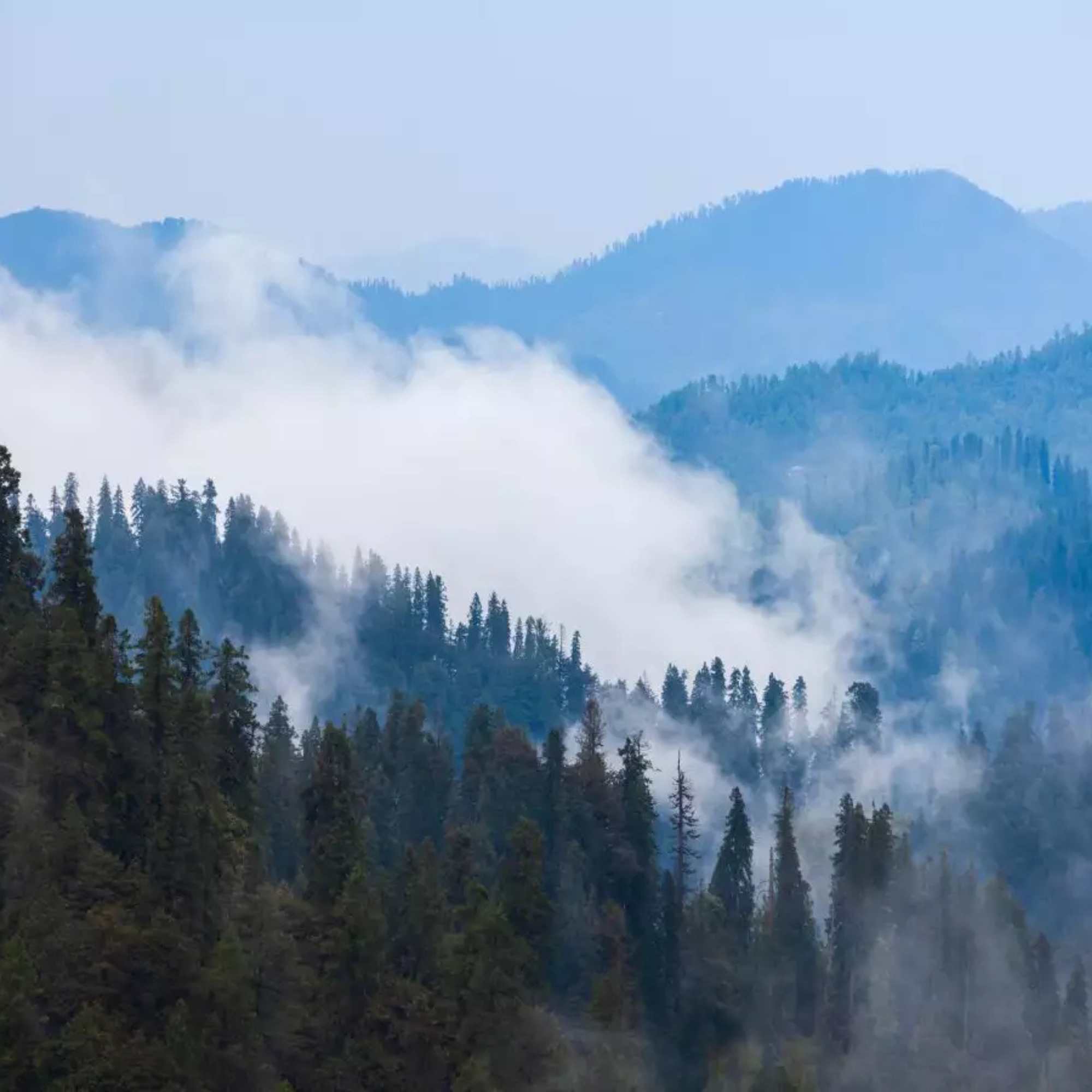
Theog works as a practical food, fuel and rest stop. The highway passes through its market, so movement can slow during busy periods.
This is also a useful point to ask local drivers about the road ahead after rain or snow. A quick local check can give you better context than an old online post.
Matiana
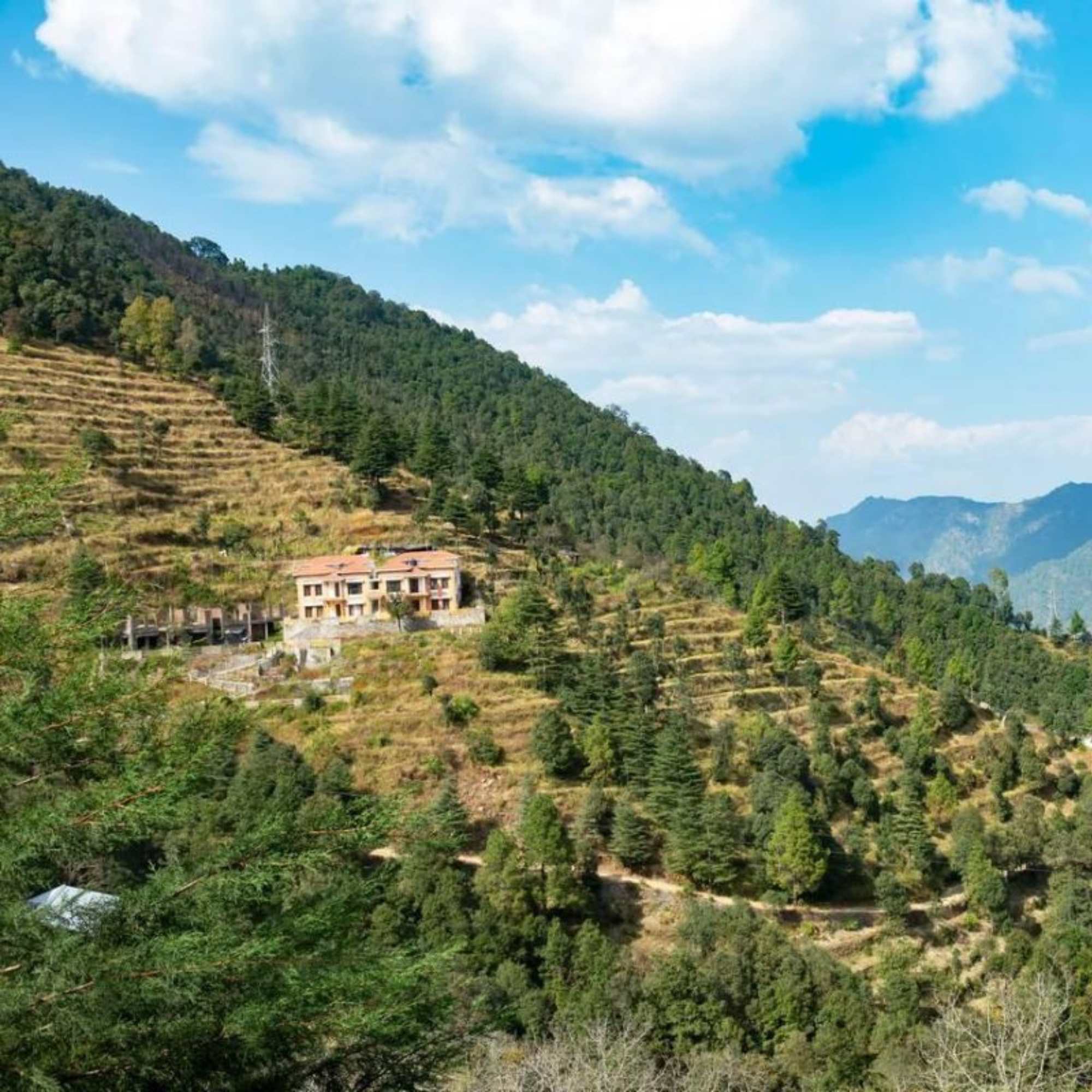
Matiana has orchard covered slopes and roadside views. The scenery changes with the season, and you should not expect ripe fruit outside the harvest period.
Avoid stopping on blind bends or narrow road edges for photos. Use a safe pull off and keep the highway clear.
What Are the Best Places to Visit in Narkanda?
Hatu Peak and Hatu Mata Temple
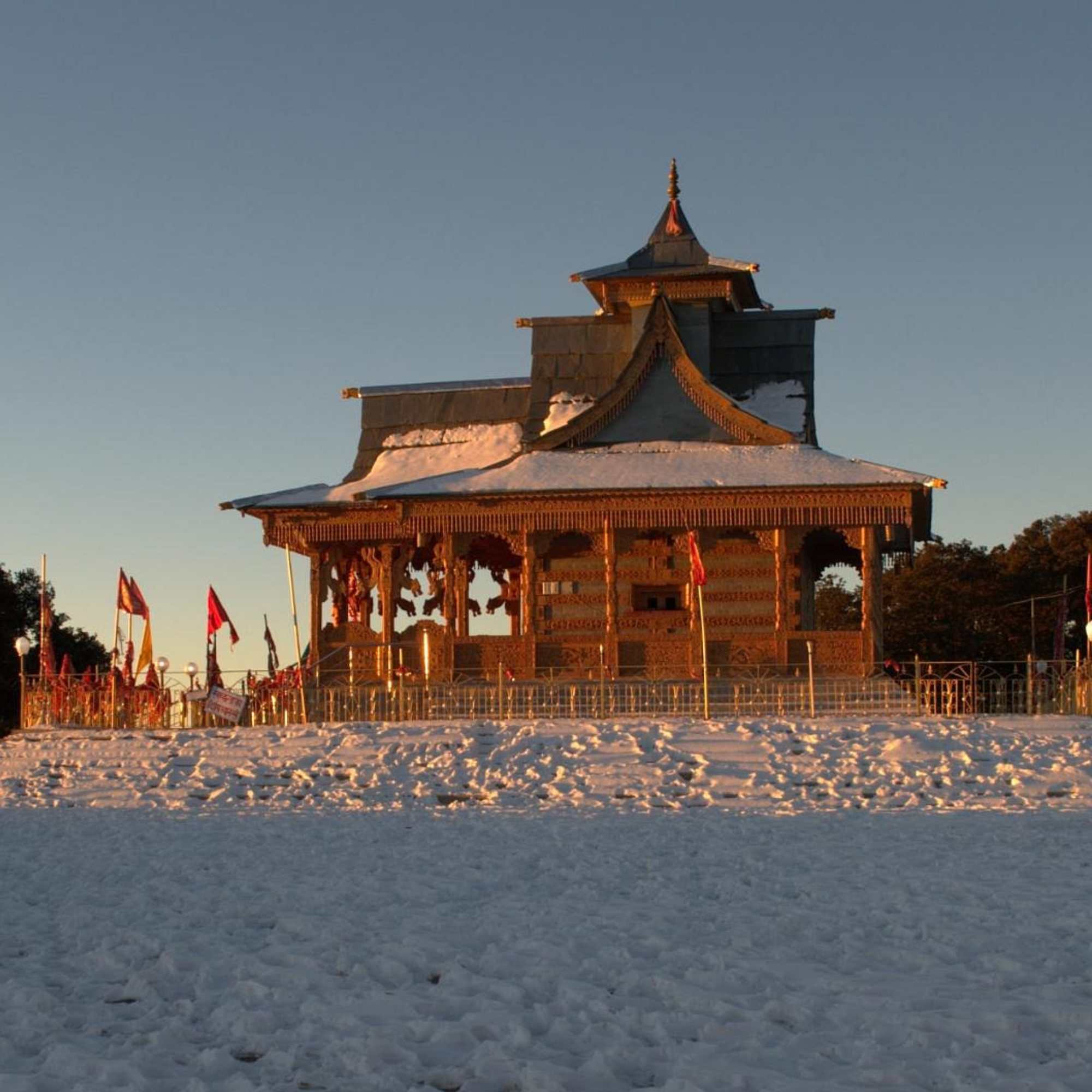
Hatu Peak is the main reason many travellers plan Narkanda sightseeing from Shimla. It sits about 7 to 8 km from town at around 3,400 metres.
Driving saves time but depends on road condition, vehicle suitability and driver confidence. Trekking gives you a slower mountain experience, but it can take too much of a short day trip.
Do not assume the road stays open throughout winter. Snow, ice or temporary restrictions can block or limit vehicle movement. Check Hatu separately from the main Shimla to Narkanda road.
Tani Jubbar Lake
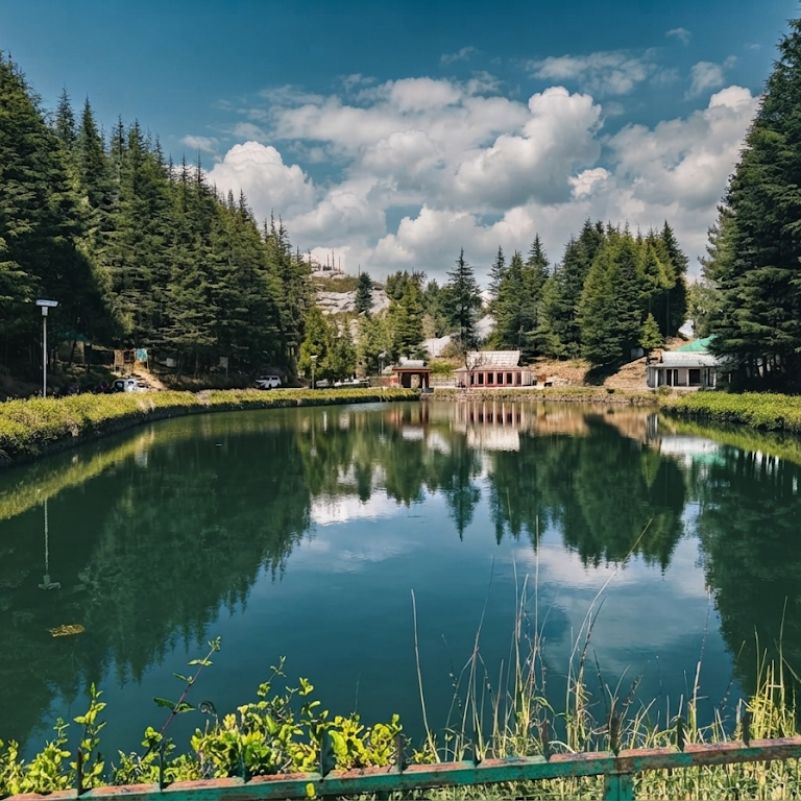
Tani Jubbar Lake is a small forest framed lake about 5 km from Narkanda. It suits travellers who want a quiet secondary stop without driving far towards Thanedar.
We do not give a fixed entry fee or opening time because the supplied sources did not verify those details reliably. Confirm local access on the day.
Thanedar and Apple Orchards
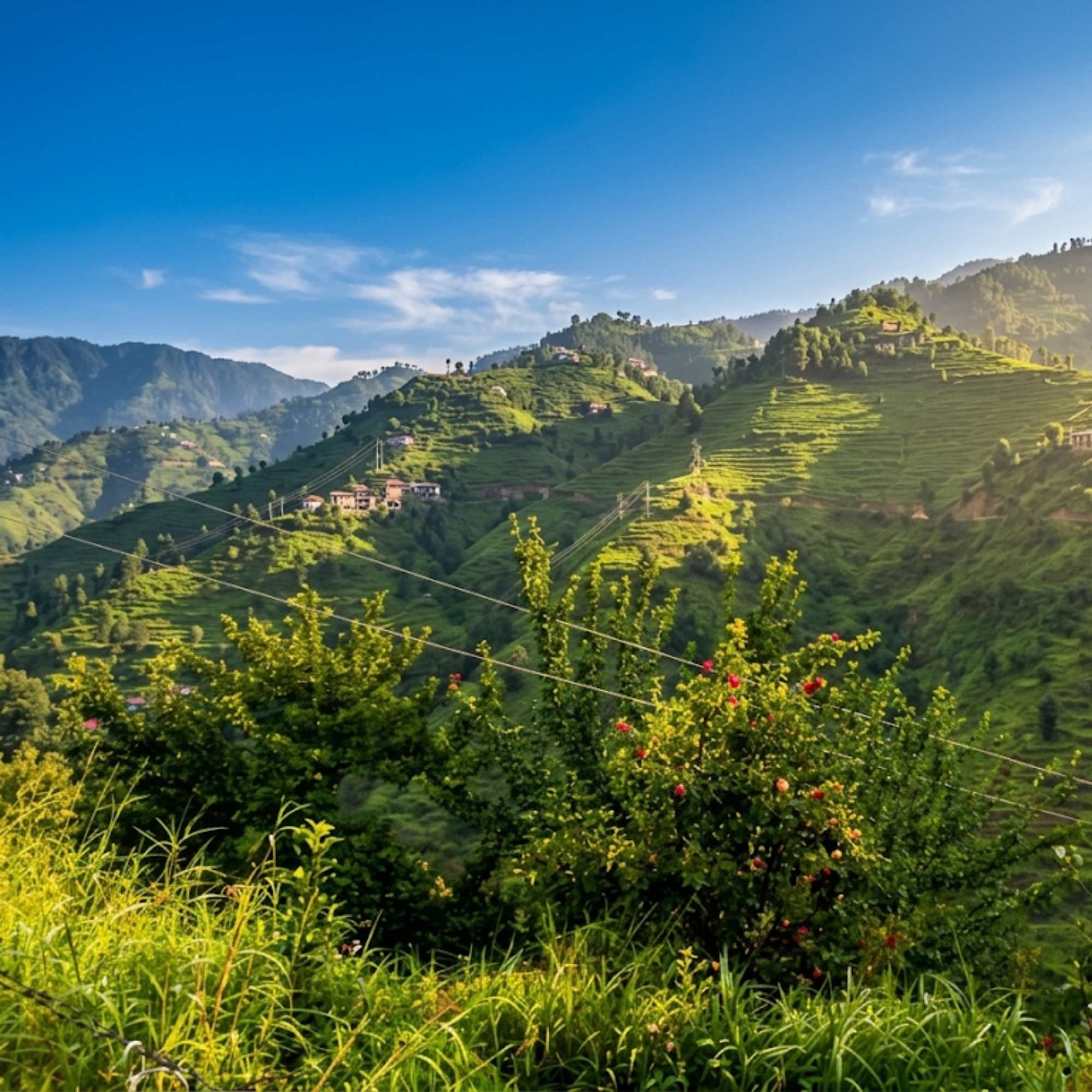
Thanedar lies around 16 km from Narkanda. The route attracts travellers who want orchard landscapes and a slower rural extension.
Spring can bring blossom, while summer and early autumn can show apple activity. Private orchard entry, fruit picking and Stokes Farm access depend on current local permission and availability, so confirm with the property or local hosts before visiting.
Dhumri Ski Slopes
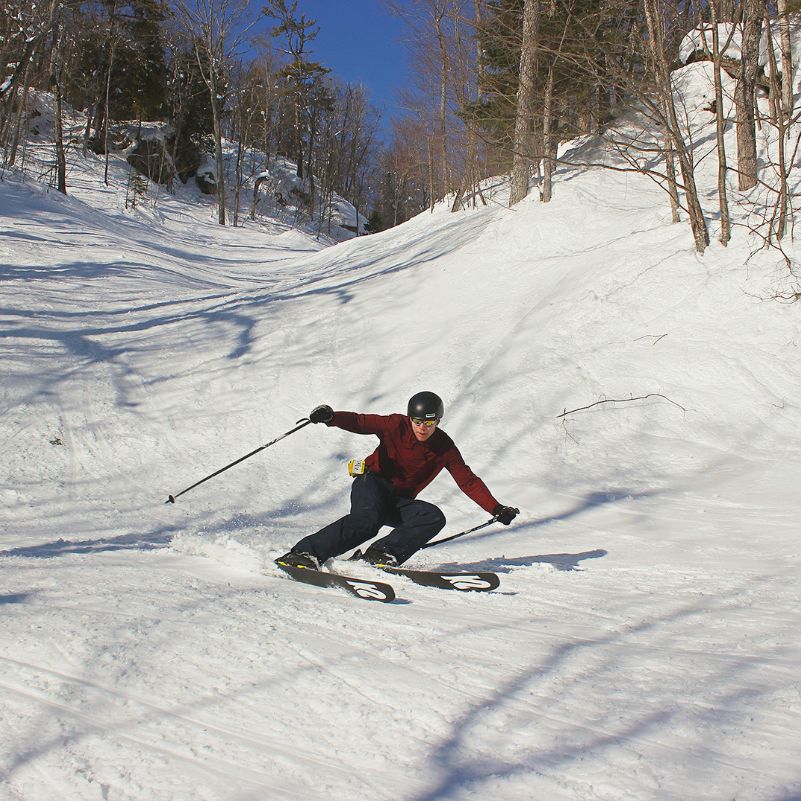
The official skiing period generally runs from January to March and depends on enough snow. Do not book a snow trip around a long range weather assumption.
Officials announced a portable lift and an access gate for the Dhumri ski slope in 2026. Their availability can depend on operational readiness and snow conditions, so confirm the current status with local tourism officials or ski operators before planning your visit.
For stays, winter plans and custom routes, see our Narkanda tour packages.
What Is the Shimla to Narkanda Road Condition in 2026?
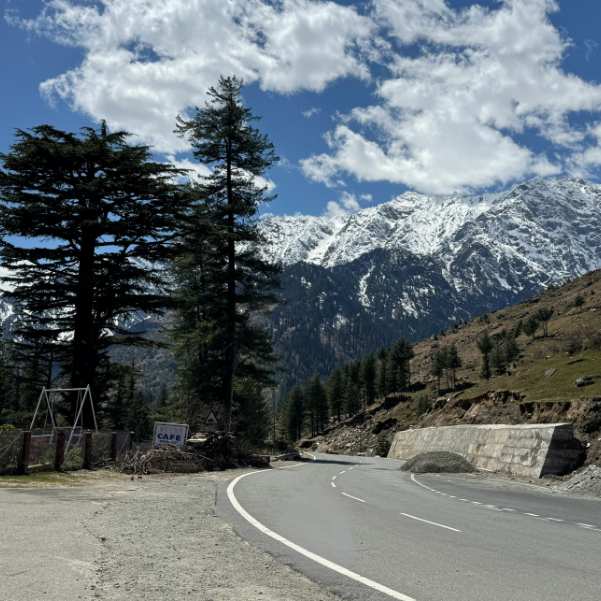
NH5 is an important road towards upper Shimla, Rampur and Kinnaur. It usually carries regular local and long distance traffic, but landslides, roadwork and snowfall can cause temporary disruption.
In April 2026, the Himachal Pradesh High Court raised concern about potholes on the Dhalli to Narkanda route, especially the Theog to Narkanda portion. This dated concern should encourage a fresh check, not a permanent claim that the highway remains bad.
Heavy rainfall and landslide risk affected transport around Shimla in early August 2026. Four Kalka to Shimla railway services faced suspension through 5 August 2026. That railway disruption does not prove that NH5 closed.
Current road conditions can change quickly, especially during monsoon or snowfall. Check the latest Shimla to Narkanda road status through Shimla Police, Himachal Police, your hotel or a local driver before departure.
Check the Hatu Peak road separately. Its narrow climb reacts more quickly to snow, ice, fog and local blockage than the main highway.
What Is the Best Time to Travel from Shimla to Narkanda?
April to June
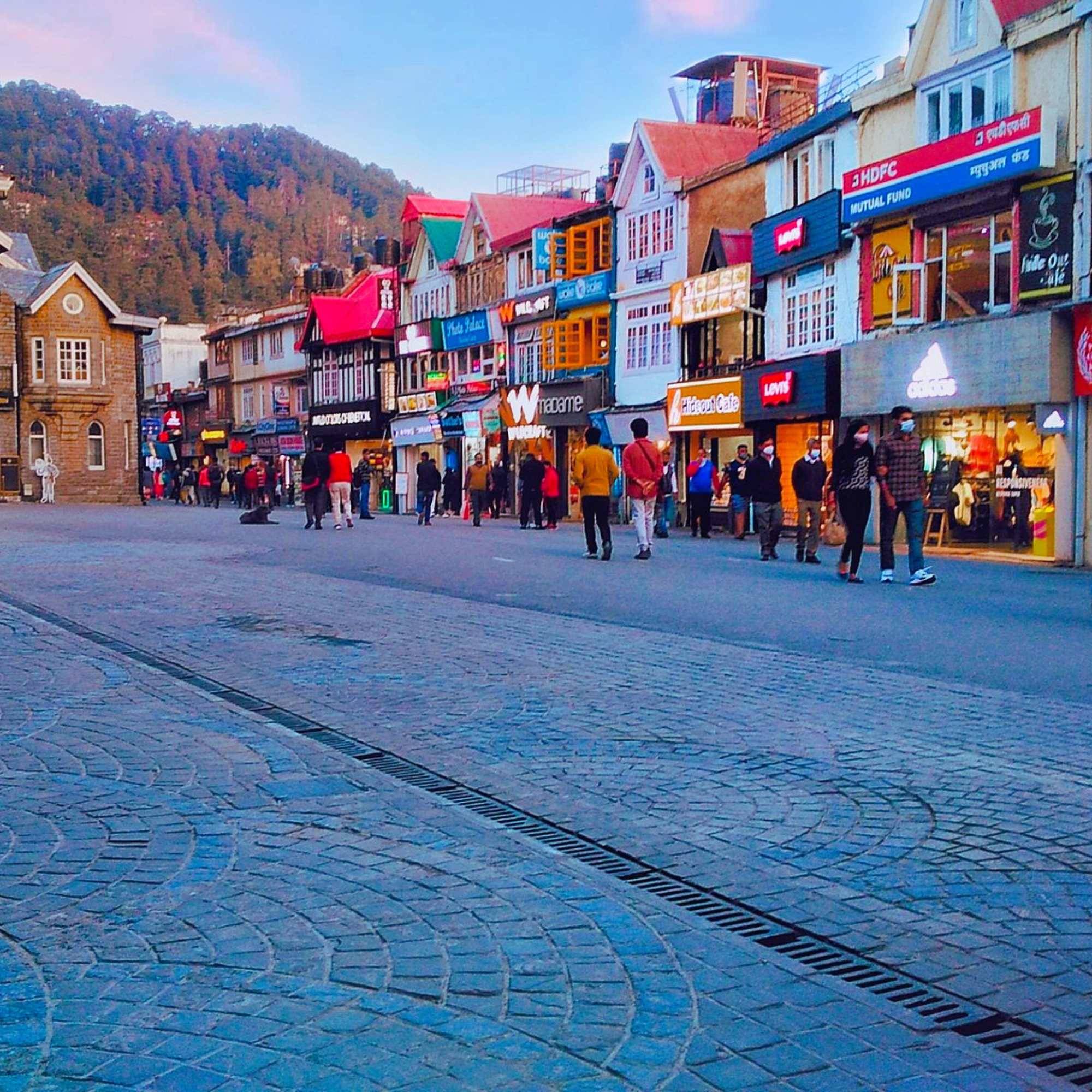
April to June generally gives the easiest window for sightseeing. Orchard scenery, longer daylight and simpler road conditions make a day trip easier to manage.
You still need a current road and weather check. Hill weather can change, and weekend traffic near Kufri can affect even a clear day.
July to September
July to September brings greener slopes and more apple activity. It also brings fog, rain and landslide risk.
Do not drive during an active weather warning. Rain can reduce visibility, loosen roadside slopes and slow traffic near repair zones.
October and November
October and November bring colder evenings, fewer crowds and often clearer post monsoon views. They suit travellers who prefer a quieter road experience.
Carry warm layers and do not assume every day will stay dry or sunny. Late afternoon temperatures can feel much lower at Hatu Peak than in Shimla.
December to March
December to March suits snow landscapes and winter travel. The official skiing period generally runs from January to March, subject to enough snow.
Fresh snowfall can also bring ice, slow traffic, temporary closure and transport delays. A Narkanda snowfall trip needs flexibility. Do not promise yourself Hatu access or skiing until local operators confirm conditions.
In our experience, snow travellers enjoy Narkanda more when they keep one extra night instead of forcing a same day return after weather changes.
How Much Does a Shimla to Narkanda Trip Cost?
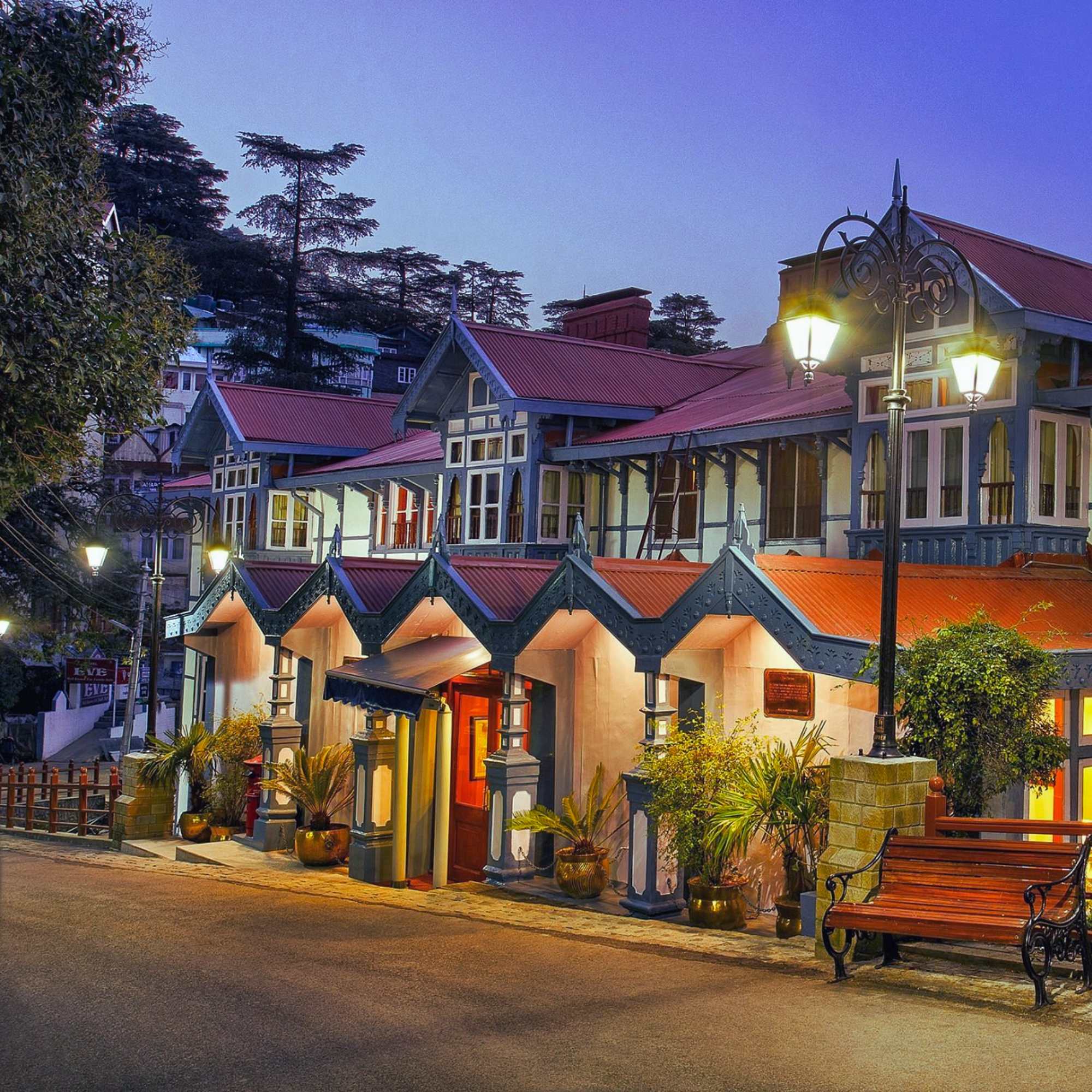
An HRTC bus costs roughly ₹150 to ₹200 each way. Fares can change, so confirm the current amount on the HRTC booking portal or at the ticket counter before travelling.
Current online one way cab listings show about ₹2,000 to ₹2,300. Prices can change with date, vehicle type, demand and pickup point.
One current online round trip listing showed around ₹4,114. Treat this as an indicative price because the final quote can change with travel date, vehicle type, pickup point and demand.
Local reports place a return taxi for Hatu Peak at about ₹800 to ₹1,000. Confirm the current local fare in Narkanda before booking, especially during busy weekends or snow season.
A useful money saving approach is to use HRTC for a simple overnight transfer and hire a local vehicle only for Hatu. For a one day family trip, sharing one full day cab can make more sense than paying separate transfers and local taxis.
We do not add food, hotel, skiing, parking or activity costs because the supplied facts did not verify them.
Should You Take a Day Trip or Stay Overnight in Narkanda?
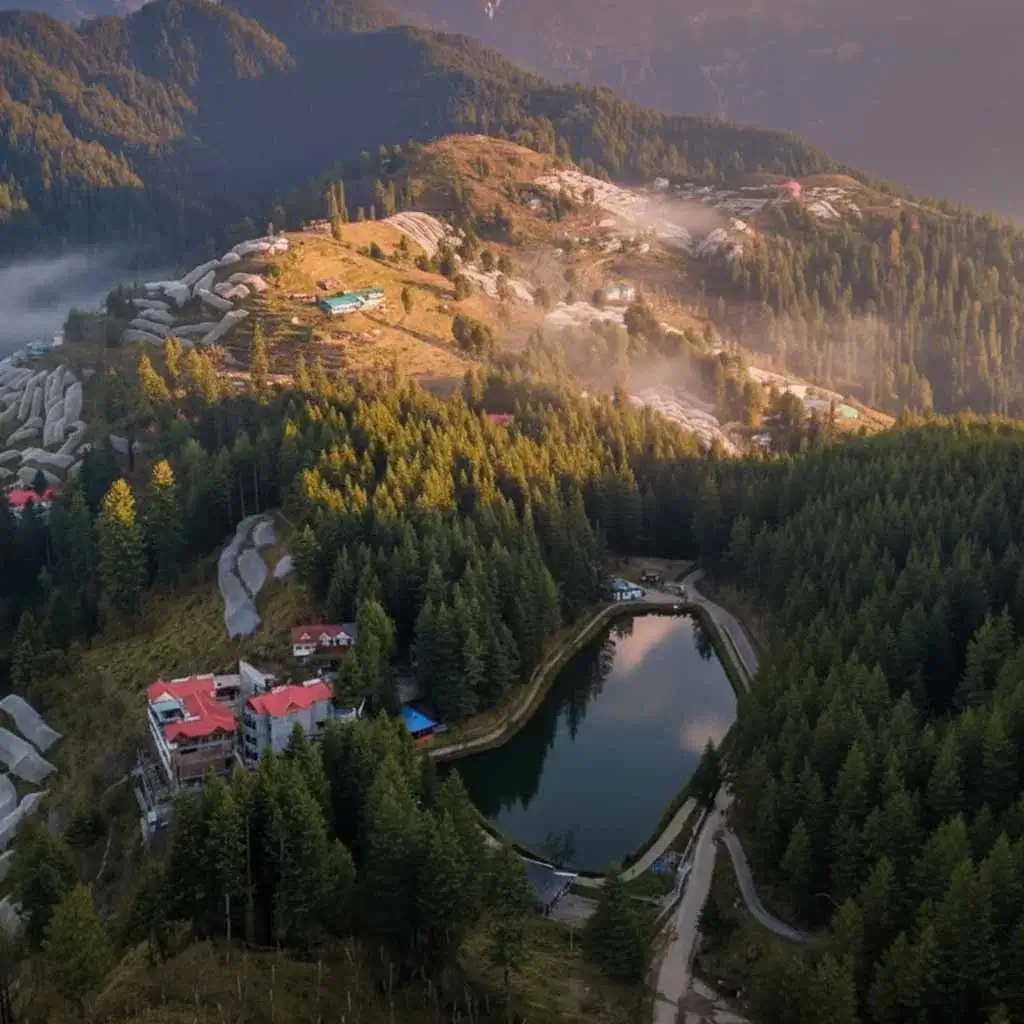
Choose a day trip when you have one spare day in Shimla and mainly want Hatu Peak plus one nearby attraction. Start early, use private transport and keep Kufri brief.
Stay overnight for snow travel, skiing, orchard experiences, sunrise photography, slow family holidays or an onward trip towards Kinnaur. An overnight plan also lets elderly travellers and children rest instead of spending four to six hours in a vehicle on the same day.
What we tell our travellers
Choose the day trip for coverage and the overnight stay for experience. Narkanda feels better when you have time to adjust to the weather instead of checking the clock at every stop.
👉 Planning a Narkanda trip from Shimla? WhatsApp us for the right itinerary and stay plan.
What Practical Tips Should You Know?
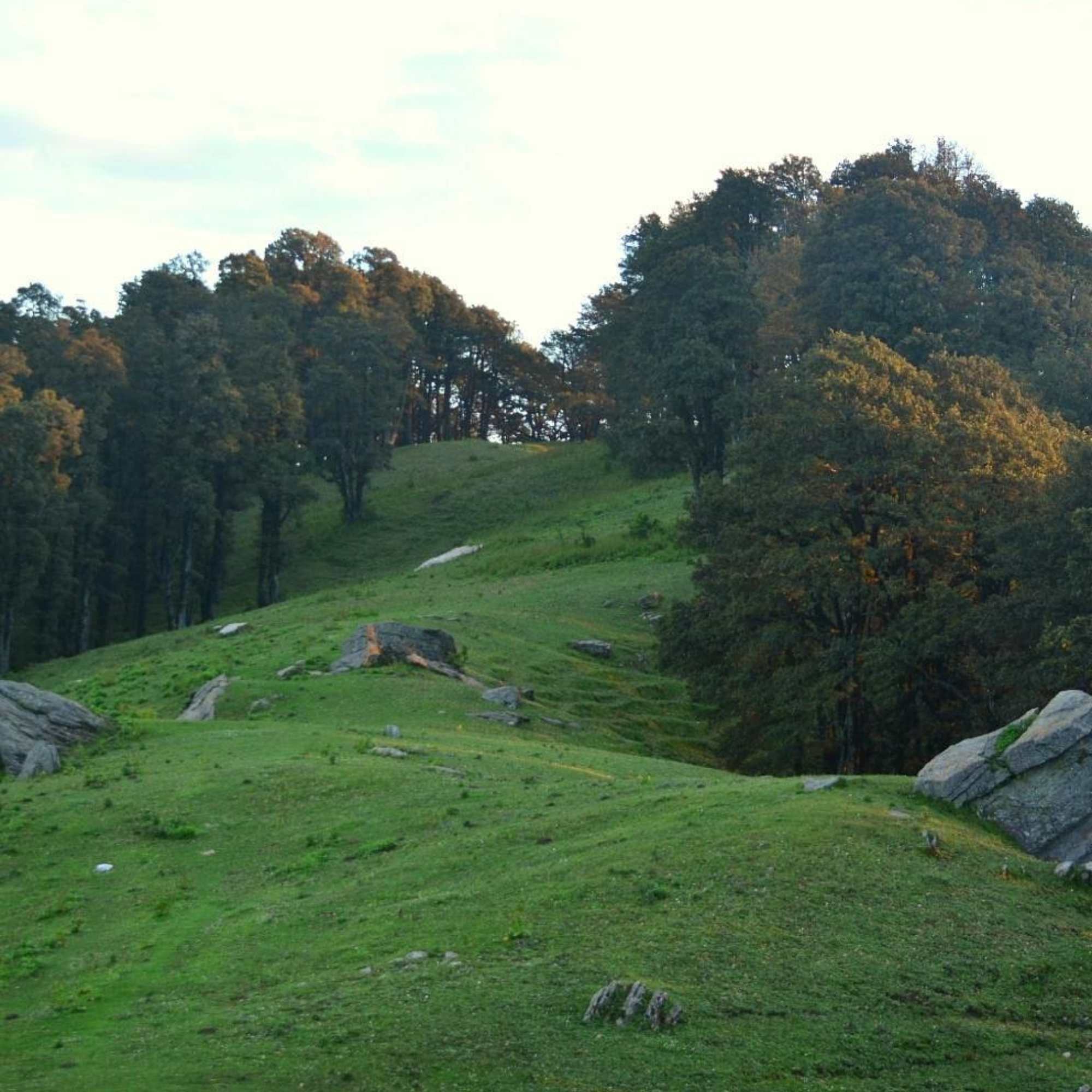
Local reports list ATMs, a petrol pump and major mobile networks in Narkanda. Carry some cash because small dhabas, roadside vendors and local drivers may not always accept cards or may face network problems.
Carry personal medicines, warm layers and a rainproof outer layer based on the season. Hatu Peak sits much higher than Narkanda town, so wind and temperature can feel different during the same day.
Available reports show no routine tourist permit for visiting Narkanda itself. Shimla has separate restrictions for some sealed urban roads and parking areas. Those city rules do not act as an entry permit for Narkanda.
For taxi safety, ask the driver to separate the one way transfer, round trip waiting and Hatu Peak charge.
Current indicative figures are around ₹2,000 to ₹2,300 one way, about ₹4,114 for a round trip, and roughly ₹800 to ₹1,000 for a local Hatu Peak return taxi.
Final prices can vary with date, vehicle type, demand and local conditions, so confirm the complete fare before starting the journey.
Where Can You Travel After Narkanda?
Narkanda sits on the onward road towards Rampur and Kinnaur. It can work as the first overnight stop in a longer Kinnaur or Spiti route.
Do not assume Narkanda's no permit guidance applies to protected border locations farther ahead. Rules can change by destination, nationality and route.
See our Kinnaur tour packages for orchard valleys and onward planning. Travellers building a longer circuit can also review Spiti Valley tour packages.
Explore Our Curated Shimla Tour Packages
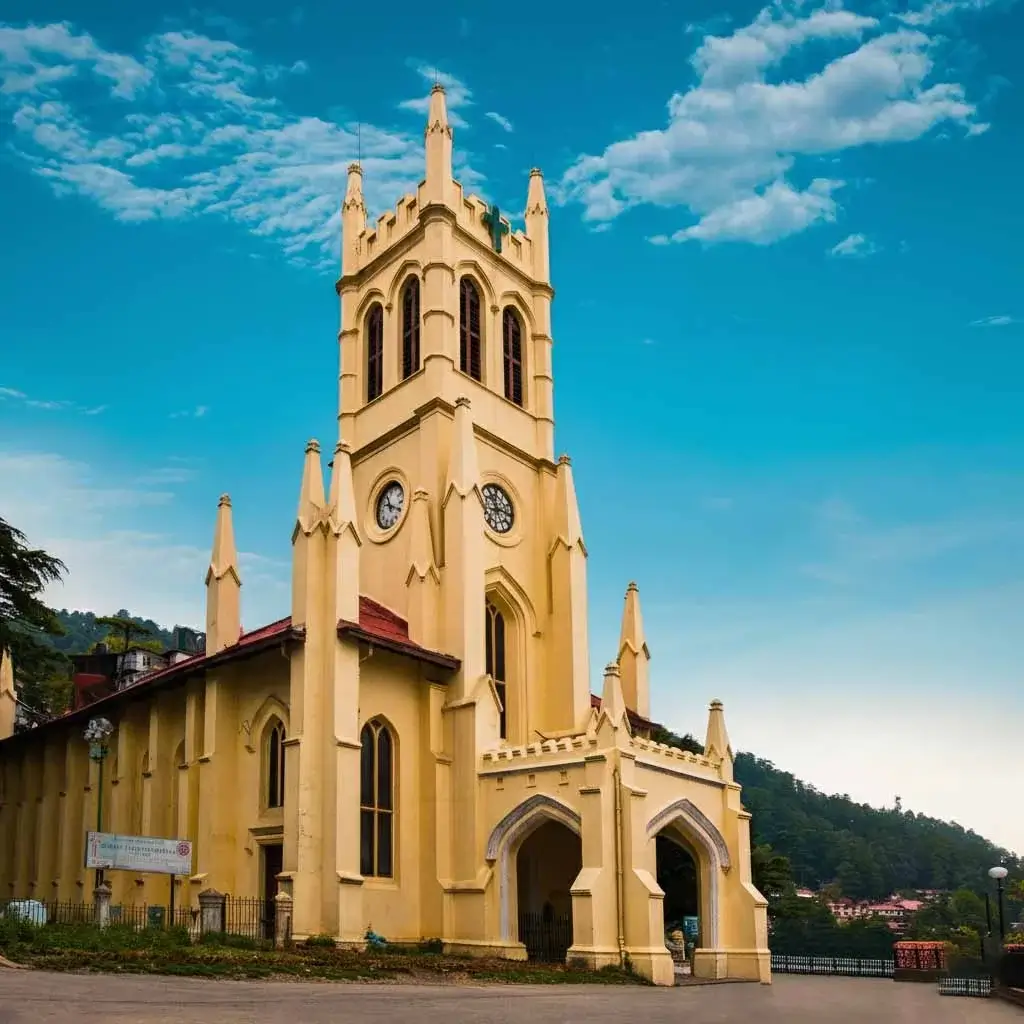 6D/5N
6D/5NClassic Shimla Kufri Mashobra Narkanda Experience
1D Delhi•3D Shimla+2
₹12,999₹18,999SAVE ₹6,000/ person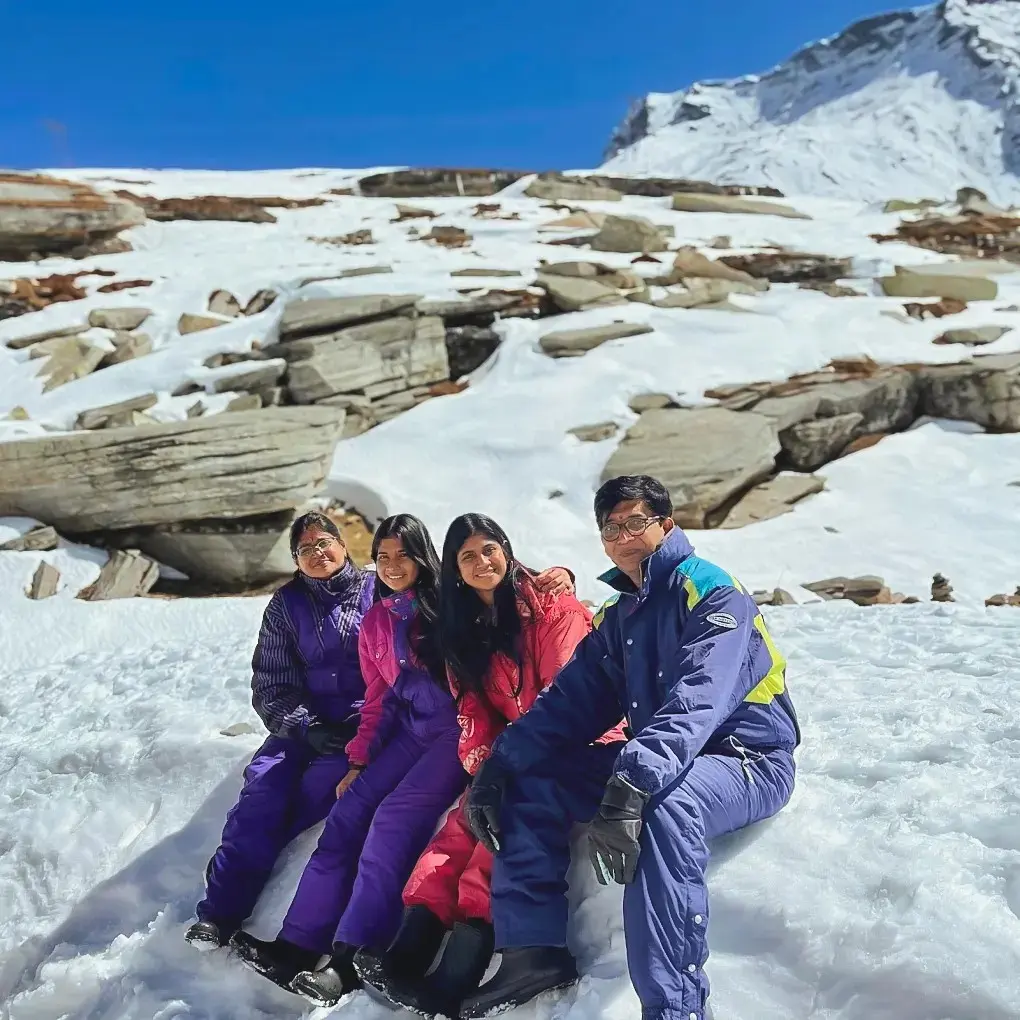 7D/6N
7D/6NComplete Shimla Manali Volvo Package with Rohtang Pass
2D Shimla•2D Manali
₹15,999₹19,499SAVE ₹3,500/ person- 7D/6N
Classic Shimla Kufri Chail Narkanda Pine Valley Experience
1D Delhi•2D Shimla+3
₹17,600₹23,999SAVE ₹6,399/ person
Related topics
Frequently Asked Questions
How Far Is Narkanda from Shimla?
Narkanda is about 60 km from Shimla according to the district government. Other route sources show roughly 61 to 65 km because the starting point may be central Shimla, Sanjauli, Dhalli or ISBT Tutikandi.
How Long Does the Shimla to Narkanda Drive Take?
Use two to three hours as a normal private vehicle estimate. Kufri traffic, Theog market movement, rain, snow, potholes or repair work can make the same route take longer.
Is There a Direct Bus from Shimla to Narkanda?
Yes, buses travelling towards Narkanda, Rampur, Reckong Peo and parts of Kinnaur use this corridor. Check the official HRTC portal for your travel date because published schedules conflict.
Which Shimla Bus Stand Should I Use?
ISBT Tutikandi is the main formal departure point for buses towards Narkanda and Rampur. Some services may also pick up passengers at Dhalli, but stopping patterns and seat availability can vary, so confirm locally before relying on this option.
What Is the Shimla to Narkanda Bus Fare?
Use about ₹150 to ₹200 each way as an indicative HRTC fare. Fares and schedules can change, so check the official HRTC booking portal or enquiry counter before travelling.
How Much Does a Taxi from Shimla to Narkanda Cost?
Current online one way listings show about ₹2,000 to ₹2,300, while a round trip listing showed around ₹4,114. Treat these as indicative rates because waiting, parking, sightseeing, Hatu Peak and travel date can affect the final fare.
Can I Visit Narkanda and Return to Shimla on the Same Day?
Yes, a same day trip works with an early start and private transport. Keep the plan to Hatu Peak and one nearby stop, and begin the return before dark.
Is the Road Safe for a Sedan?
A sedan generally manages NH5 in dry weather. Fresh snow, black ice, fog, heavy rain and road damage can change conditions, so check the live status before leaving.
Can I Drive My Own Car to Hatu Peak?
You may drive when the road remains open and your vehicle and skills suit the conditions. The district website suggests a four wheel drive vehicle or a small family car, but snow and ice can still make access unsafe.
Does Narkanda Receive More Snow Than Shimla?
Narkanda sits at about 2,708 metres and supports winter skiing when snowfall allows. The supplied facts do not prove a fixed snowfall comparison for every season, so check current snow and road conditions before booking.
Is Narkanda Suitable for Elderly Travellers and Children?
Yes, with a relaxed plan, warm clothing and suitable transport. We usually suggest an overnight stay for families who want Hatu Peak without a rushed return or too many hours in the vehicle.
Do I Need a Permit to Visit Narkanda?
Available reports show no routine tourist permit for Narkanda itself. Shimla sealed road and parking restrictions are separate city rules. Protected border areas farther into Kinnaur or Spiti may follow different requirements.
More about Shimla
 Shimla
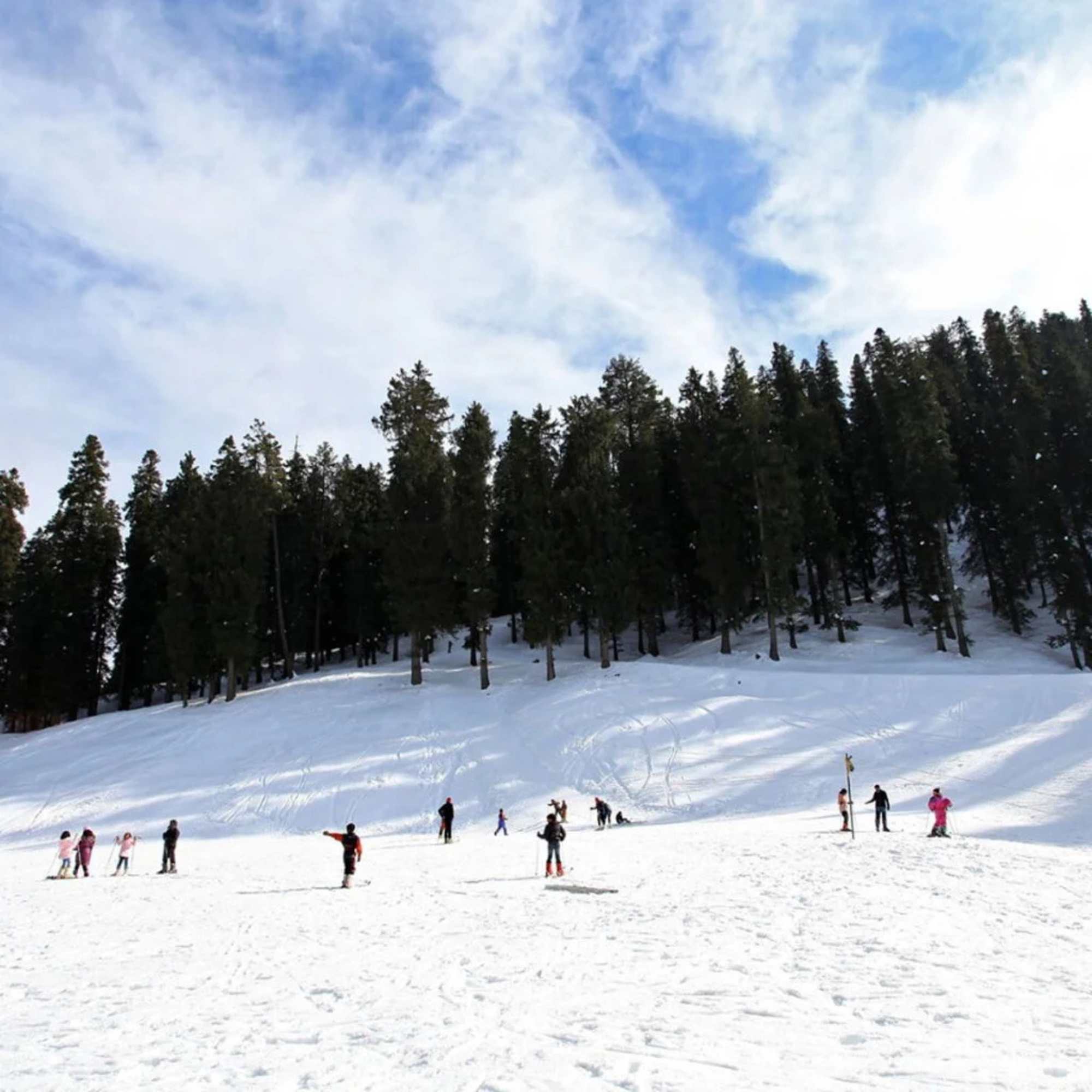
Shimla Snow Trip 2026: Best Time, Itinerary, Cost and Local Tips
Plan your Shimla Snow Trip 2026 with this complete guide to the best time for snowfall, estimated trip cost, winter itinerary, top snow spots, Kufri visit, and useful travel tips.
- Snow Travel
- Best Time to Visit
 Shimla
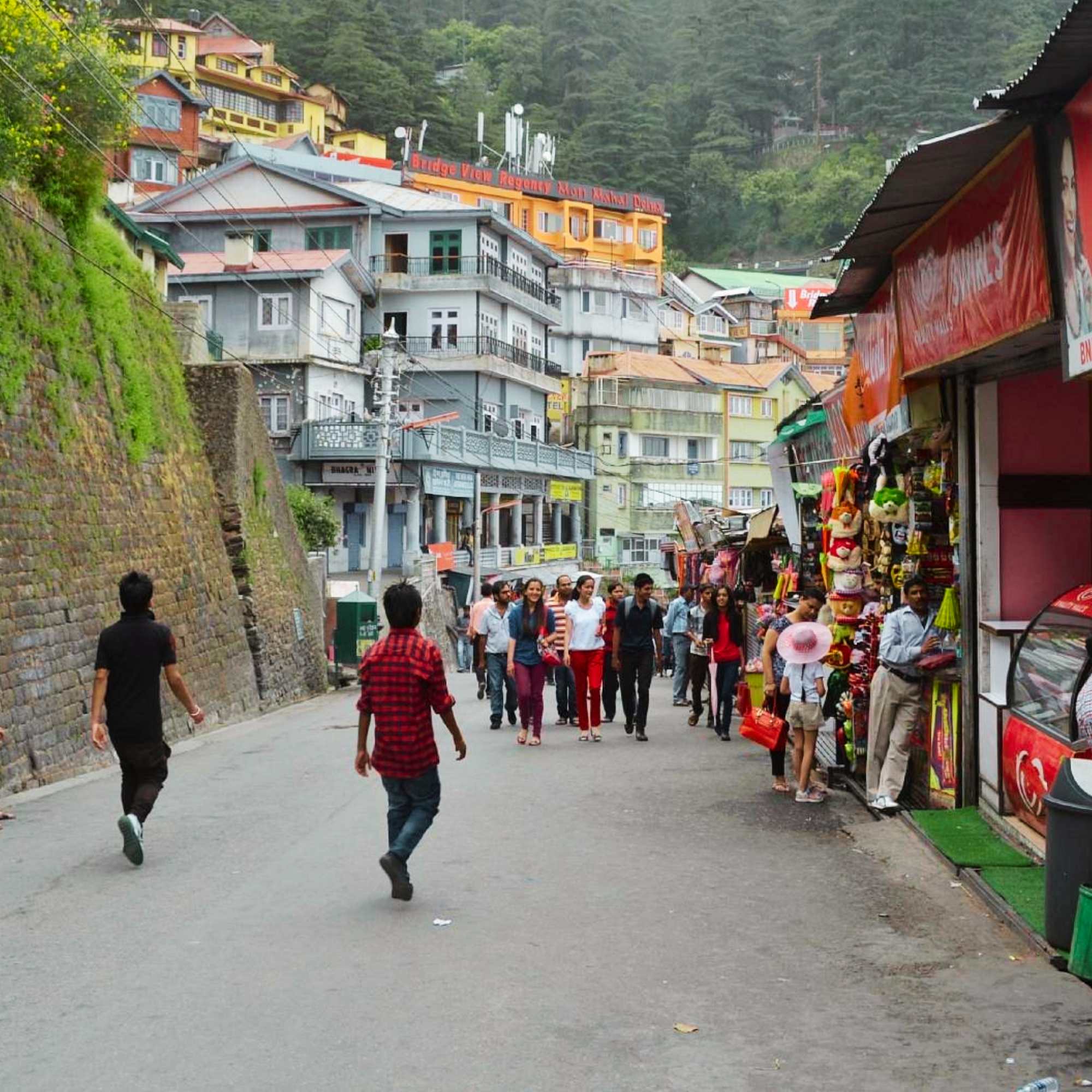
Shimla in February 2027: Weather, Snowfall, Itinerary and Travel Tips
Planning a trip to Shimla in February 2027? Discover typical February temperatures, chances of snowfall, what the weather is usually like, the best places to enjoy snow, what to pack, and practical tips for planning a memorable winter trip to Shimla.
- Best Time to Visit
- Snow Travel
 Shimla
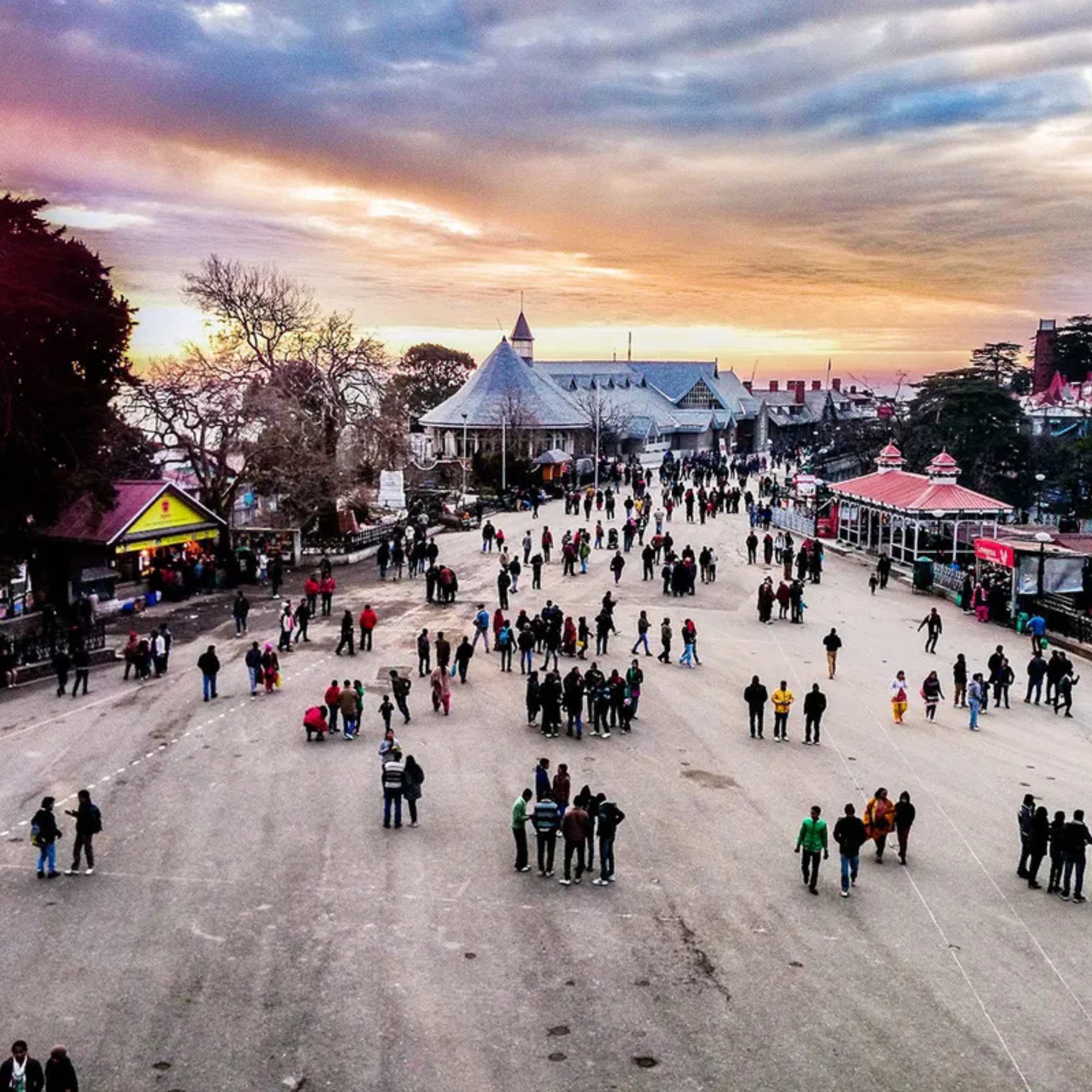
Snow Point Near Shimla in 2026: Kufri, Fagu, Narkanda and the Best Places to Find Snow
Discover the best snow points near Shimla in 2026, including Kufri, Fagu and Narkanda. Find out where to see snow, the best time to visit, and the top winter destinations near Shimla.
- Snow Travel
- Places to Visit